Corporate Tie Suppliers and Manufacturers in China
Compare 24 verified Corporate Tie suppliers by location, response time, lead time, and certifications. Review product details like material and customization options, then request quotes to proceed with sourcing; review the available evidence before requesting comparable quotations from suitable candidates.
Updated
Suppliers List

Shanghai J&D International Co., Ltd.
- Trading Company
- China Shanghai
- Lead time23 days
- Avg. response≤ 20h
Main productsShirts, Necktie, Ties, Scarves, Waistcoat, Cufflink, Neckwear, Accessories
Main marketsSoutheast Asia/ Mideast,Domestic,Europe,Australia,North America
Shengzhou Lichen Garment & Accessories Co., Ltd.
- Verified by SGS Group
- Manufacturer, Trading Company
- Lead time25 days
- Avg. response≤ 3h
Main productsNecktie, Waistcoat, Bowtie, Scarf, Suspender
Main marketsNorth America(60%), Eastern Asia(20%), Eastern Europe(5%)
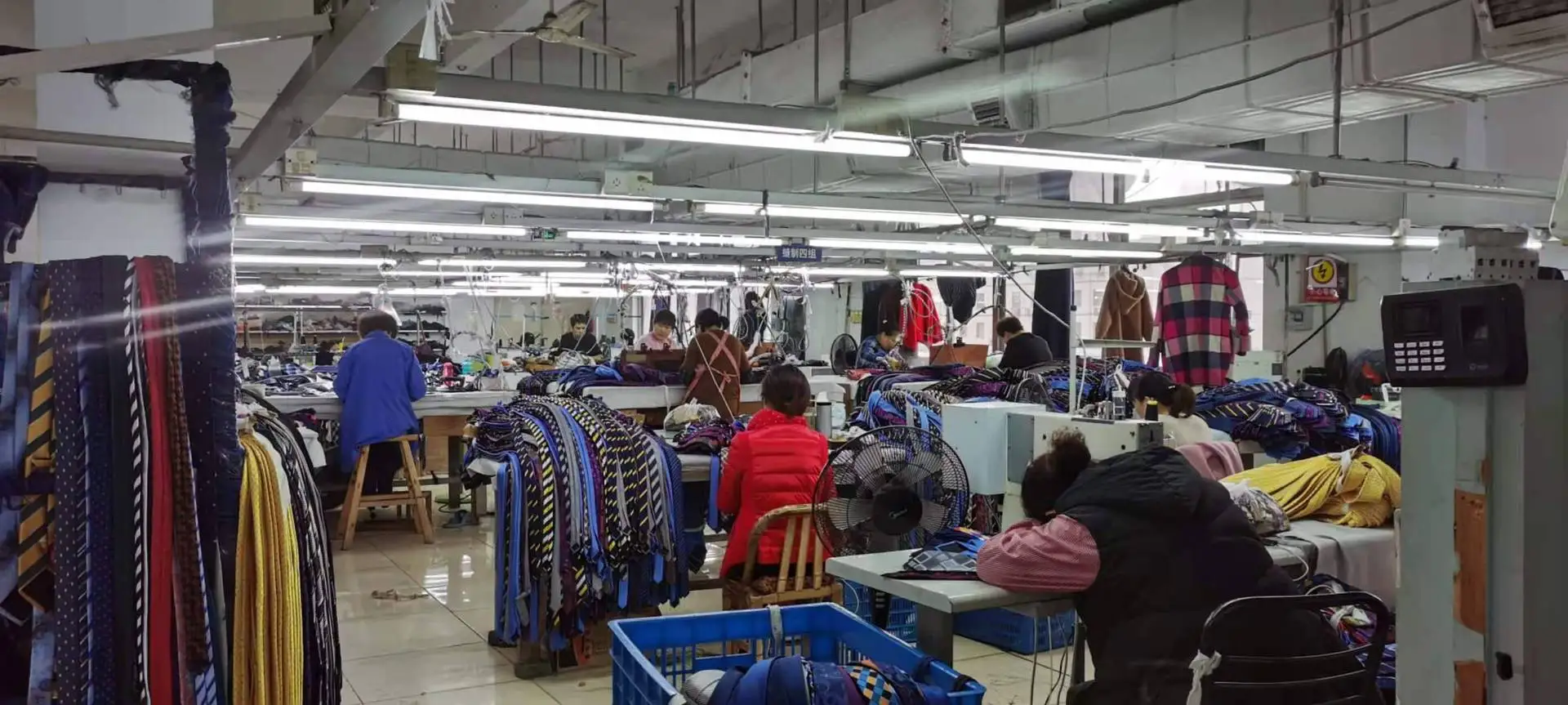
Shengzhou Deyao E Commerce Co., Ltd.
- Trading Company
- Zhejiang, China
- Lead time0 days
- Avg. response≤ 6h
Main productsTIE,BOW TIE,CUFFLINK,POCKET SQUARE,TIE PIN
Main marketsNorth America(70.00%), Southern Europe(5.00%), Northern Europe(5.00%), Central America(5.00%), Western Europe(5.00%), Eastern Europe(5.00%), South America(5.00%)

Qingdao Steven Tailoring I&T Co., Ltd
- Verified by SGS
- Manufacturer/Factory
- China Shandong
- Lead time15 days
- Avg. response≤ 4h
Main productsSuit, Tailor Made Suit, Mtm Suit, Custom Suit, Rtw Suit, OEM Suit, Shirt, Made to Measure Suits, Mtm Shirt, Bespoke Suits
Main marketsSouth America,Eastern Europe,Mid East,North America,Southeast Asia,Eastern Asia,Oceania,Western Europe,Africa


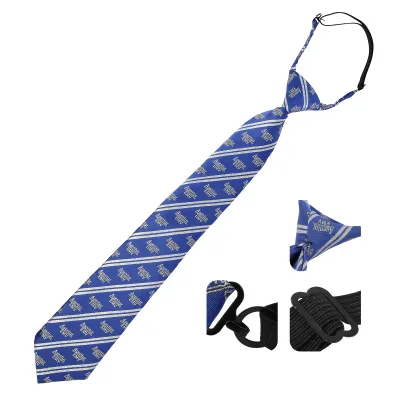
Tailor Made Classic Striped Business Tie Offering Professional and Stylish Appeal Tie
$25.00 - $35.00
MOQ: 1 Pcs

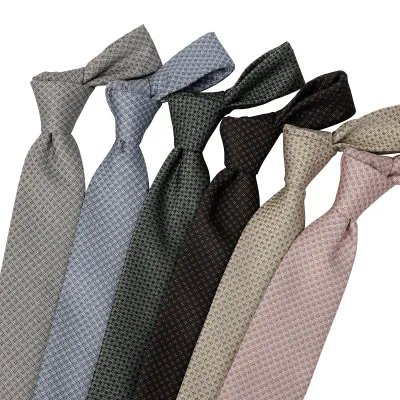
Durable Cotton Blend Work and Office Tie Offering Comfort and Classic Style Tie
$20.00 - $30.00
MOQ: 1 Pcs

Custom Made Premium Cotton Offering a Comfortable and Stylish Formal Business Tie
$20.00 - $35.00
MOQ: 1 Pcs

Guangzhou Shengli Clothing Co., Ltd.
- Verified by CTI
- Combined
- China Guangdong
- Lead time60 days
- Avg. response≤ 2h
Main productsSuit, Men Formal Suit, Medical Uniform, School Uniform, T-Shirt, Polo, Sports Apparel, Work Uniforms, Uniform, Hotel Uniform
Main marketsDomestic


Custom Fashion Men Silk Tie Yellow White Floral Woven Jacquard Office Business Wedding Tie
$2.00 - $18.00
MOQ: 100 Pieces

Custom Logo Design Woven Men Silk Tie Business Luxury Brand Black Suede Tie
$2.00 - $18.00
MOQ: 100 Pieces

Premium Quality 150X9cm Solid Color Woven Men Necktie Formal Business Suit Accessory Black Tie
$2.00 - $18.00
MOQ: 100 Pieces
Jiaxing Jasen Imp & Exp Co., Ltd.
- Verified by SGS Group
- Trading Company
- Lead time30 days
- Avg. response≤ 2h
Main productsNecktie, Bow Tie, Scarf, Silk Scarf, Hats
Main marketsSouthern Europe(30%), North America(10%), Eastern Europe(10%)
Shengzhou Hualu Trading Co., Ltd.
- Verified by Intertek
- Trading Company
- Lead time30 days
- Avg. response≤ 3h
Main productsSilk Tie, Polyester Tie, Bow Tie, Scarves, Pocket Square
Main marketsWestern Europe(77%), Southeast Asia(9%), North America(7%)
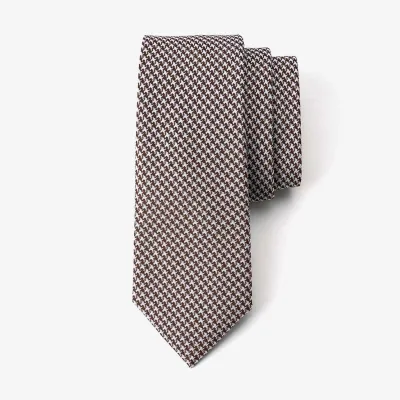
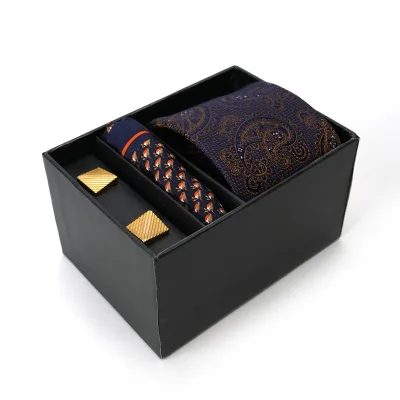
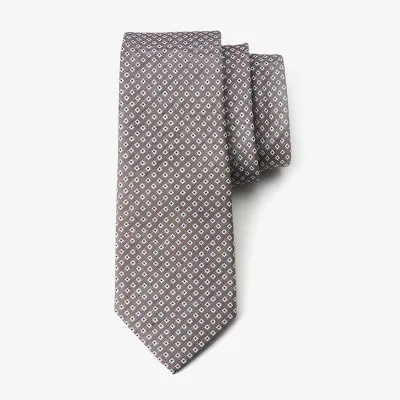
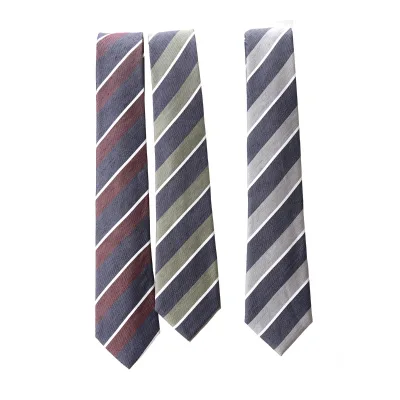
Executive Office Accessory 8x148cm Silk-Linen Tie Custom Patterns ODM New Design Support
$6.1249 - $7.1487
MOQ: 50 pieces
Shengzhou Haoshuai Necktie&Garment Co., Ltd.
- Verified by TüVRheinland
- Manufacturer, Trading Company
- Lead time20 days
- Avg. response≤ 6h
Main productsTie, Suspender, Scarf, Textile Products, Cravats
Main marketsEastern Asia(21%), Domestic Market(20%), South Asia(18%)
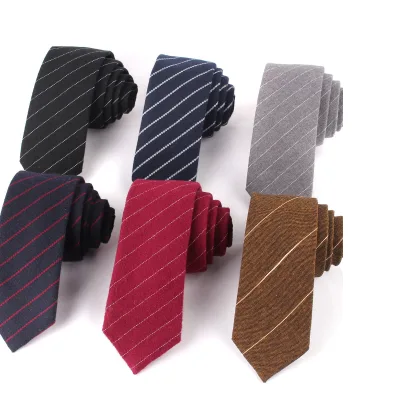
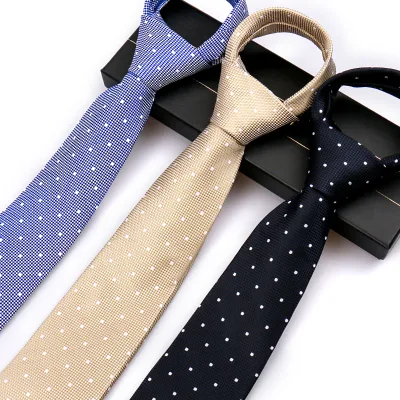
Classic Polk Dot Silk Tie 8cm Width Business Neck Ties for Men Custom Personalized Necktie
$1.20 - $1.50
MOQ: 1 pieces
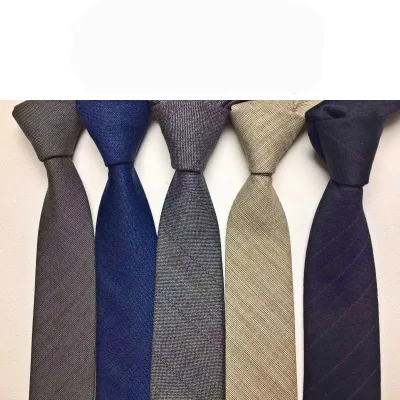
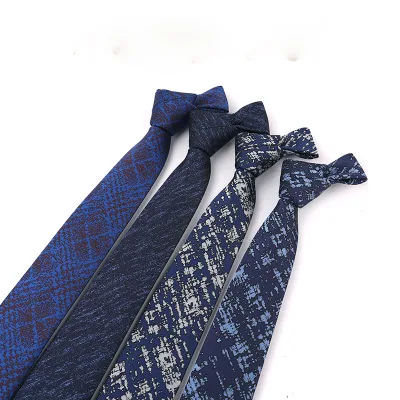
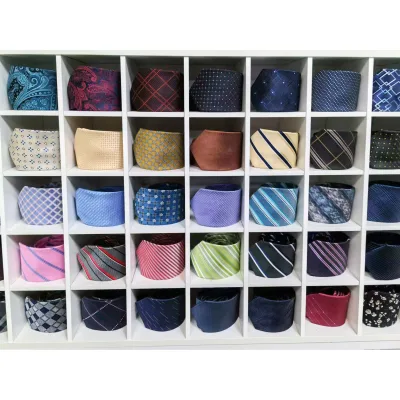
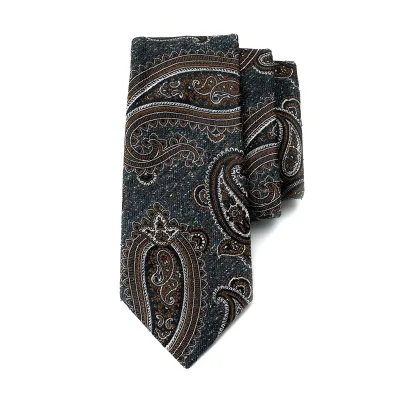
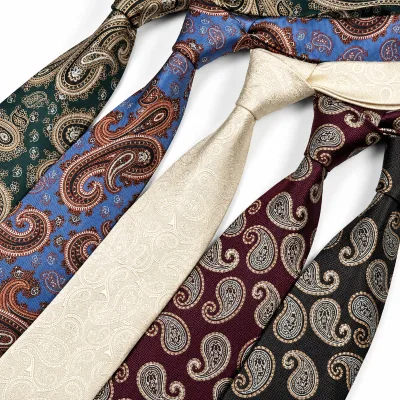
Popular Paisley Men's Luxury Ties Custom Microfiber Neck Tie for Men Business Wedding
$1.541 - $1.8483
MOQ: 1 pieces
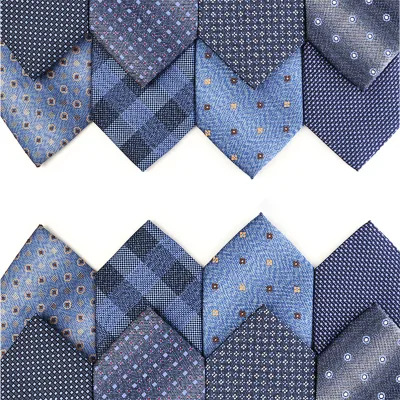
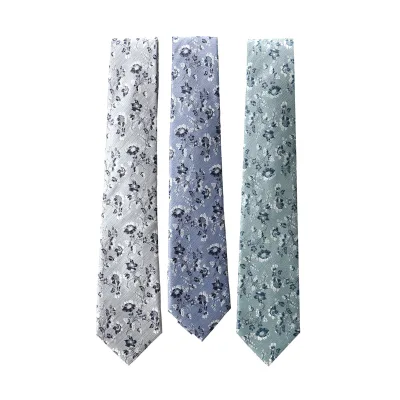
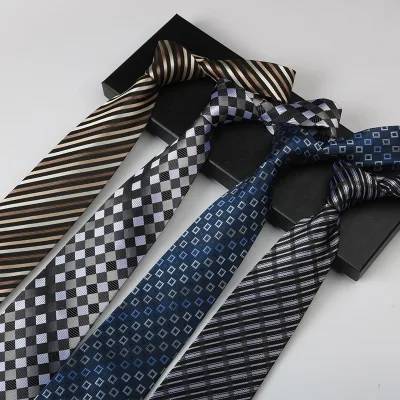
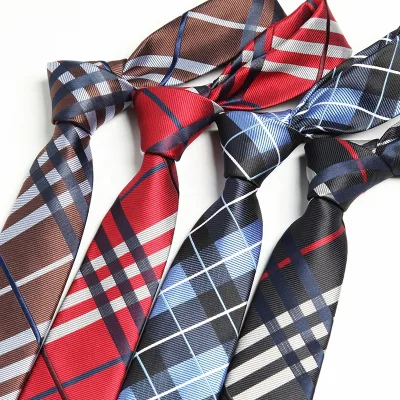
Wholesale Polyester Tie 7.5 cm Floral Necktie High Fashion Plaid Ties for Men Business Wedding
$1.7463 - $2.1571
MOQ: 1 pieces
Shaoxing Aiyou Import And Export Co., Ltd.
- Trading Company
- Zhejiang, China
- Lead time3 days
- Avg. response≤ 2h
Main productsnecktie,Men's shirt,Earrings,suspender,Brooch
Main marketsCentral America(25.00%), North America(25.00%), Southern Europe(10.00%), Northern Europe(10.00%), South America(10.00%), Western Europe(10.00%), Eastern Europe(10.00%)
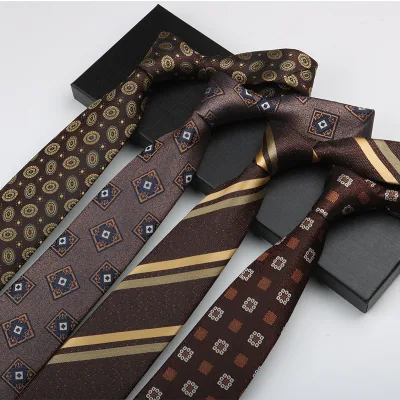
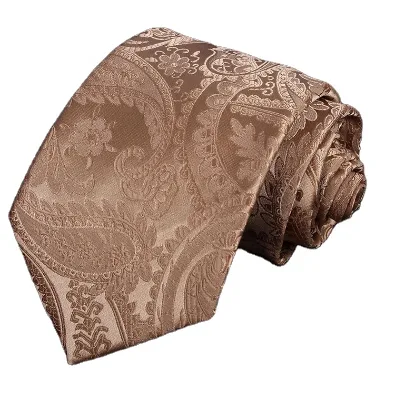
Business tie for men vintage coffee-colored high-end patterned 8cm tie
$2.0521 - $3.0879
MOQ: 2 pieces

Nuolang (Guangdong) Garment Industry Co., Ltd.
- Verified by BV
- Combined
- China Guangdong
- Lead time15 days
- Avg. response≤ 2h
Main productsT-Shirt, Polo Shirt, Shirt, Coverall, Suit, Uniform, Sportswear, Casual Wear
Main marketsSoutheast Asia/ Mideast
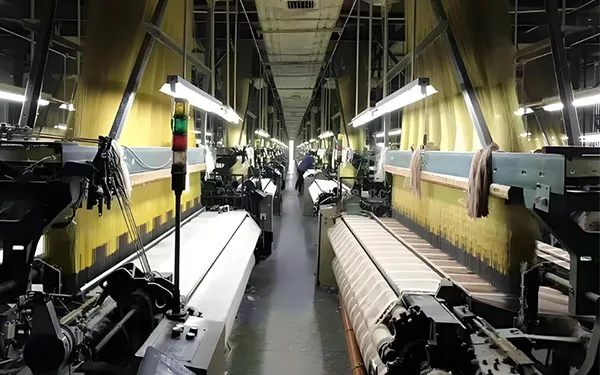
Shaoxing Dmis Clothing Co., Ltd.
- Trading Company
- Zhejiang, China
- Lead time10 days
- Avg. response≤ 4h
Main productsJacquard fabrics,Printed scarfs&shawls,winter scarfs,necktie,bow tie
Main marketsEastern Europe(20.00%), Central America(20.00%), Western Europe(15.00%), South America(10.00%), Southern Europe(10.00%), North America(10.00%), Mid East(5.00%), Northern Europe(5.00%), Africa(5.00%)
Shengzhou Eagle Necktie And Clothing Co., Ltd.
- Manufacturer, Trading Company
- Zhejiang, China
- Lead time20 days
- Avg. response≤ 3h
Main productsTie,Bow Tie,Scarf,Jacquard Fabric
Main marketsNorth America(35.00%), Western Europe(30.00%), Domestic Market(10.00%), Southeast Asia(10.00%), South America(5.00%), Mid East(5.00%), Eastern Asia(3.00%), Oceania(2.00%)
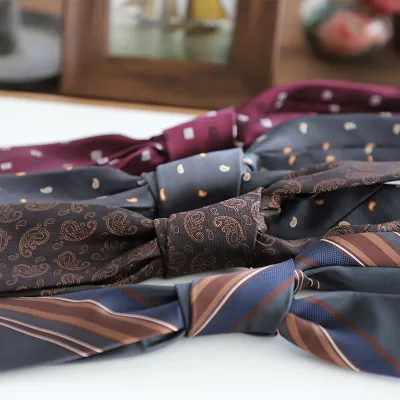
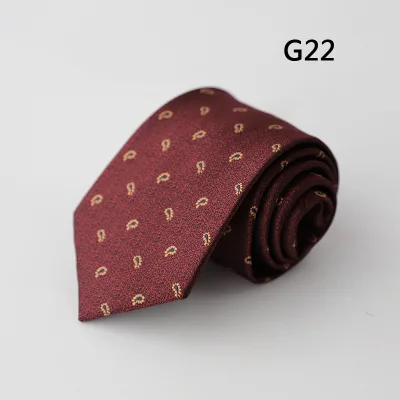
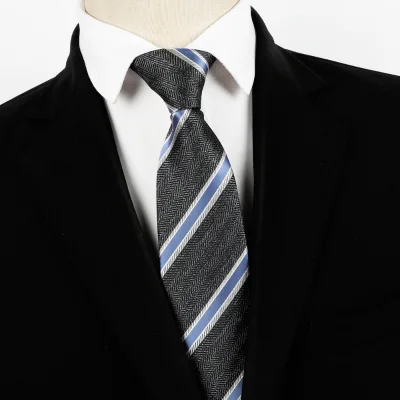
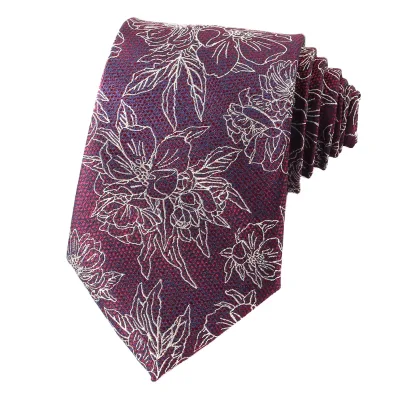
New Arrival Men Red Blue Wedding Necktie 8cm Business Polyester Ties for Men
$1.80 - $2.80
MOQ: 2 pieces
China Factory Men 8cm Polyester Woven Long Neck Ties for Men Daily Business
$1.58 - $2.20
MOQ: 2 pieces
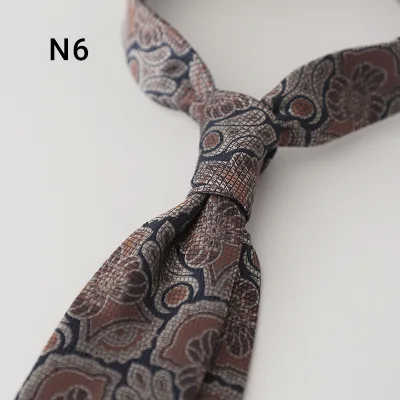
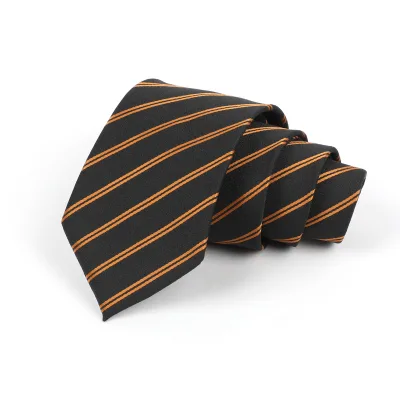
2024 New Arrival Vintage Pattern 8cm Neck Tie
$1.80 - $2.80

Shengzhou Dingling Tie & Garment Co., Ltd.
- Trading Company
- Zhejiang, China
- Lead time25 days
- Avg. response≤ 6h
Main productsneck tie,scarf,bow tie,fabric,pocket square
Main marketsCentral America(20.00%), Western Europe(15.00%), North America(13.00%), Eastern Europe(10.00%), Eastern Asia(8.00%), South Asia(7.00%), South America(5.00%), Mid East(5.00%), Northern Europe(5.00%), Southern Europe(5.00%), Domestic Market(3.00%), Southeast Asia(2.00%), Oceania(1.20%), Africa(0.80%)
Zhangzhou Lihan Electronic Commerce Co., Ltd.
- Verified by TüVRheinland
- Trading Company
- Lead time7 days
- Avg. response≤ 4h
Main productsGarment Accessories, Fashion Accessories, Candle Accessories, Artificial Thatches
Main marketsNorth America(25%), South America(25%), Southeast Asia(15%)

Shaoxing Dmis Clothing Co., Ltd.
- Verified by CTI
- Trading Company
- China Zhejiang
- Lead time23 days
- Avg. response≤ 4h
Main productsPrinting Scarf, Flanner Scarf, Shawl/Wraps, Jacquard Fabric, Acetate Fabric
Main marketsSouth America,Southeast Asia/ Mideast,Domestic,Europe,North America

Men's High-End Tie Best-Selling Tie for Business Formal Wear Wholesale Printed Tie Men's Tie
$1.90 - $2.50
MOQ: 10 pieces


Shaoxing Yuki International Trade Co., Ltd
- Verified by CTI
- Trading Company
- China Zhejiang
- Lead time30 days
- Avg. response≤ 11h
Main marketsSoutheast Asia/ Mideast
Hefei Easy Way Imp & Exp Co., Ltd.
- Verified by Intertek
- Trading Company
- Lead time30 days
- Avg. response≤ 3h
Main productsTies, Belt, Scarf, Silk Scarf, Hats
Main marketsSouthern Europe(55%), Eastern Asia(10%), Central America(10%)

Shengzhou Haibei Clothing & Accessories Co., Ltd.
- Trading Company
- Zhejiang, China
- Lead time0 days
- Avg. response≤ 1h
Main productsScarf,necktie,gift box,bowite,pocket square
Main marketsNorth America(30.00%), Domestic Market(15.00%), Northern Europe(15.00%), Western Europe(15.00%)
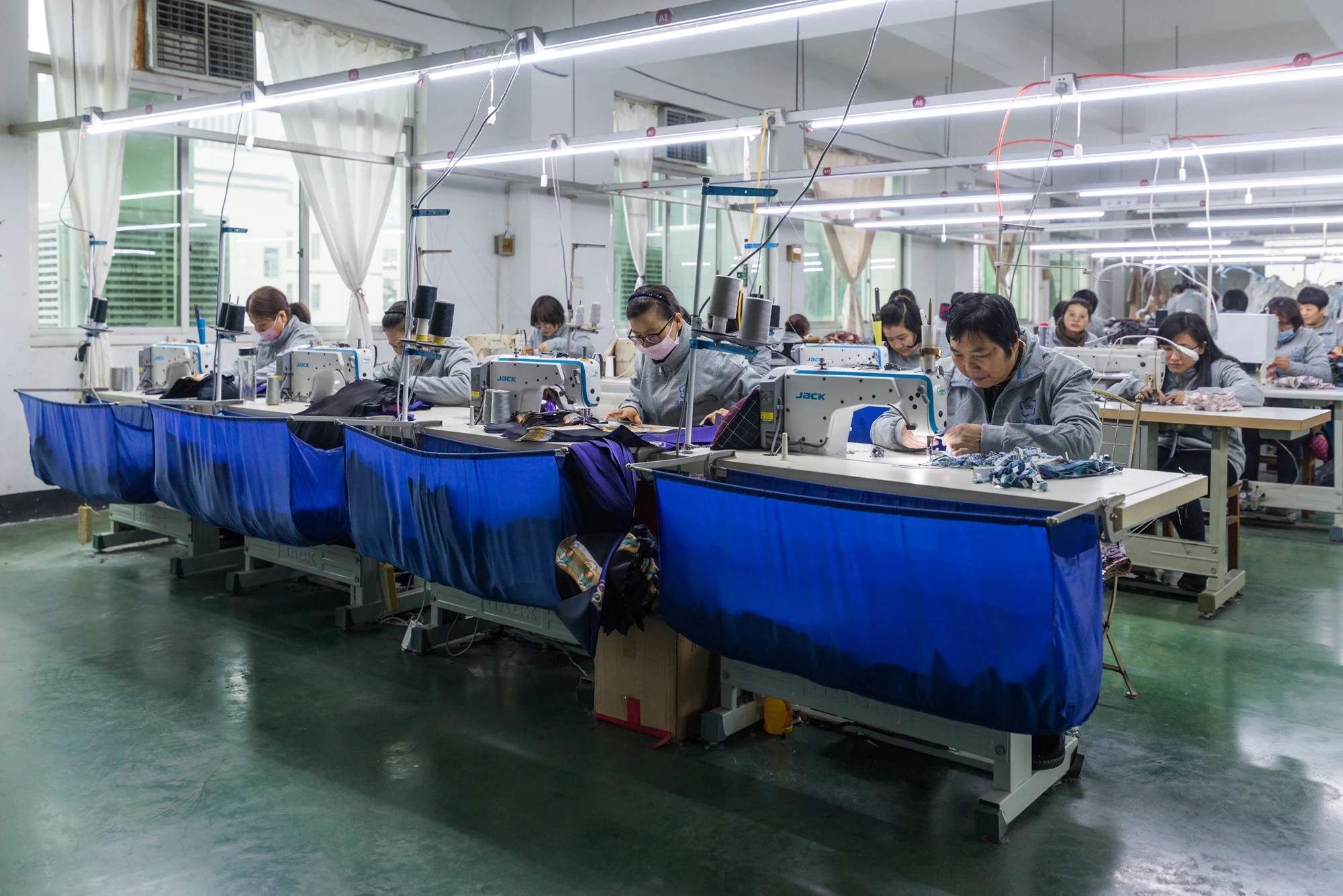
Shengzhou Handsome Textiles Co., Ltd.
- Manufacturer, Trading Company
- Zhejiang, China
- Lead time21 days
- Avg. response≤ 6h
Main productsMENS TIE,NECKTIE,BOW TIE,POCKET,SILK TIE
Main marketsNorth America(50.00%), Western Europe(20.00%), Domestic Market(10.00%), Eastern Europe(5.00%), South America(5.00%), Southern Europe(5.00%), Northern Europe(5.00%)

Hangzhou Zhigeng Silk Co., Ltd.
- Verified by BV
- Trading Company,Manufacturer/Factory
- China Zhejiang
- Lead time45 days
- Avg. response≤ 12h
Main productsSilk Scarf, Silk Tie, Wool Scarf, Silk Sleepmask, Silk Pillowcase, Silk Scrunchies, Silk Sleepwear, Cotton Linen Tote Bag
Main marketsSouth America,Eastern Europe,North America,Western Europe
BESTRADERS INTERNATIONAL LIMITED
- Trading Company
- Hong Kong S.A.R.
- Lead time0 days
- Avg. response≤ 7h
Main productsCufflinks,ties,belts,shirts,scarf,suspenders,bow ties,socks,silk knots,handkerchiefs,Wallets,Wallets
Main marketsNorth America(20.00%), Eastern Europe(20.00%), Southeast Asia(20.00%), Oceania(20.00%), Western Europe(20.00%)

Xuchang Lele Trading Co., Ltd.
- Trading Company
- Henan, China
- Lead time5 days
- Avg. response≤ 5h
Main productstie,silk tie,necktie,neck tie,bow tie
Main marketsNorth America(65.00%), Southern Europe(10.00%), Oceania(7.00%), Eastern Europe(5.00%), Western Europe(4.00%), Domestic Market(1.00%), South Asia(1.00%), South America(1.00%), Northern Europe(1.00%), Central America(1.00%), Africa(1.00%), Eastern Asia(1.00%), Mid East(1.00%), Southeast Asia(1.00%)

- Verified by BV
- Manufacturer/Factory
- China Fujian
- Lead time15 days
- Avg. response≤ 25h
Main productsWater Bottle, Kitchen Ware, Shoes, Plastic Product, Bag, Toy
Main marketsSouth America,Eastern Europe,Mid East,North America,Southeast Asia,Eastern Asia,Oceania,Western Europe,Africa
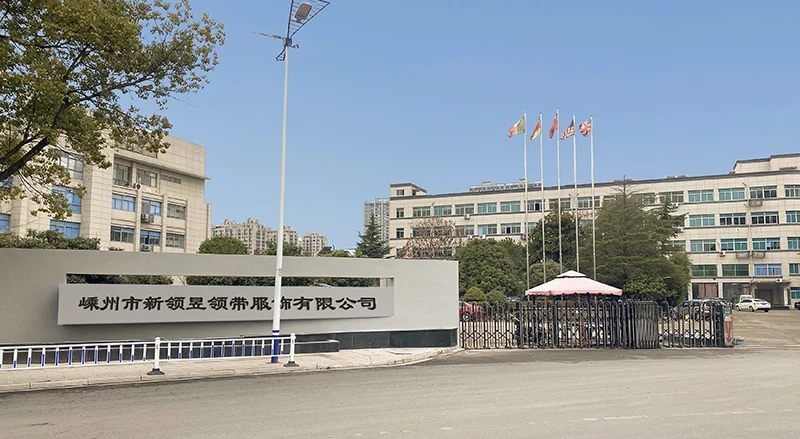
SHENGZHOU XINLINGYU TIE & GARMENT CO., LTD.
- Manufacturer, Trading Company
- Zhejiang, China
- Lead time20 days
- Avg. response≤ 4h
Main productsnecktie,scarf,bowtie,fabric,scrunchies
Main marketsWestern Europe(28.00%), Oceania(13.00%), North America(12.00%), Eastern Europe(10.00%), Eastern Asia(10.00%), Southern Europe(7.00%), Northern Europe(6.00%), Africa(5.00%), Southeast Asia(2.00%), South America(2.00%), South Asia(2.00%), Domestic Market(2.00%), Mid East(1.00%)









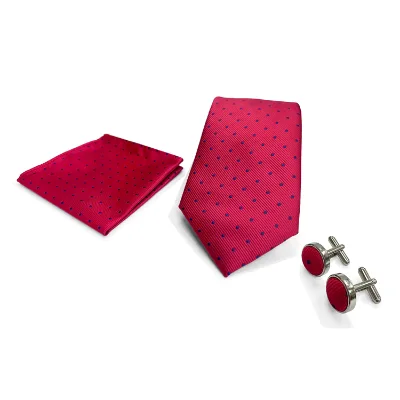
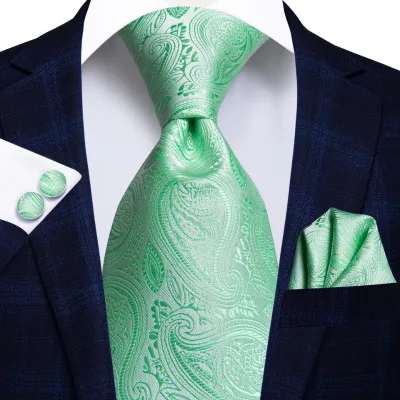
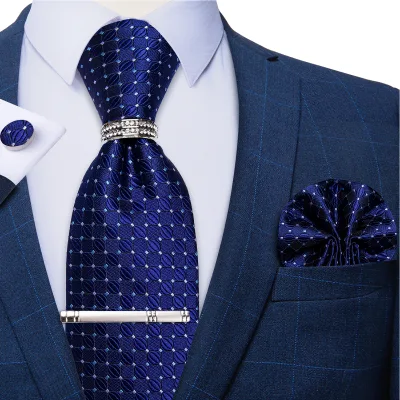
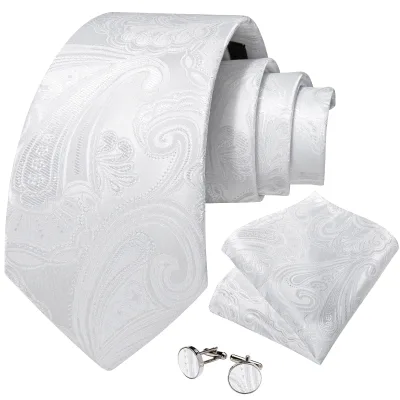


Comprehensive Sourcing Guide
Corporate Tie Supplier Concentration and Factory Types
The sourcing landscape for corporate ties reveals a distinct mix of manufacturing capabilities and trading structures, primarily concentrated in specific industrial hubs within China. Current data indicates that suppliers are located in regions such as Shanghai and Zhejiang, which serve as key nodes for textile production and export logistics. These locations are not arbitrary; they represent established clusters where the supply chain for neckwear, including shirts, scarves, and waistcoats, is highly developed. Buyers evaluating potential partners should recognize that the presence of a supplier in these areas often correlates with access to raw materials like silk and polyester, as well as specialized weaving and printing facilities. The concentration of companies in these provinces suggests a mature ecosystem where economies of scale can be leveraged for bulk orders, yet it also requires careful due diligence to distinguish between genuine factories and intermediaries.
Company types vary significantly across the available results, with many entities identifying as both manufacturers and trading companies. This dual classification can offer flexibility, allowing buyers to access custom design services alongside direct production capabilities. Some suppliers specialize in specific product lines, such as corporate ties, neckties, and accessories, while others offer a broader range of apparel items. The presence of trading companies does not necessarily indicate a lack of quality; rather, it may reflect a business model focused on aggregation and quality control across multiple smaller workshops. However, buyers must verify the actual production capacity and ownership of machinery to ensure that the quoted prices and lead times are realistic. Understanding whether a supplier is primarily a factory or a trading entity helps in negotiating terms, as factories may offer lower unit costs but less flexibility in small order quantities, whereas trading companies might provide better communication and service support.
How to Verify Corporate Tie Suppliers
Verification is a critical step in mitigating risk when sourcing corporate ties, as the market contains a mix of verified and unverified entities. Buyers should prioritize suppliers who have undergone third-party inspections, such as those verified by SGS Group, which provides an additional layer of confidence regarding the supplier’s operational legitimacy. The presence of verification badges is a strong indicator, but it should not be the sole criterion. It is essential to cross-reference these verifications with other data points, such as response times and historical performance metrics. Suppliers with faster response times, such as those reporting within three hours, often demonstrate a more active and engaged sales team, which can be crucial for resolving issues during the production process. Conversely, slower response times may indicate a lack of dedicated resources or a high volume of unmanaged inquiries.
Certifications and standards are another vital aspect of supplier verification, particularly for corporate clients who may have strict compliance requirements. Some suppliers hold certifications such as ISO 9001 for quality management, ISO 14001 for environmental management, and GRS for recycled materials. Additionally, specific product standards like SGS testing or BSCI for social compliance may be available, depending on the supplier’s focus. Buyers should request copies of these certificates and verify their validity through the issuing bodies. It is also important to check for specific product attributes, such as needle detection services or custom label availability, which indicate a supplier’s attention to detail and ability to meet specific corporate branding needs. By combining verification badges, response speed analysis, and certification checks, buyers can build a comprehensive profile of each potential supplier’s reliability and capability.
What to Compare Across Corporate Tie Suppliers
When evaluating multiple suppliers, buyers must compare a range of operational metrics to determine the best fit for their specific needs. Key dimensions include lead times, minimum order quantities (MOQs), and pricing structures. For instance, some suppliers may offer lead times of around 23 to 25 days, which is typical for standard production runs, while others might have different timelines based on their current capacity. MOQs can vary significantly, with some suppliers requiring as few as two sets for gift sets or small custom orders, while others may demand MOQs of 30 or 50 pieces for standard neckties. Understanding these thresholds is crucial for budgeting and inventory planning, especially for companies testing new designs or fulfilling urgent corporate events. Buyers should also compare the range of main products offered, as suppliers specializing in ties may offer better quality and variety than those with a broader, less focused inventory.
Pricing and customization options are equally important factors in the comparison process. Prices for corporate ties can range from low-cost polyester options to higher-end silk or jacquard varieties, with unit costs reflecting the material quality and production complexity. Some suppliers offer prices as low as $1.00 to $2.00 for basic polyester ties, while more intricate designs or silk materials may command prices between $4.10 and $6.00. Buyers should also assess the customization capabilities, such as the availability of custom logos, patterns, and packaging. Suppliers that offer services like graphic processing, light customization, and OEM/ODM support provide greater flexibility for branding. Additionally, comparing the response time and the clarity of product descriptions, including material composition and packing details, can help buyers gauge the professionalism and transparency of each supplier. A thorough comparison across these dimensions ensures that the selected supplier aligns with both quality expectations and budget constraints.
Common Corporate Tie Sourcing Risks
One of the primary risks in sourcing corporate ties is the discrepancy between sample quality and bulk production. Buyers often receive high-quality samples that do not reflect the final product’s material or finish, particularly when dealing with suppliers who have inconsistent quality control processes. This risk is heightened when working with trading companies that may not have direct oversight of the manufacturing floor. To mitigate this, buyers should insist on pre-production samples and conduct thorough inspections before authorizing full production runs. Another significant risk is the miscommunication of customization details, such as logo placement, color matching, and packaging specifications. Even minor errors in these areas can lead to significant delays and additional costs, especially for corporate orders where branding consistency is paramount. Clear and documented communication channels are essential to prevent such misunderstandings.
Supply chain disruptions and lead time delays are also common risks, particularly when suppliers face capacity constraints or raw material shortages. Buyers should be aware that quoted lead times are estimates and may vary based on order volume and complexity. For example, a supplier with a 25-day lead time might extend this period during peak seasons or if custom materials need to be sourced. Additionally, there is a risk of non-compliance with international standards or ethical labor practices, which can damage a company’s reputation. Buyers should verify that suppliers adhere to relevant certifications and standards, such as BSCI for social compliance or specific textile safety standards. By proactively addressing these risks through rigorous due diligence, clear contracts, and regular communication, buyers can minimize the potential for costly errors and ensure a smoother sourcing experience.
Corporate Tie Regional Sourcing and Logistics
The geographic location of suppliers plays a significant role in determining logistics costs and delivery times. Suppliers located in Shanghai and Zhejiang benefit from proximity to major ports and established logistics networks, which can facilitate faster and more cost-effective shipping. Buyers should consider the impact of these locations on their overall supply chain strategy, particularly if they require expedited delivery or have specific shipping preferences. The concentration of suppliers in these regions also means that buyers may have access to a wider variety of options, allowing for more competitive pricing and better negotiation leverage. However, buyers must also account for potential logistical challenges, such as customs clearance and inland transportation, which can add time and complexity to the shipping process.
Logistics planning should also include considerations for packaging and handling, as corporate ties are often delicate items that require careful packing to prevent damage. Suppliers typically use carton boxes for packing, but the quality of packaging can vary. Buyers should specify packaging requirements to ensure that products arrive in pristine condition, especially for high-value silk or jacquard ties. Additionally, buyers should evaluate the supplier’s experience with international shipping and their ability to handle documentation and compliance requirements. Suppliers with a strong track record in exporting can provide valuable support in navigating these logistical complexities. By understanding the regional advantages and logistical implications, buyers can optimize their sourcing strategy to balance cost, speed, and reliability.
Corporate Tie Commercial Terms and Order Planning
Commercial terms and order planning are critical components of a successful sourcing strategy for corporate ties. Buyers should negotiate clear payment terms, such as escrow services or letters of credit, to protect their financial interests and ensure that payments are released only upon satisfactory delivery. Understanding the supplier’s payment policies and any associated fees is essential for accurate budgeting. Additionally, buyers should plan their orders well in advance, taking into account lead times, customization requirements, and potential seasonal fluctuations in demand. For example, orders for corporate events or holiday seasons may require earlier placement to accommodate production and shipping schedules. Buyers should also consider the scalability of their orders, as some suppliers may offer volume discounts or flexible MOQs for larger commitments.
Effective order planning also involves maintaining open communication with suppliers throughout the production process. Regular updates on production status, quality checks, and shipping arrangements can help prevent delays and ensure that orders are completed on time. Buyers should establish a clear point of contact and agree on communication protocols to facilitate smooth interactions. Furthermore, buyers should document all agreements, including pricing, specifications, and delivery dates, in written contracts to avoid disputes. By adopting a proactive approach to commercial terms and order planning, buyers can build strong, long-term relationships with suppliers and ensure a consistent supply of high-quality corporate ties for their organization. This strategic approach minimizes risks and maximizes the value derived from the sourcing process.
FAQs
What is the typical lead time for corporate ties?
The typical lead time for corporate ties ranges from 23 to 25 days based on current supplier data. Some suppliers offer faster response times within three days, while others may take up to nineteen days to reply. Buyers should confirm specific delivery schedules with the manufacturer before placing an order to ensure timely arrival.
What are the minimum order quantities for neckwear?
Minimum order quantities for neckwear vary significantly among suppliers, ranging from two sets to fifty pieces. Some listings require a minimum of thirty units, while others accept orders as low as two sets for gift packs. Buyers must check the specific product page to verify the exact MOQ required for their selected style and customization needs.
Which materials are used for corporate neckties?
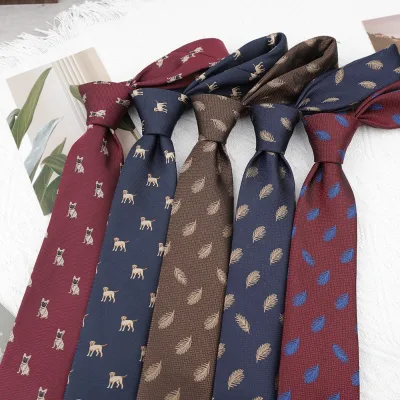
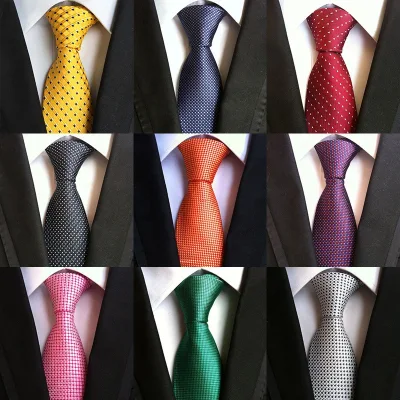
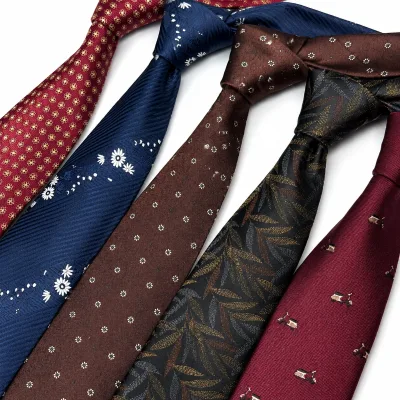
Corporate neckties are available in various materials including 100% silk, polyester, and polyester jacquard. Some products feature plain dyed silk, while others use printed polyester or woven fabrics. Buyers can find options with custom logos and specific patterns like stripes or animals depending on the supplier's inventory and customization capabilities.
Are custom logos available on these ties?
Custom logos are widely available on corporate ties from multiple suppliers in the search results. Many listings explicitly state that customization is available for patterns, colors, and branding. Buyers can request custom OEM or ODM services, including embroidered or printed logos, to create unique corporate identity neckwear for their teams or events.
What certifications do the tie manufacturers hold?
Manufacturers in the results hold various certifications including ISO 9001, ISO 14001, GRS, and BSCI. Some suppliers also adhere to standards like SGS, ISO 105, and 16 CFR 1610 for safety and quality. Buyers should verify specific certification documents with the supplier to ensure compliance with their regional or industry requirements before finalizing a purchase.
Where are the Corporate Tie suppliers located?
The Corporate Tie suppliers are primarily located in China, with specific mentions of Shanghai and Zhejiang. All listed products originate from China, ensuring consistent manufacturing standards. Buyers should confirm the exact city or province with the supplier to understand logistics, shipping costs, and potential tariffs associated with importing these goods.
What is the price range for business neckties?
The price range for business neckties varies from one dollar to six dollars per unit depending on material and design. Basic polyester ties start around one dollar, while premium silk or custom gift sets can cost up to six dollars. Buyers should compare specific product listings to find the best value for their budget and quality expectations.