Source Breathable Quick Dry Chiffon Fabric for Garment, Dress, Home Textile
Compare 30 listings of Breathable Quick Dry Chiffon Fabric from Wujiang and China suppliers. Options include woven and knitted styles with features like anti-static properties and high color fastness for dress and garment applications; compare the available evidence and request quotations based on your requirements.
Updated
Key considerations
Products List


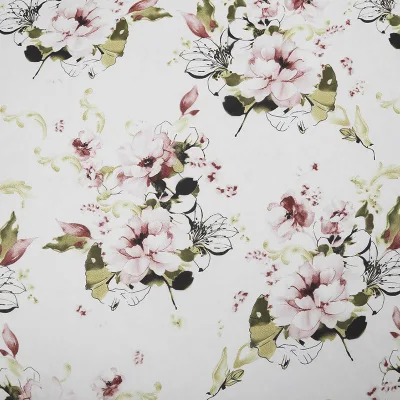
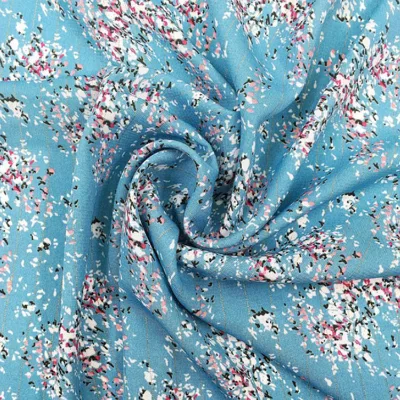


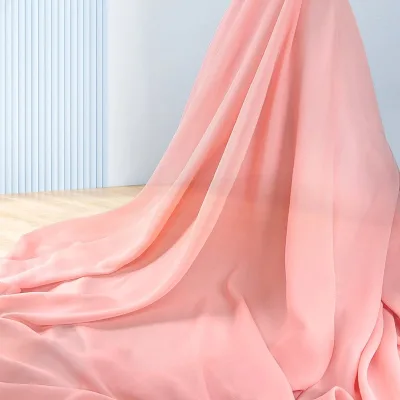


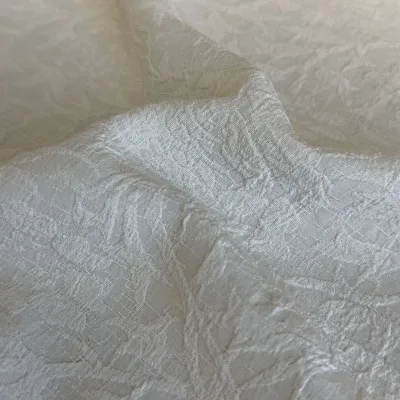
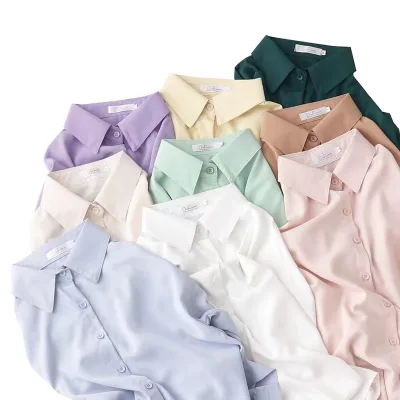
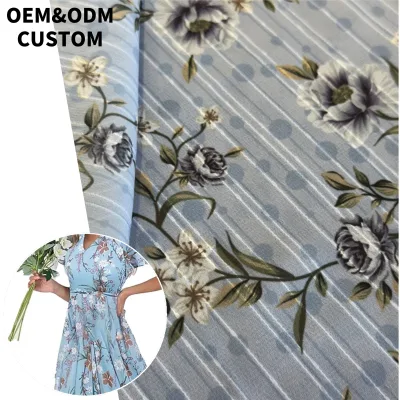
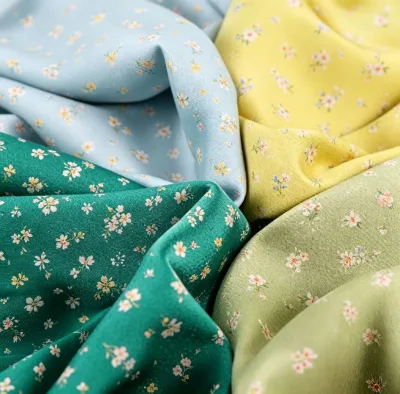
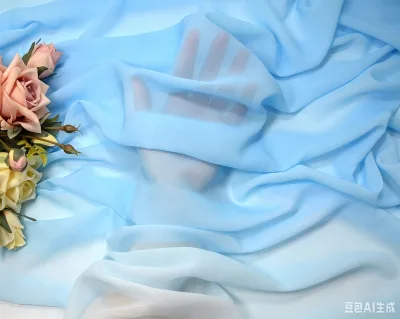
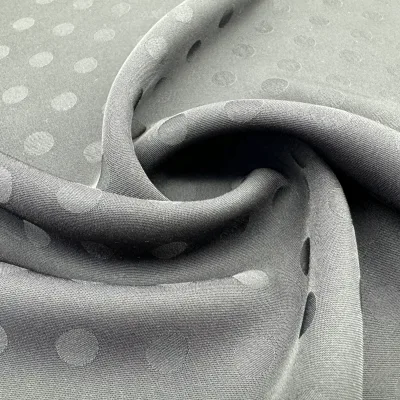
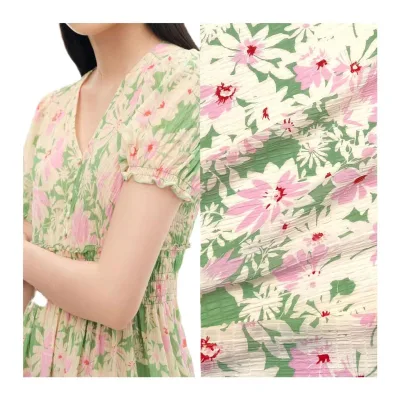
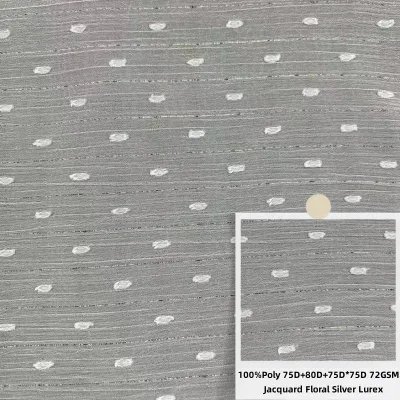
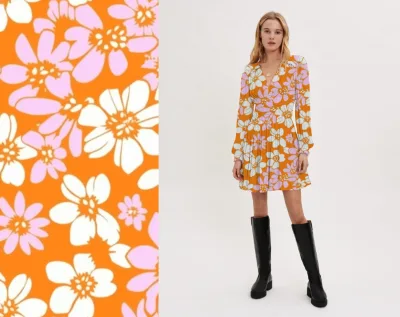
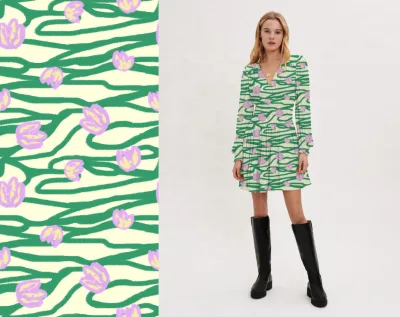
Comprehensive Sourcing Guide
Breathable Quick Dry Chiffon Fabric Sourcing Guide
Sourcing Breathable Quick Dry Chiffon Fabric requires a nuanced understanding of synthetic fiber properties and manufacturing techniques. Buyers must distinguish between traditional polyester chiffon and specialized variants that offer enhanced moisture management. The observed market data indicates a strong presence of synthetic fiber fabrics, with specific models like J-66 and 68DX120D representing common industry standards. These materials are often engineered for specific performance characteristics, such as anti-static properties, which are critical for garment comfort in dry environments. Procurement teams should prioritize suppliers who explicitly define their fabric composition, as terms like "100% polyester" may vary in weave density and finish quality.
Verification of the fabric’s breathability and quick-dry capabilities is essential before committing to large orders. While many listings highlight features like high color fastness and memory functions, these attributes do not automatically guarantee superior moisture-wicking performance. Buyers should request detailed technical sheets that specify the fabric’s weight, such as the observed 80 GSM or 105 GSM options, and its thickness classification. Medium-weight chiffons often provide a balance between drape and durability, but the specific weave structure, whether woven or knitted, significantly impacts airflow. Understanding these technical distinctions helps prevent mismatches between supplier claims and actual garment performance in real-world conditions.
Product Scope and Observed Listing Signals
The current market landscape for chiffon fabric reveals a diverse range of product types, including special fiber fabrics and standard polyester varieties. Listings frequently highlight customization availability, allowing buyers to tailor specifications to their unique design requirements. Common product models observed include YW-2205, YW-519, and YW-500, each potentially offering distinct textural or functional differences. The presence of dull sateen velvet fake-tw variants suggests a broad spectrum of aesthetic options, from plain patterns to intricate floral prints. Buyers should carefully review product names and descriptions to ensure the fabric aligns with their intended application, whether for dresses, garments, or home textiles.
Pricing and minimum order quantities (MOQ) vary significantly across suppliers, reflecting differences in production scale and material quality. The observed price range spans from $0.37 to $5 per unit, indicating a wide disparity in value propositions. MOQs typically range from 1 to 5000 units, with some suppliers offering flexible terms for smaller batches. This variability allows both small-scale designers and large manufacturers to find suitable partners. However, buyers must scrutinize the included services, such as sample times and payment terms, to assess the overall cost of engagement. Understanding these commercial signals helps in selecting suppliers who can meet both budgetary and operational constraints effectively.
Technical Specifications to Verify
When evaluating chiffon fabric, verifying the width and density is crucial for pattern matching and yield calculation. Standard widths often fall within the 57/58 inch range, but deviations can impact cutting efficiency and material waste. Density specifications, such as 50D or 75D, indicate the fineness of the yarns used, which directly influences the fabric’s hand feel and transparency. Buyers should confirm these metrics with suppliers, as inconsistencies can lead to production delays or quality issues. Additionally, the composition, typically 100% polyester, should be verified to ensure consistency across batches, especially when sourcing from multiple suppliers.
The weight and thickness of the fabric are key indicators of its suitability for specific garment types. Observed weights like 80 GSM and 105 GSM suggest different levels of opacity and drape, with heavier fabrics offering more structure. Thickness classifications, such as medium weight, provide a general guideline but should be supplemented with physical samples for accurate assessment. Buyers should also inquire about the packing method, as roll packing or plastic bag packaging can affect storage and handling. Ensuring that all technical specifications are clearly documented in the purchase order helps prevent misunderstandings and ensures that the received material meets the required standards.
Compliance and Safety Documentation
Compliance with international safety and environmental standards is paramount when sourcing chiffon fabric for global markets. Buyers should request documentation that verifies the fabric’s adherence to relevant regulations, such as REACH or CPSIA, depending on the target region. Although specific certification statuses are not always listed, suppliers should be able to provide test reports confirming the absence of harmful substances. This is particularly important for fabrics intended for children’s clothing or intimate apparel, where safety concerns are heightened. Proactive verification of compliance documentation helps mitigate legal risks and ensures that the final products meet consumer safety expectations.
Environmental sustainability is increasingly influencing procurement decisions, with many buyers seeking eco-friendly fabric options. While the supplied data does not explicitly mention recycled content or green certifications, buyers should inquire about the supplier’s environmental policies and practices. Questions regarding water usage, dyeing processes, and waste management can provide insights into the supplier’s commitment to sustainability. Additionally, verifying the origin of the raw materials, such as the 6A grade raw silk mentioned in some contexts, can help assess the ethical sourcing of inputs. By prioritizing suppliers with transparent sustainability practices, buyers can enhance their brand reputation and appeal to environmentally conscious consumers.
Cost Drivers and Commercial Terms
Several factors influence the final cost of chiffon fabric, including material composition, production volume, and customization requirements. The use of special fiber fabrics or anti-static treatments can increase production costs, reflecting the added value and complexity of the manufacturing process. Buyers should also consider the impact of order quantity on pricing, as larger volumes often result in lower unit costs due to economies of scale. Understanding these cost drivers helps in negotiating favorable terms and budgeting accurately for procurement projects. Additionally, the availability of customization options may incur additional fees, which should be factored into the overall cost analysis.
Commercial terms, such as payment methods and lead times, play a significant role in the total cost of ownership. Common payment terms like T/T offer flexibility but may require upfront deposits, affecting cash flow. Lead times, typically around 7 days for samples, can vary for bulk orders, impacting production schedules and inventory management. Buyers should negotiate clear delivery timelines and penalty clauses for delays to protect their interests. Furthermore, the port of shipment, such as Shanghai or Ningbo, can influence logistics costs and transit times. By carefully reviewing and negotiating these commercial terms, buyers can optimize their procurement strategy and minimize financial risks.
Supplier Qualification and Quality Control
Selecting a reliable supplier involves rigorous qualification processes to ensure consistent quality and service delivery. Buyers should assess the supplier’s production capabilities, including their equipment, workforce, and quality control systems. Factories with advanced weaving and finishing technologies are better equipped to produce high-quality chiffon fabric with consistent specifications. Additionally, verifying the supplier’s experience in the industry and their track record with similar clients can provide insights into their reliability. Requesting references or case studies can further validate the supplier’s capabilities and help in making an informed decision.
Quality control measures should be implemented throughout the production process to ensure that the final product meets the required standards. Buyers should establish clear quality criteria, including color fastness, tensile strength, and dimensional stability, and communicate these to the supplier. Regular inspections, either in-house or through third-party agencies, can help identify and address issues early in the production cycle. Additionally, implementing a robust sampling process allows buyers to evaluate the fabric’s performance before committing to large orders. By prioritizing supplier qualification and quality control, buyers can reduce the risk of defects and ensure that their products meet customer expectations.
Long-Term Procurement Checks
Establishing long-term relationships with suppliers requires ongoing monitoring and evaluation to ensure sustained performance and value. Buyers should conduct regular audits of supplier operations, including quality control processes, delivery reliability, and customer service responsiveness. These audits help identify areas for improvement and reinforce accountability. Additionally, maintaining open communication channels with suppliers facilitates collaboration and problem-solving, fostering a partnership based on mutual trust and respect. Regular feedback sessions can also help align expectations and address any emerging issues promptly.
Continuous improvement initiatives should be encouraged to drive innovation and efficiency in the supply chain. Buyers can collaborate with suppliers to explore new materials, technologies, and processes that enhance product quality and reduce costs. Sharing market insights and consumer trends can help suppliers adapt to changing demands and stay competitive. Furthermore, implementing a supplier performance scorecard can provide a structured framework for evaluating and ranking suppliers based on key metrics. By focusing on long-term procurement checks, buyers can build a resilient and agile supply chain that supports their business growth and success.
FAQs
What is the composition of the Breathable Quick Dry Chiffon Fabric?
The fabric is composed of 100% polyester, ensuring durability and specific performance traits. It is available in multi-color printed styles suitable for garments and dresses. This synthetic fiber fabric offers a medium weight with a density of 50D or 75D depending on the specific model selected for your order.
Can I customize the Breathable Quick Dry Chiffon Fabric specifications?
Yes, customization is available for this synthetic fiber fabric to meet specific buyer requirements. You can select from various models like J-66 or YW-2205 with different standards such as 68DX120D. The product is supplied as a make-to-order item with roll packing or plastic bag packaging options.
How is the Breathable Quick Dry Chiffon Fabric packed and shipped?
The fabric is typically packed in rolls, with the first layer being a plastic bag and an outer layer for protection. It originates from Wujiang, China, and is shipped via ports like Shanghai or Ningbo. The single package size varies, but the standard width is 57/58 inches for most items.
What is the minimum order quantity for the Breathable Quick Dry Chiffon Fabric?
The minimum order quantity starts at 1 meter for this specific product line. However, observed MOQ ranges across similar listings can extend up to 5000 units depending on the supplier. Buyers should verify the specific MOQ for their chosen model, as some items may have different thresholds.
Which technical features does the Breathable Quick Dry Chiffon Fabric offer?
This fabric features anti-static properties and high color fastness for long-lasting quality. It is available in woven or knitted technics, with styles including printed or plain patterns. Some variants also offer memory functions, making them suitable for various garment applications like dresses and home textiles.
How long does it take to receive a sample of the Breathable Quick Dry Chiffon Fabric?
The sample time is typically 7 days for this product category. This allows buyers to verify the quality, weight, and pattern before committing to a larger order. The fabric is available in various weights, such as 80GSM or 105GSM, depending on the specific model requested.
What payment terms are accepted for the Breathable Quick Dry Chiffon Fabric?
The standard payment term accepted for this fabric is T/T, which is common for B2B transactions. Buyers should confirm specific payment details with the supplier, as terms may vary based on order volume and customization needs. The selling units are typically single items or rolls.