Source Fashion Bow Tie for Weddings, Parties, and Events
Explore 30 listings for Fashion Bow Tie options including polyester, silk, and cotton blends. Buyers can compare styles like jacquard and printed designs, sizes, and customization services from verified manufacturers in China; compare the available evidence and request quotations based on your requirements.
Updated
Key considerations
Products List


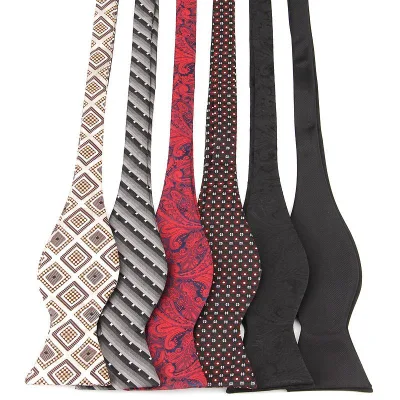
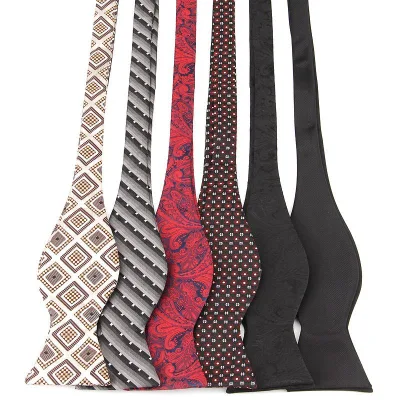

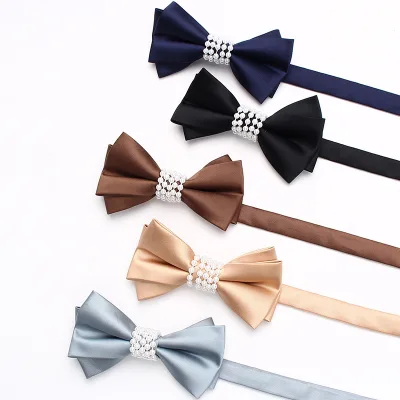
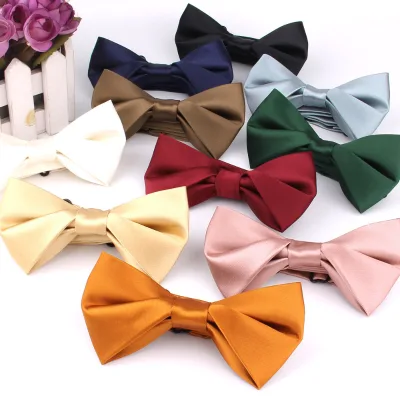
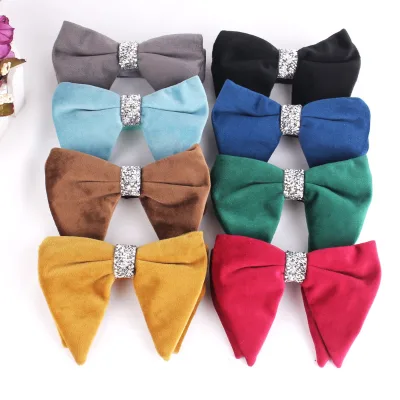
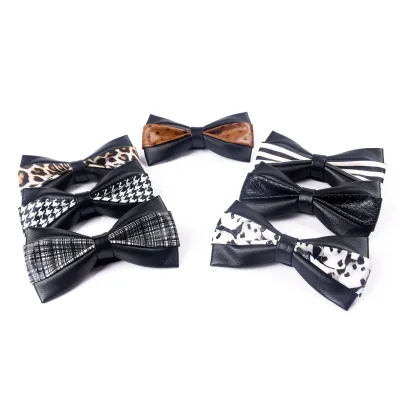


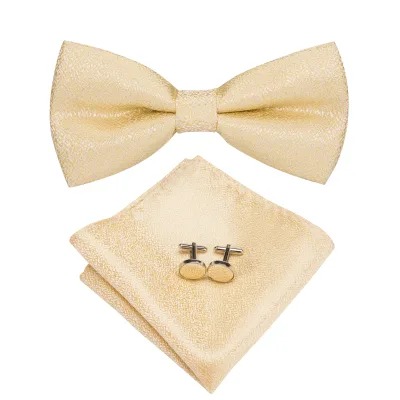
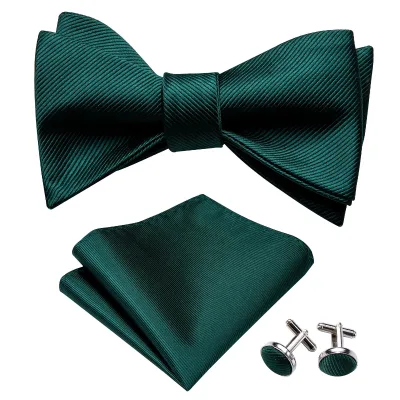
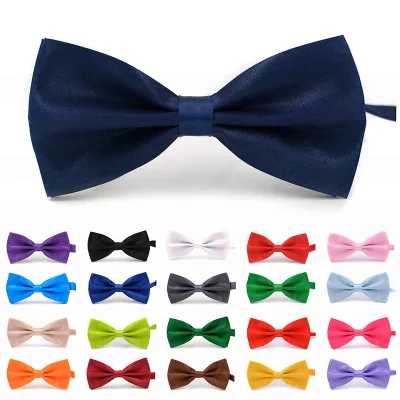
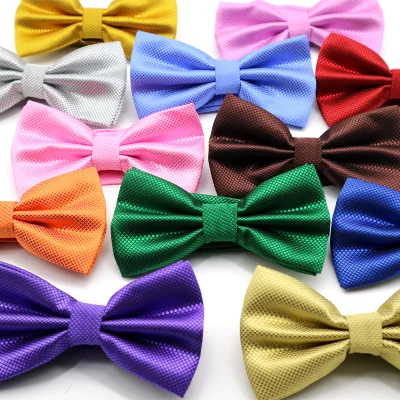
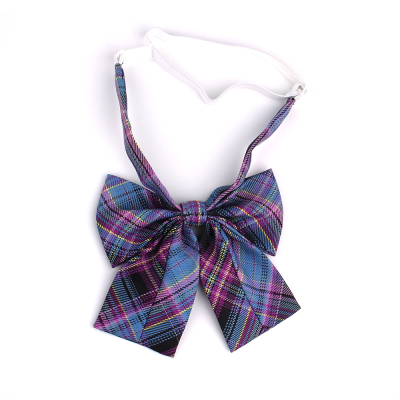
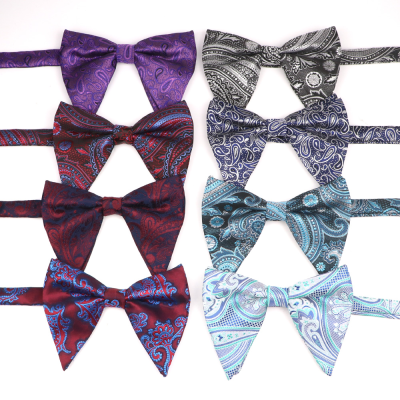
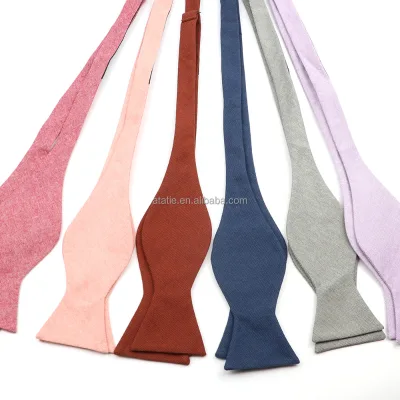
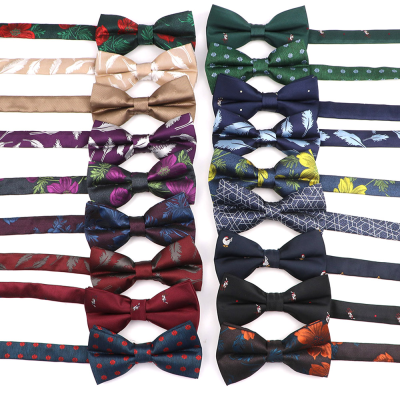
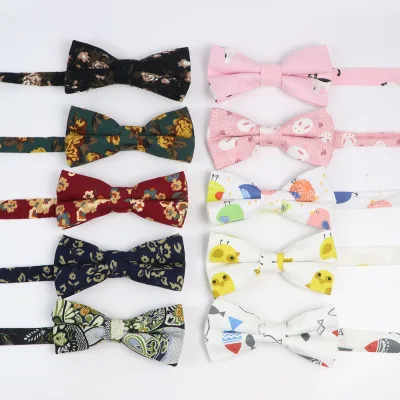
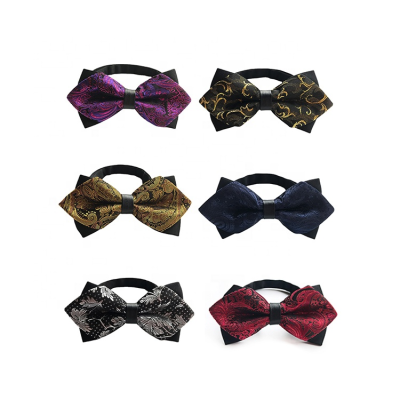


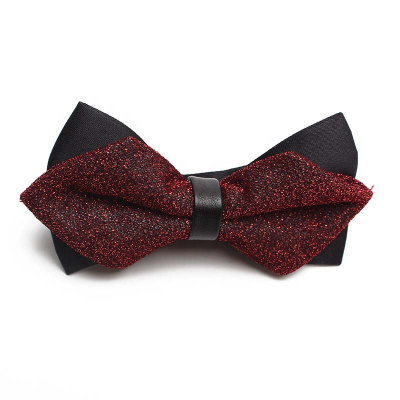
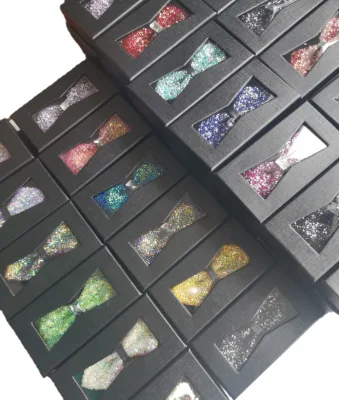


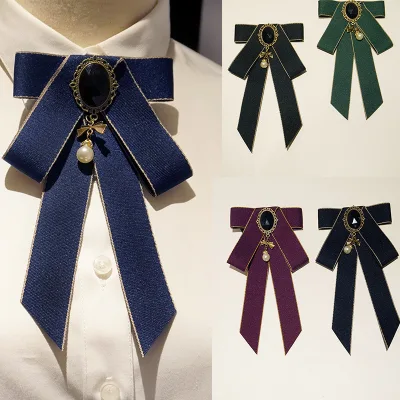
Comprehensive Sourcing Guide
Fashion Bow Tie Sourcing Guide
Sourcing fashion bow ties requires a nuanced understanding of material diversity, manufacturing techniques, and customization capabilities. The market offers a wide spectrum of options, ranging from formal silk accessories to casual polyester blends, each serving distinct aesthetic and functional needs. Buyers must navigate these variations carefully to align product selection with their target demographic and brand identity. This guide provides evidence-based insights to help procurement professionals make informed decisions, ensuring quality, compliance, and commercial viability in every transaction.
The following sections detail critical aspects of the bow tie supply chain, from technical specifications to long-term supplier relationships. By focusing on verified data and observable listing signals, buyers can mitigate risks associated with inconsistent quality or non-compliant products. This structured approach ensures that sourcing strategies are grounded in factual realities rather than speculative claims, fostering sustainable and efficient procurement processes for fashion accessories.
Product Scope and Observed Listing Signals
The current market landscape for fashion bow ties reveals a diverse array of materials, including polyester, polyester-cotton blends, and 100% silk. Listings indicate that polyester is a prevalent material, often featuring jacquard or striped patterns, while silk options are available for premium segments. Buyers should observe that product attributes vary significantly, with some items offering breathable functions and others focusing on durable, reusable characteristics. This variety allows for tailored sourcing strategies based on specific style requirements, such as printed, solid, or mixed color designs.
Observed listing signals also highlight the importance of customization and OEM/ODM services. Many suppliers welcome custom orders, offering standard or kids' sizes and various packaging options like polybags or carton boxes. The presence of self-tie bow ties and wholesale mixed solid color options suggests a robust supply chain capable of handling both bespoke and bulk orders. Buyers should note that sample availability is often acceptable or negotiable, providing an opportunity to evaluate product quality before committing to larger purchases.
Technical Specifications to Verify
Technical verification begins with precise dimensional and structural assessments. Buyers should confirm that product sizes align with intended use cases, such as the observed 11.5cm7cm or 1611cm dimensions for standard applications. Model numbers like FY-0487, FY-0486, and 20200603 serve as critical identifiers for tracking specific product iterations. It is essential to verify that the single package size and gross weight, such as 13X6X2 cm and 0.02 kg, match logistical requirements to optimize shipping costs and storage efficiency.
Material composition and technique are equally vital for quality assurance. Buyers must verify whether the product is plain dyed, jacquard woven, or printed, as these techniques impact durability and visual appeal. For instance, polyester jacquard offers distinct textural benefits, while plain dyed polyester provides a smooth, uniform finish. Confirming the brand name, such as RachelHu or HS, and the company type as a manufacturer helps ensure direct access to production capabilities, reducing intermediary markups and enhancing communication efficiency during the sourcing process.
Compliance and Safety Documentation
Compliance documentation is a cornerstone of reliable procurement, with SGS certification appearing as a key standard in the observed data. Buyers should verify that suppliers possess valid SGS certificates, ensuring that products meet international safety and quality benchmarks. This certification is particularly important for items intended for household or outdoor use, where durability and eco-friendly attributes are valued. Ensuring that the product standard aligns with SGS requirements helps mitigate risks associated with non-compliant materials or manufacturing processes.
Beyond certification, buyers should assess the overall quality level and functional attributes of the bow ties. Products described as having good quality and good level performance should be cross-referenced with test results or supplier guarantees. It is crucial to confirm that the eco-friendly and reusable features are substantiated by credible evidence, rather than mere marketing claims. By prioritizing suppliers who provide transparent compliance documentation, buyers can ensure that their products meet regulatory standards and consumer expectations for safety and sustainability.
Cost Drivers and Commercial Terms
Cost drivers in the Fashion Bow Tie market are influenced by material choice, customization complexity, and order volume. Polyester options generally offer competitive pricing, while 100% silk variants command higher premiums due to material costs and intricate manufacturing processes. Buyers should consider the impact of pattern techniques, such as jacquard or printed designs, on production costs. Additionally, the availability of OEM and ODM services may introduce additional fees, which should be factored into the total cost of ownership.
Commercial terms, including MOQ and shipping methods, play a significant role in procurement strategy. Observed MOQ ranges from 1 to 1000 units, providing flexibility for both small-scale and bulk orders. Shipping options such as sea, air, or express delivery allow buyers to balance cost and speed according to their inventory needs. It is advisable to negotiate free samples where acceptable, as this can reduce initial testing costs and facilitate quicker decision-making. Clear communication regarding packaging requirements, such as polybags or custom cartons, also helps in managing logistical expenses effectively.
Supplier Qualification and Quality Control
Supplier qualification involves verifying the manufacturer's capabilities and reputation. Buyers should prioritize suppliers identified as manufacturers, such as those located in Zhejiang or Jiangxi Province, to ensure direct control over production quality. The presence of brand names like RachelHu and HUISHI indicates established market presence, which can be a proxy for reliability. It is essential to confirm that the supplier offers consistent quality levels and adheres to specified standards, such as SGS, throughout the production process.
Quality control measures should be integrated into the procurement workflow to maintain product consistency. Buyers should request detailed product descriptions, including model numbers and material compositions, to verify that delivered items match the agreed specifications. Regular audits or third-party inspections can help identify potential issues early, ensuring that products meet the desired quality standards. By establishing clear quality control protocols, buyers can minimize defects and enhance customer satisfaction, fostering long-term trust with their suppliers.
Long-Term Procurement Checks
Long-term procurement success depends on continuous monitoring of supplier performance and market trends. Buyers should regularly review supplier compliance with standards like SGS and assess the consistency of product quality over time. Tracking changes in material availability, such as shifts between polyester and silk, can help anticipate cost fluctuations and supply chain disruptions. Maintaining open communication with suppliers regarding customization requests and order volumes ensures that procurement strategies remain aligned with evolving business needs.
Additionally, buyers should evaluate the effectiveness of their quality control measures and adjust them as necessary. Regular feedback loops with suppliers can help identify areas for improvement, such as packaging efficiency or shipping reliability. By staying informed about industry developments and maintaining rigorous procurement checks, buyers can build resilient supply chains that deliver high-quality fashion bow ties consistently. This proactive approach ensures that sourcing strategies remain competitive and responsive to market demands, supporting sustainable business growth.
FAQs
What materials are used for these bow ties?
The bow ties are made from polyester, polyester cotton blends, or 100% silk. Some specific models feature polyester jacquard fabric. These materials ensure durability and a premium feel for various fashion needs.
Can I get custom designs for these bow ties?
Yes, customization is available for these bow ties. OEM and ODM services are welcome from the manufacturer. Buyers can request specific patterns, colors, or sizes to meet their unique branding requirements.
What certifications do these products hold?
These products hold SGS certification to ensure quality standards. The manufacturer adheres to good quality levels and maintains a good level of production. This certification helps verify the safety and reliability of the items.
Where are these bow ties manufactured?
The bow ties originate from China, specifically from Nanchang, Jiangxi Province, and Zhejiang. The manufacturer is based in these regions. This location allows for efficient production and shipping logistics for international buyers.
What are the available sizes for the bow ties?
Available sizes include standard and kids sizes. Specific models measure 11.5cm by 7cm or 16cm by 11cm. These dimensions cater to different age groups and style preferences for formal or casual wear.
How are the bow ties packaged for shipping?
The bow ties are packaged in polybags, plastic bags, and carton boxes. Some items come in single packages measuring 13x6x2 cm. Packaging can also be customized according to specific buyer requests for better protection.
Is it possible to get free samples?
Free samples are acceptable and negotiable for potential buyers. The manufacturer offers samples to help clients evaluate product quality before placing large orders. This service supports informed decision-making for wholesale purchases.