Source Custom Electric Door Wiring Harness for Auto, Home, and Machines
Find 30 verified options for Custom Electric Door Wiring Harness tailored for automotive, home appliance, and industrial machine applications. Compare specifications including wire gauge, connector types, and rated voltage from suppliers in Shandong, China; compare the available evidence and request quotations based on your requirements.
Updated
Key considerations
Products List
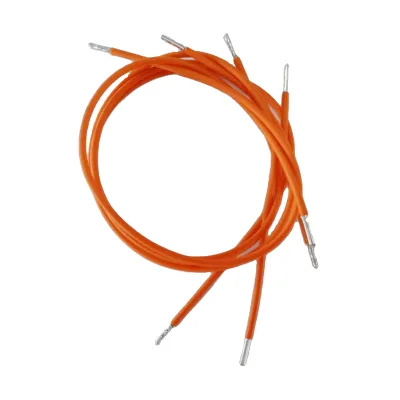
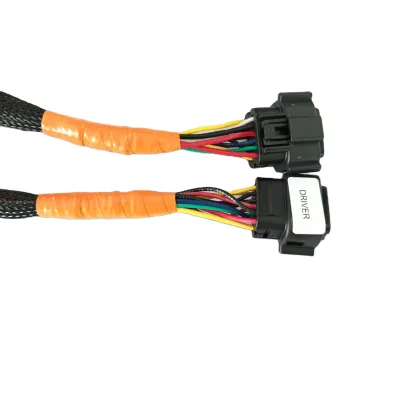
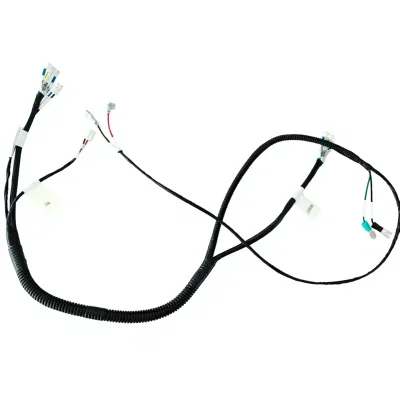
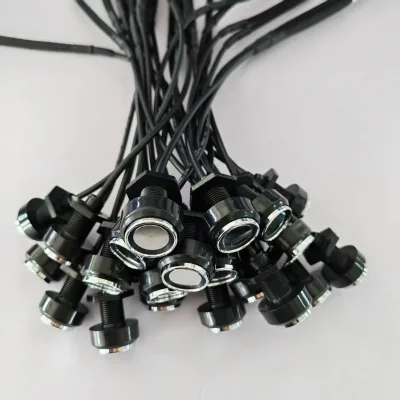
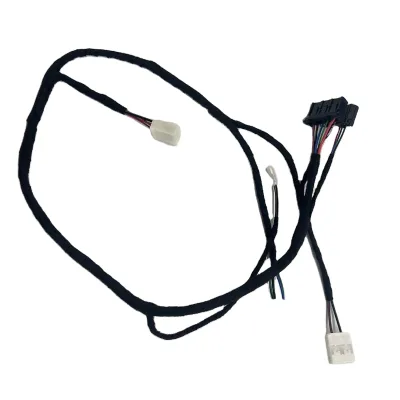


High-Quality Custom Wiring Harness for Efficient Electrical Wiring Solutions
$8.00 - $15.00
MOQ: 200 Sets
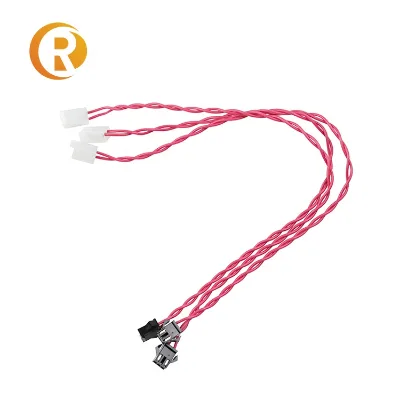

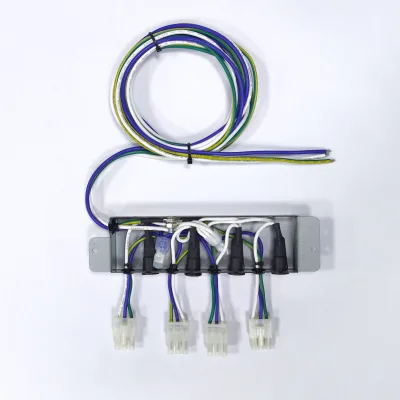
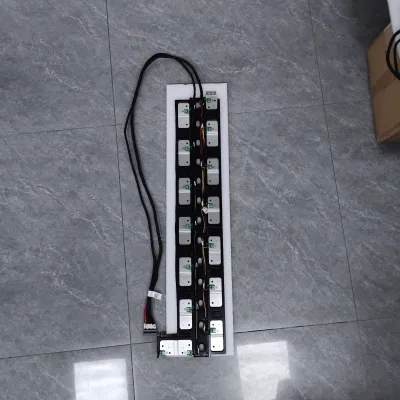
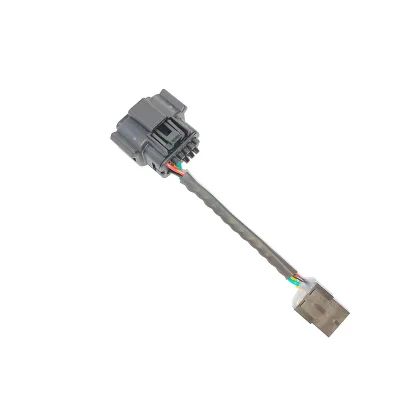


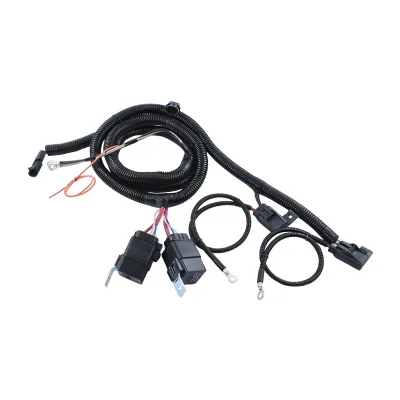
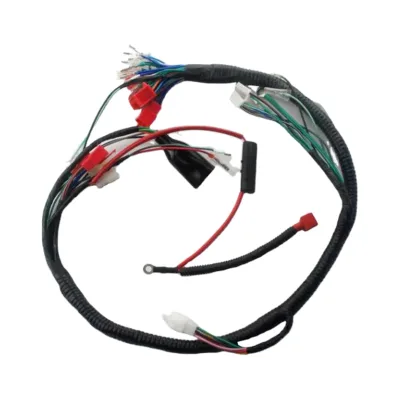
Comprehensive Sourcing Guide
Custom Electric Door Wiring Harness Sourcing Guide
Sourcing custom electric door wiring harnesses requires a precise alignment of electrical specifications with mechanical constraints. Buyers must first define the operational environment, as these harnesses often serve critical functions in automotive, electronic, or industrial door mechanisms. The observed market data indicates a wide range of customization options, including connector types like Molex, JST, and JAE, which must match the specific interface requirements of the target equipment. Understanding the core application ensures that the selected harness can handle the intended load without failure.
Procurement teams should also evaluate the physical dimensions and packaging constraints early in the selection process. Listings show single package sizes ranging from 37x25x30 cm to 38x30x26 cm, with gross weights varying significantly based on the number of cores and conductor material. These logistical details impact shipping costs and storage efficiency, particularly for high-volume orders. Verifying the single gross weight and package dimensions against your inbound logistics capabilities prevents unexpected freight surcharges and handling issues upon delivery.
Product Scope and Observed Listing Signals
The current market offers diverse configurations for custom electric door wiring harnesses, with product names often highlighting specific connector technologies or OEM capabilities. Observed listings feature models such as "Custom Electric Door Orange Wiring Harness" and "Oem JST Cable Assembly," indicating a strong focus on branded connector integration. Buyers should note that while some products specify a black color, others offer a spectrum including blue, cyan, orange, green, gray, and purple, allowing for visual identification within complex assemblies. This variety supports color-coding strategies for maintenance and troubleshooting in multi-door systems.
Material composition is a key differentiator among available options, with conductors typically made from pure or tinned copper to ensure conductivity and corrosion resistance. Insulation and jacket materials vary widely, including PVC, nylon, rubber, PTFE, silicone, and silica gel, each offering distinct thermal and chemical resistance properties. The observed wire gauges range from 22AWG to 28AWG, with specific standards like 1007, 1015, 1061, and 1571 cited. Procurement specialists must match these material and gauge specifications to the electrical current and environmental exposure expected in the final door assembly application.
Technical Specifications to Verify
Electrical ratings are critical for ensuring the safety and reliability of the wiring harness in door applications. Observed rated voltages span from 12V to 600V, including common industrial levels like 110V, 220V, and 380V. Buyers must verify that the selected harness can withstand the peak voltage and current demands of the door motor or sensor system. Additionally, the number of cores and pin configurations, such as 2P, 3P, 4P, or custom options, must align with the control board’s interface. Mismatched pin counts or pitch sizes, such as 1.0mm to 2.5mm, can lead to connection failures or require costly adapter solutions.
Physical dimensions and length customization are equally important for proper fitment within door cavities. Available lengths include standard sizes like 100mm, 150mm, 200mm, 300mm, 400mm, 450mm, 500mm, and 1.5m, with many suppliers offering fully customized lengths. The cross-sectional sizes observed range from 1x0.5 mm² to 4x2.5 mm², influencing the harness’s flexibility and current-carrying capacity. Buyers should request detailed dimensional drawings to ensure the harness does not interfere with door hinges, latches, or other moving parts during operation.
Compliance and Safety Documentation
Certification status is a primary indicator of manufacturing quality and regulatory compliance. Observed listings frequently cite certifications such as TUV, ISO9001, IATF16949, Rohs, UL, and ISO14001. These credentials suggest that the supplier adheres to international quality management and environmental standards, which is crucial for automotive and industrial applications. Buyers should request valid certification documents to verify that the specific batch of wiring harnesses meets the required safety norms for the target market, ensuring legal compliance and reducing liability risks.
Ingress protection ratings also play a vital role in the durability of door wiring harnesses, especially in outdoor or harsh environments. Some observed products specify an IP66 rating, indicating protection against powerful water jets and complete dust ingress. This level of protection is essential for preventing short circuits and corrosion in door mechanisms exposed to rain or cleaning agents. Procurement teams should confirm the IP rating with the supplier and ensure that the connector seals and jacket materials are designed to maintain this protection over the product’s lifecycle.
Cost Drivers and Commercial Terms
Pricing for custom electric door wiring harnesses varies based on material costs, connector complexity, and order volume. The observed price range spans from $0.03 to $21.8 per unit, reflecting the diversity from simple jumper wires to complex multi-core assemblies. Minimum order quantities (MOQ) typically start at 1,000 pieces, though some suppliers may accept lower volumes for samples or initial trials. Buyers should negotiate pricing tiers based on projected annual volumes to secure better margins, while also considering the cost impact of custom connector selections or specialized jacket materials.
Commercial terms and logistics options significantly influence the total cost of ownership. Suppliers often accept OEM and ODM services, allowing for tailored designs that may affect production lead times. Express shipping options like DHL, UPS, FedEx, and EMS are available, which can expedite sample delivery or urgent production runs. Buyers should clarify whether samples are provided freely and understand the lead times for mass production. Clear communication regarding payment terms and shipping responsibilities ensures that the procurement process remains efficient and cost-effective.
Supplier Qualification and Quality Control
Supplier location and manufacturing capability are key factors in assessing reliability. Most observed products originate from Shandong, China, a region known for its electronics manufacturing infrastructure. Buyers should verify the supplier’s production capacity and quality control processes to ensure consistent output. Requesting factory audits or third-party inspections can provide insights into the supplier’s ability to maintain quality standards across large batches. A robust quality control system minimizes the risk of defects and ensures that each wiring harness meets the specified technical requirements.
Quality assurance should also include testing protocols for electrical continuity, insulation resistance, and mechanical durability. Buyers should inquire about the supplier’s testing procedures for connectors, such as insertion and extraction force tests, to ensure reliable connections. Additionally, verifying the source of raw materials, such as pure copper conductors and certified insulation materials, helps prevent counterfeit or substandard components. Establishing a clear quality agreement with the supplier defines acceptable defect rates and remedies for non-conforming products, protecting the buyer’s interests.
Long-Term Procurement Checks
Sustainability and environmental compliance are increasingly important in long-term procurement strategies. Certifications like Rohs and ISO14001 indicate a commitment to reducing hazardous substances and managing environmental impact. Buyers should evaluate the supplier’s efforts to use recyclable materials and minimize waste during production. Aligning with suppliers who prioritize sustainability can enhance the buyer’s brand reputation and meet the growing demand for eco-friendly electronic components in door systems and other applications.
Supply chain resilience is another critical consideration for long-term success. Buyers should assess the supplier’s ability to scale production during demand spikes and their contingency plans for material shortages. Establishing a multi-year supply agreement can provide price stability and ensure priority production slots. Regular performance reviews, including on-time delivery rates and quality metrics, help maintain a strong partnership. By focusing on these long-term factors, buyers can secure a reliable supply of custom electric door wiring harnesses that support their operational goals.
FAQs
What certifications are available for custom electric door wiring harnesses?
Certifications include TUV, ISO9001, IATF16949, Rohs, UL, and ISO14001. These standards ensure quality and safety compliance for electronic and automotive applications. Buyers can verify specific documentation from suppliers to meet regional regulatory requirements and industry-specific quality management systems.
Can I customize the connector type and pitch for my harness?
Yes, connector types like Molex, JST, and JAE are customizable. Pitch options include 1.0, 1.25, 1.5, 2.0, and 2.5mm. Pin counts range from 2 to 20 or more. This flexibility allows precise integration with various electronic devices and machinery interfaces.
What materials are used for the conductor and insulation?
Conductors are pure copper or tinned copper. Insulation materials include PVC, Nylon, Rubber, PTFE, Silica Gel, PBT, and PET. Jacket options feature PVC, Silicone, Rubber, Nylon, Aluminum, and Copper. These materials ensure durability and electrical performance in diverse environments.
What is the minimum order quantity for custom wiring harnesses?
The minimum order quantity is typically 1000 pieces. This standard MOQ applies to most Custom Electric Door Wiring Harness orders. Buyers should confirm specific MOQ requirements with suppliers, as some may offer samples freely or adjust quantities based on project scale.
Which rated voltages are supported for these wiring harnesses?
Rated voltages include 12V, 24V, 110V, 220V, 240V, 380V, and 600V. These options cover various electronic, automotive, and power applications. Buyers can select the appropriate voltage rating based on their specific device requirements and operational safety standards.
Where are these custom wiring harnesses manufactured?
The place of origin is Shandong, China. Manufacturers in this region produce custom electric door wiring harnesses for global export. Buyers can source directly from these factories to benefit from established supply chains and competitive pricing for bulk electronic component orders.