Low Voltage Underground Fireproof Cable Suppliers and Manufacturers
Compare 28 verified suppliers offering Low Voltage Underground Fireproof Cable with varying lead times, certifications, and response speeds. Review product attributes like insulation material and voltage ratings before contacting factories in Henan, China for quotes; review the available evidence before requesting comparable quotations from suitable candidates.
Updated
Suppliers List

- Trading Company,Manufacturer/Factory
- China Henan
- Lead time23 days
- Avg. response≤ 10h
Main productsControl Cable, XLPE Cable, Flexible Cable, PVC Cable, Siliicone Cable, Rubber Cable, Building Wire, Thhn, Teflon Wire, ACSR AAAC
Main marketsSouth America,Eastern Europe,Mid East,North America,Southeast Asia,Eastern Asia,Oceania,Western Europe,Africa

Fireproof Fire Resistance Insulation Underground Electric Wire Power Cable
$1.50 - $10.00
MOQ: 500 Meters


Henan Kingyear Aluminum Industrial Co., Ltd.
- Trading Company
- China Henan
- Lead time15 days
- Avg. response≤ 5h
Main productsAluminum Sheet, Aluminum Plate, Aluminum Curtain Wall, Electric Cable Wire, ACSR Conductor, Power Cable, ABC Cable, Aluminum Cable, AAC Conductor, AAAC Conductor
Main marketsSouth America,Africa,Southeast Asia/ Mideast,Europe,Australia


Low Voltage Cable 4*240mm High Quality Underground Copper Conductor Electric Power Cable
$1.00 - $20.00
MOQ: 1000 Meters

Low or Medium Voltage Cable 3 Cores Cable with Armor and XLPE Insulation Underground
$0.10 - $999.00
MOQ: 500 Meters


Hefei Jinde New Material Technology Co., Ltd.
- Verified by Intertek
- Trading Company
- Lead time15 days
- Avg. response≤ 1h
Main productsEnamelled Copper Wire, Enamelled Aluminum Wire, Enamelled Copper Clad Aluminum Wire, Enamelled Copper Clad Aluminum Magnesium Wire, Power Cable
Main marketsAfrica(40%), Mid East(20%), South America(10%)
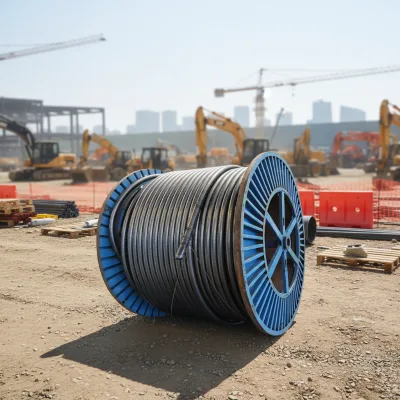
Low Voltage Underwater Cables Electrical Power Waterproof Cable for Industrial
$1.7623 - $1.9687
MOQ: 100 meters
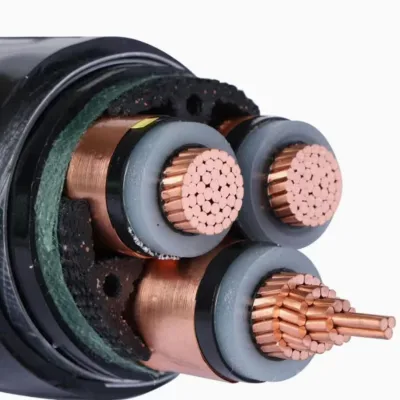
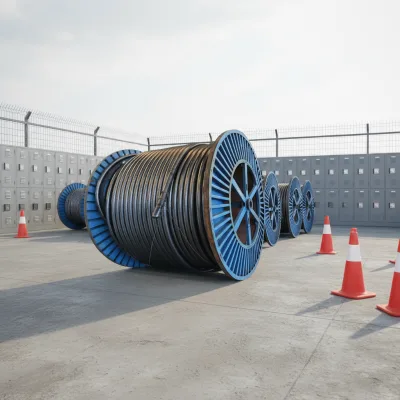
Underground 4 Core 95mm Low Voltage Copper Conductor XLPE Insulated Power Cable
$1.7623 - $1.9687
MOQ: 100 meters
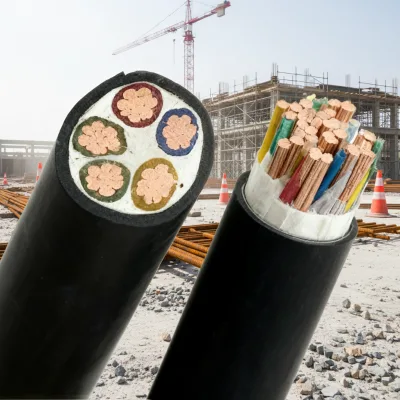
Low Voltage Fire Resistant Power Cable Halogen Free for Public Building and Tunnel
$1.7458 - $1.9523
MOQ: 100 meters

Zhengzhou Jinshui Industry and Commerce Co., Ltd.
- Verified by CTI
- Trading Company
- China Henan
- Lead time30 days
- Avg. response≤ 2h
Main productsElectric Wire, Power Cable, AAC Conductor, XLPE Insulated Cable, Low/Medium/High Voltage Cable, Control Cables, Aerial Bundled Cable, PVC Insulated Wire, Rubber&Welding Cable, Building Wire
Main marketsSouth America,Africa,Southeast Asia/ Mideast


Voltage Rating 6kv Underground PVC Insulated Power Cables and Fire Resistant Cable
$0.15
MOQ: 10000 Meters

Underground Aluminium Core Fire Resistant Cable and Insulated Power Cable
$1.00 - $100.00
MOQ: 1 Kilometer


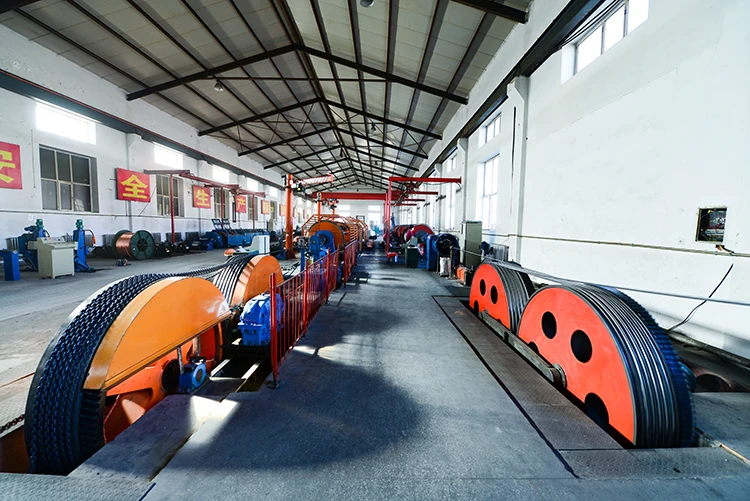
Harbin Jiaolian Power Cable Manufacturing Co., Ltd.
- Manufacturer, Trading Company
- Heilongjiang, China
- Lead time15 days
- Avg. response≤ 8h
Main productsCable,Electric Wire,Cable Accessories,Electric Power Equipment,Materials For Cables
Main marketsDomestic Market(100.00%)
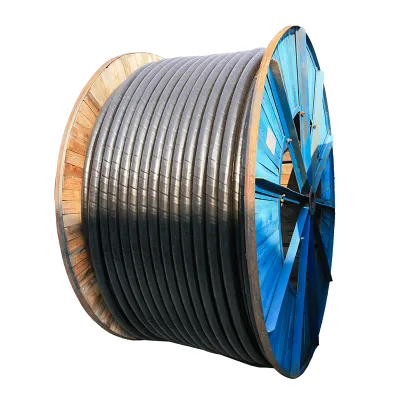
$1.0278 - $7.1883
MOQ: 200 Minimum
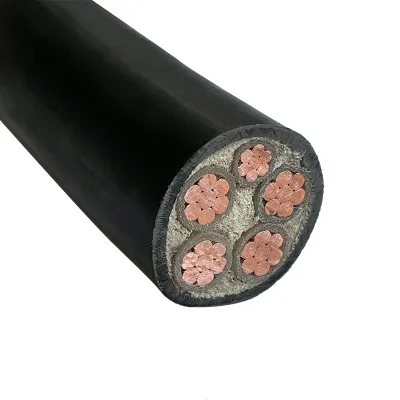
High Voltage 220v 11kv 3 Phase Underground Able Wire Xlpe armor Cable 3core 16mm
$1.11 - $7.66
MOQ: 200 Minimum
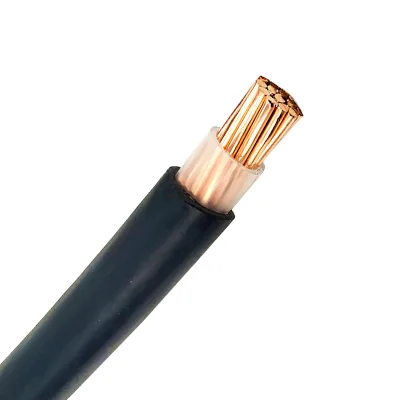
1.5mm 2.5mm 4mm 6mm 10mm Fire Resistant PVC Insulated Electric Underground Power Cable
$1.11 - $7.66
MOQ: 200 Minimum
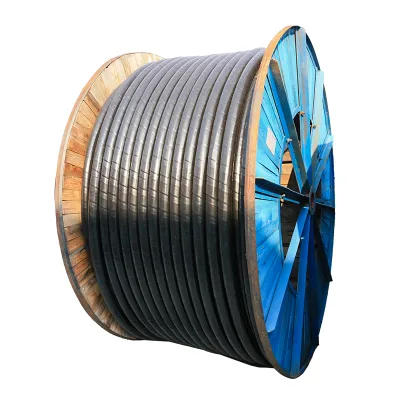

Henan Jinshui Wire & Cable Co., Ltd.
- Manufacturer
- China Henan
- Lead time30 days
- Avg. response≤ 9h
Main productsPVC Cable, Cable, ABC Cable, XLPE Cable, Wire, Electric Cable, Control Cable, Electric Wire, ACSR, Power Cable
Main marketsSouth America,Africa,Southeast Asia/ Mideast,Domestic,Australia,North America
Zhengzhou Sanhe Cable Co., Ltd.
- Trading Company
- Henan, China
- Lead time18 days
- Avg. response≤ 2h
Main productsConcentric Cable Overhead Power Cable,Aerial Bundled Cable Overhead insulated cables,Bare conductor AAC AAAC ACSR GSW Enameled copper wire Aluminum or copper wire,Control cable Tree wire,Welding cablesRubber sheath flexible cable electrical wire and other special cables etc.
Main marketsCentral America(22.23%), Africa(22.22%), Southeast Asia(22.22%), South America(22.22%), North America(11.11%)

- Verified by BV
- Group Corporation
- China Henan
- Lead time15 days
- Avg. response≤ 2h
Main productsPower Cable, Thhn Cable, Rubber Cable, Welding Cable, Electric Wires, ACSR Cable, AAAC Cable, ABC Cable, AAC Cable, Control Cable
Main marketsAfrica,Southeast Asia/ Mideast,North America


High-Quality Medium Voltage Underground Power Cable with XLPE Insulation
$0.01 - $50.00
MOQ: 2000 Pieces
- Verified by SGS Group
- Manufacturer, Trading Company
- Lead time25 days
Main productsPower Cable, ABC Cable, Bare Conductor, Rubber Cable, Welding Cable
Main marketsDomestic Market(50%), Southeast Asia(10%), Africa(10%)
Shanghai Chily Electric Technology Co., Ltd.
- Trading Company
- Shanghai, China
- Lead time0 days
- Avg. response≤ 9h
Main productsWires, Power Cable, Control Cable, Fire Resistance Cable, Solar Cable
Main marketsDomestic Market(30.00%), Western Europe(20.00%), Southeast Asia(20.00%), Eastern Europe(10.00%), Mid East(10.00%), Eastern Asia(10.00%)
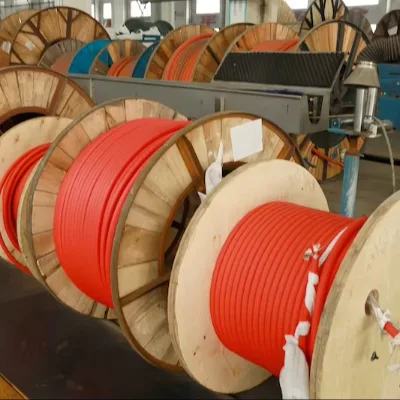
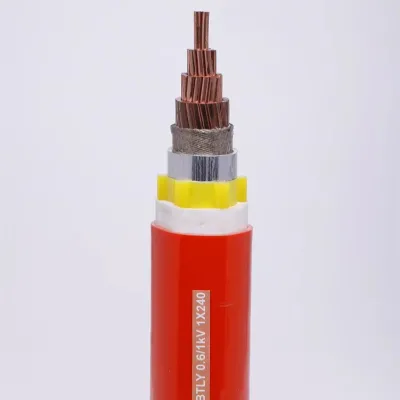
$0.10 - $20.00
MOQ: 100 Minimum
Jiangxi Southeast Cross Linked Power Cable Co., Ltd.
- Manufacturer, Trading Company
- Jiangxi, China
- Lead time15 days
- Avg. response≤ 24h
Main productsPower Cable
Main marketsDomestic Market(95.00%), Oceania(1.00%), Eastern Asia(1.00%), Africa(1.00%), Mid East(1.00%), Southeast Asia(1.00%)

Shandong Liaocheng Yuanhetai Steel Products Co., Ltd.
- Verified by BV
- Trading Company
- China Shandong
- Lead time0 days
- Avg. response≤ 11h
Main productsSteel Pipe, Seamless Steel Pipe, Steel Tube, Carbon Steel Pipe, ERW Pipe, Saw Pipe, Larger Diameter Steel Pipe, Pipe
Main marketsEurope
Chongqing Kefei Cable Group Co., Ltd.
- Verified by TüVRheinland
- Manufacturer, Trading Company
- Lead time10 days
- Avg. response≤ 2h
Main productsPower Cables, Rubber Cables, Mining Cables, Shield Tunneling Machine, Hardware
Main marketsDomestic Market(80%), Africa(10%), Southeast Asia(5%)
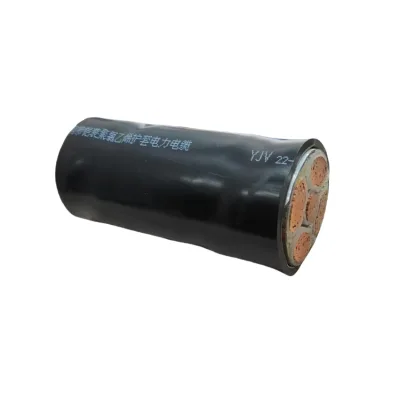
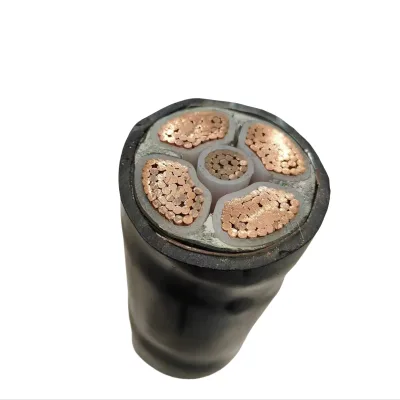
Professional Manufacturer Flexible Low Voltage Cable Cables Electric Low Voltage
$0.60 - $8.60
MOQ: 500 Minimum

Henan Henway Electric Co., Ltd
- Verified by BV
- Manufacturer/Factory
- China Henan
- Lead time15 days
- Avg. response≤ 4h
Main productsPower Cable, XLPE Cable, AAC ACSR AAAC Conductor, ABC Cable, Control Cable, Submarine Cable, Hta Cable, BV Wire, Solar Cable
Main marketsSouth America,Eastern Europe,Mid East,North America,Southeast Asia,Eastern Asia,Oceania,Western Europe,Africa

High Quality Security 0.6/1kv Bbtrz Wire Fireproof Cable Underground Power Cable
$1.00
MOQ: 500 Meters


Zhengzhou Zoom Link Cable Co., Ltd.
- Verified by TUVRHEINLAND
- Combined
- China Henan
- Lead time15 days
- Avg. response≤ 2h
Main productsOverhead Cable Serivice Drop Wire ABC Cable, Caai ACSR AAAC AAC Acar ACSR/Aw, Concentric Cable Stay Wire Electric Wire, Power Cable Poly Wire 15-35kv Tree Wire, Control Cable Instrument Cable, Saw PVC Cable XLPE Electric Cable
Main marketsSouth America,Africa,Southeast Asia/ Mideast,Domestic


0.6/1kv Low Voltage Fire-Resistant Underground Armoured PVC Insulated Power Cable
$1.60
MOQ: 5000 Meters


- Verified by CTI
- Trading Company
- China Henan
- Lead time30 days
- Avg. response≤ 2h
Main productsconductor
Main marketsAfrica


Reliable 6.6-33kv 25-800mm2 Flame Retardant Underground Power Cable Solution
$0.80 - $6.50
MOQ: 1000 Meters

- Verified by SGS
- Combined
- China Hebei
- Lead time15 days
- Avg. response≤ 1h
Main productsflexible cable
Main marketsDomestic
Guangxi Jiayou Power Technology Co., Ltd.
- Verified by TüVRheinland
- Manufacturer, Trading Company
- Lead time15 days
- Avg. response≤ 3h
Main productsElectric Wire, Power Cable, Control Cable, Solar Cable, Communication Cable
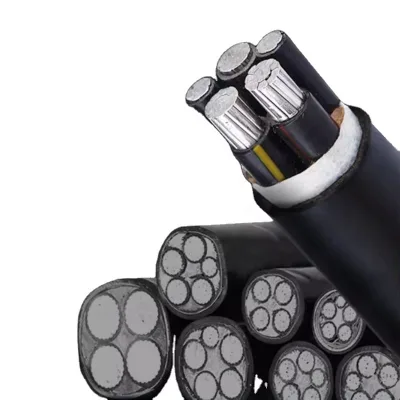
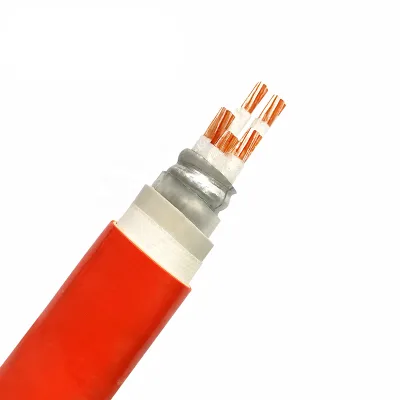
Anticorrosive Sheath Low Voltage Mineral Fireproof Insulated Power Con Cable for Industry
$11.00 - $13.00
MOQ: 100
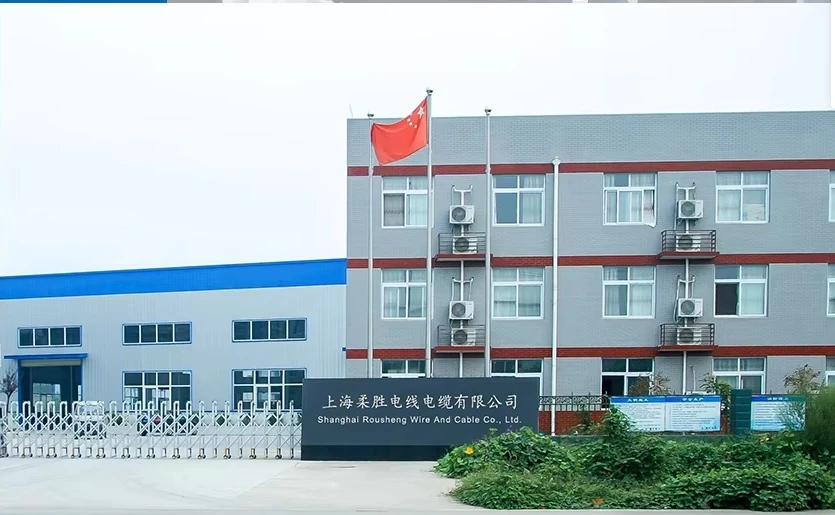
Shanghai Rousheng Wire And Cable Co., Ltd.
- Manufacturer
- Shanghai, China
- Lead time15 days
- Avg. response≤ 1h
Main productsZero buoyancy line,Floating cable,ROV cable,Underwater robot cable,Anti seawater cable
Main marketsCentral America(10.00%), Western Europe(10.00%), Mid East(10.00%), South Asia(10.00%), Northern Europe(10.00%), Southeast Asia(10.00%), Eastern Europe(10.00%), South America(10.00%), North America(10.00%), Oceania(5.00%), Africa(5.00%)

Henan Jinshui Cable Group Co., Ltd.
- Verified by TUVRHEINLAND
- Combined
- China Henan
- Lead time15 days
- Avg. response≤ 12h
Main productsCable, Power Cable, Electric Wire, ACSR, XLPE Cable, ABC, AAAC, PVC Cable, AAC, Wire
Main marketsSouth America

High Voltage Underground Power Cable for Reliable Energy Distribution
$8.00 - $189.00
MOQ: 1000 Meters


Guangzhou Aojin Trading Co., Ltd.
- Manufacturer, Trading Company
- Guangdong, China
- Lead time0 days
- Avg. response≤ 3h
Main productscable,wire,Outdoor Lighting
Main marketsSouth Asia(70.00%), Eastern Europe(30.00%)
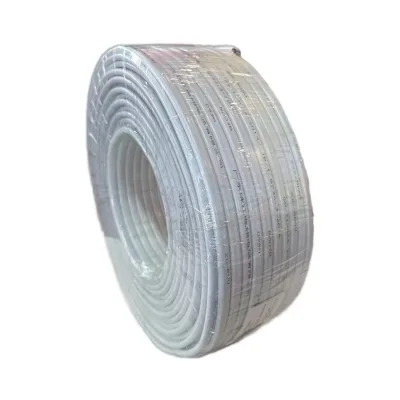
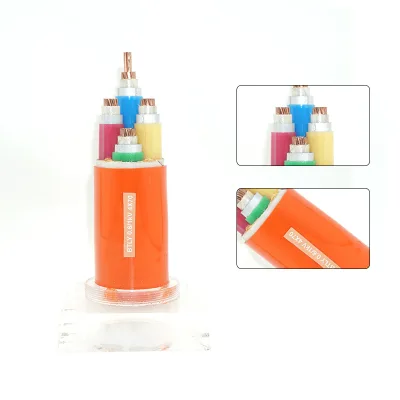
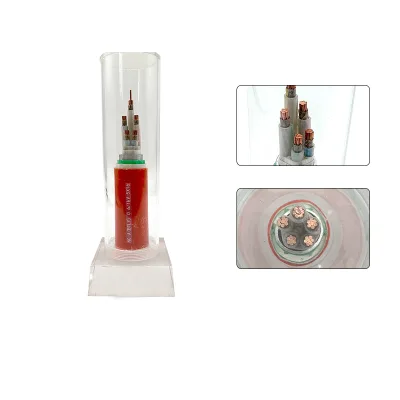
High-quality 0.6/1kV Fire-resistant Power Cable, Mineral Insulated Power Cable
$0.5655 - $0.9634
MOQ: 1 Minimum

Henan Yuyunxin Cable Co., Ltd.
- Verified by SGS
- Combined
- China Henan
- Lead time23 days
- Avg. response≤ 2h
Main productsABC Cable, Solar Cable, Rubber Cable, Bare Conductor, Power Cable, Electric Wire
Main marketsDomestic
Henan Jinshui Cable Group Co., Ltd.
- Verified by SGS Group
- Manufacturer, Trading Company
- Lead time30 days
Main productsWire and Cable
Main marketsDomestic Market(65%), North America(9%), Africa(9%)
Tangshan Dongfang Xinsheng Technology Co., Ltd.
- Verified by TüVRheinland
- Manufacturer, Trading Company
- Lead time30 days
- Avg. response≤ 2h
Main productsWelding Cable, Low Voltage Cable, Medium Voltage Cable, Rubber Cable, Mining Cable
Main marketsDomestic Market(50%), Southeast Asia(20%), Mid East(20%)

- Manufacturer/Factory
- China Jiangsu
- Lead time45 days
- Avg. response≤ 1h
Main productsACSR Conductor, Bare Conductor, Aluminum Conductor, Aerial Bundled Cable ABC, Overhead Line Conductor, XLPE Power Cable, Mv Hv Power Cable, Solar PV Cable, Control Instrumentation Cable, Tree Wire Covered Conductor
Main marketsSouth America,Eastern Europe,Mid East,North America,Southeast Asia,Eastern Asia,Oceania,Western Europe,Africa

Shenzhen Asenware Test and Control Technology Co., Ltd.
- Verified by CTI
- Trading Company,Manufacturer/Factory
- China Guangdong
- Lead time15 days
- Avg. response≤ 11h
Main productsFire Alarm System, Smoke Detector, Fire Alarm Control Panel, Fire Alarm, FM200, Fire Pump, Flame Detector, Fire Hose Reel, Emergency Light System, Beam Smoke Detector
Main marketsSouth America,Eastern Europe,Mid East,North America,Southeast Asia,Eastern Asia,Oceania,Western Europe,Africa
Huadong Cable Jiaozuo Co., Ltd.
- Verified by TüVRheinland
- Manufacturer, Trading Company
- Lead time15 days
- Avg. response≤ 5h
Main productsBare Conductor, Power Cable, Special Cable, Rubber Cable, Control Cable
Main marketsSoutheast Asia(25%), Africa(20%), South America(15%)
Shenzhen Jzd Wire & Cable Co., Ltd.
- Verified by SGS Group
- Manufacturer, Trading Company
- Lead time7 days
- Avg. response≤ 3h
Main productsPlastic Insulated Cable, THHN Wire, Cross Linked PE Power Cable, Low Smoke Halogen Free Power Cable, Solar Cable
Main marketsDomestic Market(16%), Southeast Asia(15%), South America(10%)


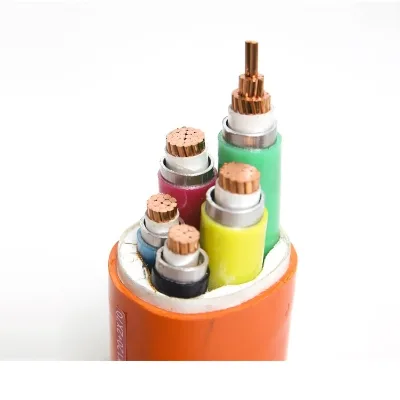
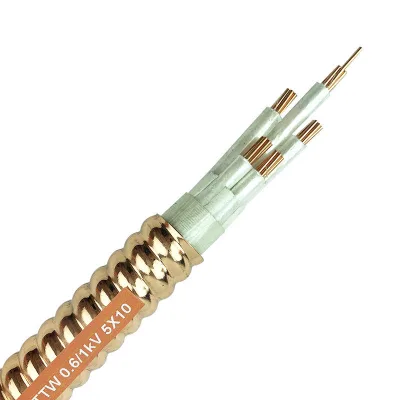
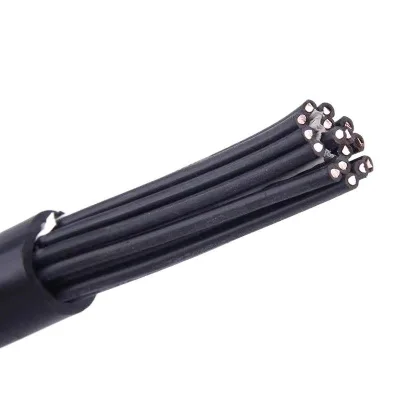


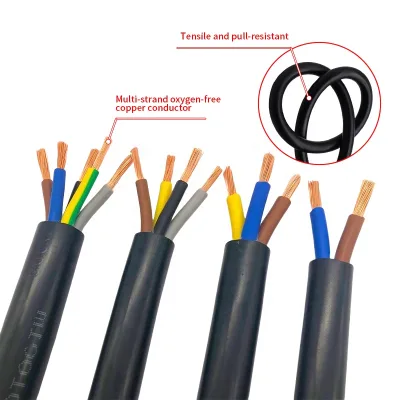


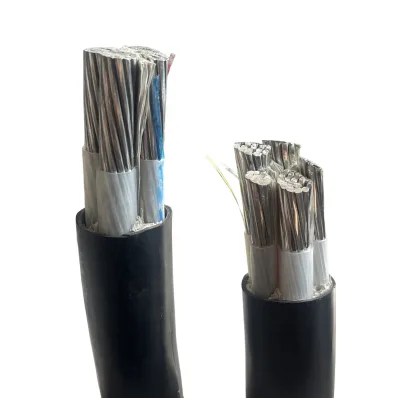
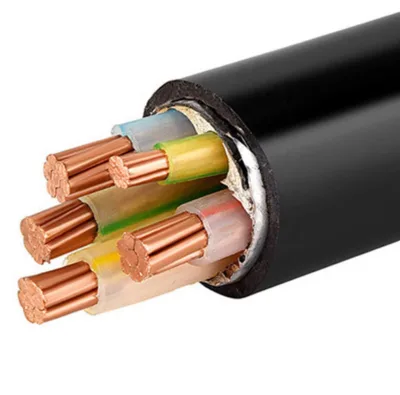
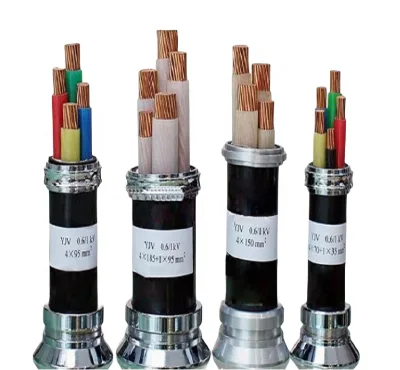


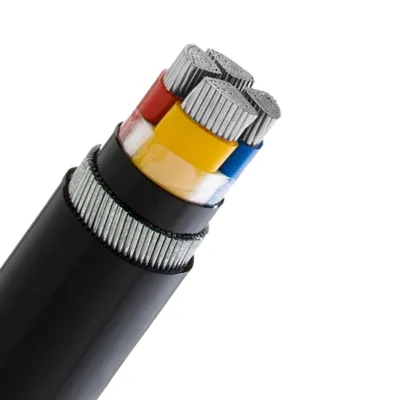
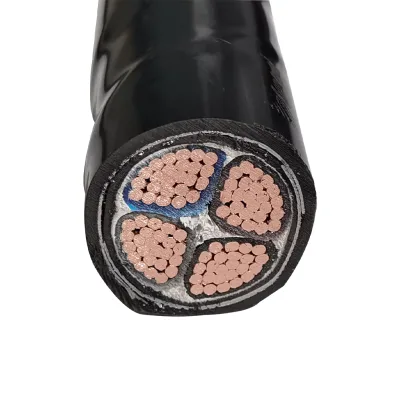
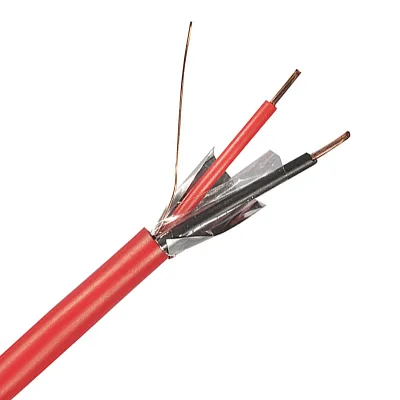
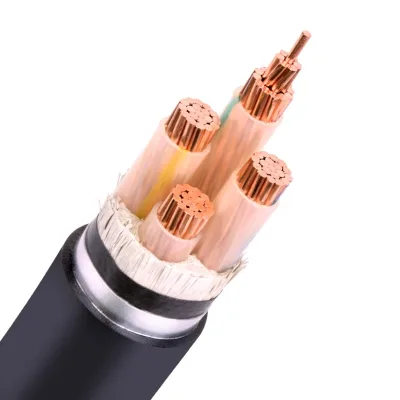
Comprehensive Sourcing Guide
Low Voltage Underground Fireproof Cable Supplier Concentration and Factory Types
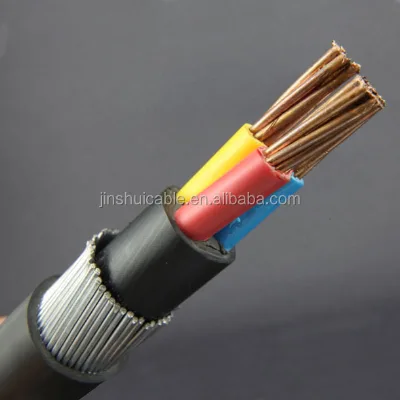
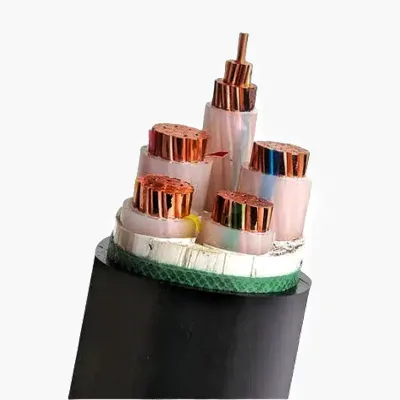
The current supplier landscape for Low Voltage Underground Fireproof Cable reveals a distinct concentration in China, specifically within the Henan region. This geographic clustering suggests a localized industrial ecosystem where raw material sourcing, manufacturing infrastructure, and logistical networks are optimized for cable production. Buyers evaluating potential partners should recognize that Henan-based entities often share supply chain advantages, such as proximity to aluminum and copper processing facilities, which can influence both cost structures and production agility. When assessing suppliers from this region, it is crucial to distinguish between different operational models, as the type of entity significantly impacts service flexibility and quality control protocols. The data indicates a mix of Trading Companies and Manufacturer/Factory entities, each offering distinct value propositions for procurement teams.
Manufacturer/Factory suppliers typically possess direct control over the production line, allowing for stricter oversight of insulation materials like XLPE and sheath materials such as PVC. These entities often highlight their capacity for OEM services and own brand development, indicating a readiness to customize cable specifications for specific underground applications. In contrast, Trading Companies may offer a broader portfolio of related electrical equipment, including aluminum sheets and ACSR conductors, providing a one-stop solution for larger infrastructure projects. However, trading entities might have varying levels of direct manufacturing involvement, requiring buyers to verify the actual production source. Understanding this distinction is vital for determining who holds responsibility for quality assurance and whether the supplier can accommodate complex customization requests for fireproof and armored cable variants.
How to Verify Low Voltage Underground Fireproof Cable Suppliers
Verifying the legitimacy and capability of suppliers requires a rigorous examination of their system certifications and product-specific credentials. The available data shows that many suppliers hold ISO 9001, ISO 14001, and OHSAS/OHSMS 18001 certifications, which serve as foundational indicators of standardized management practices. However, buyers must go beyond general system certifications to validate product-specific compliance, such as CE, RoHS, and SGS standards, which are frequently listed in product attributes. These certifications are particularly critical for underground cables, where safety and environmental standards are stringent. Buyers should request copies of these certificates and verify their validity through independent databases, ensuring that the certifications are current and applicable to the specific cable models being sourced, such as fire-resistant or armored variants.
Beyond documentation, assessing the supplier’s response time and production experience provides insight into their operational reliability. The observed response times vary, with some suppliers averaging around 9.67 hours, while others respond more quickly, indicating different levels of customer service prioritization. A faster response time often correlates with better communication during the customization and order fulfillment process, which is essential for complex cable specifications. Additionally, suppliers claiming fifteen years of production experience should be asked to provide references or case studies from similar underground projects. Buyers should also verify the supplier’s export experience to regions like Southeast Asia, Australia, or South America, as this demonstrates familiarity with international shipping requirements and regulatory standards. Direct communication to test responsiveness and technical knowledge is a practical step in confirming supplier competence.
What to Compare Across Low Voltage Underground Fireproof Cable Suppliers
When comparing suppliers, lead time and minimum order quantity (MOQ) are critical operational metrics that directly impact project planning and inventory management. The data indicates lead times ranging from 15 to 23 days, with some suppliers offering expedited options. Buyers should align these lead times with their project schedules, considering that underground cable projects often have strict deadlines. Similarly, MOQs vary significantly, with some suppliers requiring as few as 200 units, while others mandate 500 or even 1000 units. For smaller projects or trial orders, suppliers with lower MOQs may be more suitable, whereas large-scale infrastructure developments might benefit from the economies of scale offered by suppliers with higher volume requirements. Comparing these metrics helps buyers identify suppliers that match their specific order volume and timeline constraints.
Price ranges and customization capabilities are also key differentiators among suppliers. The observed price points for low voltage underground cables range from $0.10 to $999.00 per unit, reflecting variations in conductor material, insulation thickness, and armor type. Buyers should not focus solely on the lowest price but rather on the value proposition, including the inclusion of certifications and packaging options. Many suppliers offer customization, allowing for specific voltage ratings, conductor sizes, and sheath materials. It is essential to compare the scope of customization offered, such as the ability to produce fireproof or flame-retardant variants, and whether the supplier can accommodate special packaging requirements like wooden drums or steel coils. Evaluating these factors ensures that the selected supplier can meet both technical specifications and logistical needs.
Common Low Voltage Underground Fireproof Cable Sourcing Risks
One significant risk in sourcing low voltage underground fireproof cables is the potential mismatch between claimed certifications and actual product compliance. Suppliers may list multiple certifications, such as UL, VDE, CCC, and ISO, but buyers must ensure that these apply to the specific cable model and application. Underground cables are subject to rigorous testing for fire resistance, moisture resistance, and mechanical strength, and non-compliant products can lead to project failures or safety hazards. Buyers should request third-party test reports from accredited laboratories to verify that the cables meet the required standards, such as IEC or ASTM. Failing to validate these test results can result in receiving cables that do not perform as expected in underground environments, leading to costly replacements and project delays.
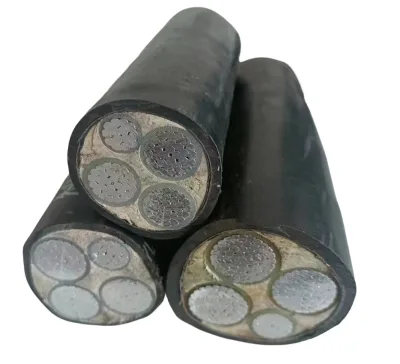
Another risk involves the variability in product quality and material composition, particularly regarding conductor and insulation materials. While many suppliers specify XLPE insulation and PVC sheathing, the quality of these materials can vary based on the supplier’s manufacturing processes and raw material sources. Buyers should be cautious of suppliers who do not provide detailed specifications for conductor material, such as whether it is copper or aluminum, and the stranding configuration. Additionally, the application range, such as flame retardant or fire-resistant properties, must be clearly defined and verified. Suppliers claiming fireproof capabilities should provide evidence of fire testing, such as vertical flame test results. Without this verification, buyers risk sourcing cables that do not meet the fire safety requirements of their project, potentially compromising the integrity of the electrical installation.
Low Voltage Underground Fireproof Cable Regional Sourcing and Logistics
Sourcing from the Henan region in China offers logistical advantages due to its central location and established industrial infrastructure. However, buyers must consider the implications of regional sourcing on shipping costs and delivery times. The observed lead times of 15 to 23 days suggest that production is efficient, but international shipping can add significant time to the overall delivery schedule. Buyers should work with suppliers who have experience in exporting to their target markets, as this indicates familiarity with customs procedures and documentation requirements. Suppliers with export experience to regions like Southeast Asia, Australia, or South America are likely to have established logistics partnerships that can streamline the shipping process. Understanding the supplier’s logistics capabilities is essential for accurate project planning and avoiding unexpected delays.
Packaging and handling are also critical aspects of regional sourcing, as underground cables are heavy and require specialized packaging to prevent damage during transit. The data shows that suppliers offer various packaging options, including wooden drums, steel coils, and custom packaging as per client requirements. Buyers should specify their packaging needs clearly to ensure that the cables arrive in good condition. Additionally, the weight and dimensions of the cables can impact shipping costs, so buyers should compare the total landed cost, including freight and insurance, rather than just the product price. Suppliers who offer flexible packaging solutions can help optimize shipping efficiency and reduce costs. By carefully evaluating the supplier’s logistics and packaging capabilities, buyers can mitigate the risks associated with international shipping and ensure timely delivery of their low voltage underground fireproof cables.
Low Voltage Underground Fireproof Cable Commercial Terms and Order Planning
Commercial terms, including payment conditions and warranty policies, play a crucial role in order planning and risk management. Buyers should negotiate clear terms that protect their interests, such as escrow services or letters of credit, to ensure secure transactions. The availability of free samples from some suppliers allows buyers to test product quality before committing to large orders, which is a valuable risk mitigation strategy. Buyers should also clarify the warranty period and after-sales support provided by the supplier, as this can impact long-term project maintenance and reliability. Understanding the supplier’s return and replacement policies is essential for addressing any potential quality issues that may arise after delivery.
Order planning should also consider the supplier’s capacity for handling large volumes and their ability to scale production if needed. Suppliers with OEM capabilities and established production lines are better positioned to handle large orders without compromising quality or lead times. Buyers should discuss their projected order volumes with suppliers to ensure that the supplier can meet their requirements. Additionally, buyers should plan for potential fluctuations in raw material prices, such as copper and aluminum, which can affect the final cost of the cables. By establishing a clear understanding of commercial terms and order planning requirements, buyers can build a more resilient supply chain and ensure the successful procurement of low voltage underground fireproof cables.
FAQs
What certifications are available for low voltage underground cables?
Suppliers offer cables with CE, ISO, and RoHS certifications. Some products also include VDE, CCC, and SGS standards. These certifications ensure compliance with international safety and quality requirements for underground electrical installations and power distribution systems.
What is the typical lead time for these cables?
The typical lead time ranges from 15 to 23 days. This duration depends on the specific cable model and order volume. Buyers should confirm exact delivery schedules with suppliers to ensure timely project completion and supply chain management.
What is the minimum order quantity for power cables?
Minimum order quantities vary between 200 and 1000 units. Some suppliers require 500 units as a standard baseline. Buyers should verify the specific MOQ for their chosen cable type to align with their project procurement requirements and budget planning.
Where are these cables manufactured?
These cables are manufactured in Henan, China. Suppliers in this region provide both trading company and manufacturer options. Buyers can source directly from factories or through trading entities depending on their preferred procurement strategy and supply chain preferences.
What insulation materials are used in these cables?
Common insulation materials include XLPE and PVC. Some cables also use crosslinking materials for enhanced durability. These materials provide excellent electrical insulation and resistance to environmental factors, making them suitable for underground and overhead power transmission applications.
What is the price range for these cables?
Prices range from $0.10 to $999.00 per unit. The cost varies based on conductor material, size, and certification. Buyers should request detailed quotes to understand the final pricing structure and ensure it fits within their project budget constraints.
How quickly do suppliers respond to inquiries?
Supplier response times average between 4.70 and 9.67 hours. Faster response times indicate active customer support teams. Buyers can expect timely communication regarding product specifications, pricing, and order status updates during the sourcing process.