Customized Aluminium Glass Sliding Doors Suppliers and Manufacturers
Explore 27 verified options for Customized Aluminium Glass Sliding Doors with details on location, lead times, and certifications. Compare response times, MOQs, and product specs to select the right factory for your project needs today; review the available evidence before requesting comparable quotations from suitable candidates.
Updated
Suppliers List

- Verified by CTI
- Trading Company
- China Guangdong
- Lead time30 days
- Avg. response≤ 9h
Main productsStaircase, Raliing, Aluminum Doors and Windows, Interior and Exterior Door, Kitchen Cabinet, Wardrobe, Custom Whole-House Cabinet, Curtain Wall
Main marketsSoutheast Asia/ Mideast,Domestic,Europe,North America

Shenzhen Prima Housing Co., Ltd.
- Manufacturer/Factory
- China Guangdong
- Lead time0 days
- Avg. response≤ 5h
Main productsStaircase and Railing, Cabinets, Aluminum Windows and Doors, Wood Doors, Furniture
Foshan LM Building Material Co., Ltd.
- Verified by Intertek
- Trading Company
- Lead time15 days
- Avg. response≤ 3h
Main productsAluminum Windows, Aluminum Doors, Steel Doors, Iron Doors, Garage Doors
Main marketsNorth America(40%), Africa(20%), Oceania(20%)

Foshan Xingji Pilot Metal Products Co., Ltd.
- Verified by TUVRHEINLAND
- Combined
- China Guangdong
- Lead time30 days
- Avg. response≤ 10h
Main productsAluminium Door, Aluminium Window, Aluminium Profile, Curtain Wall, Aluminum Sunroom
Main marketsDomestic


Aluminium Double Glazed Glass Sliding Doors with Lower Price China Manufacturer
$152.00 - $185.00
MOQ: 230 Square Meters


Shandong Imagery Aluminum Technology Co., Ltd.
- Verified by TUVRHEINLAND
- Combined
- China Shandong
- Lead time30 days
- Avg. response≤ 10h
Main productsAluminum Door, Aluminum Window, Curtain Walls, PVC Window Door, Aluminum Louver Shutter Blind, Aluminum Wood Window Door, Aluminum Furniture, Sunroom, Handrail Balustrade
Main marketsSouth America,Southeast Asia/ Mideast,Europe,Australia,North America


High Quality Customized Colors Non-Thermal Break Aluminum Glass Sliding Door
$70.00 - $99.00
MOQ: 2 Square Meters

High Quality Aluminium Folding Door Glass Folding Glass Door on Sale
$160.00 - $180.00
MOQ: 5 Square Meters
Shanghai Superwu Therm Windows,LLC
- Verified by TüVRheinland
- Manufacturer, Trading Company
- Lead time30 days
- Avg. response≤ 5h
Main productsAluminum Doors, Aluminum Windows, Doors and Windows, Balustrade, Curtain Wall
Main marketsNorth America(50%), Oceania(25%), Southeast Asia(5%)

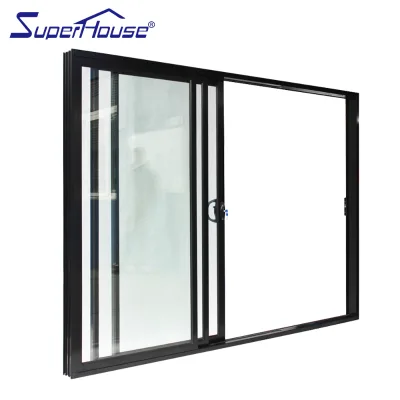
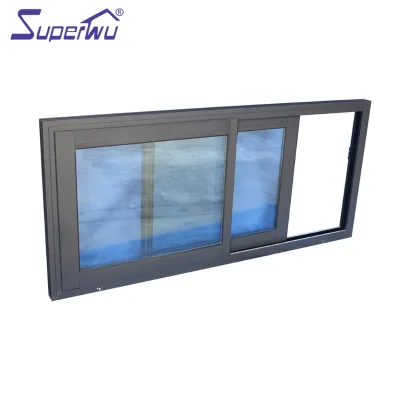
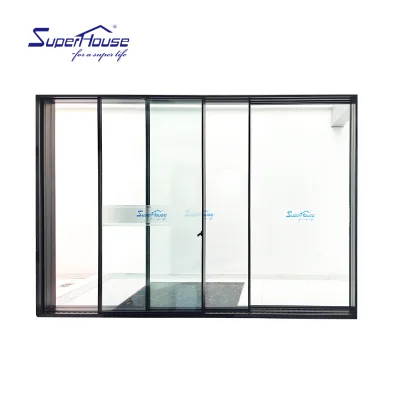
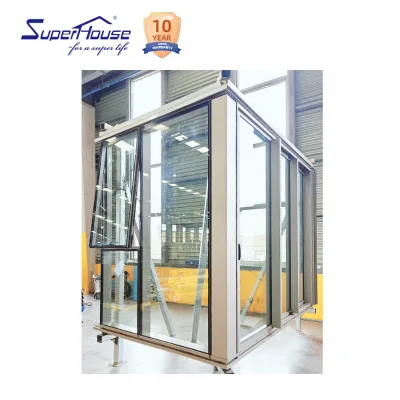
New Design Sliding Aluminum Glass Windows and Doors
$120.00 - $160.00

Qingdao Luqing Jiayu Metal Products Co., Ltd
- Verified by BV
- Combined
- China Shandong
- Lead time30 days
- Avg. response≤ 1h
Main productsAluminium Window, Aluminium Door
Main marketsDomestic


Factory-Made Aluminum Sliding Doors and Glass Doors for Doors.
$100.00 - $130.00
MOQ: 10 Square Meters


Aluminum Sliding Glass Door - Horizontal Double-Layer Glass Sliding Door
$100.00 - $130.00
MOQ: 10 Square Meters


Anhui Lagunas Doors and Windows Manufacture Co., Ltd.
- Manufacturer/Factory
- China Anhui
- Lead time15 days
- Avg. response≤ 10h
Main productsSteel Door, Wooden Door, Glass Door, Roller Shutter, Aluminium Window, UPVC Doors, UPVC Windows, Steel Windows, Solid Wood Doors, MDF Doors
Main marketsSouth America,Mid East,North America,Southeast Asia,Eastern Asia,Oceania,Western Europe,Africa


New Design Sliding Glass Doors with Handle Double Glazed Aluminium Sliding Doors
$73.00 - $78.00
MOQ: 3 Square Meters


Modern Style High Quality Aluminum Sliding Door Automatic Glass Door for Offices
$73.00 - $78.00
MOQ: 3 Square Meters

- Verified by TUVRHEINLAND
- Combined
- China Jiangsu
- Lead time30 days
- Avg. response≤ 3h
Main productsCasement Window, Aluminium Window Door, Aluminum Window, Fireproof Glass, Insulated Glass, Laminated Glass(PVB/Sgp), Flat Tempered Glass, Curved Glass(Tempered/Laminated/Insulated), Curtain Wall Glass, 3D Laser Glass
Main marketsSoutheast Asia/ Mideast,Domestic

Customized Aluminum Profile Windows and Doors Slim Sliding Glass Door
$90.00 - $159.00
MOQ: 2 Square Meters

Robust Sliding Doors with Double Glass for Enhanced Fireproofing
$90.00 - $159.00
MOQ: 2 Square Meters
Anhui New Breathing Door & Window Co., Ltd.
- Manufacturer, Trading Company
- Anhui, China
- Lead time40 days
- Avg. response≤ 2h
Main productsPlastic Steel Door and Window, Broken Bridge Aluminum Alloy Doors and Windows, Ordinary Aluminum Alloy Doors and Windows, Fire Door and Window
Main marketsSoutheast Asia(20.00%), North America(20.00%), Domestic Market(5.00%), South Asia(5.00%), Southern Europe(5.00%), Northern Europe(5.00%), Central America(5.00%), Western Europe(5.00%), Eastern Asia(5.00%), Mid East(5.00%), Oceania(5.00%), Africa(5.00%), South America(5.00%), Eastern Europe(5.00%)
Foshan Miaofeng Building Materials Co., Ltd.
- Verified by SGS Group
- Manufacturer, Trading Company
- Lead time25 days
- Avg. response≤ 4h
Main productsAluminum casement windows, Aluminum folding doors, Aluminum sliding doors, Aluminum hinged doors, Aluminum storefront doors
Main marketsNorth America(60%), Western Europe(15%), Southeast Asia(15%)
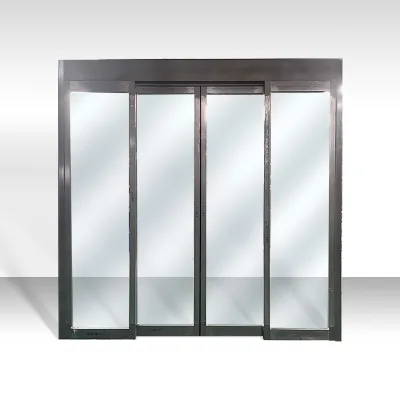
Cheap Aluminium Slide Door Soundproof Storefront Automatic Sliding Glass Door System
$178.00 - $198.00
MOQ: 2 square
Luoyang Jiulong New Material Technology Co., Ltd.
- Manufacturer, Trading Company
- Henan, China
- Lead time7 days
- Avg. response≤ 1h
Main productstempered glass, laminated glass, insulated glass, doors and windows & accessories, Balustrades & Handrails
Main marketsNorth America(50.00%), Eastern Asia(10.00%), Mid East(10.00%), Africa(10.00%), Southeast Asia(10.00%), South America(10.00%)
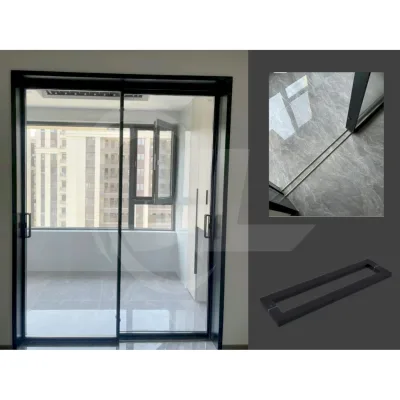
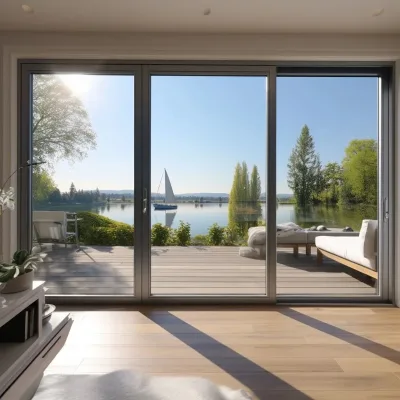
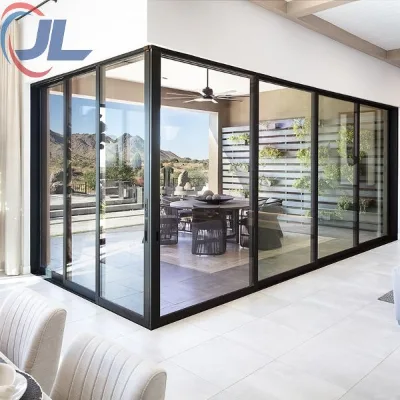
Customize Design European Standard Double Glass Sliding Doors Interior Doors
$87.5716 - $156.599
MOQ: 2 square
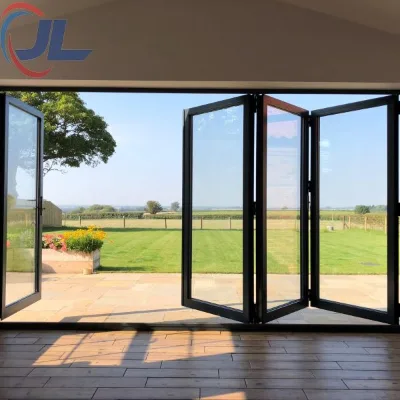

Chongqing Yixinmao Industry and Trade Co., LTD
- Verified by SGS
- Trading Company
- China Chongqing
- Lead time30 days
- Avg. response≤ 5h
Main productsWooden Veneer Door, Interior Door, Wooden Lacquered Door, Wardrobe Closet, Kitchen Cabinet, Closet, Aluminum Widow, Wall Panel
Main marketsDomestic


Factory Direct Customization Aluminium Glass Sliding Doors and Windows
$88.00 - $420.00
MOQ: 2 Square Meters

GUANGZHOU HOMI ALUMINIUM CO., LTD
- Verified by TUVRHEINLAND
- Manufacturer/Factory
- China Guangdong
- Lead time0 days
- Avg. response≤ 7h
Main productsAluminum Profile, Aluminum Window, Aluminum Door, Curtain Wall, Aluminum Formwork

Guangzhou Topbright Building Materials Co.,Ltd
- Verified by TUVRHEINLAND
- Manufacturer/Factory
- China Guangdong
- Lead time23 days
- Avg. response≤ 9h
Main productsAluminium Window, Aluminum Door, Curtain Wall, Folding Door, Sliding Door, Railing, Building Glass, PVC Window, Glass, Tempered Glass
Main marketsSouth America,Eastern Europe,North America,Southeast Asia,Eastern Asia,Oceania,Western Europe


Basic Customization New Design Aluminum Profile Sliding Glass Doors Sale
$95.00 - $145.00
MOQ: 1 Square Meters
Guangzhou Dongnuo Trading Co., Ltd.
- Manufacturer, Trading Company, Distributor/Wholesaler
- Guangdong, China
- Lead time0 days
- Avg. response≤ 6h
Main productsBifold Doors,casement door,Sliding Door,Aluminum Casement Window,Sunroom
Main marketsNorth America(30.00%), South America(20.00%), Mid East(10.00%), Africa(10.00%), Eastern Europe(10.00%), Northern Europe(10.00%), Western Europe(5.00%), Southern Europe(5.00%)

Guangdong Jinhuahai Aluminum Co., Ltd.
- Verified by TUVRHEINLAND
- Combined
- China Guangdong
- Lead time30 days
- Avg. response≤ 6h
Main productsAluminum
Main marketsSouth America,Domestic
Foshan Baivilla Doors Windows System Co., Ltd.
- Manufacturer, Trading Company
- Lead time旺季: "1 - 2":32,"> 2":"To be negotiated", 淡季: "1 - 2":32,"> 2":"To be negotiated"
- Avg. response≤ 2h
Main productsAluminum Doors and Windows, Curtain Wall
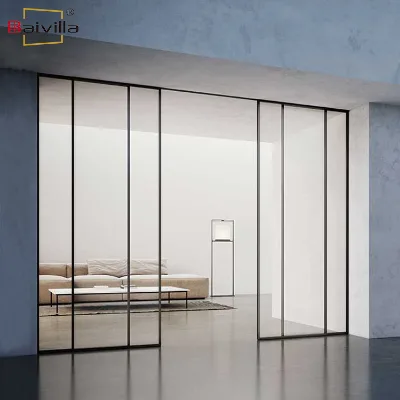
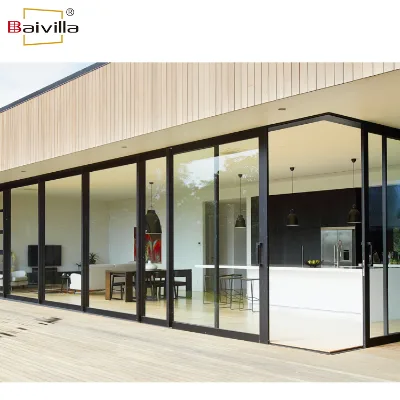
New Models Waterproof Aluminium Slide Doors Aluminum Glass Sliding Door Design in Kitchen
$91.5664 - $132.7185
MOQ: 2 square
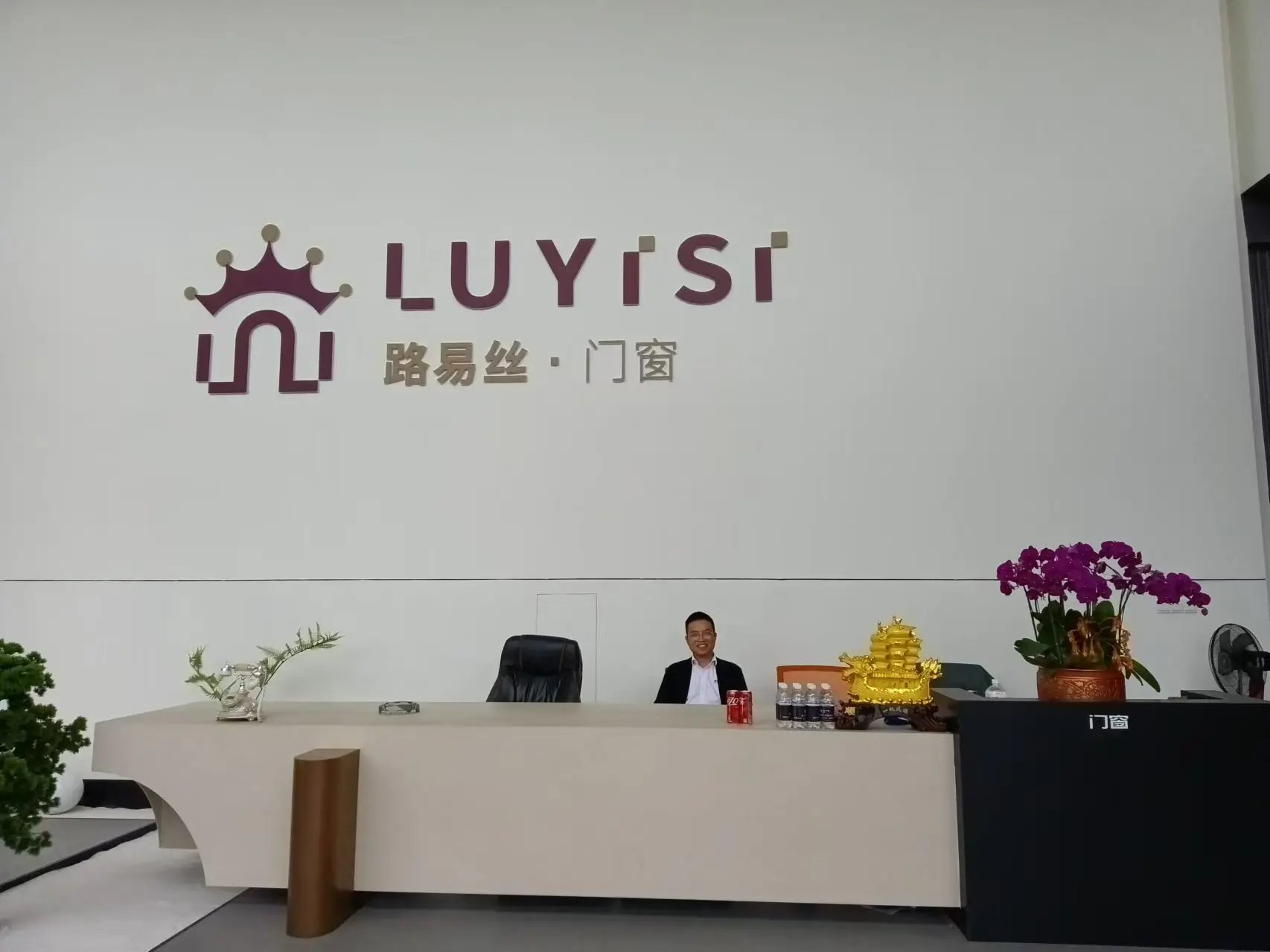
Foshan Jiangfeng Home Building Materials Co., Ltd.
- Manufacturer, Trading Company
- Guangdong, China
- Lead time20 days
- Avg. response≤ 9h
Main productsSliding Window, Casement Window, Lifting Up Windows, Louvers Window, Sliding Door
Main marketsDomestic Market(100.00%)
Guangzhou Apro Building Material Co., Ltd.
- Manufacturer, Trading Company
- Lead time旺季: "1 - 1":7,"2 - 3":15,"> 3":"To be negotiated", 淡季: "1 - 1":7,"2 - 3":15,"> 3":"To be negotiated"
- Avg. response≤ 1h
Main productsAluminum Door, Aluminum Window, Curtain Wall, Pergola, Office Partition
Foshan Dong Yu Doors And Windows Co., Ltd.
- Verified by Intertek
- Manufacturer, Trading Company
- Lead time20 days
- Avg. response≤ 3h
Main productsSteel Doors, Curtain Wall, Aluminum Alloy Doors And Windows, Wooden Doors, Kitchen Cabinet
Main marketsDomestic Market(38%), Africa(18%), North America(14%)
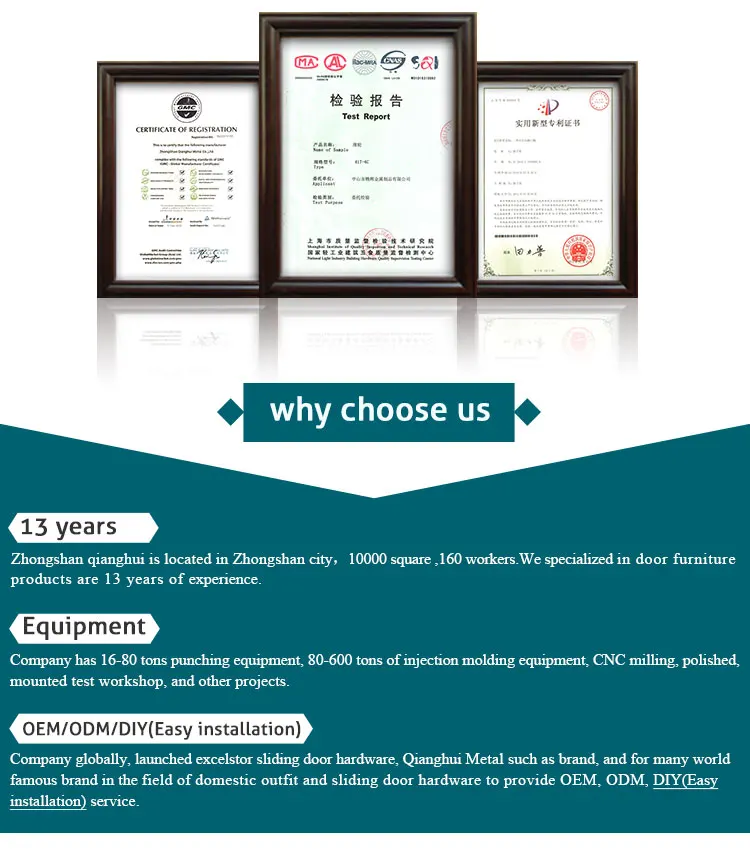
Zhongshan HEBO Hardware Co., Ltd.
- Manufacturer, Trading Company
- Guangdong, China
- Lead time7 days
- Avg. response≤ 2h
Main productsSliding Door Roller
Main marketsMid East(11.00%), Oceania(10.00%), Domestic Market(10.00%), Western Europe(9.00%), Eastern Asia(9.00%), Central America(8.00%), Eastern Europe(8.00%), Northern Europe(8.00%), Southern Europe(7.00%), Southeast Asia(6.00%), South Asia(6.00%), North America(5.00%), Africa(3.00%)

- Verified by CTI
- Trading Company
- China Guangdong
- Lead time30 days
- Avg. response≤ 6h
Main productsKitchen Cabinet, Staircase, Aluminum Window, Wardrobe, Whole-House Custom Cabinets, Interior and Eexterior Door, Aluminum Sliding Door, Railing, Curtain Wall
Main marketsSoutheast Asia/ Mideast,Domestic,Europe,North America


Aluminum Framed Exterior Sliding Glass Door with Automatic Lock System
$130.00 - $150.00
MOQ: 5 Square Meters
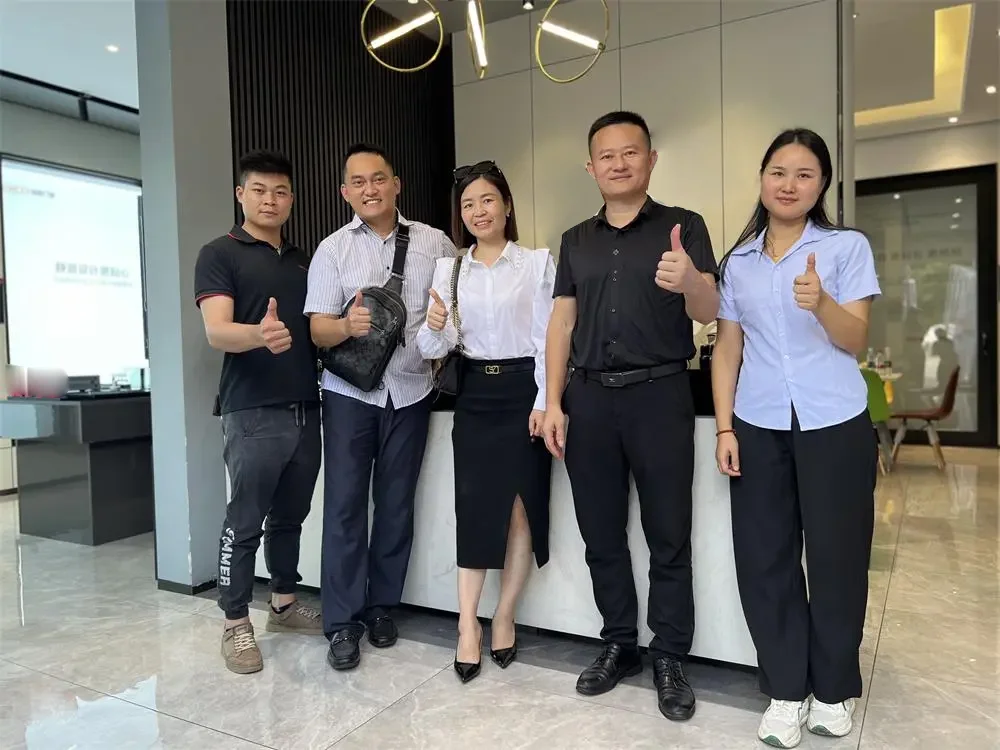
Foshan Xiyue Home Building Materials Co., Ltd.
- Manufacturer, Trading Company
- Guangdong, China
- Lead time15 days
- Avg. response≤ 3h
Main productsAluminum Alloy Casement Window,Aluminum Alloy Sliding Door,Aluminum Alloy Sliding Window,Aluminum Alloy Swing Door,Aluminum Alloy Offset Shaft Door
Main marketsSoutheast Asia(20.00%), Mid East(20.00%), Western Europe(10.00%), Domestic Market(5.00%), South Asia(5.00%), Southern Europe(5.00%), Northern Europe(5.00%), Eastern Asia(5.00%), Africa(5.00%), Eastern Europe(5.00%), South America(5.00%)
Guangzhou House Empire Construction & Furnishing Co., Ltd
- Verified by SGS Group
- Trading Company
- Guangdong, China
- Lead time0 days
- Avg. response≤ 4h
Main productsRoller Shutter Doors & Windows, Aluminum Frame Glass Doors & Windows, Garage Doors, Crystal Doors, Fireproof Doors and Industrial Doors
Main marketsNorth America(50%), Western Europe(15%), South America(5%)
Beigeman International Brand Management (foshan) Co., Ltd.
- Verified by SGS Group
- Manufacturer, Trading Company
- Lead time25 days
- Avg. response≤ 4h
Main productsGarage Doors, Sliding Doors, Sun Room, Casement Windows, Sliding Windows
Main marketsDomestic Market(55%), North America(15%), Southeast Asia(15%)
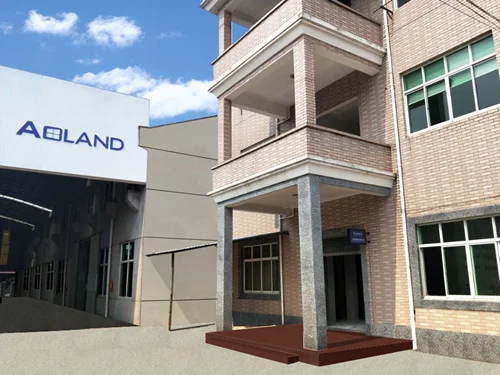
Shanghai Aoland Buidling Materials Limited
- Manufacturer, Trading Company
- Shanghai, China
- Lead time38 days
- Avg. response≤ 6h
Main productsAluminum Windows And Doors; Curtain Wall; Louver; Handrails
Main marketsOceania(50.00%), Africa(15.00%), North America(10.00%), Southeast Asia(5.00%), Northern Europe(5.00%), Central America(5.00%), Western Europe(5.00%), South America(5.00%)






Comprehensive Sourcing Guide
Customized Aluminium Glass Sliding Doors Supplier Concentration and Factory Types
The sourcing landscape for Customized Aluminium Glass Sliding Doors features a mix of trading companies and direct manufacturers, each offering distinct advantages for different procurement strategies. Current data indicates that suppliers are primarily located in China, with specific manufacturing hubs identified in Guangdong and Foshan. This geographic concentration is significant because it suggests a mature industrial cluster where supply chains for aluminum profiles, glass processing, and hardware are highly developed. Buyers evaluating these suppliers should note that some entities operate as trading companies, which may offer broader product ranges including staircases, railings, and kitchen cabinets, while others are strictly manufacturers or factories. The presence of both types allows buyers to choose between the specialized production focus of a factory and the diversified inventory potential of a trader. Understanding this distinction is crucial for assessing whether a supplier can handle complex customization requests or if they are primarily reselling standard items. The location data provides a baseline for evaluating logistical efficiency, as proximity to ports in Guangdong can influence shipping costs and transit times for heavy glass products.
Supplier types also vary in their operational capabilities, with some listing specific certifications like ISO 9001 or CTI verification, which adds a layer of trust regarding quality management systems. While trading companies might streamline communication for international buyers, manufacturers often provide more direct control over production details such as thermal break profiles and glass specifications. The main products listed by suppliers range from basic interior doors to high-grade impact-resistant exterior doors, indicating a wide spectrum of technical expertise. Buyers must carefully review the company type to ensure alignment with their project needs, as a trading company might not have the same depth of engineering support for custom structural requirements as a dedicated factory. Additionally, the availability of ODM capabilities among some manufacturers suggests they can adapt existing designs rather than starting from scratch, which can be beneficial for projects with specific aesthetic or functional constraints. This diversity in supplier profiles requires buyers to conduct thorough due diligence to match their specific customization needs with the appropriate supplier type, ensuring that the chosen partner has the necessary infrastructure to deliver high-quality aluminum glass sliding doors.
How to Verify Customized Aluminium Glass Sliding Doors Suppliers
Verifying the legitimacy and capability of suppliers requires a multi-layered approach that goes beyond basic profile reviews. Buyers should prioritize suppliers who display third-party verification badges, such as CTI, which indicates that an independent inspection agency has validated certain aspects of the business. This verification is a critical first step in establishing trust, as it confirms that the supplier exists and has undergone some level of scrutiny. However, verification alone is not sufficient; buyers must also examine the specific certifications listed for their products. For instance, some suppliers list certifications like ISO, CCC, CE, and As2047, which are relevant for different markets and safety standards. It is essential to confirm that these certifications are current and applicable to the specific type of aluminum glass sliding door being ordered, as standards for thermal performance, structural integrity, and fire resistance vary significantly. Buyers should request copies of these certificates and verify their validity with the issuing bodies to avoid relying on potentially outdated or generic claims.
In addition to certifications, buyers should assess the supplier's response time and communication efficiency, as these factors often correlate with their operational maturity. Data shows response times ranging from approximately 4.40 to 8.79, which can indicate how quickly a supplier can address technical queries or provide quotes. A faster response time may suggest a more dedicated sales team, but it should be balanced with the quality of the technical information provided. Buyers should also look for evidence of past project experience, such as the ability to provide graphic design solutions or detailed packing lists. The presence of specific product attributes, such as "Heavy Duty Hardware" or "Thermal Insulation" features, can serve as indicators of technical competence. Furthermore, verifying the supplier's physical location through video calls or third-party audits can provide additional assurance. Buyers should be cautious of suppliers who cannot provide clear evidence of their manufacturing facilities or who rely solely on stock photos. By combining verification badges, certification checks, and communication assessments, buyers can build a comprehensive picture of a supplier's reliability and capability to deliver customized aluminum glass sliding doors.
What to Compare Across Customized Aluminium Glass Sliding Doors Suppliers
When evaluating multiple suppliers, buyers must compare key operational metrics to determine the best fit for their project. One of the most critical factors is the lead time, which can vary significantly between suppliers. Some suppliers list a lead time of 30 days, while others may have different schedules or even zero-day lead times for stock items, though customization typically requires production time. Buyers should clarify whether the stated lead time includes material procurement, manufacturing, and quality control processes. Another important metric is the Minimum Order Quantity (MOQ), which ranges from 1 to 10 units in the current data. A lower MOQ offers flexibility for smaller projects or sampling, while a higher MOQ might indicate a focus on bulk production. Buyers should also compare the price ranges, which can vary from as low as $40 to over $300 per unit, depending on the complexity of the design, glass type, and hardware specifications. It is crucial to understand what is included in these prices, such as packaging, shipping, and taxes, to avoid hidden costs.
Beyond price and quantity, buyers should compare the technical specifications and customization options offered by each supplier. Attributes such as the inner frame material, glass type, and sealing system can significantly impact the performance and durability of the doors. For example, some suppliers offer wooden inner frames with aluminum plates, while others use pure aluminum alloys. The glass type, whether it is clear, tempered, or fully insulated with argon, also affects thermal and acoustic performance. Buyers should also consider the supplier's ability to provide custom sizes and colors, as well as their approach to surface finishing. The availability of project solution capabilities, such as graphic design services, can be a valuable differentiator for complex architectural projects. Additionally, comparing the packing methods, such as seaworthy packing versus plywood boxes, can provide insights into the supplier's attention to detail and commitment to protecting the product during transit. By systematically comparing these factors, buyers can make informed decisions that balance cost, quality, and service requirements.
Common Customized Aluminium Glass Sliding Doors Sourcing Risks
Sourcing customized aluminum glass sliding doors involves several risks that buyers must proactively manage to ensure project success. One significant risk is the potential for quality inconsistencies, particularly when dealing with suppliers who have varying levels of manufacturing expertise. Without proper verification, buyers may receive products that do not meet the specified standards for thermal insulation, water tightness, or structural strength. This risk is heightened when working with trading companies that may not have direct control over the production process. Another risk is the discrepancy between the quoted specifications and the final delivered product. For instance, the glass type or aluminum profile thickness may differ from what was agreed upon, leading to performance issues or safety concerns. Buyers must ensure that all technical specifications are clearly documented in the contract and that quality control checks are performed before shipment.
Logistical risks are also prevalent in this category due to the fragile nature of glass and the heavy weight of aluminum frames. Improper packing can lead to damage during transit, resulting in delays and additional costs. Buyers should verify that suppliers use robust packing methods, such as air bubble film and wood packing, or seaworthy packing solutions, to protect the products. Additionally, there is a risk of communication breakdowns, especially when dealing with international suppliers. Misunderstandings regarding customization details, such as hinge types or screen netting materials, can lead to incorrect orders. Buyers should maintain clear and frequent communication, requesting detailed drawings and samples before mass production. Furthermore, there is a risk of financial loss if suppliers fail to deliver on time or if there are disputes over payment terms. Using secure payment methods and escrow services can mitigate these financial risks. By identifying and addressing these common risks early in the sourcing process, buyers can protect their interests and ensure the successful delivery of high-quality customized aluminum glass sliding doors.
Customized Aluminium Glass Sliding Doors Regional Sourcing and Logistics
Regional sourcing plays a crucial role in determining the overall cost and efficiency of procuring customized aluminum glass sliding doors. The current data indicates that many suppliers are located in China, specifically in the Guangdong province and Foshan city. This region is known for its robust manufacturing infrastructure and proximity to major shipping ports, which can facilitate efficient export logistics. Buyers sourcing from this region should consider the implications of shipping heavy and fragile items, as transportation costs can be significant. The distance from the manufacturing hub to the destination port will impact transit times and freight charges. Additionally, buyers should be aware of any regional trade policies or tariffs that may affect the final cost of the products. Understanding the logistical landscape of the supplier's location can help buyers plan their supply chain more effectively and anticipate potential delays.
Logistics planning also involves coordinating with freight forwarders to ensure that the products are handled correctly during transit. Given the nature of aluminum glass sliding doors, which include large glass panels and delicate hardware, specialized packing and handling are essential. Buyers should work with suppliers who have experience in exporting similar products and can provide recommendations for reliable logistics partners. The choice of shipping method, whether by sea or air, will depend on the urgency of the project and the budget constraints. Sea freight is generally more cost-effective for large orders, while air freight may be necessary for urgent replacements or smaller shipments. Buyers should also consider the impact of seasonal factors, such as peak shipping seasons, on lead times and availability. By carefully planning the regional sourcing and logistics strategy, buyers can minimize risks and ensure that their customized aluminum glass sliding doors arrive on time and in perfect condition.
Customized Aluminium Glass Sliding Doors Commercial Terms and Order Planning
Effective order planning and clear commercial terms are essential for a successful procurement of customized aluminum glass sliding doors. Buyers should establish a detailed timeline that accounts for design approval, sample production, manufacturing, and shipping. This timeline should be agreed upon with the supplier and include milestones for key deliverables. It is also important to define the payment terms clearly, including the deposit percentage and the balance payment schedule. Using secure payment methods, such as letters of credit or escrow services, can provide protection for both parties. Buyers should also clarify the warranty terms and after-sales support, including how defects or damages will be handled. Understanding the supplier's return and refund policies is crucial in case the delivered products do not meet the agreed specifications.
In addition to payment and warranty terms, buyers should consider the implications of customization on the order process. Customized products often require more time for design and production, and any changes to the specifications after the order is placed may incur additional costs or delays. Buyers should ensure that all customization details, such as sizes, colors, and hardware, are finalized before production begins. It is also advisable to request a detailed packing list and quality inspection report before shipment. This documentation can help verify that the products match the order specifications and are packed securely for transit. By establishing clear commercial terms and planning the order process meticulously, buyers can reduce the risk of disputes and ensure a smooth transaction. This proactive approach to order planning and commercial negotiation is vital for managing expectations and achieving the desired outcome for customized aluminum glass sliding door projects.
FAQs
What is the price range for customized aluminum glass sliding doors?
Prices typically range from $40 to $389 per unit depending on specifications. Basic models start around $40, while high-grade impact-resistant options cost up to $389. Buyers should verify exact costs based on glass type, frame material, and customization needs before placing orders.
What certifications are available for these aluminum doors?
Manufacturers offer ISO, CE, CCC, As2047, and ISO9001 certifications for their products. These standards ensure quality and safety compliance for international markets. Buyers should request specific certificate copies to verify that the supplied doors meet local building codes and regulatory requirements for their target region.
What is the minimum order quantity for these doors?
Minimum order quantities vary from 1 to 10 units per model. Some suppliers accept single-unit orders for testing, while others require ten units for standard production runs. Buyers should confirm the MOQ with the supplier to ensure it aligns with their project scale and budget constraints.
How long does production take for custom orders?
Lead times are generally around 30 days for standard custom orders. Some manufacturers may list zero days for ready stock, but custom specifications usually require this timeframe. Buyers should confirm the exact production schedule with the supplier to plan their installation timeline effectively.
Where are these aluminum doors manufactured?
These doors are primarily manufactured in Guangdong, China, with specific origins in Foshan. This region is known for its aluminum and glass processing industry. Buyers should verify the exact factory location to assess logistics costs and ensure the supplier meets their geographic sourcing preferences.
What glass types are used in these sliding doors?
Common glass options include tempered glass, clear fully insulated glass with argon, and low-e glass. These choices provide varying levels of safety, thermal insulation, and soundproofing. Buyers should select the glass type based on their specific climate needs and security requirements for the installation site.