Simple Embroidery Kit for Handbags Suppliers and Manufacturers
Compare 18 verified suppliers offering Simple Embroidery Kit for Handbags with varying lead times, MOQs, and response speeds. Review product attributes like age range and customization options before contacting factories in Zhejiang and Hebei; review the available evidence before requesting comparable quotations from suitable candidates.
Suppliers List

Ningbo Hardwork Art & Craft Co., Ltd.
- Verified by BV
- Combined
- China Zhejiang
- Lead time15 days
- Avg. response≤ 9h
Main productsDIY Kit, Stamp, Wooden Craft, Book
Main marketsEurope

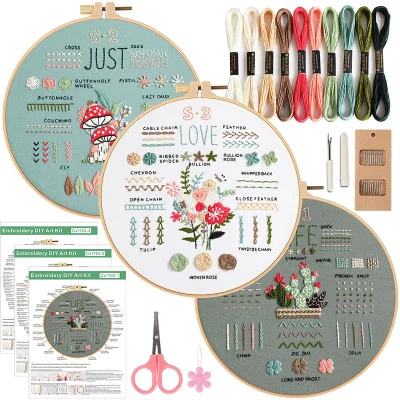
Simple Embroidery Kit, Includes Hoop, Embroidery Threads, Embroidery Kit
$2.78 - $3.15
MOQ: 500 pieces


Simple Embroidery Kit with Hoop and Threads for Sewing and Weaving Projects
$2.78 - $3.15
MOQ: 500 pieces



Shijiazhuang Aijia Crafts Co., Ltd.
- Trading Company
- Hebei, China
- Lead time10 days
- Avg. response≤ 1h
Main productsEmbroidery Kit,Punch needle kit,Latch hook kits,Crochet kit,Woven Bag Kit
Main marketsNorth America(20.0%), Oceania(20.0%), South America(15.0%), Eastern Europe(10.0%), Africa(5.0%), Northern Europe(5.0%), Western Europe(5.0%), Eastern Asia(5.0%), Mid East(5.0%), Southern Europe(5.0%), Domestic Market(5.0%)
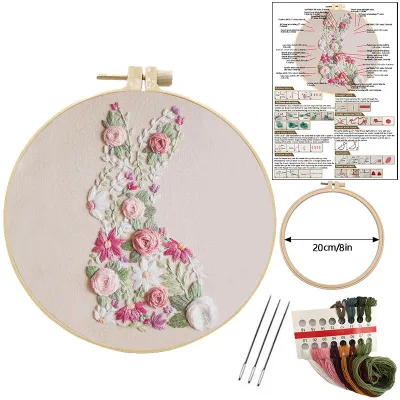
$1.60 - $1.80
MOQ: 10 Minimum
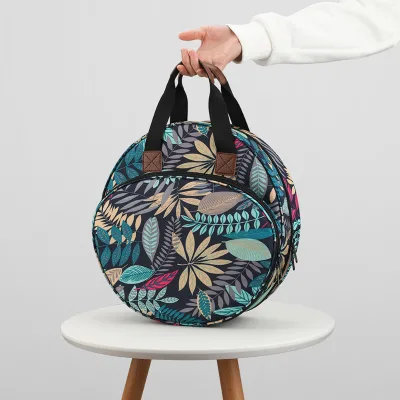
$6.09 - $6.81
MOQ: 10 pieces
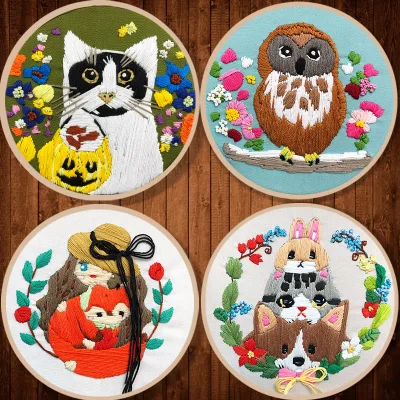
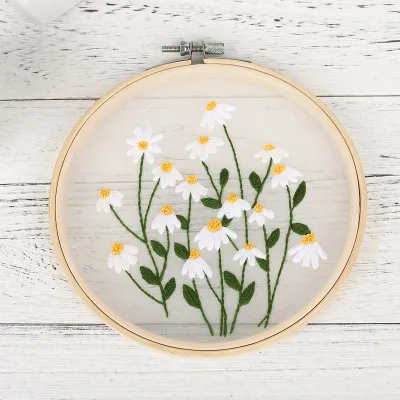
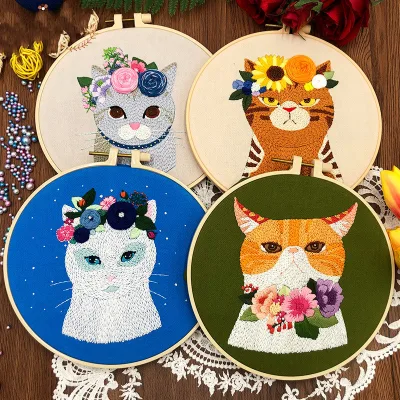
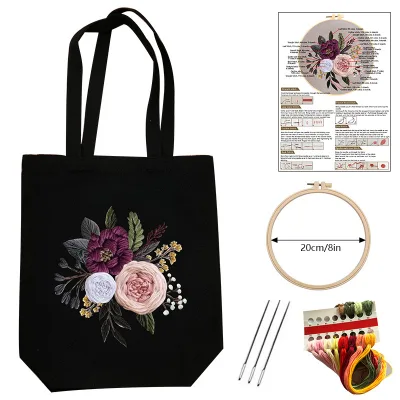
Embroidery Tote Bag Kit for Beginners Embroidery Floss Thread Cross Stitch Kit Complete
$3.30 - $3.61
MOQ: 10 sets
Shaoxing Changxu Textile Co., Ltd.
- Trading Company
- Lead time旺季: "1 - 100":7,"101 - 500":15,"> 500":"To be negotiated", 淡季: "1 - 100":7,"101 - 500":15,"> 500":"To be negotiated"
- Avg. response≤ 1h
Main productstextile craft,embroidery craft,needlework,fabric craft,DIY
Shenzhen Nicebest International Import & Export Co., Limited
- Verified by TüVRheinland
- Trading Company
- Lead time2 days
- Avg. response≤ 5h
Main productsKitchen Tabletop, Bathroom Products, Home Decoraction
Main marketsNorth America(40%), South America(30%), Mid East(10%)

Ningbo Liberty Port Textile Co., Ltd.
- Combined
- China Zhejiang
- Lead time15 days
- Avg. response≤ 20h
Main productsSnap Button, Snap Fastener Set, Sewing Notions, Rotary Cutter, Cutting Mat, DIY Crafts, Storage Series, Knitting Needles, Crochet Hook, Zipper
Main marketsSouth America,Southeast Asia/ Mideast,East Asia(Japan/ South Korea),Europe,North America

Ningbo Yuena Import & Export Co., Ltd.
- Verified by TUVRHEINLAND
- Trading Company
- China Zhejiang
- Lead time23 days
- Avg. response≤ 3h
Main productsLace, Thread, Button, Ribbon, Zipper, Tailors Materials, Fabric, Reflective Materials, Sewing Machine Part, Bra Parts
Main marketsSouth America,Africa,Southeast Asia/ Mideast,Europe,North America

Home Family Mini Sewing Beginners Kit Embroidery Kit Beginner Sewing Kit for Beginners
$1.05 - $1.60
MOQ: 2880 Sets


Fashion Bag Sewing Kit E My First Sewing Kit Travel Home Sewing Kit for Family
$2.90 - $3.50
MOQ: 100 Sets

Sewing Kit for Garment Assresorry Travel Sewing Kit Bag High Quality Sewing Kit
$2.30 - $3.50
MOQ: 1000 Sets

Shanghai Charmkey Textile Co., Ltd.
- Verified by BV
- Trading Company
- China Shanghai
- Lead time23 days
- Avg. response≤ 8h
Main productsYarn, Blended Yarn, Fancy Yarn, Acrylic Yarn, Cotton Yarn, Wool Yarn, Chenille Yarn, Chunky Yarn, T Shirt Yarn, Polyester Yarn
Main marketsEurope


Flowers Embroidery DIY Kit for Beginners with English Instruction Booklet
$3.14 - $3.61
MOQ: 50 Pieces


NINGBO FANST IMP.&EXP. CO., LTD.
- Verified by BV
- Trading Company
- China Zhejiang
- Lead time30 days
- Avg. response≤ 19h
Main productsPolyester Yarn, Acrylic Yarn, Knitting Yarn, Acrylic Knitting Yarn, LED Flash Torch, Headlamps, Bicycle Light, LED Work Light, Torches
Main marketsOthers(foreignTradeCapacity.exportBusinessCapacityMarketOther),Southeast Asia/ Mideast,Australia

2018 New Fashion Craft Kit Cross Stitch Kit Sewing DIY Embroidery Kit for Bag
$1.90 - $2.10
MOQ: 500 Pieces


New Fashion DIY Needlecraft Kit Handmade Sewing Embroidery Kit Handicraft
$1.90 - $2.10
MOQ: 500 Pieces


New Fashion Craft Kit Cross Stitch Kit Sewing DIY Embroidery Kit Needle Point Cup Tree
$1.90 - $2.10
MOQ: 500 Pieces
Shanghai Charmkey Textile Co., Ltd.
- Trading Company
- Lead time旺季: "1 - 200":9,"201 - 1000":30,"> 1000":"To be negotiated", 淡季: "1 - 200":9,"201 - 1000":30,"> 1000":"To be negotiated"
- Avg. response≤ 3h
Main productsCake Yarn, Rainbow Yarn, Velvet Yarn, Acrylic Knitting Yarn, Air Yarn

Ningbo Sinobest Textile Company Limited
- Trading Company
- China Zhejiang
- Lead time30 days
- Avg. response≤ 5h
Main productsSewing Threads, Embroidery Threads, Garments Trimmings, Sewing Accessories, Embroidery Accessories, Tailor's Materials
Main marketsSouth America,Europe,North America
Shanghai Charmkey Textile Co., Ltd.
- Trading Company
- Lead time旺季: "1 - 500":181,"> 500":"To be negotiated", 淡季: "1 - 500":181,"> 500":"To be negotiated"
Main productsChenille Yarn, Polyester Yarn, Acrylic Yarn, Wool Yarn, Blended Yarn
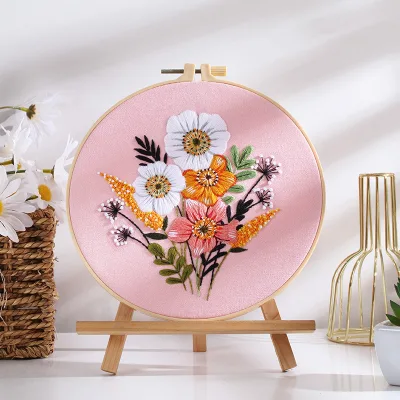
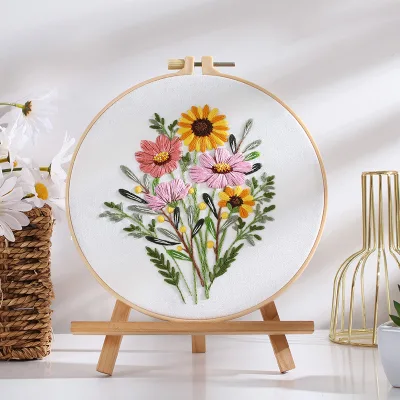
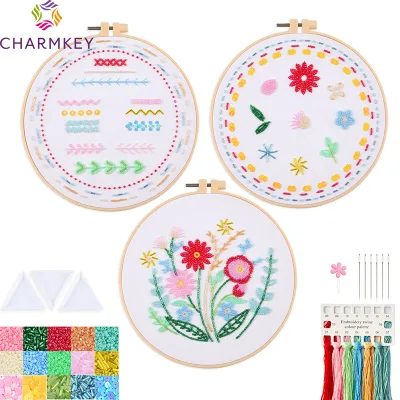
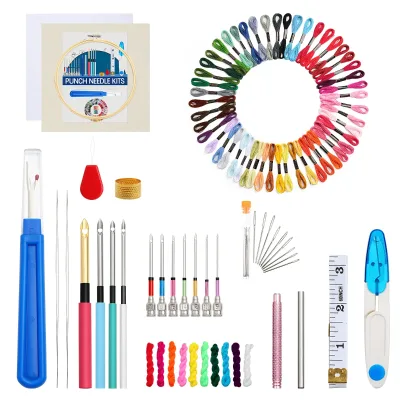
Bead Embroidery Starter Kit with Rhinestone Beads Threads Hoops and Patterns for Beginners
$3.66 - $3.86
MOQ: 100 pieces

Shaoxing City Xinlan Textile CO., LTD.
- Verified by TUVRHEINLAND
- Combined
- China Zhejiang
- Lead time23 days
- Avg. response≤ 2h
Main productsHome Textile, Curtain, Cushion Cover, Shower Curtain, Macrame Handmade Products, Curtain Fabric, Tablecloth, Placemat, Blankets, Bedding
Main marketsNorth America


Deer Animal Patterns Small Handmade DIY Embroidery Kit Creative for Beginners
$1.55 - $1.72
MOQ: 200 pieces

Bird Animal Patterns Small Handmade DIY Embroidery Kit Creative for Beginners
$1.55 - $1.72
MOQ: 200 pieces


- Verified by TUVRHEINLAND
- Combined
- China Jiangsu
- Lead time15 days
- Avg. response≤ 5h
Main productsMetal Crafts, Embroidery Crafts, PVC Crafts, Acrylic Crafts, Key Chains, Promotional Gifts, Canvas Bag/Shopping Bag/Drawstring Bag, Baseball Cap/Bucket Hat/Other Caps, Ceramic Mug/PVC Mug/Stainless Steel Cup, Gift Boxes
Main marketsNorth America
- Verified by TüVRheinland
- Trading Company
- Lead time10 days
- Avg. response≤ 2h
Main productsMetal Crafts, Acrylic Crafts, Embroidery Crafts, PVC Crafts, Wooden Crafts
Main marketsNorth America(75%), Eastern Europe(5%), Oceania(5%)
- Manufacturer
- Zhejiang, China
- Lead time0 days
- Avg. response≤ 24h
Main productscross-stitch,embroidery,diy embroidery,Embroidery loop,Embroidery thread
Main marketsEastern Europe(20.0%), Southern Europe(18.0%), Western Europe(15.0%), Northern Europe(15.0%), Southeast Asia(8.0%), North America(8.0%), Mid East(5.0%), Central America(5.0%), South Asia(3.0%), South America(3.0%)
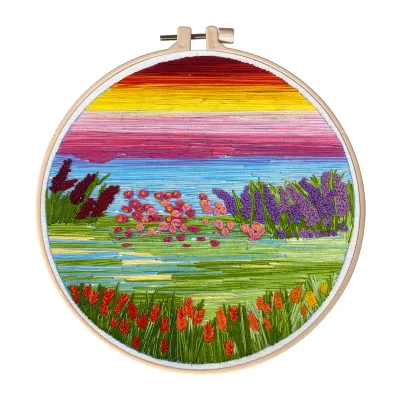
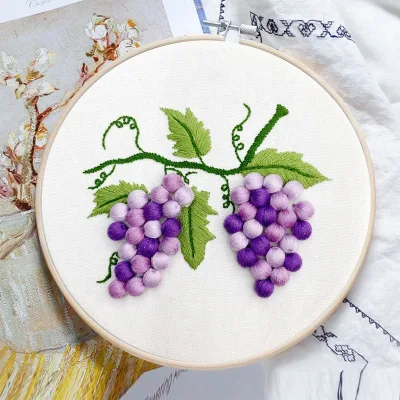
Delicate Embroidery Starter Kit Diy Embroidery Kit for Beginners Grape Stamped Cross Stitch Kit
$0.28 - $1.42
MOQ: 10 Minimum
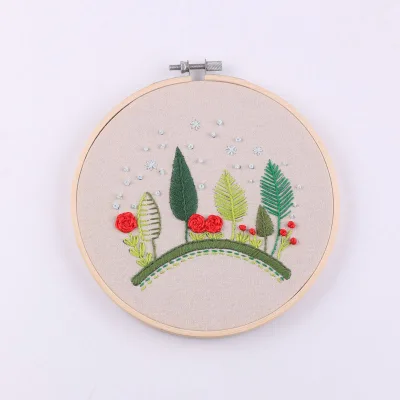
New Design Creative Cross Stitch Kit Diy Embroidery With Finished Product Display
$1.42 - $1.58
MOQ: 3 sets

- Trading Company
- Zhejiang, China
- Lead time30 days
- Avg. response≤ 10h
Main productsgarment trimming,bra&underwear accessories,lace trim collection,bag parts and hardware,fabric and lining
Main marketsSoutheast Asia(40.0%), North America(15.0%), South America(15.0%), Western Europe(10.0%), Eastern Europe(10.0%), Domestic Market(5.0%), Mid East(5.0%)
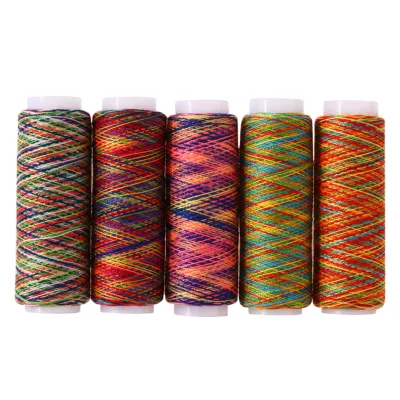
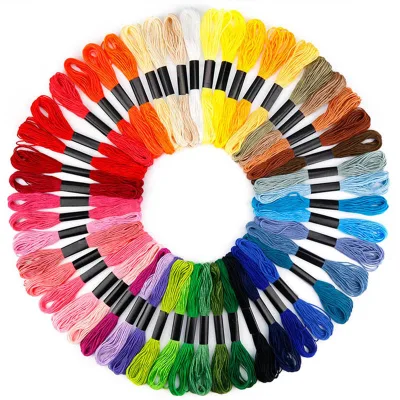
$3.20 - $3.50
MOQ: 1 Minimum
Shanghai Charmkey Textile Co., Ltd.
- Verified by TüVRheinland
- Trading Company
- Lead time20 days
- Avg. response≤ 3h
Main productsCake Yarn, Velvet Yarn, Acrylic Knitting Yarn, Chenille Yarn, Wool Yarn
Main marketsNorth America(17%), Western Europe(16%), Oceania(12%)
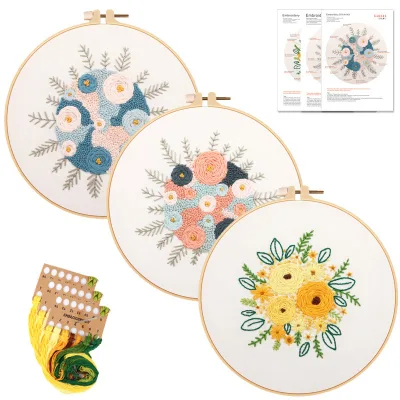
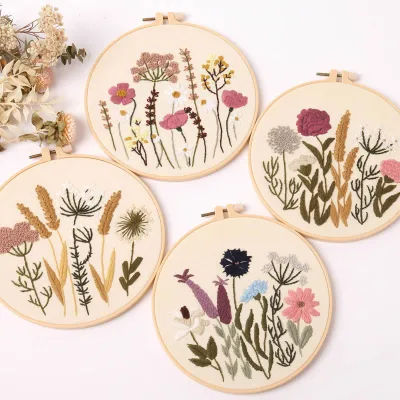
15cm Stock 3 Pcs Pattern Kit Flower Printed Cloth Embroidery Kit for Starter with Hoop Wholesale
$1.46 - $1.65
MOQ: 100 sets
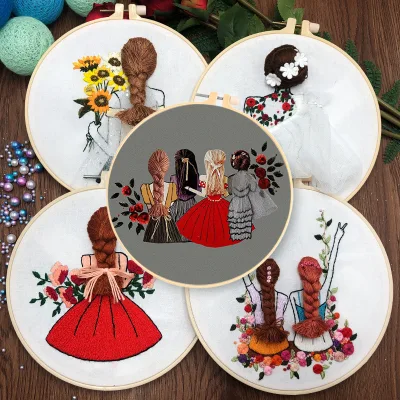
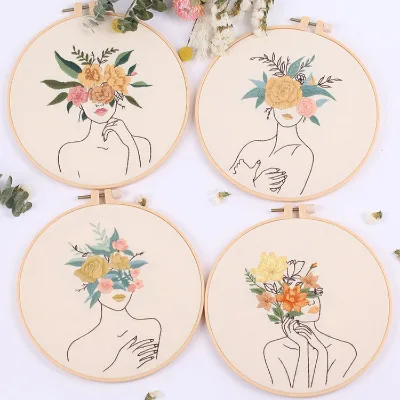
Hand Beginner Embroidery Kit with Pattern Girl Hair Friendship Cross Stitch Starter Kit
$1.30 - $1.80
MOQ: 20 sets
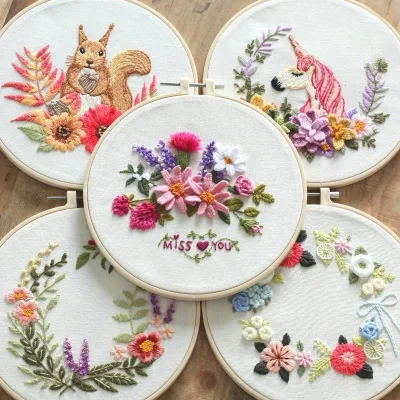
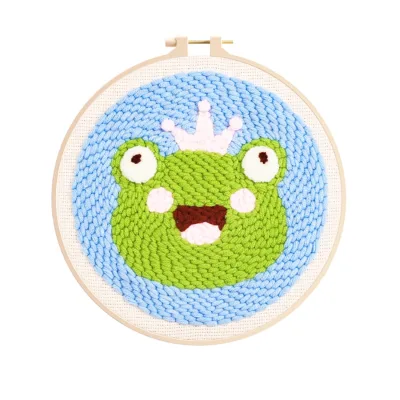
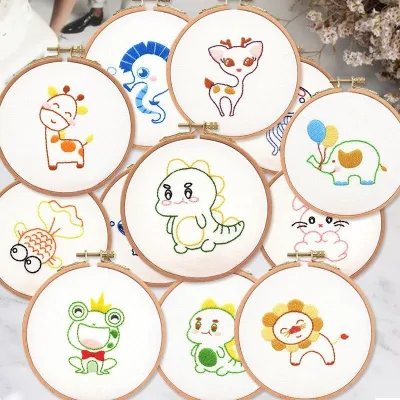
Wholesale Bead Embroidery Kits DIY Embroidery Kit Diy Cloth Animal Series for Beginners
$2.54 - $3.05
MOQ: 3 pieces
Kunshan Hiicoins Technology Co., Ltd.
- Verified by Intertek
- Trading Company
- Lead time15 days
- Avg. response≤ 3h
Main productsEmbroidery Products, Acrylic Products, Metal Products, PVC Products
Main marketsNorth America(40%), Eastern Europe(10%), Western Europe(10%)
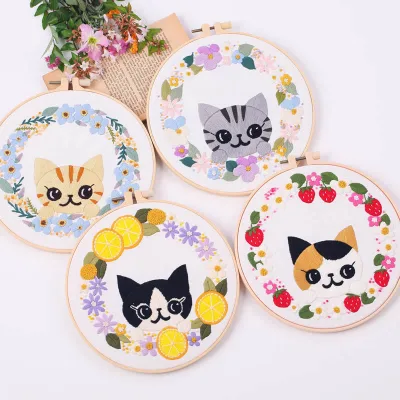
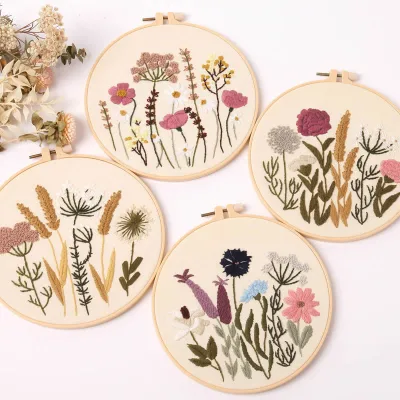
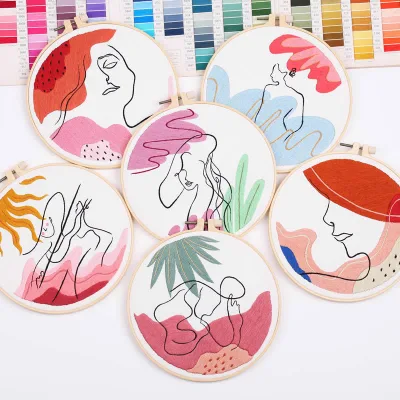
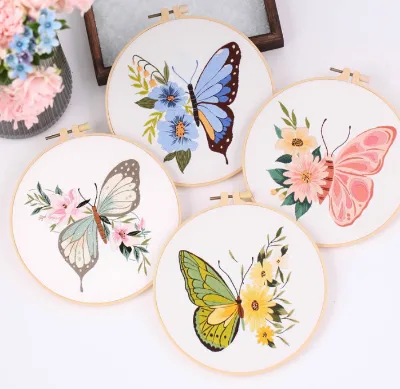
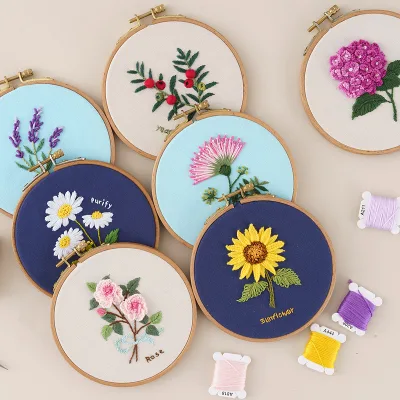
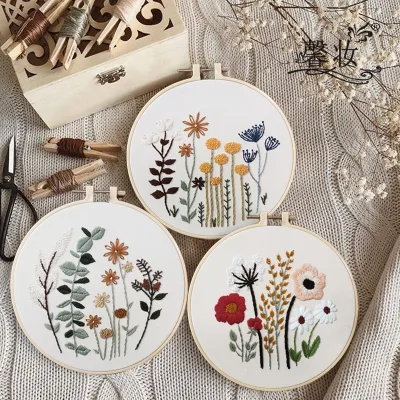
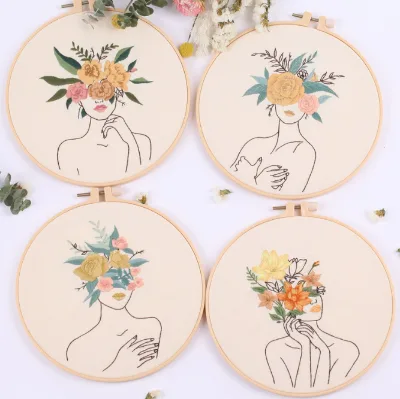


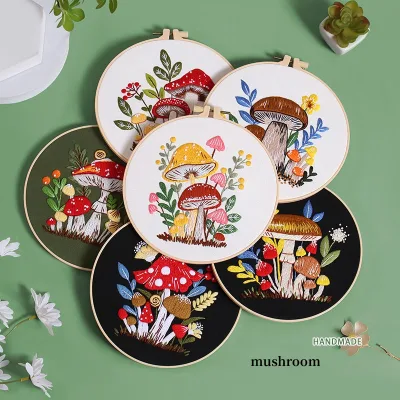
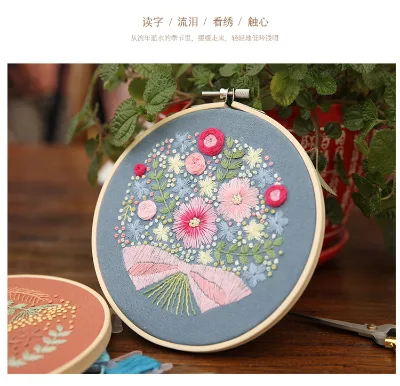


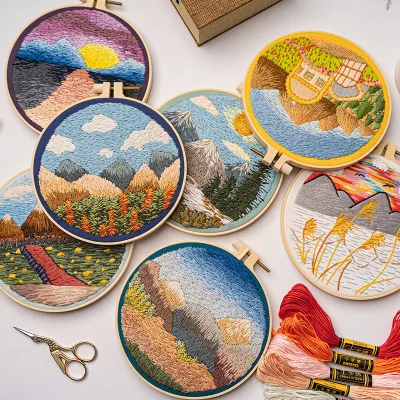
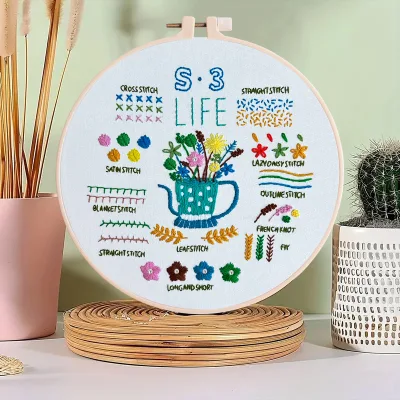
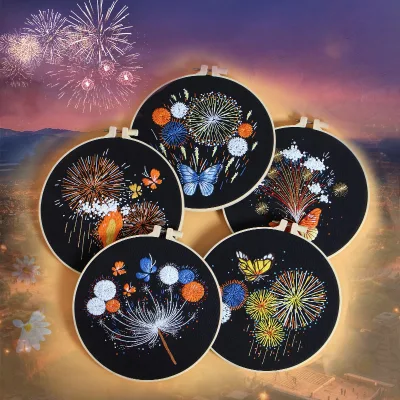
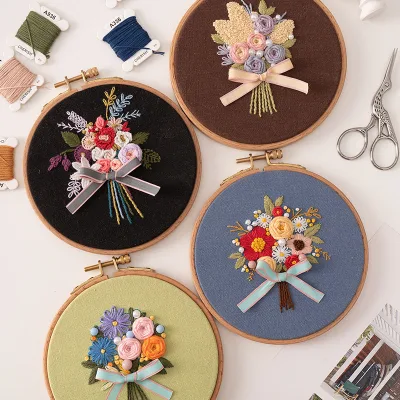
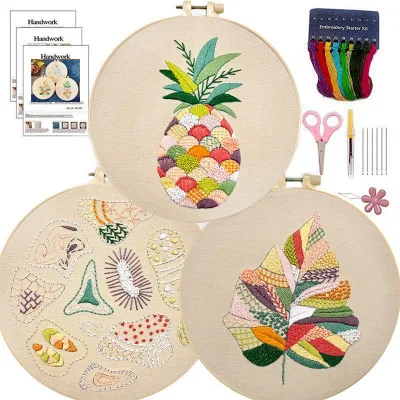
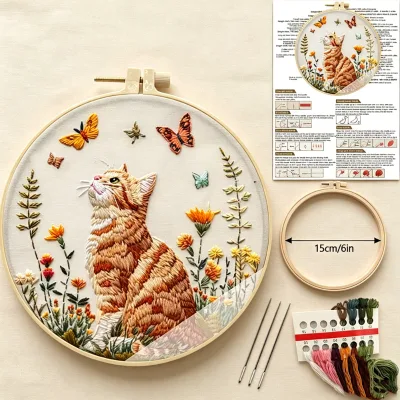
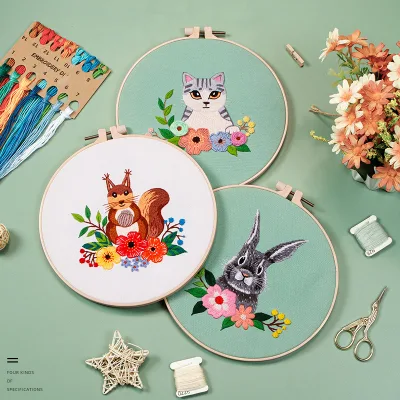
Comprehensive Sourcing Guide
Simple Embroidery Kit for Handbags Supplier Concentration and Factory Types
Current data indicates that suppliers for these kits are concentrated in specific Chinese provinces, with Zhejiang and Hebei emerging as primary manufacturing hubs. Fact records show products originating from Zhejiang, China, often associated with combined company types that handle both design and production. Another cluster is identified in Hebei, China, where trading companies and manufacturers offer a wide range of embroidery tools and kits. These regions host facilities capable of producing DIY kits, stamp crafts, and various needlework supplies, suggesting a dense network of specialized vendors in these areas.
When evaluating factory types, buyers should distinguish between combined entities and pure trading companies. The available evidence lists company types as "Combined" in some instances, indicating in-house capabilities for ODM and OEM services alongside direct sales. Other records specify "Trading Company" status, which may imply a focus on sourcing and logistics rather than direct manufacturing. Buyers must verify if a supplier's main products include the specific components needed, such as hoops, threads, and fabric, to ensure the entity can fulfill complex orders without relying on third-party intermediaries for critical parts.
How to Verify Simple Embroidery Kit for Handbags Suppliers
Verification processes should prioritize checking for third-party validation badges and specific company credentials. One observed fact confirms a supplier holds BV verification, a significant indicator of operational legitimacy. However, other records show system certifications listed as "NIL," meaning buyers cannot assume universal compliance with international quality standards without direct inquiry. It is essential to request current certification documents rather than relying on general platform claims, as the absence of listed certifications in the data suggests variability in compliance levels across the supplier base.
Response time and verification status are critical metrics for assessing supplier reliability. Data shows response times varying significantly, with some suppliers responding in approximately one day while others take nearly nine days. A faster response time often correlates with better communication channels and operational efficiency. Buyers should also examine the "is_verified" status carefully, noting that while some suppliers have BV verification, others may lack this specific badge. Confirming these details directly with the supplier ensures that the claimed verification status is current and applicable to the specific product line being sourced.
What to Compare Across Simple Embroidery Kit for Handbags Suppliers
Comparing suppliers requires a detailed analysis of lead times, minimum order quantities, and pricing structures. Lead times in the observed data range from 10 days to 15 days, indicating that production schedules vary by facility. Minimum order quantities (MOQ) also differ substantially, with some suppliers requiring as few as 10 units while others mandate orders of 500 units. Buyers must align these constraints with their inventory needs, as a high MOQ might be prohibitive for small businesses, whereas a low MOQ could result in higher per-unit costs.
Pricing and customization options are further critical comparison points. Product evidence shows price ranges from approximately $1.60 to $3.15 per unit, depending on the specific kit configuration and included accessories. Some suppliers offer customization services, allowing for tailored designs or branding, while others provide standard kits. Additionally, the main products listed vary, with some focusing on simple kits and others offering comprehensive tool bags or storage solutions. Buyers should compare these product attributes to ensure the selected supplier can meet specific design requirements and budget constraints without compromising on quality or delivery speed.
Common Simple Embroidery Kit for Handbags Sourcing Risks
One significant risk involves the variability in product specifications and material quality. The data reveals diverse product attributes, such as age ranges from 3-7 years to over 14 years, and materials ranging from textile and fabric to plastic and cloth. This inconsistency suggests that without strict quality control, a buyer might receive kits with mismatched components or substandard materials. For instance, some kits include hoops while others do not, and the thread quality may vary between suppliers. Buyers must explicitly define material requirements to avoid receiving products that do not meet their quality standards.
Another risk is the potential for miscommunication regarding order fulfillment and delivery timelines. While some suppliers list lead times of 10 days, others indicate 15 days, and response times can delay initial negotiations. If a supplier claims to be a trading company but lacks direct manufacturing control, delays in sourcing components could occur. Furthermore, the absence of standardized certifications in some records means that product safety or durability might not be guaranteed. Buyers should mitigate these risks by establishing clear communication protocols and requesting sample approvals before committing to large orders.
Simple Embroidery Kit for Handbags Regional Sourcing and Logistics
Sourcing from China involves navigating logistics from specific manufacturing clusters like Zhejiang and Hebei. Products originating from these regions often have established shipping routes, but buyers must account for regional differences in packaging and handling. For example, some kits are packaged in OPP bags with specific dimensions, while others use larger cartons for bulk shipping. Understanding the single package size and gross weight is crucial for calculating freight costs and ensuring efficient container loading. Buyers should verify if the supplier offers consolidated shipping options to reduce logistics expenses.
Logistics planning also requires attention to the specific product dimensions and weight to avoid unexpected shipping fees. Data indicates single package sizes ranging from 20x20x2 cm to 29x28x5 cm, with gross weights varying from 0.18 kg to 0.50 kg. These variations impact the total volume and weight of the shipment, which directly influences freight charges. Buyers should request detailed packing lists and dimensions from suppliers to accurately estimate shipping costs. Additionally, understanding the origin location helps in predicting transit times and potential customs clearance issues, ensuring a smoother supply chain from the factory to the final destination.
Simple Embroidery Kit for Handbags Commercial Terms and Order Planning
Commercial terms and order planning must account for the diverse MOQ and pricing structures observed in the market. With MOQs ranging from 10 to 500 units, buyers need to strategize their initial order sizes to balance cost efficiency with inventory management. Pricing varies between $1.60 and $3.15, suggesting that volume discounts may be available for larger orders. Buyers should negotiate terms that align with their cash flow and storage capabilities, ensuring that the order size does not exceed their financial or logistical capacity. Clear agreements on payment terms and delivery schedules are essential to prevent disputes.
Order planning should also consider the customization and sample availability offered by suppliers. Some records indicate that samples are available, which allows buyers to test product quality before placing bulk orders. Customization options, such as branding or specific design elements, are also noted as acceptable by certain suppliers. Buyers should plan their timeline to include sample testing and approval phases, especially if custom features are required. Additionally, understanding the OEM/ODM capabilities of the supplier ensures that the final product meets the buyer's specific brand requirements, reducing the risk of rework or rejection upon delivery.
FAQs
What is the price range for simple embroidery kits?
Simple embroidery kits typically range from $1.60 to $3.15 per unit. Prices vary based on included accessories like hoops and thread quality. Buyers should check specific product listings for exact pricing tiers and bulk discounts available from verified suppliers.
What is the minimum order quantity for these kits?
Minimum order quantities vary significantly by supplier. Some manufacturers require a minimum of 500 units, while others accept orders as low as 10 pieces. Buyers should verify the MOQ directly with the supplier to ensure it aligns with their inventory needs.
How long does production take for embroidery kits?
Production lead times generally range from 10 to 15 days. This timeframe depends on order volume and customization requirements. Buyers should confirm the exact lead time with the supplier before placing orders to ensure timely delivery for their specific project schedules.
Are customization options available for embroidery kits?
Yes, customization is available for many simple embroidery kits. Suppliers offer OEM and ODM services, allowing for custom patterns, packaging, and branding. Buyers should discuss specific customization needs with the supplier to ensure the final product meets their design requirements.
Where are these embroidery kits manufactured?
These kits are primarily manufactured in China, specifically in regions like Zhejiang and Hebei. Buyers should verify the exact place of origin for each product listing to understand shipping logistics and potential import duties associated with sourcing from these specific Chinese provinces.
What is the typical response time from suppliers?
Supplier response times vary, with some responding within one day and others taking longer. Buyers should prioritize suppliers with faster response rates to ensure efficient communication. Checking the response time metric on the supplier profile helps gauge their responsiveness and reliability.