Customized Electric Heat Treatment Furnace Suppliers and Manufacturers
Source Customized Electric Heat Treatment Furnace options from 26 verified suppliers. Compare key dimensions including CE and ISO certifications, horizontal and vertical structures, and lead times ranging from 30 to 60 days. Review pricing and specifications to identify the right industrial furnace partner for your manufacturing needs.
Updated
Suppliers List

HARBIN RAINBOW TECHNOLOGY CO., LTD.
- Verified by SGS
- Trading Company
- China Heilongjiang
- Lead time60 days
- Avg. response≤ 4h
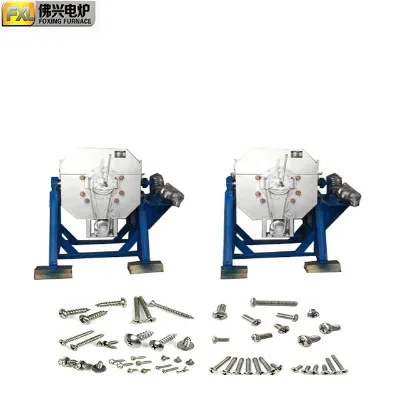
Main productsCold Heading Machine, Bolt and Nut Making Machine, Cold Former Machine, Thread Rolling Machine, Mesh Belt Furnace, Screw Heading Machine, Bolt Making Machine, Nut Making Machine, Zinc Plating Line, Heat Treatment Furnace for Screw
Main marketsSouth America,Africa,Southeast Asia/ Mideast,East Asia(Japan/ South Korea),Europe,Australia,North America

Foshan Foxing Electric Furnace Co., Ltd.
- Manufacturer
- Guangdong, China
- Lead time30 days
- Avg. response≤ 4h
Main productsheat treatment furnace,pit type furnace,bright annealing furnace,industrial furnace,hardening furnace
Main marketsNorth America(50.00%), Mid East(10.00%), Northern Europe(5.00%), Eastern Asia(5.00%), Africa(5.00%), Southeast Asia(5.00%), Eastern Europe(5.00%), Western Europe(3.00%), Domestic Market(2.00%), South Asia(2.00%), Southern Europe(2.00%), South America(2.00%), Central America(2.00%), Oceania(2.00%)

Henan Sante Furnace Technology Co., Ltd.
- Verified by SGS
- Combined
- China Henan
- Lead time23 days
- Avg. response≤ 3h
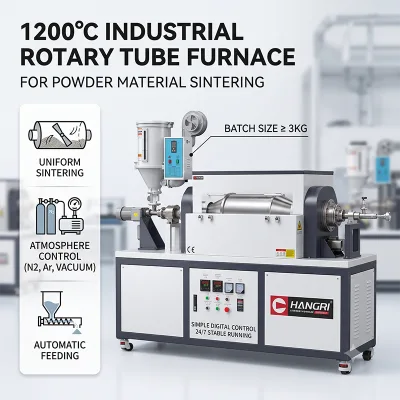
Main productsMuffle Furnace, Vacuum Furnace, Hardening Furnace, Tube Furnace, Heat Treatment Furnace, Electric Furnace, Resistance Furnace, Elevator Furnace/Bottom Loading Furnace, Car Bottom Furnace/Trolley Type Furnace, Furnace Accessories
Main marketsSouth America,Southeast Asia/ Mideast,Domestic

Max Temperature Customized 1200c Vacuum Furnace Electric Furnace Heat Treatment Furnace Price
$6300.00 - $6500.00
MOQ: 1 Sets

1600c 36 Liters Vacuum Atmosphere Electric Furnace for Heat Treatment
$3680.00 - $6200.00
MOQ: 1 Pieces

1600c Customized Turbular Furnace Vertical High Temperature Furnace Electric Furnace
$1400.00 - $1800.00
MOQ: 1 Pieces


1400 Degree Heating Element Electric Portable Box Furnace Heat Treatment Furnace
$1700.00
MOQ: 1 Pieces

$599.00 - $4700.00
MOQ: 1 Pieces

Anhui Xinning Equipment Co., Ltd.
- Verified by BV
- Combined
- China Anhui
- Lead time30 days
- Avg. response≤ 17h
Main productsGrinding Media Ball, Flaskless Molding Casting Line, Quenching Furnace, Tempering Furnace, Grinding Ball and Cylpebs Mould, Sand Lined Iron Mold Casting Line, Drop Ball Test Machine, Automatic Push Rod Heat Treat Oil Quenching Line, Casting Sand Recycling Machine, Constant Temperature Casting Machine
Main marketsSouth America,Southeast Asia/ Mideast,East Asia(Japan/ South Korea),Domestic,Europe,Australia,North America

Guangzhou DT Exp. & Imp. Co., Ltd.
- Trading Company,Manufacturer/Factory
- China Guangdong
- Lead time120 days
- Avg. response≤ 4h
Main productsIndustrial Furnace, Non-Ferrous Metal Forming Equipment, Hydraulic Extrusion Machine, Cutting Machine Chamferring Machine, Metal Wire/Rod/Pipe Drawing/Peeling Machine, Strip Rolling Machine, Casting Equipment, Metal Recycalling Equipment, Straightening Machine, Graphite Die/ Drawing Die
Main marketsSouth America,Eastern Europe,Mid East,North America,Southeast Asia,Eastern Asia,Oceania,Western Europe,Africa

Geili Machinery(Fujian) Group Co., Ltd.
- Verified by BV
- Combined
- China Fujian
- Lead time45 days
- Avg. response≤ 8h
Main productsRolling Mills, Continuous Casting Machine, Cooling Bed, Furnace, Ladle, Flying Shear, Mill Rolls, Transformer, Motor, Complete Rolling Production Line
Main marketsSouth America,Southeast Asia/ Mideast


High Efficiency Electric Steel Melting Furnace Industrial Heat Treatment Furnace
$1250.00 - $1300.00
MOQ: 1 Tons


Henan Mtl Metallurgy Materials Co., Ltd
- Verified by TUVRHEINLAND
- Trading Company
- China Henan
- Lead time60 days
- Avg. response≤ 3h
Main productsQuenching Furnace, Tempering Furnace, Hardening Furnace, Glowing Furnace, Carburizing Furnace, Annealing Furnace, Car Furnace, Heat Treatment Furnace, Heating Furnace, Electric Furnace
Main marketsOthers(foreignTradeCapacity.exportBusinessCapacityMarketOther),Southeast Asia/ Mideast,East Asia(Japan/ South Korea)

Advanced Electric Resistance Furnace for Metal Parts Tempering Heat Treatment
$9999.00 - $39999.00
MOQ: 1 Set

Advanced Box Type Electric Heat Treating Furnace for Precision Metal Processing
$6900.00 - $19999.00
MOQ: 1 Set

High-Efficiency Industrial Electric Heat Treatment Furnace for Steel Quenching
$9999.00 - $39999.00
MOQ: 1 Set
Foshan Rongdongsheng Furnace Industry Co., Ltd.
- Manufacturer
- Guangdong, China
- Lead time30 days
- Avg. response≤ 5h
Main productsHeat treatment furnace,Electric furnace,Industry furnace,Muffle furnace,Resistance furnace
Main marketsSoutheast Asia(25.00%), South Asia(25.00%), Mid East(25.00%), Eastern Europe(10.00%), Western Europe(5.00%), Africa(5.00%), South America(5.00%)
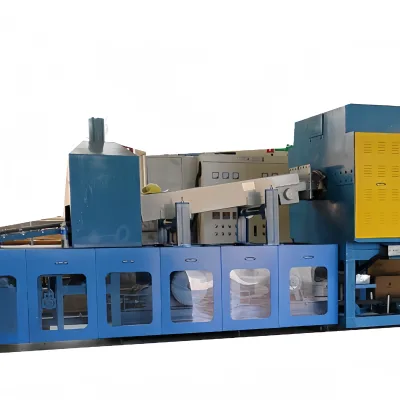
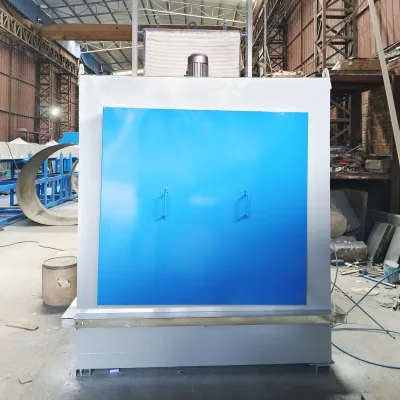
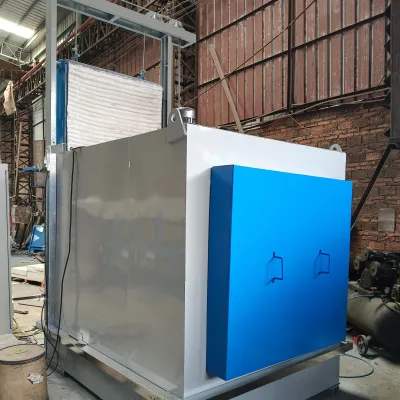
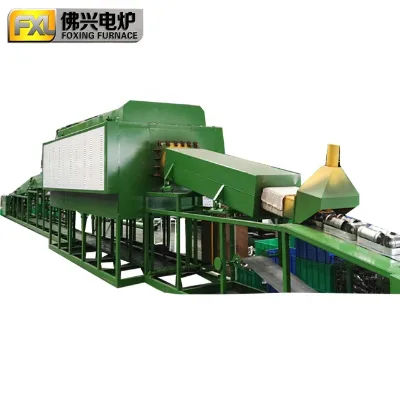
Mesh Belt Bright Heat Treatment Industrial Electric Furnace with Automatic Production Line
$38883.4635
MOQ: 1 Minimum
Luoyang Monte Intelligent Technology Co.,ltd.
- Manufacturer, Trading Company
- Henan, China
- Lead time0 days
- Avg. response≤ 1h
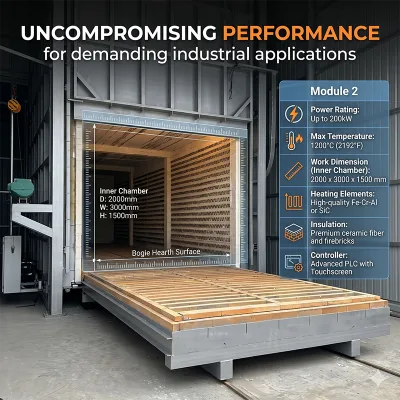
Main productsInduction Heating Equipment,Quenching Machines,Muffle Furnaces; Environmental Protection Equipment; Automation Equipment,Bogie Furnace,Mesh Belt Furnace
Main marketsDomestic Market(100.00%), South Asia(100.00%), Southern Europe(100.00%), Northern Europe(100.00%), Central America(100.00%), Western Europe(100.00%), Eastern Asia(100.00%), Mid East(100.00%), Oceania(100.00%), Africa(100.00%), Southeast Asia(100.00%), Eastern Europe(100.00%), South America(100.00%), North America(100.00%)
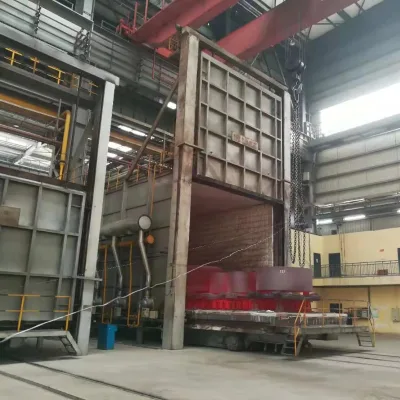
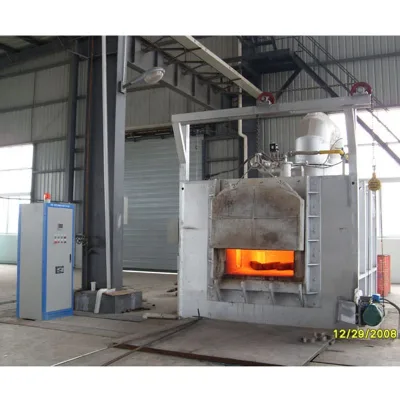
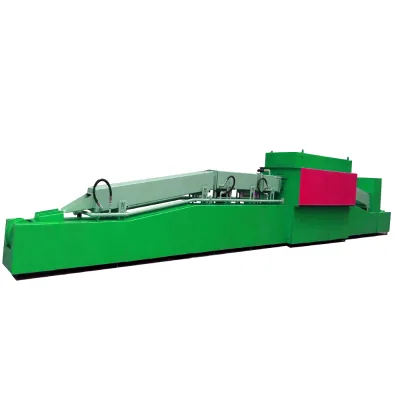
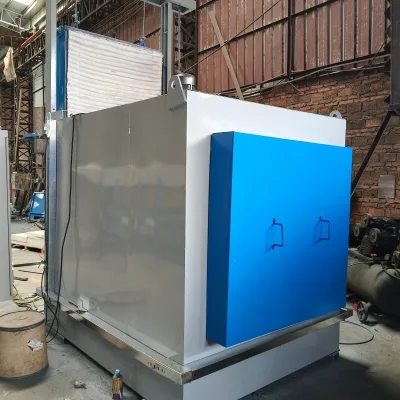
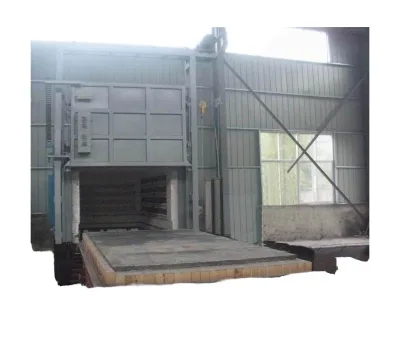
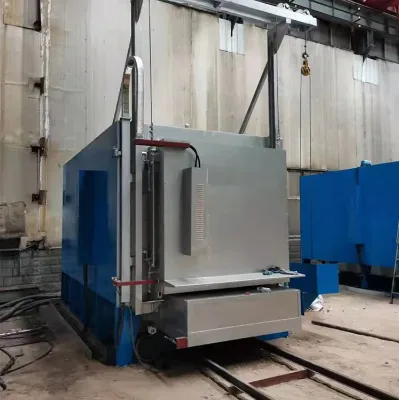
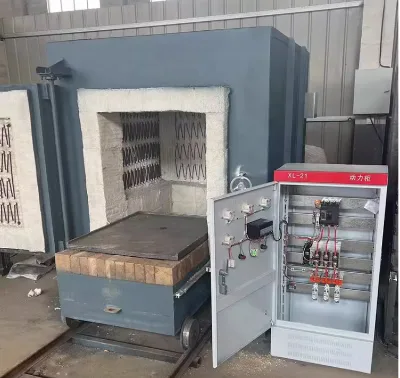
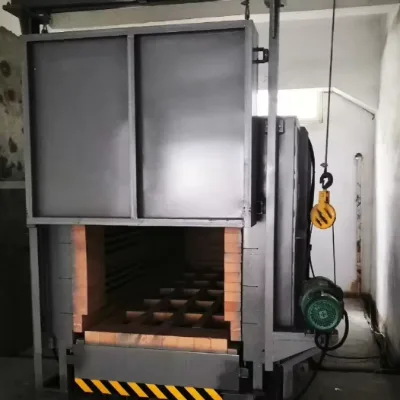
Customized Bench-type Furnace - Special for Industrial Heat Treatment - Steel Smelting
$8219.7421
MOQ: 1 Minimum
Zhengzhou Iris Industrial Technology Co., Ltd.
- Verified by SGS Group
- Manufacturer, Trading Company
- Lead time15 days
- Avg. response≤ 2h
Main productsHeating Equipment, Industrial Heating Equipment, Heating Equipment Production Line
Main marketsConfidential(50%), Confidential(19%), Confidential(15%)
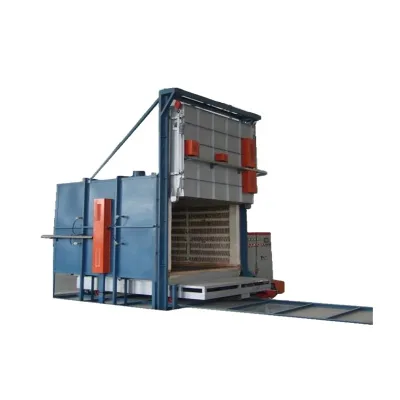
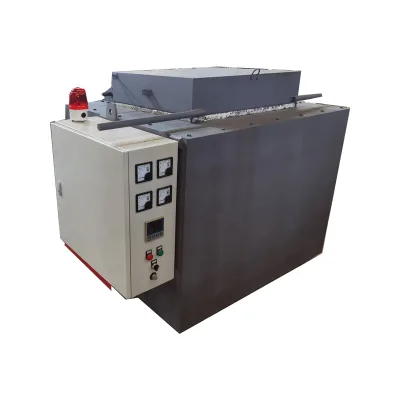
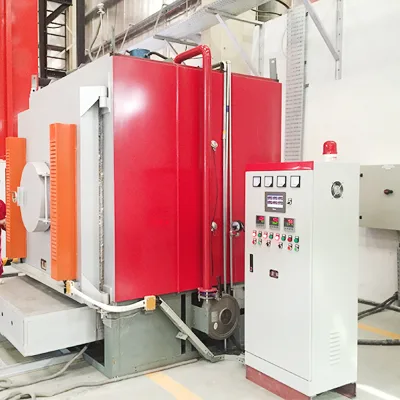
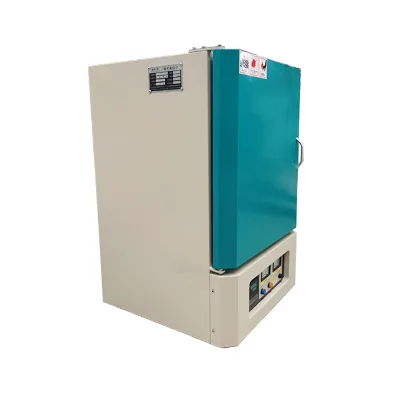
High Temperature Electric Annealing Digital Electric Heat Treatment Furnace
$9700.00 - $9800.00
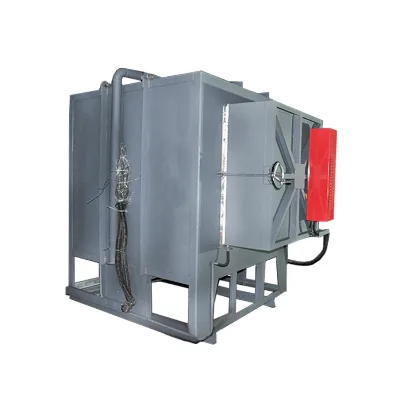
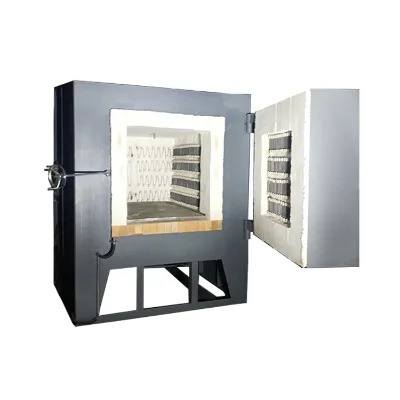

Shandong Kehua Intelligent Equipment Co., Ltd.
- Verified by TUVRHEINLAND
- Trading Company,Manufacturer/Factory
- China Shandong
- Lead time45 days
- Avg. response≤ 12h
Main productsInduction Furnace, Induction Melting Furnace, Vacuum Melting Furnace, Precision Casting Furnace, Induction Heating Furnace, Medium Frequency Diathermy Furnace, Medium Frequency Tempering Production Line, Complete Set of Quenching Equipment, Welding Electrodes, Welding Wire
Main marketsSouth America,Eastern Europe,Southeast Asia,Eastern Asia,Africa

Luoyang Ju Xing Kiln Co., Ltd.
- Verified by BV
- Combined
- China Henan
- Lead time15 days
- Avg. response≤ 6h
Main productsFurnace, Lab Furnace, Industry Furnace, Induction Furnace, Refractory and High Temperature Products
Main marketsOthers(foreignTradeCapacity.exportBusinessCapacityMarketOther),Domestic


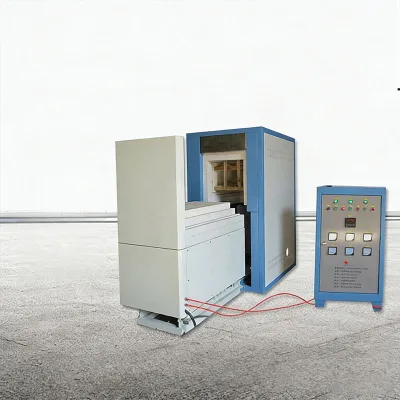
500X500X500mm Top Opening Electric Furnace for General Heat Treatment
$5000.00 - $10000.00
MOQ: 1 Sets

Henan Tianli Thermal Equipment Co., Ltd.
- Manufacturer, Trading Company
- Henan, China
- Lead time30 days
- Avg. response≤ 1h
Main productsGas furnace,Electric resistance furnace,Car bottom furnace,Pit furnace,Annealing furnace
Main marketsSoutheast Asia(15.00%), Eastern Europe(10.00%), Southern Europe(5.00%), North America(5.00%)

Jiangsu Gelan Environmental Technology Co., Ltd.
- Verified by SGS
- Combined
- China Jiangsu
- Lead time45 days
- Avg. response≤ 9h
Main productsPressure Vessel
Main marketsDomestic
Henan Dming Technology Co., Ltd.
- Manufacturer, Trading Company
- Henan, China
- Lead time15 days
- Avg. response≤ 5h
Main productsSilicon Carbide Sintering Furnace,Quenching Furnace,Vacuum Furnace,Muffle Furnace,Tube Furnace
Main marketsDomestic Market(40.00%), North America(20.00%), South America(10.00%), Western Europe(10.00%), Oceania(10.00%), Eastern Europe(10.00%)
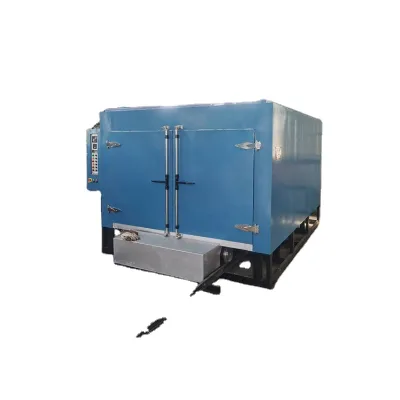
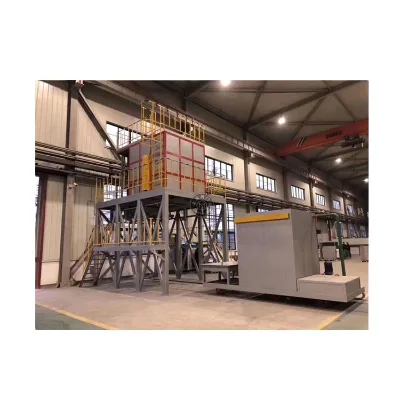
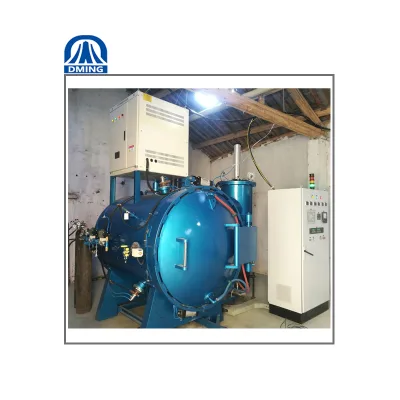
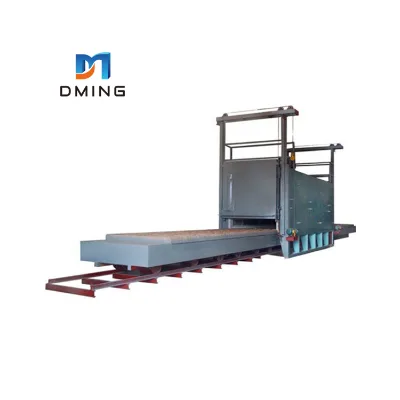
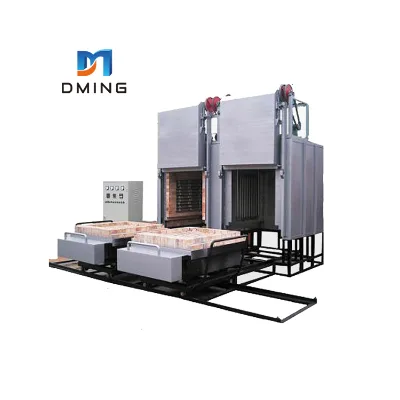
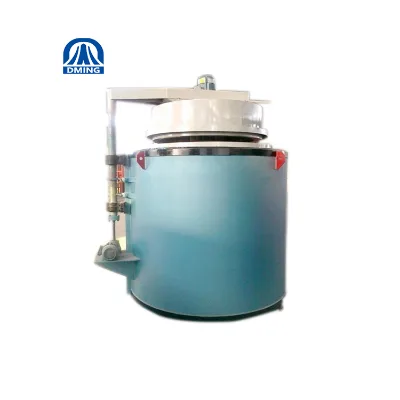
Hot selling Electric Heat Treatment Pre-forged Heating Furnace for wholesales made in China
$4999.00 - $9999.00
MOQ: 1 sets
Luoyang Hongteng Electrical Equipment Co., Ltd.
- Verified by SGS Group
- Manufacturer, Trading Company
- Lead time15 days
- Avg. response≤ 2h
Main productsInduction Heating Furnace, Induction Melting Furnace, Ingot Casting Machine, Hot Rolling Mill, Continuous Casting Machine
Zhengzhou Lanshuo Electronics Co., Ltd
- Verified by TüVRheinland
- Manufacturer, Trading Company
- Lead time5 days
- Avg. response≤ 5h
Main productsInduction Heating Machine, Induction Melting Furnace, CNC Scanner, Water Cooling Tower
Main marketsDomestic Market(30%), Eastern Europe(25%), Southeast Asia(15%)
Xiamen Dingzhu Intelligent Equipment Co., Ltd.
- Verified by TüVRheinland
- Manufacturer, Trading Company
- Lead time30 days
Main productsRobot Grinding And Polishing Solution, CNC Polishing Machine, Low Pressure Die Casting Machine, Gravity Die Casting Machine, Faucet ProdutionLine Solution
Main marketsSoutheast Asia(80%), Mid East(10%), Eastern Europe(4%)
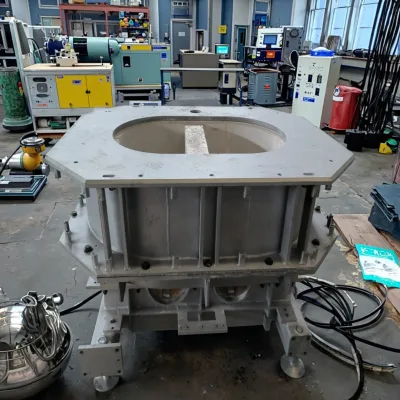
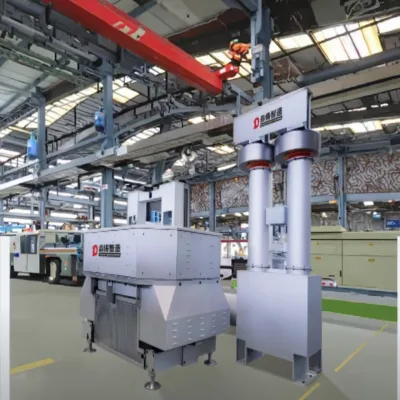
Ultra Fast 1100°C Heating Electric Foundry Furnace with Motor Core Components
$17000.00
MOQ: 1 Minimum

Jinan Linteng Technology & Trade Co., Ltd.
- Trading Company
- China Shandong
- Lead time15 days
- Avg. response≤ 7h
Main productsHydraulic Press, Forging Press, Manipulator, Open Die Forging Hydraulic Press, Close Die Forging Hydraulic Press, Ring Rolling Mill, Cross Wedge Rolling Mill, Forming Hydraulic Press, Friction Screw Press, Electric Screw Press
Main marketsSouth America,Southeast Asia/ Mideast,East Asia(Japan/ South Korea),Europe,North America
Jiangsu Yuyou International Trade Co., Ltd.
- Verified by SGS Group
- Trading Company
- Lead time30 days
- Avg. response≤ 3h
Main productsBamboo Flooring, Electirc Furnace, Fitness Goods
Main marketsNorth America(47%), Eastern Europe(15%), Southeast Asia(10%)
$2000.00 - $2200.00
MOQ: 5 sets
$1844.3795 - $2049.3106
MOQ: 9 pieces

Shanghai Fortune Electric Co., Ltd.
- Manufacturer/Factory
- China Shanghai
- Lead time45 days
- Avg. response≤ 15h
Main productsDC Motor, Electric DC Motor, High Voltage Motor, Medium Voltage Motor, Electrical AC Motor, Wound Rotor Slip Ring Motor, Vertical Hollow Shaft Vhs Motor, Small Electric Arc Furnace, Induction Melting Furnace, Continuous Casting Machine
Main marketsSouth America,Eastern Europe,Mid East,North America,Southeast Asia,Eastern Asia,Oceania,Western Europe,Africa
Shanghai Zhongrui Precision Alloy Co., Ltd.
- Verified by Intertek
- Manufacturer, Trading Company
- Lead time14 days
- Avg. response≤ 5h
Main productsElectric Heating Element, Resistance Heater, Heating Module, Electric Heater
Main marketsDomestic Market(67%), Northern Europe(18%), Eastern Europe(10%)

Luoyang Lever Industry Co., Ltd.
- Manufacturer/Factory
- China Henan
- Lead time0 days
- Avg. response≤ 4h
Main productsGlass Tempering Furnace, Flat/Bent Glass Tempering Machine, Automotive Glass Machine, Backlite Tempering Furnace, Bus Windshield Furnace, Full Automatic Glass Laminating Line, Vacuum Furnace, Heating Element, Vacuum Film, Ceramic Roller
Main marketsSouth America,Eastern Europe,Mid East,North America,Southeast Asia,Eastern Asia,Oceania,Western Europe,Africa

$100000.00 - $500000.00
MOQ: 1 Sets

Luo Yang Chang Rui Furnace Co., ltd.
- Manufacturer, Trading Company
- Henan, China
- Lead time10 days
- Avg. response≤ 1h
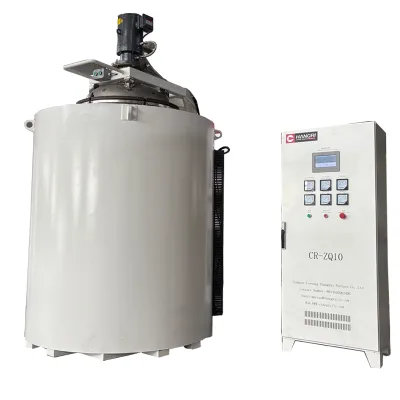
Main productsMuffle Furnace,Tube Furnace,Atmosphere Furnace,Car Bottom Furnace,Bottom Loading Furnace
Main marketsDomestic Market(73.00%), North America(10.00%), Southeast Asia(5.00%), Mid East(4.00%), South America(3.00%), Eastern Asia(2.00%), Africa(2.00%), Eastern Europe(1.00%)

Henan Dingxin Equipment Technology Co., Ltd.
- Verified by SGS
- Combined
- China Henan
- Lead time15 days
- Avg. response≤ 1h
Main productsRotary Kiln, Ball Mill, Suspension Flash Furnace, Electromagnetic Heating Rotary Kiln
Main marketsDomestic
BEIJING SHOUGANG GITANE NEW MATERIALS CORPORATION
- Verified by TüVRheinland
- Manufacturer, Trading Company
- Lead time30 days
- Avg. response≤ 8h
Main productsUltra-high Temperature Electric Heating Alloy, High Performance Fe-Cr-Al Alloy, High-end White Household Electrical Heating Alloy Wire (Belt), Nickel-chromium Heating Alloy Wire (Ribbon), SPARK Brand Electric Heating Wire
Main marketsNorth America(25%), Southern Europe(21%), South America(20%)




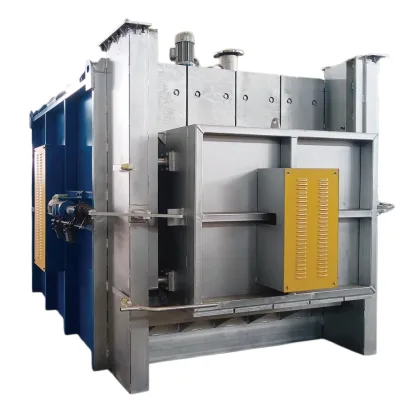
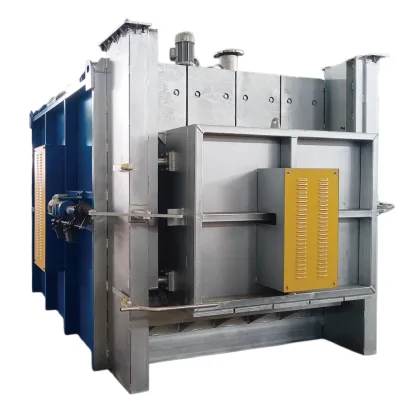
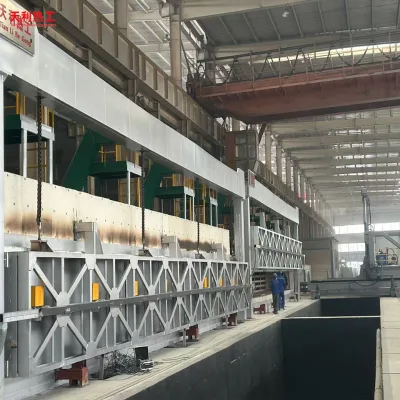
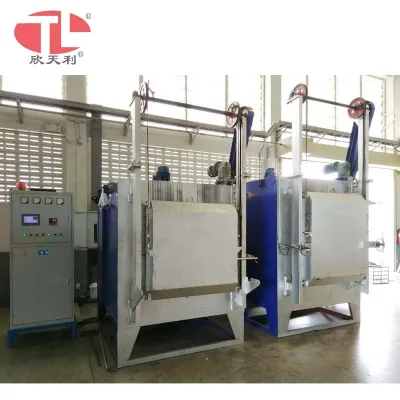






Comprehensive Sourcing Guide
Customized Electric Heat Treatment Furnace Supplier Concentration and Factory Types
The landscape for sourcing customized electric heat treatment furnaces reveals a distinct split between trading companies and direct manufacturers, each offering different value propositions for industrial buyers. Current data indicates that suppliers are concentrated in specific industrial hubs within China, with notable presence in regions like Heilongjiang and Guangdong. These locations often correlate with established manufacturing clusters for heavy machinery and industrial heating equipment. Buyers should recognize that a supplier’s location can influence logistics costs and lead times, particularly for large, heavy machinery like heat treatment furnaces. For instance, some suppliers list origins in Jiangsu or Zhejiang, suggesting a broader network of component sourcing or assembly facilities across eastern China. Understanding this geographic distribution helps buyers assess the likelihood of factory visits and the proximity of supply chains for critical components such as PLCs, motors, and heating elements.
Company types vary significantly, with some entities operating strictly as trading companies while others identify as manufacturers. This distinction is crucial for buyers seeking customized solutions, as manufacturers often have more direct control over design modifications and production schedules. Trading companies may offer a wider variety of models from different factories but might have less technical depth for complex customizations. The main products listed by suppliers often include related equipment such as cold heading machines, bolt making machines, and mesh belt furnaces, indicating that many suppliers specialize in fastener production lines where heat treatment is a critical step. This specialization suggests that these suppliers have deep expertise in the specific thermal requirements of metalworking, which can be a significant advantage when sourcing a furnace tailored to specific material properties and production volumes.
How to Verify Customized Electric Heat Treatment Furnace Suppliers
Verifying the legitimacy and capability of a Customized Electric Heat Treatment Furnace supplier requires a multi-layered approach that goes beyond basic company profiles. One of the primary verification steps is checking for third-party certifications and audit reports. Some suppliers display verification badges such as SGS, which can provide an additional layer of confidence regarding their business operations and product quality standards. Buyers should also scrutinize the certifications listed on specific product listings, such as CE or ISO marks, which indicate compliance with international safety and quality management standards. However, it is important to verify that these certifications are current and applicable to the specific model being purchased, as generic certifications may not cover customized configurations. Additionally, looking for machinery test reports and video outgoing-inspection provisions can offer tangible evidence of the supplier’s commitment to quality control before shipment.
Beyond certifications, buyers should assess the supplier’s technical documentation and after-sales service commitments. Detailed product attributes, such as core components (PLC, engine, bearing, gearbox), warranty periods, and after-sales service options like online support or overseas installation, are strong indicators of a supplier’s reliability. A supplier that provides comprehensive documentation, including dimension specifications, power ratings, and temperature control details, is likely more transparent and professional. Buyers should also evaluate the supplier’s response time, as a quick and knowledgeable reply can indicate a responsive support team capable of handling custom inquiries. Furthermore, checking if the supplier provides a machinery test report or detailed specifications for core components can help verify that the furnace meets the specific technical requirements of the buyer’s production line, ensuring that the customized solution will perform as expected in a real-world industrial setting.
What to Compare Across Customized Electric Heat Treatment Furnace Suppliers
When evaluating multiple suppliers for customized electric heat treatment furnaces, buyers must compare a range of operational and technical metrics to determine the best fit for their needs. Key comparison points include lead times, minimum order quantities (MOQ), and response speeds. For example, some suppliers may offer a lead time of 30 days, while others might require 60 days, which can significantly impact production planning. Similarly, MOQs can vary, with some suppliers accepting orders for as few as one unit, which is beneficial for small-scale or pilot projects, while others may have higher thresholds. Response times, measured in hours, also vary, with some suppliers responding within 3.71 hours and others taking up to 4 hours, which can affect the efficiency of the negotiation and customization process. These operational metrics are critical for aligning supplier capabilities with the buyer’s production schedule and budget constraints.
Technical specifications and pricing structures are equally important factors in the comparison process. Buyers should compare the power consumption, heating methods (electricity or gas), and capacity of the furnaces, as these directly impact operational costs and production throughput. For instance, some furnaces may have a capacity of 300kg/H, while others might offer 500kg/hr or handle different weight ranges. Pricing can also vary significantly, with some models listed at specific price points such as $14,430 or $250,000, reflecting differences in size, complexity, and customization level. Additionally, buyers should compare the structure type (horizontal or vertical), certification requirements, and packing methods, as these can influence installation logistics and long-term maintenance. By systematically comparing these attributes, buyers can identify suppliers that offer the best balance of cost, performance, and service for their specific customized heat treatment needs.
Common Customized Electric Heat Treatment Furnace Sourcing Risks
Sourcing customized electric heat treatment furnaces involves several inherent risks that buyers must proactively manage to ensure a successful procurement outcome. One significant risk is the potential mismatch between the customized specifications and the actual delivered product. Since customization involves unique design elements, there is a higher chance of errors in manufacturing or assembly if the supplier lacks robust quality control processes. Buyers should be wary of suppliers who provide vague technical details or fail to offer detailed machinery test reports. Another risk is the reliability of after-sales support, particularly for overseas installations. If a supplier does not have a proven track record of providing overseas installation services or comprehensive online support, buyers may face significant downtime and operational challenges if the furnace requires troubleshooting or maintenance after deployment.
Logistical and compliance risks are also prevalent in this category. Heat treatment furnaces are large, heavy industrial machines that require specialized shipping and handling. Buyers must ensure that the supplier uses appropriate packing methods, such as sea-worthy packages or containers, to prevent damage during transit. Additionally, there is a risk of non-compliance with local safety and environmental regulations if the furnace does not meet the required certification standards, such as CE or ISO. Buyers should verify that all certifications are valid and applicable to their region. Furthermore, the risk of supply chain disruptions can affect lead times, especially if the supplier relies on imported components for core parts like PLCs or motors. Buyers should assess the supplier’s supply chain resilience and contingency plans to mitigate the impact of potential delays or component shortages.
Customized Electric Heat Treatment Furnace Regional Sourcing and Logistics
Regional sourcing plays a critical role in determining the overall cost and efficiency of acquiring a Customized Electric Heat Treatment Furnace. Suppliers located in industrial hubs like Guangdong, Heilongjiang, Jiangsu, and Zhejiang often benefit from established supply chains and logistics networks, which can lead to more competitive pricing and faster production times. Buyers should consider the geographic proximity of the supplier to their own facility, as this can significantly impact shipping costs and transit times. For instance, sourcing from a supplier in Guangdong may offer different logistical advantages compared to sourcing from a supplier in Heilongjiang, depending on the buyer’s location and preferred shipping routes. Understanding the regional distribution of suppliers helps buyers identify clusters of expertise and potential partners with relevant industry experience.
Logistics planning for heat treatment furnaces requires careful attention to packaging and transportation methods. Given the size and weight of these industrial machines, suppliers typically use robust packaging solutions such as containers or sea-worthy packages to ensure safe delivery. Buyers should verify the supplier’s packaging standards and inquire about the specific dimensions and weight of the furnace to plan for proper handling and installation at their facility. Additionally, buyers should consider the supplier’s experience with international shipping and their ability to provide necessary documentation for customs clearance. Some suppliers may offer overseas installation services, which can simplify the setup process and ensure that the furnace is correctly calibrated for the buyer’s specific production requirements. By aligning regional sourcing strategies with logistical capabilities, buyers can minimize risks and ensure a smooth delivery and installation process.
Customized Electric Heat Treatment Furnace Commercial Terms and Order Planning
Effective order planning for customized electric heat treatment furnaces requires a thorough understanding of commercial terms, including pricing, payment structures, and warranty provisions. Buyers should negotiate clear pricing agreements that account for all customization costs, as prices can vary significantly based on specifications such as capacity, power rating, and heating method. Some suppliers may offer fixed prices for specific models, while others may provide quotes based on custom requirements. It is essential to clarify what is included in the price, such as packaging, shipping, and installation services, to avoid unexpected costs. Additionally, buyers should review the warranty terms, which typically cover core components and overall equipment for a specified period, such as one year. Understanding the warranty coverage and the process for claiming repairs or replacements is crucial for long-term operational reliability.
Payment terms and lead times are also key components of commercial planning. Buyers should negotiate payment schedules that align with production milestones, such as deposits upon order confirmation and balance payments upon completion or shipment. Lead times can vary based on the complexity of the customization and the supplier’s current production load, so buyers should establish realistic timelines and build in buffers for potential delays. Some suppliers may offer expedited production for an additional fee, which can be beneficial for urgent projects. Furthermore, buyers should consider the supplier’s response time and communication style, as a responsive and transparent supplier can facilitate smoother negotiations and problem-solving throughout the order process. By carefully planning commercial terms and lead times, buyers can ensure a structured and predictable procurement experience for their customized heat treatment furnace.
FAQs
What is the price range for customized electric heat treatment furnaces?
Prices vary significantly based on specifications and capacity. Available models range from approximately $15,000 for smaller units to over $250,000 for high-capacity industrial systems. Buyers should verify specific pricing for their required throughput and certification needs.
What certifications are typically available for these furnaces?
Most suppliers offer CE certification as a standard requirement for international markets. Some manufacturers also provide ISO certification alongside CE for broader compliance. Buyers must confirm the specific certification documents included with their chosen model before finalizing orders.
What is the typical lead time for manufacturing these furnaces?
Manufacturing lead times generally range from 30 to 60 days depending on the supplier and customization level. Some manufacturers in Guangdong offer faster turnaround times around 30 days, while others may require up to 60 days for complex builds.
What is the minimum order quantity for these industrial furnaces?
The minimum order quantity is typically set at one unit for most suppliers. This allows buyers to purchase single units for testing or small-scale production needs without being forced into bulk purchases. Always confirm MOQ with the specific supplier.
Where are these heat treatment furnaces primarily manufactured?
Manufacturing hubs for these furnaces are located in regions such as Guangdong, Jiangsu, and Zhejiang in China. Suppliers in these areas specialize in industrial machinery and provide various furnace types including mesh belt and box-type electric furnaces.
What after-sales services are provided for these furnaces?
Suppliers commonly provide online support and overseas installation services for their equipment. Some manufacturers also offer machinery test reports and video outgoing inspections to ensure quality. Buyers should verify the specific warranty terms and service availability for their region.