Customized Shoe Display Rack Suppliers and Manufacturers
Explore 32 verified options for Customized Shoe Display Rack solutions from Guangdong and Jiangsu factories. Compare lead times, response speeds, certifications, and pricing to find the right partner. Contact suppliers directly to request quotes; review the available evidence before requesting comparable quotations from suitable candidates.
Updated
Suppliers List

Dongguan Xinfuying Decoration Display Technology Co., Ltd.
- Verified by CTI
- Combined
- China Guangdong
- Lead time30 days
- Avg. response≤ 4h
Main productsbuilding decoration materials
Main marketsEast Asia(Japan/ South Korea),Domestic,Europe,Australia,North America

Huizhou Dibs Display Technic Co., Ltd.
- Manufacturer
- Guangdong, China
- Lead time28 days
- Avg. response≤ 7h
Main productsLED Light Boxes, Display Racks, Table Stands, Polyresin Products, Acrylic Process
Main marketsNorth America(60.00%), South America(20.00%), Southeast Asia(10.00%), Western Europe(5.00%), Domestic Market(5.00%)

Suzhou Highbright Enterprise Limited
- Combined
- China Jiangsu
- Lead time30 days
- Avg. response≤ 5h
Main productsShopping Trolley, Shopping Cart, Gondola Shelf, Display Shelf, Shop Fittings, Store Fixtures, Roll Container, Shopping Basket, Checkout Counter, Swing Gate
Main marketsSouth America,Africa,Southeast Asia/ Mideast,East Asia(Japan/ South Korea),Europe,Australia,North America

- Trading Company,Manufacturer/Factory
- China Fujian
- Lead time30 days
- Avg. response≤ 6h
Main productsDisplay Rack, Shop Fitting, Store Fixture, Furniture, Wood Millwork, Gondola Shelving, Metal Rack
Main marketsEastern Europe,North America
Zhongshan Keyi Display Products Ltd.
- Trading Company
- Guangdong, China
- Lead time20 days
- Avg. response≤ 3h
Main productsDisplay Stand rack,Supermarket Shelves,furniture,display cabinet,display case
Main marketsNorth America(30.00%), Oceania(20.00%), Domestic Market(15.00%), Eastern Europe(15.00%), Western Europe(10.00%), Northern Europe(5.00%), Southern Europe(5.00%)
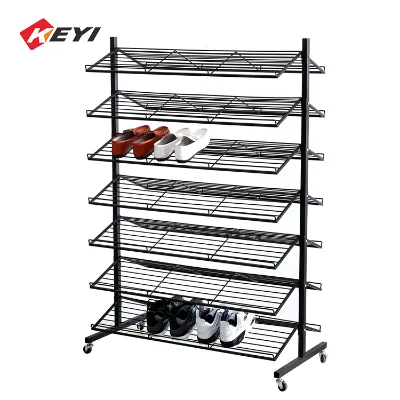
$44.4843 - $51.726
MOQ: 100 Minimum
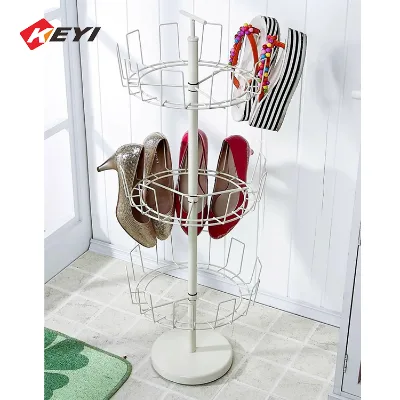
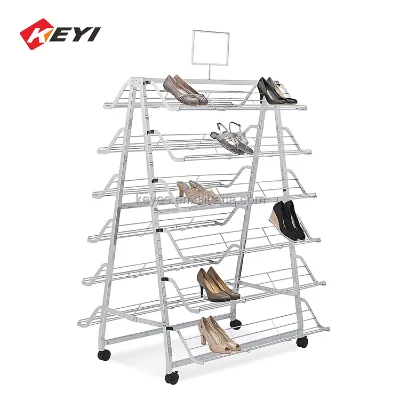
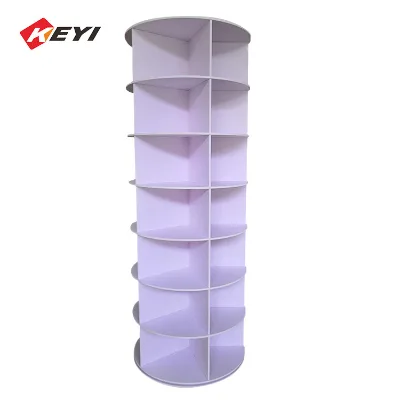

- Trading Company,Manufacturer/Factory
- China Guangdong
- Lead time23 days
- Avg. response≤ 2h
Main productsAcrylic Display Stand, Acrylic Box, Acrylic Photo Frame, Acrylic Tray, Acrylic Makeup Organizer, Acrylic Menu Holder, Acrylic Award, Acrylic Case, Plexiglass Display, Plexiglass Shelf
Main marketsSouth America,Eastern Europe,Mid East,North America,Southeast Asia,Eastern Asia,Oceania,Western Europe,Africa


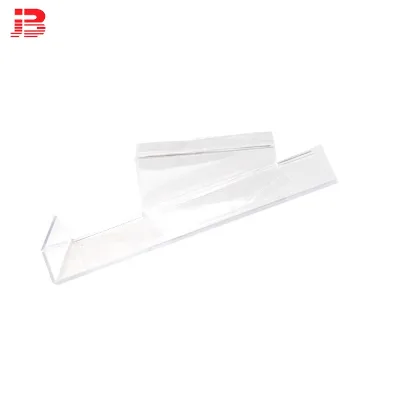
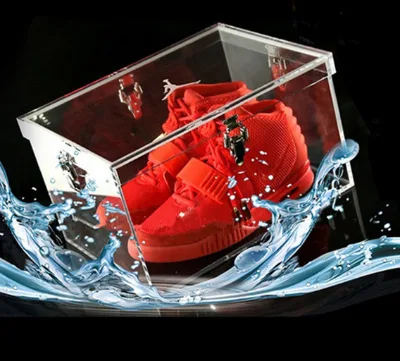
Floating Acrylic Shoe Shelf Sneaker Display Rack for Sporting Goods Shop
$1.03 - $2.48
MOQ: 100 Pieces


Shenzhen Centroyal Metal & Plastic Co., Ltd.
- Verified by SGS
- Trading Company
- China Guangdong
- Lead time23 days
- Avg. response≤ 6h
Main productsDisplay Stand
Main marketsDomestic,North America

Basic Customization Wholesales Customized Floor Standing Metal Shoe Display Stand Rack
$40.00 - $80.00
MOQ: 50 Pieces


Xiamen F-ORCHID Technology Co., Ltd.
- Manufacturer
- Fujian, China
- Lead time30 days
- Avg. response≤ 9h
Main productsdisplay racks,storefixture,fitness,handicraft,products for holiday use
Main marketsNorth America(40.00%), Northern Europe(20.00%), Western Europe(20.00%), Mid East(10.00%), Eastern Europe(10.00%)
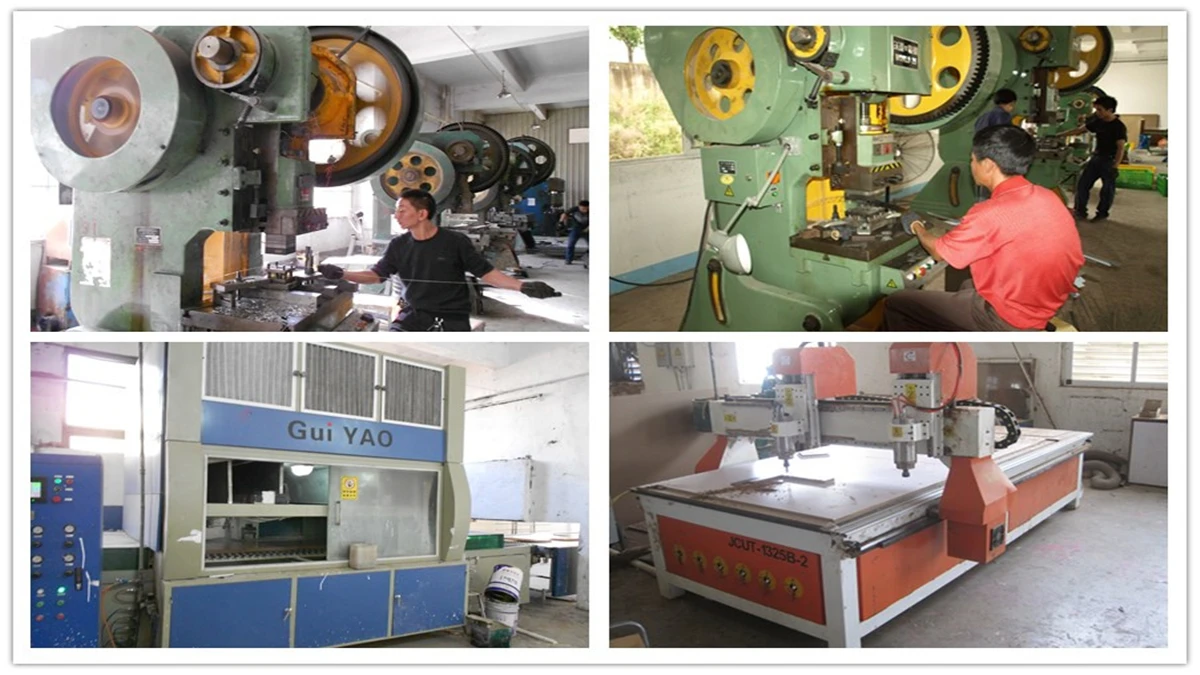
Xiamen Displayart Store Fixtures Co., Ltd.
- Manufacturer, Trading Company
- Fujian, China
- Lead time35 days
- Avg. response≤ 9h
Main productsFurniture,Display Rack,Store Fixture,Clothing Rack,Floor Rack
Main marketsWestern Europe(54.00%), North America(26.00%), Eastern Europe(5.00%), Oceania(3.00%), Africa(3.00%), Domestic Market(2.00%), South America(2.00%), Southern Europe(2.00%), Central America(1.00%), Mid East(1.00%), Northern Europe(1.00%)

Ningbo Paiaopai Display Co., Ltd
- Verified by TUVRHEINLAND
- Combined
- China Zhejiang
- Lead time30 days
- Avg. response≤ 2h
Main productsMakeup Cosmetic Display Organizer Beauty, Jewelry Display Stand for Necklace Breclet Tray, Counter Display for Retial Store Sunglass, Buffet Display for Cake Dessert Party Stand, Funko Pop Acrylic Box Pokemon Etb Booster Pack, Acrylic Sign Label Price Tag Display Holder Fram, Juice Wine Display Racking Shelf Showcase, Acrylic Floor Display Pop up Display Side Table, House Decoration Display Stand Desktop Vase, Store Display Rack Supermarket Metal Acrylic PVC
Main marketsDomestic,North America

Kunshan Caamatech Displays Co., Ltd.
- Verified by TUVRHEINLAND
- Combined
- China Jiangsu
- Lead time15 days
- Avg. response≤ 4h
Main productsOptical Shop Display, Cosmetic Display, Sign, Window Display, Interactive Display, Paper Display, Wood Display, Metal Display, Acrylic Display
Main marketsSoutheast Asia/ Mideast,Europe,Australia,North America

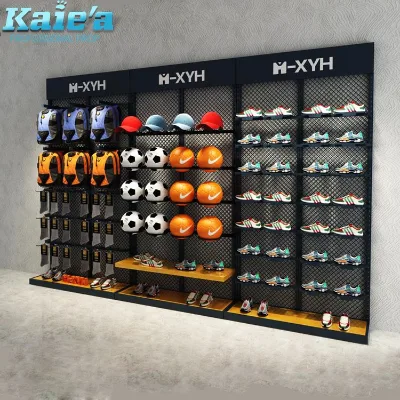
New Design Shoe Wall Display Shoes Shop Furniture Display Rack for Store
$100.00 - $500.00
MOQ: 5 pieces

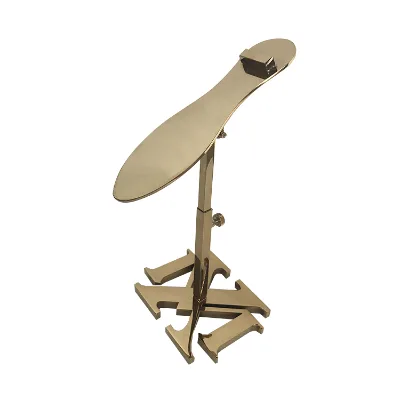
Custom Stainless Steel Sliver Shop Display High Heels Stand Shoes Racks Shoe Display
$30.00 - $60.00
MOQ: 10 pieces


Xiamen F-Orchid Technology Co., Ltd.
- Verified by TUVRHEINLAND
- Trading Company
- China Fujian
- Lead time30 days
- Avg. response≤ 6h
Main productsStore Fixtures & Display Racks, Fitness Equipment & Sports Goods, Handicrafts, LED Boxes & Logo Signs, Treadmill, Retail Display, Furniture, Recumbent Bike, Elliptical Bike, Fitness Bike
Main marketsNorth America

Clothing Store Shoe Rack Display Rack, Retail Sneaker Store Shoe Display Stand
$40.90 - $49.90
MOQ: 25 Pieces

Customized Sport Shoes Display Stand Rack for Retail Stores with Double-Sided Panels
$45.36 - $65.56
MOQ: 1 Pieces

24 Shelf Vertical Free Standing Shoe Rack Display Shelf Shoe Organizer Stand
$43.99 - $53.33
MOQ: 2 Pieces

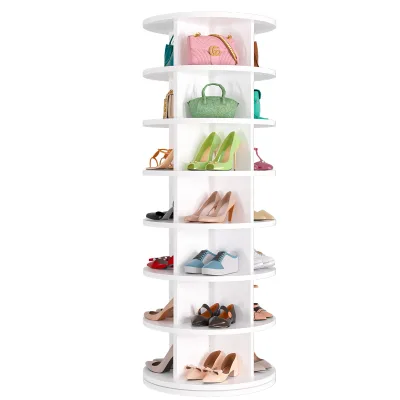
Custom 360° Rotating Sports Shoes Rack Metal Display Stand for Slippers, Retail
$35.23 - $45.56
MOQ: 1 Pieces

- Trading Company
- Fujian, China
- Lead time0 days
- Avg. response≤ 2h
Main productsDisplay, Display Accessories
Main marketsEastern Europe(64.00%), Southeast Asia(20.00%), North America(16.00%)

Adidea (Xiamen) Industry And Trade Co., Ltd.
- Trading Company
- China Fujian
- Lead time30 days
- Avg. response≤ 17h
Main productsMetal Display Shelf, Display Stand, Metal Display Rack, MDF Display Showcase, Solid Wood Display Stand, Acrylic Display Stand, Supermarket Display Shelves, Wine Beverage Food Display Rack, Garment Bag Shoe Jewelry Display Stand, Tile Stone Granite Quartz Mosaic Display Stand
Main marketsSoutheast Asia/ Mideast,Europe,North America

Metal Display Stand Customizable Shoe Pad Displays Rack Retail Store Display Stand
$45.00 - $110.00
MOQ: 100 Pieces

Slatwall - Equipped Multi - Tiered Wooden Shoe Display Rack for Store Footwear Exhibition
$130.00 - $155.00
MOQ: 200 Pieces

Dongguan Jinbaoma Technology Co., Ltd.
- Trading Company
- Lead time旺季: "1 - 10000":7,"> 10000":"To be negotiated", 淡季: "1 - 10000":7,"> 10000":"To be negotiated"
- Avg. response≤ 3h
Main productsKitchenware,Daily necessitiess,Storage tools,Storage tools,Decorations

Qingyuan Xingxiang Hardware Products Co., Ltd
- Verified by SGS
- Combined
- China Guangdong
- Lead time30 days
- Avg. response≤ 5h
Main productsShower Caddy Shelves, Hanging Hook, Coffee Pod Holder, Tissue Paper Towel Holder, Wire Storage Basket, Mutifunction Storage Rack, Cup Holder, Dish Drying Rack, Office Accessories, Watering Can
Main marketsEurope,North America

Wholesale Modern Organizer Shoe Rack for Home Clothes Stands Shoe Display Racks
$1.77 - $2.17
MOQ: 200 Pieces

Commercial Shoe Racks Stainless Steel Wall-Mounted Cabinet Hall Storage Shoe Organizer Rack
$5.00 - $5.54
MOQ: 200 Pieces
Xiamen Huayulai Industrial Co., Ltd.
- Manufacturer, Trading Company, Buying Office, Agent, Distributor/Wholesaler, Government ministry/Bureau/Commission, Association, Business Service (Transportation, finance, travel, Ads, etc), Other
- Fujian, China
- Lead time30 days
- Avg. response≤ 5h
Main productsTile display rack,Stone display rack,Supermarket rack,Bird Cages,Metal pop display
Main marketsNorth America(20.00%), Western Europe(10.00%), Mid East(10.00%), Southern Europe(10.00%), Southeast Asia(10.00%), Eastern Europe(10.00%), Northern Europe(10.00%), Central America(10.00%), Domestic Market(2.00%), South Asia(2.00%), Oceania(2.00%), Africa(2.00%), South America(2.00%)
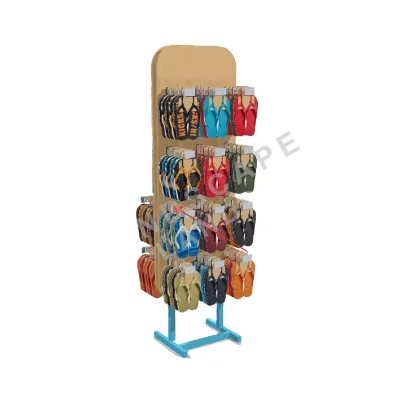
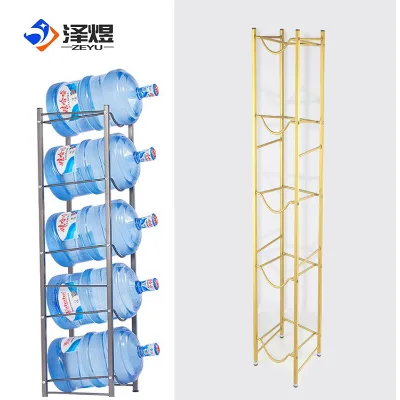
High quality factory customized shoes double side metal stand / display rack for slipper
$28.00 - $32.00
MOQ: 100 Minimum

Arrival Technology (Xiamen) Co., Ltd.
- Verified by SGS
- Combined
- China Fujian
- Lead time45 days
- Avg. response≤ 3h
Main marketsSouth America,Southeast Asia/ Mideast,East Asia(Japan/ South Korea),Domestic,Europe,Australia,North America

Commercial Metal Rotating Shoe Display Rack Multi-Layer Storage Shoe Display Rack
$40.00 - $45.00
MOQ: 100 Pieces

Meizhou Jinbin Metal Products Co., Ltd.
- Verified by SGS Group
- Manufacturer, Trading Company
- Lead time15 days
- Avg. response≤ 6h
Main productsDisplay Shelf Series, Iron Pipe, Hook Series, Bracket Series, Mannequin Series
Main marketsMid East(30%), Africa(18%), Domestic Market(15%)

Dongguan Simply Metal Products Co., Ltd.
- Trading Company
- China Guangdong
- Lead time23 days
- Avg. response≤ 7h
Main productsWire Shelving, Wire Shelving Units, Shelving, Shelf, Wire Wall Shelf, Wire Rack Shelving, Wire Storage Racks, Wire Racks, Metal Wire Shelving, Wire Storage Shelves
Main marketsSouth America,Africa,Southeast Asia/ Mideast,Europe,Australia,North America
Guangdong Shunde Caijun Metal Manufacturing Co., Ltd.
- Manufacturer, Trading Company
- Guangdong, China
- Lead time30 days
- Avg. response≤ 3h
Main productsKitchen Rack,Storage Shelf,Dish Rack,Display stand,Kitchen organizer
Main marketsNorth America(60.00%), Eastern Europe(30.00%), Southeast Asia(10.00%)

Gondo Displays (Xiamen) Industry & Trade Co., Ltd.
- Verified by TUVRHEINLAND
- Trading Company
- China Fujian
- Lead time23 days
- Avg. response≤ 3h
Main productsAcrylic Display, Wood Display, Metal Display, Display Stand, Store Fixture, Jewelry Display, Cosmetic Display, Clothes Rack, Supermarket Rack, Furniture
Main marketsEurope,Australia,North America

Customized High Quality Wall Mount Clear White Slatwall Acrylic Shoe Display Rack for Shops
$0.39 - $0.99
MOQ: 100 Pieces

China Professional Exhibition Wall-Mounted Wooden Retail Display Shoe Rack
$19.99 - $29.99
MOQ: 100 Pieces
Foshan Kaierda Display Furniture Co., Ltd.
- Manufacturer, Trading Company
- Lead time旺季: "1 - 10":25,"> 10":"To be negotiated", 淡季: "1 - 10":25,"> 10":"To be negotiated"
- Avg. response≤ 7h
Main productsDisplay Rack,display showcase,display table,display shelf,display counter

Ningbo V. K. Industry and Trading Co., Ltd.
- Verified by BV
- Trading Company
- China Zhejiang
- Lead time30 days
- Avg. response≤ 6h
Main productsIce Bath Tub, Cosmetic Glass Bottle, Hydroponics Grow Box, Baby Bottle, Inflatable Tent, Cream Jar, Reed Diffuser Bottle, Jewish Products, Mezuzah Case
Main marketsSouth America,Europe,Australia,North America

Master Display Products (zhongshan) Co., Ltd.
- Manufacturer
- Guangdong, China
- Lead time20 days
- Avg. response≤ 2h
Main productsMetal Display Rack/Phone Display Cabinet/Wooden Display Stand/Scooter Display Stand/Acrylic Display Boxes
Main marketsNorth America(30.00%), Western Europe(30.00%), Southeast Asia(20.00%), Northern Europe(10.00%), Southern Europe(5.00%), Eastern Europe(5.00%)
Hengshui Lihao Import And Export Trading Co., Ltd.
- Trading Company
- Hebei, China
- Lead time15 days
- Avg. response≤ 4h
Main productsMen's clothing,Women's clothing,Underwear,watch,socks
Main marketsNorth America(50.00%), Eastern Europe(10.00%), Southeast Asia(9.00%), Western Europe(5.00%), South America(5.00%), Africa(4.00%), Eastern Asia(4.00%), Mid East(4.00%), Oceania(4.00%), Domestic Market(1.00%), South Asia(1.00%), Southern Europe(1.00%), Northern Europe(1.00%), Central America(1.00%)
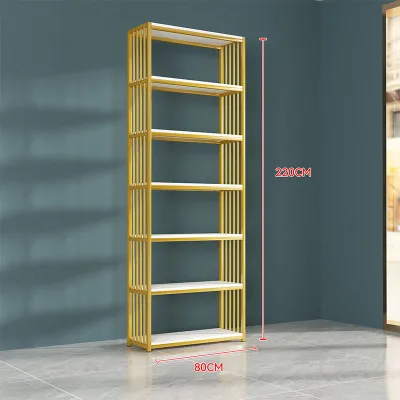
Fashion Design Shoe Display Metal Wall Shelf Interior Decoration Retail Display Racks
$36.88 - $38.55
MOQ: 2 pieces
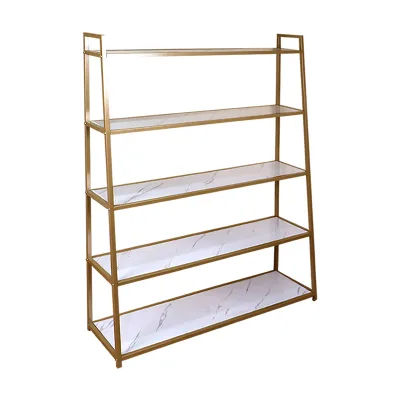
$43.37 - $44.55
MOQ: 2 pieces

Foshan Languo Chuangyijia Technology Co., Ltd.
- Verified by BV
- Combined
- China Guangdong
- Lead time15 days
- Avg. response≤ 10h
Main productsAcrylic, Custom Acrylic Box, Plastic Basket, Phto Frame, Pop Clips, Floor Display Stand, Plastic Brochure Holder, Custom Sign Holder, Shelf Data Strips, PVC Data Strips
Main marketsSouth America,Africa,Southeast Asia/ Mideast,East Asia(Japan/ South Korea),Domestic,Europe,Australia,North America
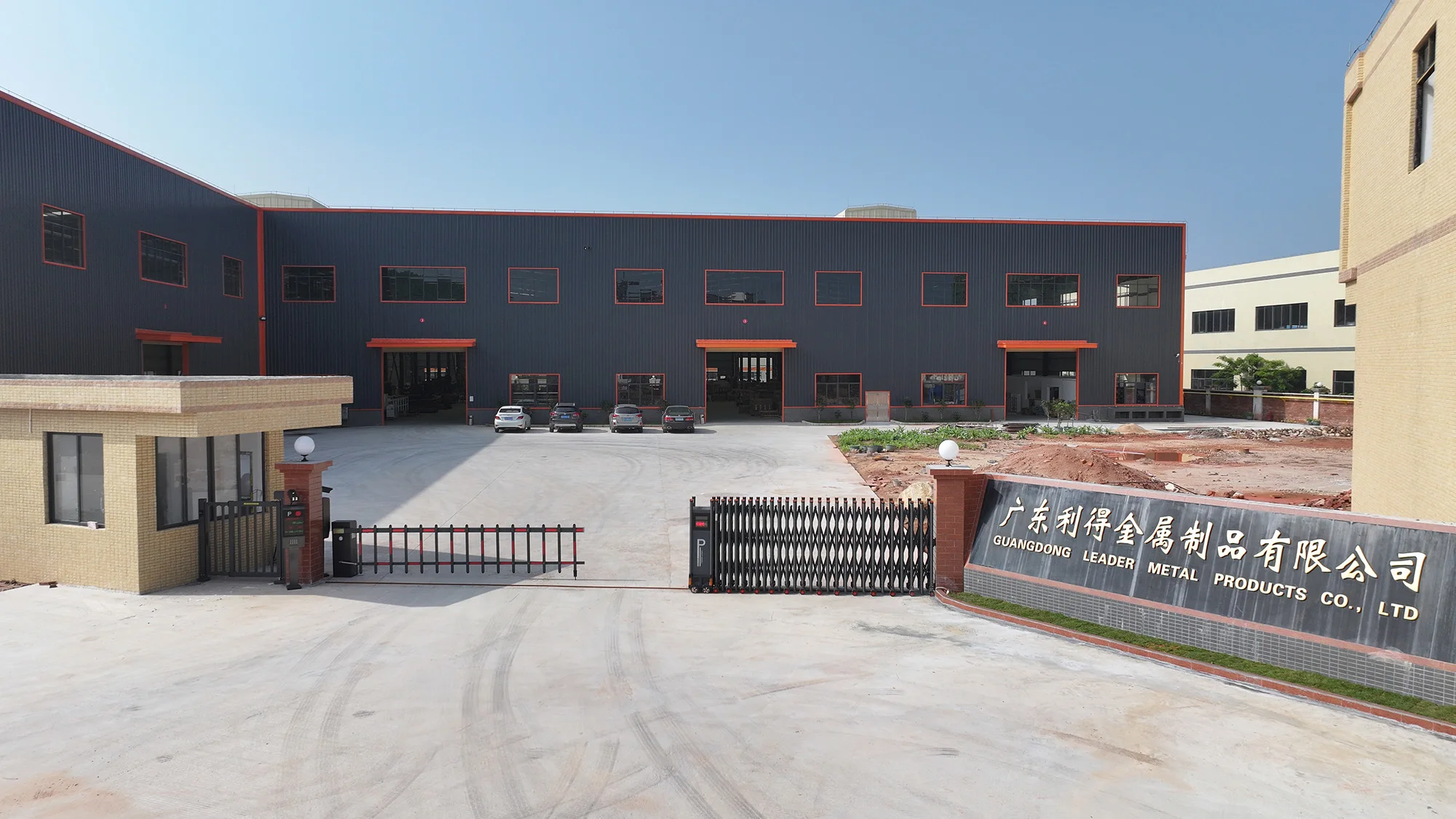
Guangdong Leader Metal Products Co., Ltd.
- Manufacturer, Trading Company
- Guangdong, China
- Lead time30 days
- Avg. response≤ 7h
Main productsEngine Oil Display Stand,Tire Display Stand,Wiper Display Stand,Helmet Display Stand,Hardware Tool Display Stand
Main marketsDomestic Market(30.00%), North America(10.00%), Africa(8.00%), Eastern Europe(8.00%), Western Europe(6.00%), Southeast Asia(5.00%), South America(5.00%), Mid East(5.00%), Eastern Asia(5.00%), Northern Europe(5.00%), Southern Europe(5.00%), Central America(4.00%), Oceania(2.00%), South Asia(2.00%)
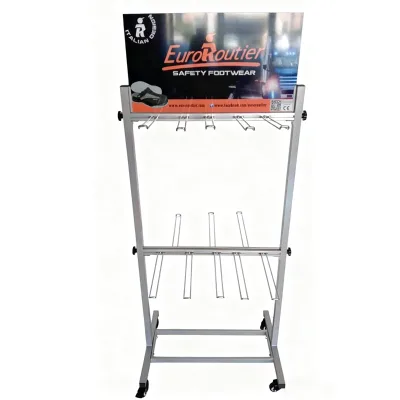
$20.5768 - $61.7303
MOQ: 30 Minimum
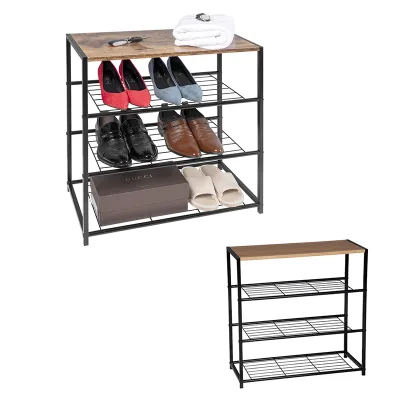
$23.6962 - $54.6041
MOQ: 50 Minimum
Foshan Nanhai Guicheng Yuntai Shelf Factory
- Verified by TüVRheinland
- Manufacturer, Trading Company
- Lead time20 days
- Avg. response≤ 2h
Main productsClothing Display Rack, Engineering Hardware, Display Table, Cashier Desk, Furniture Hardware
Main marketsDomestic Market(22%), South America(10%), Mid East(10%)
Jiangxi Kelier Industry And Trade Co., Ltd.
- Manufacturer, Trading Company
- Jiangxi, China
- Lead time7 days
- Avg. response≤ 11h
Main productsAcrylic table,Acrylic chair,Acrylic desk,Acrylic furniture,Acrylic shelf
Main marketsNorth America(30.00%), Northern Europe(20.00%), Western Europe(20.00%), Eastern Europe(20.00%)
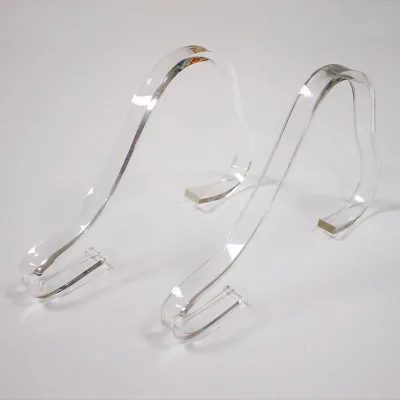
Store High Heels Acrylic Display Rack Compact and Simple Shoe Rack Ultra-thin Rack
$0.50 - $1.50
MOQ: 1 pieces
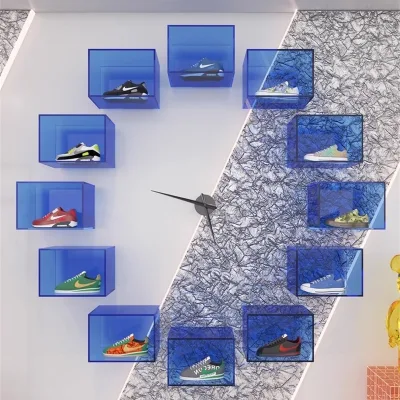
Modern Wall Mounted Shoe Display Rack Acrylic Random Combination Wall Decoration
$23.5613 - $25.6179
MOQ: 1 pieces

Kunshan Deco POP Display Co., Ltd.
- Verified by TUVRHEINLAND
- Trading Company,Manufacturer/Factory
- China Shanghai
- Lead time15 days
- Avg. response≤ 2h
Main productsDisplay Stand, Cardboard Display Stand, Floor Display, Counter Display, Cardboard Display Box, Paper Display, Pop Display, Pallet Display, Acrylic Display, Display Rack Shelf
Main marketsSouth America,Eastern Europe,Mid East,North America,Southeast Asia,Eastern Asia,Oceania,Western Europe,Africa

Honsoar New Building Material Co., Ltd.
- Verified by TUVRHEINLAND
- Combined
- China Shandong
- Lead time30 days
- Avg. response≤ 13h
Main productsParticle Board, Plywood, MDF, Kitchen Cabinet
Main marketsSouth America,Africa,Southeast Asia/ Mideast,Europe,Australia,North America




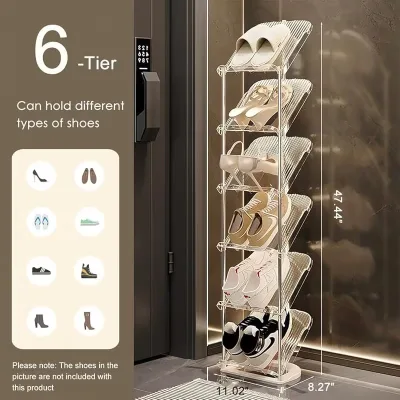
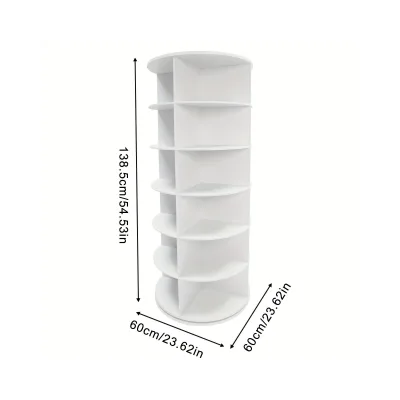
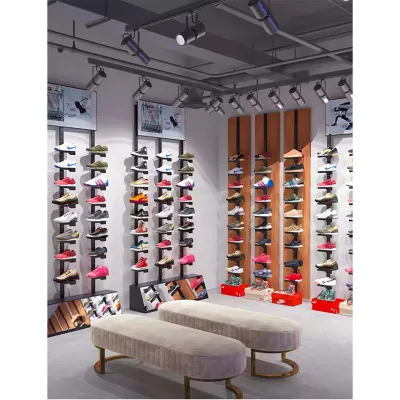
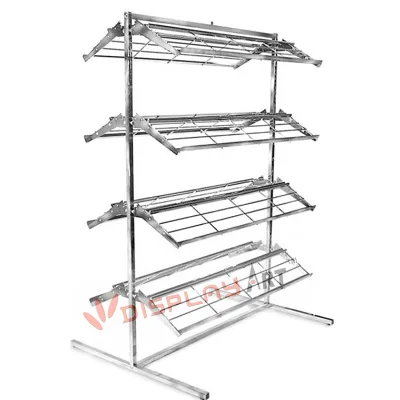
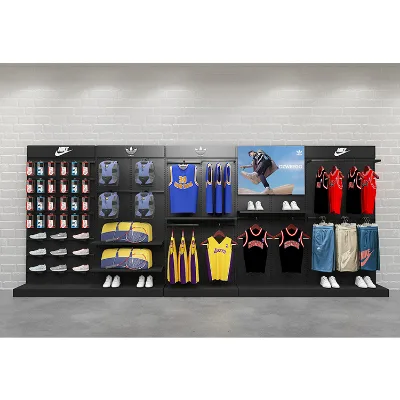


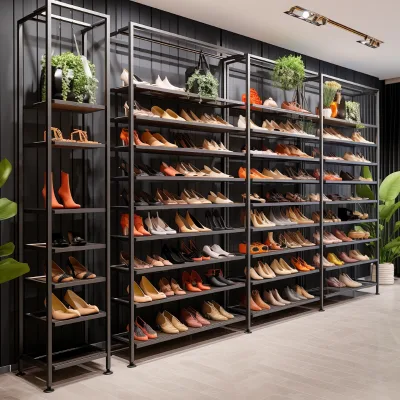
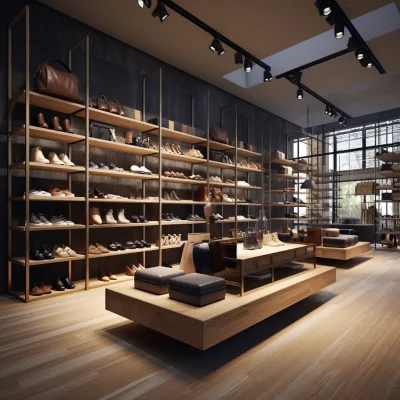
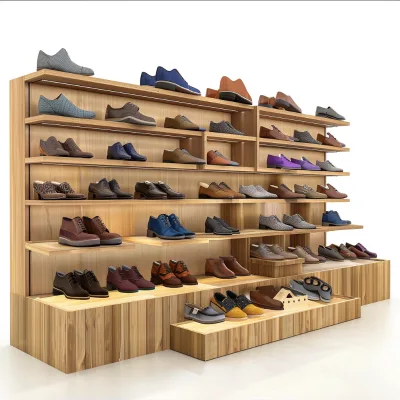






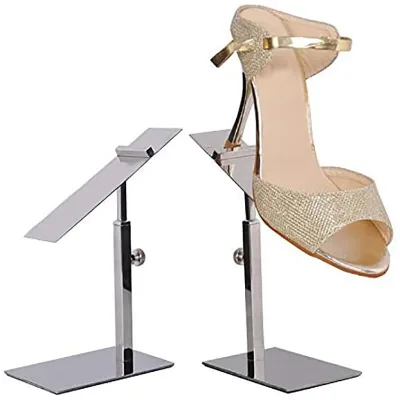


Comprehensive Sourcing Guide
Customized Shoe Display Rack Supplier Concentration and Factory Types
The current supplier landscape for customized shoe display racks reveals a distinct geographic concentration in China, with Guangdong emerging as a primary manufacturing hub. Factories located in Guangdong, China, often specialize in materials such as metal and acrylic, offering products that range from LED-lit display units to transparent acrylic sneaker showcases. This region supports a mix of company types, including combined entities and pure manufacturers, which allows buyers to access a broad spectrum of production capabilities. The presence of suppliers with established experience, such as those citing nine years in the industry, indicates a mature ecosystem where specialized knowledge in retail fixtures is readily available. Buyers evaluating these suppliers should note that the density of manufacturers in this area facilitates easier communication regarding complex customization requests, as local supply chains for components like LED lighting and metal framing are well-developed.
In contrast to the Guangdong cluster, other regions such as Jiangsu, China, also host suppliers who focus on different aspects of retail infrastructure. Suppliers in Jiangsu may emphasize structural integrity and modular designs, often producing items like divided adjustable retail store display stands or wall-mounted organizers. These factories frequently hold specific system certifications, such as ISO9001:2015, which signals a commitment to standardized quality management processes. The diversity in company types, ranging from those with their own brands to those offering full OEM and ODM services, means that buyers can select partners based on their specific need for brand integration or private labeling. Understanding the factory type is crucial, as manufacturers may offer more direct control over material sourcing and production timelines, while combined companies might provide broader logistical support or a wider variety of complementary store fixtures.
How to Verify Customized Shoe Display Rack Suppliers
Verifying the credibility of a Customized Shoe Display Rack supplier requires a multi-layered approach that goes beyond simple profile reviews. Buyers should prioritize suppliers who have undergone third-party verification processes, such as CTI certification, which provides an independent assessment of the company’s operational legitimacy. This verification status serves as a foundational trust signal, indicating that the supplier’s business license and physical premises have been validated by a recognized inspection agency. Additionally, examining the supplier’s response time is a practical method for gauging their operational efficiency and customer service readiness. A response time metric, such as 3.46 hours, suggests a high level of responsiveness that is critical when negotiating custom specifications or resolving urgent production issues. Buyers should look for consistent communication patterns, as delayed responses can often indicate bottlenecks in the sales or engineering teams that may later impact order fulfillment.
Beyond verification badges and response speeds, buyers must scrutinize the specific product evidence provided by the supplier to ensure alignment with their quality standards. Detailed product attributes, such as material composition, finish types, and structural features, offer tangible proof of the supplier’s manufacturing capabilities. For instance, a supplier offering metal racks with specific finish options like shiny gold, brushed gold, or black provides clear evidence of their surface treatment expertise. Buyers should also verify the supplier’s ability to handle customization by reviewing their stated capabilities, such as offering OEM and ODM services or providing customized sizes. It is essential to confirm that the supplier’s claimed advantages, such as guaranteed quality or specific experience years, are backed by verifiable data or past performance records. This due diligence helps mitigate the risk of engaging with suppliers who may overstate their capabilities or lack the technical proficiency required for complex retail fixture projects.
What to Compare Across Customized Shoe Display Rack Suppliers
When evaluating multiple suppliers for customized shoe display racks, comparing key operational metrics is essential for selecting the most suitable partner. Lead time is a critical factor, as it directly impacts inventory planning and store opening schedules. Suppliers may offer varying lead times, such as 28 or 30 days, which can influence the decision-making process for time-sensitive projects. Buyers should also compare the minimum order quantity (MOQ) requirements, as some suppliers may accept orders as low as one piece, while others might require a minimum of fifty units. This flexibility is particularly important for buyers testing new designs or fulfilling small boutique orders. Additionally, response time serves as a comparative metric for supplier reliability, with faster response times often correlating with better project management and communication efficiency throughout the production cycle.
Price and capacity are other vital dimensions for comparison, as they determine the overall value proposition of each supplier. Price ranges for customized shoe display racks can vary significantly, with some suppliers offering metal racks between 79 and 256 dollars, while others provide acrylic options between 35 and 39 dollars. Buyers should analyze these prices in the context of the materials used, customization complexity, and included services such as packaging or shipping. Supply ability is another crucial factor, with some suppliers capable of producing up to 10,000 pieces per month, which is essential for large-scale retail rollouts. Buyers should also compare the range of main products offered, as suppliers with diverse portfolios, including LED light boxes or shopping trolleys, may offer better synergy for comprehensive store fit-out projects. This holistic comparison ensures that buyers select a supplier who not only meets their immediate product needs but also aligns with their broader operational and financial goals.
Common Customized Shoe Display Rack Sourcing Risks
One of the primary risks in sourcing customized shoe display racks is the potential mismatch between design expectations and final production outcomes. Customization involves specific requirements for dimensions, materials, and aesthetic finishes, which can be difficult to communicate accurately across language and cultural barriers. Buyers may encounter issues where the final product differs in color, texture, or structural integrity from the initial samples or digital renderings. For example, a supplier might offer a metal rack with a specific finish, but the actual delivery could feature a slightly different shade or a less durable coating. This risk is exacerbated when working with suppliers who have limited experience in international retail standards or who lack robust quality control processes. To mitigate this, buyers should insist on detailed technical specifications and pre-production samples that explicitly outline all customization parameters, ensuring that both parties have a clear and shared understanding of the final product requirements.
Another significant risk is the variability in packaging and shipping conditions, which can lead to damage during transit. Display racks, particularly those made from acrylic or thin metal, are susceptible to scratches, dents, or breakage if not packed adequately. Suppliers may use different packing methods, such as foam, carton, or wooden cases, which vary in their protective capabilities. Inadequate packaging can result in high replacement costs and delayed store openings, impacting the buyer’s business operations. Additionally, buyers should be cautious of suppliers who do not provide clear information about their port of dispatch or shipping logistics. For instance, a supplier dispatching from Shenzhen Port may have different shipping options and costs compared to one using a different port. Buyers must verify the supplier’s packaging standards and logistics capabilities to ensure that the products arrive in pristine condition and on schedule, avoiding unexpected delays or additional expenses associated with damaged goods.
Customized Shoe Display Rack Regional Sourcing and Logistics
Sourcing customized shoe display racks from China involves navigating distinct regional logistics advantages that can impact cost and delivery efficiency. Guangdong, as a major manufacturing hub, benefits from proximity to major ports like Shenzhen, which facilitates efficient export operations. Suppliers in this region often have established relationships with freight forwarders and shipping lines, allowing for streamlined logistics and potentially faster transit times to international destinations. The concentration of suppliers in Guangdong also means that buyers can benefit from a robust local supply chain for raw materials and components, which can reduce production lead times and enhance overall supply chain resilience. Buyers should consider the logistical implications of sourcing from this region, as the availability of multiple shipping options and competitive freight rates can contribute to lower overall procurement costs.
In contrast, sourcing from other regions like Jiangsu may offer different logistical considerations, such as proximity to domestic markets or specific industrial zones. Suppliers in Jiangsu may have different port access or logistical networks, which could affect shipping costs and delivery schedules. Buyers should evaluate the supplier’s port of dispatch and packaging details to understand the logistical workflow. For example, a supplier using export carton or pallet packing may have different handling requirements compared to one using foam and wooden cases. Additionally, buyers should consider the impact of regional trade policies and tariffs on their overall sourcing strategy. Understanding the logistical landscape of each supplier’s location allows buyers to make informed decisions about where to source their customized shoe display racks, balancing factors such as cost, speed, and reliability to optimize their supply chain performance.
Customized Shoe Display Rack Commercial Terms and Order Planning
Effective order planning for customized shoe display racks requires a thorough understanding of the commercial terms offered by suppliers. Buyers should carefully review the payment terms, delivery schedules, and warranty policies to ensure they align with their financial and operational capabilities. Suppliers may offer different payment structures, such as deposits and balance payments upon shipment, which can impact cash flow management. Additionally, buyers should clarify the lead time commitments, as delays in production can have cascading effects on store opening dates and marketing campaigns. It is crucial to establish clear milestones and communication protocols with the supplier to monitor production progress and address any potential issues promptly. Buyers should also consider the supplier’s capacity to handle rush orders or changes in specifications, as flexibility in production planning can be valuable in dynamic retail environments.
Beyond lead times and payment terms, buyers must evaluate the supplier’s after-sales support and return policies. Customized products often have limited return options due to their specific nature, so it is essential to have a clear agreement on how defects or discrepancies will be handled. Buyers should inquire about the supplier’s quality guarantee and the process for claiming compensation for non-conforming goods. Additionally, understanding the supplier’s packaging standards and shipping insurance options can provide an extra layer of protection for the order. Buyers should also consider the long-term relationship with the supplier, as a reliable partner can offer consistent quality and competitive pricing for future orders. By carefully negotiating and documenting these commercial terms, buyers can minimize risks and ensure a smooth procurement process for their customized shoe display racks, ultimately supporting their retail business success.
FAQs
What is the price range for customized shoe display racks?
Prices for customized shoe display racks typically range from $35 to $256 per unit. The final cost depends on the material selected, such as metal or acrylic, and the complexity of the design. Buyers should check specific product listings for exact pricing tiers based on quantity and customization requirements.
What is the minimum order quantity for these racks?
The minimum order quantity varies by supplier, with some accepting just one piece while others require fifty units. Many manufacturers offer low MOQs for customized designs to accommodate small retail businesses. Buyers should verify the specific MOQ on the product page before placing an order to ensure it fits their budget.
How long does production take for custom orders?
Production lead times generally range from 28 to 30 days for customized shoe display racks. This timeframe allows for material sourcing, manufacturing, and quality checks. Buyers should confirm the exact lead time with the supplier, as rush orders or complex custom designs may require additional time for completion and shipping.
What materials are commonly used for these display racks?
Common materials include metal, stainless steel, and transparent acrylic. Metal racks often feature finishes like brushed gold, black, or white, while acrylic options provide a modern, transparent look. Buyers can choose materials based on durability needs, aesthetic preferences, and the specific retail environment where the racks will be displayed.
Are these racks customizable in size and shape?
Yes, most suppliers offer customization for size, shape, and finish. Options include trapezoid, heart, square, hexagon, or oval shapes, with tailored dimensions to fit specific retail spaces. Buyers should provide detailed specifications to ensure the final product meets their store layout requirements and branding guidelines for a cohesive visual presentation.
Where are these suppliers located?
Suppliers are primarily located in Guangdong and Jiangsu provinces in China. Guangdong is known for acrylic and metal manufacturing, while Jiangsu suppliers often specialize in store fixtures and shelving. Buyers can filter results by location to find suppliers closer to their preferred shipping ports or with specific regional manufacturing capabilities.
Do suppliers offer OEM or ODM services?
Many suppliers provide both OEM and ODM services for customized shoe display racks. This allows buyers to use their own designs or leverage the supplier's existing models. Buyers should confirm the specific capabilities and any associated costs for design modifications to ensure the final product aligns with their brand identity and functional needs.