Source Pre-assembled Wooden Fruit and Vegetable Shelf for Retail Stores
Compare 30 pre-assembled wooden fruit and vegetable shelf options from verified suppliers. These units feature solid shelves, customizable sizes, and are designed for retail stores, supermarkets, and shops with delivery times ranging from 15 to 35 days; compare the available evidence and request quotations based on your requirements.
Updated
Key considerations
Products List
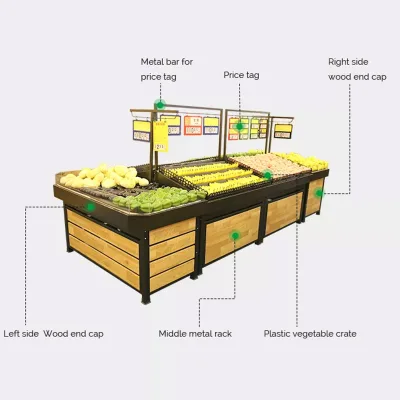


High Quality Metal Wooden Fruit and Vegetable Display Rack Supermarket Shelf
$188.00 - $198.00
MOQ: 5 Pieces


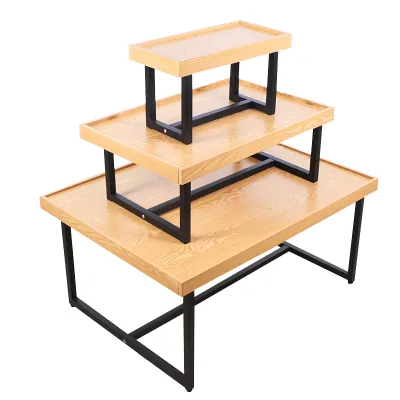
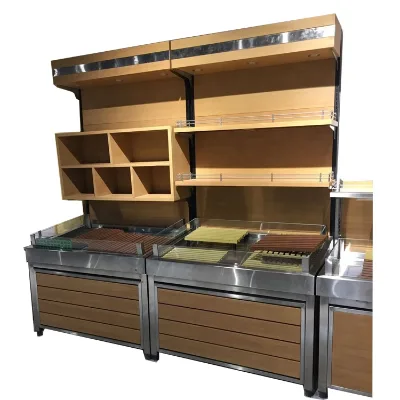
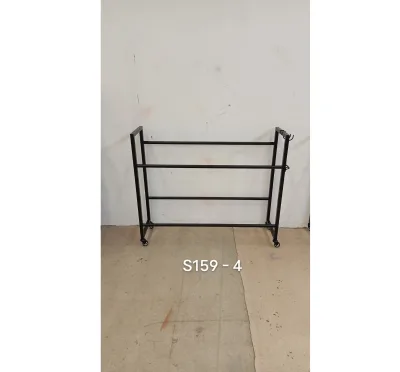
Wooden and Metal Double-sided Fruit and Vegetable Display Shelves for Supermarkets
$17.4903 - $36.009
MOQ: 30 pieces
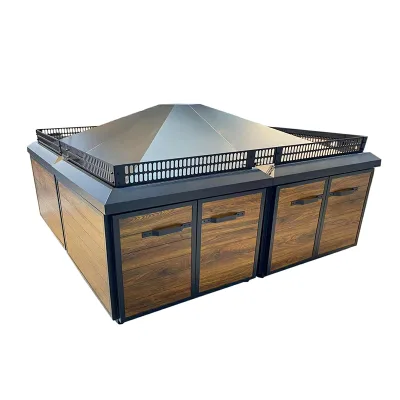
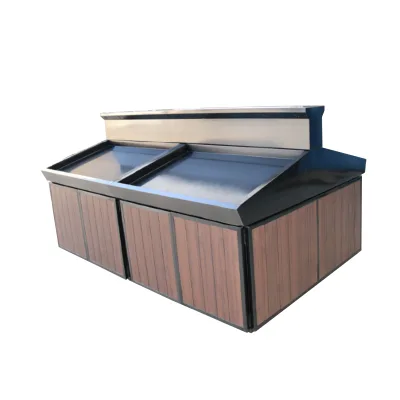

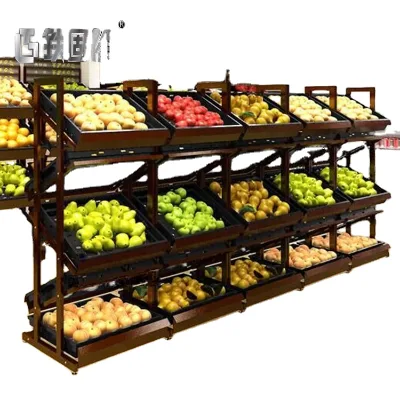
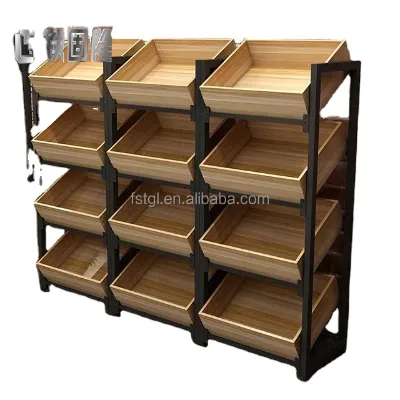
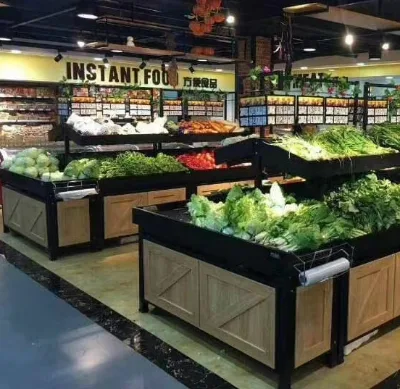
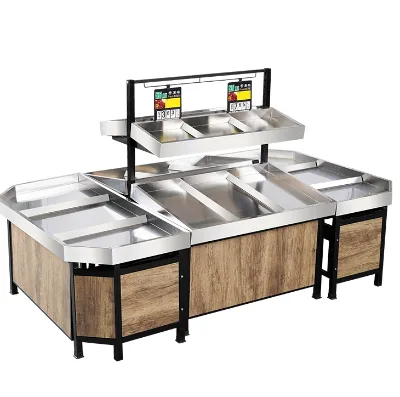


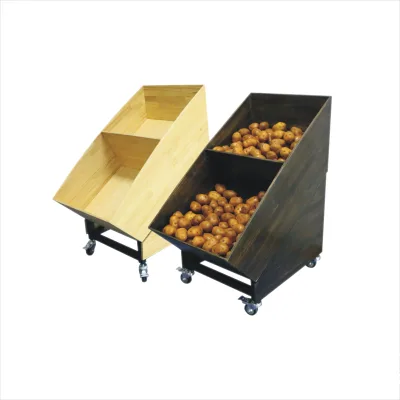
Supermarket Fruit and Vegetable Shelf Rack 2 Tier Natural Wooden Display Stands
$129.7609 - $145.3325
MOQ: 100 Minimum

Comprehensive Sourcing Guide
Pre-Assembled Wooden Fruit and Vegetable Shelf Sourcing Guide
Sourcing pre-assembled wooden fruit and vegetable shelves requires careful attention to material composition and structural integrity, as market listings often present mixed attributes. While the core keyword specifies wood, observed product data indicates a significant presence of plastic, aluminum, and metal constructions, such as the Hookei brand items featuring solid shelf structures. Buyers must verify whether the supplier offers true wooden units or if the "wooden" descriptor is a misclassification for laminate or composite materials. This distinction is critical for durability expectations and aesthetic alignment with specific retail environments, particularly those requiring heavy-duty capacity.
The procurement landscape includes both single-sided and double-sided configurations, with some units designed for vertical or horizontal orientation. Pre-assembled options reduce on-site labor costs but may impact shipping volume and packaging requirements. Suppliers in Shanghai and Jiangsu, China, are active sources, offering customized sizes and colors like white or black. Buyers should confirm if the pre-assembled nature applies to the entire unit or just specific components, as this affects handling logistics and potential damage during transit. Understanding these structural variations ensures the selected shelving meets both spatial constraints and visual merchandising goals.
Product Scope and Observed Listing Signals
The observed market signals reveal a diverse range of product types under the broad category of fruit and vegetable racks. Listings include items labeled as "Supermarket Rack" or "Shelving Display" with specific model numbers like "roll track" or "HBE-VR." These products often feature rectangular shapes and are marketed for use in retail stores, shops, and supermarkets. The presence of "Heavy Duty" styling suggests robust construction, yet the material composition varies significantly between metallic, plastic, and wooden options. Buyers must scrutinize product descriptions to ensure the wooden attribute is genuine, as many listings describe metal or plastic frames with wooden-look finishes or mixed-material builds.
Packaging and physical dimensions also provide critical insights into the product scope. Observed single package sizes, such as 55x67x10 cm, indicate compact shipping profiles, which is advantageous for pre-assembled units to minimize freight costs. However, some listings mention wood frame packaging, which may imply heavier, bulkier shipments for larger units. The availability of customized sizes and OEM/ODM services allows for tailored solutions, but buyers should verify if customization applies to wooden variants or primarily to metal structures. Understanding these scope nuances helps in selecting suppliers who can deliver the specific material and dimensional requirements for the intended retail application.
Technical Specifications to Verify
Verifying technical specifications is paramount when sourcing pre-assembled wooden shelves, particularly regarding load-bearing capacity and material authenticity. Buyers should request detailed specifications for the wood type, such as solid wood, plywood, or MDF, and confirm the thickness of shelves and supports. The observed data mentions "Heavy Weight" and "Solid Shelf" attributes, which suggest robustness, but these claims need validation through technical datasheets. Additionally, surface treatments like polished finishes should be checked for durability against moisture and frequent cleaning, which are common in produce display areas. Ensuring the material can withstand the weight of heavy fruits and vegetables without sagging is essential for long-term performance.
Assembly and installation methods also require close verification. Although the keyword specifies "pre-assembled," some listings indicate "Freestanding" installation with "Pre-Assembled" methods, which may still require minor on-site adjustments or leveling. Buyers should confirm if the unit arrives fully assembled or if it requires tool-free assembly of major components. The orientation options, such as vertical or horizontal, must align with the store’s layout and customer flow. Furthermore, checking the shelf width and layer count, such as the observed four-layer configurations, ensures the unit provides adequate display space. Clear technical documentation prevents misunderstandings regarding the final product’s dimensions and functional capabilities.
Compliance and Safety Documentation
Compliance and safety documentation are critical for retail shelving, especially when dealing with wooden materials that may require fire retardancy or formaldehyde emission standards. Buyers should inquire about relevant certifications, such as CE marking, which was observed in the background context, to ensure the product meets European safety and environmental regulations. For wooden products, verifying compliance with CARB Phase 2 or E0/E1 formaldehyde emission standards is essential for indoor air quality and regulatory adherence in many markets. Suppliers should provide test reports from accredited laboratories to substantiate these claims, ensuring the wood treatments and adhesives used are safe for public-facing retail environments.
Safety features such as stability and anti-tip mechanisms should also be documented. Pre-assembled units must include clear instructions for securing the shelf to the floor or wall, particularly for taller or double-sided configurations. Buyers should verify if the design includes rounded edges or smooth finishes to prevent injury, which is especially important in high-traffic supermarket areas. Additionally, checking for compliance with local building codes and retail safety standards is necessary to avoid liability issues. Requesting a compliance dossier from the supplier, including material safety data sheets (MSDS) and structural integrity test results, provides a comprehensive view of the product’s safety profile and regulatory standing.
Cost Drivers and Commercial Terms
Cost drivers for pre-assembled wooden fruit and vegetable shelves include material quality, customization level, and shipping logistics. High-quality solid wood and specialized finishes increase production costs, while customized sizes and colors add complexity to the manufacturing process. The observed MOQ of 1 set suggests flexibility for small buyers, but larger orders may benefit from volume discounts. Buyers should also consider the impact of pre-assembly on shipping costs; fully assembled units occupy more volume, potentially increasing freight expenses compared to flat-pack options. Understanding these cost factors helps in budgeting accurately and negotiating favorable terms with suppliers.
Commercial terms such as lead time, payment conditions, and warranty policies are equally important. The observed delivery time of 15-35 days indicates a moderate production cycle, which buyers must factor into their inventory planning. Suppliers offering OEM/ODM services may have longer lead times due to custom design and production processes. Buyers should clarify payment terms, such as deposits and balance payments, and inquire about warranty coverage for structural defects or material failures. Additionally, understanding the return and replacement policies for damaged goods during transit is crucial, as pre-assembled items are more susceptible to shipping damage. Clear commercial terms protect the buyer’s investment and ensure a smooth procurement process.
Supplier Qualification and Quality Control
Supplier qualification involves assessing the manufacturer’s experience, production capacity, and quality control systems. Buyers should verify the supplier’s type, such as ODM or OEM, and their ability to handle custom wooden projects. Observing a capacity of 100kh suggests significant production capability, but buyers should confirm if this applies to wooden units or the broader product range. Requesting references or case studies from previous clients in the retail sector can provide insights into the supplier’s reliability and product quality. Additionally, checking for relevant business licenses and export qualifications ensures the supplier is legally compliant and capable of international trade.
Quality control measures should be rigorously evaluated to ensure consistent product standards. Buyers should inquire about the supplier’s inspection processes, including raw material checks, in-process inspections, and final product testing. For wooden shelves, verifying the quality of wood treatment, joint integrity, and finish consistency is essential. Requesting pre-shipment samples allows buyers to assess the product’s actual quality before committing to large orders. Additionally, establishing clear quality acceptance criteria and inspection protocols in the purchase agreement helps mitigate risks. Regular communication with the supplier during production can also help identify and address potential issues early, ensuring the final product meets the buyer’s expectations.
Long-Term Procurement Checks
Long-term procurement checks focus on supplier performance, product durability, and market adaptability. Buyers should monitor supplier responsiveness, delivery consistency, and after-sales support to ensure a reliable partnership. Regular feedback loops and performance reviews can help identify areas for improvement and strengthen the business relationship. Additionally, staying informed about market trends and consumer preferences allows buyers to adapt their shelving strategies accordingly. For wooden products, monitoring changes in material costs and availability helps in anticipating price fluctuations and supply chain disruptions. Proactive management of these factors ensures sustained procurement efficiency and cost-effectiveness.
Product durability and maintenance requirements are also key considerations for long-term success. Buyers should assess the ease of cleaning and maintenance for wooden shelves, as well as their resistance to wear and tear in high-traffic environments. Providing training or guidelines for store staff on proper care and handling can extend the lifespan of the shelving units. Additionally, evaluating the supplier’s ability to provide replacement parts or repair services is crucial for maintaining product functionality over time. By focusing on these long-term aspects, buyers can maximize the value of their investment and ensure a positive customer experience in their retail spaces.
FAQs
What materials are used for the pre-assembled wooden fruit and vegetable shelf?
The shelf utilizes a composite material structure combining plastic, aluminum, and metal components to ensure durability. While the core keyword suggests wood, the specific product data indicates a metallic and plastic build. This combination supports heavy-duty usage in retail environments while maintaining a lightweight profile for easier handling and installation in stores.
Can the pre-assembled wooden fruit and vegetable shelf be customized?
Yes, customization is available for this shelving unit. Buyers can request customized sizes, shelf widths, and back types to fit specific retail layouts. The supplier accepts OEM and ODM requests, allowing for tailored designs based on CAD drawings. This flexibility ensures the rack meets unique spatial requirements for supermarkets and shops.
How is the pre-assembled wooden fruit and vegetable shelf delivered?
The product is delivered as a pre-assembled unit, eliminating the need for on-site construction. It is packed in cartons or wood frames for protection during transit. The standard delivery time ranges from 15 to 35 days, depending on order volume and customization needs. Samples are also available for quality verification before bulk orders.
What is the MOQ for the pre-assembled wooden fruit and vegetable shelf?
The minimum order quantity is 1 set, making it accessible for small retailers or testing purposes. This low MOQ allows buyers to evaluate the product's quality and fit without committing to large volumes. The supplier supports both single-item sales and larger bulk orders, accommodating various procurement scales for retail display solutions.
Where is the pre-assembled wooden fruit and vegetable shelf manufactured?
The product originates from China, with specific manufacturing locations in Shanghai and Jiangsu. These regions are known for robust manufacturing capabilities in retail fixtures. The origin ensures access to established supply chains for materials like aluminum and metal, supporting the heavy-duty construction required for supermarket and shop display applications.
What is the weight and size of the pre-assembled wooden fruit and vegetable shelf?
The single gross weight is 7.000 kg, and the single package size is 55x67x10 cm. The shelf itself has a rectangular shape with a layer count of 4, suitable for vertical or horizontal orientation. These dimensions facilitate efficient shipping and storage, while the weight ensures stability for displaying fruits and vegetables in retail settings.