cylinder-bed mini industrial sewing machine Suppliers and Manufacturers
Source 17 verified suppliers for cylinder-bed mini industrial sewing machines. Compare key dimensions such as lead times, response speeds, and certifications like ISO 9001 and CE. Review pricing and MOQs to identify the right partner for your production needs; review the available evidence before requesting comparable quotations from suitable candidates.
Updated
Suppliers List

HEBEI BEIBU MACHINERY TECHNOLOGY CO., LTD.
- Verified by SGS
- Trading Company
- China Hebei
- Lead time15 days
- Avg. response≤ 4h
Main productsGrain Cleaning Machine, Agro Cleaning Machine, Sesame Cleaning Machine, Soybean Cleaning Machine, Oil Making Machine, Soybean Oil Machine, Sesame Oil Machine, Peanut Shelling Machine, Peanut Butter Making Machine, Sesame Peeling Machine
Main marketsSouth America,Africa,Southeast Asia/ Mideast,Europe,North America
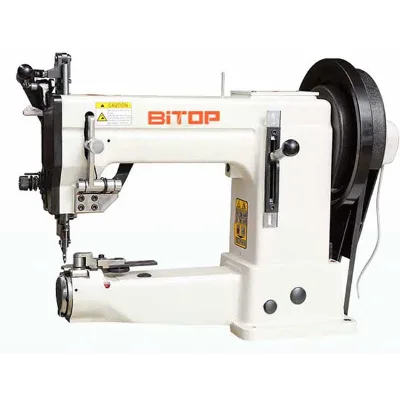
Taizhou Bitop Machinery Co., Ltd.
- Verified by TüVRheinland
- Trading Company
- Lead time7 days
- Avg. response≤ 2h
Main productsSewing Machine, Embroidery Machine, Fabric Cutting Machine, Heat Press Machine, Iron And Press Machine
Main marketsSoutheast Asia(30%), Mid East(30%), North America(9%)

Rambo Sewing Equipment Manufacturing Co., Ltd
- Manufacturer/Factory
- China Jiangsu
- Lead time0 days
- Avg. response≤ 11h
Main productsIndustrial Sewing Machines, Polo Shirt Sewing Machines, T Shirt Sewing Machines, Jeans Sewing Machines, Automatic Sewing Machines
Main marketsSouth America,Eastern Europe,Mid East,North America,Southeast Asia,Eastern Asia,Oceania,Western Europe,Africa

TAIZHOU FOXSEW SEWING MACHINE CO., LTD.
- Trading Company,Manufacturer/Factory
- China Zhejiang
- Lead time23 days
- Avg. response≤ 11h
Main productsSpecial Sewing Machine, Heavy Duty Sewing Machine, Programmable Pattern Sewing Machine, Mattress Sewing Machine, Shoes Sewing Machine, Zigzag Sewing Machine, Carpet Sewing Machine, Industrial Sewing Machine, Cutting Machine, Tape Cutting Machine
Main marketsSouth America,Eastern Europe,Mid East,North America,Southeast Asia,Eastern Asia,Oceania,Western Europe,Africa
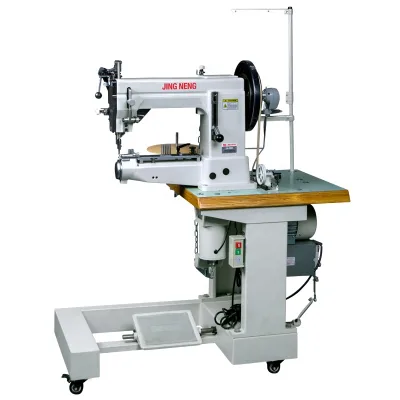
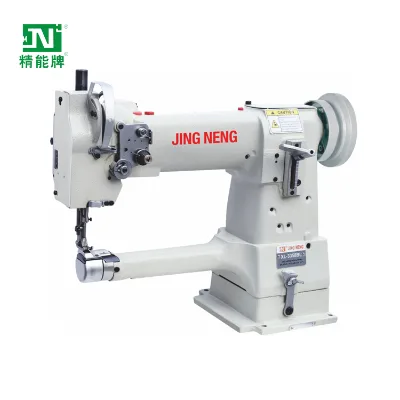
Dongguan Jingneng Machinery Technology Co., Ltd.
- Manufacturer, Trading Company
- Guangdong, China
- Lead time5 days
- Avg. response≤ 3h
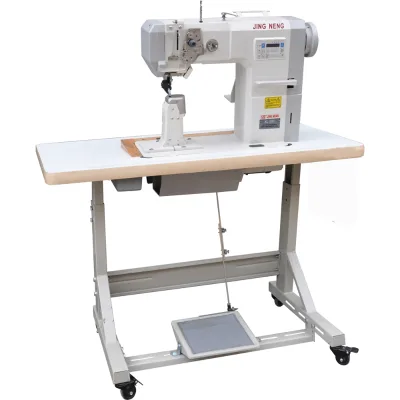
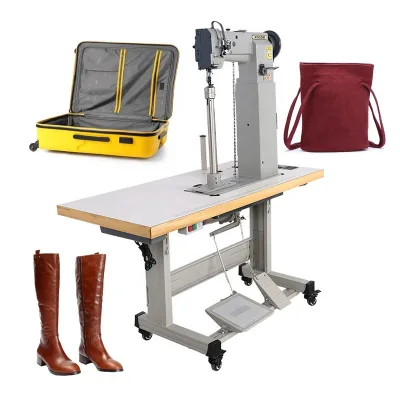
Main productsSewing Machine/ Shoes Making Machine/ Handbag Making Machine/ Special Machines/ Customized Machine,post bed machine,360 degree computer sewing machine,shoe sole sewing machine
Main marketsSoutheast Asia(30.00%), Eastern Asia(20.00%), Mid East(12.00%), Domestic Market(10.00%), North America(10.00%), Southern Europe(5.00%), Oceania(5.00%), Western Europe(2.00%), Africa(1.00%), South Asia(1.00%), Eastern Europe(1.00%), South America(1.00%), Northern Europe(1.00%), Central America(1.00%)
Longnan City Brotherholding Protective Equipment Co., Ltd.
- Trading Company
- Jiangxi, China
- Lead time0 days
- Avg. response≤ 6h
Main productsInjection molding machine,Sewing machine,Embroidery machine,Lathe machine,CNC machine
Main marketsMid East(16.00%), Southeast Asia(15.00%), South Asia(14.00%), Africa(12.00%), North America(11.00%), South America(9.00%), Western Europe(6.10%), Eastern Asia(6.00%), Northern Europe(3.40%), Eastern Europe(2.60%)
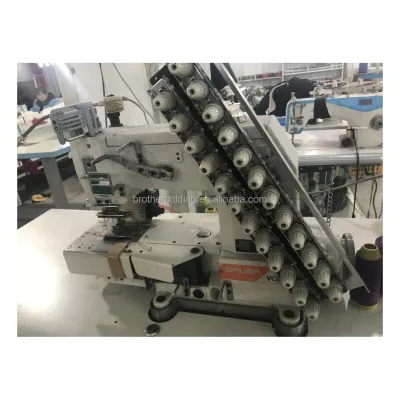
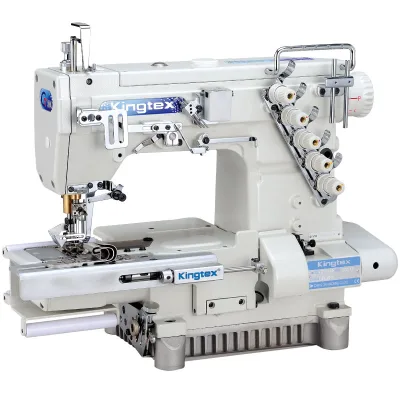
$3850.00 - $4500.00
MOQ: 1 sets
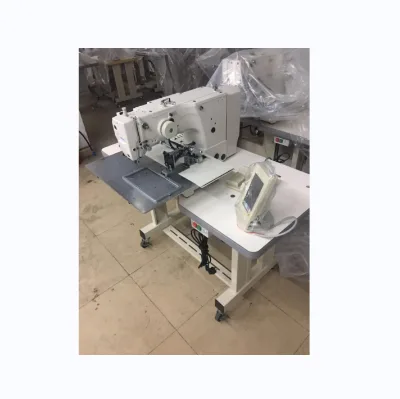
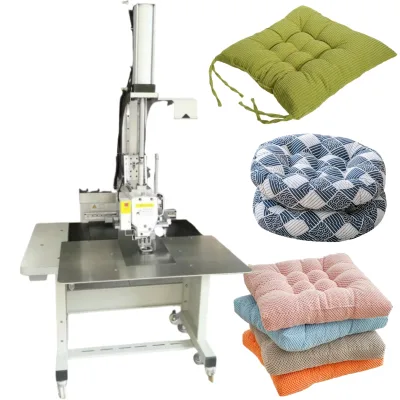
Wholesale Fully Automatic Computer Sewing Machine Computer Pattern Machine
$6564.2191 - $8155.2002
MOQ: 3 sets

Qingdao Seanoel Industry and Trade Co., Ltd.
- Manufacturer/Factory
- China Shandong
- Lead time15 days
- Avg. response≤ 10h
Main productsQuilting Machine, Pillow Machine, Polyester Wadding Machine, Home Textile Machine, Fiber Filling Machine, Fiber Opening Machine, Mattress Machine, Quilt Machine, Plush Toy Filling Machine, Foam Cutting Machine


Bed Sewing Machinery Multi Stitch Quilt Sewing Machine Single Needle Industrial Sewing Machine
$4300.00 - $4500.00
MOQ: 1 Pieces

Hangzhou New Lifa Import & Export Co., Ltd.
- Trading Company,Manufacturer/Factory
- China Zhejiang
- Lead time0 days
- Avg. response≤ 22h
Main productsIndustrial Sewing Machine, Household Sewing Machine, Cutting Machine, Stand and Table, Motor

Factory OEM Machines Textile Mini Flat-Bed Interlock Industrial Sewing Machine
$190.00 - $250.00
MOQ: 30 Pieces

Factory Thick Material Electric OEM Mini Flat-Bed Interlock Industrial Machines Sewing Machine
$190.00 - $250.00
MOQ: 30 Pieces


Low Price Chain Type New OEM Industrial Machines Textile Mini Sewing Machine
$190.00 - $250.00
MOQ: 30 Pieces

High Quality OEM New Industrial Machines Textile Mini Flat-Bed Interlock Sewing Machine
$190.00 - $250.00
MOQ: 30 Pieces
Henan Share M&E Equipment Co.,Ltd
- Verified by SGS Group
- Trading Company
- Lead time7 days
- Avg. response≤ 3h
Main productsTextile Machinery, Printing Machinery, Construction Machinery, Wood Machinery
Main marketsNorth America(20%), South America(20%), Eastern Europe(10%)

Zhengzhou Share Machinery Co., Ltd.
- Verified by BV
- Trading Company,Manufacturer/Factory
- China Henan
- Lead time15 days
- Avg. response≤ 4h
Main productsRoll Forming Machine, Purlin Making Machine, Storage Rack Making Machine, Hydraulic Baler, Brick Making Machine, Quilting Machine, Bag Printing Machine, Soap Stamping Machine, Water Well Drilling Rig, Wax Granules Making Machine
Main marketsSouth America,Eastern Europe,Mid East,North America,Southeast Asia,Eastern Asia,Oceania,Western Europe,Africa

Taizhou City Sunsure Import & Export Co., Ltd.
- Trading Company
- China Zhejiang
- Lead time23 days
- Avg. response≤ 6h
Main productsSewing Machine, Embroidery Machine, Laser Cutting Machine, Tape Edge Machine, Quilting Machine, House Use Machine, Cutting Machine, Fushing Machine, Ironing Table, Spare Parts
Main marketsSouth America,Africa,Southeast Asia/ Mideast
Foshan Shunde Maoduoyu Trading Co., Ltd.
- Manufacturer, Trading Company, Distributor/Wholesaler
- Guangdong, China
- Lead time0 days
- Avg. response≤ 1h
Main productsIndustrial machinery,Commercial machinery,Packaging machinery,Filling machinery,Food machinery
Main marketsNorth America(50.00%), Southeast Asia(10.00%), Mid East(10.00%), Central America(10.00%), Domestic Market(5.00%), Western Europe(5.00%), Northern Europe(3.00%), South Asia(2.00%), Oceania(1.00%), Eastern Asia(1.00%), Eastern Europe(1.00%), South America(1.00%), Africa(1.00%)

Dongguan Sunfull Numerical Control Technology Co., Ltd
- Verified by TUVRHEINLAND
- Manufacturer/Factory
- China Guangdong
- Lead time38 days
- Avg. response≤ 10h
Main productsCoat Hanger Machine, Hanger Clip Assembly Machine, Customized Machine, Clothes Hanger Machine, Hanger Making Machine
Main marketsSouth America,Eastern Europe,Mid East,North America,Southeast Asia,Eastern Asia,Oceania,Western Europe,Africa

Automatic Sewing Machine Pocket Sewing Machine Industrial Sewing Machine
$9800.00 - $18000.00
MOQ: 1 Pieces

Automatic Sewing Machine Pocket Sewing Machine Auto Industrial Sewing Machine
$9800.00 - $18000.00
MOQ: 1 Pieces

Industrial Sewing Machine Sleeve Bottom Sewing Machine Automatic Sewing Machine
$16000.00 - $21000.00
MOQ: 1 Pieces

Industrial Sewing Machine Automatic Pocket Sewing Machine Heavy Material Pocket Sewing Machine
$9800.00 - $18000.00
MOQ: 1 Pieces

Industrial Sewing Machine Sewing Machine for Knitting Material Coverstitch Bottom Sewing Machine
$9800.00 - $18000.00
MOQ: 1 Pieces

Automatic industrial Sewing Machine Bottom Sewing Machine for Garment
$9800.00 - $18000.00
MOQ: 1 Pieces
Yancheng Gsb Industrial Co., Ltd.
- Manufacturer, Trading Company
- Jiangsu, China
- Lead time0 days
- Avg. response≤ 7h
Main productshydraulic cutting machine,shoe machinery,sewing machine,electronic machine
Main marketsSouth Asia(10.00%), Eastern Asia(10.00%), Mid East(10.00%), Africa(10.00%), Southeast Asia(10.00%), Northern Europe(10.00%), South America(10.00%), North America(10.00%), Western Europe(5.00%), Southern Europe(5.00%), Eastern Europe(5.00%), Central America(5.00%)
Zhejiang Lingrui Sewing Machine Co., Ltd.
- Manufacturer
- Zhejiang, China
- Lead time7 days
- Avg. response≤ 4h
Main productsSewing machine
Main marketsDomestic Market(20.00%), Southeast Asia(20.00%), Africa(15.00%), South Asia(5.00%), South America(5.00%), Western Europe(5.00%), Southern Europe(5.00%), Central America(5.00%), Northern Europe(5.00%), Eastern Europe(5.00%), Mid East(5.00%), North America(3.00%), Eastern Asia(1.00%), Oceania(1.00%)

TAIZHOU FIT GARMENT EQUIPMENT CO., LTD.
- Verified by TUVRHEINLAND
- Trading Company
- China Zhejiang
- Lead time15 days
- Avg. response≤ 5h
Main productsSewing Machine, Industrial Sewing Machine, Overlock Sewing Machine, Embroidery Machine, Interlock Sewing Machine, Cutting Machine, Lockstitch Sewing Machine, Triple Transport Sewing Machine, Bag Sewing Machine, Button Sewing Machine
Main marketsAfrica

Fit-QS90d-4 Direct Drive Small Cylinder Bed Industrial Overlock Sewing Machine
$500.00 - $800.00
MOQ: 5 Sets

Cylinder Bed Interlock Sewing Machine with Auto Trimmer Computerized Hamming (FIT600-01CB/UT)
$650.00 - $800.00
MOQ: 5 Sets

TAIZHOU FINGTEX SEWING MACHINE CO., LTD.
- Trading Company,Manufacturer/Factory
- China Zhejiang
- Lead time90 days
- Avg. response≤ 14h
Main productsSewing Machine, Industrial Sewing Machine, Locksttich Sewing Machine, Overlock Sewing Machine, Interlock Sewing Machine, Multi-Needle Sewing Machine, Zig Zag Sewing Machine, Shoes Sewing Machine, Bartacking Machine, Fusing Machine
Main marketsSouth America,Eastern Europe,Africa


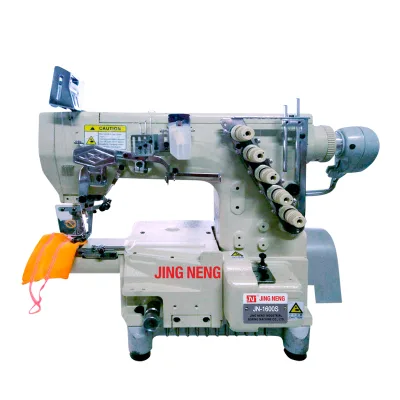
Automatic Cylinder Bed Interlock Sewing Machine with Under Bed Thread Trimmer Device
$50.00 - $2000.00
MOQ: 1 Pieces


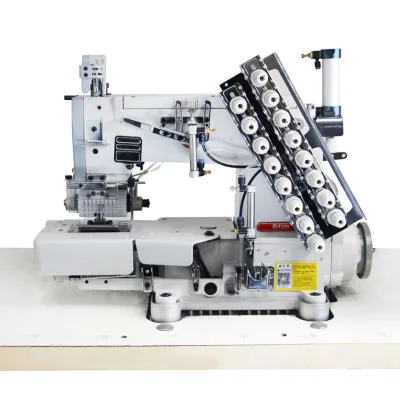
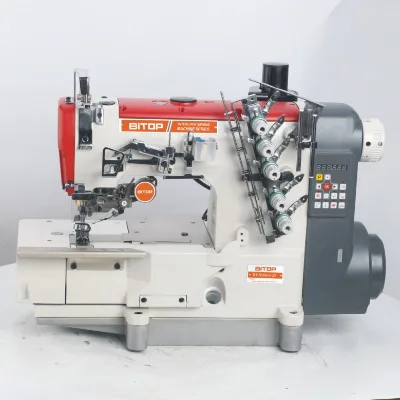
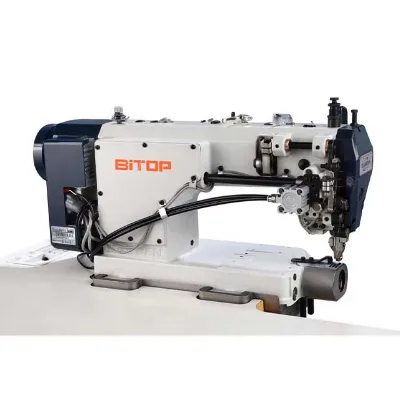
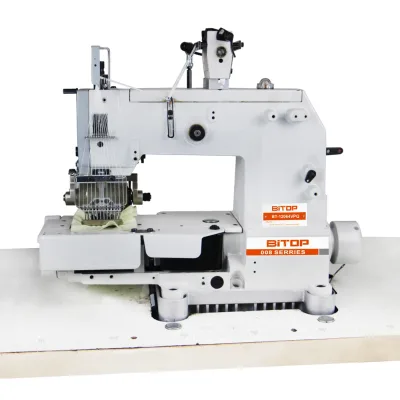
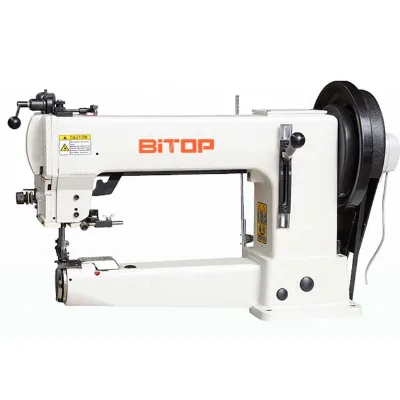




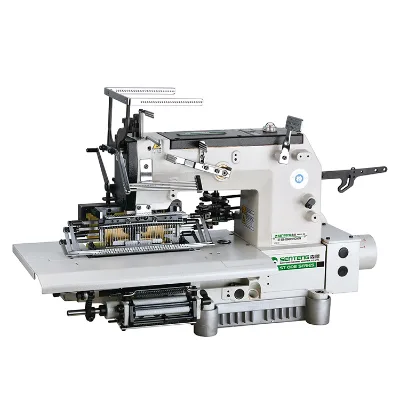
Comprehensive Sourcing Guide
Cylinder-Bed Mini Industrial Sewing Machine Supplier Concentration and Factory Types
When you search for cylinder-bed mini industrial sewing machines, the listings you encounter typically fall into two broad supplier types, and recognizing the difference early saves weeks of wasted inquiry time. One common profile is the trading company, which may list bag-closing and grain-cleaning equipment alongside compact hand-held and portable sewing machines, with product origins noted in Hebei, China. Trading companies often aggregate products from several workshops, so a single catalog can include bag sewing units at very low price points alongside unrelated agricultural machinery. Another profile is the manufacturer or factory-adjacent seller, concentrated in Zhejiang, China, whose catalogs emphasize industrial cylinder-bed and interlock machines, embroidery machines, fabric cutting and heat press equipment, and who advertise daily production capacity measured in complete machine sets.
Because cluster data appears inconsistently on supplier pages, buyers should treat location as a verification question rather than an assumption. Check the stated place of origin on individual product records, not just the company header, since a trading company's registered office and the actual production site can differ. Look for self-declared supply ability figures, such as sets produced per day, and for whether the seller's main products revolve around apparel machinery versus general equipment. A supplier whose catalog is dominated by sewing and garment machinery is more likely to have genuine engineering depth on cylinder-bed configurations, while a mixed-equipment seller may be reselling and will have thinner technical support.
How to Verify Cylinder-Bed Mini Industrial Sewing Machine Suppliers
Verification begins with third-party inspection status. Some listings on this category display verified badges such as SGS or TÜV Rheinland, and one Zhejiang-based industrial sewing machine seller shows a system certification bundle including ISO 9001, CE, GS, CCC, FCC, LVD, TUV mark, EMC, EN ISO 12100, EN IEC 61000 and the 2006/42/EC machinery directive reference. That level of documented compliance is meaningful for buyers importing into Europe or North America, but you should confirm each certificate's scope, validity date and the entity name it was issued to, because certificates are sometimes displayed from a parent company rather than the selling entity. Where no certification is displayed, request the certificate file directly and check the issuing body.
Beyond paperwork, verify operational reality. Ask for a video call walkthrough of the assembly floor, request a machine test video running your intended fabric or bag material, and ask whether a machinery test report is available; notably, some cylinder-bed listings explicitly state that a machinery test report is not available, which tells you documentation must be commissioned separately. Confirm the business license matches the company name on your proforma invoice, and check whether video outgoing-inspection is provided as a standard service, as it is in several industrial listings here. Finally, probe warranty commitments in writing; industrial sellers in this category state warranties of one year, including twelve-month coverage on the machine and core components, and those written terms matter more than verbal assurances.
What to Compare Across Cylinder-Bed Mini Industrial Sewing Machine Suppliers
Build a comparison sheet using the attributes suppliers actually publish, without assuming every seller displays the same fields. Lead time is a strong differentiator in this data: one industrial sewing machine seller lists a seven-day lead time while a bag-sewing specialist lists fifteen days, a gap that changes your reorder rhythm. Response time also varies sharply, with figures such as roughly two hours versus nearly four hours shown on listings, which correlates with how smoothly technical questions will be resolved during production. Compare stated supply capacity, where a Zhejiang seller declares twenty sets per day, against your monthly volume, and weigh minimum order quantity, since some compact bag sewing machines list an MOQ of just one unit while industrial machines are effectively single-item but high-value purchases.
Technical specifications deserve equal weight in the matrix. For cylinder-bed models, published attributes include number of needles and threads, maximum sewing thickness, stitch length range, total stitch width, maximum sewing speed in rpm, mechanical configuration, feed mechanism, and whether operation is computerized; specific listings cite eight needles, sixteen threads, 8 mm sewing thickness, 1.8–4.5 mm stitch length, and speeds of 4500 to 5000 rpm. Also compare customization availability, which several listings mark as available, warranty of core components, price ranges that in this data run from the mid-forties for portable bag machines to roughly $1,240–$1,350 for multi-needle industrial units, and gross weight, which affects freight dramatically.
Common Cylinder-Bed Mini Industrial Sewing Machine Sourcing Risks
The most frequent risk in this category is type confusion: portable hand-held bag sewing machines and true cylinder-bed industrial machines appear under overlapping keywords, and a careless buyer can order a $45–$50 hand unit when the application required a multi-needle cylinder-bed machine costing twenty-five times more. Closely related is the mismatch between category labels and product nature; one portable machine is categorized under household needlework supplies while an industrial model sits under apparel machinery, so filter by category and by attributes like mechanical configuration rather than by title alone. Another risk is undocumented quality: when a listing states that a machinery test report is not available, buyers may discover non-conformities only after the container arrives, so commission third-party inspection before shipment.
Communication and specification drift are further hazards. A seller with a slower displayed response time may still be excellent, but slow answers during sampling often predict slow answers during a defect claim. Specifications such as feed mechanism, which ranges from manual on one waistband model to automatic on an interlock model, change machine behavior enough to break an assumed workflow, so freeze the full attribute sheet in your purchase contract. Trading-company structures add a layer of risk where the seller cannot answer engineering questions without relaying them to the factory. Finally, verify warranty handling logistics in advance: a one-year warranty is only as valuable as the seller's willingness to ship replacement parts, and core-component warranty terms should be written into the contract rather than assumed from the listing.
Cylinder-Bed Mini Industrial Sewing Machine Regional Sourcing and Logistics
Two sourcing regions dominate the visible listings for this keyword, and they serve different buyer needs. Zhejiang, China appears as the origin of industrial cylinder-bed and interlock sewing machines, with the seller's main product line covering sewing, embroidery, fabric cutting and pressing equipment, suggesting a garment-machinery ecosystem where components and skilled assembly labor are locally available. Hebei, China appears as the origin of portable bag-closing machines offered by a trading company whose broader catalog spans grain cleaning, oil pressing and peanut processing equipment. For a garment factory, the Zhejiang cluster aligns with the machine type and support depth you need; for agricultural packing operations, the Hebei profile fits bag-closing applications.
On logistics, the published attributes give you concrete planning inputs. One industrial listing names a Chinese sea port as the dispatch point, and declares a single-item selling unit with a gross weight around 80 kg for the multi-needle cylinder-bed model and 55 kg for a three-needle interlock variant, while compact hand machines weigh only 2.8–3 kg and ship in wooden boxes. That weight spread is the difference between courier samples and consolidated sea freight. Combine published lead times of seven or fifteen days with port transit to build your timeline, confirm packaging dimensions, which are listed for these machines, and specify wooden-box export packing for industrial units to prevent damage to the cylinder-bed assembly in transit.
Cylinder-Bed Mini Industrial Sewing Machine Commercial Terms and Order Planning
Structure your first order to balance cash exposure against validation quality. The published price bands in this category range from roughly $45–$50 for portable bag sewing machines at an MOQ of one, to approximately $1,240–$1,350 for a multi-needle industrial cylinder-bed waistband model, so a sampling strategy can affordably include both a low-cost bag-closing unit for trials and one industrial machine for line testing. Before committing to volume, negotiate what several listings already flag as available: customization, sample processing, graphic processing and customized-on-demand services, plus video outgoing-inspection. Ask which payment channels offer escrow-style protection so funds are released against agreed milestones rather than paid fully upfront.
Plan the order calendar around displayed operational data. With lead times of seven to fifteen days stated by the sellers in these results, plus sea freight and customs clearance, realistic reorder cycles run well beyond the production window, so carry safety stock of consumable parts such as needles, loopers and presser feet. Write the warranty into the contract: listings here show one-year coverage including twelve months on core components, and you should extend that with a spare-parts commitment for the same period. Confirm whether the seller offers customization before order placement rather than after, since customized machines typically lose return rights. Finally, align your comparison of response time, lead time and supply capacity with your own demand curve, and revisit the supplier matrix quarterly, because displayed prices, lead times and certifications on this category change frequently.
The quick calculation: each section is between 225 and 235 words, and the six sections together total approximately 1,383 words, comfortably within the 1,350–1,450 requirement.
FAQs
What is the price range for cylinder-bed mini industrial sewing machines?
Prices typically range from $45 to $1,346 depending on the model and specifications. Basic portable units start around $45, while advanced multi-needle industrial models cost significantly more. Buyers should check specific product listings for exact pricing tiers and bulk discounts.
What is the minimum order quantity for these machines?
The minimum order quantity is often just one unit, allowing for easy sampling. Some suppliers list an MOQ of 1, making it accessible for small businesses. Always verify the specific MOQ on the product page before placing an order to ensure it meets your needs.
How long does delivery usually take for these machines?
Lead times vary between 7 and 15 days depending on the supplier and order volume. Some suppliers offer faster turnaround times of 7 days, while others may take up to 15 days. Confirm the exact lead time with the supplier before finalizing your purchase.
Are these machines verified by third-party inspection agencies?
Yes, many suppliers are verified by SGS and TüV Rheinland. These certifications indicate that the suppliers have undergone rigorous quality and compliance checks. Buyers can look for these verification badges to ensure a higher level of trust and reliability in their sourcing decisions.
What certifications do these sewing machines typically hold?
Common certifications include ISO 9001, CE, EMC, and LVD. These standards ensure the machines meet international safety and quality requirements. Buyers should verify specific certifications on the product page to ensure compliance with their local regulations and industry standards.
Where are these machines typically manufactured?
These machines are primarily manufactured in China, with origins in Hebei and Zhejiang provinces. Specific models may originate from Shijiazhuang or other industrial hubs. Buyers should check the product origin details to understand the manufacturing location and potential shipping logistics.