Discharge Printing Maxi Dress Suppliers and Manufacturers
Source Discharge Printing Maxi Dress from 32 verified suppliers in China. Compare key dimensions including lead times, MOQs, and response rates to identify the right partner. Review detailed product attributes and pricing to streamline your procurement process; review the available evidence before requesting comparable quotations from suitable candidates.
Updated
Suppliers List

Goldely Garment Import and Export Inc.
- Verified by SGS
- Trading Company
- China Guangdong
- Lead time15 days
- Avg. response≤ 5h
Main marketsNorth America
Xinxiang Chushi Clothing Co., Ltd.
- Trading Company
- Henan, China
- Lead time7 days
- Avg. response≤ 4h
Main productsClothing and Customization,Design and customization of label and water washing label patterns,Design and customization of clothing tags,LOGO Design and Customization,Clothing and Accessories
Main marketsNorth America(20.00%), Central America(10.00%), South Asia(10.00%), South America(10.00%), Mid East(10.00%), Africa(8.00%), Domestic Market(5.00%), Southeast Asia(5.00%), Eastern Asia(5.00%), Northern Europe(5.00%), Oceania(3.00%), Western Europe(3.00%), Southern Europe(3.00%), Eastern Europe(3.00%)
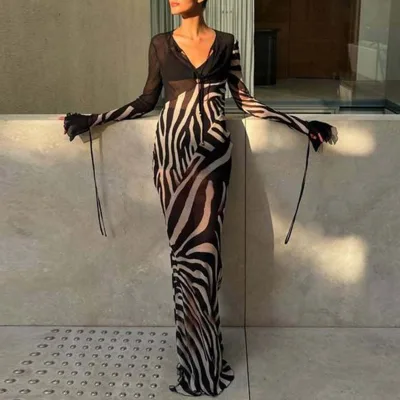
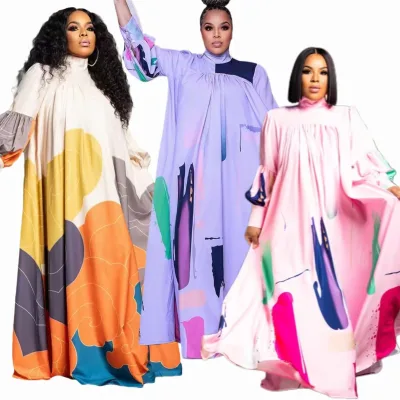
Spring Latest Casual Loose Dress Designs Maxi Dresses Elegant Printed Swing Dress
$11.79 - $13.49
MOQ: 2 pieces
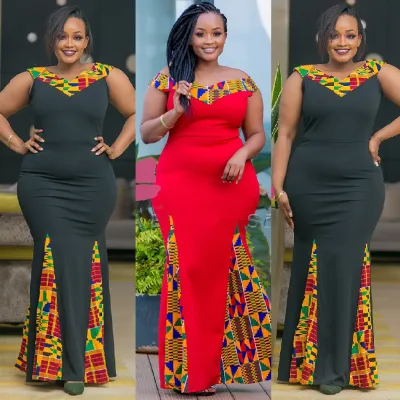
Fashion Long Maxi Dress Dresses for Women V-neck Sleeveless Plus Size Dresses
$9.80 - $10.80
MOQ: 2 pieces


Qingdao Yuyi Industry and Trade Co., Ltd.
- Verified by SGS
- Combined
- China Shandong
- Lead time30 days
- Avg. response≤ 2h
Main productsClothes
Main marketsDomestic
HEFEI FLOURISH GARMENT CO.,LTD
- Trading Company
- anhui, China
- Lead time0 days
- Avg. response≤ 8h
Main productsWomen's Clothing
Main marketsSouth Asia(20.00%), North America(20.00%), Western Europe(15.00%), Africa(10.00%), Eastern Europe(10.00%), South America(5.00%), Oceania(5.00%), Eastern Asia(5.00%), Mid East(5.00%), Southeast Asia(5.00%)
Foshan Qiangyu Garments Co., Ltd.
- Verified by Intertek
- Manufacturer, Trading Company
- Guangdong, China
- Lead time15 days
- Avg. response≤ 1h
Main productsWomen Clothing
Main marketsNorth America(40%), Western Europe(40%), Oceania(10%)
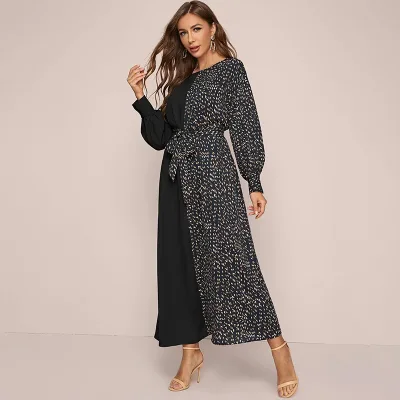
Casual Style Round Neck Contrast Color Dot Print Dresses Women Maxi Dress Summer
$7.99 - $12.88
MOQ: 100
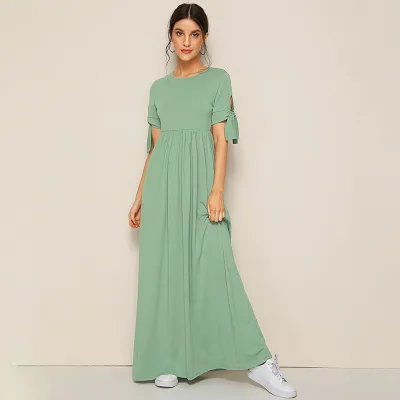
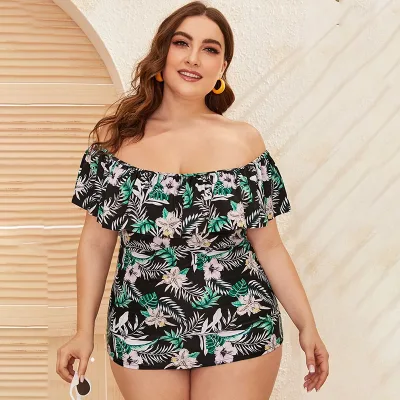

Hangzhou Longwin Industry Limited
- Verified by SGS
- Trading Company,Manufacturer/Factory
- China Zhejiang
- Lead time15 days
- Avg. response≤ 5h
Main productsHome Cleaning, Domestic Appliances, Auto and Motorcycle and Bicycle, Fiberglass Products, Battery, Clothing, Furniture, Tools, Machine, Building
Main marketsSouth America,Eastern Europe,Mid East,North America,Southeast Asia,Eastern Asia,Oceania,Western Europe,Africa

Floral Print Summer Maxi Dress with Flowing Silhouette and Comfortable Fit Dress
$7.00 - $15.00
MOQ: 1 Pieces

Long Sleeve Africa Maxi Dress with Bohemian Print and Side Slit Detail Dress
$7.00 - $15.00
MOQ: 1 Pieces


Dongguan Xiuyu Fashion Garment Co., Ltd.
- Verified by TUVRHEINLAND
- Combined
- China Guangdong
- Lead time15 days
- Avg. response≤ 5h
Main productsSuit, Dress, Hoodie, T-Shirt, Jeans, Trousers, Skirt, Top, Shorts, Blazer
Main marketsEurope,Australia,North America


Fashionable Summer Casual off The Shoulder Satin Solid Color Backless Maxi Dress
$9.89 - $14.86
MOQ: 100 pieces
Xinxiang Baiyin Clothing Co., Ltd.
- Trading Company
- Henan, China
- Lead time15 days
- Avg. response≤ 3h
Main productsGarment making,Costume printing,Clothing sales
Main marketsSouth America(35.00%), Domestic Market(5.00%), North America(5.00%), South Asia(5.00%), Southern Europe(5.00%), Northern Europe(5.00%), Central America(5.00%), Western Europe(5.00%), Eastern Asia(5.00%), Mid East(5.00%), Oceania(5.00%), Africa(5.00%), Southeast Asia(5.00%), Eastern Europe(5.00%)
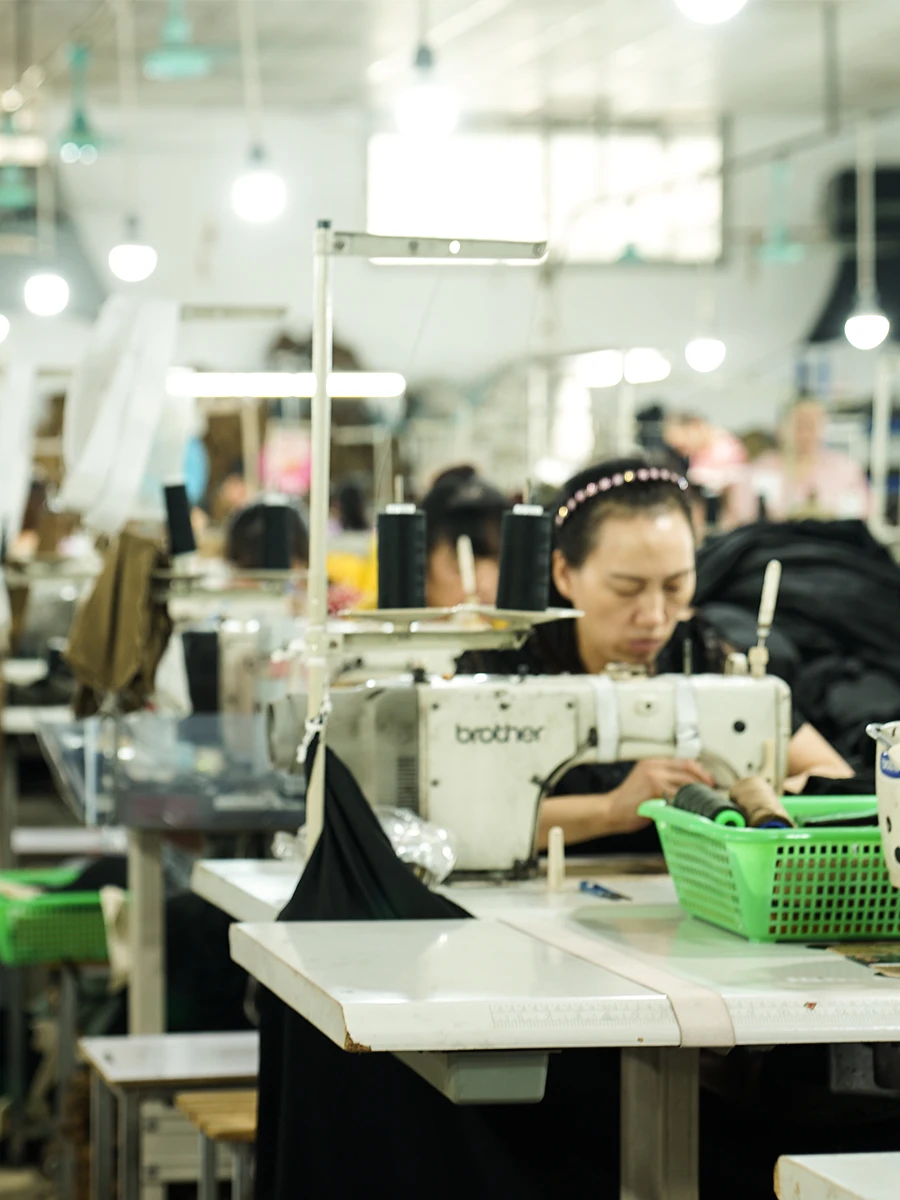
Guangzhou Cat Claw Clothing Co., Ltd.
- Manufacturer, Trading Company
- Guangdong, China
- Lead time0 days
- Avg. response≤ 8h
Main productsDress/Shirt/Evening Dress
Main marketsSoutheast Asia(100.00%)
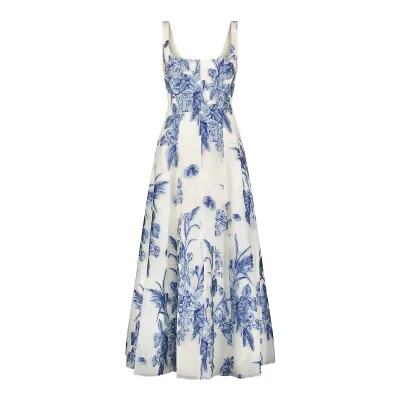
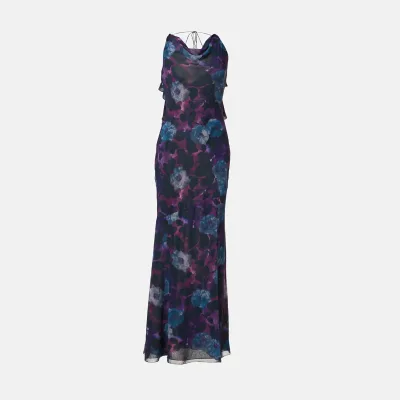
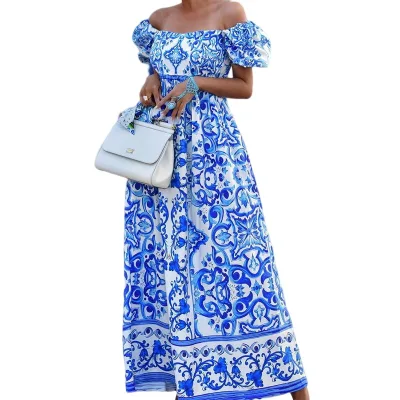
Customized Blue - White Floral Maxi Dress
$20.00 - $23.00
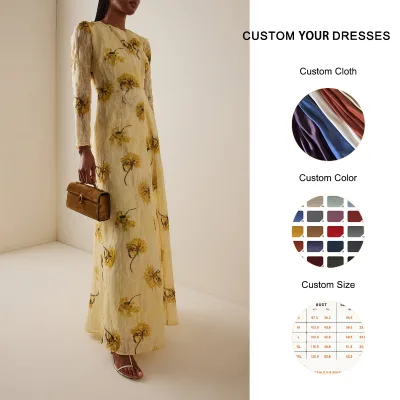
Chic Chiffon Printed Dress for Daily Fashion
$18.00 - $21.00
Nanjing Jingshuiliushen Garment Co., Ltd.
- Verified by SGS Group
- Trading Company
- Lead time0 days
- Avg. response≤ 4h
Main productsGarment, Dress, Ladies Suits, Women Shorts, Women Top
Main marketsDomestic Market(40%), North America(30%), Western Europe(10%)

- Verified by CTI
- Trading Company
- China Anhui
- Lead time23 days
- Avg. response≤ 2h
Main productsFurniture, Home Furniture
Main marketsSoutheast Asia/ Mideast
Dongguan Lancai Garment Co., Ltd.
- Verified by SGS Group
- Manufacturer, Trading Company
- Lead time15 days
- Avg. response≤ 4h
Main productsDress, Skirt, Pants, Blouse, Jumpsuits
Main marketsNorth America(50%), Oceania(20%), Western Europe(10%)

Shenzhen Zhaohua Apparel Co., Ltd.
- Verified by SGS
- Manufacturer
- China Guangdong
- Lead time15 days
- Avg. response≤ 11h
Main productsWomen's Clothing, Women's Dresses, Women's Shirt, Women's Hoodie/Sweatshirt, Women's Pants, Man's Clothing, Man's Pants, Man's
Guangzhou Jenny Textile Co., Ltd.
- Manufacturer, Trading Company
- Guangdong, China
- Lead time20 days
- Avg. response≤ 2h
Main productstracksuits,t shirts,pants,jackets,hoodies
Main marketsNorth America(30.00%), Western Europe(13.00%), Oceania(10.00%), Mid East(10.00%), Southeast Asia(8.00%), Africa(8.00%), Eastern Asia(5.00%), Eastern Europe(5.00%), Central America(3.00%), Domestic Market(2.00%), Northern Europe(2.00%), South America(2.00%), Southern Europe(1.00%), South Asia(1.00%)
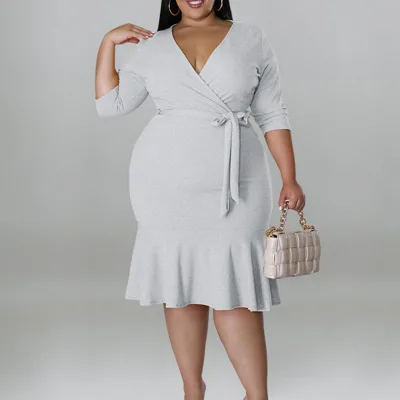
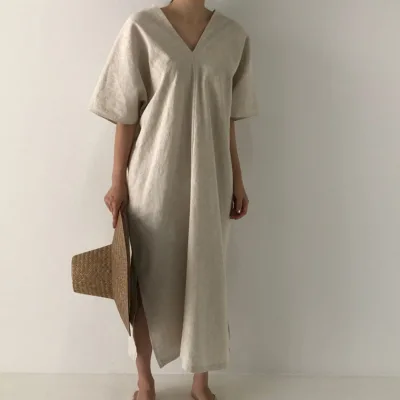
$6.1516 - $11.0689
MOQ: 50 pieces
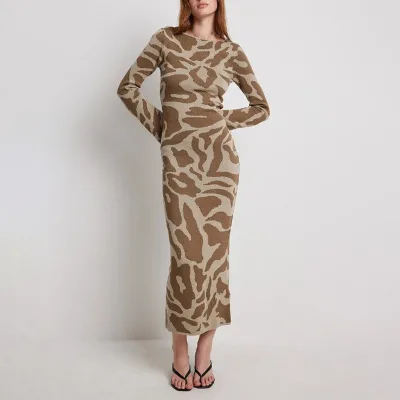
Custom Spring Hot Sale Cheap Price Plus, Size Maxi Dress Formal Womens Dresses/
$4.99 - $10.29
MOQ: 60 pieces
Dongguan Haiyitong Clothing Co., Ltd.
- Verified by TüVRheinland
- Manufacturer, Trading Company
- Lead time15 days
- Avg. response≤ 5h
Main productsDenim Jacket, Denim Dress, Dresses, Jeans, Shirts
Main marketsNorth America(50%), Western Europe(20%), Northern Europe(20%)
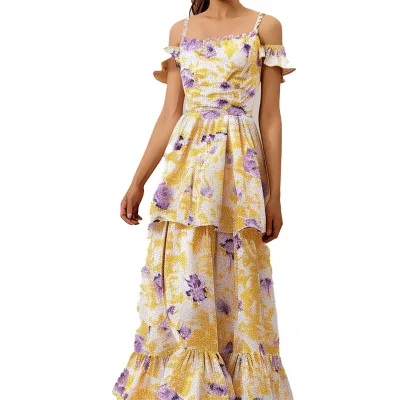
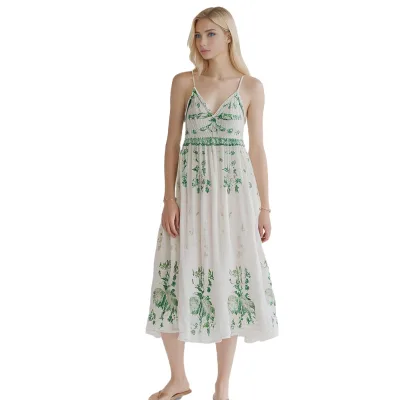
Custom New European and American Suspender Dresses Print Large Swing Loose Casual Dress
$14.1851 - $17.1442
MOQ: 50 pieces
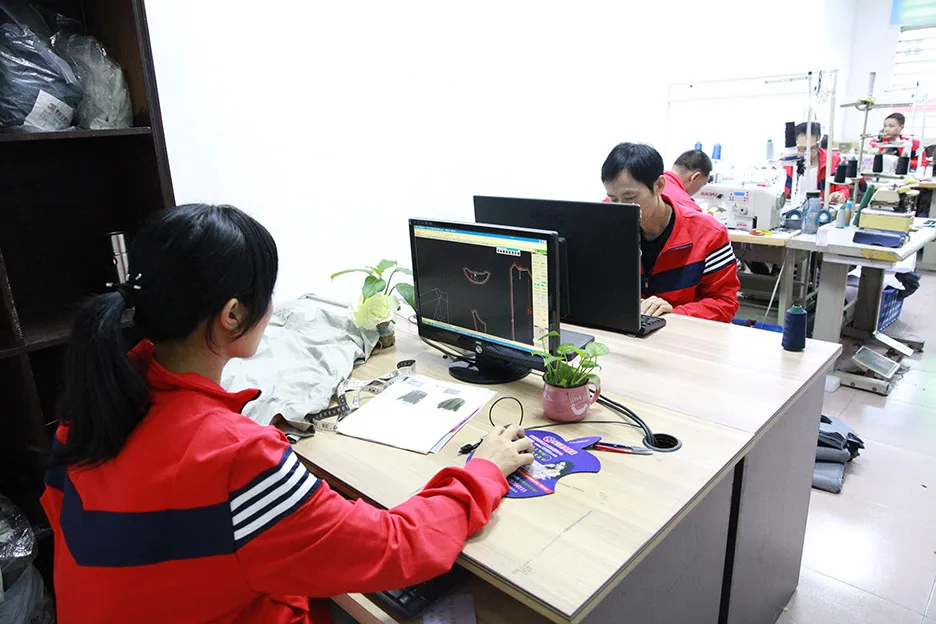
Shanghai Tiandian Fashion Co., Ltd.
- Manufacturer, Trading Company
- Shanghai, China
- Lead time30 days
- Avg. response≤ 15h
Main productsClothes,Shirts,skirts,pants,Blouses
Main marketsNorth America(40.00%), Eastern Europe(18.00%), Northern Europe(16.00%), Southern Europe(13.00%), Southeast Asia(7.00%), Western Europe(6.00%)
Yiwu Jiandie Trading Co., Ltd.
- Trading Company
- Zhejiang, China
- Lead time25 days
- Avg. response≤ 3h
Main productsHandbags,Backpacks,Travel Bags,Shoulder Bags,Evening Bags
Main marketsOceania(20.00%), Africa(20.00%), North America(20.00%), Mid East(10.00%), Western Europe(10.00%), Southeast Asia(10.00%), Domestic Market(2.00%), Southern Europe(2.00%), Eastern Asia(1.00%), South Asia(1.00%), Eastern Europe(1.00%), Northern Europe(1.00%), Central America(1.00%), South America(1.00%)
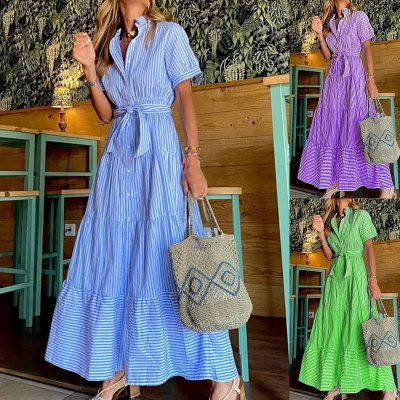
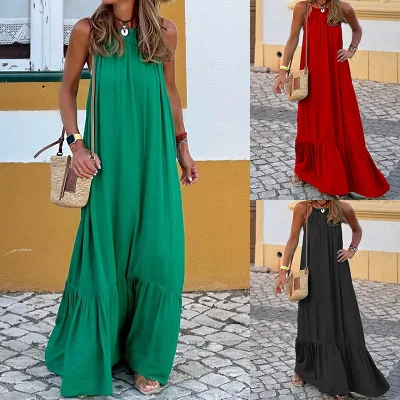
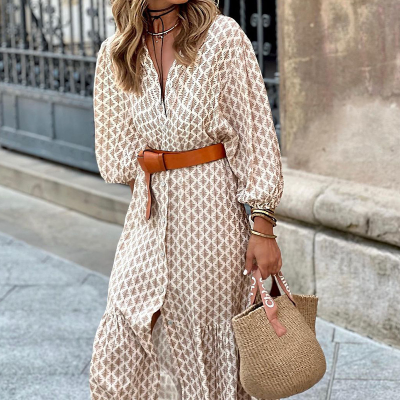
$7.69 - $9.69
MOQ: 1 pieces

- Verified by SGS
- Trading Company
- China Zhejiang
- Lead time30 days
- Avg. response≤ 3h
Main productsBlazers, Dress, Jumpsuits&Bodysuits, Bottoms&Pants, Blouses, Sportswear, Skirts, Tops, T-Shirts, Coats&Jackets
Main marketsEurope,Australia,North America

Guangzhou Mingyu Manufacturing Co., Ltd
- Verified by SGS
- Trading Company
- China Guangdong
- Lead time15 days
- Avg. response≤ 1h
Main productsCoat, Dress, Trousers
Main marketsDomestic

Summer Fashion Loose and Breathable High-End Floral Print Blouse Dress
$12.00 - $14.00
MOQ: 100 Pieces


Hangzhou Ameno-Clothing Co., Ltd.
- Manufacturer, Trading Company
- Zhejiang, China
- Lead time35 days
- Avg. response≤ 6h
Main productsSweater, Shirts, Dress, Jackets, Pants
Main marketsOceania(30.00%), Western Europe(20.00%), North America(10.00%), Eastern Asia(10.00%), Africa(10.00%), Eastern Europe(10.00%), Southern Europe(5.00%), Northern Europe(5.00%)
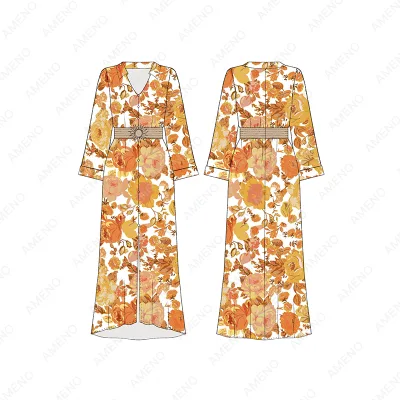
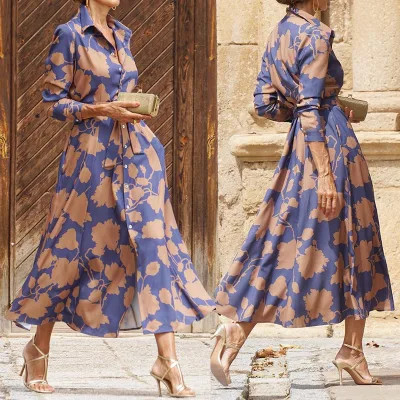
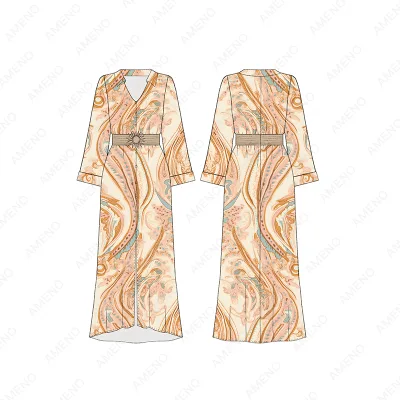
Fashion Printed Floral Waist-Controlled A-Line With Belt Long Sleeve Maxi Dress Elegant
$20.00 - $26.00
MOQ: 100
Quanzhou Gaomei Trading Co., Ltd.
- Trading Company
- Fujian, China
- Lead time0 days
- Avg. response≤ 2h
Main productsClothing,Knitted spinning,A shoe cap,Luggage and luggage,shoe
Main marketsDomestic Market(70.00%), Southern Europe(15.00%), Eastern Europe(10.00%), Southeast Asia(5.00%)
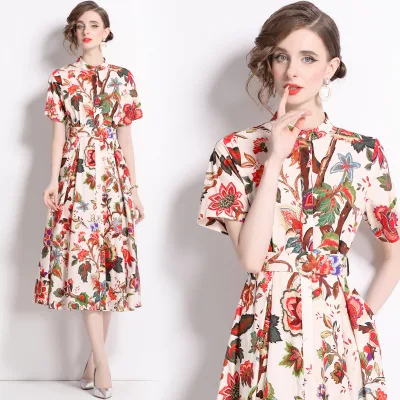
Summer New Casual Shirt Printed Medium Length Skirt Slim Fit Waist Loose Dress
$14.00 - $16.00
MOQ: 2 pieces
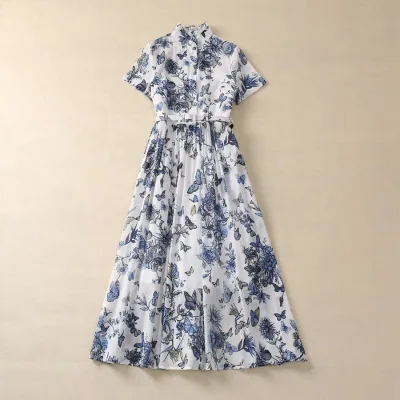
Plus Size Casual Dress Ink Butterfly Print Short Sleeve Dress Summer New Women's
$15.4238 - $17.4793
MOQ: 2 pieces
Fuzhou Baodeyou Trading Co., Ltd.
- Verified by SGS Group
- Trading Company
- Lead time30 days
- Avg. response≤ 4h
Main productsClothes, Shoes, Bags
Main marketsNorth America(80%), Southeast Asia(15%), Western Europe(5%)

- Verified by CTI
- Trading Company
- China Zhejiang
- Lead time15 days
- Avg. response≤ 5h
Main productsJewelry, Brooch, Belt, Necklace, Agent, Bracelet, China Trim, China Ring, China Hair Accessory, China Earring
Main marketsSouth America
Huixian Baishangji Clothing Co., Ltd.
- Trading Company
- Henan Province, China
- Lead time7 days
- Avg. response≤ 3h
Main productsWomen's clothing,men's clothing
Main marketsNorth America(60.00%), Africa(20.00%), Western Europe(10.00%), Northern Europe(5.00%), South America(5.00%)
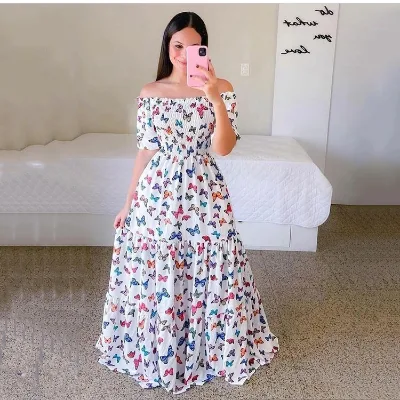
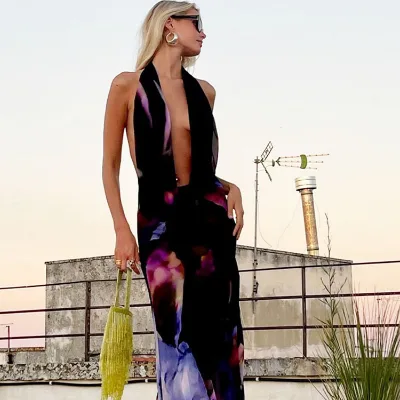
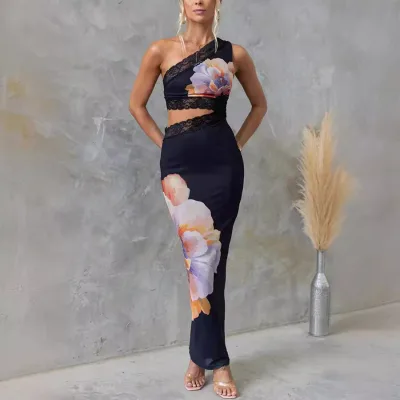
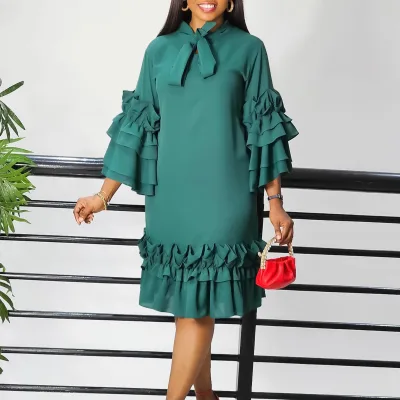
D488 Summer and Autumn New Fashion Casual Style Ruffled Sleeve Plus Size Dress
$10.03 - $10.38
MOQ: 2 pieces
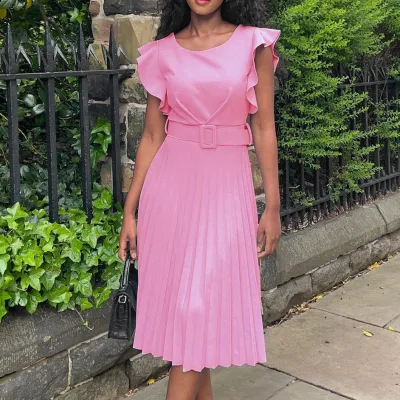
D270 With Belt Summer Ruffle Sleeve Round Neck Waist Trimming Pleated Dress
$9.33 - $9.68
MOQ: 2 pieces
Ningbo Haizilun Fashion Co., Ltd.
- Verified by TüVRheinland
- Manufacturer, Trading Company
- Lead time7 days
- Avg. response≤ 1h
Main productsMen Clothes, Women Clothes
Main marketsNorth America(55%), Western Europe(12%), Eastern Europe(9%)
Sichuan Ronghui Jiuzhou Trading Co., Ltd.
- Trading Company
- Sichuan, China
- Lead time0 days
- Avg. response≤ 2h
Main productsislamic Clothing,Muslim dress,African clothing,party dress,two piece sets
Main marketsNorth America(70.00%), South America(10.00%), South Asia(6.00%), Eastern Europe(4.00%), Domestic Market(1.00%), Southeast Asia(1.00%), Southern Europe(1.00%), Northern Europe(1.00%), Central America(1.00%), Western Europe(1.00%), Eastern Asia(1.00%), Mid East(1.00%), Oceania(1.00%), Africa(1.00%)

Guangzhou Vincenia Trading Co., Ltd.
- Trading Company
- China Guangdong
- Lead time23 days
- Avg. response≤ 7h
Main productsUnderwear, Lingerie, Shapewear, Legging, Lace, Bra, Briefs, Yoga, Fabrics
Main marketsSouth America,Southeast Asia/ Mideast,East Asia(Japan/ South Korea),Europe,North America


Factory Customization Fashionable New Design Slim-Fitting Long-Sleeved Dress
$7.30 - $7.53
MOQ: 100 Pieces
Dongguan Bafinasa Garments Co., Ltd.
- Verified by TüVRheinland
- Manufacturer, Trading Company
- Lead time30 days
- Avg. response≤ 2h
Main productsDresses, Coats, Jackets, Pants, Base Shirt
Main marketsEastern Europe(40%), North America(30%), Oceania(10%)
Shangrao Menglu Clothing Co., Ltd.
- Verified by TüVRheinland
- Manufacturer, Trading Company
- Lead time15 days
- Avg. response≤ 4h
Main productsT-shirts, Shirts, Dresses, Hoodies, Casual Shorts
Main marketsDomestic Market(50%), North America(30%), Western Europe(20%)
$3.921 - $4.9533
MOQ: 20 pieces

Guangzhou Yifu Clothing Co., Ltd.
- Verified by SGS
- Combined
- China Guangdong
- Lead time15 days
- Avg. response≤ 10h
Main marketsDomestic
Guangzhou Samwestart Technology Co., Ltd.
- Manufacturer, Trading Company, Agent, Distributor/Wholesaler
- Guangdong, China
- Lead time5 days
- Avg. response≤ 7h
Main productspajamas,Women Pajamas,Men Pajamas,Silk Pajamas,Cotton Pajamas
Main marketsMid East(15.00%), North America(15.00%), Western Europe(12.00%), South America(10.00%), Eastern Asia(9.00%), Southeast Asia(8.00%), Oceania(7.00%), Domestic Market(5.00%), Africa(5.00%), South Asia(3.00%), Southern Europe(3.00%), Northern Europe(3.00%), Eastern Europe(3.00%), Central America(2.00%)
Guangzhou Cheerfeel Trading Co., Ltd.
- Trading Company
- Guangdong, China
- Lead time10 days
- Avg. response≤ 4h
Main productsClothes , Bodice Applique, Wedding hair accessories
Main marketsNorth America(40.00%), Western Europe(15.00%), Eastern Europe(15.00%), South America(10.00%), South Asia(5.00%), Central America(5.00%), Northern Europe(5.00%), Southeast Asia(5.00%)


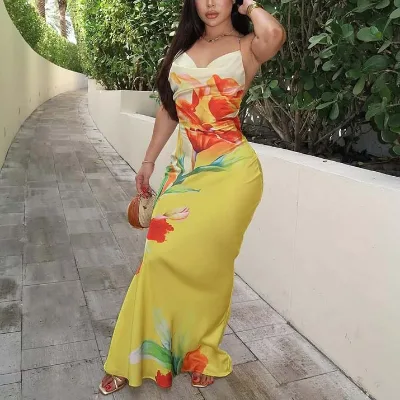
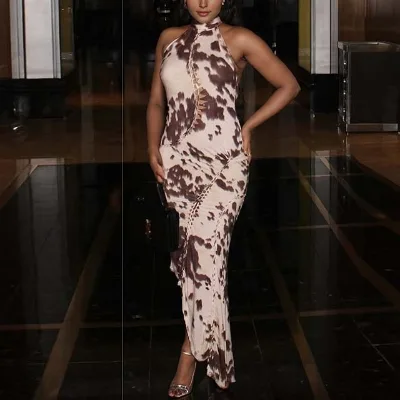
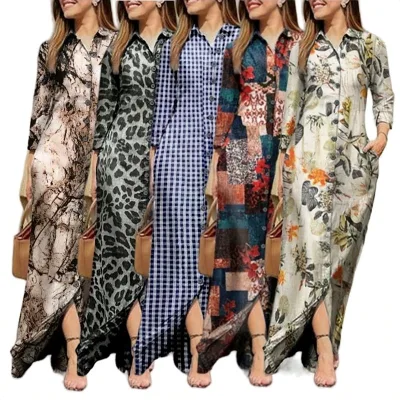
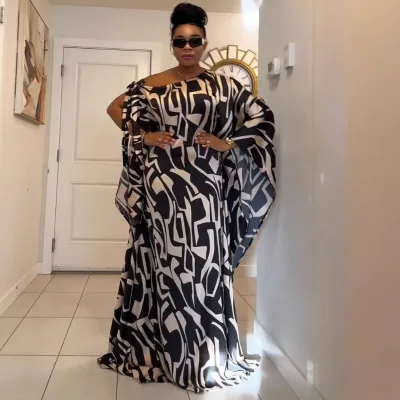








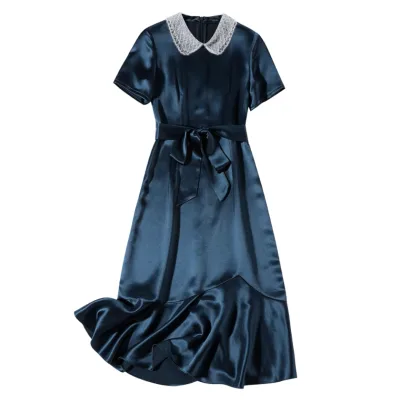
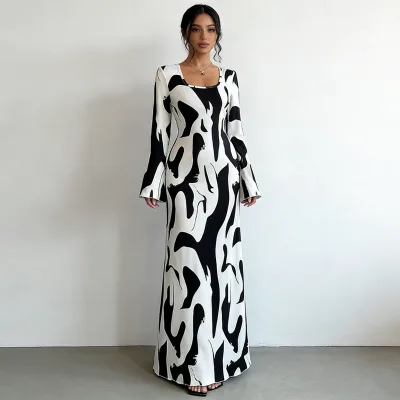


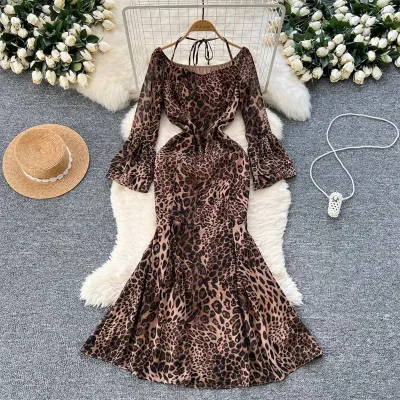

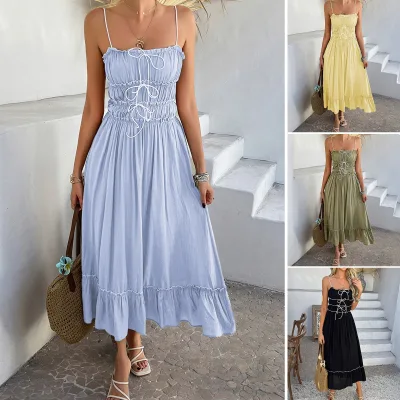
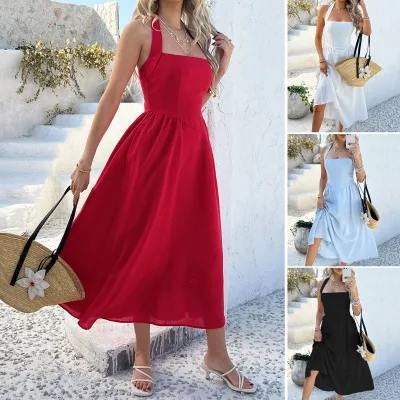
Comprehensive Sourcing Guide
Discharge Printing Maxi Dress Supplier Concentration and Factory Types
Current data indicates that suppliers offering discharge printing maxi dresses are concentrated in specific manufacturing hubs, with Guangdong and Henan provinces in China emerging as primary locations for this category. The available evidence shows a mix of trading companies and potential manufacturing entities operating within these regions, though specific factory counts remain unverified in the current dataset. Buyers should note that while some listings originate from Guangdong, others are situated in Henan, suggesting a distributed supply chain rather than a single monolithic cluster. This geographic spread requires buyers to assess regional capabilities individually rather than assuming uniform production standards across all listed entities. The presence of trading companies in the results implies that some suppliers may act as intermediaries, sourcing from various factories rather than owning production lines directly.
When evaluating the factory types associated with these listings, it is crucial to distinguish between pure trading entities and those with direct manufacturing capabilities. The observed data includes company types labeled as trading companies, which often provide broader product ranges but may have less control over the specific discharge printing process. Buyers must verify whether a supplier's main products include the specific customization and printing services required for discharge printing, as this technique demands specialized chemical and equipment setups. Some suppliers list main products focusing on clothing customization, label design, and tag patterns, which suggests a capacity for branding but not necessarily deep textile printing expertise. Without explicit confirmation of in-house printing facilities, buyers should treat trading companies as potential coordinators who rely on external partners for the actual discharge printing execution.
How to Verify Discharge Printing Maxi Dress Suppliers
Verification of suppliers for discharge printing maxi dresses requires a multi-layered approach focusing on third-party credentials and operational transparency. The current dataset highlights that some suppliers hold SGS verification status, which serves as a baseline indicator of operational legitimacy, though this does not automatically confirm specific printing capabilities. Buyers should prioritize suppliers with verified status and cross-reference this with their claimed certifications, noting that some listings currently show system certifications as NIL. This absence of specific textile or printing certifications necessitates direct inquiry into the supplier's quality control processes, particularly regarding the chemical safety and color fastness standards required for discharge printing. Relying solely on general verification badges is insufficient; buyers must demand evidence of specific testing for the discharge printing method used.
Response times and lead times provide additional metrics for assessing supplier reliability and operational maturity. The observed response times range from 4 to 4.42 hours, indicating a generally responsive market, but these figures should be validated through direct communication to ensure consistency. A supplier claiming a 7-day lead time for production, as seen in some Henan-based listings, must be able to demonstrate this capability through sample orders or past performance records. Buyers should verify if the supplier supports sample orders within a specific timeframe, such as the 7-day sample order lead time mentioned in certain product attributes, as this reflects their agility in handling custom requests. Furthermore, checking for needle detection and other safety features in the product attributes can serve as a proxy for the supplier's adherence to international safety standards, which is critical for garments intended for export markets.
What to Compare Across Discharge Printing Maxi Dress Suppliers
Comparing suppliers requires a systematic evaluation of key commercial and operational dimensions, starting with pricing structures and minimum order quantities. The available data reveals a wide price range, with some listings starting at $7.00 and others reaching up to $24.00, reflecting differences in material quality, printing complexity, and supplier positioning. Buyers must analyze whether the lower price points correspond to basic polyester blends or if they include higher-value materials like cotton or spandex blends, which are often preferred for discharge printing. Additionally, the minimum order quantities vary significantly, with some suppliers requiring 100 units while others accept orders as low as 2 units. This disparity allows buyers to match supplier MOQs with their inventory strategy, whether they are testing the market with small batches or committing to larger production runs.
Beyond pricing and volume, buyers should compare customization capabilities and product attributes to ensure alignment with brand requirements. The dataset shows that customization is widely available, with options for customized logos, packing, and specific design elements like sleeve length and style. However, the specific printing methods vary, with some suppliers offering heat-transfer printing while others specialize in discharge printing. Buyers must verify that the supplier's stated printing method matches the desired discharge technique, as the chemical processes and visual outcomes differ significantly. Other critical comparison points include the material composition, such as polyester, cotton, or nylon blends, and the specific features like breathability, anti-pilling properties, and washability. These attributes directly impact the final product's performance and customer satisfaction, making them essential criteria for supplier selection.
Common Discharge Printing Maxi Dress Sourcing Risks
One of the primary risks in sourcing discharge printing maxi dresses is the potential mismatch between claimed printing capabilities and actual production capacity. While many suppliers list discharge printing as a keyword or feature, the underlying chemical processes require specialized expertise that not all trading companies possess. Buyers face the risk of receiving products with inconsistent color fading or poor wash fastness if the supplier lacks the necessary technical knowledge or equipment. The absence of specific system certifications in some listings further amplifies this risk, as it suggests a lack of formalized quality assurance protocols for the printing process. Without verified evidence of successful discharge printing projects, buyers may encounter delays or quality failures that disrupt their supply chain.
Another significant risk involves the variability in lead times and the reliability of delivery schedules. The observed lead times range from 7 to 15 days, but these figures may not account for the time required for sample approval, color matching, and final quality inspection. Suppliers with longer lead times might be better equipped to handle complex customizations, but they also carry a higher risk of delays if production bottlenecks occur. Additionally, the reliance on trading companies introduces an extra layer of communication and coordination, increasing the likelihood of misunderstandings regarding specifications or timelines. Buyers must mitigate these risks by establishing clear communication channels, requesting detailed production schedules, and insisting on pre-shipment inspections to ensure that the final products meet the agreed-upon standards before they leave the factory.
Discharge Printing Maxi Dress Regional Sourcing and Logistics
Regional sourcing strategies for discharge printing maxi dresses must account for the geographic distribution of suppliers, which currently includes locations in Guangdong and Henan provinces. Guangdong is a well-established manufacturing hub known for its extensive textile industry and logistics infrastructure, making it a favorable location for sourcing high-volume orders. However, the presence of suppliers in Henan suggests that buyers should also consider this region for potential cost advantages or specialized capabilities. The distance between these regions and major ports can impact shipping costs and transit times, so buyers should calculate the total landed cost, including freight and customs duties, before making a final decision. Understanding the regional logistics landscape is essential for optimizing the supply chain and ensuring timely delivery to international markets.
Logistics planning should also consider the specific packaging and handling requirements of discharge printed garments. The product attributes indicate that some suppliers offer customizable packing options, which can be crucial for protecting the delicate printed designs during transit. Buyers should verify that the packaging methods used by the supplier are sufficient to prevent color transfer or damage, especially for items with vibrant discharge prints. Additionally, the weight and dimensions of the products, such as the 0.3kg standard weight mentioned in some listings, will influence shipping costs and container utilization. By selecting suppliers with robust packaging solutions and efficient logistics networks, buyers can minimize the risk of product damage and ensure that the goods arrive in pristine condition, ready for retail or distribution.
Discharge Printing Maxi Dress Commercial Terms and Order Planning
Commercial terms for discharge printing maxi dresses vary significantly based on the supplier's location, product complexity, and order volume. The observed price ranges, from $7.00 to $24.00, suggest that buyers should negotiate terms that reflect the specific value proposition of each supplier, including material quality, printing technique, and customization options. It is essential to clarify payment terms, such as the use of escrow services, to protect against non-delivery or quality disputes. While some suppliers may offer flexible payment structures, buyers should ensure that the terms align with their cash flow and risk management strategies. Additionally, understanding the supplier's policy on sample orders and lead times is critical for effective order planning, as these factors directly impact the overall timeline from design to delivery.
Order planning for discharge printing maxi dresses requires a strategic approach to managing inventory and production schedules. The varying minimum order quantities, ranging from 2 to 200 units, allow buyers to tailor their orders to their specific market needs, whether they are launching a new product line or restocking existing inventory. Buyers should plan for the lead times associated with each supplier, accounting for potential delays in sample approval and production. The availability of in-stock items for some suppliers can provide a faster turnaround for urgent orders, while custom orders may require longer lead times. By carefully coordinating with suppliers and maintaining clear communication, buyers can optimize their order planning to meet market demands while minimizing the risk of stockouts or overproduction.
FAQs
What is the price range for discharge printing maxi dresses?
The price range for these dresses typically falls between $9.80 and $10.80 per unit. This pricing reflects the specific discharge printing technique used on knitted fabrics. Buyers should note that costs may vary based on order volume and customization requirements. Always confirm final pricing with the supplier before placing an order.
What is the minimum order quantity for these dresses?
The minimum order quantity varies by supplier, with some requiring as few as two units while others demand 100 or 200 pieces. This flexibility allows buyers to test market demand with small batches or secure larger inventory. Check specific product listings to determine the exact MOQ applicable to your chosen style and supplier.
How long does production take for these dresses?
Production lead times generally range from seven to fifteen days depending on the supplier and order complexity. Some suppliers offer support for sample orders within seven days, while standard production may take longer. Confirm the exact timeline with your chosen supplier to ensure it aligns with your delivery schedule and market needs.
Are these dresses available in stock or made to order?
Many suppliers offer these dresses as in-stock items, allowing for faster dispatch. However, customization options like logos and packing are also available for tailored orders. Buyers can choose between ready-to-ship inventory or custom production based on their specific requirements and urgency. Verify stock availability directly with the supplier before purchasing.
What materials are used in these maxi dresses?
Common materials include nylon, cotton, polyester, and spandex blends. These fabrics are selected for their breathability, eco-friendly properties, and durability. The discharge printing process works well on these knitted and woven materials. Ensure the material composition meets your quality standards and comfort requirements before finalizing your order with the supplier.
Can I customize the logo on these dresses?
Yes, customization is available for logos, typically placed on the front or lower hem. Suppliers offer options for customized logos to brand your products effectively. This service allows for unique design integration while maintaining the quality of the discharge printing. Confirm logo placement and design specifications with the supplier to ensure accurate branding.