eco-friendly bpa free salad spinner Suppliers and Manufacturers
Source eco-friendly bpa free salad spinner options from 26 verified suppliers. Compare lead times, MOQs, certifications like FDA and LFGB, and response speeds. Filter results to identify manufacturers in China Zhejiang and Guangdong for your procurement needs; review the available evidence before requesting comparable quotations from suitable candidates.
Updated
Suppliers List

Taizhou Shangyi Plastic Co., Ltd.
- Verified by TUVRHEINLAND
- Trading Company
- China Zhejiang
- Lead time23 days
- Avg. response≤ 19h
Main productsFood Container, Storage Container, Lunch Box, Bento Box, Plastic Laundry Basket, Plastic Storage Container, Plastic Cutting Board
Main marketsSouth America,Southeast Asia/ Mideast
Shenzhen Armada Technology Co., Ltd.
- Verified by Intertek
- Trading Company
- Lead time15 days
- Avg. response≤ 2h
Main productsSilicone Bakewares, Silicone Kitchen Tools, Silicone Daily Use Products, Silicone Baby Products, Silicone Gifts
Main marketsDomestic Market(30%), North America(22%), Western Europe(10%)
Green Earth Homeware (Huizhou) Co., Ltd.
- Verified by SGS Group
- Trading Company
- Lead time0 days
- Avg. response≤ 3h
Main productsSilicone Kitchen Utensils, Silicone Ice Cream Container, Silicone Foldable Water Bottle, Silicone Baby Plate, Silicone Baking Mold
Main marketsNorth America(50%), Eastern Europe(10%), Western Europe(10%)
$2.50 - $3.00
MOQ: 12 pieces
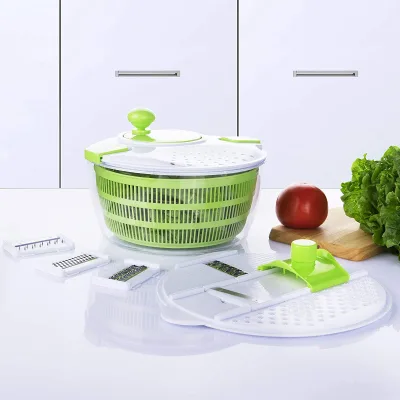
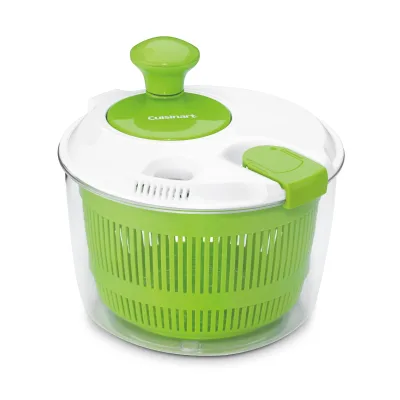

Changsha Jinwang Enterprises Co., Ltd.
- Trading Company
- Hunan, China
- Lead time45 days
- Avg. response≤ 10h
Main productsstainless steel kitchenware products,silicone kitchenware,silicone products,Kid's DIY products
Main marketsNorth America(36.00%), South America(20.00%), Western Europe(18.00%), Northern Europe(15.00%), Oceania(11.20%), Southeast Asia(10.70%), Central America(9.40%)

- Verified by TUVRHEINLAND
- Trading Company
- China Zhejiang
- Lead time15 days
- Avg. response≤ 19h
Main productsPet Goods, Broom, Storage Box, Laundry, Houseware, Personal Care
Main marketsSouth America
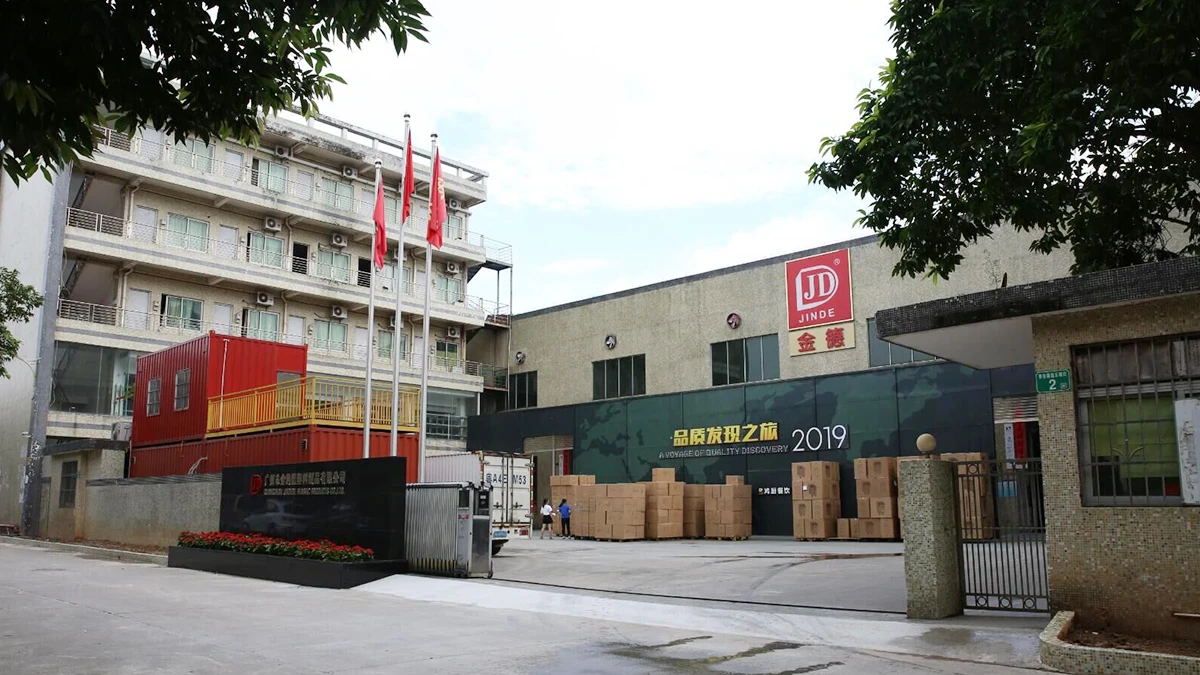
Guangzhou Jindide Plastic Products Co., Ltd.
- Manufacturer, Trading Company
- Guangdong, China
- Lead time35 days
- Avg. response≤ 6h
Main productsIngredient bin,Service trolley,Base rack,Ultra pan carrier,Ingredient bin 81L
Main marketsDomestic Market(68.00%), North America(12.00%), Eastern Europe(6.00%), Western Europe(4.00%), South America(3.00%), Mid East(3.00%), Eastern Asia(3.00%), Central America(1.00%)
- Verified by TüVRheinland
- Manufacturer, Trading Company
- Lead time0 days
- Avg. response≤ 3h
Main productsChicken shredder, Vegetable cutter, Salad spinner, Food processor, Mini mop

Ningbo Better Life Houseware Co., Ltd
- Verified by CTI
- Trading Company
- China Zhejiang
- Lead time30 days
- Avg. response≤ 2h
Main productsHouseware Products.
Main marketsSouth America,Africa,Southeast Asia/ Mideast,Europe,Australia,North America

Vegetable Spinner Dryer Unique Salad Mixing Bowl Plastic Tools Salad Spinner
$8.00 - $9.00
MOQ: 1000 Pieces

$2.58 - $2.98
MOQ: 1000 Pieces
Jiangmen City Xinhui Henglong Innovative Housewares Co., Ltd.
- Verified by TüVRheinland
- Manufacturer, Trading Company
- Lead time30 days
- Avg. response≤ 8h
Main productsFood Container, Lunch Box, Cooler, Cake Carrier, Plastic Bag
Main marketsNorth America(25%), Western Europe(15%), Domestic Market(15%)
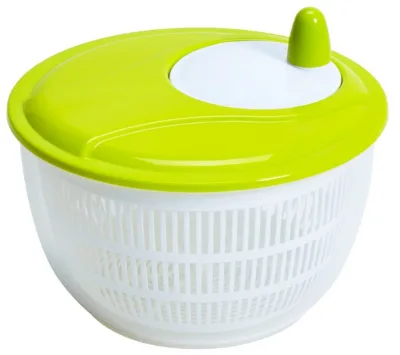
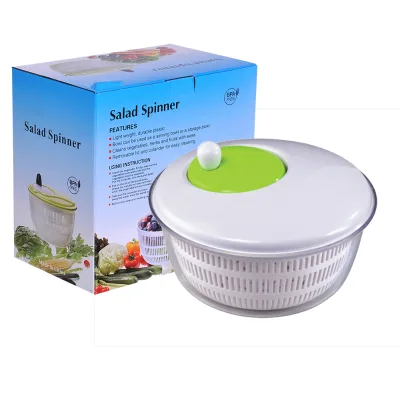
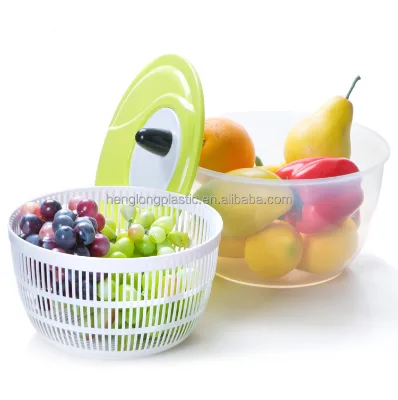
Plastic Manual Salad Spinner Vegetable Spinner Salade Spinner, Colander With Basket
$2.35 - $3.58
MOQ: 2000 Minimum

- Verified by BV
- Trading Company
- China Zhejiang
- Lead time30 days
- Avg. response≤ 12h
Main productsLunch Box
Main marketsSouth America,Africa,Southeast Asia/ Mideast,East Asia(Japan/ South Korea),Europe,Australia,North America

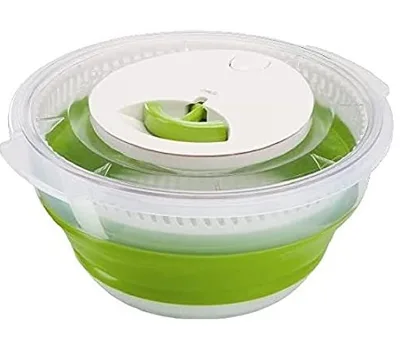
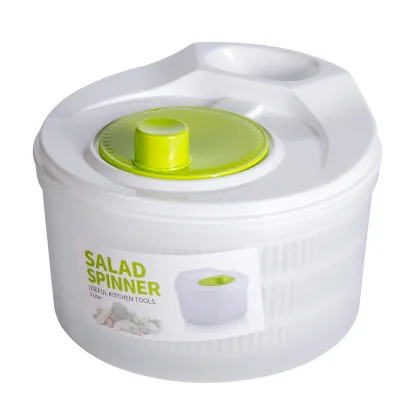
Green Salad Spinner, 5000ml Large Capacity Rotating Vegetable & Lettuce Dryer
$2.45 - $2.54
MOQ: 1000 Pieces


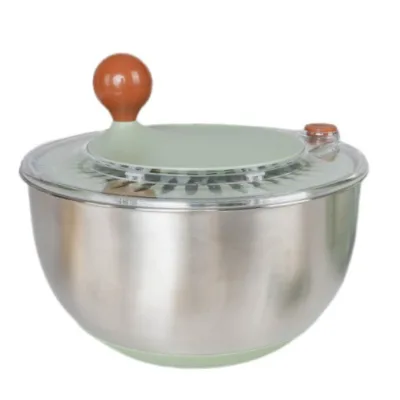
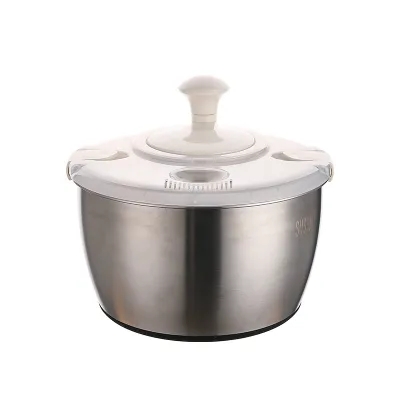
Professional Gray Pump Salad Spinner with Storage Lid High-Efficiency Manual Dryer
$2.23
MOQ: 3000 Pieces

Professional Green Salad Spinner - Manual Spin System with Non-Slip Base and Easy-Grip Handle
$1.16 - $1.21
MOQ: 1000 Pieces
- Manufacturer
- Guangdong, China
- Lead time30 days
- Avg. response≤ 4h
Main productsChafing Dish,Food Heating Lamp,Food Gn Pan,Frying Pan,Baking Pan
Main marketsNorth America(15.00%), Oceania(10.00%), Mid East(10.00%), Southeast Asia(10.00%), Eastern Europe(10.00%), South America(10.00%), South Asia(5.00%), Southern Europe(5.00%), Africa(5.00%), Northern Europe(5.00%), Central America(5.00%), Western Europe(5.00%), Eastern Asia(5.00%)
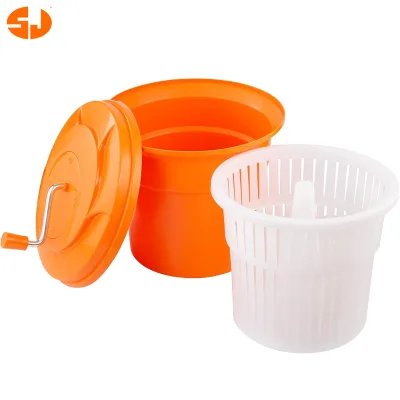
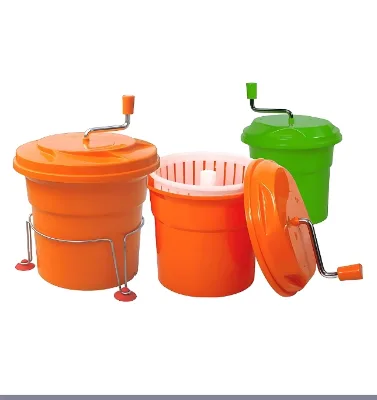
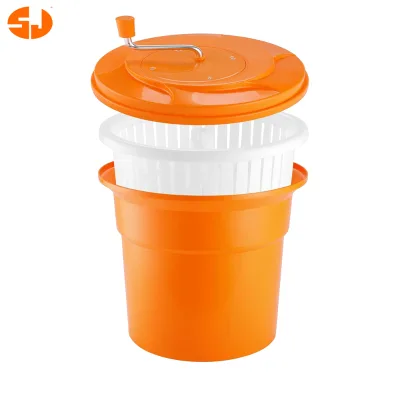
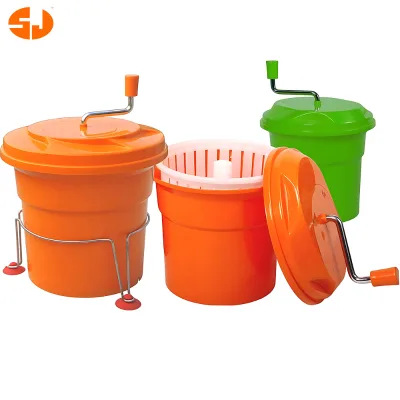
High-Quality 5 Gallon Commercial Salad Spinner Multifunctional Hotel And Kitchen Tool Salad Spinner
$19.5228 - $20.5506
MOQ: 50 pieces
- Trading Company
- Hong Kong S.A.R.
- Lead time30 days
- Avg. response≤ 4h
Main productsDicer & Slicer,Vegetable Spiralizer,Food Processor,Mincer & Grater,Salad Spinner
Main marketsWestern Europe(44.00%), North America(38.00%), Eastern Asia(4.00%), Central America(3.00%), South America(3.00%), Domestic Market(2.00%), Southern Europe(2.00%), Mid East(2.00%), Northern Europe(1.00%), Eastern Europe(1.00%)
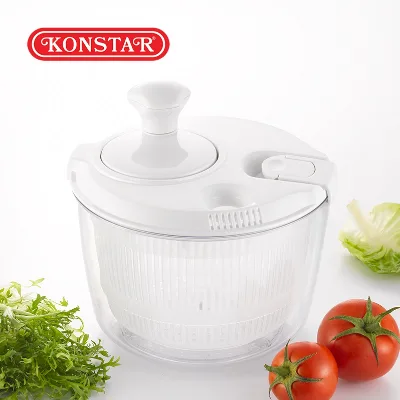
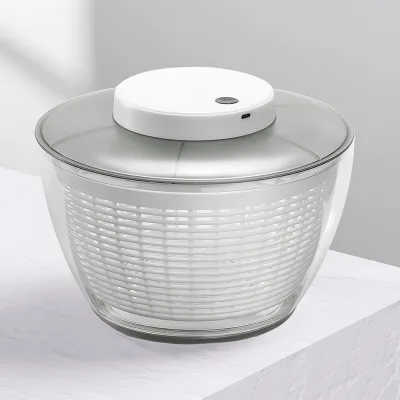
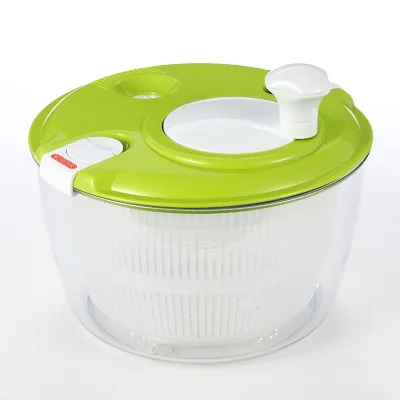
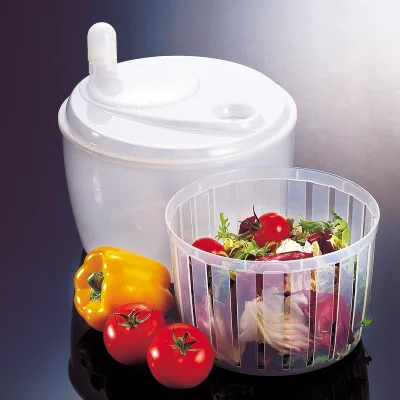
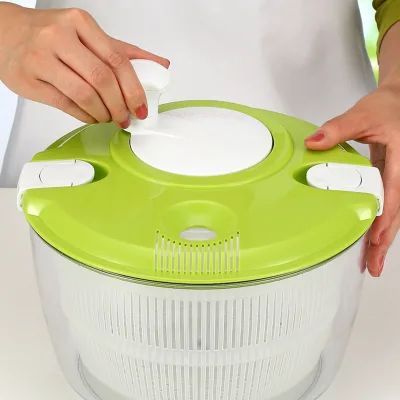
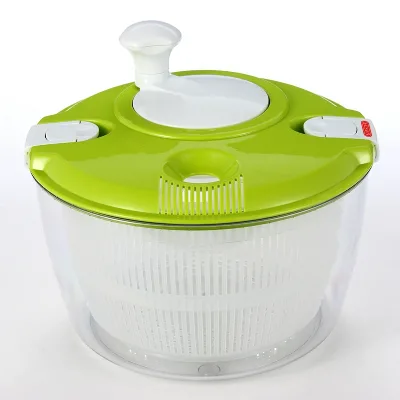
Ce / Eu Konstar Sustainable Camping Salad Tools Salad Spinner Lid With Funnel & Drain Holes
$5.88 - $6.18
MOQ: 24 pieces
Ningbo Bright Commodity Co., Ltd.
- Trading Company
- Lead time旺季: "1 - 1000":35,"> 1000":"To be negotiated", 淡季: "1 - 1000":35,"> 1000":"To be negotiated"
- Avg. response≤ 10h
Main productscollapsible bbq prep tub,milk frother,collapsible bucket,Plastic Food Container,Plastic Storage Organizer

Shenzhen City Huahanxing Technology Co., Ltd.
- Verified by SGS
- Trading Company
- China Guangdong
- Lead time15 days
- Avg. response≤ 8h
Main marketsEurope

Salad Spinner Manual 3.6L 6L Plastic Salad Tool Fruit Vegetable Automatic Vegetable Spinner
$6.99 - $7.99
MOQ: 100 Pieces

$9.99 - $10.99
MOQ: 100 Pieces

Creative Design Multifunctional Salad Spinner Hand Crank Vegetables Dryer
$6.99 - $7.99
MOQ: 100 Pieces

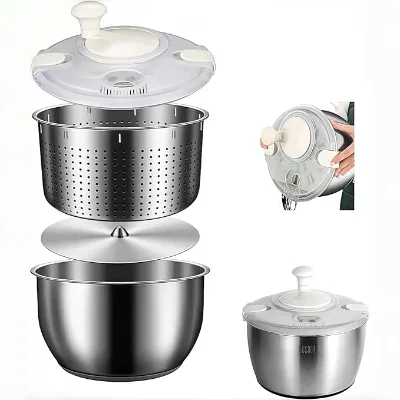
Best Kitchen Salad Maker Set Tool Green Large Salad Spinner with Lid and Bowl
$3.99 - $4.99
MOQ: 100 Pieces


Compact Plastic Salad Spinner with Drain Handle Easy to Use Vegetable Washer for Small Kitchens
$9.99 - $10.99
MOQ: 100 Pieces
Guangdong Jinda Hardware Products Co., Ltd.
- Manufacturer, Trading Company
- Lead time旺季: "1 - 10000":35,"> 10000":"To be negotiated", 淡季: "1 - 10000":35,"> 10000":"To be negotiated"
- Avg. response≤ 5h
Main productsVegetable Chopper, Kitchen Utensil, Kitchen Knife & Scissors, Opener, Peelers
Jiangxi Jinde Plastic Products Co., Ltd.
- Verified by TüVRheinland
- Manufacturer, Trading Company
- Lead time30 days
- Avg. response≤ 5h
Main productsIngredient Bin, Insulated Products, Shelvings, Food Pan, Base Rack
Main marketsNorth America(30%), Domestic Market(30%), Eastern Europe(12%)
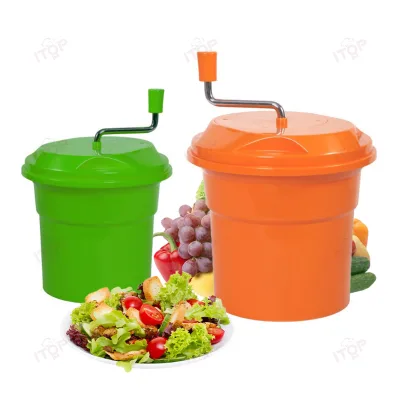
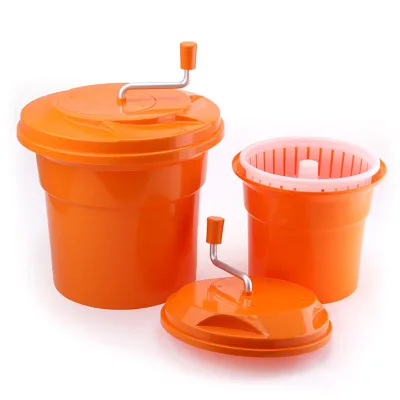
Industrial Restaurant Vegetable/Fruit/Lettuce Salad Spinner with Handle 2.5L/5L
$41.345 - $44.4462
MOQ: 3 pieces
Jiangmen YD Hardware Co., Ltd.
- Verified by TüVRheinland
- Manufacturer, Trading Company
- Lead time30 days
- Avg. response≤ 3h
Main productsRestaurant Equipment, Snack Food Equipment
Main marketsSouth America(25%), North America(20%), Eastern Europe(10%)

Ningbo Midui Hardware Co., Ltd.
- Verified by TUVRHEINLAND
- Trading Company
- China Zhejiang
- Lead time30 days
- Avg. response≤ 5h
Main productsStainless Steel Tumbler, Cup, Water Bottle, Mug, Thermal Water Bottle
Main marketsSouth America

WELSHINE COMMERCIAL EQUIPMENT CO. LTD
- Verified by TUVRHEINLAND
- Combined
- China Guangdong
- Lead time60 days
- Avg. response≤ 2h
Main productsGn Pans, Storage Boxes, Storage Containers, Trays, Trolley, Glass Rack, Barrel, Tote Boxes, Bin, Jug
Main marketsDomestic

Catering Commercial Kitchen Restaurant Salad Spinner Lettuce Vegetable Dryer Spinner
$33.00 - $38.00
MOQ: 1 Pieces

Multifunctional Kitchen Tools Rotating Manual Plastic Fruit Salad Spinner Dryer
$33.00 - $38.00
MOQ: 1 Pieces


Commercial Large Plastic Salad Spinner 10L/20L Hand Manual Vegetable Strainer
$33.00 - $38.00
MOQ: 1 Pieces

Eagle Catering Equipment Co., Ltd.
- Verified by SGS Group
- Trading Company
- Lead time45 days
- Avg. response≤ 2h
Main productsTrolley, GN Pan, Stock Pot, Utensils, Kitchen Tools
Main marketsWestern Europe(35%), Eastern Europe(20%), North America(10%)
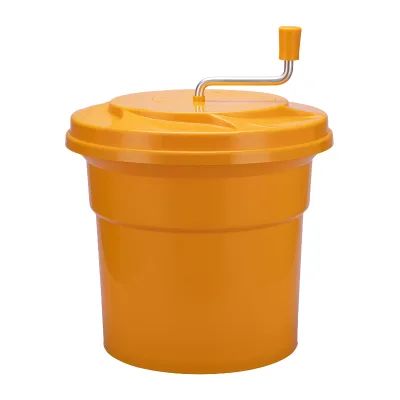
Large Portable Kitchen Fruit and Vegetable Salad Spinner Dryer Plastic Salad Tools
$25.73 - $26.50
MOQ: 30 pieces
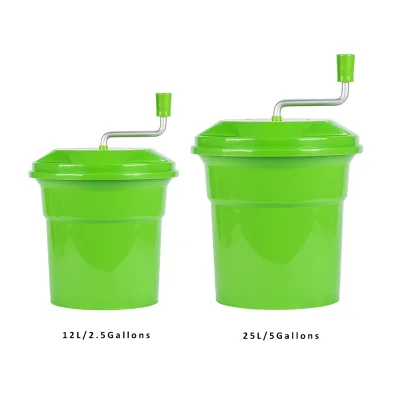
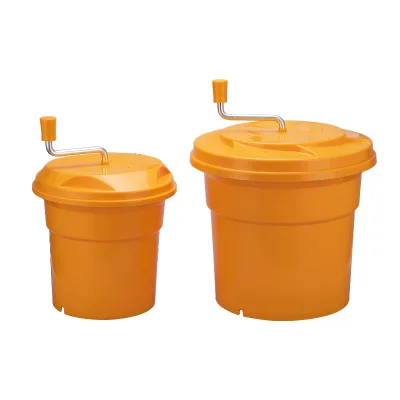
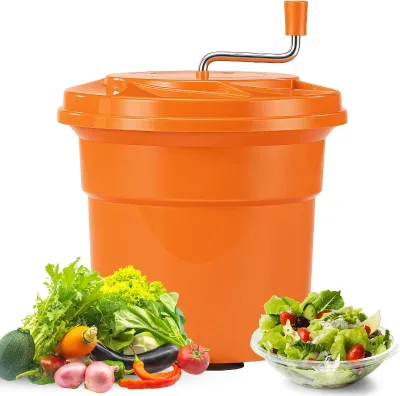
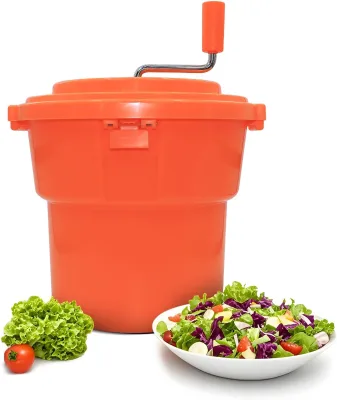
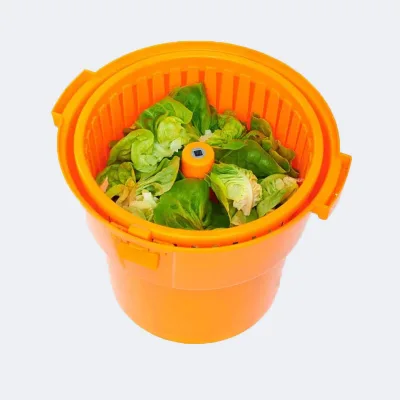
25L / 5 Gallon Orange Green Plastic Commercial Salad Spinner with Crank Handle
$28.39 - $29.00
MOQ: 30
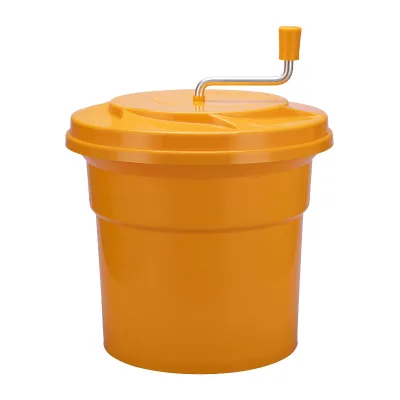
25L / 5 Gallon Orange Green Plastic Commercial Salad Spinner with Crank Handle
$28.39 - $29.00
MOQ: 30
Ningbo Homecrest Imp.& Exp. Co., Ltd.
- Trading Company
- Zhejiang, China
- Lead time20 days
- Avg. response≤ 6h
Main productsKitchen Organizer, Home Organizer, Bathroom Organizer, Home Decor
Main marketsNorth America(40.00%), Northern Europe(40.00%), Oceania(10.00%), Eastern Asia(10.00%)
Taizhou WOKA Plastic Co., Ltd.
- Verified by SGS Group
- Manufacturer, Trading Company
- Lead time30 days
- Avg. response≤ 3h
Main productsVegetable Slicer, Grater, Chopper, Sink Accessories, Ice Cube Maker
Main marketsNorth America(60%), Western Europe(30%), Eastern Asia(5%)
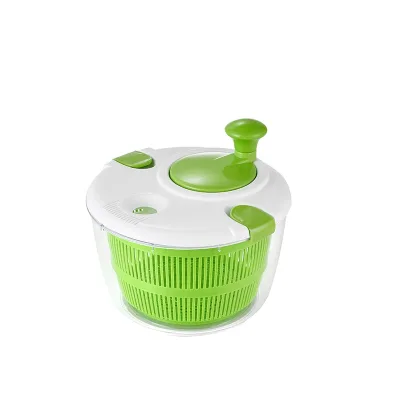
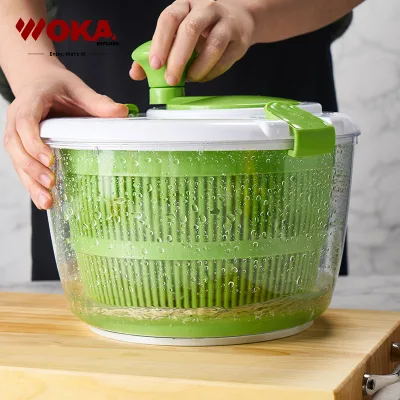
Plastic Manual Salad Spinner Vegetable Spinner Salade Spinner Colander With Basket
$3.5425
MOQ: 3000 Minimum

Guangzhou Unique Hotel Supplies Co., Ltd.
- Verified by CTI
- Trading Company,Manufacturer/Factory
- China Guangdong
- Lead time15 days
- Avg. response≤ 5h
Main productsServing Tray, Ice Bucket, Gn Pan, Kitchenware, Water /Beer Cup, Plastic Products, Pitchers/Kettles, Food Plate Cover, Bowls, Organizer and Holder
Main marketsSouth America,Eastern Europe,Mid East,North America,Southeast Asia,Eastern Asia,Africa

Manufacture Custom Large Commercial Manual Salad Spinner Vegetable Dryer
$32.99 - $37.99
MOQ: 1 Pieces

Wholesale Salad Carousel Plastic Vegetable Dryer Salad Spinner Hand Manual Vegetable Strainer
$32.99 - $37.99
MOQ: 1 Pieces
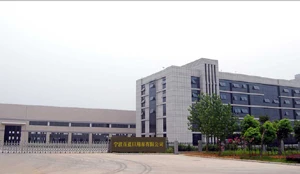
Ningbo Bright Commodity Co., Ltd.
- Trading Company
- Zhengjiang, China
- Lead time30 days
- Avg. response≤ 8h
Main productsfood container,Refrigerator Organizer
Main marketsNorth America(50.00%), Northern Europe(20.00%), Western Europe(20.00%), Eastern Asia(5.00%), South America(5.00%)
Sichuan Larix Machinery Corp., Ltd.
- Trading Company
- Lead time旺季: "1 - 20":10,"> 20":"To be negotiated", 淡季: "1 - 20":10,"> 20":"To be negotiated"
- Avg. response≤ 8h
Main productsKitchenware,Living room,Bathroon,Garden,Outdoor
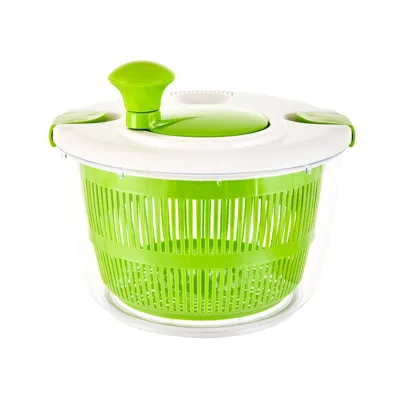
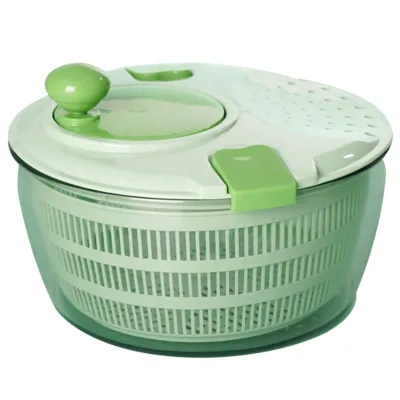
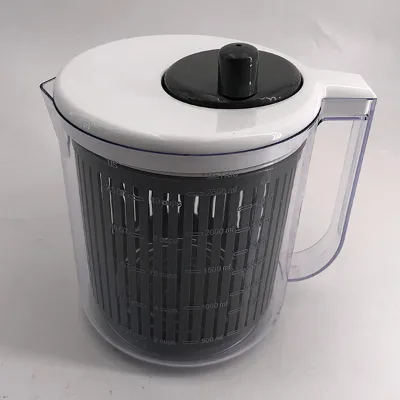
Hot Selling Kitchen Utensils Removable Plastic Salad Fruit Vegetable Spinner with Bowl for Home Use
$2.13 - $2.50
MOQ: 1000 pieces

Eagle Catering Equipment Co., Ltd.
- Manufacturer/Factory
- China Guangdong
- Lead time30 days
- Avg. response≤ 11h
Main productsTrolleys, Gastronorm Containers, Table, Shelves, Sink, Barrier Post, Cookware, Buffetware, Barware, Kitchen Utensils
Main marketsSouth America,Eastern Europe,Mid East,North America,Southeast Asia,Eastern Asia,Oceania,Western Europe,Africa








Comprehensive Sourcing Guide
Eco-Friendly Bpa Free Salad Spinner Supplier Concentration and Factory Types
The current supplier landscape for eco-friendly BPA-free salad spinners reveals a distinct mix of manufacturing capabilities and trading structures. Evidence indicates that some suppliers are located in China Zhejiang, operating primarily as trading companies rather than direct manufacturers. These entities often aggregate products from various factories, offering a broader catalog that includes food containers, storage boxes, and lunch boxes alongside kitchen tools. This trading model can provide buyers with consolidated sourcing options, allowing them to manage multiple product lines through a single point of contact. However, it is crucial for buyers to understand that trading companies may have less direct control over the production process compared to factories. The presence of trading companies suggests that buyers might need to verify the actual manufacturing source to ensure quality consistency and supply chain transparency.
In contrast, other suppliers in the results are identified as direct manufacturers with specific capabilities in silicone and plastic goods. These factories often specialize in silicone bakeware, kitchen tools, and daily use products, indicating a strong focus on material expertise. Some of these manufacturers are located in Guangdong, China, a region known for its robust manufacturing ecosystem for household goods. These suppliers typically display main products that align closely with the core keyword, such as silicone kitchen utensils and baby products, suggesting a specialized production line. The distinction between trading companies and factories is vital for buyers assessing their sourcing strategy. Direct manufacturers may offer more flexibility for customization and better pricing for large volumes, while trading companies might offer faster access to diverse product ranges. Buyers should carefully review the company type listed for each supplier to determine if they prefer a direct factory relationship or a trading partner for their procurement needs.
How to Verify Eco-Friendly Bpa Free Salad Spinner Suppliers
Verifying the credibility and compliance of suppliers is a critical step in the sourcing process for eco-friendly BPA-free salad spinners. Buyers should prioritize suppliers who have undergone third-party verification processes, as this provides an additional layer of trust and assurance. In the current results, some suppliers are verified by TÜV Rheinland, a globally recognized testing and certification organization. This verification often indicates that the supplier has met specific standards for quality management and operational processes. Other suppliers are verified by Intertek or SGS Group, which are also reputable entities that conduct rigorous audits. These verifications are not just badges but represent actual assessments of the supplier’s business practices, production capabilities, and product quality. Buyers should look for these verification marks as a primary indicator of a supplier’s reliability and commitment to maintaining high standards.
Beyond verification badges, buyers must scrutinize the specific certifications held by the products themselves. For salad spinners, food contact safety is paramount, and certifications such as FDA and LFGB are essential indicators of compliance with international food safety standards. The evidence shows that many products are explicitly labeled with FDA and LFGB certifications, confirming that the materials used, such as PP plastic and silicone, are safe for household use. Additionally, some suppliers hold system certifications like EU NO 10/2011, which governs plastic materials and articles intended to come into contact with food. Buyers should request copies of these certificates and verify their validity with the issuing bodies. It is also important to check if the supplier offers customization options, as this can indicate a more mature production process capable of meeting specific buyer requirements. Ensuring that the supplier’s certifications align with the target market’s regulations is a non-negotiable aspect of supplier verification.
What to Compare Across Eco-Friendly Bpa Free Salad Spinner Suppliers
When evaluating multiple suppliers, buyers should compare key operational metrics to determine the best fit for their business needs. One of the most significant factors is the lead time, which varies considerably among suppliers. Some suppliers offer a lead time of 15 days, while others may require up to 23 days or even 30 days for production. This difference can impact inventory planning and order fulfillment, especially for buyers with tight deadlines. Additionally, the response time of the supplier is a crucial indicator of their customer service quality. Suppliers with a response time of 2 to 3 hours are generally more responsive and likely to provide quicker support during the negotiation and order placement phases. Buyers should prioritize suppliers who demonstrate both fast response times and reasonable lead times to ensure a smooth procurement experience.
Another critical aspect to compare is the Minimum Order Quantity (MOQ) and pricing structure. MOQs can range significantly, from as low as 16 pieces for some suppliers to 3000 pieces for others. This variation allows buyers with different volume requirements to find suitable partners. For instance, buyers testing the market or requiring small batches may prefer suppliers with lower MOQs, while those planning large-scale distribution may benefit from suppliers with higher volume capacities. Pricing also varies, with some products ranging from $1.40 to $1.50 per unit, while others may cost between $4.10 and $7.80. Buyers should analyze the price-to-MOQ ratio to understand the cost implications of their order size. Furthermore, comparing the main products offered by each supplier can help identify those with specialized expertise. Suppliers focusing on silicone products may offer different advantages compared to those specializing in plastic kitchen tools, so buyers should align their choice with their specific product requirements.
Common Eco-Friendly Bpa Free Salad Spinner Sourcing Risks
Sourcing eco-friendly BPA-free salad spinners involves several potential risks that buyers must actively manage to ensure a successful procurement process. One significant risk is the discrepancy between claimed certifications and actual product compliance. While suppliers may list FDA or LFGB certifications, there is a possibility that the specific products ordered do not meet these standards. This risk is heightened when dealing with trading companies that may not have direct oversight of the manufacturing process. Buyers must ensure that the certifications provided are valid and applicable to the specific models they intend to purchase. Failure to verify this can lead to regulatory issues in the destination market, resulting in product recalls or legal penalties. Therefore, buyers should insist on receiving test reports or certificates that are specific to the product batch or model, rather than generic company certifications.
Another common risk is the inconsistency in product quality and material composition. The evidence shows that products are made from various materials, including PP plastic, metal, and silicone. Buyers must ensure that the materials used are truly BPA-free and meet the eco-friendly claims made by the supplier. There is a risk that suppliers may use lower-grade materials that do not align with the advertised specifications. Additionally, the customization options offered by suppliers may introduce risks if the customization process is not well-controlled. For example, custom logos or packaging may lead to errors in production if the specifications are not clearly communicated and verified. Buyers should request samples before placing large orders to verify the material quality, weight, and overall construction of the product. This step is essential to mitigate the risk of receiving substandard products that do not meet the buyer’s expectations or market requirements.
Eco-Friendly Bpa Free Salad Spinner Regional Sourcing and Logistics
The geographic location of suppliers plays a significant role in determining logistics costs and delivery timelines. The current results indicate that suppliers are primarily located in China, with specific mentions of Zhejiang and Guangdong provinces. Zhejiang is known for its strong manufacturing base for plastic products and trading companies, while Guangdong is a hub for silicone and kitchenware manufacturing. Buyers sourcing from these regions should consider the logistical implications of shipping from China. The lead times observed, ranging from 15 to 30 days, are typical for production in these regions, but buyers must also account for shipping time. Sea freight is a common method for transporting large volumes of salad spinners, but it can add several weeks to the overall delivery timeline. Buyers should plan their orders well in advance to avoid stockouts and ensure timely delivery to their warehouses.
Logistics planning also involves understanding the packaging and shipping dimensions provided by suppliers. The evidence shows that products are packed in color boxes or cartons, with specific carton sizes and weights listed. For example, one supplier lists a carton size of 53.552.546.5cm with a gross weight of 12.7kgs, while another lists 555535cm with a gross weight of 125.3kgs. These details are crucial for calculating shipping costs and optimizing container space. Buyers should work closely with their suppliers to determine the most efficient packing configuration to minimize freight costs. Additionally, buyers should consider the impact of regional trade policies and tariffs on their sourcing decisions. Sourcing from China may involve specific import duties and regulations that buyers need to navigate. Understanding these logistical and regulatory factors is essential for accurate cost estimation and successful supply chain management.
Eco-Friendly Bpa Free Salad Spinner Commercial Terms and Order Planning
Effective order planning requires a thorough understanding of the commercial terms offered by suppliers. The evidence shows that customization is available for many products, including logo printing and packaging options. Buyers should clarify the terms for customization, such as the additional costs, minimum quantities for custom orders, and the time required for design approval. Some suppliers offer OEM/ODM services, which can be beneficial for buyers looking to create a unique brand identity. However, buyers must ensure that the customization process is well-documented and agreed upon in writing to avoid misunderstandings. Additionally, buyers should inquire about the payment terms, such as the use of escrow services or other secure payment methods. Using escrow can provide an extra layer of protection for buyers, ensuring that funds are only released upon satisfactory delivery of the goods.
Order planning also involves managing the relationship between MOQ and inventory levels. Suppliers with low MOQs, such as 16 pieces, offer flexibility for buyers who are testing new products or have limited storage space. However, these suppliers may have higher per-unit prices compared to those with higher MOQs. Buyers should calculate the total cost of ownership, including shipping and handling, to determine the most cost-effective order size. Furthermore, buyers should establish clear communication channels with their suppliers to monitor production progress and address any issues promptly. Regular updates on production status can help buyers anticipate potential delays and adjust their inventory plans accordingly. By carefully planning orders and understanding the commercial terms, buyers can optimize their procurement process and build a reliable supply chain for eco-friendly BPA-free salad spinners.
FAQs
Are these salad spinners BPA-free and eco-friendly?
Yes, the listed products are explicitly described as BPA-free and eco-friendly. They are constructed from food-grade plastic and silicone materials. This ensures safe contact with fresh vegetables and fruits. The eco-friendly feature highlights sustainable manufacturing practices. Buyers can trust these attributes for health-conscious kitchen use.
What certifications do the salad spinners hold?
The suppliers provide products certified by FDA, LFGB, and CE standards. Some listings also mention EU NO 10/2011 compliance. These certifications verify that the materials meet strict safety requirements. Buyers should verify specific certificate documents for their target markets. Compliance ensures the products are safe for household food preparation.
What is the typical lead time for orders?
Lead times vary between 15 and 30 days depending on the supplier. One supplier offers a 15-day lead time, while another lists 23 days. Specific product listings may indicate a 30-day delivery window. Buyers should confirm exact timelines with the supplier before placing orders. Timelines depend on production capacity and customization requirements.
What are the minimum order quantities for these items?
MOQs range significantly from 16 pieces to 3000 pieces. Some suppliers accept small orders of 16 units for testing. Others require bulk purchases starting at 3000 units. The variation depends on whether the product is stocked or custom. Buyers should check specific product pages for exact MOQ requirements.
Where are these salad spinners manufactured?
Manufacturing locations include Zhejiang and Guangdong provinces in China. Suppliers are based in these specific Chinese regions. The products originate from these verified manufacturing hubs. Buyers can filter results by these locations for logistics planning. Origin details are provided in the product specifications for each listing.
How quickly do suppliers respond to inquiries?
Response times range from 2 to 18.61 hours. Some suppliers respond within 2 hours, ensuring fast communication. Others may take up to 18.61 hours to reply. Faster response times help streamline the sourcing process. Buyers should prioritize suppliers with quicker response rates for efficient negotiations.
What is the price range for these spinners?
Prices range from approximately $1.40 to $7.80 per unit. Lower-priced items start around $1.40 for basic models. Higher-end or larger units cost up to $7.80. Prices depend on size, material, and customization options. Buyers should compare specific product listings for accurate pricing details.