eco-friendly construction epoxy resin Suppliers and Manufacturers
Compare 27 verified suppliers of eco-friendly construction epoxy resin based on location, lead time, and certifications. Review product attributes like MSDS and ISO standards, then request quotes to confirm pricing and MOQ details; review the available evidence before requesting comparable quotations from suitable candidates.
Updated
Suppliers List

SHENZHEN MEITAIBANG CHEMICAL CO., LTD.
- Verified by SGS
- Combined
- China Guangdong
- Lead time15 days
- Avg. response≤ 13h
Main productsEpoxy Resin, Epoxy Floor Coating System, Epoxy Casting Resin, Epoxy Top Coating, Epoxy Resin Ab Glue, Water Premeable Epoxy Resin Bond, Epoxy Doming Resin, PU Doming Resin, Epoxy Art Resin, Color Pigments and Aggregates
Main marketsEast Asia(Japan/ South Korea)

Tianjin Kaida Science and Technology Co., Ltd.
- Verified by SGS
- Manufacturer/Factory
- China Tianjin
- Lead time30 days
- Avg. response≤ 6h
Main productsFloor Grinding Machine, Concrete Laser Screed Machine, Floor Hardener, Diamond Discs, Floor Polishing Machine, Floor Cleaner Machine, Industry Vacuum, Epoxy Resin, Polishing Pad
Main marketsSouth America,Eastern Europe,Mid East,North America,Southeast Asia,Eastern Asia,Oceania,Western Europe,Africa

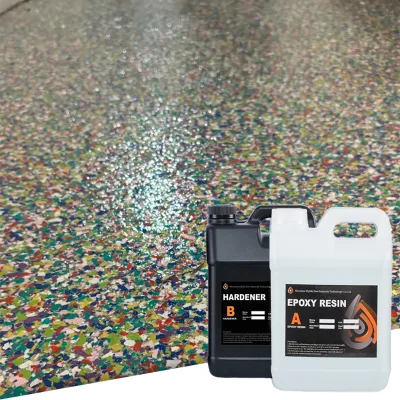
Handwork Clear Transparent Epoxy Resin Floor Coating Epoxy Resin for Wood Epoxy Resin Epoxy
$3.20 - $5.80
MOQ: 100 kg


10X Durability Epoxy Resin for Floor Paint Best Concrete Floor Coating Epoxy Flooring
$2.90 - $5.80
MOQ: 100 kg

High Transparency Liquid Epoxy Resin for Floor Making Use Coating Epoxy Resin Ab Glue
$3.40 - $4.40
MOQ: 100 kg

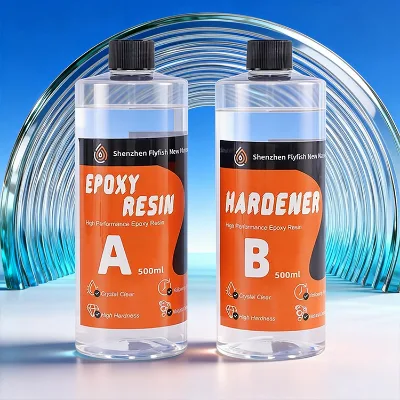
Shenzhen Flyfish New Materials Technology Co., Ltd.
- Verified by SGS Group
- Manufacturer, Trading Company
- Lead time0 days
- Avg. response≤ 3h
Main productsEpoxy Resin, Polyurethane, UV Resin, Silicone Resin, Gypsum Powder
Main marketsNorth America(20%), Eastern Europe(10%), Southeast Asia(10%)

SHANDONG RUISAN CHEMICAL TECHNOLOGY CO., LTD.
- Trading Company,Manufacturer/Factory
- China Shandong
- Lead time15 days
- Avg. response≤ 10h
Main productsPaint, Coating, Floor Paint, Floor Coating, Anti-Corrosion Paint, Anti-Corrosion Coating, 3D Epoxy Floor Paint, Epoxy Resin, Epoxy Curing Agent, Epoxy Hardener
Main marketsSouth America,Eastern Europe,Mid East,North America,Southeast Asia,Eastern Asia,Oceania,Western Europe,Africa

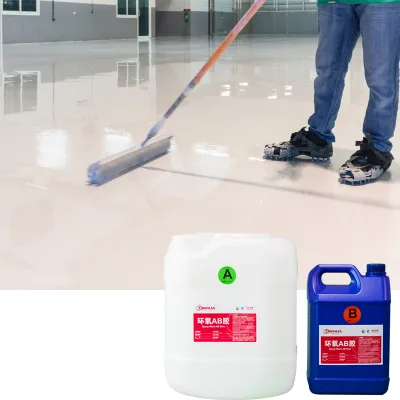
Liquid Epoxy Resin for Food Grade Production Plant Floor and Epoxy Resin Coating
$3.70 - $3.88
MOQ: 200 kg


Waterborne Epoxy Resin for Asphalt and High - Solid Waterborne Epoxy Coatings
$6.10 - $6.40
MOQ: 100 kg


SHENZHEN TIANMAXUN TECHNOLOGY CO., LTD.
- Verified by SGS
- Combined
- China Guangdong
- Lead time15 days
- Avg. response≤ 12h
Main productsEpoxy Resin
Main marketsNorth America
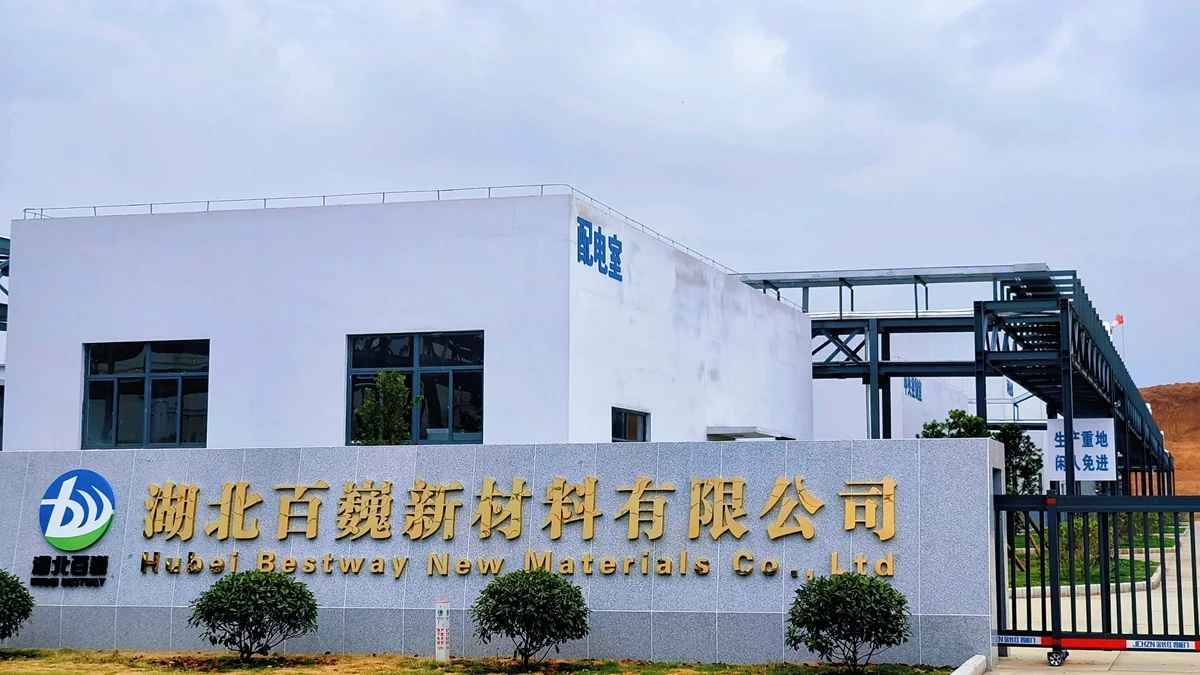
Hubei Bestway Technology Co., Ltd.
- Manufacturer, Trading Company
- Hubei, China
- Lead time15 days
- Avg. response≤ 4h
Main productsEpoxy Curing Agents, Epoxy Resin, Raw Amine Materials
Main marketsSoutheast Asia(50.00%), Domestic Market(20.00%), North America(20.00%), Mid East(10.00%)
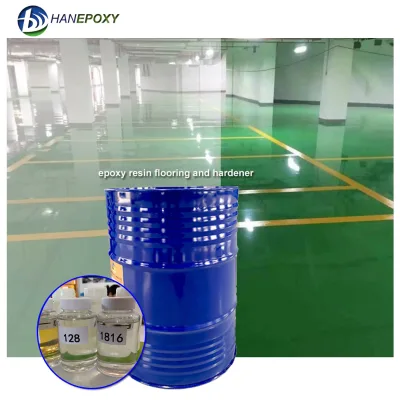
$1.7358 - $2.3519
MOQ: 2 Minimum
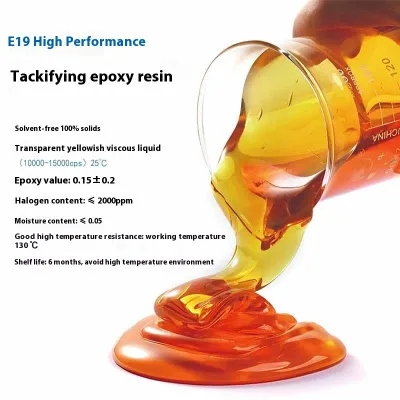
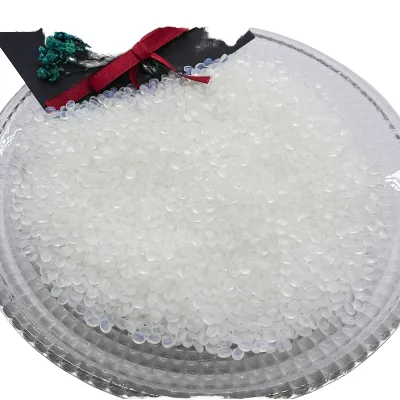
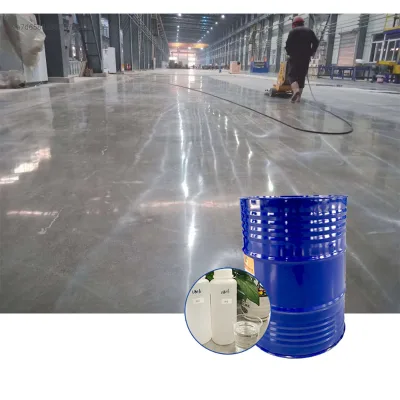
Guangdong Jinhua New Materials Technology Co., Ltd.
- Verified by Intertek
- Manufacturer, Trading Company
- Lead time0 days
- Avg. response≤ 1h
Main productsEpoxy Resin, UV Resin, Epoxy AB Glue, Epoxy 128, Silicone Resin
Main marketsDomestic Market(45%), North America(10%), South Asia(10%)
Ningbo Dongbo New Energy Co., Ltd.
- Verified by SGS Group
- Trading Company
- Lead time3 days
- Avg. response≤ 1h
Main productsPVC Plasticizer
Main marketsSouth America(30%), Mid East(30%), Southeast Asia(30%)
- Verified by SGS Group
- Trading Company
- Lead time30 days
- Avg. response≤ 4h
Main productsBearing, Adhesive & Sealant
Main marketsSouth Asia(27%), North America(11%), South America(10%)

- Verified by BV
- Trading Company
- China Jiangsu
- Lead time30 days
- Avg. response≤ 5h
Main productsEpoxy Resin, Unsaturated Polyester Resin, Glass Fiber, Unsaturated Resin, Gel Coat Color Paste, Vinyl Ester Resin, Peroxide, Auxiliary, Bulk Raw Material
Main marketsSouth America,Africa,Southeast Asia/ Mideast,East Asia(Japan/ South Korea),Domestic,Australia,North America


High Quality Epoxy Resin E-44 Resin Epoxy Liquid and Clear Epoxy Resin for Floors
$4.90 - $5.20
MOQ: 100 kg

Shandong Pinguan New Material Co., Ltd.
- Verified by SGS
- Combined
- China Shandong
- Lead time15 days
- Avg. response≤ 12h
Main productsLiquid Nail, Silicone Sealant, Spray Adhesive, Acrylic Sealant, Tile Grout, Marble Glue, PU Foam, Wall Mending Agent, Epoxy Resin, Waterproof Coating
Main marketsDomestic
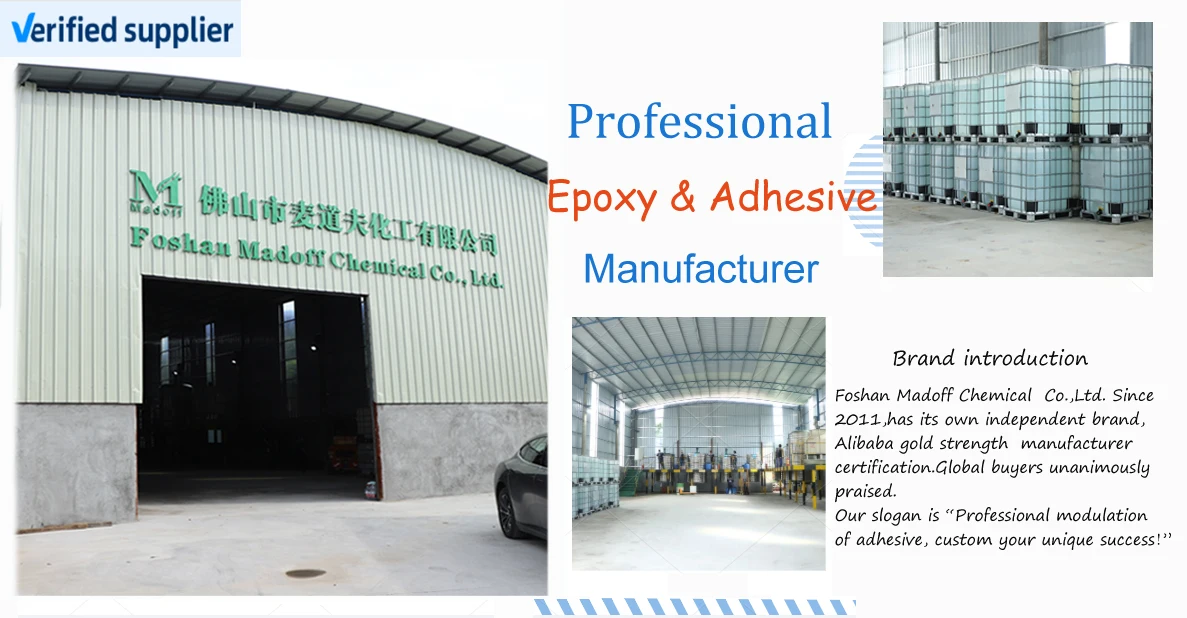
Foshan Madoff Chemical Co., Ltd.
- Manufacturer
- Guangdong, China
- Lead time0 days
- Avg. response≤ 2h
Main productsWashed Stone Paint,Color Sand Flooring,Roof Waterproof Coating,Colored Floor Paint,Repair Mortar
Main marketsNorth America(25.00%), Domestic Market(20.00%), Southeast Asia(20.00%), Eastern Asia(9.00%), Africa(8.00%), Northern Europe(5.00%), Southern Europe(3.00%), Eastern Europe(3.00%), Western Europe(3.00%), Central America(2.00%), Mid East(1.00%), South America(1.00%)
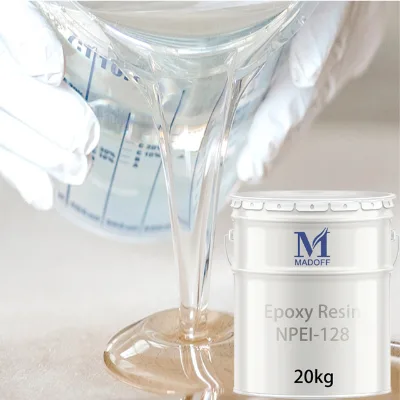
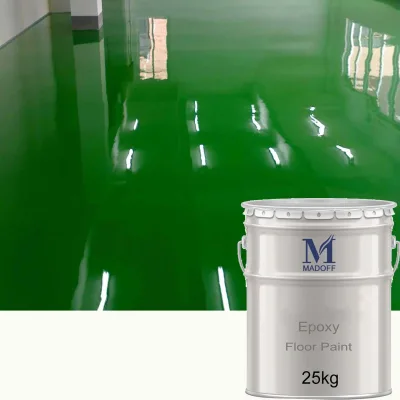
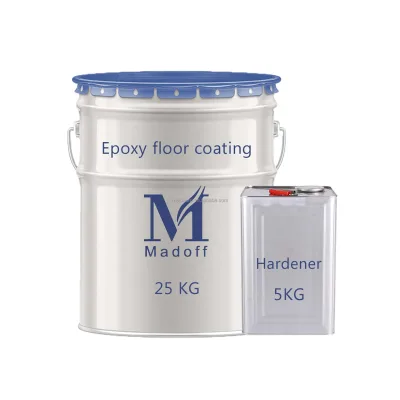
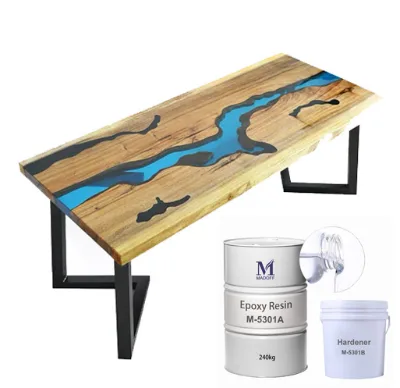
Epoxy Resin and Hardener for Floor Double Component Colorful Sealants Epoxic Resin
$2.10 - $2.80
MOQ: 1000 Minimum
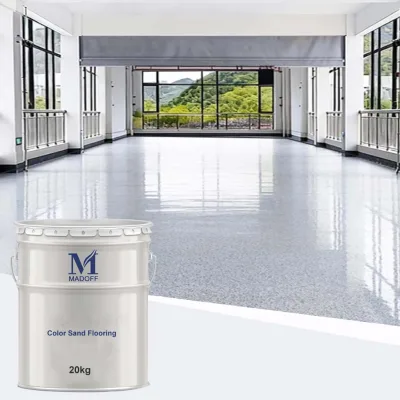
Price Resin Epoxy Liquid Resina Epoxica Para Pisos Wholesale Price Epoxy Resin
$2.80 - $3.59
MOQ: 1000 Minimum

Shandong Jiancheng Environmental Protection Technology Co., Ltd.
- Verified by SGS
- Combined
- China Shandong
- Lead time15 days
- Avg. response≤ 7h
Main productsEpoxy Floor Paint, Epoxy Floor Coatings, Polyurea Coatings, Polyurea, Epoxy Resin, Polyurethane Waterproof, Water-Based Epoxy Floor Paint, Water-Based Polyurethane Topcoat, Epoxy Colored Sand Flooring
Main marketsDomestic

Epoxy Resin Curing Agent and Resins for Hospital Floor Epoxy Floor Paint Factories
$2.90 - $4.00
MOQ: 1 kg


Epoxy Colored Sand Has Low Water Absorption Strong Adhesion and Is Environmentally Friendly
$1.40 - $1.80
MOQ: 120 kg

- Verified by BV
- Combined
- China Hebei
- Lead time15 days
- Avg. response≤ 6h
Main productsEpoxy Resin, Mica Powder, UV Resin, Chameleon, Epoxy Resin Dye, Hardener, Epoxy Resin Ab Glue
Main marketsNorth America
- Manufacturer, Trading Company
- Taiwan, China
- Lead time10 days
- Avg. response≤ 6h
Main productsChemical anchor,5 second fix,construction adhesive,industrial adhesive,uv light glue
Main marketsWestern Europe(30.00%), Eastern Asia(30.00%), Mid East(20.00%), South America(20.00%)

Shenzhen Foreword Technology Co., Ltd.
- Manufacturer, Trading Company
- Guangdong, China
- Lead time7 days
- Avg. response≤ 9h
Main productsEpoxy Resin,UV Resin,Custom Stickers,Resin Pigment,Silicone Mold
Main marketsNorth America(50.00%), Western Europe(30.00%), Eastern Europe(10.00%), Southeast Asia(10.00%)
Chengdu Dongsheng Shengkai Flooring Materials Co., Ltd.
- Verified by SGS Group
- Trading Company
- Lead time0 days
- Avg. response≤ 2h
Main productsEpoxy Floor Coating, Anti-static Flat Coating, Water-based Epoxy Coating, Solvent-free Coating, Anti-corrosion Coating

SUZHOU FEIFANSENLIN Building Materials Technology Co., Ltd
- Verified by SGS
- Combined
- China Anhui
- Lead time15 days
- Avg. response≤ 4h
Main productsGlass Glue, Sealant, Hydrogenation Grout, Polyurea, Epoxy Floor Coating, PU Foam, Tile Grout, Epoxy Grout, Epoxy Quartz Grout, Epoxy Resin
Main marketsDomestic


Two-Component Professional High Performance Guaranteed Epoxy Resin Adhesive
$1.87 - $2.00
MOQ: 1 Pieces

High Temperature Resistant Sustainable Secure Reliable Epoxy Resin Adhesive
$1.87 - $2.00
MOQ: 1 Pieces

Zhongshan Cashleton Building Materials Co., Ltd
- Verified by CTI
- Combined
- China Guangdong
- Lead time23 days
- Avg. response≤ 5h
Main productsTile Grout, Adhesive, Sealant, Gap Filler, Joint Filler, Epoxy Tile Grout, Epoxy Grout, Ms Adhesive, Marble Adhesive, Polyurea Grout
Main marketsSouth America,Africa,Southeast Asia/ Mideast,Domestic,Europe,Australia,North America
Jingsen (Linyi) International Trade Co., Ltd.
- Trading Company
- Shandong, China
- Lead time0 days
- Avg. response≤ 5h
Main productsEpoxy Colored Sand Floor Paint / Grout,Waterproof Coating,Silicone sealant (glass glue),Structural adhesive,Phenolic resin
Main marketsAfrica(30.00%), Western Europe(29.00%), Mid East(21.00%), Oceania(20.00%)
Shijiazhuang Zhujiang New Material Technology Co., Ltd.
- Trading Company
- Hebei, China
- Lead time20 days
- Avg. response≤ 2h
Main productsTitanium Dioxide,PVA,HPMC,SLES,STPP
Main marketsMid East(30.00%), Southeast Asia(15.00%), Southern Europe(10.00%), Western Europe(10.00%), Northern Europe(10.00%), Central America(5.00%), South Asia(5.00%), Eastern Asia(5.00%), North America(5.00%), Eastern Europe(5.00%), Africa(3.00%), Oceania(3.00%), Domestic Market(2.00%), South America(2.00%)
Shenzhen Jinlixiang Composite Material Co., Ltd.
- Verified by TüVRheinland
- Manufacturer, Trading Company
- Lead time0 days
- Avg. response≤ 2h
Main productsSilicone Rubber, Epoxy Resin, Epoxy Hardener, PU Resin, UV Resin
Main marketsNorth America(20%), South America(10%), Eastern Europe(10%)
Dongguan Delun New Material Co., Ltd.
- Manufacturer, Trading Company
- Guangdong, China
- Lead time10 days
- Avg. response≤ 2h
Main productsEpoxy Resin,White Carbon Black,Acrylic Emulsion,Carbon Black,Polyvinyl Alcohol
Main marketsAfrica(20.00%), Eastern Asia(20.00%), Southeast Asia(15.00%), South Asia(15.00%), North America(5.00%), Mid East(5.00%), Central America(5.00%), Northern Europe(5.00%), Domestic Market(5.00%), South America(1.00%), Eastern Europe(1.00%), Oceania(1.00%), Western Europe(1.00%), Southern Europe(1.00%)

Nanjing Howell New Material Technology Co., Ltd.
- Verified by SGS
- Trading Company,Manufacturer/Factory
- China Jiangsu
- Lead time0 days
- Avg. response≤ 5h
Main productsSealant, Adhesive, Fiberglass, Pet Nonwoven Fabric
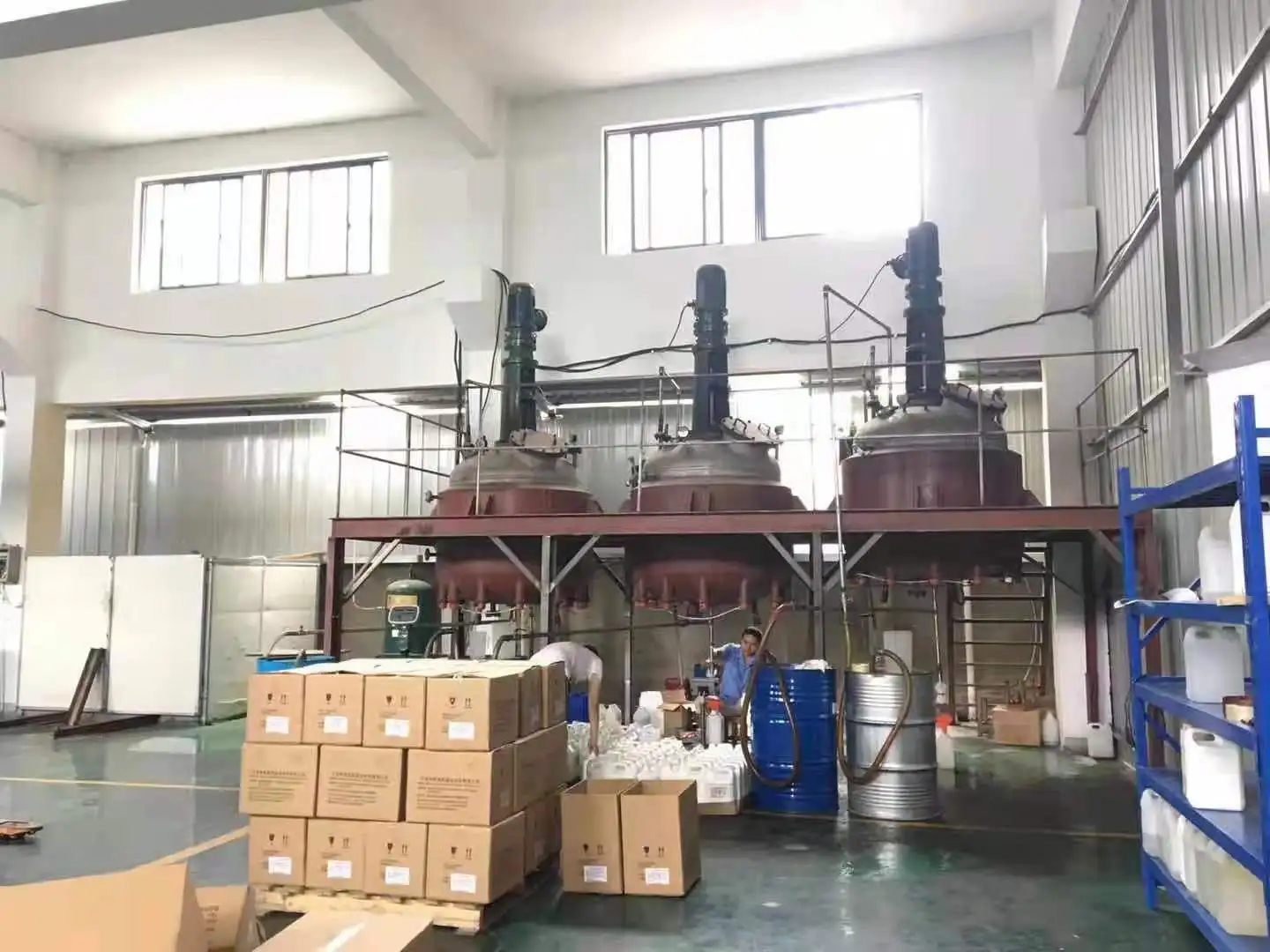
Deliduo (ningbo) New Material Co., Ltd.
- Manufacturer, Trading Company
- Zhejiang, China
- Lead time0 days
- Avg. response≤ 4h
Main productsEpoxy Resin, UV Resin, Organic Silicon Sealant, Polyurethane, Terazzo Epoxy Resin
Main marketsDomestic Market(46.00%), North America(21.00%), Southeast Asia(13.00%), Africa(8.00%), South America(6.00%), Eastern Europe(4.00%), Mid East(2.00%)
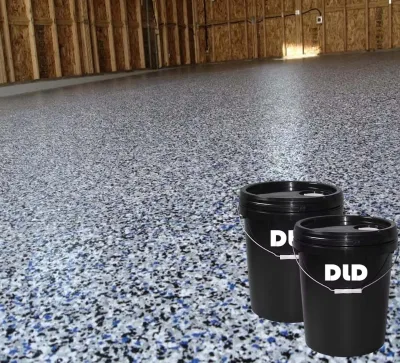
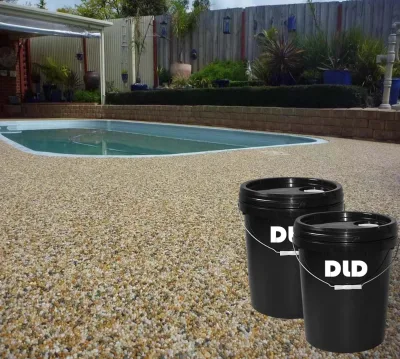
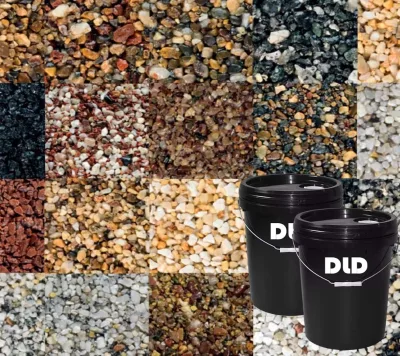
DLD Eco-Friendly Cost-Effective Epoxy Resin for Stone Paving Maximizes Value & Performance
$4.1223 - $4.9452
MOQ: 20 kilograms
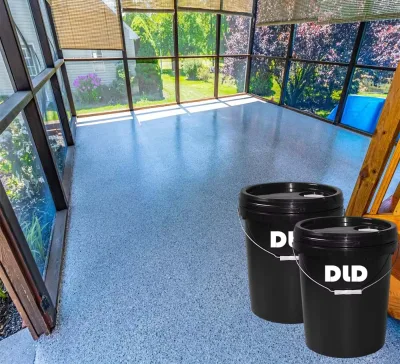
$4.1163 - $4.9392
MOQ: 20 kilograms
Dongguan Creus New Material Co., Ltd.
- Manufacturer, Trading Company
- Guangdong, China
- Lead time30 days
- Avg. response≤ 4h
Main productsEPOXY RESIN,Epoxy AB Glue,Liquid Silicone Rubber,Light Curing Resin Glue,Silicone
Main marketsNorth America(60.00%), Oceania(10.00%), Eastern Europe(10.00%), South America(10.00%), Western Europe(5.00%), Southern Europe(3.00%), Southeast Asia(1.00%), Northern Europe(1.00%)
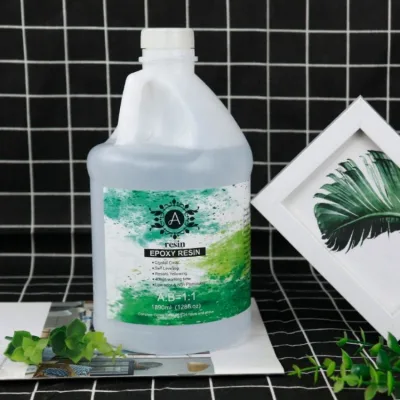
1 Gallon 1:1 Epoxy Resin for Woodworking & Construction Crystal Clear Hard Adhesive
$17.50 - $19.50
MOQ: 100
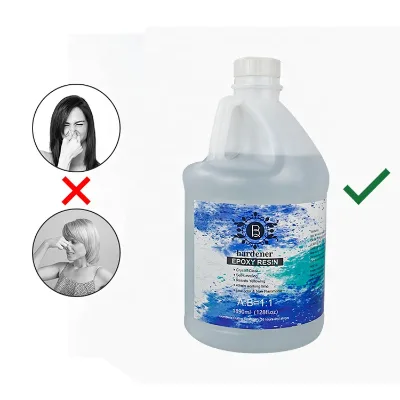
Metal Repair Epoxy 10 Gallon Resin Rock Solid Ebay Ecopoxy Uvpoxy Green for Granite Epoxy Resin Glue
$18.00 - $20.00
MOQ: 100 sets
Factory Wholesale Liquid Crystal Clear Epoxy Resin Odorless and Not Easy to Foam3:1Resin Epoxy
$6.30 - $7.00
MOQ: 20 kilograms

Jiangsu Shuocheng New Materials Technology Co., Ltd.
- Verified by CTI
- Combined
- China Jiangsu
- Lead time23 days
- Avg. response≤ 7h
Main marketsDomestic






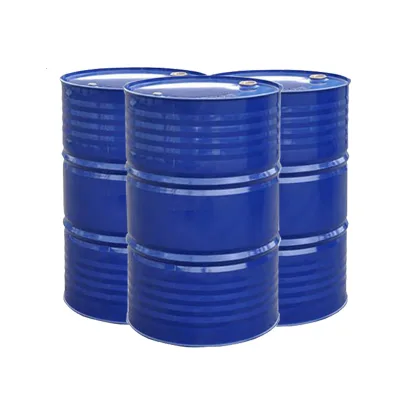


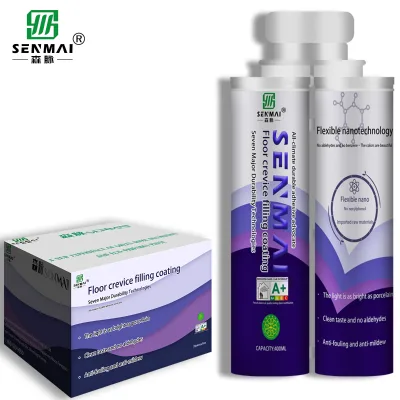

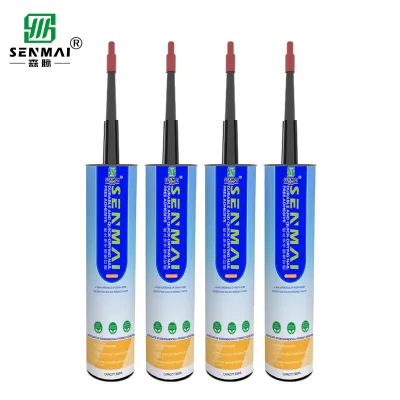



Comprehensive Sourcing Guide
Eco-Friendly Construction Epoxy Resin Supplier Concentration and Factory Types
The current supplier landscape for eco-friendly construction epoxy resin reveals a distinct geographic concentration in China, with specific operational hubs identified in Guangdong and Tianjin. Suppliers located in Guangdong are primarily categorized as combined entities, suggesting a hybrid model that may blend trading capabilities with manufacturing oversight. This structure often allows for greater flexibility in sourcing raw materials and managing diverse product lines, such as epoxy floor coatings, casting resins, and adhesives. In contrast, suppliers based in Tianjin are explicitly identified as manufacturers or factories, indicating a direct production capability. This distinction is critical for buyers seeking to understand the supply chain structure, as factory-direct entities may offer different advantages regarding quality control and customization compared to combined companies that might act as intermediaries. The presence of these specific locations provides a baseline for understanding where production capacity is currently concentrated, allowing buyers to target regions with established industrial infrastructure for epoxy resin production.
Beyond geographic location, the company types observed highlight the diversity in operational models available to buyers. The combination of combined companies and pure manufacturers suggests that the market supports both specialized production facilities and broader trading operations. Buyers should note that manufacturer-designated suppliers often emphasize their own brand capabilities and OEM services, which can be crucial for projects requiring specific branding or custom formulations. Meanwhile, combined companies may leverage their broader network to offer a wider array of related products, such as pigments, aggregates, and floor grinding machines, providing a one-stop solution for construction projects. Understanding these factory types helps buyers align their sourcing strategy with their specific needs, whether they prioritize direct manufacturing relationships for cost efficiency or the flexibility of combined entities for broader product availability. This variation in company structure directly impacts how buyers should approach negotiations and partnership development.
How to Verify Eco-Friendly Construction Epoxy Resin Suppliers
Verification of suppliers requires a multi-layered approach that goes beyond basic company profiles, focusing on tangible evidence of quality and compliance. One key indicator observed in the current results is the SGS verification status, which serves as a third-party validation of the supplier’s operational integrity. Buyers should prioritize suppliers who have undergone such rigorous verification processes, as this reduces the risk of engaging with unverified entities. Additionally, the presence of specific certifications, such as ISO 9000 for manufacturing quality management or product-specific certifications like RoHS and ISOCCC, provides concrete evidence of a supplier’s commitment to standardized production practices. These certifications are particularly important for eco-friendly products, as they often correlate with stricter environmental and safety standards. Buyers must actively check for these credentials in the supplier’s profile, ensuring that the certifications are current and relevant to the specific epoxy resin products being sourced.
Beyond certifications, buyers should scrutinize the product attributes and technical specifications provided by suppliers to verify claims of eco-friendliness and quality. Attributes such as "Non-VOC," "Non-Odor," "Solvent Free," and "Eco-Friendly" are explicitly listed in product descriptions, offering direct evidence of the product’s environmental profile. However, buyers should not rely solely on these labels; instead, they should request supporting documentation, such as MSDS (Material Safety Data Sheets), which are also noted in the current results. The MSDS provides detailed information on the chemical composition, handling, and safety precautions, allowing buyers to independently verify the non-toxic and low-emission claims. Furthermore, checking for specific product standards, such as the Epoxy standard mentioned in some listings, can help ensure that the resin meets industry expectations for performance and durability. By combining verification of company credentials with a deep dive into product technical data, buyers can build a robust assessment of supplier reliability and product suitability.
What to Compare Across Eco-Friendly Construction Epoxy Resin Suppliers
When evaluating multiple suppliers, buyers must compare key operational metrics to determine the best fit for their project requirements. Response time is a critical factor, with observed data showing significant variation, such as a response time of 5.63 hours for one supplier compared to 12.78 hours for another. Faster response times often indicate a more agile sales team and better customer service, which can be vital for resolving technical queries or addressing urgent order changes. Lead time is another essential comparison point, with some suppliers offering a 15-day lead time while others require up to 30 days. This difference can impact project scheduling and inventory management, making it crucial for buyers to align supplier lead times with their construction timelines. Additionally, the Minimum Order Quantity (MOQ) varies widely, ranging from as low as 3 units to 100 units, allowing buyers to select suppliers that match their order volume and budget constraints.
Price and customization capabilities are also central to the comparison process. The observed price range for epoxy resin products spans from $3.00 to $8.93, reflecting differences in product quality, formulation, and supplier positioning. Buyers should not simply choose the lowest price but should evaluate the value proposition, considering factors such as the inclusion of hardeners, packaging quality, and additional services. Customization options, including OEM availability and specific product attributes like "Thick Pour" or "Easy for Operation," should be compared to ensure the product meets specific application needs. Furthermore, the range of main products offered by each supplier can indicate their expertise; for instance, suppliers offering floor grinding machines alongside epoxy resin may provide better technical support for complete floor coating systems. By systematically comparing these dimensions, buyers can identify suppliers that offer the optimal balance of cost, speed, quality, and service for their specific sourcing needs.
Common Eco-Friendly Construction Epoxy Resin Sourcing Risks
One significant risk in sourcing eco-friendly epoxy resin is the potential discrepancy between marketing claims and actual product performance. While suppliers may label their products as "Eco-Friendly," "Non-VOC," or "Solvent Free," buyers must verify these claims through rigorous testing and documentation. Without proper verification, there is a risk of receiving products that do not meet environmental standards, which could lead to compliance issues or health hazards on construction sites. Additionally, the variability in product attributes, such as viscosity, curing time, and color stability, can pose risks if not carefully managed. For example, products described as having "Less Bubble" or "Resists Moisture" may perform differently under varying environmental conditions, leading to application failures if the supplier’s specifications are not strictly adhered to. Buyers should mitigate this risk by requesting samples and conducting their own quality checks before placing large orders.
Another risk involves the reliability of supply chain logistics and after-sales support. Suppliers with longer lead times or higher MOQs may struggle to meet urgent project deadlines, causing delays in construction schedules. Furthermore, the lack of standardized packaging or labeling across different suppliers can lead to confusion during handling and application. For instance, some products are packed in cartons and wooden boxes, while others use wooden cases, which may affect storage and transportation requirements. Buyers should also be cautious of suppliers who do not provide clear information on shelf life or storage conditions, as epoxy resin can degrade if not stored properly. The absence of comprehensive technical support or clear communication channels can exacerbate these issues, making it difficult to resolve problems quickly. To mitigate these risks, buyers should prioritize suppliers with proven track records, clear communication protocols, and robust quality assurance processes.
Eco-Friendly Construction Epoxy Resin Regional Sourcing and Logistics
Sourcing epoxy resin from specific regions in China, such as Guangdong and Tianjin, offers distinct logistical advantages and challenges. Guangdong, known for its robust manufacturing infrastructure, often provides faster access to a wide variety of products and components, which can streamline the sourcing process for combined suppliers. The proximity to major ports in this region can facilitate efficient export logistics, reducing transit times for international shipments. On the other hand, Tianjin, located in northern China, is a significant industrial hub with strong manufacturing capabilities, particularly for factory-direct suppliers. The logistical network in Tianjin is well-developed, offering reliable shipping options to both domestic and international markets. Buyers should consider the geographic location of their suppliers when planning logistics, as this can impact shipping costs, transit times, and the overall efficiency of the supply chain.
Logistics planning must also account for the specific packaging and handling requirements of epoxy resin products. The observed packaging options, including cartons, wooden boxes, and wooden cases, indicate that suppliers have varying standards for product protection during transit. Buyers should ensure that the packaging is suitable for long-distance shipping, especially if the products are being transported via sea freight, which can expose goods to moisture and temperature fluctuations. Additionally, the weight and volume of the products, which can vary based on the packaging type, will affect shipping costs and container utilization. Buyers should work closely with their suppliers to optimize packaging for logistics efficiency, ensuring that products are securely packed while minimizing unnecessary weight and volume. By carefully planning logistics based on the supplier’s location and packaging standards, buyers can reduce costs and ensure the timely delivery of high-quality epoxy resin products.
Eco-Friendly Construction Epoxy Resin Commercial Terms and Order Planning
Commercial terms and order planning are critical components of a successful sourcing strategy, requiring careful attention to pricing structures and payment terms. The observed price range of $3.00 to $8.93 highlights the importance of negotiating competitive rates while ensuring product quality. Buyers should request detailed quotations that break down costs, including raw materials, manufacturing, packaging, and shipping, to understand the true cost of the product. Additionally, buyers should clarify the payment terms, such as the use of escrow services, which can provide financial security and ensure that payments are only released upon satisfactory delivery of the goods. The availability of OEM services and customization options may also impact pricing, as custom formulations or branding can incur additional costs. Buyers should factor these variables into their budget planning to avoid unexpected expenses.
Order planning must also consider the supplier’s production capacity and lead times to ensure timely delivery. Suppliers with a 15-day lead time may be suitable for urgent orders, while those with a 30-day lead time may require more advanced planning. Buyers should align their order quantities with the supplier’s MOQ, which can range from 3 to 100 units, to optimize inventory levels and reduce storage costs. Furthermore, buyers should establish clear communication channels with their suppliers to monitor production progress and address any potential issues promptly. By developing a comprehensive order plan that accounts for pricing, lead times, and MOQs, buyers can ensure a smooth and efficient sourcing process. This proactive approach helps mitigate risks and ensures that the epoxy resin products are delivered on time and meet the required specifications for construction projects.
FAQs
What is the price range for eco-friendly construction epoxy resin?
Prices typically range from $3.00 to $8.93 per unit depending on the specific product grade and packaging requirements. Buyers should verify the exact cost based on the selected quantity and customization needs, as costs vary between standard and premium formulations.
What is the minimum order quantity for these epoxy products?
Minimum order quantities vary significantly, ranging from 3 units for specialized coatings to 100 units for bulk resin supplies. Buyers must check the specific product listing to determine the applicable MOQ, as requirements depend on the manufacturer and product type.
How long does it take to receive an order?
Lead times generally range from 15 to 30 days depending on the supplier and production schedule. Buyers should confirm the exact delivery timeline with the manufacturer before placing an order to ensure it aligns with their project deadlines and logistics planning.
Are these epoxy resins certified for safety and quality?
Products often include MSDS certificates and comply with ISO standards such as ISO 9000. Some listings also mention RoHS compliance. Buyers should verify specific certification documents with the supplier to ensure the materials meet their local regulatory and safety requirements.
What customization options are available for epoxy resin orders?
OEM and ODM services are widely available, allowing for custom branding and specific formulation adjustments. Buyers can request custom packaging and tailored product specifications. It is essential to discuss these requirements directly with the supplier to confirm feasibility and associated costs.
Where are these epoxy resin manufacturers located?
Manufacturers are primarily located in China, with specific facilities in Guangdong and Tianjin provinces. Buyers can filter suppliers by these regions to optimize logistics and shipping costs. Verifying the exact location helps in assessing transportation times and potential import duties.
How quickly do suppliers respond to inquiries?
Response times vary, with some suppliers responding within approximately 5.63 hours and others taking around 12.78 hours. Faster response times often indicate higher operational efficiency. Buyers should prioritize suppliers with quicker response rates for smoother communication and faster order processing.