Eco Friendly Coffee Decanter Suppliers and Manufacturers
Source 16 verified Eco Friendly Coffee Decanter suppliers from China. Compare response times, lead times, MOQs, and certifications like FDA and LFGB. Contact suppliers directly to request samples and confirm pricing; review the available evidence before requesting comparable quotations from suitable candidates.
Updated
Suppliers List

Eagle Catering Equipment Co., Ltd.
- Manufacturer/Factory
- China Guangdong
- Lead time30 days
- Avg. response≤ 12h
Main productsTrolleys, Gastronorm Containers, Table, Shelves, Sink, Barrier Post, Cookware, Buffetware, Barware, Kitchen Utensils
Main marketsSouth America,Eastern Europe,Mid East,North America,Southeast Asia,Eastern Asia,Oceania,Western Europe,Africa

Yichu (Qingdao) Kitchen Equipment Co., Ltd
- Verified by SGS
- Trading Company
- China Shandong
- Lead time45 days
- Avg. response≤ 4h
Main productsShowcase, Commercial Refrigerator, Neutral Stainless Steel, Gn Pan, Gas Range, Ice Maker, Meat Ager, Working Table, Wine Cooler, Bottle Cooler
Main marketsSoutheast Asia/ Mideast,Europe,North America

Hemera (Tianjin) Technology Development Limited
- Verified by TUVRHEINLAND
- Manufacturer/Factory
- China Tianjin
- Lead time38 days
- Avg. response≤ 7h
Main productsGlass Cup, Glass Teapot, Glass Jar&Container, Glass Pitcher&Carafe, Water Jug, Coffee Set, Wine Set, Glass Cooking Ware
Main marketsSouth America,Eastern Europe,Mid East,North America,Southeast Asia,Eastern Asia,Oceania,Western Europe,Africa

Pour Maker Glass Coffee Pot Coffee Brewer with Stainless Steel Filter, High Heat Resistance Decanter
$6.00 - $8.65
MOQ: 500 Pieces

Pour Over Coffee Maker Pour Over Coffee Pot Glass Coffeemaker with Stainless Steel or Paper Filter
$6.00 - $8.65
MOQ: 500 Pieces
Eagle Catering Equipment Co., Ltd.
- Verified by SGS Group
- Trading Company
- Lead time45 days
- Avg. response≤ 2h
Main productsTrolley, GN Pan, Stock Pot, Utensils, Kitchen Tools
Main marketsWestern Europe(35%), Eastern Europe(20%), North America(10%)

- Verified by TUVRHEINLAND
- Trading Company
- China Anhui
- Lead time30 days
- Avg. response≤ 14h
Main productsCoffee Syphon, Coffee Grinder, Coffee Tampers, Coffee Dripper, Iced Brewer, Coffee Mugs, Coffee Pitcher, Tamper Mat, Coffee Mug, Coffee Maker
Main marketsSoutheast Asia/ Mideast,North America
Shijiazhuang Maoka Trading Co., Ltd.
- Verified by SGS Group
- Trading Company
- Lead time20 days
- Avg. response≤ 4h
Main productsMetal Leather Portable Cigarette Case, Men Cigarette Case, Paper Pulp Soap Box, Square Paper Mooncake Box, Paperboard Gift Box
Main marketsWestern Europe(64%), Southern Europe(22%), Northern Europe(10%)
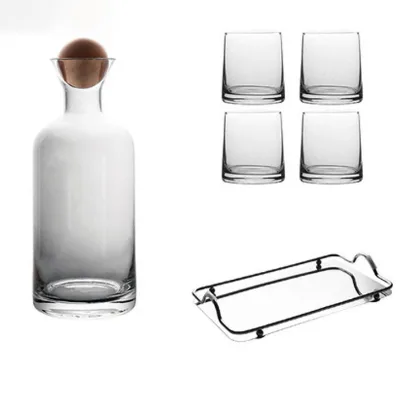
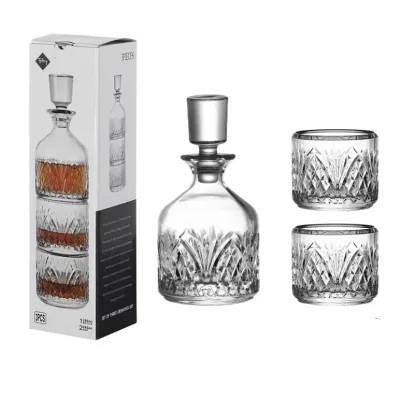
High Quality Clear Crystal Glass Decanter with Two Glasses Good for Whisky on Sale
$8.60 - $10.00
MOQ: 10 pieces
Shijiazhuang Maoka Trading Co., Ltd.
- Trading Company
- Lead time旺季: "1 - 2":31,"3 - 500":45,"> 500":"To be negotiated", 淡季: "1 - 2":31,"3 - 500":45,"> 500":"To be negotiated"
- Avg. response≤ 3h
Main productsWine Decanter, Wine Glass, Package printing box, Plastic Items, Glass Candleholder
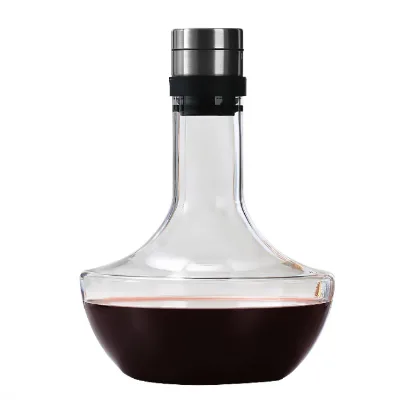
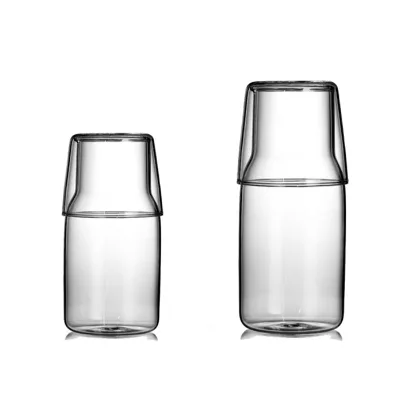
One Person Drinking Glass Home Accessory Multi-function Juice Jug Carafe Containers for Liquids
$1.50 - $2.00
MOQ: 300 pieces
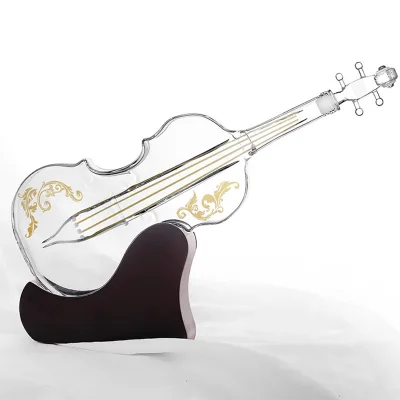
$14.0542 - $14.5755
MOQ: 300 pieces
Chongqing Xingyuan Glassware Co., Ltd.
- Manufacturer
- Chongqing, China
- Lead time35 days
- Avg. response≤ 5h
Main productsGlassware,cup,goblet,drinking glass cups,water glass
Main marketsDomestic Market(45.00%), North America(20.00%), South America(20.00%), Eastern Europe(5.00%), Northern Europe(2.00%), Southeast Asia(1.00%), South Asia(1.00%), Africa(1.00%), Central America(1.00%), Western Europe(1.00%), Eastern Asia(1.00%), Mid East(1.00%), Oceania(1.00%)
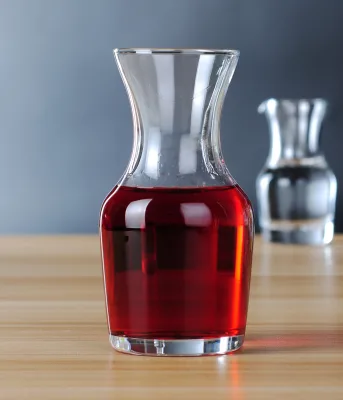
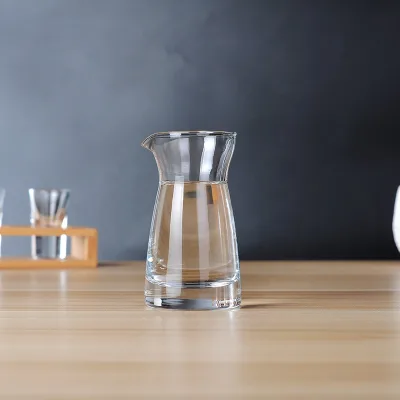
Wholesale Small Size 80ml Wine Decanter clear Wine Liquid Decanter Glass Water Carafe
$0.21 - $0.24
MOQ: 1440 pieces
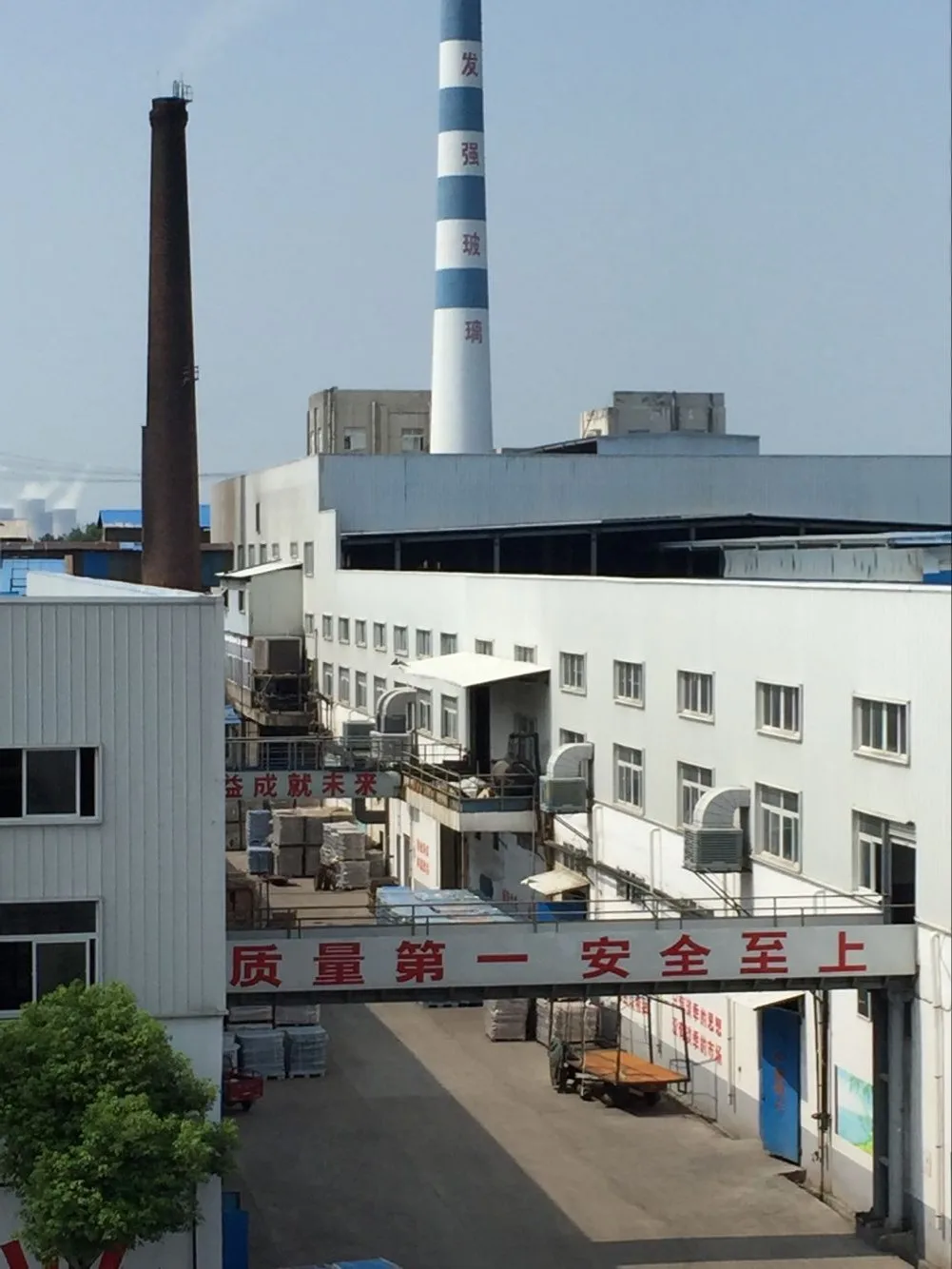
Hefei Jingli Houseware Technology Co., Ltd.
- Trading Company
- Anhui, China
- Lead time25 days
- Avg. response≤ 4h
Main productswhiskey decanter sets,whiskey glass sets,wine glass cup,double wall glass cup,shot glass
Main marketsSouth Asia(20.00%), South America(20.00%), Southern Europe(20.00%), Eastern Europe(10.00%), North America(10.00%), Northern Europe(10.00%), Mid East(10.00%)
Hefei Fineproduction Travel Products Co., Ltd.
- Manufacturer, Trading Company
- Anhui, China
- Lead time20 days
- Avg. response≤ 4h
Main productsGifts,Glass decoration,Household items,art & crafts,Glassware
Main marketsNorth America(70.00%), Western Europe(20.00%), Mid East(10.00%)
$6.50 - $6.90
MOQ: 1000 Minimum
Danyang Liou Kitchenware Co., Ltd.
- Manufacturer, Trading Company
- Jiangsu, China
- Lead time10 days
- Avg. response≤ 5h
Main productsFlatware,Glass Plates,Wine Glass,Bone China Plates
Main marketsNorth America(50.00%), Domestic Market(30.00%), Western Europe(20.00%)
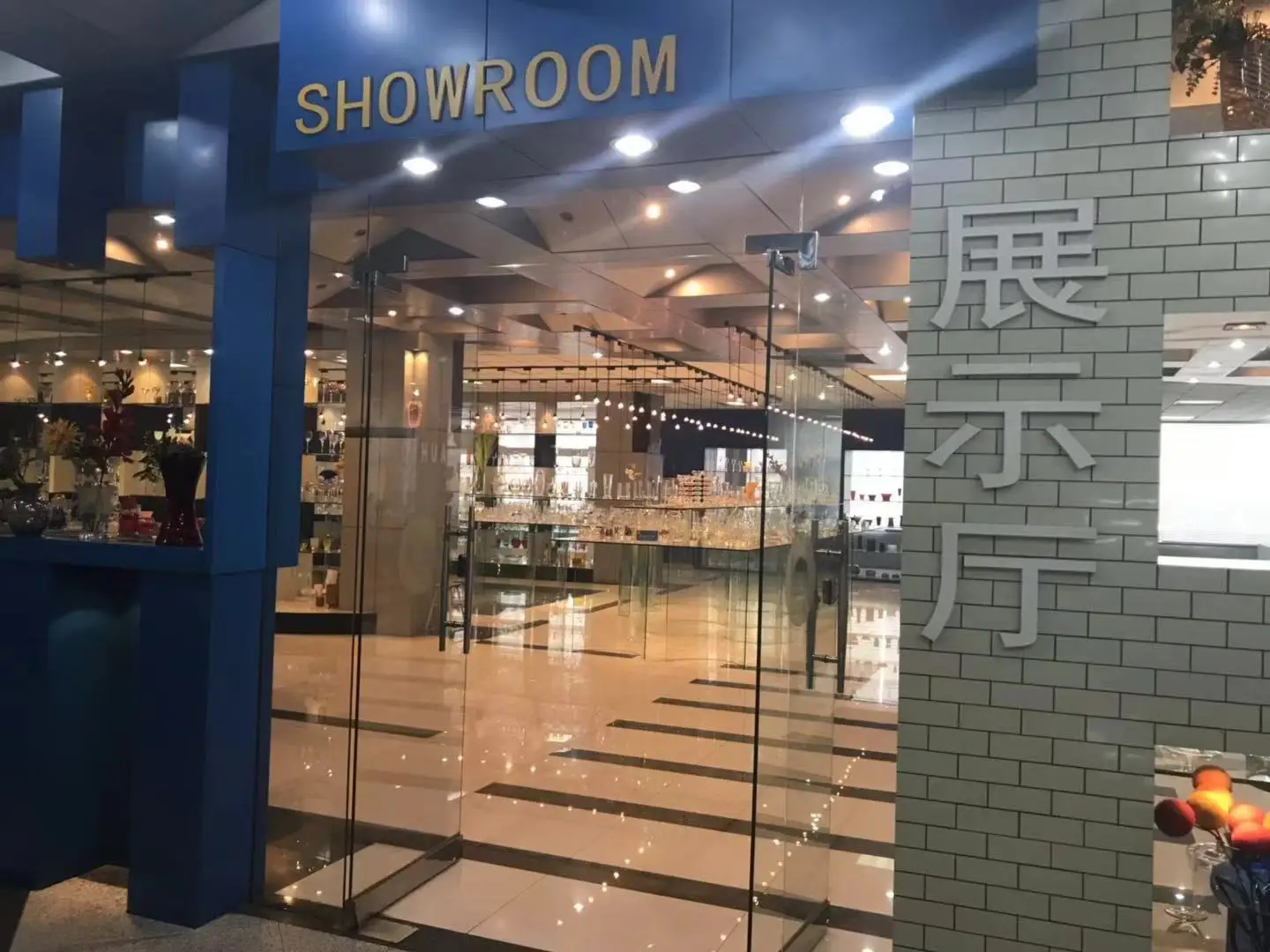
Changsha Aikeyi Homeware Co., Ltd.
- Trading Company
- Hunan, China
- Lead time25 days
- Avg. response≤ 2h
Main productsCustomized Glassware,Glass Tableware,Wine Glass,Glass Bottle,Glass Jar
Main marketsNorth America(33.00%), Oceania(15.00%), South America(12.00%), Western Europe(9.00%), Mid East(8.00%), Central America(4.00%), Northern Europe(4.00%), Africa(3.00%), Eastern Europe(3.00%), Southern Europe(3.00%), South Asia(2.00%), Southeast Asia(2.00%), Eastern Asia(2.00%)
Weifang Blotus Trading Co., Ltd.
- Verified by SGS Group
- Manufacturer, Trading Company
- Lead time30 days
- Avg. response≤ 1h
Main productsDecanter, Glass Bottle, Glass Cup, Teapot, Barware
Main marketsNorth America(45%), Western Europe(30%), Domestic Market(10%)
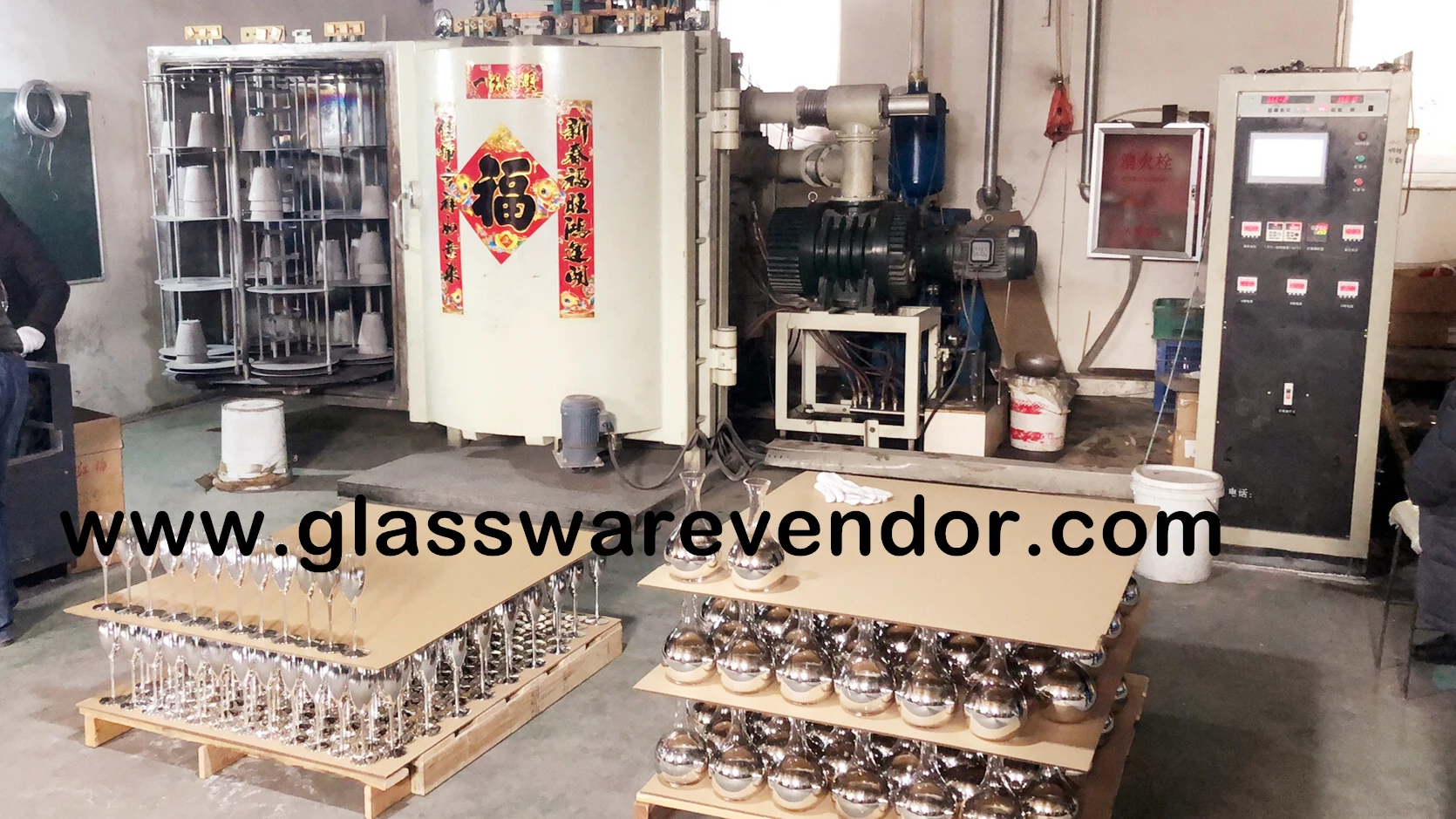
Shenzhen Sunrise Glassware Co., ltd.
- Trading Company
- Guangdong, China
- Lead time30 days
- Avg. response≤ 6h
Main productscustom crystal wine glass,custom hand cut whiskey glass,custom drinking glass,custom colored glass cup,custom double wall glass cups
Main marketsWestern Europe(20.00%), North America(20.00%), Southern Europe(16.00%), Domestic Market(10.00%), Northern Europe(10.00%), Oceania(7.00%), Mid East(5.00%), Eastern Asia(5.00%), South America(2.00%), Southeast Asia(2.00%), Central America(2.00%), Eastern Europe(1.00%)
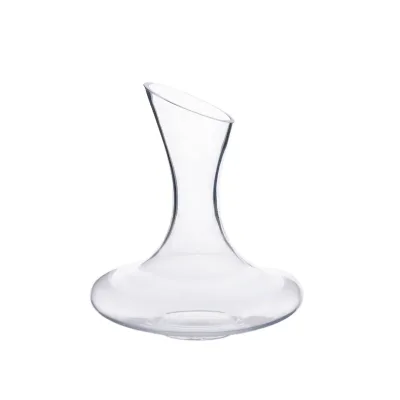
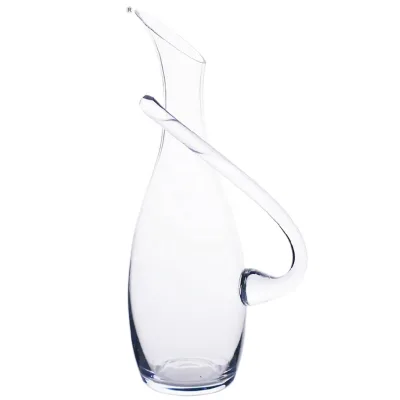
$5.59 - $5.99
MOQ: 1000 pieces
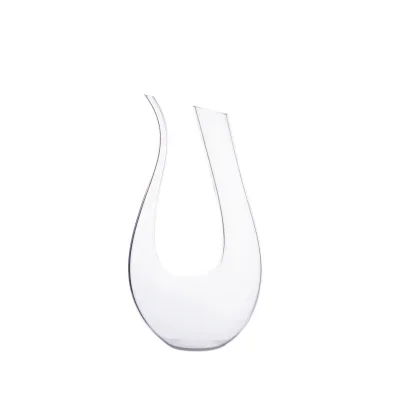
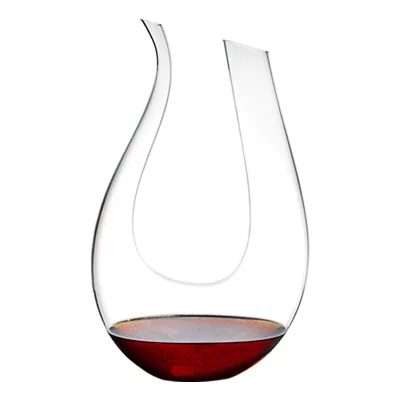
Custom U shaped lead free crystal glass wine decanter customized creative wine carafe
$5.1172
MOQ: 1000 Minimum
Guangzhou Garbo International Trading Co., Ltd.
- Trading Company
- Lead time旺季: "1 - 10000":45,"> 10000":"To be negotiated", 淡季: "1 - 10000":45,"> 10000":"To be negotiated"
- Avg. response≤ 4h
Main productsGlassware, Opal Glassware, High Borosilicate Glassware, Stainless Steel Flatware, Kitchenware
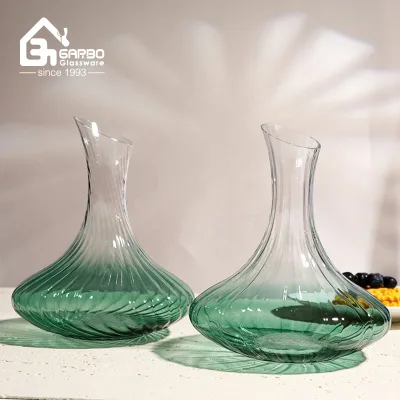
$4.3951 - $4.5989
MOQ: 1000 pieces
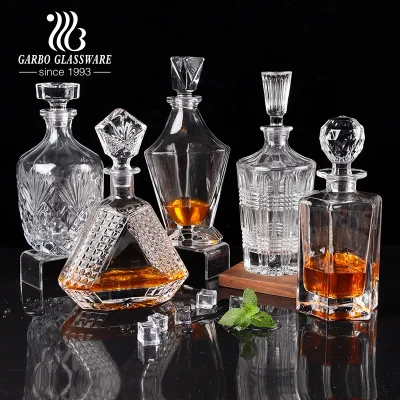
$5.8587 - $6.4774
MOQ: 2000 pieces
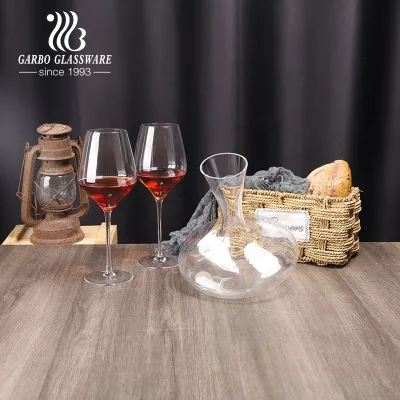
$3.0814 - $3.4035
MOQ: 2300 pieces
Shanxi Delight Houseware Co., Ltd.
- Verified by Intertek
- Trading Company
- Lead time30 days
- Avg. response≤ 4h
Main productsGlass Drinkware, Glass Plate and Bowl, Glass Candle Holder, Glass Decanter
Main marketsNorth America(20%), Mid East(15%), South America(10%)
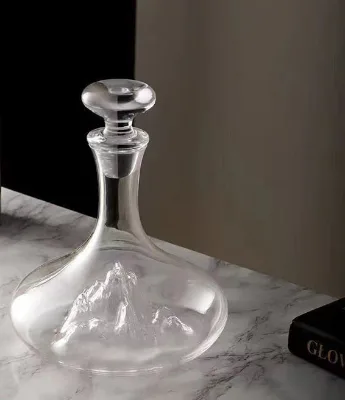
Modern High Quality 1300 ml Crystal Decanter with Glass Lid Business Gift Wine Bottle
$5.40 - $6.10
MOQ: 50 pieces




Comprehensive Sourcing Guide
Eco Friendly Coffee Decanter Supplier Concentration and Factory Types
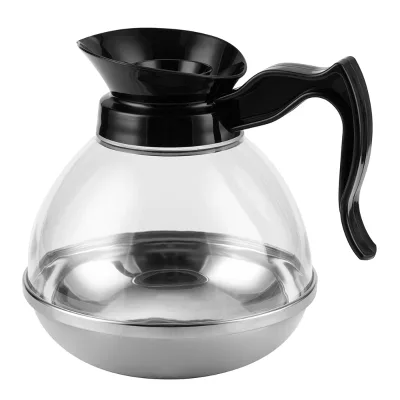
Supplier results for eco friendly coffee decanters cluster heavily in China, with observed listings from Guangdong, Shandong and Tianjin. Guangdong appears in the results as a manufacturing base where a company describes itself as a Manufacturer/Factory, listing trolleys, gastronorm containers, sinks, cookware, buffetware and barware among its main products, with glass-and-stainless-steel coffee decanters as individual items. Shandong is represented by a trading company whose catalogue centers on showcase and commercial refrigeration equipment, gas ranges, ice makers and stainless steel working tables, with coffee decanters sold as part of a broader catering equipment line. Tianjin appears as a glassware specialist listing glass cups, teapots, pitchers, carafes, coffee sets and cooking ware. This spread matters because the same product category can come from kitchen-equipment factories, catering-equipment traders or dedicated glassware makers, each with different tooling and quality control.
When the visible results do not reveal where a given listing originates, buyers should identify clusters themselves rather than assume. Check the prod_origin or place-of-origin field on the product attribute panel, note whether the product model number matches a family of similar decanters from the same region, and confirm the company type label, since Manufacturer/Factory and Trading Company entries handle sampling, customization and defect claims very differently. Tianjin listings in the results carry a TÜV Rheinland verification badge, while Shandong and Guangdong entries show SGS verification, so treat verification as a per-supplier check, not a regional guarantee.
How to Verify Eco Friendly Coffee Decanter Suppliers
Verification should start with the attributes the platform already exposes, then move to evidence the buyer requests directly. In the current results, one Tianjin glassware supplier carries a TUVRHEINLAND verification badge and system certifications listed as CE and EMC on a separate entry, while Shandong and Guangdong suppliers show SGS verification. These badges indicate that an inspection body has checked the company's registration, but they are not product-level approvals. Product certifications must be read separately from the listing data: several Shandong decanter listings state EEC, CIQ, LFGB, FDA and CE/EU certification, a Tianjin pour-over pot lists FDA, and a Jiangmen-origin 8L decanter lists FDA and CE/EU. Always ask for the actual certificate documents matching those claims and confirm the certificate holder's name matches the legal entity you are paying.
Second, verify capability claims rather than trusting labels. Several suppliers in the results state OEM or ODM capacity, and one lists sample processing, graphic processing and customized-on-demand capabilities; request evidence that this applies specifically to eco friendly decanters, such as a customized sample or drawings for a previous glass-and-stainless-steel project. Check response time against your expectations for a live negotiation: observed values range from about 2 hours to about 11 hours, which signals how quickly sample discussions and quote revisions will move. Finally, confirm the company type from the listing, then corroborate with a business licence, a factory address, and ideally a third-party or virtual audit before any deposit.
What to Compare Across Eco Friendly Coffee Decanter Suppliers
Build a comparison sheet using only the dimensions visible on each listing, and record blanks honestly instead of assuming a value. Useful observed dimensions include lead time, minimum order quantity, response speed, company type, verification badge, R&D capacity and main products. In the current results, stated lead times run from 30 days for a Guangdong manufacturer to 45 days for a Shandong trading company, with 38 days shown for a Tianjin glassware maker. Stated MOQs differ sharply: 100 pieces on some 1.8L glass decanter listings, 500 pieces on a Tianjin pour-over coffee pot, and 1,000 pieces on a Shandong two-color decanter. For buyers testing a new eco friendly line, that MOQ spread alone can determine which supplier is viable for a first order.
Compare product scope as well, because it affects engineering depth. A Tianjin supplier whose main products are glass pitchers, carafes and coffee sets is more likely to hold glass-blowing and heat-resistance expertise than a kitchen-equipment trader that lists decanters among hundreds of catering items. Note price ranges where displayed — observed listings span roughly $3.45 to $23.19 per unit across formats from 1.8L carafes to 8L stainless-steel brewer pots — but treat prices as negotiation starting points, not quotes. Also compare customization flags: some listings state customization is available while one explicitly says non-customized, so a buyer needing bespoke glass thickness or handle design must filter accordingly before requesting samples.
Common Eco Friendly Coffee Decanter Sourcing Risks
The most frequent risk in this category is conflating company-level verification with product-level safety. A supplier may hold an SGS or TÜV Rheinland badge while an individual decanter has no food-contact certificate at all, or conversely a listing may display FDA or LFGB text that no current certificate supports. Because eco friendly claims often rest on materials — glass, stainless steel, and in some listings plastic components — request material declarations for every component, especially plastic lids and handles, and test for migration compliance in a destination-market laboratory before mass production. A second risk is heat-resistance performance: glass decanters sit on warmers and under brewers, and borosilicate versus ordinary soda-lime glass behaves very differently, yet listings rarely state glass type explicitly.
Lead-time and volume risks follow. A 30-day stated lead time from a manufacturer may exclude glass raw-material queues or decoration steps, while a 45-day trading-company lead time may already include a subcontracted factory's schedule, so confirm which activities the clock covers. MOQ mismatch is another trap: a 1,000-piece minimum on one decanter variant versus 100 on another can force an unwanted color or model choice. Finally, beware of single-listing dependence — a decanter sold by a trading company sourcing from an unnamed glass factory gives the buyer no direct channel for breakage claims, replacement molds or capacity expansion, so identify the producing facility before signing.
Eco Friendly Coffee Decanter Regional Sourcing and Logistics
The observed regional spread changes both product character and logistics. Guangdong-sourced decanters in the results come from a manufacturer listing broad kitchen and buffet equipment, which can simplify combined-container loading when the buyer also needs trolleys, sinks or shelving. Shandong's trading companies focus on commercial refrigeration and catering lines, so decanters ship alongside GN pans and working tables, and the 45-day lead time should be planned into seasonal stocking calendars. Tianjin's glassware specialists list packing as one piece per box, twelve pieces per carton, shipped by ocean — a packing specification worth replicating in every inquiry, because glass decanters demand dividers, corner protection and drop-tested cartons rather than generic export cartons.
Ocean freight dominates this category given weight and fragility, so request the packing structure for each model: pieces per inner box, carton dimensions, gross weight and container loading counts. Confirm whether the quoted lead time starts at deposit, at sample approval or at artwork confirmation, since glass decoration and stainless-steel component sourcing extend the critical path. Regional origin also affects domestic-leg logistics — verify whether quoted prices are FOB a named port or ex-works the factory, and who arranges inland haulage. For repeat orders, ask each supplier about safety stock of standard 1.8L models versus made-to-order production, because breakage replacement during peak season typically needs faster turnaround than a standard production cycle provides.
Eco Friendly Coffee Decanter Commercial Terms and Order Planning
Structure commercial terms around the risks specific to glass and multi-material decanters. Split payment so the balance is due after a passed pre-shipment inspection that covers breakage rate, glass quality, finish, certification marking and packing integrity. Because observed MOQs range from 100 to 1,000 pieces, negotiate a paid-sample stage at low volume before committing, and ask whether the MOQ applies per model or per order — several Shandong listings show multiple 1.8L color variants under shared models, which may allow mixed-color orders within one production run. Where customization is listed as available, agree in writing who owns the tooling, drawings and decoration artwork, since a customized glass mold has value beyond the first order.
Plan the first order with explicit checkpoints. Agree on a golden sample for glass thickness, handle fit and lid seal; define acceptable transit-breakage tolerance and the replacement mechanism for damaged cartons; and confirm lead-time penalties or re-confirmation steps if the stated 30–45 day window slips. Pricing should be validated per variant — observed listing prices range from about $3.45 for a 1.8L plastic-glass-steel carafe to about $23.19 for an 8L stainless decanter — so lock unit prices per model number rather than per category. Finally, schedule reorders against the supplier's confirmed capacity, not the listing's headline figures, and keep a verified second source sampled every few quarters.
Word count check
Section 1: ~232 | Section 2: ~228 | Section 3: ~230 | Section 4: ~229 | Section 5: ~228 | Section 6: ~231 — Total ≈ 1,378 words.
FAQs
What certifications do eco friendly coffee decanters have?
Many products carry FDA, CE, EU, LFGB, EEC, and CIQ certifications. These standards ensure safety for food contact and compliance with international regulations. Buyers should verify specific certificates for each model before placing large orders to confirm material safety.
What is the typical lead time for these decanters?
Lead times vary between 30 and 45 days depending on the supplier and order volume. Some manufacturers in Guangdong offer 30-day delivery, while others in Shandong may require up to 45 days. Confirm the exact schedule with the supplier before finalizing the purchase.
What is the minimum order quantity for these items?
Minimum order quantities typically range from 100 to 1000 pieces per model. Some suppliers require 100 units for standard glass decanters, while others may set the threshold at 1000 units for customized or bulk orders. Check the specific MOQ listed for each product listing.
Are customization options available for these coffee decanters?
Customization is available for many models, allowing for specific branding or design changes. Some suppliers offer OEM and ODM services, while others provide customized packaging or color options. Verify the customization details and any additional costs with the manufacturer before proceeding.
Where are these suppliers located and how fast do they respond?
Suppliers are located in China, specifically in Guangdong, Shandong, and Tianjin regions. Response times vary, with some suppliers replying within 2 hours and others taking up to 11 hours. Faster response times often indicate higher availability for immediate inquiries and order processing.
What materials are used to make these eco friendly decanters?
Materials include glass, stainless steel, plastic, and metal combinations. Many products feature transparent glass bodies with stainless steel frames or plastic components. Ensure the material composition meets your specific durability and safety requirements for commercial or home use applications.
What is the price range for these coffee decanters?
Prices range from approximately 3.45 to 23.19 USD per unit depending on the model and material. Basic glass decanters start at the lower end, while specialized metal or bicolor options may cost more. Bulk orders often qualify for better pricing tiers based on volume.