Eco Friendly Dice Cup Suppliers and Manufacturers in China
Compare 22 verified suppliers offering Eco Friendly Dice Cup products with varying lead times, certifications, and customization options. Review response times and MOQs to select the right partner for your board game or casino needs; review the available evidence before requesting comparable quotations from suitable candidates.
Updated
Suppliers List

Shenzhen Lionstar Technology Co., Ltd.
- Verified by SGS
- Combined
- China Guangdong
- Lead time15 days
- Avg. response≤ 4h
Main productsFace Mask, KN95, 3ply Disposable Face Mask, Protective Face Cover, FFP2 KN95 CE FDA Face Mask, Protective Goggle, Face Shield, Gloves, Gowns, Thermometer
Main marketsAfrica,Europe,North America
Shengzhou Kaile Recreation Co., Ltd.
- Verified by Intertek
- Manufacturer, Trading Company
- Lead time30 days
- Avg. response≤ 3h
Main productsDomino, Rummy, Poker Chips, Casino Table, Dice
Main marketsDomestic Market(69%), North America(14%), South America(8%)
Shenzhen Lionstar Technology Co., Ltd.
- Verified by SGS Group
- Manufacturer, Trading Company
- Lead time1 days
- Avg. response≤ 2h
Main productsPU Tray, Backgammon, Phone Card Holder, Luggage Tag, Dice Cup
Main marketsNorth America(31%), Eastern Europe(18%), Domestic Market(12%)
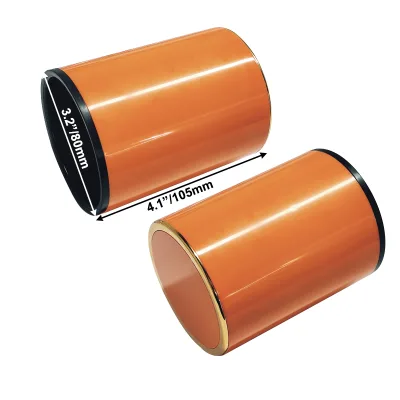
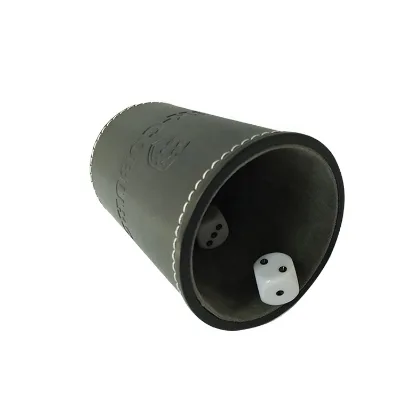
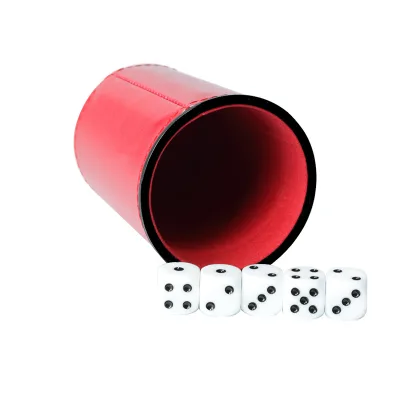
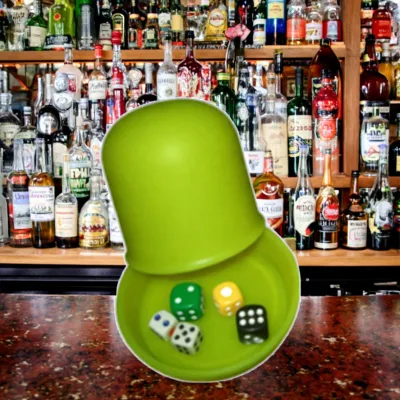
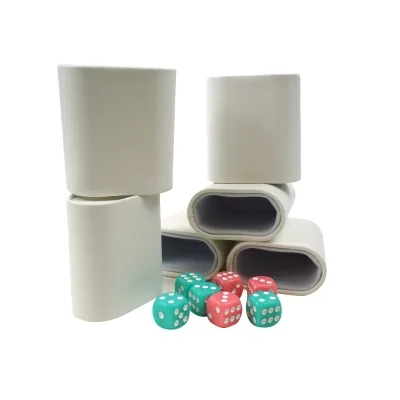
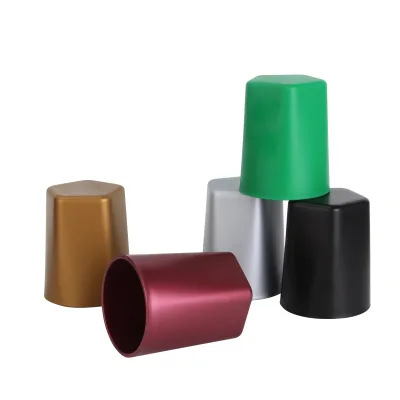
Professional Manufacture Dice Cup Colorful Dice Cup Increase the Design Plastic Dice Cup
$0.7271 - $0.8198
MOQ: 1000 pieces
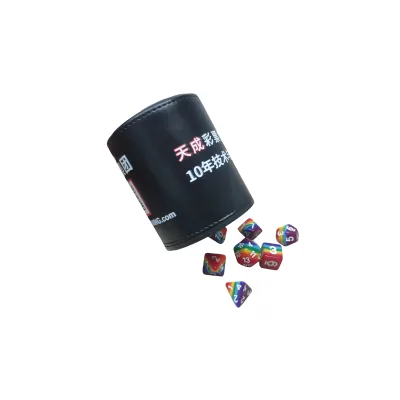
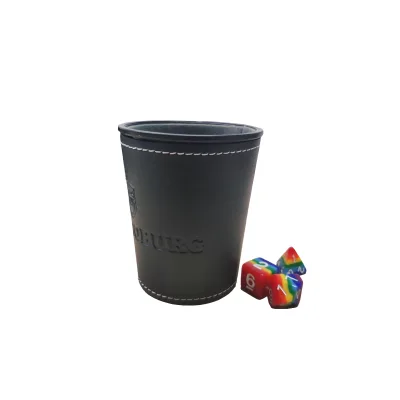
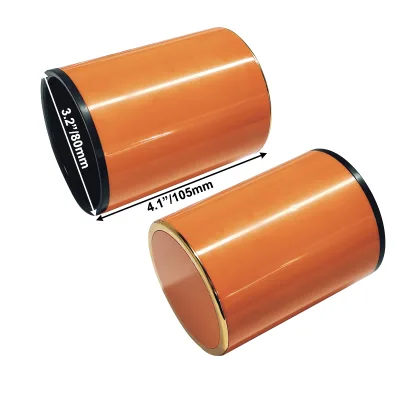
Factory Supplier Cheap Price New Colorful Dice Cup Family Party Game Dice Cup With Dice Set
$0.73 - $0.8228
MOQ: 1000 pieces
Shenzhen Maxjoy Game Supplies Co., Ltd.
- Manufacturer, Trading Company
- Guangdong, China
- Lead time20 days
- Avg. response≤ 4h
Main productsBackgammon,Chess,Dice Game Series,Card Game Series,Golf Accessories Series
Main marketsNorth America(30.00%), Western Europe(20.00%), Southern Europe(10.00%), Eastern Europe(10.00%), Northern Europe(5.00%), Domestic Market(5.00%), Eastern Asia(5.00%), Mid East(5.00%), Southeast Asia(5.00%), South Asia(2.00%), Oceania(2.00%), South America(1.00%)
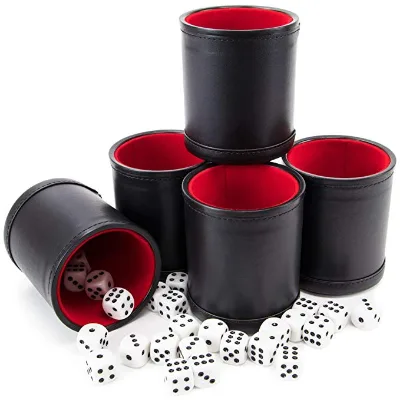
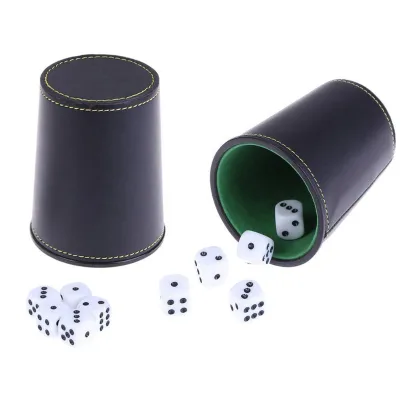
Customized Flared Dice Cup Set Luxury Cylindrical Dice Cups Dice Cups for Gambling Games
$0.73 - $0.82
MOQ: 1000 pieces
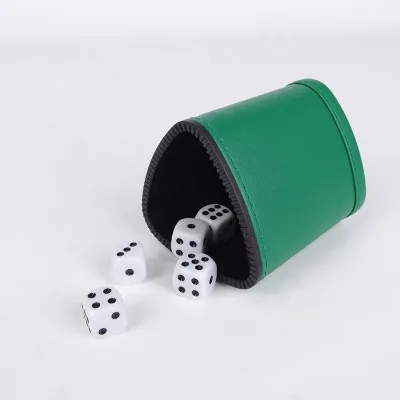
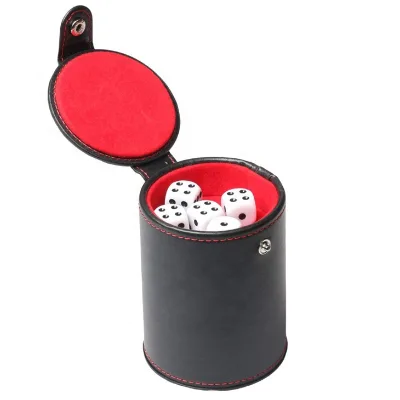
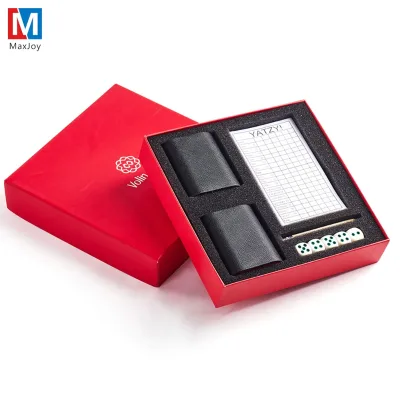
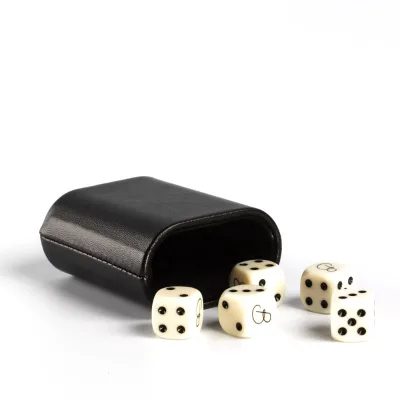
Customizable PU Leather Dice Cup for Travel for Adult Games and DND Popular in China
$0.74 - $0.85
MOQ: 500

Guangzhou Yangming Entertainment Products Co., LTD
- Verified by SGS
- Trading Company
- China Guangdong
- Lead time15 days
- Avg. response≤ 1h
Main productsCasino Table, Poker Chip, Gambling Table, Casino Playing Cards, Card Shuffler, Dealer Shoe, Casino Table Layout, RFID Casino Chips, Casino System Software, Chips Tray
Main marketsSoutheast Asia/ Mideast,Australia,North America

Linhai Muxin Crafts Manufactory
- Manufacturer
- Zhejiang, China
- Lead time30 days
- Avg. response≤ 7h
Main productsWooden bits,board game,metal bits,plastic bits,dice
Main marketsNorthern Europe(60.00%), North America(40.00%)

Zhongshan Kongzhong Huayuan Hotel Supplies Co., Ltd.
- Manufacturer
- Guangdong, China
- Lead time10 days
- Avg. response≤ 1h
Main productsIce bucket, Luminous ware, Luminous clothing, Glassware, Party supplies
Main marketsNorth America(27.00%), South Asia(9.00%), Southeast Asia(9.00%), Mid East(8.00%), Eastern Europe(7.00%), Eastern Asia(6.00%), Western Europe(6.00%), Central America(6.00%), South America(5.00%), Southern Europe(5.00%), Northern Europe(5.00%), Africa(5.00%), Oceania(2.00%)
Foshan Kylin Trading Company Limited.
- Trading Company
- Guangdong, China
- Lead time30 days
- Avg. response≤ 2h
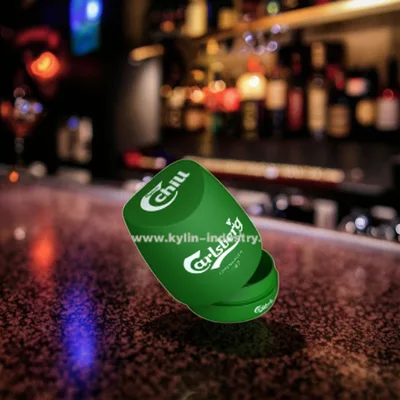
Main productsnapkin dispenser,bottle opener,ice bucket,tray,can carrier
Main marketsWestern Europe(30.00%), Southern Europe(10.00%), Mid East(10.00%), Eastern Europe(8.00%), Africa(7.00%), North America(5.00%), Northern Europe(5.00%), South America(5.00%), Central America(5.00%), Eastern Asia(4.00%), South Asia(4.00%), Southeast Asia(3.00%), Domestic Market(2.00%), Oceania(2.00%)
- Manufacturer, Trading Company
- Guangdong, China
- Lead time20 days
- Avg. response≤ 2h
Main productsBoard Game,Playing Cards,poker accssories,dices,pub games
Main marketsNorth America(35.00%), Domestic Market(20.00%), Mid East(10.00%), Northern Europe(8.00%), Western Europe(5.00%), Eastern Europe(5.00%), Southern Europe(5.00%), Southeast Asia(4.00%), Central America(2.00%), South America(2.00%), Oceania(1.00%), South Asia(1.00%), Africa(1.00%), Eastern Asia(1.00%)
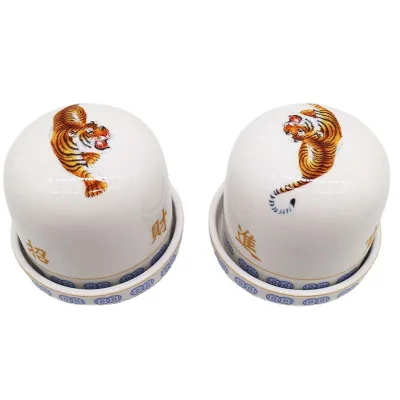
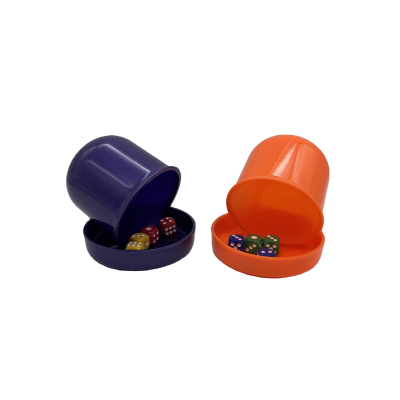
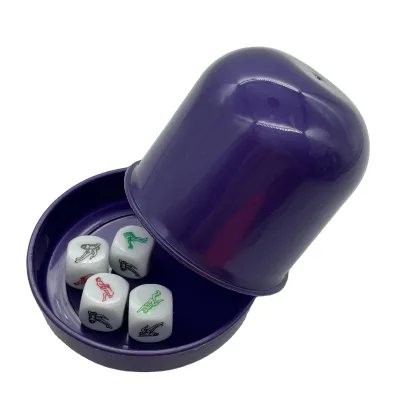
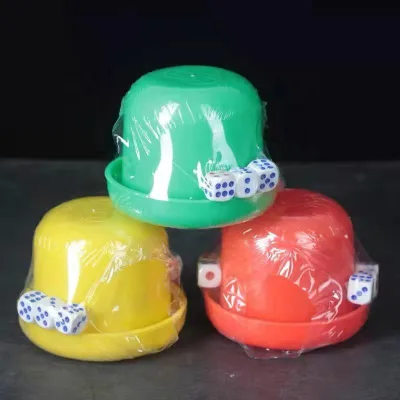
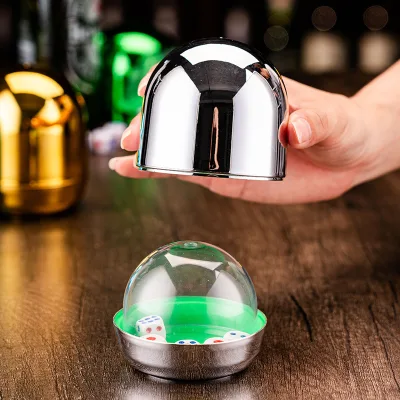
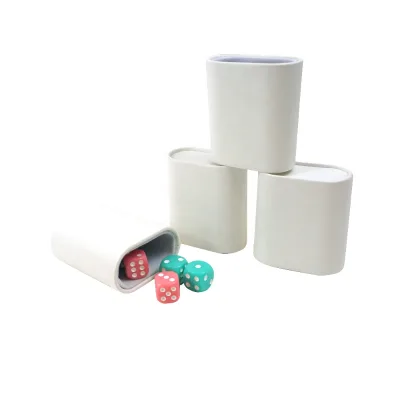
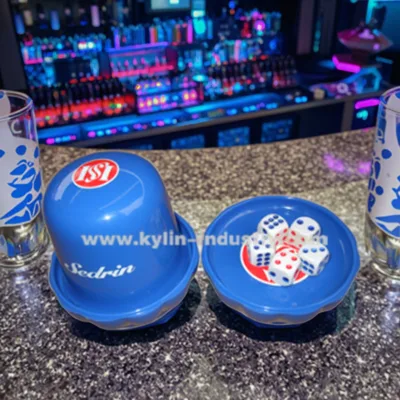
Wholesale Custom Logo Multi-Color Dice Cup Dice Plastic Shaker Cup With Dice for Gambling on Bar
$0.24 - $0.28
MOQ: 100 sets
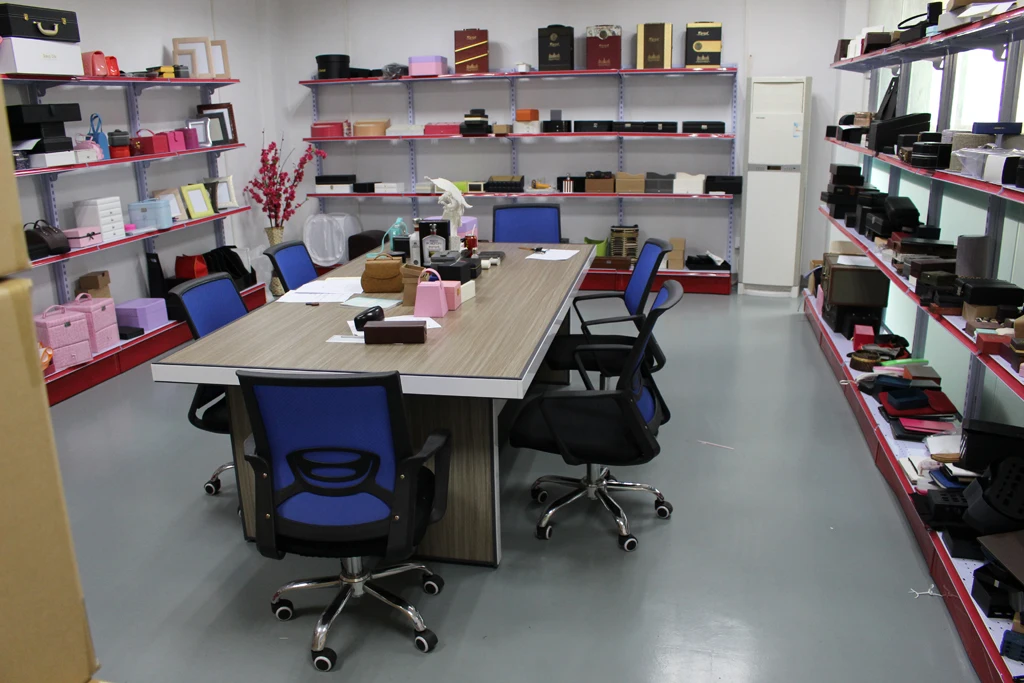
Dongguan Dalingshan Xiangyu Packaging Store
- Trading Company
- Guangdong, China
- Lead time35 days
- Avg. response≤ 3h
Main productsGame Set,Gift Packaging Box,Jewelry Box,Hotel&Houseware,Office Supplies
Main marketsSouth America(30.00%), North America(20.00%), Western Europe(10.00%), Mid East(10.00%), Central America(10.00%), Eastern Europe(10.00%), Domestic Market(5.00%), Africa(5.00%)
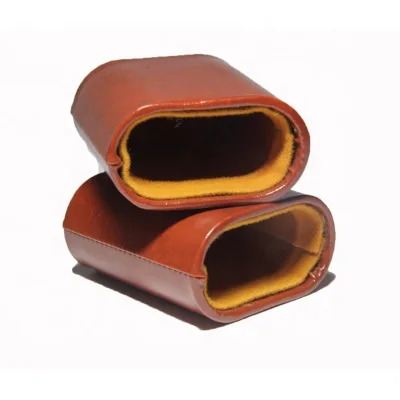
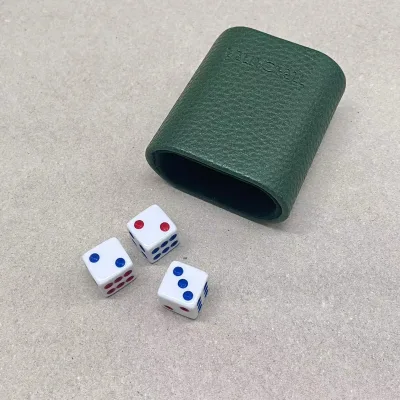
Customized Genuine Leather Dice Cup with Dices
$0.60 - $0.90
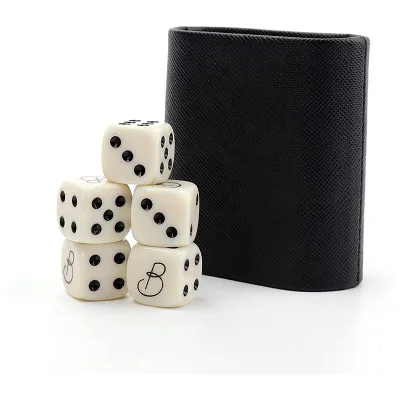
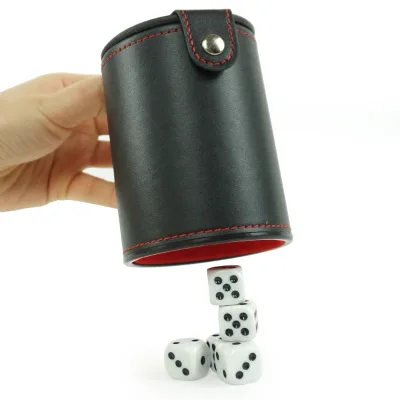
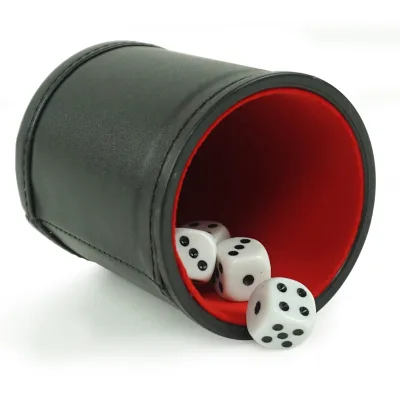
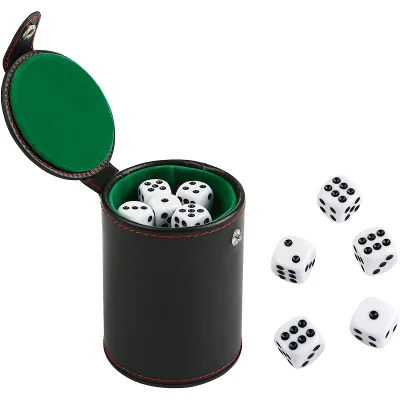
Red Lining Black Mini Oval Backgammon Dice Cup with 5 Dice Rummy Game Dice Cup
$0.60 - $0.70
MOQ: 500 sets
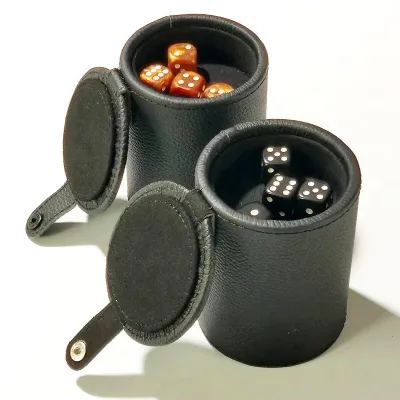

TAIZHOU HARSOUL IMP. & EXP. CO., LTD.
- Trading Company
- China Zhejiang
- Lead time30 days
- Avg. response≤ 16h
Main productsPromotion Gifts, Promotional Bag, Promotional Jewelry, Promotional Toys, Promotional Stationery, Promotional Plastic Goods
Main marketsOthers(foreignTradeCapacity.exportBusinessCapacityMarketOther),Europe,North America

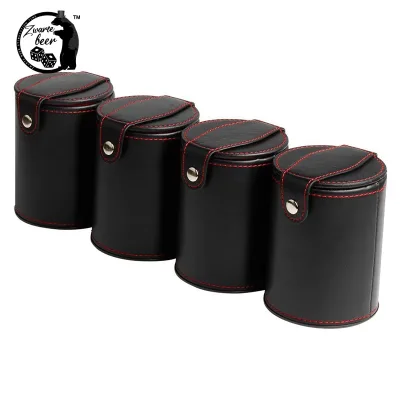
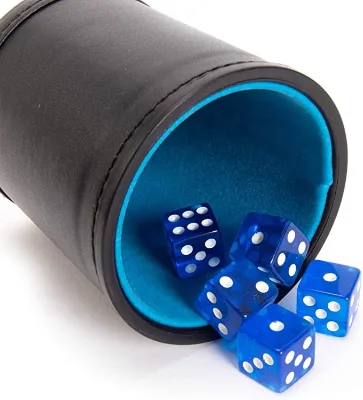
Custom Free Logo Service Black Leather Dice Cups Durable Dice Shaker Cup
$1.60 - $2.00
MOQ: 3000 Pieces


Shaoxing Huagu Imp. & Exp. Co., Ltd.
- Verified by TüVRheinland
- Trading Company
- Lead time0 days
- Avg. response≤ 3h
Main productsDomino, Poker Chips, Dice, Mahjong, Rummy
Main marketsNorth America(45%), South America(20%), Western Europe(10%)
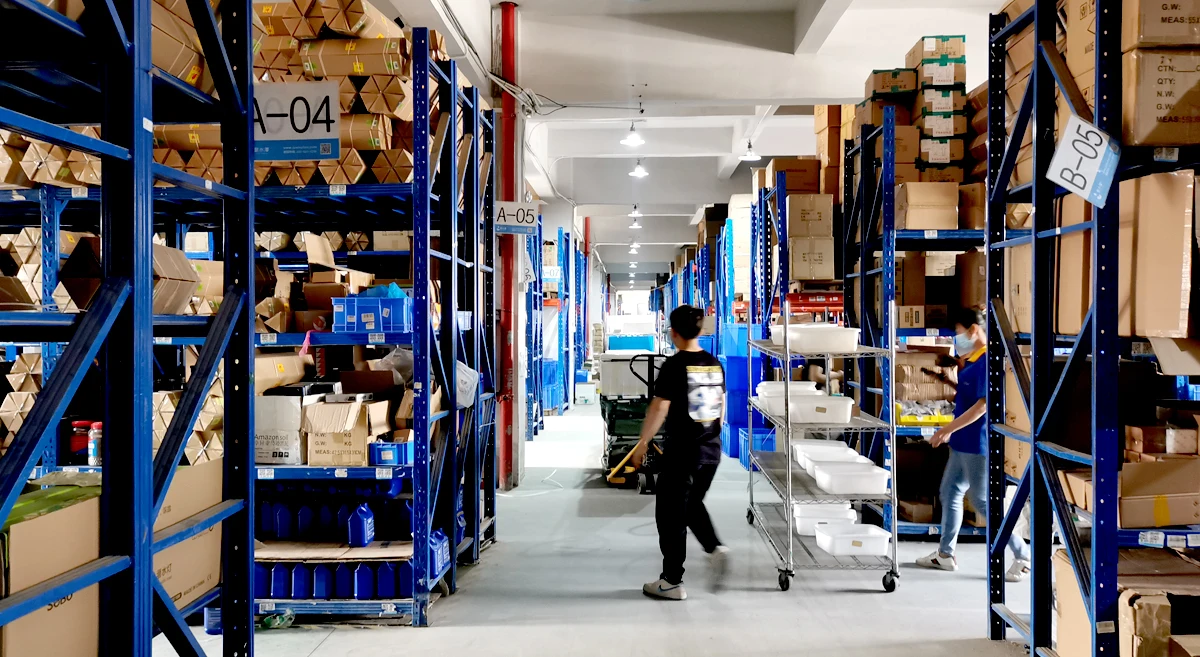
Changsha Xinchuangle Plastic Products Co., Ltd.
- Trading Company
- Hunan, China
- Lead time7 days
- Avg. response≤ 6h
Main productsDice,Mahjong,chess,Backgammon,Poker cards
Main marketsNorth America(30.00%), Eastern Europe(20.00%), South America(10.00%), South Asia(5.00%), Southern Europe(5.00%), Northern Europe(5.00%), Central America(5.00%), Western Europe(5.00%), Eastern Asia(5.00%), Africa(5.00%), Southeast Asia(5.00%)
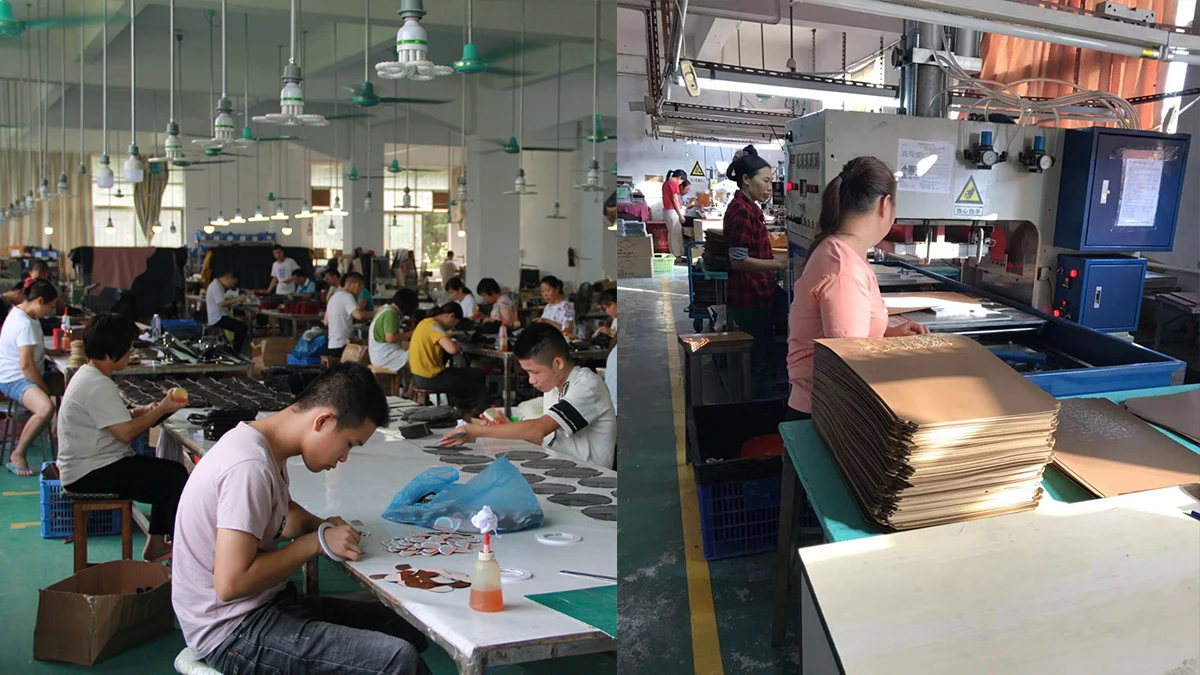
Shenzhen Luomen Crafts Co., Ltd.
- Manufacturer, Trading Company
- Guangdong, China
- Lead time0 days
- Avg. response≤ 8h
Main productsdice,dice tray,dice tower,dice cup,dice roller
Main marketsNorth America(40.00%), Eastern Europe(20.00%), Western Europe(15.00%), Northern Europe(10.00%), Southeast Asia(10.00%), Southern Europe(5.00%)
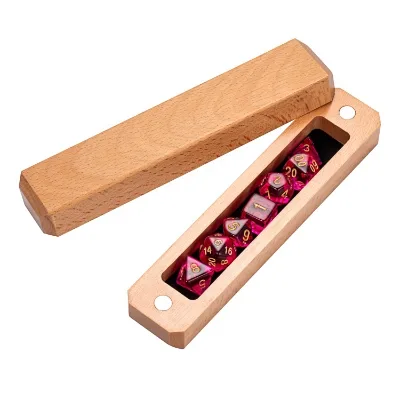
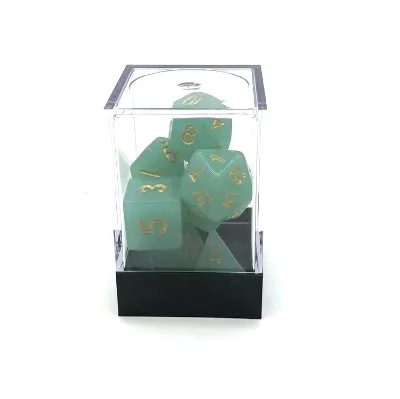
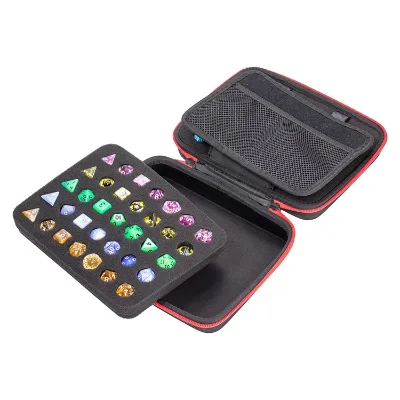
Durable Natural Beech Rectangle DND Dice Set Wooden Dice Cup with a Magnetic Lid
$3.08 - $3.68
MOQ: 500
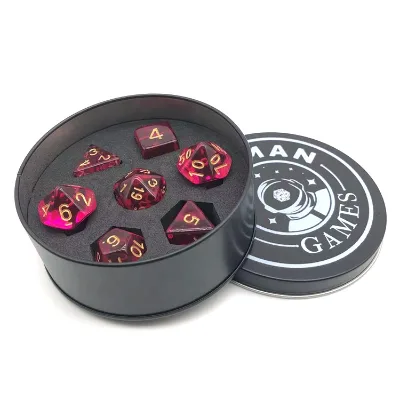
Ningbo Shunlong International Trade Co., Ltd.
- Manufacturer, Trading Company
- Zhejiang, China
- Lead time25 days
- Avg. response≤ 2h
Main productspoker,Entertainment,Indoor Games,Outdoor Games,Gambling
Main marketsWestern Europe(40.00%), North America(20.00%), South America(10.00%), Northern Europe(10.00%), Eastern Europe(10.00%), Domestic Market(5.00%), Eastern Asia(5.00%)

Dongguan Glory Plastic Products Co., Ltd.
- Verified by SGS
- Combined
- China Guangdong
- Lead time30 days
- Avg. response≤ 10h
Main productsBoardgame Accessories, Plastic Injection PVC Miniature, Plastic Dice, Products Design & Mould, Game Components, Print and Painting and Packing, Plastic Products Custom Packing, Poly Resin Craft Gift and Toy, Freight and Shipping, Creative Consultation
Main marketsEast Asia(Japan/ South Korea),Domestic

Eastony Industries (Ningbo) Co., Ltd.
- Manufacturer, Trading Company
- Zhejiang, China
- Lead time35 days
- Avg. response≤ 11h
Main productsSports,Fitness,Games,Garden & Pets Supply,Gifts
Main marketsWestern Europe(11.11%), Eastern Asia(11.11%), Mid East(11.11%), Oceania(11.11%), Africa(11.11%), Southeast Asia(11.11%), Eastern Europe(11.11%), South America(11.11%), North America(11.11%)

Taizhou Goddess Playingcards Co., Ltd.
- Verified by CTI
- Combined
- China Jiangsu
- Lead time30 days
- Avg. response≤ 12h
Main productsPlaying Card, Playing Cards, Plastic Playingcards, Jumbo Playingcards, Giant Playingcards, Tarot, Skat, Jeu De Cartes, Paper Playing Card, OEM Playing Card
Main marketsEast Asia(Japan/ South Korea),Domestic,Europe,North America

Guangzhou Aobo Technology Industry Co., Ltd.
- Trading Company
- Guangdong, China
- Lead time10 days
- Avg. response≤ 1h
Main productsPoker Card/Casino Table /Poker Chip/Card Shoe/ Casino Chair
Main marketsNorth America(50.00%), Southeast Asia(35.00%), Mid East(10.00%), Africa(5.00%)
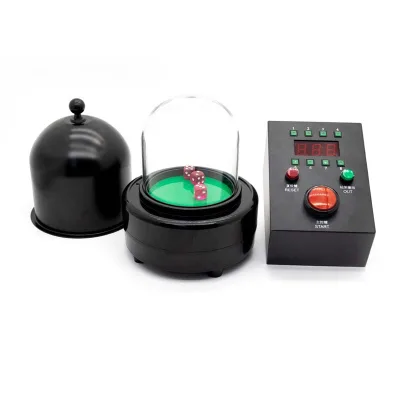
Deluxe Black Electric Dice Cup Set Suitable for Casino Entertainment Automatic Dice Gaming Shaker
$1280.00 - $1355.00
MOQ: 1
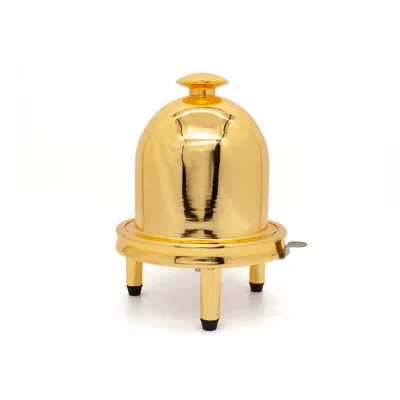
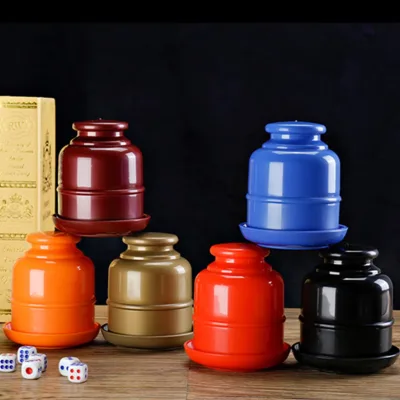
High Quality Casino Supply Gold Sic Bo Manual Dice Cup with Plastic Dice for Entertainment
$754.2862 - $796.1906
MOQ: 1 sets
NINGBO JUXING TOY INSTRUMENT MANUFACTURING CO.,LTD.
- Verified by SGS Group
- Manufacturer, Trading Company
- Lead time30 days
- Avg. response≤ 22h
Main productsDomino, Bingo Set, Dice, Poker Chips
Main marketsNorth America(50%), Central America(20%), Domestic Market(20%)

Guangzhou Yinghang Electronic Technology Co., Ltd.
- Verified by TUVRHEINLAND
- Trading Company
- China Guangdong
- Lead time15 days
- Avg. response≤ 11h
Main productsPoker Table, Poker Chip, Casino Table, Gambing Layout, Casino Shuffler Machine, Casino Roulette Wheel, Poker Shoes, Casion Chair
Main marketsOthers(foreignTradeCapacity.exportBusinessCapacityMarketOther),East Asia(Japan/ South Korea),Europe,North America

Yh Cheap Price Niuniu Game Plastic Dice Shaker Cup Casino Quality Bronze Dice Cup Set
$12.00 - $14.00
MOQ: 2 Pieces

Yh Electronic Automatic Dice Cup Casino Accessories Golden Sic Bo Dice Cup Shaker Machine
$1999.00 - $2050.00
MOQ: 1 Pieces

LION PROMOTIONAL GIFT CO., LIMITED
- Verified by TUVRHEINLAND
- Trading Company
- China Zhejiang
- Lead time30 days
- Avg. response≤ 25h
Main productsPromotional Gifts, Giveaways, Advertising Gift, Premium Items, Publicity Material, Freebie Items, Marketing Gifts, Campaign Gifts, Promotional Products, China Gifts Supplier
Main marketsAfrica,Europe,North America




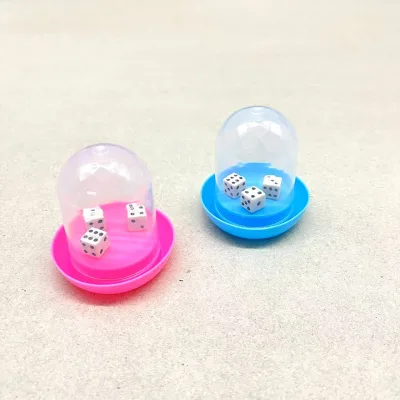
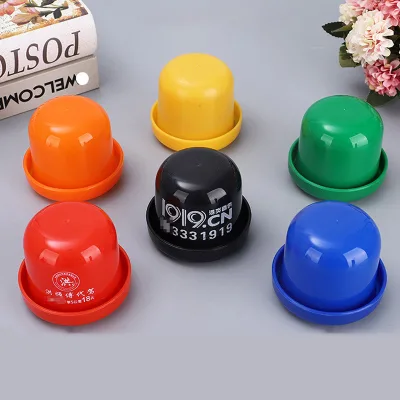
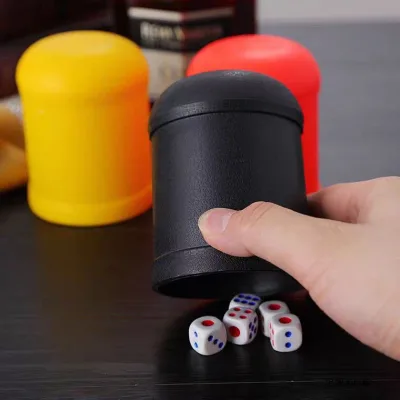
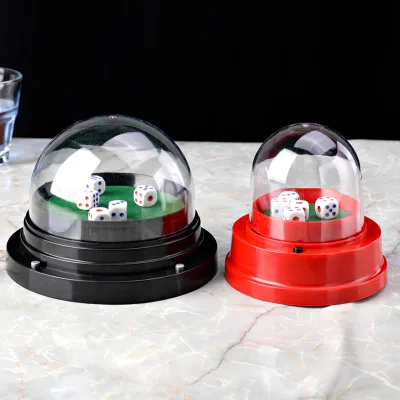
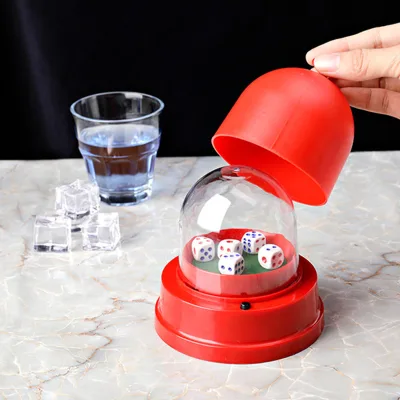
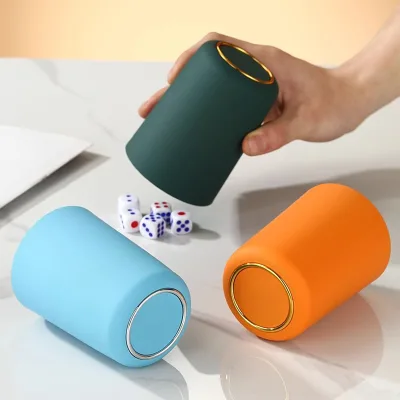
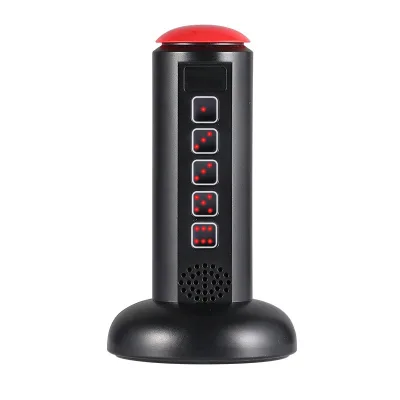
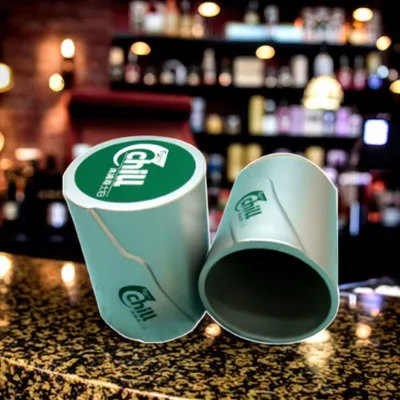






Comprehensive Sourcing Guide
Eco Friendly Dice Cup Supplier Concentration and Factory Types
Current data indicates a concentration of manufacturing activity in China, specifically within the Guangdong province, where several suppliers list their operational base. These entities often present as combined entities, functioning as both manufacturers and trading companies to offer broader product ranges. The primary product portfolios observed include a mix of protective gear and recreational items, suggesting that some facilities may diversify their output beyond specialized dice accessories. This dual nature allows for flexibility in production but requires buyers to distinguish between pure manufacturing capabilities and trading intermediaries when assessing supply chain depth.
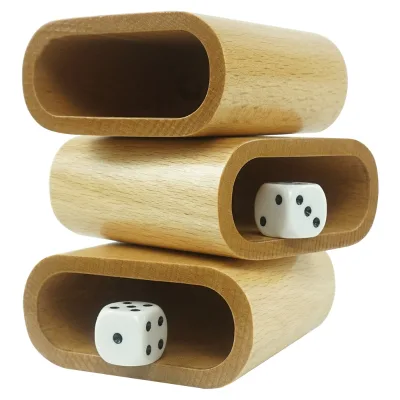
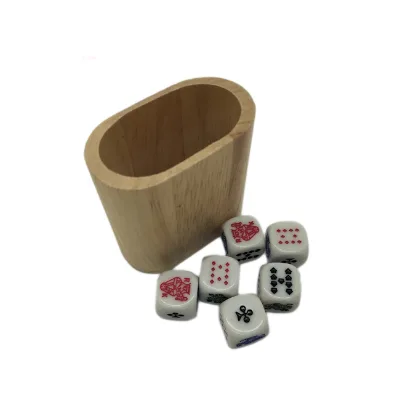
When evaluating factory types, the distinction between pure manufacturers and combined entities is critical for understanding production control. Some suppliers explicitly list capabilities such as ODM and OEM, indicating they can handle custom designs and branding directly. Others may focus on light customization, sample processing, and graphic processing, which suits buyers needing minor adjustments rather than full-scale re-engineering. The presence of specific product evidence, such as wooden dice cups with engraved details, points to facilities with specialized woodworking or finishing capabilities. Buyers should verify if the supplier's core competency aligns with the specific material requirements, such as bamboo or beech wood, rather than assuming all listed companies possess the same technical expertise.
How to Verify Eco Friendly Dice Cup Suppliers
Verification processes for potential partners often rely on third-party audit results to establish credibility. In the observed data, specific suppliers have undergone verification by recognized agencies like SGS and Intertek, providing a baseline level of trust regarding their business operations. These external validations serve as a primary filter for buyers seeking to mitigate the risk of dealing with unverified entities. However, the absence of a specific verification badge does not automatically disqualify a supplier, but it necessitates a more rigorous internal due diligence process before proceeding with any commercial engagement.
Beyond general business verification, buyers must scrutinize specific system certifications relevant to product safety and environmental standards. Some suppliers in the dataset display certifications such as ISO 9001, BSCI, CP65, and EN 71, which are pertinent to quality management and toy safety. These credentials suggest adherence to international standards for manufacturing processes and material safety, which is particularly important for products intended for children or general entertainment use. Buyers should request current certification documents to confirm that the listed standards apply to the specific eco-friendly dice cup models being sourced, ensuring that the claims are not merely generic company attributes but specific to the product line in question.
What to Compare Across Eco Friendly Dice Cup Suppliers
Comparative analysis should prioritize operational metrics such as lead times and minimum order quantities to determine supply chain feasibility. The data reveals a range of lead times, with some suppliers offering a 15-day turnaround while others require up to 30 days for order fulfillment. Similarly, minimum order quantities vary significantly, with some listings starting at 500 units and others requiring 1000 pieces per color. These differences directly impact inventory planning and cash flow, making it essential for buyers to align their order volumes with the specific constraints of each potential partner before finalizing a selection.
Response times and customization capabilities are equally vital dimensions for comparison when selecting a supplier. Observed response times average around 3 to 3.5 hours, indicating a generally responsive market, but variations can affect communication efficiency during the negotiation phase. Furthermore, the scope of customization ranges from simple logo printing to full ODM services, including the ability to process custom graphics and samples. Buyers must evaluate whether a supplier's capacity for light customization or deep ODM work matches their specific product development needs, ensuring that the partner can deliver the exact specifications required for the eco-friendly dice cup design.
Common Eco Friendly Dice Cup Sourcing Risks
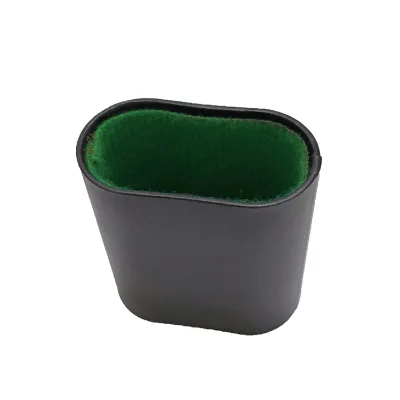
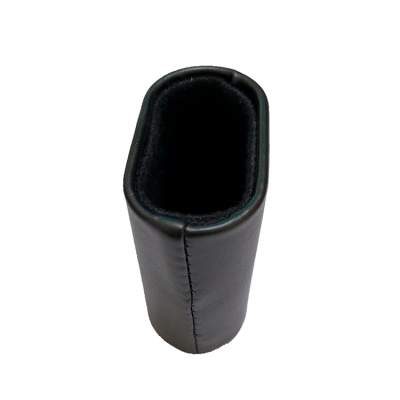
One significant risk involves the discrepancy between claimed product attributes and actual manufacturing capabilities. While some listings highlight eco-friendly materials like bamboo or beech wood, others may list generic leather or plastic liners without clear environmental certifications. This inconsistency can lead to receiving products that do not meet the buyer's sustainability criteria, potentially damaging brand reputation. Buyers must rigorously verify material composition claims against the provided product evidence, ensuring that terms like "eco-friendly" are backed by tangible material specifications rather than marketing language alone.
Another risk pertains to the reliability of production capacity and the consistency of quality control across different batches. Suppliers with combined company types may outsource parts of the production process, which can introduce variability in the final product quality. The presence of diverse product lines, such as protective gear alongside dice cups, might indicate that the facility is not exclusively dedicated to recreational products, potentially affecting attention to detail. To mitigate this, buyers should request pre-shipment samples and verify that the supplier has established quality control protocols specifically for the wooden or leather components of the dice cups to ensure consistency.
Eco Friendly Dice Cup Regional Sourcing and Logistics
Geographic sourcing decisions are heavily influenced by the location of manufacturing clusters, with current data pointing to Guangdong as a primary hub for these products. This region offers established logistics networks and a concentration of suppliers capable of handling both domestic and international shipping requirements. However, some product evidence also indicates origins in Zhejiang, suggesting that buyers should be aware of multiple manufacturing centers within China. Understanding the specific province of origin is crucial for estimating shipping costs and transit times, as logistics infrastructure can vary significantly between different coastal regions.
Logistics planning must also account for packaging standards and shipping unit configurations to optimize freight costs. Product attributes in the dataset show varied packing standards, such as 100 pieces per carton or specific single package dimensions like 12x8x12 cm. These variations directly impact the volume of cargo and the efficiency of container loading. Buyers should calculate the total cubic volume based on the supplier's specific packing method to ensure accurate freight quotes. Additionally, verifying the origin location helps in determining the most efficient shipping routes and potential customs considerations, ensuring a smoother transition from factory to final destination.
Eco Friendly Dice Cup Commercial Terms and Order Planning
Commercial terms regarding pricing and payment structures require careful evaluation to ensure budget alignment. The observed price ranges for similar products vary from approximately $0.41 to $1.80 per unit, depending on the material, customization level, and order volume. These fluctuations highlight the importance of negotiating based on specific product attributes rather than accepting a generic price list. Buyers should request detailed quotations that break down costs for materials, labor, and customization to understand the value proposition and identify potential areas for cost reduction without compromising quality.
Order planning must integrate lead times and minimum order quantities to maintain a balanced inventory strategy. With lead times ranging from 15 to 30 days and MOQs starting at 500 or 1000 units, buyers need to forecast demand accurately to avoid stockouts or overstocking. The availability of customization services allows for tailored production runs, but this often requires longer lead times and higher initial order volumes. Buyers should establish a clear timeline that accounts for sample approval, production, and shipping, ensuring that the commercial terms align with their sales cycles and that the supplier can meet the required delivery schedules without compromising the eco-friendly integrity of the product.
FAQs
What is the price range for eco friendly dice cups?
Prices for eco friendly dice cups typically range from $0.41 to $1.80 per unit depending on material and customization. Leather options often cost between $0.41 and $1.05, while wooden bamboo versions may range from $1.30 to $1.50. Bulk orders usually secure lower unit costs within these brackets.
What is the minimum order quantity for custom dice cups?
Minimum order quantities vary by supplier and material type. Leather dice cups generally require a minimum of 500 units, while wooden bamboo options often start at 1000 pieces per color. Buyers should verify specific MOQ requirements with suppliers before placing orders to ensure alignment with production capabilities.
How long does production take for custom dice cups?
Standard lead times for manufacturing custom dice cups range from 15 to 30 days. Suppliers offering leather products often have a 15-day turnaround, while those specializing in wooden or bamboo materials may require up to 30 days. Expedited options might be available for urgent orders.
Are eco friendly dice cups available with custom logos?
Yes, many suppliers offer customization services including custom logos and branding. Options include laser engraving on wooden cups or printed logos on leather surfaces. Buyers can request personalized designs, with customization availability confirmed across various material types to meet specific branding requirements.
What certifications do dice cup suppliers hold?
Some suppliers hold ISO 9001, BSCI, CP65, and EN 71 certifications for quality and safety. Verification services like SGS and Intertek are also utilized by manufacturers. Buyers should request current certification documents to ensure compliance with international standards for materials and manufacturing processes.
Where are eco friendly dice cups manufactured?
Manufacturing locations primarily include Guangdong and Zhejiang provinces in China. Suppliers in these regions offer various materials including leather, PU, and bamboo wood. Buyers can filter results by specific provinces to align with logistics preferences or regional sourcing strategies.