eco-friendly durable artificial succulent plants Suppliers and Manufacturers
Compare 28 verified suppliers offering eco-friendly durable artificial succulent plants with varying lead times, certifications, and response speeds. Review product specs like material and origin, then request samples to verify quality before placing orders; review the available evidence before requesting comparable quotations from suitable candidates.
Updated
Suppliers List
Yiwu Lishi Imp & Exp Co., Ltd.
- Verified by TüVRheinland
- Trading Company
- Lead time0 days
- Avg. response≤ 2h
Main productsArtificial Plastic Grass Mat, Artificial Topiary Tree, Artificial Garland, Artificial Shrubs, Artificial Grass Ball
Main marketsNorth America(30%), Western Europe(28%), Mid East(12%)
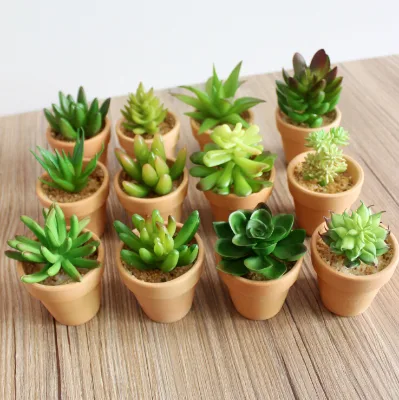
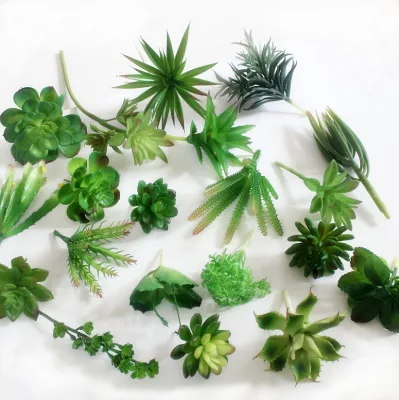
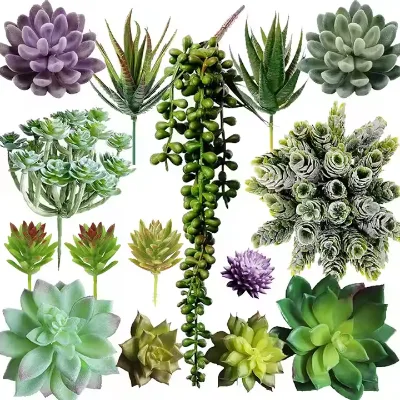
22 Spring Styles Medium Size Succulent Plants Artificial Mini Succulent Plants
$0.20 - $0.99
MOQ: 50 Minimum
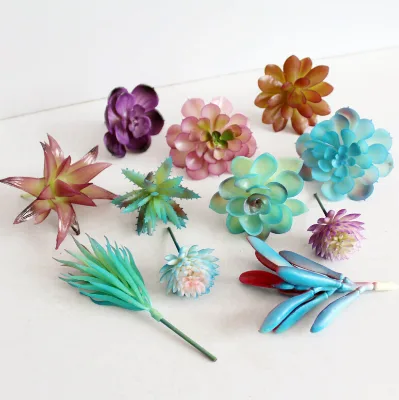
Newest Design Plastic Succulent Plants Mini Artificial Succulent Plant Without Pot
$0.20 - $0.99
MOQ: 50 Minimum

- Verified by TUVRHEINLAND
- Combined
- China Zhejiang
- Lead time30 days
- Avg. response≤ 4h
Main productsArtificial Flower, Artificial Plant, Artificial Potted Plant, Artificial Potted Flower
Main marketsEurope

Artificial Succulent Hanging Potted Plant for Home Decoration Artificial Succulent
$3.20
MOQ: 1200 Pieces


Zhejiang Xingu New Material Technology Co., Ltd
- Verified by TUVRHEINLAND
- Combined
- China Zhejiang
- Lead time15 days
- Avg. response≤ 3h
Main productsArtificial Landscape Grass, Artificial Football Grass, Artificial Sport Grass, Premium Green Wall, Green Wall, Willow Trellis Fence, PVC Trellis Fence, Arificial Fence
Main marketsDomestic
Dongguan Woodland Artificial Plants Industrial Co., Ltd.
- Manufacturer, Trading Company
- Guangdong, China
- Lead time0 days
- Avg. response≤ 8h
Main productsArtificial Plants,Artificial flowers,Artificail Cactus,Artificial tree,Artificial leaves
Main marketsNorth America(30.00%), Western Europe(20.00%), Domestic Market(10.00%), Southeast Asia(8.00%), Eastern Asia(6.00%), South America(6.00%), Southern Europe(6.00%), Northern Europe(6.00%), Africa(3.00%), Eastern Europe(3.00%), Mid East(2.00%)

- Manufacturer/Factory
- China Jiangsu
- Lead time15 days
- Avg. response≤ 11h
Main productsArtificial Vertical Garden, Artificial Wall Garden, Green Hedge, Artificial Boxwood Hedge, Artificial Plant Wall, Artificial Grass, Artificial Plant Potted, Artificial Plant Framed, Preserved Product, Artificial Moss
Main marketsSouth America,Eastern Europe,Mid East,North America,Southeast Asia,Eastern Asia,Oceania,Western Europe,Africa


Factory Supply Custom Cheap Wall Green Artificial Succulents Hanging Plants for Decor
$1.47 - $1.60
MOQ: 500 Pieces

Customized Design Earth Friendly Artificial Plants Succulent for Hotel Decoration
$0.68 - $0.74
MOQ: 500 Pieces

China Supplier Beautiful Succulent Artificial Plants for Wall Decor
$4.99 - $13.66
MOQ: 500 Square Meters

Decorative Real Touch Customized Small Artificial Succulent Plants for Room
$0.16 - $0.17
MOQ: 1000 Pieces

Fuzhou Liandesheng Trading Co., Ltd
- Verified by TUVRHEINLAND
- Manufacturer/Factory
- China Fujian
- Lead time23 days
- Avg. response≤ 5h
Main productsHome Decor, Garden Decor, Metal Truck Decor, Metal Planter, Wall Drcoration, Artificial Flowers, Metal Bookends, Metal Candlestick Holder, Garden Ornament, Art Sculpture
Main marketsSouth America,Eastern Europe,Mid East,North America,Western Europe


Wholesale Home Wall Decoration Design Hanging Fake Artificial Flower Succulents Pots Plants
$1.22 - $1.99
MOQ: 500 Pieces


Cangzhou Guangsu E-COMMERCE Co., Ltd.
- Trading Company,Manufacturer/Factory
- China Hebei
- Lead time23 days
- Avg. response≤ 6h
Main productsArtifical Lawn, Artificial Grass, Synthetic Grass, Artificial Turf, Synthetic Lawn, Football Grass, Garden Grass, Forged Coupler, Landscaping Artificial Grass, Synthetic Artificial Grass
Main marketsSouth America,Eastern Europe,Mid East,North America,Southeast Asia,Eastern Asia,Oceania,Western Europe,Africa
- Trading Company
- Zhejiang, China
- Lead time7 days
- Avg. response≤ 3h
Main productsartificial flowers,decorative flowers,artificial plants,faux flowers,silk flowers
Main marketsNorth America(50.00%), Southeast Asia(20.00%), Oceania(10.00%), South America(10.00%), Eastern Europe(10.00%)
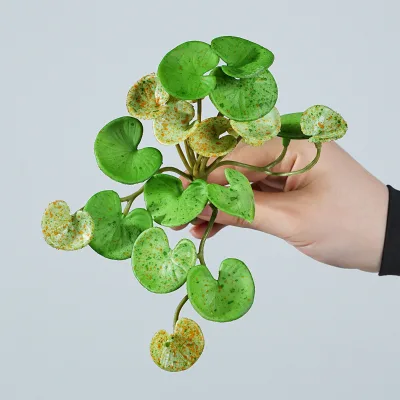
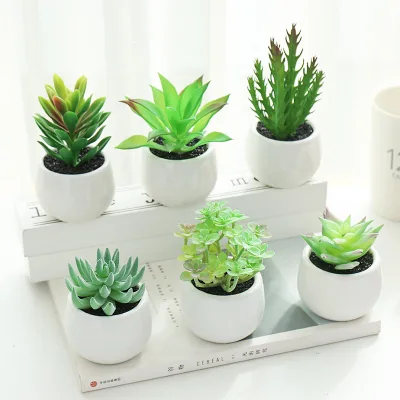
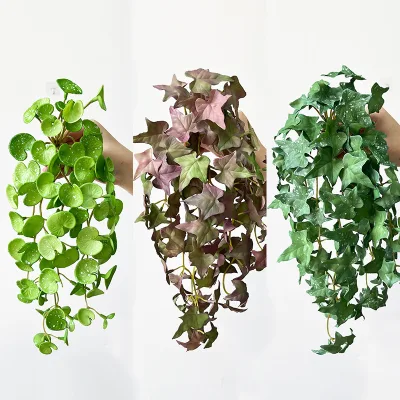
$0.6891 - $2.6724
MOQ: 10 Minimum
Shaanxi Longstar New Material Technology Co., Ltd.
- Manufacturer, Trading Company
- Lead time旺季: "1 - 100":31,"> 100":"To be negotiated", 淡季: "1 - 100":31,"> 100":"To be negotiated"
- Avg. response≤ 9h
Main productsGrass Wall, Onion Grass, Artificial Plant, Pot , Succulent
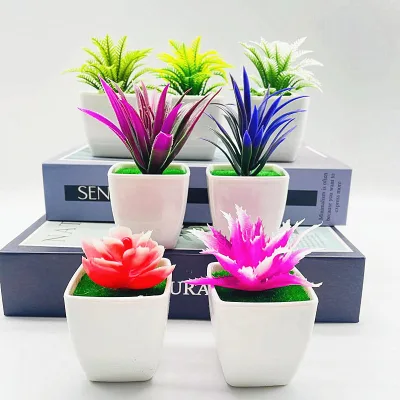
$0.3595 - $0.4209
MOQ: 100 pieces
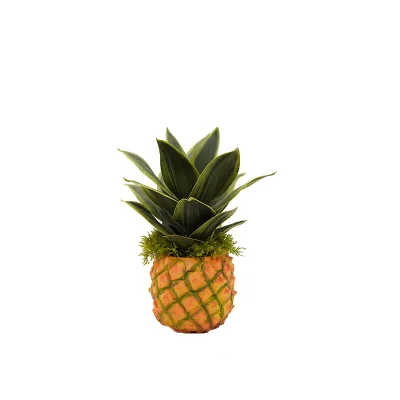
Hot Selling Indoor Decorative Succulent Plants Artificial Pineapple Base Succulent Plants
$4.3607 - $5.2535
MOQ: 20 pieces
- Manufacturer, Trading Company
- Guangdong, China
- Lead time15 days
- Avg. response≤ 6h
Main productsartificial palm trees,artitfical cherry blossom trees,artificial wisteria trees,artificial plants,artificial animals
Main marketsNorth America(40.00%), Mid East(30.00%), South America(10.00%), Eastern Europe(10.00%), Domestic Market(1.00%), South Asia(1.00%), Southern Europe(1.00%), Northern Europe(1.00%), Central America(1.00%), Western Europe(1.00%), Eastern Asia(1.00%), Southeast Asia(1.00%), Oceania(1.00%), Africa(1.00%)
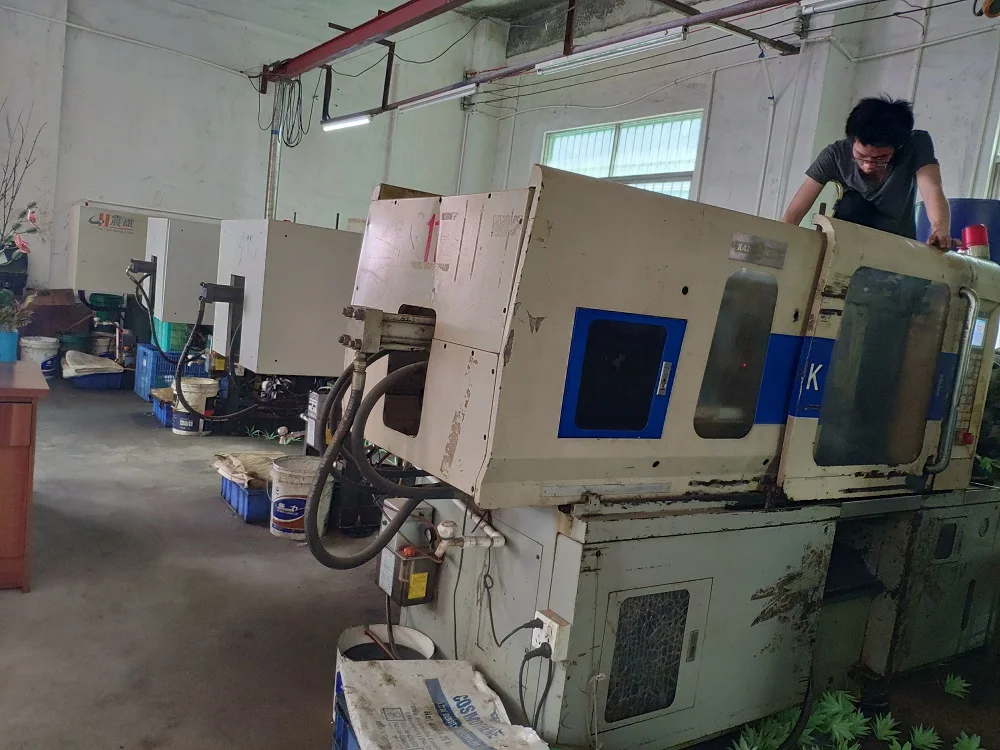
Huizhou Baifeng Crafts Co., Ltd.
- Manufacturer
- Guangdong, China
- Lead time45 days
- Avg. response≤ 2h
Main productsArtificial Flower,Artificial Succulents,Artificial Green Plants,Artificial Tree,Artificial Plant
Main marketsNorth America(88.00%), Western Europe(12.00%)
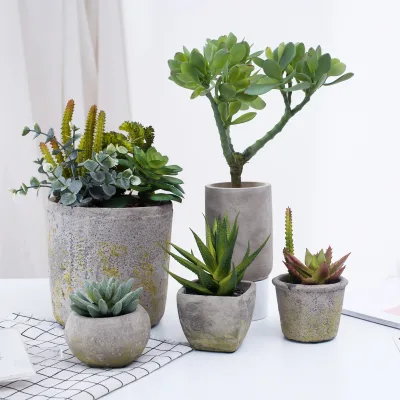
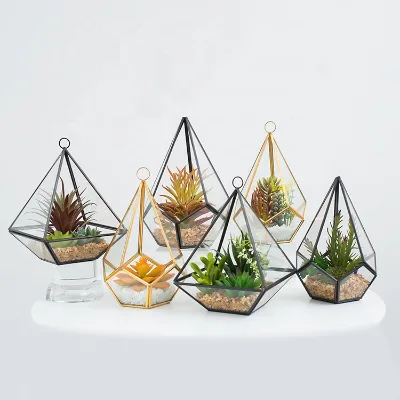
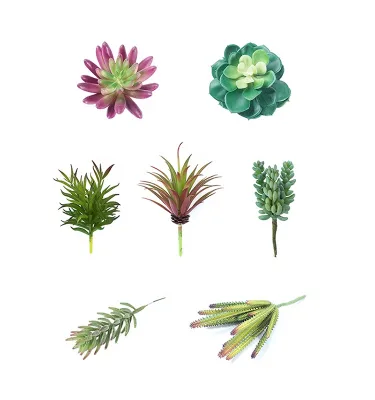
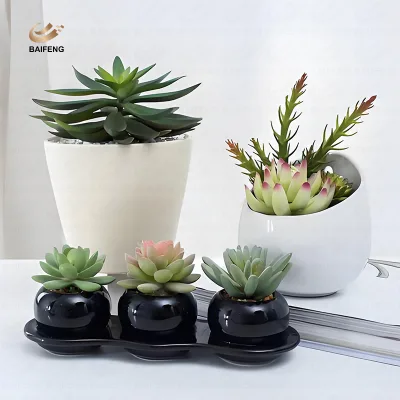
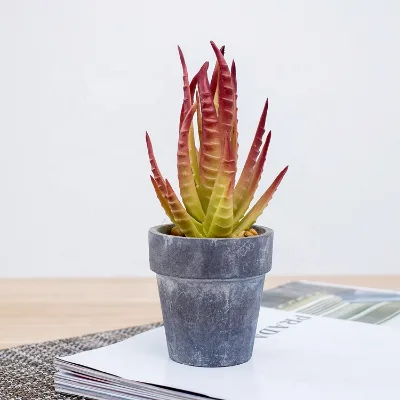
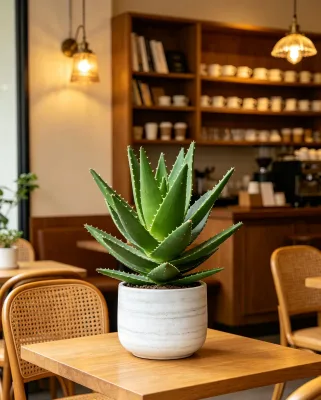
Cheap Colorful Jade Succulent Artificial Aloe Plants for Indoor Decoration
$0.6441 - $0.8209
MOQ: 300 Minimum
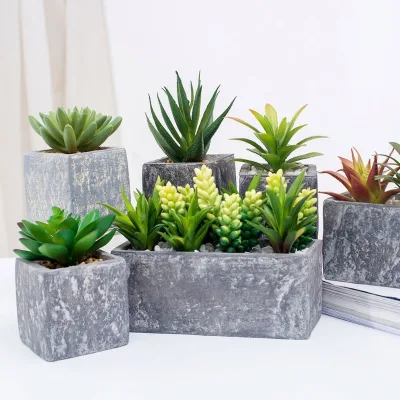

DongGuan Besco Garden Design Co.,Ltd
- Manufacturer/Factory
- China Guangdong
- Lead time60 days
- Avg. response≤ 9h
Main productsArtificial Grass & Flower, Garden Plant Decor, Succulent & Cactus, PVC Grass, Artificial Tree
Main marketsSouth America,Eastern Europe,Mid East,North America,Southeast Asia,Eastern Asia,Oceania,Western Europe,Africa
Dongyang Runxi Arts & Crafts Co., Ltd.
- Verified by SGS Group
- Manufacturer, Trading Company
- Lead time31 days
- Avg. response≤ 1h
Main productsPlant Wall, Artificial Tree, Artificial Rattan, Artifcial Bonsai, Artificial Leaves
Shaanxi Longstar New Material Technology Co., Ltd.
- Manufacturer, Trading Company
- Lead time旺季: "1 - 100":31,"> 100":"To be negotiated", 淡季: "1 - 100":31,"> 100":"To be negotiated"
- Avg. response≤ 6h
Main productsChristmas Tree, Flocked Christmas Tree, Christmas Wreath, Christmas Garland, Table Christmas Tree

NINGBO BOHONGCHUANGYI INTERNATIONAL CO., LTD.
- Trading Company,Manufacturer/Factory
- China Zhejiang
- Lead time30 days
- Avg. response≤ 13h
Main productsWooden Photo Frame, Photo Frame, Wooden Box, PVC Photo Frame, Baby Toy, Plastic Photo Frame, Glass Photo Frame, Polyresin Photo Frame, Wooden Toy, Leather Frame
Main marketsSouth America,Eastern Europe,Mid East,North America,Southeast Asia,Eastern Asia,Oceania,Western Europe,Africa

High Quality PVC/PE Faux Succulent Plant Various Indoor Decorative Artificial Succulent Plants
$1.25 - $3.68
MOQ: 2000 Pieces

$0.85 - $2.12
MOQ: 2000 Pieces
Shaanxi Longstar New Material Technology Co., Ltd.
- Manufacturer, Trading Company
- Lead time旺季: "1 - 500":15,"501 - 1000":20,"1001 - 2000":30,"> 2000":"To be negotiated", 淡季: "1 - 500":15,"501 - 1000":20,"1001 - 2000":30,"> 2000":"To be negotiated"
- Avg. response≤ 9h
Main productsChristmas Ball, Christmas Tree, Christmas Dolls, Christmas Wreath, Christmas Garland
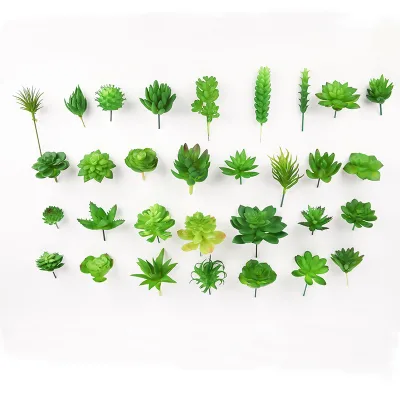
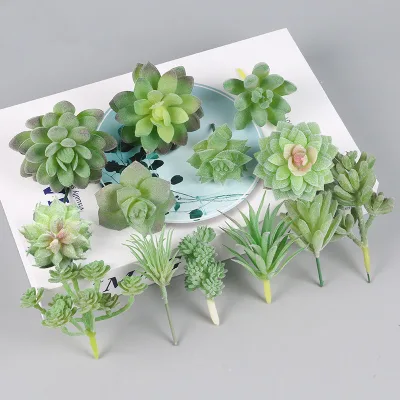
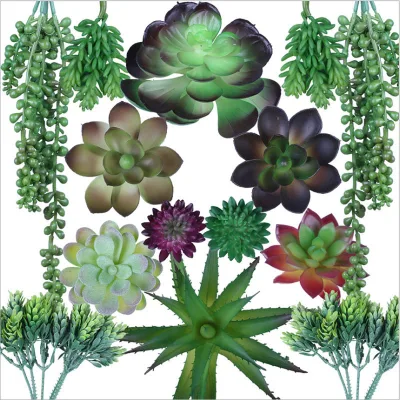
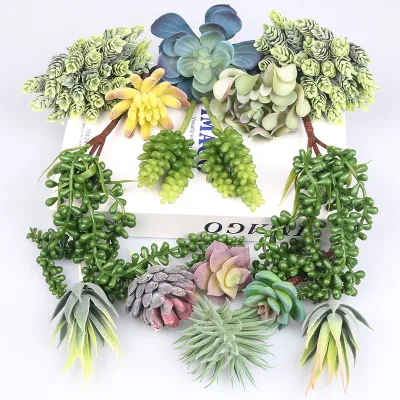
$0.1451 - $0.6337
MOQ: 200 pieces
Shaanxi Longtree New Material Technology Co., Ltd.
- Verified by TüVRheinland
- Trading Company
- Lead time30 days
- Avg. response≤ 5h
Main productsArtificial Flower, Artificial Tree, Artificial Plants, Artificial Garland, Artificial Wreath
Main marketsNorth America(25%), Eastern Europe(20%), Western Europe(20%)
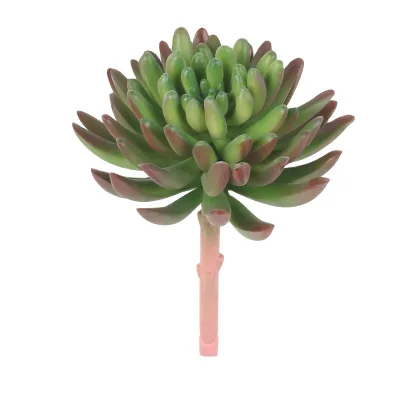
$0.21 - $0.53
MOQ: 100 pieces

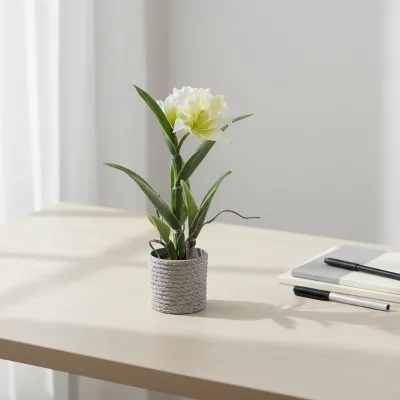
Guangzhou Qingyuan Landscape Garden Design Co., Ltd.
- Trading Company
- Guangdong, China
- Lead time15 days
- Avg. response≤ 3h
Main productsartificial trees,artificial palm tree,artificial cherry blossom tree,The artificial peach trees,Guangzhou Shengjie Artificial Plant
Main marketsMid East(20.00%), Eastern Europe(10.00%), Southeast Asia(8.00%), Southern Europe(2.00%)

Hebei Shendu Commerce Co., Ltd.
- Verified by TUVRHEINLAND
- Trading Company,Manufacturer/Factory
- China Hebei
- Lead time15 days
- Avg. response≤ 5h
Main productsArtificial Grass, Synthetic Grass, Artificial Turf, Artificial Plants, Artificial Lawns, Artificial Grass Lawn, Grass Carpet, Landscape Artificial Grass, Football Artificial Grass, Golf Grass
Main marketsSouth America,Eastern Europe,Mid East,North America,Southeast Asia,Eastern Asia,Oceania,Western Europe,Africa


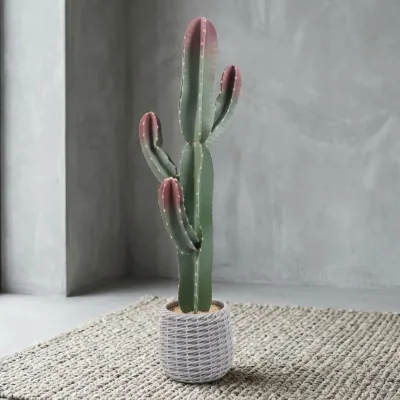
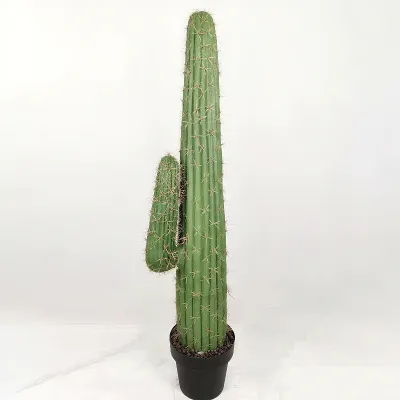
Outdoor Artificial Cactus Plants Synthetic Wall Artificial Decorative Fern Plant
$0.98 - $2.38
MOQ: 50 Pieces

- Verified by BV
- Manufacturer/Factory
- China Zhejiang
- Lead time30 days
- Avg. response≤ 3h
Main productsBrush Cutter, Tiller, Garden Equipment, Chain Saw, Bike Rack, Motorcycle Lift, Furniture, Hooks, Garage Rack, Storage Bin
Main marketsSouth America,Eastern Europe,Mid East,North America,Southeast Asia,Eastern Asia,Oceania,Western Europe,Africa
Yiwu Duofu Technology Co., Ltd.
- Verified by TüVRheinland
- Manufacturer, Trading Company
- Lead time7 days
- Avg. response≤ 1h
Main productsArtificial Flower, Artificial Plant, Artificial Lawn, Potted Plant
Main marketsNorth America(50%), Domestic Market(25%), Southeast Asia(11%)
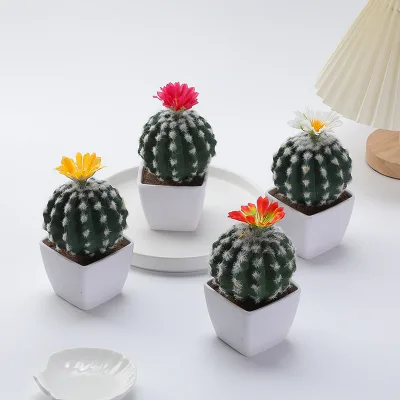
Miniature Artificial Cactus Succulent Plants in Green Pot for Photography Props
$1.5909 - $1.6118
MOQ: 2 bags
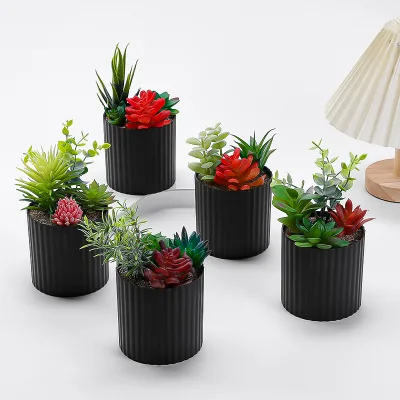
$1.86 - $2.10
MOQ: 50 pieces
Shanghai Canosy Industry Co.,Ltd
- Trading Company
- Shanghai, China
- Lead time30 days
- Avg. response≤ 3h
Main productsArtificial green panel,Artificial plant trees,Artificial flowers,Wedding decoration,Artificial tree
Main marketsNorth America(40.00%), Western Europe(15.00%), Central America(15.00%), Eastern Asia(10.00%), Eastern Europe(10.00%), Oceania(5.00%), South Asia(3.00%), South America(2.00%)
Guangzhou Mingchuang Garden Landscape Co., Ltd.
- Verified by SGS Group
- Manufacturer, Trading Company
- Lead time20 days
- Avg. response≤ 2h
Main productsArtificial Trees, Artificial Plants, Artificial Plant Walls, Artificial Blossom Trees, Artificial Vines
Main marketsNorth America(21%), Eastern Europe(13%), Mid East(13%)
Qingdao Evergreen International Trading Co., Ltd.
- Verified by Intertek
- Trading Company
- Lead time5 days
- Avg. response≤ 2h
Main productsArtificial Flowers, Artificial Plant
Main marketsNorth America(55%), Western Europe(25%), Oceania(15%)

Nanjing Dongyu Home Arts and Crafts Co., Ltd
- Trading Company
- China Jiangsu
- Lead time0 days
- Avg. response≤ 3h

$0.70 - $3.00
MOQ: 720 Pieces

Plants Indoor Outdoor Small Potted Plants Decor Artificial Hanging Plants
$0.70 - $3.00
MOQ: 720 Pieces


WUXI SUNGRASS SPORTS CO., LTD.
- Verified by TUVRHEINLAND
- Trading Company,Manufacturer/Factory
- China Jiangsu
- Lead time23 days
- Avg. response≤ 12h
Main productsSynthetic Turf, Synthetic Grass, Artificial Turf, Artificial Grass, Landscape Artificial Grass, Sports Artificial Grass, Football Grass, Football Turf, Football Lawn, Sport Turf
Main marketsSouth America,Eastern Europe,Mid East,North America,Southeast Asia,Eastern Asia,Oceania,Western Europe,Africa

Guangzhou Junpeng Artificial Craft Company Limited
- Verified by SGS
- Trading Company
- China Guangdong
- Lead time15 days
- Avg. response≤ 2h
Main productsArtificial Flower Wall, Artificial Palm Trees, Artificial Banyan Trees, Artificial Grass Wall, Artificial Olive Tree, Artificial Olive Bonsai, Artificial Flowers, Artificial Potted Plant, Artificial Cherry Tree, Artificial Fruit Tree
Main marketsSoutheast Asia/ Mideast,Europe,Australia,North America

Artificial Plants Indoor Potted Plant Fiddle Leaf Fig Eco-Friendly Artificial Tree
$12.90 - $45.90
MOQ: 4 pcs


Shenzhen Flower World Flower Gifts Co., Ltd.
- Verified by Intertek
- Trading Company
- Lead time15 days
- Avg. response≤ 4h
Main productsArtificial Trees, Artificial Flowers, Artificial Plant, Wedding Lights, Flower Foam
Main marketsNorth America(22%), North America(17%), Eastern Europe(8%)






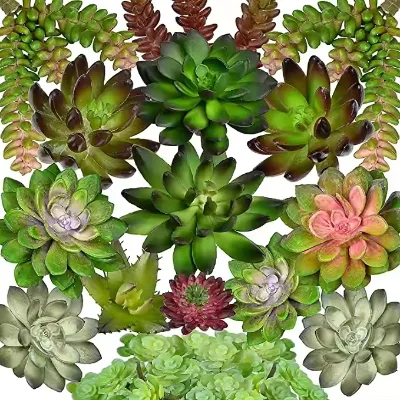
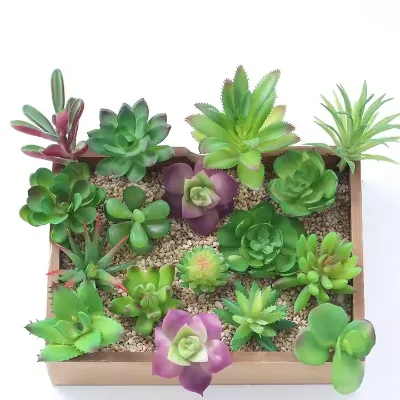
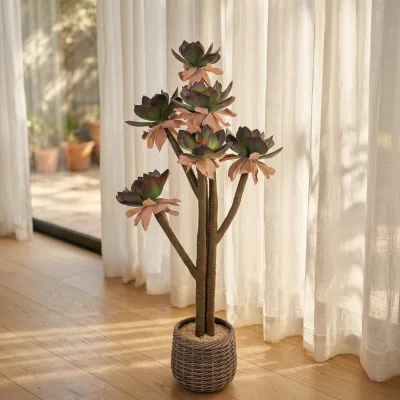
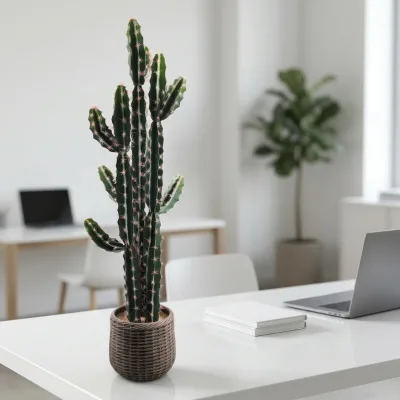


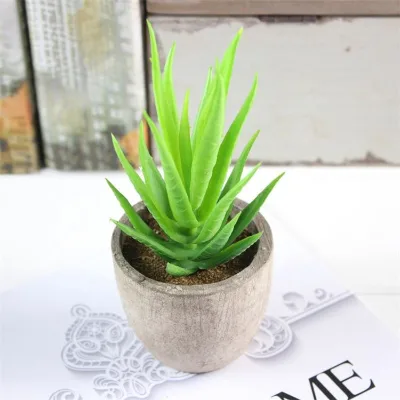
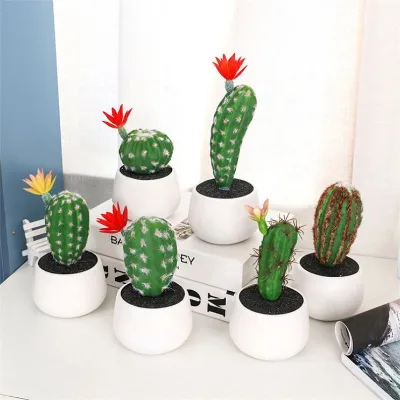


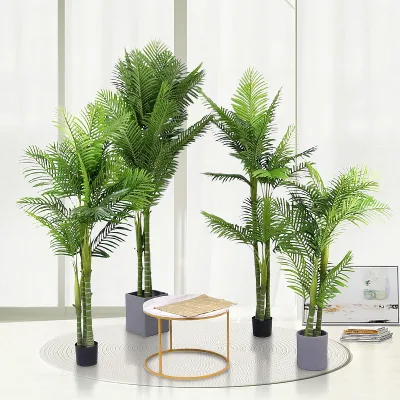
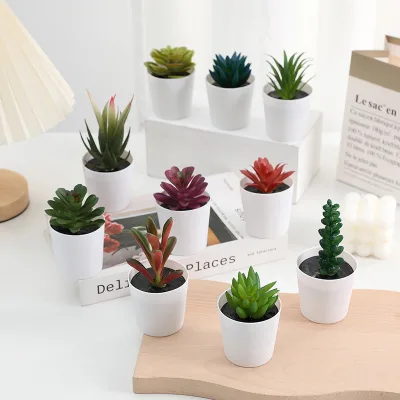
Comprehensive Sourcing Guide
Eco-Friendly Durable Artificial Succulent Plants Supplier Concentration and Factory Types
The current supplier landscape for artificial succulent plants reveals a distinct mix of company types, primarily dominated by trading companies and combined entities. This structural diversity significantly impacts how buyers approach sourcing, as trading companies often aggregate products from various manufacturing sources rather than producing them in-house. In contrast, combined suppliers may offer a blend of trading services and direct manufacturing capabilities, potentially providing more flexibility in customization and production control. Understanding this distinction is crucial for evaluating the supply chain's transparency and reliability. Buyers should carefully review the company type listed for each potential partner to determine whether they are seeking a direct factory relationship or a trading partner that can consolidate orders from multiple sources. The presence of trading companies suggests a market where sourcing efficiency and product variety are prioritized, while combined entities might offer a middle ground for buyers seeking both breadth and some level of production oversight.
Geographic concentration plays a vital role in the availability and logistics of these products. Evidence indicates that suppliers are located in China, with specific mentions of Zhejiang as a key origin point. This region is known for its robust manufacturing infrastructure, particularly in plastics and home decor items, which aligns with the material composition of artificial succulents. When evaluating suppliers, buyers should consider the logistical advantages of sourcing from established manufacturing hubs like Zhejiang, which often benefit from mature supply chains for raw materials such as plastic and PE. However, if specific location data is not provided for a particular supplier, buyers should inquire about the actual place of origin to ensure alignment with their logistics preferences. The concentration of suppliers in specific regions can also influence lead times and shipping costs, making it essential to verify the exact location of production facilities before finalizing any agreements.
How to Verify Eco-Friendly Durable Artificial Succulent Plants Suppliers
Verification is a critical step in ensuring the reliability and quality of artificial succulent plant suppliers. Buyers should prioritize suppliers who have undergone third-party verification processes, such as those conducted by TÜV Rheinland. This type of verification provides an additional layer of confidence regarding the supplier's business legitimacy and operational standards. When assessing potential partners, look for clear indicators of verification status on their profiles, as this can significantly reduce the risk of engaging with fraudulent or unreliable entities. Additionally, checking for relevant certifications is essential, particularly those related to environmental standards and product safety. For instance, REACH certification is a notable standard that indicates compliance with European chemical regulations, which is increasingly important for eco-friendly products. Buyers should request documentation for any claimed certifications to ensure they are valid and up-to-date.
Beyond certifications, buyers should evaluate the supplier's responsiveness and communication efficiency. A quick response time is often indicative of a well-managed operation that values customer engagement. Suppliers with faster response times are generally more likely to provide timely updates on order status and address any concerns promptly. It is also advisable to review the supplier's product portfolio to ensure they specialize in the specific types of artificial succulents you require. For example, some suppliers may focus on high-quality export succulent plants, while others might offer a broader range of home and garden supplies. Examining the detailed product attributes, such as material composition and customization options, can provide insights into the supplier's expertise and capability. Buyers should also consider the availability of samples, as this allows for a physical assessment of product quality before committing to a larger order.
What to Compare Across Eco-Friendly Durable Artificial Succulent Plants Suppliers
When comparing suppliers, several key dimensions should be evaluated to determine the best fit for your sourcing needs. One of the most critical factors is the minimum order quantity (MOQ), which can vary significantly between suppliers. Some suppliers may offer low MOQs, such as 50 or 100 pieces, which are ideal for small businesses or initial trial orders. Others may require higher MOQs, such as 6000 pieces, which are more suitable for large-scale distribution. Understanding these differences is essential for aligning your inventory strategy with supplier capabilities. Additionally, price ranges should be carefully analyzed, as they can provide insights into the perceived value and quality of the products. Suppliers may offer different price points based on factors such as material quality, design complexity, and customization options. Buyers should request detailed pricing quotes to understand the total cost, including any additional fees for packaging or shipping.
Lead times and supply ability are also crucial factors to consider when comparing suppliers. Lead times indicate how long it takes for an order to be processed and shipped, while supply ability reflects the supplier's capacity to fulfill large orders within a given timeframe. Suppliers with shorter lead times and higher supply abilities are generally more reliable for meeting tight deadlines and large volume requirements. It is also important to assess the supplier's main products and specialization. Some suppliers may focus on specific types of artificial plants, such as succulents or topiary trees, while others may offer a wider range of home decor items. Evaluating the supplier's product range can help determine if they have the expertise and resources to meet your specific needs. Additionally, checking for customization options, such as private labeling or custom packaging, can provide added value for brands looking to differentiate their products in the market.
Common Eco-Friendly Durable Artificial Succulent Plants Sourcing Risks
Sourcing artificial succulent plants comes with several potential risks that buyers must be aware of to mitigate them effectively. One significant risk is the discrepancy between product samples and bulk orders. While samples may appear high-quality, bulk production can sometimes vary in terms of color, texture, or durability. To minimize this risk, buyers should request multiple samples from different production batches and conduct thorough quality checks before placing large orders. Additionally, clear communication regarding specifications and expectations is essential to ensure that the final product meets your standards. Another risk is the reliability of the supplier's supply chain. Disruptions in raw material availability or production delays can impact lead times and order fulfillment. Buyers should inquire about the supplier's contingency plans for such scenarios and consider working with suppliers who have diversified supply sources to reduce dependency on single points of failure.
Intellectual property and design infringement are also potential risks, particularly when dealing with customized or unique product designs. Buyers should ensure that any custom designs are protected through appropriate legal agreements and that the supplier respects intellectual property rights. Furthermore, there is a risk associated with non-compliance with international standards and regulations, especially for products intended for export to markets with strict environmental and safety requirements. Buyers should verify that suppliers comply with relevant standards, such as REACH, and request test reports to confirm product safety and environmental compliance. Finally, financial risks, such as payment fraud or non-delivery, can be mitigated by using secure payment methods and escrow services. Buyers should also conduct due diligence on the supplier's financial stability and reputation to ensure they are a trustworthy partner.
Eco-Friendly Durable Artificial Succulent Plants Regional Sourcing and Logistics
Regional sourcing and logistics play a pivotal role in the overall cost and efficiency of procuring artificial succulent plants. Suppliers located in manufacturing hubs like Zhejiang, China, often benefit from established logistics networks and competitive shipping rates. This geographic advantage can lead to shorter transit times and lower freight costs, making it an attractive option for buyers. However, buyers should also consider the impact of regional trade policies and tariffs on their total landed cost. Understanding the specific logistics requirements for shipping from these regions, such as packaging standards and documentation, is essential to avoid delays and additional fees. Additionally, buyers should evaluate the supplier's experience in handling international shipments, as this can influence the smoothness of the logistics process. Suppliers with a proven track record in exporting to your target market are likely to have more efficient logistics solutions in place.
Port of dispatch is another critical factor in regional sourcing. Suppliers may offer dispatch from major ports such as Ningbo or Shanghai, which are well-connected to global shipping routes. Choosing a supplier with a convenient port of dispatch can simplify the logistics process and reduce the risk of delays. Buyers should also consider the impact of seasonal variations on shipping availability and costs. Peak seasons, such as holidays or major trade events, can lead to increased demand for shipping space and higher freight rates. Planning orders well in advance and maintaining open communication with suppliers can help mitigate these challenges. Furthermore, buyers should explore options for consolidating shipments from multiple suppliers to optimize logistics costs. Working with a freight forwarder who specializes in the relevant region can also provide valuable insights and support in managing the logistics process effectively.
Eco-Friendly Durable Artificial Succulent Plants Commercial Terms and Order Planning
Commercial terms and order planning are essential components of a successful sourcing strategy for artificial succulent plants. Buyers should carefully review the payment terms offered by suppliers, including options for deposits, balance payments, and escrow services. Secure payment methods can protect both parties and ensure that funds are released only upon satisfactory delivery of goods. Additionally, understanding the supplier's return and refund policies is crucial for managing potential issues with product quality or delivery. Buyers should also consider the impact of currency fluctuations on pricing and negotiate fixed-price contracts where possible to mitigate financial risks. Clear communication regarding commercial terms helps establish a transparent and trustworthy business relationship, reducing the likelihood of misunderstandings or disputes.
Order planning involves aligning your procurement schedule with the supplier's production capacity and lead times. Buyers should provide accurate forecasts and order quantities to help suppliers plan their production runs efficiently. This collaboration can lead to better inventory management and reduced lead times. Additionally, buyers should consider the supplier's customization capabilities, such as private labeling or custom packaging, and incorporate these requirements into the order planning process. Early communication of customization needs allows suppliers to allocate resources appropriately and avoid delays. Furthermore, buyers should establish a regular review process to assess supplier performance and identify areas for improvement. This ongoing evaluation can help strengthen the business relationship and ensure that the supplier continues to meet your evolving needs. By focusing on these commercial and planning aspects, buyers can optimize their sourcing operations and achieve better outcomes.
FAQs
What materials are typically used for eco-friendly artificial succulent plants?
Most eco-friendly artificial succulent plants listed by suppliers are made from plastic or PE, chosen for durability and low maintenance. Plastic construction keeps the plants everlasting and suitable for both indoor and outdoor use. When sourcing, confirm the exact material grade, check whether any REACH-style chemical compliance documentation is available, and request samples to judge realism before committing to volume.
What is the typical minimum order quantity for artificial succulent plants?
Minimum order quantities vary widely by product type and supplier. Observed listings range from 50 to 100 pieces for small plastic succulents, 1,200 pieces for potted hanging styles, and 6,000 pieces for mini potted varieties. Buyers with smaller budgets should target unpotted plastic items, while those ordering tabletop or gift-boxed arrangements should expect higher MOQs and plan inventory accordingly.
How long does production and delivery usually take for artificial succulents?
Lead times on verified supplier profiles range from immediate dispatch to around 30 days depending on stock and order size. One trading supplier lists standard export cartons shipped via Ningbo or Shanghai ports with capacity of 30,000 pieces per week. Always confirm current lead time in writing before ordering, since customized colors, packaging, or large seasonal volumes typically extend production beyond standard timelines.
Are samples available before placing a bulk order of artificial succulents?
Yes, sample availability is common. Multiple product listings explicitly state that samples are available, allowing buyers to assess color, material quality, and pot finish firsthand. Expect to pay sample and courier costs that may be credited against a later bulk order. Request samples of your exact chosen item number rather than a general assortment, since quality can differ between models.
How much do eco-friendly artificial succulent plants cost per piece?
Pricing depends on size, potting, and design complexity. Observed unit prices range from about $0.20 to $0.99 for mini plastic succulents, $0.30 to $3.00 for assorted export succulents, and roughly $3.20 to $3.62 for potted or ceramic-planter styles. Larger orders generally unlock better tiers, so request quotations for your specific quantity, packaging preference, and destination port before comparing suppliers.
How fast do artificial succulent suppliers typically respond to inquiries?
Verified suppliers in this category show average response times of roughly two to three and a half hours, which supports quick sampling and quotation cycles. Fast response matters most during price negotiation and pre-production confirmation. Send a detailed inquiry covering item number, quantity, packaging, and destination to get accurate replies, and treat consistently slow communication as a warning sign before committing funds.
Can artificial succulent plants be customized for my brand or market?
Yes, customization is available from several suppliers, including pot color choices such as white, black, and green, plus handmade production methods and custom packaging. One combined manufacturer-and-trader profile lists ODM, OEM, and own-brand capabilities. Clarify minimum quantities for custom work, since customized orders often carry higher MOQs than standard catalog items, and confirm artwork approval steps before production begins.
What should I verify about a supplier before ordering artificial succulents?
Check for third-party verification, such as TÜV Rheinland verification shown on several supplier profiles, and ask for available certifications, since REACH system certification and product-level certification claims appear in listings. Also verify business type, since trading companies and combined manufacturer-traders operate differently. Confirm origin details, such as Zhejiang, China, obtain a contract with inspection terms, and use secure payment arrangements for first orders.