Source eco-friendly durable metal name plate for Business, Public, Office
Compare 30 listings for eco-friendly durable metal name plate options suitable for business, public, and office use. Buyers can review customization, materials like aluminum and steel, and various printing techniques to find the right asset tags and signs; compare the available evidence and request quotations based on your requirements.
Updated
Key considerations
Products List

Label Metal Plate Engraved Plate Metal Nameplate Stainless Steel Nameplate
$0.01 - $0.90
MOQ: 1 Pieces


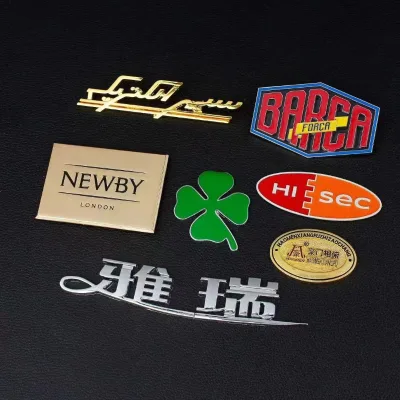


Mass Production Capacity Sustainable Green Manufacturing Tailored Size Metal Nameplate
$0.09 - $0.85
MOQ: 200 Pieces


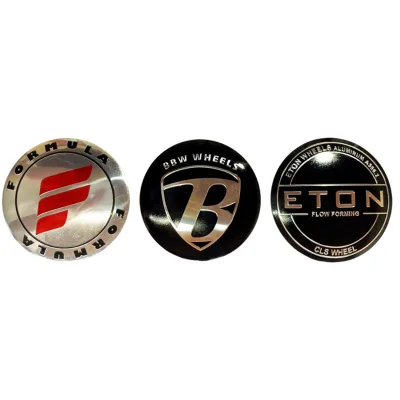
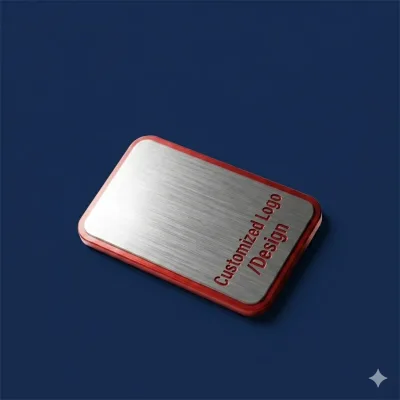
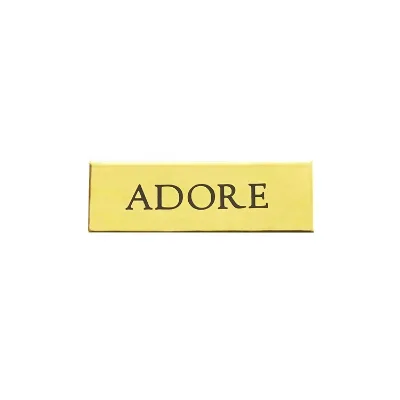
Custom Brand Logo Brushed Name Plate Brass Self Adhesive Metal Nameplate
$0.60 - $0.80
MOQ: 500 pieces
Comprehensive Sourcing Guide
Eco-Friendly Durable Metal Name Plate Sourcing Guide
Sourcing eco-friendly durable metal name plates requires a strategic balance between material integrity, aesthetic customization, and supply chain transparency. Buyers must navigate a market where "eco-friendly" often intersects with recyclable metals like aluminum and steel, while durability is ensured through specific finishing processes. The observed product landscape indicates a strong presence of manufacturers in China, particularly in Fujian and Zhejiang provinces, offering a wide array of customization options. This guide provides evidence-based procurement advice to help buyers select suppliers who can deliver high-quality, branded assets that meet both functional and environmental expectations.
The core keyword highlights a niche within industrial branding and asset management. Products are observed as horizontal, rectangular nameplates suitable for both indoor and outdoor business applications. Key materials include aluminum alloy and steel, with thicknesses ranging from 0.2mm to 2mm. These specifications suggest versatility for use as asset tags, decorative signs, or commercial branding elements. Understanding these baseline attributes is crucial for defining technical requirements before engaging with suppliers, ensuring that the final product aligns with the intended use case, whether for office furniture, public infrastructure, or promotional gifts.
Product Scope and Observed Listing Signals
The current market listings reveal a diverse range of metal name plates characterized by their adaptability to various branding needs. Products are frequently described as having a silver or custom color finish, with styles ranging from European and American aesthetics to animal motifs. The observed customization capabilities include logo integration, custom sizes, and specific printing techniques such as letterpress, gravure, silk screen, and digital printing. These signals indicate that buyers can expect a high degree of personalization, allowing for precise brand alignment. The availability of one-size-fits-all options alongside customer-specific dimensions further expands the scope for different procurement volumes and design constraints.
Durability and application suitability are prominent features in the observed data. Many products are explicitly marked as suitable for outdoor use, suggesting resistance to environmental factors, although specific weatherproofing standards are not universally detailed. The materials listed, primarily aluminum and steel, inherently offer robustness, while processes like carving and polishing enhance both aesthetic appeal and longevity. Buyers should note that while "eco-friendly" is a key search term, the actual environmental impact depends on the specific alloy composition and finishing chemicals used. The presence of shockproof packaging and multiple shipping methods indicates that suppliers are equipped to handle fragile or high-value branded items securely during transit.
Technical Specifications to Verify
When evaluating technical specifications, buyers must prioritize material composition and thickness to ensure long-term durability. The observed thickness range of 0.2mm to 2mm offers flexibility, but thicker gauges generally provide better resistance to bending and wear for outdoor applications. Aluminum alloy is noted for its lightweight and corrosion-resistant properties, making it ideal for signage, while steel offers superior strength for heavy-duty asset tagging. Buyers should verify the exact alloy grade and surface treatment, such as polishing or photo sealing, to confirm that the finish will withstand the intended environmental conditions. Clear communication of these parameters prevents discrepancies between sample and bulk production.
Printing and finishing techniques are critical for maintaining brand integrity and legibility over time. The observed list includes a wide array of methods, from embossing and die-cutting to UV and thermal transfer printing. Each technique has distinct advantages regarding durability and visual impact; for instance, embossing provides tactile feedback, while UV printing offers vibrant color retention. Buyers should specify the required printing method based on the complexity of the design and the expected lifespan of the nameplate. Additionally, verifying the customization options for logos and colors, such as PMS/RGB/CMYK matching, ensures that the final product accurately reflects the brand’s visual identity without color shifting or fading.
Compliance and Safety Documentation
Compliance with international standards is essential for metal name plates, particularly when they are used in regulated industries or exported to markets with strict environmental laws. The observed certifications include ISO and RoHS, which indicate adherence to quality management systems and restrictions on hazardous substances, respectively. Buyers should request valid certification documents from suppliers to verify that the materials and manufacturing processes comply with these standards. RoHS compliance is particularly important for ensuring that the metal alloys and finishing coatings do not contain lead, mercury, or other restricted materials, aligning with the "eco-friendly" aspect of the procurement goal.
Safety documentation also extends to the handling and installation of the name plates. While the products are generally safe for commercial and public use, buyers should inquire about any specific safety data sheets (SDS) for the chemicals used in the finishing processes, such as corrosion treatments or sealants. Ensuring that the supplier follows safe manufacturing practices reduces the risk of exposing workers or end-users to harmful substances. Furthermore, verifying that the packaging meets international shipping standards helps prevent damage during transit, which could otherwise lead to safety hazards if broken metal edges are exposed. Clear documentation of these aspects provides a layer of protection for the buyer’s brand reputation.
Cost Drivers and Commercial Terms
Cost drivers for metal name plates are primarily influenced by material selection, customization complexity, and order volume. Aluminum and steel prices fluctuate based on global market conditions, directly impacting the unit cost. The observed price range of $0.01 to $10 USD suggests a wide variance, likely driven by the thickness, size, and printing techniques employed. Customization options such as carved logos, specific colors, and unique shapes add to the production cost due to the additional labor and setup time required. Buyers should request detailed quotes that break down these costs to understand the true value proposition and avoid hidden fees for design changes or tooling.
Commercial terms, including minimum order quantities (MOQ) and lead times, are critical for inventory planning. The observed MOQ range of 1 to 1000 units offers flexibility for both small-scale projects and large-scale deployments. However, higher customization levels may increase the MOQ or extend lead times. Buyers should negotiate clear terms regarding payment schedules, shipping methods, and return policies. The observed packing options, such as carton or shockproof packaging, should be confirmed in the contract to ensure that the products arrive in pristine condition. Understanding these commercial dynamics helps buyers optimize their procurement strategy and manage cash flow effectively.
Supplier Qualification and Quality Control
Supplier qualification is a vital step in ensuring the reliability of metal name plate procurement. Buyers should prioritize suppliers with verified certifications, such as ISO and RoHS, and a proven track record in producing durable, customized metal products. The observed locations in Fujian and Zhejiang, China, are known for their manufacturing expertise, but buyers must conduct due diligence to assess the supplier’s production capacity and quality control processes. Requesting samples before placing bulk orders allows buyers to evaluate the material quality, finish, and printing accuracy firsthand. This step is crucial for identifying potential issues early and avoiding costly mistakes in large-scale production.
Quality control measures should be explicitly defined in the procurement agreement. Buyers should inquire about the supplier’s inspection protocols, including pre-production, during-production, and pre-shipment inspections. The observed finishing processes, such as polishing and photo sealing, require careful attention to detail to ensure consistency across all units. Buyers may also consider hiring third-party inspection services to verify that the products meet the specified standards before shipment. Establishing a clear communication channel with the supplier for addressing defects or discrepancies ensures that any issues are resolved promptly. A robust quality control framework protects the buyer’s investment and maintains brand integrity.
Long-Term Procurement Checks
Long-term procurement success depends on establishing a sustainable relationship with suppliers who can consistently deliver high-quality products. Buyers should regularly review supplier performance metrics, such as on-time delivery rates, product quality, and responsiveness to issues. The observed customization capabilities and wide range of applications suggest that suppliers can adapt to changing market needs, but buyers must maintain open communication to ensure alignment. Periodic audits of the supplier’s manufacturing processes and compliance documentation help verify that they continue to meet the required standards. This proactive approach minimizes risks and ensures a steady supply of durable, eco-friendly metal name plates.
As market trends evolve, buyers should stay informed about new materials, finishing techniques, and sustainability practices in the metal name plate industry. The observed focus on eco-friendly and durable products indicates a growing demand for environmentally responsible sourcing. Buyers should encourage suppliers to adopt greener manufacturing practices, such as using recycled metals or non-toxic coatings, to further enhance the sustainability profile of their products. Regularly updating procurement specifications and engaging in strategic discussions with suppliers can lead to cost savings and improved product quality. By maintaining a forward-looking approach, buyers can secure a competitive advantage and build a resilient supply chain for their branding and asset management needs.
FAQs
What materials are used for these metal name plates?
These name plates are primarily made from aluminum, aluminum alloy, or steel. The material selection supports both indoor and outdoor applications while ensuring durability for business and public use cases.
Can I request a customized logo on the product?
Yes, a customized logo is available for these name plates. Buyers can also select custom colors and sizes to match specific branding requirements or design preferences for promotional gifts and decorations.
Which printing techniques are supported for these name plates?
Multiple printing techniques are supported including letterpress, gravure, silk screen, digital, offset, UV, thermal transfer, embossing, and die cutting. These options allow for detailed designs on metal surfaces.
What certifications do these metal name plates hold?
The products hold ISO and RoHS certifications. These standards ensure the materials and manufacturing processes meet specific safety and environmental requirements for international business and public sector applications.
How are these name plates packaged for shipping?
Products are packed in cartons with shockproof packaging to ensure safety during transit. Shipping options include air freight and sea shipment to accommodate various logistics needs and order volumes.
What is the origin location for these metal name plates?
The products originate from Fujian and Zhejiang provinces in China. This location supports the manufacturing of customized metal name plates with various specifications and finishes for global distribution.