Ecofriendly Christmas Candy Bag Suppliers and Manufacturers
Compare 31 verified suppliers offering Ecofriendly Christmas Candy Bag options with varying lead times, MOQs, and certifications. Review response times and customization capabilities to select the right partner for your holiday packaging needs; review the available evidence before requesting comparable quotations from suitable candidates.
Updated
Suppliers List

Jinjiang Jiaxing Supply Management Co., Ltd.
- Verified by TUVRHEINLAND
- Trading Company
- China Fujian
- Lead time30 days
- Avg. response≤ 2h
Main productsEVA Clogs, Flip Flop, Shoe Charms, Shopping Bags, Wristbands, Gifts, Promotional Gifts, Slipper, Sport Cap, Ball
Main marketsNorth America

Chaozhou Jiayin Packaging Co., Ltd.
- Verified by BV
- Combined
- China Guangdong
- Lead time23 days
- Avg. response≤ 3h
Main productsStand up Pouch, Coffee Bag, Zipper Bag, Spout Pouch, Ziplock Bag, Drinking Bag, Printed Roll Film
Main marketsDomestic

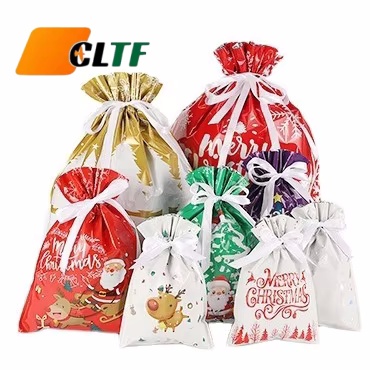
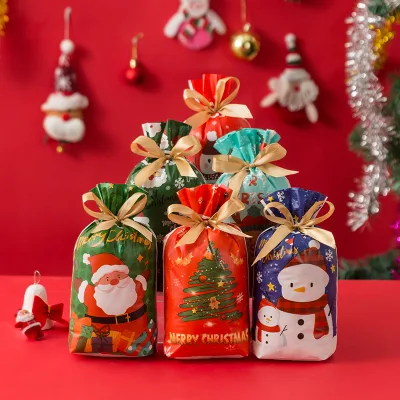
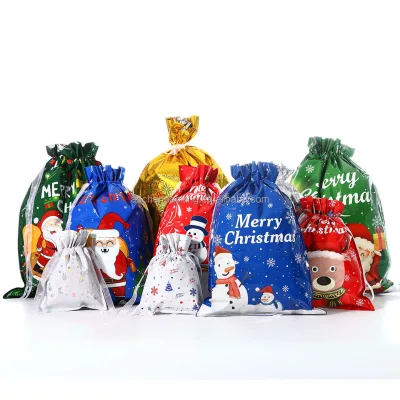
Candy Bag Christmas Plastic Packaging Christmas Pattern Drawstring Bags Christmas Bag
$0.05 - $0.15
MOQ: 2000 Pieces

Halloween Christmas Santa Plastic Packaging Bag Drawstring Candy Gift Bag
$0.05 - $0.15
MOQ: 2000 Pieces

Christmas Printing Resealable Cartoon Snack Gift Cute Biscuit Halloween Candy Bag
$0.05 - $0.15
MOQ: 2000 Pieces

Halloween Santa Plastic Custom Packaging Bag Drawstring Candy Gift Christmas Bag
$0.05 - $0.15
MOQ: 2000 Pieces

New Santa Plastic Drawstring Bags Packaging Biscuits Candy Gift Christmas Bag
$0.05 - $0.15
MOQ: 2000 Pieces

Custom Printing Resealable Cartoon Snack Gift Cute Biscuit Halloween Candy Christmas Bag
$0.05 - $0.15
MOQ: 2000 Pieces
- Verified by TüVRheinland
- Trading Company
- Lead time25 days
- Avg. response≤ 4h
Main productsCanvas Bag, Backpack, Luggage Case, Handbag, Cooler Bag
Main marketsAfrica(33%), Domestic Market(21%), Southeast Asia(13%)

Chaozhou Chaoan Daxiong Color Printing Co., Ltd.
- Verified by TUVRHEINLAND
- Combined
- China Guangdong
- Lead time15 days
- Avg. response≤ 4h
Main productsCoffee Bags, Bakery Bags, Pet Food Bags
Main marketsSouth America,Africa,Southeast Asia/ Mideast,East Asia(Japan/ South Korea),Domestic,Europe,Australia,North America


Christmas Gift Bags - Plastic Goody Bags for Candy, Chocolates, and Party Favors
$0.08 - $0.12
MOQ: 100 Pieces

Chengdu Deng Fengyu Packaging Co., Ltd.
- Verified by Intertek
- Manufacturer, Trading Company
- Lead time12 days
- Avg. response≤ 1h
Main productsCorrugated Cardboard Box, EPE Foam, Mailer Box, Handbag, Zipper Box
Main marketsNorth America(43%), Domestic Market(33%), Oceania(10%)
Shaanxi Shengyi Industry Co., Ltd.
- Verified by SGS Group
- Manufacturer, Trading Company
- Lead time30 days
- Avg. response≤ 2h
Main productsCotton Canvas Bags, Cotton Linen Bags, Jute Burlap Bags, Custom Drawstring, Shopping Bags
Main marketsNorth America(30%), Domestic Market(30%), Oceania(10%)
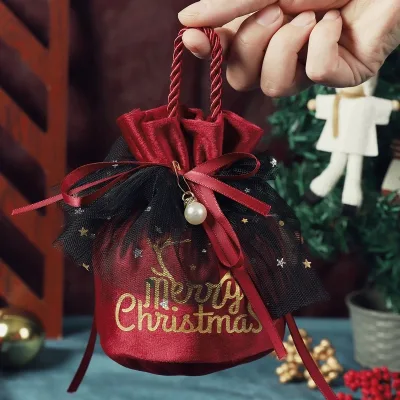
Christmas New Year Gift Bag Candy Box Candy Packaging Christmas Eve Apple Box Gift Storage Bag
$0.22 - $0.27
MOQ: 100 bags
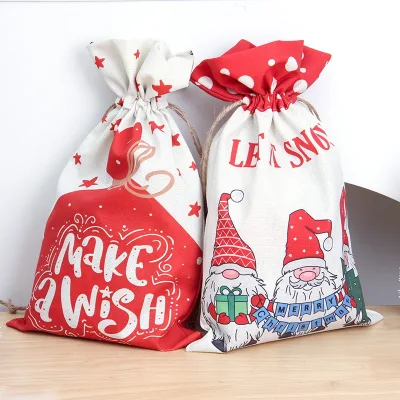
$0.42 - $0.49
MOQ: 200 pieces
Anhui Kuaima Printing Co., Ltd.
- Verified by SGS Group
- Manufacturer, Trading Company
- Lead time20 days
- Avg. response≤ 2h
Main productsPaper Bag, Envelopes, Paper Box, Notebooks, Food Container
Main marketsDomestic Market(40%), North America(25%), Northern Europe(15%)
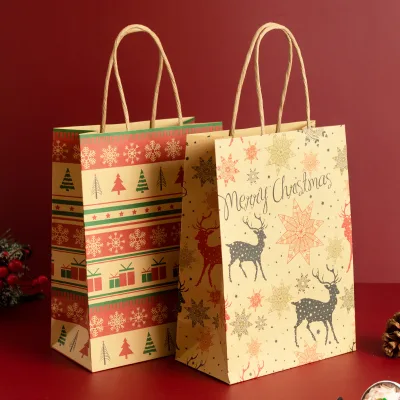
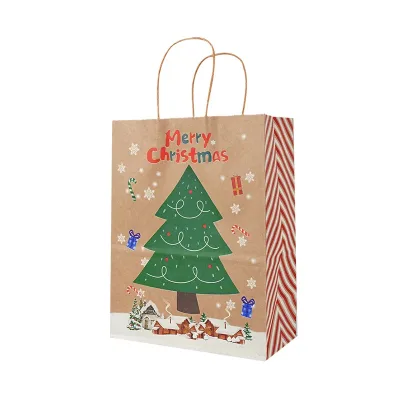
KM High Quality 100% Recyclable Pink Customized Logo Christmas Candy Gift Bags
$0.01 - $0.05
MOQ: 1000 pieces

Lanxi Kingway International Trade Co., Ltd.
- Verified by TUVRHEINLAND
- Trading Company,Manufacturer/Factory
- China Zhejiang
- Lead time23 days
- Avg. response≤ 4h
Main productsRoofing Sheets, Doors, Iron Nails, Hinges, Paint Brush, Hand Tools, Locks, Measuring Tools, Hammers, Coffin Fitting
Main marketsSouth America,Eastern Europe,Mid East,North America,Southeast Asia,Eastern Asia,Africa


Custom Drawstring Bag Candy Christmas Bags for Sweets Gift Bag Ornaments
$0.78 - $0.91
MOQ: 2000 Pieces


Yiwu Linna Packaging Products Co., Ltd.
- Verified by TüVRheinland
- Trading Company
- Lead time20 days
- Avg. response≤ 2h
Main productsGift Packaging Bags, Cotton Bags, Velvet Bags, Organza Bags, Burlap Bags
Main marketsDomestic Market(45%), North America(32%), Western Europe(5%)
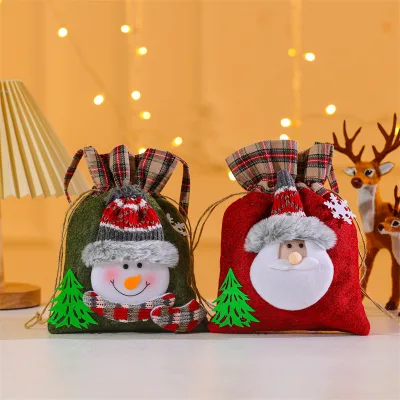
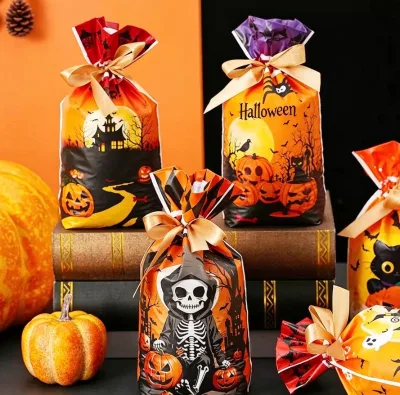
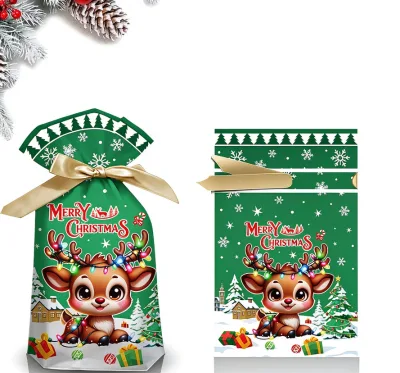
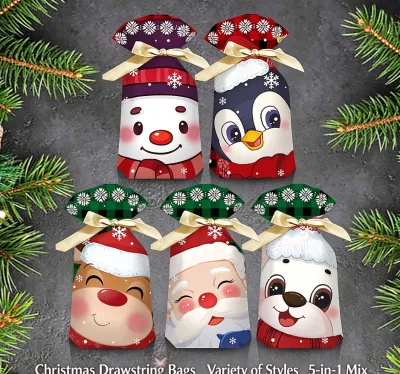
$0.9039 - $0.9549
MOQ: 2 pieces

Shaoxing Shecan Packaging Material Co., Ltd.
- Verified by BV
- Trading Company
- China Zhejiang
- Lead time30 days
- Avg. response≤ 4h
Main productsFlower Paper, Flower Wrapping Film, Ribbon, Flower Bag, Flower Box
Main marketsSouth America,Southeast Asia/ Mideast,Europe,North America

Fujian Juhui Printing Co., Ltd.
- Verified by BV
- Combined
- China Fujian
- Lead time15 days
- Avg. response≤ 5h
Main productsBooks Printing, Notebooks / Journals / Planners / Diaries / Memo, Paper Packaging, Specialty & Premium Printing, Children's Books / Coloring Books, Food Packaging, Notebook & Stationery Printing, Card & Game Printing, Paper Bags, Posters / Business Cards / Postcards / Booklets
Main marketsSoutheast Asia/ Mideast,Europe,Australia,North America
HANGZHOU EVER YUANDA PACKING CO., LTD.
- Verified by SGS Group
- Trading Company
- Lead time10 days
- Avg. response≤ 3h
Main productsPaper Printing Packaging, Paper Bags, Paper Box, Gift Wrap, Food Paper Bowl
Main marketsNorth America(30%), Western Europe(21%), Oceania(10%)

Huizhou Green Foil Insulation Co., Ltd.
- Verified by BV
- Combined
- China Guangdong
- Lead time15 days
- Avg. response≤ 2h
Main productsCooler Bag, Gift Bag, Gift Box, Insulated Bag, Color Printed Box, Jewelry Box, Paper Bag, Paper Box, Packaging Box, Insulated Mailer
Main marketsEast Asia(Japan/ South Korea),Europe,North America

Shenzhen Yanlsle Cultural and Creative Technology Co., Ltd.
- Verified by SGS
- Trading Company
- China Guangdong
- Lead time15 days
- Avg. response≤ 8h
Main productsBrooch/Coin/Badge/Medal/Pin/Keychain
Main marketsDomestic

$5.00 - $6.50
MOQ: 1000 Pieces

$5.00 - $6.50
MOQ: 1000 Pieces

Guangdong Min Sun Environmental Protection Packaging Technology Co., Ltd.
- Verified by SGS
- Manufacturer
- China Guangdong
- Lead time15 days
- Avg. response≤ 2h
Main productsPlastic Packaging Products, Printed Plastic Products, Film Rolls, Laminated Plastic Packaging Products, Food Packaging Bag, Industry Packaging Bag, Medicine Use Packaging Bag, Shrink Label, Gravure Printing Products, Custom Packaging Service
Main marketsEurope,North America

Nan'an Brightpath International E-Commerce Co., Ltd.
- Verified by CTI
- Trading Company
- China Fujian
- Lead time0 days
- Avg. response≤ 3h
Main productsPromotion Gift, Stationery, Gift Set, Packaging Bag & Box, Keychain, Promotion Drinkware, Shoulder Bag, Backpack

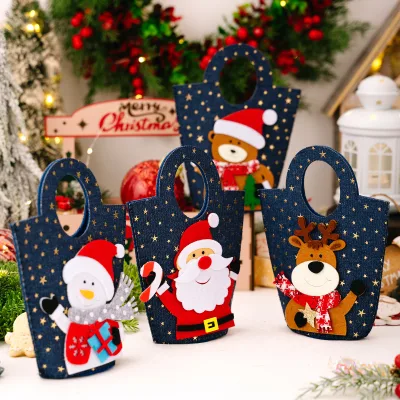
Kids Christmas Candy Decorated Tote Bag Custom Packaging Christmas Tree Gift Bag
$0.05 - $0.15
MOQ: 100 Pieces


Wholesale Resealable Pet Custom Christmas Tree Candy Packaging Gift Bags with Handle
$0.063 - $0.093
MOQ: 500 Pieces
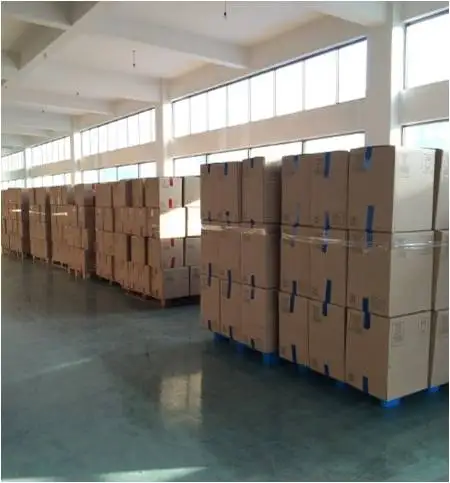
Hangzhou Cullshare Trading Co., Ltd.
- Trading Company
- Zhejiang, China
- Lead time15 days
- Avg. response≤ 2h
Main productsPackage pouch,Paper box,Package Bag,Printed package,Sports water bag
Main marketsNorthern Europe(40.00%), Mid East(20.00%), Western Europe(10.00%), Eastern Europe(10.00%), Oceania(10.00%), Domestic Market(5.00%), North America(5.00%)
Changsha Changlong Tongfei Electronic Technology Co., Ltd.
- Verified by Intertek
- Manufacturer, Trading Company
- Lead time30 days
- Avg. response≤ 2h
Main productsCrochet Flower Artificial Flower, Bags, Festival Gifts and Decorations, Fashion Accessories, Cable
Main marketsNorth America(20%), Mid East(15%), Northern Europe(13%)

Ningbo General Union Co., Ltd.
- Verified by BV
- Trading Company
- China Zhejiang
- Lead time30 days
- Avg. response≤ 10h
Main productsChristmas Tree, Party Supply, Christmas Ball, LED Light Strip, Halloween Product, Holiday Decoration, Santa Claus, Valentine's Day Product, Balloon Decoration, Birthday Decoration
Main marketsSouth America,Southeast Asia/ Mideast,Europe,North America

Christmas Ornaments Christmas Gift Bags Christmas Candy Bags Apple Bags Birthday Tote Bag
$0.95 - $0.99
MOQ: 399 Pieces

Custom Christmas Shopping Bag Xmas Paper Bag for Gift Santa Claus Pattern Bag Non-Toxic
$0.61 - $0.90
MOQ: 500 Pieces
Guangzhou Fengxing Plastic Packaging Products Co., Ltd.
- Verified by SGS Group
- Manufacturer, Trading Company
- Lead time5 days
- Avg. response≤ 2h
Main productsZipper Bag, Mylar Bags, Non-Woven Bag, Opp Plastic Bag, Gift Bag
Main marketsNorth America(40%), Western Europe(25%), Southeast Asia(25%)
Guangzhou Aochen Packing Material Co., Ltd.
- Verified by TüVRheinland
- Manufacturer, Trading Company
- Lead time15 days
- Avg. response≤ 4h
Main productsPackaging Bags
Main marketsDomestic Market(67%), Southeast Asia(14%), North America(10%)

Guangzhou Weiye Color Printing Co., Ltd.
- Verified by BV
- Combined
- China Guangdong
- Lead time15 days
- Avg. response≤ 3h
Main productsPaper Box, Packing Box, Paper Bag, Gift Bag, Picture Album, PVC/Pet Box, Envelope, Sticker, Hag Tag, Red Packets/Greeting Card
Main marketsEurope
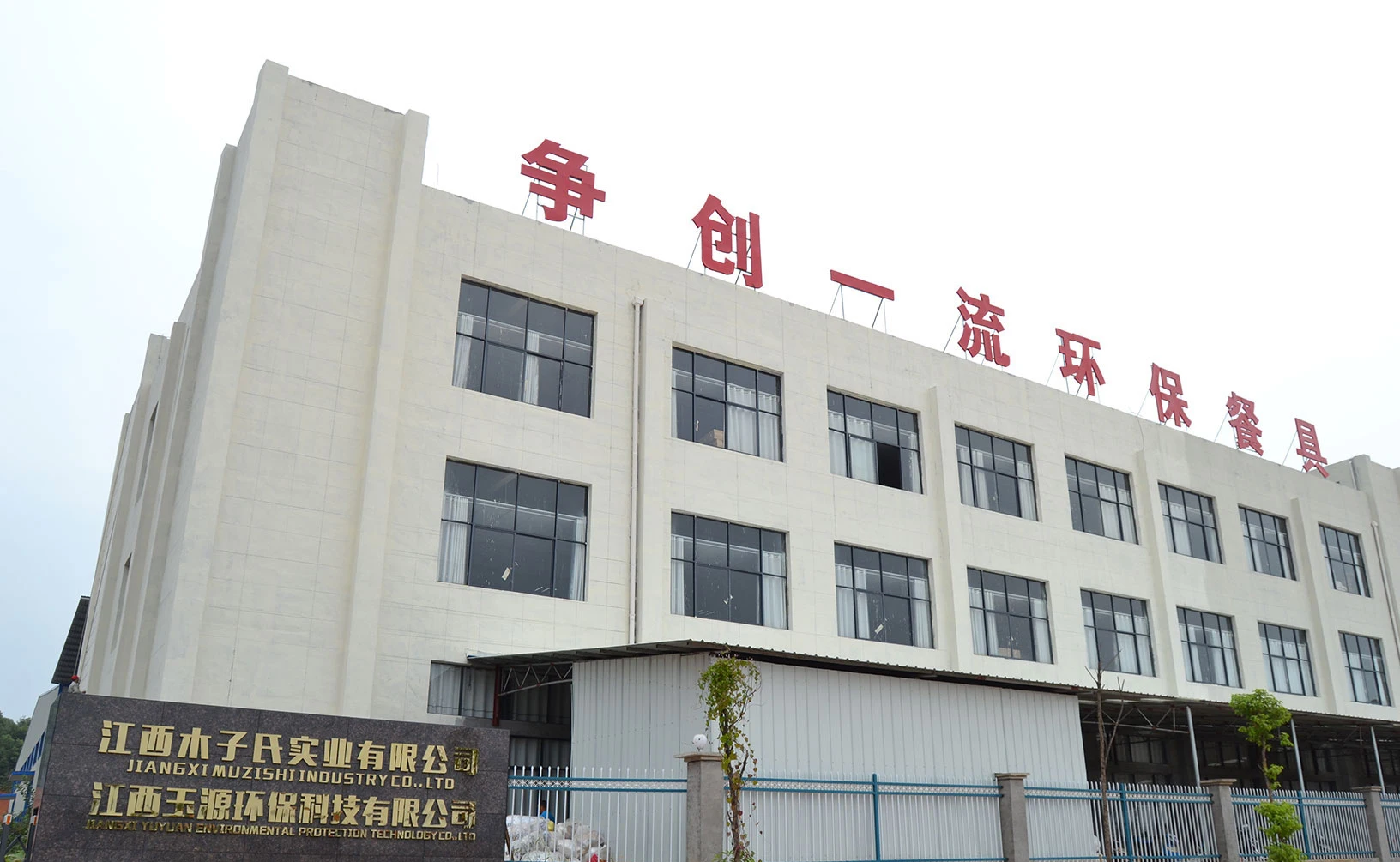
Jiangxi Muzishi Bamboo Industry Co., Ltd.
- Manufacturer, Trading Company
- Jiangxi, China
- Lead time15 days
- Avg. response≤ 13h
Main productsCeramic tableware,False flower,Tableware,wedding chair
Main marketsDomestic Market(39.00%), North America(9.80%), Southern Europe(8.70%), Western Europe(8.10%), Eastern Europe(7.90%), Central America(7.70%), South America(6.40%), Northern Europe(6.30%), South Asia(2.10%), Southeast Asia(1.60%), Eastern Asia(0.80%), Africa(0.70%), Mid East(0.50%), Oceania(0.40%)

Sichuan Fennidi Trading Co., Ltd
- Verified by BV
- Trading Company
- China Sichuan
- Lead time30 days
- Avg. response≤ 2h
Main productsCanvas Bag, Tote Bag, Shopping Bag, Customized Bag, Sports Bag, Non Woven Bag, Cosmetic Bag, Womens Shoes, Fashion Shoes
Main marketsSouth America,Africa,Others(foreignTradeCapacity.exportBusinessCapacityMarketOther),Southeast Asia/ Mideast,East Asia(Japan/ South Korea),Europe,North America

Wholesale Christmas Gift Box Portable Candy Paper Bag Peace Fruit Packaging Box Decoration Gift Bag
$0.28 - $0.67
MOQ: 500 Pieces

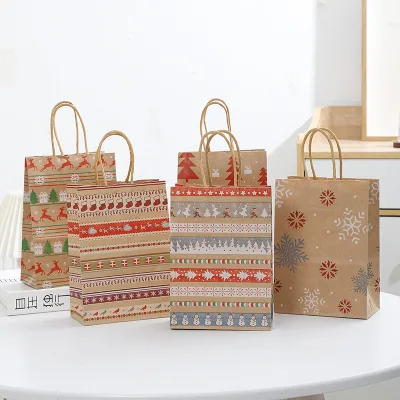
Hot Sale Kraft Gift Bag Handbag Paper Bag Christmas Packaging Bag Christmas Eve Apple Bag Candy Bag
$0.21 - $0.49
MOQ: 500 Pieces

$0.28 - $0.67
MOQ: 500 Pieces
- Manufacturer, Trading Company
- Hong Kong S.A.R.
- Lead time0 days
- Avg. response≤ 4h

Zhongshan Dongfeng Town Orient Printing Plastic Factory
- Verified by SGS
- Combined
- China Guangdong
- Lead time15 days
- Avg. response≤ 1h
Main productsBag, Roll Film, Packing, Gift Bag, Light Chemical Products, Gift Box, Doypack, Degradable Material, Composite Matrial
Main marketsDomestic

Hangzhou Langjie Technology Co., Ltd.
- Verified by TUVRHEINLAND
- Trading Company
- China Zhejiang
- Lead time15 days
- Avg. response≤ 4h
Main productsNon-Woven Bag, Paper Box, Laminated Bag, Thermal Insulation Bag, Paper Bag, Canvas Bag, Notebook, Clothing Dust-Proof Bag, Sticker, Cosmetics Bag
Main marketsDomestic,North America

Qingzhou Glory Packaging Material Co., Ltd.
- Verified by BV
- Trading Company
- China Shandong
- Lead time30 days
- Avg. response≤ 4h
Main productsAluminium Foil Paper, PE Coated Paper/Printing Paper, Food Packaging Bag, Paper Shopping Bag, Non Woven Bag, Plastic Shopping Bag, Other Packaging Bags
Main marketsAustralia

- Trading Company
- Zhejiang, China
- Lead time20 days
- Avg. response≤ 4h
Main productsgift bag,Event & Party Supplies,fashion jewelry,Packaging Bags,shopping bag
Main marketsNorth America(40.00%), Oceania(15.00%), Western Europe(10.00%), Eastern Europe(10.00%), Southeast Asia(5.00%), Northern Europe(4.00%), Central America(3.00%), South America(2.00%), Africa(2.00%)
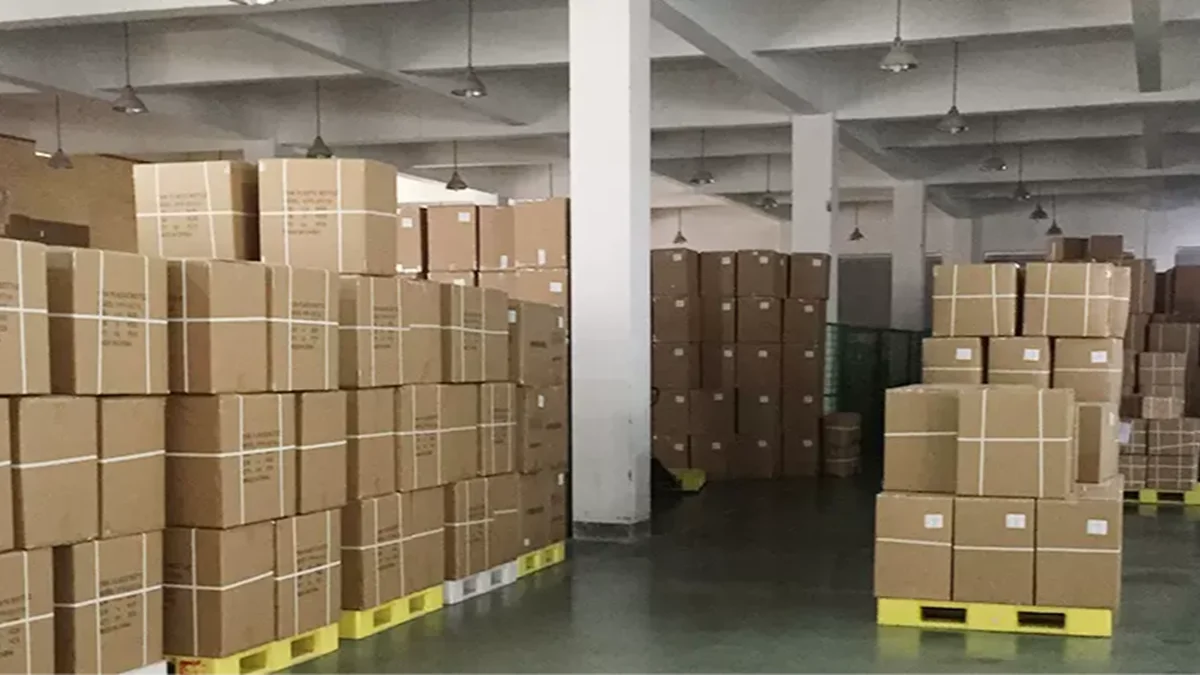
- Trading Company
- Zhejiang, China
- Lead time7 days
- Avg. response≤ 2h
Main productsTheme Party Tableware,Gift Sets,Party Balloon Set,Halloween party supplies/decoration,Christmas Supplier
Main marketsNorth America(30.00%), Western Europe(20.00%), South America(10.00%), Eastern Europe(10.00%), Northern Europe(5.00%), Eastern Asia(5.00%), Mid East(5.00%), Oceania(5.00%), Africa(5.00%), Southeast Asia(3.00%), Domestic Market(2.00%)

Dongguan Fison Packaging Co., Ltd.
- Verified by CTI
- Trading Company
- China Guangdong
- Lead time23 days
- Avg. response≤ 1h
Main productsPaper Bag Paper, Gift Box, Gift Wrapping Paper, Self-Adhesive Labels, Clothing Labels, Hang Tags, Garment Accessories
Main marketsSoutheast Asia/ Mideast,Europe

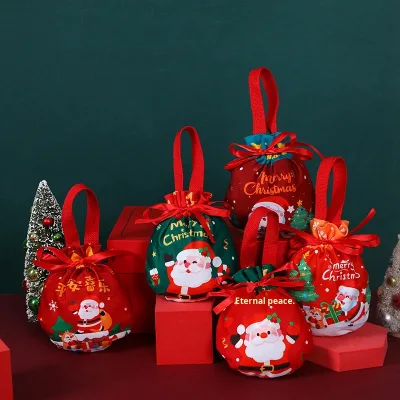
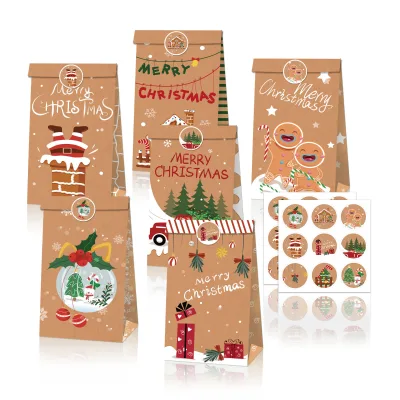
Eco-Friendly Christmas Theme Design Bags for Sustainable Gifting Solutions
$0.05 - $0.13
MOQ: 500 Pieces












Comprehensive Sourcing Guide
Ecofriendly Christmas Candy Bag Supplier Concentration and Factory Types
The current supplier landscape for Ecofriendly Christmas Candy Bag products reveals a distinct concentration of manufacturing and trading entities within specific Chinese provinces. Evidence indicates that suppliers are located in China Fujian and China Guangdong, with additional origins noted in Anhui, China. These geographic clusters suggest established industrial zones where packaging materials and promotional goods are produced at scale. Buyers should recognize that these locations are not merely administrative labels but represent active supply chains capable of handling high-volume orders for festive items. The presence of suppliers in these regions implies access to raw materials and logistics networks optimized for export. When evaluating potential partners, understanding the regional origin helps in assessing the reliability of the supply chain and the potential for logistical efficiencies. It is crucial to verify the specific factory location rather than relying solely on the company’s registered address, as trading companies may list different operational bases. The concentration in these areas also suggests a competitive market where price and quality are closely balanced. Buyers can leverage this geographic data to prioritize suppliers who demonstrate strong local infrastructure and proven export capabilities. This regional focus provides a foundation for deeper due diligence, allowing buyers to target suppliers who are already integrated into the global trade of seasonal packaging solutions.
Supplier types vary significantly across these regions, ranging from pure trading companies to combined entities with manufacturing capabilities. Some suppliers are identified as Trading Companies, which may offer a broader range of products but lack direct factory control. Others are classified as Combined, indicating they may have both trading and manufacturing arms or offer OEM/ODM services. This distinction is vital for buyers seeking specific quality controls or customization options. Suppliers with OEM and ODM capabilities, such as those offering sample processing and graphic processing, provide greater flexibility for branding and product design. The main products listed by these suppliers include EVA Clogs, Flip Flop, Shoe Charms, Shopping Bags, Wristbands, Gifts, Promotional Gifts, Slipper, Sport Cap, Ball, Stand up Pouch, Coffee Bag, Zipper Bag, Spout Pouch, Ziplock Bag, Drinking Bag, Printed Roll Film, Canvas Bag, Backpack, Luggage Case, Handbag, and Cooler Bag. This diversity suggests that many suppliers are generalist promotional product providers rather than specialized packaging manufacturers. Buyers must carefully assess whether a supplier’s primary expertise aligns with their specific needs for Ecofriendly Christmas Candy Bag products. A supplier with a broad catalog may have less specialized knowledge in sustainable packaging materials compared to a dedicated manufacturer. Understanding the supplier type helps in predicting their responsiveness, quality assurance processes, and ability to handle complex customization requests.
How to Verify Ecofriendly Christmas Candy Bag Suppliers
Verification is a critical step in ensuring the reliability and legitimacy of suppliers offering Ecofriendly Christmas Candy Bag products. Buyers should prioritize suppliers who have undergone third-party verification processes, as these provide an additional layer of trust and accountability. In the current results, several suppliers are verified by recognized entities such as TUVRHEINLAND and BV. These certifications indicate that the suppliers have met specific standards for business operations, quality management, or product safety. However, verification alone is not a guarantee of product quality or ethical manufacturing practices. Buyers must look beyond the verification badge and examine the specific scope of the certification. For instance, a TüVRheinland verification might cover general business practices, while a BV verification could focus on supply chain transparency. It is essential to request detailed reports or certificates from the supplier to understand what aspects of their operation have been audited. This due diligence helps in identifying suppliers who are committed to maintaining high standards and are transparent about their processes. Buyers should also consider the recency of the verification, as outdated certifications may not reflect current operational conditions.
In addition to third-party verification, buyers should assess the supplier’s response time and communication efficiency. The data shows response times ranging from 1.08 to 4 hours, which can be a strong indicator of the supplier’s operational readiness and customer service quality. A faster response time often correlates with a more organized and responsive team, which is crucial for resolving issues quickly during the sourcing process. Buyers should test the supplier’s responsiveness by sending detailed inquiries about Ecofriendly Christmas Candy Bag specifications, materials, and customization options. The quality and speed of the reply can provide insights into the supplier’s professionalism and expertise. Furthermore, buyers should verify the supplier’s ability to provide samples and conduct factory audits if possible. Requesting samples allows buyers to evaluate the actual product quality, including the ecofriendly aspects of the materials used. Factory audits, whether virtual or physical, provide a direct look at the manufacturing environment and quality control measures. These steps, combined with verification badges and response time analysis, create a comprehensive picture of the supplier’s reliability. Buyers should not rely on a single metric but instead use a combination of these factors to make informed decisions.
What to Compare Across Ecofriendly Christmas Candy Bag Suppliers
When comparing suppliers for Ecofriendly Christmas Candy Bag products, buyers should focus on key operational metrics such as lead time, minimum order quantity (MOQ), and pricing. The available data indicates lead times ranging from 23 to 30 days, which is a significant factor for seasonal products like Christmas items. Buyers must ensure that the lead time aligns with their production schedule and delivery deadlines to avoid stockouts or missed sales opportunities. A shorter lead time, such as 23 days, may offer more flexibility for last-minute orders or adjustments, while a longer lead time of 30 days requires earlier planning. It is also important to consider the supplier’s capacity to handle rush orders or expedited shipping if necessary. Comparing lead times across multiple suppliers helps in identifying those who can meet tight deadlines without compromising quality. Buyers should also inquire about the factors that influence lead times, such as material availability and production volume, to better understand the supplier’s operational constraints.
MOQ and pricing are equally critical factors in supplier comparison. The data shows MOQs ranging from 100 to 2000 units, which can significantly impact the buyer’s inventory management and cash flow. Suppliers with lower MOQs, such as 100 units, are suitable for small businesses or those testing new products, while higher MOQs may be necessary for large-scale distribution. Buyers should evaluate whether the MOQ aligns with their sales projections and storage capabilities. Pricing also varies, with some products listed at $0.01 per unit and others at $0.05 to $0.15 per unit. These price differences may reflect variations in material quality, customization options, or production methods. Buyers should request detailed quotes that include all costs, such as shipping and taxes, to make accurate comparisons. Additionally, buyers should assess the supplier’s customization capabilities, including logo printing, color options, and packaging design. Suppliers offering OEM services and customized packaging may provide better value for brands seeking unique product offerings. By systematically comparing these metrics, buyers can identify suppliers who offer the best balance of cost, quality, and service for their specific needs.
Common Ecofriendly Christmas Candy Bag Sourcing Risks
Sourcing Ecofriendly Christmas Candy Bag products involves several risks that buyers must proactively manage to ensure a successful procurement process. One significant risk is the discrepancy between claimed ecofriendly attributes and actual product composition. Buyers should verify the materials used in the bags, such as whether they are made from recycled paper, biodegradable plastics, or other sustainable sources. The data mentions materials like Art Paper and High Pressure Polyethylene Plastic Bag, which may not align with strict ecofriendly standards. Buyers must request material safety data sheets and certifications to confirm the sustainability claims. Another risk is the potential for quality inconsistencies, especially when dealing with suppliers who offer a wide range of products. Generalist suppliers may not have specialized expertise in packaging, leading to variations in durability, print quality, or seal integrity. Buyers should request samples and conduct rigorous quality checks to ensure the products meet their standards. Additionally, the risk of delayed shipments is heightened during the holiday season, as demand for Christmas products peaks. Buyers should establish clear communication channels and contingency plans to mitigate the impact of potential delays.
Intellectual property and branding risks are also prevalent in the sourcing of promotional items. Suppliers offering OEM services may produce products with custom logos and designs, which can be vulnerable to unauthorized replication or leakage. Buyers should implement strict confidentiality agreements and monitor the production process to protect their brand identity. Furthermore, the risk of non-compliance with international trade regulations and standards cannot be overlooked. Buyers must ensure that the suppliers adhere to relevant safety and environmental regulations in both the manufacturing and destination countries. This includes checking for certifications such as FSC for paper products or specific plastic recycling codes. The data shows various product attributes, such as Shape, Size, and Usage, which must be carefully specified to avoid misunderstandings. Buyers should provide detailed specifications and confirm that the supplier understands and can meet these requirements. By identifying and addressing these risks early in the sourcing process, buyers can reduce the likelihood of costly errors and ensure a smooth transaction. Proactive risk management is essential for maintaining brand reputation and customer satisfaction in the competitive market for Ecofriendly Christmas Candy Bag products.
Ecofriendly Christmas Candy Bag Regional Sourcing and Logistics
Regional sourcing plays a crucial role in determining the logistics and cost structure for Ecofriendly Christmas Candy Bag products. The identified supplier locations in China Fujian, China Guangdong, and Anhui, China, offer distinct logistical advantages. Fujian and Guangdong are major manufacturing hubs with well-developed port infrastructure, facilitating efficient export operations. Buyers should consider the proximity of the supplier to major shipping ports, as this can reduce inland transportation costs and lead times. Additionally, the regional concentration of suppliers may lead to economies of scale, resulting in more competitive pricing. However, buyers must also account for the potential for regional disruptions, such as weather events or labor shortages, which can impact production and shipping schedules. It is advisable to diversify suppliers across different regions to mitigate these risks and ensure supply chain resilience. Logistics planning should also include considerations for packaging density and weight, as these factors influence shipping costs. The data indicates product weights such as >1.5 Kg, which can affect freight charges. Buyers should work with suppliers to optimize packaging design to minimize volume and weight, thereby reducing transportation expenses.
Customs and regulatory compliance are critical aspects of international logistics for Ecofriendly Christmas Candy Bag products. Buyers must ensure that the suppliers provide accurate documentation, including commercial invoices, packing lists, and certificates of origin. The origin of the products, such as China, must be clearly stated to comply with import regulations in the destination country. Buyers should also be aware of any tariffs or duties that may apply to packaging products from these regions. Working with experienced freight forwarders can help navigate these complexities and ensure smooth customs clearance. Additionally, buyers should consider the environmental impact of transportation and explore options for carbon-neutral shipping if sustainability is a core value. The data shows various product standards and sizes, which must be accurately declared to avoid customs delays. Buyers should maintain open communication with suppliers regarding shipping schedules and track shipments in real-time to anticipate any issues. By carefully planning regional sourcing and logistics, buyers can optimize costs, ensure timely delivery, and maintain compliance with international trade regulations. This strategic approach enhances the overall efficiency and reliability of the supply chain for Ecofriendly Christmas Candy Bag products.
Ecofriendly Christmas Candy Bag Commercial Terms and Order Planning
Commercial terms and order planning are essential components of a successful sourcing strategy for Ecofriendly Christmas Candy Bag products. Buyers should negotiate clear payment terms, such as using escrow services or letters of credit, to protect their financial interests. The data shows price ranges from $0.01 to $0.39 per unit, which can vary based on customization and order volume. Buyers should request detailed quotations that break down costs for materials, labor, and customization to ensure transparency. It is
FAQs
Where are ecofriendly christmas candy bags manufactured?
Suppliers offering these items are located in China, specifically in Fujian, Guangdong, and Anhui provinces. Buyers can find factories in these regions that produce paper and plastic packaging solutions for festive occasions.
What is the minimum order quantity for paper candy bags?
The minimum order quantity for paper Christmas candy bags is 100 pieces. This low threshold allows buyers to test designs or order small batches for promotional events without committing to large inventory volumes.
How long does it take to receive plastic candy bags?
Lead times for plastic packaging bags range from 23 to 30 days depending on the supplier and order specifics. Some suppliers in Guangdong offer faster turnaround times of 23 days for standard orders.
Are custom logos available on these festive gift bags?
Yes, customization is available for both paper and plastic bags. Suppliers offer logo printing with hot stamping or custom designs, allowing buyers to brand their products for Christmas parties and holiday promotions effectively.
What is the price range for small paper candy bags?
Small paper Christmas candy bags are priced between 0.01 and 0.01 per unit. This cost-effective range makes them suitable for bulk purchasing for large holiday events or corporate gift distributions.
Do suppliers offer OEM services for custom packaging?
Many suppliers provide OEM and ODM services for custom packaging needs. Buyers can request specific sizes, materials, and designs, ensuring the final product meets their unique branding and functional requirements for gifts.
Which certifications do the suppliers hold?
Verified suppliers hold certifications from TÜV Rheinland and BV. These credentials indicate that the manufacturers meet specific quality and safety standards, providing assurance for buyers sourcing packaging for food and gift applications.