Source Ecofriendly Christmas Candy Bag for Jewelry, Food, Gifts
Compare 30 listings for Ecofriendly Christmas Candy Bag options including cloth, plastic, and paper varieties. Buyers can review sizes, materials, and customization features for jewelry, food, and gift packaging needs; compare the available evidence and request quotations based on your requirements.
Updated
Key considerations
Products List
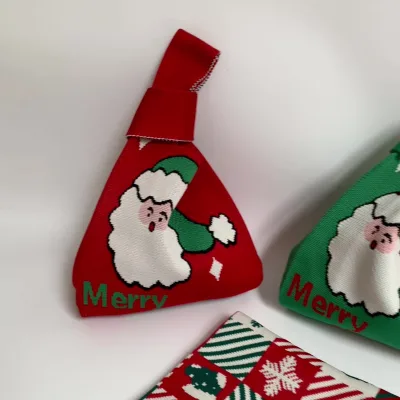


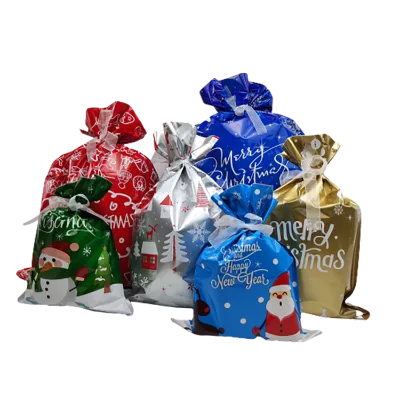


Halloween Christmas Santa Plastic Packaging Bag Drawstring Candy Gift Bag
$0.05 - $0.15
MOQ: 2000 Pieces

Halloween Santa Plastic Custom Packaging Bag Drawstring Candy Gift Christmas Bag
$0.05 - $0.15
MOQ: 2000 Pieces

New Santa Plastic Drawstring Bags Packaging Biscuits Candy Gift Christmas Bag
$0.05 - $0.15
MOQ: 2000 Pieces

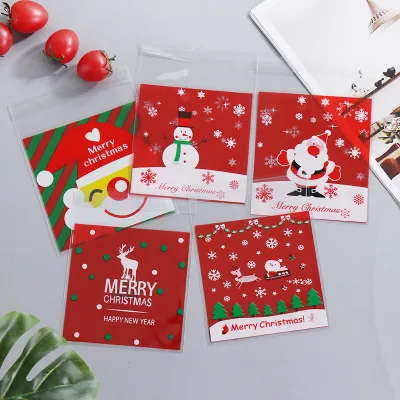
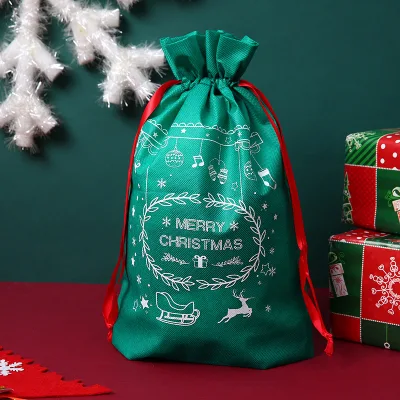
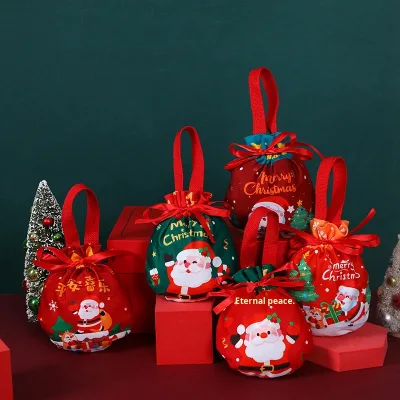
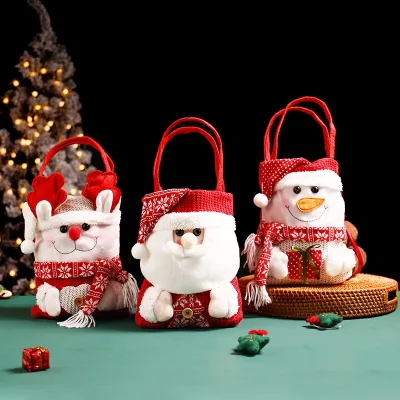

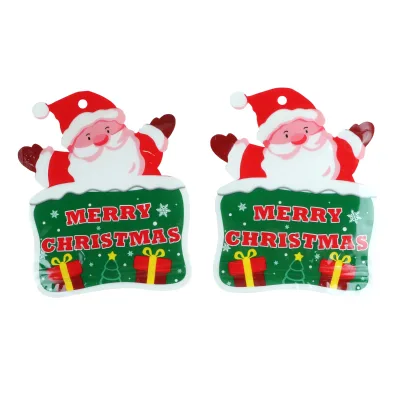


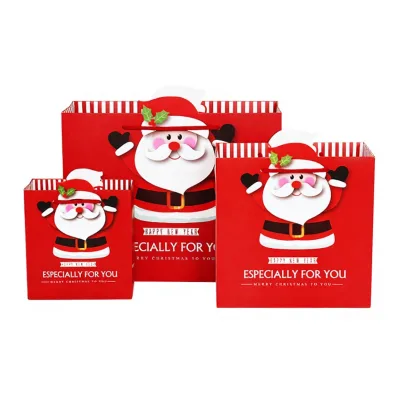
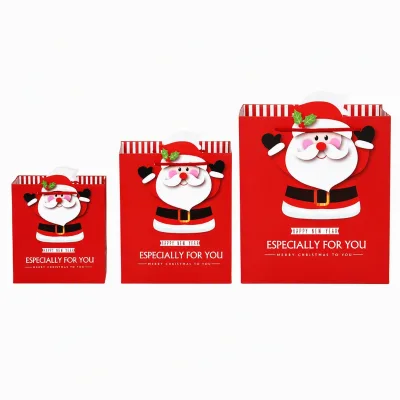
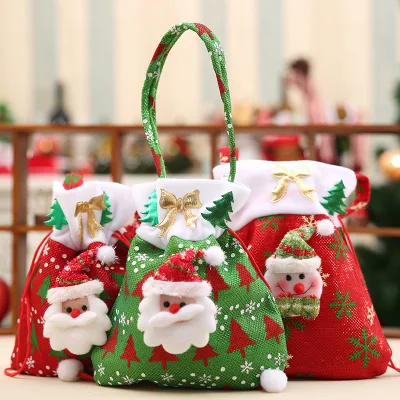

Merry Christmas Tree Printed Candy Packaging Bags Large Christmas Paper Gift Bags
$0.14 - $0.19
MOQ: 10000 Pieces


Comprehensive Sourcing Guide
Ecofriendly Christmas Candy Bag Sourcing Guide
Sourcing ecofriendly Christmas candy bags requires balancing festive aesthetics with sustainable material choices and rigorous supply chain transparency. Buyers must navigate a market where terms like "eco" are often used loosely, necessitating a focus on verifiable material compositions and certified manufacturing processes. The observed product landscape includes items labeled as cloth, art paper, and various plastic composites, each presenting distinct environmental implications and functional trade-offs. Understanding these material distinctions is the first step in aligning procurement with corporate sustainability goals while meeting the functional demands of holiday gifting and retail packaging.
This guide provides a structured approach to evaluating suppliers, verifying technical specifications, and ensuring compliance with safety standards. By focusing on observable listing signals and concrete documentation, buyers can mitigate the risk of greenwashing and secure packaging solutions that are both visually appealing and environmentally responsible. The following sections detail the critical verification steps, from material composition analysis to commercial term negotiation, ensuring that procurement decisions are grounded in factual evidence rather than marketing claims.
Product Scope and Observed Listing Signals
The current market for Christmas candy bags exhibits a wide variance in material composition, ranging from natural textiles to synthetic polymers. Observed listings include products identified as "Christmas knitted bags" made from cloth, which offer a reusable and biodegradable profile, alongside items constructed from art paper or high-pressure polyethylene plastic. Buyers should carefully distinguish between these categories, as the environmental impact and end-of-life disposal methods differ significantly. For instance, cloth bags may support circular economy principles through reuse, whereas plastic composite bags, despite being labeled for food application, may present recycling challenges depending on their layered structure.
Visual and descriptive attributes also play a crucial role in product selection, with common features including specific shapes such as rectangles, rounds, or festive designs, and colors like red or sky blue. Some listings indicate customization options for logos and surface handling techniques like hot stamping, which can enhance brand visibility but may introduce additional chemical or material considerations. It is essential to verify whether these decorative elements compromise the ecofriendly claim, particularly when dealing with mixed-material constructions. Buyers should prioritize suppliers who provide clear, unambiguous descriptions of the primary material and its source, avoiding vague terminology that obscures the true nature of the product.
Technical Specifications to Verify
Technical verification begins with confirming the precise dimensions and structural integrity of the packaging. Observed size specifications vary, including measurements such as 20x20x20cm, 24x32cm, and smaller formats like 10x10+3cm, each suited to different candy volumes and gift presentations. Buyers must ensure that the selected size aligns with their product requirements and shipping efficiency, as oversized packaging can increase material waste and logistics costs. Additionally, thickness specifications, such as 1 mm for certain plastic variants, are critical for determining durability and barrier properties, especially for food-grade applications where protection against moisture and contamination is paramount.
Material composition and manufacturing processes further define the technical profile of these bags. Listings reference raw materials like high-pressure polyethylene for plastic bags and cloth for knitted options, with processes including composite packaging for enhanced functionality. Buyers should request detailed material breakdowns to assess recyclability and biodegradability, particularly for composite bags that may be difficult to separate and recycle. Furthermore, verifying the bag variety, such as upright designs, ensures compatibility with automated filling and sealing equipment if applicable. Clear technical data prevents mismatches between supplier capabilities and buyer operational needs, reducing the risk of production delays or product failures.
Compliance and Safety Documentation
Compliance with safety and environmental standards is non-negotiable for food-contact packaging, particularly for holiday candies that may contain allergens or sensitive ingredients. Buyers must insist on documentation that verifies the product meets relevant regulatory requirements, such as REACH certification, which indicates adherence to European chemical safety standards. While some listings mention certifications like FSC or standards like OEKO-TEX, these should be treated as background information requiring independent verification rather than guaranteed attributes. It is crucial to obtain current, valid certificates from accredited bodies to ensure that the materials used are free from harmful substances and safe for consumer use.
Beyond chemical safety, buyers should evaluate the supplier’s commitment to sustainable sourcing and ethical manufacturing practices. This includes verifying the origin of raw materials, such as cloth or paper, to ensure they are sourced from responsibly managed forests or recycled streams. Documentation should also cover the manufacturing process, highlighting any measures taken to minimize waste, energy consumption, or water usage. By demanding comprehensive compliance documentation, buyers can mitigate legal risks and enhance brand reputation, demonstrating to consumers that their holiday purchases support environmentally and socially responsible practices.
Cost Drivers and Commercial Terms
Cost structures for ecofriendly Christmas candy bags are influenced by material selection, customization complexity, and order volume. Observed price ranges vary significantly, reflecting differences in material quality and production methods. Buyers should analyze the cost per unit in relation to the material’s sustainability profile, recognizing that higher-quality, certified eco-friendly materials may carry a premium. Additionally, customization options such as logo printing, hot stamping, or specific color matching can increase production costs. Understanding these cost drivers allows buyers to make informed trade-offs between aesthetic preferences, environmental goals, and budget constraints.
Commercial terms, including minimum order quantities (MOQ) and payment conditions, also impact the overall procurement strategy. Observed MOQs range from small batches to large volumes, catering to different business sizes and inventory needs. Buyers should negotiate terms that align with their sales forecasts and storage capabilities, avoiding excessive inventory that may lead to waste or obsolescence. Lead times and shipping arrangements should be clearly defined to ensure timely delivery for the holiday season. By establishing transparent commercial terms, buyers can build a resilient supply chain that balances cost efficiency with operational flexibility.
Supplier Qualification and Quality Control
Supplier qualification is a critical step in ensuring the reliability and consistency of Ecofriendly Christmas Candy Bag supplies. Buyers should conduct thorough due diligence, verifying the supplier’s manufacturing capabilities, quality management systems, and track record in producing sustainable packaging. This includes assessing their ability to maintain consistent material quality and adhere to specified technical standards across production batches. Requesting samples for physical inspection and performance testing is essential to validate claims regarding durability, barrier properties, and aesthetic finish.
Quality control processes should be integrated into the procurement agreement, with clear criteria for acceptance and rejection of goods. Buyers should establish protocols for regular audits and inspections, particularly for large orders, to ensure ongoing compliance with quality and sustainability standards. Communication channels should be open and responsive, allowing for quick resolution of any issues that arise during production or delivery. By prioritizing supplier qualification and robust quality control, buyers can minimize risks and ensure that their packaging solutions meet both functional and ethical expectations.
Long-Term Procurement Checks
Long-term procurement success depends on continuous monitoring and adaptation to evolving market trends and regulatory landscapes. Buyers should regularly review supplier performance, tracking metrics such as on-time delivery, defect rates, and responsiveness to quality issues. This data-driven approach enables proactive management of the supply chain and identification of potential risks before they impact operations. Additionally, staying informed about changes in environmental regulations and consumer preferences is crucial for maintaining the relevance and compliance of packaging solutions.
Sustainability efforts should be viewed as an ongoing journey rather than a one-time achievement. Buyers should engage in regular dialogues with suppliers to explore opportunities for further environmental improvements, such as transitioning to more recycled materials or optimizing logistics to reduce carbon footprints. By fostering collaborative relationships and committing to continuous improvement, buyers can build a resilient and responsible supply chain that supports both business growth and environmental stewardship. This long-term perspective ensures that procurement strategies remain aligned with broader corporate sustainability goals and market expectations.
FAQs
What materials are used for these Christmas knitted bags?
The bags are crafted from cloth material, offering a soft and durable texture suitable for holiday gifting. Some variants utilize high-pressure polyethylene plastic for disposable applications. These materials ensure the packaging is sturdy enough to hold jewelry, food, or gifts while maintaining a festive appearance for Christmas celebrations.
Can I customize the logo on these candy bags?
Yes, customization is available for these products, including logo printing services. Buyers can request specific designs to be applied via hot stamping or other surface handling techniques. This allows businesses to brand their Christmas candy bags effectively, ensuring the packaging aligns with their corporate identity or specific holiday marketing campaigns.
What is the minimum order quantity for these bags?
The minimum order quantity varies, with observed values ranging from 12 to 10,000 units depending on the specific product model. Some items list an MOQ of 100 pieces. Buyers should check the specific model details, such as JSZS-020 or Christmas Candy Bags-029G, to determine the exact bulk purchase requirements for their order.
Are these bags suitable for food packaging applications?
Yes, several models are explicitly designed for food applications and gift packaging. The product attributes indicate usage for jewelry, food, and gifts. Certain plastic variants are made from high-pressure polyethylene and are labeled as disposable, making them appropriate for wrapping candies or other small food items during the Christmas season.
What certifications do these packaging products hold?
The products hold REACH certification, ensuring compliance with specific safety and environmental standards. While some background contexts mention FSC or OEKO-TEX, the confirmed high-confidence fact is REACH. Buyers requiring specific regulatory compliance for their market should verify the certification details for each specific model before placing bulk orders.
Where are these Christmas bags manufactured?
These products originate from Jiangxi, China. The manufacturing location is consistently listed as China across various models. Buyers sourcing from this region should consider logistics and lead times associated with shipping from Jiangxi, ensuring that the supply chain aligns with their delivery schedules for the upcoming holiday season.