Disposable PET Juice Bottle Suppliers and Manufacturers
Compare 28 verified suppliers of Disposable PET Juice Bottle based on location, lead time, and MOQ. Review product specs like material and capacity, then request quotes to proceed with sourcing; review the available evidence before requesting comparable quotations from suitable candidates.
Updated
Suppliers List

Condon Trading(Shanghai) Co., Ltd.
- Verified by SGS
- Trading Company
- China Shanghai
- Lead time30 days
- Avg. response≤ 2h
Main productsPaper Cups, Plastic Cups, Cup Lid, Plastic Bottles, Paper Bowl, Paper Bags, Plastic Food Container, Disposable Spoon Fork Knife, Napkin Paper, Straw
Main marketsSoutheast Asia/ Mideast,Europe,North America

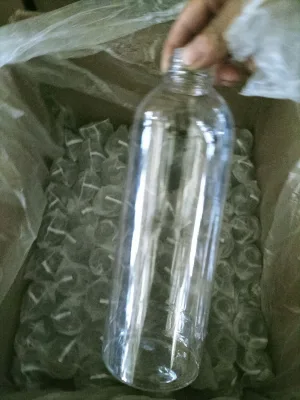
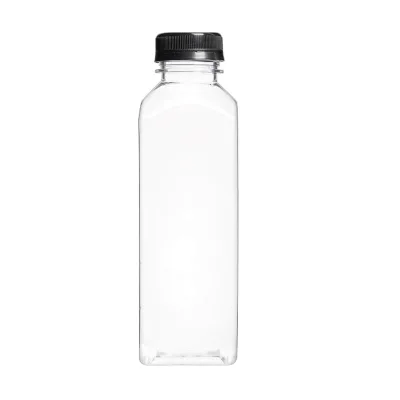
500ml Transparent Pet Bottles for Juice Disposable Plastic Beverage Bottle Juice Drink Bottle
$0.20 - $0.30
MOQ: 10000 Pieces


$0.20 - $0.30
MOQ: 10000 Pieces

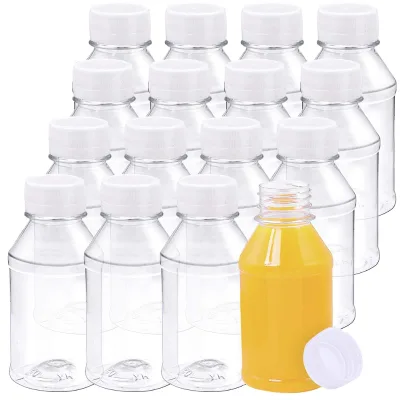
Disposable Clear Empty Pet Plastic Bottles with Lids for Drinking Juice Customized
$0.20 - $0.30
MOQ: 10000 Pieces


Pet Bottle for Fruit Juice Tea Sports Drinks and Ready to Drink Beverages
$0.18 - $0.19
MOQ: 1000 Pieces
Hefei Yuexianglai Commodity Co., Ltd.
- Trading Company
- Anhui, China
- Lead time15 days
- Avg. response≤ 2h
Main productsraincoats,comfortable insoles,small appliances,roller skate shoes and accessories,PU wheels
Main marketsSouth Asia(10.00%), Central America(10.00%), Southeast Asia(10.00%), Mid East(10.00%), South America(10.00%), North America(10.00%), Domestic Market(5.00%), Oceania(5.00%), Southern Europe(5.00%), Northern Europe(5.00%), Africa(5.00%), Western Europe(5.00%), Eastern Asia(5.00%), Eastern Europe(5.00%)
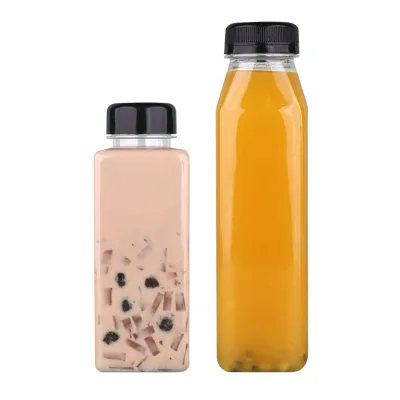
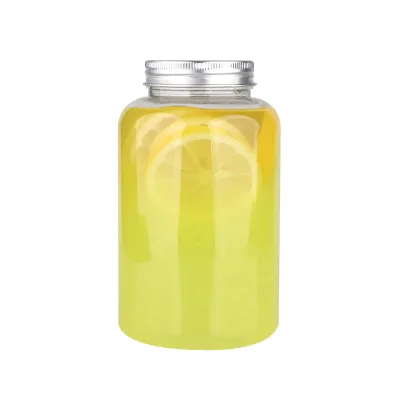
Juice Bottle 52 Mouthpieces 500ml Pet Plastic Milk Tea Bottle Disposable Food Grade Beverage Bottle
$0.12 - $0.13
MOQ: 500 pieces
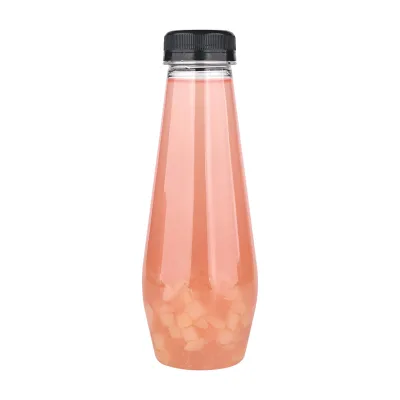

ZHANGZHOU SHENGMING I&T CO., LTD
- Verified by BV
- Combined
- China Fujian
- Lead time30 days
- Avg. response≤ 2h
Main productsPet Can, Plastic Can, Pet Preform, Beverage Can, Juice Can, Sealing Machine, Blowing Machine, Top Can, Plastic Container, Pet Bottle
Main marketsSouth America,Southeast Asia/ Mideast,East Asia(Japan/ South Korea)
Guangzhou Yiwei New Material Co., Ltd
- Trading Company
- guangdong, China
- Lead time10 days
- Avg. response≤ 1h
Main productsplastic bottle,plastic jar,plastic cup,plastic soft tube,plastic packaging
Main marketsNorth America(50.00%), Mid East(40.00%), Western Europe(30.00%), Oceania(30.00%), Northern Europe(30.00%), Eastern Europe(30.00%), South Asia(20.00%), Southern Europe(20.00%), Southeast Asia(20.00%), Africa(10.00%), Eastern Asia(10.00%), Central America(10.00%), South America(10.00%), Domestic Market(5.00%)

Fengyi Packaging Technology (Shanghai) Co., Ltd.
- Verified by SGS
- Trading Company
- China Shanghai
- Lead time15 days
- Avg. response≤ 5h
Main productsPlastic Cup, Paper Cup, Coffee Cup, Vasos Desechables, Disposable Plastic Cup, Paper Straw, Pet Can, Juice Bottle, Paper Bowl, Paper Soup Cup
Main marketsSoutheast Asia/ Mideast,Domestic,North America


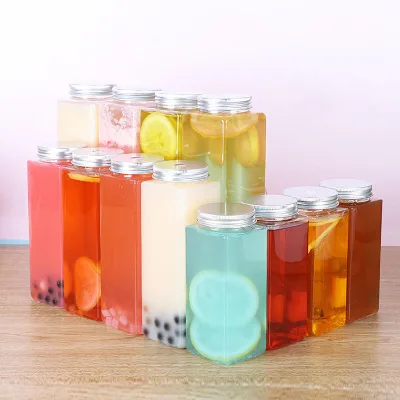
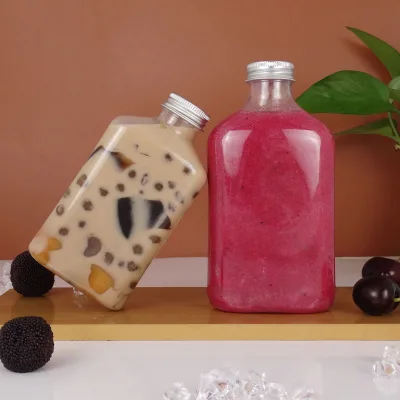
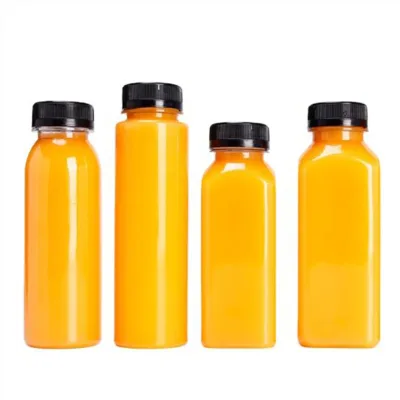
Plastic Pet Bottle Square Juice Bottle Empty Beverage Bottle for Juice Drinks Milk Tea
$0.01 - $0.03
MOQ: 5000 pieces


High Quality 350ml Clear Square Juice Bottle Transparent Pet Drinks Plastic Juice Bottle
$0.01 - $0.03
MOQ: 5000 pieces

New 300ml 10oz 500ml 16oz Pet Plastic Drinking Milktea Plastic Bottle Juice Plastic Bottle
$0.01 - $0.03
MOQ: 5000 pieces

Hot Selling Pet Round Beverage Bottle Reusable Drinking Milk Tea Slender Juice Bottle
$0.01 - $0.03
MOQ: 5000 pieces
Shijiazhuang Bohayi Import & Export Trade Co., Ltd.
- Trading Company
- Hebei, China
- Lead time15 days
- Avg. response≤ 4h
Main productspaper cup,paper bag,paper box,paper bowl,plastic cup
Main marketsNorth America(40.00%), Northern Europe(20.00%), South America(10.00%), Central America(10.00%), Western Europe(10.00%), Mid East(10.00%), Eastern Europe(10.00%)
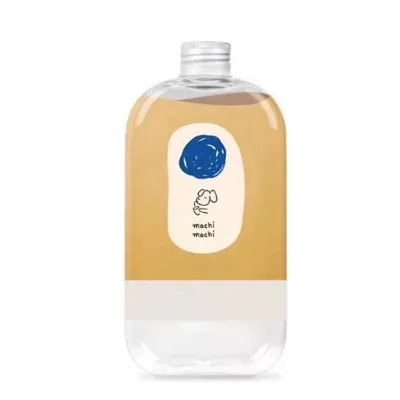
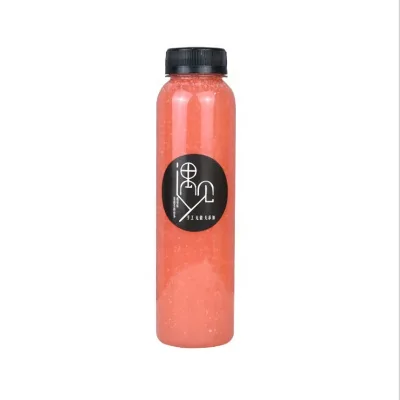
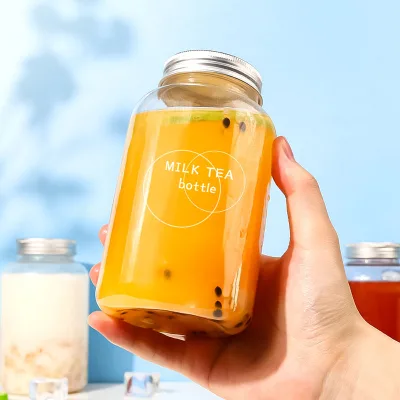
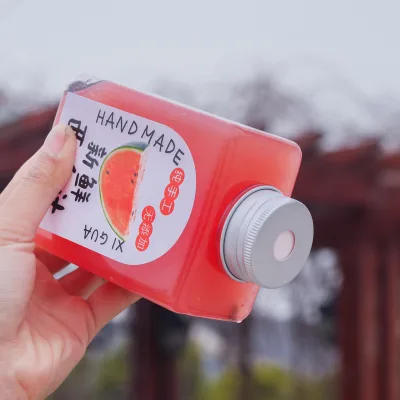
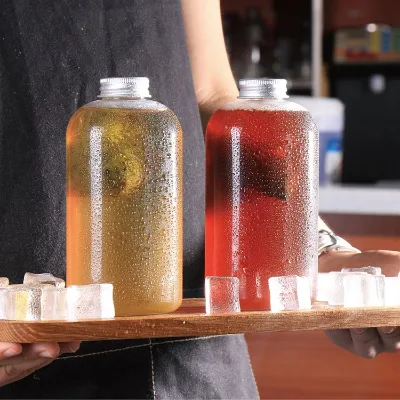
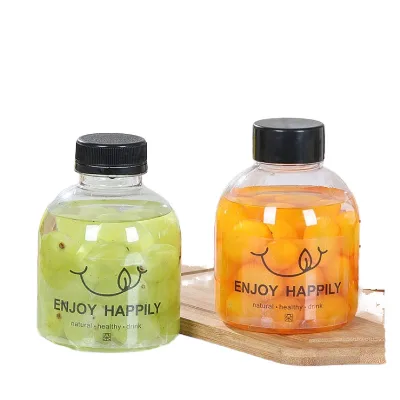
Wholesales Plastic Pet Juice Bottle 500ML 16OZ Empty Plastic Juice Bottles for Juice Milk
$0.1543 - $0.2067
MOQ: 240 Minimum
Hubei Jinrain Packaging Co., Ltd.
- Verified by Intertek
- Trading Company
- Lead time20 days
- Avg. response≤ 2h
Main productsPlastic Bottles, Plastic Jars
Main marketsNorth America(30%), Southeast Asia(10%), Mid East(10%)
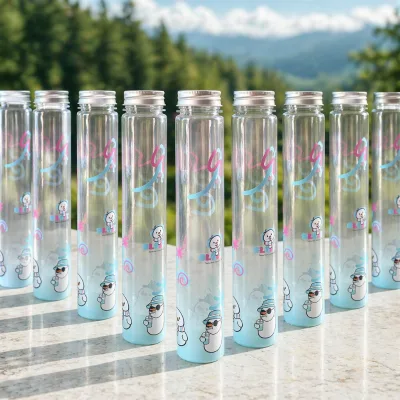
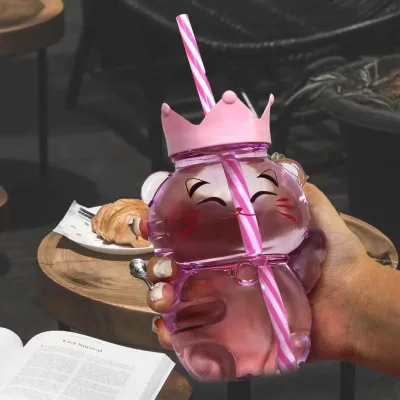
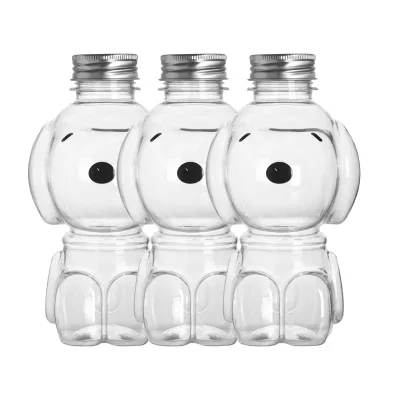
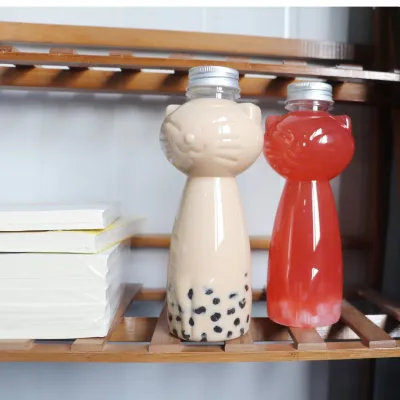
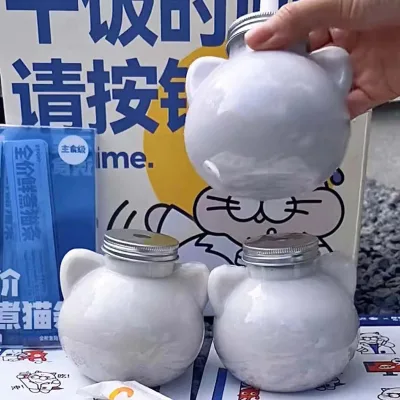
Custom 350ml/500ml PET Plastic Cat Shape Disposable Beverage Bottle for Water Brandy Food Milk
$0.1242 - $0.1345
MOQ: 5000 pieces

Condon Trading (Shanghai) Co., Ltd.
- Manufacturer, Trading Company
- Shanghai, China
- Lead time20 days
- Avg. response≤ 3h
Main productsPaper Cups,Paper container,paper bags,plastic bottle,Plastic cups
Main marketsNorth America(40.00%), Eastern Asia(15.00%), Mid East(15.00%), Oceania(15.00%), Southeast Asia(15.00%)

Ningbo Beixuan International Trading Co., Ltd.
- Verified by TUVRHEINLAND
- Manufacturer/Factory
- China Zhejiang
- Lead time15 days
- Avg. response≤ 10h
Main productsPlastic Bottle, Plastic Cup, Plastic Honey Jar, Plastic Food Container, Glass Juice/ Beverage Bottle, Glass Jar, Glass Wine Bottle, Glass Essential Oil Bottles, Cosmetic & Perfume Glass Bottles, Paper Cup
Main marketsSouth America,Eastern Europe,Mid East,North America,Southeast Asia,Eastern Asia,Oceania,Western Europe,Africa


Food Grade 350ml Pet Hot Filled Bottles Plastic Bottle Pet Juice Bottle
$0.14 - $0.15
MOQ: 5000 Pieces


Shijiazhuang Blue Morpho Import And Export Co., Ltd.
- Trading Company
- Hebei, China
- Lead time5 days
- Avg. response≤ 6h
Main productsPlastic packing products,Kraft paper bagsgs,Take out products,Cornstarch container,Paper box
Main marketsEastern Europe(20.00%), Southeast Asia(15.00%), Northern Europe(10.00%), Western Europe(10.00%), Eastern Asia(10.00%), Southern Europe(10.00%), South America(10.00%), North America(10.00%), Africa(5.00%)
$0.0617 - $0.0823
MOQ: 1 pieces
Guangzhou Kaixin Packing Products Co., Ltd.
- Verified by Intertek
- Manufacturer, Trading Company
- Lead time0 days
Main productsPlastic Bottle
Main marketsNorth America(35%), Mid East(25%), Western Europe(15%)
Ningbo Beixuan Intl Trading Co., Ltd.
- Verified by SGS Group
- Trading Company
- Lead time25 days
- Avg. response≤ 5h
Main productsPlastic Bottles, Glass Jars, Paper Products, Metal Box
Main marketsNorth America(21%), Mid East(21%), Southeast Asia(15%)
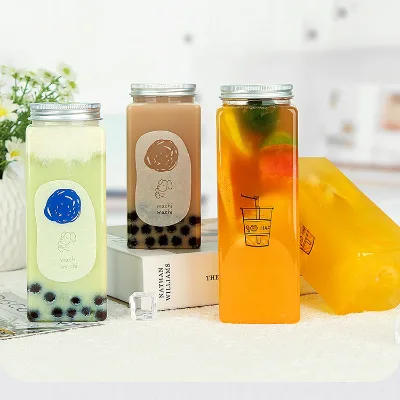
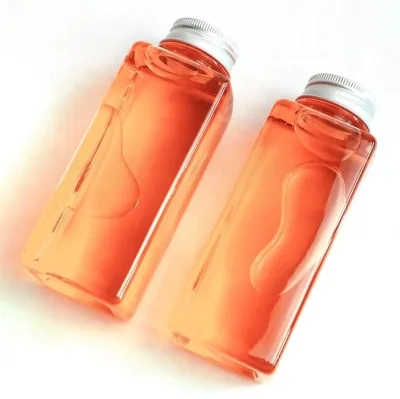
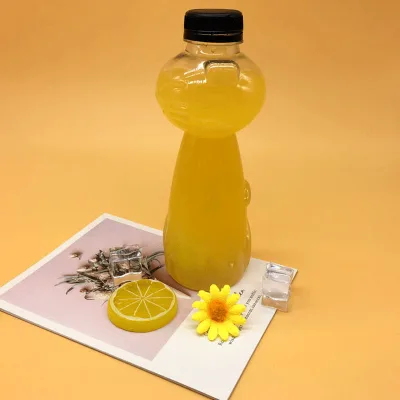
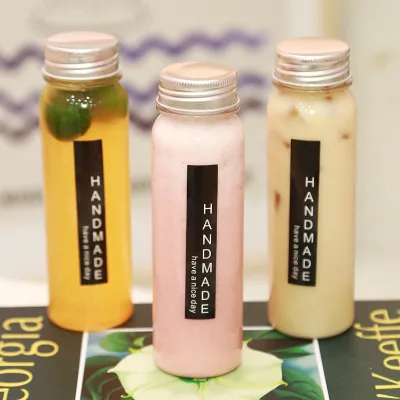
Square 400ml 500ml pet water bottle with food container plastic juice packing with straw
$0.09 - $0.14
MOQ: 5000
Fungard Packing Product (Shenzhen) Co., Ltd.
- Manufacturer, Trading Company, Distributor/Wholesaler
- Guangdong, China
- Lead time30 days
- Avg. response≤ 2h
Main productsbiodegradable,PLASTIC CUP,PAPER CUP,DESPOSABLE CUP,paper bag
Main marketsNorth America(90.00%), Southeast Asia(10.00%)
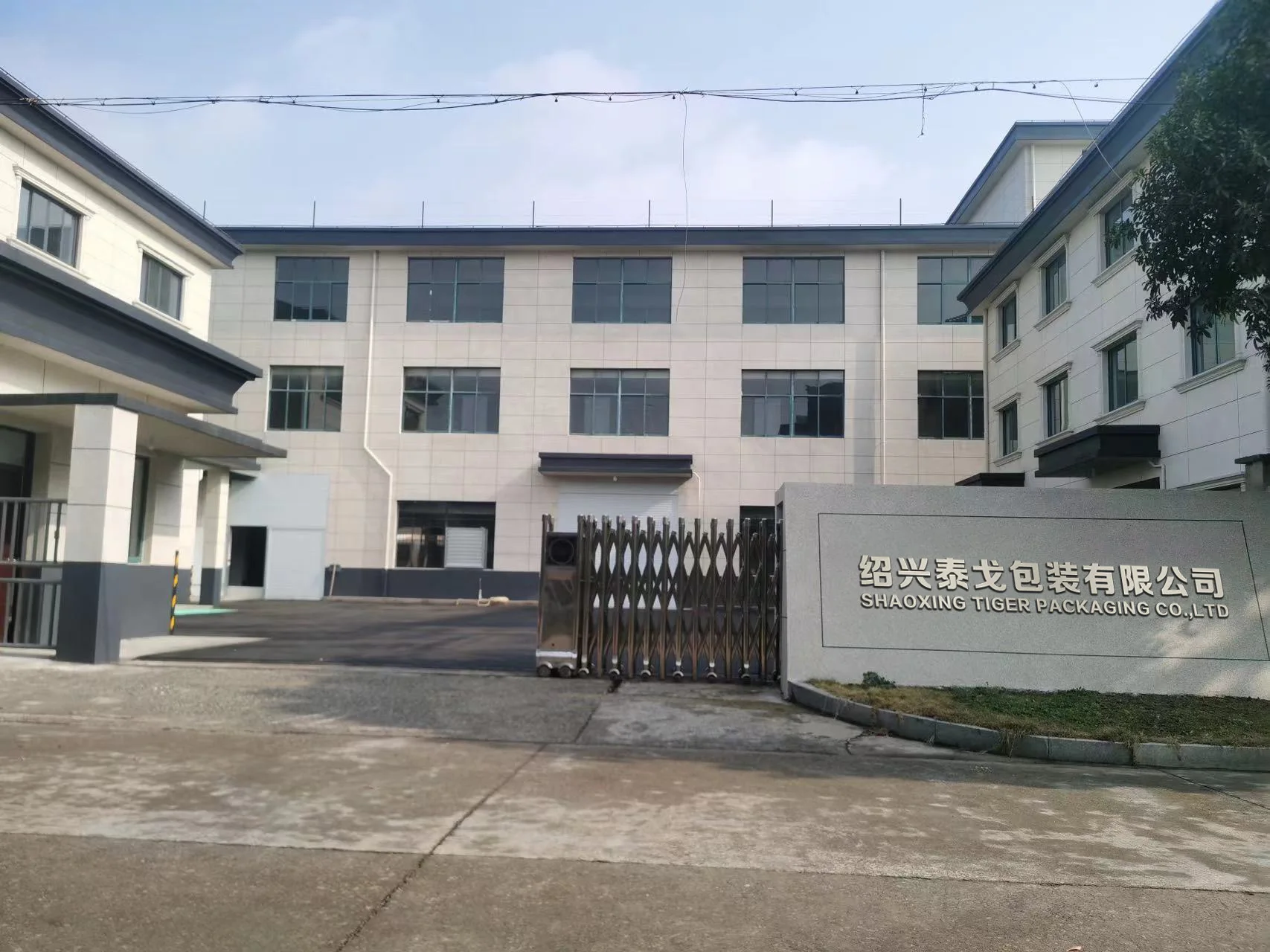
Shaoxing Tiger Packaging Co., Ltd.
- Trading Company
- Zhejiang, China
- Lead time20 days
- Avg. response≤ 3h
Main productsPlastic Cap, Mist Sprayer, Lotion Pump, Lip Stick Tube, Plastic Bottle
Main marketsDomestic Market(50.00%), North America(15.00%), Southeast Asia(15.00%), Eastern Asia(10.00%), Mid East(10.00%)
Taizhou Lanwei Packaging Technology Co., Ltd.
- Verified by TüVRheinland
- Manufacturer, Trading Company
- Lead time30 days
- Avg. response≤ 2h
Main productsE Liquid Bottle, Cosmetic Bottle, Food Container, Juice Bottle, Hook Bottle
Main marketsDomestic Market(60%), North America(15%), Western Europe(12%)
Shijiazhuang Langkuo Trading Co., Ltd.
- Verified by SGS Group
- Trading Company
- Lead time15 days
- Avg. response≤ 2h
Main productsStainless Steel Insulated Cup, Ceramic Mug, Glass Can, Heat Transfer Printing Machine, Intelligent Coffee Cup
Main marketsNorth America(35%), Southeast Asia(18%), Western Europe(15%)
Cixi Yangen Plastic Industry Co., Ltd.
- Verified by TüVRheinland
- Manufacturer, Trading Company
- Lead time10 days
- Avg. response≤ 6h
Main productsPlastic Bottle, Plastic Jar, Spice Bottle, Beverage Bottle, Honey Bottle
Main marketsOceania(23%), Mid East(21%), North America(15%)
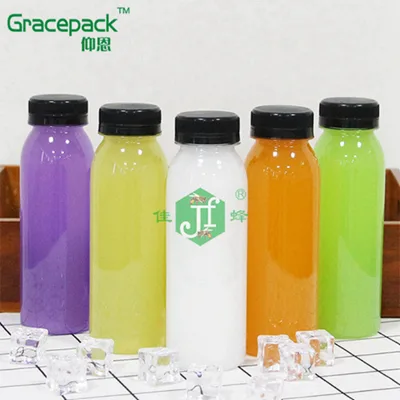
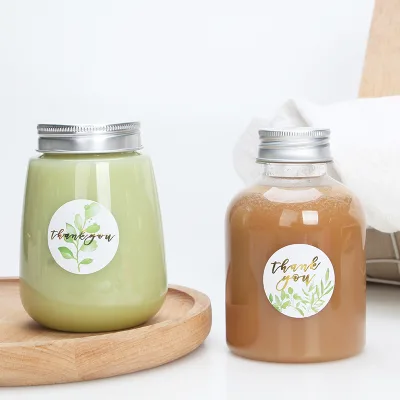
350Ml 360Ml 550Ml Disposable Transparent Beverage Plastic Juice Cold Drink Cold Bubble Tea Bottle
$0.10 - $0.40
MOQ: 500 pieces
Wuhan Xinyong'an Industry And Trade Co., Ltd.
- Verified by TüVRheinland
- Manufacturer, Trading Company
- Hubei, China
- Lead time15 days
- Avg. response≤ 5h
Main productsPaper Cups, Paper Bowls, Food Packaging Box, Plastic Cups, Biodegradable Products
Main marketsDomestic Market(50%), North America(40%), Western Europe(5%)
Anhui Avantis Packaging Technology Co., Ltd.
- Manufacturer, Trading Company
- Lead time旺季: "1 - 1000":10,"1001 - 5000":15,"5001 - 10000":20,"> 10000":"To be negotiated", 淡季: "1 - 1000":10,"1001 - 5000":15,"5001 - 10000":20,"> 10000":"To be negotiated"
- Avg. response≤ 4h
Main productsplastic jars,glass jars
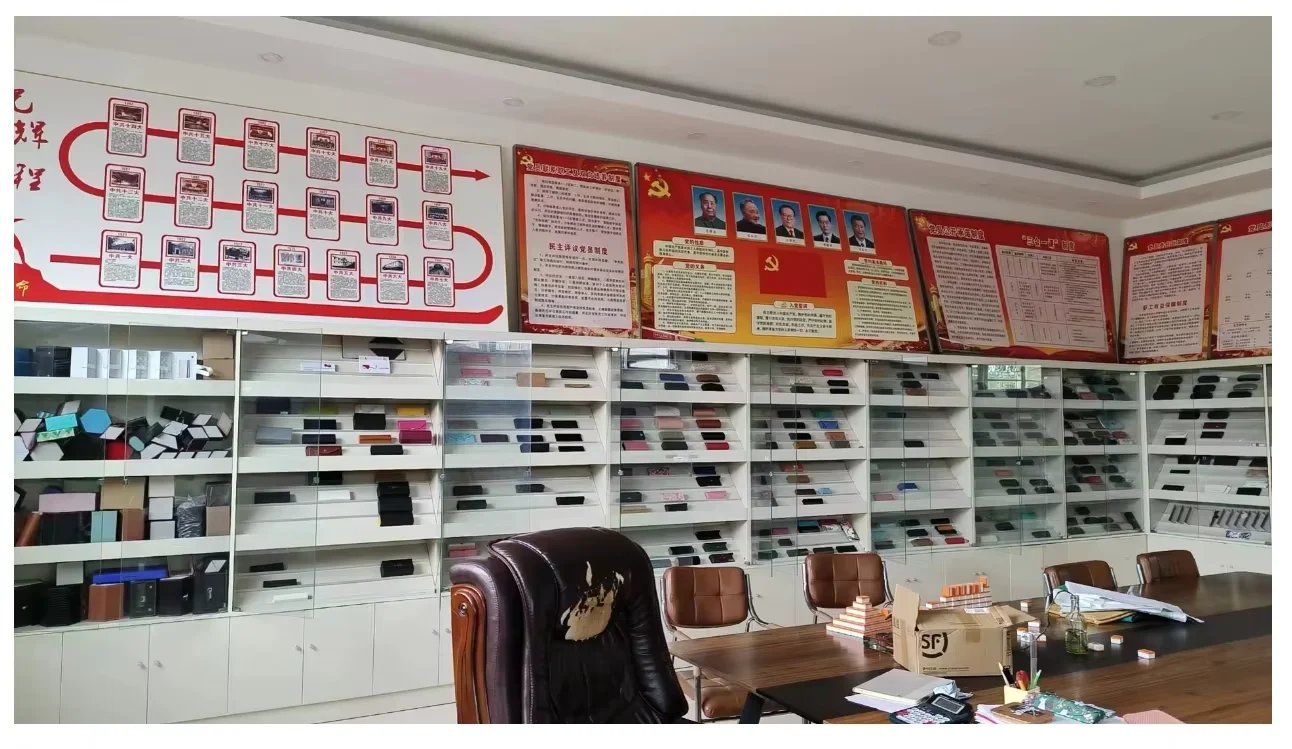
Yiwu Hongchuan Trading Firm (individual Business)
- Trading Company
- Zhejiang, China
- Lead time0 days
- Avg. response≤ 2h
Main productsGlasses case,Glasses cloth,Glasses box,Home decoration product,glass ware
Main marketsNorth America(35.00%), Central America(25.00%), South America(20.00%), Northern Europe(15.00%), Eastern Europe(5.00%)
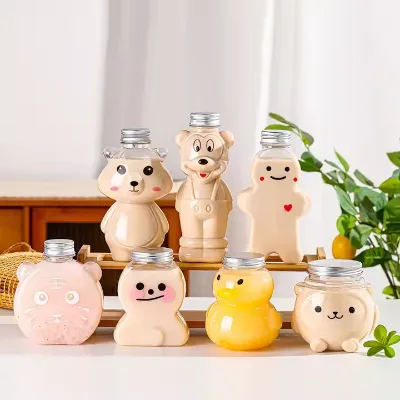
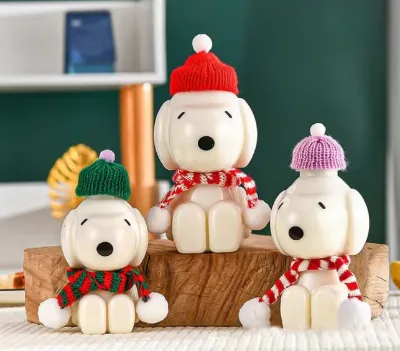
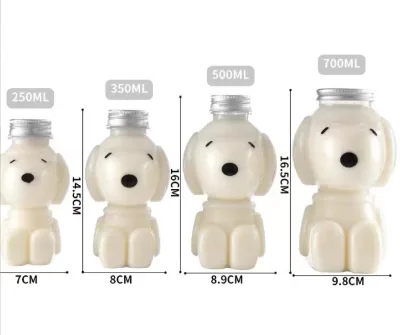
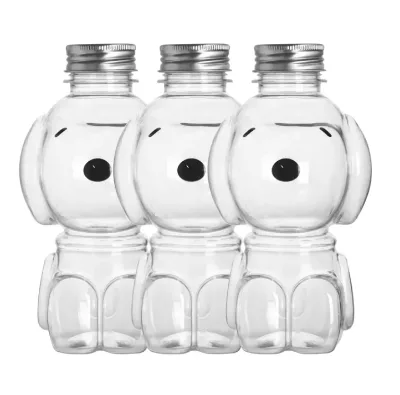
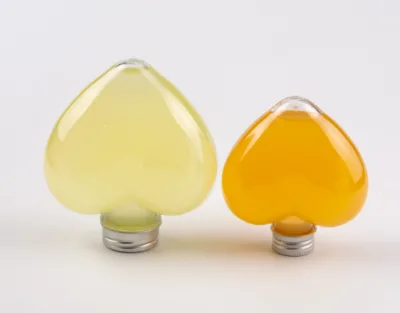
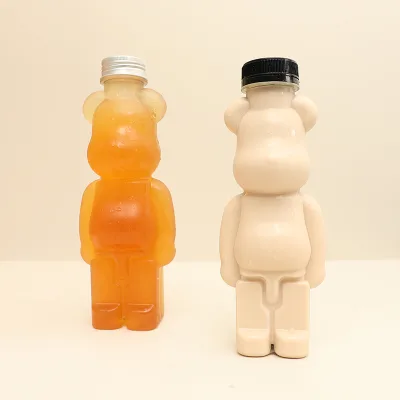
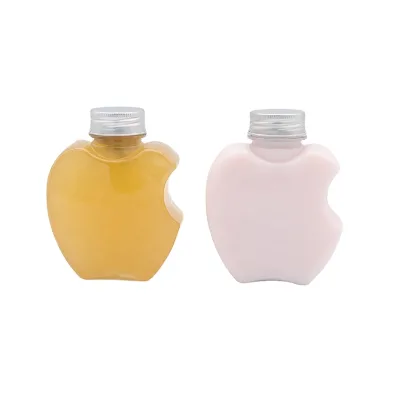
350ML 500ML Abnormal Animal Shape Pet Bottle for Juice Beverage Milk Tea
$0.1348 - $0.1873
MOQ: 200 sets
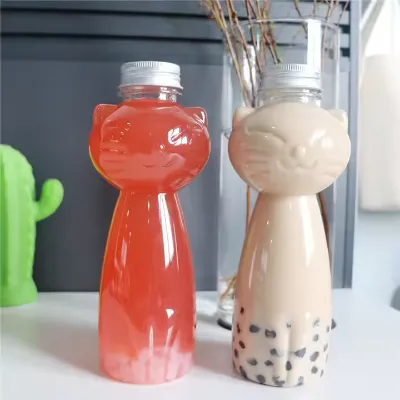
$0.1887 - $0.2412
MOQ: 200 sets
Taizhou Chenran Packaging Technology Co., Ltd
- Verified by TüVRheinland
- Manufacturer, Trading Company
- Lead time30 days
- Avg. response≤ 4h
Main productsPlastic Bottle, Spray Bottle, Lotion Bottle, PET Plastic Can, Beverage Bottle
Main marketsDomestic Market(45%), North America(20%), Southeast Asia(15%)

Wenzhou Guanmin Import and Export Co., Ltd.
- Verified by BV
- Trading Company,Manufacturer/Factory
- China Zhejiang
- Lead time120 days
- Avg. response≤ 6h
Main productsShopping Bag, Cooler Bag, Notebook, Pen, Color Pencil, Lanyard, Beach Ball, Umbrella, Sunshade, Air Freshener
Main marketsSouth America,Eastern Europe,Mid East,North America,Southeast Asia,Eastern Asia,Western Europe
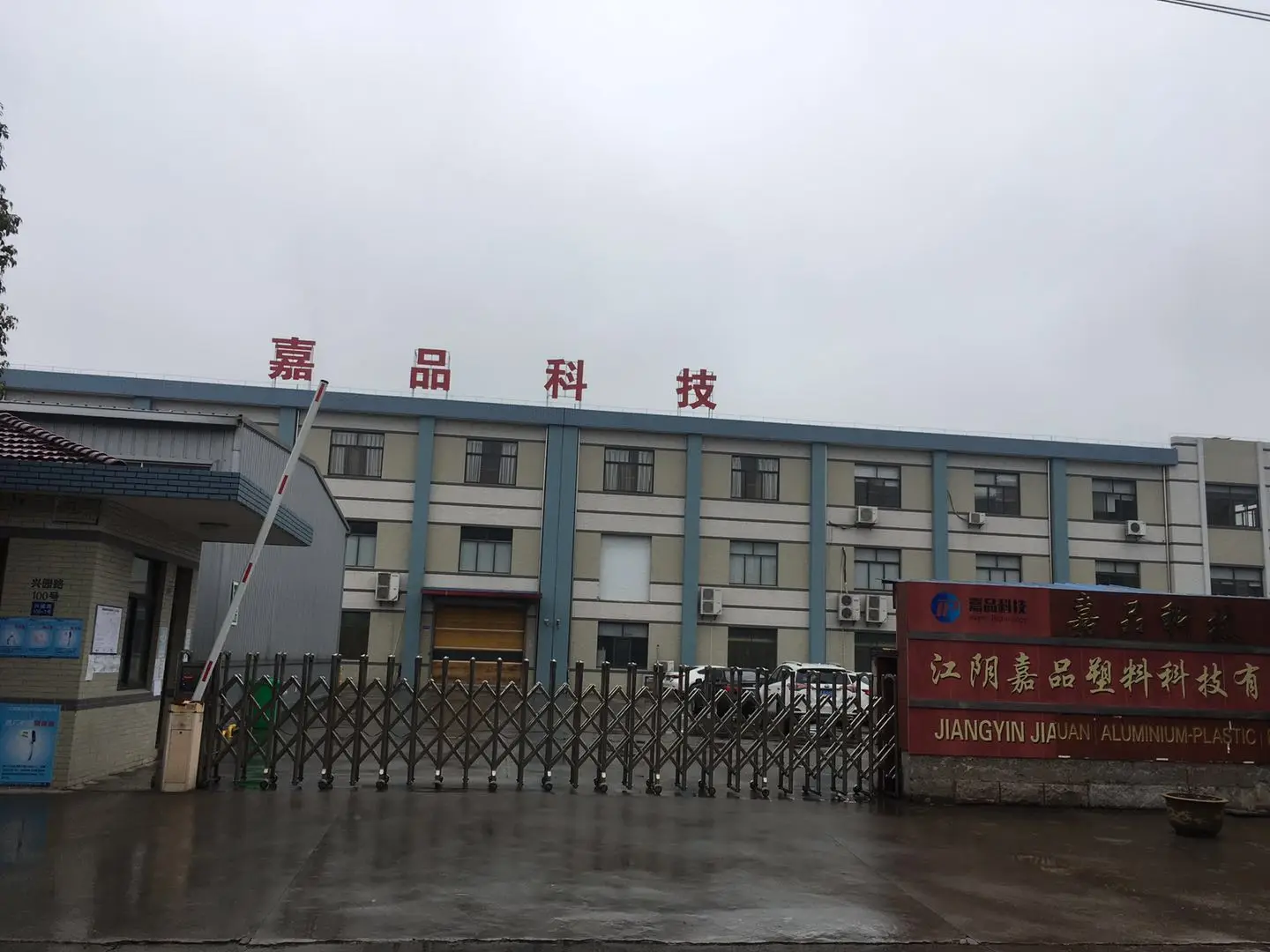
Jiangyin Jiapin Plastic Technology Co., Ltd.
- Manufacturer, Trading Company
- Jiangsu, China
- Lead time30 days
- Avg. response≤ 6h
Main productsPlastic Bottles, Plastic Jars, Travel Bottle Kits
Main marketsNorth America(55.00%), Domestic Market(25.00%), Southeast Asia(7.00%), Eastern Asia(4.00%), Northern Europe(3.00%), South America(2.00%), Western Europe(2.00%), Oceania(1.00%), Africa(1.00%)

Seamax(Xiamen)Technology Co Ltd
- Verified by TUVRHEINLAND
- Trading Company
- China Fujian
- Lead time15 days
- Avg. response≤ 1h
Main productsCan Sealing Machine, Can Seamer, Aluminum Cans and Ends, Food&Beverage Package, Plastic Cans, Can Sealer, Pet PP Cups and Cup Sealer, Canning Machine, Plastic Bottles and Preforms
Main marketsEast Asia(Japan/ South Korea)

Pet Plastic Juice Bottles - Food Grade, FDA Approved for Fresh & Concentrated Juice
$0.12 - $0.14
MOQ: 1000 Pieces

High-Clarity Plastic Beverage Bottles - Pet 38mm Dia Plastic Bottles for Beverage Pack
$0.12 - $0.14
MOQ: 1000 Pieces
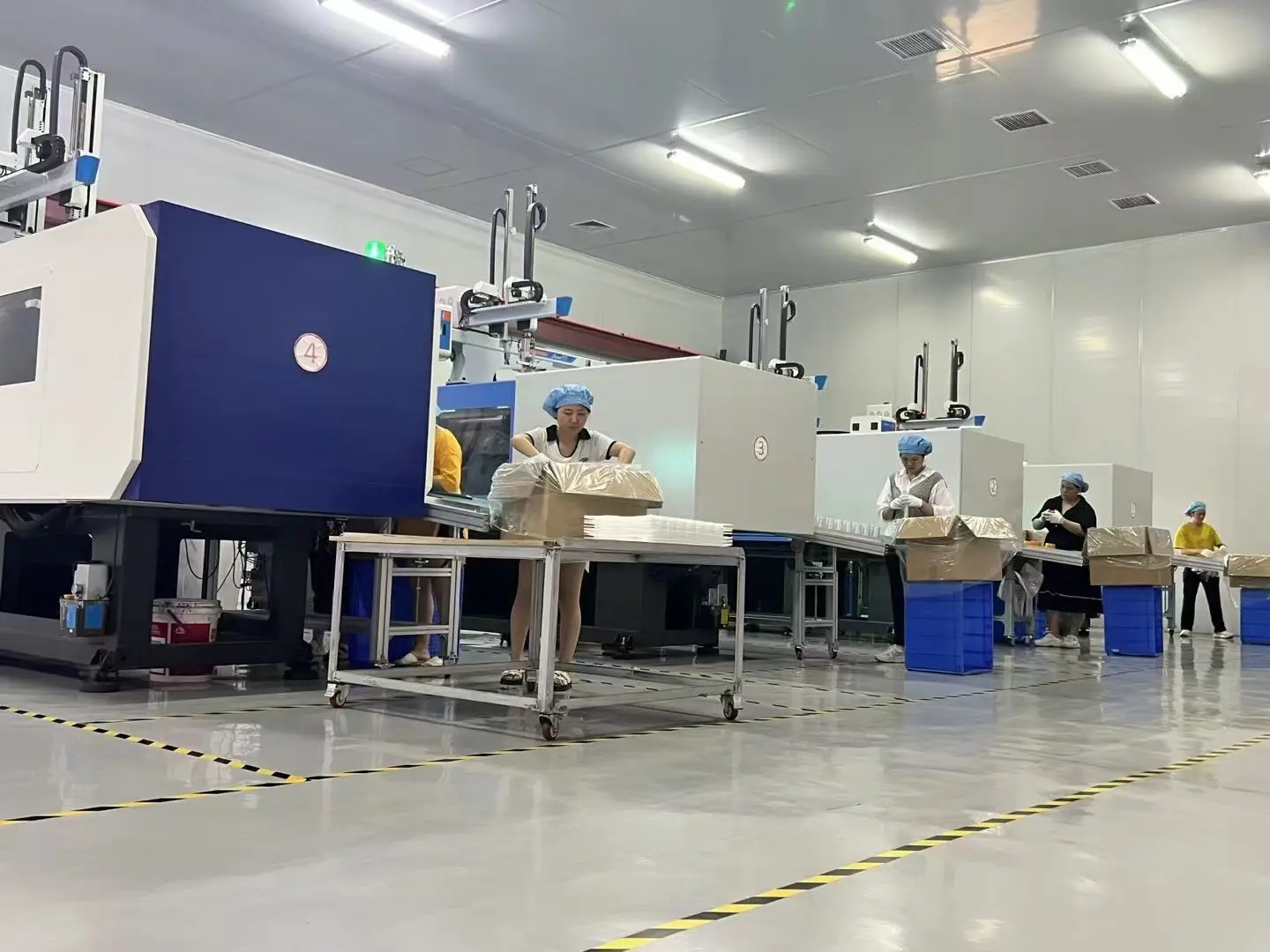
- Trading Company
- Hubei, China
- Lead time25 days
- Avg. response≤ 2h
Main productsJuice Bottles,Food Containers,Medication Bottles,Sauce Squeeze Bottles,Cosmetic Package Bottles
Main marketsCentral America(20.00%), Mid East(10.00%), Domestic Market(10.00%), Africa(10.00%), Southeast Asia(10.00%), South Asia(10.00%), South America(10.00%), North America(5.00%), Oceania(5.00%), Eastern Europe(5.00%), Eastern Asia(2.00%), Northern Europe(2.00%), Western Europe(1.00%)

Hubei Xinyujie Import and Export Trading Co., Ltd.
- Verified by SGS
- Combined
- China Hubei
- Lead time15 days
- Avg. response≤ 4h
Main productsSingle Wall Paper Cup, Double Wall Paper Cup, Embossed Wall Paper Cup, Ripple Wall Paper Cup, Soup Paper Cup, Ice Cream Paper Cup, Paper Bucket, Paper Bowl, PP / Pet / PLA Plastic Cup, Fruit Plastic Barrel
Main marketsDomestic


Customized Printed Large Capacity Leakproof Pet Juice Bottle with Straw
$0.02 - $0.04
MOQ: 49999 Pieces

Zhejiang Lebao Plastics Equipment Factory
- Combined
- China Zhejiang
- Lead time30 days
- Avg. response≤ 9h
Main productsBlow Moulding Machine, Injection Molding Machine, Pet Preform, Pet Preform Molds, Bottle Mould, Blow Molding Machine, Semi Automatic Blow Moulding, Injection Mould, Blowing Mould, Bottle
Main marketsSouth America,Africa,Southeast Asia/ Mideast,East Asia(Japan/ South Korea),Europe,Australia,North America
- Manufacturer, Trading Company
- Zhejiang, China
- Lead time15 days
- Avg. response≤ 2h
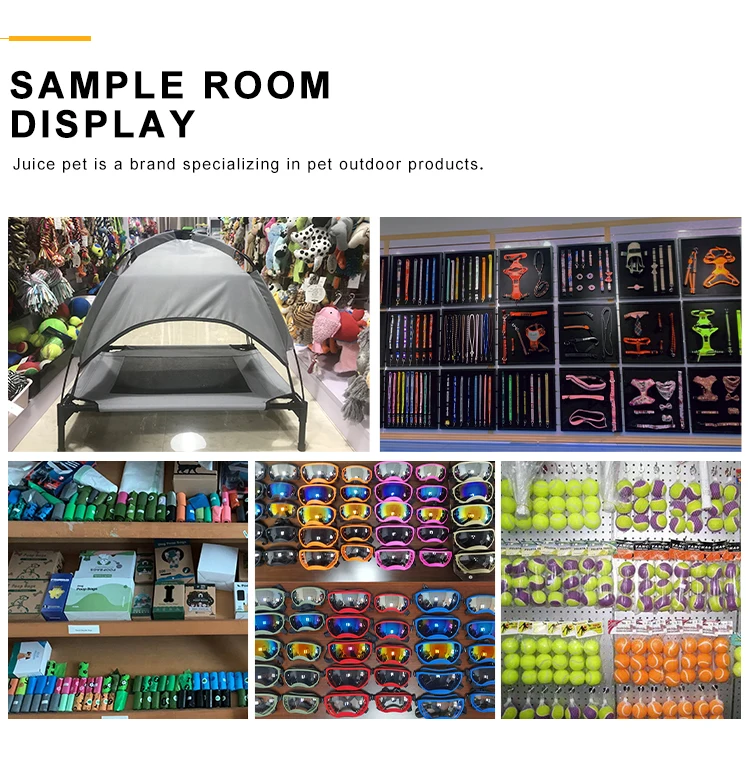
Main productsPet Outdoor Products,Pet Travel Products,Pet Toys,Pet Sunglasses,Pet Poop Bag
Main marketsNorth America(40.00%), Eastern Europe(20.00%), South America(10.00%), Mid East(5.00%), Southern Europe(5.00%), Western Europe(5.00%), Northern Europe(5.00%), Oceania(2.00%), Africa(2.00%), Eastern Asia(2.00%), Domestic Market(1.00%), South Asia(1.00%), Central America(1.00%), Southeast Asia(1.00%)






Comprehensive Sourcing Guide
Disposable PET Juice Bottle Supplier Concentration and Factory Types
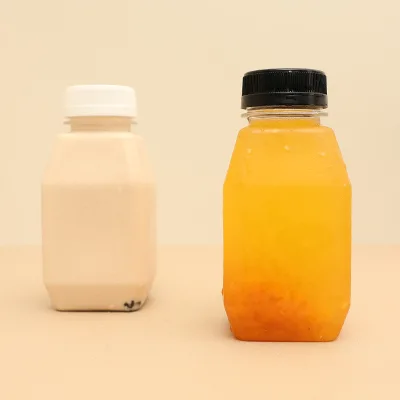
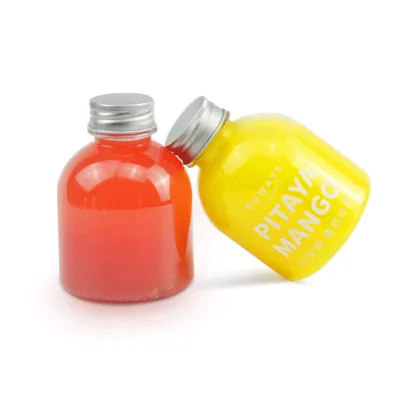
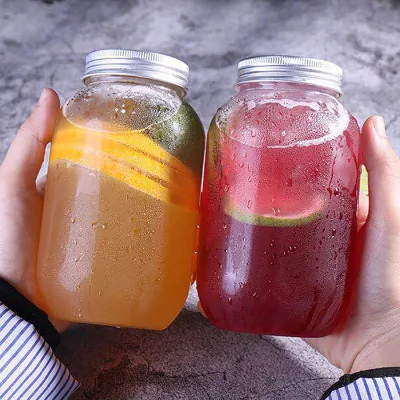
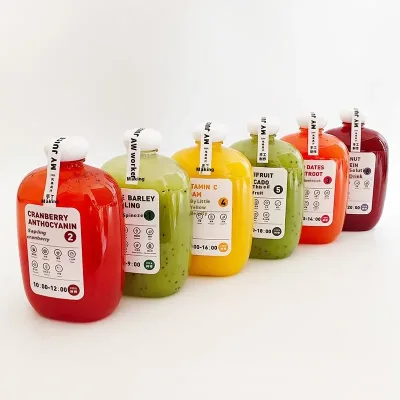
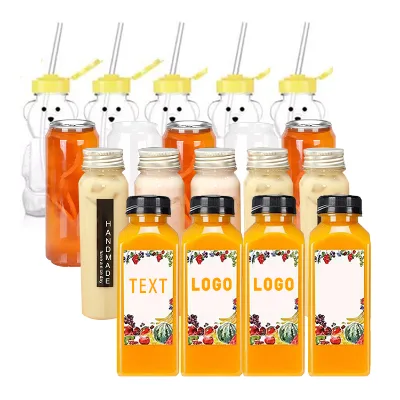
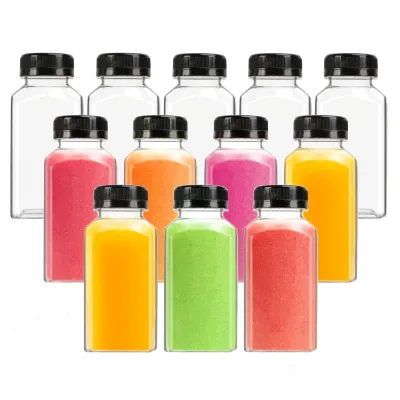
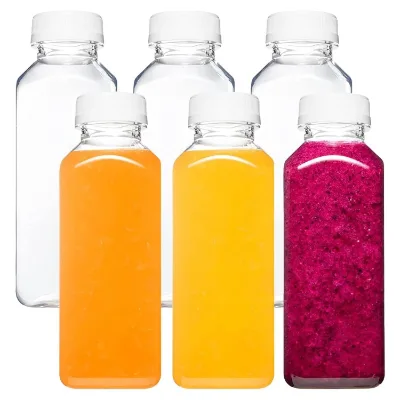
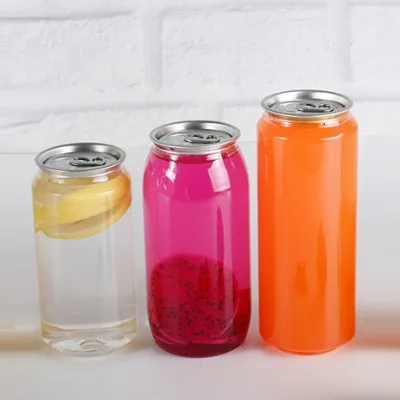
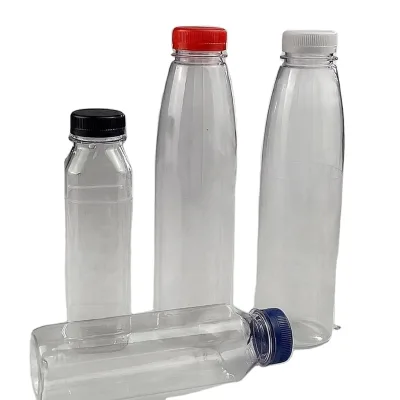
Current data indicates a concentration of suppliers in Shanghai, China, where trading companies dominate the landscape for disposable pet juice bottles. These entities often aggregate products like 500ml transparent PET bottles and 350ml square variants, offering a wide range of packaging solutions including lids and custom printing services. The presence of ODM and OEM capabilities suggests these suppliers can handle design modifications and branding requirements, though the primary business model remains trading rather than direct manufacturing. Buyers should note that while Shanghai is a verified location, other regions like Anhui also appear in results, offering alternative sourcing options with different product focuses such as raincoats or small appliances alongside beverage containers.
When assessing factory types, it is crucial to distinguish between pure trading companies and actual manufacturers, as the latter may offer more direct control over production timelines and quality. The observed supplier profiles frequently list "Trading Company" as their type, which implies they act as intermediaries connecting buyers with various production facilities. This structure can streamline the ordering process for diverse product needs but may introduce additional layers in communication. Buyers must verify if the supplier manages the entire supply chain or simply facilitates the transaction, as this distinction impacts the ability to inspect facilities and enforce specific production standards for food-grade PET materials.
How to Verify Disposable PET Juice Bottle Suppliers
Verification processes should prioritize checking for third-party audit reports, such as those from SGS, which appear in the current supplier data as a key credential. A verified status provides a baseline of trust regarding the company's legitimacy and operational history, though it does not guarantee specific product quality for every order. Buyers must cross-reference these verification badges with the supplier's actual product listings to ensure consistency between the claimed capabilities and the items offered, such as the specific 16 oz capacity bottles or custom logo acceptance features. Relying solely on a verification badge without examining the detailed product attributes can lead to mismatches in expectations regarding material safety and production capacity.
Beyond verification badges, buyers should scrutinize the response time metrics provided in supplier profiles, which currently show values like 1.53 hours or 2 hours for different entities. A rapid response time often correlates with a dedicated sales team and efficient communication channels, which are vital for resolving technical queries about bottle specifications like screw-on lids or offset printing techniques. However, a fast response does not automatically equate to high-quality output or reliable delivery schedules. Buyers must validate these claims by requesting samples and asking specific questions about the production process, ensuring that the supplier can meet the rigorous standards required for food contact materials like PET plastic used in juice and milk tea packaging.
What to Compare Across Disposable PET Juice Bottle Suppliers
Comparative analysis should focus on key operational metrics such as lead times, minimum order quantities, and pricing structures, which vary significantly across the available supplier pool. Current data reveals lead times ranging from 15 days to 30 days, indicating that production schedules are not uniform and depend heavily on the specific supplier's capacity and current order volume. Minimum order quantities also differ, with some suppliers requiring 10,000 units while others accept orders as low as 500 or 1,000 units. This variance allows buyers to select partners that align with their inventory strategy, whether they need bulk stock for large-scale distribution or smaller batches for market testing and new product launches.
Pricing and customization options form another critical comparison point, with unit costs fluctuating between $0.11 and $0.30 depending on the product model and order volume. Suppliers offering customized logos and specific printing techniques like offset printing may command different price points compared to standard clear bottles. Buyers must evaluate the total cost of ownership, including shipping and potential tariffs, rather than focusing solely on the per-unit price. Additionally, the availability of specific features such as BPA-free materials or eco-friendly certifications should be weighed against the price premium, ensuring that the selected supplier can deliver the exact specifications required for the target market without compromising on safety or regulatory compliance.
Common Disposable PET Juice Bottle Sourcing Risks
One significant risk involves the discrepancy between claimed material properties and actual product performance, particularly regarding food safety standards for PET bottles. While some listings explicitly state "BPA Free" and "Food Grade," these claims require independent verification through lab testing, as not all suppliers provide immediate access to such documentation. The reliance on generic terms like "Eco-Friendly" without specific certification details can lead to compliance issues in regulated markets. Buyers must insist on concrete evidence, such as test reports or compliance certificates, to ensure that the bottles meet the necessary safety requirements for holding beverages like juice, milk tea, or sports drinks without leaching harmful chemicals.
Another prevalent risk is the inconsistency in packaging and shipping standards, which can affect the condition of the bottles upon arrival. Variations in packing methods, such as "1000 pics/Cartoon" versus generic "Carton" descriptions, suggest different levels of protection during transit. Inadequate packaging can lead to crushed or deformed bottles, rendering them unusable for filling operations. Furthermore, the lack of standardized lead times across suppliers creates uncertainty in supply chain planning. A supplier promising a 15-day lead time might face delays due to raw material shortages or production bottlenecks, disrupting the buyer's inventory levels. Mitigating these risks requires clear contractual terms and regular communication to monitor production progress and ensure packaging integrity.
Disposable PET Juice Bottle Regional Sourcing and Logistics
Regional sourcing strategies should account for the geographic distribution of suppliers, with Shanghai and Anhui emerging as key hubs in the current data. Suppliers in Shanghai often specialize in a broad range of packaging products, including paper cups and plastic containers, which can simplify the procurement process for buyers needing multiple item types. In contrast, suppliers in Anhui may focus on specific beverage bottles or have different main product lines, such as raincoats and insoles, which could indicate a broader manufacturing base. Understanding these regional specializations helps buyers identify the most efficient sourcing channels based on their specific product requirements and logistical preferences.
Logistics planning must consider the impact of location on shipping costs and delivery times, as suppliers in different provinces may have varying access to major ports and transportation networks. The proximity of Shanghai to international shipping lanes often results in faster export processing, while suppliers in inland regions like Anhui might require additional transit time to reach coastal ports. Buyers should factor in these logistical variables when calculating total landed costs and lead times. Additionally, the choice of supplier location can influence the ability to conduct on-site inspections or audits, which are critical for verifying production capabilities and quality control measures. Evaluating these regional factors ensures a more robust and reliable supply chain for disposable pet juice bottles.
Disposable PET Juice Bottle Commercial Terms and Order Planning
Commercial terms regarding payment, escrow, and order planning are essential for managing financial risk and ensuring project success. While specific escrow details are not universally provided in the current data, buyers should prioritize suppliers who offer secure payment methods to protect their capital during the production phase. Clear agreements on payment milestones, such as deposits and balance payments upon shipment, help align the interests of both parties and reduce the likelihood of disputes. Buyers must also clarify the terms for handling defects or delays, ensuring that the supplier is accountable for meeting the agreed-upon quality standards and delivery schedules.
Order planning should be tailored to the specific MOQ and lead time constraints of the chosen supplier, as these factors directly impact inventory management and cash flow. With MOQs ranging from 500 to 10,000 units, buyers need to balance the cost benefits of bulk ordering against the risk of overstocking. A strategic approach involves negotiating flexible terms that allow for smaller initial orders with the option to scale up as market demand grows. Additionally, planning for potential lead time variations is crucial; buyers should maintain a buffer stock to account for delays and ensure continuous supply. By carefully aligning commercial terms with operational needs, buyers can optimize their sourcing strategy for disposable pet juice bottles and achieve long-term supply chain stability.
FAQs
What is the typical lead time for disposable PET juice bottles?
Manufacturers generally require 30 days to produce standard orders of disposable PET juice bottles. Some suppliers in Anhui, China, offer a faster turnaround of 15 days for specific items. Buyers should confirm the exact schedule with the supplier before placing an order to ensure timely delivery.
What is the minimum order quantity for these bottles?
The minimum order quantity varies by supplier and product model. Many standard 16 oz PET bottles require a minimum of 10,000 pieces. However, some suppliers offer lower thresholds, such as 500 or 1,000 pieces for specific models. Always verify the MOQ for your chosen product.
Are these bottles suitable for both hot and cold beverages?
Most listed PET bottles are designed for cold cups and drinking cups. Some specific models are explicitly rated for both hot and cold cups. Buyers should check the product attributes for usage specifications to ensure the bottle meets their specific beverage temperature requirements.
What is the price range for disposable PET juice bottles?
Prices typically range from $0.11 to $0.30 per unit depending on the model and quantity. For example, 350ml bottles may cost around $0.11 to $0.12, while 16 oz options range from $0.20 to $0.30. Prices are subject to change based on order volume.
Can I customize the logo on these plastic bottles?
Yes, most suppliers accept customized logos on their disposable PET juice bottles. Options often include offset printing to match your brand identity. Buyers should provide their logo files and confirm printing details with the supplier to ensure the final product meets their branding requirements.
Where are these suppliers located?
Suppliers offering these products are primarily located in China, specifically in Shanghai and Anhui. Shanghai-based suppliers often handle larger volume orders with specific production capabilities. Anhui-based suppliers may offer different lead times and product variations. Buyers can filter by location to find nearby partners.
What is the response time for supplier inquiries?
Supplier response times vary, with some responding within 1.53 hours and others taking up to 2 hours. Faster response times indicate active customer service teams. Buyers should prioritize suppliers with quicker response times to ensure efficient communication throughout the sourcing and production process.