Recyclable Cosmetic Plastic Pump Bottle Suppliers and Manufacturers
Source Recyclable Cosmetic Plastic Pump Bottle options from 34 verified suppliers. Compare key dimensions including ISO certifications, OEM/ODM capabilities, lead times, and pricing. Review product specifications and request quotes directly to streamline your procurement process; review the available evidence before requesting comparable quotations from suitable candidates.
Updated
Suppliers List

ningbo crown commodity co.,ltd
- Verified by SGS
- Combined
- China Zhejiang
- Lead time30 days
- Avg. response≤ 25h
Main productsPerfume Sprayer, Lotion Pump, Trigger Sprayer, Pet Bottle, Cosmetic Package, Eyeliner Package
Main marketsAfrica,Southeast Asia/ Mideast,Europe,North America

- Verified by BV
- Trading Company,Manufacturer/Factory
- China Zhejiang
- Lead time45 days
- Avg. response≤ 4h
Main productsPet Bottles, PP_PE Bottles, Plastic Tubes, Sustainable Packaging, R&D Service, PCR Pacakgaing, Sugarcane Packaging, Mono Material Packaging, Abl Tubes, Aluminum Tubes
Main marketsSouth America,Eastern Europe,Mid East,North America,Southeast Asia,Eastern Asia,Oceania,Western Europe,Africa

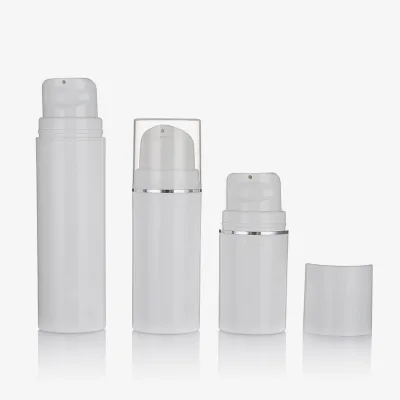
200ml PP Recyclable Cylinder Cosmetic Skincare Plastic Packaging Lotion Pump Bottle
$0.01 - $0.50
MOQ: 10000 Pieces


Ningbo YMS Imp & Exp Co., Ltd.
- Trading Company
- China Zhejiang
- Lead time45 days
- Avg. response≤ 9h
Main productsLipstick Case, Cosmetic Compact, Lip Gloss Case, Mascara Tube, Eyeliner Bottle, Cosmetic Pen, Acrylic Jar, Cosmetic Pot, Loose Powder Container, Airless Lotion Bottle
Main marketsSouth America,Southeast Asia/ Mideast,Europe
Jinhua Heyang Plastic Technology Co., Ltd.
- Verified by Intertek
- Trading Company
- Lead time30 days
- Avg. response≤ 6h
Main productsCosmetic Packaging, Spray Bottle, Shampoo Bottle, Cream Jar, Cosmetic Tube
Main marketsWestern Europe(30%), South America(20%), Southeast Asia(20%)

YUYAO YIHE COMMODITY CO., LTD.
- Verified by TUVRHEINLAND
- Manufacturer/Factory
- China Zhejiang
- Lead time23 days
- Avg. response≤ 5h
Main products20ml Pocket Perfume Bottle with Caps, Trigger Sprayer, Lotion Pump, Mist Sprayer, Pet Bottle, Disc Top Cap, Flip Top Cap, Foam Sprayer, Foam Sprayer Bottle, Perfume Sprayer
Main marketsSouth America,Eastern Europe,Mid East,North America,Southeast Asia,Eastern Asia,Oceania,Western Europe

Ningbo Crete Plastic Co., Ltd.
- Trading Company
- China Zhejiang
- Lead time23 days
- Avg. response≤ 13h
Main productsCosmetic Bottle, Cosmetic Jar, Trigger Sprayer, Lotion Pump, Foam Pump, Mist Sprayer, Plastic Cap, Airless Bottle, Cosmetic Tube, Plastic Bottle
Main marketsSouth America,Africa,Southeast Asia/ Mideast,East Asia(Japan/ South Korea),Domestic,Europe,Australia,North America

Ningbo Somewang Packaging Co., Ltd.
- Verified by SGS
- Combined
- China Zhejiang
- Lead time23 days
- Avg. response≤ 4h
Main productsCosmetic Packaging, Cosmetic Bottle, Plastic Bottle, Cosmetic Tube, Cream Jar, Lotion Pump, Mist Sprayer, Trigger Sprayer, Plastic Cap, Glass Bottle
Main marketsSoutheast Asia/ Mideast,Europe,North America


Multi Capacity Plastic Pump Bottle Cosmetic Cream Airless Bottles with Pump
$0.34 - $0.35
MOQ: 10000 Pieces

Refillable 30ml Airless Pump Bottle Refillable Empty Plastic Airless Lotion Pump Bottle
$0.34 - $0.35
MOQ: 10000 Pieces

SHAOXING SHANGYU MANLIJIN PACKAGING CO., LTD.
- Manufacturer/Factory
- China Zhejiang
- Lead time23 days
- Avg. response≤ 3h
Main productsPlastic Tube, Cosmetic Packaging, Cosmetic Tube, Cosmetic Bottle, Paper Box, Tin Box, Plastic Bottle, Soft Tube, Plastic Packaging
Main marketsSouth America,Eastern Europe,Mid East,North America,Southeast Asia,Eastern Asia,Oceania,Western Europe,Africa

100ml Recyclable Plastic Upside Down Spray Pump Bottle Pet Cosmetic Toner Bottle
$0.30 - $0.60
MOQ: 10000 Pieces

Yuyao Lonshine Sprayer Co.,ltd
- Verified by SGS Group
- Manufacturer, Trading Company
- Lead time20 days
- Avg. response≤ 3h
Main productsTrigger Sprayer, Nail & Cleaning Pump, Fine Mist Sprayer, Lotion Pump, Airless Bottle
Main marketsSoutheast Asia(60%), North America(10%), South America(10%)
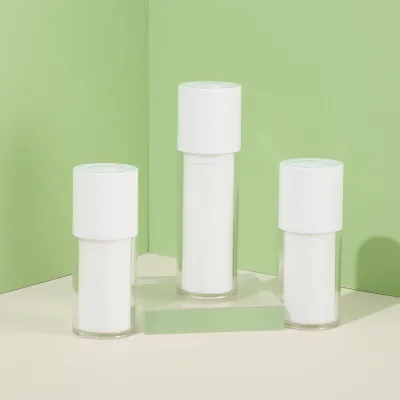
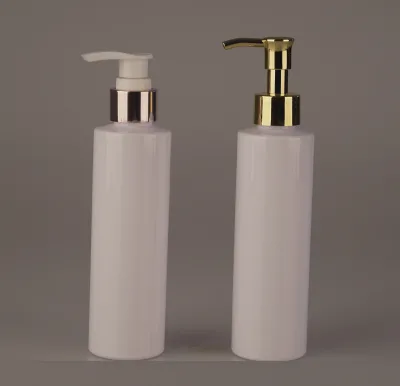
24/410 Pump Lotion Bottle Cream Color Cosmetic Bottle 180ml Luxury Lotion Bottle with Pump
$0.15
MOQ: 10000 Minimum
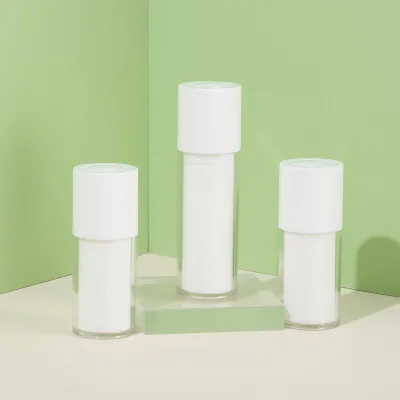
$0.4045 - $0.4359
MOQ: 10000 Minimum
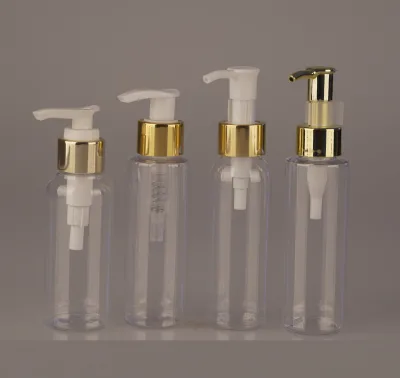
Clear lotion pump bottle 100ml 24 neck size custom lotion bottle with pump for skin care
$0.12
MOQ: 10000 pieces
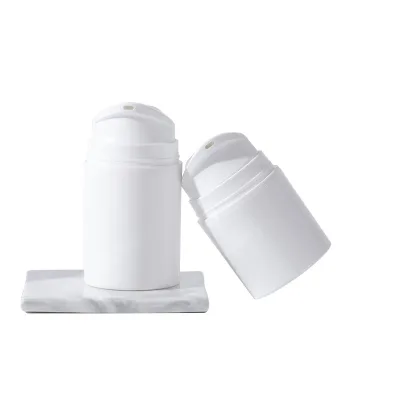
$0.25 - $0.32
MOQ: 10000 Minimum

Yuyao Yuge Commodity Packing Co., Ltd.
- Verified by SGS
- Combined
- China Zhejiang
- Lead time15 days
- Avg. response≤ 8h
Main productsLotion Pump, Trigger Sprayer, Plastic Cap, Cosmetic Packaging
Main marketsSouth America,Europe,Australia,North America

Guangzhou Winly Packaging Products Co., Ltd.
- Verified by CTI
- Trading Company
- China Guangdong
- Lead time15 days
- Avg. response≤ 4h
Main productsCosmetic Packaging Pet Bottle, HDPE LDPE Bottle, Glass Bottle, Paper Boxes, Airless Bottle, Make-up Tools
Main marketsSoutheast Asia/ Mideast,Europe,North America


White Portable Cosmetic Empty Refillable Plastic Bottle with Lotion Pump
$0.09 - $0.15
MOQ: 5000 Pieces


Guangzhou Huadu District Fengxin Plastic Products Factory
- Manufacturer
- China Guangdong
- Lead time23 days
- Avg. response≤ 2h
Main productsPet Plastic, Pet Tube, Pet Bottle, Pet Jar, HDPE Bottle, PVC Bottle, Acrylic Bottle, Acrylic Jar, Airless Bottle, Plastic Tube
Main marketsSoutheast Asia/ Mideast,Europe,Australia,North America


Eco Friendly Empty Cosmetic Packaging Pet Shampoo Plastic Lotion Pump Bottle
$0.30 - $0.40
MOQ: 5000 Pieces
Shaoxing Camil Packaging Co., Ltd.
- Verified by Intertek
- Trading Company
- Lead time30 days
- Avg. response≤ 4h
Main productsAirless Pump Bottle, Airless Jar
Main marketsNorth America(45%), South America(15%), Eastern Europe(15%)

Yuyao Mingsheng Commodity Co., Ltd.
- Verified by SGS
- Combined
- China Zhejiang
- Lead time15 days
- Avg. response≤ 5h
Main productsLotion Pump, Trigger Sprayer, Plastic Cap, Airless Bottle
Main marketsSouth America,Southeast Asia/ Mideast,Europe

Xiamen Luckypack Paper Products Co., Limited
- Verified by TUVRHEINLAND
- Manufacturer/Factory
- China Fujian
- Lead time30 days
- Avg. response≤ 6h
Main productsPaper Cup, Biodegradable Tableware, Disposable Cup, Food Box
Main marketsEastern Europe,North America,Southeast Asia

YUYAO JIEMING SPRAYER CO., LTD.
- Verified by TUVRHEINLAND
- Combined
- China Zhejiang
- Lead time23 days
- Avg. response≤ 20h
Main productsLotion Pump, Fine Mist Sprayer, Treatment Pump, Airless Bottle, Foam Pump, Oil Pump, 0.6cc Cream Pump, Oral Sprayer, Nasal Sprayer, Trigger Sprayer
Main marketsSouth America,Domestic

Recyclable Big Plastic Cosmetic Skincare Lotion Bottle Pump with 4.0ml Dosage
$0.024 - $0.032
MOQ: 10000 Pieces


Guangzhou Amy Plastic Tube Co., Ltd.
- Verified by BV
- Combined
- China Guangdong
- Lead time30 days
- Avg. response≤ 19h
Main productsCosmetic Packaging Tube, Plastic Tube, Cosmetic Packaging, Cosmetic Tube, Aluminium Laminated Tube, Packaging Solution, Plastic Packaging, Flexible Soft Tube, Cosmetic Container
Main marketsSouth America,Africa,Southeast Asia/ Mideast,East Asia(Japan/ South Korea),Europe,Australia,North America

Hebei Shengjin Package Co., Ltd.
- Verified by TUVRHEINLAND
- Manufacturer/Factory
- China Hebei
- Lead time0 days
- Avg. response≤ 3h
Main productsGlass Bottle, Cosmetic Bottle, Perfume Bottle, Dropper Bottle, Pill Bottle
Main marketsSouth America,Eastern Europe,Mid East,North America,Southeast Asia,Eastern Asia,Oceania,Western Europe,Africa

Guangzhou Lancai Packaging Technology Co., Ltd.
- Verified by TUVRHEINLAND
- Manufacturer
- China Guangdong
- Lead time30 days
- Avg. response≤ 7h
Main productsPlastic Packaging Containers for Cosmetics, Plastic Bottle, Plastic Jar, Plastic Tube, Cosmetic Packaging, Containers for Cosmetics, Cosmetic Bottle, Cosmetic Tube, Cosmetic Jar

300/500ml Cosmetic Packaging Shampoo Bottle 100% Recyclable Plastic Bottle
$0.269 - $0.31
MOQ: 5000 Pieces


Stylish White Plastic Cosmetic Bottles for Elegant Packaging Solutions
$0.255 - $0.283
MOQ: 1000 Pieces


Impac International Trading Co., Ltd. (zhangjiagang)
- Verified by Intertek
- Trading Company
- Lead time30 days
- Avg. response≤ 4h
Main productsAcrylic Bottles And Jars, Plastic Bottles And Jars, Glass Bottles And Jars, Cosmetic Packaging, Spray Bottles
Main marketsNorth America(45%), Western Europe(25%), South America(8%)
Zhejiang Ukpack Packaging Co., Ltd.
- Manufacturer
- Zhejiang, China
- Lead time35 days
- Avg. response≤ 1h
Main productsAirless Bottle,Cosmetic Pump Bottle,Cream Jar,Syrup Pump,Sauce Pump
Main marketsNorth America(40.00%), Domestic Market(30.00%), Western Europe(30.00%)
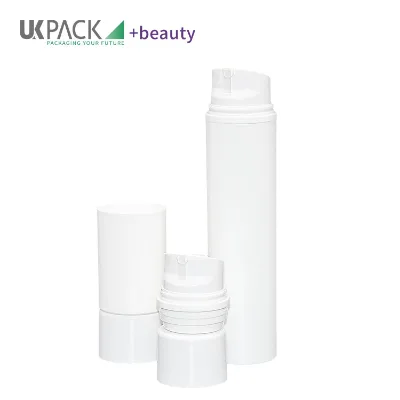
Cosmetics Skin Care Plastic Lotion Spray Bottle No air Pump Bottle 50ml 150ml
$0.20 - $0.25
MOQ: 10000

Ningbo Ola Commodity Co., Ltd.
- Verified by BV
- Manufacturer/Factory
- China Zhejiang
- Lead time0 days
- Avg. response≤ 14h
Main productsTrigger Sprayer, Lotion Pump, Crimp Pump, Mist Sprayer, Aluminium Bottle, Pet Bottle, Cosmetic Packaging, Perfume Atomizer, Cap, Tube

Chengdu Moxtown Trading Co., Ltd.
- Trading Company
- Sichuan, China
- Lead time15 days
- Avg. response≤ 2h
Main productsPlastic Bottle,Plastic Jar,Plastic Tubes,Makeup Box,Cosmetic Packaging
Main marketsNorth America(40.00%), Western Europe(30.00%), Oceania(20.00%), Domestic Market(10.00%)

guangzhou huaxin plastic product co.ltd
- Verified by CTI
- Combined
- China Guangdong
- Lead time30 days
- Avg. response≤ 4h
Main productsPlastic Tube, Cosmetic Tube, Soft Tube, Plastic Tube Packaging, PE Tube, Clear Plastic Tube, Hand Cream Tube, Eye Cream Tube, Pet Bottle, Cosmetic Jar
Main marketsSouth America,Africa,Southeast Asia/ Mideast,East Asia(Japan/ South Korea),Domestic,Europe,Australia,North America


$0.26 - $0.28
MOQ: 10000 Pieces

Ningbo Shengxin Import and Export Co., Ltd.
- Verified by CTI
- Trading Company
- China Zhejiang
- Lead time23 days
- Avg. response≤ 3h
Main marketsSoutheast Asia/ Mideast,Europe,North America

High Quality Plastic Refillable Pump Lotion Bottle for Cosmetic Packing
$0.20 - $0.30
MOQ: 10000 Pieces

Zhejiang Sun-Rain Industrial Co.,ltd.
- Verified by TüVRheinland
- Manufacturer, Trading Company
- Lead time25 days
- Avg. response≤ 5h
Main productsLotion Pump, Fine Mist Sprayer, Airless Bottle, Lotion Bottle, Cream Jar
Main marketsDomestic Market(40%), North America(16%), Central America(15%)

Ningbo Xiangshu Packaging Co., Ltd.
- Verified by TUVRHEINLAND
- Trading Company
- China Zhejiang
- Lead time23 days
- Avg. response≤ 7h
Main productsPet Bottle
Main marketsSouth America,Africa,Others(foreignTradeCapacity.exportBusinessCapacityMarketOther),Southeast Asia/ Mideast,East Asia(Japan/ South Korea),Europe,North America

Cosmetic Packaging Plastic Shampoo Lotion Pump Bottles 120ml Pet Square Bottles
$0.09 - $0.12
MOQ: 5000 Pieces

220ml PET Cosmetic Bottle with Pump for Lotion Shampoo and Makeup Remover
$0.30 - $0.45
MOQ: 5000 Pieces

Luxury 150ml Square Acrylic Bottle Pump Lotion Bottle Cosmetic Acrylic Bottle
$1.60 - $2.50
MOQ: 100 Pieces
Yuyao Blooming Commodity Co., Ltd.
- Verified by TüVRheinland
- Manufacturer, Trading Company
- Lead time15 days
- Avg. response≤ 3h
Main productsCream Pump, Roll On Bottle, Airless Bottle, All Plastic Trigger Sprayer, Deodorant Stick Tube
Main marketsNorth America(26%), Eastern Europe(22%), Domestic Market(15%)
Hangzhou Sunshine Packaging Technology Co., Ltd.
- Verified by SGS Group
- Trading Company
- Lead time30 days
- Avg. response≤ 4h
Main productsBottles
Main marketsNorth America(35%), Mid East(30%), Eastern Asia(15%)
Shanghai Best China Industry Co., Ltd.
- Trading Company
- Lead time旺季: "1 - 10000":35,"> 10000":"To be negotiated", 淡季: "1 - 10000":35,"> 10000":"To be negotiated"
- Avg. response≤ 3h
Main productsGlass Bottle, Plastic Bottle, Glass Jar, Plastic Jar

Ningbo Langyi Plastic Industry Co., Ltd.
- Verified by TUVRHEINLAND
- Combined
- China Zhejiang
- Lead time23 days
- Avg. response≤ 3h
Main productsCosmetic Packaging, Trigger Sprayer, Mist Sprayer, Lotion Pump, Cream Pump, Cosmetic Bottle, Acrylic Bottle, Airless Bottle, Cream Jar, Packaging Bottles
Main marketsSouth America,Southeast Asia/ Mideast,Europe

Sustainable Design Cosmetic Refillable Pump Bottle 200ml for Eco Beauty Brands
$0.20
MOQ: 10000 Pieces

Colorful Different Sizes Filling Cosmetic Round Pump Bottle Blue Bottles Cosmetic Bottles
$0.78 - $0.85
MOQ: 5000 Pieces
Hangzhou Deve Packaging Co., Ltd.
- Manufacturer, Trading Company
- Zhejiang, China
- Lead time25 days
- Avg. response≤ 2h
Main productsplastic bottle,cosmetic glass bottle,perfume bottle,spray bottle,Foam Bottle
Main marketsEastern Europe(35.00%), North America(27.70%), South Asia(11.93%), South America(9.00%), Mid East(7.20%), Domestic Market(5.00%), Oceania(4.17%)
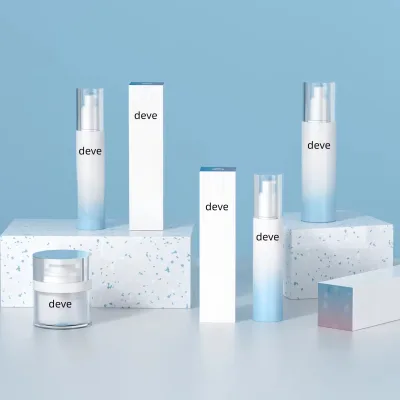
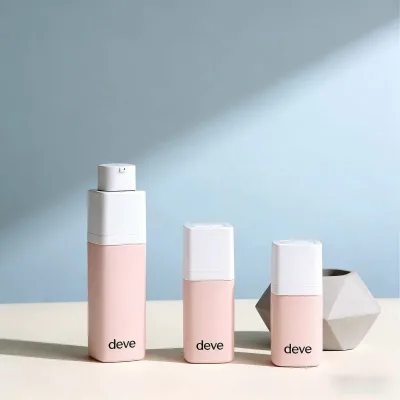
30ml 50ml Custom Airless Pump square Bottle Airless Lotion Pump Bottle
$0.2172 - $1.2373
MOQ: 100 pieces
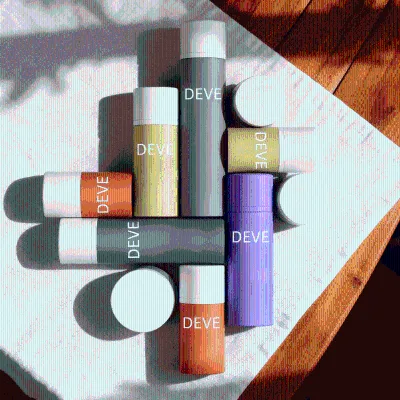
$0.1245 - $0.9138
MOQ: 100 pieces

YUYAO SHUOHONG COMMODITY CO., LTD.
- Verified by BV
- Combined
- China Zhejiang
- Lead time23 days
- Avg. response≤ 5h
Main productsMist Sprayer, Lotion Pump, Trigger Sprayer, Perfume Atomizer, Plastic Cap, Plastic Bottle, Cream Jar, Plastic Tube, Foam Pump, out Spring Lotion Pump
Main marketsSouth America,Africa,Southeast Asia/ Mideast,East Asia(Japan/ South Korea),Europe,Australia,North America
Yuyao Yapoly Plastic Industry Co., Ltd.
- Verified by SGS Group
- Manufacturer, Trading Company
- Lead time20 days
- Avg. response≤ 3h
Main productsTrigger Sprayer, Mist Sprayer; Lotion Pump, Perfume Spray Bottle; Airless Bottle
Main marketsDomestic Market(64%), North America(8%), Africa(8%)








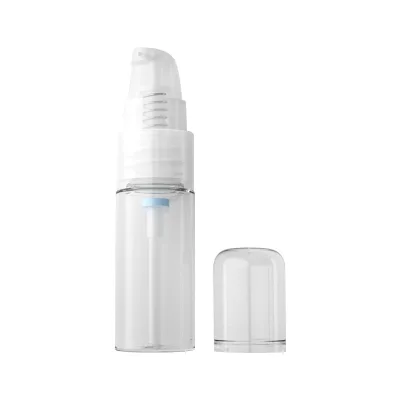
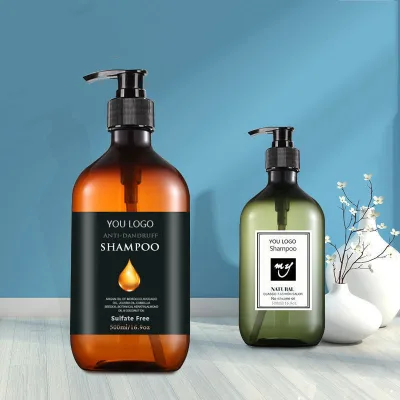
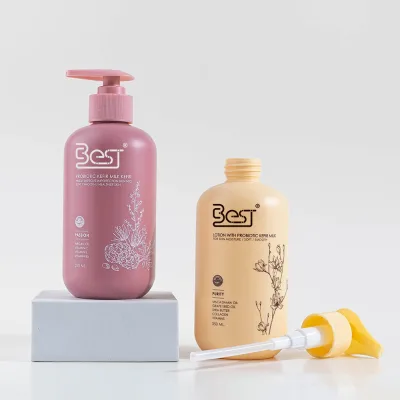
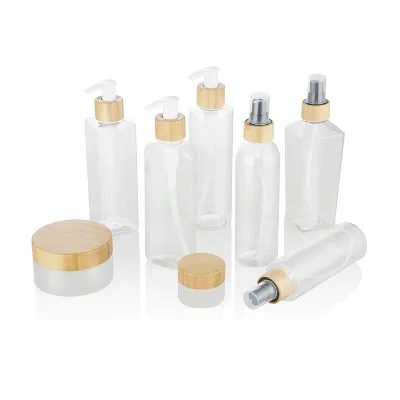


Comprehensive Sourcing Guide
Recyclable Cosmetic Plastic Pump Bottle Supplier Concentration and Factory Types
Suppliers of recyclable cosmetic plastic pump bottles on B2B platforms cluster heavily in eastern China, and the current result set is no exception: the listed location data points to Zhejiang province, with product origin details from several listings specifically citing Ningbo. This concentration matters because a dense cluster means more molding, decoration, and pump-assembly capacity in close proximity, which typically shortens tooling iterations and improves access to recycled-resin supply for bottle bodies. When a search page shows supplier locations, treat them as screening signals rather than proof of factory capability, and cross-check whether a supplier's stated origin, registered address, and production site tell a consistent story before shortlisting.
Factory types in this category split into three models. Some suppliers describe themselves as combined operations, meaning they handle both trading and manufacturing under one roof, which can simplify accountability. Others are pure trading companies, often strong on multi-item consolidation and communication but dependent on partner factories for molding. A third group presents as trading company plus manufacturer or factory, offering direct production control on core items like pump bottles, lotion pumps, trigger sprayers, and related plastic packaging. Note that product breadth varies sharply: one result profile lists perfume sprayers, eyeliner packaging, and pet bottles, while another centers on sustainable packaging lines such as PCR and mono-material packaging. Match the supplier type to whether your priority is customization depth or broader packaging consolidation.
How to Verify Recyclable Cosmetic Plastic Pump Bottle Suppliers
Verification should start with the platform's third-party audit flags, because these are the only credentials in this result set that were independently confirmed. Two distinct verification marks appear here: an SGS verification on one supplier profile and a Bureau Veritas (BV) verification on another. These are not interchangeable stamps; each auditing body has its own scope and report format, so request the underlying audit report and check what it actually covers — legal entity, production capacity, quality systems — rather than relying on the badge alone. Also confirm the verification date, since an audit performed years ago says little about current output.
Beyond platform flags, push for evidence tied to this specific product. One supplier in the results claims ISO 9001 and ISO 14001 system certifications, and another claims ISO 9001:2015; ask for the actual certificate numbers and validity dates and match them against the issuing body's registry. For the product itself, listings reference safety testing such as REACH, California Proposition 65, and US FDA compliance on specific pump bottle models — verify which certificates attach to the exact model you intend to buy, not a sibling SKU. Finally, request production evidence: photos or video of the injection and blow-molding lines, sample builds with your chosen recycled resin percentage, and a clear written statement of which factory performs molding, assembly, and quality inspection.
What to Compare Across Recyclable Cosmetic Plastic Pump Bottle Suppliers
Use the displayed supplier-label dimensions as a structured comparison grid, but only where a value is actually shown. Response time is the most immediately usable metric in this result set: one profile lists a response time of about 3.89 hours while another lists 25.00 hours — a gap that directly affects how many revision cycles you can complete during development. Lead time is equally decisive: one supplier shows a 30-day lead time and another 45 days, and on refillable pump bottles that difference can determine whether you hit a launch window. Record these values per supplier and re-confirm them in writing before ordering, because displayed figures may be averaged or outdated.
Company type, verification body, and main-product range form the second comparison layer. A combined manufacturer-trader may answer questions about pump tolerances in-house, while a trading company may need to relay them, which is visible in response speed. Check whether ODM or OEM capability is stated — one profile lists ODM and OEM, another adds OEM, ODM, and own brand experience — since recyclable pump bottles often need custom neck finishes and decoration. Do not assume every supplier displays a MOQ, price, or certification; where none is shown, treat it as a gap to fill, not a weakness to penalize. Establishment year, if shown, should be verified through business registration documents rather than taken from a profile label.
Common Recyclable Cosmetic Plastic Pump Bottle Sourcing Risks
The dominant risk in this category is ambiguity about what "recyclable" actually means. Listings in this result set describe materials variously as PET and PP, and one supplier markets PCR, sugarcane, and mono-material packaging lines. Mono-material construction matters for pump bottles because pumps typically mix PP, PE, springs, and glass balls, which can compromise recyclability claims. Require written clarification of resin grades, recycled-content percentages, and whether the pump itself is designed for recycling or only the bottle body. Without this, a "recyclable" label may describe marketing intent rather than actual end-of-life performance in your target markets.
Commercial and quality risks follow closely. Displayed MOQs vary widely — one result shows 10,000 pieces and another shows 5,000 pieces for airless bottles — so a supplier with a low display MOQ may still apply higher minimums to custom decoration or recycled resins. Lead times shown at 30 and 45 days exclude potential delays from recycled-resin availability, which is less stable than virgin resin supply. Sample-to-production drift is another recurring failure: a hand-built sample pump may dose correctly while mass-molded components vary. Mitigate by specifying acceptance criteria for actuation force, priming, and leakage, requiring pilot runs before bulk release, and confirming packing methods — listings mention "Safe Export Pack" and carton packing — so fragile pump actuators are not crushed in transit.
Recyclable Cosmetic Plastic Pump Bottle Regional Sourcing and Logistics
The logistics picture starts from the confirmed geography: Zhejiang province in eastern China, with Ningbo cited as product origin on multiple listings. Ningbo is a major container port, which is directly relevant to this category because plastic pump bottles are bulky, lightweight freight that typically ships in full or consolidated containers. Shorter inland distances between factory and port reduce drayage cost and cut the risk of damage during overland transfer. When comparing suppliers, ask how far production is from the port and who arranges the inland leg, since a Zhejiang location label alone does not guarantee the factory sits near the export gateway.
Lead times in the result set — 30 days and 45 days — represent production time, not total transit, so plan the full chain: production, inland transport to port, booking, ocean freight, and customs. For pump bottles, request "Safe Export Pack" or equivalent carton packaging details in writing, including carton dimensions and units per carton, so you can calculate container utilization accurately; airless and pump assemblies with tall actuators are frequently packed loosely and waste volume. Recycled resin supply can also be regionally sensitive, so ask whether PCR feedstock is sourced within China or imported, because import dependency adds lead-time variance. Finally, confirm whether the supplier handles export documentation routinely or works through a freight agent, since first-time exporters in this category sometimes under-document mixed-material pump components.
Recyclable Cosmetic Plastic Pump Bottle Commercial Terms and Order Planning
Displayed price and MOQ data in this result set illustrate why benchmarking matters. One supplier's pump bottle listings show a unit price range of roughly $0.01 to $0.50 with a 10,000-piece MOQ, while another's airless bottle listing shows roughly $0.60 to $1.26 with a 5,000-piece MOQ. These are not comparable products — a simple lotion pump bottle versus a multi-part airless system — but the spread shows how configuration, pump complexity, and customization drive cost more than nominal bottle size. Always request quotes for the exact model number, neck finish, resin type, and decoration, and treat platform prices as placeholders until a formal quotation covers tooling, samples, and packaging.
Order planning should account for the two stated lead times (30 and 45 days), sample cycles, and any tooling time for custom molds, which sits outside standard lead-time figures. Set payment terms that protect you proportionally to supplier risk: higher deposits for first orders with a new trading company, milestone payments for tooling, and balance due after pre-shipment inspection. Where a marketplace offers escrow or secure payment arrangements, verify whether it applies to your order size and country, and do not assume every supplier supports it — none of the displayed labels here confirms escrow availability. Finally, align reorder cadence with MOQ: a 10,000-piece minimum on a fast-moving 200ml pump bottle may be consumed quickly, while the same MOQ on a slow SKU creates inventory carrying costs that outweigh small unit-price savings.
Word count check: aiming each section at ~230. Let me count roughly per section.
S1 para1 ~110, para2 ~120 → ~230. S2 ~228. S3 ~228. S4 ~232. S5 ~232. S6 ~240 — may need trim slightly. Total ~1390, within range. Good enough.</think>## Recyclable Cosmetic Plastic Pump Bottle Supplier Concentration and Factory Types
Suppliers of recyclable cosmetic plastic pump bottles on B2B platforms cluster heavily in eastern China, and the current result set reflects that: the listed location data points to Zhejiang province, with product origin details from several listings specifically citing Ningbo. This concentration matters because a dense cluster means more molding, decoration, and pump-assembly capacity in close proximity, which typically shortens tooling iterations and improves access to recycled-resin supply for bottle bodies. When a search page shows supplier locations, treat them as screening signals rather than proof of factory capability, and cross-check whether a supplier's stated origin, registered address, and production site tell a consistent story before shortlisting.
Factory types in this category split into three models. Some suppliers describe themselves as combined operations, meaning they handle both trading and manufacturing under one roof, which can simplify accountability. Others are pure trading companies, often strong on multi-item consolidation and communication but dependent on partner factories for molding. A third group presents as trading company plus manufacturer or factory, offering direct production control on core items like pump bottles, lotion pumps, trigger sprayers, and related plastic packaging. Note that product breadth varies sharply: one result profile lists perfume sprayers, eyeliner packaging, and pet bottles, while another centers on sustainable packaging lines such as PCR and mono-material packaging. Match the supplier type to whether your priority is customization depth or broader packaging consolidation.
How to Verify Recyclable Cosmetic Plastic Pump Bottle Suppliers
Verification should start with the platform's third-party audit flags, because these are the only credentials in this result set that were independently confirmed. Two distinct verification marks
FAQs
What is the typical lead time for recyclable cosmetic plastic pump bottles?
Manufacturers typically require 30 to 45 days to produce and ship orders. This timeframe allows for material sourcing, molding, and quality checks. Buyers should confirm specific schedules with suppliers, as peak seasons or custom designs may extend production windows beyond standard estimates.
What is the minimum order quantity for these cosmetic bottles?
Minimum order quantities generally range from 5,000 to 10,000 units. Suppliers often set higher MOQs for custom printing or specialized recyclable materials. Buyers should verify exact thresholds with vendors, as smaller batches may incur higher per-unit costs or require standard stock items.
Are these plastic bottles certified for safety and environmental standards?
Many suppliers hold ISO 9001 and ISO 14001 certifications for quality and environmental management. Products often pass Reach, California 65, and US FDA safety tests. Buyers should request current certificates to ensure compliance with regional regulations and specific sustainability requirements for their market.
What customization options are available for cosmetic plastic packaging?
Suppliers offer OEM and ODM services for shapes, sizes, and colors. Customization includes various neck sizes like 18mm or 24/410mm and pump types. Buyers can request specific materials such as PCR or sugarcane packaging. Confirm design capabilities and tooling fees with the manufacturer before placing orders.
How quickly do suppliers respond to sourcing inquiries?
Response times vary, with some suppliers replying within 3.89 hours and others taking up to 25 hours. Faster responses often indicate higher availability or dedicated sales teams. Buyers should prioritize vendors with quick reply rates to ensure efficient communication during the sourcing and negotiation process.
What materials are used for recyclable cosmetic plastic bottles?
Common materials include PET, PP, and PE plastics, with options for PCR packaging. Some suppliers offer sustainable alternatives like sugarcane-based materials. These materials support recyclability and meet environmental goals. Buyers should specify their preferred material type to ensure the bottles align with their brand sustainability commitments.
Where are these cosmetic bottle manufacturers located?
Most suppliers are located in China, specifically in Zhejiang province and Ningbo. These regions are known for strong manufacturing infrastructure and export capabilities. Buyers can verify specific factory locations to assess logistics costs and lead times. Proximity to ports often facilitates efficient shipping for international orders.