Electric Hydraulic Lift Table Suppliers and Manufacturers
Compare 30 verified Electric Hydraulic Lift Table suppliers by response time, lead time, and certifications like ISO 9001. Review product specs including capacity and dimensions before contacting factories for quotes; review the available evidence before requesting comparable quotations from suitable candidates.
Updated
Suppliers List
Jinan Juxin Machinery Co., Ltd.
- Verified by Intertek
- Manufacturer, Trading Company
- Lead time10 days
- Avg. response≤ 2h
Main productsScissor Lift, Dock Ramp, Cargo Lift, Aluminum Lift, Boom Lift
Main marketsEastern Europe(47%), Southeast Asia(18%), Domestic Market(15%)

Shaoguan Zhongbo Machinery Equipment Co., Ltd.
- Verified by TUVRHEINLAND
- Trading Company,Manufacturer/Factory
- China Guangdong
- Lead time15 days
- Avg. response≤ 2h
Main productsHydraulic Lift, Elevator, Scissor Lift, Lifting Equipment, Lift Table, Machine, Aerial Work Platform, Lift, Crane, Telescopic Boom Lift
Main marketsMid East,Southeast Asia,Africa

Jinan Three Points Intelligent Equipment Co., Ltd.
- Verified by TUVRHEINLAND
- Combined
- China Shandong
- Lead time15 days
- Avg. response≤ 3h
Main productsMobile Scissor Lift, Self-Propelled Scissors Lift Table, Crawler Scissor Lift, Fixed Boarding Bridge, Mobile Dock Ramp, Towable Boom Lift, Tracked Boom Lift, Fixed Scissors Lifting Platform, Cargo Lift, Aluminum Alloy Lift
Main marketsSoutheast Asia/ Mideast

Hebei Yuying Hoisting Machinery Manufacturing Co., Ltd
- Verified by TUVRHEINLAND
- Combined
- China Hebei
- Lead time30 days
- Avg. response≤ 6h
Main productsChain Block, Lever Hoist, Electric Hoist, Chain, Manual Hydraulic Truck, Beam Clamp, Permanent Magnetic Lifter, Screw Jack
Main marketsEurope,North America


Manual Lift Table Electric Scissor Lift Table Hydraulic Lift Table Lifting Platform
$2000.00 - $5000.00
MOQ: 1 Pieces


Guangzhou Haituo Machinery Co., Ltd.
- Manufacturer, Trading Company, Distributor/Wholesaler
- Guangdong, China
- Lead time0 days
- Avg. response≤ 1h
Main productsforklift,lift table,aerial work platform,drum handling equipment,cargo lift
Main marketsSouth America(25.50%), South Asia(18.90%), North America(16.80%), Southeast Asia(6.10%), Mid East(3.50%)
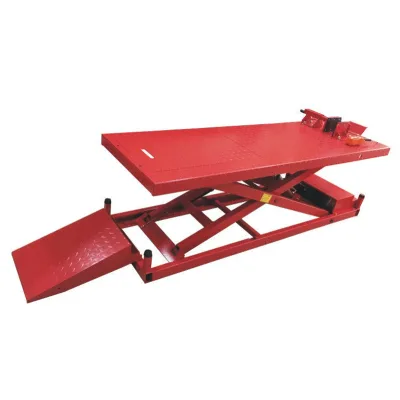
120kgs Portable Electric Lift Tables Capacity for Air Conditioner Easy-to-Use Mobile Lifter
$1500.00 - $1600.00
MOQ: 1 Minimum

Chenlift (Suzhou) Machinery Co., Ltd
- Trading Company,Manufacturer/Factory
- China Jiangsu
- Lead time23 days
- Avg. response≤ 20h
Main productsScissor Lift, Vertical Lift, Aerial Work Platform, Lift Table, Work at Height, Aerial Lift, Hydraulic Lift, Scissor Aerial Work Platform, Access Lift, Access Platform
Main marketsSouth America,Eastern Europe,Mid East,North America,Southeast Asia,Eastern Asia,Oceania,Western Europe,Africa
- Trading Company
- Shandong, China
- Lead time0 days
- Avg. response≤ 2h
Main productsCargo Lift,Car Turntable,Boom Lift
Main marketsDomestic Market(50.00%), North America(25.00%), South America(25.00%)

Changzhou Cheeson Machinery Co., Ltd.
- Verified by BV
- Manufacturer/Factory
- China Jiangsu
- Lead time0 days
- Avg. response≤ 4h
Main productsElectric Forklift, Manual Pallet Truck, Hydraulic Cylinder, Electric Pallet Truck, Manual Stacker, Electric Stacker, Electric Scissor Lift Table, Manual Scissor Lift Table, Chain Block

Guangdong Detanfu Industrial Equipment Co., Ltd.
- Verified by SGS
- Trading Company
- China Guangdong
- Lead time15 days
- Avg. response≤ 4h
Main marketsSouth America,Europe

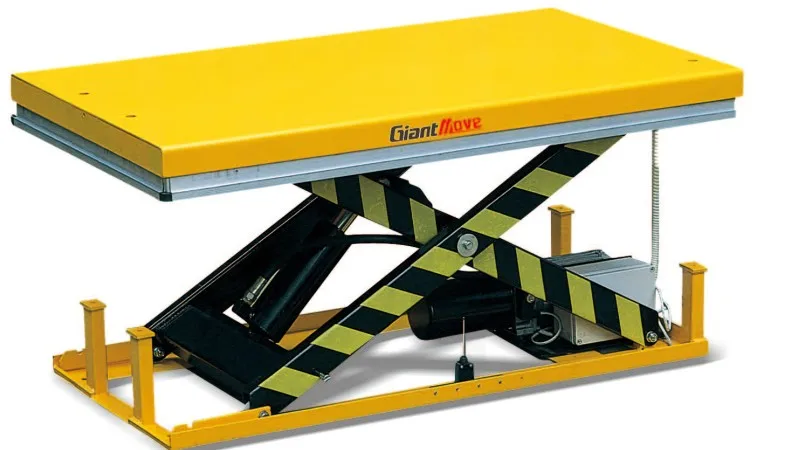
Durable Adjustable Electric Hydraulic Lift Table with Stainless Steel Platform
$1000.00 - $1300.00
MOQ: 1 Pieces

GIANT-MOVE EQUIPMENT CO., LTD.
- Manufacturer
- Jiangsu, China
- Lead time90 days
- Avg. response≤ 3h
Main productsLift Table,Stacker,Pallet Truck,Hand Trolley,Drum trucks
Main marketsWestern Europe(60.00%), North America(15.00%), South America(5.00%), Eastern Asia(5.00%), Southeast Asia(5.00%), Eastern Europe(5.00%), Oceania(3.00%), Mid East(2.00%)
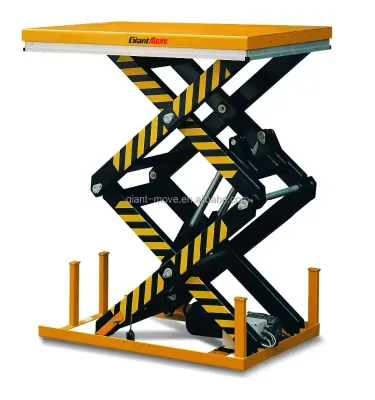
Hot Product Double Scissor Electric Hydraulic Lift Platform Lift Mechanism Lifting Table
$560.00 - $1165.00
MOQ: 2 sets
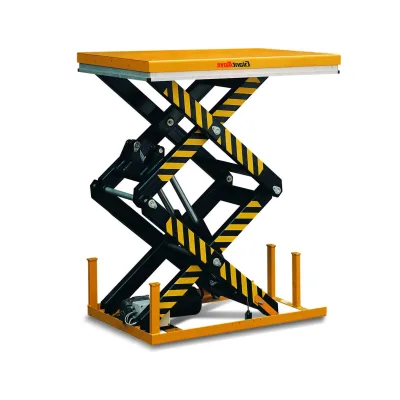
High End 1000kg Electric Hydraulic Scissor Lift Table With Anti Pinch for Warehouse Use
$559.00 - $1397.00
MOQ: 2 pieces
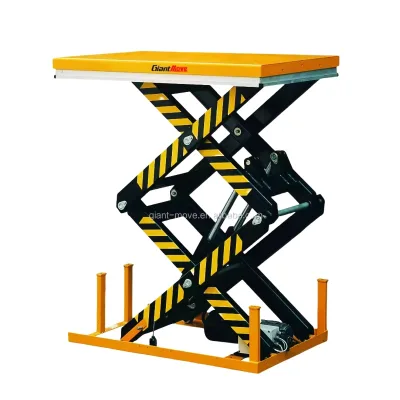
High Quality Raised Height 2050mm Heavy Duty Double Scissor Electric Stationary Lift Table
$575.7578 - $1197.7813
MOQ: 2 sets
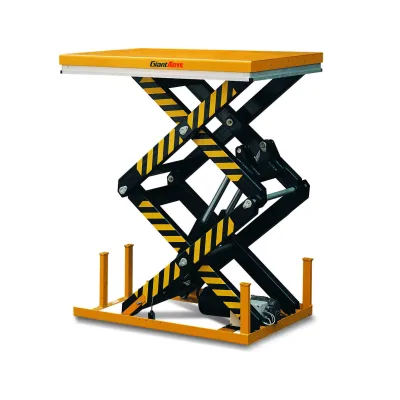
High Quality Stationary Double Scissor Hydraulic Lift Table High Lift Cargo Equipment
$559.00 - $1397.00
MOQ: 2 pieces
Shandong Bowete Heavy Industry Machinery Co., Ltd.
- Verified by Intertek
- Manufacturer, Trading Company
- Lead time30 days
- Avg. response≤ 1h
Main productsHome elevator, Scissor Lift, Stage Scissor Lift
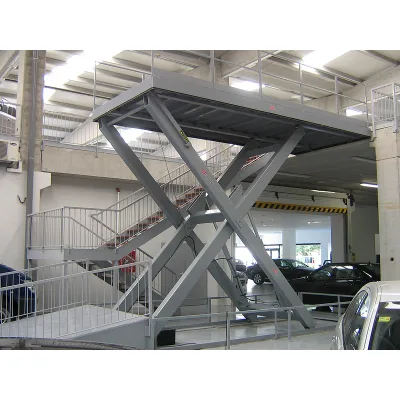
2m 4m 6m Lifting Height Electric Scissor Lift Crane Fixed Hydraulic Electric Lift Table
$900.00 - $1100.00
MOQ: 1
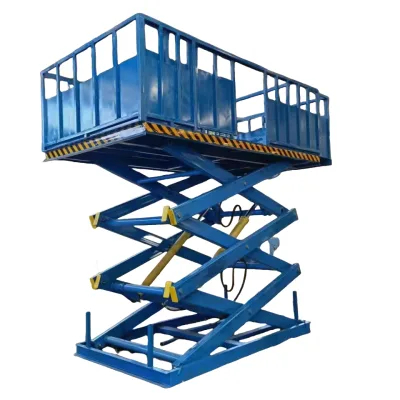
Stationary Electric Hydraulic Scissor Cargo Lift Stationary Scissor Lift Table
$900.00 - $1100.00
MOQ: 1 pieces
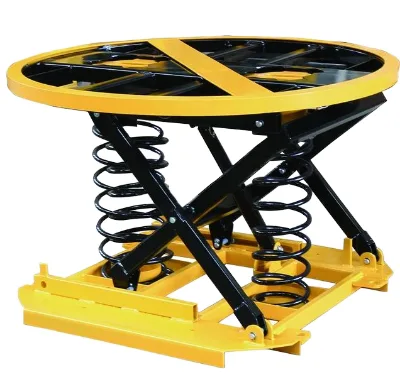
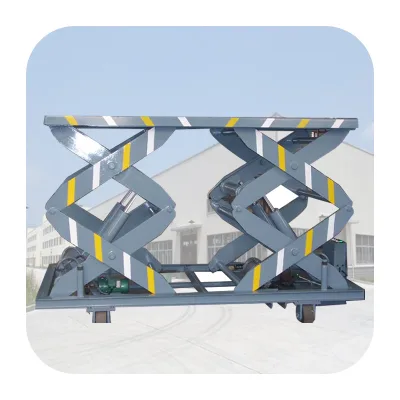
$900.00 - $1100.00
MOQ: 1 pieces

- Verified by TUVRHEINLAND
- Trading Company
- China Zhejiang
- Lead time30 days
- Avg. response≤ 18h
Main productsLift Table, Scissor Lift, Hydraulic Scissor Lift, Hydraulic Lift Table, Loading Dock, Dock Lift, Car Lift Table, Goods Elevator, Working Platform
Main marketsAfrica,Southeast Asia/ Mideast

Jinan Konty Lifting Machinery Co., Ltd.
- Manufacturer, Trading Company
- Shandong, China
- Lead time15 days
- Avg. response≤ 5h
Main productshydraulic scissor lifts,aerial work platform,cargo lifts,wheelchair lifts,dock ramps
Main marketsSouth America(21.00%), Western Europe(13.00%), North America(13.00%), Eastern Europe(12.00%), Oceania(8.00%), Southeast Asia(7.00%), Africa(6.00%), Mid East(6.00%), Eastern Asia(4.00%), Northern Europe(3.00%), South Asia(3.00%), Central America(2.00%), Southern Europe(2.00%)
Henan Sincerely Industrial Co., Ltd.
- Manufacturer, Trading Company
- Henan, China
- Lead time10 days
- Avg. response≤ 4h
Main productsfarm machinery,agricultural machinery,forklift,animal husbandry machinery,grass cutters
Main marketsSouth America(20.00%), South Asia(10.00%), Africa(10.00%), Eastern Asia(10.00%), Southern Europe(8.00%), Western Europe(6.00%), Northern Europe(5.00%), Central America(5.00%), Southeast Asia(5.00%), North America(5.00%), Mid East(5.00%), Oceania(4.00%), Domestic Market(4.00%), Eastern Europe(3.00%)
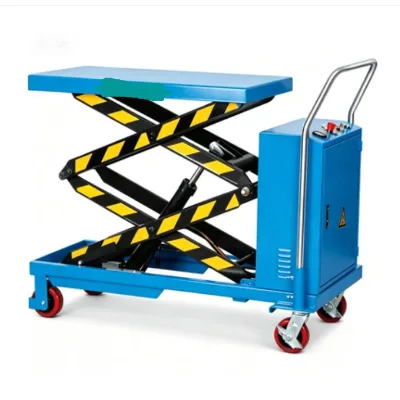
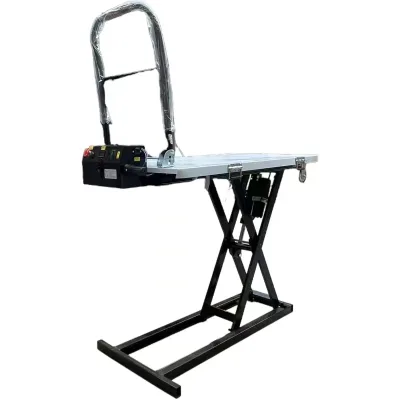
$394.2107 - $466.8277
MOQ: 1 pieces

Henan Ideal Machinery Equipment Co., Ltd.
- Verified by TUVRHEINLAND
- Trading Company
- China Henan
- Lead time15 days
- Avg. response≤ 5h
Main productsScissor Lift, Spider Lift, Container Straddle Carrier
Main marketsSouth America,Southeast Asia/ Mideast

Jinan Moral International Co., Ltd.
- Verified by BV
- Trading Company
- China Shandong
- Lead time23 days
- Avg. response≤ 4h
Main productsDisabled Wheelchair Lift, Parking Equipment, Scissor Lift, Cargo Lift, Work Platform, Transfer Cart, Car Turntable, Dock Lift, Flatcar, Dock Ramp
Main marketsSouth America,Africa,Southeast Asia/ Mideast,Europe,Australia,North America

Wuxi Buytool Industrial Equipment Co., Ltd.
- Verified by SGS
- Trading Company,Manufacturer/Factory
- China Jiangsu
- Lead time30 days
- Avg. response≤ 3h
Main productsHydraulic Lift Table, Electric Lift Table, Stackers, Pallet Truck/Pallet Jack, Drum Handling Equipment, Drum Truck, Packaging Machine, Forklift, Oil Drum Carrier, Roller Lifter
Main marketsSouth America,Eastern Europe,Mid East,North America,Southeast Asia,Eastern Asia,Oceania,Western Europe,Africa
Hebei Hugo Machinery Crane Group Co., Ltd.
- Verified by SGS Group
- Manufacturer, Trading Company
- Lead time15 days
- Avg. response≤ 2h
Main productsHand Pallet Truck, Table Lifter, Manual Stacker, Electric Chain Hoist, Manual Hoist
Main marketsDomestic Market(90%), Southeast Asia(5%), North America(1%)
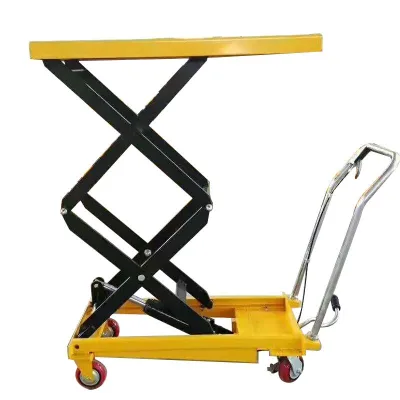
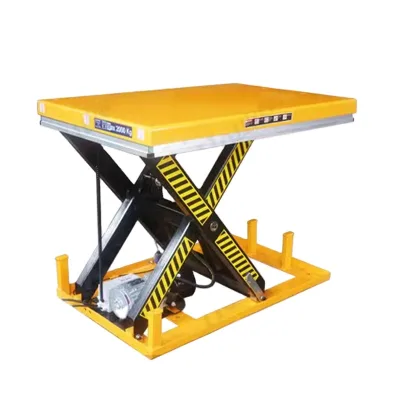
$614.5905 - $1025.0005
MOQ: 1 sets

Wuxi Licheng Smart Technology Co., Ltd.
- Verified by SGS
- Trading Company
- China Jiangsu
- Lead time23 days
- Avg. response≤ 4h
Main productsLaminar Flow Hood, Downflow Booth, Air Filters, Stainless Steel Lifting and Handling Equipments, Other Purification Equipment
Main marketsSouth America,Eastern Europe,Mid East,North America,Southeast Asia,Eastern Asia,Oceania,Western Europe,Africa
Jinan Gradin Electromechanical Co,. Ltd.
- Manufacturer, Trading Company
- Shandong Province, China
- Lead time15 days
- Avg. response≤ 2h
Main productsCargo Lifts,Scissor Lift Platform,AGV/AMR,Rotating Platform/Tilter & Upender,Unloading & Container & Machinery
Main marketsSouthern Europe(25.00%), North America(8.00%), Southeast Asia(8.00%), Eastern Europe(7.00%), Western Europe(7.00%), South America(7.00%), South Asia(5.00%), Domestic Market(5.00%), Oceania(5.00%), Northern Europe(5.00%), Africa(5.00%), Eastern Asia(5.00%), Mid East(5.00%), Central America(3.00%)
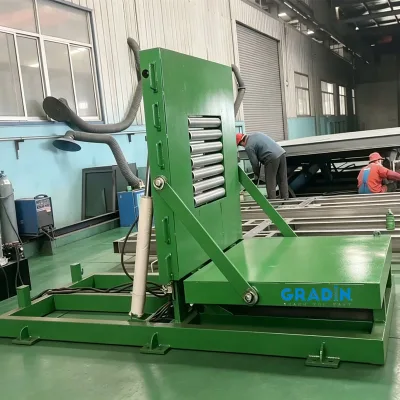
3-Ton 90-Degree Electric-Hydraulic Coil Tilting Table
$3000.00 - $3500.00
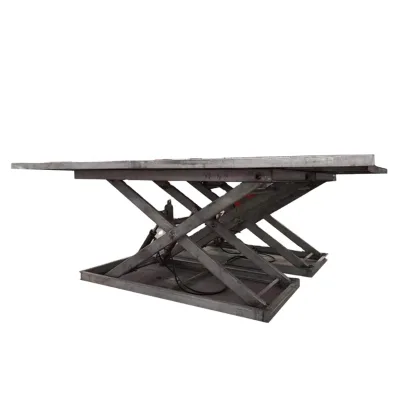
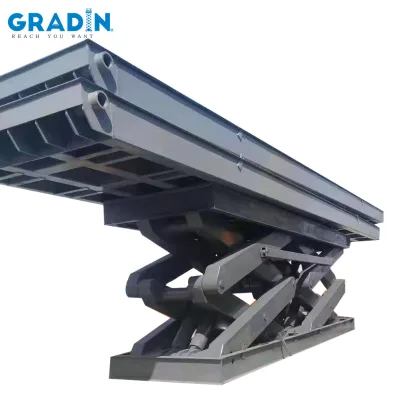
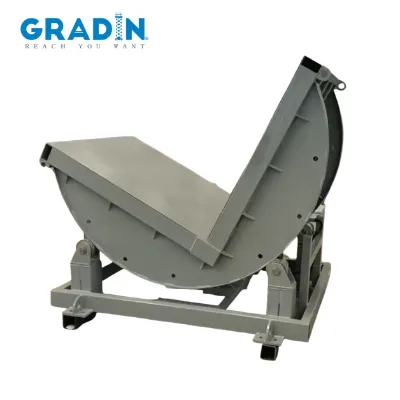
Heavy Workpiece 90° Hydraulic Tilting Platform | Custom Maintenance Fixtures
$2000.00 - $3200.00

Hangzhou Hangcha E-Commerce Co., Ltd.
- Verified by SGS
- Combined
- China Zhejiang
- Lead time30 days
- Avg. response≤ 3h
Main productsForklift, Handle Pallet, Stacker
Main marketsSouth America,Southeast Asia/ Mideast,Domestic,Europe
Shandong Dongsheng Machinery Manufacturing Co., Ltd.
- Verified by Intertek
- Manufacturer, Trading Company
- Lead time5 days
- Avg. response≤ 2h
Main productsElectric Forklift, Excavator, Skid Steer Loader

SHANDONG BELIFT MACHINERY CO., LTD.
- Verified by SGS
- Manufacturer/Factory
- China Shandong
- Lead time23 days
- Avg. response≤ 4h
Main productsSelf Propelled Scissor Lift, Mobile Scissor Lift, Self Propelled Low Level Access Lift, Towable Boom Lift, Simple Aluminum Aerial Work Platform, High End Auminum Aerial Work Platform, Self Propelled Aluminum Work Paltform, Heavy Duty Customized Lift Tables
Main marketsSouth America,Eastern Europe,Mid East,North America,Southeast Asia,Eastern Asia,Oceania,Western Europe,Africa


Use Self Loading Electric Scissor Lift Tables Hydraulic Lifting Platform
$699.00 - $929.00
MOQ: 1 Pieces

Jinan Zunhui Hydraulic Machinery Co., Ltd.
- Verified by SGS Group
- Manufacturer, Trading Company
- Lead time7 days
- Avg. response≤ 1h
Main productsHome Elevator, Goods Elevator, Lift Platform, Boarding Bridge, Delivery Elevator
Main marketsDomestic Market(20%), Eastern Asia(11%), North America(10%)
Fuyang Zhugao Mechanical Equipment Co., Ltd.
- Verified by Intertek
- Trading Company
- Lead time15 days
- Avg. response≤ 3h
Main productsElevator, Solar Panel Lift, Glass Vacuum Suction Cup Crane, Hoop Motor, Roller Shutter Lift
Jiashan Jiuyuan Precision Tooling Co., Ltd.
- Manufacturer, Trading Company
- Zhejiang, China
- Lead time15 days
- Avg. response≤ 5h
Main productsAuto Tools,Stamping Parts,Agricultural Tools,Truck Accessories,Hydraulic Accessories
Main marketsNorth America(40.00%), South Asia(10.00%), Southern Europe(10.00%), Western Europe(10.00%), Oceania(10.00%), Southeast Asia(10.00%), Eastern Europe(10.00%)
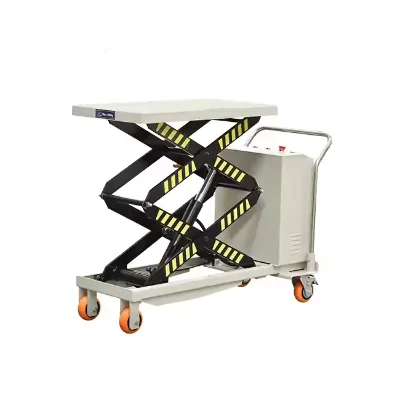
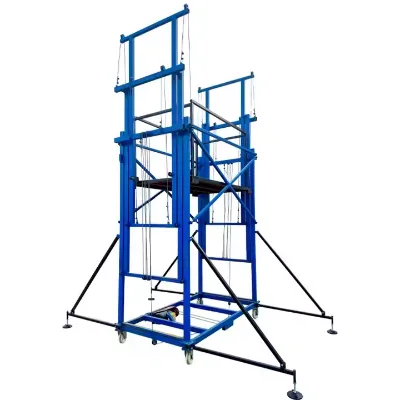
Mobile Electric Load Capacity 500KG Hydraulic Lift Tables Maximum Height of Ascent 2000MM
$1440.9801 - $1482.4478
MOQ: 1 pieces

Shandong Unid Intelligent Technology Co., Ltd.
- Verified by BV
- Manufacturer/Factory,Group Corporation
- China Shandong
- Lead time23 days
- Avg. response≤ 4h
Main productsVacuum Glass Lifter, Small Suction Cups, Vacuum Panel Lifter, Metal Sheet Vacuum Lifter, Spider Crane, Electric Floor Crane, Towable Boom Lift, Scissor Lift, Other Hydraulic Lift Platform
Main marketsSouth America,Eastern Europe,Mid East,North America,Southeast Asia,Eastern Asia,Oceania,Western Europe,Africa


High Quality Pump Station Lifter Machine Electric Hydraulic Scissor Lift Table
$500.00 - $670.00
MOQ: 1 Pieces

Electric Hydraulic Scissor Lift Table for Industrial Material Handling
$600.00 - $900.00
MOQ: 1 Pieces

Platform Lift Electric Hydraulic 2000kg Scissor Lift Table with CE Certification
$500.00 - $670.00
MOQ: 1 Pieces
Hebei Liaoshuo Import & Export Co., Ltd.
- Verified by SGS Group
- Trading Company
- Lead time30 days
- Avg. response≤ 2h
Main productshousehold elevators, freight elevators, self-scissor lifts, cylinder lifting platforms
Main marketsNorth America(30%), South America(20%), Western Europe(20%)
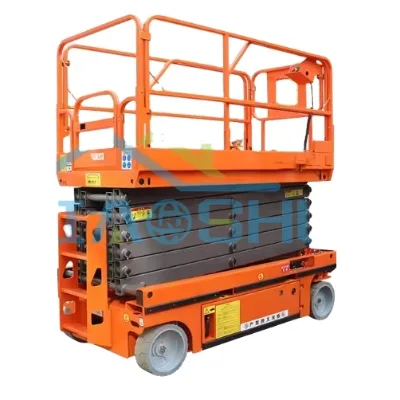
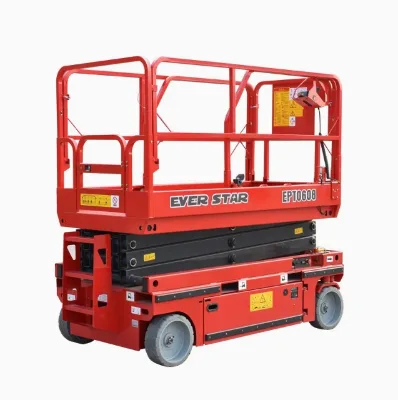
$2800.00 - $3500.00
MOQ: 1 units
Jiangxi Mide Industrial Co., Ltd.
- Verified by TüVRheinland
- Trading Company
- Lead time40 days
- Avg. response≤ 4h
Main productsElectric Scaffolding, Electric Hoist, Cranes, Electric Forkift, Lift Platform
Main marketsEastern Asia(30%), South America(20%), North America(10%)
Henan Eternalwin Machinery Equipment Co., Ltd.
- Verified by SGS Group
- Trading Company
- Lead time5 days
- Avg. response≤ 1h
Main productsOverhead Crane, Gantry Crane, Vacuum Lifting Equipment, Spider Crane, Marine Equipment
Main marketsSoutheast Asia(15%), Eastern Europe(15%), Oceania(15%)




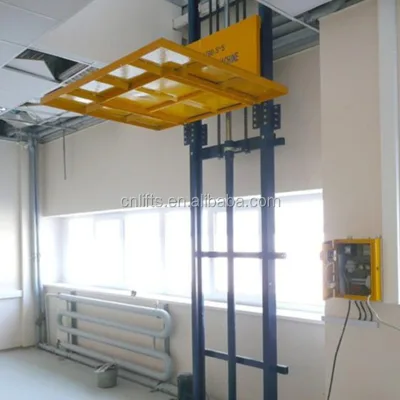


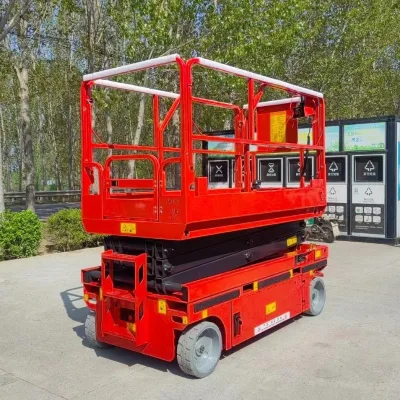
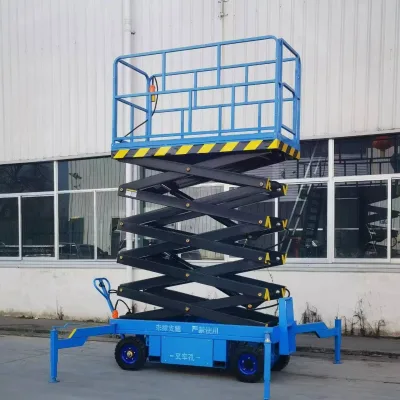
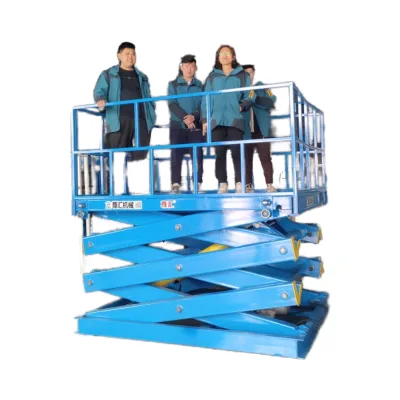
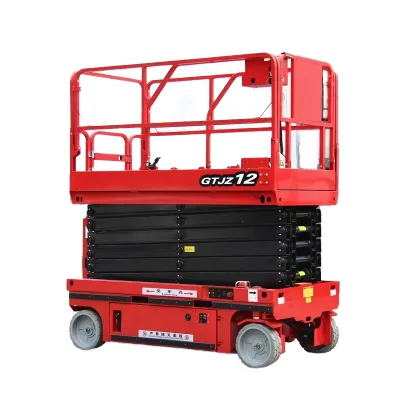
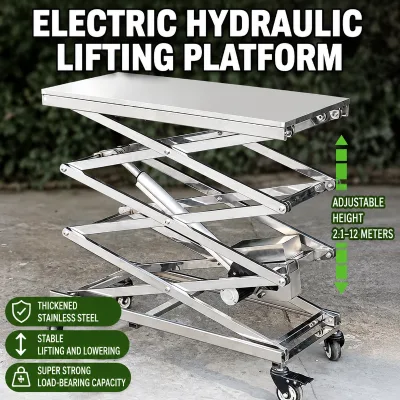
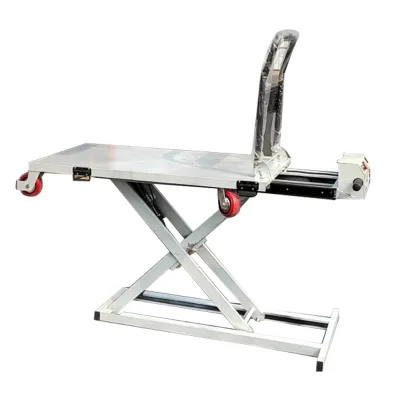
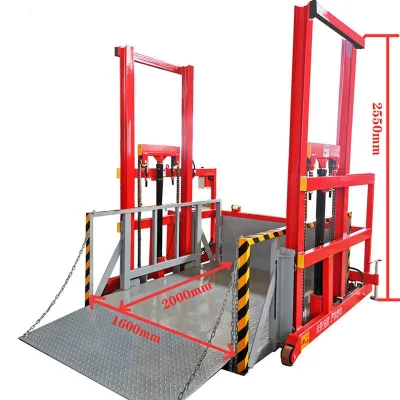
Comprehensive Sourcing Guide
Electric Hydraulic Lift Table Supplier Concentration and Factory Types
The current supplier landscape for electric hydraulic lift tables reveals a diverse mix of manufacturing capabilities and business models. Buyers will encounter both dedicated manufacturers and trading companies offering these specialized lifting solutions. The presence of manufacturers indicates direct access to production facilities, which often allows for greater customization and control over quality assurance processes. Trading companies, on the other hand, may provide a broader portfolio of related lifting equipment, such as scissor lifts, boom lifts, and cargo lifts, potentially simplifying the procurement of multiple material handling assets from a single source. This dual structure requires buyers to carefully distinguish between the actual factory and the intermediary to understand the true cost structure and communication flow.
Geographic concentration plays a significant role in the availability and pricing of these industrial machines. Evidence points to specific regions in China, such as Jinan in Shandong province and Guangdong, as key hubs for this industry. Jinan is particularly noted for the origin of certain forklift ramps and lift tables, suggesting a localized cluster of expertise in hydraulic systems and steel structure fabrication. Guangdong represents another major sourcing region, indicating that buyers have options across different industrial zones. Understanding these geographic clusters helps in assessing logistics costs and lead times, as proximity to ports and raw material suppliers can influence the final delivered price and shipping efficiency for heavy machinery like electric hydraulic lift tables.
How to Verify Electric Hydraulic Lift Table Suppliers
Verifying the legitimacy and capability of suppliers is a critical step in mitigating sourcing risks for heavy industrial equipment. Buyers should prioritize suppliers who have undergone third-party verification processes, as this adds a layer of trust regarding their business operations and product quality. In the current market, verification bodies such as Intertek and TÜV Rheinland are present, indicating that some suppliers have met specific international standards for business authenticity and product safety. These verifications are not merely badges but represent rigorous checks that can help buyers filter out unreliable entities. When evaluating potential partners, checking for these verification marks should be a primary filter to ensure that the supplier is a legitimate entity capable of fulfilling large orders.
Certifications are another vital component of supplier verification, particularly for equipment that involves electrical and hydraulic systems. The presence of ISO 9001 certification among suppliers suggests a commitment to quality management systems, which is essential for consistent manufacturing standards. Additionally, CE certification is observed, which is often a mandatory requirement for selling machinery in many international markets, particularly in Europe. Buyers must ensure that the specific models they are interested in carry the relevant certifications for their target market. It is also important to note that some products may list certifications in their attributes, such as "ISO Driven Type," which requires careful interpretation to confirm that the certification applies to the final assembled unit and not just individual components.
What to Compare Across Electric Hydraulic Lift Table Suppliers
When comparing suppliers, buyers must look beyond the base price and evaluate the total value proposition based on several key operational metrics. Lead time is a significant differentiator, with observed times ranging from 10 to 15 days for production. This variance can impact project timelines, especially for time-sensitive construction or warehouse upgrades. Buyers should also consider the response time of the supplier, which indicates their efficiency in communication and problem-solving. Faster response times, such as those under two days, suggest a more agile support structure that can handle inquiries and technical questions promptly. These operational efficiencies are just as important as the hardware specifications when selecting a long-term partner for material handling equipment.
Product specifications and customization capabilities are equally critical in the comparison process. Suppliers offer a range of capacities, from smaller units with 350kg loads to heavy-duty tables capable of handling up to 20 tons. The lifting height, platform size, and power source options, such as electric or manual control, vary significantly across different models. Buyers should compare the overall dimensions and single package sizes to ensure compatibility with their shipping and installation constraints. Additionally, the availability of customization, such as adjustable heights and specific color options, can be a deciding factor for specialized applications. The minimum order quantity (MOQ) is another practical consideration, with some suppliers offering an MOQ of just one unit, which is beneficial for small-scale procurement or testing purposes.
Common Electric Hydraulic Lift Table Sourcing Risks
One of the primary risks in sourcing electric hydraulic lift tables is the potential mismatch between advertised specifications and actual product performance. Buyers must be cautious of vague descriptions, such as "Weight Level" for carrying capacity, which lacks precise numerical data. This ambiguity can lead to misunderstandings about the load-bearing capabilities of the equipment, potentially resulting in safety hazards or operational failures. It is essential to request detailed technical datasheets that specify exact maximum load capacities, lifting heights, and power requirements. Without clear, quantifiable data, buyers risk investing in equipment that does not meet their operational needs, leading to costly modifications or replacements.
Another significant risk involves the origin and quality of the components used in the lift tables. While some products list their origin as China, others may claim origins like America, which requires verification to ensure accuracy. The use of second-hand or refurbished units, as indicated in some product attributes, presents a different set of risks regarding longevity and reliability. Buyers must clearly distinguish between new and refurbished equipment to avoid paying premium prices for used machinery. Additionally, the warranty terms, such as the two-year guarantee observed in some listings, should be carefully reviewed to understand the scope of coverage. Ensuring that the warranty applies to critical components like hydraulic cylinders and electric motors is crucial for long-term operational stability and cost management.
Electric Hydraulic Lift Table Regional Sourcing and Logistics
Logistics planning is a complex aspect of sourcing heavy industrial equipment like electric hydraulic lift tables. The physical dimensions and weight of these machines significantly impact shipping costs and handling requirements. For instance, some lift tables have single package sizes as large as 248x125x210 cm and weigh up to 1100 kg, while others are more compact, such as 61x61x61 cm packages. Buyers must account for these dimensions when planning warehouse storage and installation. The need for specialized freight handling, such as forklifts or cranes, at the destination port adds another layer of logistical complexity. Understanding the single gross weight and package size is essential for accurate freight quoting and ensuring that the receiving facility has the necessary infrastructure to unload the equipment safely.
Regional sourcing from China offers certain logistical advantages, including established shipping routes and competitive freight rates. However, buyers must also consider the lead times associated with production and transit. With lead times ranging from 10 to 15 days, plus additional time for ocean freight, the total delivery timeline can extend significantly. Buyers should plan their procurement cycles accordingly to avoid production delays. Furthermore, the voltage requirements of the lift tables, such as local voltage specifications, must be compatible with the electrical infrastructure at the destination. Mismatches in voltage can render the equipment unusable, so verifying the power source compatibility is a critical step in the logistics planning process.
Electric Hydraulic Lift Table Commercial Terms and Order Planning
Commercial terms and order planning require careful attention to pricing structures and payment security. The price range for electric hydraulic lift tables varies based on specifications, with some models priced around $1785 to $2550, while others, such as scissor lifts, may range from $4400 to $5000. Buyers should request detailed quotations that break down the cost of the equipment, shipping, and any additional services. It is also important to inquire about the availability of escrow services, which provide a secure payment mechanism that protects both the buyer and the supplier until the goods are received and verified. This financial safeguard is particularly important for high-value industrial equipment purchases.
Order planning should also consider the customization options and after-sales support provided by the supplier. Some suppliers offer customized on-demand processing, which can be beneficial for unique application requirements. However, customization may extend lead times and increase costs, so buyers must balance these factors against their project timelines. Additionally, the availability of spare parts and technical support is crucial for maintaining the lift tables over their operational life. Buyers should verify the supplier's ability to provide ongoing support and ensure that the warranty terms are clearly defined. By carefully planning these commercial aspects, buyers can secure a reliable supply chain and minimize the risks associated with industrial equipment procurement.
FAQs
What is the price range for electric hydraulic lift tables?
Prices typically range from $1,785 to $5,000 depending on specifications. Basic models start around $1,785, while specialized units like scissor lifts can reach $5,000. Buyers should verify exact costs based on capacity and origin.
What certifications are available for these lifting systems?
Manufacturers commonly provide ISO 9001 and CE certifications. Some products also feature ISO-driven hydraulic systems. Buyers should verify specific certification documents with suppliers to ensure compliance with regional safety and quality standards.
What is the typical lead time for manufacturing?
Lead times generally range from 10 to 15 days. This duration depends on the manufacturer's current production schedule and order volume. Buyers should confirm specific delivery windows with suppliers before placing orders to avoid delays.
What is the minimum order quantity for these products?
The minimum order quantity is often just one unit. This allows buyers to test quality before committing to larger orders. Suppliers typically support single-item purchases for both standard and customized electric hydraulic lift tables.
Where are these lift tables typically manufactured?
Products originate from regions like China Jinan, Shandong, and Guangdong. Specific origins vary by model, with some listings indicating American origins for refurbished units. Buyers should check product details for precise manufacturing locations.
What is the maximum lifting capacity available?
Capacities range from 350kg to 20 tons. Standard tables often support 6-15 tons, while heavy-duty models reach 20 tons. Buyers must select units based on their specific load requirements and safety margins.