Electrostatic Dust Removal Brush Suppliers and Manufacturers
Compare 17 verified suppliers of electrostatic dust removal brushes based on location, lead times, certifications, and response times. Review product specifications like surface resistivity and customization options to select the right partner for your cleanroom needs; review the available evidence before requesting comparable quotations from suitable candidates.
Updated
Suppliers List

Suzhou Quanjuda Purification Technology Co., Ltd
- Trading Company,Manufacturer/Factory
- China Jiangsu
- Lead time0 days
- Avg. response≤ 8h
Main productsESD Fabric, ESD Garment, ESD Uniform, Sticky Mat, ESD Shoes, ESD Wrist Strap, ESD Glove, Disposable Facemask, Cleanroom Wipers, ESD Finger Cots

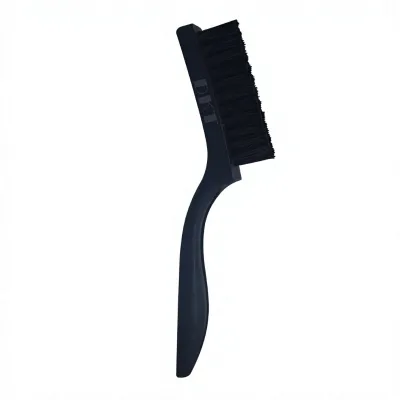
Industrial Nylon Cleaning Brush Dust Remove Cleanroom ESD Antistatic Brush
$0.30 - $0.50
MOQ: 200 Pieces


Suzhou Saman Technology Co., Ltd.
- Verified by SGS
- Combined
- China Jiangsu
- Lead time23 days
- Avg. response≤ 1h
Main productsBrush, Strip Brush, Roller Brush, Industrial Brush, Board Brush, Small Brush
Main marketsDomestic
Suzhou Jujie Electron Co., Ltd.
- Verified by TüVRheinland
- Manufacturer, Trading Company
- Lead time3 days
- Avg. response≤ 4h
Main productsCleanroom Wiper, Sticky Mat, Clean Swab, ESD Clothing, ESD Shoes
Main marketsDomestic Market(48%), North America(16%), Western Europe(6%)

Anhui Wanze Brush Industry Co., Ltd.
- Verified by BV
- Combined
- China Anhui
- Lead time30 days
- Avg. response≤ 3h
Main productsindustrial brush
Main marketsDomestic,Europe

Custom Industrial Static Removal Aluminum Alloy Brush Anti-Static Dust Removal Brush
$2.00 - $8.80
MOQ: 10 Pieces

Aluminum Alloy Base Fiber Electrostatic Brush Printing Film Anti-Static Brush
$2.00 - $8.80
MOQ: 10 Pieces

Carbon Fiber Conductive Brush Aluminum Flat Strip Film Surface Static Elimination Brush
$2.00 - $8.80
MOQ: 10 Pieces
Shenzhen Jiulingsheng Technology Co., Ltd.
- Trading Company
- Guangdong, China
- Lead time0 days
- Avg. response≤ 5h
Main productsScrewdriver,Scraper,Suction Cup,Screwdriver Set,Tweezers
Main marketsSouth America(100.00%), Africa(100.00%), Domestic Market(50.00%), South Asia(20.00%), North America(10.00%), Mid East(4.00%), Southern Europe(2.00%), Eastern Europe(2.00%), Northern Europe(2.00%), Central America(2.00%), Western Europe(2.00%), Eastern Asia(2.00%), Oceania(2.00%), Southeast Asia(2.00%)

- Verified by TUVRHEINLAND
- Trading Company
- China Anhui
- Lead time15 days
- Avg. response≤ 6h
Main productsIndustrial Brush, Roller Brush Sweeper Brush, Polishing Brush, Electric Scrubber Brush, Cleaning Brush, Strip Brush, Tube Brush, Paint Brush, Steel Brush, Wheel Brush
Main marketsSouth America,Africa,Southeast Asia/ Mideast,East Asia(Japan/ South Korea),Europe,Australia,North America

Xiamen Qianyu Technology Co., Ltd.
- Trading Company
- China Fujian
- Lead time15 days
- Avg. response≤ 5h
Main productsCleanroom Wipes, 100% Polyester Wipes, Cleanroom Double-Knit Polyester Wipes, SMT Roll Wipes, Microfiber Cloth, 2ply Cleanroom Wipes, SMT Stencil Wipes, Nonwoven Cleaning Paper, Industrial Cleaning Cloth, Cleanroom Swabs
Main marketsAfrica,Southeast Asia/ Mideast,Europe
Shenzhen Mantimelong Electronic Co., Ltd.
- Manufacturer, Trading Company
- Guangdong, China
- Lead time3 days
- Avg. response≤ 10h
Main productsBALL PEN,STATIONERY,HOUSEHOLD SUNDRIES,PEN
Main marketsNorthern Europe(25.00%), South America(20.00%), Mid East(13.00%), Western Europe(10.00%), North America(10.00%), Eastern Europe(8.00%), Oceania(5.00%), Eastern Asia(5.00%), Southeast Asia(4.00%)

Shanghai Huixi Brush Co., Ltd.
- Verified by BV
- Trading Company,Manufacturer/Factory
- China Shanghai
- Lead time23 days
- Avg. response≤ 6h
Main productsStrip Brush, Spiral Brush, Roller Brush, Wheel Brush, Disc Brush, End Brush, Scratch Brush, Tube Brush, Cleaning Brush, Industrial Brush
Main marketsSouth America,Eastern Europe,Mid East,North America,Southeast Asia,Eastern Asia,Western Europe


Nylon Ring Disc Brush Industrial Cleaning Dust Removal Spring Brush Round Brush
$1.13 - $3.15
MOQ: 2 Pieces


Jiangsu JDC Medical Devices Co., Ltd.
- Combined
- China Jiangsu
- Lead time30 days
- Avg. response≤ 11h
Main productsStomach Tube, Suction Tube, Nelaton Catheter, Rectal Tube, Infusion Set, Vaginal Speculum, Hmef, Medical Dressing, Medical Consumable
Main marketsSoutheast Asia/ Mideast,East Asia(Japan/ South Korea),Domestic,Europe,North America
SEQ Industrial (Changzhou ) Co., Ltd.
- Manufacturer, Trading Company
- Jiangsu, China
- Lead time0 days
- Avg. response≤ 11h
Main productsmicrofiber cloth,wash mitt,cleaning sponge,household towel,kitchen towel
Main marketsNorth America(20.00%), Western Europe(10.00%), Domestic Market(10.00%), Mid East(10.00%), Southern Europe(10.00%), Eastern Europe(10.00%), South America(10.00%), Eastern Asia(5.00%), Oceania(5.00%), Northern Europe(5.00%), Central America(5.00%)

Qianshan County Liulin Brush Roller Co., Ltd.
- Manufacturer, Trading Company
- Anhui, China
- Lead time20 days
- Avg. response≤ 2h
Main productsSponge Roller,Disc Brush,Strip Brush,Washing Brush,industrial brush
Main marketsDomestic Market(7.14%), South Asia(7.14%), Southern Europe(7.14%), Northern Europe(7.14%), Central America(7.14%), Western Europe(7.14%), Eastern Asia(7.14%), Mid East(7.14%), Oceania(7.14%), Africa(7.14%), Southeast Asia(7.14%), Eastern Europe(7.14%), South America(7.14%), North America(7.14%)

Hebei Duoyang Trading Co., Ltd.
- Trading Company
- Hebei, China
- Lead time20 days
- Avg. response≤ 3h
Main productsCar Drying Towel, Microfiber Cleaning Towel, Car Wash Mitt, Detailing Brush, Car Wash Sponge
Main marketsNorth America(20.00%), Eastern Europe(20.00%), Western Europe(15.00%), Southeast Asia(15.00%), South America(10.00%), Central America(10.00%), Mid East(10.00%)
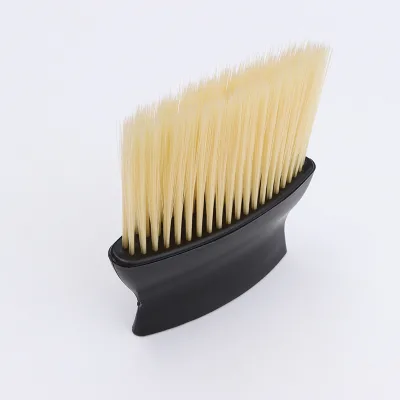
$0.1439 - $0.2996
MOQ: 5 pieces
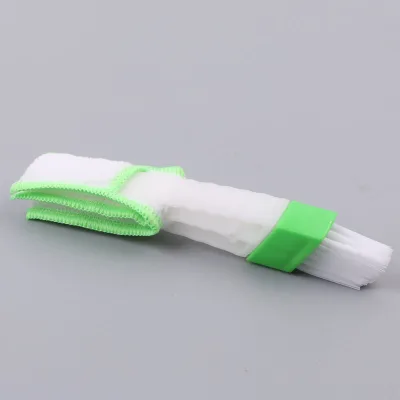
Zhongan Tiktech (anhui) Co., Ltd.
- Trading Company
- Anhui, China
- Lead time7 days
- Avg. response≤ 2h
Main productsNew Energy Vehicles,Fuel Vehicles,Commercial Vehicles - Pickups & MPVs,Used Cars & Certified Pre-Owned Vehicles
Main marketsCentral America(20.00%), North America(20.00%), Mid East(15.00%), Eastern Europe(10.00%), Northern Europe(10.00%), South America(10.00%), Southern Europe(5.00%), Oceania(5.00%), Africa(5.00%)
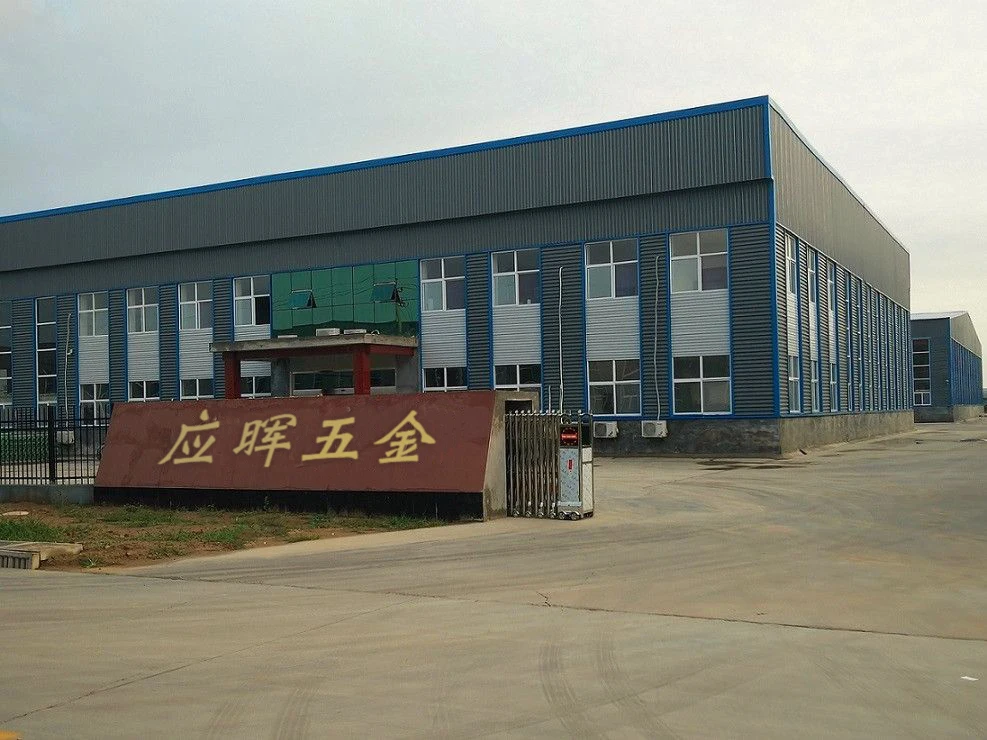
Linyi City Yinghui Hardware Tools Co., Ltd.
- Trading Company
- Shandong, China
- Lead time31 days
- Avg. response≤ 4h
Main productsHardware tools,Agricultural use Tools,Cleaning Tools
Main marketsSouth Asia(30.00%), Central America(30.00%), Mid East(30.00%), Southeast Asia(30.00%), North America(30.00%)
Ningbo Yongxin Aiduo Auto Parts Co., Ltd.
- Trading Company
- Zhejiang, China
- Lead time45 days
- Avg. response≤ 12h
Main productsSnow Brush, Ice Scraper, Wheel Brush, Car Window Cleaner, Squeegee
Main marketsNorth America(40.00%), Eastern Europe(23.00%), Western Europe(15.00%), Eastern Asia(5.00%), South America(5.00%), Southern Europe(5.00%), Northern Europe(3.00%), Oceania(2.00%), Mid East(1.00%), Southeast Asia(1.00%), South Asia(0.00%), Central America(0.00%), Africa(0.00%), Domestic Market(0.00%)

- Verified by BV
- Trading Company
- China Jiangsu
- Lead time30 days
- Avg. response≤ 19h
Main productsPaint Brush, Paint Roller, Roller Brush, Paint Set, Brush, Roller, Scraper, Artist Brush, Extension Pole, Paint Tools
Main marketsSouth America,Africa,Others(foreignTradeCapacity.exportBusinessCapacityMarketOther),Southeast Asia/ Mideast,Europe,North America






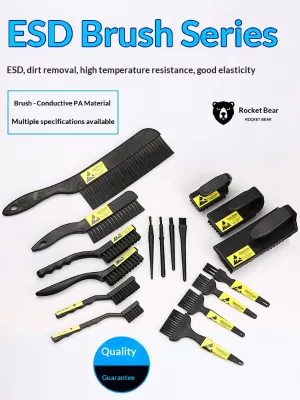
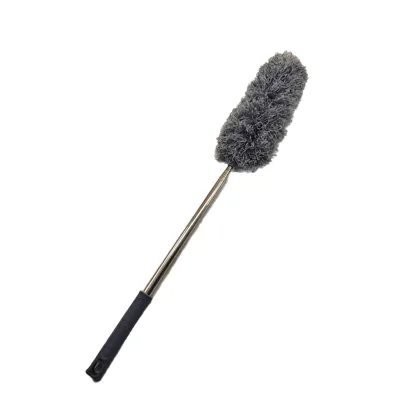
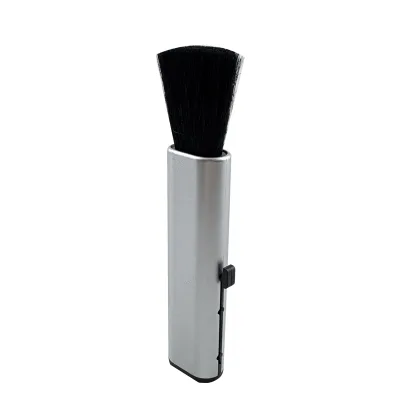
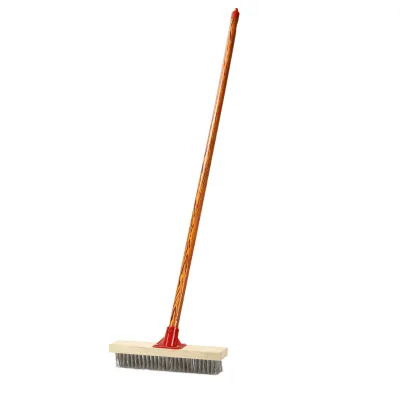


Comprehensive Sourcing Guide
Electrostatic Dust Removal Brush Supplier Concentration and Factory Types
The current supplier landscape for electrostatic dust removal brushes reveals a distinct geographic concentration in Jiangsu, China, which serves as a primary manufacturing hub for these specialized industrial tools. This regional clustering suggests a mature supply chain ecosystem where raw materials, such as conductive nylon and antistatic plastics, are readily available, facilitating efficient production workflows. Suppliers located in this area often benefit from established logistics networks and specialized labor pools familiar with cleanroom and electronics manufacturing requirements. When evaluating potential partners, buyers should prioritize suppliers whose product origins are explicitly listed as Jiangsu, as this indicates a direct connection to the core manufacturing base rather than a distant trading intermediary. The presence of multiple suppliers in this region also implies competitive pricing dynamics and a higher likelihood of finding vendors who can accommodate complex customization requests for brush dimensions, bristle materials, and handle configurations.
Factory types in this sector vary significantly, ranging from pure trading companies to integrated manufacturers and combined entities that offer both production and sales services. Many suppliers identify as manufacturers or factories, which often provides greater transparency into quality control processes and material sourcing, while trading companies may offer broader product assortments including ESD garments and cleanroom wipers alongside brushes. Some entities operate as combined firms, leveraging OEM and ODM capabilities to produce custom-branded solutions for specific client needs. It is crucial for buyers to distinguish between these operational models, as manufacturing capability directly impacts the ability to implement specific technical requirements, such as surface resistivity standards or custom packaging. Suppliers offering own-brand options alongside OEM services demonstrate flexibility, allowing buyers to choose between standardized products and tailored solutions based on their volume requirements and brand strategy. Understanding this distinction helps in assessing the supplier’s capacity to scale production and maintain consistency across large orders.
How to Verify Electrostatic Dust Removal Brush Suppliers
Verification of Electrostatic Dust Removal Brush suppliers requires a rigorous examination of their certification portfolios and third-party audit results to ensure compliance with international safety and quality standards. Several suppliers in the current results hold ISO 9001 and ISO 14001 certifications, indicating adherence to quality management and environmental protection systems, which are critical for maintaining consistent product quality in cleanroom environments. Additionally, some vendors possess ISO 14000 series certifications, further demonstrating their commitment to environmental responsibility. Beyond general management systems, product-specific certifications such as RoHS and compliance with EU directives like (EU) 2015/863 are essential for ensuring that the brushes do not contain hazardous substances, particularly when used in sensitive electronic assembly or food-related applications. Buyers should request copies of these certificates and verify their validity through the issuing bodies, as the presence of these documents is a strong indicator of a supplier’s operational maturity and regulatory compliance.
Third-party verification services provide an additional layer of trust by independently confirming a supplier’s business legitimacy and production capabilities. In the current market, some suppliers have undergone verification by recognized entities such as SGS and TÜV Rheinland, which adds credibility to their claims regarding factory audits and product testing. These verifications often include checks on the supplier’s legal status, financial stability, and actual manufacturing facilities, reducing the risk of engaging with fraudulent or non-existent entities. Buyers should look for explicit mentions of these verification badges on supplier profiles and consider requesting detailed audit reports if available. Furthermore, checking for specific industry standards like IEC 62321 and EN 14582 can provide insights into the supplier’s expertise in handling electrostatic discharge materials and chemical restrictions. By prioritizing suppliers with robust certification records and third-party verifications, buyers can mitigate risks associated with quality inconsistencies and regulatory non-compliance, ensuring a more secure and reliable sourcing partnership.
What to Compare Across Electrostatic Dust Removal Brush Suppliers
When comparing Electrostatic Dust Removal Brush suppliers, key performance indicators such as response time, lead time, and minimum order quantities (MOQ) serve as critical metrics for assessing operational efficiency and flexibility. Response times vary significantly among suppliers, with some demonstrating rapid communication capabilities of under one hour, while others may take several hours to respond, impacting the speed of negotiation and order placement. Lead times also differ, ranging from immediate availability to several weeks, which is vital for buyers managing tight production schedules or urgent cleanroom maintenance needs. MOQs present another dimension for comparison, with some suppliers offering low entry points of just one unit for sampling or small batches, while others require minimum orders of fifty or two hundred units, affecting inventory management and cash flow. Buyers should align these metrics with their specific procurement needs, balancing the desire for quick turnaround and low MOQs against the potential cost benefits of larger, consolidated orders from suppliers with longer lead times.
Product specifications and customization capabilities further differentiate suppliers in the Electrostatic Dust Removal Brush market. Attributes such as surface resistivity, material composition, and brush dimensions are crucial for ensuring compatibility with specific electronic components or cleanroom protocols. Suppliers offering conductive nylon materials with specified resistivity ranges, such as 10^8 to 10^10 ohms, provide precise control over static dissipation, which is essential for protecting sensitive electronic parts. Customization options, including handle materials like antistatic PP and bristle configurations, allow buyers to tailor brushes to unique application requirements, such as SMT production lines or electronic component maintenance rooms. Additionally, the availability of OEM and ODM services enables buyers to create branded products that align with their corporate identity. By systematically comparing these technical and operational attributes, buyers can identify suppliers that not only meet their immediate product needs but also support their long-term strategic goals through flexible manufacturing and responsive service.
Common Electrostatic Dust Removal Brush Sourcing Risks
One significant risk in sourcing electrostatic dust removal brushes is the potential mismatch between claimed product specifications and actual performance, particularly regarding surface resistivity and material durability. Suppliers may list generic attributes such as "antistatic" or "conductive" without providing precise numerical data, leaving buyers uncertain about the brush’s effectiveness in controlling static discharge in sensitive environments. This ambiguity can lead to product failures in cleanroom settings, where even minor static buildup can damage electronic components or compromise product quality. Additionally, the use of non-standard materials, such as generic plastics instead of specified conductive nylon, can result in brushes that generate static rather than dissipate it, undermining their intended purpose. Buyers must insist on detailed technical datasheets and, if necessary, conduct independent testing to verify that the brushes meet their specific resistivity and material requirements before committing to large orders.
Another risk involves the reliability of supply chain commitments, including lead times and quality consistency across production batches. Suppliers may advertise short lead times or low MOQs to attract buyers, but fail to deliver on these promises during peak seasons or when handling complex customization requests. Inconsistent quality control can lead to variations in brush dimensions, bristle density, or handle strength, affecting the efficiency of dust removal processes in industrial applications. Furthermore, reliance on trading companies without direct manufacturing oversight may obscure the true source of materials and production practices, increasing the risk of substandard inputs. Buyers should mitigate these risks by establishing clear contractual terms, conducting regular quality audits, and maintaining open communication channels with suppliers to monitor production progress. By proactively addressing these potential pitfalls, buyers can ensure a more stable and predictable sourcing experience for their Electrostatic Dust Removal Brush needs.
Electrostatic Dust Removal Brush Regional Sourcing and Logistics
Sourcing electrostatic dust removal brushes from Jiangsu, China, offers logistical advantages due to the region’s well-developed infrastructure and proximity to major shipping ports. This concentration of manufacturers facilitates efficient consolidation of orders, allowing buyers to combine multiple product types, such as brushes, ESD garments, and cleanroom wipers, into single shipments to reduce freight costs. The established supply chain in Jiangsu also supports rapid material sourcing and production scaling, which is beneficial for buyers requiring large volumes or frequent replenishments. However, buyers must consider the implications of international shipping, including transit times, customs clearance procedures, and potential tariffs, which can impact the total landed cost and delivery schedule. Understanding these logistical factors is essential for accurate inventory planning and ensuring that products arrive in time for critical cleanroom operations or production cycles.
Logistical planning also involves evaluating the supplier’s packaging and handling capabilities to ensure product integrity during transit. Electrostatic dust removal brushes, particularly those with delicate bristles or specific handle configurations, require robust packaging to prevent damage during shipping. Suppliers in Jiangsu often provide standardized packaging solutions, such as individual boxes or bulk cartons, which help protect the products and facilitate easy storage and distribution upon arrival. Buyers should confirm packaging details with their suppliers, including dimensions, weight, and material specifications, to optimize container space and minimize shipping costs. Additionally, considering the environmental impact of packaging materials, such as the use of recyclable or biodegradable options, can align with sustainability goals. By carefully managing regional sourcing and logistics, buyers can enhance supply chain efficiency, reduce costs, and ensure the timely delivery of high-quality electrostatic dust removal brushes.
Electrostatic Dust Removal Brush Commercial Terms and Order Planning
Commercial terms for electrostatic dust removal brushes often include flexible pricing structures based on order volume and customization requirements. Prices can range from low unit costs for standard items to higher rates for specialized brushes with custom dimensions or materials, reflecting the additional manufacturing effort involved. Buyers should negotiate pricing based on their expected annual volume, seeking discounts for larger commitments while maintaining the flexibility to adjust orders as needed. Payment terms, such as advance payments or letters of credit, should be aligned with the supplier’s verification status and historical performance to mitigate financial risk. Additionally, understanding the supplier’s return and warranty policies is crucial for addressing any quality issues that may arise post-delivery, ensuring that buyers are protected against defective products.
Order planning for electrostatic dust removal brushes requires a strategic approach to balance inventory levels with production demands. Buyers should analyze their usage patterns, considering factors such as cleanroom maintenance schedules and electronic assembly volumes, to determine optimal reorder points and safety stock levels. Collaborating with suppliers on forecasted demand can help secure production slots and ensure consistent supply, particularly during peak seasons. Implementing a vendor-managed inventory system or regular review meetings can enhance visibility and responsiveness, allowing for quick adjustments to changing requirements. By integrating commercial terms with effective order planning, buyers can optimize their procurement process, reduce holding costs, and maintain a steady supply of high-quality electrostatic dust removal brushes to support their operational efficiency.
FAQs
What is the price range for ESD brushes?
Prices for electrostatic dust removal brushes typically range from $0.20 to $1.00 per unit. Specific models like the P-01 brush are priced between $0.30 and $0.50, while specialized conductive brushes may cost around $1.00. Buyers should verify exact pricing based on order volume and customization requirements.
What are the minimum order quantities for these brushes?
Minimum order quantities vary by supplier and product type. Some manufacturers require a minimum of 200 units for standard brushes, while others accept orders as low as 50 or even 1 piece for customized solutions. Buyers should confirm the specific MOQ with the supplier before placing an order.
Where are these ESD brushes manufactured?
Most electrostatic dust removal brushes are manufactured in Jiangsu, China. Suppliers in this region offer various options including nylon and plastic conductive brushes. The origin is consistently listed as Jiangsu or Suzhou, ensuring traceability for buyers requiring specific regional sourcing for their cleanroom or industrial applications.
What certifications do these brushes have?
Many suppliers hold ISO 9001, ISO 14001, and RoHS certifications. Some products also meet IEC 62321 and EN 14582 standards. These certifications ensure the brushes meet international quality and safety requirements for use in sensitive electronic environments and cleanrooms, providing assurance of material safety and manufacturing consistency.
How quickly can suppliers respond to inquiries?
Supplier response times vary, with some responding within 0.78 hours and others taking up to 7.42 hours. Fast response times are crucial for urgent sourcing needs. Buyers should prioritize suppliers with quicker response metrics to ensure efficient communication and faster resolution of technical questions regarding brush specifications.
What materials are used in ESD brushes?
Common materials include conductive nylon bristles and antistatic plastic handles. Some brushes use polypropylene for the handle and nylon for the bristles to ensure static dissipation. The surface resistivity is typically between 10^8 and 10^10 ohms, making them suitable for sensitive electronic component maintenance and cleanroom environments.