Non-Slip Washable Indoor Rug Suppliers and Manufacturers
Source 28 verified suppliers for non-slip washable indoor rugs. Compare dimensions like MOQ, lead time, and certifications from Tianjin and Jiangsu factories. Request samples to verify quality and ensure product standards match your specific requirements for commercial or home use.
Updated
Suppliers List

TIANJIN DOMISUN HOUSEWARE CO.,LTD
- Verified by CTI
- Combined
- China Tianjin
- Lead time30 days
- Avg. response≤ 3h
Main marketsSouth America,Africa,Europe


$3.40 - $3.58
MOQ: 100 Square Meters


$3.40 - $3.63
MOQ: 150 Square Meters


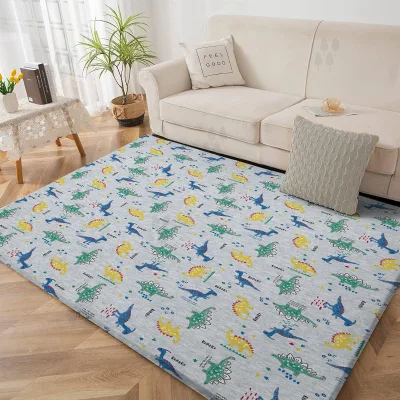
Printed Carpet for Bedroom Office Playroom Dining Roomnon-Slip Ultra-Thin Washable Rug
$3.17 - $3.31
MOQ: 100 Pieces

Changshu Fine Import & Export Co., Ltd.
- Trading Company
- Jiangsu, China
- Lead time30 days
- Avg. response≤ 1h
Main productsBlankets, Bathrobes, Carpet
Main marketsSouth America(51.00%), North America(21.00%), Southern Europe(6.00%), Eastern Asia(5.00%), Central America(5.00%), Eastern Europe(5.00%), Africa(3.00%), South Asia(2.00%), Oceania(2.00%)
Gaoyang County Rongyi Blanket Industry Co., Ltd.
- Verified by Intertek
- Manufacturer, Trading Company
- Lead time0 days
Main productsBlanket
Main marketsMid East(23%), Domestic Market(22%), Africa(13%)
Xuzhou Zhenyixin Trading Co., Ltd.
- Trading Company
- Jiangsu, China
- Lead time30 days
- Avg. response≤ 1h
Main productscarpet,Climbing frame,Flower rack,Bed,Hotel carpet
Main marketsSoutheast Asia(23.00%), Northern Europe(13.00%), Central America(13.00%), Mid East(12.00%), Southern Europe(6.00%), Africa(6.00%), Domestic Market(5.00%), Oceania(4.00%), Eastern Europe(4.00%), South Asia(3.00%), Western Europe(3.00%), Eastern Asia(3.00%), South America(3.00%), North America(2.00%)
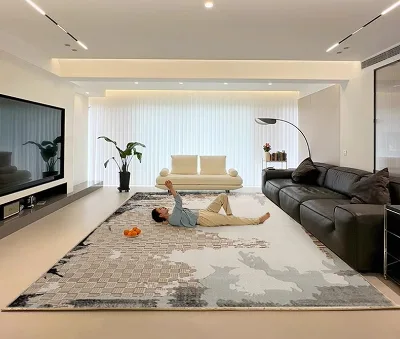
Living Room Area Rug Large Soft Water Wash Carpet Bedroom-Interior Floor Washable Rug
$19.644 - $25.8479
MOQ: 10 square
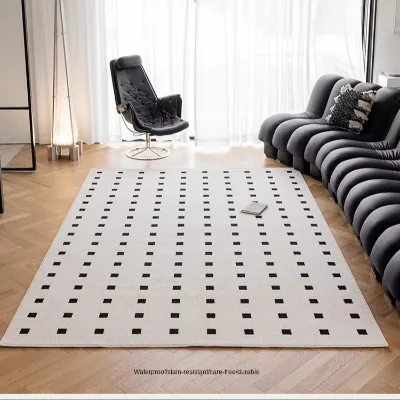
Modern Style Washable Non-Slip Area Rug Home Bedroom Living Room Camping Carpets
$19.00 - $25.00
MOQ: 10
Tianjin Shuhuashi Carpet Co., Ltd.
- Manufacturer, Trading Company
- Tianjin, China
- Lead time15 days
- Avg. response≤ 3h
Main productscarpet,rug,mat
Main marketsSouth America(20.00%), North America(15.00%), Oceania(15.00%), Southeast Asia(12.00%), Eastern Europe(5.00%), Africa(5.00%)

- Trading Company,Manufacturer/Factory
- China Shandong
- Lead time15 days
- Avg. response≤ 3h
Main productsCarpet, Rug, Axminster Carpet, Wilton Carpet, Needle-Punched Carpet, Tufted Carpet, Hotel Carpet, Wall to Wall Carpet, Handmade Carpet, Printed Carpet
Main marketsSouth America,Eastern Europe,Mid East,North America,Southeast Asia,Eastern Asia,Oceania,Western Europe,Africa


Custom Area Rug for Living Room Modern Carpets & Rugs Manufacturer
$11.90 - $18.90
MOQ: 100 Square Meters

Bei Mei Ti Home Supplies (Shenzhen) Co., Ltd
- Verified by BV
- Manufacturer/Factory
- China Guangdong
- Lead time38 days
- Avg. response≤ 6h
Main productsLeather Mat, Baby Play Mats, Dogs Mats, Home Mats, Placemats, Mouse Pads, Kitchen Mats
Main marketsSouth America,Eastern Europe,Mid East,North America,Southeast Asia,Eastern Asia,Oceania,Western Europe,Africa

Guangzhou MyWow Decor Co., Ltd
- Combined
- China Guangdong
- Lead time15 days
- Avg. response≤ 8h
Main productsWall Panel, Artificial Plant, Mat, Pegatina De Pared, Artificial Grass, Wall Sticker
Main marketsSouth America,Europe,North America


Non-Slip Soft Floor Rugs Living Room Modern Custom Floor Rug for Sale
$3.18 - $3.95
MOQ: 50 Square Meters


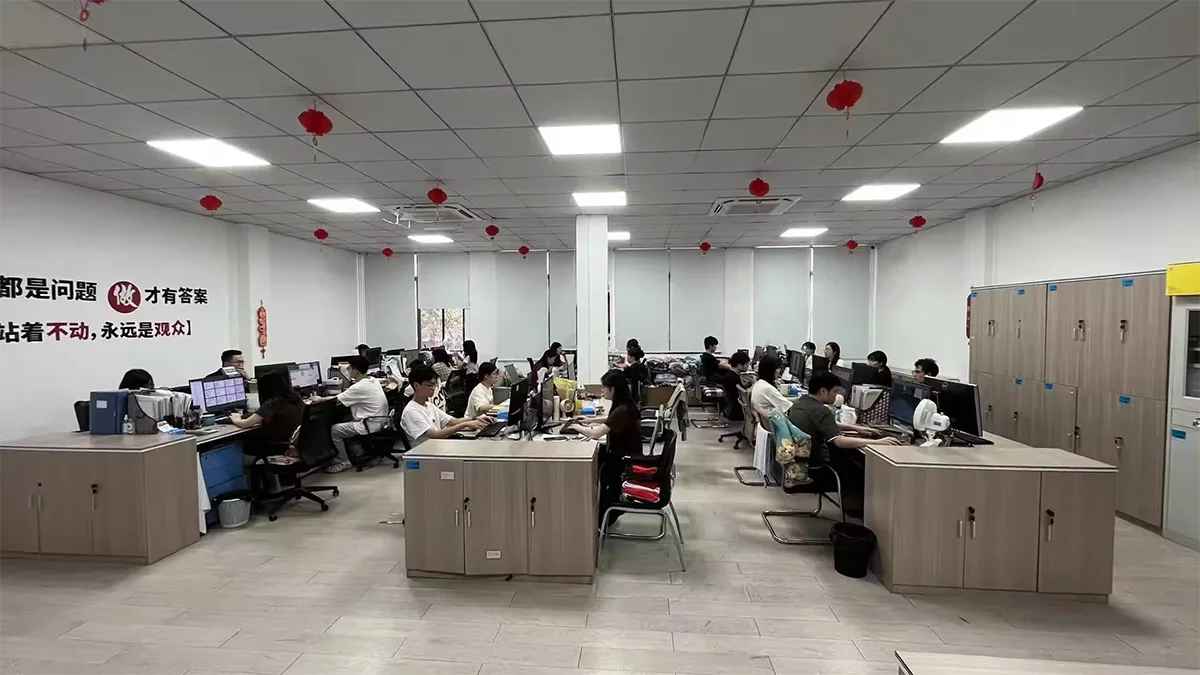
Guangzhou Meryhome Textile Co,ltd
- Trading Company
- Guangdong, China
- Lead time7 days
- Avg. response≤ 2h
Main productsbath mat,door mat,sport jersey,soccer jersey,basketball uni
Main marketsNorth America(40.00%), Northern Europe(10.00%), Western Europe(10.00%), Oceania(10.00%), Southeast Asia(5.00%), Eastern Europe(5.00%), South America(5.00%)

Zhejiang Wuyi Natural Home Deco Co., Ltd.
- Manufacturer, Trading Company
- Zhejiang, China
- Lead time35 days
- Avg. response≤ 11h
Main productsKitchen Mat, Baby Play Mat, Door Mat, Place Mat, Bath Mat
Main marketsNorth America(41.00%), Domestic Market(21.00%), Eastern Asia(11.00%), Southern Europe(10.00%), Eastern Europe(9.00%), South America(4.00%), Southeast Asia(2.00%), Oceania(1.00%), Western Europe(1.00%)
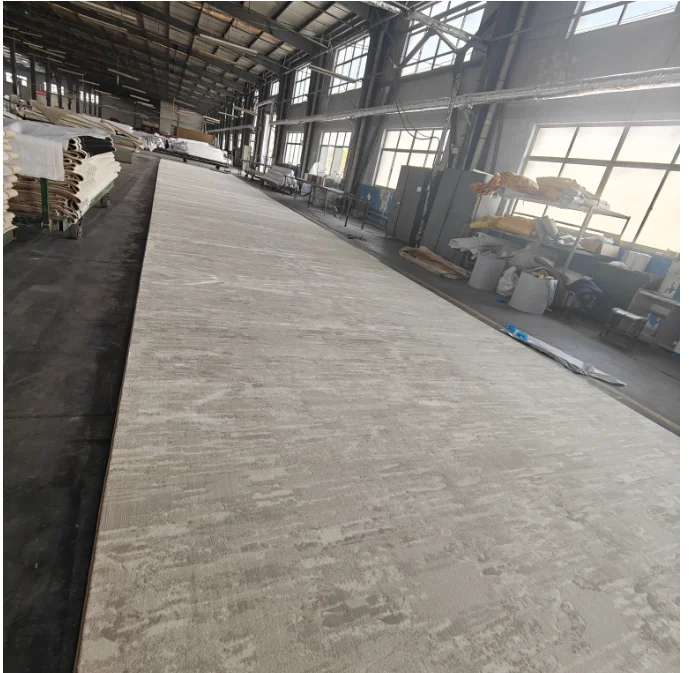
Tianjin Domisun Houseware Co., Ltd.
- Trading Company
- Tianjin, China
- Lead time30 days
- Avg. response≤ 4h
Main productscarpet,rug,tufted rug,Printed Logo Mat,wall to wall carpet
Main marketsWestern Europe(25.00%), North America(25.00%), Northern Europe(20.00%), Eastern Europe(15.00%), Mid East(10.00%), Southeast Asia(5.00%)

- Trading Company
- China Zhejiang
- Lead time30 days
- Avg. response≤ 12h
Main productsHome Appliance, Cookware Set, Thermos, Home Storage, Furniture, Pet Supplies, Garden Tools, Outdoor Supplies, Baby Supplies, Houesehold Items
Main marketsSouth America,Africa,Southeast Asia/ Mideast,East Asia(Japan/ South Korea),Domestic,Europe,Australia,North America

DEZHOU MUJIN BUILDING MATERIAL CO., LTD.
- Trading Company
- China Shandong
- Lead time15 days
- Avg. response≤ 5h
Main productsCarpet, Carpet Tile, Rugs and Mats, Shaggy Carpet, Artificail Carpet, Printed Rugs, Sublimation Carpet, Carpet Tape, Nonwoven Needle Punch Carpet, Plain Carpet
Main marketsSouth America,Africa,Southeast Asia/ Mideast,East Asia(Japan/ South Korea),Europe,Australia,North America


Hot Selling Custom Size Bath Rugs Wholesale Sublimation Anti Slip Floor Area Rugs
$4.60 - $5.87
MOQ: 300 Square Meters

Polyester Printed Carpet Rugs Indoor Floor Mat for Living Room for Home Use
$3.83 - $5.87
MOQ: 300 Square Meters

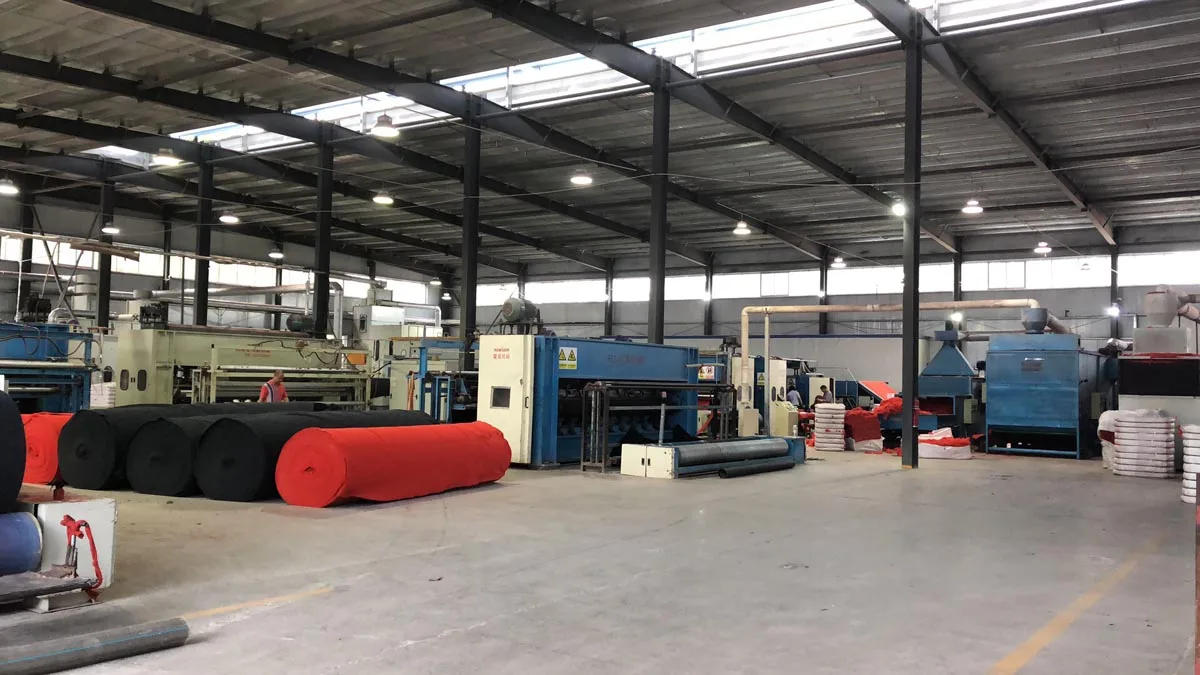
Ningbo Silva Industrial Co., Ltd.
- Manufacturer
- Zhejiang, China
- Lead time20 days
- Avg. response≤ 4h
Main productsCarpet,Door Mat,Bathroom Rugs,Area Rugs,Chair Mats
Main marketsDomestic Market(22.00%), North America(20.00%), Western Europe(15.00%), South America(10.00%), Oceania(5.00%), Mid East(5.00%), Eastern Asia(4.00%), Southern Europe(3.00%), Southeast Asia(3.00%), Northern Europe(3.00%), Eastern Europe(3.00%), South Asia(3.00%), Africa(2.00%), Central America(2.00%)

Guangzhou MyWow Decor Co., Ltd
- Combined
- China Guangdong
- Lead time15 days
- Avg. response≤ 16h
Main productsWallpaper, Wall Paper, 3D Wallpaper, 3D Wall Panel, Window Blinds, Artificial Grass, Wall Tiles, Center Rugs, Wall Mural, Natural Grasscloth
Main marketsSouth America,Europe,North America

Changshu Evergrande Imp. & Exp. Co., Ltd.
- Verified by TUVRHEINLAND
- Trading Company
- China Jiangsu
- Lead time30 days
- Avg. response≤ 7h
Main productsMetal Etching Panels and Parts, Vegetable Parchment Paper, Tool Carts and Cabinets, Industrial Carpets and Floorings, Spinpack Parts and Accessories
Main marketsEurope
Shandong Front Carpet Co.,ltd.
- Manufacturer, Trading Company
- Shandong, China
- Lead time30 days
- Avg. response≤ 8h
Main productsCar Carpet, Nonwoven Needle Punch Carpet, Tufted Carpet, Door Mat
Main marketsNorth America(25.00%), Western Europe(20.00%), Domestic Market(20.00%), Southeast Asia(20.00%), Mid East(10.00%), Eastern Europe(5.00%)
Polyester Printed Home Decorative Area Rug for Living Room or Entryway Door Mats
$4.60 - $5.70
MOQ: 500
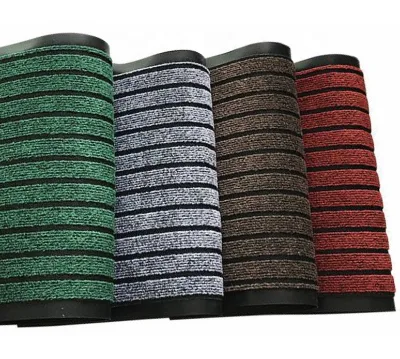
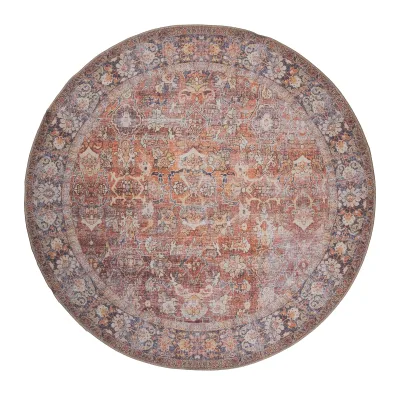
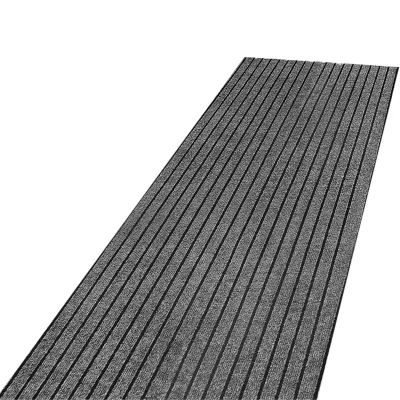
Superior Custom Size Indoor Rubber Backing Hallway Carpet Entryway Office or Door Mats
$2.00 - $2.20
MOQ: 1000 square

Ningbo Quanwei Rubber Products Co., Ltd.
- Verified by BV
- Combined
- China Jiangsu
- Lead time15 days
- Avg. response≤ 3h
Main marketsDomestic

Bath Mat-Rubber Backing Non Slip Bathroom Rugs Quick Dry Absorbent Floor Mat
$0.70 - $1.50
MOQ: 50 Pieces

Shanghai Lejing Building Materials Co., Ltd.
- Verified by Intertek
- Trading Company
- Lead time15 days
- Avg. response≤ 1h
Main productsLoop Pile Carpet, Fireproof Carpet, Printed Carpet, Exhibition Carpet, Custom Carpet
Main marketsSouth America(20%), Africa(20%), North America(10%)
Nanjing Huirong Household Technology Co., Ltd.
- Verified by SGS Group
- Manufacturer, Trading Company
- Lead time35 days
- Avg. response≤ 3h
Main productsCarpets, Rug, Pet Products, Baby Play Mat, Bath Mat
Main marketsNorth America(35%), Western Europe(25%), Oceania(20%)

- Verified by SGS
- Trading Company
- China Zhejiang
- Lead time15 days
- Avg. response≤ 13h
Main productsChristmas Decoration, Christmas Tree, Christmas Gift, Party Decoration, Promotional Product, Festival Items, Gift, Valentine, Party Items, Halloween Decorations
Main marketsEurope,Australia


High Quality Custom Rug Polyester Standing Washable Non-Slip Welcome Door Mat
$1.32 - $1.55
MOQ: 650 Pieces

Super Soft Ultra-Thin Entry Rubber Floor Mats Absorbent Non-Slip Living Room Bedroom Carpet
$1.58 - $1.85
MOQ: 550 Pieces

High Quality Entry Foot Wipe Rubber Floor Mats Absorbent Non-Slip Living Room Bedroom Carpet
$1.59 - $1.86
MOQ: 550 Pieces

Guangdong Guangfu Chemical Fiber Tech Co., Ltd.
- Verified by SGS
- Combined
- China Guangdong
- Lead time15 days
- Avg. response≤ 1h
Main productsNeedle Punched Carpet, Exhibition Carpet, Flame-Retardant Carpet, Coated Carpet, PVC Carpet
Main marketsAustralia


Breathable Plain Non Woven Floor Mat Disposable Non Woven Carpet
$0.22 - $0.25
MOQ: 3000 Square Meters


- Manufacturer, Trading Company
- Guangdong, China
- Lead time20 days
- Avg. response≤ 21h
Main productscarpet,rugs,curtains,Office carpet,hotel carpet
Main marketsMid East(20.00%), North America(10.00%), South America(10.00%), Africa(10.00%), Central America(10.00%), Northern Europe(10.00%), South Asia(10.00%), Southeast Asia(5.00%), Eastern Asia(5.00%), Western Europe(5.00%), Domestic Market(5.00%)
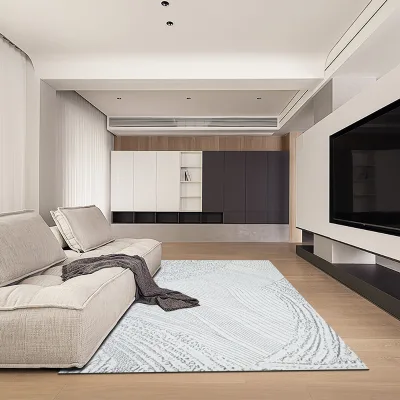
$10.1145 - $12.2193
MOQ: 1 square
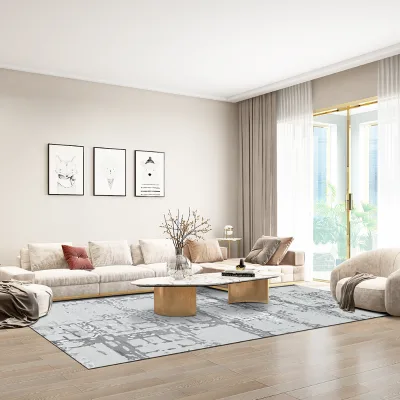
polyester washable non glue carpet dot Backing soft traditional rugs for living room
$10.1982 - $12.3211
MOQ: 1 square

Shandong Tuoyi Environmental Protection Materials Co., Ltd.
- Manufacturer/Factory
- China Shandong
- Lead time15 days
- Avg. response≤ 2h
Main productsNon Woven Exhibition Carpet, PVC Coil Mat, Jumbo Bags, Geosynthetic Products, Carpet, Artificial Grass Turf, Mat, Carpet Tile, Machine Tufted Carpet
Main marketsSouth America,Eastern Europe,Mid East,North America,Southeast Asia,Eastern Asia,Oceania,Western Europe,Africa

Modern Non-Slip PP Indoor Floor Carpet Mat Washable Mat for Home Use
$3.99 - $4.99
MOQ: 1000 Square Meters

Custom Logo Anti-Slip Indoor Outdoor Carpet Rug Nylon Material Floor Mat
$2.32 - $5.98
MOQ: 1000 Square Meters

Tianjin Huaqin Carpet Co., Ltd.
- Verified by SGS Group
- Manufacturer, Trading Company
- Lead time10 days
- Avg. response≤ 5h
Main productsCarpet, Rug
Main marketsDomestic Market(80%), Mid East(10%), Africa(10%)
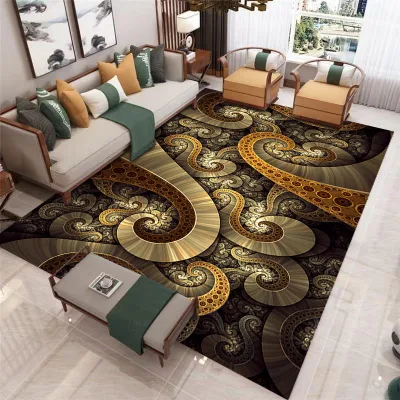
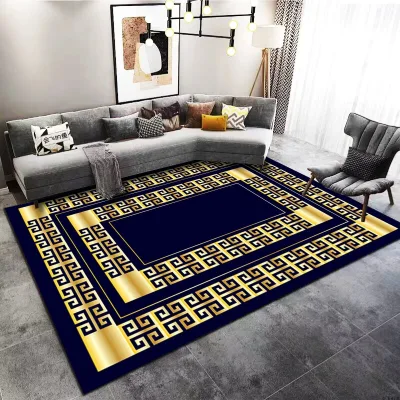
$0.4413 - $0.4727
MOQ: 10 pieces
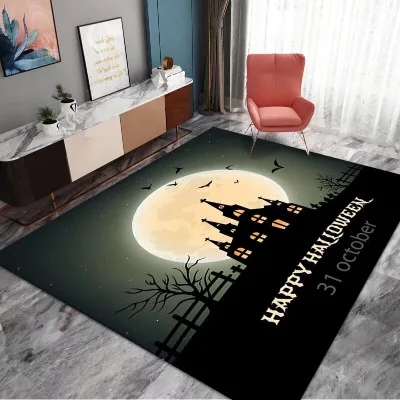
Non Woven Backing Easy Roll Storage Washable Cover Removable Living Room Carpet Area Rug Mat
$1.8491 - $2.1572
MOQ: 10 square
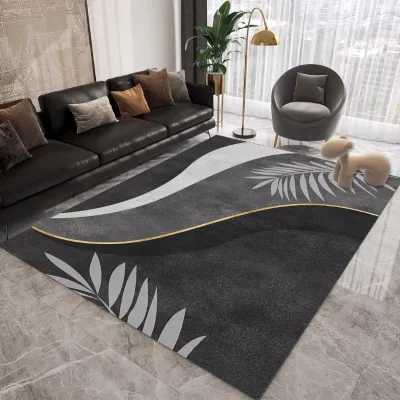
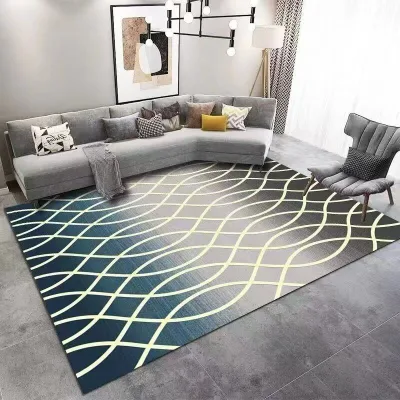

Jinan Laiwu Hengcheng Carpet Co., Ltd.
- Verified by SGS
- Combined
- China Shandong
- Lead time15 days
- Avg. response≤ 11h
Main marketsSouth America,Southeast Asia/ Mideast,East Asia(Japan/ South Korea)


Selected by Everyone Comfortable Nonwoven Mat for Indoor and Outdoor Use
$0.39
MOQ: 1000 Square Meters

Factory Low Price Wear-Resistant Nonwoven Mat for Indoor and Outdoor Use
$0.39
MOQ: 1000 Square Meters


Hebei Pinuo Import and Export Trade Co.,LTD.
- Verified by TüVRheinland
- Manufacturer, Trading Company
- Lead time0 days
- Avg. response≤ 2h
Main productsPrint Carpet, Faux Fur Carpet, Felt Pet Bed, Felt Storage Organisers, Bath Mat
Main marketsSouth America(30%), North America(10%), Eastern Europe(10%)
- Verified by TüVRheinland
- Manufacturer, Trading Company
- Lead time15 days
- Avg. response≤ 2h
Main productsFaux Fur Rug, Color Felt Products, Cap, Polishing Pad, Pet Bed
Main marketsDomestic Market(50%), North America(10%), Mid East(10%)






Comprehensive Sourcing Guide
Non-Slip Washable Indoor Rug Supplier Concentration and Factory Types
The current supplier landscape for non-slip washable indoor rugs reveals a distinct concentration of manufacturing and trading entities within specific Chinese industrial hubs. Data indicates that a significant portion of available suppliers are located in Tianjin, China, establishing this region as a primary cluster for this product category. This geographic concentration suggests a mature supply chain ecosystem where raw material sourcing, production infrastructure, and logistics networks are optimized for textile and home goods manufacturing. Buyers evaluating suppliers should recognize that locating vendors in Tianjin may offer advantages in terms of established production capabilities and regional expertise in rug manufacturing. However, it is also important to note that other locations, such as Jiangsu, China, are represented in the results, indicating that sourcing is not exclusively limited to a single city. The presence of suppliers in multiple provinces highlights the distributed nature of China’s manufacturing base for home textiles. When assessing potential partners, buyers should consider how the supplier’s location impacts their operational model. Suppliers in major manufacturing hubs often benefit from economies of scale and specialized labor pools, which can influence pricing and production speed. Conversely, suppliers in other regions might offer different logistical advantages depending on the buyer’s final destination. Understanding the geographic distribution of suppliers allows buyers to better anticipate lead times and shipping costs. It also helps in identifying whether a supplier is a dedicated manufacturer or a trading company that aggregates products from various factories. The concentration of combined companies and trading firms in these results suggests that many buyers may interact with intermediaries rather than direct factory contacts. This distinction is crucial for understanding the value chain and negotiating terms. Buyers should verify the actual manufacturing location of the supplier, regardless of their registered address, to ensure alignment with their quality and ethical sourcing requirements. The diversity in supplier types, ranging from combined entities to pure trading companies, offers flexibility in engagement models. Some buyers may prefer direct factory relationships for better control over production, while others may benefit from the flexibility and product variety offered by trading companies. Recognizing these structural differences is the first step in effective supplier selection.
The classification of suppliers into different company types further defines the sourcing strategy for non-slip washable indoor rugs. The observed results include both combined companies and trading companies, each offering distinct advantages and potential drawbacks. Combined companies often possess integrated capabilities that may include design, production, and sales, providing a more streamlined experience for buyers seeking customized solutions. Trading companies, on the other hand, typically focus on sourcing and logistics, offering a broader range of products from multiple factories. This can be beneficial for buyers who need diverse product lines or smaller order quantities that might not meet the minimum requirements of large factories. The presence of OEM capabilities in some supplier profiles indicates that customization is a viable option for many manufacturers in this sector. Buyers looking for private label products or specific design modifications should prioritize suppliers with clear OEM or ODM capabilities. It is essential to verify the extent of these capabilities, as some trading companies may only facilitate communication without direct involvement in the production process. The type of company also influences the level of direct communication and control a buyer has over the manufacturing process. Direct factory contacts may offer more transparency regarding production schedules and quality control measures. In contrast, trading companies may provide better customer service and flexibility in handling small orders or complex logistics. Buyers should assess their own needs and capabilities to determine which supplier type is most suitable. For large-scale orders with specific technical requirements, direct factory engagement might be preferable. For smaller, diverse orders, trading companies may offer greater efficiency. Understanding these dynamics helps buyers navigate the supplier landscape more effectively. It also aids in setting realistic expectations regarding communication, pricing, and service levels. By aligning supplier type with business needs, buyers can optimize their sourcing strategy and reduce potential friction in the procurement process.
How to Verify Non-Slip Washable Indoor Rug Suppliers
Verifying the legitimacy and capability of non-slip washable indoor rug suppliers requires a multi-layered approach that goes beyond surface-level profile information. One critical aspect is checking for third-party verification status, which serves as an indicator of the supplier’s operational stability and compliance with certain business standards. In the current results, some suppliers display verification badges such as CTI, which suggests that an independent inspection agency has assessed their business credentials. This verification process typically involves reviewing business licenses, factory audits, and sometimes production capacity assessments. Buyers should prioritize suppliers with such verifications, as they provide a higher degree of confidence in the supplier’s reliability. However, verification is not a guarantee of product quality or ethical practices, so it should be used as one component of a broader due diligence strategy. It is also important to understand the scope of the verification, as different agencies may have varying standards and thoroughness. Buyers should request detailed reports or summaries of the verification process to understand what was actually assessed. This transparency helps in making informed decisions about which suppliers to engage with further. Additionally, buyers should look for evidence of consistent business operations, such as long-standing establishment years and a history of successful transactions. While specific establishment years are not provided in the current data, buyers should inquire about the supplier’s track record and years in business. A supplier with a long history in the industry is likely to have refined their processes and built a reputation that they are keen to maintain. This stability can be a significant advantage in terms of reliability and consistency. Buyers should also check for any negative feedback or disputes in public forums or industry networks. While not always available, such information can provide valuable insights into potential red flags. Cross-referencing supplier information with industry databases and trade associations can further enhance verification efforts. This holistic approach ensures that buyers are not misled by superficial claims and can identify suppliers who are truly capable of meeting their requirements.
Beyond verification badges and business history, buyers must assess the supplier’s product-specific capabilities and quality control measures. For non-slip washable indoor rugs, this involves examining the materials used, the construction methods, and the testing procedures employed. Suppliers should be able to provide detailed specifications regarding the rug’s backing, pile height, and anti-slip features. The presence of certifications such as Smeta, BSCI, ISO, and Grs in some product profiles indicates a commitment to social compliance and environmental standards. Buyers should request copies of these certificates and verify their validity with the issuing bodies. Certifications are not just marketing tools; they represent adherence to specific standards that can impact the supplier’s ability to export to certain markets. For instance, BSCI certification is often required by European retailers, while ISO standards are globally recognized for quality management. Understanding which certifications are relevant to the buyer’s target market is crucial. Buyers should also inquire about the supplier’s quality control processes, including in-line inspections and final random inspections. A robust QC system minimizes the risk of receiving defective products and ensures consistency across batches. Suppliers who proactively share their QC protocols demonstrate a commitment to quality and transparency. Additionally, buyers should assess the supplier’s responsiveness and communication skills, as these are critical for successful collaboration. The response time metric, such as the 2.84 hours observed in some results, can indicate the supplier’s efficiency in handling inquiries. However, response time alone is not a measure of quality, so it should be considered alongside other factors. Buyers should test the supplier’s responsiveness by sending detailed inquiries and evaluating the quality and speed of the responses. This practical test provides a realistic view of what the working relationship might look like. By combining verification checks with product-specific assessments, buyers can build a comprehensive profile of each potential supplier. This thorough approach reduces the risk of partnering with unreliable vendors and increases the likelihood of a successful sourcing outcome.
What to Compare Across Non-Slip Washable Indoor Rug Suppliers
When evaluating multiple suppliers for non-slip washable indoor rugs, buyers must systematically compare key operational and commercial metrics to identify the most suitable partner. One of the most critical factors is the Minimum Order Quantity (MOQ), which directly impacts inventory management and cash flow. The current data shows a range of MOQs, from as low as 100 pieces to as high as 300 pieces, depending on the specific product and supplier. Buyers with limited capital or testing needs may prefer suppliers with lower MOQs, while those planning large-scale launches might benefit from economies of scale offered by higher MOQs. It is essential to clarify whether the MOQ applies to the entire order or per design/color, as this can significantly affect flexibility. Another crucial metric is the lead time, which determines how quickly orders can be fulfilled and shipped. A lead time of 30 days, as observed in some results, is a common benchmark, but buyers should verify if this includes production, quality control, and packaging. Shorter lead times can be advantageous for responding to market trends or replenishing stock quickly, but they may come at a higher cost. Buyers should also compare the price ranges, which vary based on product specifications, customization options, and order volume. Prices for non-slip washable indoor rugs can range from approximately $3.17 to $10.40, reflecting differences in material quality, design complexity, and production methods. Buyers should request detailed quotations that break down costs to understand the value proposition of each supplier. Additionally, the response time is a key indicator of supplier efficiency and customer service quality. A response time of under three hours, as seen in some profiles, suggests a high level of responsiveness, which is vital for resolving issues quickly. However, buyers should also assess the quality of the responses, not just the speed. Suppliers who provide comprehensive and accurate information are more likely to be reliable partners. Comparing these metrics across suppliers allows buyers to create a weighted scoring system that aligns with their specific business priorities. This structured approach ensures that decisions are based on objective data rather than subjective impressions.
In addition to operational metrics, buyers should compare the customization capabilities and product variety offered by each supplier. The ability to customize designs, colors, and sizes is a significant advantage for buyers seeking unique products or private label opportunities. Some suppliers offer custom design services, while others may only provide standard options. Buyers should assess the extent of customization available, including any additional costs or minimum requirements for custom orders. The product range is another important factor, as suppliers with a diverse portfolio may offer better synergy for buyers looking to expand their product lines. For example, some suppliers specialize in specific types of rugs, such as loop pile entryway rugs or printed area rugs, while others offer a broader selection. Buyers should evaluate whether the supplier’s product range aligns with their target market and brand identity. The use of specific materials and technologies, such as TPR backing or machine-washable fabrics, should also be compared to ensure compatibility with buyer requirements. Certifications and compliance standards are another critical comparison point, as they can affect market access and brand reputation. Suppliers with relevant certifications, such as BSCI or ISO, may be preferred by buyers targeting regulated markets. Buyers should verify the validity and scope of these certifications to ensure they meet their needs. Furthermore, the packaging and shipping options provided by suppliers can impact the final cost and condition of the products. Some suppliers offer carton packing, while others may provide foldable or rollable options for space efficiency. Buyers should assess the durability and sustainability of the packaging, as this can influence customer satisfaction and environmental impact. By systematically comparing these diverse factors, buyers can identify suppliers that offer the best balance of cost, quality, and service. This comprehensive comparison reduces the risk of selecting a supplier that may not meet long-term business goals. It also facilitates more informed negotiations and contract terms, leading to a more successful sourcing partnership.
Common Non-Slip Washable Indoor Rug Sourcing Risks
Sourcing non-slip washable indoor rugs from international suppliers involves several inherent risks that buyers must proactively manage to ensure a smooth procurement process. One of the most significant risks
FAQs
What is the typical lead time for non-slip washable indoor rugs?
Manufacturers in China typically require 30 days to produce and ship these rugs. This timeline applies to standard orders and ensures quality control before dispatch. Buyers should confirm specific production schedules with suppliers to account for peak seasons or custom design requirements.
What is the minimum order quantity for these rugs?
Minimum order quantities vary by supplier, ranging from 100 to 300 pieces. Some factories accept orders as low as 100 units for printed rugs, while others require 200 or 300 pieces for specific models. Buyers should check individual product listings for exact MOQs.
Are these rugs machine washable and durable?
Yes, most non-slip washable indoor rugs are designed for machine washing and hand washing. They feature stain-resistant materials and anti-slip backings like TPR or felt. Regular cleaning maintains their appearance and hygiene, making them suitable for high-traffic areas like entryways and bathrooms.
What certifications do these rugs typically hold?
Many suppliers offer rugs certified by Smeta, BSCI, ISO, and Grs. These certifications ensure ethical manufacturing and quality standards. Buyers requiring specific compliance should verify certification availability directly with the supplier before placing large orders to meet regional regulatory requirements.
How quickly do suppliers respond to inquiries?
Response times vary, with some suppliers replying within 1 day and others taking up to 2.84 days. Faster response times often indicate higher availability and efficient customer service. Buyers should prioritize suppliers with quick response rates for timely project coordination and sample requests.
Can I customize the design and size of these rugs?
Customization is widely available for design, color, and size. Suppliers offer custom designs and multiple standard sizes like 60x80cm or 80x120cm. Buyers can request specific dimensions and patterns to match their interior decor, ensuring a tailored fit for residential or commercial spaces.
What is the price range for these rugs?
Prices typically range from $3.17 to $10.40 per unit depending on material and size. Lower-priced options often feature thinner piles, while premium models with higher GSM weights cost more. Buyers should compare quotes based on specific weight, backing, and customization requirements.