Field Bus Cable Suppliers and Manufacturers
Source 19 verified Field Bus Cable suppliers offering CE, TUV, and VDE certified options with lead times from 5 to 30 days. Compare pricing, MOQs, and response speeds to identify suitable partners for your industrial communication needs; review the available evidence before requesting comparable quotations from suitable candidates.
Updated
Suppliers List
Shanghai Kuka Special Cable Co., Ltd.
- Verified by TüVRheinland
- Manufacturer, Trading Company
- Lead time5 days
- Avg. response≤ 9h
Main productsSolar Cable, Underwater Rov Cable, Low Voltage Power Cable, Auto Cable, Solar Connector
Main marketsWestern Europe(40%), Eastern Europe(20%), Southeast Asia(20%)
Shenzhen Lilutong Technology Industry Co., Ltd.
- Manufacturer, Trading Company
- Lead time旺季: "1 - 30000":8,"30001 - 100000":20,"> 100000":"To be negotiated", 淡季: "1 - 30000":8,"30001 - 100000":20,"> 100000":"To be negotiated"
- Avg. response≤ 7h
Main productsFire Alarm Cable, Flexible Power Cable, Floating Cable, Communication Cable, Solar Cable

Hanyang (Hangzhou) Cable Co., Ltd.
- Verified by SGS
- Trading Company,Manufacturer/Factory,Other
- China Zhejiang
- Lead time30 days
- Avg. response≤ 5h
Main productsCoaxial Cable, Network Cable, Speaker Cable, Telephone Cable, Power Cable, RCA Cable, Fiber Optic Cable, Security Cable, Control Cable, Booster Cable
Main marketsSouth America,Eastern Europe,Mid East,North America,Southeast Asia,Eastern Asia,Oceania,Western Europe,Africa

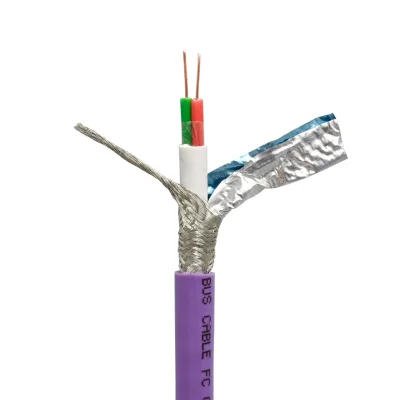
Profibus Dp Communication Bus Cable 6xv1830-0eh10 Shielded 2 Core Fieldbus Cable
$0.01 - $0.30
MOQ: 10000 M

Profibus PA 2 Core 22AWG Industrial Field Bus Automation Communication Cable
$0.01 - $0.30
MOQ: 10000 M


Shanghai Aein Wire & Cable Co., Ltd.
- Verified by BV
- Combined
- China Shanghai
- Lead time23 days
- Avg. response≤ 6h
Main productsPower Cable, Specialized Cable, Drag Chain Cable, Servo Cable, Wire&Cable, Control Cable, Low Smoke Zero Halogen Cable, Robot Cable, Motor Cable, Fire Alarm Cable
Main marketsSoutheast Asia/ Mideast,Australia


High Precision Industrial Fieldbus Cable for Mechanical Control Data & Signal Transmission
$0.50 - $9.33
MOQ: 500 Meters

S 671 PVC Hybrid Field Bus Control Cable Suitable for Cable Tracks with UL Recognition
$0.27 - $11.70
MOQ: 500 Meters


Yuanchuang Shidai (Chengdu) Technology Co., Ltd.
- Trading Company
- Sichuan, China
- Lead time15 days
- Avg. response≤ 2h
Main productsCoaxial Connectors (RF) SMA N-Type BNC TNC DIN Cable,3G 4G 5G WiFi GPS 315MHz 433MHz Communication Antennas,M5 M8 M12 NMEA 2000 M16 AISG M23 Circular Connector,26482 D38999 MIL-DTL-5015 Mil Connectors,Battery Storage Energy HIVL MSD EV Connector
Main marketsNorth America(33.00%), Southern Europe(11.00%), Western Europe(11.00%), Northern Europe(11.00%), Domestic Market(10.00%), Eastern Europe(7.00%), Eastern Asia(4.00%), Central America(3.00%), Mid East(3.00%), South Asia(3.00%), Southeast Asia(1.00%), Africa(1.00%), Oceania(1.00%), South America(1.00%)
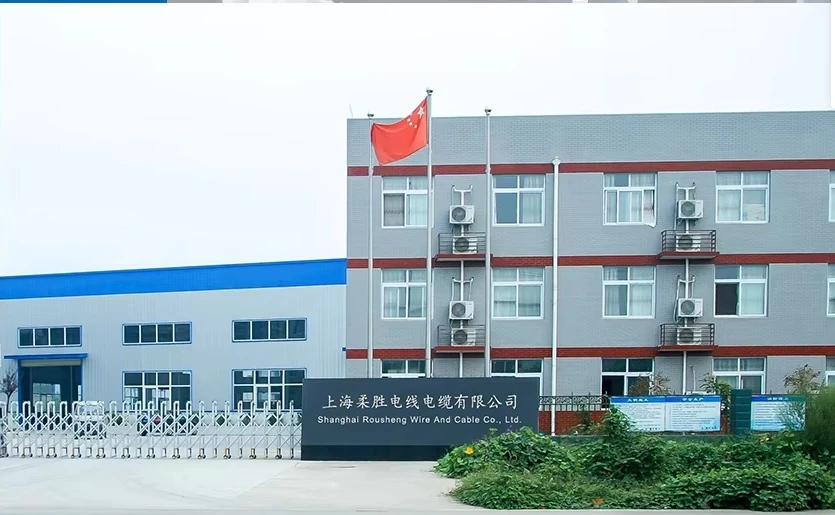
Shanghai Rousheng Wire And Cable Co., Ltd.
- Manufacturer
- Shanghai, China
- Lead time15 days
- Avg. response≤ 1h
Main productsZero buoyancy line,Floating cable,ROV cable,Underwater robot cable,Anti seawater cable
Main marketsCentral America(10.00%), Western Europe(10.00%), Mid East(10.00%), South Asia(10.00%), Northern Europe(10.00%), Southeast Asia(10.00%), Eastern Europe(10.00%), South America(10.00%), North America(10.00%), Oceania(5.00%), Africa(5.00%)
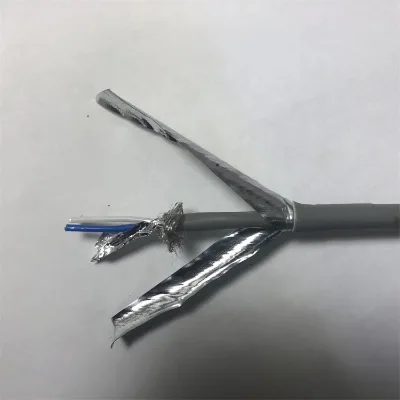
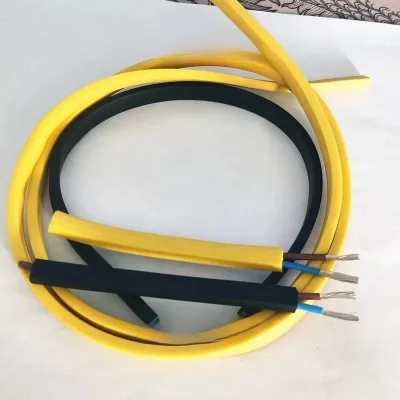
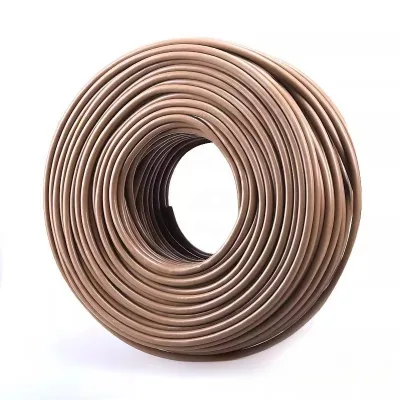
Available Customized BUS Cable 2x1.5mm Flat Cable
$1.0292 - $1.2477
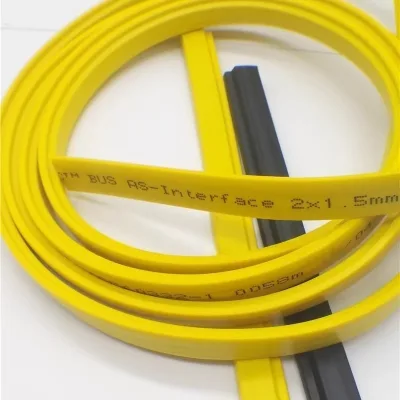
Asi Yellow and Black Flat Communication Cable 2X1.5 AS-Interface Bus Cable AS-i Bus
$1.5319 - $3.0623
MOQ: 100 Minimum
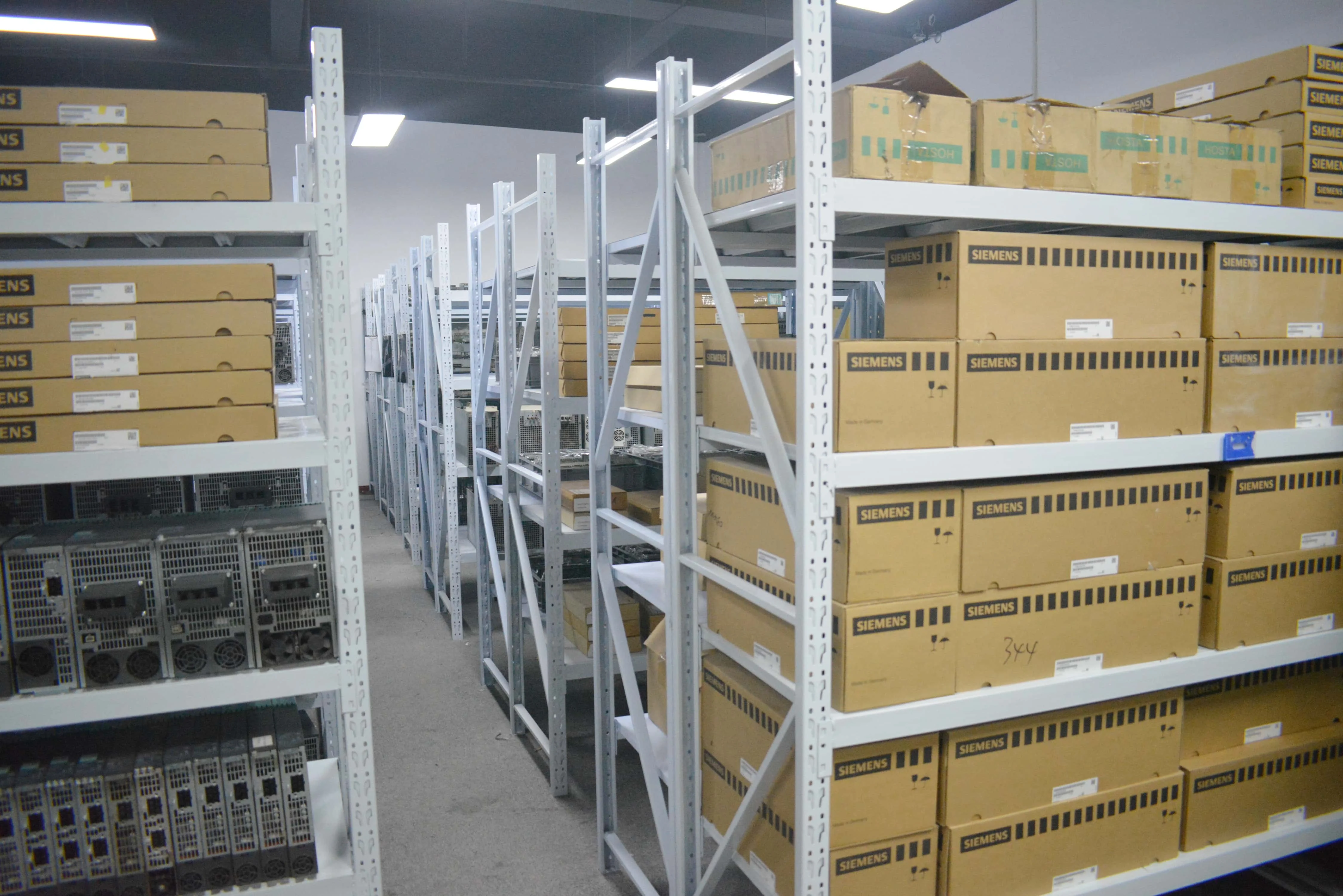
Shanghai Huikairui Automation Technology Co., Ltd.
- Trading Company
- Shanghai, China
- Lead time5 days
- Avg. response≤ 2h
Main productsInverter,PLC,Sensor,Safety Relay,Motor
Main marketsSouth America(20.00%), Eastern Asia(20.00%), North America(20.00%), Eastern Europe(15.00%), Africa(15.00%), Mid East(10.00%)
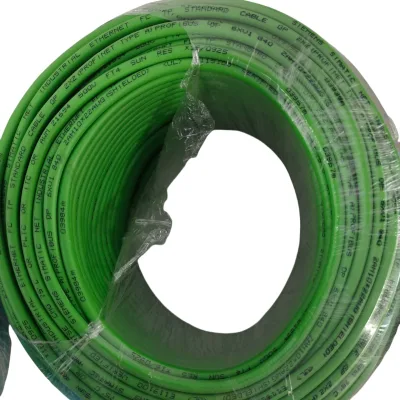
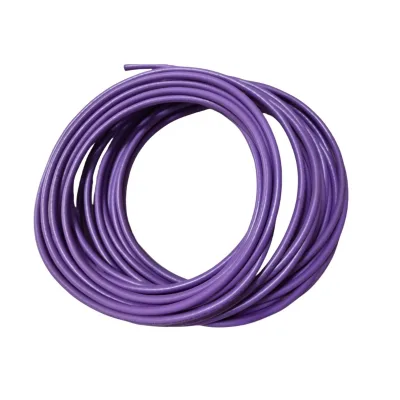
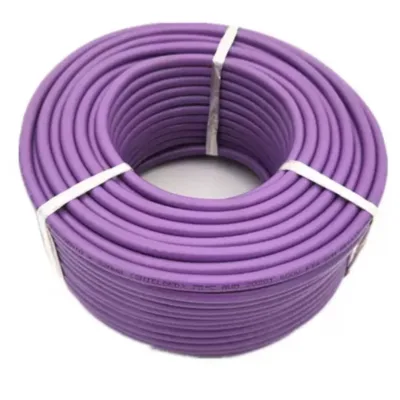
Original New 6XV1830-0JH10 PROFIBUS FC Robust Bus Cable with PUR Outer Sheath
$2.00 - $4.00
MOQ: 10 Minimum
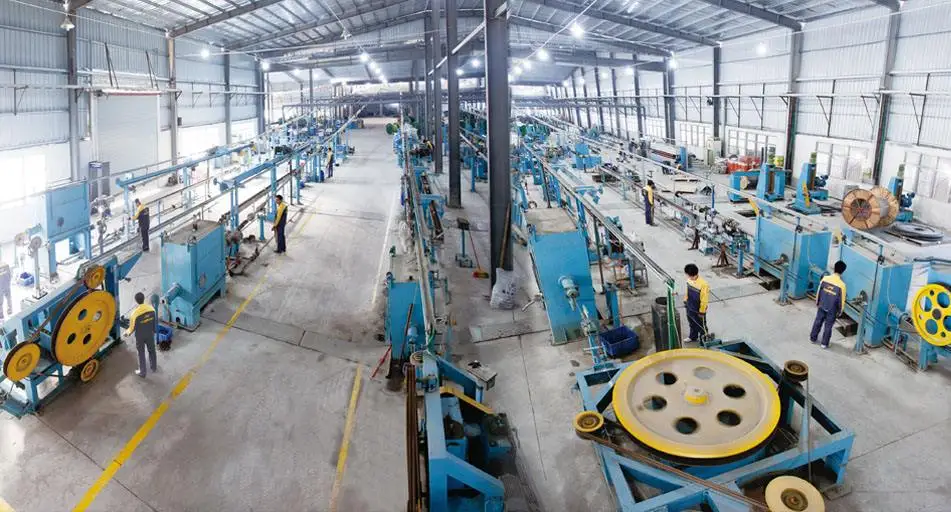
Shanghai Darou Special Cable Co., Ltd.
- Manufacturer, Trading Company
- Shanghai, China
- Lead time45 days
- Avg. response≤ 3h
Main productsCommunication cable,Waterproof cable,Reel cable,High temperature resistant cable,Low temperature resistant cable
Main marketsDomestic Market(40.00%), North America(13.00%), Eastern Asia(10.00%), Northern Europe(10.00%), South America(7.00%), Southeast Asia(5.00%), South Asia(5.00%), Eastern Europe(5.00%), Africa(2.00%), Mid East(2.00%), Western Europe(1.00%)
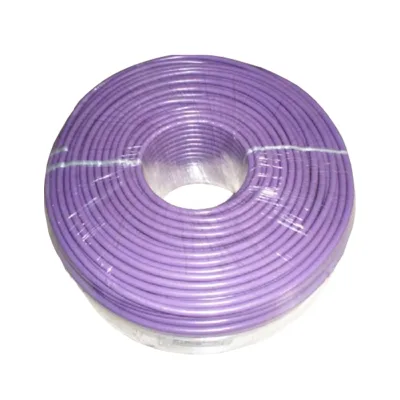
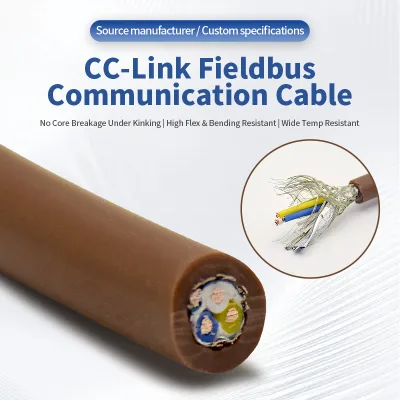
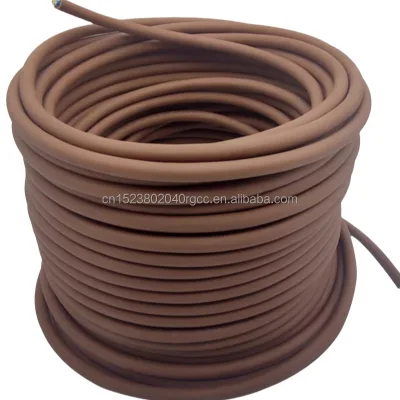
Cc Link Communication Cable Fieldbus Industrial Ethernet Cable Strong Signal Transmission
$0.20 - $0.60
MOQ: 100 meters
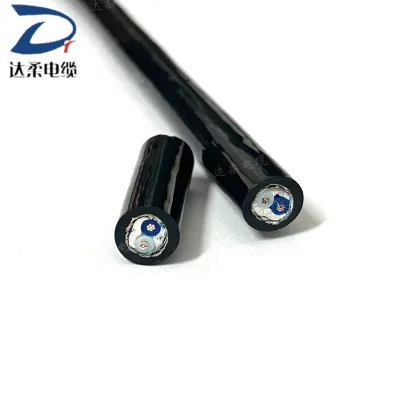

Guangdong Huazheng Electronic Technology Co., Ltd.
- Verified by BV
- Trading Company,Manufacturer/Factory
- China Guangdong
- Lead time0 days
- Avg. response≤ 17h
Main productsWire Harness, Cable Assembly, Electric Wire Cables, Insulated Cables, Electrical Cables, Electrical Wires, Power Cables, Data Cables, Cable Parts and Terminals
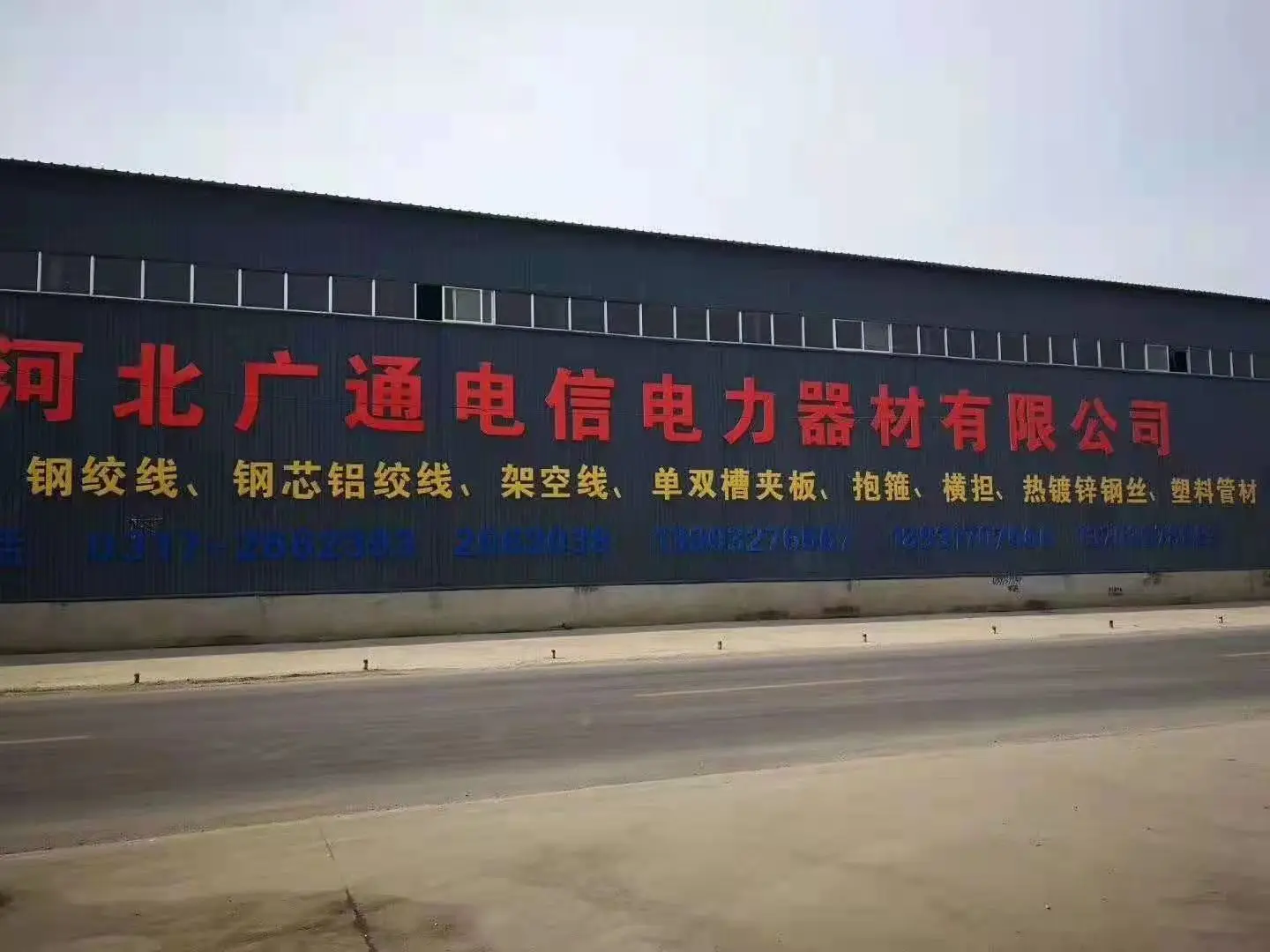
Hebei Guangtong Telecom Electric Power Equipment Co., Ltd.
- Manufacturer, Trading Company
- Hebei, China
- Lead time0 days
- Avg. response≤ 1h
Main productsAcsr Conductor,stay wire,ABC Cable,Electrical Accessories,preform grip
Main marketsSouth Asia(25.00%), North America(15.00%), South America(5.00%), Central America(5.00%), Western Europe(5.00%), Eastern Asia(5.00%), Mid East(5.00%), Oceania(5.00%), Africa(5.00%), Southeast Asia(5.00%), Eastern Europe(5.00%)
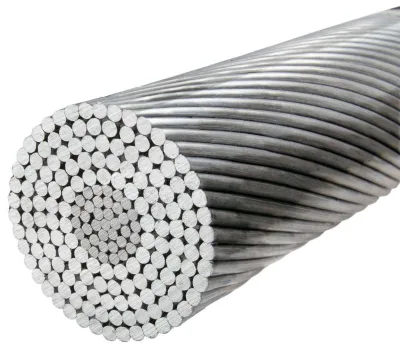
$1.01
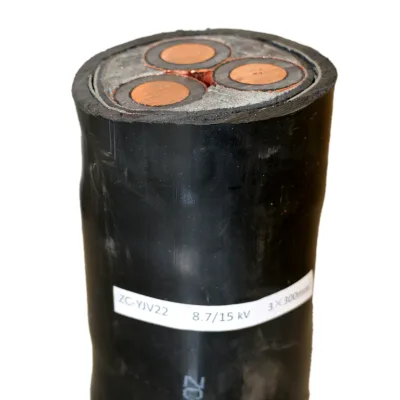
$1.00

Shenzhen Leo Network Technology Co., Ltd.
- Verified by TUVRHEINLAND
- Trading Company
- China Guangdong
- Lead time15 days
- Avg. response≤ 13h
Main productsPatch Panel, Keystone Jack, LAN Cable, Network Cabinet, RJ45 Connector, PLC Splitter, Fiber Optic Cable, Patch Cord, Network Rack, Server Rack
Main marketsDomestic

Shenzhen Necero Optical Fiber And Cable Co., Ltd.
- Manufacturer/Factory
- China Guangdong
- Lead time15 days
- Avg. response≤ 11h
Main productsOptical Fiber Cable, Fiber Optic Jumper, Outdoor Optical Cable, Indoor Optical Cable, Indoor Armoured Fiber Optic Cable, FTTH Cable, ADSS Cable, Optical Power Composite Cable, Stainless Steel Tube Optical Cable, Air Blowing Fiber Optic Cable
Main marketsSouth America,Eastern Europe,North America,Southeast Asia,Eastern Asia,Oceania,Western Europe,Africa

Nanjing Rays Optoelectronic Technology Co., Ltd.
- Trading Company
- China Jiangsu
- Lead time0 days
- Avg. response≤ 3h
Main productsCable, Electrical Wire, Electric Wire Cable, Aircraft Wire Manufacturer, High Temperature Aircraft Wire, Rov Cable, EMI Shielding Braid, Polyimide Insulated Wire, OEM Custom Cable, Custom Cable Manufacturer

Outdoor Signal Transmission Cable High-Performance Cable for Signal Transmission
$1.99 - $7.99
MOQ: 200 Meters


Dongguan Access Star Co., Ltd.
- Verified by SGS
- Combined
- China Guangdong
- Lead time30 days
- Avg. response≤ 6h
Main productsWire Harness, Cable Assembly, PCB Assembly, Box Build, USB Cable, Power Cable, Charging Cable, Plastic Parts, Die Casting Parts, Stamping Parts
Main marketsOthers(foreignTradeCapacity.exportBusinessCapacityMarketOther),East Asia(Japan/ South Korea),Domestic,Europe,Australia,North America


Wiring Harness Connector Power Cord Cables OEM Automotive Electrics Wire Harness
$4.10 - $6.00
MOQ: 1000 Pieces

Hangzhou Xingfa Technology Co., Ltd.
- Verified by BV
- Combined
- China Zhejiang
- Lead time15 days
- Avg. response≤ 10h
Main productsCoaxial Cable, LAN Cable, UTP Cat5e, CAT6, FTP Cat5e, Trunk Cable, Telephone Cable, Speaker Cable, Alarm Cable, Fiber Optic Cable
Main marketsSouth America,Africa,Southeast Asia/ Mideast,East Asia(Japan/ South Korea),Europe,Australia,North America

Shandong New Luxing Cable Co., Ltd.
- Verified by BV
- Combined
- China Shandong
- Lead time15 days
- Avg. response≤ 8h
Main productsElectrical Cable, House and Building Wire, Flexible Cable, XLPE Insulated Cable, PVC Insulated Cable, Armoured Power Cable, Control Cable, Aerial Cundled Cable, AAC AAAC ACSR, Rubber Cable
Main marketsAfrica,Southeast Asia/ Mideast,Europe,Australia

Dongguan Saisonic Electronics Co., Ltd
- Verified by SGS
- Combined
- China Guangdong
- Lead time30 days
- Avg. response≤ 5h
Main productsWire Harness, Custom Cable Assembly, Wire Cable, Over Molded Cable Assemblies, USB Cable, Medical Cable Harness Assembly, Aux Audio and Video Cable, Automotive Wiring Harness, Computer Cable, Home Appliances Wiring Harness
Guangzhou Lulink Information Technology Co., Ltd.
- Manufacturer, Trading Company
- Guangdong, China
- Lead time10 days
- Avg. response≤ 2h
Main productsnetwork patch cable patch panel cable manager faceplate keystone jack rj45 connector boot,FO patch cord pigtail patch panel ODF distribution box splice closure cabinet,telephone cabling systems,pdu power cord,smart home socket
Main marketsSouth America(25.00%), North America(22.00%), Southeast Asia(10.00%)
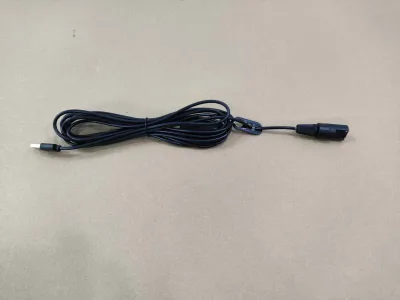
$1.20
$1.25

Shenzhen Hanxin Communication Optical Fiber Cable Co., Ltd.
- Verified by BV
- Trading Company
- China Guangdong
- Lead time15 days
- Avg. response≤ 4h
Main productsFTTH Drop Cable, Indoor Fiber Optic Cable, Outdoor Fiber Optic Cable, MTP/MPO, Fiber Optic Patch Cord/Jumper, Fiber Optic Pigtail, Fiber Optic Media Converter, Termination Box/Patch Panel, Fast Connectors
Main marketsSouth America,Southeast Asia/ Mideast,Domestic


Comprehensive Sourcing Guide
Field Bus Cable Supplier Concentration and Factory Types
The current supplier landscape for field bus cables reveals a diverse mix of manufacturing capabilities and commercial structures, primarily categorized as manufacturers, trading companies, and other operational entities. This variety allows buyers to select partners based on their specific needs for direct factory engagement versus flexible trading services. Many suppliers identify as manufacturers, indicating they possess the physical infrastructure for production, while others operate as trading companies, leveraging supply chain networks to source products. Some listings further specify roles such as manufacturer/factory or other types, suggesting a spectrum of operational models. This distinction is critical for buyers who must decide whether they require direct oversight of the production line or prefer the logistical support and product aggregation that trading entities often provide. The presence of both types ensures that the market can accommodate varying order sizes and customization requirements, from small prototype runs to large-scale industrial deployments.
In addition to the basic company type, many suppliers highlight specific capabilities such as OEM, ODM, and customized on-demand services. These labels indicate a higher level of flexibility and technical support, allowing buyers to tailor products to precise specifications rather than relying solely on off-the-shelf inventory. Some suppliers also mention their own brand names, which can signal established market presence and quality control standards. The combination of manufacturing and trading entities creates a robust ecosystem where buyers can find partners who offer both production depth and commercial agility. Understanding these structural differences helps in assessing which supplier model aligns best with the project’s timeline, budget, and technical demands. Buyers should carefully review the company type to ensure it matches their strategic sourcing goals, whether that involves direct factory relationships or the convenience of a trading partner.
How to Verify Field Bus Cable Suppliers
Verification is a crucial step in ensuring the reliability and quality of Field Bus Cable suppliers, as the market includes entities with varying levels of credibility and operational integrity. Buyers should prioritize suppliers who have undergone third-party verification processes, as these provide an external validation of their business practices and capabilities. Several suppliers in the current results have been verified by recognized inspection agencies, such as TüVRheinland and SGS. These verifications offer a layer of assurance regarding the supplier’s legal status, factory conditions, and operational consistency. By focusing on verified suppliers, buyers can reduce the risk of engaging with fraudulent or non-compliant entities, thereby protecting their investment and supply chain stability. The presence of a verification badge is a strong indicator that the supplier has met specific criteria set by independent auditors, which is particularly important in the industrial cable sector where quality standards are stringent.
Beyond third-party verification, buyers should examine the certifications held by suppliers and their products to ensure compliance with international and regional standards. The current results show that many suppliers hold certifications such as CE, IEC, CPR, TUV mark, ISO 9001, ISO 14001, RoHS, CCC, and UL. These certifications demonstrate that the supplier’s products have undergone rigorous testing and meet specific safety, environmental, and performance requirements. For instance, CE and IEC certifications are essential for markets in Europe and international trade, while UL and CCC are critical for North American and Chinese markets, respectively. Buyers should request copies of these certificates and verify their validity with the issuing bodies. Additionally, checking for specific product certifications, such as VDE for certain cable types, can provide further assurance of quality. This due diligence helps in selecting suppliers who are not only verified in their business operations but also compliant with the technical standards required for Field Bus Cable applications.
What to Compare Across Field Bus Cable Suppliers
When evaluating Field Bus Cable suppliers, buyers must compare key operational metrics to determine the best fit for their procurement needs. One of the most significant factors is the response time, which indicates how quickly a supplier can communicate and address inquiries. The current results show response times ranging from 4.10 to 9 hours, with some suppliers responding within a few hours. Faster response times are often indicative of a more responsive and customer-centric organization, which can be crucial for resolving issues quickly and maintaining project momentum. Buyers should consider this metric alongside their own communication preferences and project timelines to ensure a smooth interaction. Additionally, the lead time for production is a critical factor, as it directly impacts the delivery schedule. Some suppliers offer lead times as short as 5 days, while others may have longer production cycles, especially during peak seasons. Understanding these timelines helps in planning orders effectively and avoiding delays.
Another important aspect to compare is the minimum order quantity (MOQ) and pricing structure, which vary significantly across suppliers. The current results indicate MOQs ranging from 500 meters to 10,000 meters, with prices varying from $0.01 to $2.06 per unit depending on the product specifications. Buyers with smaller order requirements may find suppliers with lower MOQs more suitable, while those placing large orders can leverage volume discounts. It is also essential to compare the main products offered by each supplier to ensure they specialize in the specific type of Field Bus Cable needed. Some suppliers focus on a broad range of cables, including solar, power, and communication cables, while others may specialize in specific types like Profibus or Devicenet cables. By comparing these factors, buyers can identify suppliers who offer the best balance of cost, flexibility, and product specialization. This comprehensive comparison ensures that the selected supplier can meet both the technical and commercial requirements of the project.
Common Field Bus Cable Sourcing Risks
Sourcing field bus cables involves several risks that buyers must be aware of to mitigate potential issues in their supply chain. One common risk is the variability in product quality and specifications, which can lead to performance issues in industrial applications. Field bus cables are critical for communication in automation systems, and any deviation from the required standards can result in signal interference or failure. Buyers should be cautious of suppliers who do not provide detailed product specifications or certifications, as this may indicate a lack of quality control. Additionally, the risk of counterfeit or substandard materials is present, particularly if the supplier does not use high-purity copper or certified insulation materials. Buyers should verify the conductor material and insulation type to ensure they meet the required standards for conductivity and durability. This due diligence is essential to prevent costly downtime and maintenance issues in the end application.
Another significant risk is the inconsistency in lead times and delivery schedules, which can disrupt production plans. Some suppliers may have longer lead times during peak seasons or fail to meet agreed-upon delivery dates, leading to project delays. Buyers should carefully review the supplier’s lead time policies and historical performance to assess their reliability. Additionally, the risk of communication barriers and language differences can lead to misunderstandings regarding product specifications and order details. Buyers should ensure that the supplier has clear communication channels and responsive customer service to address any issues promptly. Furthermore, the risk of financial loss due to non-compliance with international trade regulations or customs issues is present, especially for cross-border transactions. Buyers should verify that the supplier is familiar with export requirements and can provide necessary documentation. By identifying and addressing these risks, buyers can establish a more secure and reliable sourcing strategy for field bus cables.
Field Bus Cable Regional Sourcing and Logistics
The geographic location of suppliers plays a significant role in the logistics and cost structure of Field Bus Cable sourcing. The current results indicate that many suppliers are located in China, with specific mentions of regions such as Zhejiang and Guangdong. These regions are known for their manufacturing clusters and industrial infrastructure, which can offer advantages in terms of production capacity and supply chain efficiency. Buyers sourcing from these regions should consider the logistical implications, including shipping times and costs, to ensure that the total landed cost aligns with their budget. Additionally, the proximity to major ports, such as Shenzhen Shekou, can facilitate faster and more cost-effective shipping options. Understanding the regional strengths of these manufacturing hubs helps buyers make informed decisions about where to source their products. Buyers should also consider the time zone differences and cultural factors that may impact communication and collaboration with suppliers in these regions.
Logistics planning is crucial for ensuring the timely delivery of field bus cables, especially for large orders or urgent projects. Buyers should work with suppliers who have established logistics networks and experience in handling international shipments. The current results show that some suppliers offer flexible packaging options, such as 300m/roll or custom requirements, which can impact shipping efficiency. Buyers should also consider the packaging details, such as the use of PE film, wooden reels, or plastic drums, to ensure that the cables are protected during transit. Additionally, the risk of damage during shipping can be mitigated by choosing suppliers who use standard packing methods and provide clear handling instructions. Buyers should also verify the port of dispatch and shipping terms to understand the responsibilities and costs associated with transportation. By carefully planning the logistics, buyers can minimize delays and ensure that the field bus cables arrive in good condition and on time.
Field Bus Cable Commercial Terms and Order Planning
Effective order planning and understanding commercial terms are essential for successful Field Bus Cable procurement. Buyers should carefully review the supplier’s pricing structure, payment terms, and return policies to ensure they align with their financial and operational requirements. The current results show a range of prices, from $0.01 to $2.06 per unit, depending on the product specifications and order volume. Buyers should negotiate for volume discounts and clarify any additional costs, such as shipping or customs duties, to avoid unexpected expenses. Additionally, understanding the supplier’s payment terms, such as deposit requirements or letter of credit options, can help in managing cash flow and reducing financial risk. Buyers should also verify the supplier’s warranty and return policies to ensure they have recourse in case of product defects or non-conformance. This clarity in commercial terms helps in establishing a transparent and fair business relationship.
Order planning should also consider the supplier’s production capacity and customization capabilities to ensure they can meet the project’s demands. The current results indicate that some suppliers have a supply ability of 100,000 meters per day, which is crucial for large-scale projects. Buyers should assess whether the supplier’s capacity aligns with their order volume and timeline requirements. Additionally, the availability of customization services, such as OEM and ODM, allows buyers to tailor products to specific needs, which can be beneficial for unique applications. Buyers should communicate their customization requirements clearly and confirm the supplier’s ability to meet these specifications. Furthermore, understanding the supplier’s lead time policies, including variations during peak and off-peak seasons, helps in planning orders effectively. By integrating these commercial and operational factors into their order planning, buyers can ensure a smooth and efficient procurement process for field bus cables.
FAQs
What certifications are available for field bus cables?
Suppliers offer CE, IEC, CPR, TUV mark, VDE, RoHS, ISO, CCC, and UL certifications. These standards ensure compliance with regional safety and performance requirements. Buyers should verify specific certificates for their target market to guarantee regulatory approval and product reliability in industrial environments.
What is the typical minimum order quantity for these cables?
Minimum order quantities vary significantly by supplier and product type. Some listings require as few as 500 units, while others mandate 10,000 meters. Buyers must check individual product pages for exact MOQs to align with their project scale and budget constraints effectively.
How fast do suppliers typically respond to inquiries?
Response times generally range from 4 to 9 hours. Faster response rates indicate active sales teams ready to assist with technical specifications and pricing. Buyers should prioritize suppliers with quicker response times to ensure timely communication and efficient project planning during the sourcing process.
What are the common lead times for production?
Lead times depend on order volume and seasonality. Standard production may take around 5 to 30 days. Larger orders exceeding 100,000 units often require negotiation. Buyers should confirm current lead times with suppliers to manage inventory levels and avoid project delays effectively.
What materials are used in the cable construction?
Cables typically feature bare copper or solid copper conductors with PVC, PUR, or special foaming PE insulation. Jackets may be PVC or PUR for durability. Shielding often includes aluminum foil and braiding. These materials ensure signal integrity and resistance to environmental factors in industrial settings.
Where are these cables primarily manufactured?
Manufacturing locations include China, specifically Zhejiang and Guangdong provinces. These regions are known for robust electrical equipment supply chains. Buyers can verify origin details on product pages to assess logistics costs and ensure alignment with their supply chain preferences and quality expectations.