Flying Car Racing Track Suppliers and Manufacturers
Compare 25 verified suppliers offering Flying Car Racing Track products with varying lead times, certifications, and customization options. Review response times and MOQs to select the right factory for your amusement park needs; review the available evidence before requesting comparable quotations from suitable candidates.
Updated
Suppliers List

Zhengzhou Tonle Inflatables Co., Ltd.
- Verified by TUVRHEINLAND
- Combined
- China Henan
- Lead time15 days
- Avg. response≤ 2h
Main marketsSouth America,Europe,North America

- Verified by BV
- Combined
- China Guangdong
- Lead time23 days
- Avg. response≤ 1h
Main productsInflatables, Inflatable Tent, Inflatable Games, Boats, Advertising Products
Main marketsSouth America,Southeast Asia/ Mideast,East Asia(Japan/ South Korea),Europe,Australia,North America
Henan Lino Amusement Equipment Co., Ltd.
- Trading Company
- Henan, China
- Lead time20 days
- Avg. response≤ 3h
Main productsCarousel,Ferris Wheel,Pirate Ship,Tourist Train,Bumper Car
Main marketsNorth America(31.00%), Western Europe(20.00%), Mid East(12.00%), Southeast Asia(12.00%), South Asia(8.00%), Eastern Europe(6.00%), Africa(3.00%), Central America(3.00%), South America(3.00%), Oceania(2.00%)
Zhengzhou Great Amusement Rides Co., Ltd.
- Verified by Intertek
- Trading Company
- Lead time30 days
- Avg. response≤ 2h
Main productsLeisure Boat, Speed Boat, Fishing Boat, Houseboat, Passenger boat
Main marketsDomestic Market(50%), North America(15%), Southeast Asia(15%)
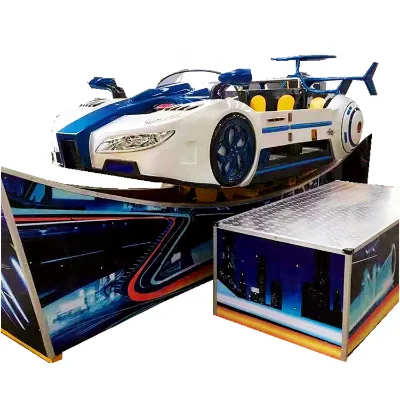
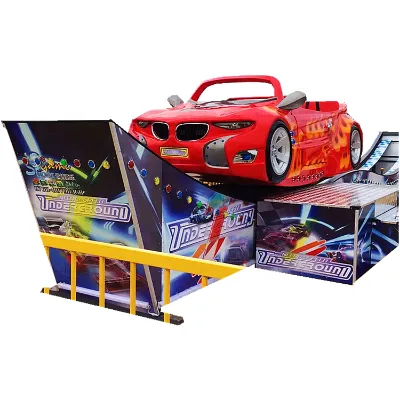
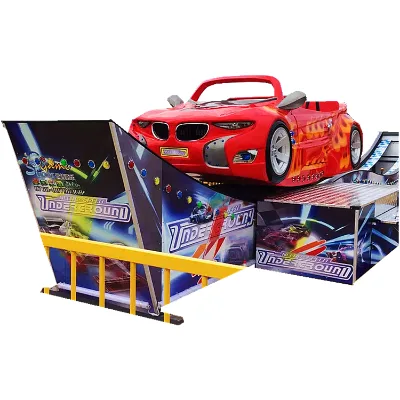
Cheap Fairground Rides Free Racing Games Downloads Mini Flying Car Speed Car for Sale
$5132.525 - $7184.9184
MOQ: 1 sets
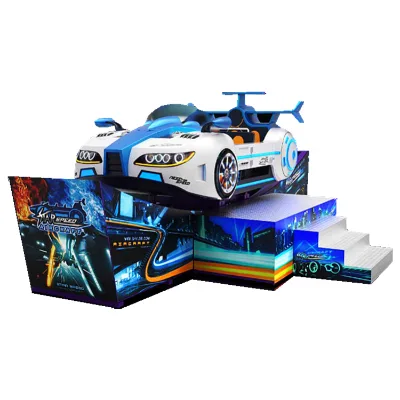
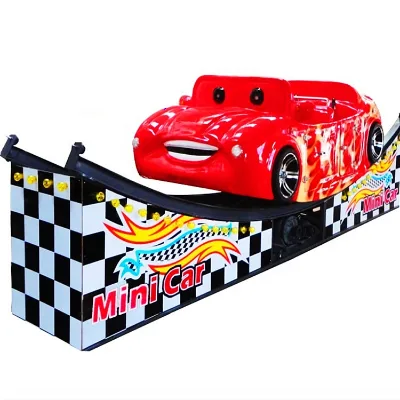
$6159.2351 - $8212.6552
MOQ: 1 units
Guangzhou Ifun Toys Co., Limited
- Verified by Intertek
- Trading Company
- Lead time10 days
- Avg. response≤ 3h
Main productsInflatable Sports Game, Inflatable Tent, Inflatable Bounce House, Inflatable Slide, Advertising Inflatable
Main marketsWestern Europe(15%), North America(15%), Southern Europe(10%)
Guangzhou Bostyle Amusement Equipment Co., Ltd.
- Manufacturer
- Guangdong, China
- Lead time0 days
- Avg. response≤ 5h
Main productsWater Park Games,Inflatable Tent,Inflatable Slide,Inflatable advertisement,Inflatable bouncer
Main marketsWestern Europe(25.00%), North America(25.00%), South America(12.00%), Eastern Europe(10.00%), Central America(7.00%), Northern Europe(5.00%), Africa(5.00%), Mid East(5.00%), Southern Europe(3.00%), Oceania(3.00%)
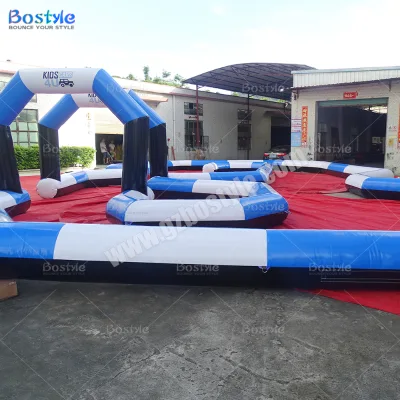
PVC Thick Amusement Park Inflatable Bumper Car Track Race Car Tracks for Kids Outdoor Playing
$528.00 - $1456.00
MOQ: 1 pieces
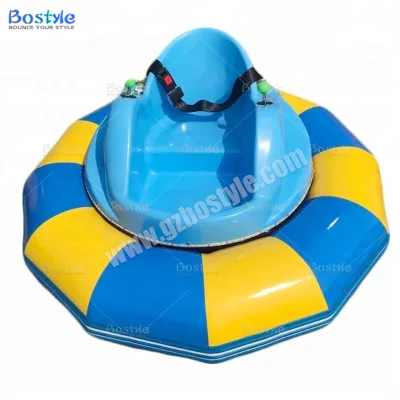
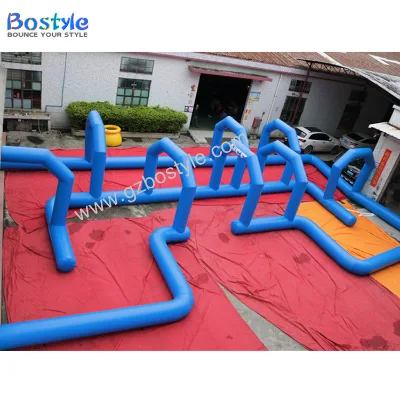
Popular Inflatable Fence Inflatable Race Car Track Bumper Car Inflatable Arena for Sale
$528.00 - $1456.00
MOQ: 1 pieces
Yushan Yijia Inflatable Products Co., Ltd.
- Manufacturer, Trading Company
- Lead time旺季: "1 - 1":7,"2 - 50":15,"51 - 100":25,"> 100":"To be negotiated", 淡季: "1 - 1":7,"2 - 50":15,"51 - 100":25,"> 100":"To be negotiated"
- Avg. response≤ 3h
Main productsInflatable Electric Boat,inflatable house boat with motor for water play, Ice bath tube & Accessories,SPA tub, Recovery tub for family, Inflatable water floating, Platform for pool
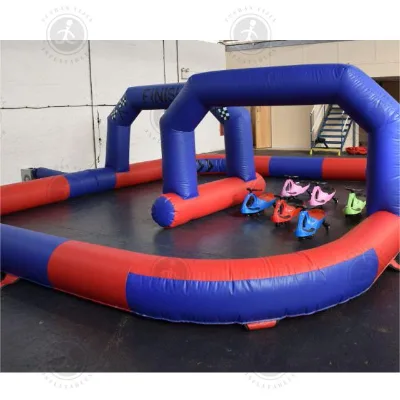
2024 Inflatable Kart Race Track for Commercial Aqua Park Equipment Inflatable Racing Car Track
$206.153 - $309.7474
MOQ: 1 pieces
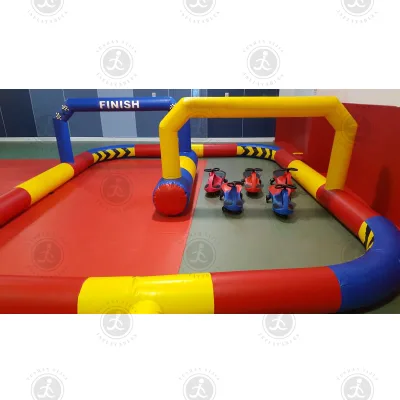
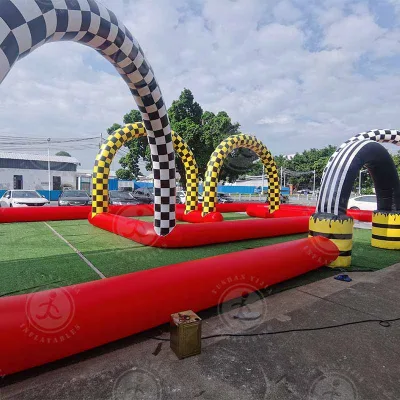
$206.153 - $309.7474
MOQ: 1 pieces
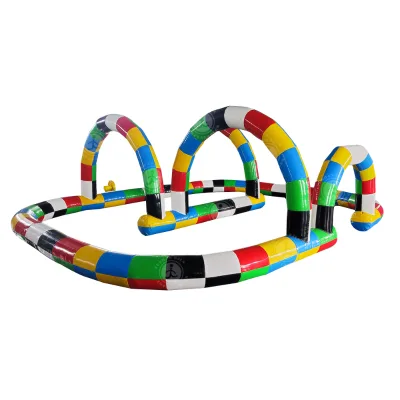
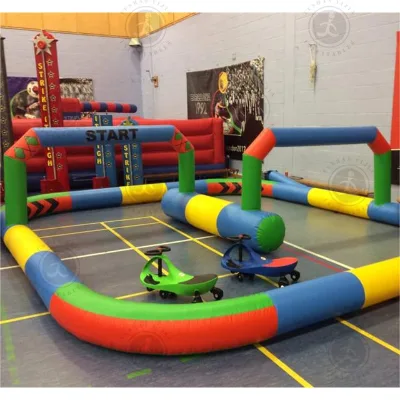
2024 New Inflatable Race Track for Bumper Cars Inflatable Race Track Inflatable Go Karts Race Track
$204.1758 - $306.7763
MOQ: 1 pieces

Zhengzhou Bigjoys Amusement Equipment Co., Ltd.
- Trading Company,Manufacturer/Factory
- China Henan
- Lead time23 days
- Avg. response≤ 8h
Main productsTrampoline Park/Indoor Playground, Inflatable Bouncy Castle, Inflatable Water Park, Inflatable Slide, Park Rides/Carousel, Thrill Park Rides, Family Rides, Roller Coaster, Bungee Trampoline, Ferris Wheel
Main marketsSouth America,Eastern Europe,Mid East,North America,Southeast Asia,Eastern Asia,Oceania,Western Europe,Africa

High Quality Playground Rides Inflatable Bumper Car Race Track for Sale
$400.00 - $1000.00
MOQ: 1 Sets

Commercial Funfair Inflatable Bumper Car Race Track Rides for Kids on Sale
$400.00 - $1000.00
MOQ: 1 Sets

Attractive Inflatable Amusement Rides Bumper Car Race Track for Kids on Sale
$400.00 - $1000.00
MOQ: 1 Sets

- Verified by BV
- Combined
- China Guangdong
- Lead time15 days
- Avg. response≤ 10h
Main productsInflatables, Inflatable Jumping, Inflatable Bouncer, Inflatable Slide, Inflatable Toys, Water Balls, Zorbs, Inflatable Water Toys, Inflatable Games
Main marketsSouth America,Africa,Southeast Asia/ Mideast,East Asia(Japan/ South Korea),Europe,Australia,North America

Shantou Shengxinda Toy Co., Ltd.
- Verified by SGS
- Trading Company,Manufacturer/Factory,Other
- China Guangdong
- Lead time23 days
- Avg. response≤ 21h
Main productsPlastic Toys, Education Toys, Outdoor Sport Toys, Pet Toys, Pretend Play Toys, RC Toys
Main marketsSouth America,Eastern Europe,North America,Western Europe
Guangzhou Trust Trade Co., Ltd.
- Verified by TüVRheinland
- Trading Company
- Lead time8 days
- Avg. response≤ 2h
Main productsInflatable Slide, Inflatable Water Park, Electric Train, Carousel Rides, Outdoor Playground
Main marketsWestern Europe(25%), North America(20%), Southern Europe(10%)
Zhengzhou MaiHigh Amusement Equipment Co., Ltd.
- Trading Company
- Henan, China
- Lead time20 days
- Avg. response≤ 4h
Main productsamusement park rides,family rides,rotating rides,ferris wheel,mechanical bull
Main marketsMid East(15.00%), Domestic Market(15.00%), South America(10.00%), North America(10.00%), Africa(10.00%), Southeast Asia(10.00%), Central America(8.00%), South Asia(6.00%), Eastern Europe(5.00%), Eastern Asia(5.00%), Northern Europe(2.00%), Western Europe(2.00%), Southern Europe(2.00%)
Zhengzhou Ali Brothers Import & Export Co., Ltd
- Trading Company
- henan, China
- Lead time30 days
- Avg. response≤ 4h
Main productsAmusement Equipment,big pendulum,flying chair,pirate ship,carousel horse
Main marketsMid East(40.00%), South America(20.00%), Africa(20.00%), South Asia(10.00%), Southeast Asia(10.00%)
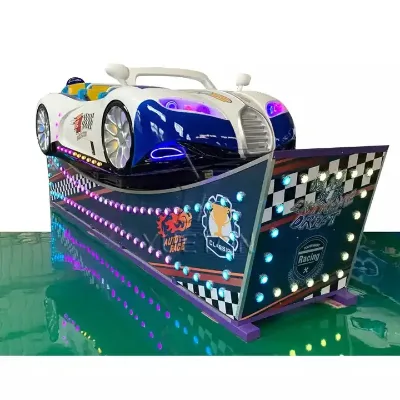
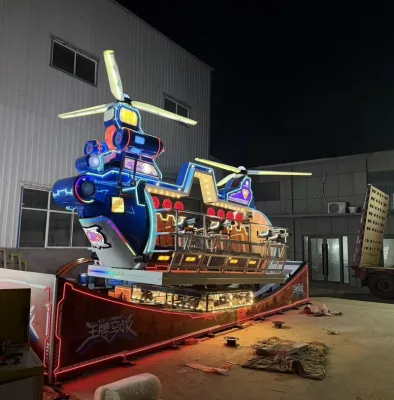
Outdoor Amusement Park Track Sliding Speed Mini Flying Car Ride Games for Adults
$8866.6824
MOQ: 1 Minimum
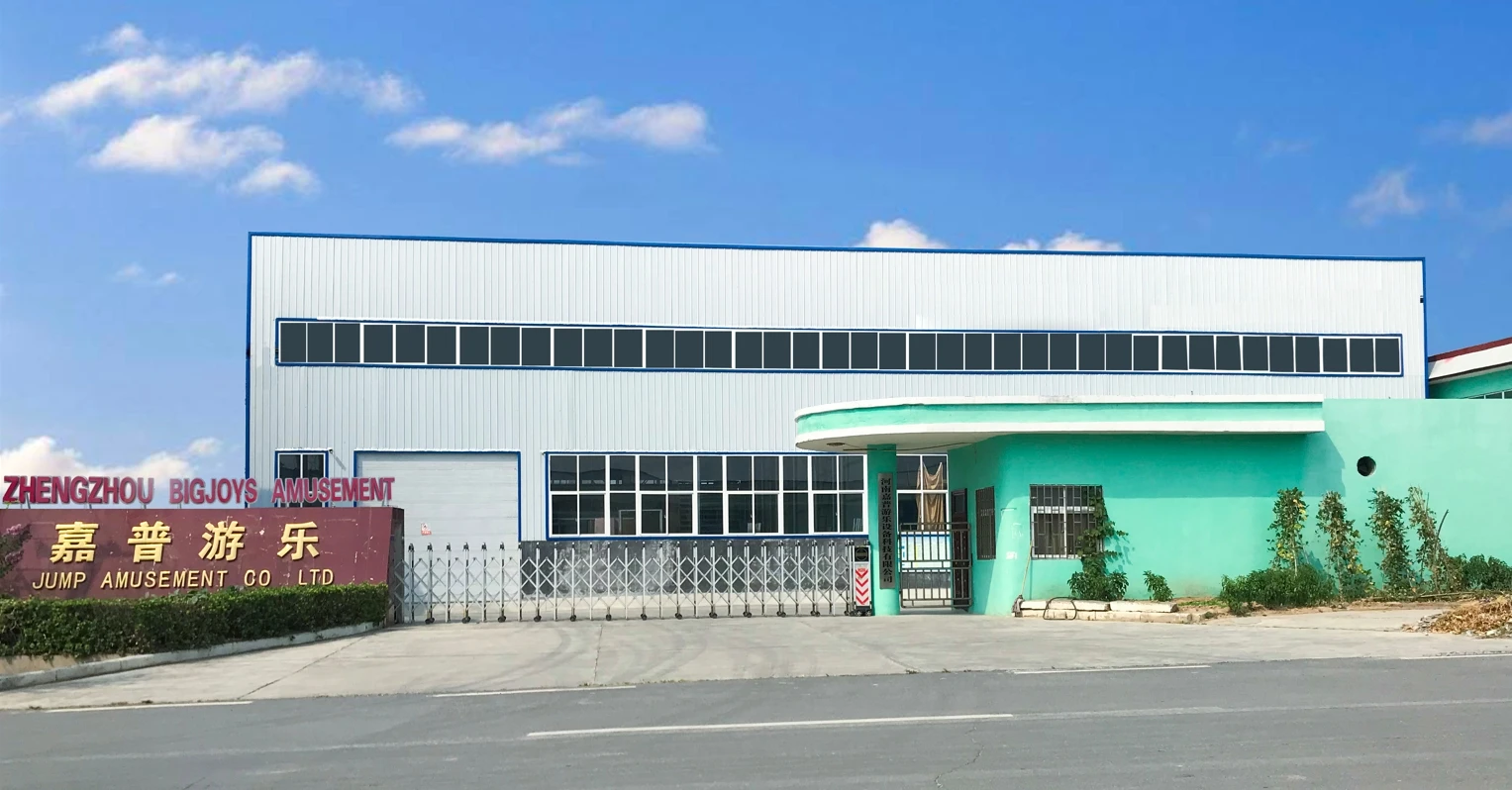
Zhengzhou Bigjoys Amusement Co., Ltd.
- Manufacturer, Trading Company
- Henan, China
- Lead time15 days
- Avg. response≤ 4h
Main productsTrampoline park,Indoor Playground,Park Rides,Carousel,Inflatables
Main marketsWestern Europe(25.00%), North America(20.00%), South America(10.00%), Eastern Europe(10.00%), Southeast Asia(8.00%), Oceania(8.00%), Africa(8.00%), Southern Europe(5.00%), Eastern Asia(2.00%), Northern Europe(2.00%), Mid East(2.00%)

Zhengzhou Ruina Amusement Equipment Co., Ltd.
- Manufacturer/Factory
- China Henan
- Lead time23 days
- Avg. response≤ 2h
Main productsAmusement Attraction Equipment, Inflatable Bouncy Castle, Carousel Rides, Mechanical Amusement Equipment, Bumper Car, Inflatable Water Park, Electric Train, Inflatable Slide, Indoor Outdoor Playground, Water Bumper Boat/Water Bike
Main marketsSouth America,Eastern Europe,Mid East,North America,Southeast Asia,Eastern Asia,Oceania,Western Europe,Africa


New Adult Kids Amusement Park Ride Flying Car for Carnivals Funfair Rides
$7000.00 - $14000.00
MOQ: 1 Pieces

Attraction Thrilling Swing Ride Happy Amusement Park Rides Rotation Crzay Flying Car
$5000.00 - $12000.00
MOQ: 1 Sets

Zhengzhou Jiete Amusement Equipment Co., Ltd.
- Manufacturer, Trading Company
- henan, China
- Lead time25 days
- Avg. response≤ 6h
Main productsBig pendulum rides,Pirate ship rides,Flying Tower rides,Bumper car,Flying chair
Main marketsOceania(10.00%), Southeast Asia(10.00%), Eastern Europe(10.00%), South America(10.00%), North America(10.00%), Mid East(10.00%), Central America(8.00%), Africa(6.00%), South Asia(5.00%), Domestic Market(5.00%), Western Europe(5.00%), Eastern Asia(4.00%), Southern Europe(4.00%), Northern Europe(3.00%)
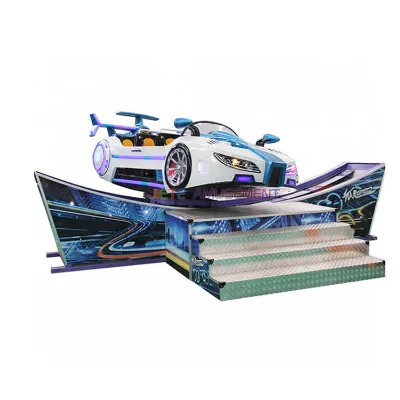
Amusement Spin Car Mini Flying Car Crazy Rides Trailer Mounted Flying Car Rides
$5183.2422 - $5908.8961
MOQ: 1 sets
Zhengzhou Wanle Amusement Equipment Co., Ltd.
- Manufacturer, Trading Company
- Henan, China
- Lead time30 days
- Avg. response≤ 10h
Main productsAmusement Rides (Except Large Amusement Equipment)
Main marketsDomestic Market(100.00%)
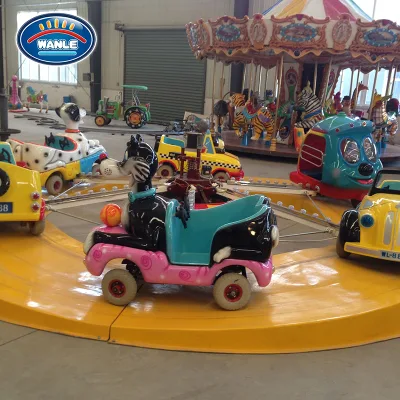
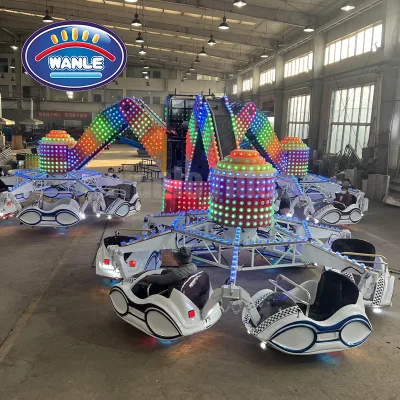
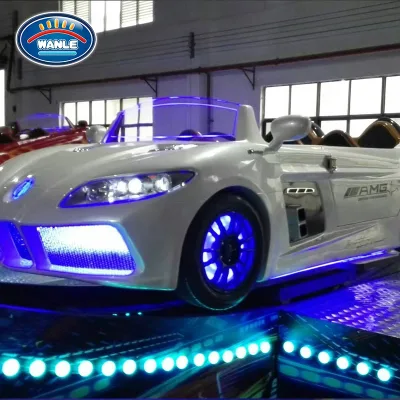
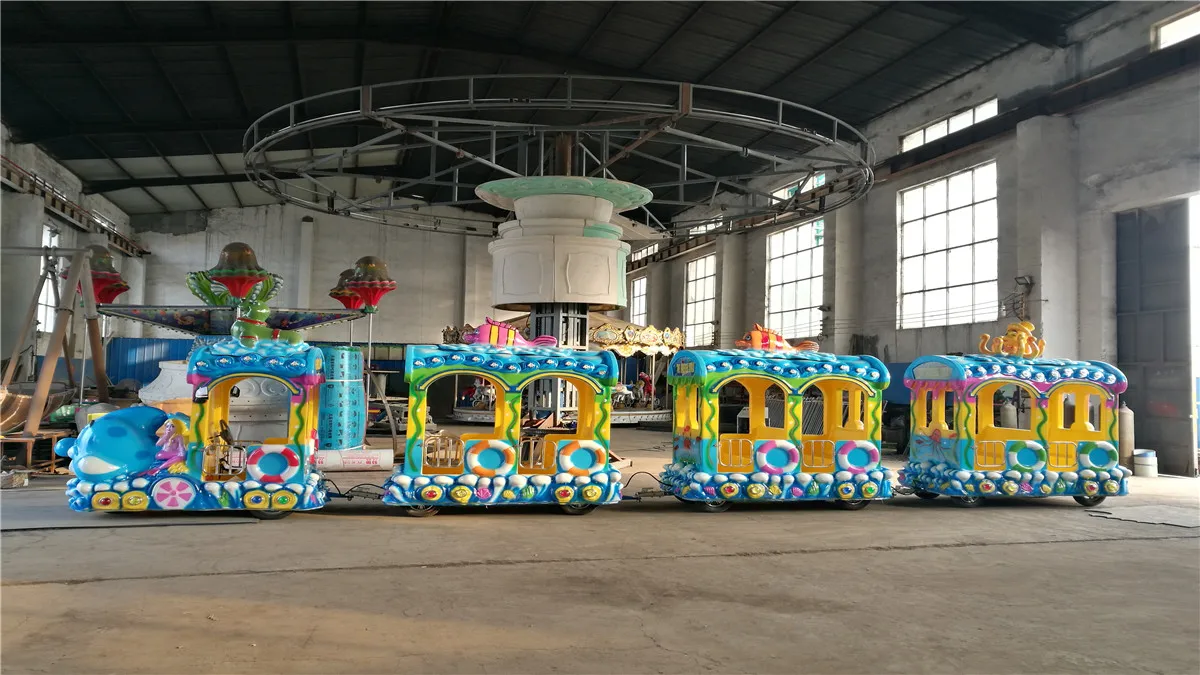
Amusement Parks Mini Flying Car Rides for Playgrounds Carnivals Funfairs
$14000.00 - $18000.00
Henan Weiyuan Machinery Co., Ltd.
- Manufacturer, Trading Company
- Henan, China
- Lead time15 days
- Avg. response≤ 3h
Main productscarousel horse,bumper car,flying chairs,disco tagada,self-control plane
Main marketsAfrica(28.00%), Mid East(24.00%), North America(12.00%), Southeast Asia(8.00%), South America(5.00%), Central America(4.00%), Northern Europe(4.00%), Eastern Europe(3.00%), South Asia(3.00%), Southern Europe(3.00%), Western Europe(2.00%), Eastern Asia(2.00%), Oceania(2.00%)
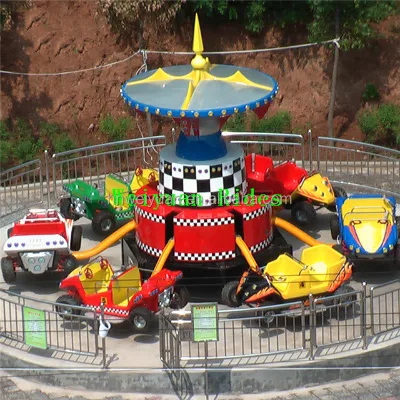
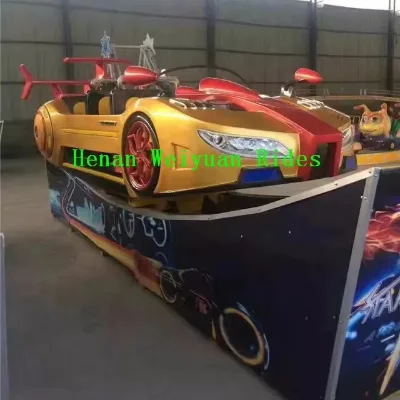
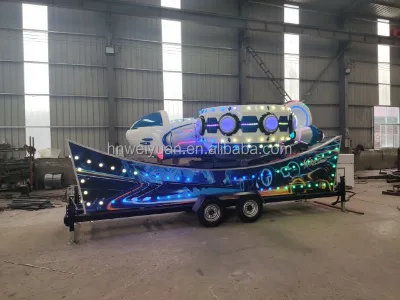
$9234.0499 - $10157.4548
MOQ: 1 sets
Zhengzhou Limeiqi Amusement Equipment Co., Ltd.
- Verified by SGS Group
- Manufacturer, Trading Company
- Henan, China
- Lead time30 days
- Avg. response≤ 1h
Main productsFerris Wheel Series, Track Train Series, Self Control Plane Series, Flying Tower Series, Carousel Series
Main marketsDomestic Market(40%), South Asia(18%), Africa(10%)
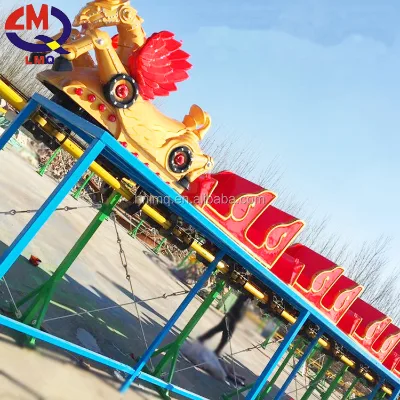
Backyard Amusement Rides Flying Horse Car Racing Game Indoor Outdoor Commercial Use Free Download
$20676.0068 - $25845.0085
MOQ: 1 sets

Henan Baolu Amusement Equipment Co., Ltd.
- Verified by BV
- Combined
- China Henan
- Lead time15 days
- Avg. response≤ 9h
Main productsBumper Car, Selfcontrol Plane, Flying Chair, Amusement Park Rides, Carousel, Pirate Ship, Disco Tagada, Swing Pendulum, Ferris Wheel, Shark Sliding Train
Main marketsSouth America

Amusement Park Rides Mechanical Games Electric Racing Car Self-Control Plane for Sale
$13000.00
MOQ: 1 Pieces


Amusement Park Rides Fairground Equipment Spinning Sliding Mini Flying Car Rides
$6600.00
MOQ: 1 Pieces


Henan Cheery Amusement Equipment Co., Ltd
- Trading Company
- Henan, China
- Lead time15 days
- Avg. response≤ 3h
Main productsCarousel,Train Rides,Pirate Ship,Roller Coaster,Disco Tagada
Main marketsNorth America(40.00%), Eastern Europe(35.00%), Southeast Asia(10.00%), Africa(5.00%), Western Europe(1.00%)

Zhengzhou Cheery Amusement Equipment Co.,Ltd
- Verified by BV
- Trading Company
- China Henan
- Lead time23 days
- Avg. response≤ 5h
Main productsAmusement Ride, Carousel, Pirate Ship, Train Rides, Flying Chair Rides, Amusement Park Plane, Rainbow Slide, Zip Line, Sky Bike
Main marketsSouth America,Southeast Asia/ Mideast,North America

Commercial Amusement Park Drift Track Car Electric Meniscus Flying Car for Sale
$18000.00
MOQ: 1 Pieces


Zhengzhou Hangtian Amusement Equipment Manufacturing Co., Ltd.
- Manufacturer, Trading Company
- Henan, China
- Lead time15 days
- Avg. response≤ 2h
Main productsCarousel, Flying Chair, Big Pendulum, Tagada, Plane Ride
Main marketsDomestic Market(70.00%), South Asia(12.00%), Mid East(8.00%), Africa(5.00%), Southeast Asia(5.00%), Eastern Asia(0.00%), North America(0.00%), South America(0.00%), Oceania(0.00%), Western Europe(0.00%), Southern Europe(0.00%), Central America(0.00%), Northern Europe(0.00%), Eastern Europe(0.00%)
Zhengzhou Bigjoys Amusement Co.,Ltd
- Manufacturer, Trading Company
- Henan, China
- Lead time10 days
- Avg. response≤ 2h
Main productsTrampoline park/Indoor Playground,Mechanical rides(Carousel/Flying Chair/Electric Train),Inflatable products,Thrill rides,Naughty Castle
Main marketsDomestic Market(20.00%), North America(20.00%), South America(10.00%), Eastern Europe(10.00%), Oceania(6.00%), Western Europe(6.00%), Africa(5.00%), Southeast Asia(5.00%), Northern Europe(5.00%), Mid East(4.00%), Southern Europe(3.00%), Eastern Asia(2.00%), South Asia(2.00%), Central America(2.00%)
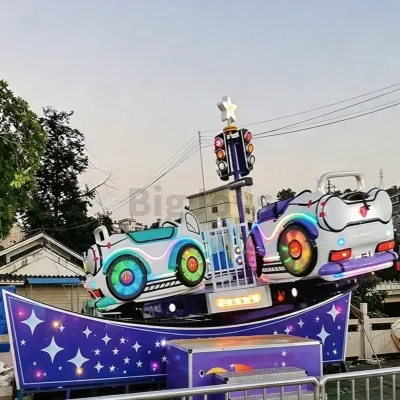
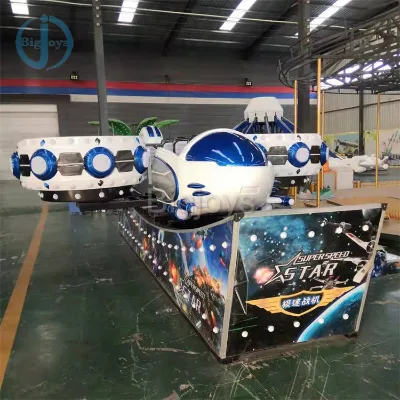
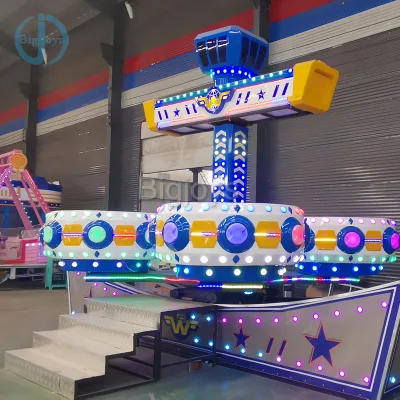
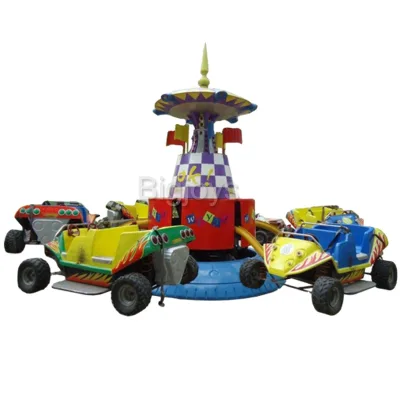
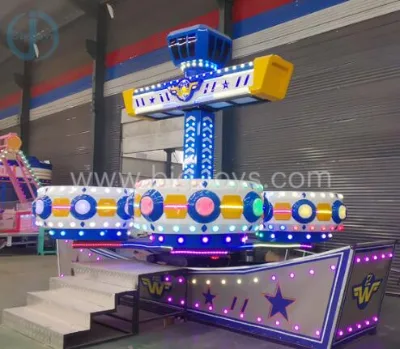
Durable Crazy Car Rides Cheap Children Amusement Flying Car Rides Equipment Family Rides
$10288.2366 - $12345.8839
MOQ: 1 Minimum
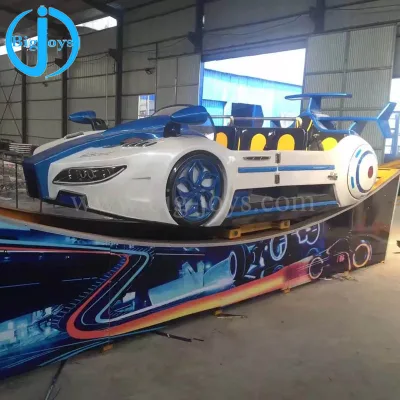
12-Seater Flying Car Ride Small Investment Indoor Amusement Park Attraction for Sale
$5144.1183 - $20576.4732
MOQ: 1 Minimum
Henan Dinisi Entertainment Technology Co., Ltd.
- Verified by Intertek
- Manufacturer, Trading Company
- Lead time30 days
- Avg. response≤ 2h
Main productsTrackless Train, Carousel, Ferris Wheel, Pirate Ship, Bumper Car
Main marketsDomestic Market(72%), Africa(9%), North America(3%)




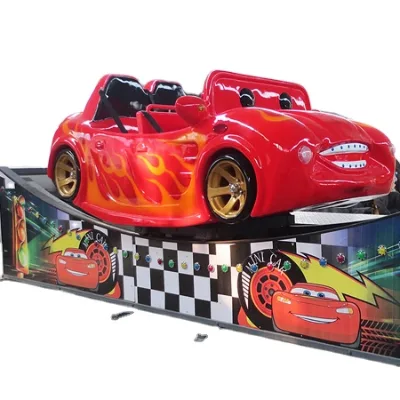
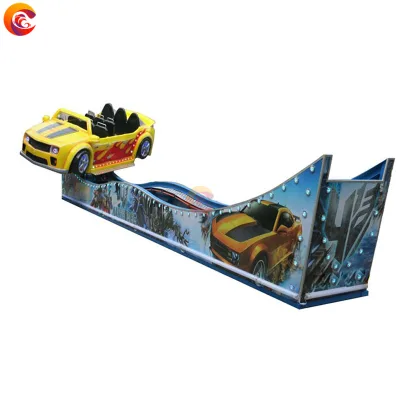
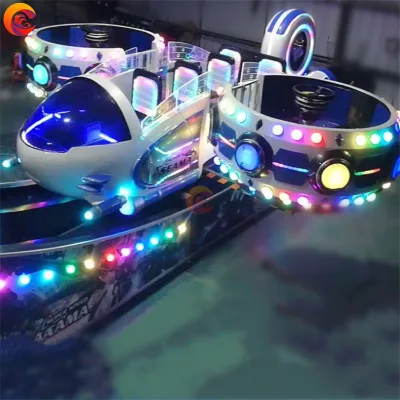
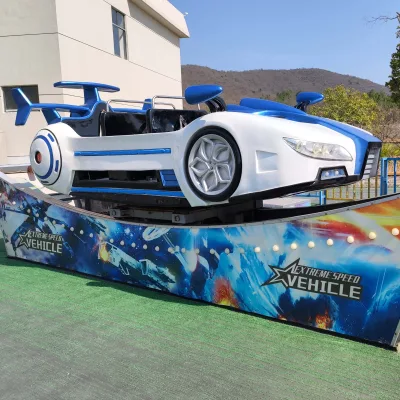
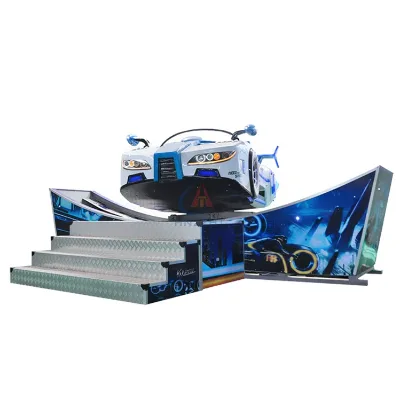
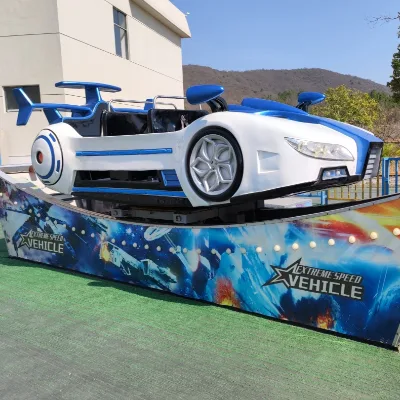
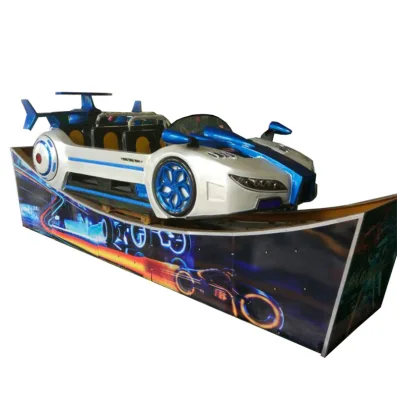
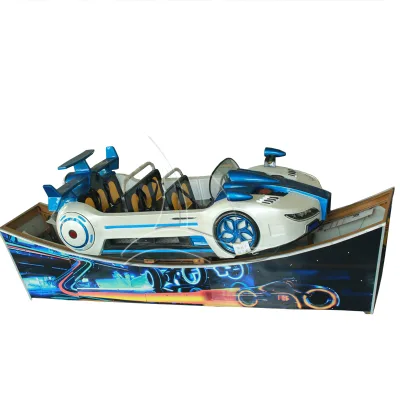
Comprehensive Sourcing Guide
Flying Car Racing Track Supplier Concentration and Factory Types
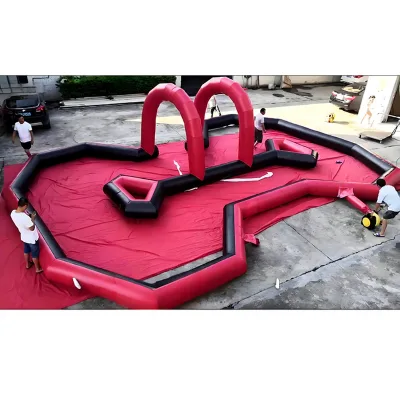
The current supplier landscape for inflatable racing tracks reveals a distinct geographic concentration in China, specifically within the Henan and Guangdong provinces. These regions serve as primary manufacturing hubs for large-scale inflatable structures, including the specialized tracks required for bumper car and go-kart style games. Suppliers located in Henan often operate as combined entities, offering a mix of trading and manufacturing capabilities, which can streamline communication for international buyers seeking a single point of contact. Meanwhile, facilities in Guangdong are frequently associated with verified manufacturers who emphasize specific product lines such as inflatables, tents, and advertising products. This regional clustering suggests that buyers can expect a high density of specialized vendors in these areas, though the exact number of active suppliers fluctuates with market demand. Understanding this geographic distribution helps in assessing the logistical feasibility of sourcing, as proximity to major ports in these provinces can influence shipping costs and transit times.
Factory types in this sector vary significantly, ranging from pure trading companies to integrated manufacturers with in-house production lines. Many suppliers offer both OEM and ODM services, allowing buyers to customize designs, colors, and sizes to fit specific venue requirements. Some factories hold third-party verification badges, such as TÜV Rheinland or Bureau Veritas, which provide an additional layer of trust regarding their operational legitimacy. However, not all suppliers display comprehensive system certifications, so buyers must carefully review the specific verification status of each vendor. The presence of combined company types indicates that some businesses may outsource certain production stages while managing quality control and sales internally. This hybrid model can offer flexibility but requires diligent due diligence to ensure that the final product meets the specified standards. Buyers should prioritize suppliers who clearly articulate their manufacturing capacity and verification status to mitigate risks associated with unverified intermediaries.
How to Verify Flying Car Racing Track Suppliers
Verification is a critical step in ensuring the reliability of suppliers offering flying car racing tracks and similar inflatable attractions. Buyers should prioritize vendors that display third-party verification badges from recognized agencies such as TÜV Rheinland or Bureau Veritas. These badges indicate that the supplier has undergone a rigorous assessment of their business operations, legal status, and manufacturing capabilities. For instance, some suppliers in the current results are verified by TÜV Rheinland, while others hold Bureau Veritas certification. This distinction is important because it provides a baseline level of confidence in the supplier’s legitimacy. However, verification alone does not guarantee product quality or delivery performance, so it should be used as a starting point for further investigation. Buyers must also check for specific product certifications, such as CE, EN14960, or EN71, which are essential for ensuring that the inflatable structures meet international safety standards. These certifications are often listed in the product attributes and should be cross-referenced with the supplier’s claims.
Beyond verification badges, buyers should assess the supplier’s response time and communication efficiency. A quick response time, such as under two hours, often indicates a professional and responsive sales team that can address queries and negotiate terms efficiently. In the current data, some suppliers demonstrate response times as low as 0.93 hours, which is a positive indicator of their operational readiness. Additionally, buyers should review the supplier’s main products to ensure they specialize in inflatables and related entertainment equipment. Suppliers with a focused product range are more likely to have the expertise and equipment necessary to produce high-quality racing tracks. It is also advisable to request detailed product specifications, including material thickness, stitching quality, and blower specifications, to verify that the product meets the buyer’s safety and durability requirements. By combining verification checks with performance metrics and product details, buyers can build a comprehensive profile of each potential supplier.
What to Compare Across Flying Car Racing Track Suppliers
When evaluating multiple suppliers for flying car racing tracks, buyers should compare key operational metrics such as lead time, minimum order quantity (MOQ), and pricing. Lead times can vary significantly, with some suppliers offering production periods of 15 days, while others may require up to 25 working days. This difference can impact project timelines, especially for events with fixed dates. Buyers should also note the MOQ, which in many cases is set at one set or one piece, allowing for flexible ordering for small-scale events or trials. However, pricing can differ based on the size, complexity, and customization options of the track. For example, smaller tracks may start around $642, while larger, more complex designs can exceed $4,000. These price points are indicative of the current market but are subject to change based on material costs and order volume. Comparing these factors side-by-side helps buyers identify the best value proposition that aligns with their budget and schedule.
Customization capabilities and product specifications are another crucial area for comparison. Suppliers often offer custom sizes, colors, and designs, which can be tailored to specific branding or venue requirements. Buyers should review the available product models and their corresponding dimensions to ensure they fit the intended space. For instance, some tracks are designed for amusement parks and may include specific features like farm printing or gas station themes. The material used, typically PVC tarpaulin, should be evaluated for durability and safety. Additionally, buyers should compare the packaging methods, as strong PVC tarpaulin bags are commonly used to protect the product during shipping. By systematically comparing these attributes, buyers can select a supplier that not only offers competitive pricing but also provides the specific features and quality standards required for their project. This detailed comparison ensures that the final product meets all functional and aesthetic expectations.
Common Flying Car Racing Track Sourcing Risks
One of the primary risks in sourcing flying car racing tracks is the potential discrepancy between advertised specifications and the actual product received. Buyers must be cautious of suppliers who do not provide detailed product attributes or who use vague descriptions for size and material. For example, while some suppliers list precise dimensions like 15*10m, others may only provide general estimates. This lack of precision can lead to installation issues or safety hazards if the track does not fit the designated area. Additionally, the quality of the PVC material and the stitching process can vary significantly between suppliers. Buyers should request samples or detailed photos of the product’s construction to verify the quality before placing a large order. Another risk is the reliability of the blower system, which is critical for the operation of the inflatable track. Buyers should ensure that the blower meets safety standards and is included in the package, as replacements can be costly and time-consuming to source.
Shipping and logistics pose another significant risk, particularly for large inflatable structures that require careful handling. Improper packaging can lead to damage during transit, resulting in delays and additional costs for repairs or replacements. Buyers should verify that the supplier uses robust packaging, such as strong PVC tarpaulin bags, to protect the product. Furthermore, customs clearance can be a bottleneck if the supplier does not provide accurate documentation or if the product classification is incorrect. Buyers should work with suppliers who have experience in international shipping and can provide all necessary export documents. Another risk is the lack of after-sales support, which can be problematic if the product requires maintenance or repair after installation. Buyers should inquire about the supplier’s warranty policy and technical support availability to ensure they can resolve any issues that arise post-delivery. Mitigating these risks requires thorough due diligence and clear communication with the supplier.
Flying Car Racing Track Regional Sourcing and Logistics
Sourcing flying car racing tracks from China offers access to a mature manufacturing ecosystem, but buyers must navigate the logistical complexities of international shipping. The concentration of suppliers in Henan and Guangdong provinces provides a competitive advantage in terms of production capacity and cost efficiency. However, the distance from these inland and coastal regions to major international ports can impact transit times and shipping costs. Buyers should consider the proximity of the supplier to ports like Shanghai or Shenzhen, as this can influence the overall logistics chain. Additionally, the size and weight of the inflatable tracks, when packed, can affect shipping methods, with sea freight being the most cost-effective option for large orders. Air freight may be necessary for urgent deliveries but comes at a premium. Buyers should work with suppliers who have established relationships with freight forwarders to ensure smooth logistics management.
Customs regulations and import duties in the buyer’s country also play a crucial role in the total cost of ownership. Buyers must be aware of the specific requirements for importing inflatable amusement equipment, which may include safety certifications and labeling standards. Suppliers who are familiar with international trade regulations can assist in preparing the necessary documentation, such as commercial invoices and packing lists. However, buyers should verify that the supplier’s certifications, such as CE or EN14960, are recognized in their target market. Failure to comply with local regulations can result in customs delays or product seizures. Additionally, buyers should consider the environmental impact of shipping and explore options for consolidating shipments to reduce carbon footprint. By understanding the regional logistics landscape, buyers can optimize their sourcing strategy and minimize unexpected costs and delays associated with international trade.
Flying Car Racing Track Commercial Terms and Order Planning
Commercial terms and order planning are essential components of a successful sourcing strategy for flying car racing tracks. Buyers should negotiate clear payment terms, such as using escrow services to protect their funds until the product is delivered and inspected. This is particularly important for first-time buyers or those ordering from new suppliers. The minimum order quantity (MOQ) is often set at one set, which allows for flexibility in testing the market or fulfilling small event needs. However, buyers should be aware that pricing may vary based on the order volume and customization requirements. For instance, custom designs or larger sizes may incur additional costs. Buyers should also clarify the lead time, which can range from 15 to 25 days, and plan their project schedule accordingly to avoid delays.
Warranty and after-sales support are critical commercial terms that buyers should address before finalizing the order. Suppliers should provide a clear warranty policy that covers defects in materials and workmanship. Buyers should also inquire about the availability of spare parts, such as blower motors or repair kits, to ensure long-term usability of the track. Additionally, buyers should request detailed installation instructions and technical support to facilitate easy setup at the venue. By carefully planning the commercial terms and order logistics, buyers can ensure a smooth transaction and a high-quality product that meets their operational needs. This proactive approach helps mitigate risks and ensures that the investment in the Flying Car Racing Track delivers the expected value and performance.
FAQs
What is the minimum order quantity for inflatable race tracks?
The minimum order quantity is typically one set for most suppliers. This low entry point allows buyers to test the product quality and functionality before committing to larger bulk orders. It is ideal for small event organizers or businesses looking to introduce inflatable racing games to their inventory without significant initial capital investment.
How long does production take for custom inflatable tracks?
Production lead times generally range from fifteen to twenty-five working days. This timeframe depends on the complexity of the custom design and the specific size requirements. Buyers should plan their event schedules accordingly to ensure timely delivery, especially when requesting unique colors or specific branding on the inflatable structures.
Are these race tracks suitable for indoor and outdoor use?
Yes, these inflatable race tracks are designed for both indoor and outdoor applications. They are constructed from durable PVC tarpaulin that withstands various weather conditions. This versatility makes them perfect for amusement parks, carnivals, shopping malls, and large outdoor events, providing a flexible entertainment solution for diverse venues.
What certifications do the inflatable racing products hold?
Many suppliers offer products certified to CE, EN14960, and SGS standards. These certifications ensure the inflatables meet international safety and quality requirements for amusement equipment. Buyers should verify specific certification documents for each model to ensure compliance with local regulations and safety standards for public use and commercial operations.
Can I customize the size and design of the track?
Customization is widely available for size, color, and design elements. Suppliers accept custom requests to match specific venue dimensions or branding needs. While customization is possible, buyers should note that prices may vary based on the complexity of the design and the specific materials required for the custom inflatable structure.
What is the typical price range for these race tracks?
Prices for inflatable race tracks vary significantly based on size and features. Costs can range from approximately six hundred to over four thousand dollars per set. Larger tracks with more complex designs or additional features like bumper car arenas will naturally command higher prices due to increased material and manufacturing requirements.