Stackable PP Storage Cabinet Suppliers and Manufacturers
Source 15 verified suppliers for Stackable PP Storage Cabinet units from China Zhejiang and Henan. Compare response times, lead times, and certifications like ISO 9001 to find the right partner. Contact suppliers directly to request quotes and verify MOQs; review the available evidence before requesting comparable quotations from suitable candidates.
Updated
Suppliers List

Jinhua Bonuo Furniture Co, Ltd
- Trading Company,Manufacturer/Factory
- China Zhejiang
- Lead time45 days
- Avg. response≤ 2h
Main productsMetal Cabinets, Fire Cabinets, Fire Equipment, Lab Furniture, Fire Furniture, Metal Beds, Fume Hood, Chemical Cabinet, Tool Cabinet, Lab Workcase
Main marketsSouth America,Eastern Europe,Mid East,North America,Southeast Asia,Eastern Asia,Western Europe,Africa

Luoyang Jieken Commercial Trading Co., Ltd.
- Verified by TUVRHEINLAND
- Manufacturer/Factory
- China Henan
- Lead time23 days
- Avg. response≤ 1h
Main productsOffice Furniture, Filing Cabinet, Storage Cabinet, Locker, Shoe Cabinet, Metal Shelves, Office Tables, Wardrobe, Cupboard, Bookshelf
Main marketsSouth America,Eastern Europe,Mid East,North America,Southeast Asia,Eastern Asia,Oceania,Western Europe,Africa

Ningbo V. K. Industry and Trading Co., Ltd.
- Verified by BV
- Trading Company
- China Zhejiang
- Lead time30 days
- Avg. response≤ 6h
Main productsIce Bath Tub, Cosmetic Glass Bottle, Hydroponics Grow Box, Baby Bottle, Inflatable Tent, Cream Jar, Reed Diffuser Bottle, Jewish Products, Mezuzah Case
Main marketsSouth America,Europe,Australia,North America
Guangdong Shengyi Plasticware Co., Ltd.
- Verified by Intertek
- Manufacturer, Trading Company
- Guangdong, China
- Lead time0 days
- Avg. response≤ 1h
Main productsBaby Bottle Drying Rack Storage, Storage Case, Cup Drying Rack, Shelf, Storage Box
Main marketsSoutheast Asia(30%), Domestic Market(25%), Mid East(20%)

JIANGSU JIAHONG LABORATORY EQUIPMENT CO.,LTD.
- Verified by SGS
- Trading Company,Manufacturer/Factory
- China Jiangsu
- Lead time23 days
- Avg. response≤ 3h
Main productsFume Hood, Fume Cupboard, Lab Furniture, Laboratory Furniture, Fume Extractor, Lab Sink, Lab Worktop, Lab Tap, Laboratory Fitting
Main marketsMid East,North America,Southeast Asia,Eastern Asia,Africa
Ningbo Itsfit Household Products Co., Ltd.
- Manufacturer, Trading Company
- Zhejiang, China
- Lead time35 days
- Avg. response≤ 4h
Main productsplastic storage deck box,outdoor plastic storage shed,outdoor storage cabinet,garden shed,plastic toolshed
Main marketsNorth America(60.00%), Western Europe(25.00%), Oceania(10.00%), Southeast Asia(5.00%)
Jieyang Jiqing Plastic Co., Ltd.
- Verified by TüVRheinland
- Manufacturer, Trading Company
- Lead time25 days
- Avg. response≤ 2h
Main productsStorage Box, Storage Cabinet, Storage Rack, Chair And Stool, Baby Tub
Main marketsNorth America(28%), Domestic Market(20%), South America(15%)
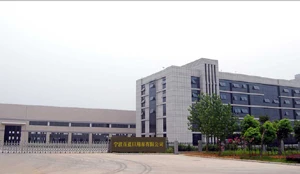
Ningbo Bright Commodity Co., Ltd.
- Trading Company
- Zhengjiang, China
- Lead time30 days
- Avg. response≤ 8h
Main productsfood container,Refrigerator Organizer
Main marketsNorth America(50.00%), Northern Europe(20.00%), Western Europe(20.00%), Eastern Asia(5.00%), South America(5.00%)
Changzhou Happy-Zone Technology Co., Ltd.
- Trading Company
- Jiangsu, China
- Lead time20 days
- Avg. response≤ 3h
Main productsTable,Chair,Bike,Cabinet,Racks & Shelves
Main marketsNorth America(60.00%), Western Europe(20.00%), Oceania(20.00%)
Yiwu Jiaxin Technology Co., Ltd.
- Trading Company
- Zhejiang, China
- Lead time15 days
- Avg. response≤ 7h
Main productsHousehold Goods,Kitchen Supplies,Bathroom Products,Home Storage Box,Home Decoration
Main marketsNorth America(30.00%), Domestic Market(20.00%), Western Europe(20.00%), Oceania(10.00%), Southern Europe(10.00%), Eastern Europe(10.00%)
Shantou Hongxing Commodity Co., Ltd.
- Verified by Intertek
- Manufacturer, Trading Company
- Lead time25 days
- Avg. response≤ 4h
Main productsPlastic Daily-Used Household Products
Main marketsSouth Asia(20%), South America(19%), Mid East(18%)
Linyi Zhaohong Photoelectric Technology Co.. Ltd.
- Verified by SGS Group
- Trading Company
- Lead time30 days
- Avg. response≤ 3h
Main productsLED Lighting Products, Home Folding Desk Study Desk, Flower Mud, Outdoor Artificial Lawn, Home Decoration Crafts Artificial Plants
Main marketsEastern Asia(50%), Southeast Asia(20%), North America(8%)
Jieyang Rongcheng District Huichuang Plastic Products Factory
- Manufacturer, Trading Company
- Guangdong, China
- Lead time15 days
- Avg. response≤ 7h
Main productsStorage box,Storage drawer cabinet,Shoe rack,laundry basket,Folding storage cabinet
Main marketsDomestic Market(60.00%), South America(11.00%), North America(6.00%), Mid East(4.00%), Northern Europe(3.00%), Eastern Asia(3.00%), Southeast Asia(3.00%), Africa(3.00%), Eastern Europe(2.00%), South Asia(2.00%), Western Europe(1.00%), Central America(1.00%), Southern Europe(1.00%)
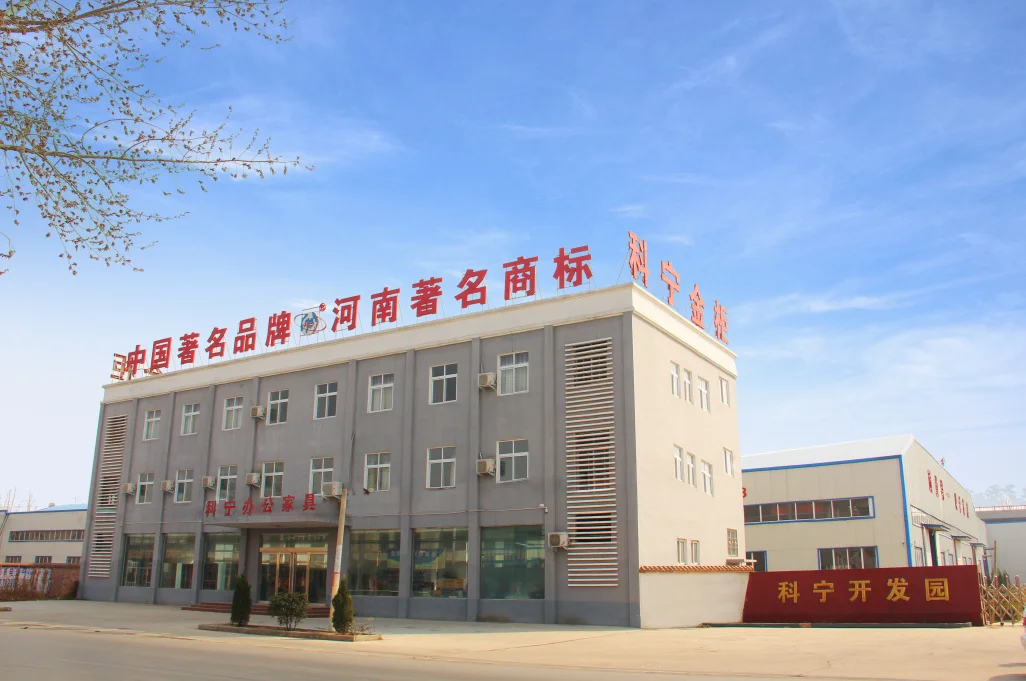
Luoyang Kening Office Furniture Co., Ltd.
- Manufacturer, Trading Company
- Henan, China
- Lead time30 days
- Avg. response≤ 4h
Main productsFiling Cabinets,Wardrobes,Lockers,Metal Beds
Main marketsSoutheast Asia(30.00%), Mid East(20.00%), South Asia(10.00%), South America(10.00%), Oceania(10.00%), North America(10.00%), Africa(10.00%)
Yiwu Montanas Import And Export Co., Limited
- Verified by TüVRheinland
- Trading Company
- Lead time15 days
- Avg. response≤ 7h
Main productsParty And Event Supplies, Promotional Gift, Toys, Pet Products
Main marketsSouth America(35%), North America(25%), Western Europe(10%)




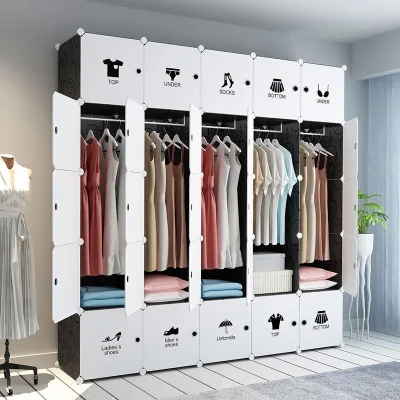
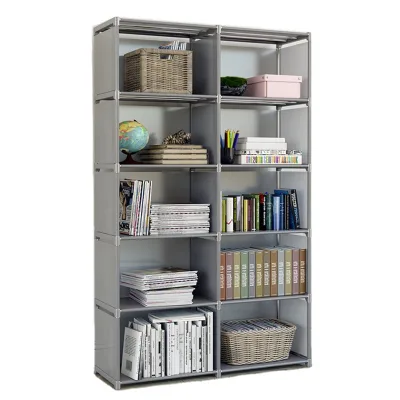
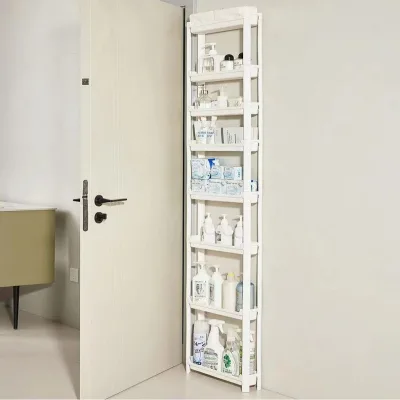
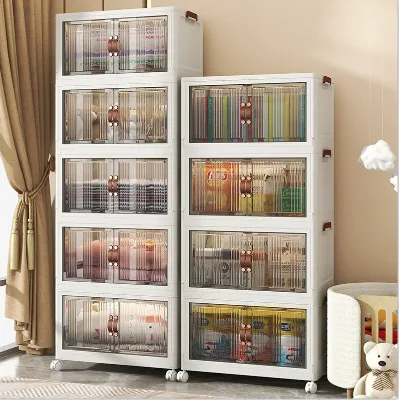
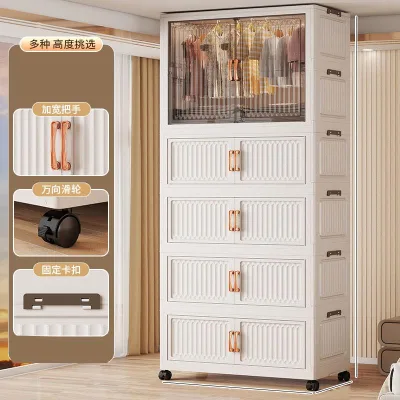
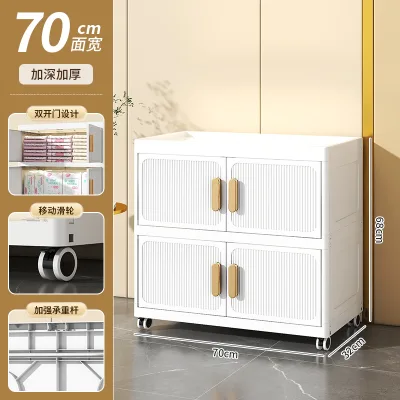
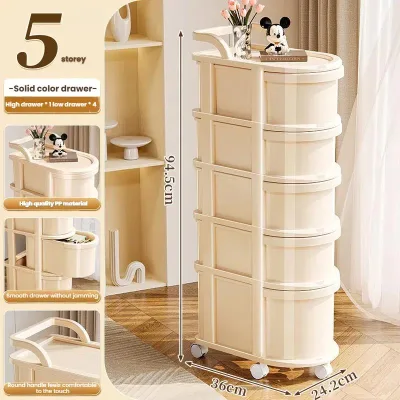
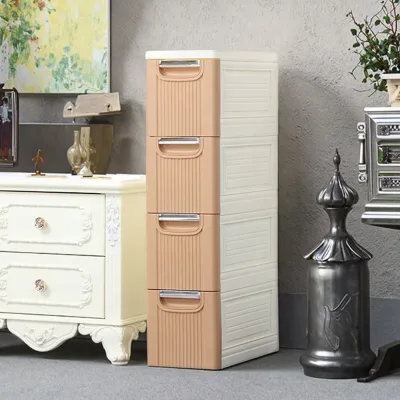
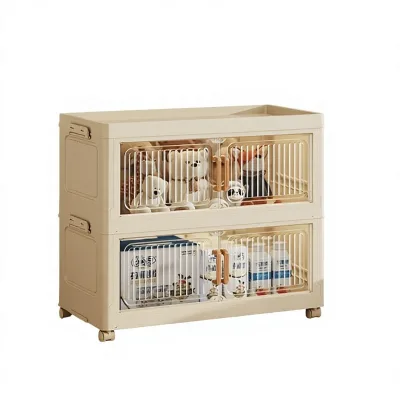
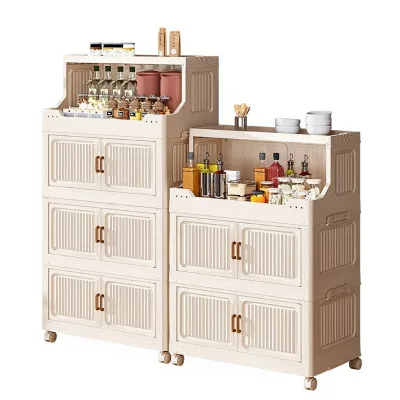
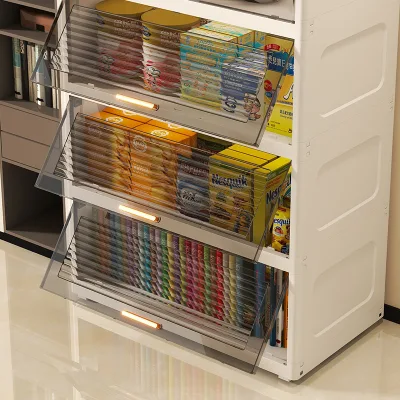
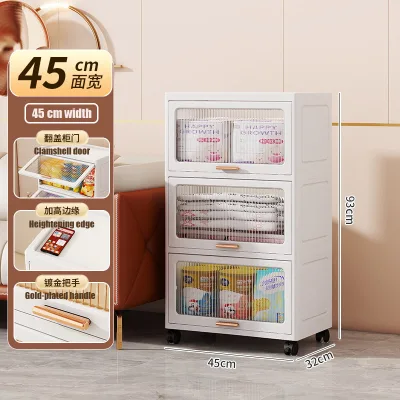
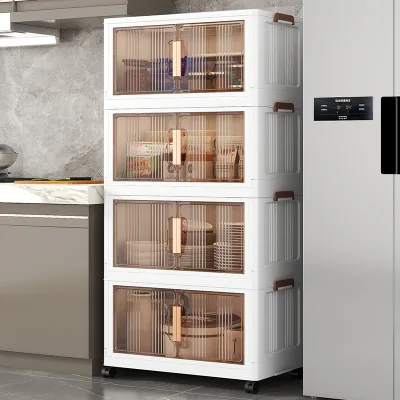
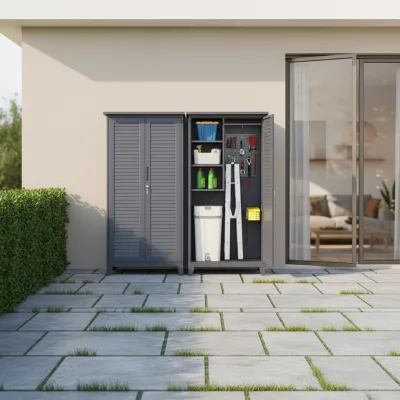
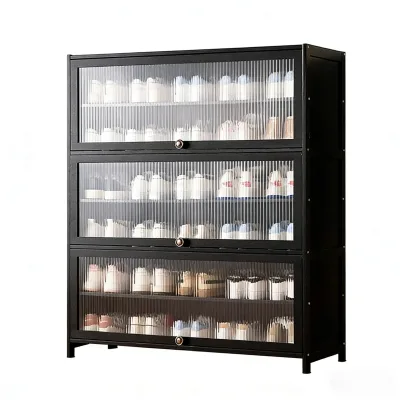
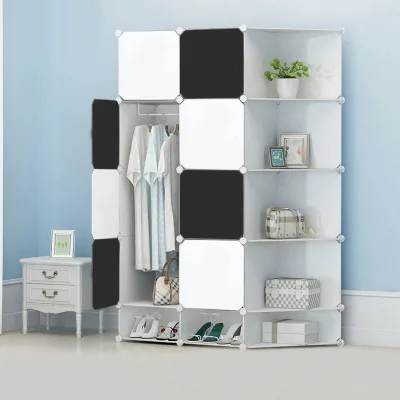
Comprehensive Sourcing Guide
Stackable PP Storage Cabinet Supplier Concentration and Factory Types
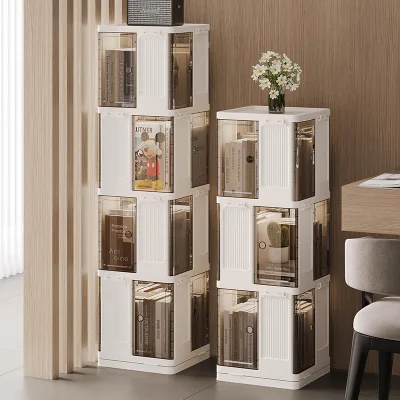
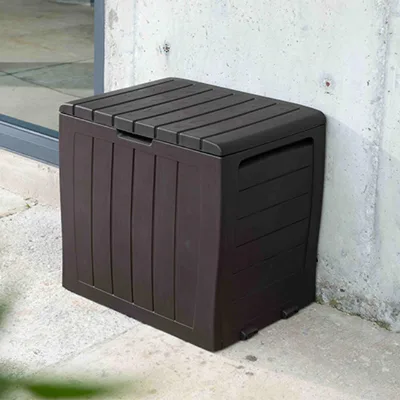
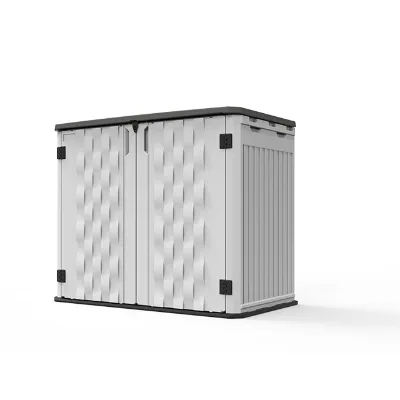
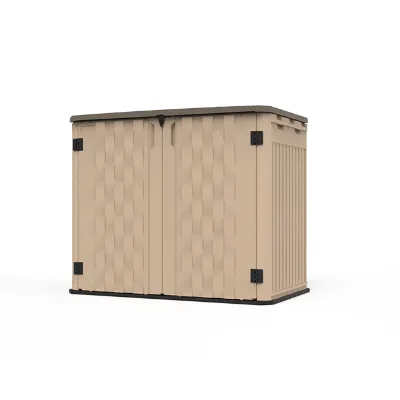
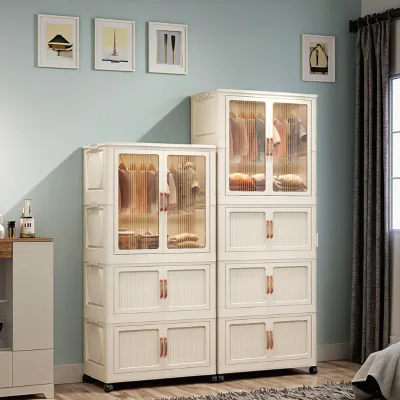
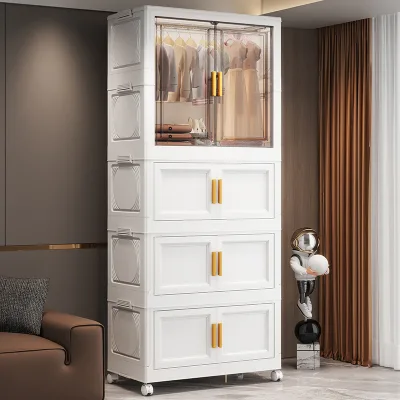
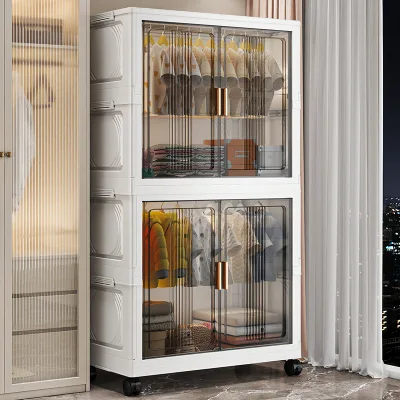
The current supplier landscape for stackable polypropylene storage cabinets reveals a distinct geographic and operational split that buyers must navigate carefully. Evidence indicates that manufacturing capabilities are concentrated in specific industrial provinces within China, with Zhejiang and Henan emerging as primary hubs for this category. Suppliers located in Zhejiang often operate as hybrid entities, functioning as both trading companies and manufacturers. This dual role allows them to offer a broad range of metal and plastic laboratory furniture, including fire cabinets, fume hoods, and chemical storage solutions. The presence of these mixed-type suppliers suggests a mature supply chain where direct factory access is possible, but trading arms may also handle distribution. In contrast, suppliers based in Henan appear to lean more heavily toward pure manufacturing models. These factories typically focus on metal furniture, filing cabinets, and specialized laboratory storage units, often holding their own brand identities alongside OEM capabilities. Understanding this regional and structural distinction is crucial for buyers seeking either direct factory pricing or the logistical flexibility of a trading partner.
Beyond geography, the type of entity significantly impacts the product range and customization options available. Manufacturers in these regions frequently list main products that include metal cabinets, lab workcases, and tool storage systems, indicating a strong foundation in industrial-grade fabrication. When sourcing stackable PP cabinets, buyers should verify whether the supplier is primarily a factory or a trading company, as this determines the depth of technical support and production control. Factories often provide OEM and ODM services, allowing for custom branding and structural modifications, while trading companies may offer a wider variety of pre-existing stock items. The evidence shows that some suppliers specialize in polypropylene-specific products like acid-resistant cabinets and reagent storage, while others offer general home storage solutions. This divergence means that a buyer looking for high-specification chemical storage might find better technical alignment with a specialized manufacturer, whereas a buyer seeking bulk home organization units might benefit from the broader inventory of a trading company.
How to Verify Stackable PP Storage Cabinet Suppliers
Verifying the legitimacy and capability of a Stackable PP Storage Cabinet supplier requires a multi-layered approach that goes beyond simple profile reviews. Buyers should prioritize suppliers who display third-party verification badges, such as those from TÜV Rheinland or Bureau Veritas, as these indicate a higher level of operational scrutiny. These verifications often cover factory audits, quality management systems, and social compliance, providing a baseline of trust that is essential when dealing with international manufacturing partners. In addition to verification badges, buyers must examine the specific certifications listed in the supplier’s profile. Common standards for this category include ISO 9001 for quality management, ISO 14001 for environmental management, and industry-specific standards like BSCI for social compliance or ANSI/ESD for electrostatic discharge protection. These certifications are not merely decorative; they signal that the supplier has established processes for consistent production and ethical labor practices, which are critical for long-term supply chain stability.
Beyond certifications, buyers should actively assess the supplier’s responsiveness and transparency regarding their product specifications. The response time metric is a key indicator of operational efficiency; suppliers with faster response times, such as those under one hour, often demonstrate better communication channels and quicker decision-making processes. Buyers should also scrutinize the detailed product attributes provided, such as material composition, layer count, and customization availability. For instance, confirming that a cabinet is made of pure PP material rather than a recycled blend is vital for chemical resistance. Buyers should request detailed product data sheets that specify the lab type compatibility, usage environments, and structural integrity of the stackable units. Additionally, verifying the origin of the product, such as specific cities like Luoyang or Zhejiang, adds another layer of authenticity. By cross-referencing these technical details with the supplier’s claimed capabilities, buyers can build a comprehensive profile of the supplier’s reliability and technical competence before initiating any commercial dialogue.
What to Compare Across Stackable PP Storage Cabinet Suppliers
When evaluating multiple suppliers for stackable PP storage cabinets, buyers must systematically compare key operational metrics to identify the most suitable partner for their specific needs. Lead time is a critical factor, as it directly impacts inventory planning and project timelines. Suppliers may offer lead times ranging from approximately 23 to 45 days, depending on the complexity of the order and current production capacity. Buyers should align these lead times with their delivery schedules, ensuring that the supplier can meet urgent deadlines without compromising quality. Similarly, the minimum order quantity (MOQ) varies significantly across suppliers, with some requiring as few as five units while others mandate orders of fifty or more. This variation allows buyers to choose between suppliers that accommodate small-scale trials and those that offer better economies of scale for large-volume purchases. Comparing these two metrics helps buyers balance cost efficiency with supply chain flexibility.
Price and customization options are equally important dimensions for comparison. The price range for stackable PP cabinets can vary widely, with some models starting at lower price points for basic units and reaching higher tiers for specialized chemical-resistant or multi-layered designs. Buyers should request detailed quotations that break down costs based on material thickness, layer count, and additional features like locking mechanisms or anti-static properties. Customization availability is another key differentiator; some suppliers offer extensive OEM and ODM services, allowing for custom branding, color matching, and structural modifications, while others may only provide standard off-the-shelf products. Buyers should also compare the supplier’s main product focus to ensure alignment with their specific requirements. For example, a supplier specializing in laboratory furniture may offer better technical support for chemical storage needs compared to a general home storage provider. By systematically comparing lead times, MOQs, prices, and customization capabilities, buyers can make informed decisions that optimize both cost and operational efficiency.
Common Stackable PP Storage Cabinet Sourcing Risks
Sourcing stackable PP storage cabinets from international suppliers introduces several risks that buyers must proactively manage to ensure a smooth procurement process. One significant risk is the potential mismatch between product specifications and actual delivery, particularly regarding material quality and chemical resistance. Polypropylene cabinets are often marketed for their acid and corrosive resistance, but the actual grade of PP used can vary. Buyers must verify that the material meets the required standards for their specific application, whether it is a hospital, school, or industrial laboratory. Another risk is the variability in manufacturing quality, which can lead to issues with stackability, structural integrity, or finish defects. Without rigorous quality control measures, buyers may receive units that do not fit together properly or lack the durability required for heavy-duty use. This risk is exacerbated when dealing with suppliers who have limited experience in polypropylene fabrication, making it essential to verify their technical expertise and production capabilities.
Logistical and communication risks also pose challenges in international sourcing. Delays in shipping, customs clearance issues, and miscommunication regarding order details can disrupt supply chains and increase costs. Buyers should be aware of the supplier’s response time and communication practices, as slow or unclear communication can lead to errors in order placement and fulfillment. Additionally, the risk of non-compliance with international standards or safety regulations cannot be overlooked. Buyers must ensure that the suppliers adhere to relevant safety standards, such as fire resistance or environmental compliance, to avoid legal and operational issues in their home markets. To mitigate these risks, buyers should establish clear communication channels, request detailed product samples before bulk orders, and implement strict quality inspection protocols. By identifying and addressing these potential pitfalls early in the sourcing process, buyers can protect their interests and ensure a successful procurement outcome.
Stackable PP Storage Cabinet Regional Sourcing and Logistics
Regional sourcing strategies play a pivotal role in optimizing the logistics and cost structure for stackable PP storage cabinets. Suppliers located in Zhejiang and Henan provinces offer distinct logistical advantages based on their proximity to major ports and industrial infrastructure. Zhejiang, being a coastal province, often provides faster access to international shipping routes, which can reduce transit times and freight costs for buyers in North America and Europe. This geographic advantage is particularly beneficial for time-sensitive orders or when dealing with high-volume shipments. On the other hand, suppliers in Henan, located in central China, may offer competitive pricing due to lower labor and operational costs, although transit times might be slightly longer depending on the destination. Buyers should evaluate these regional differences to determine the best balance between cost and speed for their specific needs.
Logistics planning also involves considering the packaging and handling requirements of stackable PP cabinets. These products are often bulky and require careful packaging to prevent damage during transit. Suppliers typically use multi-layer carton packaging to ensure protection, but buyers should verify the packaging standards to minimize the risk of damage. Additionally, buyers should assess the supplier’s experience with international shipping and their ability to handle customs documentation efficiently. Suppliers with a strong track record in exporting can provide valuable support in navigating complex logistics networks, ensuring that goods arrive on time and in good condition. By understanding the regional strengths and logistical capabilities of different suppliers, buyers can develop a robust sourcing strategy that minimizes risks and maximizes efficiency. This approach allows buyers to leverage geographic advantages while maintaining control over their supply chain operations.
Stackable PP Storage Cabinet Commercial Terms and Order Planning
Effective order planning and clear commercial terms are essential for successful procurement of stackable PP storage cabinets. Buyers should establish detailed agreements that specify payment terms, delivery schedules, and quality assurance protocols. Common payment methods include telegraphic transfer (TT) or letters of credit (LC), with terms often structured as a deposit followed by balance payment upon shipment. Buyers should negotiate favorable terms that protect their interests, such as escrow services or third-party inspection rights, to ensure that payments are released only upon satisfactory delivery. Additionally, buyers should clarify the warranty and after-sales support policies, including procedures for handling defective units or replacement parts. Clear commercial terms help prevent disputes and ensure that both parties have a shared understanding of their obligations and responsibilities throughout the transaction.
Order planning also involves forecasting demand and managing inventory levels to avoid stockouts or excess inventory. Buyers should work closely with suppliers to develop a production schedule that aligns with their sales projections and storage capacity. This collaboration helps ensure that orders are fulfilled on time and that the supplier can accommodate any changes in demand. Buyers should also consider the total cost of ownership, including freight, insurance, and customs duties, when evaluating supplier quotes. By incorporating these factors into their financial planning, buyers can make more accurate cost comparisons and avoid unexpected expenses. Furthermore, buyers should maintain open communication with suppliers to stay informed about production updates and potential delays. This proactive approach allows buyers to adjust their plans as needed and maintain a resilient supply chain. By focusing on comprehensive commercial terms and strategic order planning, buyers can optimize their procurement process and achieve better business outcomes.
FAQs
What is the typical lead time for PP storage cabinets?
Manufacturers in China generally require 23 to 45 days for production. Zhejiang suppliers often list 45 days, while Henan factories may deliver in 23 days. Buyers should confirm specific timelines based on order volume and customization needs before placing a purchase order.
What are the minimum order quantities for these cabinets?
MOQs vary significantly by supplier and product type. Some factories require as few as 5 units, while others set the minimum at 20 or 50 pieces. Buyers should verify the specific MOQ for their chosen model, as it directly impacts initial procurement costs.
What certifications do these PP cabinets typically hold?
Suppliers often hold ISO 9001, ISO 14001, and BSCI certifications. Some also possess OHSAS 18001, ANSI/ESD, or HSE credentials. Verification services like TÜV Rheinland or BV may also be present. Buyers should request current certificates to ensure compliance with safety standards.
What is the price range for polypropylene storage cabinets?
Prices typically range from $40 to $600 per unit depending on specifications. Basic models may start around $40, while complex chemical storage units can exceed $500. Most standard cabinets fall between $90 and $200. Buyers should request detailed quotes for accurate budgeting.
Are customization options available for these storage cabinets?
Yes, most manufacturers offer OEM, ODM, and own-brand customization. Buyers can often specify layer counts, colors, and materials. Customized models are widely available for hospitals, schools, and research institutes. Suppliers confirm that customization is generally available for various laboratory and industrial applications.
How quickly do suppliers typically respond to inquiries?
Response times vary, with some suppliers replying within 0.69 hours and others taking up to 5.08 hours. Faster response rates are common among verified manufacturers. Buyers should expect quicker replies from suppliers with higher verification badges or those located in major manufacturing hubs.