For Toyota Engine Cylinder Head Suppliers and Manufacturers
Compare 26 verified suppliers offering For Toyota Engine Cylinder Head with details on response times, lead times, certifications, and pricing. Review product specifications like material and warranty, then contact suppliers directly to request quotes; review the available evidence before requesting comparable quotations from suitable candidates.
Updated
Suppliers List

- Verified by SGS
- Trading Company
- China Guizhou
- Lead time23 days
- Avg. response≤ 18h
Main productsMachine Tool, Auto Spare Parts, Crankshaft, Camshaft, Packing Machine, Labeling Machine, Filling Machine, Crown Wheel and Pinion, Connecting Rod, Piston Ring
Main marketsAfrica

Xingzhan Automotive Technology (Shaoxing) Co., Ltd.
- Verified by SGS
- Trading Company
- China Zhejiang
- Lead time23 days
- Avg. response≤ 4h
Main productsEngine, Transmission Unit and Parts, Block, Engine Parts, Air Conditionor, Auto Parts, Diesel Engine, Cylinder Head, Heater, Long Block
Main marketsSouth America,Others(foreignTradeCapacity.exportBusinessCapacityMarketOther),Southeast Asia/ Mideast,Europe
Jinan Catop Auto Parts Co., Ltd.
- Verified by TüVRheinland
- Trading Company
- Lead time30 days
- Avg. response≤ 2h
Main productsEngine Parts, Engine Assy, Cylinder Head, Cylinder Block, Ignition Coil
Main marketsAfrica(55%), Mid East(30%), South America(10%)
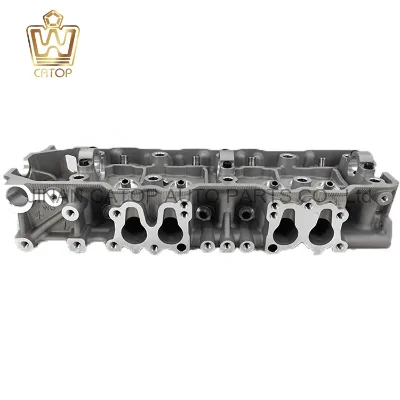
$84.9843 - $92.1525
MOQ: 5 pieces
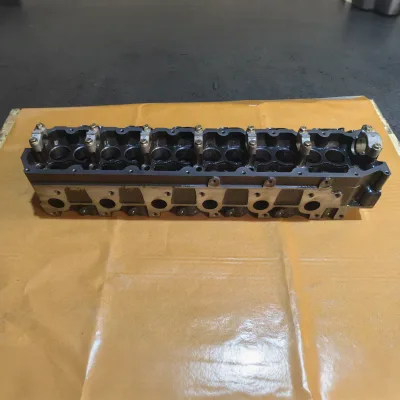
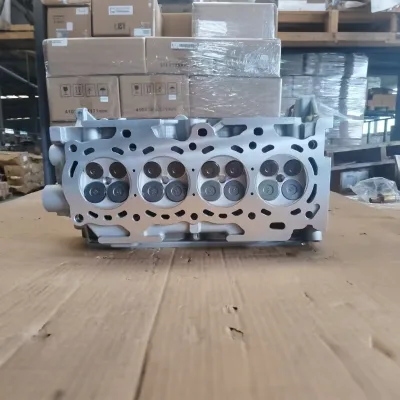
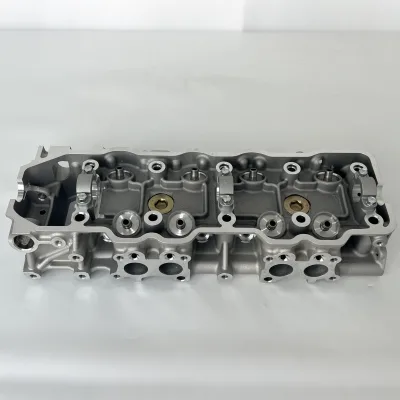
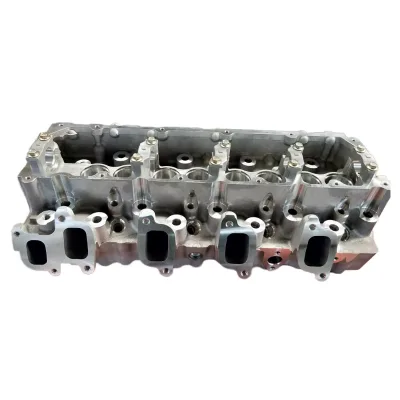
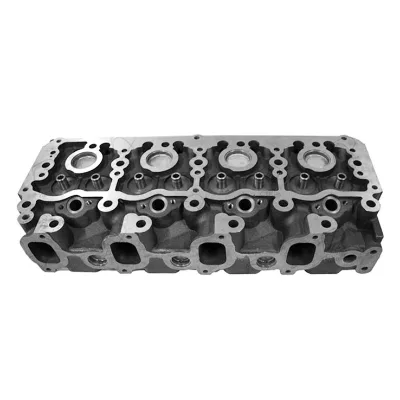
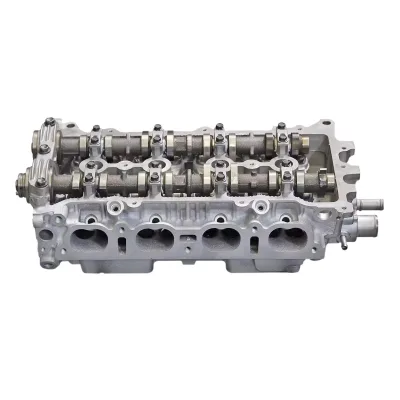
22R Engine Parts New Condition 100% Tested Aluminium Cylinder Head Bared and Assy for Toyota
$180.00 - $210.00
MOQ: 5
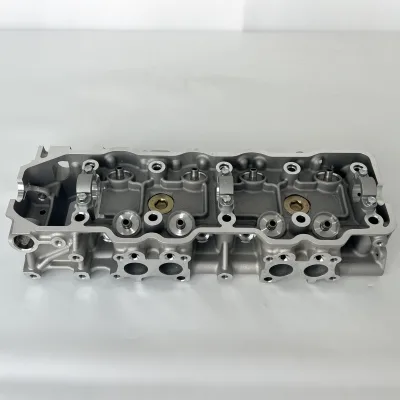
China High Quality 22RE 22REC Cylinder Head for Land-Cruiser Engine 22R Cylinder Head
$180.00 - $210.00
MOQ: 5

Luoyang Diron Parts Trading Co., Ltd.
- Combined
- China Henan
- Lead time30 days
- Avg. response≤ 6h
Main productsCylinder Head, Cylinder Block, Crankshaft, Pumps, Turbo, Friction, Shaft and Cartridge, Bushing and Pin/ Bolt and Nut, Universal Joints, Liner
Main marketsSouth America,Africa,Southeast Asia/ Mideast,East Asia(Japan/ South Korea),Domestic,Europe

Yantai Wistar Automobile Parts Co., Ltd
- Verified by SGS
- Trading Company
- China Shandong
- Lead time23 days
- Avg. response≤ 7h
Main productsEngine, Auto Parts, Engine Parts, Cylinder Block, Cylinder Head
Main marketsNorth America

Factory Price 2e Engine Parts 2e Cylinder Head Suitable for Toyota Corolla Cylinder Head
$135.00 - $171.00
MOQ: 1 pieces

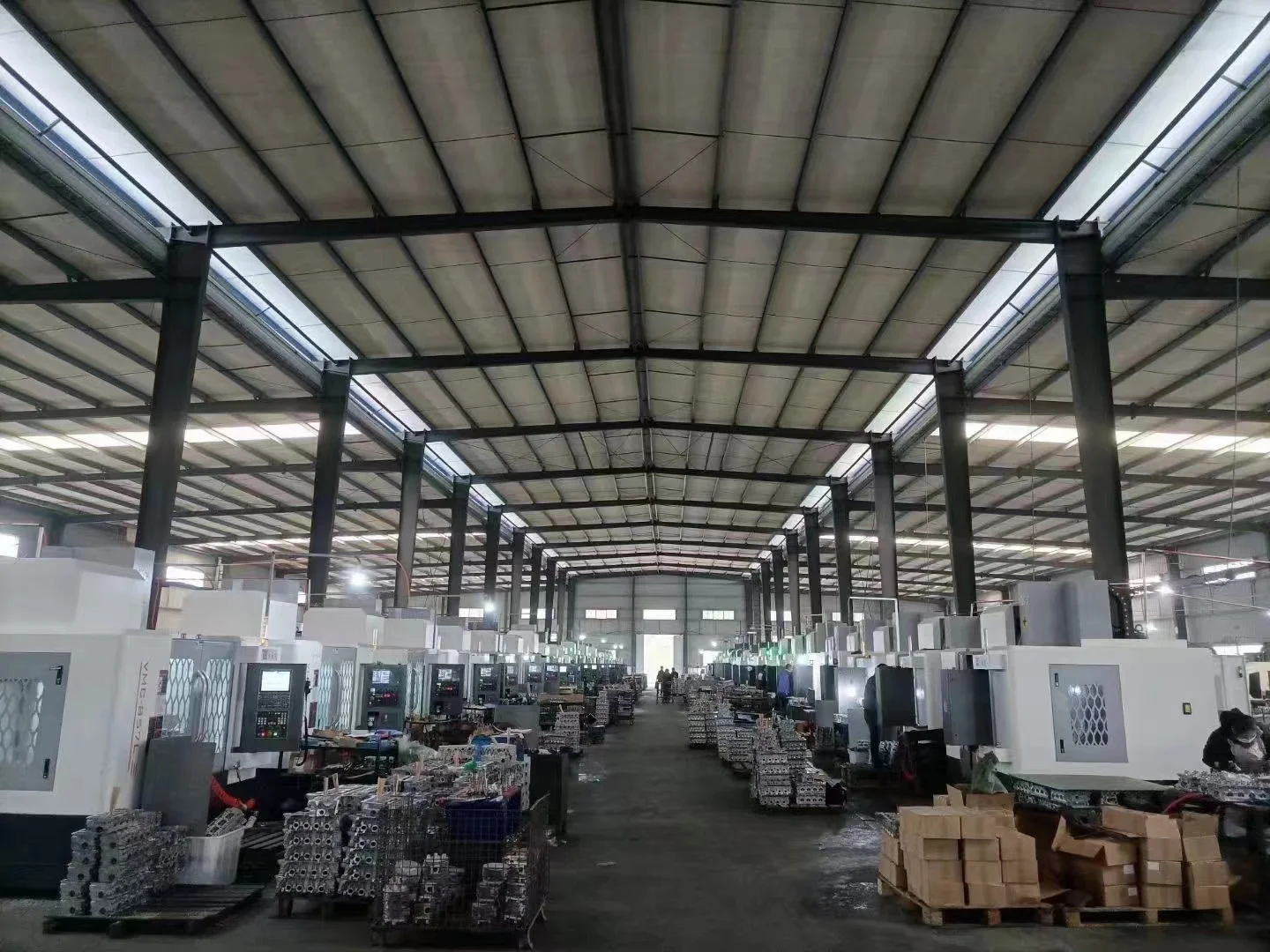
Chongqing Formanhao Trading Co., Ltd.
- Trading Company
- Chongqing, China
- Lead time0 days
- Avg. response≤ 2h
Main productscylinder head,Cylinder head assembly,long block engine,engine block,short block engine
Main marketsSouth America(30.00%), Mid East(20.00%), Africa(10.00%)
Chongqing Jns Import And Export Co., Ltd.
- Trading Company
- Chongqing, China
- Lead time2 days
- Avg. response≤ 4h
Main productsautomobile steering system,automobile suspension system,cooling system of automobile,Automobile fuel system,Auto Parts
Main marketsSouthern Europe(10.00%), Northern Europe(10.00%), Western Europe(10.00%), Eastern Asia(10.00%), Mid East(10.00%), Africa(10.00%), Southeast Asia(10.00%), Eastern Europe(10.00%), South America(10.00%), North America(10.00%)
$40.6274 - $103.1297
MOQ: 100 pieces
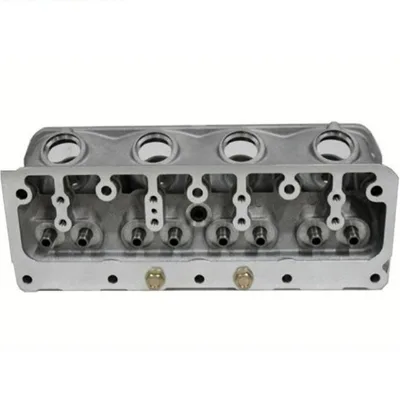
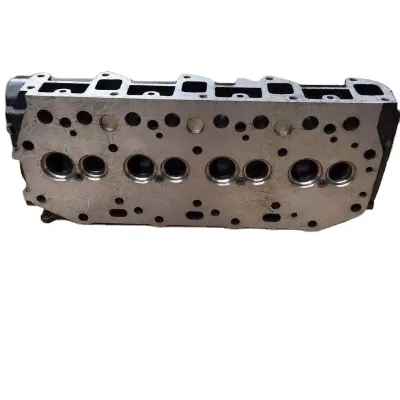
Auto Engine Parts 5K Cylinder Head for Toyota Corolla/Lite-Ace 8V OE 11101-13062
$56.977 - $145.0327
MOQ: 1 pieces
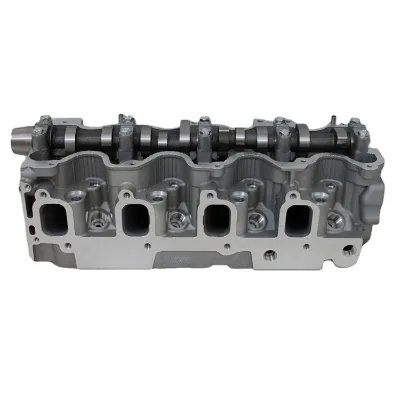
$102.5586 - $216.5126
MOQ: 100 pieces
$36.2593 - $101.5228
MOQ: 100 pieces
Chongqing Born Auto Parts Co., Ltd.
- Trading Company
- Chongqing, China
- Lead time0 days
- Avg. response≤ 3h
Main productscylinder head,brake caliper,turbocharger,cylinder block,engine
Main marketsNorth America(25.00%), Southeast Asia(18.00%), Western Europe(16.00%), South America(14.00%), Eastern Europe(13.00%), Northern Europe(6.00%), Mid East(5.00%), Central America(2.00%), Oceania(1.00%)

Guangzhou Zhongmao Auto Parts Co., Ltd.
- Verified by BV
- Trading Company,Manufacturer/Factory
- China Guangdong
- Lead time15 days
- Avg. response≤ 3h
Main productsAuto Engine, Engine Assembly, Cylinder Block, Cylinder Head, Crankshaft, Pistonring, Oil Pump, Used Engines, Car Engine, Engine Parts
Main marketsSouth America,Eastern Europe,Mid East,North America,Southeast Asia,Eastern Asia,Oceania,Western Europe,Africa

Beijing Funch Autoparts Co., Ltd.
- Trading Company
- China Beijing
- Lead time23 days
- Avg. response≤ 23h
Main productsWheel Bearing, Wheel Hub Bearing, Cylinder Head, Wheel Hub, Wheel Bearing Kit, Turbocharger, Gearbox/ Autotransmission, Chery Parts, Automotive Clips, Engine Parts
Main marketsSouth America,Europe,North America

Chongqing Xuancheng Import & Export Co., Ltd.
- Trading Company
- Chongqing, China
- Lead time15 days
- Avg. response≤ 6h
Main productsBare Engine,Cylinder Head Assembly,Cylinder Block Assembly,crankshaft,Camshaft
Main marketsEastern Europe(30.00%), Mid East(20.00%), South America(11.00%), Africa(10.00%), Southern Europe(10.00%), South Asia(8.00%), Central America(7.00%), North America(2.00%), Southeast Asia(2.00%)
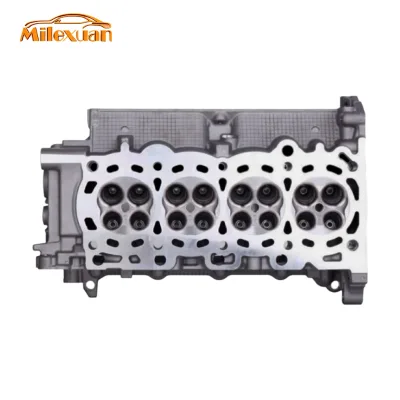
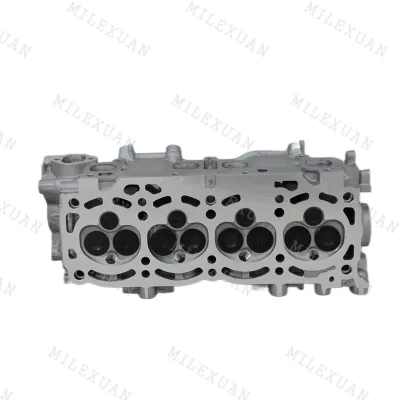
2E Engine Cylinder Head Assy OEM11101-19156 for Toyota Tercel Starlet Corolla 2E Engine Part
$179.00 - $250.00
MOQ: 3 sets
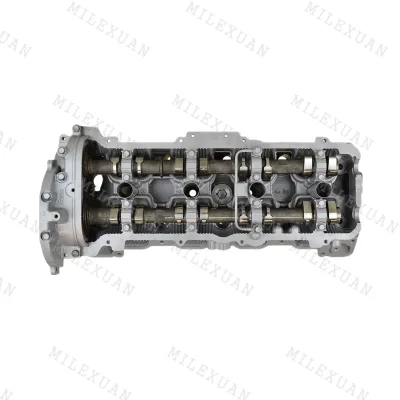
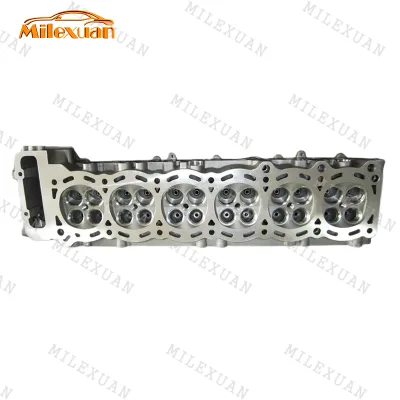
OE 11101-69095 11101-69096 4.5L 24v Land Cruiser Lexus New 1FZ-FE Cylinder Head for Toyota
$265.9181 - $306.9877
MOQ: 3 pieces
Demahe (henan) Power Technology Co., Ltd.
- Trading Company
- Henan, China
- Lead time30 days
- Avg. response≤ 2h
Main productsEngine,Cylinder Block,Cylinder Head,Crankshaft,Camshaft
Main marketsAfrica(30.00%), Eastern Europe(20.00%), South America(20.00%), North America(10.00%), Southeast Asia(10.00%), Oceania(7.00%), Eastern Asia(2.00%), Central America(1.00%)
Shenyang Hitop Machinery Equipment Co., Ltd.
- Verified by Intertek
- Manufacturer, Trading Company
- Lead time30 days
- Avg. response≤ 5h
Main productsAuto Spare Parts, Construction Machine Parts, Mining Parts, Hydraulic Rock Drill, Customized Parts
Main marketsSouth America(35%), Southeast Asia(20%), Mid East(20%)
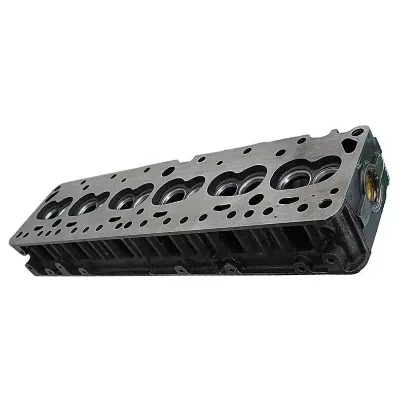
$150.00 - $550.00
MOQ: 2 Minimum
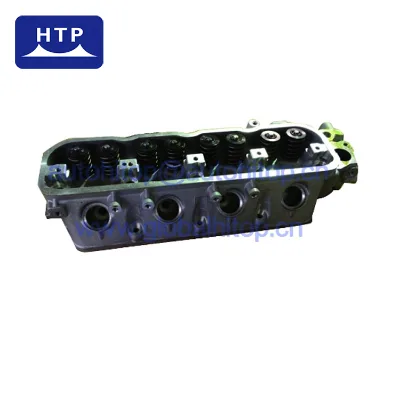
$163.6024 - $189.1663
MOQ: 10 pieces
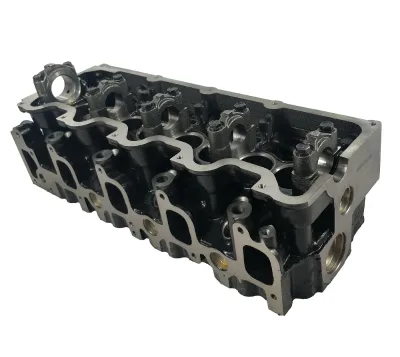
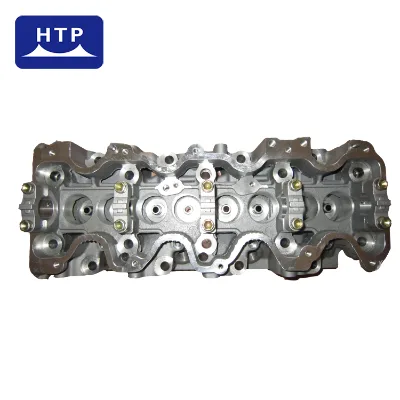
$132.9268 - $163.6024
MOQ: 10 pieces
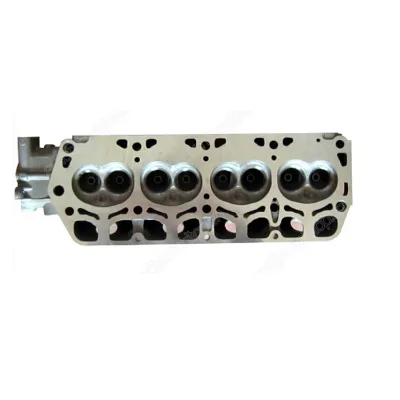
High Quality Auto Spare Parts Cylinder Block Head for TOYOTA Hiace 3Y 4Y 11101-71030 11101-09110
$169.00 - $228.00
MOQ: 1 pieces
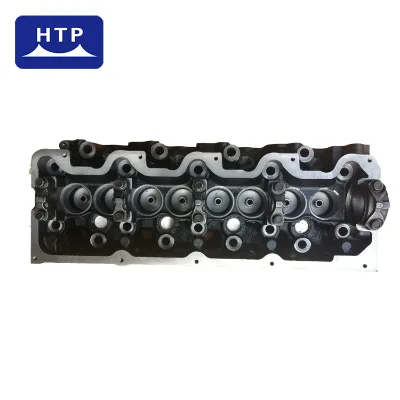
$175.00 - $230.00
MOQ: 10 pieces
Chongqing Xuancheng Import & Export Co., Ltd.
- Trading Company
- Lead time旺季: "1 - 500":31,"> 500":"To be negotiated", 淡季: "1 - 500":31,"> 500":"To be negotiated"
- Avg. response≤ 4h
Main productsAuto Engine, Cylinder Block, Cylinder Head Assembly, Crankshaft, Camshaft

Henan Cactus Import And Export Trade Co., Ltd.
- Trading Company
- Henan, China
- Lead time7 days
- Avg. response≤ 20h
Main productsturbocharger,cylinder head,camshaft,brake pad,spark plug
Main marketsWestern Europe(28.00%), Central America(18.00%), North America(18.00%), South America(11.00%), Eastern Europe(9.00%), Mid East(9.00%), Southern Europe(7.00%)
Zhengzhou Kadejie Import And Export Trade Co., Ltd.
- Trading Company
- Henan, China
- Lead time7 days
- Avg. response≤ 3h
Main productscylinder head,camshaft,crankshaft,turbocharger,gasket sets
Main marketsMid East(50.00%), Southeast Asia(30.00%), South America(6.00%), North America(5.00%), Africa(5.00%), Oceania(4.00%)
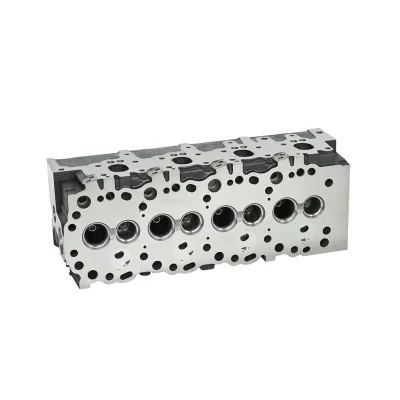
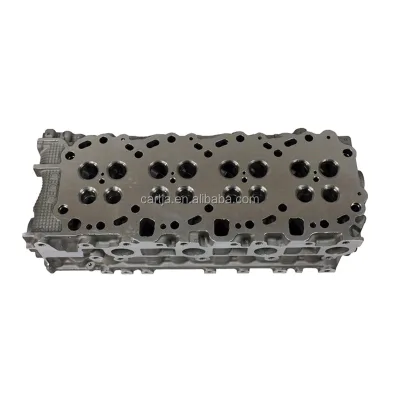
$251.1994 - $312.7169
MOQ: 1 pieces
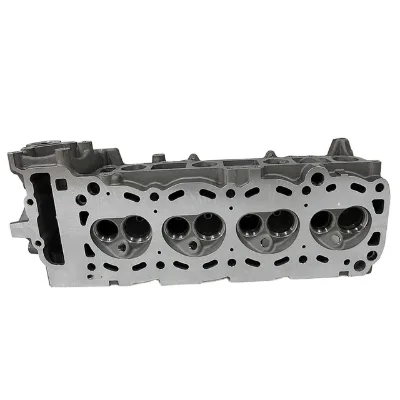
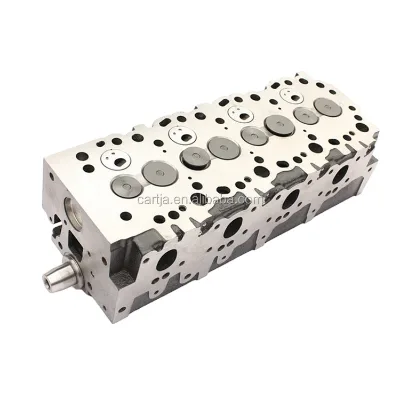
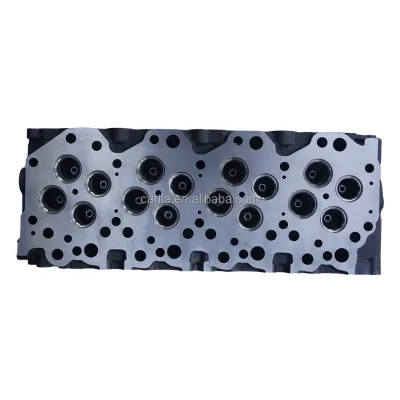
Engine Auto Parts 5L Cylinder Head Assy 11101-54150 909154 for TOYOTA Hiace/Hilux/Dyna
$157.00 - $177.00
MOQ: 1
Jinan goodcar International Trade Co., Ltd.
- Verified by Intertek
- Trading Company
- Lead time20 days
- Avg. response≤ 2h
Main productsEngine assembly, Engine Long Block, Crankshaft, Differential
Shanghai Anpar Auto Parts Co., Ltd.
- Verified by SGS Group
- Trading Company
- Guangdong, China
- Lead time15 days
- Avg. response≤ 3h
Main productsTransmisson System, Engine System, Electrical System, Suspenstion System, Auto Steering System
Main marketsSouth America(60%), North America(30%), Mid East(5%)

Chongqing Nofear Technology Co., Ltd.
- Trading Company
- Chongqing, China
- Lead time7 days
- Avg. response≤ 6h
Main productsEngine,Complete cylinder head,Cylinder head,Gearbox,Autoparts
Main marketsSouth America(20.00%), North America(15.00%), Southern Europe(10.00%), Northern Europe(10.00%), Central America(10.00%), Western Europe(10.00%), Eastern Asia(10.00%), Eastern Europe(10.00%), South Asia(5.00%)
Guangzhou Amma Auto Spare Parts Co., Limited
- Verified by TüVRheinland
- Trading Company
- Lead time45 days
- Avg. response≤ 3h
Main productsGasket kit, Shock Absorber, Oil Pump, Timing Chain Set, Fuel Pump Assembly
Main marketsSouth America(70%), North America(10%), Africa(8%)
$231.0109 - $246.4116
MOQ: 10 bags
Hunan Goway Auto Parts Co., Ltd.
- Verified by TüVRheinland
- Manufacturer, Trading Company
- Lead time15 days
- Avg. response≤ 1h
Main productsCylinder Head, Cylinder Block, Auto Parts
Main marketsNorth America(30%), Western Europe(30%), Oceania(25%)

Shenyang High Power Machinery & Equipment Co., Ltd.
- Trading Company
- Liaoning, China
- Lead time15 days
- Avg. response≤ 8h
Main productscylinder head,turbocharger,complete cylinder head,camshaft,long block
Main marketsEastern Europe(60.00%), South Asia(10.00%), Southeast Asia(10.00%), North America(10.00%), South America(10.00%)
Taizhou Goldmax Power Co., Ltd.
- Verified by TüVRheinland
- Trading Company
- Lead time30 days
- Avg. response≤ 1h
Main productsEngine Parts, Auto Body Parts
Main marketsAfrica(40%), South America(30%), North America(10%)
Jiangsu Eternal Luck Auto Parts Co., Ltd.
- Verified by TüVRheinland
- Trading Company
- Lead time30 days
- Avg. response≤ 2h
Main productsAuto Engine Assembly, Cylinder Head, Crankshaft, Camshaft, Timing Chain Kit
Main marketsNorth America(25%), South America(15%), Eastern Asia(12%)
Suzhou Ago Auto Parts Co., Ltd.
- Manufacturer, Trading Company
- Jiangsu, China
- Lead time0 days
- Avg. response≤ 5h
Main productsEngine Complete,Engine Long Block,Engine Cylinder Head,Engine Short Block,Carburetor
Main marketsDomestic Market(20.00%), Africa(20.00%), South America(20.00%), North America(20.00%), Eastern Asia(4.00%), Southeast Asia(4.00%), Oceania(4.00%), Mid East(2.00%), Eastern Europe(1.00%), South Asia(1.00%), Southern Europe(1.00%), Northern Europe(1.00%), Central America(1.00%), Western Europe(1.00%)
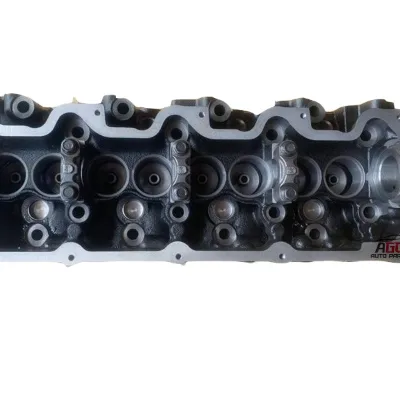
Wholesale Brand New Bare Cylinder Head 11101-54131 for Toyota 2L/3L/5L
$82.0253 - $512.6505
MOQ: 1 pieces
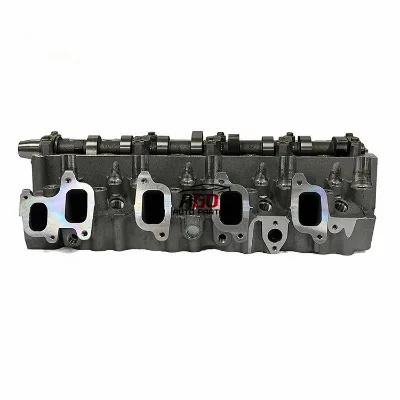
1KZ 1KZ-TE 1KZ-T Complete Cylinder Head 11101-69175 Amc908782 908880 1110169126 1110169128
$265.00 - $269.00
MOQ: 1
Beijing Rongxin Yuanda Trading Co., Ltd.
- Verified by TüVRheinland
- Trading Company
- Lead time60 days
- Avg. response≤ 4h
Main productsEngine, Air Conditioning System, Clutch, Oil Filter, Car Headlights
Main marketsDomestic Market(50%), Southeast Asia(10%), Africa(10%)
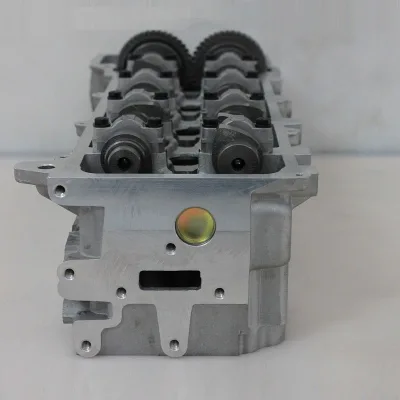
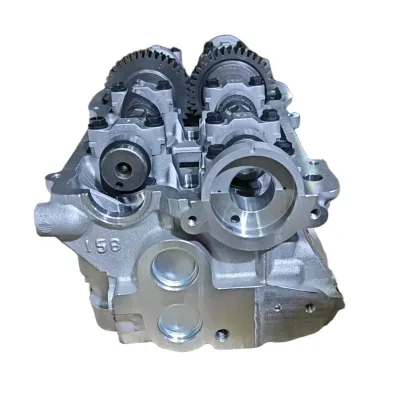
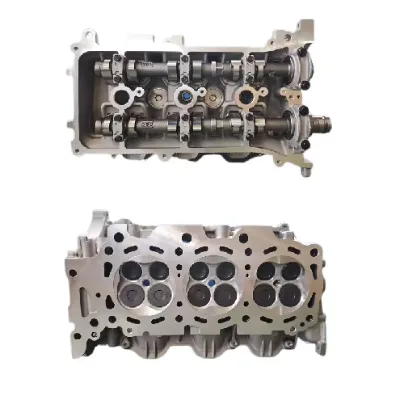
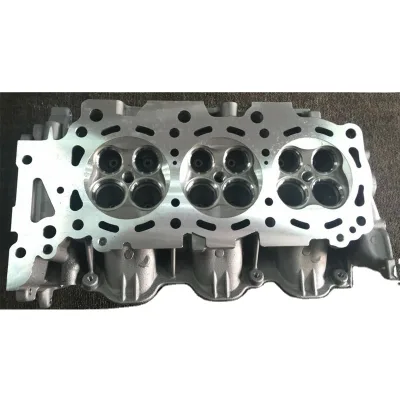
Factory Directly 5VZ 5VZ-FE Complete Cylinder Head L Left 11101-69135 11101-69136 for Toyota
$320.79 - $332.89
MOQ: 1


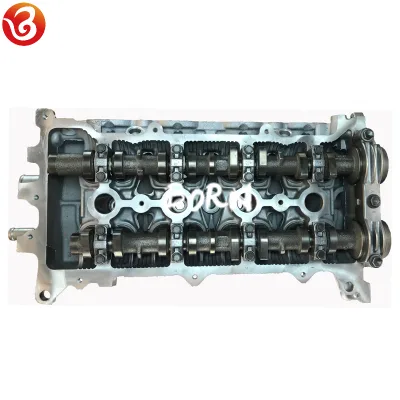


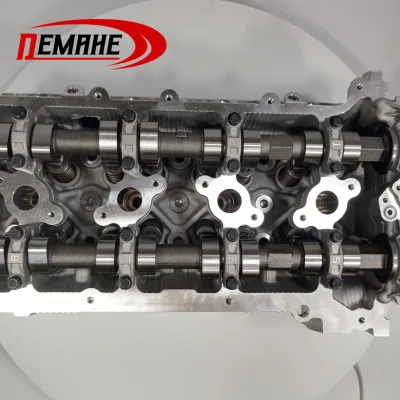
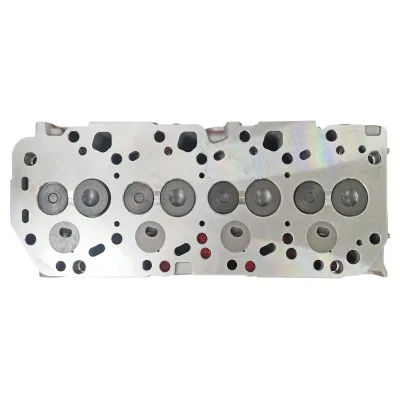
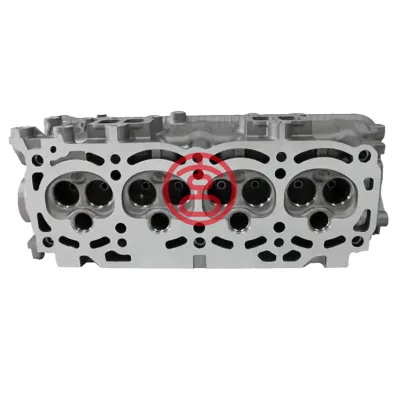
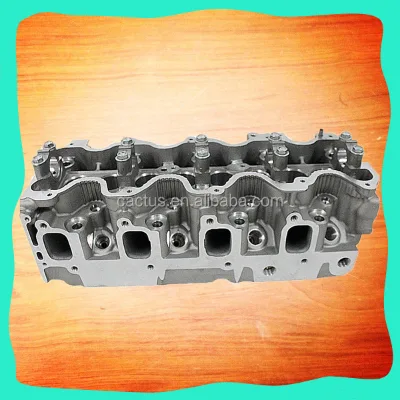
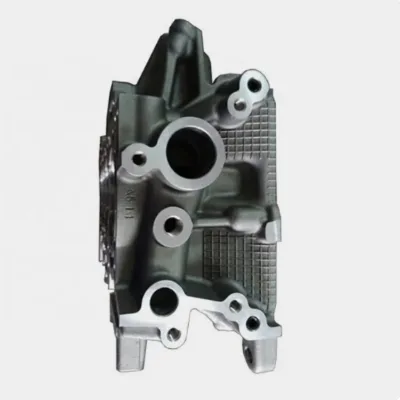
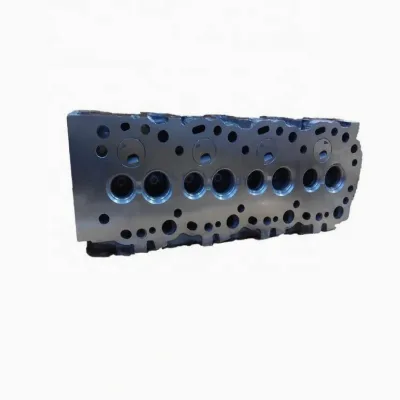
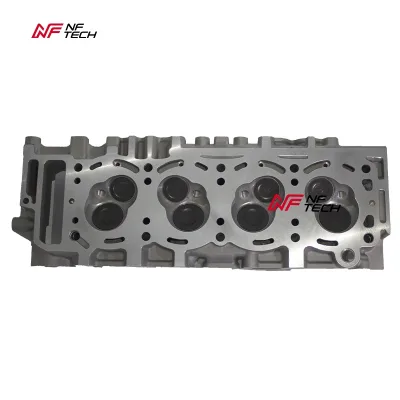
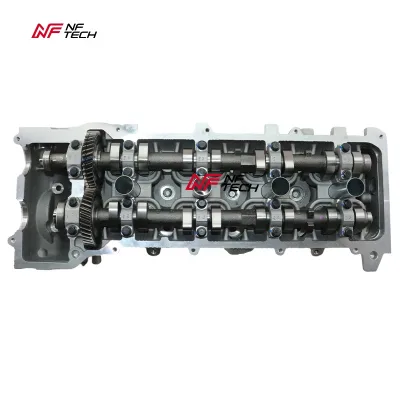
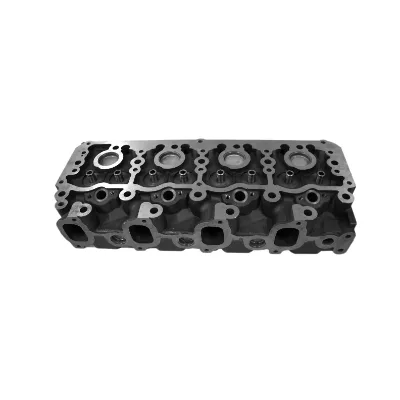
Comprehensive Sourcing Guide
For Toyota Engine Cylinder Head Supplier Concentration and Factory Types
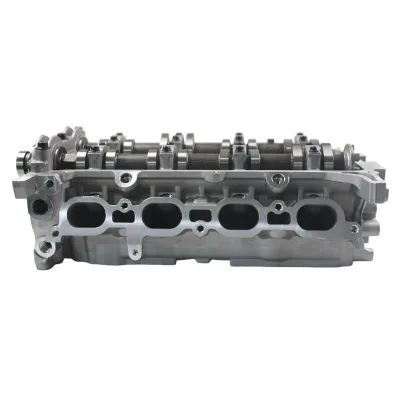
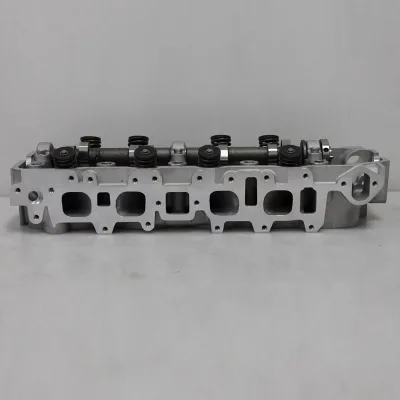
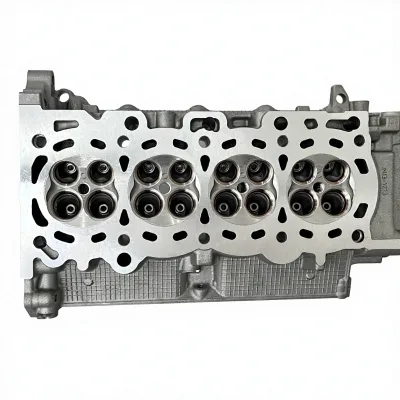
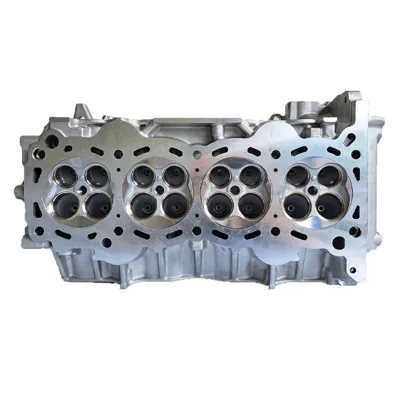
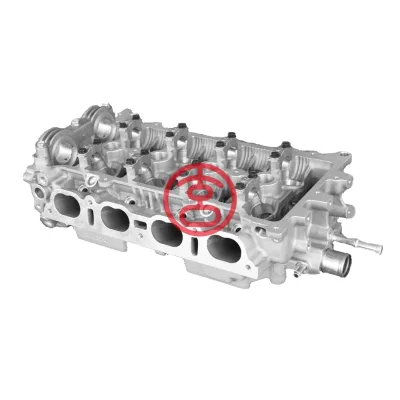
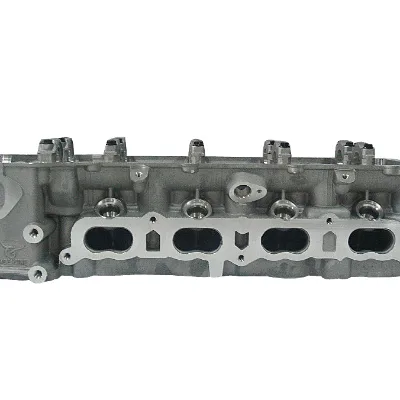
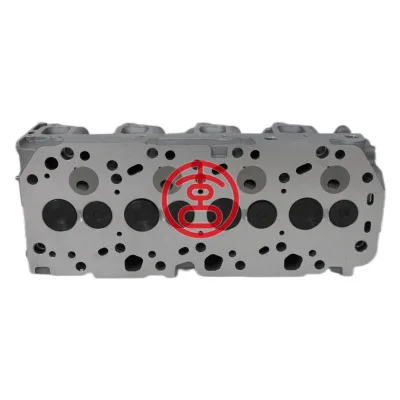
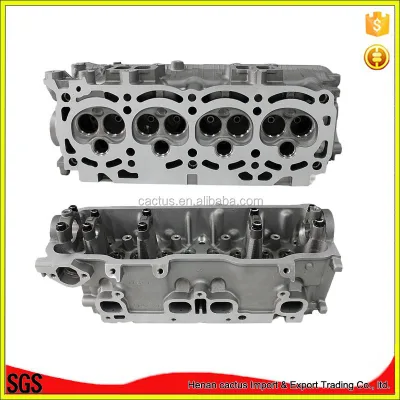
The current supplier landscape for Toyota engine cylinder heads reveals a distinct geographic and structural distribution that buyers must navigate carefully. Evidence indicates the presence of suppliers located in China Guizhou and China Zhejiang, with additional product origins noted in Shandong, China. These locations suggest that manufacturing clusters for these specific automotive components are concentrated within these provincial regions rather than being uniformly distributed across the entire country. Buyers should recognize that suppliers in Guizhou may operate with different logistical advantages compared to those in Zhejiang or Shandong, potentially affecting shipping costs and transit times. The concentration in these areas implies that sourcing from these specific hubs might offer better access to established supply chains for raw materials like aluminum alloy and cast iron, which are critical for cylinder head construction. Understanding this geographic spread allows buyers to prioritize suppliers based on proximity to major ports or industrial zones, thereby optimizing their overall procurement strategy.
In terms of company structure, the available data highlights a mix of trading companies and direct manufacturers, each offering distinct value propositions. Some suppliers are identified as trading companies, which can simplify communication and offer a broader range of compatible parts, such as connecting rods, pistons, and crankshafts, alongside cylinder heads. This consolidation can be beneficial for buyers seeking to bundle orders for complete engine assemblies or long blocks. Conversely, other suppliers appear to be specialized manufacturers focusing on specific engine codes like 22R, 3Y, and 4Y, often providing more technical depth and customization options. The presence of trading companies does not necessarily indicate a lack of quality, but it does require buyers to verify the actual manufacturing source. Buyers should assess whether they prefer the flexibility and breadth of a trading company or the specialized expertise and potential cost efficiencies of a direct factory. This distinction is crucial for determining the level of control and transparency required for the specific order volume and technical specifications needed.
How to Verify For Toyota Engine Cylinder Head Suppliers
Verification is a critical step in ensuring the reliability and quality of suppliers offering Toyota engine cylinder heads. The data shows that some suppliers hold SGS verification, while others are verified by TüVRheinland. These third-party certifications provide a baseline level of trust regarding the supplier’s business legitimacy and operational standards. Buyers should prioritize suppliers with these verifications, as they indicate that an independent agency has reviewed the company’s credentials. However, verification alone is not sufficient; buyers must also look for specific product certifications such as CE, which may be relevant depending on the application and regional regulations. It is essential to confirm that the certification is current and directly applies to the cylinder head products being purchased, rather than just the general company profile. Buyers should request copies of these certificates and verify their validity through the issuing body’s online portal to ensure authenticity. This due diligence helps mitigate the risk of dealing with fraudulent or non-compliant suppliers.
Beyond certifications, buyers should evaluate the supplier’s response time and communication efficiency as indicators of their operational maturity. The observed response times vary, with some suppliers responding within hours, while others may take longer. A rapid response time, such as under four hours, often correlates with a more responsive and organized sales team, which is crucial for resolving technical queries or negotiating terms quickly. Buyers should also assess the supplier’s ability to provide detailed product attributes, such as material composition, warranty terms, and testing procedures. For instance, some suppliers explicitly state that their products undergo 100% professional testing, which is a strong indicator of quality control. Buyers should ask for test reports or quality assurance documentation to verify these claims. Additionally, checking the supplier’s history and establishment year can provide insights into their stability and experience in the industry. A longer track record often suggests a more reliable partner capable of handling long-term supply needs.
What to Compare Across For Toyota Engine Cylinder Head Suppliers
When comparing suppliers, buyers should focus on key operational metrics such as lead time, minimum order quantity (MOQ), and pricing structures. The data indicates that lead times can range from approximately 23 to 30 days, with some suppliers offering faster delivery options depending on stock availability. Buyers should clearly define their required delivery schedule and compare how each supplier’s lead time aligns with their production or sales timeline. Similarly, MOQs vary, with some suppliers requiring as few as five pieces, while others may have higher thresholds. For buyers testing the market or requiring small batches, suppliers with lower MOQs are more suitable. However, for larger orders, buyers might negotiate better pricing with suppliers who have higher MOQs. It is important to calculate the total cost of ownership, including shipping and handling, rather than just the unit price, to make an accurate comparison.
Another critical factor is the range of main products and customization capabilities offered by each supplier. Some suppliers specialize exclusively in cylinder heads, while others offer a broader range of engine parts, including blocks, transmissions, and ignition coils. A supplier with a wide product range may offer better convenience for buyers sourcing multiple components. Additionally, buyers should inquire about customization options, such as specific model adaptations or packaging requirements. The data shows that customization is available from some suppliers, which can be valuable for unique applications or branding needs. Buyers should also compare warranty terms, with some suppliers offering six months to one year of coverage. A longer warranty period often reflects the supplier’s confidence in their product quality. By systematically comparing these attributes, buyers can identify the supplier that best matches their specific operational and financial requirements.
Common For Toyota Engine Cylinder Head Sourcing Risks
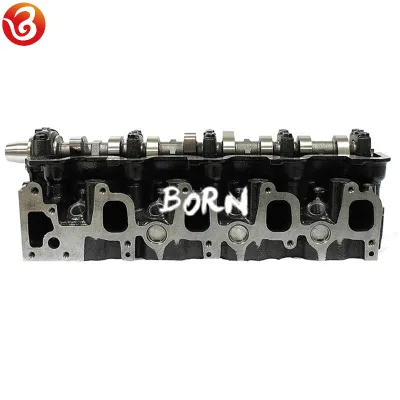
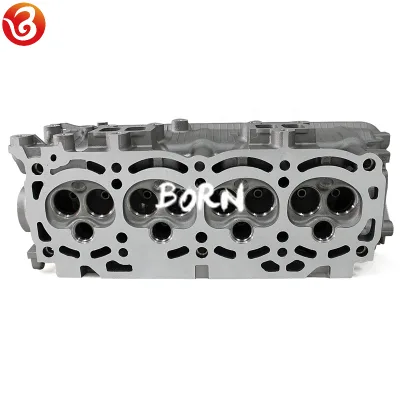
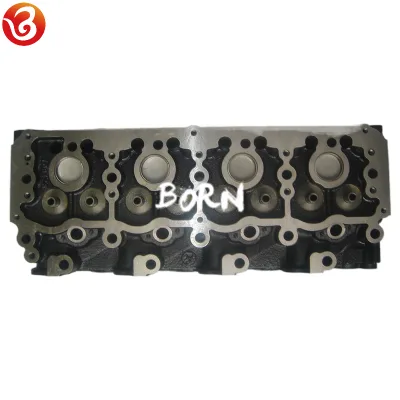
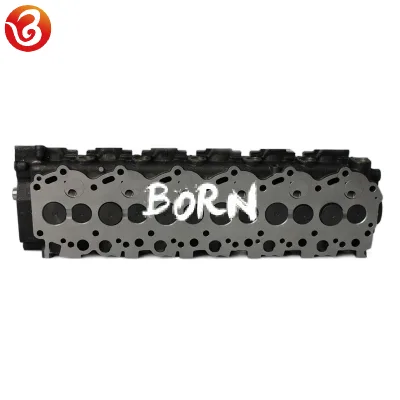
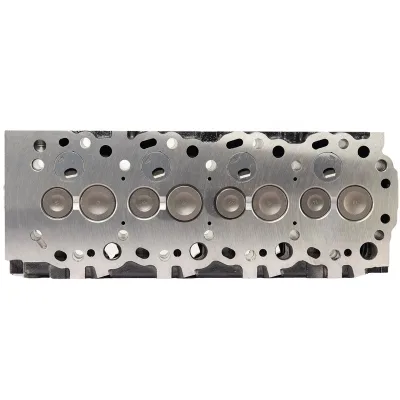
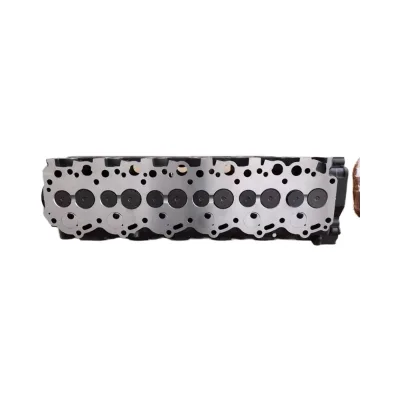
One of the primary risks in sourcing Toyota engine cylinder heads is the potential for mismatched specifications or compatibility issues. The market offers cylinder heads for various engine codes, including 2J, 3Y, 4Y, 22R, and 1HD, among others. Buyers must ensure that the specific engine code and model number match their vehicle or application precisely. Even minor discrepancies in dimensions or bolt patterns can lead to installation failures and significant financial losses. To mitigate this risk, buyers should provide detailed vehicle information and request confirmation of compatibility from the supplier before placing an order. Additionally, buyers should verify the material composition, as some cylinder heads are made of aluminum alloy, while others may use cast iron or a combination. Using the wrong material can affect engine performance and durability. Buyers should also be cautious of suppliers who do not provide clear technical specifications or who are vague about their product origins.
Another significant risk is the variability in product quality and after-sales support. While some suppliers claim their products are 100% professionally tested, the actual quality can vary between batches. Buyers should request samples or conduct thorough inspections upon receipt to verify quality standards. Furthermore, the reliability of after-sales support, including warranty claims and technical assistance, is crucial. Some suppliers offer 24-hour online service, which can be beneficial for resolving issues quickly. However, buyers should verify the effectiveness of this support by checking reviews or seeking references from other customers. There is also a risk of delayed shipments or poor communication, which can disrupt supply chains. Buyers should establish clear communication channels and set expectations for updates and issue resolution. By proactively identifying and addressing these risks, buyers can protect their interests and ensure a smoother sourcing experience.
For Toyota Engine Cylinder Head Regional Sourcing and Logistics
Sourcing from specific regions in China, such as Guizhou, Zhejiang, and Shandong, offers distinct logistical advantages and challenges. Suppliers in Zhejiang are often located near major ports, which can facilitate faster and more cost-effective shipping to international destinations. This proximity to logistics hubs can reduce transit times and simplify export documentation processes. Buyers should consider the shipping route and associated costs when evaluating suppliers from different regions. For instance, shipping from Shandong may involve different freight options compared to Zhejiang, depending on the destination country. Buyers should also be aware of regional trade policies and tariffs that may impact the final cost of goods. Understanding these logistical nuances allows buyers to optimize their supply chain and minimize delays. Additionally, buyers should inquire about the supplier’s packaging methods, as proper packaging is essential to prevent damage during transit. Some suppliers use wooden cases or neutral packaging, which can affect handling and storage requirements.
Logistics also involve managing inventory and lead times effectively. Buyers should coordinate with suppliers to align production schedules with their inventory needs, especially for high-demand models. For suppliers with shorter lead times, buyers may be able to maintain lower inventory levels, reducing holding costs. However, for suppliers with longer lead times, buyers may need to plan further in advance or maintain safety stock. Buyers should also consider the impact of seasonal fluctuations on shipping availability and costs. During peak seasons, freight rates may increase, and container space may be limited. By understanding these logistical factors, buyers can develop a robust sourcing strategy that balances cost, speed, and reliability. It is also advisable to work with suppliers who have experience in international shipping and can provide necessary documentation, such as commercial invoices and packing lists, to ensure smooth customs clearance.
For Toyota Engine Cylinder Head Commercial Terms and Order Planning
Commercial terms, including payment methods and pricing structures, play a vital role in the sourcing process. The data indicates that suppliers accept various payment methods, such as T/T, PayPal, Western Union, and Trade Assurance. Buyers should choose payment methods that offer security and flexibility, with Trade Assurance providing an additional layer of protection for transactions. It is important to negotiate clear payment terms, such as deposit percentages and balance due dates, to manage cash flow effectively. Buyers should also compare pricing across suppliers, keeping in mind that lower prices may sometimes correlate with lower quality or hidden costs. It is advisable to request detailed quotations that include all costs, such as shipping, taxes, and handling fees, to avoid surprises. By understanding the commercial terms, buyers can make informed decisions that align with their financial strategies.
Order planning involves determining the optimal order quantity and frequency based on demand forecasts and supplier capabilities. Buyers should consider the MOQs and lead times when planning their orders. For suppliers with low MOQs, buyers may place smaller, more frequent orders to reduce inventory risk. For suppliers with higher MOQs, buyers may benefit from economies of scale by placing larger orders less frequently. Buyers should also establish a clear communication protocol for order updates and changes. Regular communication with suppliers can help prevent misunderstandings and ensure timely delivery. Additionally, buyers should plan for potential disruptions, such as raw material shortages or production delays, by maintaining a diversified supplier base. By carefully planning their orders and commercial terms, buyers can optimize their procurement process and achieve better overall value.
FAQs
What is the price range for Toyota cylinder heads?
Prices typically range from $80 to $1,000 depending on the specific model and material. Aluminum alloy heads are common for standard applications, while specialized diesel engine parts may cost more. Buyers should verify exact pricing for their required engine code, as costs vary significantly between light truck and passenger car components.
What is the minimum order quantity for these parts?
Most suppliers require a minimum order of 5 to 10 pieces. Some listings specify an MOQ of 5 PCS for specific models like the 22R or 1HD, while others set the threshold at 10 units. This low entry point allows buyers to test quality before committing to larger bulk orders for their inventory needs.
How long does delivery usually take?
Lead times generally range from 23 to 30 days for standard production. Some suppliers indicate delivery within 7 to 25 working days depending on stock availability. Buyers should confirm specific timelines with the seller, as rush orders or custom specifications may extend the manufacturing and shipping period beyond standard estimates.
What warranty is provided for cylinder heads?
Standard warranties typically cover 6 months to 1 year for new cylinder heads. This coverage applies to manufacturing defects and ensures the part meets specified performance standards. Buyers should verify the exact warranty terms with the supplier, as conditions may vary based on the specific engine model and the material composition of the head.
Are these parts suitable for diesel engines?
Yes, suppliers offer cylinder heads specifically designed for Toyota diesel truck engines, including models like 1HD, 2L, 3L, and 5L. These parts are constructed to withstand high compression and thermal stress. Buyers should ensure the engine code matches their vehicle requirements to guarantee proper fitment and optimal performance in diesel applications.
What certifications do the suppliers hold?
Verified suppliers often hold SGS or TÜV Rheinland certifications, ensuring quality management systems are in place. Some products also carry CE certification for specific machinery applications. Buyers should request current certification documents to verify compliance with international standards before placing large orders for critical engine components.