Renault Clio Megane VVT Solenoid Suppliers and Manufacturers
Source 21 verified suppliers for Renault Clio Megane VVT Solenoid components. Compare grounded dimensions including CE and ISO9001 certifications, Guangdong origin, and lead times of 3-5 days. Review specific MOQs and pricing to identify suitable partners for your procurement needs.
Updated
Suppliers List
Guangzhou Kaimin Trading Co., Ltd.
- Verified by TüVRheinland
- Trading Company
- Lead time5 days
- Avg. response≤ 2h
Main productsCar Sensors, Ignition Coil, Fuel Injector, Car Door Lock, Control Valve
Main marketsNorth America(28%), South America(28%), Eastern Europe(8%)
Guangzhou Jinshengxi Auto Parts Co., Ltd.
- Verified by SGS Group
- Trading Company
- Lead time3 days
- Avg. response≤ 2h
Main productsIgnition Coils, Car Sensors, Window Switches, Fuel Pumps, Fuel Injectors
Main marketsSouth America(50%), Southeast Asia(20%), Africa(20%)
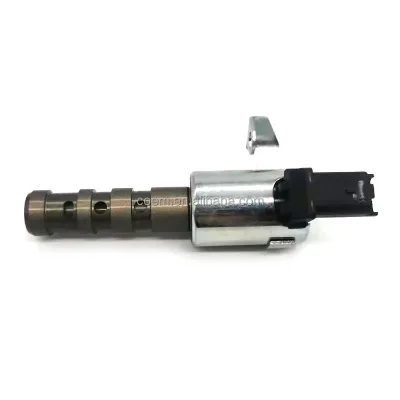
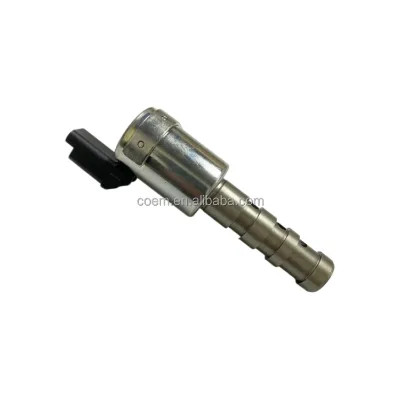
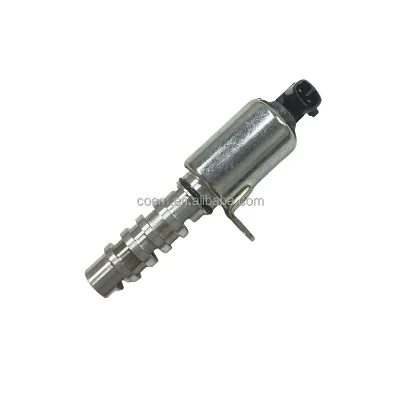
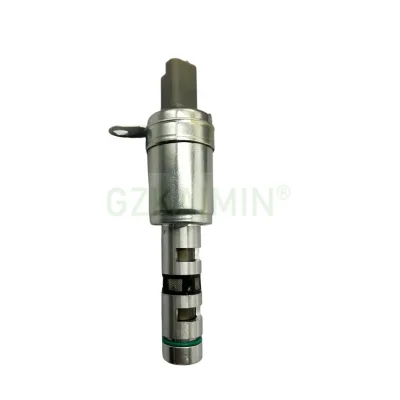
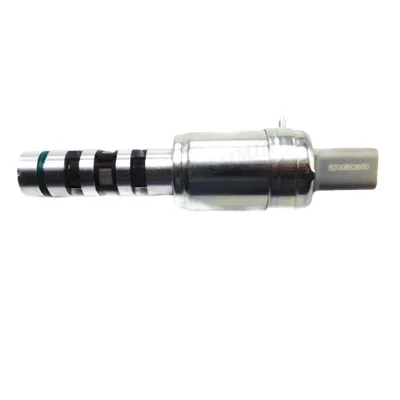
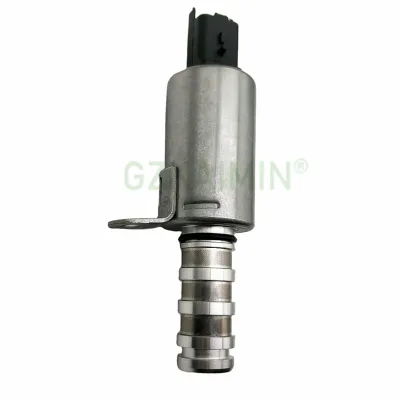
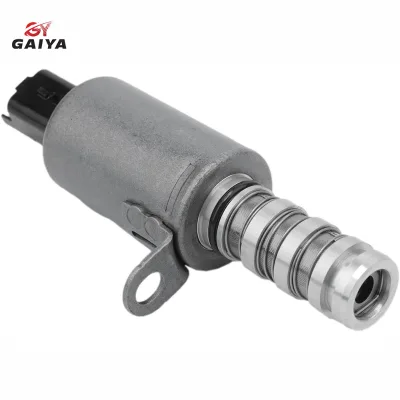
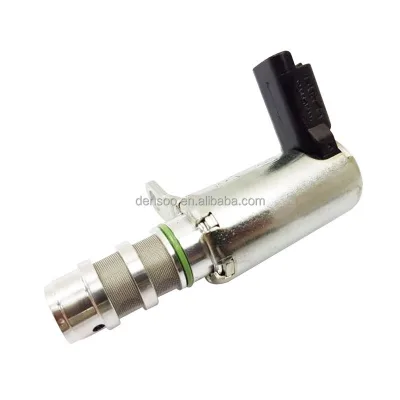
VVT Oil Control Valve Timing Control Solenoid 8200831629 for Renault Clio Espace Megane Laguna
$6.2107 - $8.221
MOQ: 4 pieces
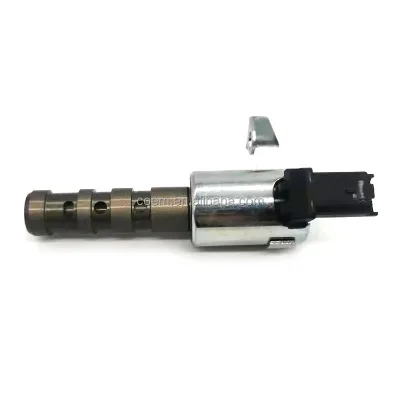
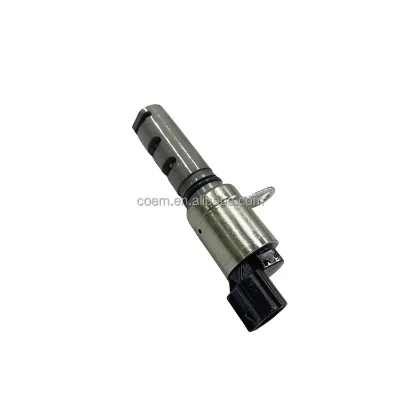
$5.8841 - $7.4241
MOQ: 5 pieces
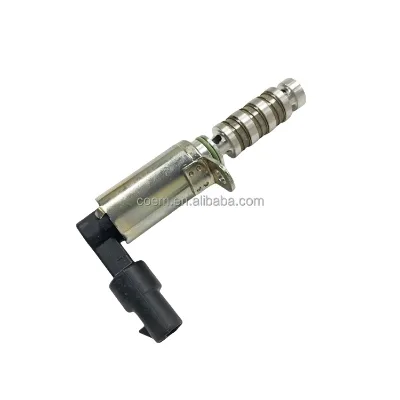
$6.2107 - $8.221
MOQ: 5 pieces
$5.7239 - $8.2016
MOQ: 5 pieces
Foshan Gaia Auto Parts Co., Ltd.
- Manufacturer, Trading Company, Buying Office
- Guangdong, China
- Lead time0 days
- Avg. response≤ 4h
Main productsTire pressure sensor,Parking Sensor,Oxygen sensor,Spark plugs,Power Window switch
Main marketsSoutheast Asia(20.00%), Africa(13.00%), Eastern Europe(13.00%), North America(11.00%), Oceania(11.00%), Domestic Market(10.00%), South America(9.00%), Eastern Asia(8.00%), Mid East(5.00%)

Guangzhou Lianyou Auto Parts Co., Ltd.
- Trading Company
- Guangdong, China
- Lead time0 days
- Avg. response≤ 3h
Main productsAuto sensor,Iginition System,Fuel System,Engines Parts,Cooling System
Main marketsSouthern Europe(30.00%), Central America(20.00%), Eastern Asia(20.00%), North America(10.00%), Eastern Europe(10.00%), South America(10.00%)
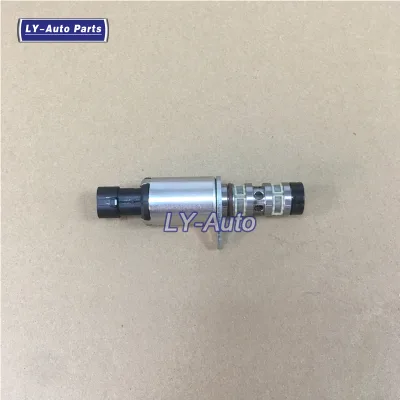
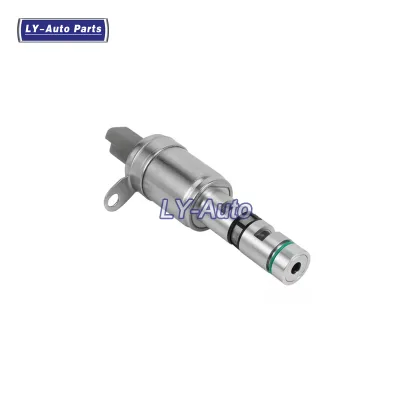
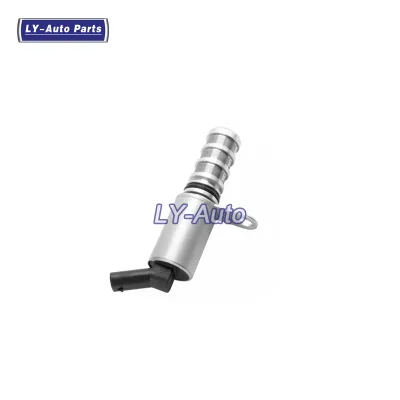
12636524 Variable Valve Timing VVT Solenoid for Chevrolet for Equinox 1.5L 2018-20
$5.1232
MOQ: 10 Minimum

Wenzhou Credit Parts Co., Ltd.
- Verified by TUVRHEINLAND
- Combined
- China Zhejiang
- Lead time15 days
- Avg. response≤ 11h
Main productsFuel Injector, Fuel Pump, Vvt Variable Valve, Sensor, Fuel Injector Repair Kits, Fuel Pressure Regulator, Idle Air Control Valve, Diesel Injector
Main marketsNorth America

23796-Et00A Variable Valve Timing Vvt Actuator Solenoid for Nissan Cube Sentra Versa
$4.00 - $9.00
MOQ: 10 Pieces


Engine Variable Valve Timing Vvt Solenoid Valve for Mitsubishi Lancer 1028A046
$6.00 - $8.00
MOQ: 50 Pieces

Oil Control Ocv Engine Intake Variable Valve Timing Vvt Solenoid for Hyundai 24355-23770
$6.00 - $9.00
MOQ: 20 Pieces

24355-2b700 Vvt Variable Valve Timing Solenoid for Hyundai Accent Veloster KIA
$7.00 - $10.00
MOQ: 50 Pieces

New Vvt Valve Oil Control Variable Timing Solenoid for Hyundai KIA 3.8L 24355-3c100 Left
$3.00 - $10.00
MOQ: 30 Pieces

Flying Bull (Ningbo) Electronic Technology Co., Ltd.
- Verified by SGS
- Combined
- China Zhejiang
- Lead time23 days
- Avg. response≤ 10h
Main productsSolenoid Valve
Main marketsEurope
Wenzhou Zhongking Parts Co., Ltd.
- Manufacturer, Trading Company
- Zhejiang, China
- Lead time7 days
- Avg. response≤ 6h
Main productsVVT solenoid,Oil Control Valve,Camshaft Phaser,Variable Valve Timing,Timing gear
Main marketsWestern Europe(48.00%), South America(15.00%), Eastern Europe(12.00%), North America(10.00%), Southern Europe(5.00%), Northern Europe(5.00%), Southeast Asia(5.00%)
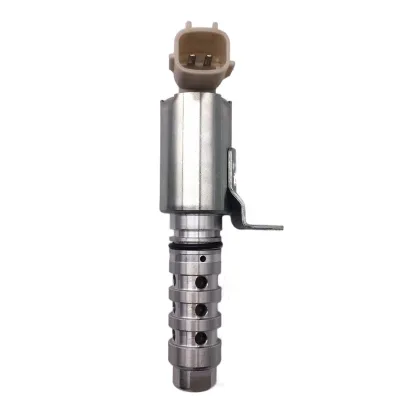
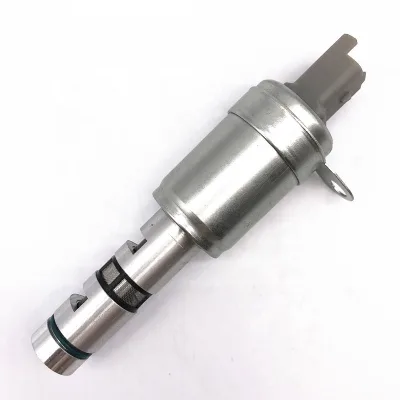
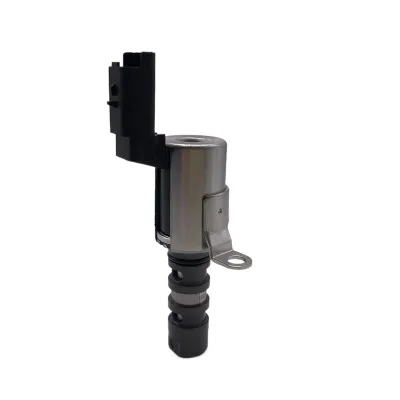
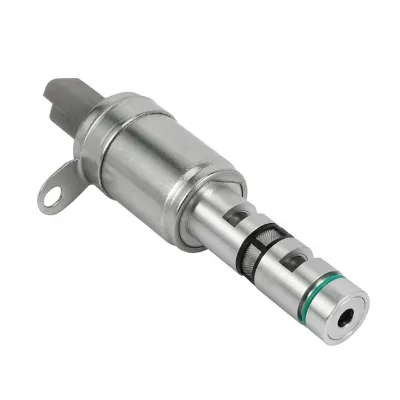
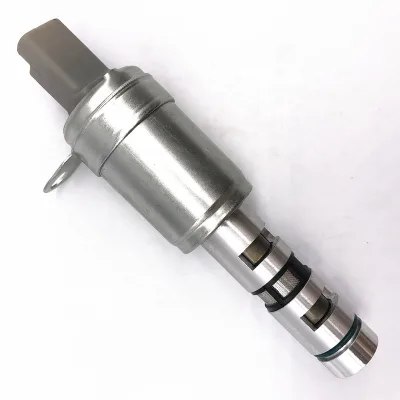
9652536480 1920LQ Engine Parts VVT Variable Timing Solenoid for Peugeot Citroen C4
$6.50 - $7.40
MOQ: 5 pieces
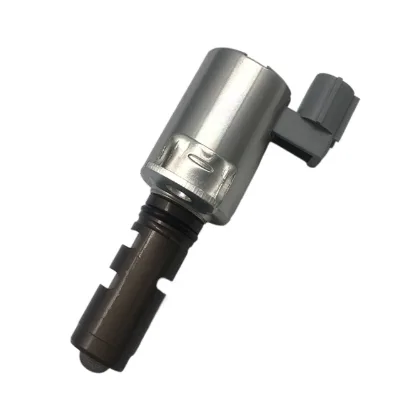
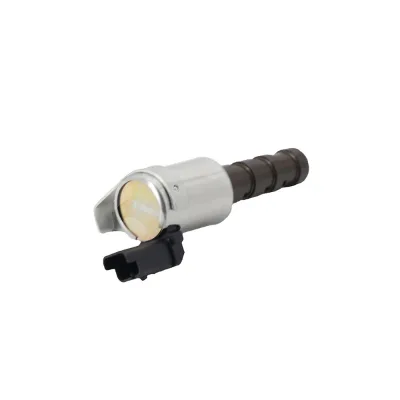
Variable Valve Timing Solenoid OEM 8200823650 8200240058 Oil Control Valve for Renault Megane
$6.50 - $7.40
MOQ: 5 pieces

Fuzhou Guangling Electrical Machinery Equipment Co., Ltd.
- Verified by CTI
- Manufacturer/Factory
- China Fujian
- Lead time15 days
- Avg. response≤ 13h
Main productsDiesel Generator, Alternator, Diesel Generator Parts, Marine Generator, Gasoline Generator, RV Generator, Light Tower Generator
Main marketsSouth America,Eastern Europe,Mid East,North America,Southeast Asia,Eastern Asia,Oceania,Western Europe,Africa


24355-2e000 243552e000 for Car Vvt Pressure Valve Engine Variable Timing Solenoid
$12.00 - $25.00
MOQ: 1 Pieces

Vvt Variable Timing Solenoid 9652536480 for 307 408 508 2.0 Citroen C4 C5 2006-2013
$12.00 - $25.00
MOQ: 1 Pieces
Guangdong Chundao Electric Control Technology Co., Ltd.
- Verified by Intertek
- Manufacturer, Trading Company
- Lead time20 days
- Avg. response≤ 8h
Main productsCam Phaser, Automatic Transmission Solenoid Valve, Transmission Solenoid Block Pack, Oil Pressure Control Valve, Diesel Injector Harness Wiring
Main marketsNorth America(40%), Northern Europe(15%), South Asia(15%)
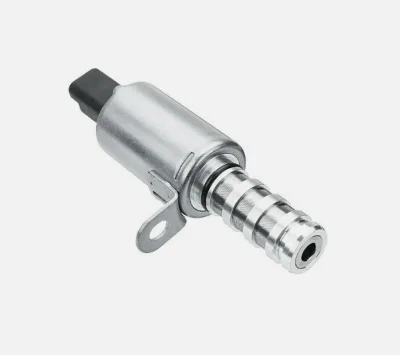
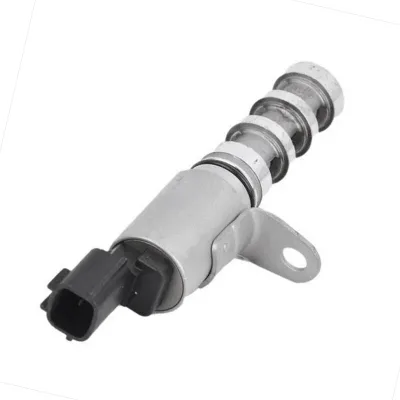
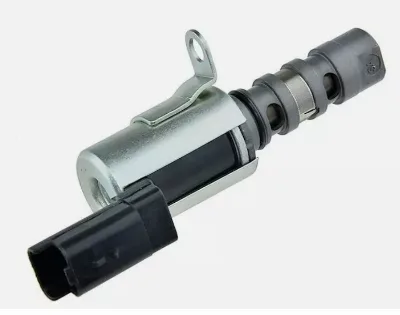
1920LQ 9652536480 Variable Timing Solenoid VVT For Peugeot Citroen 2.0L-200-2009y
$15.00 - $20.00
MOQ: 20
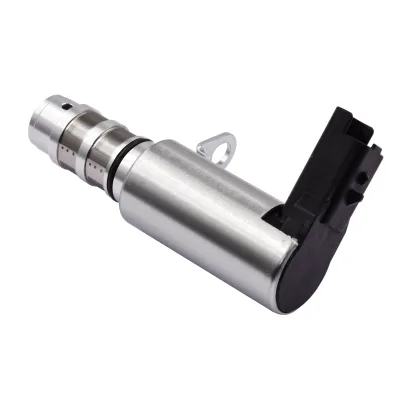
OE# 9678181380 Variable Valve Timing Solenoid VVT Engine for Ford Peugeot Citroen
$16.00 - $22.00
MOQ: 20
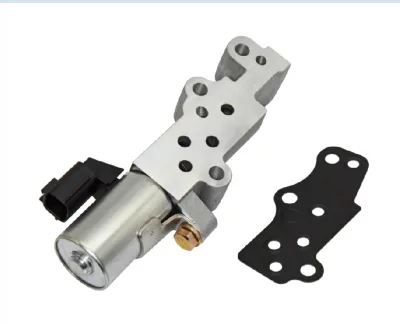
$16.451 - $22.6198
MOQ: 20 pieces

ZHEJIANG MASTER INJECTION SYSTEM CO., LTD.
- Verified by BV
- Combined
- China Zhejiang
- Lead time30 days
- Avg. response≤ 20h
Main productsFuel Pump, Fuel Pump Module, Motorcycle Fuel Pump, Motorcycle Fuel Pump System, Vvt Variable Valve Timing, Ocv Oil Control Valve, Vvt Solenoid, Electric Fuel Pump, Gasoline Fuel Pump, Fuel Pump Factory
Main marketsSouth America,Africa,Southeast Asia/ Mideast,Europe,North America


$8.00 - $9.50
MOQ: 10 Pieces

R01-Vvt-006 Vvt Oil Control Valve Variable Valve Timing Solenoid 917-219 12586722 12588943
$9.00 - $15.00
MOQ: 10 Pieces

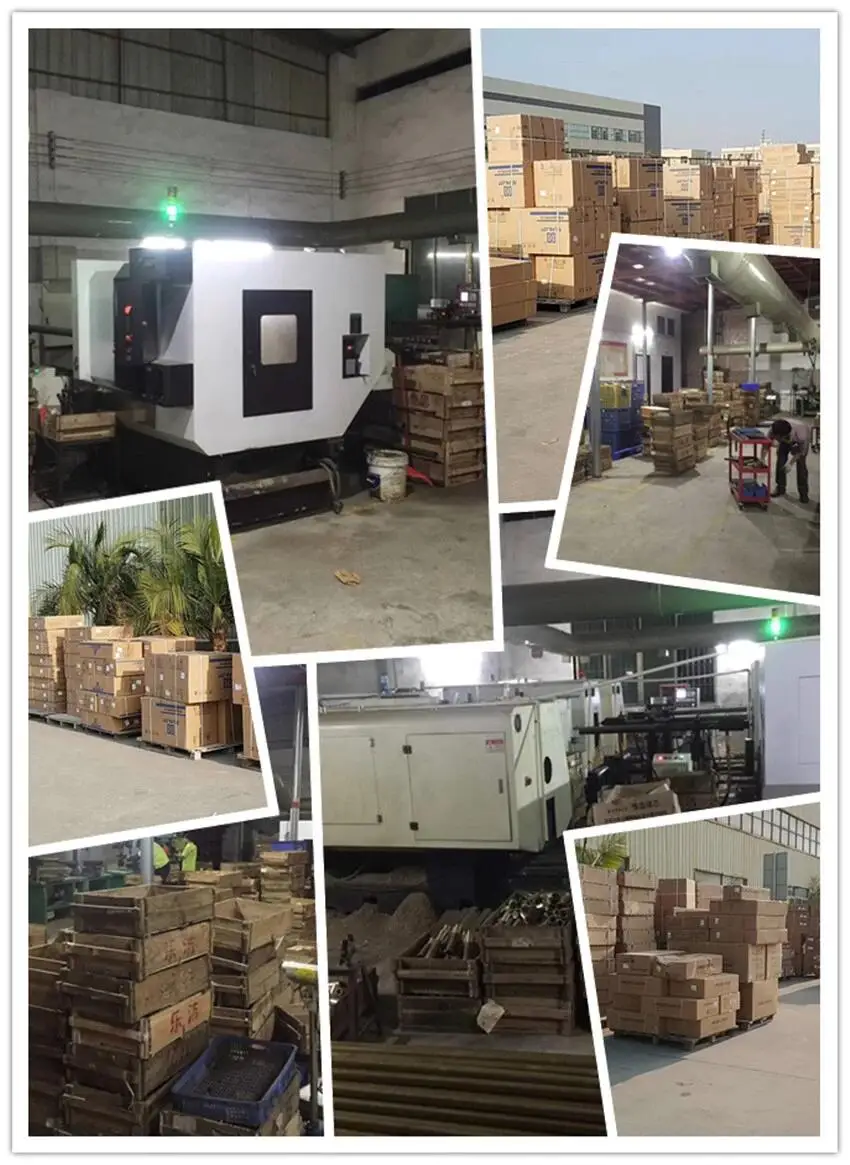
Wenzhou Bosen Auto Parts Co., Ltd.
- Trading Company
- Zhejiang, China
- Lead time10 days
- Avg. response≤ 7h
Main productsAuto Sensor,Auto Switch,Solenoid Switch,Oil cooler,Fuel pump
Main marketsSouth America(20.00%), Western Europe(20.00%), Northern Europe(10.00%), North America(10.00%), Mid East(10.00%), Africa(10.00%), Domestic Market(10.00%), Southeast Asia(5.00%), Southern Europe(5.00%)
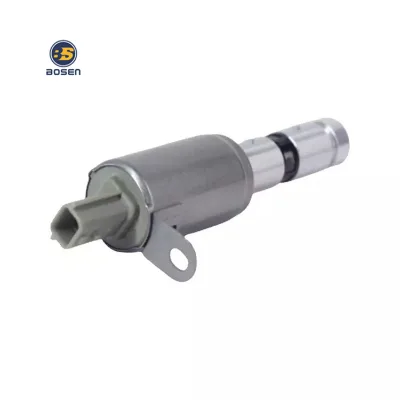
$7.50 - $8.50
MOQ: 10 pieces
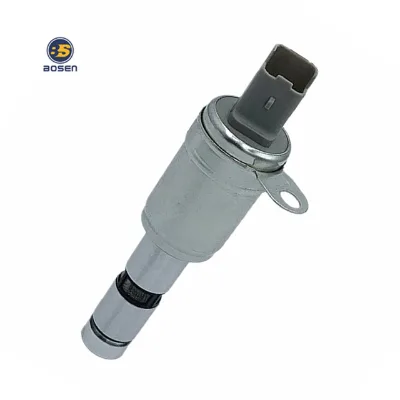
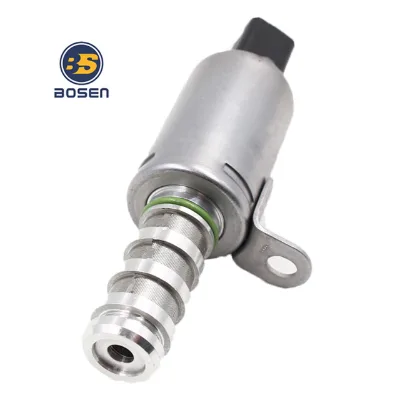
Guangdong Leoni Automotive Electronics Co., Ltd.
- Manufacturer
- Guangdong, China
- Lead time15 days
- Avg. response≤ 2h
Main productsvvt solenoid,cam phaser,automatic transmission solenoid valve,timing chain kits,suspension air compression
Main marketsNorth America(30.00%), Eastern Asia(20.00%), Eastern Europe(15.00%), Northern Europe(10.00%), Western Europe(10.00%), Mid East(5.00%), Southeast Asia(5.00%), South America(5.00%)
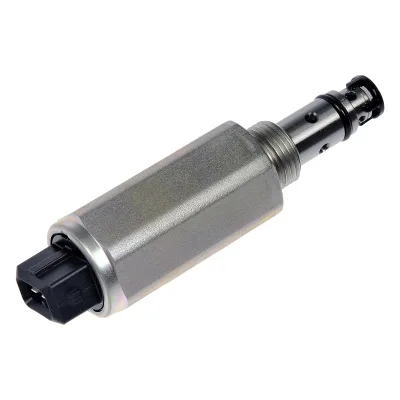
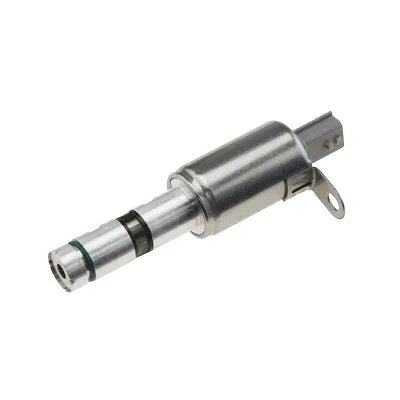
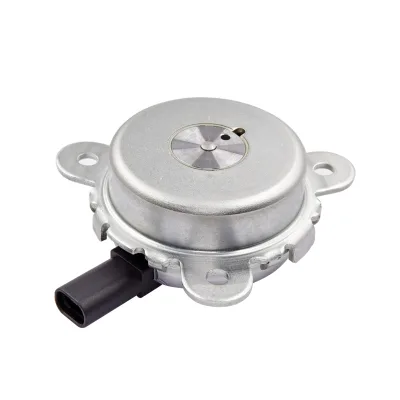
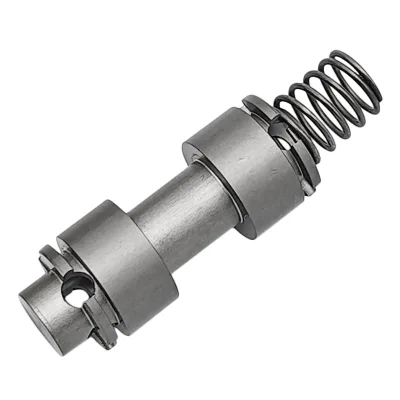
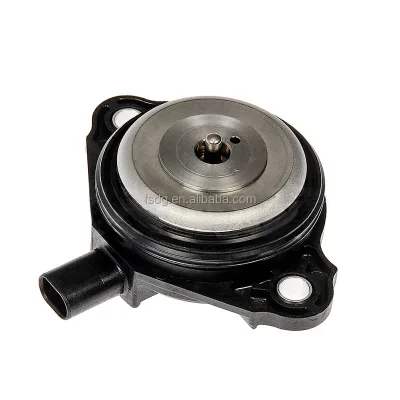
Camshaft Adjuster Valve for RENAULT CLIO Mk3 2.0 06 to 14 VVT Solenoid 706117150 8200642783 New
$10.2613 - $12.3136
MOQ: 20 pieces
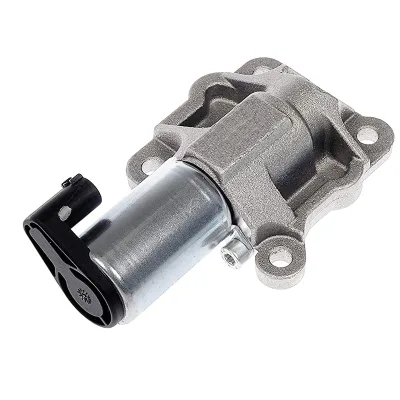
$17.4427 - $20.5211
MOQ: 20 pieces
Guangzhou Longlife Auto Parts Co., Ltd.
- Manufacturer, Trading Company, Distributor/Wholesaler
- Guangdong, China
- Lead time6 days
- Avg. response≤ 3h
Main productsAuto Sensor,Auto switch,Fuel Injector,Window Switch,Auto filter
Main marketsSouthern Europe(10.00%), Africa(10.00%), Western Europe(10.00%), Eastern Europe(10.00%), South America(10.00%), Eastern Asia(10.00%), Domestic Market(5.00%), South Asia(5.00%), Oceania(5.00%), Northern Europe(5.00%), Central America(5.00%), Southeast Asia(5.00%), North America(5.00%), Mid East(5.00%)
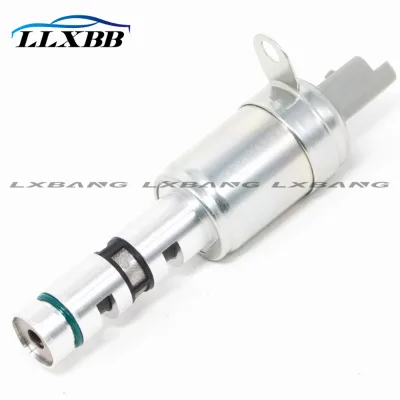
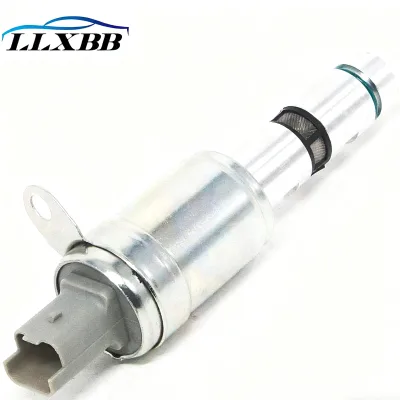
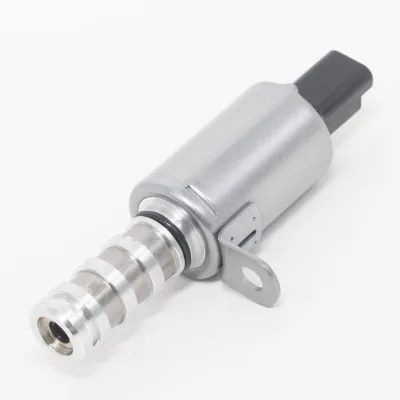
$7.2279 - $12.39
MOQ: 5 pieces

Guangzhou first Jun Technology Co., Ltd.
- Verified by SGS
- Trading Company
- China Guangdong
- Lead time30 days
- Avg. response≤ 7h
Main productsFuel Pump, Ignition Coil, Fuel Injector, Oxygen Sensor, Injector, Diesel Injector, Nozzle, Common Rail Parts, Head Rotor
Main marketsDomestic

Shanghai Spb Industry Co., Ltd.
- Verified by SGS
- Trading Company,Manufacturer/Factory,Group Corporation
- China Shanghai
- Lead time30 days
- Avg. response≤ 5h
Main productsCar Spare Part, Suspension Parts, Ball Joint, Shock Absorber, C. V Joint, Brake Pad, Radiator, Stabilizer Bar, Oil Filter, Steering Rack
Main marketsSouth America,Eastern Europe,Mid East,North America,Southeast Asia,Eastern Asia,Oceania,Western Europe,Africa

$9.00 - $12.00
MOQ: 100 Pieces

$4.90 - $9.90
MOQ: 200 Pieces

$9.00 - $12.00
MOQ: 100 Pieces

$9.00 - $12.00
MOQ: 100 Pieces

Variable Valve Timing Vvt Solenoid 2435523800 24355-23800 for 05-12 Hyundai Elantra KIA 2.0L
$9.00 - $12.00
MOQ: 100 Pieces

Oil Control Valve Vvt Solenoid for KIA Hyundai 24375-2g100 24375-2g600 24375-2g610 243752g200
$4.90 - $9.90
MOQ: 200 Pieces

Guangzhou Xin Sande Auto Parts Co., Ltd.
- Verified by TUVRHEINLAND
- Trading Company
- China Guangdong
- Lead time30 days
- Avg. response≤ 4h
Main productsCar Part
Main marketsSouth America,Southeast Asia/ Mideast,North America


Oil Control Valve Variable Valve Timing Solenoid Vvt 7030100250 24375-03010 for Hyundai KIA 1.0 1.2
$8.50 - $11.00
MOQ: 20 Pieces

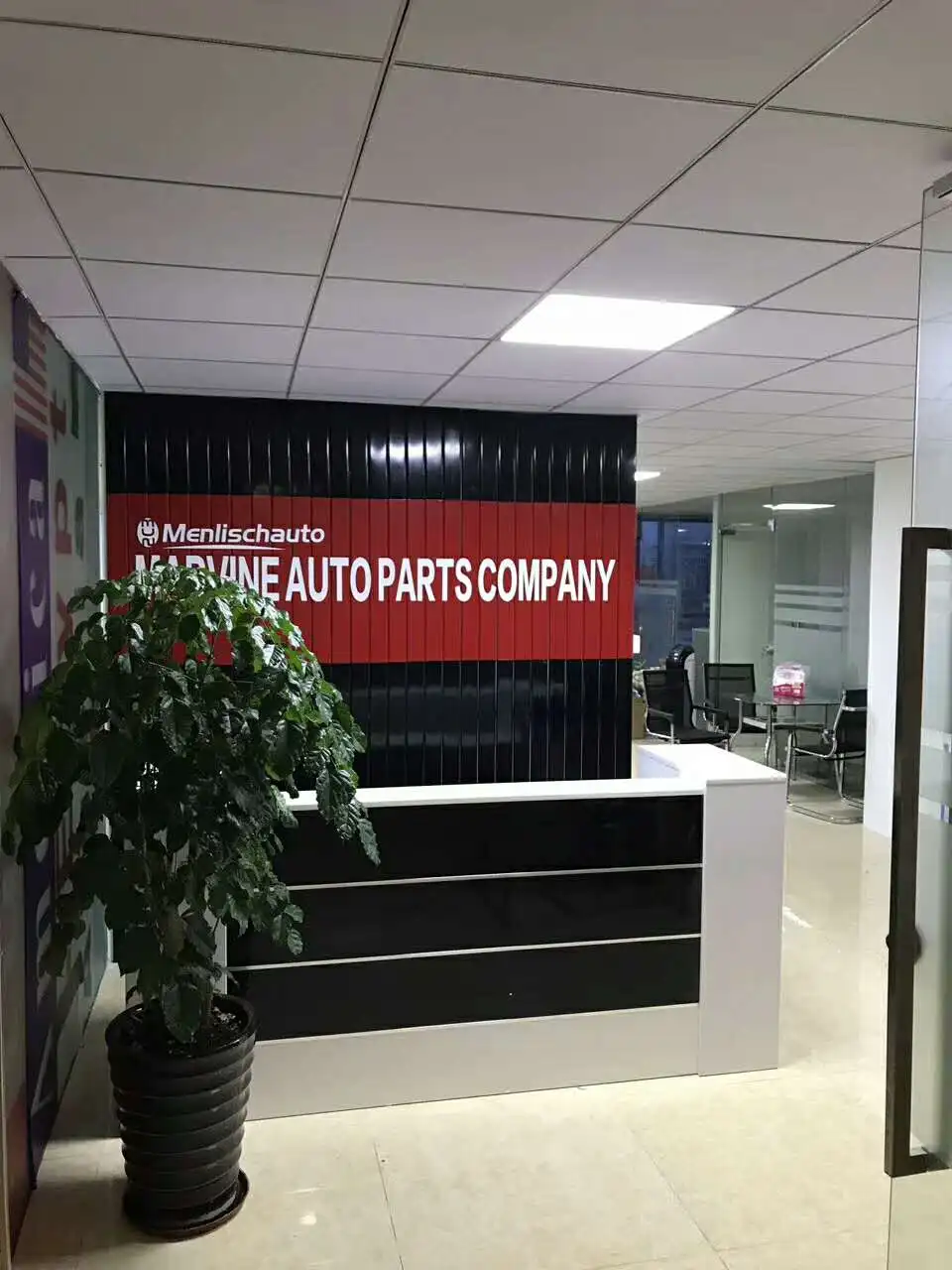
Guangzhou Marvine Auto Parts Co., Ltd.
- Trading Company
- Guangdong, China
- Lead time7 days
- Avg. response≤ 4h
Main productsFuel Injector,Clock Spring,Ignition Coil,IAC Valve,Oxygen Sensor
Main marketsMid East(25.00%), Domestic Market(20.00%), South America(15.00%), Africa(10.00%), Southeast Asia(7.00%), Southern Europe(5.00%), Eastern Europe(5.00%), Western Europe(5.00%), North America(5.00%), Central America(3.00%)
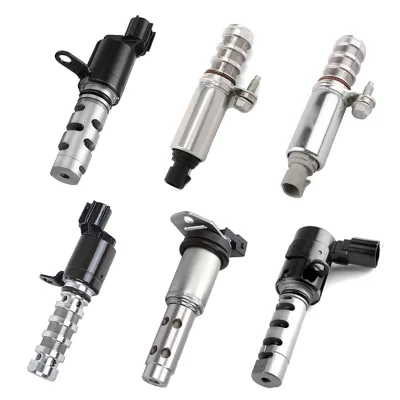
$10.3751 - $15.5612
MOQ: 4 Minimum
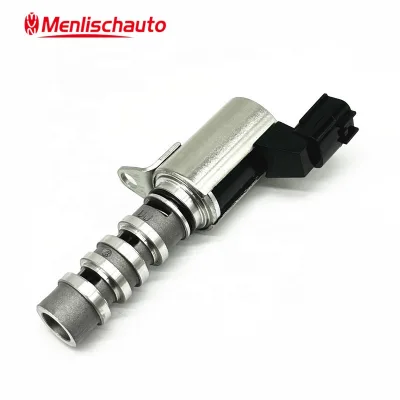
$8.00 - $15.00
MOQ: 10 pieces
Wenzhou Bumblebee Auto Parts Co., Ltd.
- Trading Company
- Zhejiang, China
- Lead time10 days
- Avg. response≤ 1h
Main productsFuel Injector and repair kits,Auto Sensor,Fuel Pump and repair kits,Connector plug,VVT Solenoid
Main marketsSouth America(38.00%), North America(36.00%), Western Europe(26.00%)
Foshan Rizhuang Automobile Parts Technology Co., Ltd.
- Manufacturer
- Guangdong, China
- Lead time30 days
- Avg. response≤ 3h
Main productscamshaft adjuster,cam phaser,automatic transmission solenoid valve,VVT solenoid,camshaft
Main marketsNorth America(30.00%), Southern Europe(10.00%), Northern Europe(10.00%), Western Europe(10.00%), Eastern Europe(10.00%), South America(10.00%)

Shandong Chenming International Trade Co., Ltd.
- Manufacturer, Trading Company
- Shandong, China
- Lead time15 days
- Avg. response≤ 6h
Main productsspark plug,Ignition coil,Sensor,Oil cooler,Grill
Main marketsSouth America(30.00%), South Asia(30.00%), North America(30.00%), Africa(10.00%)

Beijing Xinhan Fengda Trading Co., Ltd.
- Verified by SGS
- Trading Company
- China Beijing
- Lead time15 days
- Avg. response≤ 4h
Main marketsSouth America,Australia

$5.15 - $6.10
MOQ: 8 Pieces

$5.20 - $6.50
MOQ: 8 Pieces

$5.11 - $6.11
MOQ: 8 Pieces

$5.15 - $7.50
MOQ: 8 Pieces

$5.11 - $6.11
MOQ: 8 Pieces

$5.11 - $6.11
MOQ: 8 Pieces
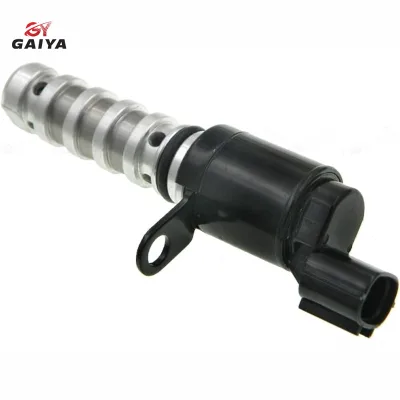


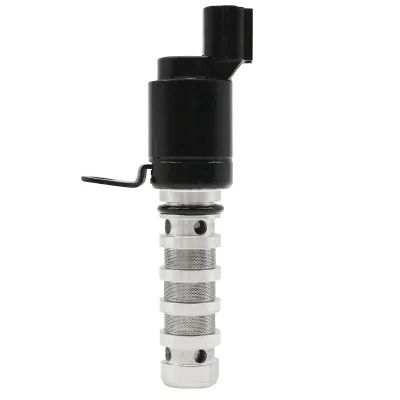
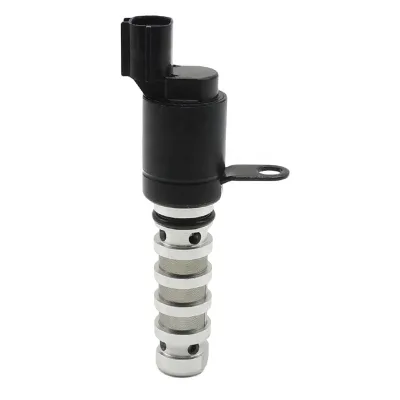
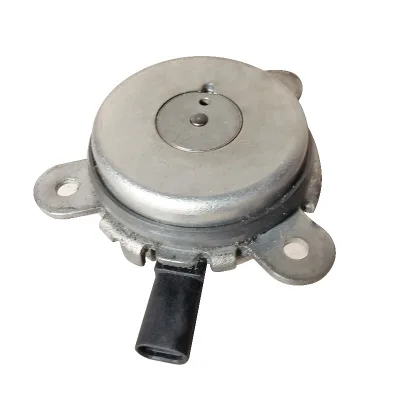
Comprehensive Sourcing Guide
Renault Clio Megane VVT Solenoid Supplier Concentration and Factory Types
When sourcing a Renault Clio Megane VVT Solenoid, the first structural fact to understand is the split between makers and intermediaries. In the observed results, every listed supplier identifies as a trading company, which means none presents itself as the factory producing the part. Trading companies remain common for this product type because VVT solenoids for European vehicles are typically small, high-mix items produced across multiple contract lines, and intermediaries consolidate them for export. As a buyer, you should treat that label as a starting question, not a disqualifier: ask each intermediary which workshop actually molds, machines, winds and assembles the units, and whether you can audit or at least video-inspect that source.
Geographically, the product listings in these results consistently state Guangdong, China as the place of origin, which signals a concentration of suppliers handling Renault engine electrical parts in that province. That clustering matters because it shortens sample exchange, allows mixed-container consolidation with related parts such as ignition coils, sensors and fuel injectors — items that several of these suppliers list among their main products — and makes it easier to compare multiple vendors in one region. If you evaluate suppliers outside any confirmed cluster, do not assume shared tooling or shared OE references; require each candidate to document its own OE-number coverage, since the same solenoid part numbers can be quoted from genuinely different production sources.
How to Verify Renault Clio Megane VVT Solenoid Suppliers
Verification should begin with the platform-issued credentials that the results actually display. Several suppliers carry third-party verification badges — TüV Rheinland in one case and SGS Group in another — and system certifications such as CE and EMC appear on supplier profiles, while individual product listings may show separate certifications like ISO9001. Note carefully which level each credential sits at: a CE or EMC mark on a company profile is not the same as an ISO9001 claim attached to a specific solenoid listing, and none of these documents proves the part meets Renault's internal engineering release. Ask for the actual certificate numbers and scope pages, then check expiry dates yourself.
Beyond paperwork, use the product data as a verification test. The listings here state attributes such as "100% tested" quality and a one-year warranty, but a claim in an attribute field is only a claim until you test it. Order samples against the printed OE numbers — 8200823650 and 8200240058 for the Clio/Megane references shown, plus related Renault oil control valve numbers listed by other suppliers — and compare fit, connector pin-out and electrical response against a known-good unit. Functional verification is the decisive step for a solenoid, because dimensional correctness alone will not reveal a weak valve response. Also verify responsiveness under load: the results show stated response times as fast as around two hours for one supplier, so test whether quoted service levels hold when you send a technical question, not just a price request.
What to Compare Across Renault Clio Megane VVT Solenoid Suppliers
Build a comparison sheet with dimensions that are actually displayed in supplier results, and mark every missing field as "verify" rather than assuming a default. Useful columns include supplier type (trading company versus factory), verification body, system certifications, stated lead time, MOQ, response speed, location and main-product range. In the current results, lead times of around five days and three days appear on different supplier profiles, which is a meaningful spread for repeat ordering. Response times also vary, with one listing citing roughly two hours — worth confirming through your own inquiry test. Main-product lines differ too: some vendors center on car sensors and ignition coils, others add window switches, fuel pumps and fuel injectors, which hints at how much VVT-specific experience sits behind the quote.
At product level, compare MOQ, price, packaging, warranty and shipping terms side by side. The listings show MOQs of a single piece for some Clio/Megane VVT solenoid references, a ten-piece minimum for another Renault oil control valve reference, and a four-piece minimum on a further timing solenoid — so MOQ flexibility differs even within one product family. Stated prices in the observed data run from roughly the mid-six-dollar range to under nine dollars per unit depending on reference and supplier, but treat listed prices as negotiation anchors only. Compare single-package dimensions and gross weights as well, because freight cost per piece can overturn a small unit-price gap on a part this compact.
Common Renault Clio Megane VVT Solenoid Sourcing Risks
The most common risk in this category is OE-number confusion. The observed listings reference multiple Renault numbers — 8200823650, 8200240058, 8200413185, 8200831629, 7700108674 and 8200539626 — covering different Clio, Megane, Espace, Laguna and Fluence applications. A supplier who quotes "fits Renault VVT" without pinning the exact OE number and model-year range can ship a solenoid that installs but does not control oil flow correctly. Mitigate this by requiring the OE number, car-model application and condition (all listed as "New" in these results) on the order confirmation, not just the proforma invoice.
The second risk cluster concerns quality claims and warranty enforceability. Listings state "100% tested," one-year warranties and "original chip" quality, yet a trading-company layer sits between you and production in every observed case, which complicates defect traceability. Ask who performs the testing, whether test records can be supplied per batch, and who pays return freight on warranty claims. A third risk is specification drift: one listing shows a package size written inconsistently ("10X101X10 cm"), a reminder that attribute fields contain typos and that dimension, weight and packing details should be re-confirmed in writing before production. Finally, watch payment and shipping risk: the listings mention TT, PayPal, Union Pay and Western Union plus DHL, FedEx, EMS, UPS, TNT and sea freight — terms that differ per supplier, so lock the exact channel and Incoterm before transferring funds, and keep first orders small enough to cap exposure.
Renault Clio Megane VVT Solenoid Regional Sourcing and Logistics
The confirmed regional signal in these results is Guangdong, China, stated as the place of origin on every observed product listing. For this part category, that means you can plausibly source multiple VVT solenoid references — plus related engine and electrical components from the same suppliers' catalogs — from one province, simplifying consolidation. When results do not confirm a location, however, you should identify clusters by cross-checking the stated place of origin on individual listings, the supplier's registered address, and whether main products align with engine-electrical manufacturing; never assume a supplier is near a manufacturing base simply because it ships quickly.
Logistically, these listings already show the practical export pattern. Stated shipping terms include DHL, FedEx, EMS, UPS, TNT and, for one supplier, UPS, Aramex, China Post and sea freight — a range that maps neatly onto order size. With single gross weights of roughly 0.23 to 0.5 kg per unit and compact package dimensions, express courier is economical for samples and small MOQ orders of one to ten pieces, while consolidated sea freight becomes relevant once volumes justify palletized shipment. Stated delivery times in the results run from about three to seven days, and profile-level lead times of three to five days appear, so plan on confirming dispatch time in writing per order. Also confirm who handles export documentation, since a trading company should be responsible for customs paperwork even when the producing workshop is elsewhere.
Renault Clio Megane VVT Solenoid Commercial Terms and Order Planning
Order planning for this category should exploit the low stated MOQs. The observed listings show single-piece MOQs on some Clio/Megane VVT solenoid references, a four-piece minimum on an oil control valve, and a ten-piece minimum on another Renault reference, so structure a first order at the smallest quoted quantity to validate quality before scaling. Payment terms displayed include TT, PayPal, Union Pay, Western Union and, on one listing, Trade Assurance alongside TT and PayPal — favor instruments that offer recourse for the first transactions, then negotiate direct TT pricing once reliability is proven. Because stated unit prices in the data sit between roughly six and nine dollars, even modest volume negotiation can move total cost meaningfully.
Warranty and service commitments belong in the commercial agreement, not just the listing. Several listings state one-year warranties and 24-hour customer service; convert those claims into contract language covering replacement terms, response windows and who bears freight on claims. Confirm packing details — one listing states neutral packing, another box packing — if you resell under your own brand. Finally, plan reorder cycles around the stated lead times of three to five days plus courier transit, but add buffer for the trading-company layer: the intermediary must in turn order from its producing workshop, so ask for an internal production lead time, not just the dispatch promise. Recheck displayed credentials and MOQs each sourcing cycle, since supplier profiles change.
(word counts: sections approximately 230, 233, 231, 232, 229, 230 — total ~1385)
FAQs
What is the minimum order quantity for Renault VVT solenoids?
The minimum order quantity varies by supplier, with some listing one piece while others require four or ten pieces. Buyers should verify the specific MOQ for their selected product listing before placing an order to ensure it meets their procurement needs.
How long does delivery take for these engine parts?
Delivery times typically range from three to seven working days for standard shipping methods. Some suppliers indicate a general lead time of five days, while others specify a three-day window. Actual transit duration depends on the chosen shipping carrier and destination.
Are these VVT solenoids verified by third-party agencies?
Yes, several suppliers hold verification from recognized agencies such as TüVRheinland and SGS Group. These verifications confirm the company status and product quality standards. Buyers should check the specific verification badge on the supplier profile for current validity.
What certifications do these auto parts carry?
Products often carry CE, EMC, and ISO9001 certifications depending on the manufacturer. These standards indicate compliance with safety and quality management systems. Buyers must confirm the specific certification listed for the exact part number they intend to purchase.
Where are these engine components manufactured?
The place of origin for these parts is consistently listed as Guangdong, China. This region is a known hub for automotive component manufacturing. Buyers should verify the specific factory location if local sourcing requirements exist for their business operations.
What payment methods are accepted for these orders?
Accepted payment methods include UnionPay, PayPal, Telegraphic Transfer, and Western Union. Some listings also mention Trade Assurance for added security. Buyers should select the method that aligns with their financial policies and risk management strategies.
Do these solenoids come with a warranty?
Most listings provide a one-year warranty for the VVT solenoids. This coverage applies to defects in materials and workmanship under normal use. Buyers should review the specific warranty terms and conditions attached to their chosen supplier before finalizing the purchase.