Source Universal Car Screw Joint for Trucks, Cars, and Machinery
Explore 30 listings for the Universal Car Screw Joint suitable for trucks, cars, and machinery repair shops. Buyers can compare specifications like operating angles, materials, and model numbers from verified Chinese suppliers; compare the available evidence and request quotations based on your requirements.
Updated
Key considerations
Products List


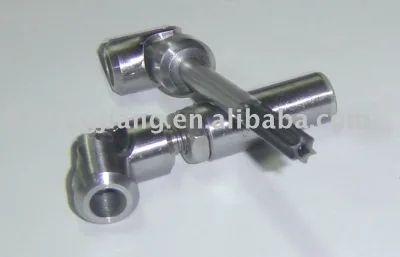
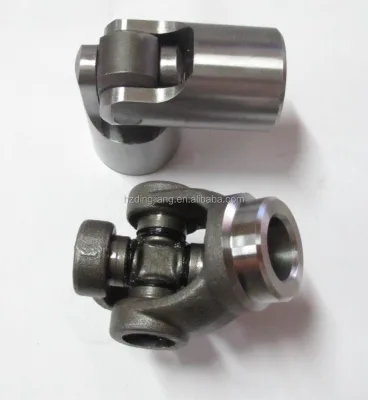
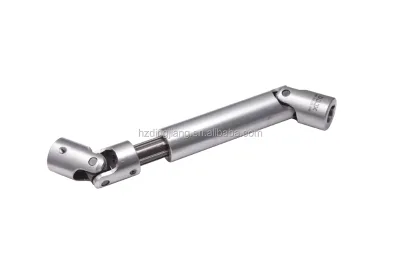
Universal joint , stainless steel steering universal joints,extension joint for printing machine
$78.5701 - $84.7729
MOQ: 500 pieces
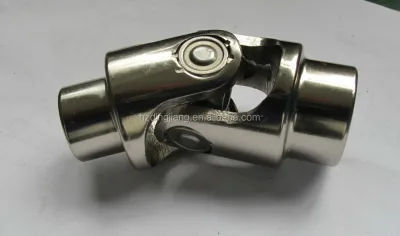
Steering single joint, Auto U joint,Hooks universal joint,Nickel plated
$10.2682 - $102.671
MOQ: 500 Minimum
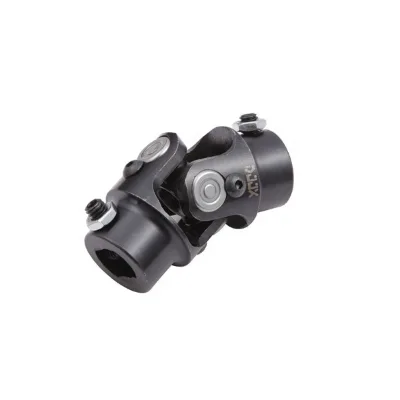
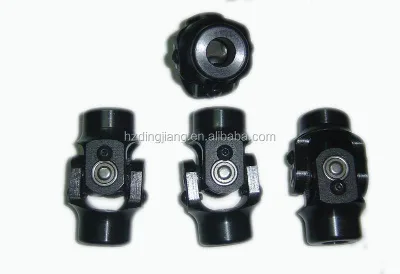


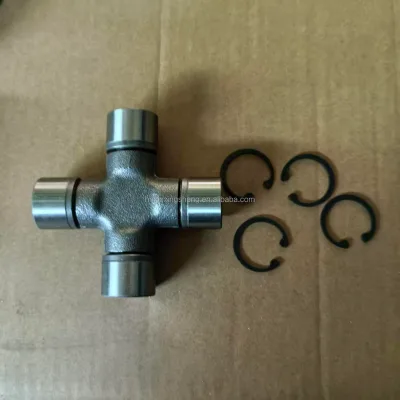


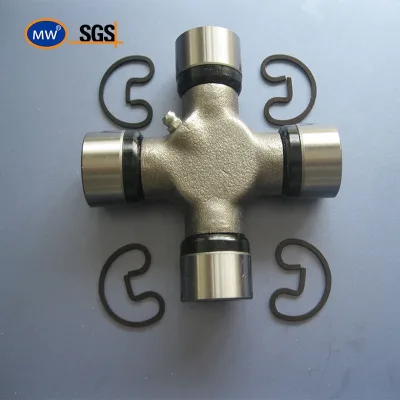
Auto car cross joint universal joint 27*80 high quality universal joint
$4.3441 - $5.1341
MOQ: 1 pieces
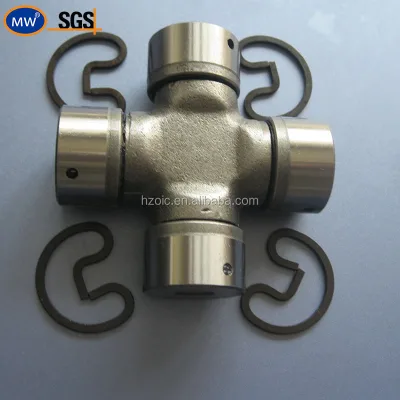


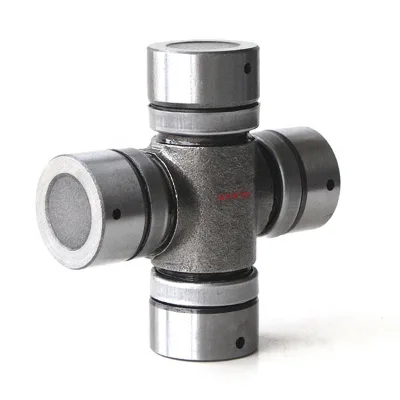
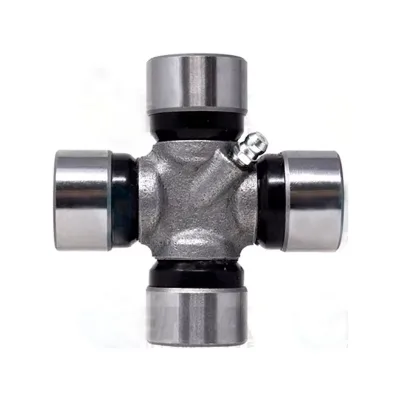
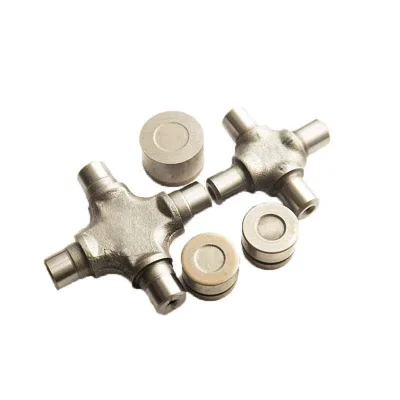
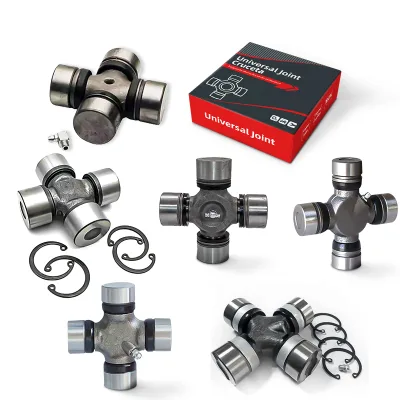
Comprehensive Sourcing Guide
Universal Car Screw Joint Sourcing Guide
Sourcing universal car screw joints requires a disciplined approach to verifying component compatibility and structural integrity. These joints serve as critical transmission elements, connecting rotating shafts at varying angles to ensure smooth power delivery in automotive and machinery applications. Buyers must prioritize suppliers who demonstrate consistent manufacturing capabilities, as the precision of the joint directly impacts vehicle performance and longevity. The market offers a variety of configurations, ranging from standard steel constructions to specialized alloy or stainless steel variants, each suited for different operational demands.
Procurement teams should focus on identifying suppliers with robust supply chain transparency and clear quality control protocols. The observed product landscape indicates a wide range of customization options, allowing buyers to tailor specifications to specific vehicle models or industrial machinery needs. It is essential to evaluate the supplier’s ability to maintain consistent material properties and dimensional accuracy across large production runs. By establishing clear technical requirements upfront, buyers can mitigate risks associated with premature failure or incompatibility, ensuring that the sourced components meet the rigorous demands of modern automotive engineering.
Product Scope and Observed Listing Signals
The current market for universal car screw joints presents a diverse array of products, with observed prices ranging from $0.98 to $102.67 USD. This wide variance reflects differences in material quality, manufacturing complexity, and brand positioning. Minimum order quantities (MOQs) typically span from 1 to 1000 pieces, offering flexibility for both small-scale repairs and large-scale industrial procurement. Buyers should note that while some listings offer single-item purchases, bulk orders often unlock more favorable commercial terms and supply stability. Understanding these market signals helps in budgeting and planning inventory levels effectively.
Product attributes indicate a strong emphasis on customization and condition, with most items listed as new and available for specific modifications. Common materials include steel, alloy steel, and stainless steel, each selected for its specific strength, corrosion resistance, and durability characteristics. The observed listings also highlight various model numbers, such as OD:13,ID:6,L:380+15 and CN-s50, which serve as unique identifiers for technical verification. Buyers must carefully cross-reference these model numbers with their existing machinery or vehicle specifications to ensure precise fitment and operational compatibility.
Technical Specifications to Verify
Verifying technical specifications is paramount when sourcing universal joints, as minor deviations can lead to significant operational failures. Key parameters to confirm include the operating angle, which in observed listings ranges up to 45 degrees, and the structural design, whether single or universal. Buyers should also inspect the bore diameter, spline count, and overall length, as these dimensions dictate the joint’s ability to connect specific shafts. For instance, models like 3/4"-36SPLINE or 504243 require exact matching to ensure proper engagement and torque transmission without slippage or excessive wear.
Surface treatment and material composition are equally critical factors that influence performance and lifespan. Observed products feature finishes such as nickel plating, chrome plating, or black finishing, each offering distinct advantages in terms of corrosion resistance and friction reduction. Additionally, the flexibility of the joint, often described as rigid or flexible, must align with the application’s dynamic requirements. Buyers should request detailed technical drawings or material certificates to verify that the supplied components meet the specified standards for strength, hardness, and dimensional tolerance, ensuring reliable performance under load.
Compliance and Safety Documentation
Ensuring compliance with relevant standards is essential for maintaining safety and operational reliability in automotive and industrial applications. While specific certification requirements may vary by region and application, buyers should prioritize suppliers who adhere to recognized international standards such as ISO. These standards provide a framework for quality management and manufacturing consistency, reducing the risk of defects and ensuring that components meet baseline performance criteria. Buyers must verify that the supplier can provide documentation proving compliance with these standards, as this serves as a critical indicator of manufacturing maturity and quality control.
Safety documentation should also include material safety data sheets and test reports, particularly for components subjected to high stress or dynamic loads. Buyers should inquire about the testing procedures used to validate the joint’s operating angle, torque capacity, and fatigue resistance. Although specific test results may not be publicly listed, reputable suppliers should be willing to share relevant data upon request. This due diligence helps mitigate liability risks and ensures that the sourced universal joints can withstand the operational demands of their intended environment without compromising safety or performance.
Cost Drivers and Commercial Terms
Understanding the factors that influence pricing is crucial for effective budgeting and negotiation. Key cost drivers include the material type, with alloy and stainless steel typically commanding higher prices than standard steel due to enhanced durability and corrosion resistance. Manufacturing complexity, surface treatments, and customization requirements also significantly impact the final cost. Buyers should analyze the price-to-performance ratio rather than focusing solely on the lowest price, as higher-quality components often offer better long-term value through reduced maintenance and replacement costs.
Commercial terms, including minimum order quantities and supply ability, play a vital role in total cost of ownership. Observed suppliers often offer monthly supply capacities of around 10,000 pieces, which can support large-scale procurement needs. Buyers should negotiate favorable terms based on order volume, such as discounts for bulk purchases or flexible payment schedules. Additionally, considering logistics costs, including packaging and shipping from origins like Zhejiang or Henan in China, is essential for accurate cost estimation. Clear communication regarding lead times and delivery schedules helps prevent production delays and ensures a smooth procurement process.
Supplier Qualification and Quality Control
Supplier qualification is a critical step in mitigating procurement risks and ensuring consistent product quality. Buyers should assess suppliers based on their manufacturing capabilities, quality control processes, and track record in the industry. Observing the supplier’s supply chain transparency, including the origin of raw materials and manufacturing locations, provides insight into their operational reliability. Suppliers based in regions like Zhejiang or Hangzhou, China, often have established industrial ecosystems that support high-volume production and efficient logistics.
Quality control measures should be rigorously evaluated, including in-process inspections, final product testing, and packaging standards. Buyers should verify that suppliers use appropriate packaging, such as sea-worthy or export-standard packaging, to protect components during transit. Additionally, requesting samples for initial evaluation allows buyers to assess the physical quality, dimensional accuracy, and finish of the universal joints. Establishing a clear quality agreement with the supplier, including defined acceptance criteria and rejection protocols, ensures that any deviations are addressed promptly and effectively.
Long-Term Procurement Checks
Establishing long-term procurement checks is essential for maintaining supply chain resilience and product consistency over time. Buyers should conduct periodic audits of supplier performance, focusing on delivery reliability, quality consistency, and responsiveness to issues. Regular communication with suppliers helps identify potential problems early, allowing for proactive resolution before they impact production. Additionally, staying informed about market trends and technological advancements in universal joint manufacturing enables buyers to make informed decisions about future sourcing strategies.
Continuous improvement initiatives should be encouraged through feedback loops and performance reviews. Buyers should share field data and failure analysis reports with suppliers to drive product enhancements and process optimizations. This collaborative approach fosters a partnership mindset, leading to better product quality and more competitive pricing over time. By maintaining a structured approach to supplier management, buyers can ensure a stable supply of high-quality universal car screw joints, supporting the long-term success of their automotive or industrial operations.
FAQs
What materials are used for universal car screw joints?
Universal car screw joints are typically manufactured from steel, alloy steel, or stainless steel. These materials provide the necessary durability and strength for automotive applications. The specific material choice depends on the required load-bearing capacity and environmental resistance for the vehicle's steering or transmission system.
Can these universal joints be customized for specific vehicles?
Yes, customization is available for universal car screw joints to meet specific vehicle requirements. Buyers can request tailored specifications to ensure proper fitment. This flexibility allows for precise engineering solutions that align with unique automotive designs and performance needs across different truck and car models.
What is the typical operating angle for these joints?
The typical operating angle for these universal joints is up to 45 degrees. Some models support a maximum working angle of 45 degrees, while others may operate at 35 degrees. This range ensures smooth power transmission and flexibility in various automotive steering and drive shaft configurations.
How are these universal joints packaged for shipping?
These universal joints are packaged using standard sea-worthy methods to ensure safe transit. Packaging options include plastic bags, color boxes, and wooden boxes. International export packing standards are followed to protect the products from damage during long-distance shipping from manufacturing hubs in China to global destinations.
What certifications do these universal joints meet?
These universal joints meet ISO standards for quality and manufacturing consistency. The products are produced in facilities located in Zhejiang and Henan, China. Adhering to ISO standards ensures that the joints meet international quality benchmarks for automotive components, providing reliability and safety for end-users in various markets.
What is the supply capacity for these universal joints?
The supply capacity for these universal joints is 10,000 pieces per month. This consistent production volume supports both small and large procurement orders. Manufacturers ensure steady availability to meet the demands of automotive repair shops and machinery industries requiring reliable universal joint components for their operations.