Source Wastegate Flange Clamp for Industrial, Pipe, and Heavy Duty Uses
Compare 30 listings for Wastegate Flange Clamp options including steel and stainless steel materials. Buyers can evaluate custom made sizes, high pressure ratings, and various clamp structures like G clamp and F clamp for machinery applications; compare the available evidence and request quotations based on your requirements.
Updated
Key considerations
Products List


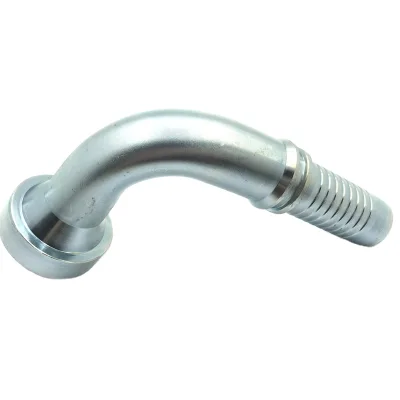


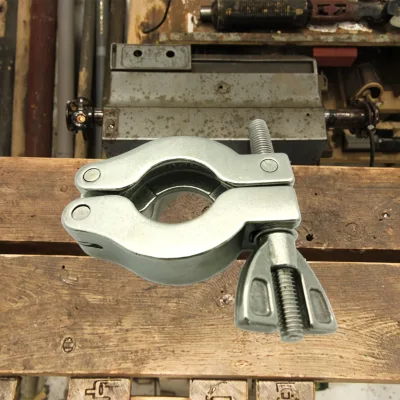
Aluminum Stainless Steel Hot Forging Quick Heavy Duty Clamp Flange Clamp
$21.00 - $23.00
MOQ: 10 Pieces
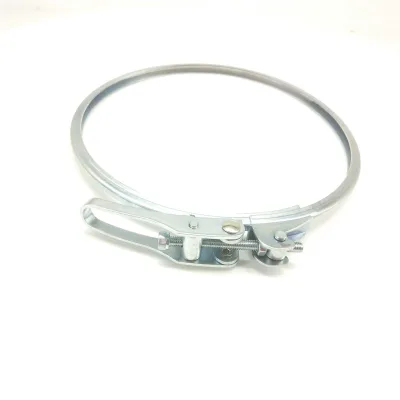
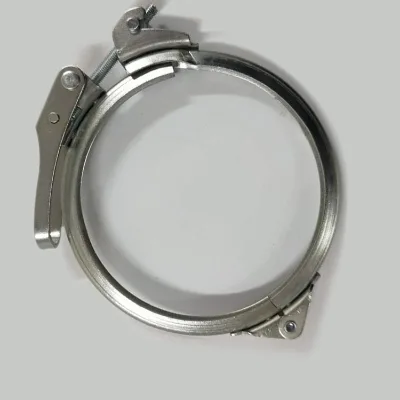
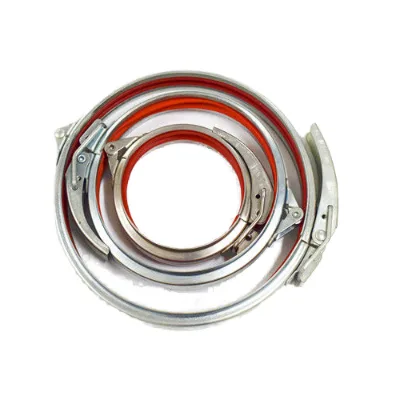


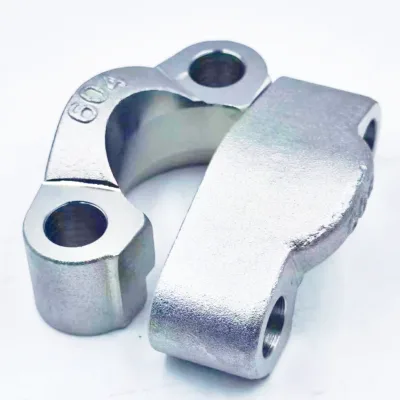
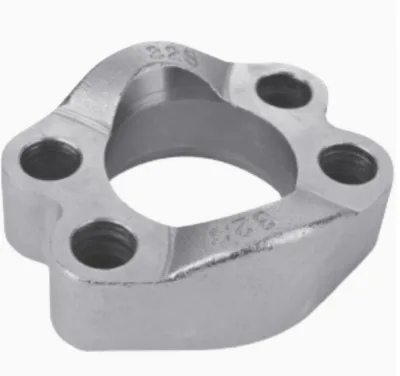
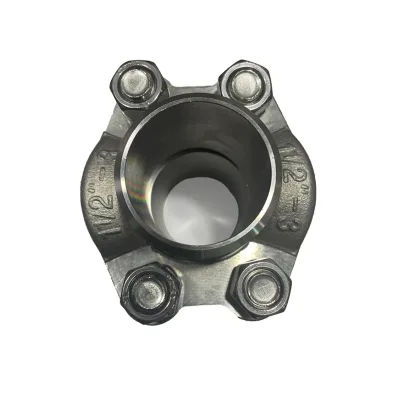
Hydraulic Stainless Steel High Pressure Sae Split Quick Clamping Flange Clamp
$3.0909 - $6.1819
MOQ: 300 pieces

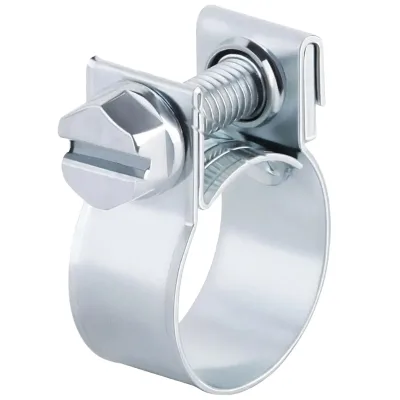

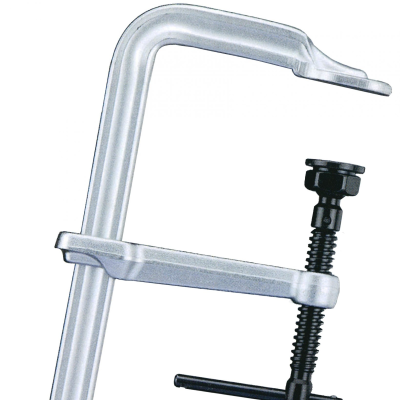
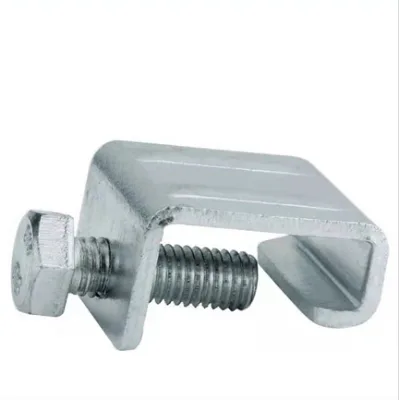


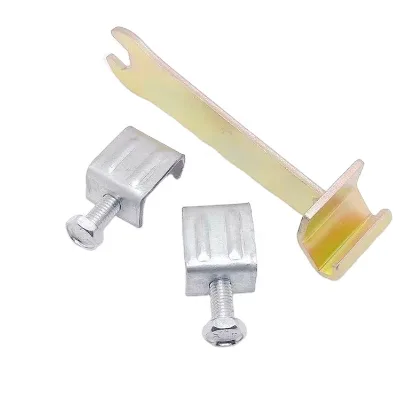
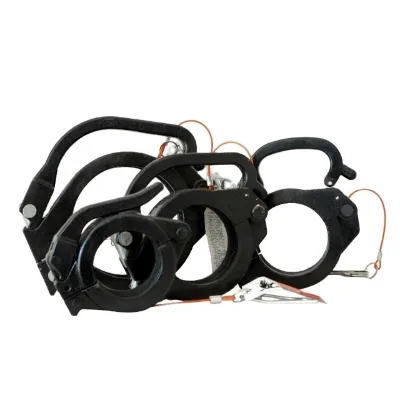
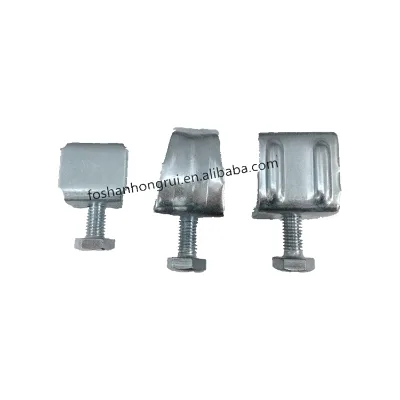
Flange Clamp Duct Flange G Clamp Flange Common Plate Hook Code Tick Code
$0.05 - $0.09
MOQ: 1000 pieces


Comprehensive Sourcing Guide
Wastegate Flange Clamp Sourcing Guide
Procuring reliable clamping solutions for high-pressure industrial and automotive applications requires a disciplined approach to material selection and structural verification. Buyers must prioritize components that demonstrate durability and sturdiness, as these attributes directly influence system integrity under stress. The observed market data indicates a strong preference for steel-based constructions, with specific emphasis on stainless steel and carbon steel variants to ensure corrosion resistance and mechanical strength.
Sourcing decisions should also account for the versatility of installation methods, particularly external mounting configurations that facilitate maintenance and inspection. Customization capabilities are a critical differentiator, allowing buyers to tailor dimensions and specifications to unique operational requirements. Understanding the interplay between material grade, structural design, and customization options is essential for securing components that meet rigorous performance standards without compromising on lead times or budget constraints.
Product Scope and Observed Listing Signals
The current market landscape for flange clamps reveals a diverse array of structural designs, including G-clamp, F-clamp, suspension clamp, and V-band lever mechanisms. These variations cater to specific application needs, such as pipe clamping, glass securing, or heavy-duty industrial fastening. Buyers should observe that product models range from standard sizes to custom-made specifications, with some listings highlighting specific model numbers like 87992 or RMC150, which may indicate specialized engineering for high-pressure environments.
Listing signals also emphasize the importance of packaging and origin, with many suppliers based in China, particularly in regions like Hebei and Ningbo. Packaging methods vary from simple carton packaging to more robust carton and pallet combinations, ensuring safe transit for delicate or heavy components. The presence of brands such as DHS, Pigeon, and SALNYA suggests a competitive market where brand reputation and OEM support play significant roles in buyer decision-making, offering both standard and nonstandard options to suit varied procurement strategies.
Technical Specifications to Verify
Verifying technical specifications is paramount when selecting flange clamps for critical applications. Buyers must confirm the exact material composition, distinguishing between stainless steel, carbon steel, and galvanized steel options, as each offers different levels of corrosion resistance and tensile strength. The observed data highlights materials like stainless steel 304 and forged carbon steel, which are suitable for high-pressure environments. It is crucial to verify the head code, such as hexagon, and the latch design, including adjustable bolts with lever locks, to ensure compatibility with existing tooling and installation protocols.
Dimensional accuracy and product size are equally important, with observed specifications ranging from small components measuring 8.89 x 6.35 x 0.64 cm to larger models accommodating pipe sizes from 1 inch to 8 inches. Buyers should also check the standard compliance, noting that products may adhere to standard or nonstandard specifications, with some custom-made options available. Confirming the pressure rating, such as high-pressure capabilities for SAE flanges, ensures that the selected clamp can withstand operational stresses without failure, maintaining system integrity over time.
Compliance and Safety Documentation
Ensuring that flange clamps meet relevant safety and compliance standards is a non-negotiable aspect of the procurement process. Buyers should request documentation that verifies the material certifications and manufacturing standards, particularly for components used in high-pressure or hazardous environments. Although specific certification names are not universally listed, the presence of standard and nonstandard options suggests that suppliers may adhere to various industry benchmarks. It is essential to clarify which standards apply to the specific product model, ensuring that the clamp meets regulatory requirements for its intended application.
Warranty and after-sales support are also critical components of compliance and safety. Observed listings indicate warranty periods of up to three years, providing a layer of protection against premature failure or defects. Buyers should verify the terms of this warranty, including coverage for material defects and workmanship, to mitigate financial risk. Additionally, confirming the customization support, such as OEM services, ensures that any specific safety modifications or design adjustments can be implemented without compromising the product's certified status or performance guarantees.
Cost Drivers and Commercial Terms
Several factors influence the cost of flange clamps, with material type and customization level being primary drivers. Stainless steel and forged carbon steel components typically command higher prices due to their superior durability and resistance to environmental factors. Custom-made products, which require specific tooling and production adjustments, may also incur additional costs compared to standard off-the-shelf items. Buyers should analyze the price range, which varies significantly based on these variables, to align their procurement strategy with budget constraints while maintaining quality standards.
Minimum order quantities (MOQ) and lead times are also key commercial terms that impact overall procurement costs. Observed MOQs range from 1 to 5000 units, offering flexibility for both small-scale trials and large-volume production runs. Buyers should negotiate terms that balance inventory holding costs with the need for timely delivery. Understanding the packaging requirements, such as carton or palletized shipping, can also affect logistics costs, making it essential to factor these elements into the total cost of ownership when evaluating supplier proposals.
Supplier Qualification and Quality Control
Evaluating supplier qualification is crucial for ensuring the reliability and consistency of flange clamp supplies. Buyers should assess the supplier's manufacturing capabilities, particularly their ability to produce custom-made components and support OEM requests. The presence of brands like DHS and SALNYA indicates established players in the market, but buyers must verify their quality control processes to ensure that each batch meets specified standards. Requesting samples and conducting independent testing can provide valuable insights into the product's actual performance and durability.
Quality control measures should include rigorous inspection of material properties, dimensional accuracy, and structural integrity. Buyers should inquire about the supplier's testing protocols, particularly for high-pressure applications, to ensure that the clamps can withstand operational stresses. Additionally, verifying the supplier's location, such as Hebei or Ningbo in China, can provide context regarding their supply chain efficiency and logistical capabilities. Establishing a clear communication channel for addressing quality issues and ensuring consistent product performance is essential for long-term procurement success.
Long-Term Procurement Checks
Long-term procurement success depends on establishing robust checks and balances to monitor supplier performance and product reliability. Buyers should implement regular audits of supplier quality control processes and conduct periodic performance reviews of the flange clamps in operational environments. Tracking metrics such as failure rates, maintenance frequency, and customer feedback can provide valuable data for making informed sourcing decisions. This proactive approach helps identify potential issues early, allowing for timely corrective actions and continuous improvement in the supply chain.
Building strong relationships with suppliers who offer customization and OEM support can also enhance long-term procurement stability. By collaborating closely with suppliers, buyers can influence product design and manufacturing processes to better meet evolving operational needs. Additionally, staying informed about industry trends and technological advancements in clamping solutions can help buyers anticipate future requirements and adapt their sourcing strategies accordingly. This strategic focus on partnership and innovation ensures that the procurement function remains agile and responsive to changing market dynamics.
FAQs
What materials are used for wastegate flange clamps?
These clamps are typically manufactured from carbon steel, stainless steel, or galvanized steel to ensure durability and resistance to high temperatures. Some models feature a sturdy construction with a G clamp or F clamp structure. The material choice depends on the specific industrial application and pressure requirements, ensuring long-term reliability in machinery environments.
Can wastegate flange clamps be customized for specific needs?
Yes, many suppliers offer custom-made solutions to meet unique engineering specifications. Buyers can request OEM support for tailored dimensions, such as sizes ranging from 1 inch to 8 inches. Customization options include specific pressure ratings and structural designs, allowing for precise integration into various industrial piping and machinery systems without compromising performance.
What is the typical packaging for these industrial clamps?
Products are generally packed in cartons for individual units, with larger orders shipped on pallets for stability. This carton packaging ensures protection during transit. The standard packing method helps prevent damage to the durable steel components. Buyers should verify specific packing details with suppliers to ensure safe delivery of heavy-duty clamps to their facility.
How are these clamps installed on industrial pipes?
Installation is designed to be external and straightforward, often utilizing lever locks or hexagon head bolts for secure fastening. The sturdy structure allows for easy assembly without specialized tools. Many models feature adjustable bolts with lever locks, enabling quick tightening. This external installation method ensures reliable sealing and stability in high-pressure industrial applications.
What warranty is provided for these steel clamps?
Suppliers typically offer a 3-year warranty to guarantee product quality and performance. This coverage applies to defects in materials and workmanship for the durable steel construction. Buyers should confirm warranty terms during procurement. The warranty reflects confidence in the forged or standard manufacturing processes used to produce these reliable industrial components for machinery and piping systems.