wear-resistant crankshaft pulley Suppliers and Manufacturers
Compare 21 verified suppliers offering wear-resistant crankshaft pulley with ISO certifications and CNC machining capabilities. Review response times, lead times, and MOQs to select a factory in Guangdong, Zhejiang, or Shandong for your automotive needs; review the available evidence before requesting comparable quotations from suitable candidates.
Updated
Suppliers List

- Verified by BV
- Manufacturer/Factory
- China Guangdong
- Lead time23 days
- Avg. response≤ 11h
Main productsCNC Machining Part, CNC Milling Part, CNC Turning Part, Screw, Prototype, Gear, Shaft, Washer, Nozzle, Pin
Main marketsSouth America,Eastern Europe,Mid East,North America,Southeast Asia,Eastern Asia,Oceania,Western Europe,Africa


High-Quality OEM Customized Alternative Overdrive Lightweight Crank Pulley
$0.25 - $30.00
MOQ: 1 Pieces


Hangzhou Xinlan Technology Co., Ltd.
- Verified by SGS
- Combined
- China Zhejiang
- Lead time30 days
- Avg. response≤ 6h
Main productsGearbox, Reducer, Sprocket, Gear, Gear Rack, Chain, Pulley, Pto Drive Shaft, Screw Jack, Coupling
Main marketsSoutheast Asia/ Mideast,Europe,North America

Shandong Pengtuo Industrial Technology Co., Ltd
- Verified by BV
- Combined
- China Shandong
- Lead time23 days
- Avg. response≤ 2h
Main productsSpz/SPA/Spb/Spc European Standard Bushing Pulley, Tb Bushings, Ak-Bk/3V/5V/8V American Standard Bushing Pulley, Qd Bushings, Multi-Wedge Pulley High-End National Standard PU, Bolt-on Hubs, Customized Service for Non-Standard Parts
Main marketsSouth America,Southeast Asia/ Mideast

Sichuan Zhengwei Power Technology Co., Ltd
- Verified by SGS
- Combined
- China Sichuan
- Lead time60 days
- Avg. response≤ 8h
Main marketsDomestic,Europe


5259981L Crankshaft Pulley a Reliable Choice for Cummins Engine Power Transmission
$15.00 - $1000.00
MOQ: 1 Pieces

Guangzhou Borande Machinery Parts Co., Ltd.
- Trading Company
- Guangdong, China
- Lead time2 days
- Avg. response≤ 5h
Main productshydraulic parts,electrinice parts,gear parts,seal,engine parts
Main marketsNorthern Europe(50.00%), Western Europe(20.00%), South Asia(10.00%), Mid East(10.00%), Eastern Asia(10.00%)

SHIJIAZHUANG ZENADE IMP.&EXP. CO., LTD
- Verified by CTI
- Trading Company
- China Hebei
- Lead time30 days
- Avg. response≤ 17h
Main productsCar Clutch, Flywheel, Racing Clutch Kt, Clutch Disc, Clutch Cover, Crankshaft, Brake Disc, Ring Gear, Pulley, Steel Flywheel
Main marketsEast Asia(Japan/ South Korea)


Factory Produces Wide Applicability Crankshaft Engine Spare Parts Crankshaft
$45.00 - $50.00
MOQ: 1 Pieces
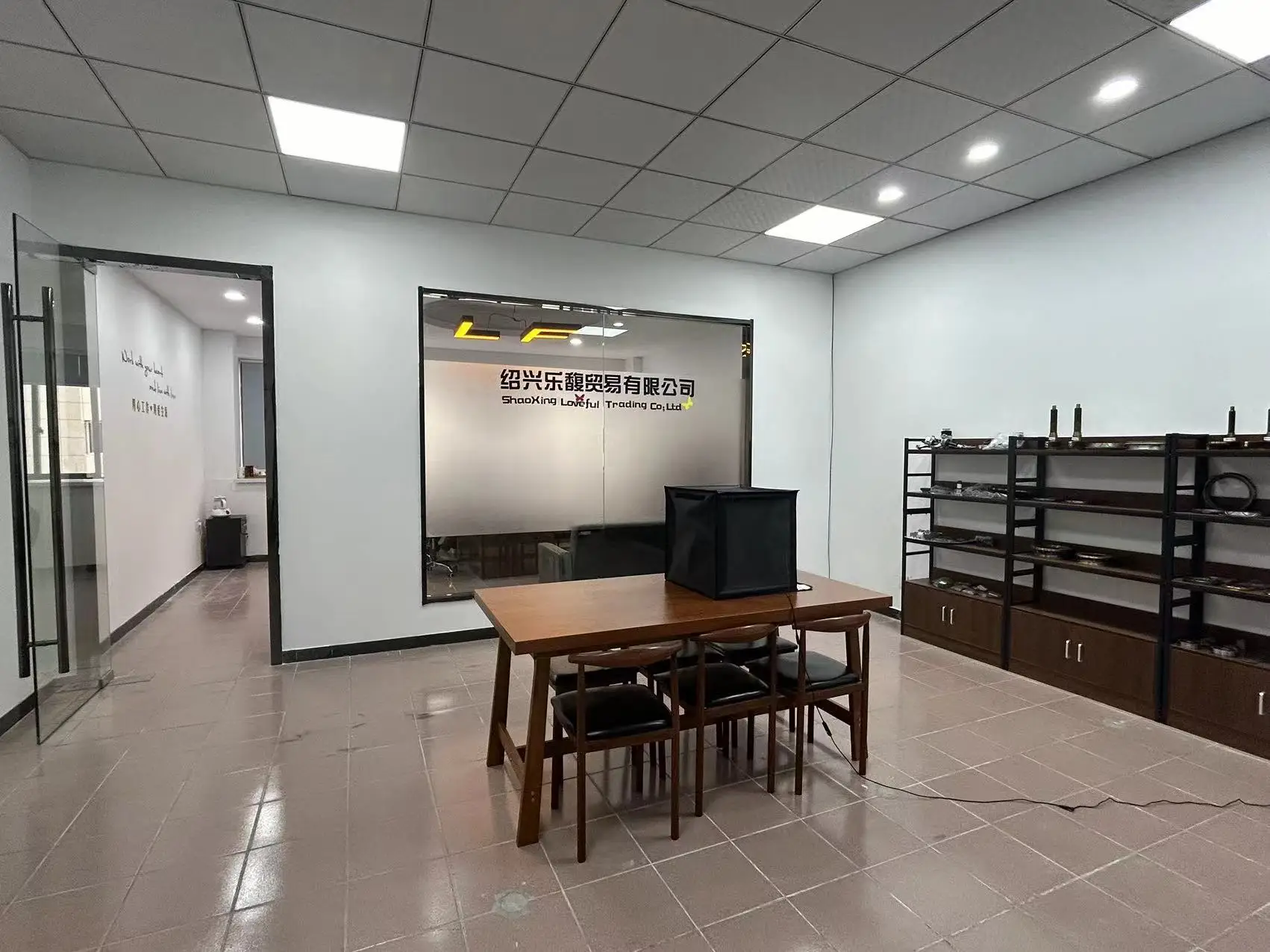
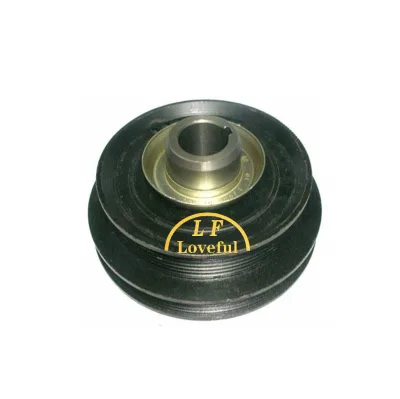
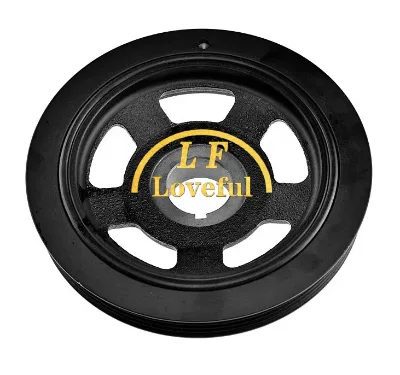
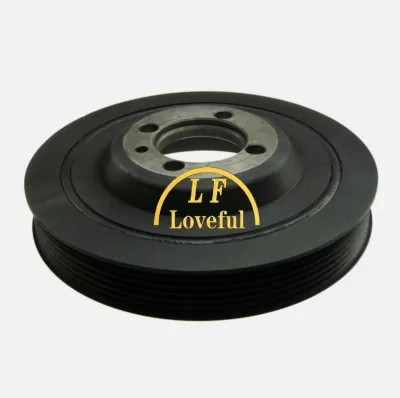
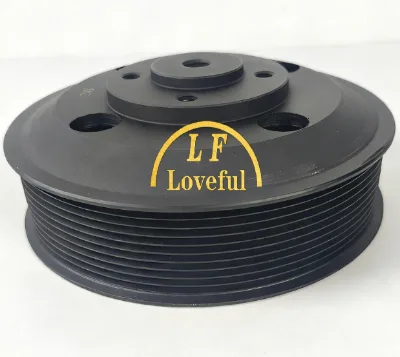
Shaoxing Loveful Trading Co., Ltd.
- Trading Company
- Zhejiang, China
- Lead time0 days
- Avg. response≤ 5h
Main productsEngine parts,manual transmission parts,driving system,steering system,brake system
Main marketsEastern Europe(25.00%), Africa(20.00%), North America(20.00%), Mid East(20.00%), South America(10.00%), Eastern Asia(5.00%)

Guangzhou Hanzhi Machinery Equipment Co., Ltd.
- Verified by TUVRHEINLAND
- Trading Company
- China Guangdong
- Lead time15 days
- Avg. response≤ 9h
Main productsForklift Parts, Engine Assembly, Forklift Tire, Forklift, Forklift Accessories
Main marketsSouth America,Others(foreignTradeCapacity.exportBusinessCapacityMarketOther),Southeast Asia/ Mideast,Europe,Australia,North America


Durable Crankshaft Pulley 13471-78155-71- Material Handling Equipment Part for 6f/4y/5K
$35.00 - $42.00
MOQ: 1 Pieces
Songlin Technology (Hubei) Co., Ltd.
- Verified by TüVRheinland
- Manufacturer, Trading Company
- Lead time7 days
- Avg. response≤ 4h
Main productsAuto Parts, Engine Assembly & Spare Parts, Truck Parts, Construction Machinery Parts, New Energy Accessories
Main marketsEastern Europe(18%), South America(15%), Southeast Asia(10%)

RUIBO AUTO EQUIPMENT CO., LIMITED
- Trading Company
- China Henan
- Lead time0 days
- Avg. response≤ 3h
Main productsTruck Part, Bus Parts, Bearing, Brake Disc, Clutch, Brake Pads, Yutong Parts, Filter
Guangzhou Zhuowei Auto Parts Co., Ltd.
- Verified by SGS Group
- Trading Company
- Lead time5 days
- Avg. response≤ 7h
Main productsIgnition Coil, Engine Bearing, Control Arm, Engine Mount, Overhaul Gasket Kit
Main marketsSoutheast Asia(24%), Western Europe(19%), Oceania(16%)
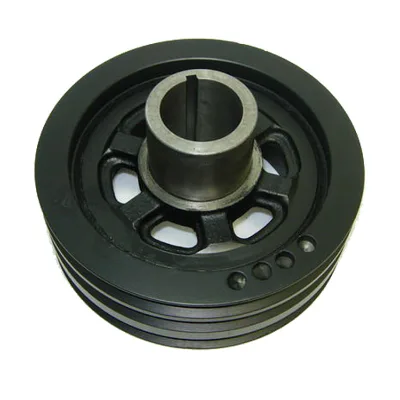
Auto Engine Diesel Parts Crankshaft Pulley for BT50 B-SERIES WL84-11-401
$12.00 - $22.00
MOQ: 10 Minimum
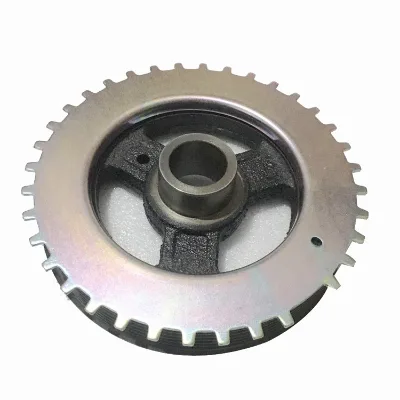
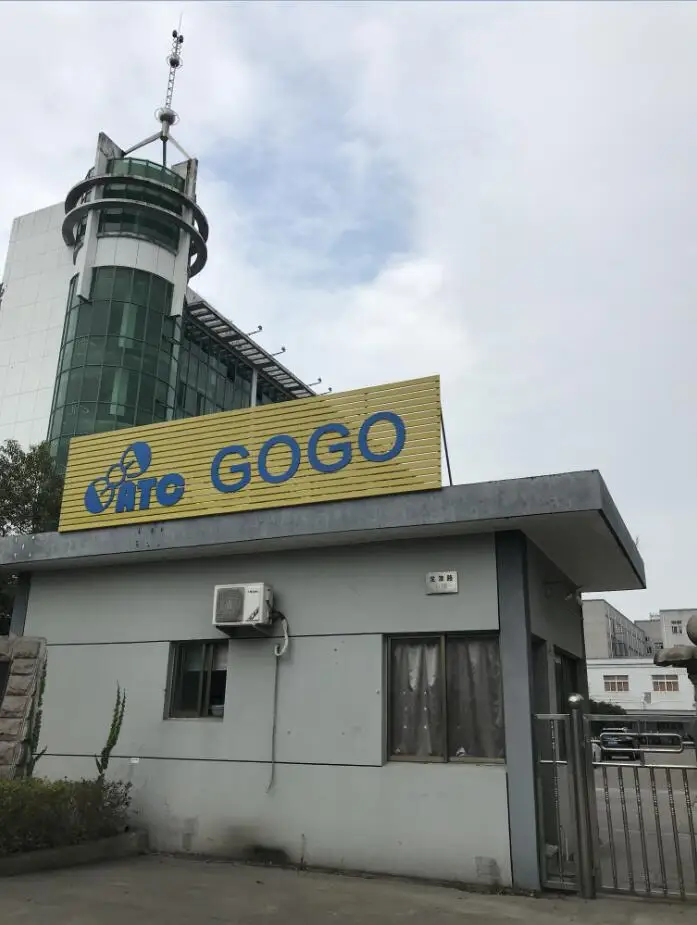
Ningbo Fenghua Gogo Automatic Trading Company Limited
- Trading Company
- Zhejiang, China
- Lead time30 days
- Avg. response≤ 9h
Main productsWater Pump,auto sensor,auto switch,Idle Air Control Valve For RENAULT OEM 7700859134 6NW009141-111 4.02003.59.0 AESP20912 70859134 556071 Idle Air Control Valve,Thermostat Housing
Main marketsMid East(10.00%), Eastern Asia(10.00%), Africa(10.00%), Southeast Asia(10.00%), Eastern Europe(10.00%), South America(10.00%), North America(10.00%), Northern Europe(5.00%), Central America(5.00%), Domestic Market(5.00%), South Asia(5.00%), Oceania(4.00%), Western Europe(3.00%), Southern Europe(3.00%)
Shanghai Anpar Auto Parts Co., Ltd.
- Verified by SGS Group
- Trading Company
- Lead time15 days
- Avg. response≤ 3h
Main productsTransmisson System, Engine System, Electrical System, Suspenstion System, Auto Steering System
Main marketsSouth America(60%), North America(30%), Mid East(5%)
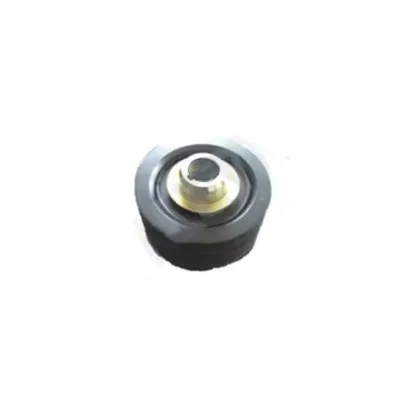
$10.50 - $11.00
MOQ: 50 pieces
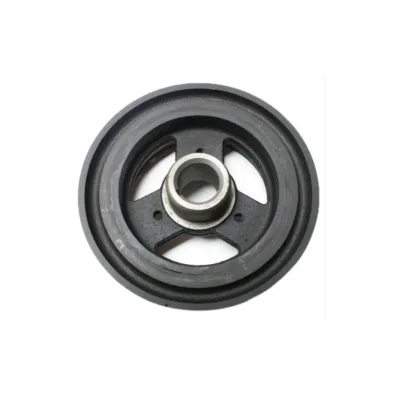
$10.50 - $11.00
MOQ: 50 pieces
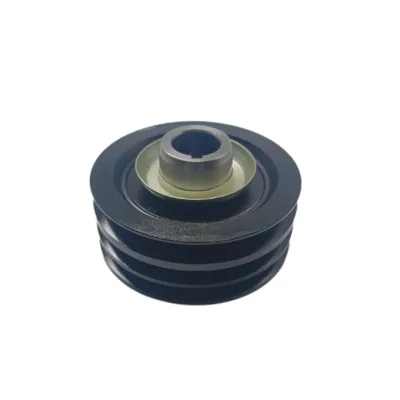
$10.7302 - $11.241
MOQ: 50 pieces
Wenzhou Naqin Auto Parts Co., Ltd.
- Trading Company
- Zhejiang, China
- Lead time45 days
- Avg. response≤ 2h
Main productsBrake Pad/Brake Shoes/Brake Disc, Ball Joint/Linkage/Rack End/Tie Rod/Suspension Bushing, Universal Joint
Main marketsAfrica(40.00%), Mid East(23.00%), South America(20.00%), South Asia(5.00%), Eastern Europe(5.00%), Southeast Asia(5.00%), North America(2.00%)

Hangzhou Huajida Auto Parts Co., Ltd.
- Trading Company
- Zhejiang, China
- Lead time20 days
- Avg. response≤ 7h
Main productsJac Parts, ISF2.8 Engie Parts, Foton Parts, Yuejin Parts, ISF3.8 Engie Parts
Main marketsDomestic Market(82.00%), Africa(8.00%), South America(4.00%), South Asia(2.00%), Southern Europe(2.00%), Mid East(2.00%)

Jiangxi Tongda Industrial Co., Ltd.
- Manufacturer, Trading Company
- Jiangxi, China
- Lead time30 days
- Avg. response≤ 15h
Main productsCoolant hose pipe,coolant pipe,Intercooler hose,Air intake hose,Oil pipe
Main marketsDomestic Market(20.00%), North America(10.00%), Northern Europe(10.00%), Central America(10.00%), Mid East(10.00%), Southern Europe(5.00%), Southeast Asia(5.00%), Eastern Europe(5.00%), South Asia(5.00%), Eastern Asia(5.00%), South America(5.00%), Oceania(5.00%), Western Europe(4.00%), Africa(1.00%)
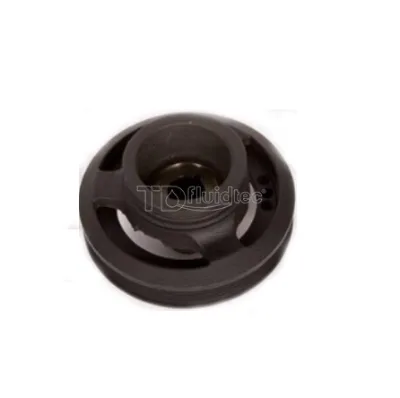
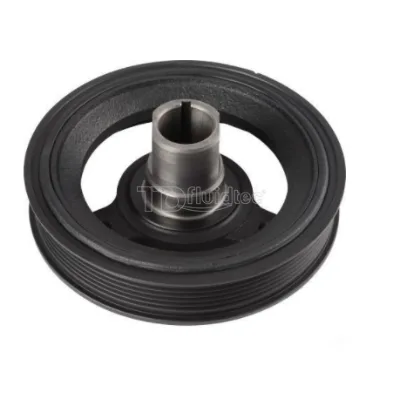
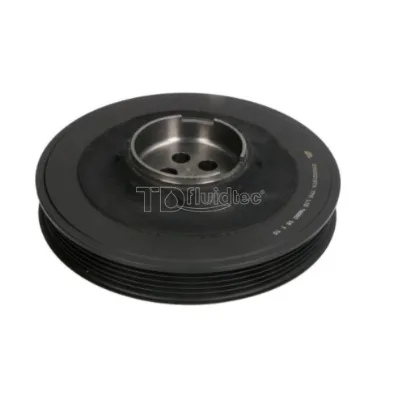
11238477129 Genuine MINI Crank Shaft Pulley R55 R56 R57 R58 R59 R60 R61 1.6 2.0 Diesel
$9.5183 - $10.2433
MOQ: 1 pieces
Hubei Diyue Auto Parts Co., Ltd.
- Trading Company
- Hubei, China
- Lead time7 days
- Avg. response≤ 3h
Main productsAuto parts,Construction machinery parts,Truck parts,Engine with accessories,SCR parts
Main marketsEastern Europe(40.00%), South America(30.00%), Africa(20.00%), Southern Europe(5.00%), Oceania(5.00%)
Wenzhou Link Trading Co., Ltd.
- Trading Company
- Zhejiang, China
- Lead time25 days
- Avg. response≤ 21h
Main productsThermostat,Oxygen Sensor,Chinese car parts,Auto sensors
Main marketsEastern Europe(60.00%), South America(10.00%), Western Europe(8.00%), North America(6.00%), Mid East(6.00%), Domestic Market(5.00%), South Asia(5.00%)
Shenyang Hitop Machinery Equipment Co., Ltd.
- Verified by Intertek
- Manufacturer, Trading Company
- Lead time30 days
- Avg. response≤ 5h
Main productsAuto Spare Parts, Construction Machine Parts, Mining Parts, Hydraulic Rock Drill, Customized Parts
Main marketsSouth America(35%), Southeast Asia(20%), Mid East(20%)
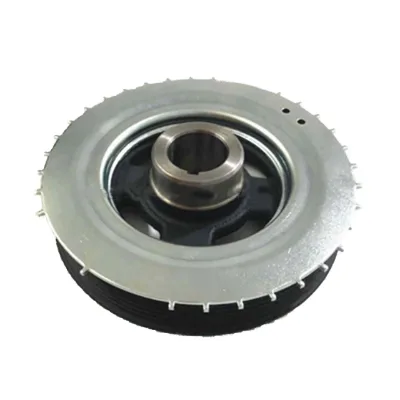
$30.6551 - $32.189
MOQ: 50 pieces
$35.7648 - $37.5534
MOQ: 50 pieces
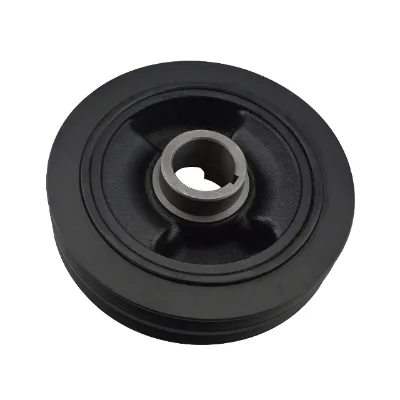
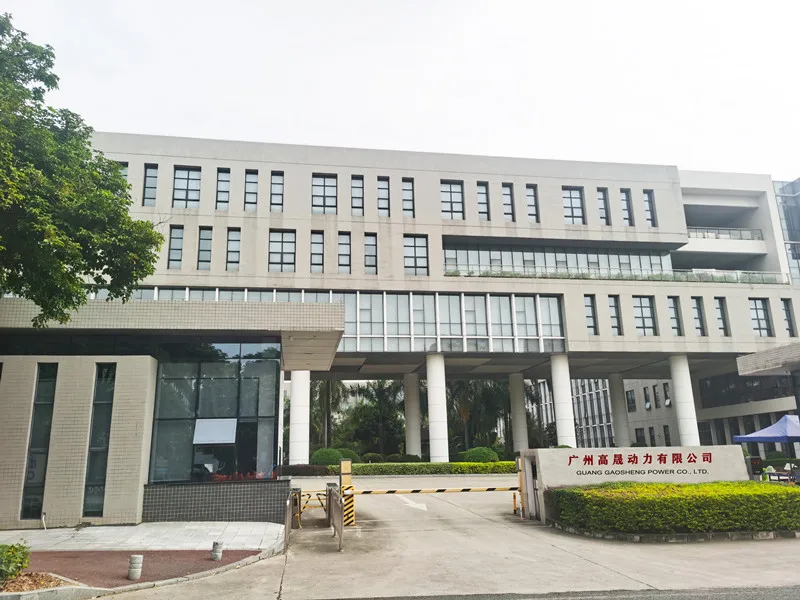
Guangzhou Gaosheng Power Co., Ltd.
- Manufacturer, Trading Company, Distributor/Wholesaler
- Guangdong, China
- Lead time7 days
- Avg. response≤ 3h
Main productsEngine parts,Mining machinery parts,Marine engine parts,Generator set parts,Bulldozer parts
Main marketsEastern Asia(20.00%), Mid East(20.00%), South America(20.00%), North America(20.00%), Africa(10.00%), Southeast Asia(10.00%)

YANTAI XINYANG ELECTRONICS CO., LTD.
- Verified by TUVRHEINLAND
- Manufacturer/Factory
- China Shandong
- Lead time15 days
- Avg. response≤ 1h
Main productsM5 Module, Jacquard Module, Managet, Pulley for Jacquard Module, Solenoid for Computerised Flat Knitting Machine, Knitting Parts, Knitting Needle
Main marketsSouth America,Eastern Europe,Mid East,North America,Southeast Asia,Eastern Asia,Oceania,Western Europe,Africa


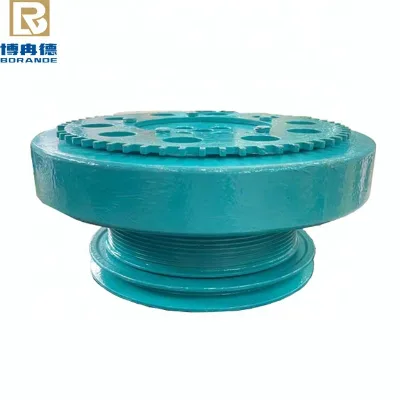
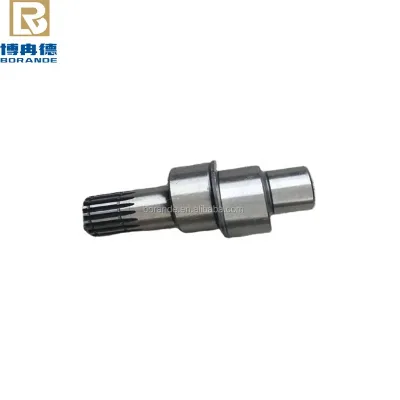




Comprehensive Sourcing Guide
Wear-Resistant Crankshaft Pulley Supplier Concentration and Factory Types
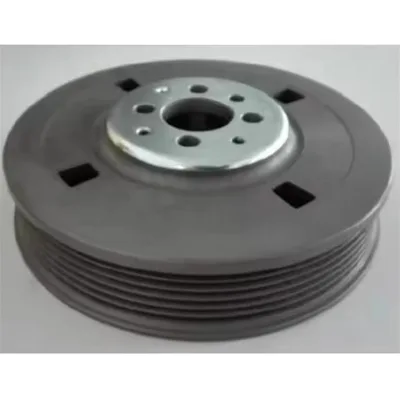
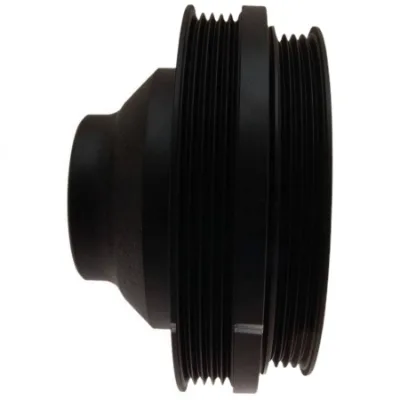
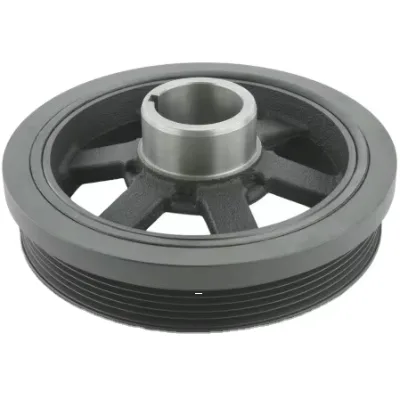
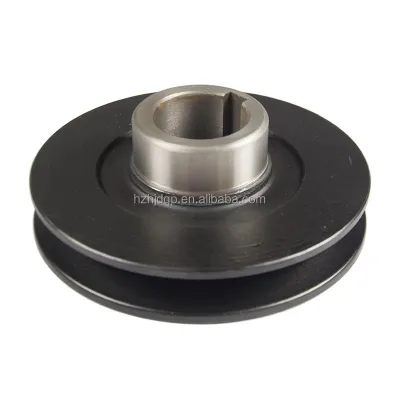
The current supplier landscape for wear-resistant crankshaft pulleys reveals a distinct concentration of manufacturing capabilities within specific Chinese industrial provinces, primarily Guangdong and Zhejiang. Suppliers located in Guangdong are predominantly classified as manufacturers or factories, indicating a direct production capability rather than pure trading. These entities often specialize in CNC machining services, producing components such as aluminum crank pulleys and engine crankshafts that require high precision. The presence of ISO 9001 and ISO 13485 certifications among these Guangdong-based factories suggests a mature quality management infrastructure capable of handling complex machining processes. Buyers seeking direct factory engagement will find these locations particularly relevant, as they offer OEM and ODM capacities for custom lightweight aluminum parts. The focus on CNC turning and milling in this region supports the production of nonstandard, custom-sized pulleys that meet specific engine requirements.
In contrast, suppliers in Zhejiang and Shandong present a different operational profile, often categorized as combined entities or specialized distributors of standard industrial parts. These suppliers may offer a broader range of transmission components, including gears, sprockets, and various belt pulleys, rather than focusing exclusively on automotive crankshaft applications. The Zhejiang-based suppliers often highlight certifications such as CE, DOT, and CCC, which may be relevant for broader industrial machinery applications beyond just automotive engines. Meanwhile, Shandong suppliers focus on heavy-duty applications, offering cast iron pulleys for power plants and mining transport. This regional diversity allows buyers to choose between high-precision CNC-machined aluminum parts from Guangdong and robust cast iron or standard bushing pulleys from other regions. Understanding these factory types helps buyers align their sourcing strategy with the specific material and manufacturing process required for their wear-resistant crankshaft pulley needs.
How to Verify Wear-Resistant Crankshaft Pulley Suppliers
Verifying the legitimacy and capability of wear-resistant crankshaft pulley suppliers requires a careful examination of their verification badges and system certifications. The current data indicates that some suppliers hold BV (Bureau Veritas) verification, while others display SGS verification. These third-party audits provide a baseline level of trust regarding the company’s business license and operational existence. However, verification badges alone do not guarantee product quality or manufacturing consistency. Buyers must cross-reference these badges with the supplier’s declared system certifications, such as ISO 9001, ISO 13485, or TS 16949. The presence of ISO 9001 is common among CNC machining factories, indicating a standardized quality management system. For suppliers claiming automotive-grade quality, the absence of TS 16949 or IATF 16949 should prompt further inquiry, as these standards are critical for automotive component manufacturing.
Beyond certifications, buyers should assess the supplier’s response time and product evidence to gauge operational efficiency and technical competence. A response time of under six hours, as seen with some Zhejiang suppliers, suggests a responsive sales team capable of handling urgent inquiries. In contrast, a response time of over ten hours may indicate a larger, less agile organization. Buyers should also scrutinize the product attributes provided, such as material specifications (e.g., Alloy, Iron) and process details (e.g., CNC Machining, Casting). Suppliers that provide detailed technical data, such as tolerance levels (+/-0.05mm) or specific test equipment (e.g., Projector), demonstrate a higher level of technical transparency. Additionally, checking for the availability of customization options is crucial, as wear-resistant pulleys often require specific dimensions or surface treatments. Buyers should request samples or detailed drawings to verify that the supplier’s capabilities match their specific engineering requirements before committing to large orders.
What to Compare Across Wear-Resistant Crankshaft Pulley Suppliers
When evaluating multiple suppliers for wear-resistant crankshaft pulleys, lead time and minimum order quantity (MOQ) are critical differentiators that impact supply chain planning. Current data shows significant variation in lead times, ranging from seven days for quick delivery samples to thirty days for batch goods. Suppliers in Guangdong often cite delivery times of ten to twenty-five days for samples and twenty to thirty-five days for batch production. In contrast, some suppliers offer a quick delivery time of just seven days, which may be advantageous for urgent prototyping or emergency replacements. Buyers must align these lead times with their production schedules, considering that longer lead times may require higher inventory buffers. Similarly, MOQs vary widely, from as low as one unit for custom prototypes to one hundred units for factory-supplied standard parts. Low MOQs are beneficial for testing supplier quality without significant financial commitment, while higher MOQs may offer better unit economics for established production runs.
Price and certification levels also serve as key comparison metrics across the supplier base. Unit prices for crankshaft pulleys can range from $0.25 to $30.00, depending on the material, complexity, and order volume. Suppliers offering prices at the lower end of this spectrum may be providing standard, off-the-shelf components, while higher prices often reflect custom CNC machining or specialized alloy materials. Buyers should compare the scope of certifications offered, noting that some suppliers list ISO, CE, and DOT, while others may only provide ISO. The presence of additional certifications like SGS or IAF in product attributes can indicate a higher level of quality assurance. Furthermore, comparing the main products listed by each supplier helps identify those with specialized expertise. A supplier focusing primarily on CNC machining parts may offer better precision for aluminum pulleys, whereas a supplier listing gears and reducers may be better suited for cast iron or standard bushing pulleys.
Common Wear-Resistant Crankshaft Pulley Sourcing Risks
One significant risk in sourcing wear-resistant crankshaft pulleys is the potential mismatch between advertised certifications and actual product compliance. While many suppliers list ISO 9001 or ISO certifications, the specific standards applied to the final product may vary. For instance, some product attributes mention ISO9001-2008, which is an older standard, while others may not specify the version. Buyers must verify that the supplier’s quality management system is current and applicable to the specific manufacturing process, whether it is CNC machining or casting. Additionally, the risk of receiving nonstandard parts is heightened when dealing with suppliers that do not clearly define their tolerance levels. Some suppliers offer nonstandard pulleys with custom sizes, but without precise tolerance specifications, the fit and function of the crankshaft pulley may be compromised. Buyers should insist on detailed technical drawings and tolerance charts to ensure that the delivered parts meet their engineering specifications.
Another risk involves the discrepancy between sample quality and bulk production consistency. Suppliers often provide quick delivery times for samples, such as seven days, which may be produced under ideal conditions. However, the lead time for batch goods can extend to thirty-five days or more, increasing the likelihood of production delays or quality variations. Buyers must assess the supplier’s capacity to maintain quality control during high-volume production. The use of different materials, such as alloy versus iron, also introduces variability in wear resistance and durability. Suppliers that do not provide detailed material certifications or test reports may be using substandard alloys that do not meet the wear-resistant requirements of the application. Furthermore, the risk of logistical damage is higher for suppliers using inadequate packaging, such as simple polybags without carton protection. Buyers should verify that the supplier uses robust packaging, such as standard export cartons with inner PP bubble bags, to prevent damage during transit.
Wear-Resistant Crankshaft Pulley Regional Sourcing and Logistics
Sourcing wear-resistant crankshaft pulleys from China involves navigating distinct regional logistics advantages based on the supplier’s location. Suppliers in Guangdong, a major manufacturing hub, benefit from proximity to international shipping ports and established logistics networks. This location advantage often translates to faster shipping times and more reliable freight options, such as UPS, DHL, and air freight. The Guangdong-based factories, which specialize in CNC machining, are well-integrated into the global supply chain for precision components. Buyers sourcing from this region can expect efficient handling of custom orders and quicker turnaround for samples. The concentration of CNC machining capabilities in Guangdong also means that buyers have access to a wide range of technical support and engineering services, facilitating smoother communication and problem resolution during the sourcing process.
In contrast, suppliers in Zhejiang and Shandong may have different logistical profiles, often focusing on bulk industrial shipments rather than high-precision custom parts. Zhejiang suppliers, which often deal in combined products like gears and pulleys, may utilize sea freight for larger orders due to the weight and volume of cast iron components. Shandong suppliers, specializing in heavy-duty applications, may also rely on sea freight for their cast iron pulleys, which are typically heavier and less time-sensitive than aluminum CNC parts. Buyers must consider the shipping costs and transit times associated with each region. While Guangdong offers speed and flexibility for custom orders, Zhejiang and Shandong may offer cost-effective solutions for standard, high-volume purchases. Understanding these regional logistics dynamics helps buyers optimize their supply chain, balancing speed, cost, and reliability based on their specific procurement needs for wear-resistant crankshaft pulleys.
Wear-Resistant Crankshaft Pulley Commercial Terms and Order Planning
Commercial terms and order planning for wear-resistant crankshaft pulleys require careful attention to payment structures, warranty policies, and after-sales support. While specific payment terms are not explicitly detailed in the current data, buyers should negotiate clear terms that protect their interests, such as using escrow services for the first order to ensure product quality before full payment. The presence of warranty information, such as a one-year warranty offered by some Shandong suppliers, is a positive indicator of supplier confidence in their product durability. Buyers should verify the scope of this warranty, including whether it covers material defects, workmanship, or specific wear-related issues. Additionally, suppliers that offer technical support services, as seen with some cast iron pulley manufacturers, provide valuable assistance in case of installation or compatibility issues. This support can be crucial for ensuring the long-term performance of the wear-resistant crankshaft pulley in demanding applications.
Order planning must also account for the customization options and surface treatments available from suppliers. Many suppliers offer customization for size, material, and surface treatment, such as polishing or oxygenation. Buyers should plan their orders to include these custom specifications in the initial request to avoid delays. The availability of different surface treatments can impact the wear resistance and lifespan of the pulley, so buyers must select the appropriate treatment for their operating environment. Furthermore, buyers should consider the packaging requirements, as suppliers use various methods, from polybags to wooden boxes. Proper packaging is essential for protecting the pulleys during shipping, especially for cast iron components that are prone to chipping. By aligning their order planning with the supplier’s customization capabilities and logistical strengths, buyers can ensure a smooth procurement process and receive high-quality wear-resistant crankshaft pulleys that meet their operational requirements.
FAQs
What certifications do crankshaft pulley suppliers hold?
Suppliers typically hold ISO 9001, ISO 13485, and TS 16949 certifications. Some also provide CE, DOT, and CCC marks. These standards ensure quality management and product safety. Buyers should verify specific certificates for their target market requirements before placing orders.
What is the typical lead time for orders?
Lead times generally range from 23 to 30 days for batch production. Sample delivery often takes 10 to 25 days. Some suppliers offer quick delivery options within 7 days for urgent needs. Always confirm exact timelines with the manufacturer based on order volume.
What materials are used for crankshaft pulleys?
Common materials include alloy aluminum and cast iron. Aluminum options are often lightweight and anodized for durability. Iron pulleys are suitable for heavy-duty applications. Custom materials can be specified according to engineering drawings to meet specific performance and weight requirements.
What is the minimum order quantity for these parts?
MOQs vary significantly by supplier and product type. Some manufacturers accept orders as low as one unit for samples or custom prototypes. Standard batch orders may require a minimum of 10 or 100 units. Check specific product listings for exact quantity requirements.
Where are these suppliers located?
Manufacturers are primarily located in China, specifically in Guangdong, Zhejiang, and Shandong provinces. These regions are known for robust machining and fabrication capabilities. Buyers can source from verified factories in these areas to ensure reliable supply chains and competitive pricing.
What is the price range for crankshaft pulleys?
Prices range from $0.25 to $30.00 per unit depending on specifications. Some standard items start at $1.00, while others may cost between $2.00 and $100.00. Costs vary based on material, customization, and order volume. Request quotes for accurate pricing.