Universal Turbo Boost Control Turbocharger Suppliers and Manufacturers
Compare 24 verified suppliers offering Universal Turbo Boost Control Turbocharger units from China, Shandong, Hubei, Zhejiang, and Henan. Review ISO 9001 certifications, response times, lead times, and MOQs to source OEM or ODM options for BMW or Jiangxi engines; review the available evidence before requesting comparable quotations from suitable candidates.
Updated
Suppliers List

Qingdao Seger Industrial Co., Ltd.
- Verified by TUVRHEINLAND
- Manufacturer/Factory
- China Shandong
- Lead time60 days
- Avg. response≤ 4h
Main productsSand Casting, Investment Casting, Forging Parts, Die Casting, CNC Machining Parts, Precision Casting, Lost Wax Casting, Iron Cast, Steel Cast, Steel Forged
Main marketsSouth America,Eastern Europe,North America,Oceania,Western Europe
Hubei Huading Automotive Parts Co., Ltd.
- Manufacturer
- Hubei, China
- Lead time0 days
- Avg. response≤ 9h
Main productstruck spare parts,wiper motor,window regulator,cab assembly,truck door locks
Main marketsSouth America(50.00%), North America(15.00%), Mid East(10.00%), Eastern Asia(10.00%), Eastern Europe(10.00%), Africa(5.00%)
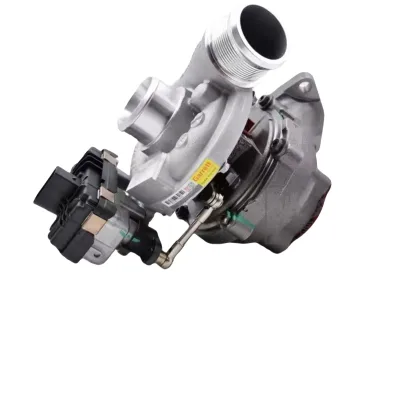
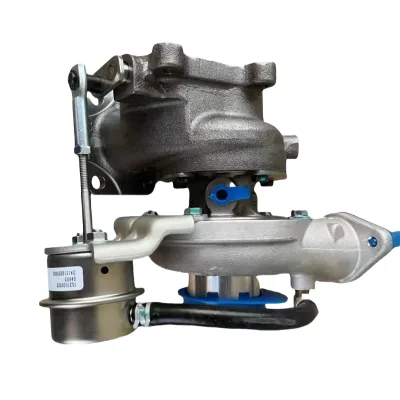
$157.00 - $168.57

Zhejiang Feiman Power Equipments Co., Ltd.
- Verified by TUVRHEINLAND
- Trading Company
- China Zhejiang
- Lead time30 days
- Avg. response≤ 5h
Main productsOil Pipe, Engine Spare Part, Engine, Sinotruk Engine, Engine Pipe, Auto Pipe, Sinotruk Spare Part, Truck Spare Part, Auto Part
Main marketsDomestic
Zhengzhou Cooper Industry Co., Ltd.
- Trading Company
- Henan, China
- Lead time30 days
- Avg. response≤ 2h
Main productsVehicle Parts & Accessories,Construction Machinery Attachments,Bus Spare Parts,Truck Spare Parts,Engine Parts
Main marketsAfrica(43.00%), Western Europe(14.00%), North America(14.00%), Mid East(10.00%), Southeast Asia(7.00%), Oceania(6.00%), South America(6.00%)
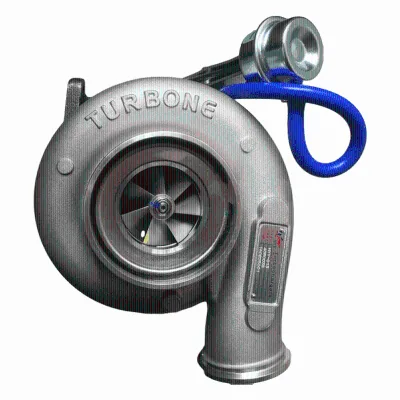
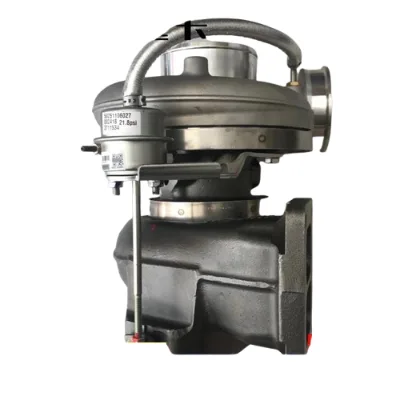
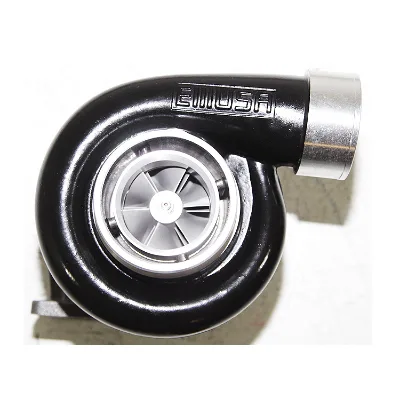
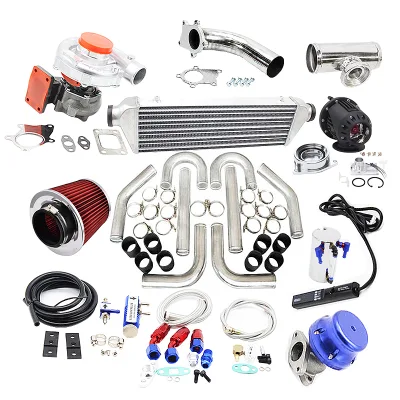
Turbocharger Boost Good Performance Turbocharger Balancing Machine Car Supercharger Turbocharger Kit
$79.00 - $89.00
MOQ: 1 units
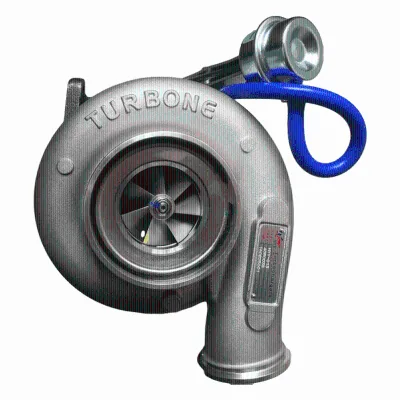
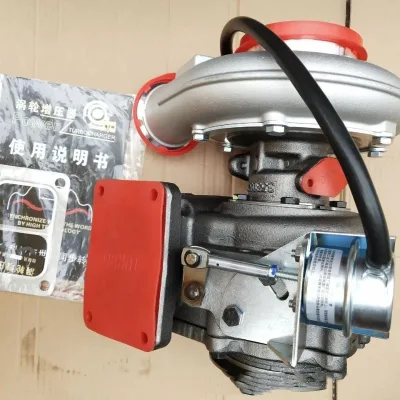
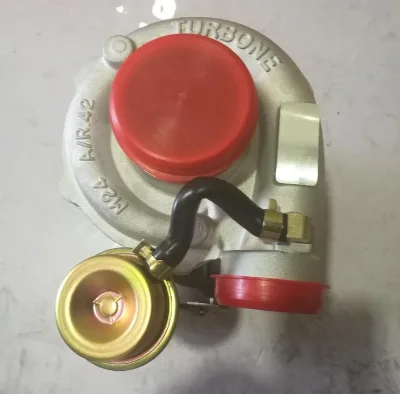
High Quality Electric Turbocharger Parts Boost Balancing Machine Tur-bo Charger Kit
$79.00 - $89.00
MOQ: 1
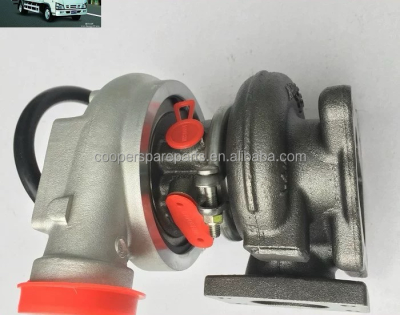
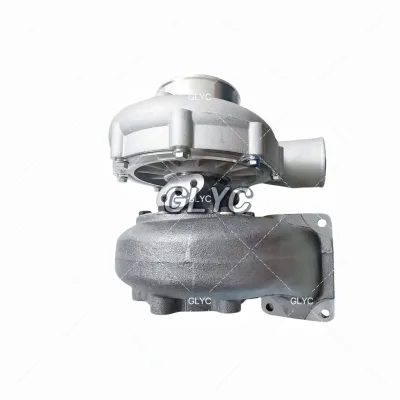
Genuine New Turbocharger & Parts
$185.00 - $200.00
Anhui Aljieao Auto Parts Co., Ltd.
- Trading Company
- Anhui, China
- Lead time7 days
- Avg. response≤ 2h
Main productsTruck Lamp,Nox Sensor,Urea Pump,Gakset,Engine Mounting
Main marketsSouth America(30.00%), North America(30.00%), Northern Europe(10.00%), Western Europe(10.00%), Domestic Market(5.00%), Mid East(5.00%), Eastern Europe(5.00%), Eastern Asia(5.00%)

Anhui Aljieao Auto Parts Co., Ltd
- Verified by CTI
- Trading Company
- China Anhui
- Lead time23 days
- Avg. response≤ 1h
Main productsUrea Pump, Nox Sensor, Truck Lamp
Main marketsSouth America,Africa,Southeast Asia/ Mideast,East Asia(Japan/ South Korea),Europe,Australia,North America


$479.68 - $499.99
MOQ: 20 Pieces


$479.68 - $499.99
MOQ: 20 Pieces
Shiyan Yilianda Industry And Trade Co., Ltd.
- Verified by Intertek
- Manufacturer, Trading Company
- Lead time7 days
- Avg. response≤ 3h
Main productsRepair Kit, Cylinder Head Assembly, Engine Assembly, Piston Kit, Fuel Pump
Main marketsNorth America(30%), South America(20%), Eastern Asia(15%)
Yiwu Hi-Great Trading Co., Ltd.
- Verified by SGS Group
- Trading Company
- Lead time40 days
- Avg. response≤ 5h
Main productsCooling system parts, Steering system parts, Brake system parts, Suspension system parts, Turbocharger
Main marketsSouth America(20%), Eastern Europe(15%), Mid East(15%)
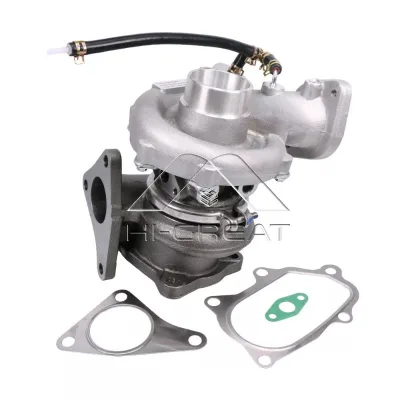
New Turbocharger 14411-AA670 Turbo Boost Control for Legacy IV Outback Engine EZ30
$78.3349 - $94.022
MOQ: 10 sets
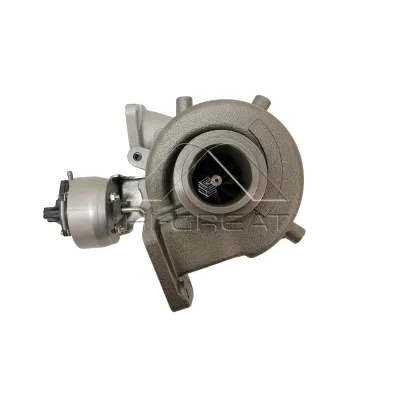
American Car Turbo Turbocharger 49477-01610/21587704 for Opel ANTARA a for Engine a 22 DM
$166.70 - $200.00
MOQ: 10 sets
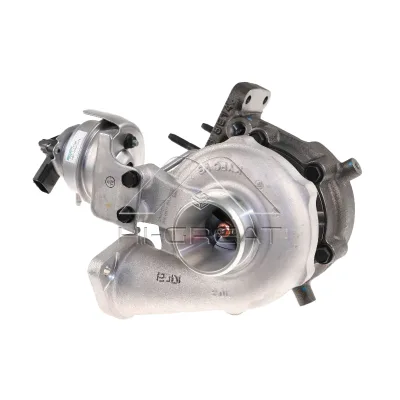
American Car Turbo Turbocharger 49477-01510/25194653/25185866 for Chevrolet ORLANDO for Engine LNP
$173.60 - $208.30
MOQ: 10 sets
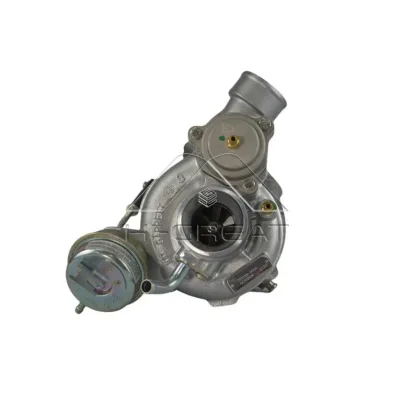
Car Turbo Turbocharger 720168-5011S/12755106 for SAAB 9-3 Convertible for Engine B207L/B207E
$90.30 - $108.30
MOQ: 10 sets
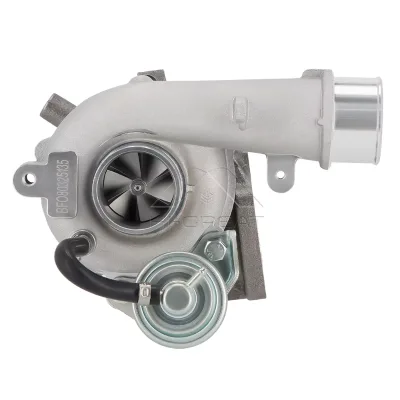
$78.3888 - $94.0879
MOQ: 10 sets
Chongqing Xuancheng Import & Export Co., Ltd.
- Trading Company
- Lead time旺季: "1 - 500":31,"> 500":"To be negotiated", 淡季: "1 - 500":31,"> 500":"To be negotiated"
- Avg. response≤ 4h
Main productsAuto Engine, Cylinder Block, Cylinder Head Assembly, Crankshaft, Camshaft

Fengcheng City Huizhong Turbocharger Manufacturing Co., Ltd.
- Manufacturer, Trading Company
- Liaoning, China
- Lead time30 days
- Avg. response≤ 14h
Main productsturbocharger,turbo,turbo parts,wastegate,rotor
Main marketsNorth America(70.00%), Western Europe(20.00%), Domestic Market(5.00%), Southeast Asia(5.00%)
Shaanxi Guolian Yunchuang Trading Co., Ltd.
- Trading Company
- Shaanxi, China
- Lead time7 days
- Avg. response≤ 10h
Main productsDiesel Fuel Nozzle, Common Rail Injector, Diesel Injection Pump, Common Rail Test Bench, Heavy Truck Construction Machinery
Main marketsNorth America(40.00%), South Asia(10.00%), Eastern Asia(10.00%), Oceania(10.00%), Africa(10.00%), Southeast Asia(10.00%), Eastern Europe(10.00%)
Guangzhou Aurora Auto Parts Co., Ltd.
- Trading Company, Buying Office, Distributor/Wholesaler
- Guangdong, China
- Lead time7 days
- Avg. response≤ 4h
Main productsChassis Parts,Suspension Parts,Engine Parts,Brake Parts,Body Parts
Main marketsNorth America(30.00%), South America(30.00%), Africa(20.00%), Central America(10.00%), Eastern Europe(1.00%), Southeast Asia(1.00%), Oceania(1.00%), Mid East(1.00%), Eastern Asia(1.00%), Western Europe(1.00%), Northern Europe(1.00%), Southern Europe(1.00%), South Asia(1.00%), Domestic Market(1.00%)

Ruicheng Auto Parts (shanghai) Co., Ltd.
- Trading Company
- Shanghai, China
- Lead time3 days
- Avg. response≤ 5h
Main productsturbocharger,turbocharger parts,injector,nozzle,plunger
Main marketsNorthern Europe(20.00%), South America(15.00%), Africa(10.00%), Mid East(10.00%), Southern Europe(10.00%), North America(5.00%), Western Europe(5.00%), South Asia(5.00%), Southeast Asia(5.00%), Eastern Europe(5.00%), Domestic Market(4.00%), Central America(2.00%), Eastern Asia(2.00%), Oceania(2.00%)
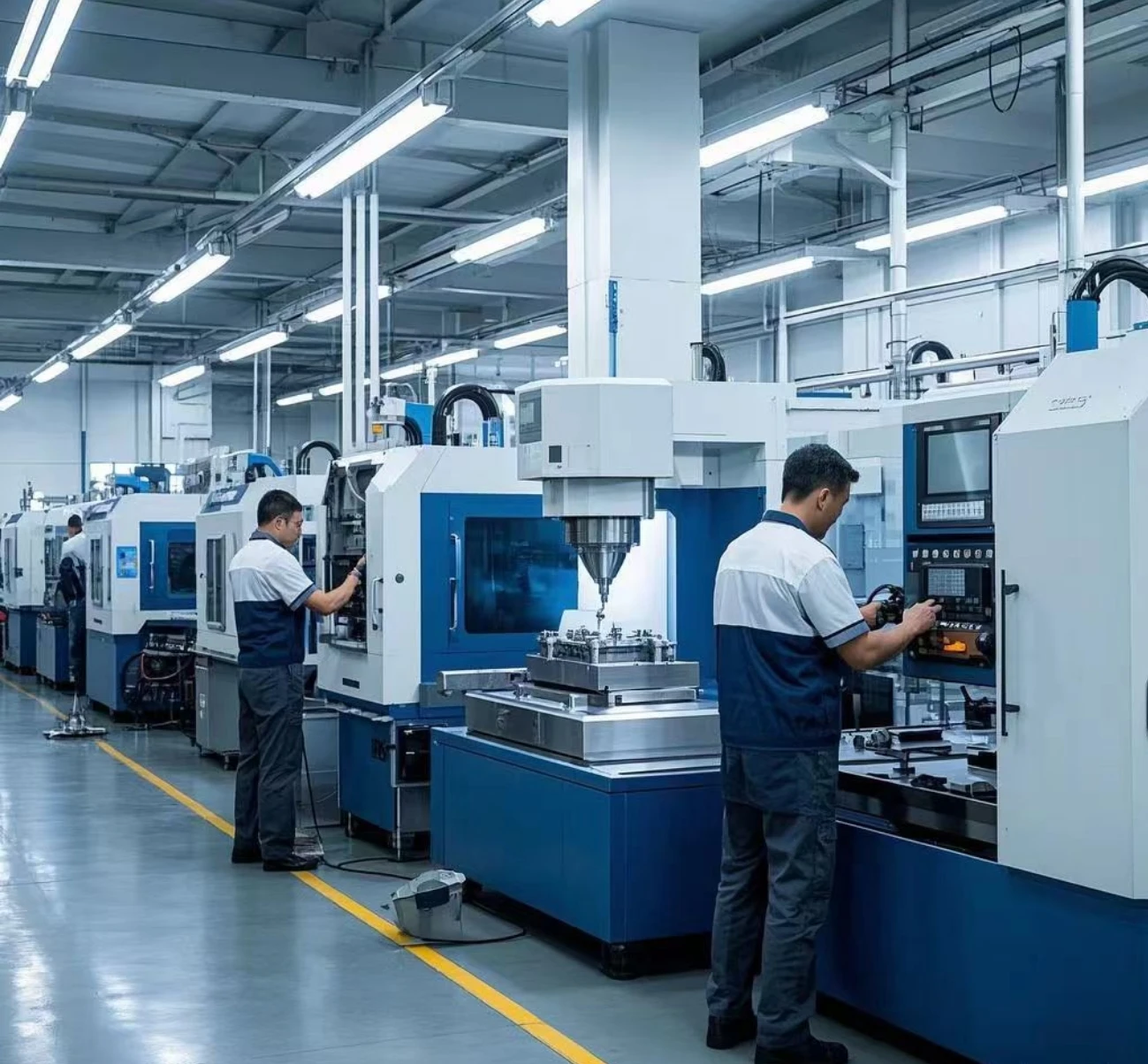
Fengcheng Dapeng Turbocharger Co., Ltd.
- Manufacturer, Trading Company
- Liaoning, China
- Lead time7 days
- Avg. response≤ 4h
Main productsturbo,turbocharger,auto parts,High Performance Turbocharger,Turbocharger Core Components
Main marketsSouth Asia(10.00%), Africa(10.00%), Southeast Asia(10.00%), Northern Europe(10.00%), Western Europe(10.00%), North America(10.00%), Domestic Market(5.00%), Oceania(5.00%), Southern Europe(5.00%), Eastern Europe(5.00%), Central America(5.00%), South America(5.00%), Eastern Asia(5.00%), Mid East(5.00%)
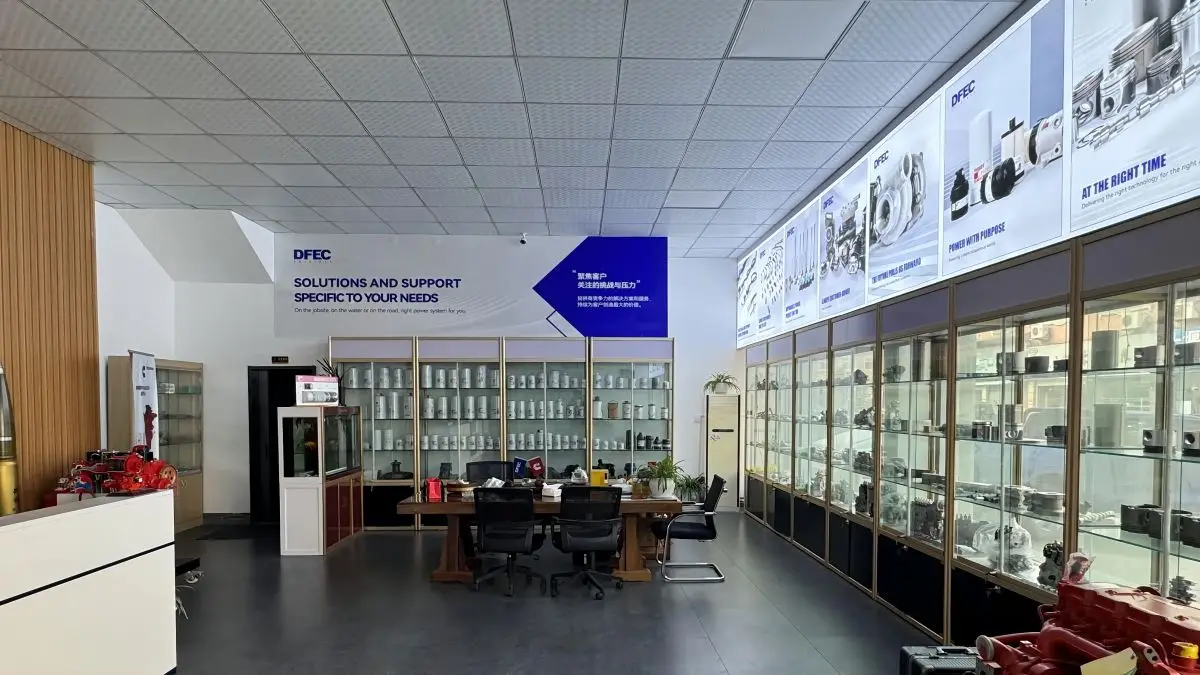
Hubei Diyue Auto Parts Co., Ltd.
- Trading Company
- Hubei, China
- Lead time7 days
- Avg. response≤ 3h
Main productsAuto parts,Construction machinery parts,Truck parts,Engine with accessories,SCR parts
Main marketsEastern Europe(40.00%), South America(30.00%), Africa(20.00%), Southern Europe(5.00%), Oceania(5.00%)
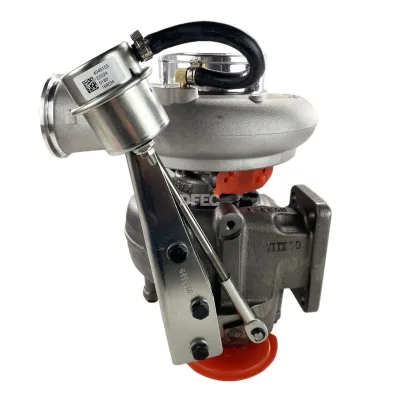
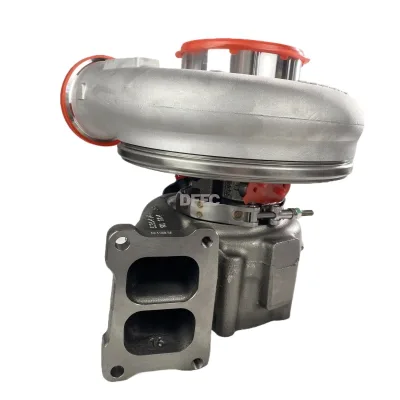
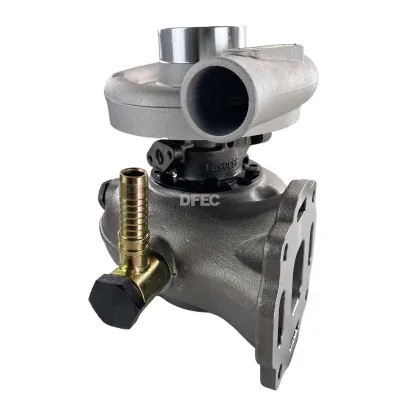
For HIC Marine Turbocharger 3524424 3524427 3802118 3802594 for 6BT 5.9L
$165.00 - $168.77
MOQ: 1 pieces
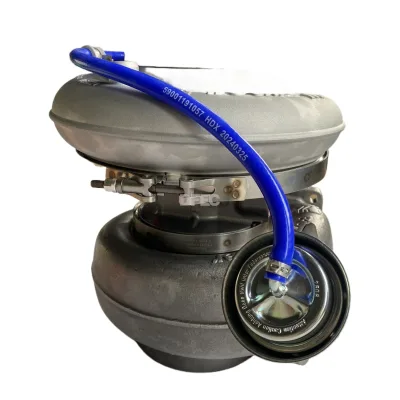
TURBOCHARGER 1000475448 Original Quality High-Strength Alloy for Machinery Equipment
$3440.00 - $3446.15
MOQ: 1 pieces

Guangzhou Disong Machinery Equipment Co., Ltd.
- Trading Company,Manufacturer/Factory
- China Guangdong
- Lead time15 days
- Avg. response≤ 11h
Main productsExcavator Part, Machinery Engine Part, Wheel Loader Part, Bulldozer Parts, Dump Truck Parts, Generator Set Parts, Heavy Truck Parts, Hydraulic Parts, Electronic Parts, Seal and Gasket
Main marketsSouth America,Eastern Europe,Mid East,North America,Southeast Asia,Eastern Asia,Oceania,Western Europe,Africa

Sichuan Eok Auto Industry Co., Ltd.
- Trading Company
- Sichuan, China
- Lead time36 days
- Avg. response≤ 7h
Main productsEngine Parts,Power Train Parts,Chassis Parts,Electrical Parts,Body Parts & Accessories
Main marketsSouth America(29.00%), Central America(10.00%), Northern Europe(10.00%), Southeast Asia(10.00%), Eastern Europe(10.00%), North America(10.00%), Western Europe(9.00%), Mid East(5.00%), Southern Europe(5.00%), Eastern Asia(1.00%), Africa(1.00%)
Hubei Zhuo Qian Trading Co., Ltd.
- Trading Company
- Hubei, China
- Lead time30 days
- Avg. response≤ 6h
Main productssupercharger,turbocharger,turbo-charger,engine parts,supercharger parts
Main marketsSouth America(30.00%), Eastern Europe(20.00%), Eastern Asia(15.00%), Southeast Asia(10.00%), Central America(10.00%), Southern Europe(10.00%), Northern Europe(5.00%)

Shandong Lianwo Heavy Truck Components Co., Ltd.
- Trading Company
- China Shandong
- Lead time15 days
- Avg. response≤ 4h
Main productsTruck Part, Truck Spare Part, Sinotruk HOWO, Gear Box, Mining Truck, Axle Part
Main marketsAfrica,Southeast Asia/ Mideast,Europe

Ruian Botten Auto Parts Co., Ltd.
- Manufacturer
- Zhejiang, China
- Lead time7 days
- Avg. response≤ 3h
Main productsAUTO BODY PARTS,CAR ACCESSORIES,AUTO BODY PARTS,AUTO ELECTRICAL SYSTEM,ENGINE PARTS
Main marketsEastern Europe(20.00%), South America(20.00%), North America(20.00%), Western Europe(5.00%), Eastern Asia(5.00%), Mid East(5.00%), Oceania(5.00%), Africa(5.00%), Southeast Asia(5.00%), Domestic Market(2.00%), South Asia(2.00%), Southern Europe(2.00%), Northern Europe(2.00%), Central America(2.00%)

Qingdao Saywell Auto Parts Co., Ltd
- Verified by SGS
- Trading Company
- China Shandong
- Lead time23 days
- Avg. response≤ 2h
Main productsTurbocharger, Chra, Rotor Assembly, Valve, Repair Kits, Vnt, Cartridge, Back Plate, Actuator, Turbo
Main marketsSouth America,Africa
Hangzhou Bob Electromechanical Equipment Co., Ltd.
- Trading Company
- Zhejiang, China
- Lead time12 days
- Avg. response≤ 2h
Main productsfuel injector,turbocharger,fuel pump,starter,solenoid
Main marketsCentral America(80.00%), South Asia(69.00%), North America(59.00%), Southeast Asia(28.00%), Mid East(15.00%)
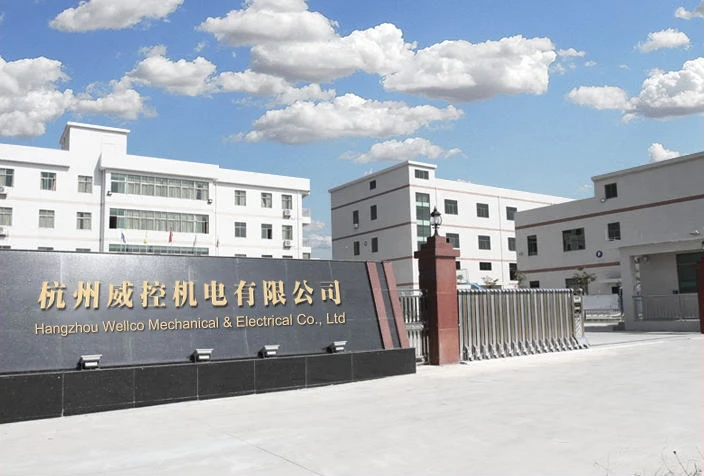
Hangzhou Wellco Mechanical & Electrical Co., Ltd.
- Trading Company
- Zhejiang, China
- Lead time5 days
- Avg. response≤ 2h
Main productsDiesel Engine Parts,Construction machinery parts,Agriculture machinery parts,Auto parts,Refrigerated truck parts
Main marketsNorthern Europe(15.00%), Western Europe(15.00%), North America(15.00%), Domestic Market(5.00%), South Asia(5.00%), Southern Europe(5.00%), Eastern Europe(5.00%), Central America(5.00%), South America(5.00%), Eastern Asia(5.00%), Mid East(5.00%), Oceania(5.00%), Africa(5.00%), Southeast Asia(5.00%)

Beijing Global Auto Parts Co., Ltd.
- Trading Company
- Beijing, China
- Lead time10 days
- Avg. response≤ 3h
Main productsPump,Injector,Nozzle,Control Valve,Valve
Main marketsMid East(40.00%), Southeast Asia(10.00%), Africa(10.00%), Western Europe(5.00%), Eastern Asia(5.00%), South America(5.00%), Eastern Europe(5.00%)
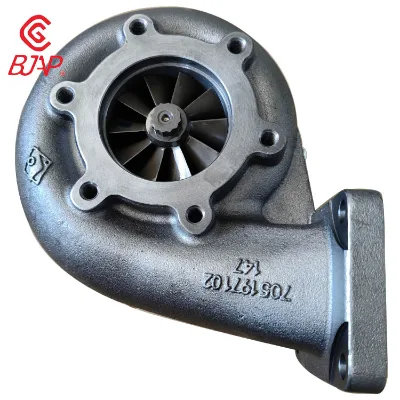
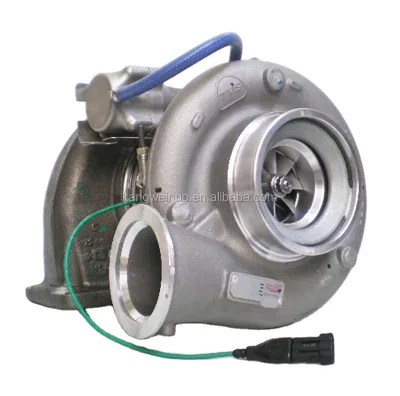
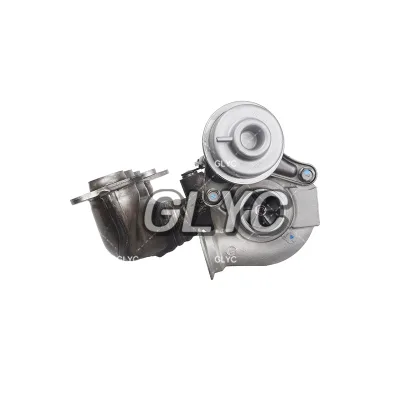
K29 Turbocharger 1000951730 612600114876 with MFA TYEN5987-1 TY1006
$180.00 - $200.00


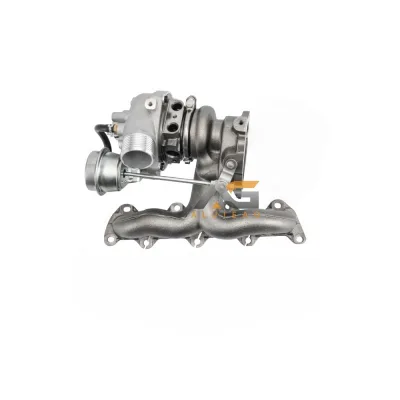
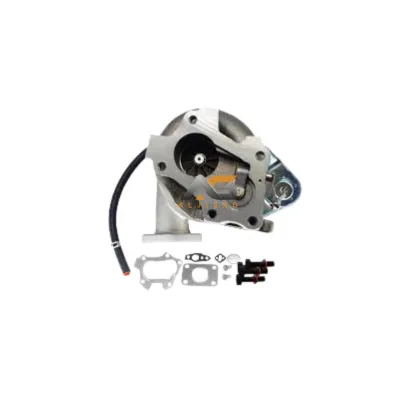
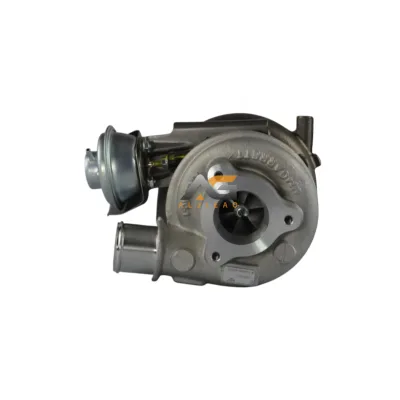
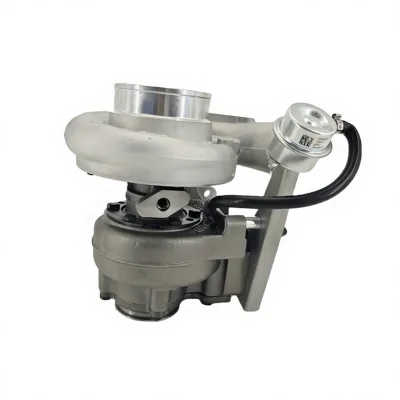






Comprehensive Sourcing Guide
Universal Turbo Boost Control Turbocharger Supplier Concentration and Factory Types
The sourcing landscape for universal turbo boost control turbochargers reveals a distinct geographic concentration within China, with specific manufacturing hubs identified in Shandong, Hubei, and Zhejiang provinces. Suppliers located in Shandong often operate as manufacturers or factories, leveraging local industrial infrastructure to produce components such as sand casting, investment casting, and precision CNC machining parts. This region is particularly noted for its capability in handling complex metalworking processes required for high-performance turbocharger bodies and turbine components. In contrast, suppliers based in Hubei frequently specialize in truck spare parts and engine systems, offering products tailored for specific commercial vehicle applications like Jiangxi and JAC models. These entities often position themselves as manufacturers with a focus on replacement and repair markets, providing new condition parts that meet specific OE numbers. Meanwhile, trading companies in Zhejiang serve as intermediaries, aggregating products from various origins, including Shandong, to offer universal solutions. These trading entities typically highlight their ability to provide OEM services and diverse model options, catering to buyers who need flexibility in sourcing rather than direct factory engagement. Understanding these regional distinctions helps buyers align their procurement strategy with the specific capabilities and business models of the suppliers they intend to engage.
Factory types vary significantly across these regions, influencing the nature of the partnership and the product offering. Manufacturer-factories in Shandong often emphasize their internal R&D capacity for both OEM and ODM projects, suggesting a higher degree of customization and technical support for complex turbocharger designs. These suppliers may hold system certifications like ISO 9001 and undergo third-party verifications such as TÜV Rheinland, which adds a layer of credibility to their quality management systems. On the other hand, trading companies in Zhejiang may not possess direct manufacturing facilities but instead focus on supply chain management and product aggregation. They often list a wide range of main products, including oil pipes and engine spare parts, indicating a broader inventory that can simplify logistics for buyers seeking multiple components. The distinction between a direct manufacturer and a trading company is crucial for buyers evaluating lead times, communication efficiency, and price structures. Direct manufacturers may offer more competitive pricing for large volumes due to reduced intermediary margins, while trading companies might provide faster response times and more flexible MOQs for smaller orders. Buyers must carefully assess whether their priority lies in direct factory engagement for cost efficiency or the convenience and variety offered by trading entities.
How to Verify Universal Turbo Boost Control Turbocharger Suppliers
Verifying the legitimacy and capability of Universal Turbo Boost Control Turbocharger suppliers requires a multi-layered approach that goes beyond surface-level profile reviews. Buyers should prioritize suppliers who display third-party verification badges, such as those from TÜV Rheinland, which indicate that an independent audit has been conducted on the company’s business operations and quality systems. This verification is a strong indicator of a supplier’s commitment to transparency and operational integrity. Additionally, checking for system certifications like ISO 9001 is essential, as it demonstrates that the supplier adheres to internationally recognized standards for quality management. These certifications are particularly important for turbocharger manufacturers, given the critical role these components play in engine performance and safety. Buyers should also examine the supplier’s main products to ensure alignment with their specific needs. For instance, a supplier listing sand casting and precision casting as main products is likely better equipped to handle complex turbocharger body manufacturing than one focusing solely on assembly. Cross-referencing the supplier’s claimed capabilities with their product evidence, such as specific model numbers and material specifications, can further validate their technical expertise.
Beyond certifications and product listings, buyers should scrutinize the supplier’s response time and communication efficiency as indicators of their operational maturity. A quick response time, such as under four hours, suggests a well-staffed and responsive sales team capable of addressing technical queries and order inquiries promptly. This is particularly important for turbocharger sourcing, where technical specifications and compatibility details are critical. Buyers should also look for evidence of product testing and quality assurance processes. Suppliers that explicitly state their products are "100% tested" or provide detailed quality guarantees demonstrate a higher level of confidence in their output. Furthermore, examining the supplier’s location and company type can provide insights into their operational structure. For example, a manufacturer in Hubei specializing in truck spare parts may have different quality control protocols compared to a trading company in Zhejiang. Buyers should request detailed product attributes, such as body material, certification types, and customization options, to ensure the supplier can meet their specific technical requirements. By combining verification badges, certification checks, response time analysis, and product evidence review, buyers can build a comprehensive profile of each supplier’s reliability and capability.
What to Compare Across Universal Turbo Boost Control Turbocharger Suppliers
When evaluating multiple suppliers for universal turbo boost control turbochargers, buyers must systematically compare key operational metrics to identify the most suitable partner. Lead time is a critical factor, with some suppliers offering delivery windows of 60 days, while others promise faster turnaround times of 7-15 days or even 15-20 days. These variations can significantly impact inventory planning and order fulfillment, especially for buyers with tight production schedules. Buyers should also compare the Minimum Order Quantity (MOQ) requirements, which range from as low as 1 piece to 10 pieces or more. A lower MOQ is advantageous for testing new suppliers or fulfilling small-scale repair orders, whereas higher MOQs may be necessary to achieve better unit pricing. Response time is another vital metric, with some suppliers responding within 2 hours, while others may take up to 9 hours. Faster response times often correlate with better customer service and quicker resolution of technical issues. Additionally, buyers should compare the suppliers’ main products and specialization areas. A supplier focusing on turbocharger parts and engine systems may offer more specialized expertise than one with a broader range of general auto parts.
Price and customization options are also essential comparison points. Unit prices for turbochargers can vary widely, with some products priced around $120 to $350, while others may exceed $695. These price differences often reflect variations in material quality, manufacturing complexity, and brand positioning. Buyers should also assess the customization capabilities of each supplier, including their ability to provide OEM services and produce custom models. Suppliers that offer customization options, such as specific body materials like aluminum or alloy, and tailored packing solutions, provide greater flexibility for buyers with unique requirements. Furthermore, comparing the suppliers’ product attributes, such as certification types, component details, and application compatibility, can help buyers ensure that the selected supplier meets their technical standards. For example, a supplier offering ISO-certified products with specific turbine components may be more suitable for high-performance applications. By systematically comparing lead times, MOQs, response speeds, prices, and customization capabilities, buyers can make informed decisions that balance cost, quality, and operational efficiency.
Common Universal Turbo Boost Control Turbocharger Sourcing Risks
Sourcing universal turbo boost control turbochargers from international suppliers introduces several risks that buyers must proactively manage to ensure successful procurement. One significant risk is the potential mismatch between product specifications and actual delivery. Suppliers may list products with generic attributes, such as "universal fit" or "alloy body," without providing detailed compatibility information for specific vehicle models. This can lead to installation issues or performance failures if the turbocharger is not precisely matched to the engine requirements. Buyers should mitigate this risk by requesting detailed product attributes, including OE numbers, model compatibility, and specific component details, before placing orders. Another risk is the variability in lead times, which can disrupt supply chains if not accurately communicated. Some suppliers may quote short lead times initially but fail to meet them due to production bottlenecks or material shortages. Buyers should establish clear communication channels and request regular updates on production status to monitor progress and address delays promptly.
Quality consistency is another critical risk, particularly when sourcing from trading companies or suppliers with limited quality control processes. Products may vary in quality between batches, leading to inconsistent performance and potential warranty claims. Buyers should prioritize suppliers with verified quality certifications and explicit quality assurance statements, such as "100% tested" guarantees. Additionally, the risk of intellectual property infringement or counterfeit products exists, especially when dealing with suppliers offering branded components without proper authorization. Buyers should verify the authenticity of any branded parts and ensure that the supplier has the necessary rights to produce or distribute them. Payment risks are also present, particularly when dealing with new suppliers or large orders. Buyers should use secure payment methods, such as escrow services, to protect their funds until the goods are received and verified. By identifying and addressing these risks through thorough due diligence, clear communication, and secure transaction practices, buyers can minimize potential disruptions and ensure a smooth sourcing experience.
Universal Turbo Boost Control Turbocharger Regional Sourcing and Logistics
Regional sourcing strategies for universal turbo boost control turbochargers are heavily influenced by the geographic distribution of suppliers within China, particularly in Shandong, Hubei, and Zhejiang provinces. Each region offers distinct logistical advantages and challenges that buyers must consider when planning their supply chain. Suppliers in Shandong, often located in industrial hubs, benefit from established manufacturing infrastructure and proximity to major ports, facilitating efficient export logistics. These suppliers typically handle complex manufacturing processes, such as sand casting and CNC machining, which require specialized equipment and skilled labor. Buyers sourcing from Shandong may benefit from the region’s robust supply chain for raw materials and components, leading to more consistent production schedules. However, buyers should also consider the potential for higher transportation costs if their destination is far from the port of shipment. Logistics planning should include evaluating the supplier’s packing methods, such as carton boxes or neutral cartons, to ensure product protection during transit.
In contrast, suppliers in Hubei and Zhejiang offer different logistical profiles. Hubei-based suppliers, often specializing in truck spare parts and engine systems, may have closer ties to domestic commercial vehicle markets, influencing their production and distribution networks. These suppliers may offer faster domestic delivery options but could face longer international shipping times depending on their location relative to major export hubs. Zhejiang-based trading companies, on the other hand, often aggregate products from multiple origins, including Shandong, to offer a wider range of options. This aggregation can simplify logistics for buyers by consolidating shipments from different suppliers into a single container. However, buyers must ensure that the trading company has robust quality control measures in place to maintain product consistency across different origins. Buyers should also consider the impact of regional trade policies and tariffs on their total landed cost. By understanding the logistical implications of sourcing from different regions, buyers can optimize their supply chain for efficiency, cost-effectiveness, and reliability.
Universal Turbo Boost Control Turbocharger Commercial Terms and Order Planning
Effective order planning for universal turbo boost control turbochargers requires careful attention to commercial terms, including pricing structures, payment methods, and warranty policies. Buyers should negotiate clear pricing agreements that account for volume discounts, especially when ordering larger quantities. Some suppliers offer tiered pricing based on MOQs, with lower unit prices for orders exceeding certain thresholds. Understanding these pricing structures helps buyers optimize their order quantities to achieve the best cost efficiency. Payment terms are another critical aspect, with many suppliers requiring upfront payments or using secure escrow services to protect both parties. Buyers should verify the supplier’s accepted payment methods, such as T/T, and ensure that the transaction process is transparent and secure. Additionally, buyers should clarify the warranty policies for the turbochargers, including the duration of coverage and the process for handling defects or failures. Suppliers that offer warranties, such as "Yes" for warranty coverage, provide an added layer of protection for buyers.
Order planning also involves coordinating with suppliers on delivery schedules and production timelines. Buyers should establish a clear communication protocol for order confirmations, production updates, and shipping notifications. This helps prevent delays and ensures that the goods arrive in time for installation or sale.
FAQs
What is a Universal Turbo Boost Control Turbocharger used for?
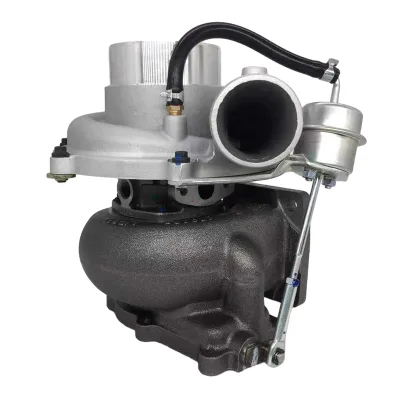
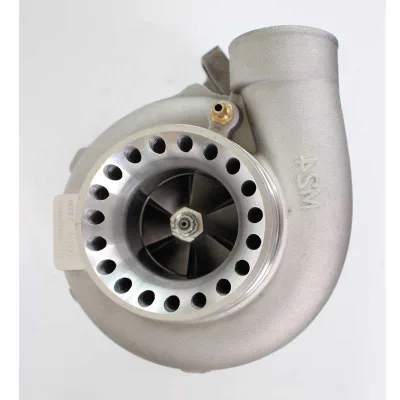
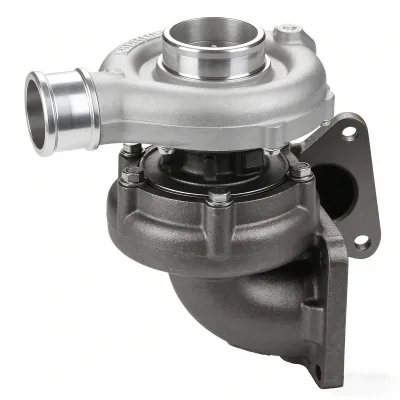
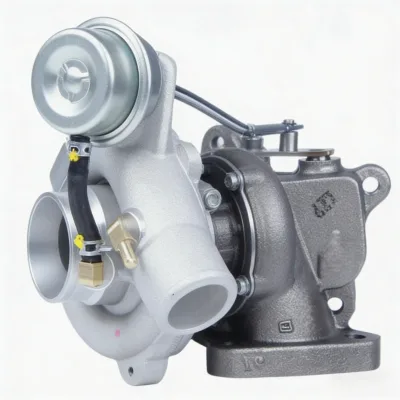
It regulates boost pressure in an engine's turbocharger system and can be fitted as a replacement or repair part across compatible applications. Universal designs are intended to cover multiple engine models rather than one OEM fitment. Buyers should confirm compressor and turbine dimensions, flange type, and actuator pressure with the supplier before ordering to ensure proper matching to their engine.
What is the typical minimum order quantity for universal turbochargers?
Minimum order quantities vary widely by supplier, with some listings accepting a single piece and others requiring ten pieces per order. Trading companies and stocking suppliers often allow low quantities, while factories producing custom builds may set higher thresholds. Always confirm the MOQ in writing before quoting, since sample orders and bulk production runs may carry different minimums and price tiers.
How long does production and delivery usually take?
Lead times in current listings range from about seven to fifteen days for stocked turbocharger items to roughly fifteen to twenty days for customized models, with some factory orders quoted at thirty or even sixty days. Shipping time is additional and depends on destination and freight method. Confirm whether the quoted lead time covers production only or includes packaging and export handling.
Can I order turbochargers customized to my engine specifications?
Yes, customization is offered on many listings, and several suppliers support OEM and ODM production. You will typically need to provide engine model, turbo frame size, compressor wheel specifications, and target boost pressure. Customized orders usually extend the lead time compared with stocked items and may increase the minimum order quantity, so request a written confirmation of both before placing the order.
What certifications should I check when sourcing turbochargers from China?
Look for suppliers holding ISO 9001 quality system certification, which some listings on this page display, and independent on-site verification such as TUV Rheinland. Product-level certification marks, such as turbine component certification, should also be requested for the specific unit you plan to buy. Ask for certificate copies and verify their validity and scope directly with the issuing body before committing funds.
Which supplier locations are common for turbocharger sourcing?
Current listings come from Shandong, Hubei, Zhejiang, and Henan in China, covering both manufacturers and trading companies. Shandong suppliers tend to focus on casting, forging, and machining capabilities, while Hubei suppliers list truck-related turbo parts. Location affects freight cost and factory visit convenience, so consider clustering orders from one region to consolidate inspection and shipping arrangements.
How quickly do turbocharger suppliers respond to inquiries?
Response times recorded on this page range from about two hours to nine hours, so most suppliers reply within one business day. Faster response often signals an active sales team, but it does not guarantee technical accuracy. Prepare your engine specifications and target quantities in the first message, and test each supplier's responsiveness and product knowledge with a detailed technical follow-up question.
What price range should I expect for universal turbochargers?
Listed prices on this page span roughly from 120 to 699 US dollars per unit, depending on type, materials, and application. Basic boost control replacements sit at the lower end, while premium or electric turbochargers command higher prices. Treat listed prices as starting points only, since final quotes depend on quantity, customization level, packaging, and current raw material costs at the factory.