For Hino 500 Fuel Filter Suppliers and Manufacturers
Find 32 verified suppliers offering For Hino 500 Fuel Filter with OEM and ODM capabilities. Compare locations in Zhejiang and Anhui, response times, lead times, and certifications like TS 16949. Request quotes directly to verify pricing and MOQ; review the available evidence before requesting comparable quotations from suitable candidates.
Updated
Suppliers List

Hangzhou Rainbow Auto Parts Co., Ltd.
- Verified by TUVRHEINLAND
- Manufacturer/Factory
- China Zhejiang
- Lead time38 days
- Avg. response≤ 5h
Main productsAir Filter, Oil Filter, Fuel Filter, Cabin Filter, Auto Oil Filter, Oil Filter Elements, Oil Auto Filter, Toyota Oil Filter, Honda Oil Filter, Water Separator Filter
Main marketsSouth America,Eastern Europe,Mid East,North America,Southeast Asia,Eastern Asia,Africa


Customized Supplier Spare Auto Parts Air/Oil/Fuel/Cabin Filter S1560-72261 for Hino
$1.82
MOQ: 1000 Pieces

Anhui Meiruier Filter Co., Ltd.
- Verified by SGS
- Trading Company,Manufacturer/Factory
- China Anhui
- Lead time45 days
- Avg. response≤ 7h
Main productsFilter, Fuel Filter, Oil Filter, Air Filter, Auto Fuel Filter, Auto Oil Filter, Auto Filter, Truck Oil Filter, Truck Filter, Truck Fuel Filter
Main marketsSouth America,Eastern Europe,Mid East,North America,Southeast Asia,Eastern Asia,Oceania,Western Europe,Africa


Auto Spare Parts Factory Price OEM Diesel Fuel Filter for Hino Trucks Engine Ef-1802
$1.42 - $1.86
MOQ: 500 Pieces

P550436 Auto Spare Parts Trucks Diesel Fuel Filter for Hino Engines 23401-1700
$1.00 - $3.00
MOQ: 500 Pieces
Guangzhou Coral Industrial Co., Ltd.
- Verified by TüVRheinland
- Manufacturer, Trading Company
- Lead time7 days
- Avg. response≤ 1h
Main productsOil Filter, Fuel Filter, Cabin Filter, Air Filter, Diesel Filter
Main marketsSouth America(25%), North America(15%), Africa(10%)
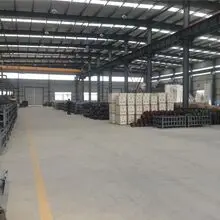
Shiyan Chezhou Auto Parts Co., Ltd.
- Trading Company
- Hubei, China
- Lead time7 days
- Avg. response≤ 2h
Main productsDongfeng DANA products,Cummins series parts,Renault engine parts,Bosch spare parts,Truck electric parts
Main marketsSouth America(14.00%), Africa(13.00%), Southeast Asia(12.00%), Eastern Europe(10.00%), Mid East(9.00%), South Asia(8.00%), Northern Europe(8.00%), Domestic Market(5.00%), Southern Europe(5.00%), Oceania(4.00%), Eastern Asia(4.00%), North America(3.00%), Central America(3.00%), Western Europe(2.00%)
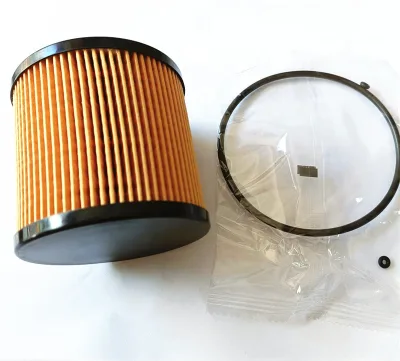
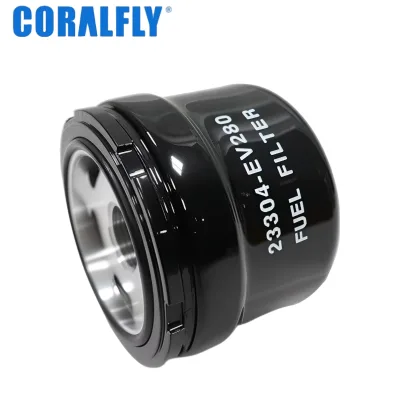
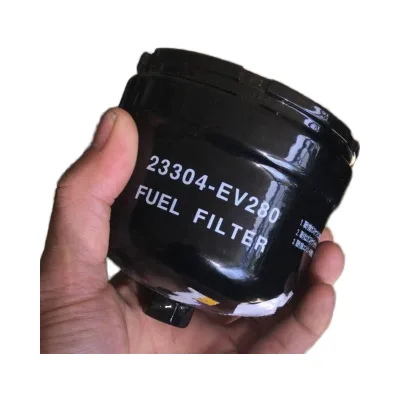
High quality Auto Part Truck Fuel Filter 23304-EV290 fits for hino fuel filter
$3.85 - $4.50
MOQ: 10 pieces

Jinan Star Voyage Commercial Co., Ltd.
- Verified by CTI
- Trading Company
- China Shandong
- Lead time15 days
- Avg. response≤ 5h
Main productsAuto Filter, Truck Engine, Truck Spare Part
Main marketsDomestic

Genuine P502226 Fuel Filter for Hino 300 Series, Hino, Mitsubishi Fuso, Isuzu-
$5.48 - $6.30
MOQ: 1 Pieces

Guangzhou Growingtop Machinery Parts Co., Ltd.
- Trading Company, Agent, Distributor/Wholesaler
- Guangdong, China
- Lead time20 days
- Avg. response≤ 5h
Main productsTruck parts,Construction machinery parts,auto parts
Main marketsAfrica(30.00%), North America(30.00%), Western Europe(10.00%), Mid East(8.00%), Eastern Europe(7.00%), Southern Europe(5.00%), Central America(5.00%), South America(5.00%)

JINAN GUYUE AUTO PARTS CO., LTD.
- Verified by SGS
- Trading Company
- China Shandong
- Lead time15 days
- Avg. response≤ 8h
Main productsFAW Sinotruck Shacman Beiben Truck Spare Part, Bus Spare Parts, Light Truck Spare Parts, Tyre, Construction Machinery, Fuwa Ror BPW Trailer Spare Parts
Main marketsAfrica,Southeast Asia/ Mideast,North America
Jilin Bochen Trading Co., Ltd.
- Trading Company
- Jilin, China
- Lead time20 days
- Avg. response≤ 3h
Main productsVarnish,Curing agent,Paint,1K Paint,Coatings and paints
Main marketsNorth America(100.00%)
$2.50 - $5.00
MOQ: 10 pieces
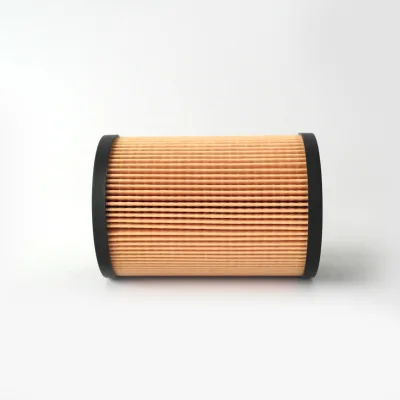
S2340-11690 High Quality and Efficient Hino Engine Fuel Filter S2340-11690
$1.30 - $2.80
MOQ: 10 pieces
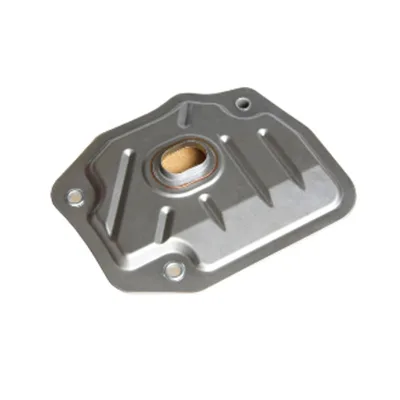
Trucks Fuel Filter 13020488 P550588
$7.15 - $7.80

Hebei Congben Vehicle Fittings Co., Ltd.
- Verified by TUVRHEINLAND
- Trading Company,Manufacturer/Factory
- China Hebei
- Lead time15 days
- Avg. response≤ 5h
Main productsAir Filter, Cabin Filter, Oil Filter, Fuel Filter, Fuel Water Separator, Motorcycle Filter, Transmission Filter, Truck Filter, Construction Machinery Filter Element, Spark Plug Brake Pads Water Pump
Main marketsSouth America,Eastern Europe,Mid East,North America,Southeast Asia,Oceania,Western Europe,Africa

High Quality OEM 23304-EV430 23304-EV550 23304-EV470 Fuel Filter for Hino Diesel Fuel Filter
$5.15 - $6.50
MOQ: 100 Pieces


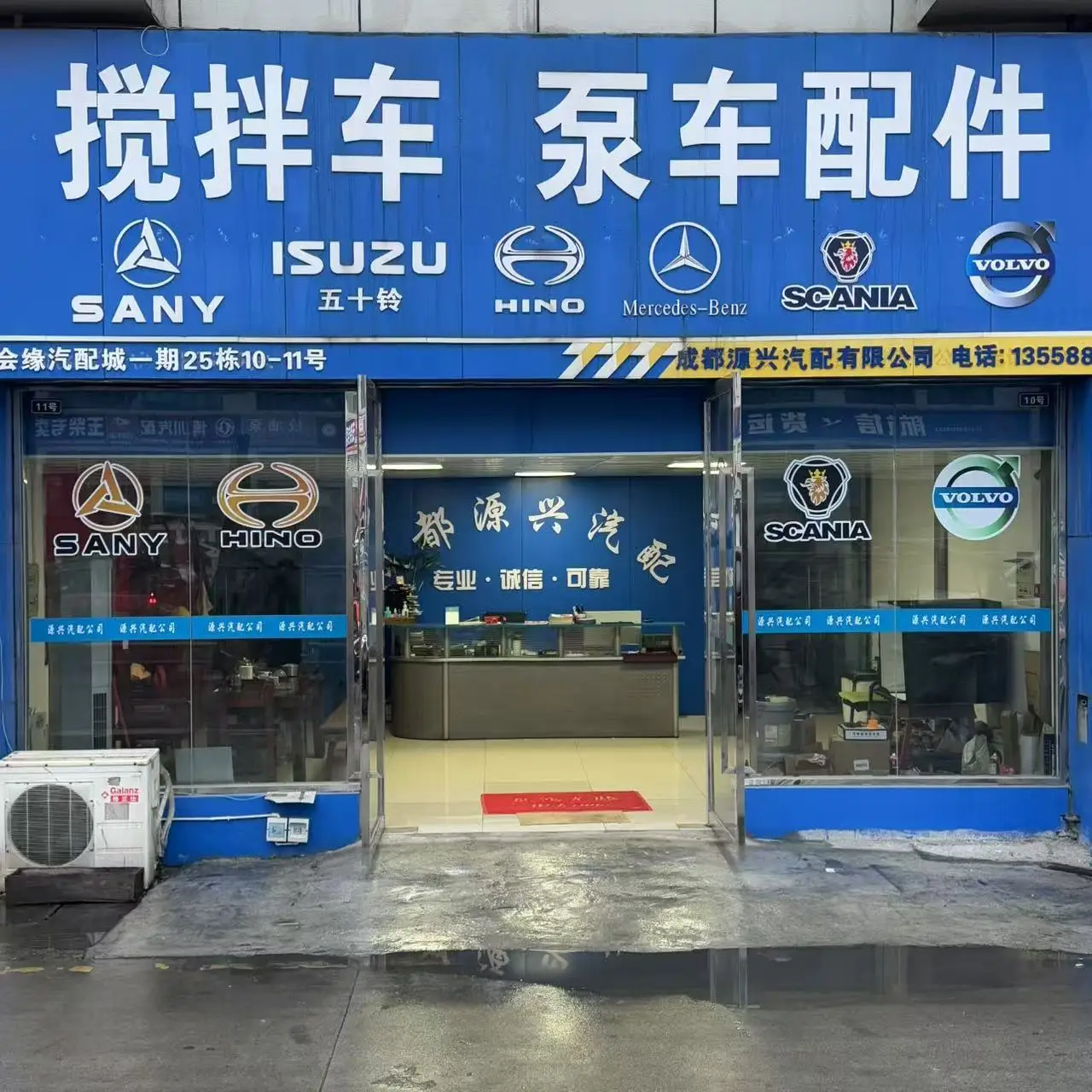
Chengdu Hexin Ruida Electromechanical Equipment Co., Ltd.
- Trading Company
- Sichuan, China
- Lead time15 days
- Avg. response≤ 2h
Main productsTruck Spare Parts,Spare Part for concrete Mixer,Spare Part for concrete Pump,Heavy Duty Truck Parts
Main marketsSoutheast Asia(30.00%), Africa(30.00%), Southern Europe(10.00%), Northern Europe(10.00%), Western Europe(10.00%), Eastern Europe(10.00%)
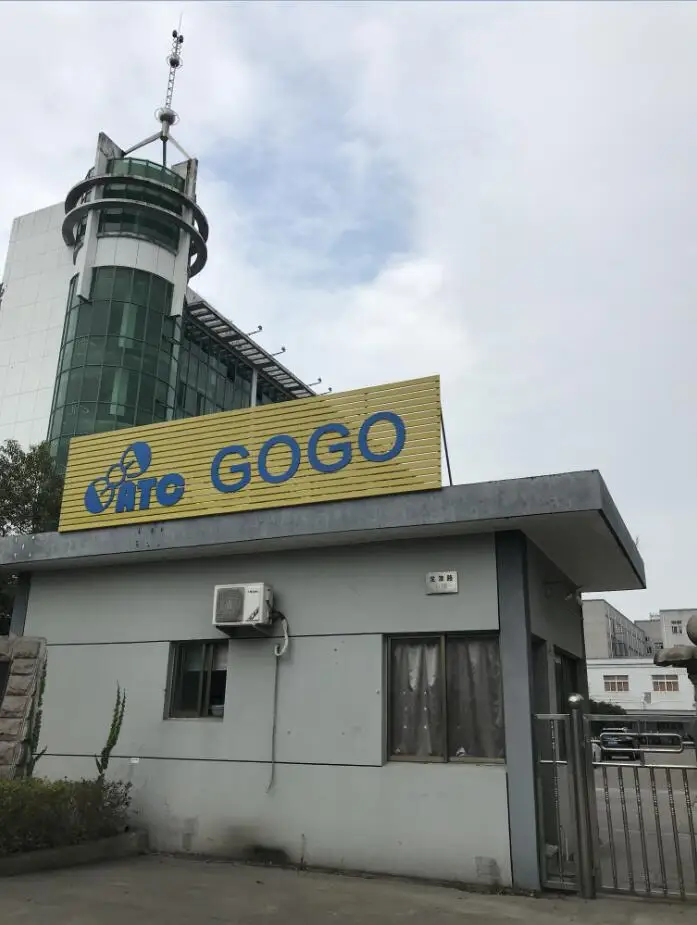
Ningbo Fenghua Gogo Automatic Trading Company Limited
- Trading Company
- Zhejiang, China
- Lead time30 days
- Avg. response≤ 9h
Main productsWater Pump,auto sensor,auto switch,Idle Air Control Valve For RENAULT OEM 7700859134 6NW009141-111 4.02003.59.0 AESP20912 70859134 556071 Idle Air Control Valve,Thermostat Housing
Main marketsMid East(10.00%), Eastern Asia(10.00%), Africa(10.00%), Southeast Asia(10.00%), Eastern Europe(10.00%), South America(10.00%), North America(10.00%), Northern Europe(5.00%), Central America(5.00%), Domestic Market(5.00%), South Asia(5.00%), Oceania(4.00%), Western Europe(3.00%), Southern Europe(3.00%)

Sichuan Hongjun Science and Technology Co., Ltd.
- Verified by CTI
- Trading Company
- China Sichuan
- Lead time23 days
- Avg. response≤ 6h
Main productsWheel Loader Parts, Excavator Parts, Liugong Parts, Cummins Parts, Caterpillar Parts, Isuzu Diesel Engine, Komatsu Parts, Diesel Engine Parts, Diesel Outboard Engine, Outboard Motor
Main marketsSoutheast Asia/ Mideast,East Asia(Japan/ South Korea),Europe,North America
- Verified by TüVRheinland
- Trading Company
- Lead time30 days
- Avg. response≤ 2h
Main productsFuel Pump, Filter, Clutch Cylinder, Alternator And Parts, Ignition Coil
Main marketsNorth America(40%), South America(25%), Eastern Europe(20%)

Jinan Fuju Auto Parts Co., Ltd.
- Verified by SGS
- Trading Company
- China Shandong
- Lead time15 days
- Avg. response≤ 6h
Main productsFilter, Heavy-Duty Truck Accessories, Generator Sets Filter, Mining Equipment Filters, Commercial Truck Filters, Silicone Hoses
Main marketsDomestic,Europe
Guangzhou Coral Industrial Co., Ltd.
- Manufacturer, Trading Company
- Lead time旺季: "1 - 1000":31,"> 1000":"To be negotiated", 淡季: "1 - 1000":31,"> 1000":"To be negotiated"
- Avg. response≤ 1h
Main productsOil Filter, Fuel Filter, Hydraulic Oil Filter, Fuel Water Separator Filter, Air Filter

Qingdao Top Run International Trade Co., Ltd
- Verified by SGS
- Trading Company
- China Shandong
- Lead time15 days
- Avg. response≤ 9h
Main productsConstruction Machinery Spare Parts, Truck Crane Sapre Parts, Wheel Loader/Road Roller/Motor Grader Parts, Excavator Spare Parts, Mining Truck Parts, Sany Shantui Spare Parts
Main marketsSouth America,Eastern Europe,Mid East,North America,Southeast Asia,Eastern Asia,Africa

Jiangxi Sange Filter Manufacturing Co., Ltd.
- Verified by BV
- Combined
- China Jiangxi
- Lead time23 days
- Avg. response≤ 2h
Main productsAir Filter, Oil Filter, Truck Parts, Air Compressor Parts, Air Oil Separator, Fuel Filter, Line Filter
Main marketsSouth America,Africa,Southeast Asia/ Mideast,East Asia(Japan/ South Korea),Domestic,Europe,Australia,North America

Hot Sale China Manufacturer Replacement for Hino Element Fuel Filter 23304-78091 Sn25126 Sn 25126
$2.00 - $3.00
MOQ: 1 Pieces


Hebei Leadstar Auto Parts Co., Ltd.
- Verified by CTI
- Combined
- China Hebei
- Lead time30 days
- Avg. response≤ 1h
Main productsAir Filter, Oil Filter, Fuel Filter, Truck Filter, Truck Parts, Lubricating Oil, Spare Parts of Truck, Automotive Engine Accessories, Spare Parts of Engineering Vehicle, Engineering Vehicle Engine Accessories
Main marketsOthers(foreignTradeCapacity.exportBusinessCapacityMarketOther),Europe


Heavy Duty Truck Filter High Quality Truck Parts Oil Filter Fuel Filter Hf6588
$5.00 - $100.00
MOQ: 500 Pieces

Wenzhou SGL Auto Parts Co., Ltd.
- Verified by BV
- Manufacturer/Factory
- China Zhejiang
- Lead time23 days
- Avg. response≤ 6h
Main productsOil Filter, Air Filter, Fuel Filter, Truck Filter, Heavy Duty Filter, Diesel Filter, Construction Machinery Filter, Ship Filter and Boat Filter, Generator Set Filter, Agricultural Machinery Filter
Main marketsSouth America,Eastern Europe,Mid East,North America,Western Europe,Africa

Jiaozuo Shuangyi Filter Co., Ltd.
- Verified by CTI
- Combined
- China Henan
- Lead time15 days
- Avg. response≤ 2h
Main productsAir Filter, Oil Filter, Fuel Filter, Water Separator Fuel Filter, Hydraulic Filter, Cabin Filter, Brake Pads, Water Filter, Oil Content, Dust Filter Element
Main marketsSouth America


Diesel Fuel Filter FF5052 Truck Filter FF42000 H60wk01 Diesel Filter H60wk01
$2.80 - $3.50
MOQ: 6 Pieces

Hebei Urofly Auto Tech Co., Ltd
- Verified by CTI
- Trading Company
- China Hebei
- Lead time30 days
- Avg. response≤ 4h
Main productsAir Filter, Oil Filter, Fuel Filter, Cabin Filter, Crankcase Ventilation Filter, Coolant Filter, Power Steering Filter, Urea Filter
Main marketsNorth America
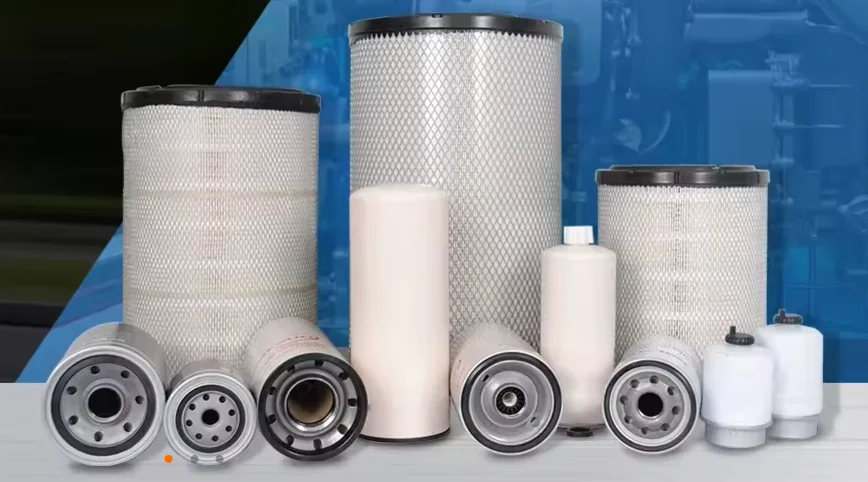
Hangzhou Allsize Auto Parts Co., Ltd.
- Trading Company
- Zhejiang, China
- Lead time0 days
- Avg. response≤ 2h
Main productsair filter,oil filter,fuel filter,hydraulic filter,Construction Machinery Filter
Main marketsMid East(25.00%), Africa(20.00%), Southeast Asia(15.00%), Eastern Asia(10.00%), South America(10.00%), Northern Europe(10.00%), Western Europe(5.00%), North America(3.00%), Eastern Europe(2.00%)
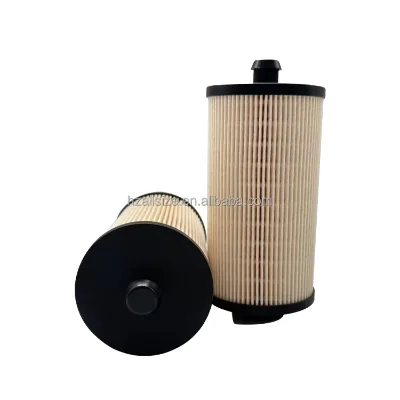
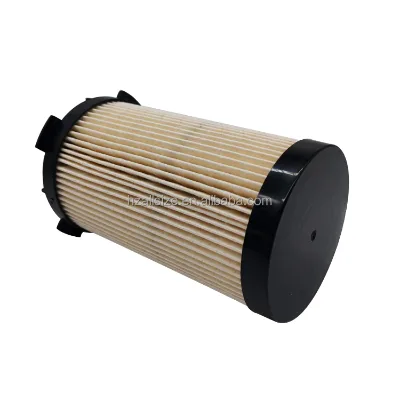
New Allsize Fuel Filters 160603010047A001 60358722 SN 35051 for Hino CC 580SY 309 C-8SY 500
$5.2115 - $6.5403
MOQ: 20 pieces
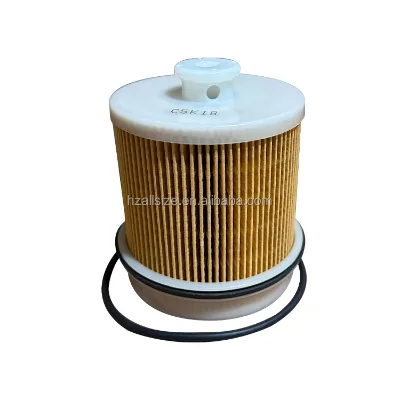
High Efficiency Fuel Filter 5-87616007-0 8981628970 Fits for Wheel Dozers
$3.6222 - $4.9659
MOQ: 20 pieces

Henan HTD Industrial Co., Ltd.
- Verified by SGS
- Trading Company,Manufacturer/Factory
- China Henan
- Lead time45 days
- Avg. response≤ 8h
Main productsFuel Filter, Oil Filter, Air Filter, Hydraulic Oil Filter, Engine Parts, Diesel Filter, Brake Valve, Brake Disc
Main marketsSouth America,Eastern Europe,Mid East,North America,Southeast Asia,Eastern Asia,Oceania,Western Europe,Africa
DENXO MACHINERY COMPANY LIMITED
- Trading Company
- Hong Kong S.A.R.
- Lead time30 days
- Avg. response≤ 10h
Main productsAmerican Truck Parts,Cummin s Parts,Perkin s Parts,Detroit Parts,Deutz Parts
Main marketsSouth America(22.00%), North America(20.00%), Africa(10.00%), Southern Europe(5.00%), Northern Europe(5.00%), Central America(5.00%), Western Europe(5.00%), Eastern Asia(5.00%), Domestic Market(5.00%), South Asia(5.00%), Eastern Europe(5.00%), Southeast Asia(5.00%), Oceania(2.00%), Mid East(1.00%)
Henan Gangding International Trade Co., Ltd.
- Verified by TüVRheinland
- Trading Company
- Lead time10 days
- Avg. response≤ 2h
Main productsAir Filter, Oil Filter, Truck Fuel Filters, Hydraulic Oil Suction And Return Filter, Air Conditioning Filter
Main marketsNorth America(24%), Mid East(24%), Eastern Europe(14%)
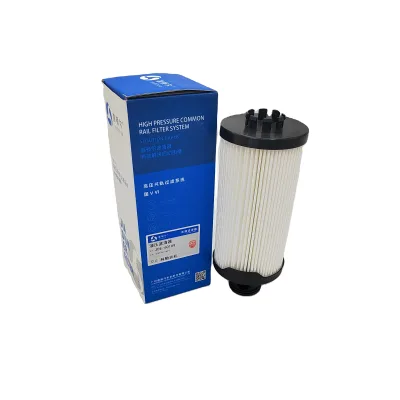
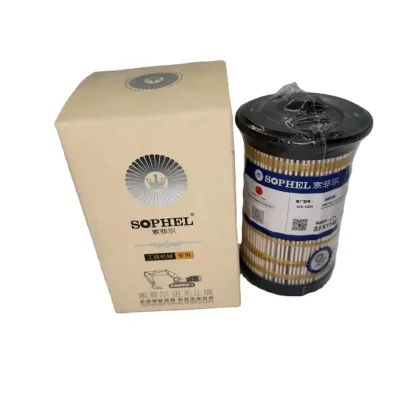
$7.863 - $10.0111
MOQ: 10 pieces

Fuan Vision Machinery & Electric Co., Ltd.
- Verified by CTI
- Trading Company
- China Fujian
- Lead time15 days
- Avg. response≤ 4h
Main productsAVR, Rectifier, Controller, Governor, Battery Charger, Diode, Actuator, Sensor, Generator, Generator Spare Parts
Main marketsSouth America,Africa,Southeast Asia/ Mideast,Europe

KAZON HEAVYSOURCE PARTS CO., LTD.
- Verified by BV
- Trading Company,Manufacturer/Factory
- China Shandong
- Lead time15 days
- Avg. response≤ 3h
Main productsHeavy Duty Truck Air Fuel Oil Filter Replacement, Air Compressor Oil Gas Separator Filter, Excavator Hydraulic Oil Filter for Cat Komatsu S, Heavy Duty Truck Filter, Agricultural Tractor Filter for John Deere Kubot, Fuel-Water Separator, Diesel Generator Set Fuel Water Separator Filter, Replacement Filters for Fleetguard Perkins Cummi, Construction Machinery Engine Air Intake Filters, Marine Engine Diesel Filter for Ships and Vessel
Main marketsSouth America,Eastern Europe,Mid East,North America,Southeast Asia,Eastern Asia,Oceania,Western Europe,Africa

Jinan Belt-Way International Trading Co., Ltd.
- Verified by SGS
- Manufacturer/Factory
- China Shandong
- Lead time15 days
- Avg. response≤ 4h
Main productsTruck Parts, Truck Spare Parts, Crankshaft, Turbo, HOWO Spares Parts, Truck Engine, Bus Parts, HOWO 371HP, Weichai Engine, Sinotruk Spare Parts
Main marketsSouth America,Eastern Europe,Mid East,North America,Southeast Asia,Eastern Asia,Oceania,Western Europe,Africa
Jiaozuo Shuangyi Filter Co., Ltd.
- Verified by TüVRheinland
- Manufacturer, Trading Company
- Lead time30 days
- Avg. response≤ 1h
Main productsTruck Air Filter, Truck Oil Filter, Truck Fuel Filter, Water Separator Fuel Filter, Hydraulic Filter
Main marketsDomestic Market(50%), North America(18%), Southeast Asia(8%)
Shandong Lobit International Trading Co., Ltd.
- Verified by TüVRheinland
- Trading Company
- Lead time10 days
- Avg. response≤ 2h
Main productsSinotruk Truck Parts, Shacman Truck Parts, FAW Truck Parts, Weichai Engine Parts, China Heavy Truck Parts
Main marketsSoutheast Asia(35%), South America(23%), Africa(10%)

Hebei Fangeng International Trade Co., Ltd.
- Manufacturer, Trading Company
- Hebei, China
- Lead time20 days
- Avg. response≤ 1h
Main productsAir Filter, Machine Oil Filter
Main marketsMid East(30.00%), Southeast Asia(30.00%), South America(20.00%), Eastern Europe(10.00%), Africa(10.00%)

ZHEJIANG YUFENG FILTER CO., LTD.
- Verified by SGS
- Manufacturer
- China Zhejiang
- Lead time30 days
- Avg. response≤ 2h
Main productsFilter, Oil Filter












Comprehensive Sourcing Guide
For Hino 500 Fuel Filter Supplier Concentration and Factory Types
The current supplier landscape for Hino 500 fuel filters reveals a distinct geographic concentration in China, with specific manufacturing hubs identified in Zhejiang and Anhui provinces. Suppliers in Zhejiang are primarily structured as manufacturers or factories, indicating a direct production capability for these automotive components. This regional presence suggests a localized supply chain for filter elements, where raw materials like non-woven media and paper cores are processed into finished fuel filters. The concentration in these areas allows for efficient logistics and potentially lower overhead costs, which can be reflected in competitive pricing structures for bulk orders. Buyers evaluating suppliers should note that this geographic clustering often correlates with established industrial ecosystems, providing access to specialized machinery and skilled labor required for high-volume filter production.
In contrast, suppliers located in Anhui province exhibit a more diverse company structure, operating as both trading companies and manufacturers. This hybrid model offers buyers flexibility, as trading companies may provide broader product ranges or consolidated shipping options, while manufacturer entities ensure direct control over quality and production schedules. The presence of both types in the same region highlights the complexity of the sourcing environment, where buyers must carefully distinguish between the actual production source and the commercial intermediary. Understanding this distinction is crucial for negotiating terms, as manufacturer-direct relationships often allow for more customization and technical support, whereas trading companies might offer faster access to multiple SKUs. The diversity in company types across these Chinese regions provides a robust market for sourcing Hino 500 fuel filters, catering to different procurement strategies and volume requirements.
How to Verify For Hino 500 Fuel Filter Suppliers
Verification of suppliers for Hino 500 fuel filters requires a rigorous examination of their certification status and third-party audit results. Many suppliers in the current results display TS 16949 certification, which is a critical quality management standard for the automotive industry. This certification indicates that the supplier has implemented processes to ensure consistent quality and continuous improvement, which is essential for engine components that directly impact vehicle performance and safety. Additionally, some suppliers hold IATF 16949:2016 certification, the international standard that has largely superseded TS 16949, further validating their compliance with global automotive quality requirements. Buyers should prioritize suppliers who can provide valid, up-to-date certificates, as these documents serve as primary evidence of their manufacturing capabilities and quality control systems.
Beyond certifications, third-party verification badges such as TÜV Rheinland and SGS provide an additional layer of trust and objectivity. These verification services conduct independent audits of the supplier’s facilities, processes, and product quality, offering a more reliable assessment than self-declared claims. For instance, suppliers verified by TÜV Rheinland have undergone specific scrutiny regarding their operational standards and product integrity. Buyers should look for these verification badges prominently displayed on supplier profiles, as they indicate a commitment to transparency and quality assurance. It is also advisable to request recent audit reports or test results for specific fuel filter models, such as those with OEM numbers like 23304-EV550 or EF-1112, to ensure that the products meet the required filtration efficiency and durability standards. This multi-faceted verification approach helps mitigate the risk of sourcing substandard components.
What to Compare Across For Hino 500 Fuel Filter Suppliers
When comparing suppliers, lead time and response speed are critical operational metrics that impact supply chain reliability. Current data indicates lead times ranging from 38 to 45 days, which buyers must factor into their inventory planning to avoid stockouts. Suppliers with shorter lead times, such as those offering 38-day turnaround, may provide a competitive advantage for urgent orders or just-in-time manufacturing requirements. Additionally, response time metrics, which vary from approximately 4.91 to 6.29, reflect the supplier’s efficiency in communication and order processing. Faster response times often correlate with better customer service and quicker resolution of technical queries, which is vital when dealing with complex automotive parts like fuel filters. Buyers should evaluate these metrics in conjunction with their own production schedules to ensure alignment and minimize delays.
Minimum order quantities (MOQ) and pricing structures also vary significantly among suppliers, influencing the total cost of ownership. MOQs for Hino 500 fuel filters can range from 500 to 1000 pieces, requiring buyers to assess their volume needs against storage capacity and cash flow constraints. Pricing for these components typically falls between $1.82 and $3.68 per unit, depending on the specific model, material, and customization options. For example, standard fuel filters may be priced lower, while specialized or customized versions with specific packaging or branding may command higher prices. Buyers should compare these costs against the supplier’s capacity to handle their required volume, as well as their ability to offer OEM or ODM services. Evaluating these factors holistically allows buyers to select suppliers that offer the best balance of cost, speed, and flexibility for their specific sourcing needs.
Common For Hino 500 Fuel Filter Sourcing Risks
One significant risk in sourcing Hino 500 fuel filters is the potential mismatch between product specifications and actual delivery. Suppliers may list products with generic keywords or broad classifications, such as "Fuel Filter" or "Auto Parts," without providing precise OEM numbers or detailed technical attributes. This ambiguity can lead to the receipt of filters that do not fit the Hino 500 engine or meet the required filtration standards. For instance, while some products are explicitly labeled for Hino 500 Series with OEM number 23304-EV550, others may only mention compatibility with Hino trucks in general. Buyers must carefully verify the exact model numbers, dimensions, and thread specifications, such as 1 1/8-16 or 3/4"X16, to ensure compatibility. Failure to do so can result in installation issues, engine damage, or costly returns.
Another risk involves the variability in material quality and filtration efficiency. Although many suppliers claim high filtration grades, such as Hepa Filter or efficiency rates above 99.8%, these claims must be substantiated by test data or certifications. The use of different media, such as non-woven materials or paper cores, can significantly impact the filter’s lifespan and performance. Some suppliers specify a usage life of 15,000km, while others may not provide such details. Buyers should request material specifications and performance test reports to verify that the filters can withstand the operating conditions of Hino 500 trucks. Additionally, the risk of counterfeit or substandard products exists, particularly if suppliers lack proper verification badges or certifications. Ensuring that suppliers adhere to strict quality control standards and provide transparent product information is essential to mitigate these risks and maintain vehicle reliability.
For Hino 500 Fuel Filter Regional Sourcing and Logistics
Sourcing Hino 500 fuel filters from China involves navigating specific logistical considerations related to port availability and shipping routes. Suppliers in Zhejiang and Anhui provinces typically utilize major ports such as Guangzhou, Ningbo, Shanghai, and Qingdao for export. The choice of port can impact shipping costs and transit times, depending on the buyer’s destination. For example, shipments from Ningbo or Shanghai may offer more frequent and cost-effective services to North America and Europe, while Qingdao might be more suitable for shipments to Northern Asia. Buyers should coordinate with their freight forwarders to determine the most efficient routing based on the supplier’s location and the final delivery point. Understanding these logistical nuances helps in optimizing supply chain efficiency and reducing overall transportation costs.
Packaging and handling requirements also play a crucial role in regional sourcing and logistics. Suppliers often provide custom packaging options, such as carton boxes or original packing, to protect the filters during transit. Some suppliers offer packaging according to customer requirements, which can include branded boxes or specific labeling for retail distribution. Buyers should specify their packaging needs clearly to ensure that the products arrive in good condition and meet any regulatory or branding requirements. Additionally, the weight and dimensions of the packaged filters affect shipping costs, so optimizing packaging design can lead to significant savings. By carefully planning the logistics and packaging aspects, buyers can ensure a smooth and cost-effective supply chain for Hino 500 fuel filters, minimizing the risk of damage and delays during international transport.
For Hino 500 Fuel Filter Commercial Terms and Order Planning
Commercial terms for Hino 500 fuel filters typically include a variety of payment options to accommodate different buyer preferences and risk tolerances. Common payment methods include T/T, Western Union, MoneyGram, L/C, D/A, D/P, and Alipay. The choice of payment term can influence the negotiation process and the overall cost of the order. For instance, using a Letter of Credit (L/C) may provide greater security for large orders but involves higher bank fees and processing time. On the other hand, T/T payments are faster and more common for established relationships but require a higher level of trust between the buyer and supplier. Buyers should evaluate their financial capabilities and risk appetite when selecting payment terms, ensuring that they align with their company’s financial policies and the supplier’s requirements.
Order planning for Hino 500 fuel filters requires careful consideration of supply ability and lead times to maintain inventory levels. Suppliers often declare a supply ability of 10,000 pieces per week, which indicates their capacity to handle large orders. However, buyers should confirm this capacity with the supplier, especially during peak seasons or when placing urgent orders. Additionally, the lead time of 38 to 45 days must be factored into the order planning process to avoid stockouts. Buyers should establish a reorder point based on their consumption rate and lead time, ensuring that they place orders well in advance. By aligning their order planning with the supplier’s capacity and lead times, buyers can maintain a stable supply of Hino 500 fuel filters, supporting their operational continuity and customer satisfaction.
FAQs
What types of Hino 500 fuel filters are available from suppliers on this page?
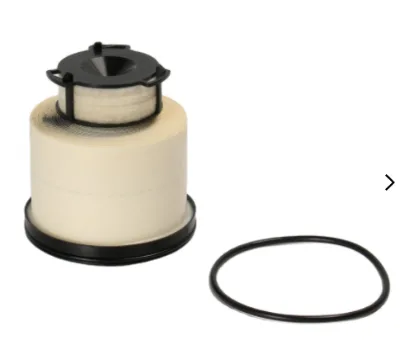
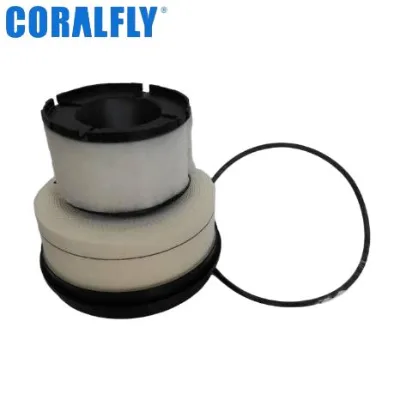
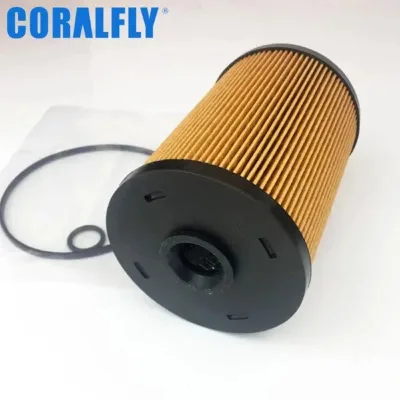
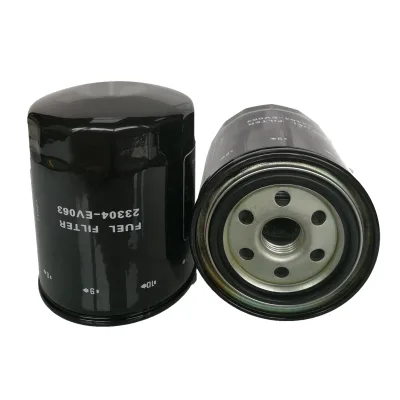
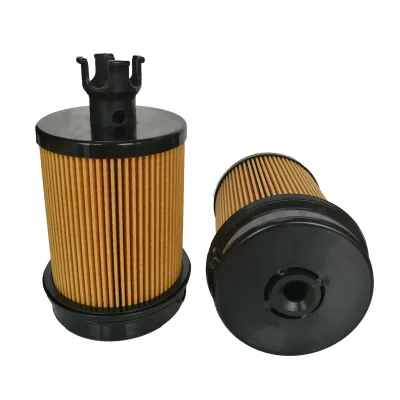
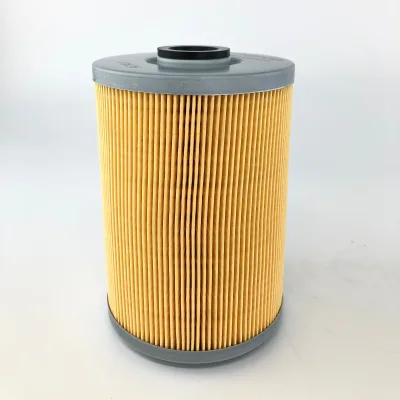
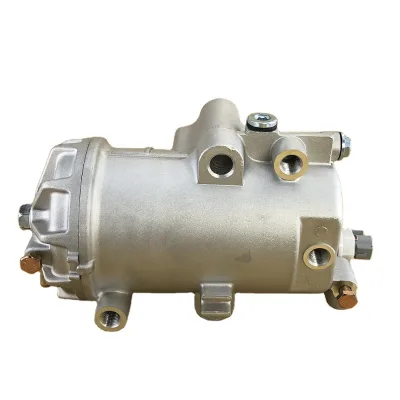
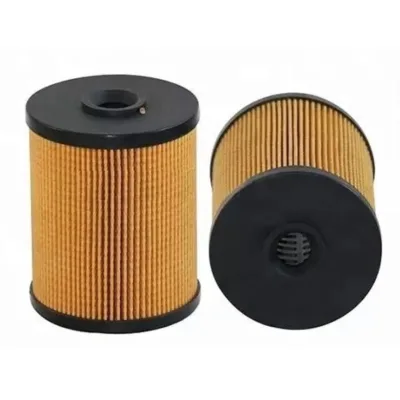
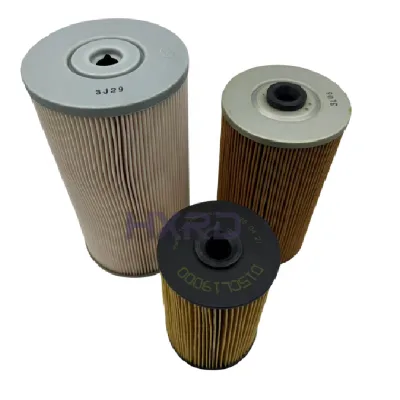
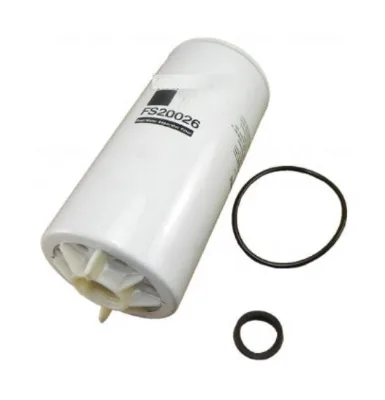
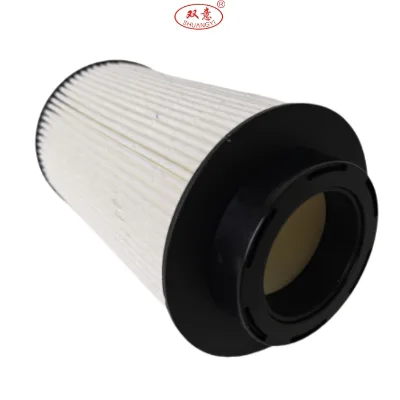
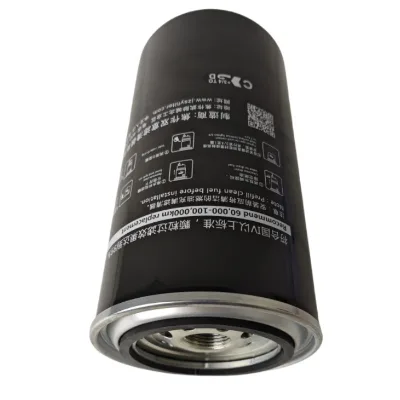
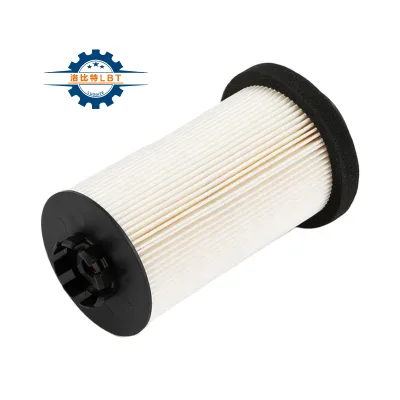
Listed suppliers offer engine fuel filters for Hino 500 series trucks, including cartridge and spin-on designs with OEM references such as 23304-EV550, EF-1112, FF5375 and 23401-1510. Products are typically paper-core filter elements or assemblies, some with wet or dry patterns, and many support customization of color, packaging and markings. Always confirm the exact OEM number matches your engine before ordering.
Do these suppliers support OEM and ODM customization for Hino fuel filters?
Yes, several suppliers list OEM and ODM capacity, and product listings state customization is available. Customizable attributes commonly include color, packaging instructions and OEM markings, with some factories also operating their own filter brands. If you need branded packaging or a specific label, request the customization scope in writing, including any tooling fees, artwork requirements and approval samples before confirming a production order.
What is the typical minimum order quantity and price range?
Published listings show MOQs between 500 and 1000 pieces depending on the product. Indicative unit prices range from about 1.82 to 3.68 USD, varying by model, structure and specification. For example, one fuel filter lists at 2.32 to 2.45 USD with a 500-piece MOQ. Treat these as reference figures and request a current quotation for your exact quantity and destination.
How long does production and delivery take for these filters?
Supplier profiles on this page report lead times of 38 and 45 days respectively, so plan procurement roughly five to seven weeks ahead. One listing also states a supply ability of 10,000 pieces per week, suggesting scaling is possible after the first order. Confirm the actual lead time for your order volume, since customized packaging or labels may extend production beyond the standard schedule.
What certifications do these filter suppliers hold?
Supplier profiles list TS 16949 system certification, with one supplier additionally showing ISO 9001, ISO 14001, ISO 14000 and OHSAS 18001. Individual product listings reference IATF 16949:2016 and TS16949 standards. Verification badges include TUV Rheinland and SGS. Certificates should be requested directly from the supplier so you can confirm they are current and cover the filter products you intend to buy.
Where are the suppliers located and how do they ship?
The suppliers shown are located in Zhejiang and Anhui provinces in China, with one product origin noted as Wuhu, Anhui. A listed departure port option includes Guangzhou, Ningbo, Shanghai and Qingdao, which supports sea freight consolidation for export orders. When requesting quotations, state your destination port and Incoterms so the supplier can quote freight and confirm the most convenient departure port for your shipment.
What filtration performance do these Hino fuel filters offer?
Listings describe HEPA-grade filtration with efficiency stated at more than 99.8 percent on one fuel filter, using 100 percent filter wood pulp paper media. Some media brands referenced include Ahlstrom and HV papers alongside Chinese grades. A stated service life of 15,000 kilometers appears for one product. Ask suppliers for filter media specifications and efficiency test data applicable to your specific part number.
Which payment terms do these suppliers accept?
Published payment terms include T/T, Western Union, MoneyGram, L/C, D/A, D/P and Alipay. T/T with a deposit is the most common arrangement for first orders, while letters of credit may suit larger volumes. Agree on payment terms, deposit percentage and balance timing before production, and confirm the payee account matches the verified company name to reduce transaction risk.