Hyundai Kia Auto Solenoid Valve Suppliers and Manufacturers
Find 30 verified suppliers offering Hyundai Kia Auto Solenoid Valve with customizable options and ISO certifications. Compare lead times, MOQs, and response rates to source reliable auto engine parts from Hebei factories today; review the available evidence before requesting comparable quotations from suitable candidates.
Updated
Suppliers List

Hebei Daimosi Auto Parts Co., Ltd
- Verified by BV
- Trading Company,Manufacturer/Factory
- China Hebei
- Lead time23 days
- Avg. response≤ 16h
Main productsKorean Car Engine, Automobile Fuel Nozzle, Spark Plug, High-Pressure Pump, Ignition Coil, Window Lifter Motor, Engine Tensioner, Thermostat, Sensor, Oxygen Sensor
Main marketsSouth America,Eastern Europe,Mid East,North America,Southeast Asia,Eastern Asia,Oceania,Western Europe,Africa

Hangzhou Meisu Automotive Parts Co., Ltd
- Verified by SGS
- Trading Company
- China Zhejiang
- Lead time30 days
- Avg. response≤ 1h
Main productsTransmission Parts, Automatic Transmission, Transmission Clutch, Transmission Tcu, Transmission Flywheel, Transmission Valve Body, Transmission Mechatronics Unit, Gearbox, Transmission Actuator, Transmission Line Board
Main marketsDomestic
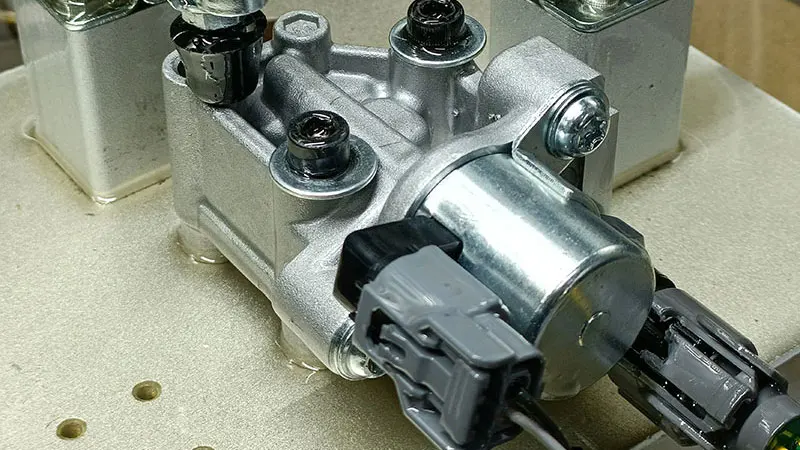
Guangdong Leoni Automotive Electronics Co., Ltd.
- Manufacturer
- Guangdong, China
- Lead time15 days
- Avg. response≤ 2h
Main productsvvt solenoid,cam phaser,automatic transmission solenoid valve,timing chain kits,suspension air compression
Main marketsNorth America(30.00%), Eastern Asia(20.00%), Eastern Europe(15.00%), Northern Europe(10.00%), Western Europe(10.00%), Mid East(5.00%), Southeast Asia(5.00%), South America(5.00%)
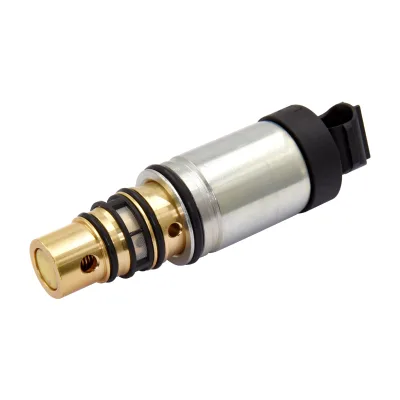
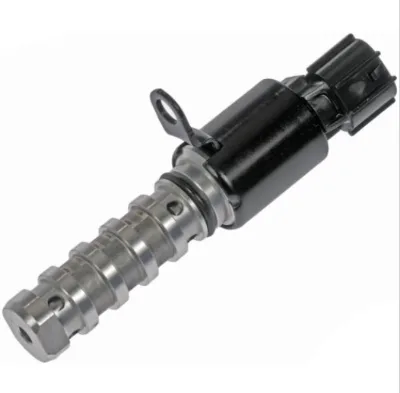
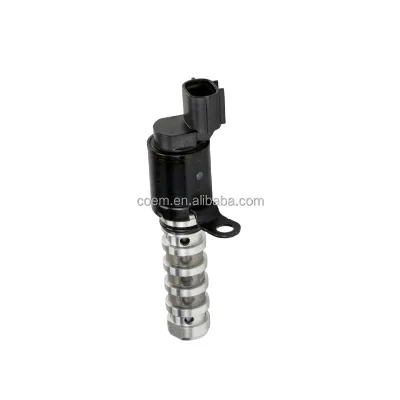
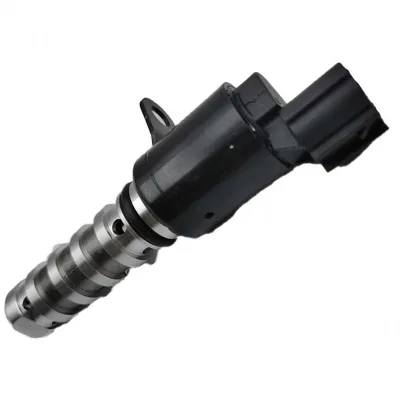
24355-2B700 VVT Variable Valve Timing Solenoid for KIA RIO SOUL HYUNDAI ACCENT 918-024 243552B700
$9.00 - $11.00
MOQ: 20 pieces
Ningbo Imcb Auto Parts Co., Ltd.
- Trading Company
- Zhejiang, China
- Lead time10 days
- Avg. response≤ 4h
Main productsENGINE PARTS,AUTOMOTIVE ELECTRONIC,CHASSIS PARTS,GEARBOX PARTS,BRAKE PARTS
Main marketsWestern Europe(20.00%), Mid East(20.00%), Africa(20.00%), Eastern Europe(20.00%), Southeast Asia(8.00%), South America(7.00%), North America(5.00%)
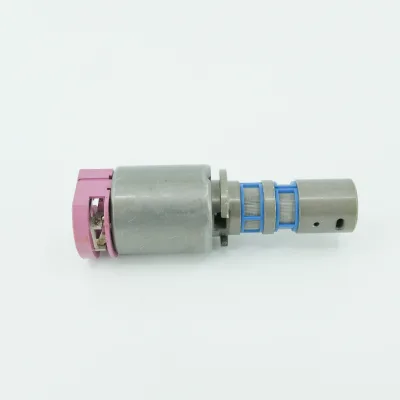
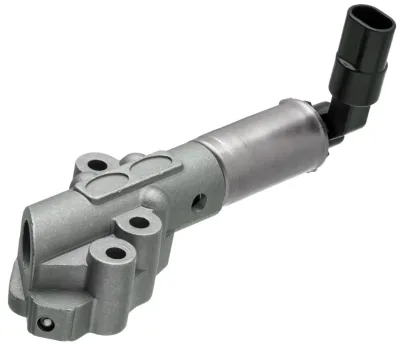
High Quality Auto Parts VALVE-SOLENOID 46313-3B160 for Hyundai I30 TUCSON and for Kia
$11.20 - $11.80
MOQ: 5 pieces
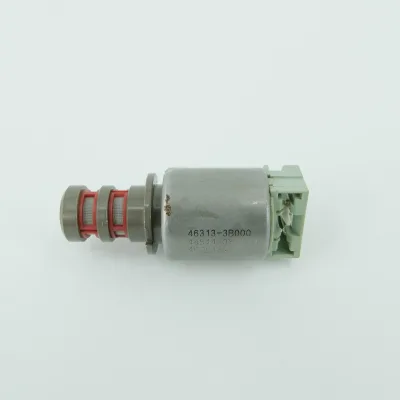
High Quality Auto Parts VALVE-SOLENOID 46313-3B000 for Hyundai SOLARIS and for Kia RIO
$10.20 - $10.80
MOQ: 5 pieces

Guangzhou Xin Sande Auto Parts Co., Ltd.
- Verified by TUVRHEINLAND
- Trading Company
- China Guangdong
- Lead time30 days
- Avg. response≤ 4h
Main productsCar Part
Main marketsSouth America,Southeast Asia/ Mideast,North America

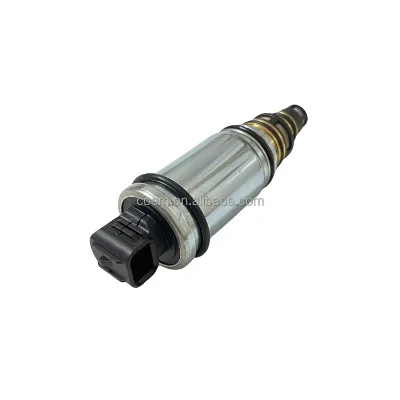
New Auto A/C Compressor Solenoid Valve Control OEM 97674-2s000 for Hyundai KIA 2009-2017
$13.50 - $15.00
MOQ: 10 Pieces

Vvt Valve for Hyundai 10-11 KIA Soul 24355-2b600 Variable Camshaft Timing Oil Control Valve Solenoid
$5.86 - $7.50
MOQ: 20 Pieces

Oil Control Valve Variable Valve Timing Solenoid Vvt 7030100250 24375-03010 for Hyundai KIA 1.0 1.2
$8.50 - $11.00
MOQ: 20 Pieces

Oil Control Valve Vvt Sensor 24355-03010 for Hyundai Santa Fe KIA 2435503010
$7.00 - $9.50
MOQ: 10 Pieces


Quanzhou Fanghua Import Export Co., Ltd.
- Verified by BV
- Trading Company
- China Fujian
- Lead time30 days
- Avg. response≤ 8h
Main productsBrake Pad, Brake Shoe, Starter, Alternator, ABS Wheel Speed Sensor, Brake Pad Sensor, Brake Pads Wire, Auto Brake Shoes, Auto Brake Pads, ABS Sensor
Main marketsSouth America,Africa,Southeast Asia/ Mideast,Europe,North America
Wenzhou Zhongking Parts Co., Ltd.
- Manufacturer, Trading Company
- Zhejiang, China
- Lead time7 days
- Avg. response≤ 6h
Main productsVVT solenoid,Oil Control Valve,Camshaft Phaser,Variable Valve Timing,Timing gear
Main marketsWestern Europe(48.00%), South America(15.00%), Eastern Europe(12.00%), North America(10.00%), Southern Europe(5.00%), Northern Europe(5.00%), Southeast Asia(5.00%)
Beijing Yiming Zhongxing Automotive Parts Co., Ltd.
- Trading Company
- Beijing, China
- Lead time0 days
- Avg. response≤ 4h
Main productsModification and upgrade,Automotive Engine Transmission System,Cooling system,electronic control system,Suspension system
Main marketsSoutheast Asia(30.00%), Central America(10.00%), Eastern Asia(10.00%), Mid East(10.00%), Southern Europe(10.00%), North America(10.00%), Northern Europe(10.00%), Oceania(5.00%), Eastern Europe(5.00%)
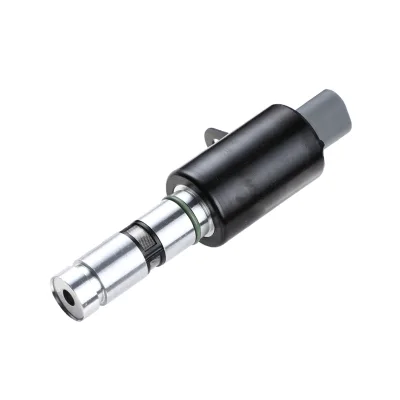
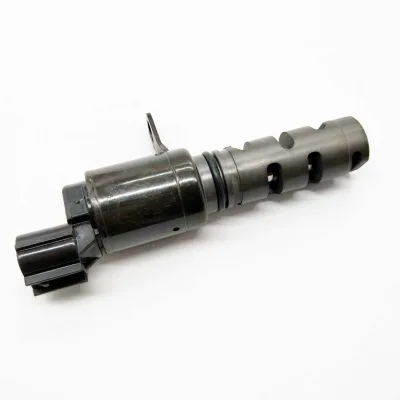
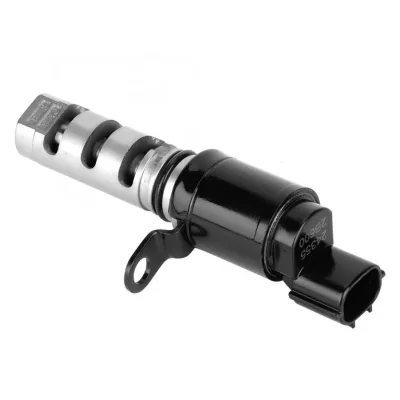
$6.2332 - $7.9199
MOQ: 1 pieces

Flying Bull (Ningbo) Electronic Technology Co., Ltd.
- Verified by SGS
- Combined
- China Zhejiang
- Lead time23 days
- Avg. response≤ 10h
Main productsSolenoid Valve
Main marketsEurope
Guangzhou Tang Pei Trading Co., Ltd.
- Verified by Intertek
- Trading Company
- Lead time3 days
- Avg. response≤ 3h
Main productsSensor, Injector, Control Valve, Ignition Coil, Air Flow Meter
Main marketsSouth America(23%), North America(22%), Southeast Asia(21%)
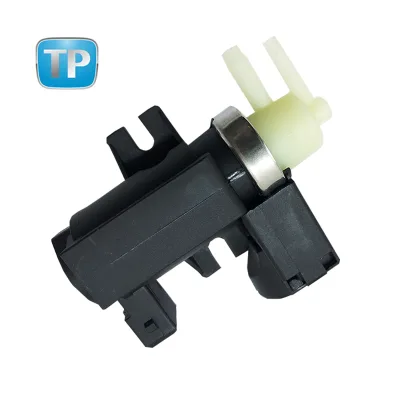
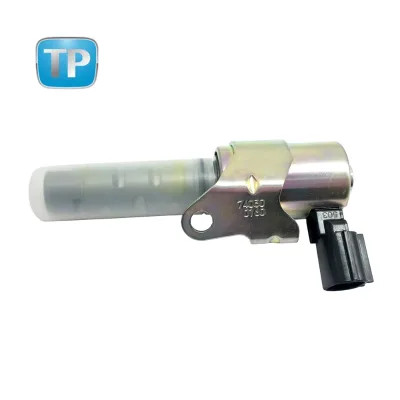
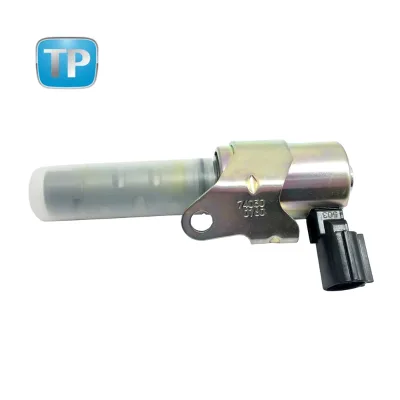
Good Quality VVT Parts Variable Timing Control Valve for Kia OEM 24355-23800 2435523800
$19.00 - $21.00
MOQ: 10 pieces
Guangdong Chundao Electric Control Technology Co., Ltd.
- Verified by Intertek
- Manufacturer, Trading Company
- Lead time20 days
- Avg. response≤ 8h
Main productsCam Phaser, Automatic Transmission Solenoid Valve, Transmission Solenoid Block Pack, Oil Pressure Control Valve, Diesel Injector Harness Wiring
Main marketsNorth America(40%), Northern Europe(15%), South Asia(15%)

Wenzhou Credit Parts Co., Ltd.
- Verified by TUVRHEINLAND
- Combined
- China Zhejiang
- Lead time15 days
- Avg. response≤ 11h
Main productsFuel Injector, Fuel Pump, Vvt Variable Valve, Sensor, Fuel Injector Repair Kits, Fuel Pressure Regulator, Idle Air Control Valve, Diesel Injector
Main marketsNorth America


$3.00 - $10.00
MOQ: 20 Pieces

24355-2b600 Variable Valve Timing Solenoid Vvt Fits Hyundai KIA Soul 1.6L
$3.00 - $10.00
MOQ: 30 Pieces


Variable Timing Oil Control Valve 917-230 24375-2g200 for Hyundai KIA Solenoid Valve
$3.00 - $10.00
MOQ: 20 Pieces

GUANGZHOU SONGXUE AIR-CON LIMITED
- Verified by TUVRHEINLAND
- Trading Company,Manufacturer/Factory
- China Guangdong
- Lead time45 days
- Avg. response≤ 4h
Main productsCompressors, Evaporators, Condensers, Magnetic Clutchs, Blower Motors, Cooling Fans, Expansion Valves, Driers, Air Filters, Tools
Main marketsSouth America,Eastern Europe,Mid East,North America,Southeast Asia,Eastern Asia,Oceania,Western Europe,Africa

Auto Parts Air Conditioner Compressor Control Valve for KIA Hyundai Tucson
$2.00 - $10.00
MOQ: 100 Pieces


Zhejiang Kangsong Power Technology Co., Ltd.
- Verified by SGS
- Combined
- China Zhejiang
- Lead time60 days
- Avg. response≤ 3h
Main productsFuel Pump, High-Pressure Fuel Pump, Motorcycle Assembly, Fuel Pump Assembly, Vvt Valve, Fuel Injector, Fuel Filter, Oxygen Sensor, Oil Level, Pessure Valve
Main marketsEurope

24355-2g200 Variable Valve Timing Solenoid Oil Control Valve for Hyundai Sonata/KIA/Optima
$6.00 - $8.00
MOQ: 50 Pieces

24375-2g100 Auto Variable Valve Timing Solenoid Oil Control Valve for KIA Optima
$6.00 - $8.00
MOQ: 50 Pieces

24355-23770 High Quality Variable Valve Timing Vvt Solenoid Oil Control Valve Hyundai/KIA
$6.00 - $8.00
MOQ: 50 Pieces

24355-23800 Variable Valve Timing Oil Control Solenoid Valve for Hyundai Elantra/KIA Sportage
$6.00 - $8.00
MOQ: 50 Pieces

24355-2b600 New Variable Valve Timing Solenoid Oil Control Valve for KIA Soul
$6.00 - $8.00
MOQ: 50 Pieces

Shanghai Spb Industry Co., Ltd.
- Verified by SGS
- Trading Company,Manufacturer/Factory,Group Corporation
- China Shanghai
- Lead time30 days
- Avg. response≤ 5h
Main productsCar Spare Part, Suspension Parts, Ball Joint, Shock Absorber, C. V Joint, Brake Pad, Radiator, Stabilizer Bar, Oil Filter, Steering Rack
Main marketsSouth America,Eastern Europe,Mid East,North America,Southeast Asia,Eastern Asia,Oceania,Western Europe,Africa

Auto Engine Part Variable Valve Timing 24375-2e100 24375-2e100 Solenoid Vvt for Hyundai KIA
$9.00 - $12.00
MOQ: 100 Pieces

Oil Control Valve Vvt Solenoid for KIA Hyundai 24375-2g100 24375-2g600 24375-2g610 243752g200
$4.90 - $9.90
MOQ: 200 Pieces

Variable Valve Timing Vvt Solenoid 2435523800 24355-23800 for 05-12 Hyundai Elantra KIA 2.0L
$9.00 - $12.00
MOQ: 100 Pieces

$9.00 - $12.00
MOQ: 100 Pieces

Ningbo Go Go Automatic Technology Company Ltd.
- Trading Company
- Zhejiang, China
- Lead time7 days
- Avg. response≤ 10h
Main productsauto door,auto parts
Main marketsWestern Europe(9.00%), Eastern Asia(9.00%), Mid East(9.00%), Africa(9.00%), Southeast Asia(9.00%), Eastern Europe(9.00%), South America(9.00%), Northern Europe(9.00%), North America(9.00%), Southern Europe(7.00%), Oceania(5.00%), Central America(5.00%), Domestic Market(1.00%), South Asia(1.00%)

Hangzhou Halomount Automotive Components Co.,Ltd.
- Verified by BV
- Trading Company
- China Zhejiang
- Lead time30 days
- Avg. response≤ 3h
Main productsAuto Clutch, AC Compressor, Auto Accessory, Air Conditioning Parts, Auto Air Conditioning Spare Parts, Magnetic Cluch
Main marketsSouth America,Africa,Southeast Asia/ Mideast,Europe,North America
Ruian Hongsean Imp & Exp Co., Ltd.
- Verified by TüVRheinland
- Manufacturer, Trading Company
- Lead time30 days
- Avg. response≤ 8h
Main productsHeater Parts, Starter, Solenoid Valve, Sensor
Main marketsSoutheast Asia(85%), North America(6%), Northern Europe(5%)
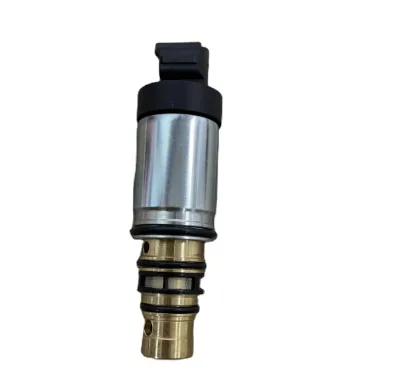
A/C Compressor Control Solenoid Valve for 2009-2017 KIA Hyundai 97674-2S000 976742S000 97674 2S000
$8.84 - $10.60
MOQ: 10 pieces
Wenzhou Bumblebee Auto Parts Co., Ltd.
- Trading Company
- Zhejiang, China
- Lead time10 days
- Avg. response≤ 1h
Main productsFuel Injector and repair kits,Auto Sensor,Fuel Pump and repair kits,Connector plug,VVT Solenoid
Main marketsSouth America(38.00%), North America(36.00%), Western Europe(26.00%)

Guangzhou first Jun Technology Co., Ltd.
- Verified by SGS
- Trading Company
- China Guangdong
- Lead time30 days
- Avg. response≤ 7h
Main productsFuel Pump, Ignition Coil, Fuel Injector, Oxygen Sensor, Injector, Diesel Injector, Nozzle, Common Rail Parts, Head Rotor
Main marketsDomestic
Yichun Hengjin Auto Parts Co., Ltd.
- Verified by TüVRheinland
- Trading Company
- Lead time7 days
- Avg. response≤ 4h
Main productsAuto Sensors, Auto Electronics Accessories
Main marketsNorth America(33%), Southeast Asia(30%), Mid East(23%)
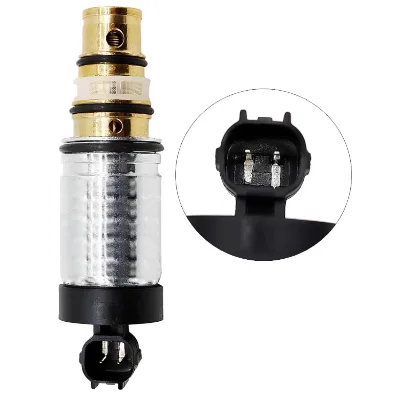
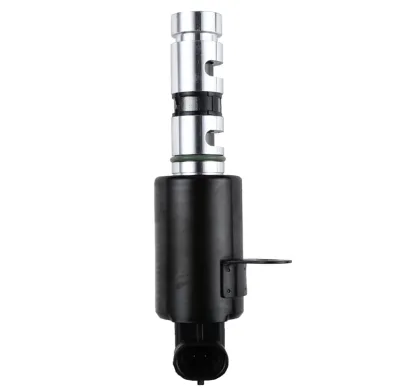
918-026 24355-3E000 Engine Intake Left Variable Valve Solenoid 918-026 for Hyundai Kia
$8.00 - $9.00
MOQ: 100 pieces
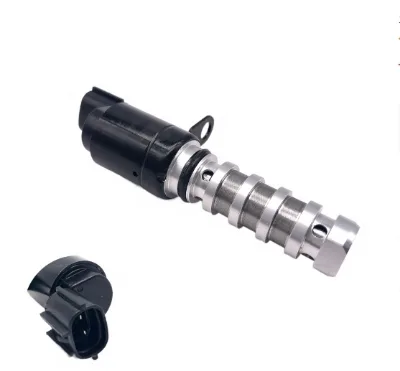
2435503011 Automotive Solenoid Valve Oil Control Valve Camshaft Battery Valve for Kia Hyundai 1.4L
$4.00 - $5.00
MOQ: 100 pieces
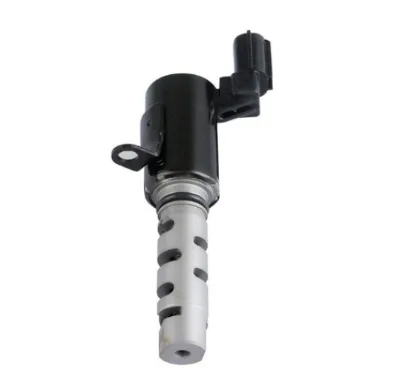
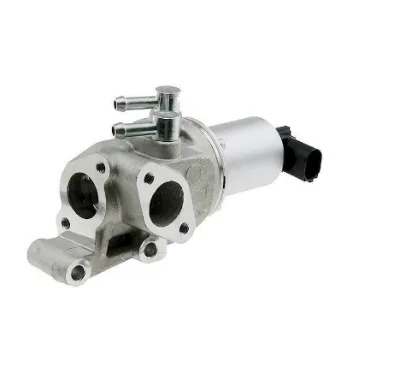
284102A600 28410-1122A Genuine OEM EGR Valve for Hyundai Sonata Tucson I40 Kia K3 Sportage
$12.55 - $13.50
MOQ: 50 pieces
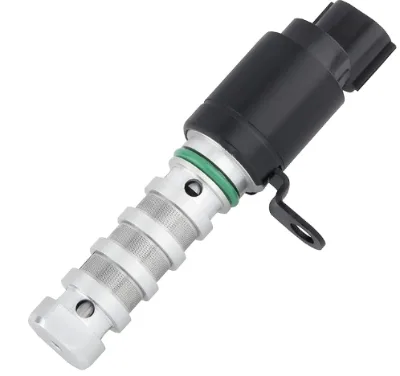
24355-2B700 243552B700 Oil Control Valve for 2012-2022 Hyundai Kia 1.6L 2.0L
$8.00 - $9.00
MOQ: 100 pieces

Beijing Xinhan Fengda Trading Co., Ltd.
- Verified by SGS
- Trading Company
- China Beijing
- Lead time15 days
- Avg. response≤ 4h
Main marketsSouth America,Australia

24354-2j000 243542j000 Inlet Camshaft Adjustment Solenoid Valve for H-Yundai KIA
$3.50 - $7.00
MOQ: 5 Pieces

28321-2eaa0 Engine Solenoid Valve 283212eea0 Intake Manifold Actuator for H-Yundai K-Ia
$5.20 - $7.00
MOQ: 2 Pieces

29010-03AA0automobile Exhaust Valve2901003AA0canister Purge Solenoid Valvefor H-Yundai K-Ia
$3.51 - $4.90
MOQ: 2 Pieces

Auto Intake Camshaft Timing Ocv Valve 24355-2e000 Variable Valve Timing Solenoid for Hyundai KIA
$5.70 - $7.50
MOQ: 8 Pieces

28324-2g000engine Solenoid Valve 283242g000 Intake Vis Solenoid Valve for H-Yundai K-Ia
$4.30 - $5.60
MOQ: 2 Pieces

28324-2e000engine Solenoid Valve 283242e000 Intake Vis Solenoid Valve for H-Yundai K-Ia
$4.41 - $5.60
MOQ: 2 Pieces
Guangzhou Jinshengxi Auto Parts Co., Ltd.
- Verified by SGS Group
- Trading Company
- Lead time3 days
- Avg. response≤ 2h
Main productsIgnition Coils, Car Sensors, Window Switches, Fuel Pumps, Fuel Injectors
Main marketsSouth America(50%), Southeast Asia(20%), Africa(20%)
Shandong Best Auto Trade Co., Ltd.
- Trading Company
- Shandong, China
- Lead time7 days
- Avg. response≤ 11h
Main productsEngine parts,Timing chain set,Automotive chassis accessories,Automotive sensors,Automotive exterior components
Main marketsSouth Asia(20.00%), Central America(20.00%), Mid East(20.00%), Southeast Asia(20.00%), North America(20.00%)
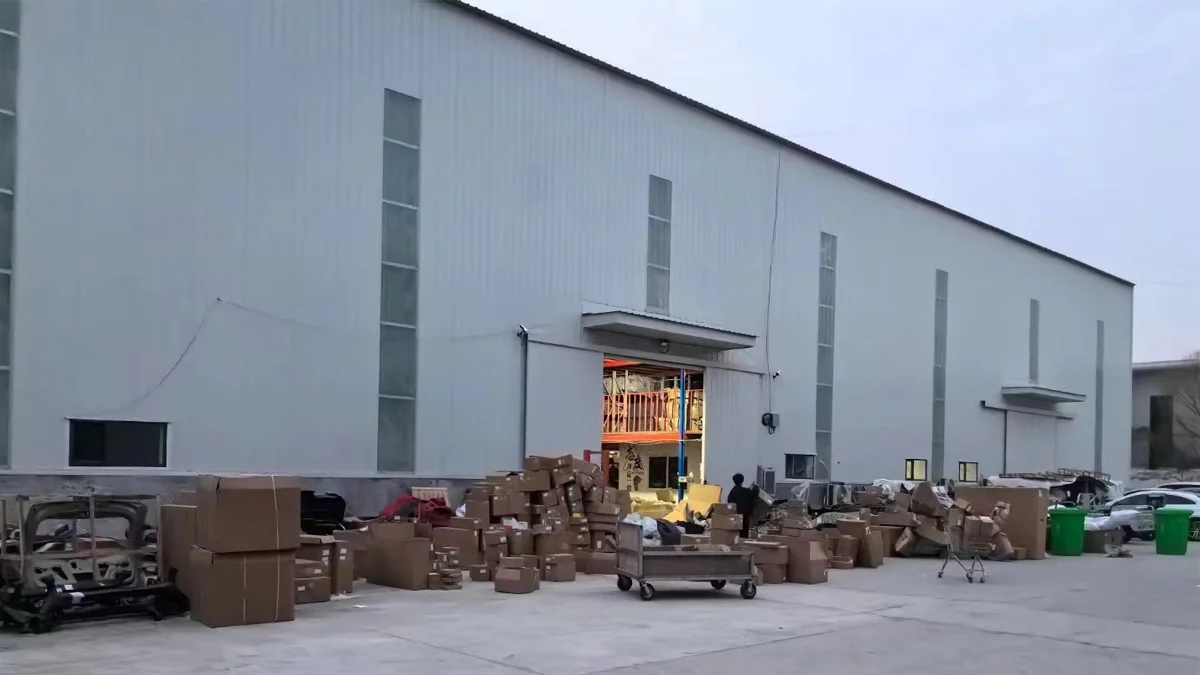
Beijing Zhongxin Sihai International Trade Co., Ltd.
- Trading Company
- Beijing, China
- Lead time15 days
- Avg. response≤ 3h
Main productsEngine parts,Chassis fitting,Air conditioning system accessories,Outer fitting,Cooling system accessories
Main marketsDomestic Market(40.00%), Mid East(30.00%), Southeast Asia(20.00%), Africa(10.00%)
Guangzhou Longlife Auto Parts Co., Ltd.
- Manufacturer, Trading Company, Distributor/Wholesaler
- Guangdong, China
- Lead time6 days
- Avg. response≤ 3h
Main productsAuto Sensor,Auto switch,Fuel Injector,Window Switch,Auto filter
Main marketsSouthern Europe(10.00%), Africa(10.00%), Western Europe(10.00%), Eastern Europe(10.00%), South America(10.00%), Eastern Asia(10.00%), Domestic Market(5.00%), South Asia(5.00%), Oceania(5.00%), Northern Europe(5.00%), Central America(5.00%), Southeast Asia(5.00%), North America(5.00%), Mid East(5.00%)
Guangzhou Kaimin Trading Co., Ltd.
- Verified by TüVRheinland
- Trading Company
- Lead time5 days
- Avg. response≤ 2h
Main productsCar Sensors, Ignition Coil, Fuel Injector, Car Door Lock, Control Valve
Main marketsNorth America(28%), South America(28%), Eastern Europe(8%)
Guangzhou Yuexiu District Hongbo Auto Parts Firm
- Trading Company
- Guangdong, China
- Lead time0 days
- Avg. response≤ 7h
Main productsELECTRICAL PARTS,ENGINE PARTS,CHASSIS PARTS,BODY PARTS,Other auto parts
Main marketsSouthern Europe(70.00%), Southeast Asia(70.00%), North America(60.00%), Eastern Europe(50.00%), South America(50.00%), South Asia(40.00%)

Wenzhou High and Long Co., Ltd.
- Verified by SGS
- Trading Company
- China Zhejiang
- Lead time30 days
- Avg. response≤ 5h
Main productsThrottle Body, Auto Sensors, Idle Control Valve, Ignition Coil, ECU, Fuel Metering
Main marketsSoutheast Asia/ Mideast,Europe,North America


Auto Parts Engine Idle Air Control Valve Iacv 35150-26900 for Hyundai KIA
$6.00 - $7.50
MOQ: 10 Pieces

Beijing Taolin Trading Co., Ltd.
- Trading Company
- Beijing, China
- Lead time15 days
- Avg. response≤ 2h
Main productsTransmission Accessories,Engine Parts,Transfer box accessories,Rear axle differential accessories,Four-zone drive system parts
Main marketsNorth America(10.00%), South America(10.00%), Eastern Europe(10.00%), Southeast Asia(10.00%), Africa(10.00%), Mid East(10.00%), Eastern Asia(10.00%), Western Europe(10.00%), Central America(10.00%), Southern Europe(10.00%), South Asia(10.00%)




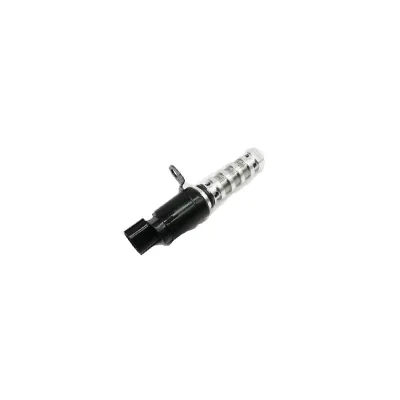


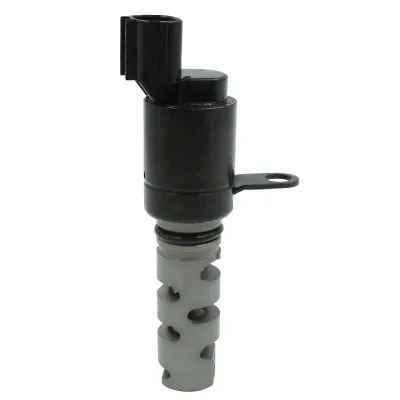
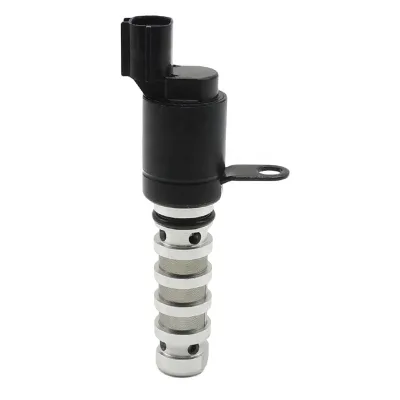
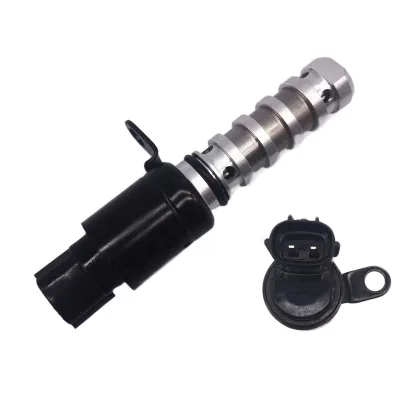


Comprehensive Sourcing Guide
Hyundai Kia Auto Solenoid Valve Supplier Concentration and Factory Types
The current search results indicate a specific manufacturing cluster located in Hebei, China, where multiple suppliers for Hyundai Kia auto solenoid valves operate. This region hosts a mix of trading companies and manufacturers, offering buyers a choice between direct factory engagement and intermediary services. The presence of both entity types suggests a mature supply chain where some factories may also handle trading functions, while others focus strictly on production. Buyers should verify whether a specific listing represents a direct factory or a trading entity, as this distinction impacts pricing structures and communication channels. The concentration in Hebei provides a logistical advantage for sourcing these specific automotive components, though the exact number of active facilities in this cluster varies as market conditions shift.
When evaluating the factory types in this region, buyers must look for evidence of production capabilities beyond simple reselling. The available data shows that some suppliers offer OEM and own-brand customization, indicating they possess the necessary engineering and assembly infrastructure. These facilities often list main products that include a broad range of engine systems, such as ignition coils, high-pressure pumps, and various sensors alongside the solenoid valves. This product breadth suggests a specialized focus on automotive engine systems rather than a generalist auto parts distributor. However, the specific establishment years of these factories are not provided in the current results, so buyers cannot determine the historical depth of their operations without direct inquiry.
How to Verify Hyundai Kia Auto Solenoid Valve Suppliers
Verification of suppliers in this category requires checking for specific third-party credentials and platform-based trust signals. The current results show that some suppliers hold BV verification status, which serves as a baseline indicator of business legitimacy. Additionally, system certifications such as ISO 9001, ISO 14001, and WRAP are present in the data, suggesting adherence to quality and environmental management standards. Buyers should prioritize suppliers displaying these specific certifications, as they indicate a commitment to standardized processes. It is crucial to confirm that the certification documents are current and match the specific product lines being sourced, rather than assuming a general company certification covers all solenoid valve models.
Beyond certifications, buyers must scrutinize the response time and communication reliability of potential partners. The observed data includes a response time metric of approximately 15.67, which serves as a benchmark for evaluating supplier engagement speed. A faster response time often correlates with better project management and quicker resolution of technical queries regarding solenoid valve specifications. Buyers should also verify the authenticity of product evidence, such as the specific OEM numbers like 28324-2g000 or 28321-2b800, to ensure the supplier can source the exact components required. If a supplier claims to be verified but lacks these specific data points in their profile, the buyer should request direct proof of these credentials before proceeding with any order.
What to Compare Across Hyundai Kia Auto Solenoid Valve Suppliers
Comparing suppliers requires a detailed analysis of lead times, minimum order quantities, and pricing structures to ensure alignment with project needs. The data indicates lead times of around 23 days for certain products, which is a critical factor for production planning. Buyers must compare this against their own inventory requirements and delivery deadlines. Minimum order quantities vary, with some listings showing an MOQ of 10 pieces while others indicate a minimum of 4 pieces. This variation allows for flexibility depending on the scale of the purchase, but buyers must calculate the total cost impact of higher MOQs versus potential unit price discounts. Understanding these thresholds is essential for optimizing the procurement budget without overstocking.
Pricing and product attributes also form a key comparison dimension for evaluating supplier value. The observed price range for solenoid valves spans from approximately 2.60 to 5.60, depending on the specific model and specifications. Buyers should compare these prices against the detailed product attributes, such as body material, which ranges from plastic to aluminum and steel, and the discharge standards, which include Euro III and Euro IV. A lower price might correspond to a different material composition or a less stringent emission standard, so the total value proposition must be assessed holistically. Additionally, the availability of customization services should be compared, as some suppliers offer this while others may not, affecting the ability to meet unique vehicle model requirements.
Common Hyundai Kia Auto Solenoid Valve Sourcing Risks
One significant risk in sourcing these components is the potential mismatch between product specifications and actual vehicle requirements. The data shows conflicting attributes, such as varying fuel types listed as electric, gasoline, or hydraulic for similar solenoid valve models. This inconsistency highlights the risk of receiving parts that are incompatible with the intended application if the buyer does not meticulously verify the OEM numbers and technical specifications. Buyers must ensure that the listed car models, such as Hyundai or Kia, align perfectly with the specific solenoid valve part numbers like 28324-2e000. Relying solely on general keywords without cross-referencing the exact OEM codes can lead to procurement errors and production delays.
Another risk involves the reliability of after-sales support and warranty terms provided by the supplier. While some listings mention a one-year warranty and after-sales service, the specific terms and conditions are not fully detailed in the current results. Buyers need to verify the scope of this warranty, including whether it covers manufacturing defects or shipping damage, and the process for claiming replacements. The absence of clear establishment years for the suppliers adds uncertainty regarding their long-term stability and ability to honor warranty claims years down the line. Without confirmed details on the duration and coverage of support services, buyers face the risk of being left without recourse if a batch of solenoid valves fails prematurely in the field.
Hyundai Kia Auto Solenoid Valve Regional Sourcing and Logistics
The primary sourcing hub identified in the results is Hebei, China, which serves as the central location for these automotive component manufacturers. This regional concentration simplifies logistics planning by allowing buyers to consolidate orders from multiple suppliers within the same province, potentially reducing shipping costs and lead times. However, the specific shipping methods and transit times from Hebei to international destinations are not provided in the current data. Buyers must inquire about the preferred Incoterms and the specific logistics partners used by each supplier to estimate the total delivery timeline accurately. Understanding the local infrastructure in Hebei is crucial for anticipating potential bottlenecks during peak production seasons.
Logistics planning also requires attention to packaging standards and export compliance. The product evidence indicates that items are typically packed in cartons, which is a standard practice for protecting small automotive components during transit. Buyers should verify if the packaging meets international shipping standards to prevent damage during long-haul transport. Additionally, the origin of the products is explicitly stated as Hebei, China, which affects customs duties and import regulations in the buyer's country. Buyers must ensure that the supplier provides all necessary documentation, including certificates of origin and compliance with local emission standards like Euro III or Euro IV, to facilitate smooth customs clearance. Failure to address these logistical details can result in unexpected delays or additional costs at the destination port.
Hyundai Kia Auto Solenoid Valve Commercial Terms and Order Planning
Commercial terms for these solenoid valves include specific pricing ranges and minimum order requirements that must be factored into the budget. The observed price points range from 2.60 to 5.60, with MOQs varying between 4 and 10 pieces. Buyers should plan their orders to meet these minimums while considering the potential for volume discounts if larger quantities are ordered. It is essential to clarify whether the quoted prices include shipping, taxes, or other fees, as this significantly impacts the final landed cost. The lack of explicit escrow information in the current results means buyers should proactively ask about payment security options to protect their financial interests during the transaction.
Order planning must also account for the customization capabilities and production capacity of the selected supplier. The data confirms that customization is available for many of these solenoid valves, allowing for tailored solutions for specific Hyundai or Kia models. However, the exact lead time of 23 days should be integrated into the production schedule to avoid stockouts. Buyers should also verify the supplier's capacity to handle rush orders or scale production if demand increases unexpectedly. Since the establishment years of the factories are not provided, buyers should assess the supplier's current operational capacity through direct communication to ensure they can meet the required delivery timelines without compromising quality or consistency.
FAQs
What is the price range for Hyundai KIA solenoid valves?
Prices for these auto components typically range from $2.60 to $5.60 per unit. The final cost depends on the specific OEM number and material composition. Buyers should verify exact pricing with suppliers based on order volume and customization requirements.
What is the minimum order quantity for these parts?
The minimum order quantity is generally 10 pieces for standard items. Some listings indicate a lower threshold of 4 units for specific models. Buyers must confirm the exact MOQ with the supplier before placing an order to ensure availability.
Where are these solenoid valves manufactured?
These auto parts are manufactured in Hebei, China. Suppliers in this region offer both trading company and manufacturer options. Buyers can verify the origin and production capabilities directly with the listed suppliers to ensure quality and logistics efficiency.
What certifications do these suppliers hold?
Suppliers hold various certifications including ISO 9001, ISO 14001, WRAP, and ASME. Product-specific certifications may also include ISO classifications. Buyers should request valid certificates to ensure compliance with international standards and quality management systems for their specific needs.
How long does production take?
The standard lead time for production is approximately 23 days. Response times for supplier inquiries average around 15.67 hours. Buyers should confirm specific delivery schedules with suppliers to align with their project timelines and inventory requirements effectively.
Can these valves be customized?
Customization is available for many solenoid valve models. Suppliers offer OEM services and own brand options for specific requirements. Buyers should discuss their technical specifications and branding needs with suppliers to ensure the customized parts meet their exact engineering standards.