Galaxy Light Bubble Machine Suppliers and Manufacturers
Compare 32 verified suppliers offering galaxy light bubble machines with specifications like DMX512 control, LED light sources, and certifications including RoHS and LVD. Review response times and lead times to source the right equipment for your event needs; review the available evidence before requesting comparable quotations from suitable candidates.
Updated
Suppliers List
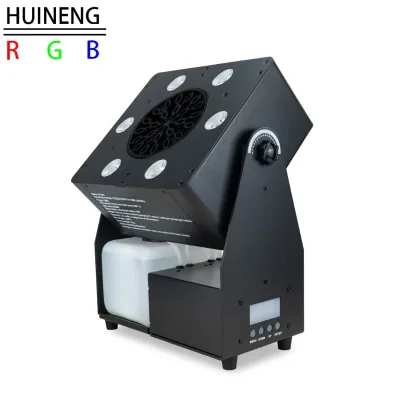
Guangzhou Huineng Photoelectric Technology Co., Ltd.
- Verified by SGS Group
- Manufacturer, Trading Company
- Lead time7 days
- Avg. response≤ 3h
Main productsLED Display And Stage Lights
Main marketsSouth America(30%), North America(20%), Southern Europe(18%)
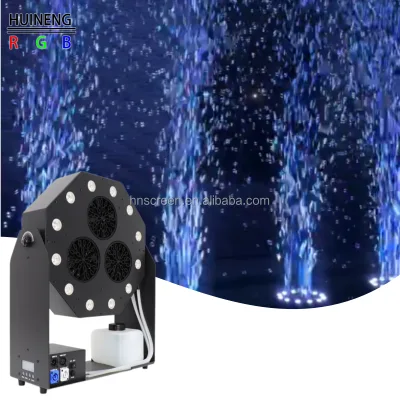
$171.00
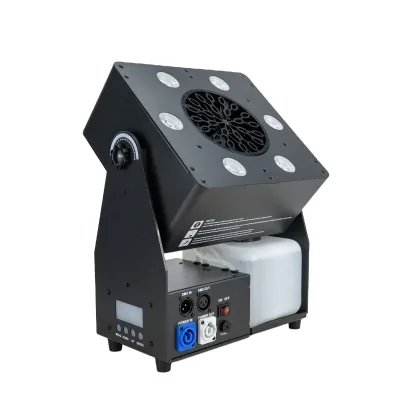
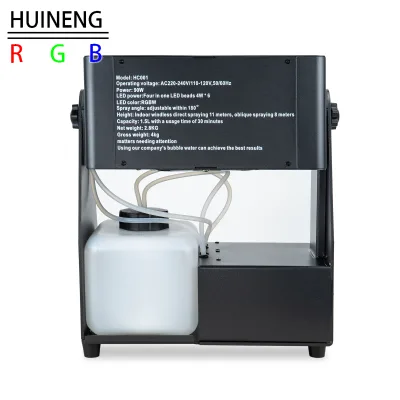
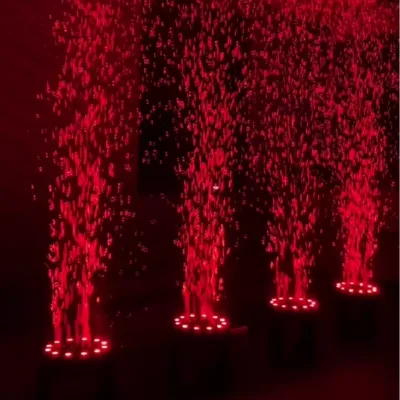
Shantou Hongyu Trading Co., Ltd,
- Trading Company
- Guangdong, China
- Lead time20 days
- Avg. response≤ 5h
Main productsBaby Toys,Educational Toyss,Sport Toys,Remote Control Toys,Pre-school & Pretend Toys
Main marketsNorth America(16.00%), Domestic Market(10.00%), South America(10.00%), Western Europe(8.00%), Southern Europe(7.00%), Eastern Europe(6.00%), South Asia(5.00%), Southeast Asia(5.00%), Eastern Asia(5.00%), Mid East(5.00%), Africa(3.00%), Central America(3.00%), Oceania(2.00%), Northern Europe(2.00%)

Shantou Chenghai Xaqi Toys Industrial Co., Limited
- Verified by BV
- Combined
- China Guangdong
- Lead time23 days
- Avg. response≤ 5h
Main productsRemote Control Car, Educational Toy, Sport Toy, Pretend Play Toys, Remote Contro Toy, Baby Toy, Summer Toy, B/O Toy
Main marketsSoutheast Asia/ Mideast,Domestic,Europe


Bubble Toys Cartoon Octopus Automatic Bubble Machine with Light and Music
$2.34 - $3.34
MOQ: 240 Pieces


Guangzhou HOMEI Lighting Equipment Factory
- Verified by TUVRHEINLAND
- Combined
- China Guangdong
- Lead time15 days
- Avg. response≤ 5h
Main productsLED Star Cloth, LED Video Curtain, RGB Star Curtain, LED Stage Light, LED Dance Floor, LED Starlit Dance Floor, LED Star Curtain, LED Twinkling Dance Floor, LED Moving Head, LED Parcans Light
Main marketsSouth America,Africa,Southeast Asia/ Mideast,East Asia(Japan/ South Korea),Domestic,Europe,Australia,North America
Guangzhou Blue Whale Lin Optoelectronic Technology Co., Ltd.
- Verified by TüVRheinland
- Manufacturer, Trading Company
- Lead time7 days
- Avg. response≤ 1h
Main productsMoving Head Lights, Stage Lights, Beam Light
Main marketsDomestic Market(60%), Africa(15%), South Asia(10%)
Ballet Star Technology (Guangzhou) Co., Ltd.
- Manufacturer, Trading Company, Distributor/Wholesaler
- Guangdong, China
- Lead time10 days
- Avg. response≤ 4h
Main productsSpecial effect equipment,Entertainment equipment,stage lighting,Intelligent electric appliance,Disinfection products
Main marketsMid East(20.00%), Northern Europe(20.00%), South America(20.00%), North America(20.00%), Western Europe(6.00%), Oceania(5.00%), Eastern Europe(5.00%), Eastern Asia(4.00%)
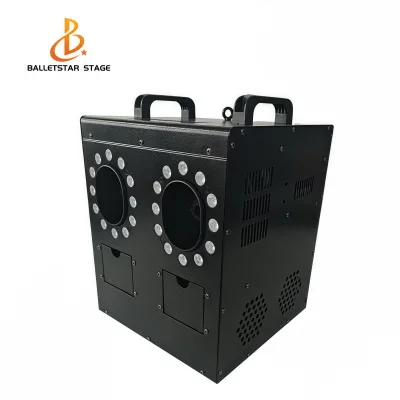
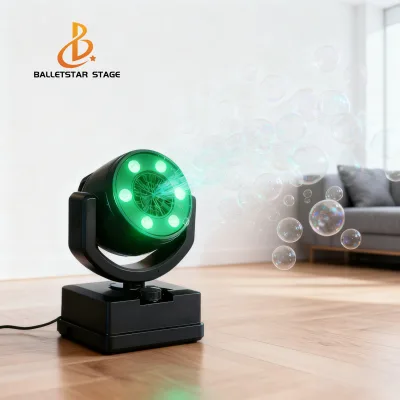
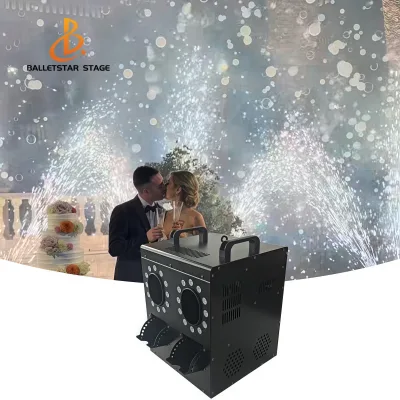
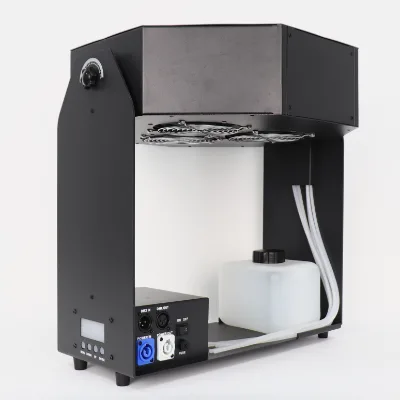
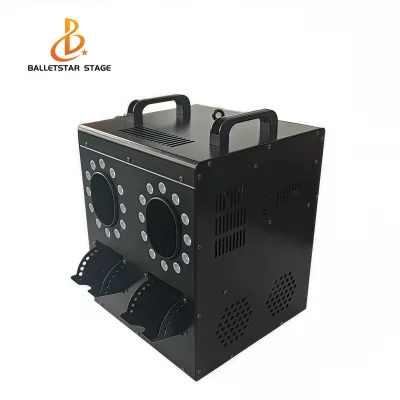
Cool FX 2 Hole LED Bubble Machine Remote Control Bubble Machine
$108.00 - $128.00
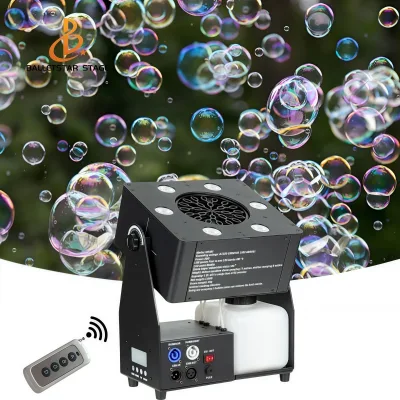
LED Lights Bubble Maker Automatic Bubble Blower for Wedding Stage Party Events Small Bubble Machine
$83.00 - $85.00
MOQ: 2 pieces

Shantou S-Partner Toys Co., Ltd.
- Verified by CTI
- Trading Company
- China Guangdong
- Lead time30 days
- Avg. response≤ 7h
Main marketsSouth America,Southeast Asia/ Mideast,East Asia(Japan/ South Korea),Europe,North America


Wholesale Bubble Machine for Wedding Stage Party Events Remote Control Bubble Machine
$3.83 - $4.38
MOQ: 216 Pieces

$3.00 - $3.43
MOQ: 108 Pieces
Henan Zonelion Heavy Industry Co., Ltd.
- Verified by TüVRheinland
- Trading Company
- Lead time7 days
- Avg. response≤ 4h
Main productsCutting Machine, Polishing Machine, Grinding Wheel Manufacturing Machine, Pressure Machine, Fixed Machine
Main marketsNorth America(8%), South America(8%), Eastern Europe(8%)
- Verified by Intertek
- Manufacturer, Trading Company
- Shandong, China
- Lead time14 days
- Avg. response≤ 4h
Main productsBubble Toy, Dinosaur Toy
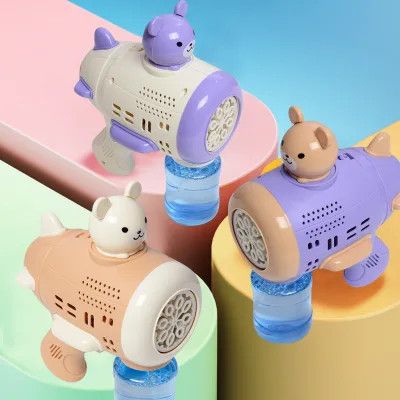
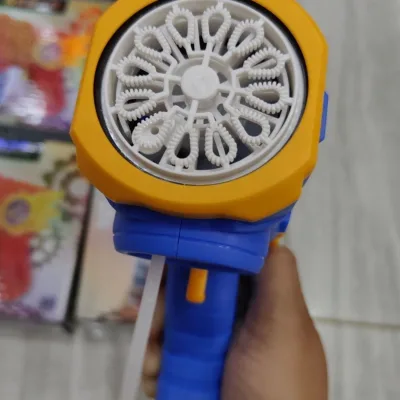
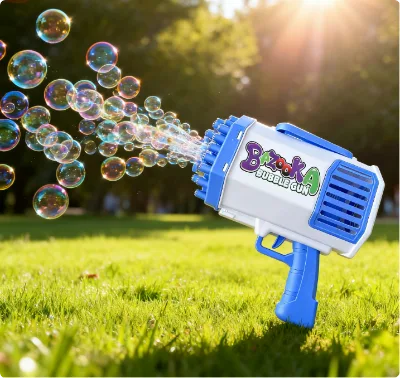
$3.3083 - $3.8254
MOQ: 50 pieces
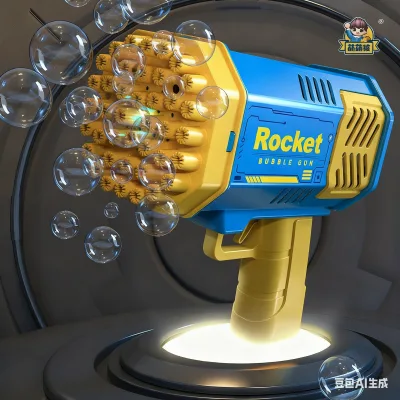
$0.8739 - $0.9968
MOQ: 120 pieces
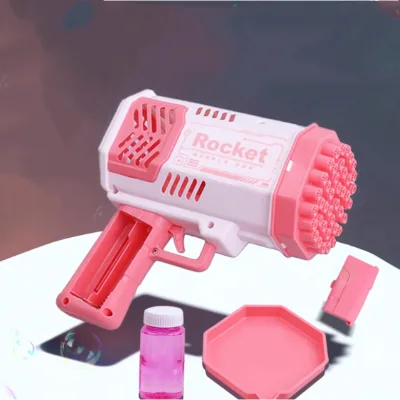
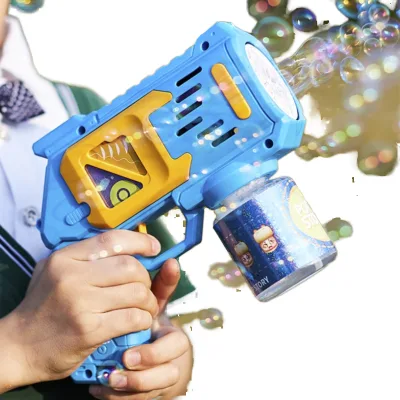

Guangzhou X Lighting Co., Limited
- Verified by SGS
- Combined
- China Guangdong
- Lead time15 days
- Avg. response≤ 3h
Main productsKinetic Lights, Moving Head Lights, LED Moving Head Light, LED Screen Display, Effect Light, LED Dance Floor, Pixel Light, Laser Light, Stage Equipments, Stage Light
Main marketsSouth America,Southeast Asia/ Mideast,East Asia(Japan/ South Korea),Europe,Australia,North America
Shantou Chenghai Hua Nuo Intelligent Technology Co., Ltd.
- Verified by SGS Group
- Manufacturer, Trading Company
- Lead time20 days
- Avg. response≤ 4h
Main productsKid Makeup Toy, Educational Toy, Water Gun, RC Toy-RC Car, Bubble Toys
Main marketsNorth America(40%), Eastern Europe(20%), South America(10%)
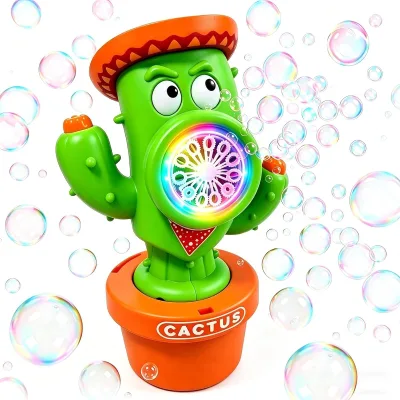
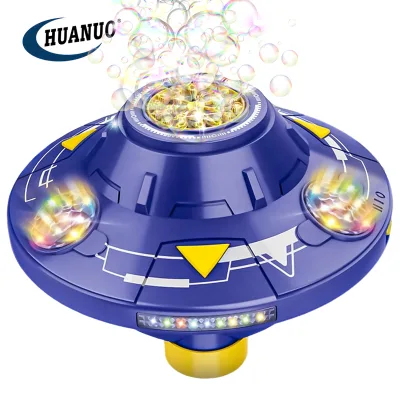
$5.275 - $5.8866
MOQ: 108 pieces
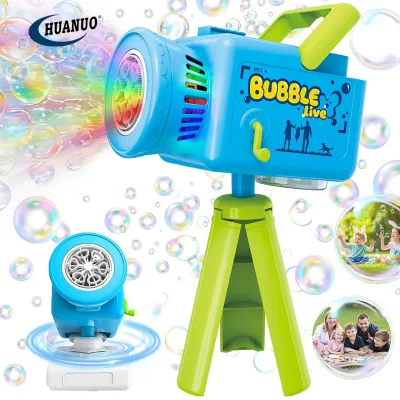

Foshan Canhong Technology Co., Ltd.
- Verified by BV
- Combined
- China Guangdong
- Lead time30 days
- Avg. response≤ 4h
Main productsStage Light
Main marketsDomestic
Shantou Chenghai Huiye Toys Co., Ltd.
- Verified by TüVRheinland
- Manufacturer, Trading Company
- Lead time0 days
- Avg. response≤ 5h
Main productsBubble Toys, Kitchen Toys, RC Toys, Educational Toys, Stem Items
Main marketsWestern Europe(30%), North America(25%), Eastern Europe(10%)

Shantou Chenghai Jiuyi Toy Factory
- Verified by BV
- Combined
- China Guangdong
- Lead time15 days
- Avg. response≤ 1h
Main productsDrone
Main marketsSouth America,Africa,Southeast Asia/ Mideast,Europe,Australia,North America

Jinjiang Zhengzheng Technology Co., Ltd.
- Trading Company
- China Fujian
- Lead time0 days
- Avg. response≤ 2h
Changsha Maya Stage Equipment Co., Ltd.
- Verified by Intertek
- Manufacturer, Trading Company
- Lead time20 days
- Avg. response≤ 1h
Main productsConfetti Machine, Water Cannon, Sparkler Machine, Snow Machine, Smoke Bubble Machine
Main marketsDomestic Market(70%), South America(9%), Eastern Europe(5%)
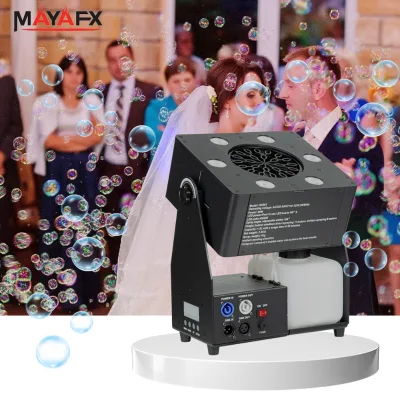
$92.6577 - $101.9245
MOQ: 1 sets
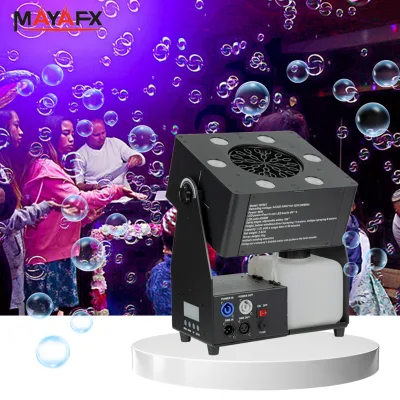
$106.8517 - $117.5366
MOQ: 1 sets
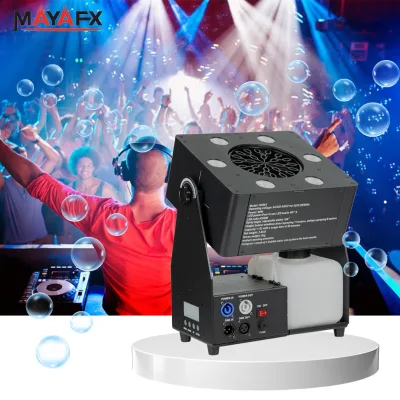

Guangzhou Sailwin Light & Audio Technology Co., Ltd.
- Verified by BV
- Combined
- China Guangdong
- Lead time15 days
- Avg. response≤ 8h
Main productsStage Light, LED PAR Light, Battery Powered LED PAR Light, LED Moving Head Light, Stage Special Effects, Laser Light, LED Wall Washer, Stage Light Truss, Moving Head Beam, LED Moving Head
Main marketsSouth America,Africa,Southeast Asia/ Mideast,East Asia(Japan/ South Korea),Europe,Australia,North America

Sailwin 90W DMX Remote Control LED Bubble Machine Atmospheric Locust Bubble Machine
$87.00 - $96.00
MOQ: 1 Sets

LED Bubble Machine 90W Outdoor/Indoor DMX/Remote Control Bubble Machine Wedding Party Stage
$75.00 - $94.00
MOQ: 1 Sets


Remote LED 2000W Fog Bubble Machine Double-Wheel Smoke Performance Special Effects Blower
$252.00 - $260.00
MOQ: 1 Sets
Guangzhou Cheng Wen Photoelectric Technology Co., Ltd.
- Manufacturer, Trading Company
- Lead time旺季: "1 - 100":30,"101 - 200":45,"> 200":"To be negotiated", 淡季: "1 - 100":30,"101 - 200":45,"> 200":"To be negotiated"
- Avg. response≤ 4h
Main productsLED Screen, Stage Lights

GUANGZHOU MS LIGHTING CO., LIMITED
- Combined
- China Guangdong
- Lead time15 days
- Avg. response≤ 5h
Main productsLED Light, Moving Head Light, Stage Light, Professional Light, Scan Light, Smoke Machine, Follow Spot, Laser Light, LED Stage Light, Disco Light
Main marketsSouth America,Southeast Asia/ Mideast,Europe
Shenzhen Brin Technology Co., Ltd.
- Verified by TüVRheinland
- Trading Company
- Lead time0 days
- Avg. response≤ 1h
Main productsPlush Toys, Educational Toys, Sensory Toys, Pet Products, Custom Products
Main marketsNorth America(40%), South America(20%), Western Europe(10%)

- Verified by SGS
- Trading Company
- China Zhejiang
- Lead time15 days
- Avg. response≤ 13h
Main productsChristmas Decoration, Christmas Tree, Christmas Gift, Party Decoration, Promotional Product, Festival Items, Gift, Valentine, Party Items, Halloween Decorations
Main marketsEurope,Australia

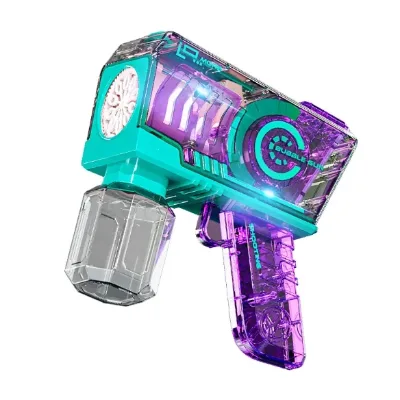
New Party Handheld Gatling Fully Automatic Luminous Bubble Machine Decoration
$0.71 - $0.80
MOQ: 1250 Pieces

New Automatic Electric Gatling Bubble Machine Decoration Birthday Parties
$0.77 - $0.87
MOQ: 1200 Pieces
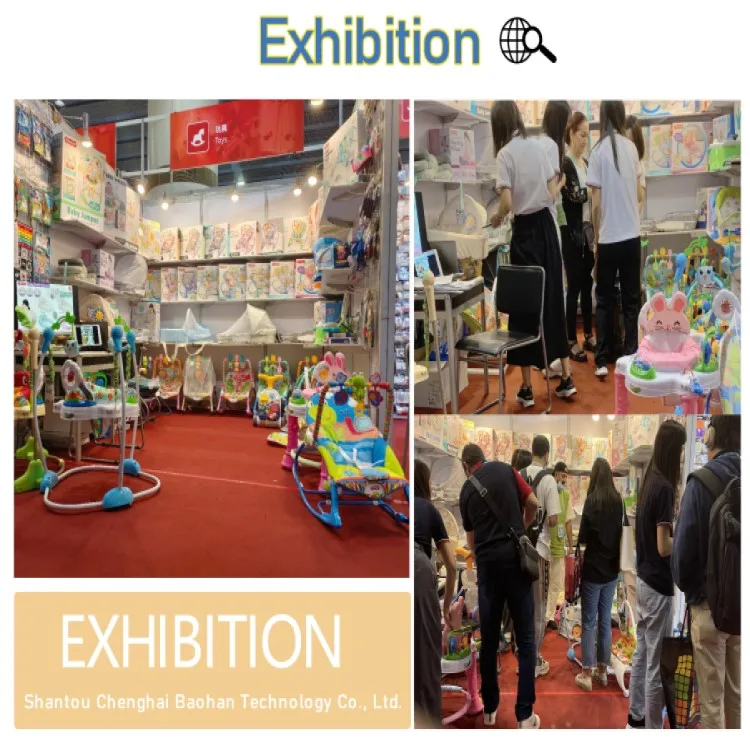
Shantou Chenghai Baohan Technology Co., Ltd.
- Manufacturer, Trading Company
- Guangdong, China
- Lead time0 days
- Avg. response≤ 2h
Main productsBaby Toys, Educational Toys
Main marketsSouth America(45.00%), Mid East(20.00%), North America(10.00%), Western Europe(10.00%), Africa(10.00%), Central America(5.00%)

Wenzhou Simple leather Co., Ltd.
- Verified by TUVRHEINLAND
- Trading Company,Manufacturer/Factory
- China Zhejiang
- Lead time15 days
- Avg. response≤ 4h
Main productsArtificial Leather, PU Leather, Synthetic Leather, PVC Leather, Microfiber Leather, Imitation Leather, Leatherette, Faux Leather, Leatheroid, Toys
Main marketsSouth America,Eastern Europe,Mid East,North America,Southeast Asia,Eastern Asia,Oceania,Western Europe,Africa

- Verified by BV
- Trading Company,Manufacturer/Factory
- China Zhejiang
- Lead time15 days
- Avg. response≤ 9h
Main productsCeramic Mug, Kitchen Storage, Water Bottle, Cookware Set, Charger Plates, Shaker Set, Storage Rack, Food Container, Kitchen Accessories, Yiwu Agent
Main marketsSouth America,Eastern Europe,Mid East,North America,Southeast Asia,Eastern Asia,Oceania,Western Europe,Africa
Shanxi Cre8ify Industry and Trade Co., Ltd
- Verified by TüVRheinland
- Trading Company
- Lead time40 days
- Avg. response≤ 3h
Main productsWedding Decorations, Wedding Equipment, Scented Candle, Candle Raw Materials And Accessories, LED Candle
Main marketsEastern Asia(30%), North America(25%), Domestic Market(25%)
Helloworld (guangzhou) Import & Export Co., Ltd.
- Manufacturer, Trading Company
- Guangdong, China
- Lead time0 days
- Avg. response≤ 5h
Main productsSilicone Product,Plastic Product,Gel Products,House Products,Gift & Craft
Main marketsNorth America(36.00%), South America(35.00%), Eastern Europe(15.00%), Southeast Asia(9.00%), Domestic Market(1.00%), Western Europe(1.00%), Eastern Asia(1.00%), Mid East(1.00%), Africa(1.00%)
Foshan Grace Lighting Equipment Co., Ltd.
- Verified by SGS Group
- Manufacturer, Trading Company
- Lead time5 days
- Avg. response≤ 1h
Main productsLed Dance Floor, Stage Effects, LED Screen, Battery Led Stage Light, Laser stage Light
Main marketsNorth America(31%), Eastern Europe(13%), Southeast Asia(13%)
- Verified by SGS Group
- Trading Company
- Lead time15 days
- Avg. response≤ 3h
Main productsPlastic Toys, RC Cars, Sport Toys, Sand Beach Toys, Pretend Play Toys
Main marketsWestern Europe(84%), North America(5%), Eastern Europe(2%)
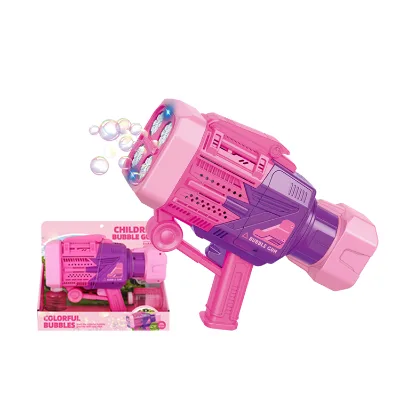
Portable Space-Themed Bubble Machine with 32 Holes Light Effects Ideal for Outdoor Games and Parties
$5.3604 - $6.8939
MOQ: 180 pieces
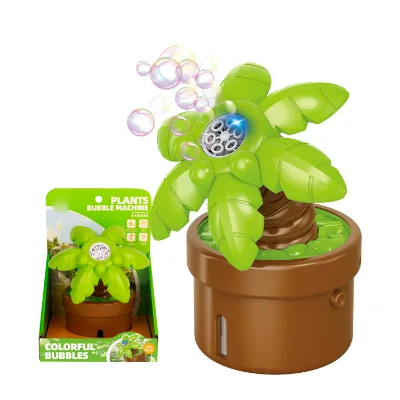
Multi Hole Coconut Tree Bubble Machine with LED Lights Outdoor Play Toy with 80ML Bubble Solution
$2.0057 - $2.5858
MOQ: 360 pieces
Guangzhou Xuanli Stage Equipment Co., Ltd.
- Manufacturer
- Guangdong, China
- Lead time15 days
- Avg. response≤ 2h
Main productsFog Machine,Bubble Machine,Confettil Paper Machine,Co2 Jet,Foam Machine
Main marketsSoutheast Asia(15.00%), Southern Europe(15.00%), South America(15.00%), Western Europe(15.00%), Eastern Europe(10.00%), Eastern Asia(6.00%), Northern Europe(5.00%), Central America(5.00%), North America(5.00%), Mid East(5.00%), South Asia(2.00%), Oceania(2.00%)
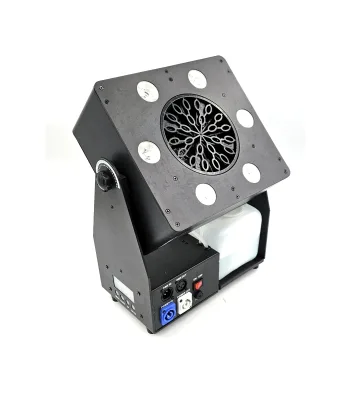
Rolling Bubble Machine Small Bubble Maker Machine with Moving Angle and LED Light
$80.00 - $85.00
MOQ: 1 units
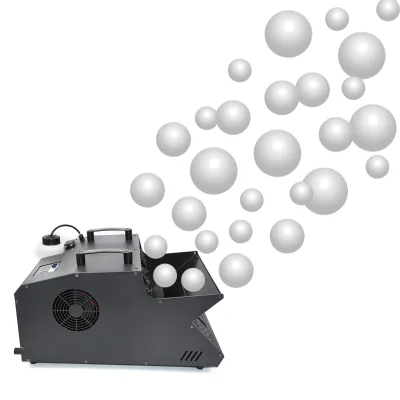
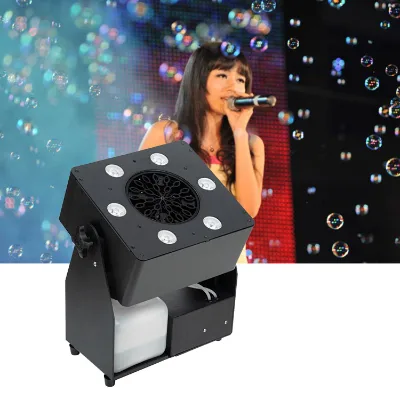
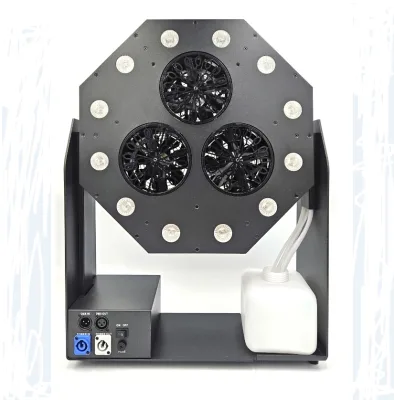
DELIFX Professional Stage Effect Led Bubble Machine Compact Size Rapidly Create Abundant Bubbles
$80.00 - $85.00
MOQ: 1 units
Shantou Enjoy Star Plastic Co., Ltd.
- Trading Company
- Guangdong, China
- Lead time30 days
- Avg. response≤ 5h
Main productsEducation toys,bath toys,Musical mat,RC toys,baby toys
Main marketsMid East(30.00%), North America(20.00%), Western Europe(15.00%), Eastern Europe(15.00%), South America(10.00%), Southeast Asia(5.00%), Domestic Market(3.00%), Africa(2.00%)
- Verified by SGS Group
- Manufacturer, Trading Company
- Lead time45 days
- Avg. response≤ 4h
Main productsBaby Toys, Play At Home Toys, Outdoor Toys
Main marketsNorth America(38%), Western Europe(23%), South America(8%)

Guangzhou MINGXUAN Stage Light Equipment CO.,LTD
- Verified by CTI
- Trading Company,Manufacturer/Factory
- China Guangdong
- Lead time38 days
- Avg. response≤ 25h
Main productsMoving Head Light, Line Array Speaker, Truss Stage, Tent, Microphone, LED Screen, Mixer, LED PAR Can, LCD Screen, Small Speaker
Main marketsSouth America,Eastern Europe,Mid East,North America,Southeast Asia,Eastern Asia,Oceania,Western Europe,Africa


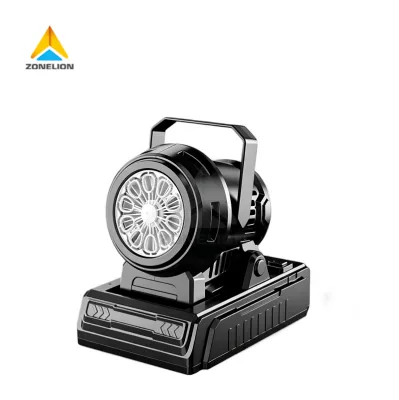


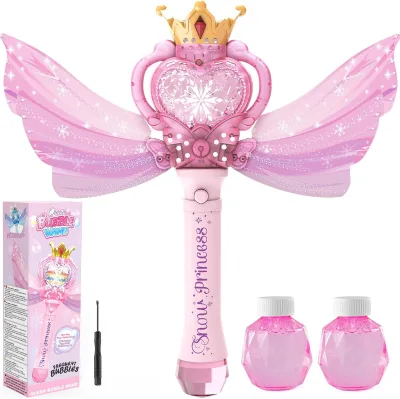
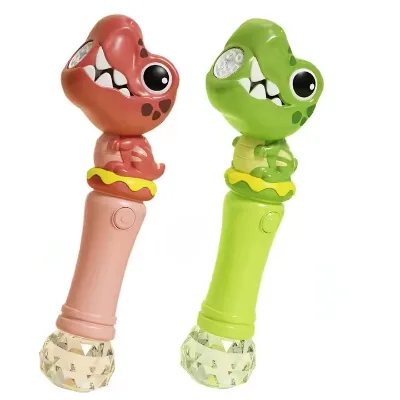


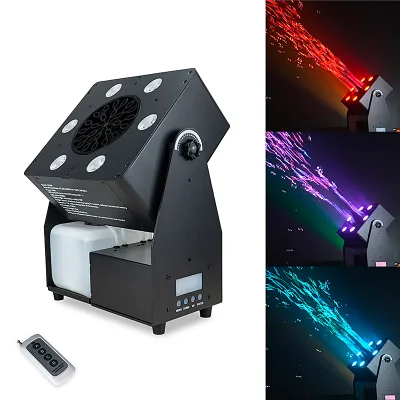


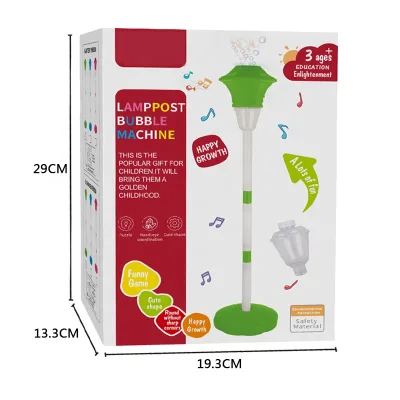


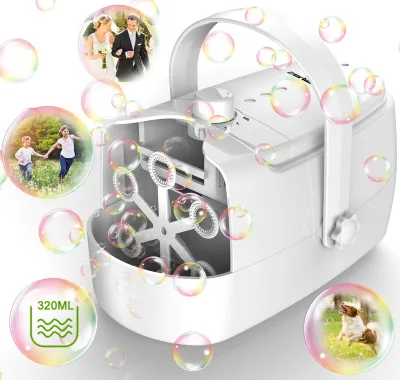
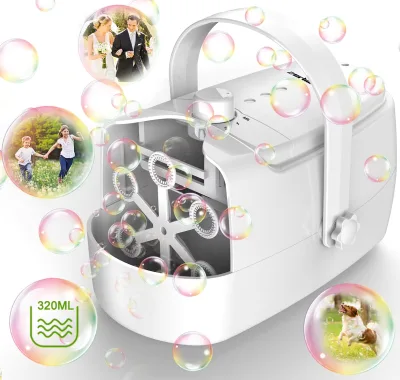
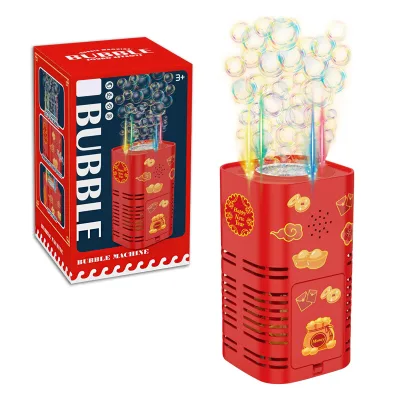


Comprehensive Sourcing Guide
Galaxy Light Bubble Machine Supplier Concentration and Factory Types
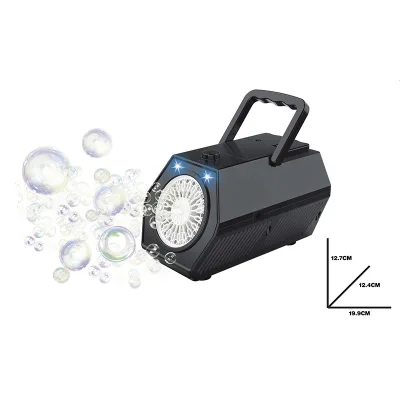
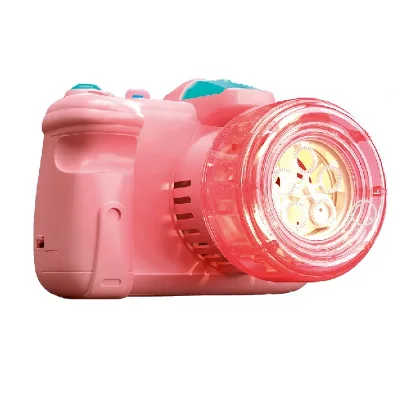
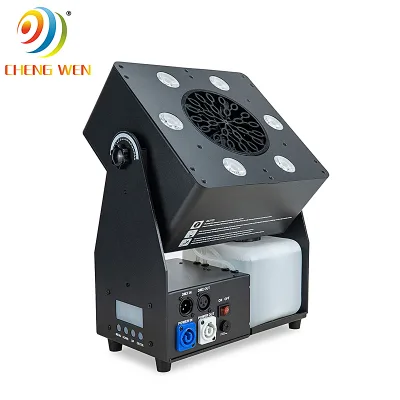
The current supplier landscape for galaxy light bubble machines reveals a diverse mix of manufacturing capabilities and business models. Buyers will encounter both dedicated manufacturers and trading companies offering these specialized stage effects. The primary product focus for many suppliers centers on LED displays and stage lighting, indicating that bubble machines are often part of a broader portfolio of professional audio, video, and lighting equipment. This concentration suggests that suppliers with strong expertise in LED technology and stage lighting integration are well-positioned to produce high-quality bubble machines that sync effectively with other stage elements. The presence of manufacturers implies direct control over production processes, which can be crucial for customizing light sources and control systems. Meanwhile, trading companies may offer a wider variety of models from different factories, providing buyers with more options for comparison. Understanding this mix is essential for determining whether a buyer needs a custom solution or a standard off-the-shelf product. The diversity in supplier types allows for flexibility in sourcing, but it also requires careful vetting to ensure quality consistency. Buyers should look for suppliers who clearly state their role and capabilities to avoid misunderstandings regarding production responsibility.
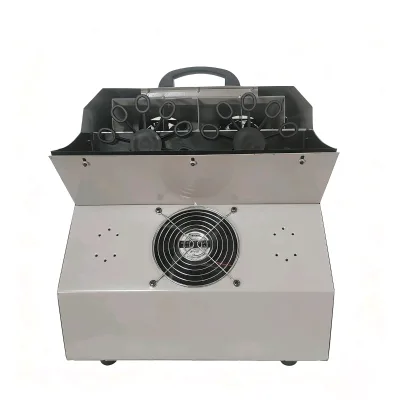
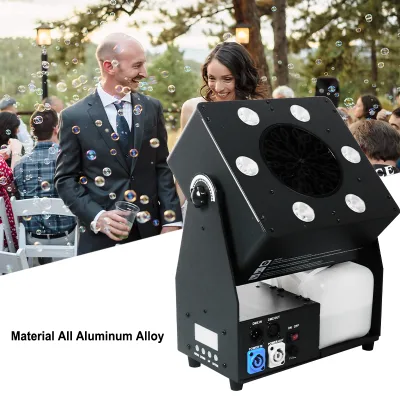
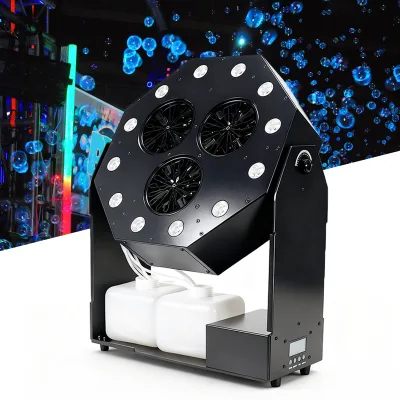
Specific product evidence highlights the technical nature of these devices, with many units featuring LED display screens as the primary light source. This integration of lighting and bubbling mechanisms requires precise engineering, often involving die-cast aluminum or aluminum alloy materials for durability. The control systems are frequently advanced, supporting DMX512 protocols and remote control options, which are standard in professional stage environments. Some suppliers offer customized on-demand services, including graphic processing and sample processing, which indicates a higher level of manufacturing sophistication. The place of origin for many of these products is Guangdong, China, a region known for its electronics and lighting manufacturing clusters. This geographic concentration facilitates supply chain efficiency and access to specialized components. However, buyers should verify the specific factory location and capabilities rather than assuming all suppliers in the region have identical standards. The variety in product types, from simple bubble machines to complex storm bubble machines, reflects the range of supplier expertise. Some models are designed for specific applications like weddings or large events, requiring different power outputs and control features.
How to Verify Galaxy Light Bubble Machine Suppliers
Verifying the credibility and capabilities of suppliers is a critical step in the sourcing process for galaxy light bubble machines. Buyers should prioritize suppliers who have undergone third-party verification, such as SGS Group, which provides an additional layer of trust regarding business legitimacy and operational standards. This verification helps ensure that the supplier is a real entity with the capacity to fulfill orders. In addition to general business verification, buyers must assess the specific certifications held by the suppliers and their products. The presence of system certifications like LVD and RoHS is a strong indicator of compliance with international safety and environmental standards. These certifications are particularly important for electrical equipment used in public events, where safety is paramount. Buyers should request copies of these certificates and verify their validity with the issuing bodies. Furthermore, product-specific certifications such as FCC, CE, and EMC should be checked for models intended for export to regions with strict regulatory requirements. These certifications confirm that the bubble machines meet specific electromagnetic compatibility and low voltage directives.
Beyond certifications, buyers should evaluate the supplier's response time and overall communication efficiency. A quick response time, such as three days or less, often indicates a well-organized sales team that is attentive to buyer inquiries. This responsiveness can be a proxy for the supplier's ability to handle post-sales support and technical issues. Buyers should also look for evidence of the supplier's manufacturing capacity, such as the ability to process samples and handle graphic customization. This capability suggests that the supplier can accommodate specific design requests or branding needs. Additionally, checking the warranty terms provided by the supplier is essential. A standard two-year warranty on products like bubble machines indicates confidence in product durability and a commitment to after-sales service. Buyers should compare warranty terms across different suppliers to identify those who offer the most robust protection. It is also advisable to inquire about the supplier's experience with similar projects or clients, although specific client names may not be disclosed. This information can help gauge the supplier's reliability and expertise in the stage lighting industry.
What to Compare Across Galaxy Light Bubble Machine Suppliers
When evaluating multiple suppliers for galaxy light bubble machines, buyers should systematically compare key operational and product attributes to identify the best fit for their needs. One of the most critical factors is the lead time for production and delivery. Suppliers may offer varying lead times, with some promising as little as seven days for standard orders. This speed can be crucial for event planners who have tight deadlines. Buyers should clarify whether this lead time includes shipping or is just for manufacturing. Additionally, the minimum order quantity (MOQ) is a significant consideration, especially for smaller buyers or those testing the market. While specific MOQs are not always listed, buyers should inquire about the lowest possible order size. Comparing prices is also essential, as costs can vary based on features, materials, and order volume. For instance, basic models may start around eighty-four dollars, while more complex units with multiple heads or advanced lighting features can cost over one hundred ninety-five dollars. Buyers should ensure they are comparing equivalent specifications to avoid misleading price differences.
Other important attributes to compare include the power consumption, weight, and control methods of the bubble machines. Suppliers may offer models with different power ratings, such as ninety watts or one hundred twenty watts, which affect energy usage and heat generation. The weight of the unit is crucial for logistics and installation, with some machines weighing as little as three kilograms and others up to sixty-four kilograms. Control methods, such as DMX512 or remote control, determine how easily the machine can be integrated into a larger stage setup. Buyers should also compare the material quality, with die-cast aluminum offering greater durability than plastic components. The IP rating, indicating water and dust resistance, is another key specification, with some models rated at IP20 or IP33. Additionally, the color temperature and light source type, such as LED or RGBW, should be matched to the desired visual effect. Suppliers may also offer different lighting solutions services, such as layout design or project installation, which can add value for buyers lacking technical expertise. By comparing these detailed specifications, buyers can make informed decisions that balance cost, performance, and logistical requirements.
Common Galaxy Light Bubble Machine Sourcing Risks
Sourcing galaxy light bubble machines from international suppliers involves several potential risks that buyers must proactively manage. One significant risk is the variability in product quality and performance, especially when dealing with trading companies that may source from multiple factories. Without direct oversight, buyers may receive units that do not meet the specified standards for light output, bubble density, or durability. This risk is heightened if the supplier does not provide clear evidence of quality control processes or testing results. Another risk is the discrepancy between the advertised specifications and the actual product received. For example, the claimed power consumption or light source type may differ from the reality, leading to operational issues on stage. Buyers should mitigate this by requesting detailed product datasheets and, if possible, samples before placing large orders. Additionally, the risk of non-compliance with local safety standards is a concern, particularly if the supplier's certifications are not valid or recognized in the buyer's region. Buyers must verify that the products meet all relevant electrical and safety regulations to avoid legal liabilities and safety hazards.
Logistical risks are also prevalent, particularly regarding the shipping of heavy or fragile items. Bubble machines, especially those with aluminum alloy or die-cast aluminum bodies, can be heavy and require careful packaging to prevent damage during transit. Buyers should ensure that the supplier uses robust packaging methods and has experience in exporting similar products. Delays in shipping can also disrupt event schedules, so buyers should confirm the reliability of the supplier's logistics partners. Another risk is the lack of after-sales support, which can be problematic if the machine malfunctions during an event. Buyers should verify the supplier's warranty terms and their ability to provide timely repairs or replacements. Language barriers and cultural differences can also lead to misunderstandings regarding technical requirements or contract terms. To mitigate these risks, buyers should maintain clear and documented communication with the supplier, using written confirmations for all agreements. It is also advisable to use secure payment methods, such as escrow services, to protect financial interests until the goods are received and inspected. By anticipating these risks, buyers can implement strategies to minimize their impact and ensure a successful sourcing experience.
Galaxy Light Bubble Machine Regional Sourcing and Logistics
The geographic concentration of suppliers in regions like Guangdong, China, offers both advantages and challenges for buyers sourcing galaxy light bubble machines. This region is a major hub for electronics and lighting manufacturing, providing access to a wide range of suppliers and components. The proximity to manufacturing clusters can lead to shorter lead times and lower production costs due to economies of scale and efficient supply chains. However, buyers must be aware of the logistical complexities involved in importing goods from this region. Shipping costs can vary significantly based on the weight and volume of the products, with heavier units like sixty-four-kilogram bubble machines incurring higher freight charges. Buyers should consider the total landed cost, including shipping, insurance, and customs duties, when comparing suppliers. Additionally, the choice of shipping method, whether by air or sea, will impact delivery times and costs. Air freight is faster but more expensive, while sea freight is cost-effective for large orders but takes longer.
Buyers should also consider the impact of regional trade policies and tariffs on their sourcing strategy. Understanding the import regulations of their home country is essential to avoid unexpected costs or delays. For instance, certain electrical products may require additional certifications or inspections upon entry. Buyers should work with suppliers who are experienced in international shipping and can provide necessary documentation, such as commercial invoices and packing lists. The reliability of the supplier's logistics network is also crucial, as delays can occur due to port congestion or customs clearance issues. Buyers should inquire about the supplier's experience with their specific destination and any known logistical challenges. Furthermore, the packaging of the products must be suitable for long-distance transport to prevent damage. Suppliers should use sturdy crates or pallets for heavy items and ensure that all components are securely packed. By carefully planning the logistics and understanding the regional context, buyers can optimize their sourcing strategy and ensure timely delivery of their galaxy light bubble machines.
Galaxy Light Bubble Machine Commercial Terms and Order Planning
Effective order planning and clear commercial terms are vital for a successful procurement of galaxy light bubble machines. Buyers should establish a detailed specification sheet that includes all technical requirements, such as power, control methods, and material preferences, to ensure that the supplier understands their needs. This sheet should also include the desired quantity, delivery date, and any customization requirements. Clear communication of these details helps prevent misunderstandings and ensures that the supplier can provide an accurate quote. Buyers should also negotiate payment terms that protect their interests, such as using escrow services or requiring a deposit with the balance paid upon shipment. This approach minimizes financial risk and ensures that the supplier is committed to fulfilling the order. Additionally, buyers should clarify the warranty terms, including the duration and coverage, to ensure that they are protected against defects or malfunctions. A standard two-year warranty is common, but buyers should verify what is included and the process for making a claim.
Lead time is another critical commercial term that buyers must plan around. Suppliers may offer varying lead times, and buyers should confirm the exact timeline for production and delivery. This timeline should account for any customization or sample approval processes that may extend the production period. Buyers should also consider the impact of holidays or peak seasons on the supplier's production schedule, as these can cause delays. It is advisable to place orders well in advance of the event date to allow for any unforeseen issues. Buyers should also discuss the packaging and labeling requirements to
FAQs
What certifications do the bubble machines have?
The bubble machines carry RoHS, LVD, and EMC certifications. Some models also include FCC compliance. These standards ensure safety and environmental compliance for international markets. Buyers should verify specific certificates for their target region before placing orders.
How long does it take to receive an order?
The standard lead time for these products is seven days. This duration covers production and initial packaging. Buyers requiring faster delivery should contact the supplier directly to discuss expedited shipping options or check current stock availability for immediate dispatch.
What is the minimum order quantity for these lights?
The minimum order quantity is one single item. This allows buyers to test the product quality before committing to larger volumes. Bulk pricing may vary, so requesting a quote for specific quantities is recommended to secure the best possible deal.
Where are these bubble machines manufactured?
All listed bubble machines originate from Guangdong, China. This region is known for its manufacturing capabilities in stage lighting and special effects equipment. Buyers can expect consistent quality standards associated with this specific manufacturing hub for professional audio and video gear.
What is the response time for supplier inquiries?
Suppliers typically respond to inquiries within three hours. This rapid response ensures that buyers can quickly clarify product details or negotiate terms. Prompt communication helps streamline the sourcing process and reduces delays in finalizing purchase agreements for stage equipment.
What warranty is provided for the bubble machines?
Most models come with a two-year warranty covering manufacturing defects. This protection ensures reliability for professional events and stage shows. Buyers should review the specific warranty terms provided by the seller to understand coverage limits and claim procedures for any issues.
What control methods are supported by these machines?
The machines support DMX512 and remote control methods. This flexibility allows for precise integration into existing stage lighting setups. Buyers can choose the control method that best fits their event requirements, ensuring seamless operation during performances or large gatherings.