PU Foam Stress Relief Rugby Suppliers and Manufacturers
Explore 17 verified options for PU Foam Stress Relief Rugby from Guangdong and Zhejiang factories. Compare response times, lead times, certifications, and pricing to find the right partner. Request samples to validate quality before ordering; review the available evidence before requesting comparable quotations from suitable candidates.
Updated
Suppliers List

Dongguan Julisheng New Material Technology Co., Ltd.
- Verified by BV
- Combined
- China Guangdong
- Lead time30 days
- Avg. response≤ 2h
Main productsPU Foam, PU Corner Guard, Accessories PU Armrest, PU Self-Skinning, PU High Rebound, PU Slow Rebound, PU Imitation Wood Hard Foam, PU Foam Rugby, PU Traction Pillow, PU Foam Wheel
Main marketsDomestic

Ningbo Hangzhou Bay Best Century Crafts Co., Ltd.
- Verified by BV
- Trading Company,Manufacturer/Factory,Other
- China Zhejiang
- Lead time23 days
- Avg. response≤ 1h
Main productsPU Squishy Toys, Squishies, Stress Toys, Stress Balls, Sleep Eye Masks and Sleeping Eye Patches, TPR Massage Ball Toys, Stress Relievers, Kids Toys, Children Toys, Antistress Toys
Main marketsSouth America,Eastern Europe,Mid East,North America,Southeast Asia,Oceania,Western Europe,Africa


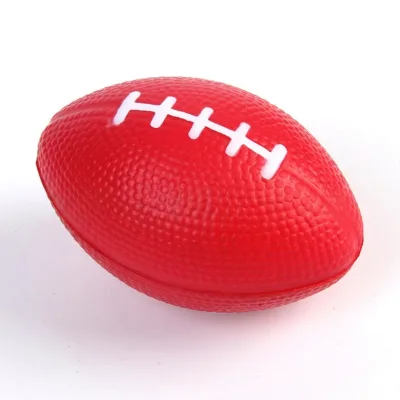
Wholesale Eco Friendly Custom Rugby Stress Balls PU Anti Stress Promotional Foam Toys
$0.10 - $1.00
MOQ: 1000 Pieces


PU Foam Blue American Football Rugby Toy Anti Stress Ball Gifts Juguetes
$0.20 - $1.00
MOQ: 1000 Pieces
HK MAIRUN INDUSTRIAL CO., LIMITED
- Manufacturer
- Lead time旺季: "1 - 5000":15,"> 5000":"To be negotiated", 淡季: "1 - 5000":15,"> 5000":"To be negotiated"
- Avg. response≤ 15h
Main productsPromotional Gifts,Souvenir Gifts,Party Supplies,Event Supplies,Custom Gift Set
NINGBO H&W SPORTING GOODS CO.,LTD
- Verified by Intertek
- Trading Company
- Lead time25 days
- Avg. response≤ 3h
Main productsRubber Toy Ball, Squeeze Toy, Sporting Goods, Massage Balls, Pet Products
Main marketsNorth America(50%), Oceania(15%), Western Europe(15%)
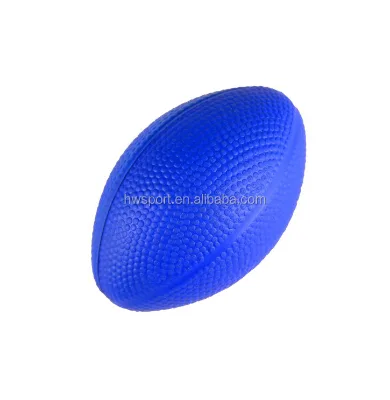
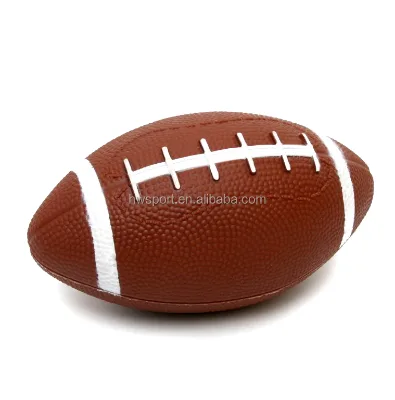
Factory Wholesale Anti-Stress Rugby Ball Football Sports Toy PU Foam Baby Toy
$0.35 - $0.40
MOQ: 3000 pieces

Fuzhou Chongkang Gifts Trade Co., Ltd.
- Verified by SGS
- Manufacturer/Factory
- China Fujian
- Lead time23 days
- Avg. response≤ 5h
Main productsPromotional Gifts, Baseball Cap, Beanies Hat, Gift Bags, Scarf, Microfiber Cleaning Cloth, Keychain, USB Charging Line, Luggage Tag, Mobile Phone Holder
Main marketsSouth America,Eastern Europe,Mid East,North America,Southeast Asia,Eastern Asia,Oceania,Western Europe,Africa
Ningbo Yinzhou Hines Rubber and Plastic Co., Ltd.
- Verified by TüVRheinland
- Trading Company
- Lead time20 days
- Avg. response≤ 4h
Main productsStress Ball, Foam Mat, Foam Craft And Gift, Squeeze Toys, Outdoor Interactive Toys
Main marketsNorth America(27%), Eastern Europe(11%), Western Europe(11%)
Ningbo Chinelink Import & Export Co., Ltd.
- Trading Company
- Lead time旺季: "1 - 5000":35,"> 5000":"To be negotiated", 淡季: "1 - 5000":35,"> 5000":"To be negotiated"
- Avg. response≤ 2h
Main productsPU FOAM BALL TOYS,SAFETY LETTER OPENER,BOX OPEN CUTTER,ANTI STRESS TOYS,STATIONERIES
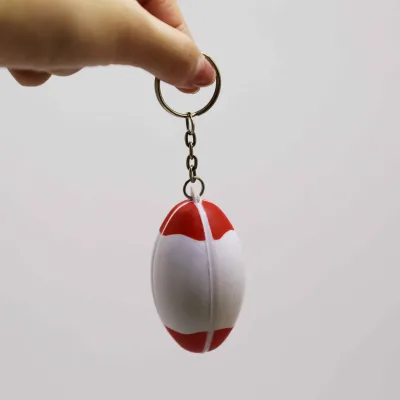
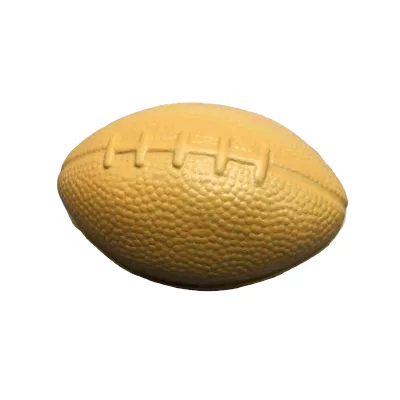
$0.28 - $0.45
MOQ: 3000 pieces
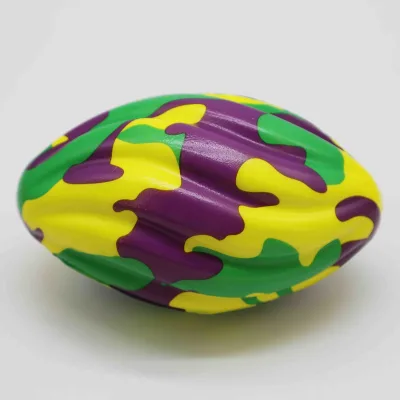
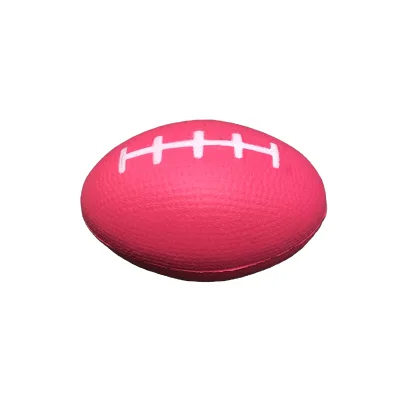
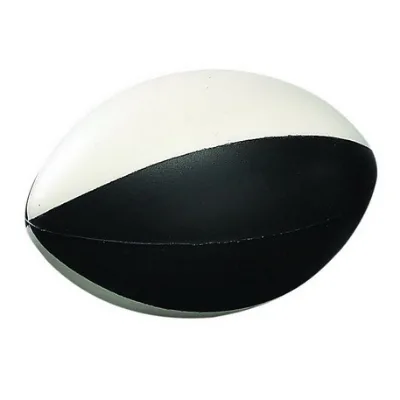
$0.48 - $0.61
MOQ: 1000 pieces

Zhengzhou Yuexiu Industrial Co., Ltd
- Trading Company,Manufacturer/Factory
- China Henan
- Lead time23 days
- Avg. response≤ 4h
Main productsPU Integral Skin Foam, High Resilience PU Foam, Low Resilience PU Foam, Molded PU Foam, Corner Guard, PU Handles, Foam Seat, Foam Insert, PU Suspension Bushing, PU Foam Products
Main marketsSouth America,Eastern Europe,Mid East,North America,Southeast Asia,Eastern Asia,Oceania,Western Europe,Africa

Promotional Custom Soft Stress PU Foam Polyurethane Anti-Stress Ball Toys
$0.20 - $0.90
MOQ: 500 Pieces


Customized Logo Print PU Colorful Football Soccer Rugby Balls Polyurethane Ball Toys
$0.20 - $0.90
MOQ: 500 Pieces

PU Foam Ball Anti Stress Football Basketball for Kids Mini Sports Stress Balls
$0.20 - $0.90
MOQ: 500 Pieces


Fuzhou Dachion Import & Export Co., Ltd.
- Verified by SGS
- Trading Company
- China Fujian
- Lead time15 days
- Avg. response≤ 5h
Main productsBackpacksGift & Paper Shopping
Main marketsEurope,North America

Wenzhou Guanmin Import and Export Co., Ltd.
- Verified by BV
- Trading Company,Manufacturer/Factory
- China Zhejiang
- Lead time120 days
- Avg. response≤ 7h
Main productsShopping Bag, Cooler Bag, Notebook, Pen, Color Pencil, Lanyard, Beach Ball, Umbrella, Sunshade, Air Freshener
Main marketsSouth America,Eastern Europe,Mid East,North America,Southeast Asia,Eastern Asia,Western Europe
Shenzhen Longtrans Chan Technology Co., Ltd.
- Manufacturer
- Guangdong, China
- Lead time20 days
- Avg. response≤ 2h
Main productsComputer & Phone Accessories,Kitchen & Bathroom Supplies,Holiday Decoration,Sports & Outdoors Items,Health & Beauty products
Main marketsDomestic Market(15.00%), North America(15.00%), Southeast Asia(13.00%), Northern Europe(10.00%), Western Europe(10.00%), Southern Europe(10.00%), South America(5.00%), Eastern Europe(5.00%), Eastern Asia(4.00%), South Asia(4.00%), Africa(4.00%), Central America(2.00%), Mid East(2.00%), Oceania(1.00%)
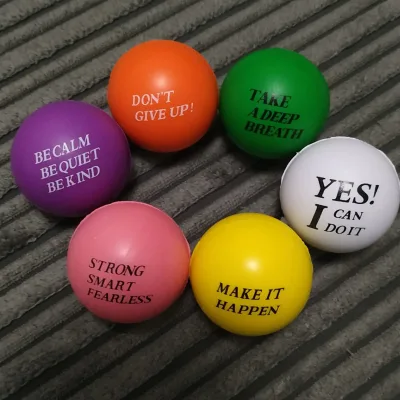
$0.2069 - $0.5157
MOQ: 1 pieces
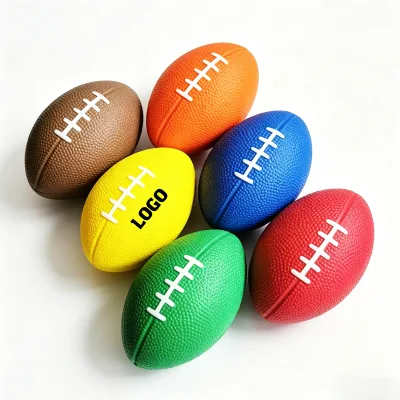
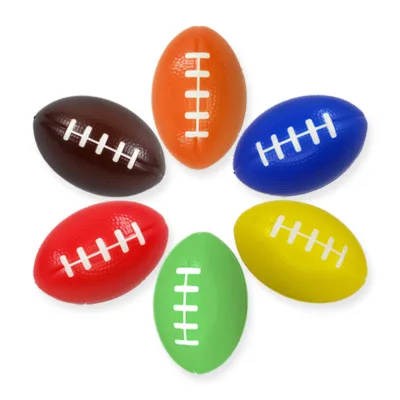
$0.1769 - $0.3852
MOQ: 200 pieces

LION PROMOTIONAL GIFT CO., LIMITED
- Verified by TUVRHEINLAND
- Trading Company
- China Zhejiang
- Lead time30 days
- Avg. response≤ 25h
Main productsPromotional Gifts, Giveaways, Advertising Gift, Premium Items, Publicity Material, Freebie Items, Marketing Gifts, Campaign Gifts, Promotional Products, China Gifts Supplier
Main marketsAfrica,Europe,North America

Shenzhen Tina Nis Electronics Co., Ltd.
- Verified by SGS
- Trading Company
- China Guangdong
- Lead time15 days
- Avg. response≤ 8h
Main productsEarphone, Headphone, Adapter, Phone Case, Speaker, Stylus, Earbuds
Main marketsEurope
Ningbo Eleroyal Import & Export Co., Ltd.
- Trading Company
- Zhejiang, China
- Lead time20 days
- Avg. response≤ 6h
Main productsoptical instrument,Camping,sport,chess and card,LIGHT
Main marketsNorth America(30.00%), Eastern Europe(20.00%), Western Europe(20.00%), South America(10.00%), Northern Europe(5.00%), Southeast Asia(5.00%), Oceania(5.00%), Africa(5.00%)
Dongguan Sir Jet Plastic Technology Co., Ltd.
- Verified by SGS Group
- Manufacturer, Trading Company
- Lead time0 days
- Avg. response≤ 5h
Main productsStress Ball, PU Foam Toys, Baby Booster Seat, Health Pillow, Chair Armrest
Main marketsNorth America(30%), Domestic Market(20%), Eastern Europe(10%)
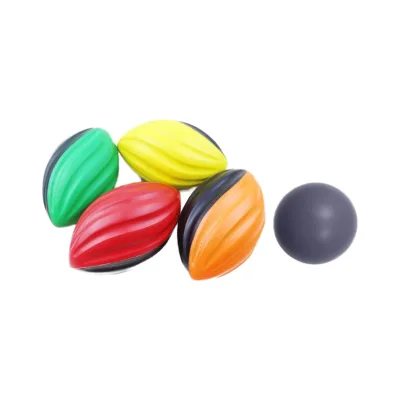
Factory Direct Sale Soft Safe Funny PU Foam Mini Sports Rugby Ball Custom Logo Ball
$0.4182 - $0.814
MOQ: 1000 pieces
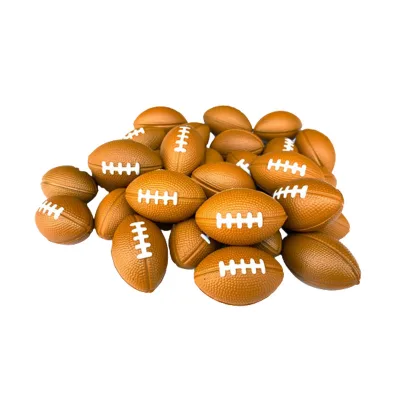
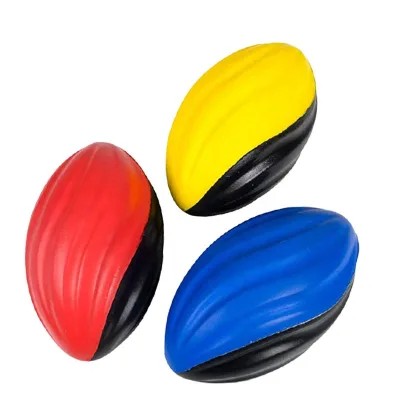
Novel Unique and Special PU Slow Rebound Spiral Rugby Foam Sponge Solid Ball
$1.1482 - $1.565
MOQ: 2000 pieces

Telamon Sports Goods (Shanghai) Co., Ltd.
- Verified by BV
- Trading Company
- China Shanghai
- Lead time15 days
- Avg. response≤ 11h
Main marketsNorth America

Jinjiang Lingyuan Suiquan Crafts Firm
- Verified by BV
- Trading Company
- China Fujian
- Lead time23 days
- Avg. response≤ 6h
Main productsPromotional Gift Products, Timing Belt, Diamond Tools
Main marketsSouth America,Eastern Europe,Mid East,North America,Southeast Asia,Eastern Asia,Oceania,Western Europe,Africa


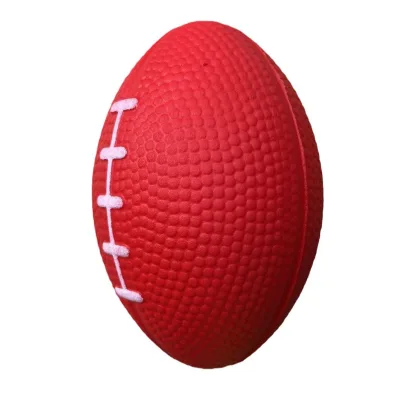


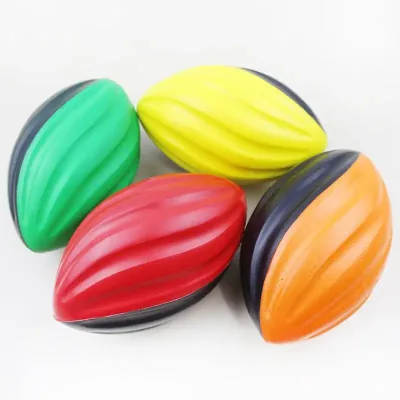
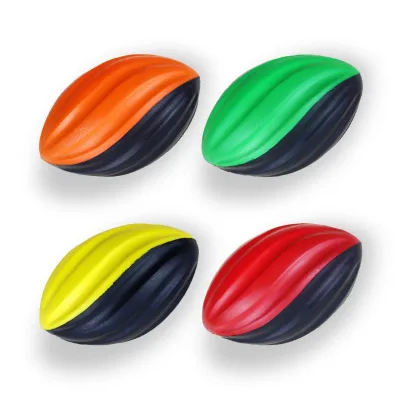
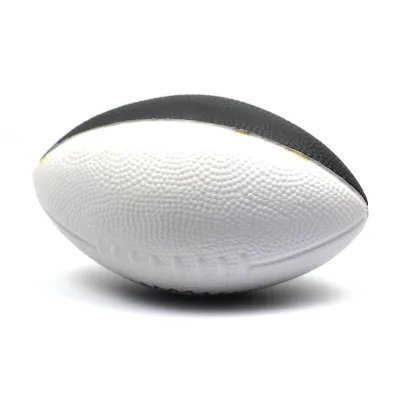




Comprehensive Sourcing Guide
PU Foam Stress Relief Rugby Supplier Concentration and Factory Types
The current supplier landscape for PU Foam Stress Relief Rugby products reveals a distinct geographic concentration in China, with specific manufacturing hubs identified in Guangdong and Zhejiang provinces. Suppliers located in Guangdong, such as those based in Dongguan, often operate as combined entities that blend trading and manufacturing capabilities, allowing for flexible production runs and direct factory access. These Guangdong-based operations frequently highlight their ability to handle complex customization requests, including specific logo printing and shape variations, which is critical for buyers seeking branded promotional items. The presence of BV verification on some of these Guangdong suppliers adds a layer of trust regarding their operational legitimacy and quality control processes. Meanwhile, suppliers in Zhejiang province present a different operational profile, often listing themselves as trading companies, manufacturers, or other entity types. This diversity in company structure within Zhejiang suggests a market that may cater to both large-scale wholesale orders and smaller, more agile procurement needs. The main products listed for these Zhejiang suppliers include a wide array of stress toys, from plain rugby balls to animal-shaped squishies, indicating a broad capability in foam molding and surface finishing. Buyers should note that while both regions produce similar core items, the specific mix of OEM and ODM capacities varies, with some factories emphasizing rapid prototyping while others focus on high-volume standard production. Understanding these regional distinctions helps in narrowing down the search to suppliers whose operational model aligns with your specific volume and customization requirements.
Factory types in this sector range from pure manufacturing plants to combined trading and production entities, each offering distinct advantages for sourcing PU Foam Stress Relief Rugby items. Combined companies, often found in Guangdong, provide a streamlined interface for buyers who need both product development and logistical support, leveraging their dual role to manage supply chain complexities. These entities typically display strong OEM and ODM capabilities, allowing for significant customization in material density, shape, and branding. In contrast, suppliers in Zhejiang may operate more as trading companies or factories with a broader product portfolio, including non-rugby stress toys like sleep masks and massage balls. This broader portfolio can be advantageous for buyers looking to consolidate orders across multiple product categories, potentially reducing shipping costs and simplifying vendor management. However, it is essential to verify whether these trading companies have direct control over the manufacturing process or if they act as intermediaries, which can impact lead times and quality consistency. The verification status, such as BV certification, serves as a key indicator of a supplier’s reliability, but it does not guarantee the specific quality of every batch. Buyers must assess whether the factory type supports their need for rapid iteration or stable, high-volume output. By distinguishing between pure manufacturers and combined entities, buyers can better predict communication efficiency and production flexibility, ensuring that the chosen supplier can meet the specific demands of their PU Foam Stress Relief Rugby procurement strategy.
How to Verify PU Foam Stress Relief Rugby Suppliers
Verifying the legitimacy and capability of PU Foam Stress Relief Rugby suppliers requires a multi-layered approach that goes beyond basic company profiles. One of the primary steps is to check for third-party verification badges, such as BV (Bureau Veritas), which indicates that the supplier has undergone a specific audit process. However, verification alone is not a guarantee of product quality or delivery reliability. Buyers should cross-reference the supplier’s claimed certifications, such as ISO 9001 or BSCI, which are listed by some Zhejiang-based suppliers, with official certification databases to ensure they are current and valid. These certifications often reflect the supplier’s commitment to quality management systems and social compliance, which are critical for large-scale orders or corporate gifting programs. Additionally, examining the supplier’s response time can provide insights into their operational efficiency and customer service quality. A response time of less than one hour, as seen with some suppliers, suggests a highly responsive team that can address queries and resolve issues quickly, which is vital during the negotiation and order placement phases. Buyers should also look for detailed product attributes, such as material specifications (PU foam), shape options (round, animal), and customization availability, as these details indicate the supplier’s technical proficiency and willingness to accommodate specific requirements.
Beyond digital verification, buyers should request samples to physically assess the quality of the PU Foam Stress Relief Rugby products. Samples allow for a direct evaluation of the foam’s density, rebound speed, and surface finish, which are key factors in product satisfaction. It is also important to verify the supplier’s production capacity and lead times, as these factors directly impact your ability to meet market demand. Some suppliers list lead times around 23 to 30 days, which is a standard range for foam toy manufacturing, but buyers should confirm if this timeline includes sample approval and mass production. Furthermore, checking the supplier’s main products and product keywords can help determine if they specialize in stress balls or if they are general toy manufacturers. A supplier with a focused product line, such as PU foam rugby balls and stress toys, is likely to have more refined processes and better quality control than a generalist. Buyers should also inquire about the supplier’s after-sales service, such as online technical support, to ensure there is a mechanism for addressing any post-delivery issues. By combining digital verification, sample testing, and operational assessment, buyers can build a comprehensive profile of each supplier, reducing the risk of partnering with unreliable vendors and ensuring a smoother sourcing experience for PU Foam Stress Relief Rugby products.
What to Compare Across PU Foam Stress Relief Rugby Suppliers
When evaluating multiple suppliers for PU Foam Stress Relief Rugby items, buyers must systematically compare key operational and commercial metrics to identify the best fit for their needs. One critical dimension is the minimum order quantity (MOQ), which can vary significantly across suppliers. For instance, some suppliers may have an MOQ of 100 units, making them suitable for small businesses or initial market testing, while others may require 1,000 units or more, catering to larger wholesale operations. Comparing MOQs helps buyers align their procurement strategy with their inventory capacity and sales forecasts. Another important factor is the price range, which can fluctuate based on order volume, customization complexity, and material specifications. Prices for pu foam rugby balls may range from as low as $0.10 to over $2.80 per unit, depending on factors such as logo printing, packaging, and foam density. Buyers should request detailed quotes that break down these costs to understand the value proposition of each supplier. Additionally, comparing lead times is essential for supply chain planning. Suppliers with lead times of 23 to 30 days offer different flexibility levels, and buyers should assess whether these timelines are realistic and consistent with their delivery deadlines.
Beyond price and quantity, buyers should also compare the customization options and technical capabilities offered by each supplier. Some suppliers provide full-color logo printing and custom shapes, while others may limit customization to simple pad printing or standard round designs. The availability of OEM and ODM services is another key differentiator, with some suppliers offering comprehensive design support and others focusing on production based on buyer-provided specifications. Buyers should also evaluate the supplier’s product attributes, such as material safety certifications (EN, ASTM, CE) and eco-friendly claims, which are increasingly important for consumer goods. Comparing the packaging options, such as polybag or carton packaging, can also impact shipping costs and product protection. Furthermore, assessing the supplier’s response time and communication style can provide insights into their reliability and professionalism. A supplier with a quick response time and clear communication is more likely to handle issues proactively and ensure smooth order execution. By systematically comparing these dimensions, buyers can make informed decisions that balance cost, quality, and service, ultimately selecting a supplier that best supports their PU Foam Stress Relief Rugby sourcing objectives.
Common PU Foam Stress Relief Rugby Sourcing Risks
Sourcing PU Foam Stress Relief Rugby products from international suppliers involves several inherent risks that buyers must proactively manage to ensure a successful procurement process. One significant risk is the variability in product quality, particularly regarding the foam’s density and durability. Since pu foam is a soft material, it can be susceptible to deformation or tearing if not manufactured with high-quality raw materials and precise molding techniques. Buyers may encounter discrepancies between the sample received and the bulk production, leading to customer dissatisfaction and potential returns. This risk is exacerbated when working with suppliers who have limited quality control processes or who prioritize cost reduction over material integrity. Another common risk is the delay in lead times, which can disrupt supply chains and miss critical market windows. Suppliers may cite various reasons for delays, such as raw material shortages or production bottlenecks, but these can often be mitigated through clear communication and contractual agreements. Buyers should also be aware of the risks associated with customization, such as errors in logo printing or color matching, which can render products unsuitable for promotional use. These errors often stem from miscommunication or inadequate proofing processes, highlighting the need for detailed specifications and approval steps.
Additionally, buyers face risks related to compliance and certification, especially when exporting to markets with strict regulatory requirements. Suppliers may claim to have certifications like EN, ASTM, or CE, but these may not be valid or may not cover the specific product variant being ordered. Buyers must verify these certifications independently to avoid legal issues or product recalls. Another risk is the potential for hidden costs, such as shipping fees, customs duties, or additional charges for packaging and labeling, which can inflate the total cost of ownership. Suppliers may quote low unit prices but add significant fees later in the process, leading to budget overruns. Buyers should also be cautious of suppliers who lack transparency in their operations, such as those who are unwilling to provide factory audits or detailed production schedules. These red flags can indicate underlying issues with reliability or ethical practices. Furthermore, the risk of intellectual property infringement is present when working with suppliers who produce custom designs, as they may replicate or share proprietary designs with other clients. Buyers should include non-disclosure agreements and clear IP clauses in their contracts to protect their brand and designs. By identifying and addressing these common risks, buyers can develop robust mitigation strategies and ensure a more secure and predictable sourcing experience for PU Foam Stress Relief Rugby products.
PU Foam Stress Relief Rugby Regional Sourcing and Logistics
The geographic location of suppliers plays a crucial role in determining logistics costs, lead times, and overall supply chain efficiency for PU Foam Stress Relief Rugby products. Suppliers located in Guangdong province, such as those in Dongguan, benefit from proximity to major international shipping ports, which can facilitate faster and more cost-effective export processes. This region is known for its robust manufacturing infrastructure and experienced logistics networks, making it a preferred hub for foam toy production. Buyers sourcing from Guangdong can often expect streamlined customs clearance and reliable freight forwarding services, which are essential for maintaining consistent inventory levels. In contrast, suppliers in Zhejiang province, while also well-connected, may have different logistical advantages depending on their specific location within the province. Zhejiang is a major manufacturing base for various consumer goods, and its suppliers often leverage established trade routes to reach global markets. However, buyers should verify the specific port of shipment for each supplier, as this can impact transit times and shipping costs. Understanding the regional logistics landscape helps buyers optimize their supply chain by selecting suppliers whose locations align with their target markets and delivery requirements.
Logistics planning for PU Foam Stress Relief Rugby items also involves considerations such as packaging density and weight, which affect shipping costs. Since these products are lightweight but bulky, buyers should work with suppliers to optimize packaging to maximize container space and reduce per-unit shipping costs. Some suppliers offer packaging options like polybags or cartons that are designed for efficient stacking and protection during transit. Buyers should also consider the impact of seasonal demand on logistics, as peak seasons can lead to capacity constraints and higher freight rates. Working with suppliers who have flexible production schedules and reliable logistics partners can help mitigate these risks. Additionally, buyers should be aware of any regional trade regulations
FAQs
What is the price range for PU foam rugby stress balls?
Prices typically range from $0.10 to $2.80 per unit depending on customization and order volume. Basic plain balls start near $0.10, while custom printed options with full-color logos generally cost between $0.20 and $0.70. Premium squishy toys may reach higher price points. Buyers should verify specific quotes based on their required quantity and design complexity.
What is the minimum order quantity for these products?
Minimum order quantities vary significantly by supplier and product type. Some manufacturers accept orders as low as 100 pieces for custom rugby balls. Other suppliers require a minimum of 1,000 units for standard stress relief toys. Buyers must check individual product listings to confirm the exact MOQ applicable to their specific design and packaging requirements.
How long does production take for custom orders?
Standard lead times generally range from 23 to 30 days after order confirmation. Suppliers in Guangdong often report a 30-day production cycle, while those in Zhejiang may offer faster turnaround times around 23 days. These estimates apply to standard manufacturing processes and may vary based on order volume and customization complexity.
Are these PU foam balls safe and certified?
Many suppliers provide products certified to EN71, ASTM, and CE standards. Materials are described as safe, non-toxic, and eco-friendly PU foam. Some listings also mention BSCI and ISO 9001 system certifications for the manufacturing facilities. Buyers should request specific test reports to verify compliance with their target market regulations before placing large orders.
Can I get custom logos printed on the rugby balls?
Yes, customization is widely available with options for full-color logo printing or simple pad printing. Suppliers offer OEM and ODM services to create unique shapes or designs. Imprints can include logo stickers or direct printing on the foam surface. Buyers should confirm printing methods and color accuracy with the supplier during the quotation process.
Where are these PU foam stress ball suppliers located?
Primary manufacturing hubs are located in China, specifically in Guangdong and Zhejiang provinces. Guangdong suppliers often specialize in combined manufacturing capabilities, while Zhejiang suppliers may operate as trading companies or factories. Buyers can filter results by these specific regions to align with their logistical preferences and supply chain requirements.
What is the typical response time from suppliers?
Response times vary, with some suppliers replying within 0.08 hours and others taking up to 1.68 hours. Faster response rates are often associated with suppliers in Zhejiang, while Guangdong-based manufacturers may have slightly longer initial response windows. Buyers should prioritize suppliers with quick response times for efficient communication during the sourcing process.