Ground Finish Flange Alignment Pins Suppliers and Manufacturers
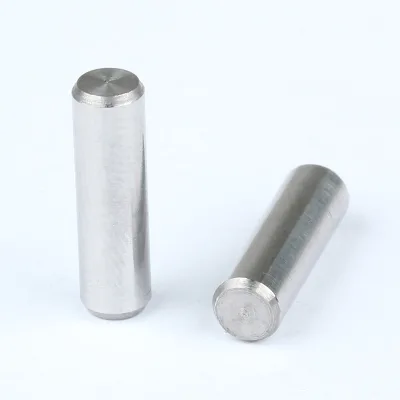
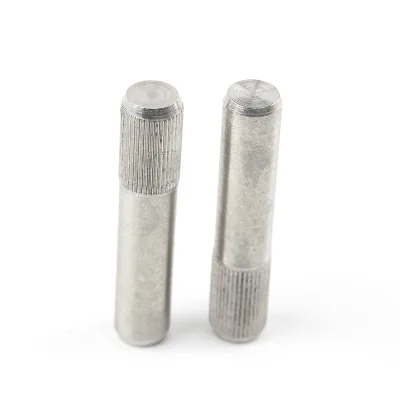
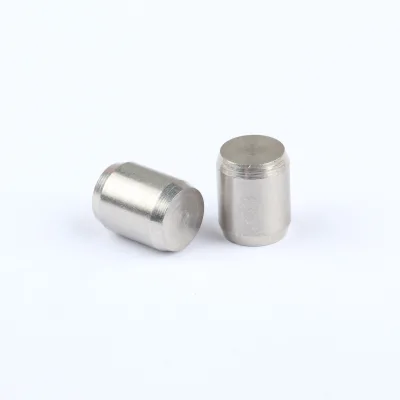
Explore 21 verified suppliers offering Ground Finish Flange Alignment Pins with dimensions like tolerance ±0.01mm and hardness HRC 50-55. Compare lead times, certifications, and MOQs to select the right partner for your project; review the available evidence before requesting comparable quotations from suitable candidates.
Updated
Suppliers List
Dongguan Jichun Mold Standard Parts Co., Ltd.
- Verified by TüVRheinland
- Manufacturer, Trading Company
- Lead time7 days
- Avg. response≤ 2h
Main productsMold Accessories
Main marketsDomestic Market(30%), Eastern Asia(20%), Mid East(16%)
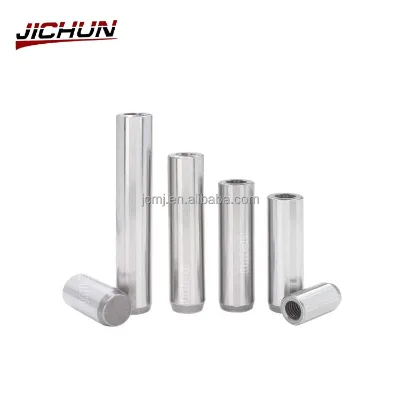
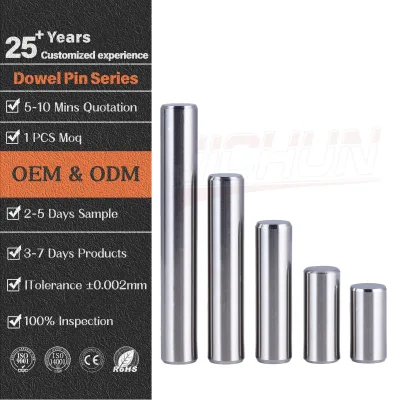
$0.1037 - $0.2084
MOQ: 10 pieces

Dongguan Zhengchen Hardware Co., Ltd.
- Verified by BV
- Combined
- China Guangdong
- Lead time15 days
- Avg. response≤ 5h
Main productsIndexing Plunger, Ball Plunger, Spring Plunger, Ball Lock Pin, Ball Transfer Unit, Ball Roller, Bearing Lock Nut, Precision Washer, Shoulder Bolt, Dowel Pin
Main marketsSouth America,Africa,Southeast Asia/ Mideast,East Asia(Japan/ South Korea),Europe,Australia,North America
Dongguan Jiaxing Precision Machinery Co., Ltd.
- Verified by SGS Group
- Manufacturer, Trading Company
- Lead time15 days
- Avg. response≤ 4h
Main productsOxygen Sensor Spacer, Auto Parts, Exterior Accessories, Pipe Fittings, Car Antenna
Main marketsNorth America(79%), Mid East(5%), Domestic Market(5%)
Dongguan Jiajiaxing Hardware Co., Ltd.
- Verified by Intertek
- Manufacturer, Trading Company
- Lead time7 days
- Avg. response≤ 6h
Main productsAuto Parts, Oxygen Sensor Spacer, Thread Adapter, Custom Machining Parts, CNC Turning Parts
Max Power Auto Racing Products Co., Ltd.
- Verified by Intertek
- Manufacturer, Trading Company
- Lead time15 days
- Avg. response≤ 5h
Main productsBlow Off Valve, Exhaust Pipe, Car Suspension Kit, Auto Gauge, Fuel Fitting
Main marketsNorth America(20%), Southern Europe(20%), Domestic Market(20%)
Chengdu Jingbang Technology Co., Ltd.
- Verified by SGS Group
- Trading Company
- Lead time15 days
- Avg. response≤ 3h
Main productsAnti-Theft Nut, Shaft Collar, Fastener, CNC Machining Custom Parts
Main marketsNorth America(36%), Eastern Europe(25%), Northern Europe(10%)
Nanjing Flybear Hardware Products Co., Ltd.
- Verified by SGS Group
- Manufacturer, Trading Company
- Lead time20 days
- Avg. response≤ 2h
Main productsA4-80 Bolt/Threaded Rods, Nut, Washer, Combination Screw Series
Main marketsDomestic Market(76%), North America(8%), Eastern Europe(5%)

SHUIFU HANYANG MACHINERY TECHNOLOGY CO., LTD
- Verified by TUVRHEINLAND
- Trading Company
- China Yunnan
- Lead time30 days
- Avg. response≤ 3h
Main productsManufacturing Processing Machinery, Sheet Metal Stamping, Springs, Stud Bolt, Clamp, Washer, Nut, Screw, Rivets, Stainless Steel
Main marketsSoutheast Asia/ Mideast,Europe,North America

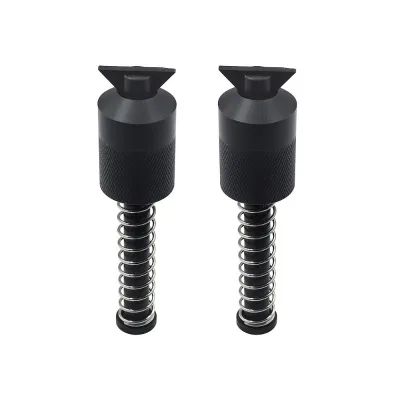
High-Quality Stainless Steel Spring Positioning Column Pin for Precision Alignment
$0.03 - $0.70
MOQ: 5000 Pieces

Galvanized Construction Engineering Hollow Reinforced Pin Positioning Pin
$0.02 - $1.00
MOQ: 50000 Pieces
Ruian Inter-Power International Trading Co., Ltd.
- Verified by Intertek
- Manufacturer, Trading Company
- Lead time10 days
- Avg. response≤ 5h
Main productsAir Ride Suspension Manifold Valve, Air Suspension Tank, Air Suspension Pressure Gauge, Car Exhaust Cutout Valve, Handbrake for Racing
Main marketsNorth America(43%), South America(22%), Eastern Europe(11%)
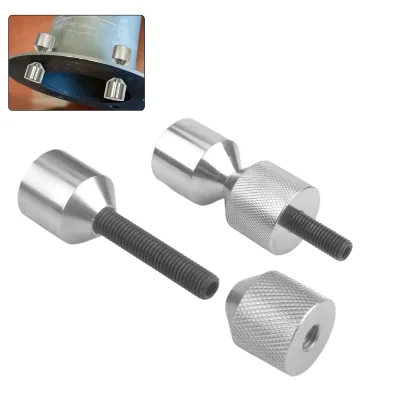
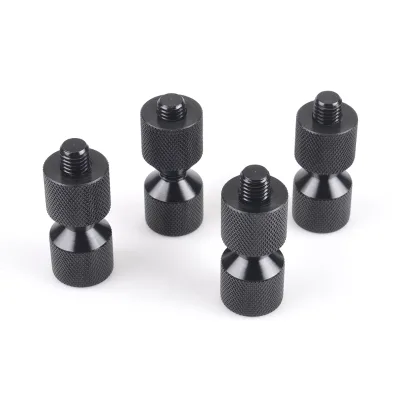
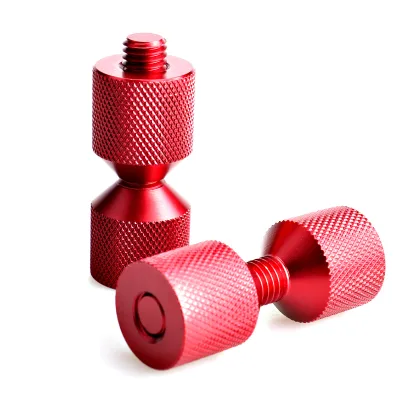
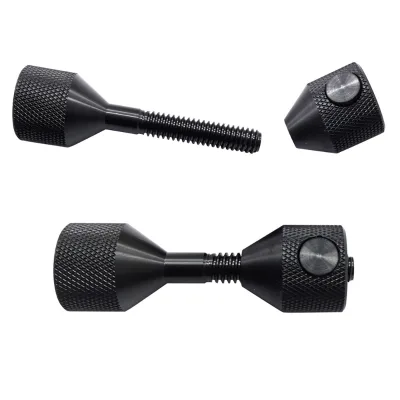
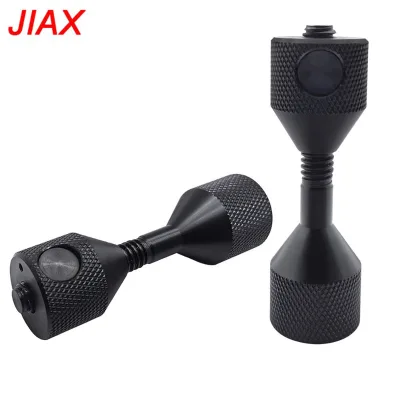
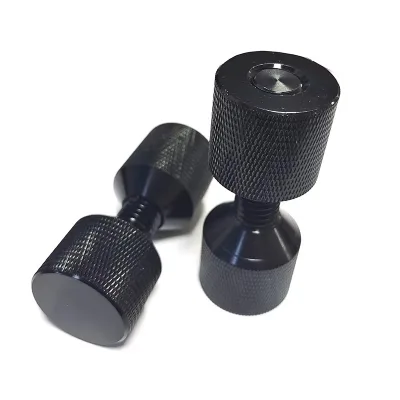
4PCS Aluminum 1-1/8inch 2 Hole Flange Alignment Pin Firm Flange Arrangement Pin Set Black/Red/Blue
$15.4007 - $16.4185
MOQ: 1 bags
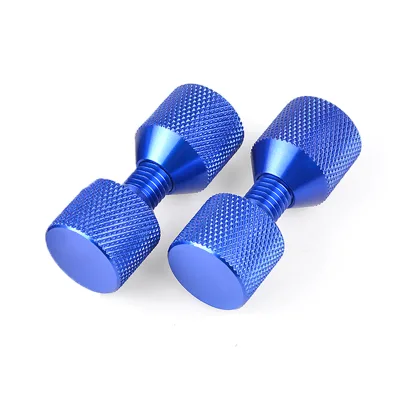
Aluminum 1-1/8inch Two Hole Pins Set 2 Hole Flange Alignment Pin Firm Flange Arrangement Pin Set
$3.30 - $4.00
MOQ: 2 pieces
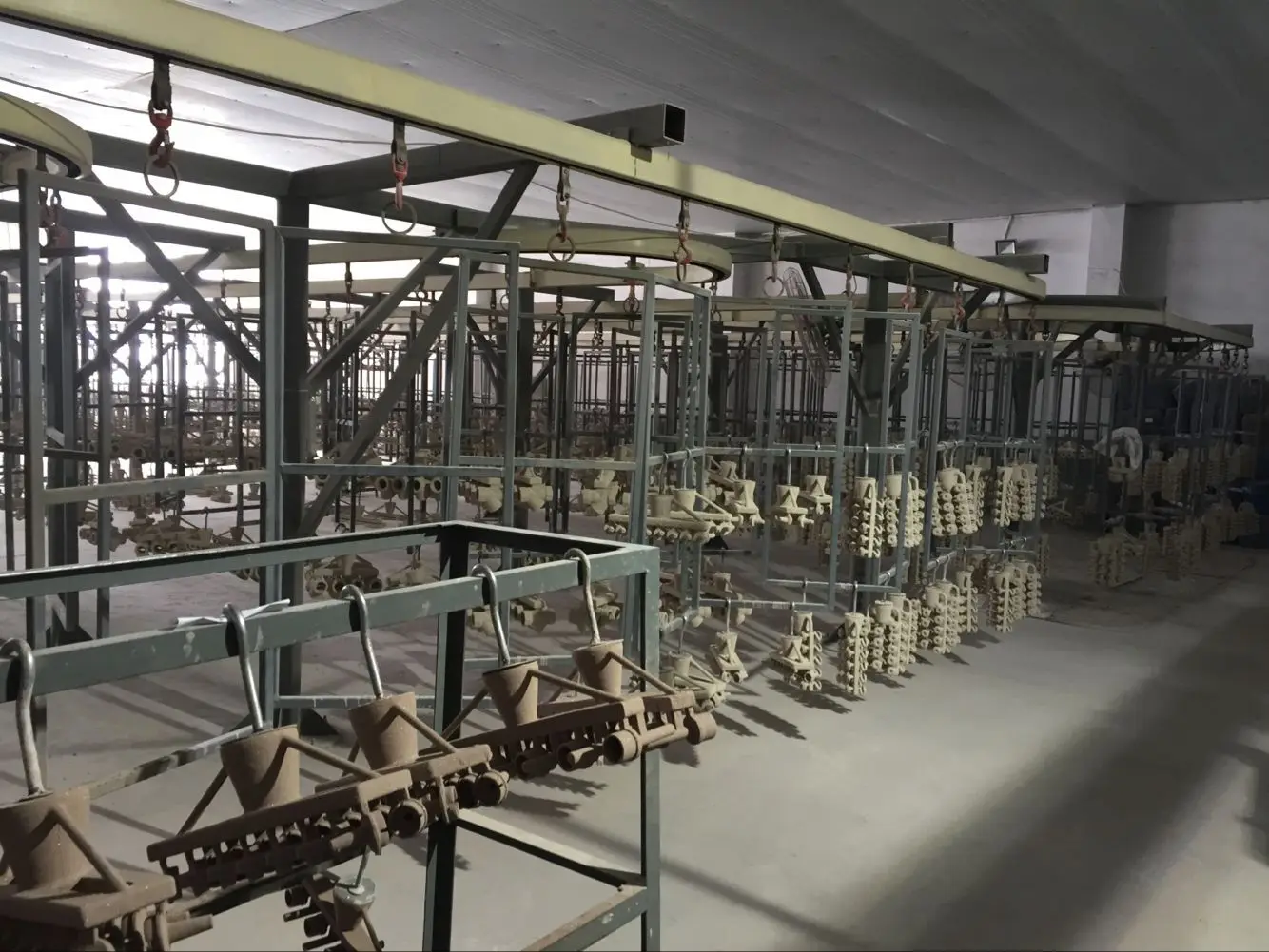
Gaomi Huading Precise Metals Co., Ltd.
- Manufacturer, Trading Company
- Shandong, China
- Lead time20 days
- Avg. response≤ 2h
Main productsHight precise casting parts,Low pressure aluminum casting,Stainless steel casting parts,machining,lost wax casting parts
Main marketsEastern Asia(20.00%), Western Europe(20.00%), South America(10.00%), Northern Europe(10.00%), Southern Europe(10.00%), Eastern Europe(10.00%), Mid East(2.00%), North America(2.00%), Southeast Asia(1.00%)

Ningbo Micro Precision Machining Manufacturing Co., Ltd.
- Verified by BV
- Combined
- China Zhejiang
- Lead time15 days
- Avg. response≤ 1h
Main productsPrecision Shaft, Micro Shaft, Motor Shaft, Custom Shaft, Stainless Steel Shaft, Precision Pin, Dowel Pin, Spacer, CNC Turned Parts, Custom CNC Machining Parts
Main marketsSouth America,Africa,Southeast Asia/ Mideast,East Asia(Japan/ South Korea),Europe,Australia,North America

Xiamen Changchun Import & Export Co., Ltd.
- Trading Company,Manufacturer/Factory
- China Fujian
- Lead time60 days
- Avg. response≤ 4h
Main productsBolt, Nut, CNC Machining Parts, CNC Turning Part, Milling Cutter, Self-Tapping Screw, Non-Standard Screw, Machnical Screw, Combination Screw
Main marketsSouth America,Eastern Europe,Mid East,North America,Southeast Asia,Eastern Asia,Oceania,Western Europe,Africa
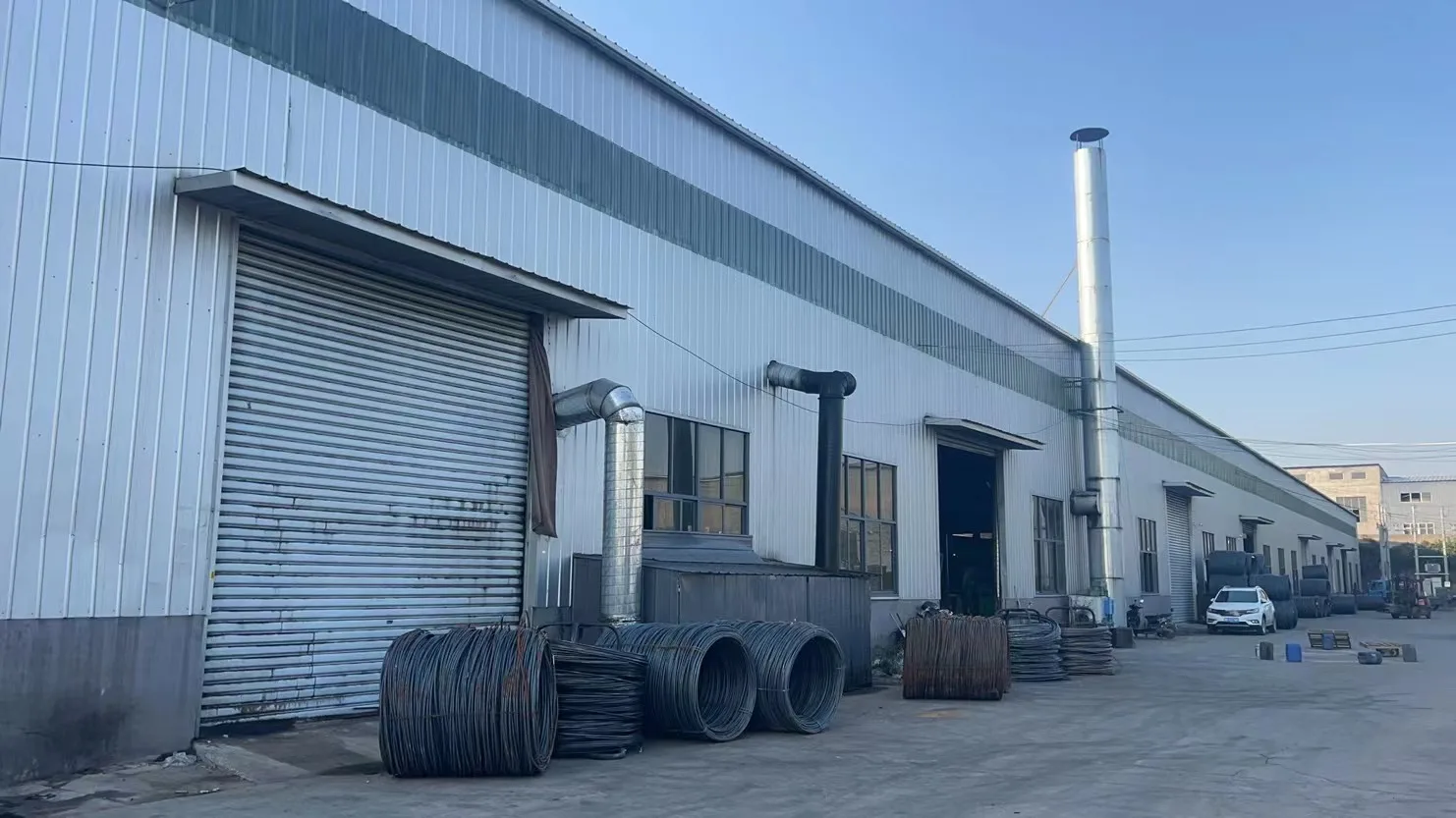
Handan Guoxi Fastener Manufacturing Co., Ltd.
- Manufacturer, Trading Company
- Hebei, China
- Lead time30 days
- Avg. response≤ 3h
Main productsbolt,nut,Flat Washer,Spring Lock Washer,anchor bolt
Main marketsNorth America(30.00%), Eastern Europe(30.00%), Southeast Asia(30.00%), South America(10.00%)
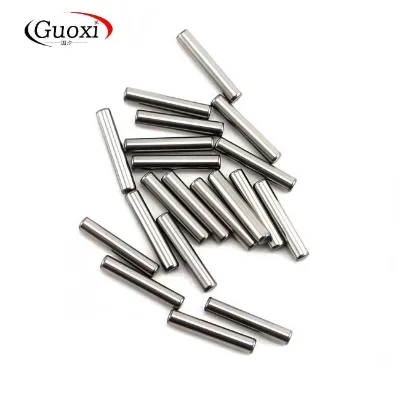
$0.0618 - $0.0927
MOQ: 5 pieces
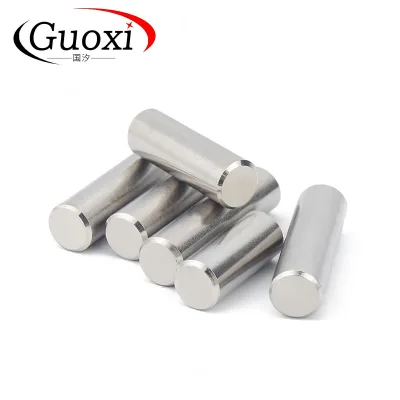
$0.0412 - $0.0824
MOQ: 1 pieces
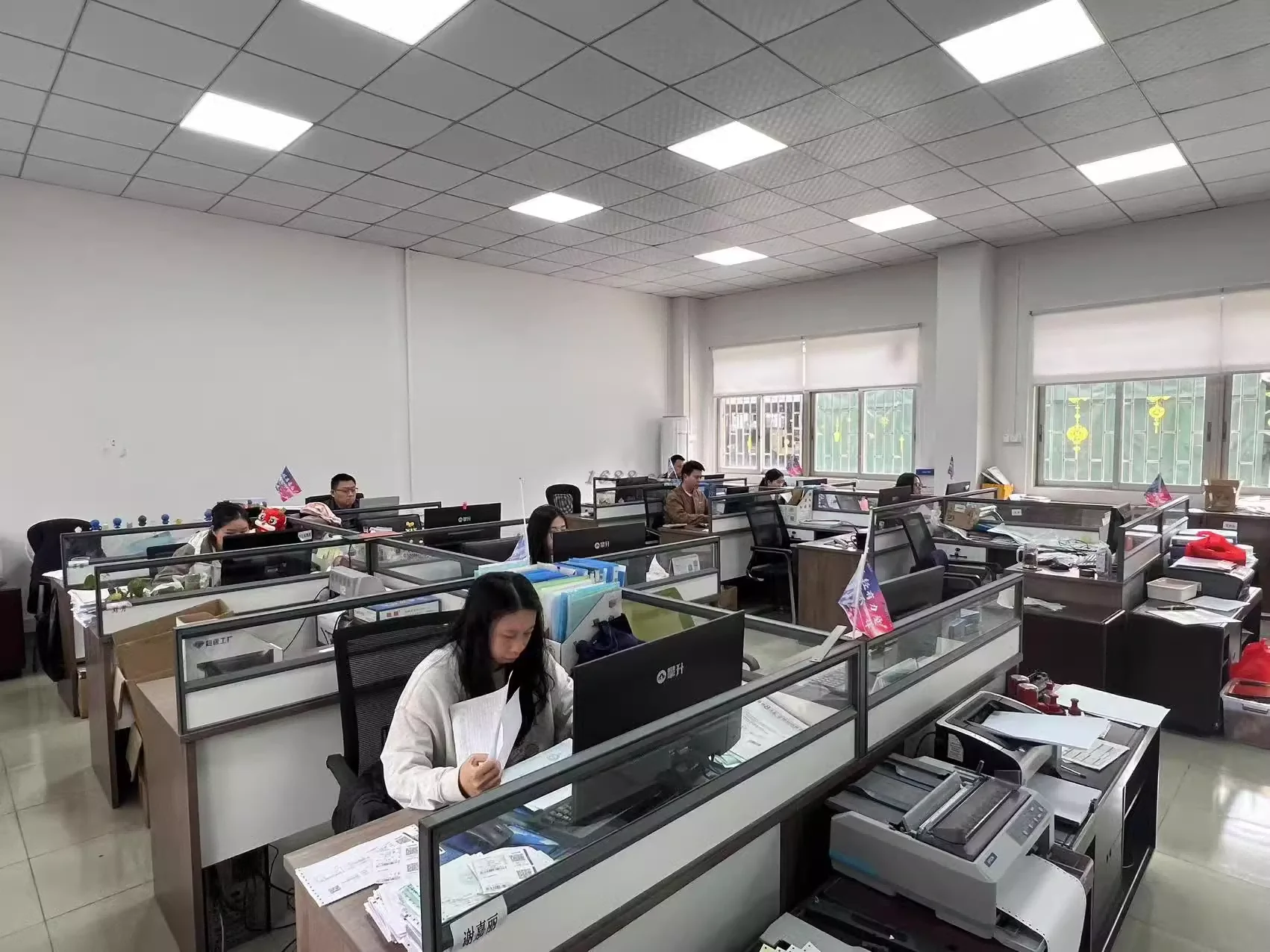
Jiangzhixin Technology (shenzhen) Co., Ltd.
- Trading Company
- Guangdong, China
- Lead time0 days
- Avg. response≤ 1h
Main productsHardware Fittings, Fasteners, Screws, Nuts, Washers
Main marketsEastern Europe(13.10%), South America(12.50%), North America(11.30%), Southeast Asia(10.50%), Oceania(9.50%), Africa(7.10%), Northern Europe(6.90%), Mid East(6.50%), Eastern Asia(5.50%), Western Europe(4.60%), Southern Europe(2.80%), South Asia(2.30%), Domestic Market(2.10%), Central America(2.10%)
Puyang Dongshenghong Building Materials Trading Co., Ltd.
- Trading Company
- Henan, China
- Lead time0 days
- Avg. response≤ 1h
Main productsfastener,drill,Cordless lithium electric tool,hand-operated tool,hand-operated tool
Main marketsDomestic Market(25.00%), Eastern Europe(18.00%), Southeast Asia(12.00%), North America(10.00%), Central America(8.00%), Eastern Asia(6.00%), Africa(5.00%), Northern Europe(3.00%), Mid East(3.00%), South America(3.00%), Oceania(3.00%), Western Europe(2.00%), South Asia(2.00%)

Hebei Yuanyue Trading Co., Ltd.
- Trading Company
- Hebei, China
- Lead time10 days
- Avg. response≤ 3h
Main productsFASTENER,MOULD,HARDWARE,AUTO SPARE PARTS,MOTORCYLE ACCESSORIES
Main marketsDomestic Market(40.00%), South Asia(10.00%), Northern Europe(10.00%), Southeast Asia(10.00%), Central America(10.00%), Eastern Asia(10.00%), North America(5.00%), Mid East(5.00%), Africa(5.00%), Eastern Europe(5.00%), Western Europe(5.00%), South America(5.00%)

Huabei Yiande Scaffolding Manufacture Co., Ltd.
- Verified by SGS
- Combined
- China Hebei
- Lead time30 days
- Avg. response≤ 4h
Main productsScaffolding, Formwork, Ringlock, Cuplock, Kwikstage, Scaffold, Prop, Frame Scaffolding, Ringlock Scaffold
Main marketsSoutheast Asia/ Mideast,Domestic

Ningbo Hanyee Metal Product Co., Ltd.
- Trading Company
- China Zhejiang
- Lead time30 days
- Avg. response≤ 7h
Main productsCustom Fastener, Custom Screw, Custom Rivet, Fitting, CNC Machining, Custom Bolt, Custom Washer, Steel Pin, Spare Parts
Main marketsSouth America,Africa,Southeast Asia/ Mideast,East Asia(Japan/ South Korea),Europe,Australia,North America
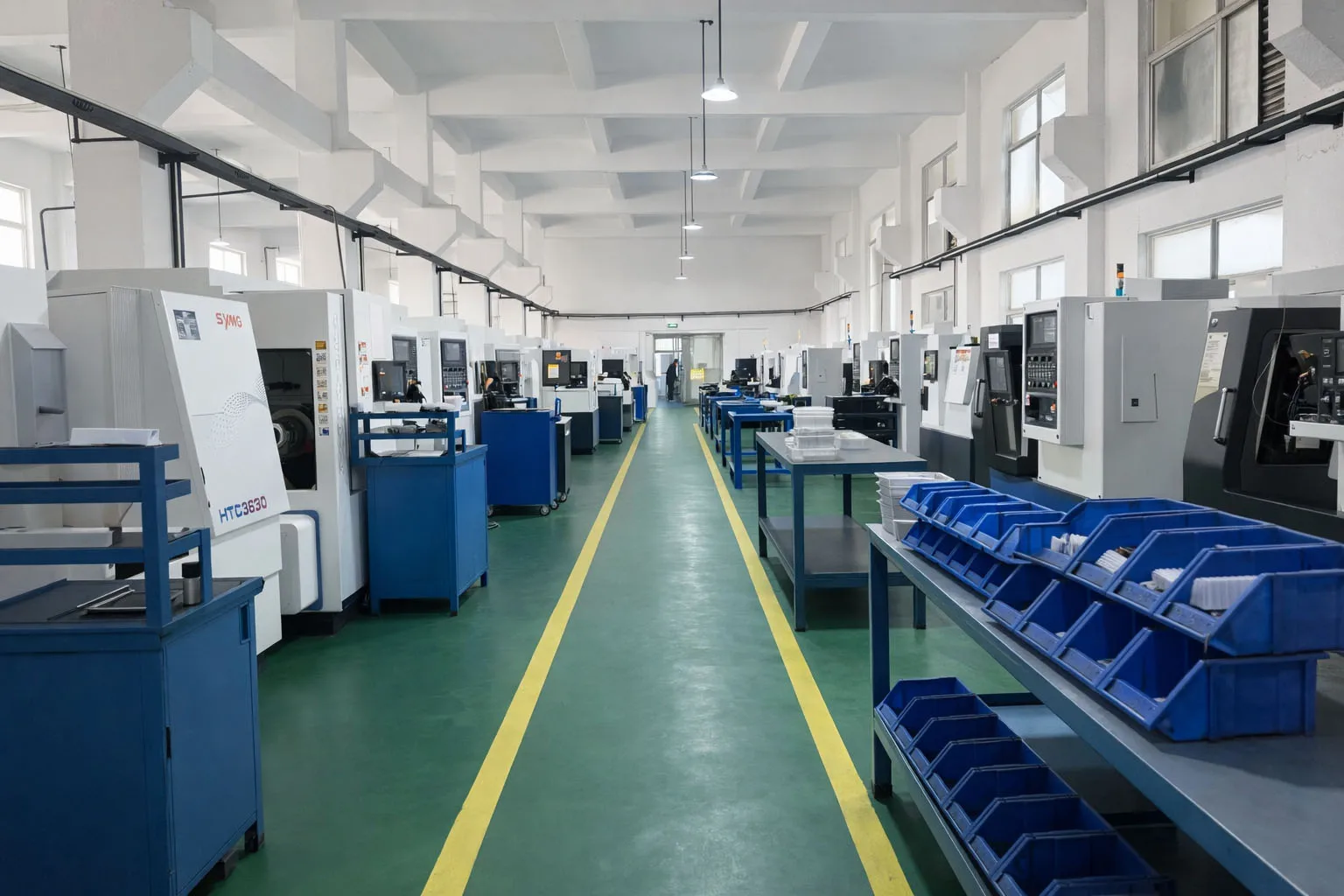
Ningbo Jiuyi Precision Mould Co., Ltd.
- Manufacturer
- Zhejiang, China
- Lead time10 days
- Avg. response≤ 3h
Main productsPunch,Mold,fastener,Stamped part,Hand tools
Main marketsDomestic Market(50.00%), Southeast Asia(13.00%), Mid East(10.00%), Central America(5.00%), Northern Europe(5.00%), North America(3.00%), Eastern Europe(3.00%), Western Europe(3.00%), Eastern Asia(2.00%), South Asia(2.00%), Africa(1.00%), Oceania(1.00%), Southern Europe(1.00%), South America(1.00%)
Wuxi Bayard International Trade Co., Ltd.
- Trading Company
- Jiangsu, China
- Lead time7 days
- Avg. response≤ 2h
Main productsBolt/Nut/Screw/Nail/Fastener
Main marketsNorth America(24.00%), South America(16.00%), Eastern Europe(16.00%), Western Europe(8.00%), Eastern Asia(8.00%), Domestic Market(8.00%), Southeast Asia(8.00%), South Asia(4.00%), Oceania(4.00%), Mid East(4.00%)

Rizhao Fenghua Scaffoldings Co., Ltd.
- Verified by BV
- Combined
- China Shandong
- Lead time45 days
- Avg. response≤ 15h
Main productsScaffolding, Scaffold, Forging, Formwork, Scaffold Couplers, Swivel Coupler, Frame System, Hand Tools, Scaffold Plank
Main marketsSouth America,East Asia(Japan/ South Korea),Europe,North America


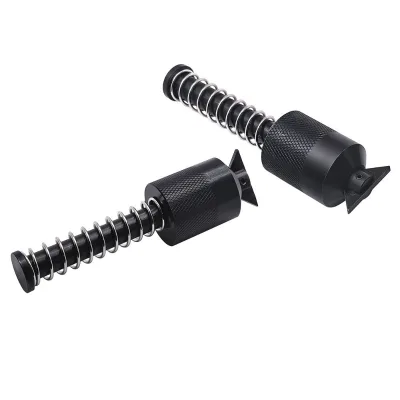
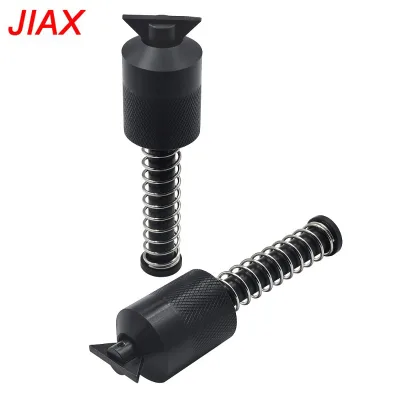
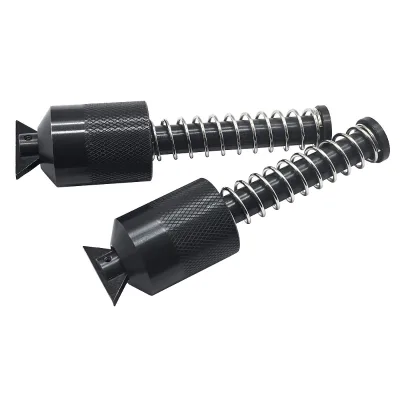
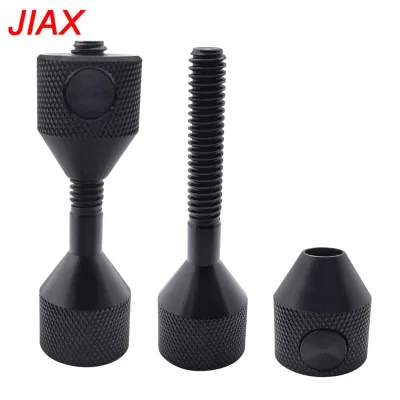


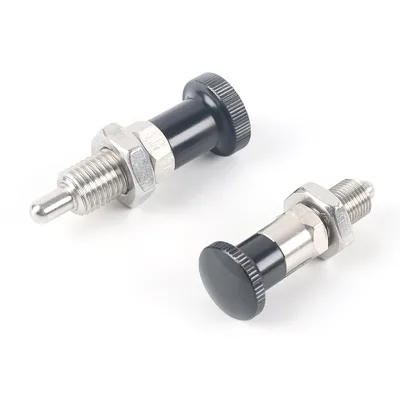
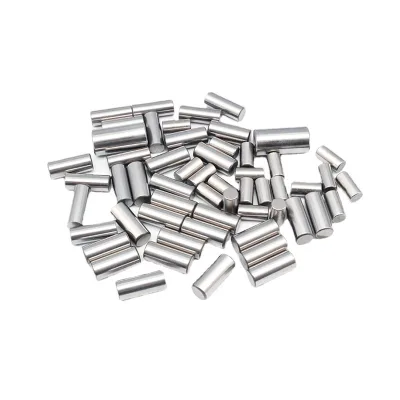
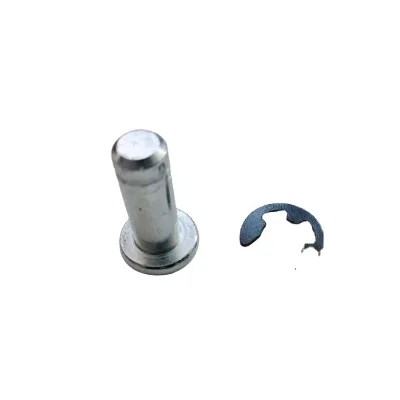
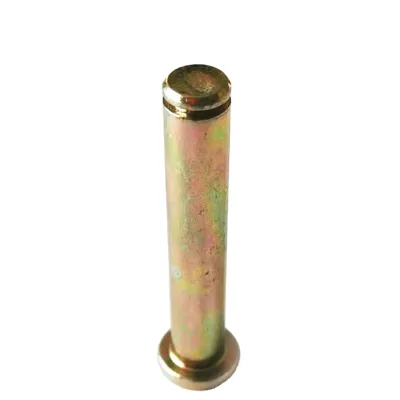




Comprehensive Sourcing Guide
Ground Finish Flange Alignment Pins Supplier Concentration and Factory Types
The current supplier landscape for Ground Finish Flange Alignment Pins reveals a diverse mix of manufacturing capabilities and business models. Buyers will encounter entities classified as manufacturers, trading companies, and combined operations that blend both roles. This variety impacts how production is managed and how quality control is enforced throughout the supply chain. Manufacturers typically offer direct access to production lines, which can facilitate deeper customization and potentially lower costs for large volumes. Trading companies, on the other hand, may provide a broader catalog of related hardware, such as indexing plungers, ball lock pins, and precision washers, allowing for consolidated sourcing. Combined suppliers often present a hybrid approach, offering both OEM and ODM services alongside their own branded products. This structural diversity means that buyers must carefully assess the actual source of the goods to ensure alignment with their specific quality and volume requirements.
Geographic concentration plays a significant role in the availability and logistics of these components. Evidence indicates that a notable portion of suppliers is located in Guangdong, China, a region known for its robust hardware and mold accessory industries. This concentration suggests that buyers sourcing from this area may benefit from established supply chains for materials like 45# steel and alloy steel. However, it is crucial to verify the specific factory location rather than relying solely on the registered address. Some suppliers may list a trading office in Guangdong while manufacturing in a different province. Understanding the true origin helps in assessing the reliability of the supply chain and the potential for site audits. Buyers should prioritize suppliers who can clearly demonstrate their manufacturing footprint, especially when dealing with precision-ground components that require strict tolerance controls.
How to Verify Ground Finish Flange Alignment Pins Suppliers
Verification is a critical step in ensuring that the suppliers you engage with meet your quality and operational standards. Several third-party verification bodies are active in this sector, providing an additional layer of trust for international buyers. For instance, some suppliers hold certifications from TüV Rheinland, BV, and SGS Group. These verifications often involve audits of the company’s business license, production capacity, and quality management systems. Buyers should look for these badges on supplier profiles as an initial indicator of legitimacy. However, verification is not a guarantee of product quality. It is essential to cross-reference these credentials with specific product certifications, such as ISO 9001 or CE marks, which indicate compliance with international standards for quality and safety. The presence of EN ISO 12100 certification, for example, suggests adherence to machinery safety principles, which is relevant for alignment pins used in industrial equipment.
Beyond third-party badges, buyers should directly assess the supplier’s technical capabilities and response mechanisms. A key indicator of a responsive and professional supplier is their average response time. Data shows that some suppliers respond within two hours, while others may take up to four or more hours. Faster response times often correlate with better customer service and more agile problem-solving during the procurement process. Additionally, buyers should inquire about the supplier’s quality control processes. Some suppliers explicitly state that they perform 100% inspection before shipment, which is a vital practice for precision components. Requesting detailed quality control reports or video evidence of the inspection process can provide further assurance. It is also advisable to check if the supplier has a dedicated R&D capacity for sample processing and graphic customization, as this indicates a willingness to accommodate specific design requirements.
What to Compare Across Ground Finish Flange Alignment Pins Suppliers
When evaluating multiple suppliers, buyers must compare several key dimensions to identify the best fit for their needs. One of the most critical factors is the minimum order quantity, or MOQ. Suppliers may require different MOQs, ranging from small batches for prototyping to larger volumes for production runs. For example, some suppliers set an MOQ of ten sets, which is suitable for small-scale projects, while others may require one hundred units or more. Understanding these thresholds helps buyers plan their inventory and cash flow effectively. Additionally, buyers should compare the lead times for production. Some suppliers offer a lead time of seven days, which is ideal for urgent orders, while others may require up to fifteen days. Faster lead times often come with a premium, so buyers must balance speed against cost based on their project timelines.
Price and material specifications are also essential comparison points. The price range for Ground Finish Flange Alignment Pins can vary significantly depending on the material, hardness, and tolerance levels. Some suppliers offer products priced at thirty percent below market rates, which may indicate competitive pricing or potentially different quality standards. Buyers should carefully review the material composition, such as 45# steel or hardened alloy steel, and the specified hardness, which might be HRC 50-55 or higher. Tolerance levels, such as ±0.01mm or tighter, are crucial for applications requiring precise alignment. Furthermore, buyers should compare the surface finish options, including ground finish, hard chrome plating, or black oxide. Comparing these technical attributes alongside price and MOQ allows for a holistic assessment of value, ensuring that the selected supplier meets both technical and commercial requirements.
Common Ground Finish Flange Alignment Pins Sourcing Risks
Sourcing Ground Finish Flange Alignment Pins involves several potential risks that buyers must mitigate to ensure a smooth procurement process. One significant risk is the discrepancy between advertised specifications and actual product quality. Suppliers may claim high precision tolerances, such as ±0.002mm, but fail to deliver products that meet these standards consistently. This risk is heightened when dealing with suppliers who do not provide detailed quality control documentation or who have vague manufacturing expertise claims. Buyers should be cautious of suppliers who offer extremely low prices without clear justification, as this may indicate the use of inferior materials or compromised manufacturing processes. It is essential to request samples and conduct independent testing to verify hardness, straightness, and dimensional accuracy before placing large orders.
Another common risk is the lack of transparency regarding the supply chain and production capacity. Some suppliers may act as intermediaries without disclosing their actual manufacturing partners, leading to delays and communication breakdowns. Buyers should verify the supplier’s production capacity and whether they have the necessary equipment for precision grinding and heat treatment. Additionally, the risk of intellectual property infringement exists, especially when dealing with custom designs. Buyers should ensure that their designs are protected and that the supplier has a clear policy against unauthorized reproduction. Furthermore, logistics risks, such as damage during shipping, can affect the integrity of precision-ground components. Buyers should discuss packaging methods with suppliers to ensure that products are adequately protected. Understanding these risks and implementing appropriate due diligence measures can help buyers avoid costly mistakes and ensure a successful sourcing experience.
Ground Finish Flange Alignment Pins Regional Sourcing and Logistics
Regional sourcing decisions significantly impact the logistics and overall cost of procuring Ground Finish Flange Alignment Pins. Suppliers located in Guangdong, China, often benefit from a mature industrial ecosystem that supports efficient production and shipping. This region’s proximity to major ports facilitates faster and more cost-effective international shipping options. Buyers sourcing from this area can typically choose from various delivery methods, including sea freight, air freight, and express courier services like FedEx, UPS, DHL, and TNT. The choice of delivery method depends on the urgency of the order and the total volume. For smaller, urgent orders, express shipping may be preferred, while larger shipments are often sent by sea to reduce costs. Understanding the logistics options available from specific regions helps buyers optimize their supply chain and manage inventory levels effectively.
Logistics planning also involves considering the packaging and handling of the products. Suppliers often use poly bags, small boxes, and cartons with labels to protect the alignment pins during transit. Buyers should verify the packaging standards to ensure that the products arrive in good condition. Additionally, buyers should be aware of any import duties and taxes that may apply in their destination country. These costs can vary significantly depending on the country of origin and the product classification. Working with suppliers who have experience in international shipping can help navigate these complexities. Some suppliers may offer assistance with documentation and customs clearance, which can streamline the import process. By carefully planning the logistics and understanding the regional advantages, buyers can reduce lead times and minimize unexpected costs associated with international trade.
Ground Finish Flange Alignment Pins Commercial Terms and Order Planning
Commercial terms and order planning are essential components of a successful sourcing strategy for Ground Finish Flange Alignment Pins. Buyers should clearly define their order requirements, including quantity, specifications, and delivery deadlines, before engaging with suppliers. This clarity helps in obtaining accurate quotes and avoiding misunderstandings later in the process. Payment terms are another critical aspect, with options ranging from advance payment to letters of credit. Buyers should negotiate terms that protect their interests while being fair to the supplier. Additionally, buyers should discuss warranty and return policies to address any potential issues with product quality or delivery. Establishing a clear communication channel with the supplier is vital for resolving any disputes or changes in order requirements promptly.
Order planning also involves forecasting future needs and building a long-term relationship with reliable suppliers. By placing regular orders, buyers can often secure better pricing and priority production slots. It is advisable to maintain a buffer stock of critical components to mitigate the risk of supply chain disruptions. Buyers should also consider the supplier’s ability to handle custom orders, as many applications require specific dimensions or materials. Suppliers that offer OEM and ODM services can provide tailored solutions that meet unique project requirements. Regularly reviewing supplier performance based on metrics such as lead time, quality, and responsiveness helps in making informed decisions about future partnerships. By adopting a strategic approach to commercial terms and order planning, buyers can ensure a stable and efficient supply of Ground Finish Flange Alignment Pins for their operations.
FAQs
What is the typical lead time for Ground Finish Flange Alignment Pins?
Manufacturers typically require 7 days to produce and ship these components. Some suppliers offer expedited processing within 3 to 7 days for urgent orders. Buyers should confirm specific timelines during inquiry, as production schedules vary based on order volume and customization requirements for precise alignment needs.
What materials are used for hardened alignment pins?
Common materials include 45# steel with HRC 50-55 hardness and hardened alloy steel like SCr440. Stainless steel options are also available for corrosion resistance. These materials ensure durability and precise fitment for injection molds and pipe flange matching applications requiring high strength and wear resistance.
What is the minimum order quantity for these pins?
Minimum order quantities generally start at 10 sets for standard items. Some suppliers require a minimum of 100 units for specific stainless steel variants. Buyers should verify MOQs directly, as requirements depend on the pin type, material selection, and whether custom dimensions or special finishes are requested.
What tolerances are available for precision alignment pins?
Standard tolerances are typically ±0.01mm for general applications. High-precision grades can achieve diametrical tolerances of ±0.002mm to ±0.01mm. Straightness is often maintained at ≤0.003mm per 100mm. These tight tolerances ensure accurate positioning in multi-layer alignment and injection mold locating systems.
Are these pins customizable for specific hole sizes?
Yes, customization is widely available for diameter and length. Standard sizes range from 1.0mm to 30.0mm in diameter and 5mm to 200mm in length. Buyers can request specific fit hole sizes, such as 5/8 to 1-7/8 inches, with tailored thread standards and surface finishes.
What certifications do these suppliers hold?
Reputable manufacturers hold ISO 9001 and CE certifications. Some comply with EN ISO 12100 standards for machinery safety. Verification by third parties like TÜV Rheinland or BV ensures quality control. Buyers should request current certificates to confirm compliance with international manufacturing and safety requirements.