Eco Friendly Customized Plush Toy Suppliers and Manufacturers
Source Eco Friendly Customized Plush Toy options from 30 verified suppliers in China. Compare lead times, MOQs, certifications, and response rates to find the right partner. Contact suppliers directly to request samples and quotes; review the available evidence before requesting comparable quotations from suitable candidates.
Updated
Suppliers List

Lianyungang Hongwen Toys Co., Ltd.
- Verified by SGS
- Combined
- China Jiangsu
- Lead time23 days
- Avg. response≤ 8h
Main productsCustom Plush Backpack, Stuffed Toy, Custom Plush Pillow, Custom Plush Doll, Custom Plush Toy, Custom Hold-All, Plush Pillow, Animal Plush, Stuffed Plush Toys, Plush Toy Animals
Main marketsAfrica,Southeast Asia/ Mideast,East Asia(Japan/ South Korea),Domestic,Europe,Australia,North America
- Verified by SGS Group
- Manufacturer, Trading Company
- Anhui, China
- Lead time40 days
- Avg. response≤ 5h
Main products100% Recycled Plush Toys, License Plush Toys, Promotion Plush Toys, Wholesale Plush Toys, Custom Plush Toys
Main marketsNorthern Europe(32%), Western Europe(26%), North America(18%)
YIWU DOLPHINESHOW TRADING CO.LTD
- Verified by SGS Group
- Trading Company
- Lead time25 days
- Avg. response≤ 4h
Main productsPlush Toys, Blankets, Plush Keychains and Travel Pillows, Plush Dolls, Pet Toys
Main marketsNorth America(40%), South America(30%), Southeast Asia(10%)

Shanghai David International Trade Co., Ltd.
- Verified by TUVRHEINLAND
- Combined
- China Shanghai
- Lead time15 days
- Avg. response≤ 9h
Main productsPromotional Gifts, Gift Sets, Tshirts, Hats, Hot Packs, Hot Cold Packs, Ice Packs, Bags, Umbrellas, Water Bottles
Main marketsSouth America,Africa,Southeast Asia/ Mideast,East Asia(Japan/ South Korea),Domestic,Europe,Australia,North America

Shanghai Touch Industrial Development Co., Ltd.
- Verified by TUVRHEINLAND
- Combined
- China Shanghai
- Lead time15 days
- Avg. response≤ 5h
Main productsInstant Hot Pack, Hot Cold Pack, Gel Eye Mask, Gel Ice Pack, Gel Bottle Cooler, Instant Ice Pack, Hand Warmer, Heat Pack, Cooling Scarf, Gel Beads
Main marketsSouth America,Others(foreignTradeCapacity.exportBusinessCapacityMarketOther),Southeast Asia/ Mideast,East Asia(Japan/ South Korea),Domestic,Europe,Australia,North America

Ningbo Gusta Stationery Co., Ltd.
- Verified by BV
- Trading Company
- China Zhejiang
- Lead time30 days
- Avg. response≤ 5h
Main productsPencil Case, Stationery Set, Bag, Toys, Office Supplies, Arts & Crafts, Housewares, Silicone Product, School Bag, Travel Bag
Main marketsEast Asia(Japan/ South Korea),Europe,North America


High Quality Plush Toy Custom Design OEM Wholesale Factory CE Certified Safe
$3.05 - $3.65
MOQ: 1000 Pieces


Custom Plush Toy Soft Eco Friendly Party Gift High Quality OEM Production
$3.95 - $4.29
MOQ: 1000 Pieces

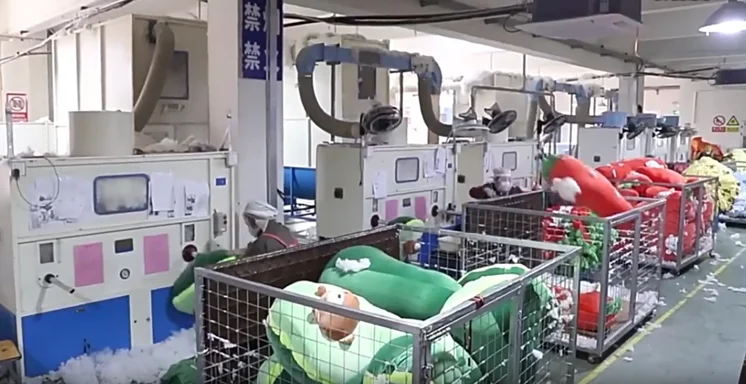
Yancheng Dreamon Toys Co., Ltd.
- Trading Company
- Jiangsu, China
- Lead time30 days
- Avg. response≤ 2h
Main productsToys,Art and crafts
Main marketsNorth America(50.00%), Western Europe(20.00%), Southeast Asia(10.00%), Eastern Asia(10.00%), South America(5.00%), Eastern Europe(5.00%)

Dongguan Lokwell Toys Co. Ltd.
- Trading Company,Manufacturer/Factory
- China Guangdong
- Lead time45 days
- Avg. response≤ 19h
Main productsPlush&Stuffed Toy, Fabrics Doll, Teddy Bear, Pet Toy, Cuddle Toy, Backpacks, Keychain, Cushion, Neck Pillow, Hand Puppets
Main marketsSouth America,Eastern Europe,Mid East,North America,Southeast Asia,Eastern Asia,Oceania,Western Europe,Africa
- Verified by TüVRheinland
- Manufacturer, Trading Company
- Lead time15 days
- Avg. response≤ 3h
Main productsPlush Toy, Flower Plush, Pet Toy, Custom Plush Toy, Keychain
Main marketsNorth America(40%), Northern Europe(25%), Southeast Asia(20%)
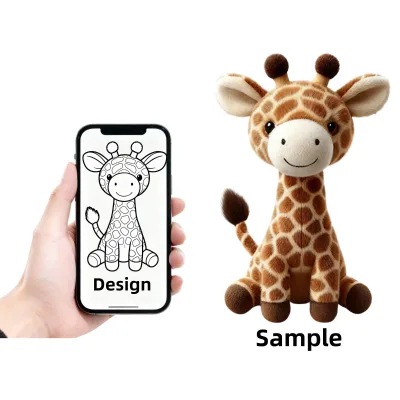
Wholesale Customized Stuffed Giraffe Design Animals High Quality Plush Toys
$1.0113 - $1.5319
MOQ: 1 sets
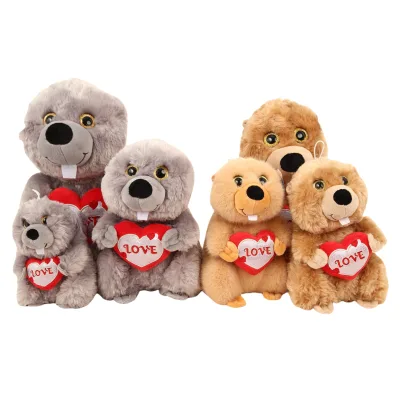
$2.25 - $3.88
MOQ: 1200 Minimum
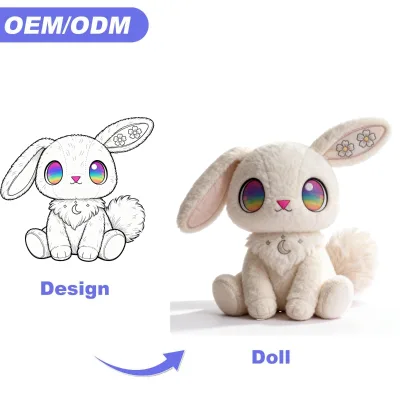
Shenzhen Linglong Toys And Gifts Co., Ltd.
- Verified by SGS Group
- Manufacturer, Trading Company
- Lead time15 days
- Avg. response≤ 2h
Main productsPlush Toys, Pet Toys, Keychains, Home Goods, IP Licensed Merchandise
Main marketsNorth America(30%), Domestic Market(30%), Western Europe(20%)
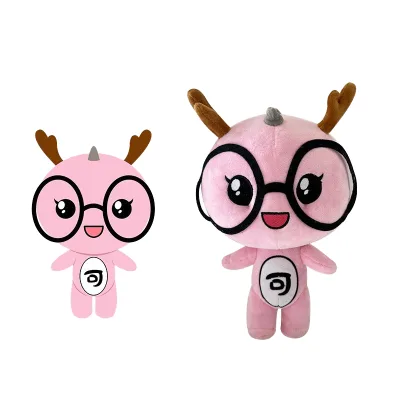
$1.50 - $5.20
MOQ: 100 pieces
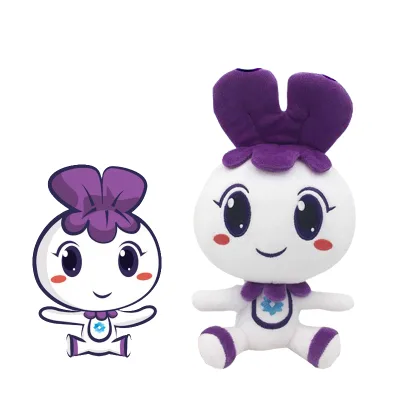
- Verified by TüVRheinland
- Trading Company
- Lead time30 days
- Avg. response≤ 2h
Main productsPlush Dolls, Cartoon Costume, Plush Throw Pillow, Plush Accessory, Plush Bag
Main marketsNorth America(60%), Western Europe(19%), Southeast Asia(10%)
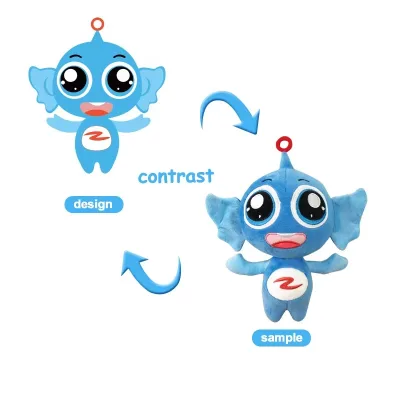
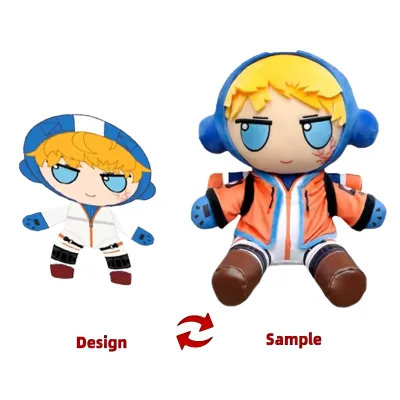
$0.99 - $7.66
MOQ: 300 pieces
$3.1147 - $3.9464
MOQ: 300 pieces
Shenzhen Levin Toys & Gifts Co., Limited
- Verified by TüVRheinland
- Manufacturer, Trading Company
- Lead time30 days
- Avg. response≤ 2h
Main productsCustom Plush Toys, Plush Stuffed Toys, Plush Animal Toys, Plush Pet Toys, Plush Infant Toys
Main marketsNorth America(45%), Western Europe(20%), South America(5%)
- Verified by SGS Group
- Manufacturer, Trading Company
- Lead time15 days
- Avg. response≤ 3h
Main productsCustom Plush Toys, Custom Plush Doll, Custom Plush Keychain
Main marketsNorth America(40%), South America(20%), Eastern Asia(10%)
Guangdong Kinqee International Trade Co., Ltd.
- Verified by SGS Group
- Trading Company
- Lead time10 days
- Avg. response≤ 2h
Main productsPlush Doll/, Mascot Costume, Fiberglass, Resin Figurine, PVC Figurine

Yangzhou Lucky Bear Craft & Gifts Co., Ltd.
- Verified by TUVRHEINLAND
- Trading Company
- China Jiangsu
- Lead time30 days
- Avg. response≤ 3h
Main productsTeddy Bear, Plush Toy, Stuffed Animal, Toy Shoes, Baby Toy, Rocking Horse, Unstuffed Animal Skin, Indoor Slippers, Snow Boots, Promotional Toys
Main marketsEurope,North America


High Quality Promotional Gifts Stuffed Soft Toys Animal OEM Custom Plush Toys
$0.85 - $2.98
MOQ: 500 Pieces

Shenzhen Mingsenxing Toy Gift Co., Ltd.
- Manufacturer
- Guangdong, China
- Lead time40 days
- Avg. response≤ 6h
Main productsBaby Toy,Stuffed Animal Toy,Teddy Bear,Custom Made Toy,Christmas Decoration
Main marketsWestern Europe(60.00%), North America(20.00%), Domestic Market(5.00%), South America(5.00%), Eastern Asia(5.00%), Eastern Europe(5.00%)
Shanghai Rbin Industry And Trade Co., Ltd.
- Verified by TüVRheinland
- Trading Company
- Lead time45 days
- Avg. response≤ 3h
Main productsCustom Plush Toy, Plush Keychain, Pillow And Cushion, Stuffed Animal Toy, Plush Pet Toys
Main marketsNorth America(60%), Western Europe(20%), Southeast Asia(10%)
Yangzhou Jinrunan Maternal And Infant Supplies Co., Ltd.
- Trading Company
- Jiangsu, China
- Lead time15 days
- Avg. response≤ 3h
Main productsPlush Doll,Plush Cushion,Plush Slippers,Plush Bags,Plush Keychain
Main marketsSouthern Europe(10.00%), Northern Europe(10.00%), Central America(10.00%), Western Europe(10.00%), Mid East(10.00%), Southeast Asia(10.00%), Eastern Europe(10.00%), South America(10.00%), North America(10.00%), Domestic Market(5.00%), South Asia(5.00%)

Rizhao Spring Trading Co., Ltd.
- Verified by CTI
- Manufacturer/Factory
- China Shandong
- Lead time15 days
- Avg. response≤ 4h
Main productsWalnut, Pet House, Peanut, Cat Litter, Pet Products, Pet Food, Cat Food, Pet Treats, Dog Food, Pet Toys
Main marketsMid East,North America,Western Europe

Hunan Yeemary Toy Creative Design and Manufacturing Co., Ltd.
- Verified by SGS
- Combined
- China Hunan
- Lead time30 days
- Avg. response≤ 3h
Main productsCustomized According to Drawings, Customized Acc, Custom Plush Animal, Custom Plush Doll, Custom Plush Plant, Custom Plush Keychain, Custom Plush Pillow, Custom Plush Backpack, Cotton Plush Dolls, Christmas Doll
Main marketsSouth America,East Asia(Japan/ South Korea),Domestic,Europe,North America

$1.00 - $5.00
MOQ: 100 Pieces

Custom Stuffed Plush Toy Manufacturer Custom Plush Soft Plush Custom Human Doll Toys
$1.00 - $5.00
MOQ: 100 Pieces

Custom Stuffed Plush Toy Manufacturer Custom Plushie Soft Plush Custom Human Doll Toys
$1.00 - $5.00
MOQ: 100 Pieces

Custom Stuffed Plush Toy Custom Plush Soft Toy Plush Custom Human Doll Toys
$1.00 - $5.00
MOQ: 100 Pieces
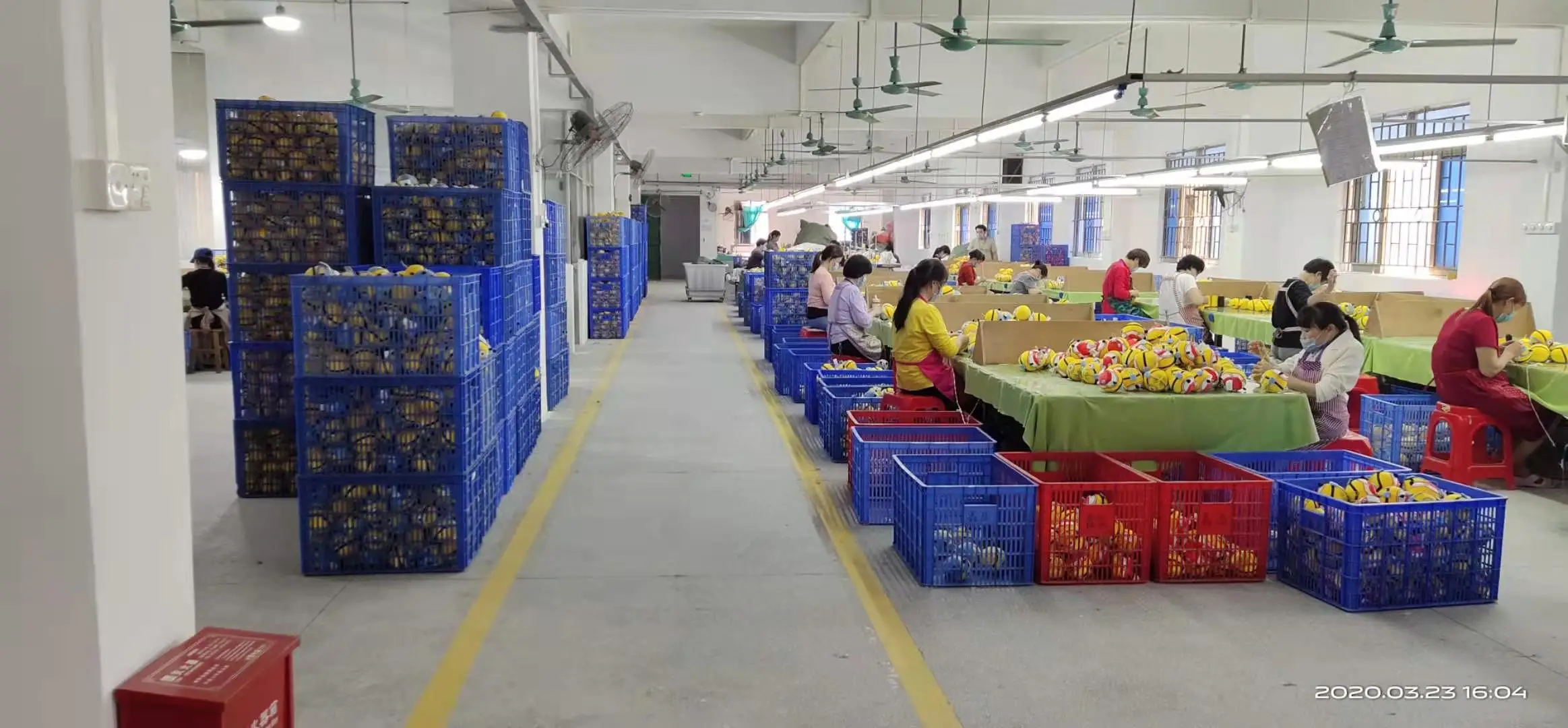
Dongguan Xinsheng Toys Co., Ltd.
- Manufacturer, Trading Company
- Guangdong, China
- Lead time0 days
- Avg. response≤ 22h
Main productsStuffed Animal Toy, Plush Pillow, Plush Keychains Toy, Electronic Plush Toy, Plush Backpack
Main marketsNorth America(70.00%), Domestic Market(10.00%), Western Europe(5.00%), Southern Europe(5.00%), Northern Europe(5.00%), Eastern Europe(5.00%)
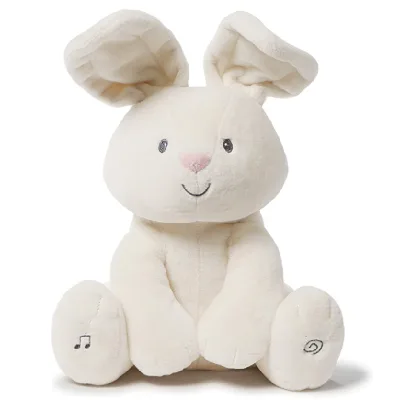
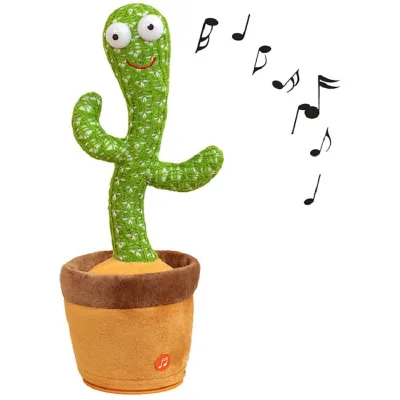
New Design Custom Talking Maker Toys with logo Customised Stuffed Figure Plush Toy
$1.0263 - $3.9001
MOQ: 500 pieces

Ningbo Yinzhou Wenhui Paper Co., Ltd.
- Verified by TUVRHEINLAND
- Manufacturer/Factory
- China Zhejiang
- Lead time45 days
- Avg. response≤ 8h
Main productsStationery Gifts Promotional Homeware, Pen, Pet Products, Board Game, Paper Tube, Notebook, Wooden Toys, DIY Toy, Puzzle, Gift Bag
Main marketsSouth America,Eastern Europe,Mid East,North America,Southeast Asia,Eastern Asia,Oceania,Western Europe,Africa
- Verified by Intertek
- Manufacturer, Trading Company
- Lead time7 days
- Avg. response≤ 4h
Main productsBeach Umbrella, Cornhole Board, Table Cover, 2 in 1 Gift Set, Cottom Bag
Main marketsNorth America(26%), South America(8%), Western Europe(8%)

- Combined
- China Jiangsu
- Lead time30 days
- Avg. response≤ 7h
Main productsCustom Plush Toy, Plush Doll
Main marketsSoutheast Asia/ Mideast,Europe,North America
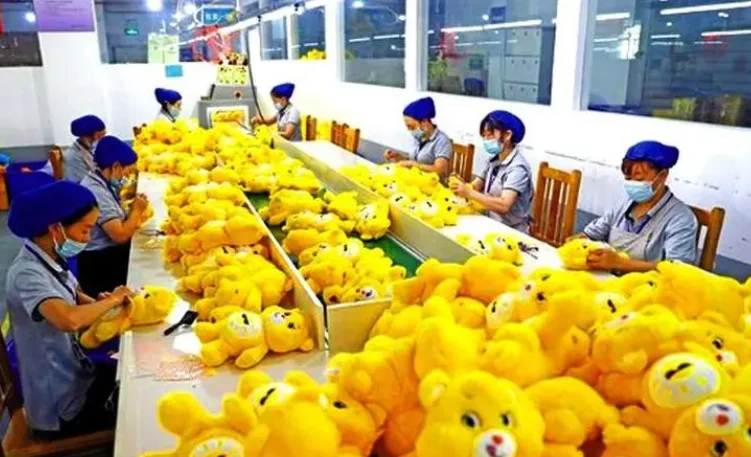
Dongguan Ai Cheng Toys Co., Ltd.
- Manufacturer
- Guangdong, China
- Lead time25 days
- Avg. response≤ 8h
Main productsplush toys,plush pillow,plush bag,plush puppet,plush slippers
Main marketsWestern Europe(20.00%), Eastern Europe(20.00%), Domestic Market(20.00%), Central America(20.00%), South America(10.00%), North America(10.00%)

Qingdao Sanliang Yipin Network Technology Co., Ltd
- Verified by SGS
- Manufacturer/Factory
- China Shandong
- Lead time30 days
- Avg. response≤ 7h
Main productsBag, Plush Toys, Clothes, Pet Accessories, Jewellery
Main marketsSouth America,Eastern Europe,Mid East,North America,Southeast Asia,Eastern Asia,Oceania,Western Europe,Africa

Dongguan Mayachi Gifts & Toys Co., Ltd.
- Verified by BV
- Combined
- China Guangdong
- Lead time45 days
- Avg. response≤ 4h
Main productsPlush Animals, Pillows/Cushions, Plush Dolls, Baby Toys, Shopping Bags, Plush School Bags, Pencil Bags/Holders, Phone Cases/Holders, Finger/Hand Puppets, Christmas Hat and Stockings
Main marketsDomestic,Europe,Australia,North America
Shenzhen Levin Plush Toys Co., Ltd.
- Verified by SGS Group
- Manufacturer, Trading Company
- Lead time30 days
- Avg. response≤ 3h
Main productsCustom Plush Toy, Plush Stuffed Toys , Plush Animals Toys, Plush Dolls, Plush Toys Infant
Main marketsNorth America(35%), Western Europe(25%), Eastern Europe(15%)

Hangzhou Tianyuan Pet Products Co., Ltd.
- Verified by TUVRHEINLAND
- Combined
- China Zhejiang
- Lead time30 days
- Avg. response≤ 12h
Main productsPet Beds, Cat Trees, Pet Products, Pet Accessories, Pet Supplies, Pet Collar, Pet Toy, Pet Brush, Pet Bowl, Pet Clothes
Main marketsEurope,North America

Shijiazhuang Joyce Technology Co., Ltd.
- Trading Company
- Hebei, China
- Lead time0 days
- Avg. response≤ 1h
Main productsplush toy,pet toy,pet plush toy,clothes,plush doll
Main marketsNorth America(25.00%), Eastern Europe(15.00%), South America(15.00%), Central America(10.00%), Western Europe(10.00%), Mid East(5.00%), Northern Europe(5.00%), Southern Europe(3.00%), Domestic Market(2.00%), South Asia(2.00%), Eastern Asia(2.00%), Oceania(2.00%), Africa(2.00%), Southeast Asia(2.00%)
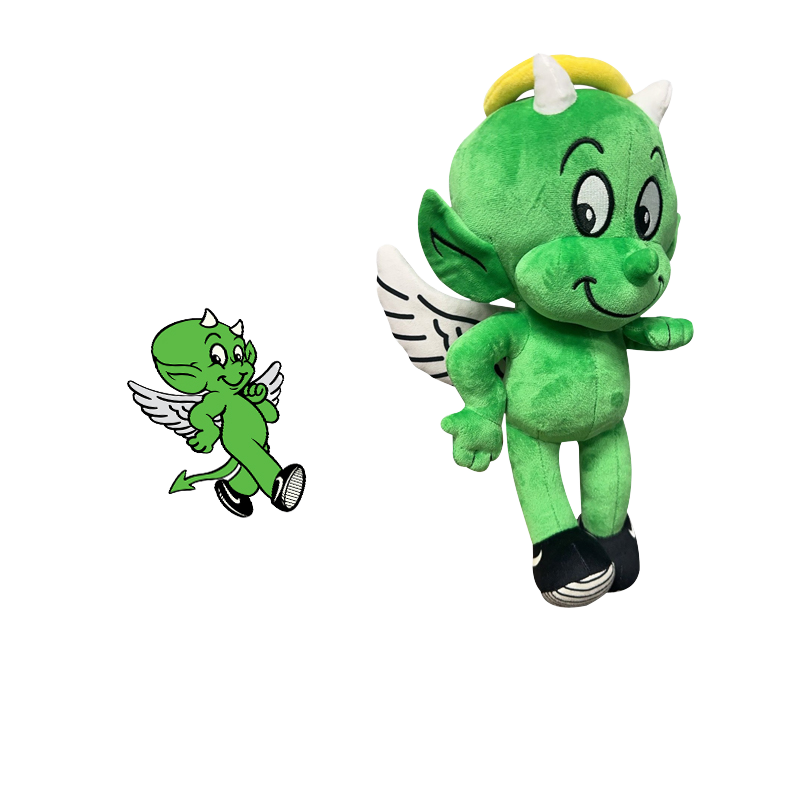
CE ASTM Custom Plush Dolls Unisex Super Soft Stuffed Animals ODM/OEM Make Your Own Doll Plushie Toy
$3.50 - $3.80
MOQ: 500 pieces
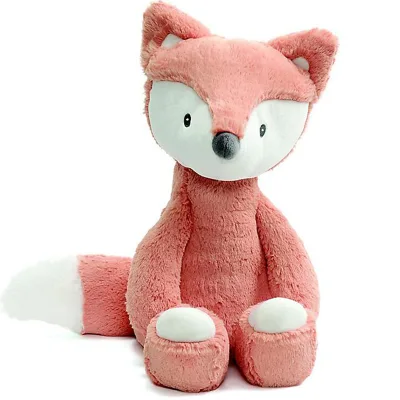
Factory Custom Stuffed Fox Super Soft Polyester Stuffed Animal Fox Plush Toys for Kids Play
$3.0788 - $3.5919
MOQ: 1000 pieces
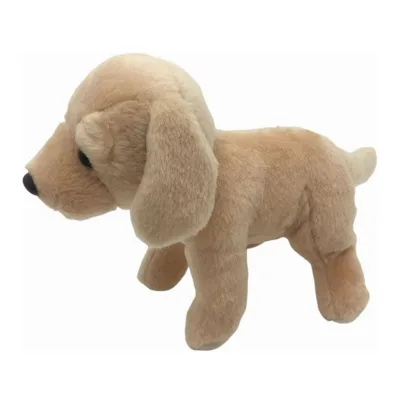
2024 Simulation Animal Dog Soft Gift Stuffed Plush Puppy Toy Kid Decorate Custom
$2.30 - $2.65
MOQ: 500 pieces














Comprehensive Sourcing Guide
Eco Friendly Customized Plush Toy Supplier Concentration and Factory Types
Current data indicates that verified suppliers for eco-friendly customized plush toys are concentrated in specific Chinese provinces, with Jiangsu and Anhui emerging as primary manufacturing hubs. Fact-based observations confirm that facilities in Jiangsu often operate as combined entities, offering both manufacturing and trading capabilities, while suppliers in Anhui frequently present as manufacturers or trading companies with distinct production capacities. These regional clusters are critical for sourcing because they house the specific ODM and OEM capabilities required for custom designs, such as the light customization and sample processing noted in Anhui-based results. Buyers should prioritize regions where the supplier type is explicitly listed as a manufacturer or a combined entity to ensure direct access to production lines rather than relying solely on intermediaries.
When evaluating factory types, it is essential to distinguish between pure manufacturers and trading companies based on the provided company_type data. Some suppliers in the current results are identified as combined entities, which may offer a broader range of services including graphic processing and customized on-demand production. Others are listed strictly as trading companies, which might focus on sourcing from multiple factories rather than owning the production facility. For eco-friendly initiatives, verifying that the supplier has the capacity for light customization and sample processing is vital, as these attributes suggest a closer relationship with the manufacturing process. Buyers must confirm whether the entity they are engaging with can directly manage the technical aspects of creating recycled or certified plush toys, rather than just facilitating the transaction.
How to Verify Eco Friendly Customized Plush Toy Suppliers
Verification of supplier credibility relies heavily on third-party audit results and specific system certifications rather than general claims. The current data shows that several suppliers have undergone verification by SGS, with some holding specific group verification status. To ensure authenticity, buyers must cross-reference these verification badges with the actual system certifications listed, such as ISO 9001, ISO 14001, or BSCI, which appear in the product attributes of certain listings. A supplier claiming eco-friendly status should ideally possess certifications like GRS or specific environmental management standards, though the current data highlights ISO 14001 as a relevant environmental standard for some Anhui-based manufacturers. Buyers should not assume that a generic "verified" badge covers all aspects of sustainability without checking the specific certification list provided in the product details.
Beyond verification badges, buyers must scrutinize the specific product certifications listed for each item to confirm compliance with international safety and environmental standards. The observed data includes certifications such as CE, En71, ASTM, CPSIA, Reach, and UKCA, which are critical for toys sold in various global markets. For eco-friendly claims, the presence of specific test results like ASTM/En71 and the mention of recycled materials in product names, such as "GRS Certificated Eco-friendly," provide concrete evidence of compliance. Buyers should request documentation that links these certifications to the specific production batch, ensuring that the "100% Recycled Plush Toys" or similar claims are backed by valid test reports. Relying solely on the supplier's word without verifying these specific, listed certifications poses a significant risk to product compliance and brand reputation.
What to Compare Across Eco Friendly Customized Plush Toy Suppliers
Comparing suppliers requires a detailed analysis of operational metrics such as lead times, minimum order quantities, and response speeds, which vary significantly across the current results. Lead times observed in the data range from approximately 20 days to 40 days, with some suppliers offering sample times of 3-7 working days while others require 5-7 working days for samples. Minimum order quantities also differ, with some listings showing an MOQ of 100 pieces, while others, particularly those focusing on large-scale production, require 3000 pieces or even 500 pieces for specific recycled items. Buyers must align these figures with their own inventory needs and budget constraints, understanding that lower MOQs often come with higher unit prices, as seen in the price ranges from $1.30 to $5.00 per unit.
Response time is another critical differentiator that impacts the efficiency of the sourcing process. The data indicates response times ranging from 4 to 7.43 hours, suggesting that some suppliers are more agile in communication than others. When evaluating suppliers, buyers should prioritize those with faster response times to ensure timely updates on production status and sample approvals. Additionally, the main products listed by each supplier should be compared to ensure they specialize in the specific type of eco-friendly plush toy required, such as recycled materials or specific custom designs. A supplier listing "100% Recycled Plush Toys" as a main product is likely better suited for that specific niche than one focusing primarily on standard stuffed animals. Buyers should create a comparison matrix using these exact data points to make an informed decision based on their specific project requirements.
Common Eco Friendly Customized Plush Toy Sourcing Risks
One significant risk in sourcing eco-friendly plush toys is the potential discrepancy between claimed sustainability and actual production practices. While some suppliers list certifications like ISO 14001 or mention recycled materials, the absence of specific eco-certifications like GRS in the general system certification field for some suppliers creates ambiguity. Buyers must be cautious of suppliers who claim "eco-friendly" status without providing verifiable documentation for the materials used, such as the specific percentage of recycled content or the source of the plush fabric. The risk is heightened when the product evidence mentions "Custom" weight or "Custom" modeling source without clear material specifications, making it difficult to verify the environmental impact of the final product.
Another risk involves the variability in production capacity and quality control standards across different supplier types. The data shows a mix of combined entities, manufacturers, and trading companies, each with different levels of control over the production process. Trading companies may not have direct oversight of the factory floor, potentially leading to inconsistencies in quality or adherence to safety standards like ASTM or En71. Furthermore, the lead times vary widely, and delays in production can disrupt supply chains, especially when dealing with custom orders that require specific sample approvals. Buyers should mitigate these risks by requesting detailed production schedules and quality assurance protocols before placing large orders, ensuring that the supplier can consistently meet the required standards for both safety and sustainability.
Eco Friendly Customized Plush Toy Regional Sourcing and Logistics
Regional sourcing decisions are heavily influenced by the location of the manufacturing facilities, with Jiangsu and Anhui being the primary hubs identified in the current data. Suppliers in these regions offer distinct logistical advantages, such as proximity to major ports like Shanghai, which is explicitly mentioned as a port of dispatch for some Anhui-based manufacturers. This proximity can reduce shipping costs and transit times, making it easier to manage the logistics of large orders. Buyers should consider the specific location of the supplier when calculating total landed costs, as the distance from the factory to the port can impact freight charges and delivery timelines. Additionally, the regional concentration of suppliers allows for easier site visits and audits, which are crucial for verifying production capabilities and sustainability claims.
Logistics planning must also account for the specific packaging and shipping requirements associated with plush toys. The data indicates that packing details can vary, with options ranging from polybags to color boxes, and some suppliers offer multiple packing solutions with associated extra costs. Buyers need to factor in these packaging costs and the volume of the final product, as plush toys can be bulky and require careful handling to prevent damage during transit. The supply ability of some suppliers, such as 18,000 pieces per day, suggests that they can handle large volumes, but buyers must ensure that the logistics partner can manage the specific packaging requirements. Coordinating with the supplier on the optimal packing method can help minimize shipping costs and ensure that the products arrive in perfect condition, ready for retail or distribution.
Eco Friendly Customized Plush Toy Commercial Terms and Order Planning
Commercial terms and order planning are critical components that determine the financial viability and operational success of a sourcing project. Payment terms observed in the data include T/T and L/C, which are standard but require careful negotiation to align with the buyer's cash flow and risk management strategies. The minimum order quantities, ranging from 100 to 3000 pieces, directly impact the initial investment required, and buyers must plan their budgets accordingly. For smaller orders, the unit price may be higher, while larger orders often benefit from economies of scale, as seen in the price ranges provided. Buyers should calculate the total cost of ownership, including the unit price, shipping, and any additional packaging costs, to ensure the project remains profitable.
Order planning must also consider the sample approval process and the production timeline to avoid delays. Sample times typically range from 3 to 7 working days, and the production time can extend to 20 days or more depending on the order quantity. Buyers should build a buffer into their timeline to account for potential revisions or delays in sample approval, which can significantly impact the overall delivery schedule. Additionally, the customization options, such as custom logos and modeling sources, require clear communication and detailed specifications to ensure the final product meets expectations. By carefully planning the order timeline and understanding the commercial terms, buyers can mitigate risks and ensure a smooth transition from sample approval to mass production, ultimately delivering high-quality eco-friendly plush toys to the market.
FAQs
What certifications do custom plush toys have?
Custom plush toys typically hold CE, En71, ASTM, Cpsia, and Reach certifications. Some products also feature BSCI and ISO9001 certificates. These standards ensure safety for children and compliance with international trade requirements. Buyers should verify specific test reports like ASTM or En71 for their target market before placing orders.
What is the minimum order quantity for custom plush?
Minimum order quantities vary by supplier, ranging from 100 pieces to 3000 pieces. Some manufacturers offer negotiable MOQs starting at 100 PCS for small batches. Larger factories may require 3000 PCS for production runs. Buyers seeking low MOQ options should look for suppliers explicitly stating flexible order terms.
How long does production take for custom plush toys?
Production lead times generally range from 20 to 40 days depending on order quantity. Sample creation usually takes 3 to 7 working days. Some suppliers offer faster turnaround for light customization or graphic processing. Buyers should confirm exact timelines based on their specific design complexity and volume requirements.
What is the price range for customized plush toys?
Prices for custom plush toys typically range from $1.30 to $5.00 per unit. The cost depends on material, size, and customization level. Eco-friendly recycled options may have different pricing structures. Buyers should request quotes based on their specific design and quantity to get accurate pricing.
Can I get a sample before bulk production?
Yes, most suppliers offer sample production before bulk manufacturing. Sample times usually take 3 to 7 working days. Some factories provide samples within 5 to 7 working days. Buyers should confirm sample costs and shipping details with the supplier to ensure timely approval before proceeding with large orders.
Where are these custom plush toy suppliers located?
Suppliers are primarily located in China, specifically in Jiangsu and Anhui provinces. These regions are known for plush toy manufacturing capabilities. Buyers can filter results by these locations to find factories with established supply chains. Proximity to ports like Shanghai may also influence logistics options.
Do suppliers offer OEM and ODM services?
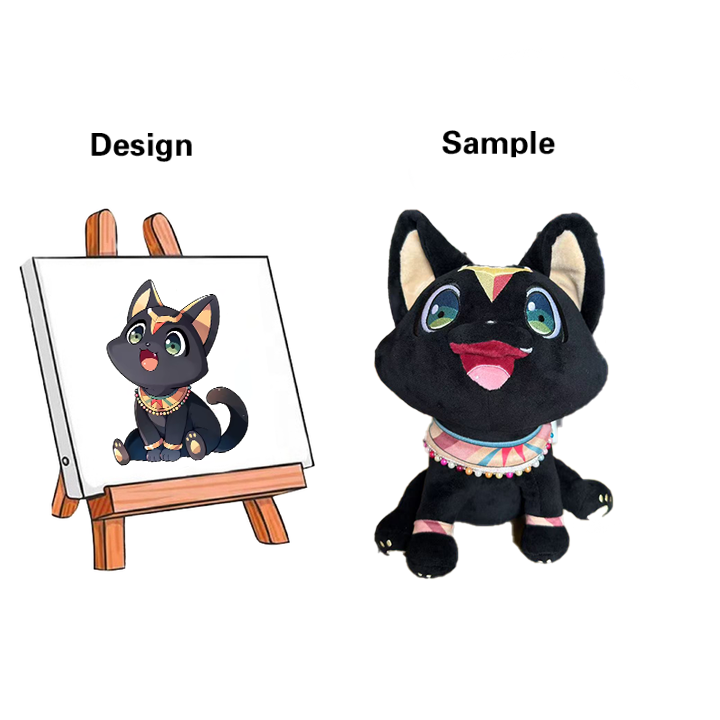
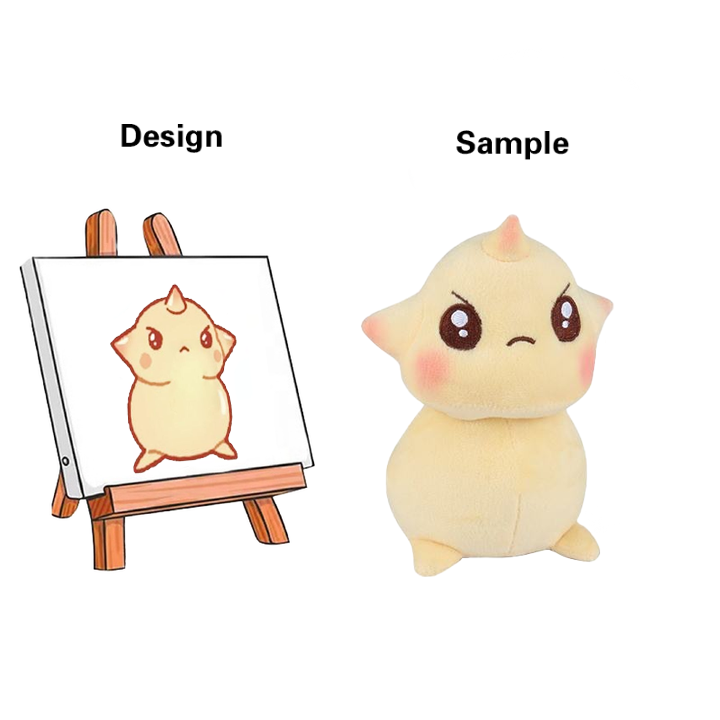
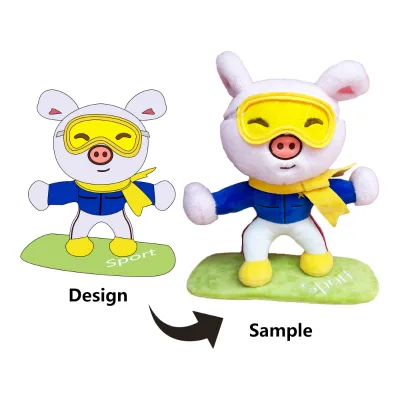
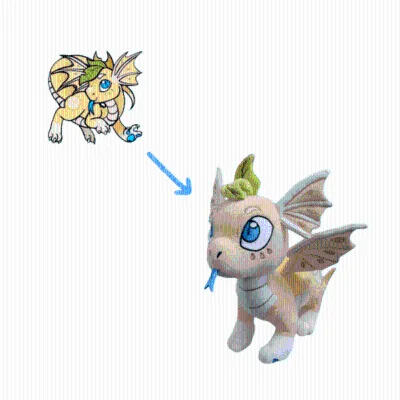
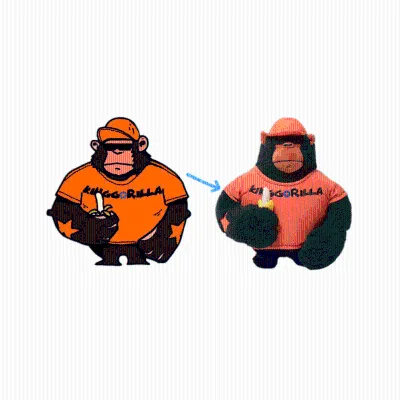
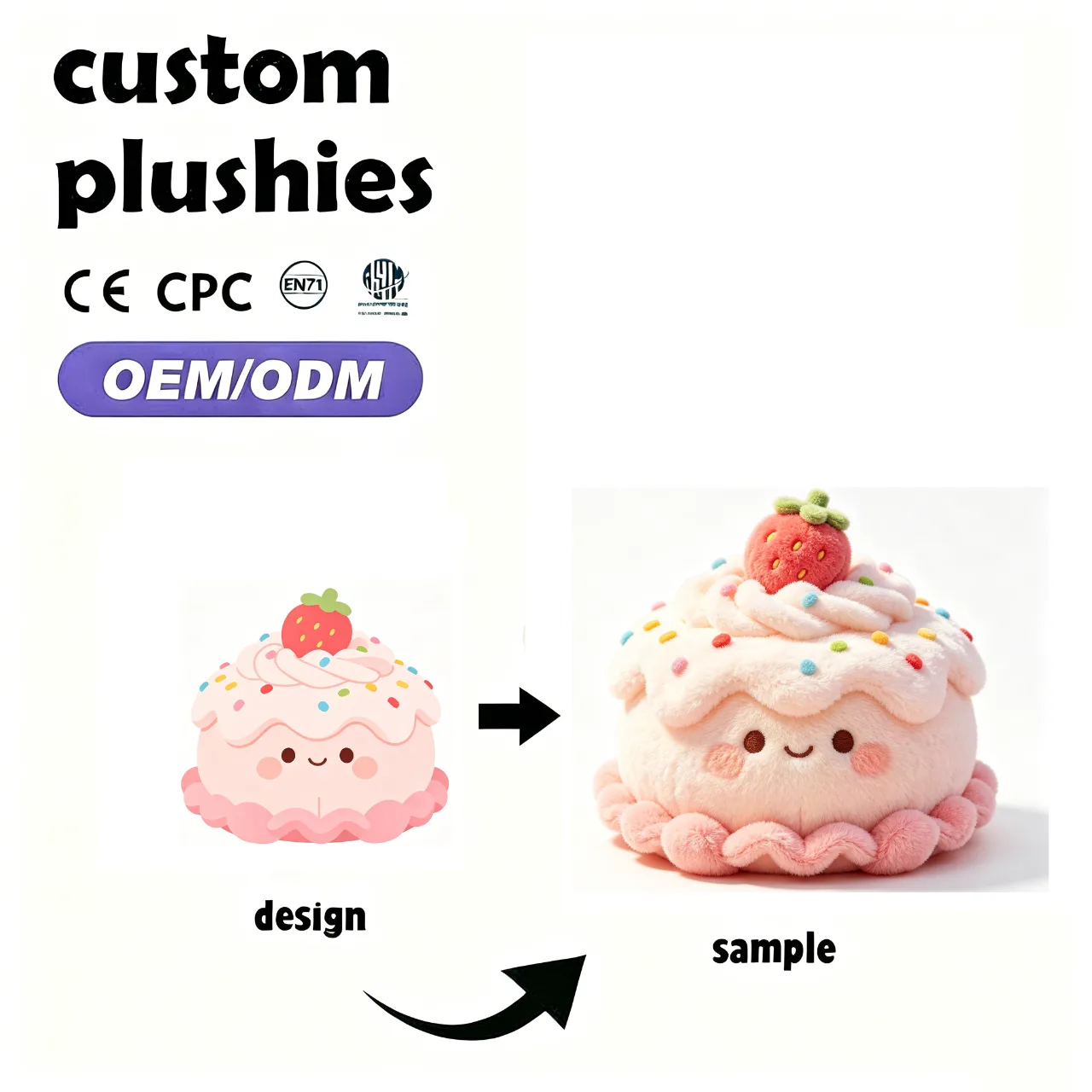
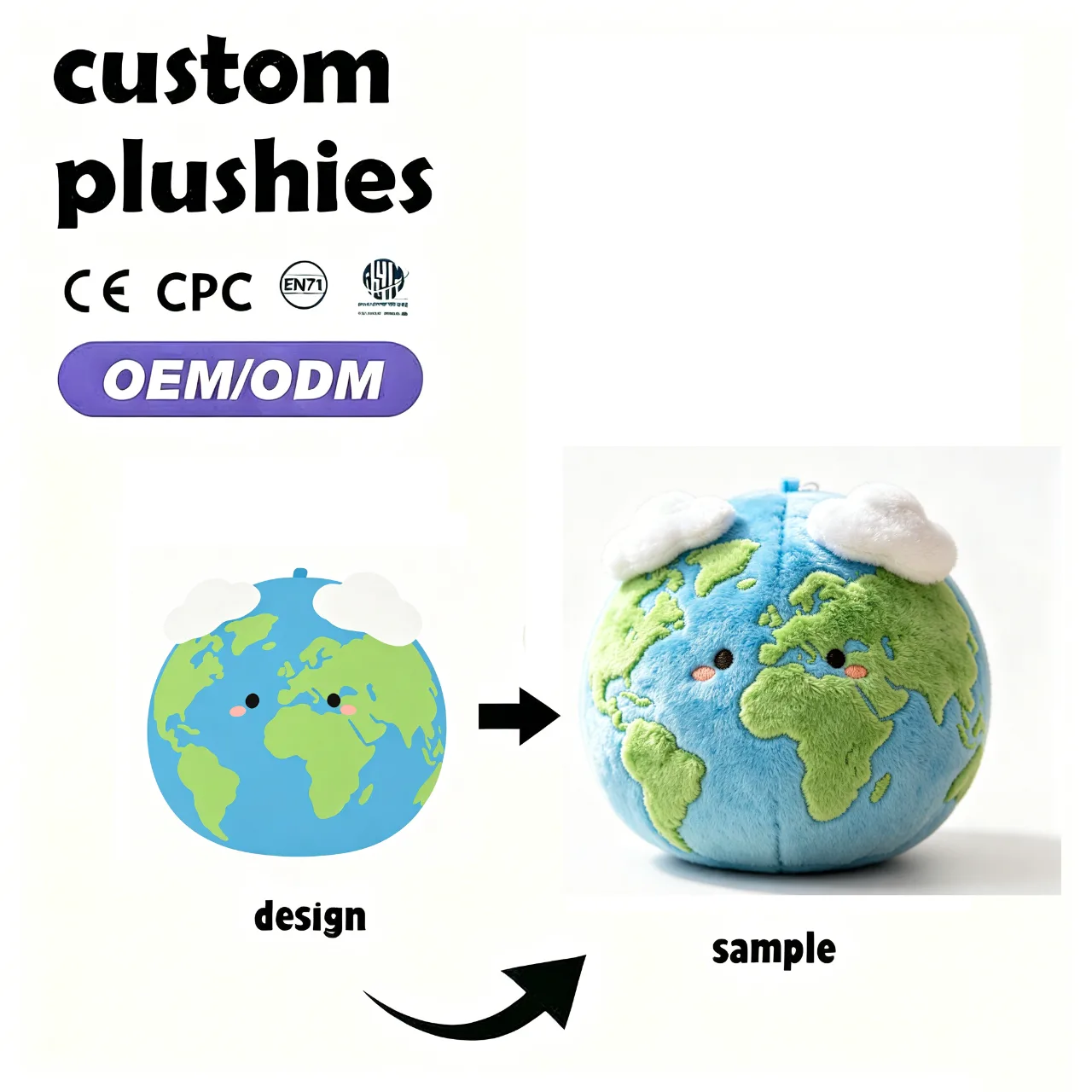
Yes, many suppliers provide both OEM and ODM services. Customization is available for logos, designs, and materials. Some factories specialize in light customization or graphic processing. Buyers can submit their own designs or choose from existing templates. Confirming OEM/ODM capabilities ensures the supplier meets specific branding needs.