Heavyweight Cotton Flannel Shirt Suppliers and Manufacturers
Compare 21 verified suppliers offering heavyweight cotton flannel shirts with details on location, lead times, and certifications. Review MOQs, response times, and product specs to select a factory that meets your OEM requirements; review the available evidence before requesting comparable quotations from suitable candidates.
Updated
Suppliers List

Yancheng Yunqian Apparel Co.,Ltd
- Verified by CTI
- Trading Company
- China Jiangsu
- Lead time30 days
- Avg. response≤ 5h
Main productsT Shirt, Hawaiian Shirt, Flannel Shirt, Hoodies, Dress Shirt, Leggings, Pants, Polo Shirt, Jacket
Main marketsSouth America,Europe,Australia,North America
Nanjing Easypromos Gifts Co., Ltd.
- Verified by SGS Group
- Trading Company
- Lead time15 days
- Avg. response≤ 9h
Main productsShirt, Pants & Trousers, Polo Shirt
Main marketsNorth America(50%), Oceania(25%), Western Europe(25%)
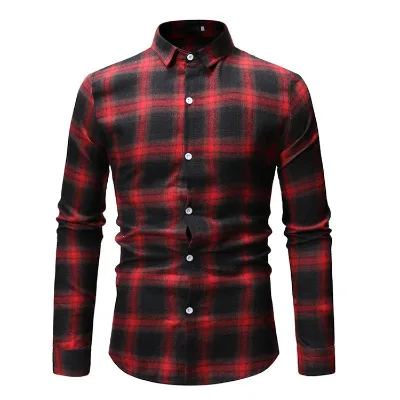
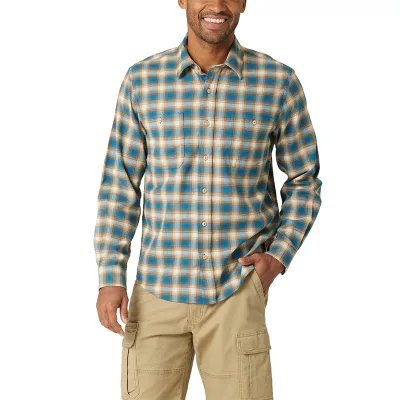
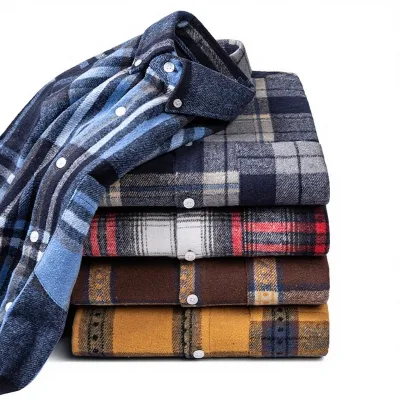
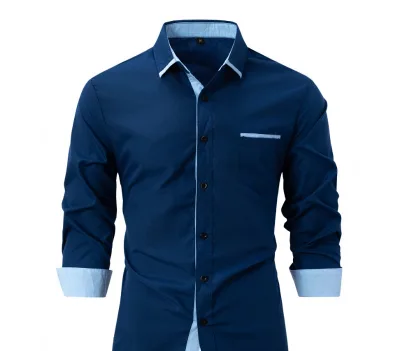
High Quality Flannel Shirts Custom Vintage Men's Shirt Thick Flannel Shirt Men
$8.7633 - $11.8417
MOQ: 100 pieces

- Verified by SGS
- Manufacturer/Factory
- China Zhejiang
- Lead time15 days
- Avg. response≤ 8h
Main productsDress Shirts, Casual Shirt, Mens Shirt, Wedding Shirt, Oxford Shirt, Woven Shirts, Woman Shirts Blouse, Children Shirts, School Shirt
Main marketsSouth America,Eastern Europe,Mid East,North America,Southeast Asia,Eastern Asia,Oceania,Western Europe,Africa


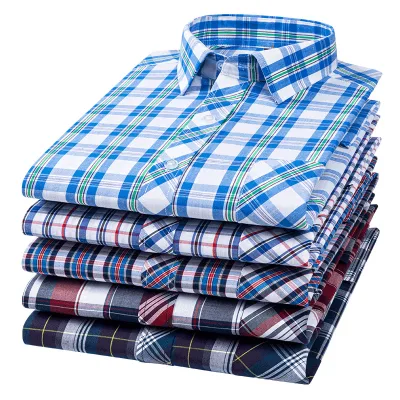
Classic Style Checkered Men's Flannel Plaid Shirt Casual Button up Long-Sleeved Shirts
$7.60 - $10.80
MOQ: 200 Pieces


Nuolang (Guangdong) Garment Industry Co., Ltd.
- Verified by BV
- Combined
- China Guangdong
- Lead time15 days
- Avg. response≤ 2h
Main productsT-Shirt, Polo Shirt, Shirt, Coverall, Suit, Uniform, Sportswear, Casual Wear
Main marketsSoutheast Asia/ Mideast
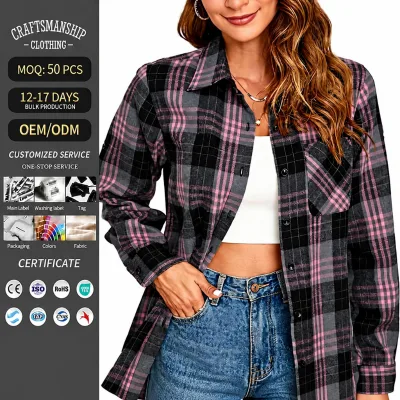
Yushan County Craftsmanship Clothing Co., Ltd.
- Manufacturer, Trading Company
- Jiangxi, China
- Lead time0 days
- Avg. response≤ 1h
Main productsplaid shirt,men's shirt,women's blouse,T-shirt,shirt
Main marketsEastern Europe(30.00%), South America(30.00%), North America(25.00%), Northern Europe(5.00%), Western Europe(5.00%), Eastern Asia(5.00%)

Guangzhou Yuanfeng Textile Technology Co., Ltd.
- Verified by BV
- Trading Company,Manufacturer/Factory
- China Guangdong
- Lead time23 days
- Avg. response≤ 8h
Main productsCustom Bikinis, One-Piece Swimwear, Beach Cover-UPS, Yoga & Activewear Sets
Main marketsSouth America,Eastern Europe,North America,Western Europe

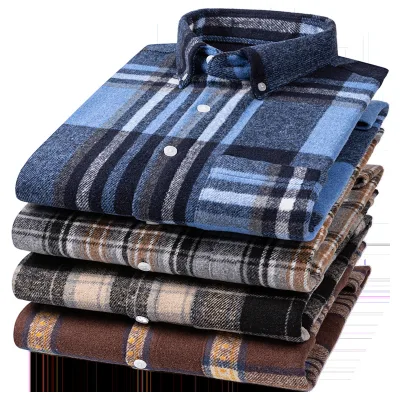
Men's 100% Cotton Flannel Shirt, Long-Sleeved Casual Plaid Shirt, Soft Brushed Outdoor Shirt
$12.90 - $13.90
MOQ: 100 pieces

$12.00 - $13.90
MOQ: 100 pieces
Guangzhou Mofei Clothing Co., Ltd.
- Manufacturer, Trading Company
- Guangdong, China
- Lead time10 days
- Avg. response≤ 4h
Main productsSuits, Shirts, T-shirts
Main marketsNorth America(20.00%), Eastern Europe(20.00%), Southeast Asia(20.00%), South America(10.00%), Oceania(10.00%), Africa(10.00%), Mid East(10.00%)
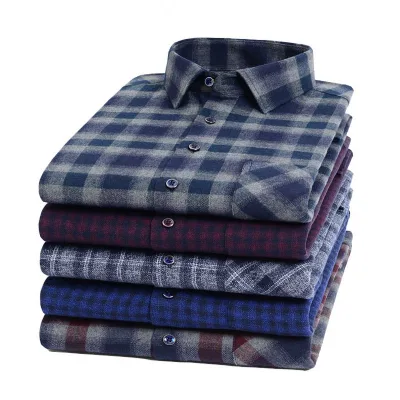
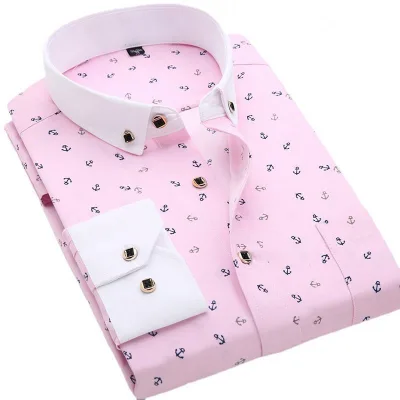
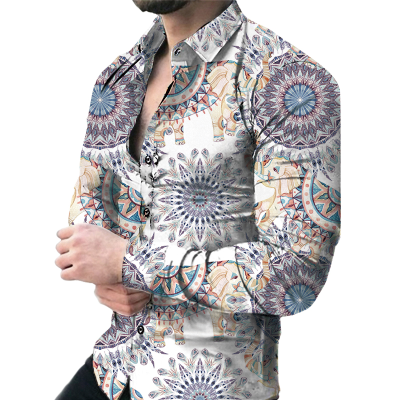
Shirt Men's Collar Polyester Fiber Polyester Sand Difficult Leisure Travel Slim-fitting Flower Shirt
$6.5313 - $6.6361
MOQ: 2 pieces
Xinxiang Baiyin Clothing Co., Ltd.
- Trading Company
- Henan, China
- Lead time15 days
- Avg. response≤ 3h
Main productsGarment making,Costume printing,Clothing sales
Main marketsSouth America(35.00%), Domestic Market(5.00%), North America(5.00%), South Asia(5.00%), Southern Europe(5.00%), Northern Europe(5.00%), Central America(5.00%), Western Europe(5.00%), Eastern Asia(5.00%), Mid East(5.00%), Oceania(5.00%), Africa(5.00%), Southeast Asia(5.00%), Eastern Europe(5.00%)

Guangzhou Yuchen Clothing Co., Ltd
- Verified by TUVRHEINLAND
- Combined
- China Guangdong
- Lead time30 days
- Avg. response≤ 3h
Main productsCustom Made; Custom-Tailor; , T-Shirt, Polo Shirt, Uniforme, Wholeale T-Shirt, Hoody, Sportswear, Shool Uniform, Workclothes, Medical Scrubs
Main marketsDomestic
Bengbu Red Hat E-Commerce Co., Ltd.
- Manufacturer, Trading Company
- Anhui, China
- Lead time0 days
- Avg. response≤ 4h
Main productsMen's Shirts, T Shirts, Hoodies, Coats, Polo Shirts
Main marketsDomestic Market(80.00%), North America(10.00%), Western Europe(5.00%), Africa(3.00%), South Asia(2.00%), Eastern Asia(0.00%), South America(0.00%), Oceania(0.00%), Southern Europe(0.00%), Central America(0.00%), Northern Europe(0.00%), Eastern Europe(0.00%), Mid East(0.00%), Southeast Asia(0.00%)

Guangzhou Shengli Clothing Co., Ltd.
- Verified by CTI
- Combined
- China Guangdong
- Lead time60 days
- Avg. response≤ 2h
Main productsSuit, Men Formal Suit, Medical Uniform, School Uniform, T-Shirt, Polo, Sports Apparel, Work Uniforms, Uniform, Hotel Uniform
Main marketsDomestic
Qingdao Cheng Pin Tong Trading Co., Ltd.
- Verified by SGS Group
- Trading Company
- Lead time30 days
- Avg. response≤ 2h
Main productsShirts/Trousers/Cargo Pants/Jogger Pants/T-shirts/Hoodies
Main marketsNorth America(47%), Africa(11%), Western Europe(11%)
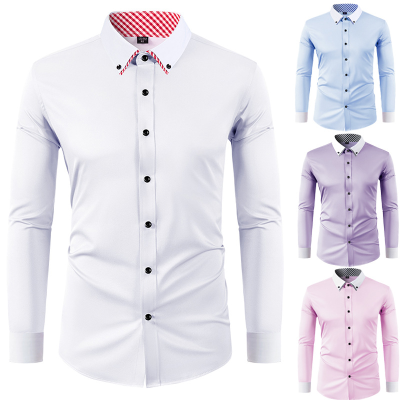
$6.3395 - $8.1776
MOQ: 200 pieces
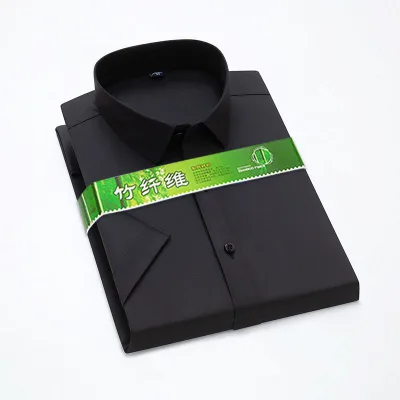
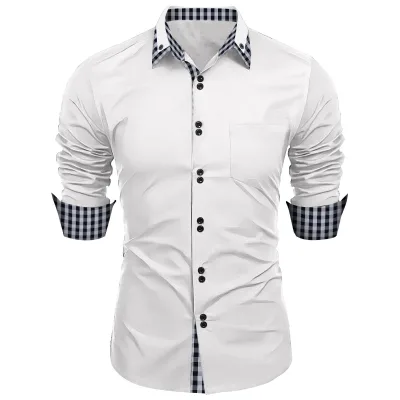
$6.1957 - $7.6713
MOQ: 100 pieces
Shaoxing Aiyou Import And Export Co., Ltd.
- Trading Company
- Zhejiang, China
- Lead time3 days
- Avg. response≤ 2h
Main productsnecktie,Men's shirt,Earrings,suspender,Brooch
Main marketsCentral America(25.00%), North America(25.00%), Southern Europe(10.00%), Northern Europe(10.00%), South America(10.00%), Western Europe(10.00%), Eastern Europe(10.00%)
Zhejiang Meihu Dress Co., Ltd.
- Manufacturer, Trading Company
- Lead time旺季: "1 - 2":31,"> 2":"To be negotiated", 淡季: "1 - 2":31,"> 2":"To be negotiated"
- Avg. response≤ 2h
Main productsShirts, Jacket, Pants, Women's Shirt, Men's Fishing Shirt
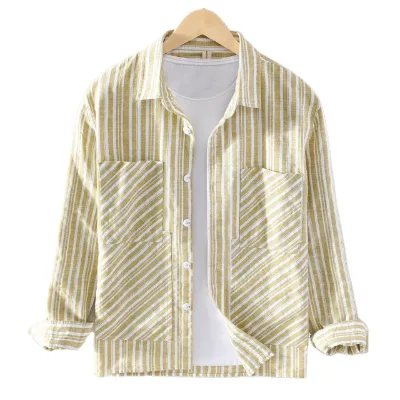
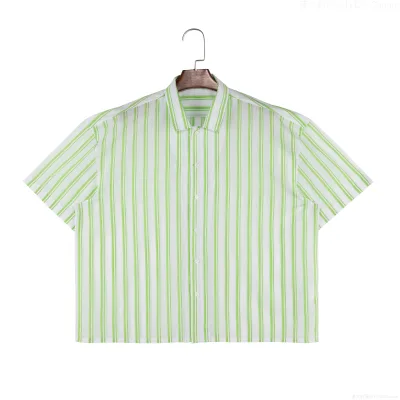
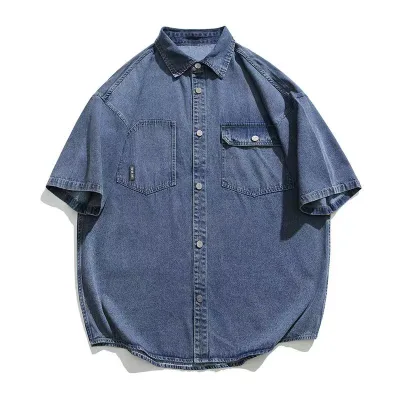
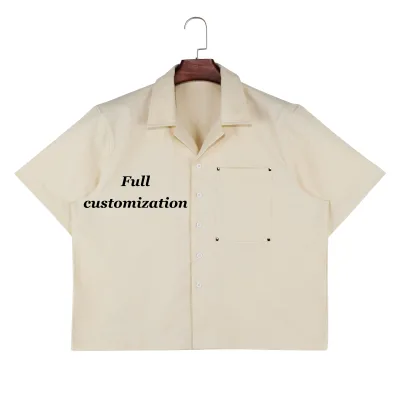
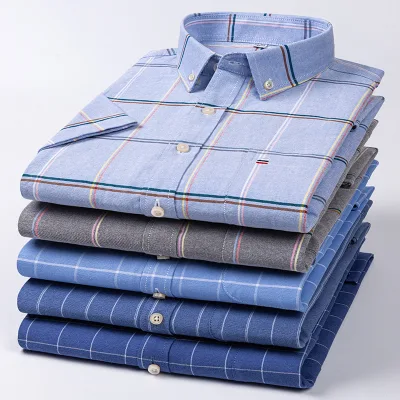
High Quality Casual 100% Cotton Workwear Spread Collar Button up Cotton Short Sleeve Shirt for Men
$8.209 - $15.3905
MOQ: 35 pieces
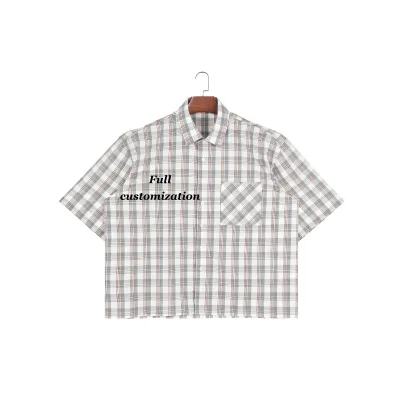
Custom Cargo Work Shirts Plaid Grey White Color Short Sleeve Square Collar Button up Shirt for Men
$8.272 - $15.5073
MOQ: 35 pieces
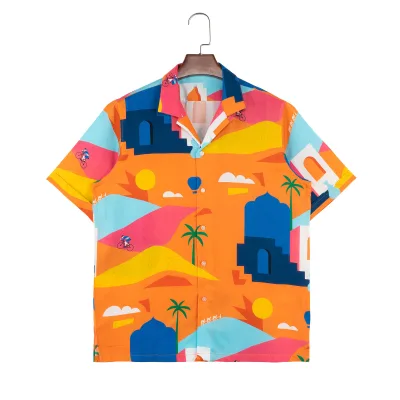
Plus Size Short-sleeved Men Shirts Custom Button up Shirts Manufacturer for Men
$8.272 - $15.5073
MOQ: 35 pieces

Foshan Weimalong Weave Industrial Co., Ltd.
- Verified by SGS
- Combined
- China Guangdong
- Lead time23 days
- Avg. response≤ 25h
Main productsProfessional Attire Shirt
Main marketsSoutheast Asia/ Mideast,Domestic

Sophisticated Solid Color Woven Cotton Long Sleeve Shirt for Men, Ideal for The Office Environment
$15.00 - $21.00
MOQ: 100 pcs

Shangrao Menglu Clothing Co., Ltd.
- Verified by TüVRheinland
- Manufacturer, Trading Company
- Lead time15 days
- Avg. response≤ 3h
Main productsT-shirts, Shirts, Dresses, Hoodies, Casual Shorts
Main marketsDomestic Market(50%), North America(30%), Western Europe(20%)

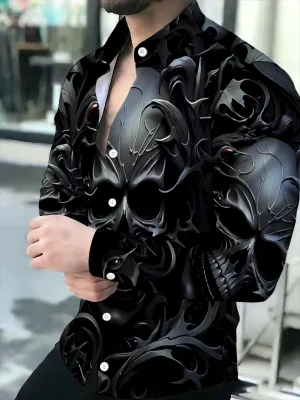
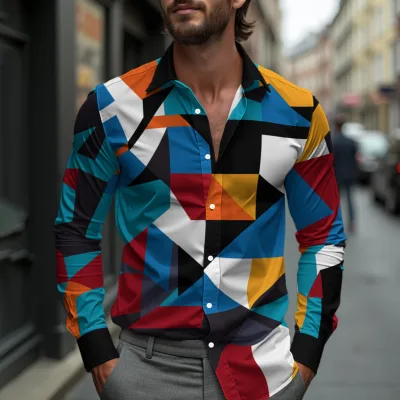
$4.90 - $5.90
MOQ: 20 pieces

Yiwu Chengmeng Clothing Co., Ltd.
- Verified by SGS
- Combined
- China Zhejiang
- Lead time15 days
- Avg. response≤ 6h
Main productsShirts, Casual Shirt, Polo Shirt, T-Shirt, Swimsuit, Customized Shirt, Hawaiian Shirt, Men's Shirt, Printed Shirt, Hoodie
Main marketsDomestic

Nc Isa Industry and Trade Company
- Verified by TUVRHEINLAND
- Combined
- China Jiangxi
- Lead time38 days
- Avg. response≤ 6h
Main productsT Shirt, Polo Shirt, Cap, Sweatshirt, Baseball Shirt, Tank Top, Shorts, Tote Bag, Hoodies, Sportswear
Main marketsDomestic,Europe

Guangzhou Yinimei Trading Firm
- Trading Company
- China Guangdong
- Lead time30 days
- Avg. response≤ 2h
Main productsApparel & Accessories, Men's Wear, Children's Clothing, Ladies' Clothing, Shoes, Children's Toys, "Bag", Hair
Main marketsSouth America,Eastern Europe,Mid East,North America,Southeast Asia,Eastern Asia,Oceania,Western Europe,Africa

Wuhan TACEAG Garment Co., Ltd.
- Verified by SGS
- Trading Company,Manufacturer/Factory
- China Hubei
- Lead time23 days
- Avg. response≤ 10h
Main productsUniform, Jacket, Shirt, Pants, Shorts, Boots, Gloves, Hat, Belt, Shoes
Main marketsSouth America,Eastern Europe,Mid East,North America,Southeast Asia,Eastern Asia,Oceania,Western Europe,Africa

Shanghai J&D International Co., Ltd.
- Trading Company
- China Shanghai
- Lead time23 days
- Avg. response≤ 18h
Main productsShirts, Necktie, Ties, Scarves, Waistcoat, Cufflink, Neckwear, Accessories
Main marketsSoutheast Asia/ Mideast,Domestic,Europe,Australia,North America








Comprehensive Sourcing Guide
Heavyweight Cotton Flannel Shirt Supplier Concentration and Factory Types
The current supplier landscape for heavyweight cotton flannel shirts reveals a distinct concentration of manufacturing and trading entities within specific geographic regions. Data indicates that a significant portion of available suppliers is located in China Jiangsu, a region known for its robust textile infrastructure. This geographic clustering suggests that buyers seeking this specific product category will likely encounter a high density of potential partners in this area. The presence of these suppliers in a concentrated hub often implies established supply chains for raw materials, such as cotton, and specialized finishing processes required for heavyweight fabrics. Buyers should recognize that while this location offers logistical advantages for sourcing, it also means that competition among suppliers in this region may be intense, potentially influencing pricing structures and service levels. Understanding this concentration helps in narrowing down search parameters and focusing efforts on suppliers who are already integrated into the local textile ecosystem.
In terms of organizational structure, the majority of suppliers identified for heavyweight cotton flannel shirts operate as trading companies rather than direct manufacturers. This distinction is crucial for buyers to understand, as it affects communication channels, pricing transparency, and quality control processes. Trading companies often serve as intermediaries, connecting buyers with a network of factories that may specialize in different aspects of garment production. While this model can offer flexibility in sourcing multiple product types, such as T-shirts, hoodies, and dress shirts alongside flannel shirts, it may also introduce additional layers in the supply chain. Buyers should be aware that trading companies might have varying degrees of direct oversight over the manufacturing process. Therefore, verifying the actual production capabilities and factory relationships of these trading entities becomes a critical step in ensuring that the final product meets the desired specifications for weight, material, and construction quality.
How to Verify Heavyweight Cotton Flannel Shirt Suppliers
Verifying the credibility and capabilities of suppliers requires a multi-layered approach that goes beyond basic company profiles. One of the primary methods for establishing trust is through third-party verification services. Current data shows that some suppliers hold certifications from recognized bodies such as CTI and SGS Group. These verifications provide an external validation of the supplier’s business legitimacy and operational standards. Buyers should prioritize suppliers who have undergone these rigorous checks, as they offer a higher degree of assurance regarding the company’s existence and compliance with basic business practices. However, verification alone does not guarantee product quality, so it should be used as a foundational step rather than a final seal of approval. It is essential to understand what specific aspects of the business these certifications cover, whether it is financial stability, management systems, or product safety, to ensure they align with your sourcing needs.
Beyond basic verification, assessing the supplier’s technical capabilities and responsiveness is vital for a successful partnership. Response time is a key indicator of a supplier’s efficiency and customer service orientation. Data indicates that response times can vary, with some suppliers demonstrating a high level of engagement, such as a response score of 4.76, while others may have longer intervals, such as 9 hours. A faster response time often correlates with better communication throughout the order process, from initial inquiry to post-sale support. Additionally, buyers should look for evidence of customization capabilities, such as OEM services and support for fast proofing within seven days. These features are particularly important for heavyweight cotton flannel shirts, where specific fabric weights, patterns, and finishes are critical. Suppliers that explicitly state support for these services are more likely to be equipped to handle custom orders and meet specific design requirements, reducing the risk of miscommunication and delays.
What to Compare Across Heavyweight Cotton Flannel Shirt Suppliers
When evaluating multiple suppliers, it is essential to compare key operational metrics to determine the best fit for your business needs. One of the most significant factors is the minimum order quantity, or MOQ. The data reveals a range in MOQs, with some suppliers requiring as few as 50 pieces, while others set the bar at 100 pieces or more. This variation allows buyers with different volume requirements to find suitable partners, whether they are testing new designs or placing large-scale orders. Alongside MOQ, lead time is a critical consideration for inventory planning. Suppliers may offer lead times ranging from 15 to 30 days, depending on their current production capacity and order backlog. A shorter lead time can be advantageous for responding quickly to market trends or restocking bestsellers, but it may come at a higher cost. Buyers should weigh the importance of speed against budget constraints when comparing these metrics across different suppliers.
Another crucial aspect to compare is the product specifications and pricing structure. The available data shows that prices for heavyweight cotton flannel shirts can vary significantly, with ranges from approximately $4.00 to $11.25 per unit. This price disparity often reflects differences in material quality, such as the use of 100% cotton versus blends, and the complexity of the manufacturing process, including yarn-dyed techniques and fabric weight. Suppliers may also offer different fabric weights, such as 180 GSM, which directly impacts the heaviness and durability of the final product. Additionally, buyers should compare the customization options available, including logo placement, pattern types, and packaging standards. Some suppliers provide detailed product attributes, such as collar style and sleeve length, which can help in making informed decisions. By systematically comparing these factors, buyers can identify suppliers that offer the best balance of quality, cost, and service for their specific requirements.
Common Heavyweight Cotton Flannel Shirt Sourcing Risks
Sourcing heavyweight cotton flannel shirts involves several potential risks that buyers must proactively manage to ensure a smooth procurement process. One significant risk is the variability in product quality, particularly regarding fabric weight and material composition. While some suppliers specify 100% cotton, others may offer blends or different GSM ratings that do not meet the expected standards for a heavyweight shirt. This discrepancy can lead to customer dissatisfaction if the final product feels lighter or less durable than anticipated. Additionally, the dyeing process, such as yarn-dyed techniques, can affect the colorfastness and overall appearance of the shirt. Buyers should be cautious of suppliers who do not provide detailed specifications or who use vague terms like "high quality" without substantiating claims with concrete data. Ensuring that the material and construction meet your exact requirements is essential to avoid costly returns and reputational damage.
Another common risk is the reliability of delivery and communication. While some suppliers boast fast response times and short lead times, others may struggle with consistency, leading to delays that disrupt your supply chain. The data shows a range in lead times, and external factors such as raw material shortages or production bottlenecks can further extend these periods. Furthermore, the reliance on trading companies can sometimes obscure the true production status, making it difficult to track progress accurately. Buyers should establish clear communication protocols and request regular updates to mitigate this risk. Additionally, there is a risk associated with customization errors, especially when dealing with complex designs or specific branding requirements. Suppliers that offer fast proofing and sample services can help identify potential issues early, but buyers must still verify the final samples thoroughly before approving mass production. Understanding these risks and implementing appropriate safeguards is crucial for successful sourcing.
Heavyweight Cotton Flannel Shirt Regional Sourcing and Logistics
The geographic location of suppliers plays a pivotal role in determining logistics costs and delivery efficiency. As noted, a significant concentration of suppliers is located in China Jiangsu, a region with well-developed infrastructure for textile manufacturing and export. This location offers advantages in terms of access to raw materials and specialized labor, which can contribute to competitive pricing and consistent quality. However, buyers must also consider the logistical implications of sourcing from this region, including shipping times and customs procedures. The distance to major markets can impact transit times, so it is important to factor this into your overall supply chain strategy. Additionally, the presence of multiple suppliers in a single region can facilitate easier comparison and negotiation, as buyers can engage with several partners who are familiar with local export regulations and practices.
Logistics planning should also account for the packaging and handling requirements of heavyweight cotton flannel shirts. The data indicates that suppliers use various packing methods, such as polybags and boxes, with specific dimensions provided for some products. These details are crucial for calculating shipping volumes and costs, as heavier items can incur higher freight charges. Buyers should work closely with suppliers to optimize packaging to minimize waste and reduce shipping expenses. Furthermore, understanding the supplier’s experience with international shipping can help in anticipating potential delays or issues. Suppliers who have a track record of exporting to your target market will likely have established relationships with freight forwarders and a better understanding of import requirements. By leveraging the logistical advantages of the supplier’s location and planning carefully, buyers can ensure that their orders arrive on time and in good condition.
Heavyweight Cotton Flannel Shirt Commercial Terms and Order Planning
Effective order planning for heavyweight cotton flannel shirts requires a clear understanding of commercial terms and payment structures. Buyers should pay close attention to the supplier’s payment terms, such as the use of escrow services, which can provide an additional layer of security for transactions. Escrow ensures that funds are held securely until the buyer confirms receipt and satisfaction with the goods, reducing the risk of fraud or non-delivery. Additionally, buyers should clarify any additional costs, such as sample fees, mold charges, or customization costs, to avoid unexpected expenses. The data shows that some suppliers offer OEM services and custom logo options, which may incur extra charges. Understanding these terms upfront allows for more accurate budgeting and prevents disputes later in the process. It is also important to establish clear agreements on quality standards and acceptance criteria to ensure that the final product meets your expectations.
Order planning should also consider the supplier’s capacity and flexibility to handle fluctuations in demand. The data indicates that some suppliers offer light customization and sample processing, which can be beneficial for testing new designs or adjusting to market changes. Buyers should assess whether the supplier can scale production up or down as needed, particularly if you anticipate seasonal variations in demand for heavyweight flannel shirts. Additionally, establishing a long-term relationship with a reliable supplier can lead to better pricing and priority treatment during peak seasons. Buyers should communicate their volume forecasts and requirements clearly to help the supplier plan their production schedule. By aligning commercial terms with strategic order planning, buyers can build a resilient supply chain that supports their business goals and minimizes operational risks. This proactive approach ensures that you are well-prepared to meet customer demand while maintaining cost efficiency and quality standards.
FAQs
What fabric weight should I expect for a Heavyweight Cotton Flannel Shirt?
Heavyweight cotton flannel is typically specified in GSM, and listings on this page cite 180GSM brushed yarn-dyed fabric. Confirm the exact GSM per style before ordering, since heavier builds may run higher. Ask suppliers for fabric composition reports, usually 100% cotton, and request a physical sample to check softness, brushing density, and warmth before committing to bulk production.
What is the typical MOQ for custom flannel shirts from these suppliers?
Listed MOQs on this page range from 50 pieces to 100 pieces per style for custom flannel shirts. The exact minimum depends on the model, fabric, and customization level you choose. Lower MOQs often apply to existing plaid patterns, while fully custom yarn-dyed checks may require more. Always confirm MOQ in writing before approving samples.
How long does production take for custom flannel shirt orders?
Lead times shown in the supplier results range from 15 days to 30 days depending on the supplier. Sampling adds extra time, with one listing citing 7-10 working days for samples and another supporting 7-day fast proofing. Confirm the timeline for your specific quantity, customization, and shipping method, since peak season can extend production schedules.
Can I get OEM service with my own logo and design?
Yes, several listings explicitly offer OEM service with customized logos and designs, including custom logo plaid flannel shirts. You can typically supply artwork for woven labels, printed logos, or custom yarn-dyed patterns. Provide clear design files early so the supplier can confirm feasibility, cost, and sample timing before production begins on your order.
What price range should I budget per shirt?
Listed prices on this page range roughly from $4.00 to $11.25 per piece depending on the model, fabric weight, and order quantity. Heavier 100% cotton styles generally sit toward the upper end of that range. Request quotations against your exact specifications, since fabric GSM, plaid complexity, and finishing details all affect the final unit price.
Are these suppliers verified and what certifications do they hold?
Suppliers on this page carry third-party verification, including CTI and SGS Group verification badges. One supplier lists system certifications such as ISO 3759, ASTM D4970/D4970M, CPSC-CH-E1003, and Oeko-Tex 100. Verify current certificate validity and scope directly with the supplier, and ask for test reports covering the specific fabric and market you sell into.
How should I evaluate a supplier's responsiveness before ordering?
Supplier results list average response times such as 4.76 hours and 9 hours, which indicate how quickly inquiries are handled. Send a detailed RFQ covering fabric weight, MOQ, customization, and target price, then measure reply speed and completeness. A supplier that answers technical questions thoroughly is more likely to manage sampling and production communication reliably.
What packing and sizing details should I confirm before bulk production?
Listings show packing such as one piece per polybag, with some fitting into cartons of specified dimensions, and sample sizes starting at size S. Confirm your full size run, size chart measurements, labeling requirements, and carton markings before production. Request a pre-production sample in your target sizes and inspect packing quality so retail-ready goods arrive as expected.