Reflective Quick Dry Quarter-Zip T-Shirt Suppliers and Manufacturers
Compare 33 verified suppliers offering reflective quick dry quarter-zip t-shirts with varying lead times, MOQs, and response speeds. Review product attributes like material and customization options to select the right factory for your needs; review the available evidence before requesting comparable quotations from suitable candidates.
Updated
Suppliers List

Ningbo Leaders Imp. & Exp. Co., Ltd.
- Verified by SGS
- Trading Company
- China Zhejiang
- Lead time23 days
- Avg. response≤ 7h
Main productsSafety Vest, Fr Coverall, Safety T-Shirt, Safety Jacket, Safety Rain Jacket, Safety Rain Pants, Fr Shirt, Fr Pants, Fr Jacket, Safety Sweatshirt
Main marketsEurope,North America

Guangzhou Jinfeng Clothing Co., Ltd.
- Trading Company
- China Guangdong
- Lead time15 days
- Avg. response≤ 6h
Main productsT Shirt, Men Fitness Wear, Yoga Wear, Men Shorts, Men Pant, Men Tracksuit, Hoodie, Men Sport Wear, Polyester Shirt, Gym Shirt
Main marketsEurope,Australia,North America


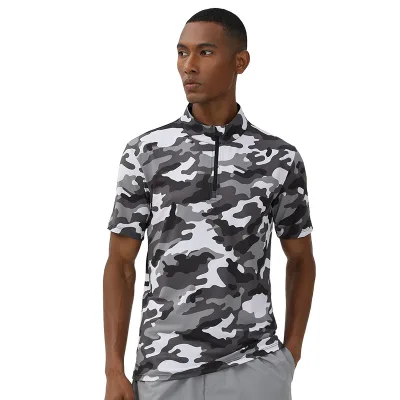
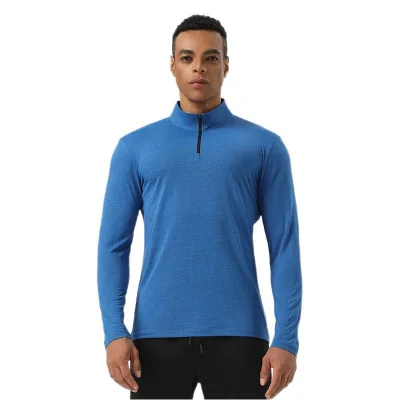
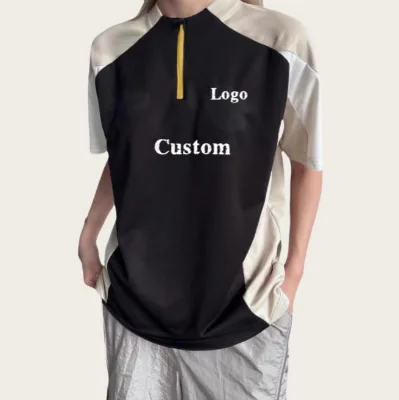
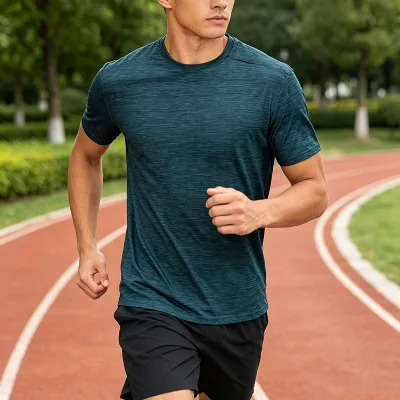
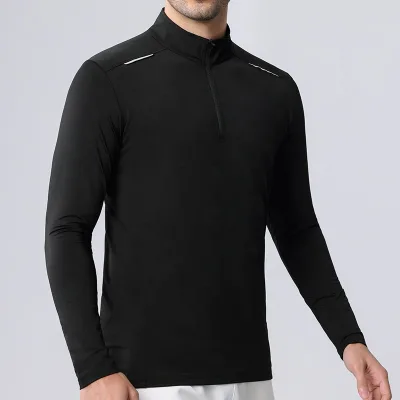
Quarter Zip Breathable Workout Running T Shirt Reflective Jogging Gym Shirts Men Sports Shirts
$7.49 - $9.37
MOQ: 5 Pieces

Men′ S Dry-Fit Active Quarter Zip Short Sleeve up Gym Bodybuildin T-Shirts Outdoor Shirt
$6.35 - $7.94
MOQ: 5 Pieces
- Verified by Intertek
- Manufacturer, Trading Company
- Lead time0 days
- Avg. response≤ 2h
Main productsT-shirt, Sweatshirt, Pants, Polo shirt, Children Garment
Main marketsNorth America(32%), South America(27%), Central America(18%)

Shenzhen Hi Vis Garment Co., Limited
- Manufacturer/Factory
- China Guangdong
- Lead time45 days
- Avg. response≤ 2h
Main productsWorkwear, Work Shirt, Work Clothes, Safety Clothes, Reflective Hoodies, Safety Reflective Jackets, Cargo Pants, Flame Resistant Coverall, Flame Resistant Clothes, Fr Shirt
Main marketsSouth America,Eastern Europe,Mid East,North America,Southeast Asia,Eastern Asia,Oceania,Western Europe,Africa
Hebei Beituo New Material Co., Ltd.
- Trading Company
- Hebei Province, China
- Lead time0 days
- Avg. response≤ 2h
Main productsmen's suits,men's jackets,men's pants,Hats,backpacks
Main marketsNorth America(20.00%), Eastern Europe(15.00%), Southern Europe(10.00%), Western Europe(10.00%), Mid East(10.00%), Africa(10.00%), Southeast Asia(10.00%), South America(10.00%), Northern Europe(5.00%)
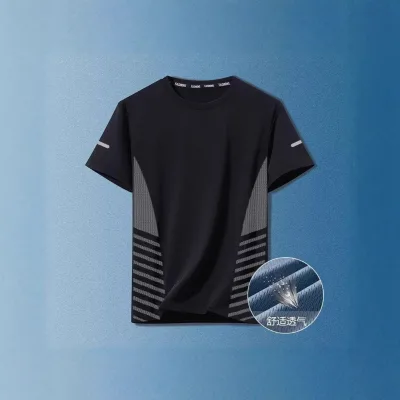
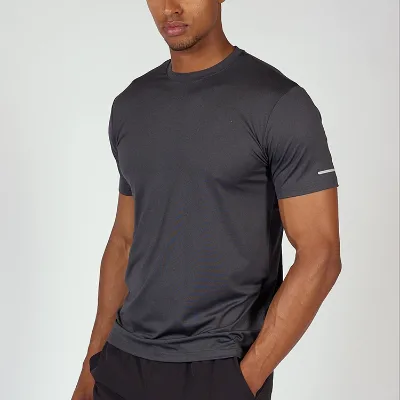
Men's Quick-Drying Elastic Short Sleeved T-Shirt
$5.20 - $7.50
Huaian Youtuo Trading Co., Ltd.
- Trading Company
- Jiangsu, China
- Lead time30 days
- Avg. response≤ 2h
Main productsSki jackets,Ski-pants,Underwear,Soft shell,reflective safety clothing
Main marketsNorth America(20.00%), Eastern Europe(15.00%), Western Europe(15.00%), Southern Europe(10.00%), South America(10.00%), Domestic Market(9.00%), Northern Europe(5.00%), Central America(5.00%), Africa(3.00%), Southeast Asia(3.00%), Mid East(3.00%), Oceania(2.00%)
Dongguan Flya Sports Goods Co., Ltd.
- Manufacturer, Trading Company
- Guangdong, China
- Lead time15 days
- Avg. response≤ 4h
Main productsT Shirts, Hoodies, Shorts, Jogger Pants, Running Belt
Main marketsNorth America(40.00%), South America(30.00%), Western Europe(5.00%), Oceania(3.00%), Southern Europe(3.00%), Africa(3.00%), Eastern Europe(3.00%), Mid East(3.00%), South Asia(2.00%), Eastern Asia(2.00%), Central America(2.00%), Northern Europe(2.00%), Southeast Asia(2.00%)

Guangzhou Ouzun Clothing Co., Ltd.
- Verified by CTI
- Combined
- China Guangdong
- Lead time23 days
- Avg. response≤ 2h
Main productsUniforms, Pants, Suits&Blazer, T Shirt, Polo Shirt, Sportswear, Jacket, Hoodies&Sweatshirts
Main marketsDomestic

UV Protection Quick Dry Running T-Shirt with Reflective Logo for Outdoor Sports Sports Wear
$3.99 - $8.99
MOQ: 100 Pieces

$3.99 - $8.99
MOQ: 100 Pieces

Moisture Wicking Athletic T-Shirt with UV Protection for Outdoor Sports Activity T Shirts
$3.99 - $8.99
MOQ: 100 Pieces
Chengdu Lori-Source Technology Co., Ltd.
- Verified by TüVRheinland
- Trading Company
- Lead time15 days
- Avg. response≤ 2h
Main productsHoodies, T-shirt, Tennis Wear, Yoga Set, Jumpsuit
Main marketsNorth America(70%), Oceania(15%), Mid East(10%)
Yiwu Xinruoxin Clothing Co., Ltd.
- Verified by Intertek
- Manufacturer, Trading Company
- Lead time30 days
- Avg. response≤ 3h
Main productsYoga Clothes, Sportswear, Casual Wear, Underwear, Sports Accessories
Main marketsNorth America(41%), Western Europe(22%), Northern Europe(15%)

Shanghai Easun Group Imp & Exp Co., Ltd.
- Verified by BV
- Trading Company
- China Shanghai
- Lead time15 days
- Avg. response≤ 21h
Main productsHoodies, Pajamas, T-Shirt, Bath Robe, Sleepwear, Polo Shirts, Safety Shoes
Main marketsAfrica

Jiangsu Huibaicheng Group Co., Ltd.
- Verified by SGS
- Trading Company
- China Jiangsu
- Lead time23 days
- Avg. response≤ 5h
Main productsSafety Helmet, Safety Vest, Reflective Clothing, Hard Hat, Safety Gloves
Main marketsSouth America,Eastern Europe,Mid East,North America,Southeast Asia,Eastern Asia,Oceania,Western Europe,Africa

$2.95 - $3.21
MOQ: 500 pieces

$2.95 - $3.21
MOQ: 500 pieces

$1.00 - $1.20
MOQ: 500 pieces


$2.95 - $3.21
MOQ: 200 pieces

$6.52 - $7.09
MOQ: 500 pieces
Fujian Furuisi Outdoor Articles Co., Ltd.
- Manufacturer, Trading Company
- Fujian, China
- Lead time25 days
- Avg. response≤ 6h
Main productsReflective Clothing,Safety Wear,Ski Wear,Safety Shoes,Protective Wear
Main marketsNorth America(51.00%), Northern Europe(39.00%), Mid East(3.00%), Western Europe(2.00%), Southeast Asia(2.00%), Domestic Market(1.00%), South Asia(1.00%), South America(1.00%)

- Verified by TUVRHEINLAND
- Trading Company
- China Fujian
- Lead time15 days
- Avg. response≤ 9h
Main productsSilver Coated Nylon Yarn, Metallic Yarn, Silver Fabric, Conductive Yarn, PP Knitted Fabric, Silver Metallic Yarn, Silver Coated Polyamide Yarn, Silver Fiber, Smart Garment, Smart Yarn
Main marketsEast Asia(Japan/ South Korea)


$1.00 - $5.00
MOQ: 500 Pieces


$1.00 - $5.00
MOQ: 500 Pieces
Guangzhou Asna Clothing Industry Co., Ltd.
- Manufacturer
- Guangdong, China
- Lead time15 days
- Avg. response≤ 2h
Main productsmen's Tshirts,Sweatshirt suit,POLO,Street Style Shirts,hoodies
Main marketsSouth America(70.00%), Central America(10.00%), North America(5.00%), Mid East(5.00%), Oceania(5.00%), Eastern Europe(5.00%)
Guangxi Guiping Lidong Sports Goods Co., Ltd.
- Verified by TüVRheinland
- Manufacturer, Trading Company
- Lead time7 days
- Avg. response≤ 4h
Main productsTracksuits, Soccer Wear, Basketball Uniform, Gym Wear, T Shirt
Main marketsDomestic Market(50%), North America(15%), Oceania(10%)
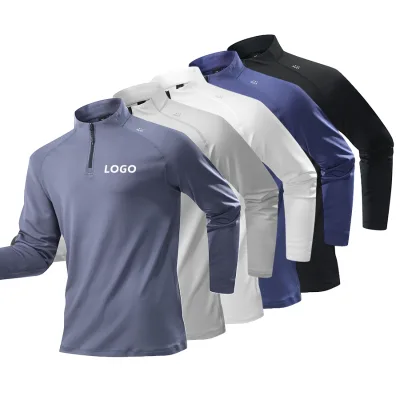
$8.4113 - $9.9527
MOQ: 5 pieces
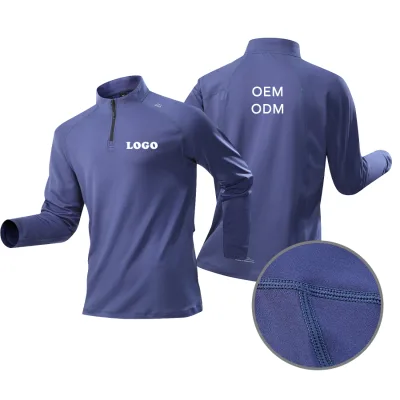

Zhousi (Shenzhen) Clothing Co., Ltd.
- Verified by CTI
- Trading Company
- China Guangdong
- Lead time23 days
- Avg. response≤ 2h
Main marketsDomestic

Reflective Touch Moisture-Wicking UV Protection Round Neck Short Sleeved T-Shirt
$4.50 - $5.50
MOQ: 20 Pieces


Shanghai Jspeed Industry Co., Ltd.
- Verified by BV
- Trading Company
- China Shanghai
- Lead time60 days
- Avg. response≤ 7h
Main productsMen/Women Swimwear, Underwear, Bra, Socks, Men/Women Pants, Men/Women Jackets, Dress, Sportwear, Skirt, Shirt
Main marketsEurope
Dongguan Hongyan Clothing Co., Ltd.
- Verified by Intertek
- Trading Company
- Lead time0 days
- Avg. response≤ 3h
Main productsMen's Woven Tracksuit, Unisex Knitted Hoodie&Jogger Set, Men's t shirt &shorts set
Main marketsWestern Europe(95%), North America(5%)

Guangzhou Shengli Clothing Co., Ltd.
- Verified by CTI
- Combined
- China Guangdong
- Lead time60 days
- Avg. response≤ 2h
Main productsSuit, Men Formal Suit, Medical Uniform, School Uniform, T-Shirt, Polo, Sports Apparel, Work Uniforms, Uniform, Hotel Uniform
Main marketsDomestic


High Visibility Reflective Safety Short Sleeve T-Shirt (Yellow-Black Two-Tone)
$18.00 - $128.00
MOQ: 100 Pieces


Guangzhou Tianyuan Clothing Co., Ltd
- Verified by SGS
- Combined
- China Guangdong
- Lead time30 days
- Avg. response≤ 3h
Main productsPolo Shirt, Shirt, Suit, T-Shirt, School Uniform, Hooded Sweatshirt, Medical Uniform, Chef's Uniform, Trousers, Work Clothes
Main marketsDomestic
Lidong International Company Limited
- Trading Company
- Hong Kong S.A.R.
- Lead time7 days
- Avg. response≤ 3h
Main productsT shirts,Hoodies,Shorts,Sweatshirts,Golf Polos
Main marketsNorth America(25.00%), Western Europe(20.00%), Eastern Europe(15.00%), Mid East(10.00%), Southeast Asia(10.00%), South America(8.00%), Northern Europe(5.00%), Southern Europe(4.00%), Africa(2.00%), Central America(1.00%)

Shenyang Sunnytex Apparel Co., Ltd.
- Verified by BV
- Trading Company
- China Liaoning
- Lead time30 days
- Avg. response≤ 3h
Main productsPants, Jackets, Workwear, Cargo Pants, Swimwear, Uniform, Vest, Coverall, Reflective Clothes, Work Clothes
Main marketsEast Asia(Japan/ South Korea),Europe,Australia


Reflective Safety Reflective Workwear Short Sleeve Quick Dry Work Tee Shirts
$8.99 - $9.50
MOQ: 500 piece


Guangzhou Juven Technology Co., Ltd.
- Trading Company
- Lead time旺季: "1 - 5":7,"6 - 50":12,"51 - 200":14,"> 200":"To be negotiated", 淡季: "1 - 5":7,"6 - 50":12,"51 - 200":14,"> 200":"To be negotiated"
- Avg. response≤ 4h
Main productsHoodies,Swimwear,Tent,Sport Accessories,Shorts

Hanzhou (Guangzhou) Clothing Industry Co., Ltd.
- Verified by SGS
- Combined
- China Guangdong
- Lead time15 days
- Avg. response≤ 4h
Main productsT Shirt, Polo Shirt, Sport Wear, Tank Top and Vest, Outdoor Jacket, Work Uniform and School Uniform, Shirt and Suit, Pants, Down Jacket, Medical Workwear
Main marketsNorth America


Hi Vis Polo Shirt Reflective Safety Shirt Hi Vis Reflective Safety Black Safety Polo T Shirt
$2.10 - $3.90
MOQ: 300 Pieces
- Manufacturer, Trading Company
- Lead time旺季: "1 - 500":15,"> 500":"To be negotiated", 淡季: "1 - 500":15,"> 500":"To be negotiated"
- Avg. response≤ 5h
Main productsPolo, Sports Jerseys, T-Shirt; , Short, Jacket

Jinzhou City Hejin Clothing Co., Ltd.
- Verified by TUVRHEINLAND
- Combined
- China Hebei
- Lead time15 days
- Avg. response≤ 2h
Main productsRaincoat, Wader, Ski Jacket, Rain Jacket, Poncho, Rainwear, Workwear, Rainsuit, Rain Coat, Waterproof Raincoat
Main marketsAustralia,North America

High Visibility Work Wear Reflective Workwear Raincoat Safety Vest Safety T-Shirt
$3.00 - $3.50
MOQ: 1000 Pieces

Safety Vest Breathable Waterproof High Visibility Work Wear Protection T-Shirt
$1.80 - $2.30
MOQ: 1000 Pieces

Fuzhou Golden Moral Imp & Exp Co., Ltd.
- Verified by CTI
- Trading Company
- China Fujian
- Lead time23 days
- Avg. response≤ 5h
Main productsMiner Lamp, Water Well Drill, Construction Machinery, Safety Protection Product, Mining Machine, Air Compressor, Drilling Tools, Detector Instrument, Steel Rails, Chemical Products
Main marketsSouth America,Southeast Asia/ Mideast,North America
Dongguan Ruifei Garment Co., Ltd.
- Manufacturer, Trading Company
- Lead time旺季: "1 - 100":31,"> 100":"To be negotiated", 淡季: "1 - 100":31,"> 100":"To be negotiated"
- Avg. response≤ 2h
Main productsT-Shirt, Hoodie, Jacket, Pants, Tracksuit
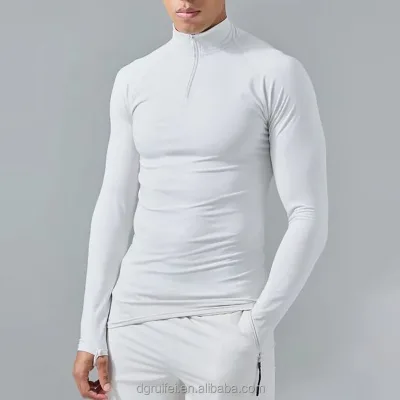
$8.5131 - $12.6207
MOQ: 100 pieces
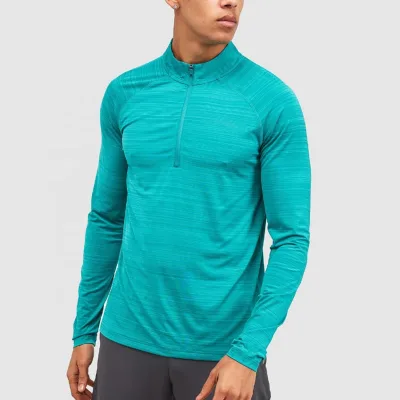
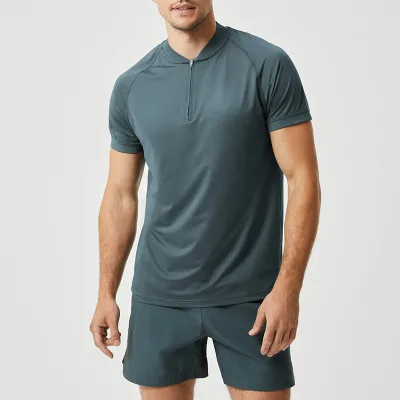
Fuzhou Heska Garment Co., Ltd.
- Verified by TüVRheinland
- Manufacturer, Trading Company
- Lead time80 days
- Avg. response≤ 4h
Main productsWorkwear, Outdoor Wear
Main marketsNorth America(25%), Northern Europe(24%), Eastern Europe(18%)
Jiangsu Huibaicheng Group Co., Ltd
- Verified by SGS Group
- Trading Company
- Lead time20 days
- Avg. response≤ 2h
Main productsSafety Helmet, Safety Vest, Safety Shoes, Gloves, Work Clothes
Main marketsNorth America(50%), Southeast Asia(20%), Eastern Europe(10%)
Jiangxi Mass Garment Co., Ltd.
- Verified by TüVRheinland
- Manufacturer, Trading Company
- Lead time30 days
- Avg. response≤ 3h
Main productsT-Shirt, Hoodies, Jogger, Sport Bra, Shorts
Main marketsNorth America(50%), Oceania(10%), Mid East(10%)
Guangzhou Jinfeng Clothing Co., Ltd.
- Verified by SGS Group
- Manufacturer, Trading Company
- Lead time15 days
- Avg. response≤ 4h
Main productsMen Sportswear, Men Jogger & Fitnesswear, Men T-shirt, Men Shorts, Men Pant
Main marketsNorth America(40%), Western Europe(40%), Oceania(5%)


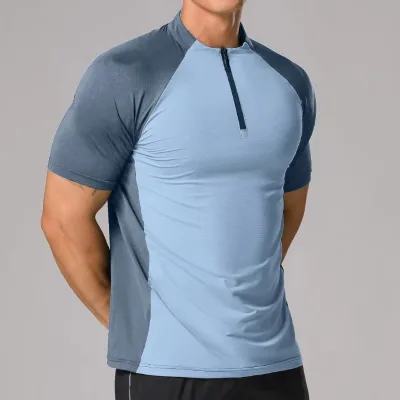
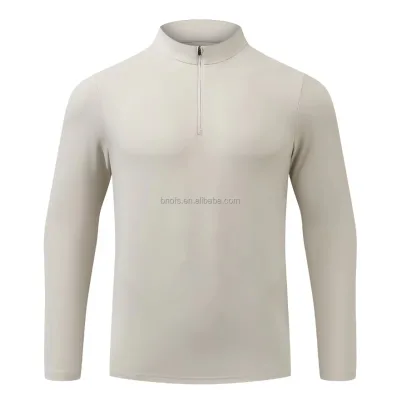


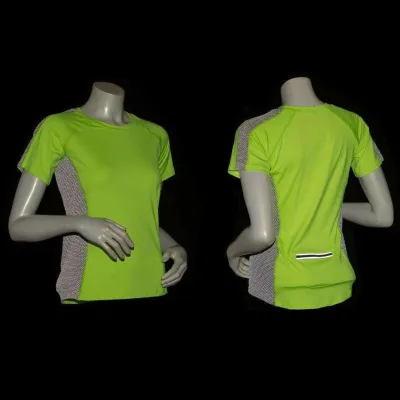
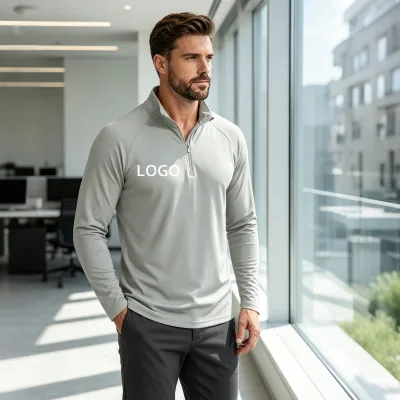
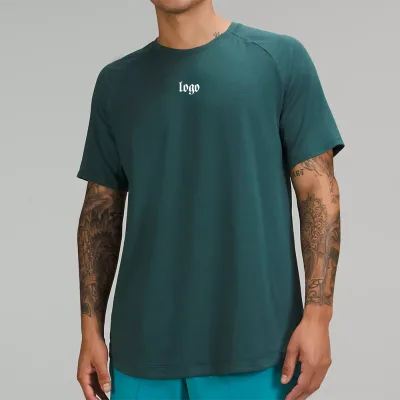
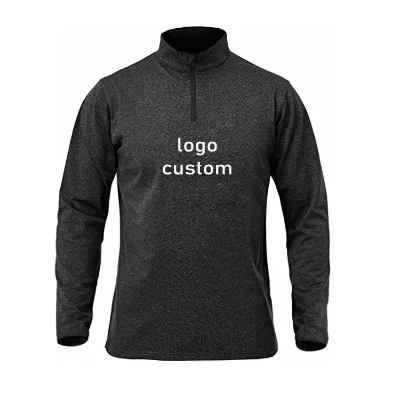


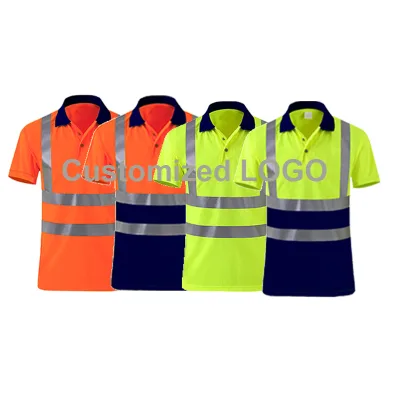
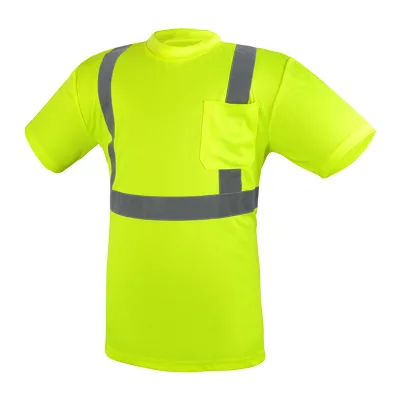
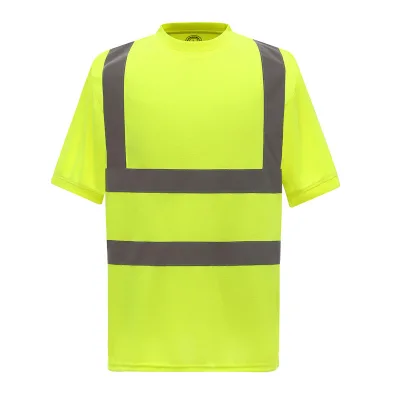
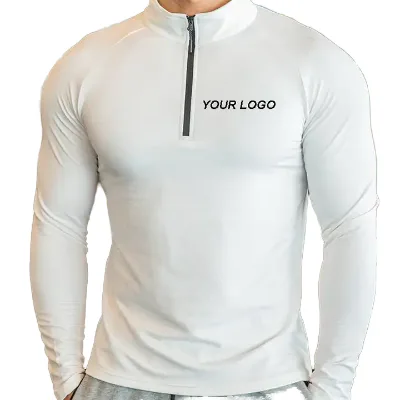


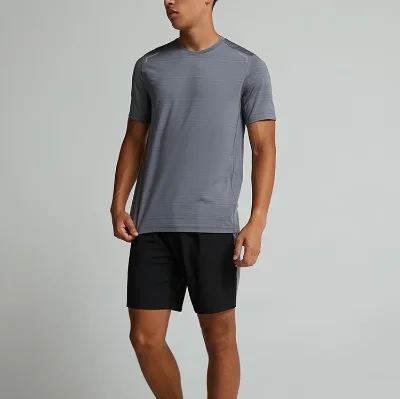


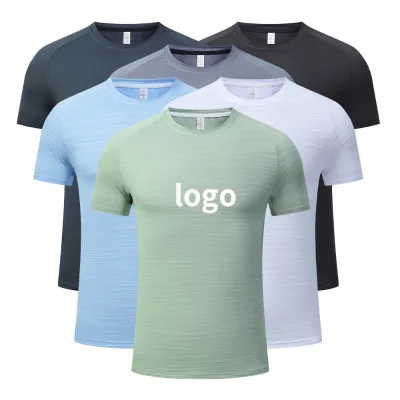
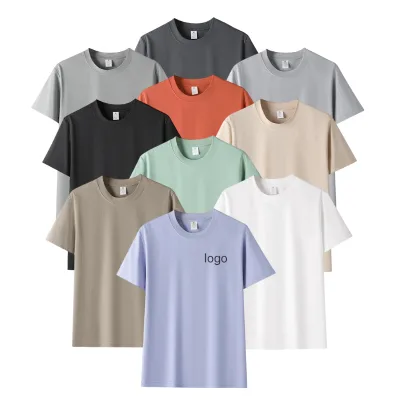
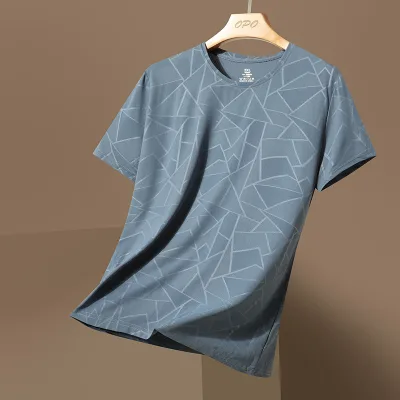
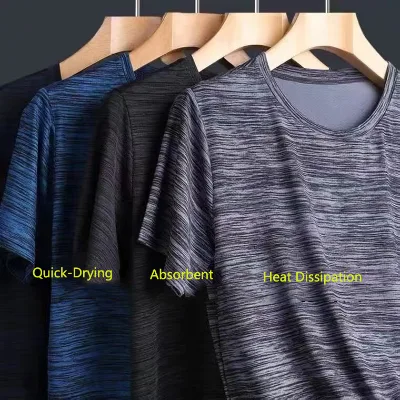


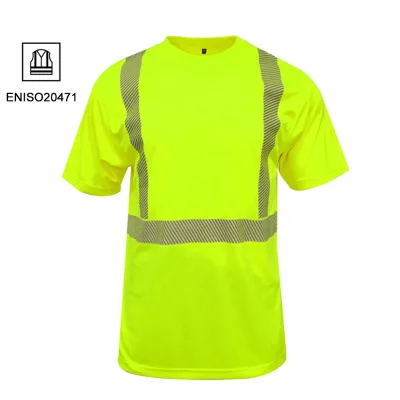
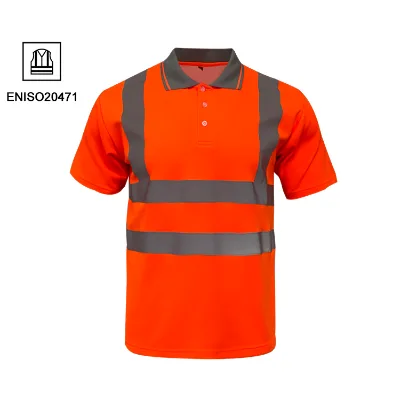
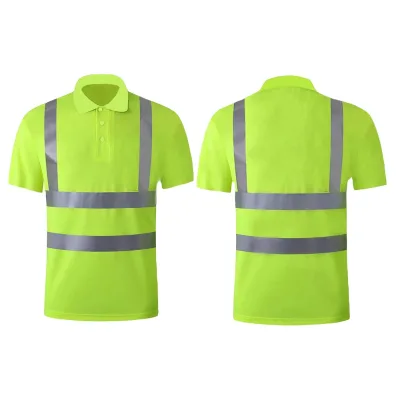
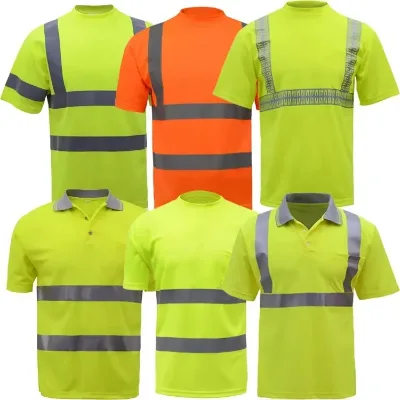
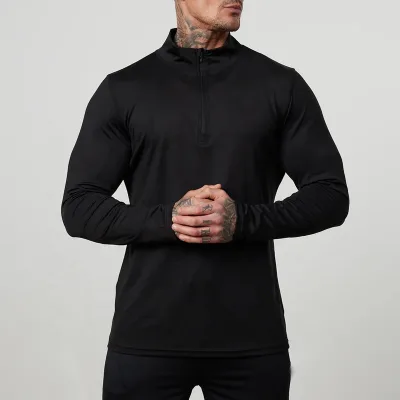
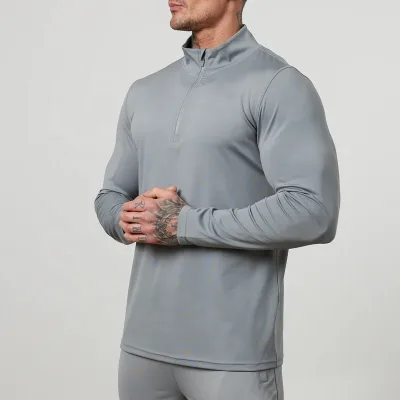
Comprehensive Sourcing Guide
Reflective Quick Dry Quarter-Zip T-Shirt Supplier Concentration and Factory Types
The current supplier landscape for reflective quick dry quarter-zip t-shirts reveals a distinct concentration of manufacturing and trading entities within specific Chinese provinces, primarily Zhejiang and Guangdong. These regions serve as critical hubs for apparel production, offering varying advantages depending on the buyer’s specific needs for speed, cost, or specialized safety features. Suppliers located in Zhejiang often focus on safety-oriented apparel, including high-visibility workwear, reflective clothing, and specialized safety vests, indicating a strong industrial base for functional garments that meet rigorous workplace standards. This geographic clustering suggests that buyers seeking durable, safety-compliant quarter-zip shirts may find a higher density of relevant suppliers in this area, where expertise in reflective tape application and moisture-wicking fabric integration is likely more prevalent. Conversely, suppliers in Guangdong tend to emphasize general athletic wear, fitness apparel, and men’s sportswear, suggesting a different production focus that may prioritize fashion-forward designs or standard gym wear over heavy-duty safety features. Understanding this regional split allows buyers to narrow their search effectively, targeting Zhejiang for industrial safety applications and Guangdong for general athletic or casual performance wear.
Factory types also vary significantly across these regions, influencing the buyer’s interaction and order flexibility. Many suppliers in the safety apparel sector are identified as trading companies, which can offer a broader range of product lines, including safety vests, FR coveralls, and various reflective shirts, rather than specializing solely in quarter-zip t-shirts. This trading company model may provide buyers with greater flexibility in customization and sourcing multiple related items from a single partner, though it may also introduce an additional layer between the manufacturer and the buyer. In contrast, suppliers focusing on general athletic wear may operate more directly as manufacturers or specialized factories, potentially offering more direct control over production processes for standard gym shirts and workout tops. The distinction between trading companies and direct manufacturers is crucial for buyers evaluating lead times, communication efficiency, and the ability to handle complex customizations. Buyers should carefully review the company type listed for each supplier to determine whether they are seeking a versatile trading partner for mixed orders or a specialized factory for high-volume, standardized production runs.
How to Verify Reflective Quick Dry Quarter-Zip T-Shirt Suppliers
Verifying the credibility and capability of suppliers requires a multi-layered approach that goes beyond simple product listings, focusing on independent certifications, response metrics, and production transparency. One key verification step is to check for third-party audit results, such as SGS verification, which provides an external validation of the supplier’s business practices and operational integrity. Suppliers displaying such certifications offer a higher degree of confidence regarding their legitimacy and adherence to basic business standards, reducing the risk of engaging with fraudulent or non-existent entities. Buyers should prioritize suppliers who have undergone such rigorous third-party checks, as these audits often cover financial stability, legal compliance, and operational capacity, providing a solid foundation for trust. Additionally, examining the supplier’s response time is a practical indicator of their operational efficiency and customer service quality. A response time of around six to seven hours suggests a responsive team capable of addressing inquiries and resolving issues promptly, which is essential for maintaining smooth communication throughout the sourcing process.
Beyond certifications and response times, buyers must verify the supplier’s ability to meet specific product requirements through detailed attribute analysis and sample evaluation. It is critical to confirm that the supplier’s main products align with the buyer’s needs, whether they specialize in safety apparel or general athletic wear. For reflective quick dry quarter-zip t-shirts, buyers should scrutinize product attributes such as material composition, feature sets like moisture absorption and breathability, and customization options. Suppliers that provide detailed product specifications, including fabric types, sleeve styles, and collar designs, demonstrate a higher level of professionalism and product knowledge. Furthermore, buyers should inquire about the supplier’s ability to provide customized samples, as this is a direct test of their production flexibility and quality control. Verifying the supplier’s origin, such as whether products are manufactured in Ningbo or Guangzhou, can also provide insights into the local supply chain and potential logistical advantages. By combining verification of certifications, response metrics, and product-specific details, buyers can build a comprehensive profile of each supplier’s reliability and suitability for their specific sourcing requirements.
What to Compare Across Reflective Quick Dry Quarter-Zip T-Shirt Suppliers
When evaluating multiple suppliers, buyers must systematically compare key operational and commercial metrics to identify the most suitable partner for their specific needs. Lead time is a critical factor, with some suppliers offering production times as short as fifteen days, while others may require up to twenty-three days. This variation can significantly impact inventory planning and order fulfillment, especially for buyers with tight deadlines or seasonal demand fluctuations. Buyers should prioritize suppliers with lead times that align with their production schedules, while also considering the potential for expedited shipping options if delays occur. Another essential comparison point is the minimum order quantity (MOQ), which can range from very low thresholds, such as fifty pieces per design, to higher volumes like five hundred or one thousand pieces. Suppliers with lower MOQs offer greater flexibility for testing new designs or fulfilling smaller orders, whereas those with higher MOQs may offer better unit economics for large-scale production runs. Understanding these MOQ variations helps buyers balance cost efficiency with order flexibility.
Price and customization capabilities are also vital dimensions for comparison, as they directly affect the total cost of ownership and product differentiation. Unit prices for reflective quick dry quarter-zip t-shirts can vary based on material quality, feature complexity, and order volume, with some suppliers offering prices around six dollars per piece and others charging higher rates for premium features. Buyers should request detailed quotations that break down costs for different customization options, such as logo printing, color variations, and specific fabric blends. Additionally, comparing the supplier’s response speed and communication efficiency can reveal their ability to handle complex inquiries and provide timely support. Suppliers with faster response times are often more proactive in addressing issues and providing updates, which can streamline the sourcing process. By systematically comparing lead times, MOQs, prices, and communication metrics, buyers can create a weighted scoring system to objectively evaluate suppliers and select the one that best balances cost, speed, and quality for their specific requirements.
Common Reflective Quick Dry Quarter-Zip T-Shirt Sourcing Risks
Sourcing reflective quick dry quarter-zip t-shirts involves several inherent risks that buyers must proactively manage to ensure product quality and supply chain stability. One significant risk is the potential mismatch between product specifications and actual delivered goods, particularly when dealing with suppliers who offer extensive customization options. Buyers must ensure that all technical details, such as fabric weight, reflective tape durability, and moisture-wicking performance, are clearly defined in the purchase agreement to avoid discrepancies. Another common risk is the variability in lead times, which can be affected by raw material shortages, production bottlenecks, or logistical delays. Buyers should establish clear communication channels and request regular production updates to monitor progress and address any potential delays early. Additionally, the reliance on trading companies can introduce risks related to quality control and communication barriers, as these intermediaries may not have direct oversight of the manufacturing process. Buyers should verify the trading company’s relationship with the actual factory and request direct access to production facilities or third-party inspection reports to mitigate these risks.
Quality consistency is another critical risk, especially when ordering from suppliers with varying levels of expertise in safety apparel versus general athletic wear. Suppliers specializing in safety gear may have more rigorous quality control processes for reflective materials and durable fabrics, while those focusing on general sportswear may prioritize aesthetic features over functional performance. Buyers should conduct thorough sample evaluations and, if possible, arrange for third-party inspections before mass production begins. Furthermore, the risk of intellectual property infringement or unauthorized use of designs is a concern when working with suppliers that offer extensive customization services. Buyers should ensure that all design files and logos are properly protected and that the supplier agrees to confidentiality terms. By identifying and addressing these risks through clear specifications, regular monitoring, and robust contractual agreements, buyers can minimize disruptions and ensure a successful sourcing outcome for their reflective quick dry quarter-zip t-shirt orders.
Reflective Quick Dry Quarter-Zip T-Shirt Regional Sourcing and Logistics
The geographic location of suppliers plays a crucial role in determining logistics costs, transit times, and overall supply chain efficiency. Suppliers located in Zhejiang, particularly those in Ningbo, benefit from proximity to major ports and established logistics networks, which can facilitate faster and more cost-effective shipping for international orders. This regional advantage is particularly relevant for buyers sourcing safety-oriented apparel, as the concentration of specialized manufacturers in this area can streamline the procurement process and reduce lead times. Conversely, suppliers in Guangdong, such as those in Guangzhou, also have access to robust logistics infrastructure, but their focus on general athletic wear may result in different shipping patterns and carrier preferences. Buyers should consider the specific port of origin when calculating total landed costs, as shipping rates can vary significantly based on the departure location and the chosen freight method. Additionally, the regional specialization of suppliers can impact the availability of certain materials or components, with Zhejiang suppliers potentially having better access to safety-specific fabrics and reflective tapes.
Logistics planning must also account for the supplier’s packaging and handling practices, which can affect product condition during transit. Suppliers often use carton packaging for their products, which provides adequate protection for most shipments, but buyers should verify the packaging standards to ensure they meet their specific requirements. For fragile or high-value items, additional protective measures may be necessary, and buyers should discuss these needs with the supplier in advance. Furthermore, the supplier’s ability to handle export documentation and customs clearance can impact the overall efficiency of the logistics process. Buyers should ensure that the supplier is experienced in international shipping and can provide all necessary documentation, such as commercial invoices, packing lists, and certificates of origin. By carefully considering the regional advantages, logistics infrastructure, and packaging practices of suppliers, buyers can optimize their supply chain and minimize the risks associated with international shipping and delivery delays.
Reflective Quick Dry Quarter-Zip T-Shirt Commercial Terms and Order Planning
Effective order planning for reflective quick dry quarter-zip t-shirts requires a thorough understanding of commercial terms, payment structures, and customization policies. Buyers should negotiate clear payment terms that align with their cash flow needs, such as partial upfront payments and balance upon shipment, while also considering the use of escrow services for added security. Suppliers with verified credentials and positive response metrics are often more willing to offer flexible payment options, as they have established trust and operational reliability. Additionally, buyers must carefully review the supplier’s customization policies, including minimum order quantities for custom designs, lead times for sample production, and costs for logo printing or special fabric blends. Suppliers that offer low MOQs for customization, such as fifty pieces per design, provide greater flexibility for testing new products or fulfilling small orders, while those with higher MOQs may offer better unit prices for larger volumes. Understanding these terms helps buyers plan their orders strategically and avoid unexpected costs or delays.
Order planning should also include a detailed timeline for production, quality control, and shipping, taking into account the supplier’s lead times and any potential bottlenecks. Buyers should establish clear milestones for sample approval, bulk production, and final inspection to ensure that the order stays on track. Furthermore, buyers should consider the supplier’s capacity to handle rush orders or changes in specifications, as flexibility in these areas can be crucial for responding to market demands. By aligning commercial terms with operational capabilities and planning orders with realistic timelines, buyers can minimize risks and ensure a smooth sourcing process. Additionally, buyers should maintain open communication with suppliers throughout the order lifecycle, addressing any issues promptly and providing feedback to improve future collaborations. This proactive approach to order planning and commercial negotiation helps build strong supplier relationships and ensures the successful delivery of high-quality reflective quick dry quarter-zip t-shirts.
FAQs
What is a reflective quick dry quarter-zip t-shirt used for?
It is used for work and outdoor activities where visibility and moisture control matter, such as traffic management, road administration, sanitation work, security duty, running, and gym training. The reflective tape improves low-light visibility, while quick dry polyester fabric pulls sweat away from the skin. Buyers typically order them for crews, team uniforms, or branded sportswear programs.
What fabric is typically used for these shirts?
Polyester is the standard fabric, often in a wicking birdseye knit that supports quick dry and breathable performance. Some safety styles list additional functions such as anti-bacterial, waterproof, durable, anti-static, or anti-wrinkle finishes. Since finishes vary between listings, confirm the exact fabric composition, knit type, and any functional treatment with the supplier before placing a production order.
What MOQ should I expect for custom reflective quarter-zip shirts?
Minimum order quantities vary widely by listing. Safety-style reflective t-shirts commonly show MOQs around 500 to 1,000 pieces per design, while some mesh safety styles advertise as low as 50 pieces per design, and certain gym-style listings allow orders of just 5 pieces. Always confirm the MOQ for your specific color, logo, and size combination before requesting a quote.
How much does a reflective quick dry quarter-zip t-shirt cost?
Listed prices in current results range from about 6.00 to 9.50 US dollars per piece, depending on style, fabric, and features. Simpler short-sleeve safety styles sit near the lower end, while specialized breathable or custom designs are priced higher. Final pricing depends on quantity, customization level, and fabric, so request quotations against your exact specification and order volume.
What sizes and colors are available?
Safety styles commonly run from S to 5XL or XS to XXXL, and sport styles are typically unisex adult sizing. Colors include standard yellow and orange hi-vis options, and customized colors are widely offered since most listings state customization is available. Confirm your size chart, color Pantone references, and logo placement with the supplier, as size standards can differ between factories.
How fast can suppliers respond and deliver?
Supplier response times in current results average roughly 5.7 to 6.8 hours, so inquiries are usually answered within one working day. Stated lead times range from about 15 to 23 days depending on the supplier and order complexity. Lead time typically excludes customization sampling and shipping, so confirm production and transit timelines in writing before confirming your order.
Can I get my logo and custom design on these shirts?
Yes, customization is available on the listings reviewed, including custom colors, custom designs, and customer logo OEM service with support for customized samples. Typical branding options include printed logos and reflective tape placement. Provide artwork files, logo size, and position when requesting samples, and approve a pre-production sample before mass production to avoid branding errors.
How do I verify a reliable supplier for these shirts?
Check whether the supplier is independently verified, such as SGS verification, and review their main products to confirm safety apparel or activewear is their core category, not a side listing. Compare stated lead times, MOQs, and response speeds across several suppliers. Then request references, sample quality tests, and clear terms on escrow or secure payment before committing to volume.