Inflatable Foldable Ice Bath with Lid Suppliers and Manufacturers
Explore 27 verified options for Inflatable Foldable Ice Bath with Lid from Guangdong and Shandong factories. Compare ISO9001 certifications, lead times, and MOQs to source the right product. Contact suppliers directly to request quotes; review the available evidence before requesting comparable quotations from suitable candidates.
Updated
Suppliers List

Lixin Outdoor Product Co., Ltd.
- Verified by TUVRHEINLAND
- Combined
- China Guangdong
- Lead time23 days
- Avg. response≤ 7h
Main productsPool Floats, Inflatable Swimming Pools, Inflatable Swimming Ring, Kid Toys, Inflatable Pool, Inflatable Sprinkler Toys, Air Bed Air Mattress, Inflatable Furnitures Inflatable Sofa, Inflatable Boat, Snow Tube
Main marketsSoutheast Asia/ Mideast,East Asia(Japan/ South Korea),Europe,Australia,North America

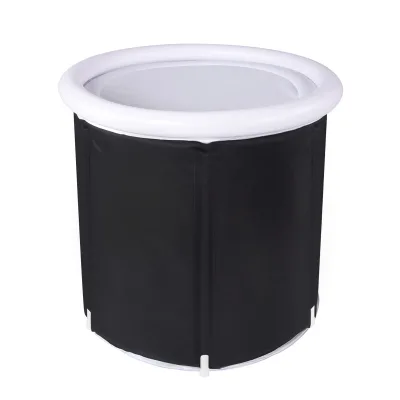
Portable Folding Inflatable Bathtub for Adult Inflatable Bathtub with Lid Ice Bath
$9.78 - $10.81
MOQ: 2 Pieces

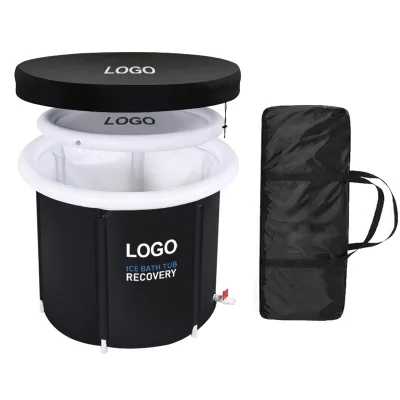
Portable Adults Tub with Cover Portable Inflatable Ice Bath Adults Inflatable Tub
$20.43 - $22.29
MOQ: 500 Pieces

Inflatable Folding Portable Ice Bath for Adults SPA Bathtub Tube Inflatable Bathtub
$20.43 - $22.29
MOQ: 500 Pieces


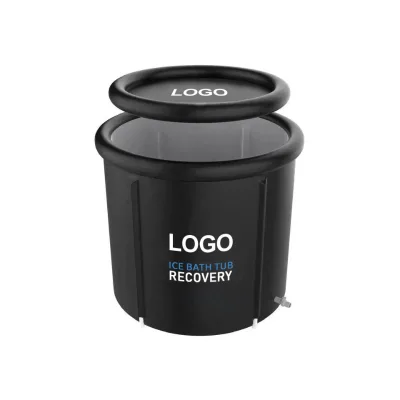
Ice Bath Tub Outdoor with Lid Ice Bath Tube Portable Inflatable Bathtub
$12.90 - $15.00
MOQ: 500 Pieces


Qingdao Joineasy International Trade Co., Ltd.
- Verified by TUVRHEINLAND
- Trading Company,Manufacturer/Factory
- China Shandong
- Lead time0 days
- Avg. response≤ 5h
Main productsInflate & Deflate Valves &, Oars & Accessories, Mooring Ropes, PVC Fabrics, Rubbing Strips, Outdoor Folding Series, Pumps & Accessories, Feeding Bucket, Boat The Accessories, Ice Bath Tub


Hot Sale Inflatable Ice Bath Tub Cold Plunge Tub Portable Inflatable Pool Recovery Tub with Lid
$215.00 - $260.00
MOQ: 1 Pieces


Haining Ailema Outdoor Products Co., Ltd.
- Manufacturer, Trading Company
- Zhejiang, China
- Lead time0 days
- Avg. response≤ 1h
Main productsPaddle Board, Floating Dock, Air Track, Inflatable Kayak
Main marketsWestern Europe(50.00%), North America(30.00%), Northern Europe(10.00%), Eastern Europe(5.00%), Domestic Market(5.00%), South Asia(0.00%), Eastern Asia(0.00%), South America(0.00%), Oceania(0.00%), Southern Europe(0.00%), Central America(0.00%), Africa(0.00%), Mid East(0.00%), Southeast Asia(0.00%)
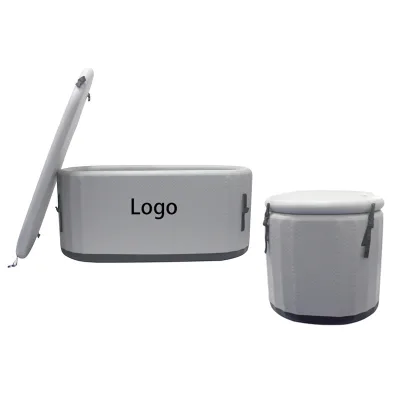
Eco Friendly New Design Ice Plunge Tub After Sea Portable Inflatable Ice Bath With Lid
$140.00 - $151.00
MOQ: 2
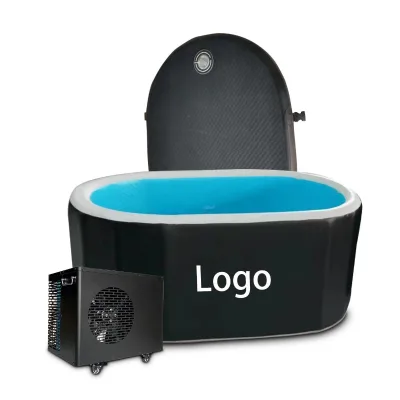
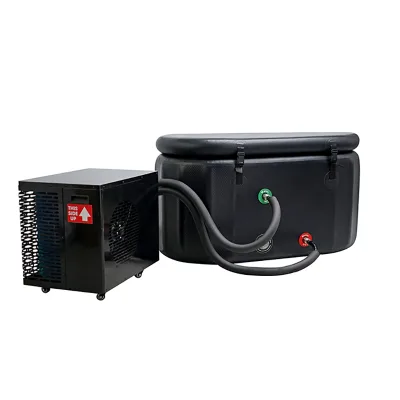
Hot Sale Cold Plunge Fitness Icebath Inflatable Portable Ice Bath Tub With Cooling System
$140.00 - $151.00
MOQ: 2
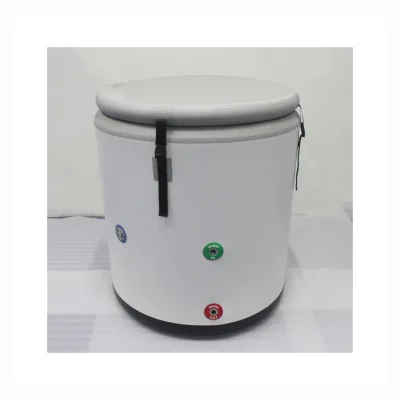
Foldable PVC Inflatable Ice Bath Tub Athletes Adult Spa Soaking Ice Barrel Bath for Sale
$100.6878 - $107.8785
MOQ: 2 pieces
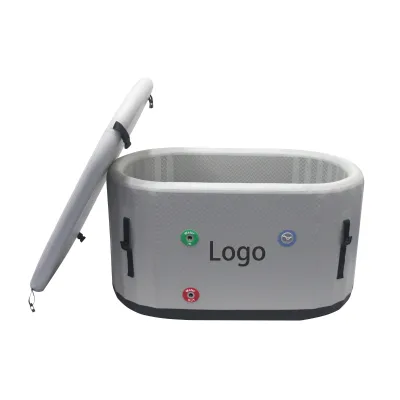
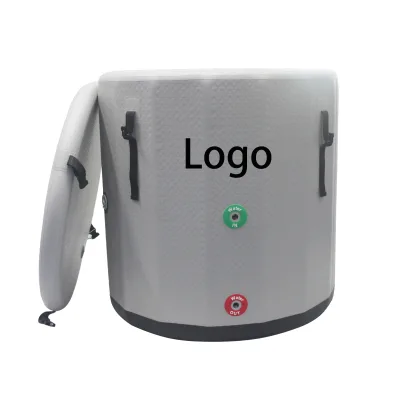
Custom Logo Portable Bath Tub Round Gray Ice Barrel Ice Bath With Ice 2024
$102.7415 - $110.962
MOQ: 2 pieces
Zhengzhou Anxin Amusement Equipment Co., Ltd.
- Verified by SGS Group
- Manufacturer, Trading Company
- Lead time20 days
- Avg. response≤ 6h
Main productsBouncer Combo, Inflatable Pool, Inflatable Playground, Inflatable Water Amusement, Inflatable Water Parks
Main marketsNorth America(42%), Eastern Europe(15%), South America(8%)
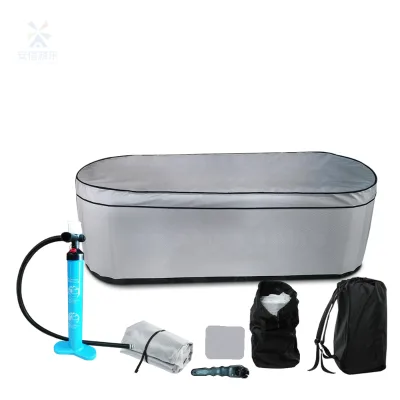
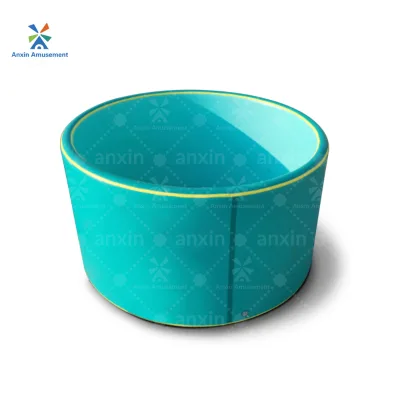
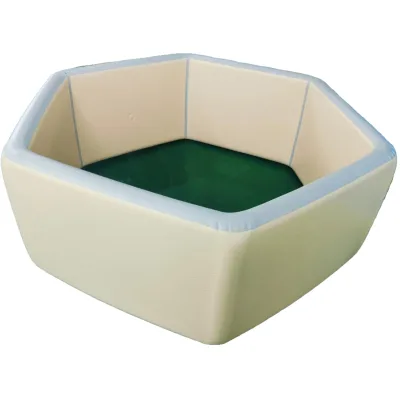
$102.6995 - $413.9099
MOQ: 1
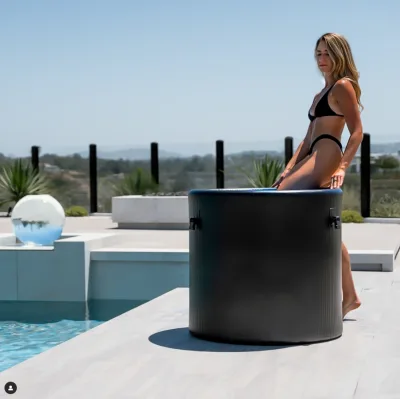

Guangdong Quanguan Health Technology Co., Ltd.
- Verified by SGS
- Combined
- China Guangdong
- Lead time15 days
- Avg. response≤ 5h
Main marketsNorth America


Quickly Detachable with Cover Durable and Thick Inflatable Portable Ice Bath Tub
$250.00
MOQ: 1 Pieces


Weihai Hi Wobang Yacht Co., Ltd.
- Verified by SGS
- Manufacturer/Factory
- China Shandong
- Lead time23 days
- Avg. response≤ 15h
Main productsInflatable Boat, Air Track, Inflatable Toy, Kayak, Surfboard, Sup, Air Bed, Inflatable Paddle Board, Inflatable Sup, Tent
Main marketsSouth America,Eastern Europe,Mid East,North America,Eastern Asia,Western Europe

Inflatable Ice Bath Tube Outdoor Inflatable Foldable Portable Ice Bath Tub
$230.80 - $269.20
MOQ: 1 Pieces

Portable Inflatable Ice Bath Tub for Recovery Portable Large Ice Bath Tubs
$230.80 - $269.20
MOQ: 1 Pieces

Portable Inflatable Ice Bath Tub Outdoor Indoor Cold Plunge Ice Bath Tub
$230.80 - $269.20
MOQ: 1 Pieces
Hangzhou Aquila Outdoor Products Co., Ltd.
- Verified by Intertek
- Manufacturer, Trading Company
- Lead time35 days
- Avg. response≤ 8h
Main productsPaddle Board, Cold Plunge, Water Chiller, Inflatable Pool, Inflatable Mat
Main marketsNorth America(40%), Western Europe(30%), Oceania(10%)
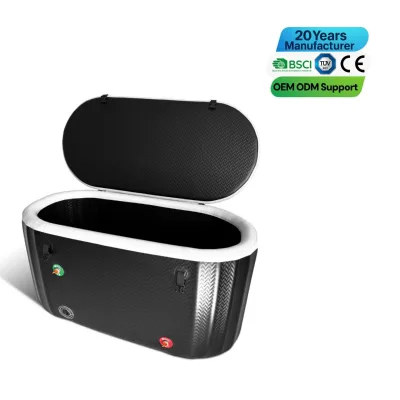
Premium Custom OEM Black Deep Ice Bath Use Inflatable Potable Tub with Inflatable Lid
$119.00 - $146.00
MOQ: 20 pieces
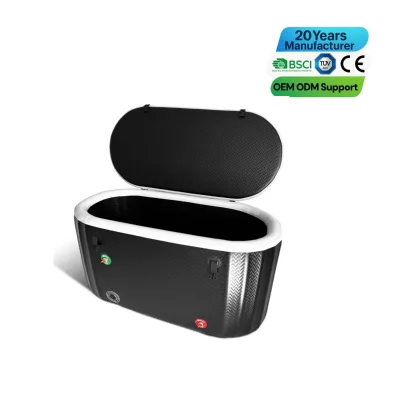
Home Spa Foldable Blow up Adult Indoor 2 People Ice Bath Inflatable Lid
$119.00 - $146.00
MOQ: 20 pieces
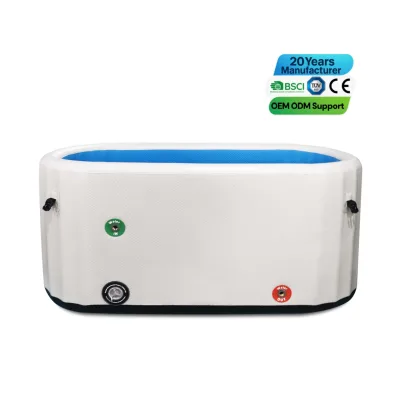
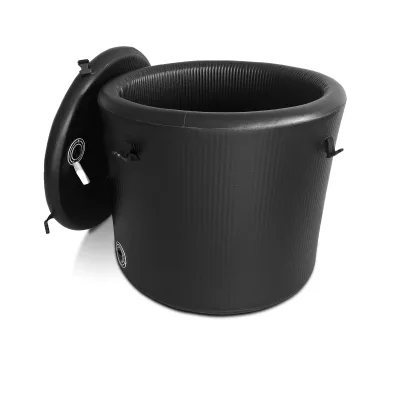
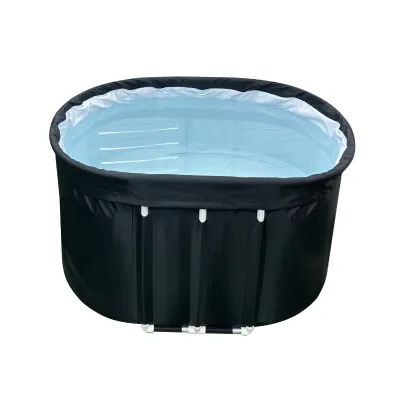
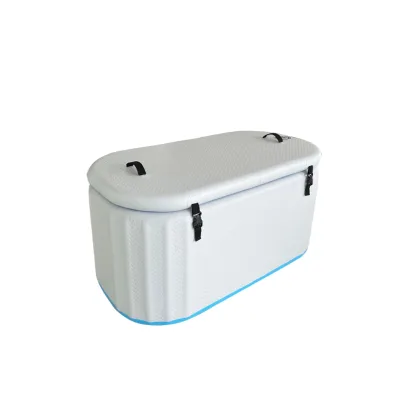
Manufacturer Custom Color Icebath Low Costs Cold Plunge Ice Bath With Cooling Device
$139.00 - $216.00
MOQ: 10 pieces

Hangzhou Aquila Outdoor Products Co., Ltd.
- Combined
- China Zhejiang
- Lead time23 days
- Avg. response≤ 18h
Main productsPaddle Board, Kayak, Air Track, Floating Dock, Surfing Accessories
Main marketsEurope,Australia,North America

high Quality Cold Plunge Outdoor Recovery Pod Soaking Inflatable Ice Bath Tub with Lid
$219.00 - $249.00
MOQ: 10 Pieces


Hot Sale Foldable Bathtub for Adults Inflatable Portable Water Chiller Ice Bath
$14.90 - $22.60
MOQ: 50 Pieces

Popular Design Inflatable Blow up Ice Bath Recovery Pod with Water Cooler for Ice Bath
$89.00 - $129.00
MOQ: 10 Pieces

Customized Logo Foldable Tub Inflatable Ice Barrel Ice Bath Cold Plunge with Water Chiller
$89.00 - $129.00
MOQ: 10 Pieces

Hot Selling Portable Inflatable Barrel Cold Plunge Inflatable Ice Bath Tub with Chiller
$219.00 - $249.00
MOQ: 10 Pieces
Zhuhai Hi-Q Technology Group Co., Ltd.
- Verified by TüVRheinland
- Manufacturer, Trading Company
- Lead time3 days
- Avg. response≤ 6h
Main productsIce Bath Chiller, SPA Tub, Ice Bathtub, Recovery Bathtub, Swimming Pool
Main marketsNorth America(30%), South America(25%), Southeast Asia(15%)
Guangzhou Yushan Inflatable Products Co., Ltd.
- Manufacturer, Trading Company
- Guangdong, China
- Lead time15 days
- Avg. response≤ 3h
Main productsInflatable Bounce House, Inflatable Slide, Inflatable Air Track, Inflatable Water Park, Advertising Inflatable
Main marketsNorth America(40.00%), Western Europe(20.00%), Mid East(20.00%), Southeast Asia(20.00%)
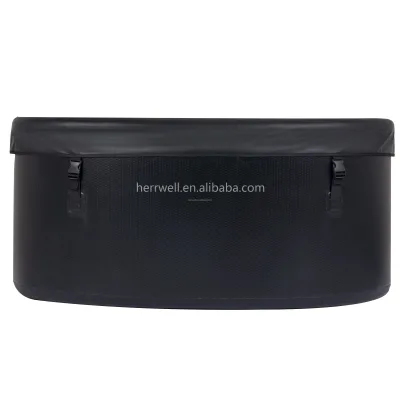
$157.0382 - $191.7086
MOQ: 1 pieces
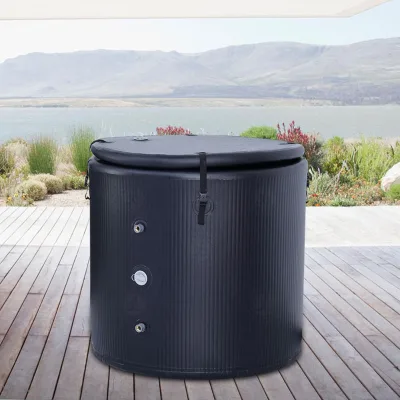
Ice Bath Tub Wholesale Manufacture Custom Size Water Ice Bath Inflatable Ice Bath Tub
$95.00 - $133.00
MOQ: 1 pieces
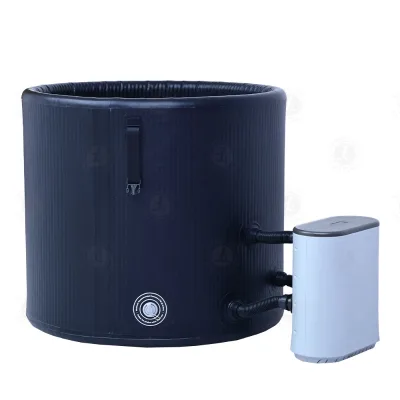
Cheap Price New Design Dropstitch Ice Bath and Chiller Combo Ice Barrel Tub With Cooler
$95.00 - $133.00
MOQ: 1 pieces

HEFEI SMARTMAK INDUSTRIAL CO., LTD.
- Verified by BV
- Combined
- China Anhui
- Lead time30 days
- Avg. response≤ 16h
Main productskn95
Main marketsSoutheast Asia/ Mideast,East Asia(Japan/ South Korea),Europe,Australia,North America

Ice Barrel Ice Bath Tub Inflatable Cold Plunge Folding Bath Tub for Adults Ice Bath Tub with Chiller
$178.00 - $200.00
MOQ: 1 Pieces


Ice Bath Portable Bath for Recovery Inflatable Outdoor Ice Bath with Chiller 1HP
$680.00 - $780.00
MOQ: 1 Pieces

Portable Ice Bath for Recovery Inflatable Outdoor Ice Bath with Chiller 1HP
$180.00 - $250.00
MOQ: 1 Pieces

$650.00 - $780.00
MOQ: 1 Pieces

Custom Logo Ice Water Pool Tub Portable Inflatable Ice Cold Bath for Gym
$178.00 - $200.00
MOQ: 1 Pieces
Anhui Joy Leisure Products Co., Ltd.
- Trading Company
- anhui, China
- Lead time10 days
- Avg. response≤ 2h
Main productsCamping&Hiking Gear,Fitness Gear,Bicycle&Bike Gear,Water Sports,Outdoor Gear
Main marketsNorth America(25.00%), Northern Europe(10.00%), Central America(10.00%), Western Europe(10.00%), Mid East(10.00%), Southern Europe(10.00%), Eastern Europe(10.00%), South America(10.00%), Africa(5.00%)

Ice Bath Portable Foldable PVC Inflatable Ice Bath Soaking Bathtub for Adults Portable Ice Bath
$19.65 - $20.08
MOQ: 1000
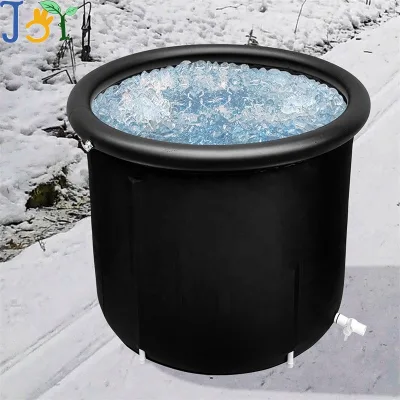
2024 Customized Size Inflatable Ice Bath Polyester Fabric Ice Bath Portable Ice Bath for Sale
$18.53 - $21.53
MOQ: 200 Minimum

Guangzhou Caixin Inflatable Products Co., Ltd.
- Verified by SGS
- Trading Company
- China Guangdong
- Lead time15 days
- Avg. response≤ 11h
Main productsInflatable, Inflatable Tent, Inflatable Bouncer, Inflatable Slide, Inflatable Water Park, Helium Balloon, Inflatable Advertising Replica, Inflatable Toys, Interactive Inflatable, Festival Inflatable
Main marketsOthers(foreignTradeCapacity.exportBusinessCapacityMarketOther)
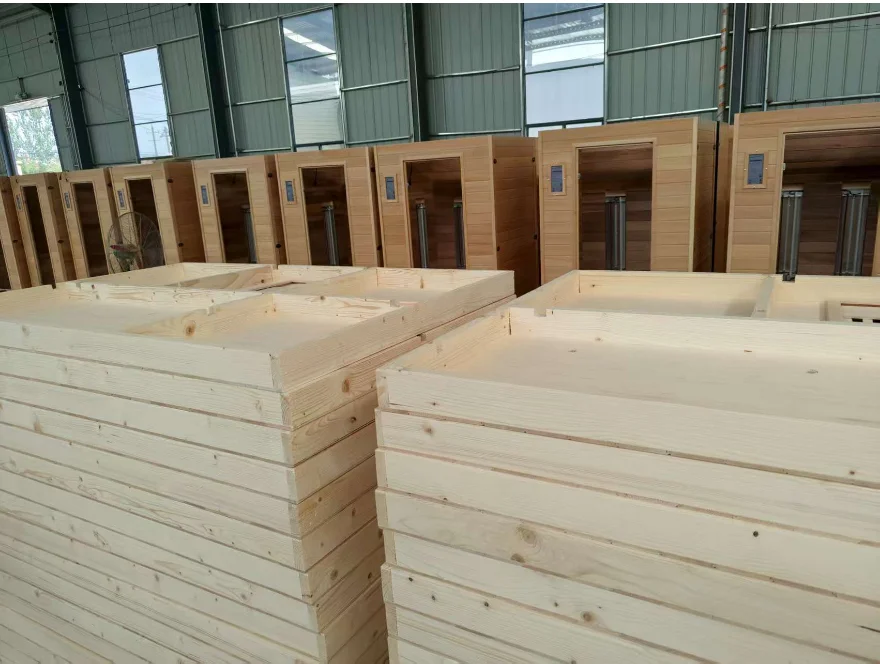
Suzhou Chorus Intelligent Technology Co., Ltd.
- Manufacturer, Trading Company
- Jiangsu, China
- Lead time30 days
- Avg. response≤ 1h
Main productsSauna Room,Outdoor Sauna,Infrared Sauna,Cold Plunge,Wooden Hot Tub
Main marketsNorth America(40.00%), Western Europe(20.00%), Mid East(10.00%), Southeast Asia(10.00%), South America(10.00%), Northern Europe(5.00%), Eastern Europe(5.00%)
Yushan Yijia Inflatable Products Co., Ltd.
- Manufacturer, Trading Company
- Lead time旺季: "1 - 1":7,"2 - 20":10,"21 - 100":15,"> 100":"To be negotiated", 淡季: "1 - 1":7,"2 - 20":10,"21 - 100":15,"> 100":"To be negotiated"
- Avg. response≤ 3h
Main productsInflatable Electric Boat,inflatable house boat with motor for water play, Ice bath tube & Accessories,SPA tub, Recovery tub for family, Inflatable water floating, Platform for pool
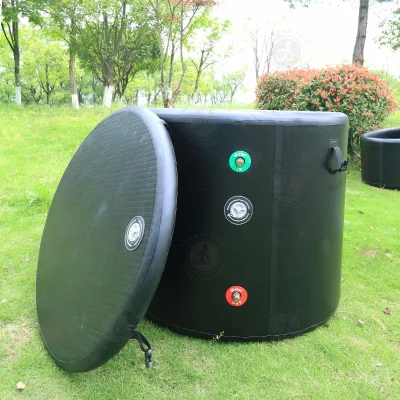
$61.7183 - $82.6399
MOQ: 1 pieces
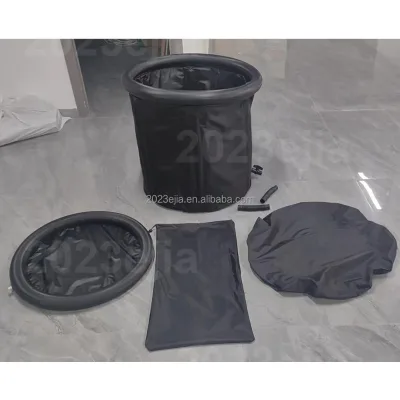
Large Size Inflatable Ice Barrel Bath with Cover for Recovery and Cold Water Therapy
$10.4615 - $12.5541
MOQ: 1 pieces
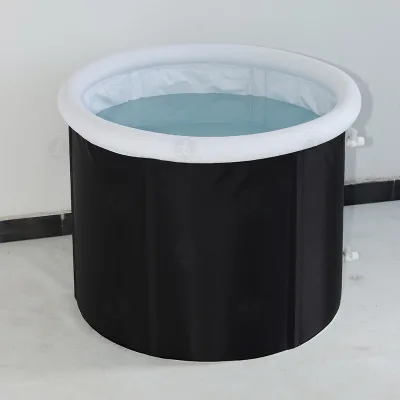
New Design Ice Bath Tub Inflatable Cold Therapy Bath Easy-Setup Inflatable Ice Bath for Home Use
$10.00 - $15.00
MOQ: 1 pieces
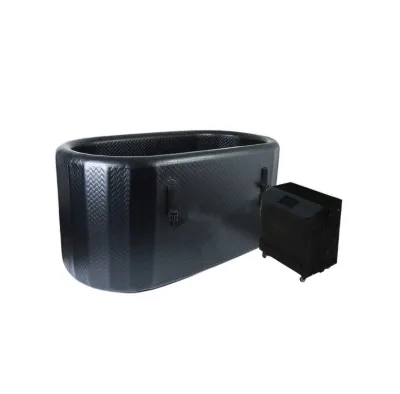
2026 New Factory Price Inflatable Ice Bath with Brushed Texture OEM Ice Bath Tub
$79.00 - $89.00
MOQ: 1
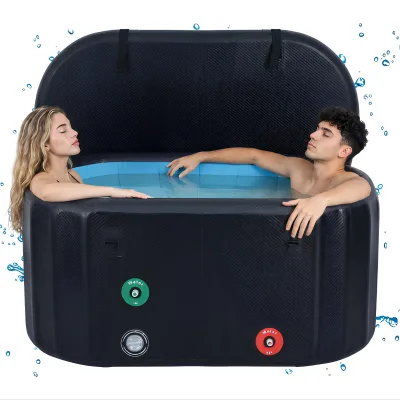
Full Body Inflatable Ice Bath Tub with Smart Cooling Chiller and Heater for Sports Therapy
$120.00 - $180.00
MOQ: 1
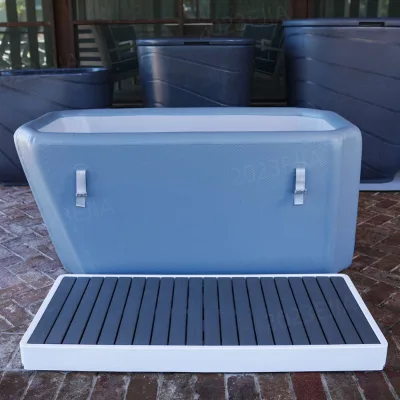
$111.8359 - $163.1362
MOQ: 1 pieces
- Verified by Intertek
- Manufacturer, Trading Company
- Lead time45 days
- Avg. response≤ 7h
Main productsOutdoor Sauna Room, Sauna Room, Ice Bath, Inflatable SUP Board, Hot Tub
Main marketsWestern Europe(39%), Eastern Europe(35%), North America(22%)

Qingdao Colton Yacht Co., Ltd.
- Trading Company
- China Shandong
- Lead time30 days
- Avg. response≤ 20h
Main productsAluminum Rib, Fiberglass Rib, Inflatable Boat, Fiberglass Boat, Aluminum Boat, Boat Accessories
Main marketsEurope,Australia,North America

2023 Inflatable Ice Tub Sport Recovery Portable Ice Bath with Chiller
$200.00 - $300.00
MOQ: 10 Pieces

High Quality Inflatable Ice Tub Sport Recovery Portable Ice Bath with Chiller
$200.00 - $300.00
MOQ: 10 Pieces


2023 Customized Portable Inflatable Ice Bath and Blow up Ice Bath for Sale
$200.00 - $300.00
MOQ: 10 Pieces
Sunshine Inflatable Toys Co., Ltd.
- Verified by SGS Group
- Manufacturer, Trading Company
- Lead time38 days
- Avg. response≤ 4h
Main productsPool Floats, Inflatable Pool, Air Bed, Air Sofa, Inflatable Boat
Main marketsNorth America(60%), Domestic Market(11%), Western Europe(10%)
- Manufacturer
- Guangdong, China
- Lead time0 days
- Avg. response≤ 4h
Main productsAqua Park,Floating Leisure Platform,Sea Pool,Floating Platform,Inflatable Boat
Main marketsWestern Europe(20.00%), North America(15.00%), Mid East(10.00%), Southeast Asia(10.00%), Eastern Europe(10.00%), Oceania(7.00%), Eastern Asia(5.00%), Northern Europe(5.00%), South America(3.00%), Domestic Market(2.00%), South Asia(2.00%), Southern Europe(1.00%), Africa(1.00%)
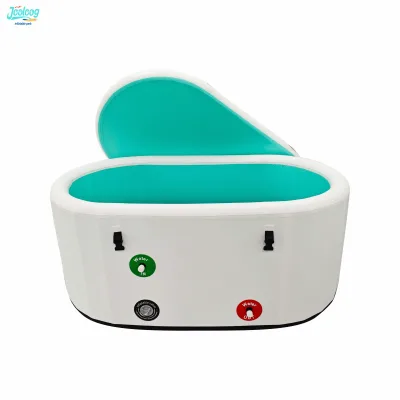
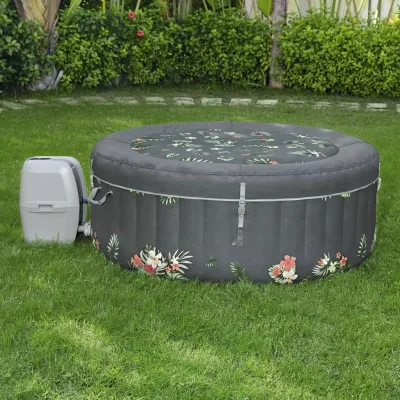
Plunge Ice Bath Inflatable Water Bath Tub with Cooling System Ice Bath and Chiller
$180.00 - $220.00
MOQ: 1 pieces
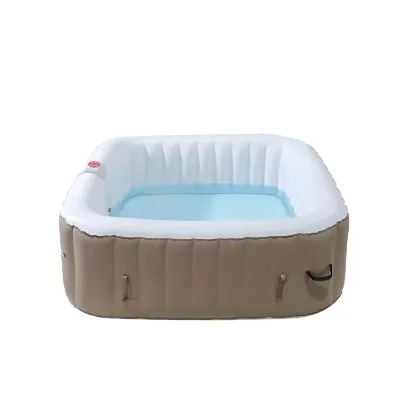
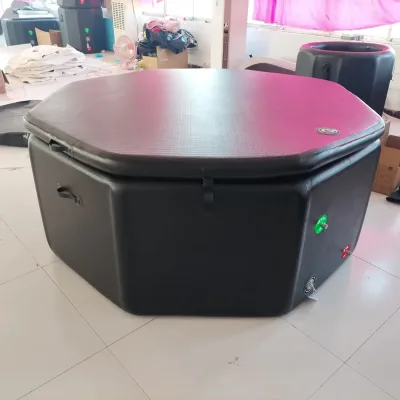
Hexagon Customize Shape Bath Tub Inflatable Ice Portable Bath Tub Cold Plunge Ice Bath
$220.00 - $260.00
MOQ: 1
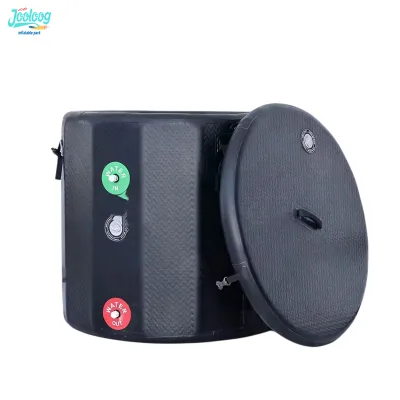
- Manufacturer, Trading Company
- Lead time旺季: "1 - 1":20,"2 - 10":30,"11 - 50":45,"> 50":"To be negotiated", 淡季: "1 - 1":20,"2 - 10":30,"11 - 50":45,"> 50":"To be negotiated"
- Avg. response≤ 15h
Main productsInflatable stand up paddle board,Inflatable kayak,Air track,ice bath,paddles

Guangzhou Barry Industrial Co., Ltd.
- Verified by CTI
- Combined
- China Guangdong
- Lead time15 days
- Avg. response≤ 1h
Main productsInflatable Water Park, Inflatable Sport Game, Inflatable Water Slide, Swimming Pool, Bouncy Castle, Inflatable Dock, Air Track, Inflatable Theme Park, Inflatable Tent, Inflatable Obstacle Course
Main marketsSouth America,Southeast Asia/ Mideast,East Asia(Japan/ South Korea),Domestic,Europe,Australia,North America


Customized Size Foldable Ice Bath Sauna Tub Ice Bath Portable Ice Bath for Sale
$199.00 - $550.00
MOQ: 1 Pieces

Guangzhou Raysen Health Technology Co., Ltd.
- Verified by SGS
- Trading Company
- China Guangdong
- Lead time30 days
- Avg. response≤ 4h
Main productsInfrared Pemf Mat, SPA Capsule, Sauna Blanket, Sauna Room, Therapy Belt, Cold Plunge, Red Light Products, Sauna Dome
Main marketsEurope,North America
Huizhou Alpha Sauna & Swimming Pool Equipment Co., Ltd.
- Verified by Intertek
- Manufacturer, Trading Company
- Lead time20 days
- Avg. response≤ 2h
Main productsSauna Room, Cold Plunge Chiller, Sauna Accessories, Infrared Sauna, Cold Plunge Tub
Main marketsNorth America(25%), Northern Europe(10%), Southern Europe(10%)
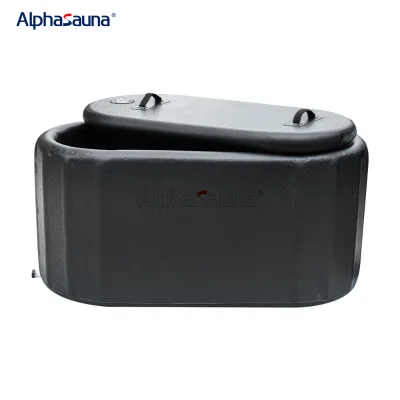
Sports Inflatable Ice Bath Tub Therapy Ice Bath Tub New Design Inflatable Cold Plunge Tub
$220.00 - $350.00
MOQ: 1
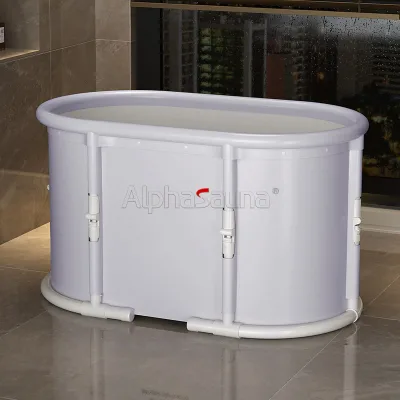

Guangzhou Fuluo Trading Co. Ltd
- Verified by SGS
- Trading Company
- China Guangdong
- Lead time30 days
- Avg. response≤ 2h
Main productsSauna, SPA
Main marketsAfrica,Southeast Asia/ Mideast,Europe,North America

Portable Inflatable Ice Bathtub Cold Therapy and Fitness Recovery Ice Bath Tub
$19.00 - $23.00
MOQ: 100 pc

Portable Ice Tub Inflatable Bathtub for Body Recovery Cold Therapy After Sports
$21.00 - $25.00
MOQ: 100 pc

Jinan Longqiao Electromechanical Equipment Co., Ltd.
- Trading Company
- Shandong, China
- Lead time0 days
- Avg. response≤ 2h
Main productsLinear Guide,Machine tool accessories,transmission,Pinion And Rack,Chiller
Main marketsSoutheast Asia(50.00%), North America(14.00%), Northern Europe(7.00%), Western Europe(7.00%), Mid East(7.00%), Southern Europe(7.00%), Eastern Europe(7.00%), South America(1.00%)
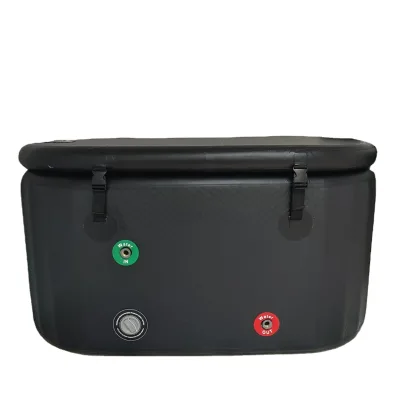
$185.00 - $200.00
MOQ: 1 pieces
$220.29 - $240.00
MOQ: 1 pieces
Yushan Yijia Inflatable Products Co., Ltd.
- Manufacturer, Trading Company
- Jiangxi, China
- Lead time30 days
- Avg. response≤ 4h
Main productsInflatable Air Track,Inflatable Ice Bath,Inflatable Tent,Inflatable DWF Water Play,Inflatable Toys
Main marketsNorth America(25.00%), South America(15.00%), Northern Europe(10.00%), Western Europe(10.00%), Mid East(10.00%), Southern Europe(10.00%), Eastern Europe(10.00%), Domestic Market(5.00%), Africa(5.00%)

Weihai P.F. Outdoor Products Co., Ltd.
- Verified by BV
- Combined
- China Shandong
- Lead time15 days
- Avg. response≤ 9h
Main productsInflatable Paddle Board, Inflatable Boats, Air Tracks, Hard Lures, Soft Lures, Spinner Baits, Frog Lure, Metal Lures, Jigs, Kayak
Main marketsSouth America,Africa,Southeast Asia/ Mideast,East Asia(Japan/ South Korea),Europe,Australia,North America

$132.00 - $145.00
MOQ: 2 Pieces


New Product Portable Ice Bath Fast Delivery High Quality Inflatable Ice Tub
$132.00 - $145.00
MOQ: 2 Pieces

Wholesale PVC Inflatable Ice Bath Tub Portable Ice Bath Tub for Athletes
$132.00 - $145.00
MOQ: 2 Pieces




Comprehensive Sourcing Guide
Inflatable Foldable Ice Bath with Lid Supplier Concentration and Factory Types
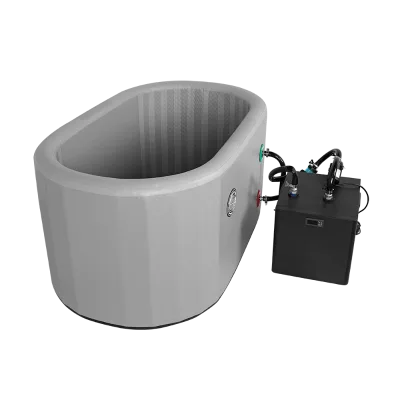
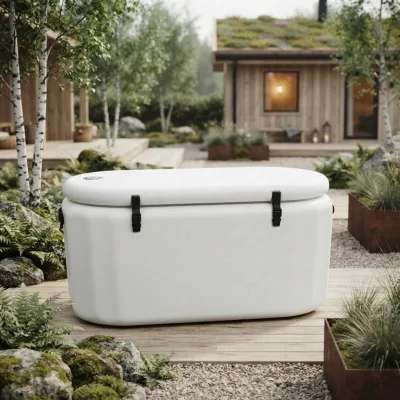
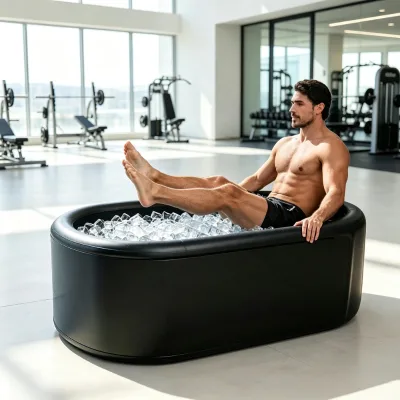
The current supplier landscape for inflatable foldable ice baths with lid reveals a distinct geographic concentration in China, specifically within the Guangdong province. This region is a well-established manufacturing hub for plastic goods, PVC products, and outdoor leisure equipment, providing a robust ecosystem for sourcing these specific items. The presence of suppliers in Guangdong suggests access to mature supply chains for raw materials like PVC, polyester, and pearl cotton, which are critical for constructing durable, airtight, and foldable tub structures. Buyers evaluating this market should note that the primary production cluster is located in this southern coastal area, which facilitates efficient export logistics through major ports. While some results indicate a presence in Shandong, the dominant volume and variety of products, including portable folding bathtubs and ice bath tubs, are associated with the Guangdong manufacturing base. This concentration allows for economies of scale in production, potentially influencing pricing and lead times for bulk orders. The clustering effect also means that many suppliers in this region are familiar with international standards and export requirements, reducing the friction of cross-border trade. However, buyers must verify the specific factory location within Guangdong, as the province is large and logistics can vary depending on the exact city of origin. The density of suppliers in this area creates a competitive environment, which can be advantageous for buyers seeking competitive pricing and a wide selection of designs, from minimalist modern styles to functional recovery pods. Understanding this geographic reality helps buyers prioritize their outreach and understand the logistical implications of their supply chain.
In terms of factory types, the market features a mix of combined entities, trading companies, and manufacturer/factory setups. This diversity impacts how buyers interact with suppliers and the level of control they have over the production process. Combined companies often offer a blend of trading efficiency and manufacturing capability, while pure trading companies may provide broader product ranges but less direct oversight of quality control. Manufacturer/factory setups, on the other hand, typically offer more direct communication regarding production schedules and customization options. The available data indicates that many suppliers possess ODM, OEM, and own brand capabilities, suggesting that a significant portion of the supply base is equipped to handle custom designs and branding requests. This is particularly relevant for buyers looking to create unique product lines or private label offerings. The presence of ISO9001:2015 certification among some suppliers indicates a baseline level of quality management system implementation, which is a positive indicator for consistent production standards. However, the type of entity also influences the minimum order quantities and flexibility in production. Smaller factories might be more willing to accept lower MOQs for trial orders, while larger combined entities might require higher volumes to justify production runs. Buyers should carefully assess the supplier’s business model to ensure it aligns with their specific needs for customization, volume, and quality assurance. The distinction between a trading company and a manufacturer is crucial for determining who holds the actual production knowledge and who is responsible for resolving any manufacturing defects or delays.
How to Verify Inflatable Foldable Ice Bath with Lid Suppliers
Verifying the legitimacy and capability of suppliers for inflatable foldable ice baths with lid requires a multi-layered approach that goes beyond surface-level profile information. One critical step is to check for third-party verification badges, such as those from TÜV Rheinland, which indicate that an independent body has assessed the supplier’s business operations. This verification adds a layer of trust by confirming that the company exists and operates as stated. Additionally, buyers should scrutinize the system certifications listed, such as ISO9001:2015, PAS 28000, or ISO 9001, which demonstrate adherence to international quality management standards. These certifications are not just decorative; they imply a structured approach to production consistency and defect reduction. For products like ice baths that involve water containment and potential health-related usage, quality control is paramount. Buyers should also look for product-specific certifications like BSCI, GSV, ICTI, and CE, which may be required depending on the target market and regulatory environment. These certifications often involve audits of social compliance, security, and safety standards, providing assurance that the supplier operates ethically and safely. It is important to note that not all suppliers will have every certification, so buyers should prioritize those that are most relevant to their specific market requirements and risk tolerance. Cross-referencing these certifications with the supplier’s claimed capabilities can help identify any discrepancies between marketing claims and verified credentials.
Beyond certifications, buyers should actively engage with suppliers to assess their responsiveness and technical knowledge. The response time metric, which can vary significantly between suppliers, serves as an initial indicator of operational efficiency. A faster response time, such as under five hours, often correlates with a more agile and customer-focused organization. Buyers should test this by sending detailed inquiries about customization options, material specifications, and production timelines. The ability of the supplier to provide accurate and timely information is a strong predictor of their reliability during the order fulfillment process. Furthermore, buyers should request detailed product attributes and specifications, such as material composition (e.g., PVC, polyester, pearl cotton), dimensions, and drainage mechanisms. Suppliers that provide comprehensive and precise data are likely to have better control over their product offerings. It is also advisable to ask for samples before committing to large orders, as this allows for a physical assessment of build quality, airtightness, and foldability. The sample process can reveal potential issues with material thickness or valve quality that are not apparent from product descriptions alone. By combining verification of credentials with direct engagement and sample evaluation, buyers can build a more accurate picture of a supplier’s true capabilities and reliability. This due diligence helps mitigate the risk of partnering with suppliers who may lack the necessary infrastructure or quality control measures to deliver consistent products.
What to Compare Across Inflatable Foldable Ice Bath with Lid Suppliers
When evaluating multiple suppliers for inflatable foldable ice baths with lid, buyers must systematically compare key operational and commercial metrics to identify the best fit for their business needs. One of the most critical factors is the minimum order quantity (MOQ), which can range widely from as low as two units to as high as one thousand pieces. This variance allows buyers with different volume requirements to find suitable partners, but it also necessitates careful calculation of total landed costs. Lower MOQs are beneficial for testing the market or fulfilling small boutique orders, while higher MOQs often correlate with lower per-unit prices. Buyers should also compare lead times, which indicate the number of days required to produce and ship the order. A lead time of zero days might indicate ready stock, while longer lead times, such as twenty-three days, suggest a make-to-order production model. Understanding this distinction is vital for inventory planning and meeting customer demand deadlines. Additionally, the response time of the supplier should be considered, as it impacts the efficiency of the negotiation and order placement process. Suppliers with faster response times can resolve queries and finalize orders more quickly, reducing the overall procurement cycle. Buyers should also examine the main products offered by each supplier to ensure they have specialized expertise in inflatable bath products rather than a generalist approach. Suppliers focusing on pool floats, inflatable furniture, and ice baths may have more refined production processes and quality control measures for these specific items.
Price is another essential dimension for comparison, with unit costs varying based on product specifications, customization, and order volume. For instance, prices for similar inflatable bathtubs can range from approximately nine dollars to over twenty dollars per unit, depending on features like lids, materials, and branding options. Buyers should request detailed quotations that break down costs for customization, packaging, and shipping to avoid hidden fees. It is also important to compare the customization options available, such as logo printing, color choices, and packaging designs. Suppliers that offer flexible customization can help buyers differentiate their products in the market. The availability of OEM and ODM services is another key differentiator, allowing buyers to create unique products or leverage existing designs with their branding. Buyers should also consider the supplier’s capacity for handling large orders, as indicated by their production capabilities and past performance. Comparing these factors across multiple suppliers provides a comprehensive view of the market landscape, enabling buyers to make informed decisions based on their specific priorities, whether they are cost, speed, quality, or customization. By systematically evaluating these metrics, buyers can identify suppliers that offer the best balance of value and reliability for their Inflatable Foldable Ice Bath with Lid sourcing needs. This comparative analysis helps in building a diversified supplier base, reducing dependency on a single source and enhancing supply chain resilience.
Common Inflatable Foldable Ice Bath with Lid Sourcing Risks
Sourcing inflatable foldable ice baths with lid from international suppliers introduces several risks that buyers must proactively manage to ensure a smooth procurement process. One significant risk is the potential for quality inconsistencies, particularly regarding the airtightness and durability of the PVC or polyester materials. Since these products are designed to hold water and withstand pressure, any defects in material thickness or seam welding can lead to leaks and product failures. Buyers should be aware that not all suppliers may have rigorous quality control processes in place, even if they claim to have certifications. The risk is compounded by the fact that inflatable products are often shipped in compact, folded states, which can mask underlying material weaknesses until the product is inflated and used. Another risk is the discrepancy between the sample quality and the bulk production quality. Suppliers may provide high-quality samples to secure orders but cut corners during mass production to maximize profits. This risk can be mitigated by implementing strict quality control measures, such as third-party inspections before shipment, and by maintaining clear communication about quality expectations. Buyers should also be cautious of suppliers who do not provide detailed product specifications or who are vague about their manufacturing processes. Lack of transparency can be a red flag for potential quality or ethical issues.
Logistical and compliance risks are also prevalent in this category. Inflatable products, while lightweight when deflated, can have large volumetric dimensions when packed, leading to higher shipping costs. Buyers must accurately calculate volumetric weight to avoid unexpected freight charges. Additionally, there is a risk of non-compliance with international safety and environmental standards, such as REACH or CPSIA, depending on the target market. Suppliers may not always be up-to-date with the latest regulatory requirements, placing the burden of compliance on the buyer. Buyers should verify that the materials used are free from harmful chemicals and meet the relevant safety standards for their market. Another risk is the potential for delays in production or shipping, which can disrupt supply chains and lead to stockouts. Suppliers with longer lead times or those located in regions prone to logistical disruptions may pose a higher risk. Buyers should establish clear communication channels and regular update schedules with their suppliers to monitor production progress. It is also advisable to have contingency plans in place, such as alternative suppliers or buffer stock, to mitigate the impact of potential delays. By identifying and addressing these risks early in the sourcing process, buyers can protect their business interests and ensure a more reliable supply of inflatable foldable ice baths with lid.
Inflatable Foldable Ice Bath with Lid Regional Sourcing and Logistics
The regional sourcing of inflatable foldable ice baths with lid is heavily influenced by the geographic concentration of manufacturing facilities, particularly in China’s Guangdong province. This region offers significant advantages in terms of supply chain efficiency, access to raw materials, and established export infrastructure. Suppliers in Guangdong benefit from proximity to major ports, which facilitates faster and more cost-effective shipping to global markets. The clustering of manufacturers in this area also fosters competition and innovation, leading to a wider variety of product designs and features. Buyers sourcing from this region can leverage the mature ecosystem of suppliers, logistics providers, and service companies to streamline their procurement process. However, buyers should also consider the logistical implications of shipping from other regions, such as Shandong, if specific suppliers are located there.
FAQs
What is the price range for inflatable ice baths?
Prices for these units typically range from $9.78 to $22.29 per piece. The final cost depends on the specific model, size, and customization options selected by the buyer. Bulk orders often secure better pricing tiers within this established market range.
What certifications do these suppliers hold?
Manufacturers commonly hold ISO9001:2015 and ISO 9001 system certifications. Product listings also frequently display BSCI, GSV, and ICTI compliance marks. Buyers should verify specific certificates for their target market requirements before finalizing procurement agreements.
What is the typical lead time for orders?
Standard lead times are reported around 23 days for production. Some suppliers indicate zero days for specific ready-stock items. Buyers must confirm exact delivery schedules with the supplier to ensure alignment with their inventory planning and launch timelines.
What is the minimum order quantity required?
MOQs vary significantly, ranging from just 2 pieces for sample orders to 1000 pieces for large-scale production runs. Common thresholds include 300, 500, and 1000 units. Buyers should negotiate MOQs based on their initial volume requirements and budget.
Where are these suppliers located?
Primary manufacturing hubs are located in Guangdong and Shandong provinces in China. These regions specialize in PVC inflatable products and offer robust supply chains. Buyers can filter results by these specific locations to assess logistics costs and shipping efficiency.
Do suppliers offer customization services?
Most suppliers provide OEM and ODM services with available customization options. Buyers can request customized logos, specific colors like purple or black, and tailored packaging solutions. These services allow brands to create unique products that align with their specific market positioning.
How quickly do suppliers respond to inquiries?
Response times generally average between 4.94 and 6.58 hours. Faster response rates indicate active sales teams ready to assist with technical questions. Buyers should prioritize suppliers with quicker response times to ensure smooth communication throughout the sourcing process.