Portable Inflatable Bathtub Suppliers and Manufacturers
Compare 26 verified suppliers of Portable Inflatable Bathtub based on location, lead time, and pricing. Review product specifications like material and certifications before contacting vendors for quotes to ensure quality standards are met for your specific needs; review the available evidence before requesting comparable quotations from suitable candidates.
Updated
Suppliers List
Pujiang Flying Outdoor Products Co., Ltd.
- Trading Company
- Zhejiang, China
- Lead time15 days
- Avg. response≤ 11h
Main productsBackpack/Sleeping Pad & Bag/Folding Chair And Table/Camping Tent/Air Sofa/Above Ground Pool/Inflatable Spa/Swimming Pool
Main marketsSoutheast Asia(30.00%), South America(20.00%), Eastern Asia(20.00%), Eastern Europe(20.00%), North America(10.00%)
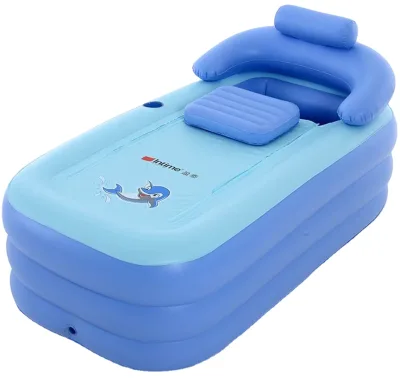
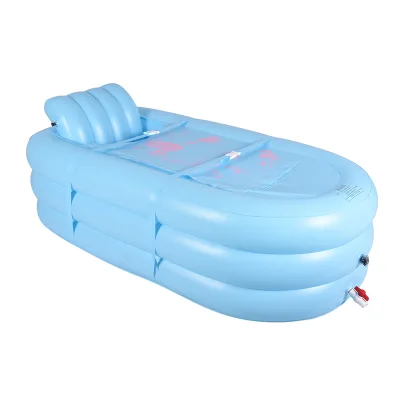
Portable Folding Inflatable Bathtub Massage Warm Travel Inflatable Bathtub
$16.90 - $17.50
MOQ: 300 pieces
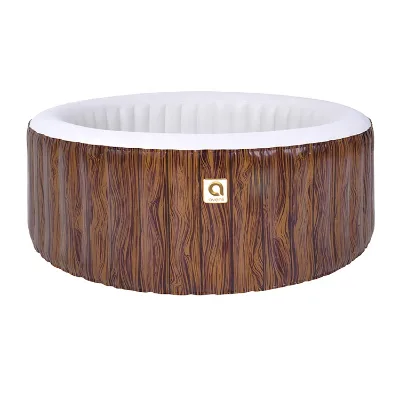
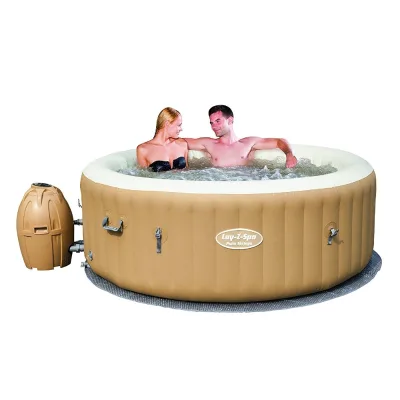
2019 Popular Wholesale High Quality Popular Round Bathtub Portable Bathtub for Adults
$342.70 - $399.80
MOQ: 10 Minimum
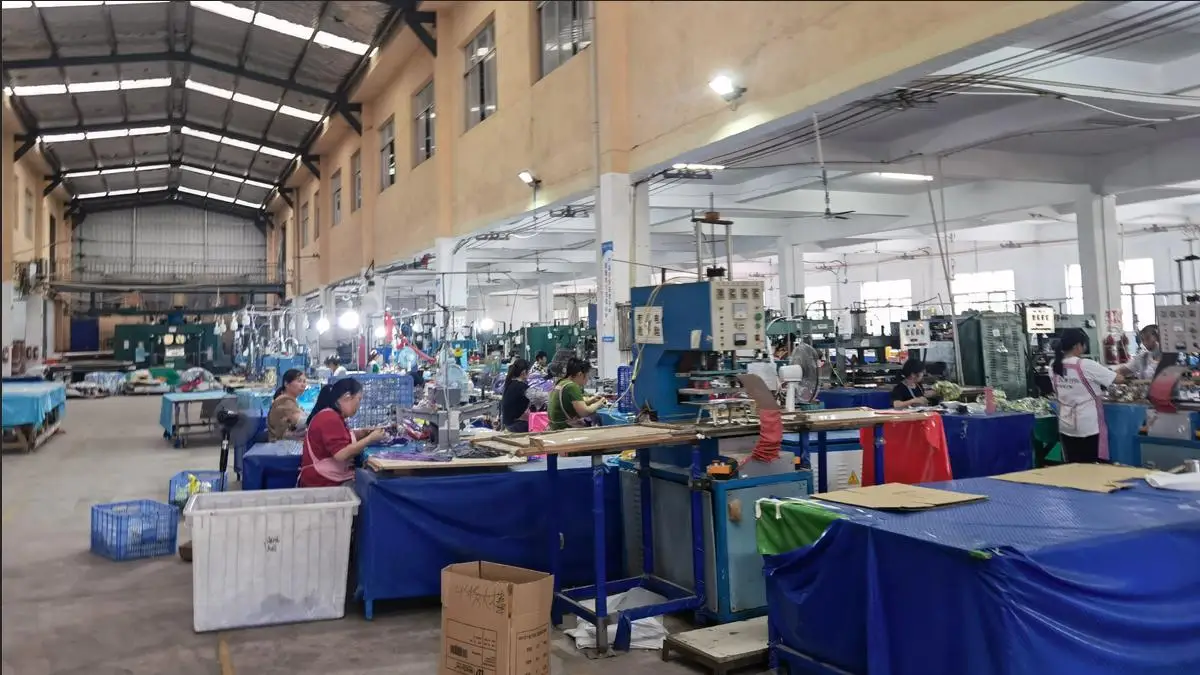
Jiangxi Gongmei Plastic Toys Co., Ltd.
- Manufacturer, Trading Company
- Jiangxi, China
- Lead time35 days
- Avg. response≤ 13h
Main productsInflatable Children Toys, Inflatable Promotion Gifts, Inflatable Water Float Mat, Inflatable Festival Series Product, Inflatable Sports Products
Main marketsNorth America(26.00%), Eastern Europe(15.00%), Eastern Asia(15.00%), Domestic Market(10.00%), Northern Europe(8.00%), Southern Europe(5.00%), Central America(5.00%), Western Europe(5.00%), South Asia(4.00%), Southeast Asia(4.00%), South America(3.00%)
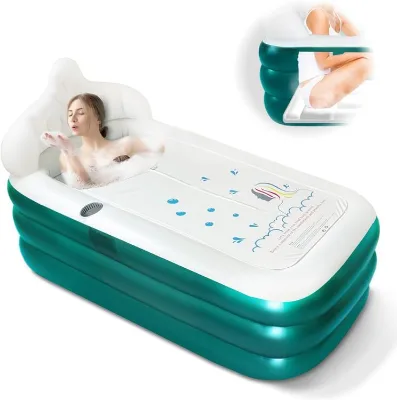
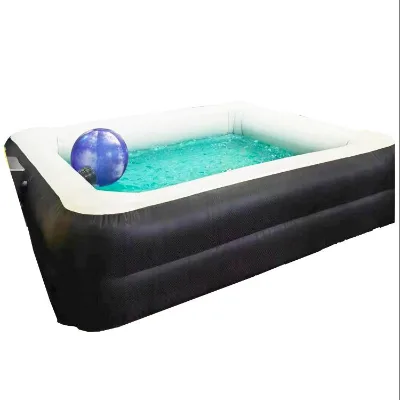
Inflatable Hot Tub Lazy Portable Spa,Spa Steps for Inflatable Hot Tub,Inflatable Swimming Spa Pool
$454.00 - $456.00
MOQ: 1000

Lixin Outdoor Product Co., Ltd.
- Verified by TUVRHEINLAND
- Combined
- China Guangdong
- Lead time23 days
- Avg. response≤ 7h
Main productsPool Floats, Inflatable Swimming Pools, Inflatable Swimming Ring, Kid Toys, Inflatable Pool, Inflatable Sprinkler Toys, Air Bed Air Mattress, Inflatable Furnitures Inflatable Sofa, Inflatable Boat, Snow Tube
Main marketsSoutheast Asia/ Mideast,East Asia(Japan/ South Korea),Europe,Australia,North America

Portable Inflatable Bathtub for Adults Foldable Ice Bath Tub Adults Inflatable Tub
$20.43 - $22.29
MOQ: 500 Pieces

Inflatable Folding Portable Ice Bath for Adults SPA Bathtub Tube Inflatable Bathtub
$20.43 - $22.29
MOQ: 500 Pieces

Inflatable Bath Tub for Adults Portable Inflatable Bathtub SPA Blow up Bathtub
$20.43 - $22.29
MOQ: 500 Pieces

Portable Adults Tub with Cover Portable Inflatable Ice Bath Adults Inflatable Tub
$20.43 - $22.29
MOQ: 500 Pieces

Portable Folding Bathtub for Adults Foldable Blow up Bathtub Portable Inflatable Tub
$20.43 - $22.29
MOQ: 500 Pieces

Portable Blow up Tub Folding SPA Inflatable Tub for Adults Inflatable Bathtub
$20.43 - $22.29
MOQ: 500 Pieces
Jiangmen Guangshan Plastics Product Co., Ltd.
- Verified by SGS Group
- Manufacturer, Trading Company
- Lead time30 days
- Avg. response≤ 4h
Main productsInflatable Furniture, Inflatable Pool Float, Inflatable Toy, Inflatable Pool, Inflatable Sport Items
Main marketsNorth America(20%), South America(20%), Western Europe(20%)
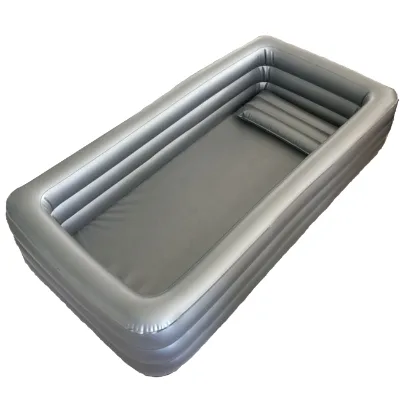
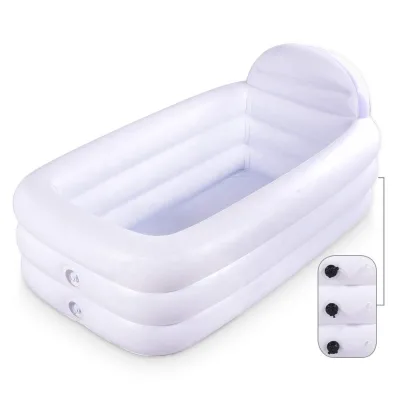
Portable the Disabled Bathing Inflatable Adult Bathtub
$27.82 - $31.89

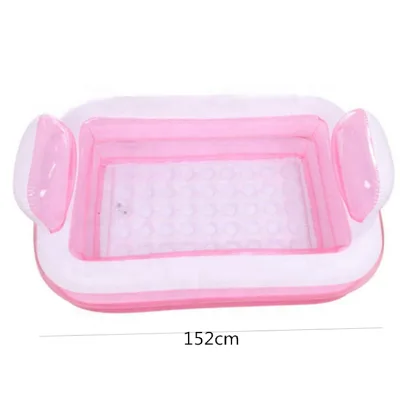

Shenzhen Enqiao Technology Co., Limted
- Manufacturer
- Guangdong, China
- Lead time30 days
- Avg. response≤ 7h
Main productsPool float,beach mattress,air bed,travel neck pillow,inflatable sofa
Main marketsNorth America(45.00%), Western Europe(18.00%), South Asia(10.00%), Domestic Market(10.00%), Eastern Europe(6.50%), Northern Europe(5.00%), Eastern Asia(3.00%), South America(2.50%)
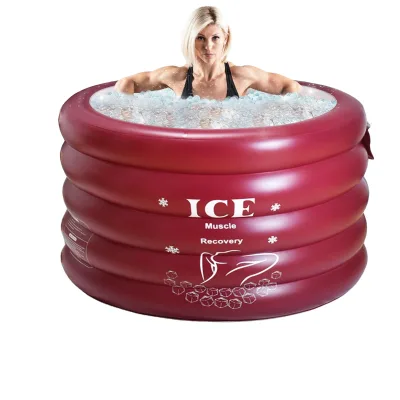
Portable Inflatable Bathtub - Inflatable Hot and Cold Bathtub for Indoor and Outdoor Use
$10.00 - $11.00
MOQ: 1000 pieces
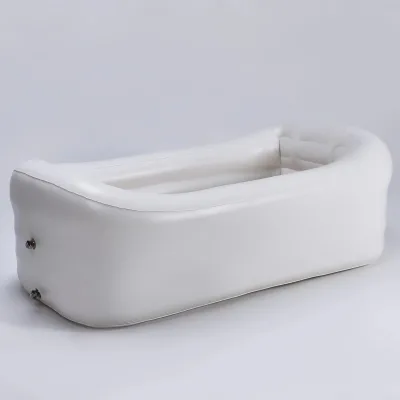
Inflatable Portable Bathtub - Collapsible Ice Bath Tub for Recovery, Relaxation
$15.00 - $17.00
MOQ: 2 pieces

Guangzhou Fuluo Trading Co. Ltd
- Verified by SGS
- Trading Company
- China Guangdong
- Lead time30 days
- Avg. response≤ 2h
Main productsSauna, SPA
Main marketsAfrica,Southeast Asia/ Mideast,Europe,North America


Inflatable Hot Tub Portable Outdoor SPA Bubble Massage Bathtub 3-4 Persons
$255.00 - $295.00
MOQ: 300 pc

Portable Ice Tub Inflatable Bathtub for Body Recovery Cold Therapy After Sports
$21.00 - $25.00
MOQ: 100 pc

Portable Inflatable Ice Bathtub Cold Therapy and Fitness Recovery Ice Bath Tub
$19.00 - $23.00
MOQ: 100 pc

Dongguan Fuduosheng Plastic Products Co., Ltd.
- Manufacturer, Trading Company
- Guangdong, China
- Lead time30 days
- Avg. response≤ 3h
Main productsInflatable pool floats,Inflatable Dog Collar,Air Bed,Towable tubes,Inflatable sport toys
Main marketsNorth America(60.00%), Western Europe(15.00%), Eastern Europe(5.00%), Eastern Asia(5.00%), Domestic Market(3.00%), Mid East(3.00%), South America(2.00%), Southern Europe(2.00%), Southeast Asia(2.00%), Oceania(2.00%), Northern Europe(1.00%)
Qingdao Joineasy International Trade Co., Ltd.
- Verified by SGS Group
- Trading Company
- Lead time20 days
- Avg. response≤ 2h
Main productsInflatable Tub, Inflatable Platform, SUP Board, Inflatable Tents, Inflatable Containers
Main marketsNorth America(40%), Western Europe(25%), Oceania(5%)
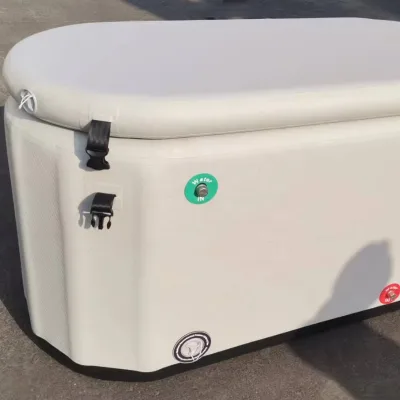
Inflatable Bathtub Plastic Portable Foldable Bathtub Soaking Bathtub Home SPA Bath
$175.00 - $195.00
MOQ: 1 pieces
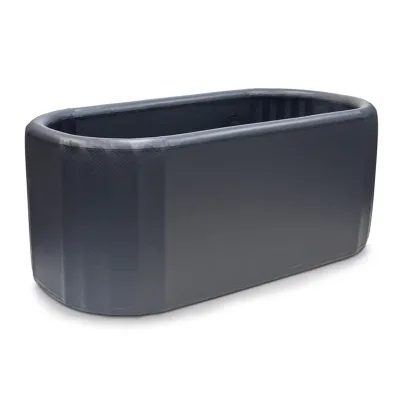
$195.00 - $220.00
MOQ: 1 pieces
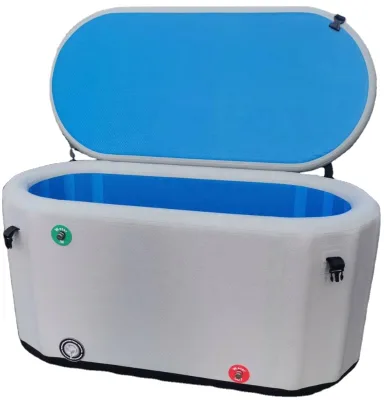
$165.00 - $185.00
MOQ: 1 pieces
Jiangmen Lexing Leisure Products Co., Ltd.
- Verified by SGS Group
- Manufacturer, Trading Company
- Lead time30 days
- Avg. response≤ 2h
Main productsInflatable Swim Pool, Inflatable Bathtub, Inflatable Pool Float, Inflatable Punching Bag, Inflatable Baby Chair
Main marketsNorth America(40%), Eastern Asia(20%), South America(10%)

Hangzhou Aquila Outdoor Products Co., Ltd.
- Combined
- China Zhejiang
- Lead time23 days
- Avg. response≤ 18h
Main productsPaddle Board, Kayak, Air Track, Floating Dock, Surfing Accessories
Main marketsEurope,Australia,North America

Indoor Inflatable Mini Plastic Adult Bathtub Inflatable Folding Portable Bathtub for Adults
$19.00 - $20.90
MOQ: 1000 Pieces

Hot Sale Foldable Bathtub for Adults Inflatable Portable Water Chiller Ice Bath
$14.90 - $22.60
MOQ: 50 Pieces

Hot Selling Portable Inflatable Barrel Cold Plunge Inflatable Ice Bath Tub with Chiller
$219.00 - $249.00
MOQ: 10 Pieces

Hot Sale Portable Bathtub Inflatable Ice Hot Bath Tub Plastic Folding Bath Tub for Adults
$14.90 - $22.60
MOQ: 50 Pieces

OEM Design Ice Baths with Water Filling Inflatable Portable Bathtub for Sale
$219.00 - $249.00
MOQ: 10 Pieces

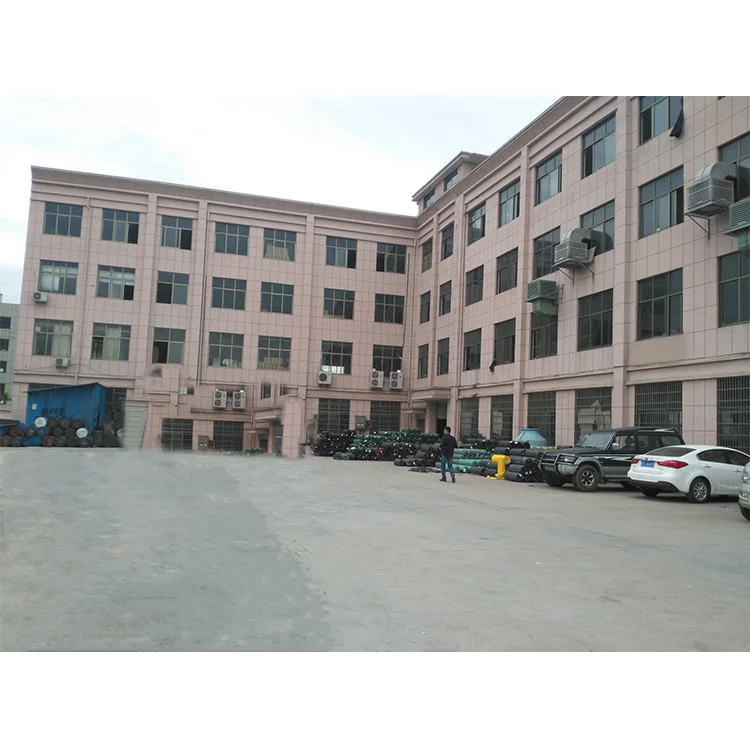
- Manufacturer
- Zhejiang, China
- Lead time20 days
- Avg. response≤ 2h
Main productsInflatable Swim Ring, Inflatable Beach Ball, Inflatable Pool, Inflatable Sofa, Inflatable Mattress
Main marketsNorth America(60.00%), Western Europe(10.00%), Southern Europe(10.00%), Northern Europe(10.00%), Southeast Asia(10.00%), Western Europe(10.00%), Southern Europe(10.00%), Northern Europe(10.00%), Southeast Asia(10.00%)
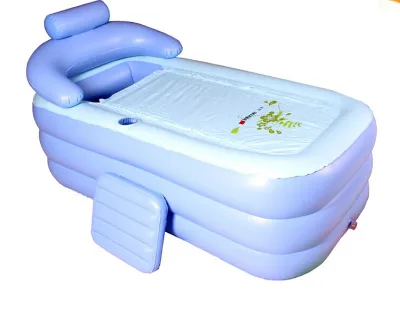
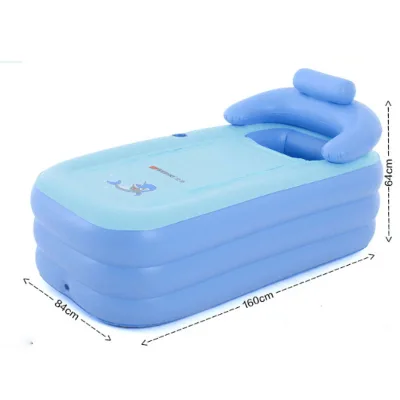
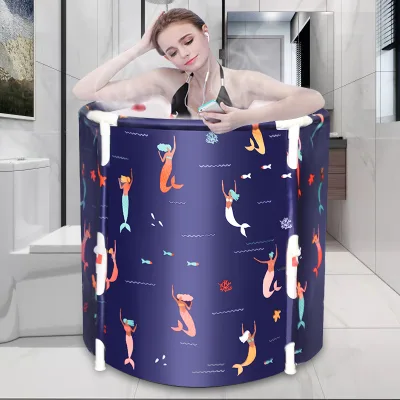
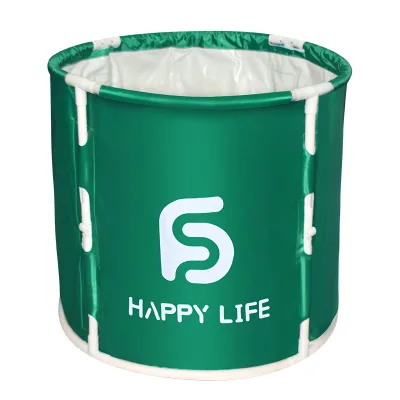
Wholesale Hot Sale Walk-in Plastic Adults Folding Bathtub
$13.50 - $14.50
Dongguan Bestfun Toys Co., Ltd.
- Manufacturer
- Guangdong, China
- Lead time30 days
- Avg. response≤ 10h
Main productsPVC TPU Flocked PVC products,customized inflatable advertising products,customized inflatable promotional products,inflatable beach items,inflatable water toys
Main marketsNorth America(50.00%), Northern Europe(10.00%), Western Europe(5.00%), South Asia(5.00%), Southern Europe(5.00%), South America(5.00%), Central America(5.00%), Southeast Asia(5.00%), Eastern Europe(5.00%), Domestic Market(1.00%), Eastern Asia(1.00%), Mid East(1.00%), Oceania(1.00%), Africa(1.00%)
$10.2307 - $23.8011
MOQ: 1000 Minimum
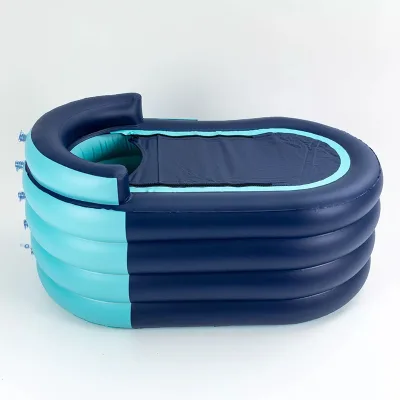
Thickened PVC 4 Layer Portable Bathtub Inflatable Bath Tub Adult Tub Cushion Zipper Cover Warm
$20.6697 - $26.7242
MOQ: 1000 pieces
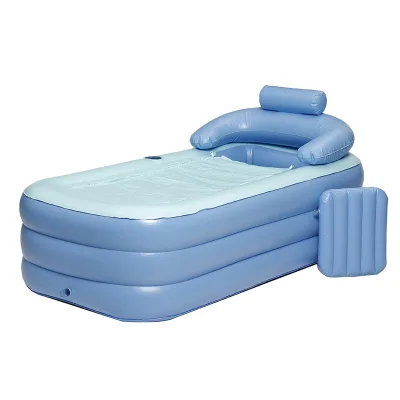
Durable PVC Folding Portable Inflatable Bathtub Warm Spa with Backrest for Adults Travel Bath Tub
$5.28 - $17.68
MOQ: 1000 Minimum

- Verified by SGS
- Trading Company
- China Zhejiang
- Lead time15 days
- Avg. response≤ 17h
Main productsMop, Kitchen Knife, Chopping Board, Blanket, Mosquito Net, Cushion, Slipper, Broom, Luggage, Educational Toy
Main marketsEurope,Australia

Folding Portable Bathingtub Athlete Ice Bucket Shower Room Tub Inflatable Odorless Bathtub
$10.95 - $12.15
MOQ: 100 Pieces

High Quality Standalone Portable Bathing Tub Foldable Inflatable Versatile Durable Bathtub
$19.66 - $23.86
MOQ: 100 Pieces

Foshan Yuanding Energy Technology Co., Ltd.
- Verified by TUVRHEINLAND
- Trading Company,Manufacturer/Factory
- China Guangdong
- Lead time30 days
- Avg. response≤ 1h
Main productsIce Bath, Mini Heat Pump, Chiller, Ice Bath Chiller, Portable Ice Bath, Swimming Pool Heat Pump, Pool Heat Pump, Plate Heat Exchanger, Heat Exchangers, Sheet Metal Casing
Main marketsSouth America,Eastern Europe,Mid East,North America,Southeast Asia,Eastern Asia,Oceania,Western Europe,Africa

Qingdao Joineasy International Trade Co., Ltd.
- Verified by TUVRHEINLAND
- Trading Company,Manufacturer/Factory
- China Shandong
- Lead time0 days
- Avg. response≤ 5h
Main productsInflate & Deflate Valves &, Oars & Accessories, Mooring Ropes, PVC Fabrics, Rubbing Strips, Outdoor Folding Series, Pumps & Accessories, Feeding Bucket, Boat The Accessories, Ice Bath Tub


New Cheap Inflatable Ice Bath Cold Plunge Bathtub Portable Ice Bath Tub
$95.00 - $125.00
MOQ: 1 Pieces


Hot Sale Inflatable Ice Bath Tub Cold Plunge Tub Portable Inflatable Pool Recovery Tub with Lid
$215.00 - $260.00
MOQ: 1 Pieces

LYNKFUN LEISURE PRODUCTS CO., LTD.
- Verified by TüVRheinland
- Trading Company
- Lead time30 days
- Avg. response≤ 3h
Main productsInflatable Toys, Pool, Bathtub, Pool Float, Air Bed
Main marketsNorth America(60%), Western Europe(20%), Southeast Asia(10%)
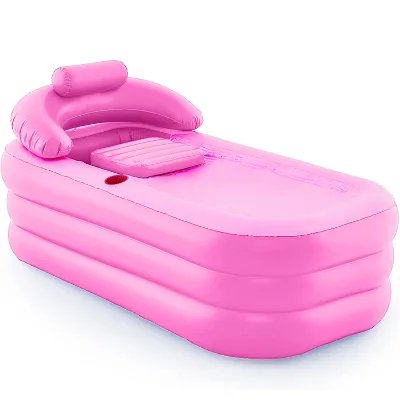
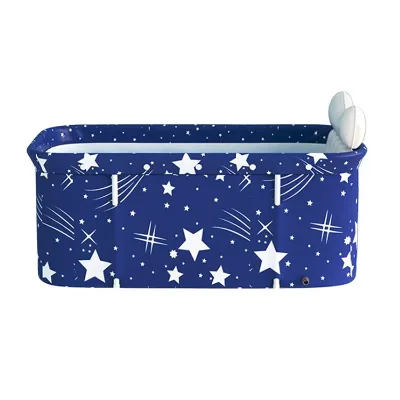
Inflatable Folding Portable Bath Tub Plastic Free Standing Bath Tub for Adults
$13.00 - $14.00
MOQ: 2000
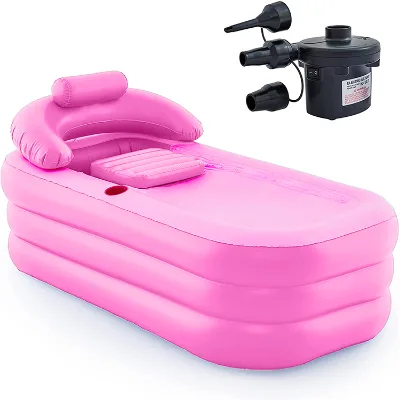
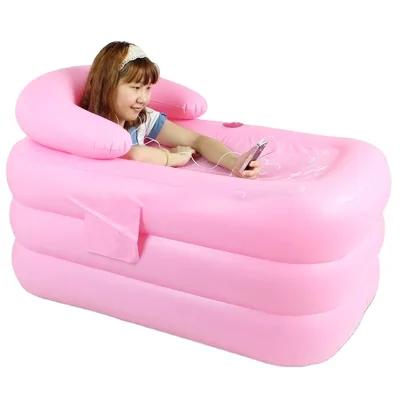
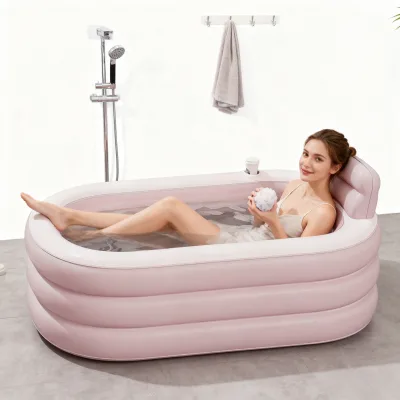
160cm Pink Inflatable Portable Bathtub for Adults Blow up Hot Tub with Electric Air Pump
$16.45 - $18.5067
MOQ: 2000 pieces
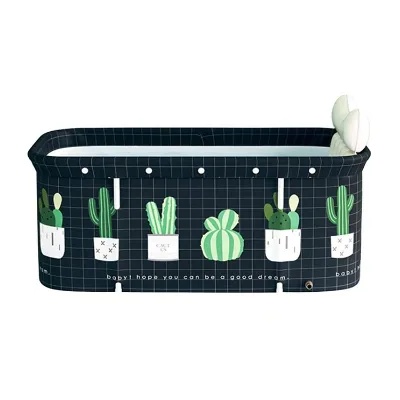
Adult Foldable Bathtub Portable Removable Lightweight and Sturdy Non-slip Cylindrical Bathtub
$16.40 - $17.99
MOQ: 2000
Sunshine Inflatable Toys Co., Ltd.
- Verified by SGS Group
- Manufacturer, Trading Company
- Lead time38 days
- Avg. response≤ 4h
Main productsPool Floats, Inflatable Pool, Air Bed, Air Sofa, Inflatable Boat
Main marketsNorth America(60%), Domestic Market(11%), Western Europe(10%)

MAX (HK) INDUSTRIAL CO., LIMITED
- Verified by SGS
- Trading Company,Manufacturer/Factory,Group Corporation
- China Guangdong
- Lead time23 days
- Avg. response≤ 2h
Main productsInflatable Promotion Items, Inflatable Pool Float, Inflatable Swimming Tools, Inflatable Hot Air Balloon, Mascot Costume, Inflatable Sofa or Furniture, Inflatable Moon House Bouncer, Inflatable Castle and Sports Game, Inflatable Commerical Ad Display, Inflatable Outdoor Camping Prodcuts
Main marketsSouth America,Eastern Europe,Mid East,North America,Southeast Asia,Eastern Asia,Oceania,Western Europe,Africa

HEFEI SMARTMAK INDUSTRIAL CO., LTD.
- Verified by BV
- Combined
- China Anhui
- Lead time30 days
- Avg. response≤ 16h
Main productskn95
Main marketsSoutheast Asia/ Mideast,East Asia(Japan/ South Korea),Europe,Australia,North America

Guangdong Quanguan Health Technology Co., Ltd.
- Verified by SGS
- Combined
- China Guangdong
- Lead time15 days
- Avg. response≤ 5h
Main marketsNorth America
Yushan Yijia Inflatable Products Co., Ltd.
- Manufacturer, Trading Company
- Lead time旺季: "1 - 1":15,"2 - 50":20,"51 - 100":25,"> 100":"To be negotiated", 淡季: "1 - 1":15,"2 - 50":20,"51 - 100":25,"> 100":"To be negotiated"
- Avg. response≤ 3h
Main productsInflatable Electric Boat,inflatable house boat with motor for water play, Ice bath tube & Accessories,SPA tub, Recovery tub for family, Inflatable water floating, Platform for pool
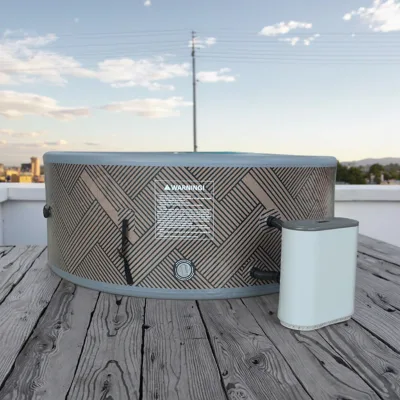
$718.2039 - $820.8044
MOQ: 1 bags
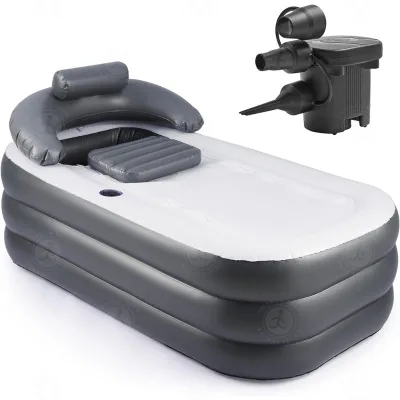
$16.417 - $20.5213
MOQ: 1 pieces

Preferential Price Pulled Silk Bathtub. Bathtub. Made of PVC Material. Portable Inflatable SPA Pool
$193.9151 - $501.7168
MOQ: 1 Minimum
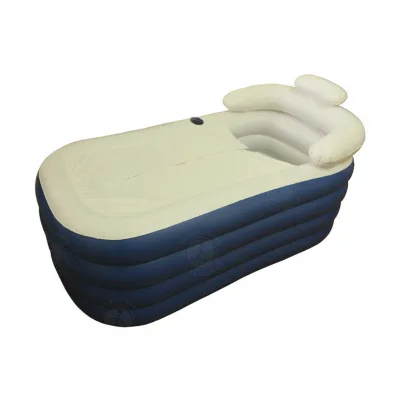
$16.5759 - $20.7192
MOQ: 1 pieces

$16.5759 - $19.6834
MOQ: 1 pieces
Hangzhou Aquila Outdoor Products Co., Ltd.
- Verified by Intertek
- Manufacturer, Trading Company
- Lead time35 days
- Avg. response≤ 8h
Main productsPaddle Board, Cold Plunge, Water Chiller, Inflatable Pool, Inflatable Mat
Main marketsNorth America(40%), Western Europe(30%), Oceania(10%)
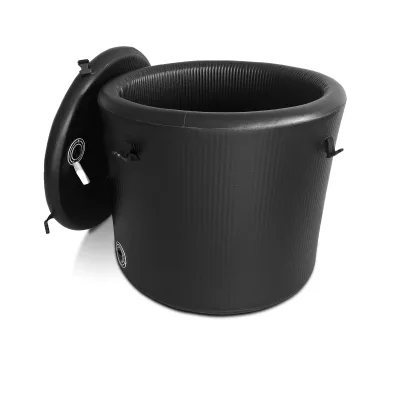
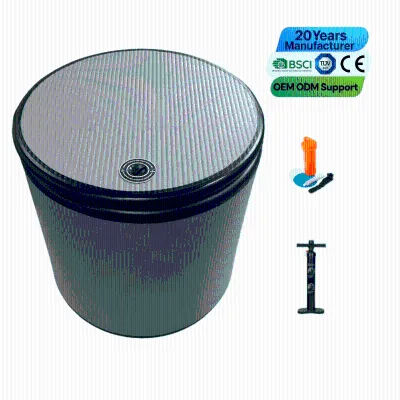
New Popular Color Ice Bathtub Foldable Small Portable Bathtub Hot Water Foldable for Adults
$69.00 - $109.00
MOQ: 50

Ningbo Wonderful Plastic Industry and Trade Co., Ltd.
- Verified by TUVRHEINLAND
- Combined
- China Zhejiang
- Lead time30 days
- Avg. response≤ 9h
Main productsAir Bed, Swimming Pool, Inflatable Boat &Kayak, Inflatable Toys, Inflatable Pool Float, Inflatable Swim Rings, Snow Tube, Inflatable Party Decoration
Main marketsNorth America


Inflatable SPA Hot Tub for Adults Portable Whirlpool Bathtub with Jets
$179.00 - $199.00
MOQ: 100 Pieces
Ningbo Ags Imp. & Exp. Co., Ltd.
- Verified by TüVRheinland
- Manufacturer, Trading Company
- Zhejiang, China
- Lead time50 days
- Avg. response≤ 3h
Main productsInflatable Pool Float, Pool Loungers, Inflatable Swimming Pool, Inflatable furniture, Airbeds
Main marketsEastern Europe(26%), North America(21%), Western Europe(17%)
Qingdao Bestway International Trade Co., Ltd.
- Trading Company
- Shandong, China
- Lead time14 days
- Avg. response≤ 5h
Main productsAirbed, Inflatable Pool, Trestle Pool, Toy, Spa
Main marketsDomestic Market(100.00%)
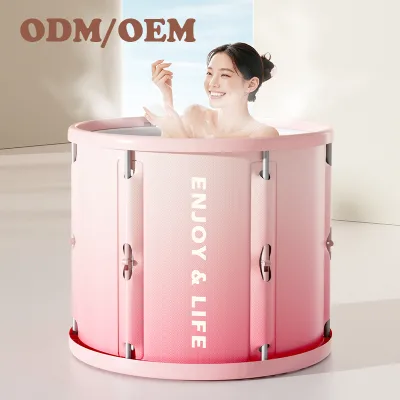
$8.0781 - $9.1004
MOQ: 1 pieces
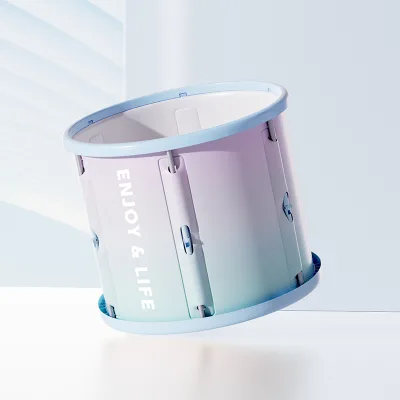
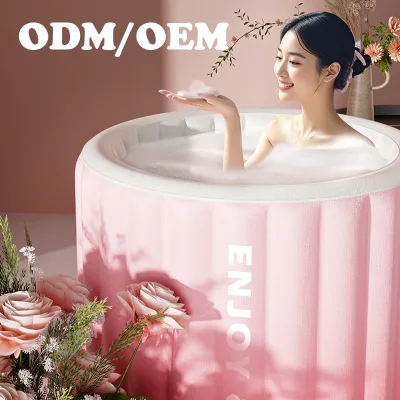
Factory Customized Adult PVC Inflatable Bathtub Folding Bathtub With Built-in air Pump 85cm X 70cm
$19.562 - $21.6216
MOQ: 1 pieces
Huizhou Alpha Sauna & Swimming Pool Equipment Co., Ltd.
- Verified by Intertek
- Manufacturer, Trading Company
- Lead time20 days
- Avg. response≤ 2h
Main productsSauna Room, Cold Plunge Chiller, Sauna Accessories, Infrared Sauna, Cold Plunge Tub
Main marketsNorth America(25%), Northern Europe(10%), Southern Europe(10%)
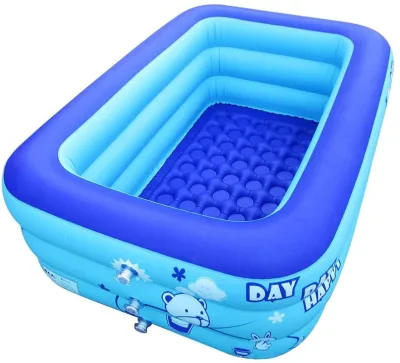
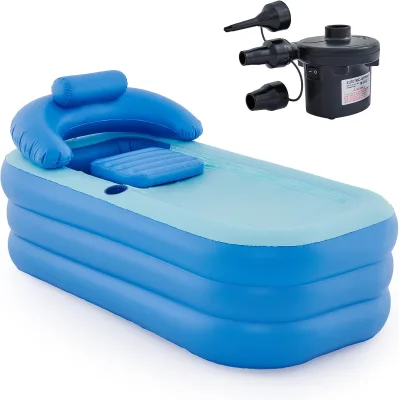
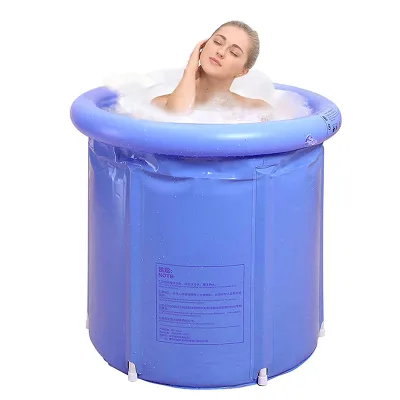
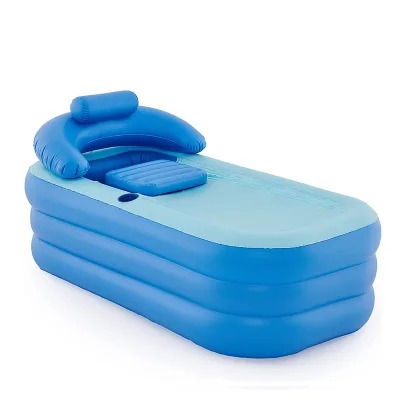




Comprehensive Sourcing Guide
Portable Inflatable Bathtub Supplier Concentration and Factory Types
The current supplier landscape for portable inflatable bathtubs reveals a distinct geographic concentration in Zhejiang, China, where many manufacturers and trading companies operate. These entities often list diverse main products including camping tents, air sofas, and above-ground pools, suggesting that inflatable bathtub production is frequently part of a broader outdoor and water sports equipment portfolio. This clustering indicates that buyers can find specialized suppliers within established manufacturing hubs that already possess the infrastructure for PVC and vinyl fabrication. The presence of trading companies in these regions implies that some suppliers may act as intermediaries, offering a wider variety of styles or customizations that might not be available from a single factory line. Understanding this dynamic helps buyers navigate between direct manufacturers who control production costs and trading companies that may provide better service flexibility or consolidated shipping options.
In contrast, other sourcing regions like Jiangxi, China, also host suppliers who identify as both manufacturers and trading companies. These entities often focus on specific product lines such as inflatable children’s toys, promotion gifts, and water float mats, which share similar material and construction techniques with portable bathtubs. The dual role of manufacturer and trader in these areas can offer buyers the advantage of direct factory pricing while retaining the logistical support of a trading entity. It is crucial to recognize that not all suppliers in these clusters will have the same capabilities; some may specialize in high-volume, low-cost items, while others might focus on premium features like integrated heating systems or smart pumps. Buyers should assess whether the supplier’s primary product focus aligns with their specific quality and volume requirements, as this often correlates with their expertise in handling the specific challenges of inflatable product manufacturing.
How to Verify Portable Inflatable Bathtub Suppliers
Verifying the legitimacy and capability of a supplier begins with examining their response time and lead time metrics, which serve as indicators of operational efficiency and reliability. For instance, some suppliers in Zhejiang demonstrate a response time of 11 hours and a lead time of 15 days, suggesting a streamlined process for order processing and production scheduling. In contrast, suppliers in Jiangxi may show a response time of 13 hours and a significantly longer lead time of 35 days, which could reflect different production capacities or supply chain complexities. Buyers should use these metrics to gauge whether a supplier can meet their specific timeline requirements, especially for time-sensitive inventory needs. A shorter lead time does not always guarantee better quality, but it often indicates a more agile production line that can adapt to changing order volumes or design modifications more quickly than slower-moving facilities.
Beyond temporal metrics, buyers must scrutinize the product evidence provided, including detailed specifications, certifications, and material descriptions. Products listed with certifications such as GS, CE, cETLus, and R-TICK indicate that the supplier has undergone rigorous testing for electrical and safety standards, which is particularly important for inflatable bathtubs with integrated heating elements or pumps. Buyers should verify that the stated certifications match the specific model numbers and power ratings provided, such as a 650W bubble power or specific voltage requirements for different markets. Additionally, examining the material composition, such as eco-friendly PVC or specific thicknesses, helps ensure the product meets durability expectations. Buyers should request documentation or test reports to confirm these claims, as relying solely on product listings without verification can lead to compliance issues or product failures in the target market.
What to Compare Across Portable Inflatable Bathtub Suppliers
When evaluating multiple suppliers, comparing minimum order quantities (MOQ) is essential for aligning procurement strategies with budget and storage constraints. Some suppliers offer an MOQ of 300 units, which may be suitable for smaller retailers or those testing new market segments, while others require an MOQ of 1000 units, catering to larger distributors or those seeking economies of scale. This disparity in MOQs can significantly impact the initial investment required and the risk associated with inventory holding. Buyers should also consider suppliers with lower MOQs, such as those requiring only 10 units, which might be ideal for sample orders or niche product launches, although these may come with higher per-unit costs. Understanding these thresholds helps buyers determine which suppliers can accommodate their current order volume without forcing them to overstock or underutilize production capacity.
Price comparison is another critical factor, but it must be analyzed in conjunction with product features and specifications. The price range for basic inflatable bathtubs can vary from approximately $16.90 to $17.50 per unit, reflecting simpler designs with standard materials. In contrast, more advanced models with features like heating systems, smart pumps, or larger dimensions can command prices upwards of $249.25 or even $399.80 per unit. Buyers should ensure they are comparing equivalent product tiers when evaluating quotes, as a lower price on a basic model may not be directly comparable to a higher price on a premium model with additional functionalities. Additionally, buyers should inquire about customization costs, such as for logos or specific colors, as these can add to the overall unit cost. A comprehensive comparison should also include the supplier’s main products to assess if they offer complementary items that could simplify logistics or enhance the overall product offering.
Common Portable Inflatable Bathtub Sourcing Risks
One significant risk in sourcing portable inflatable bathtubs is the potential mismatch between advertised specifications and actual product performance, particularly regarding material durability and leak resistance. Products described as having eco-friendly PVC or specific thicknesses may vary in quality across different production batches or even between different suppliers claiming similar attributes. Buyers must be cautious of suppliers who do not provide detailed material certifications or who use vague terms like "high quality" without substantiating data. This lack of transparency can lead to receiving products that fail under normal use, resulting in high return rates and damage to brand reputation. To mitigate this risk, buyers should prioritize suppliers who provide clear material specifications and are willing to share test results or third-party verification of their product claims.
Another risk involves the complexity of electrical components in heated or smart inflatable bathtubs, which introduces safety and compliance challenges. Products with integrated pumps or heating elements require specific certifications for the target market, such as CE for Europe or UL for the United States. If a supplier claims to have these certifications but fails to provide valid documentation or if the certifications do not match the specific model’s power rating, the buyer faces significant regulatory risks. Additionally, the variability in response times and lead times can disrupt supply chain planning, especially if a supplier experiences unexpected delays. Buyers should establish clear communication channels and request regular updates on production status to manage these risks effectively. Understanding these potential pitfalls allows buyers to implement stricter due diligence processes and contractual safeguards to protect their interests.
Portable Inflatable Bathtub Regional Sourcing and Logistics
Sourcing from Zhejiang, China, offers logistical advantages due to its status as a major manufacturing and export hub, with well-established infrastructure for shipping and customs clearance. Suppliers in this region often benefit from proximity to major ports, which can reduce transit times and shipping costs for international buyers. The concentration of trading companies and manufacturers in Zhejiang also means that buyers may have access to a wider range of logistics solutions, including consolidated shipping options that can lower per-unit freight costs. However, buyers should still verify the specific shipping terms offered by each supplier, as some may quote FOB prices while others offer CIF or DDP terms. Understanding these logistics nuances helps buyers accurately calculate the total landed cost of their products and plan their inventory replenishment cycles accordingly.
In contrast, sourcing from Jiangxi, China, may present different logistical considerations, as this region is less known for large-scale export infrastructure compared to Zhejiang. Suppliers here may have longer lead times, as observed with a 35-day lead time, which could impact the speed of product delivery to global markets. Buyers should assess whether the potential cost savings or unique product offerings from Jiangxi suppliers justify the longer transit times and potential logistical complexities. Additionally, buyers should consider the supplier’s experience with international shipping, as some manufacturers may not have the same level of expertise in handling export documentation and customs procedures as established trading companies. Evaluating these regional differences helps buyers make informed decisions about where to source their products based on their specific logistical needs and risk tolerance.
Portable Inflatable Bathtub Commercial Terms and Order Planning
Understanding the payment terms offered by suppliers is crucial for managing cash flow and mitigating financial risk. Many suppliers require a deposit structure, such as a 30% deposit with the remaining 70% balance paid before shipment, which is a common practice in the industry. Buyers should ensure they have a clear understanding of these terms and negotiate favorable conditions if possible, such as accepting payment via secure methods like escrow or letter of credit for larger orders. Additionally, buyers should inquire about the supplier’s policy on sample orders, including whether samples are free or charged, and if the sample cost can be credited against the bulk order. This information helps buyers plan their initial investment and assess the total cost of acquiring a new product line.
Order planning should also account for the supplier’s production capacity and supply ability, which can impact the scalability of the business. Suppliers may advertise a supply ability of 200,000 pieces per month, indicating a robust production line capable of handling large orders. However, buyers should verify this capacity through direct communication or by requesting references from other clients. Additionally, buyers should consider the supplier’s flexibility in handling custom orders, such as OEM or ODM services, which can be valuable for creating unique product offerings. By carefully evaluating these commercial terms and production capabilities, buyers can develop a robust sourcing strategy that aligns with their business goals and ensures a steady supply of high-quality portable inflatable bathtubs.
FAQs
What is the typical lead time for portable inflatable bathtubs?
The typical lead time for these products is 15 days from order confirmation. Some manufacturers in Jiangxi may require up to 35 days for production. Buyers should confirm specific timelines with the supplier before placing bulk orders to ensure timely delivery.
What are the minimum order quantities for inflatable bathtubs?
Minimum order quantities vary significantly by supplier and product model. Some listings require 300 units, while others set the threshold at 1000 pieces. A few suppliers offer lower MOQs of 10 units for specific high-demand items. Always verify the exact requirement for your chosen product.
Which certifications are available for high-quality spa bathtubs?
High-quality spa bathtubs often carry GS, CE, cETLus, and R-TICK certifications. These standards ensure safety and compliance for international markets. Buyers should request valid certification documents from the supplier to confirm that the specific model meets the required regulatory standards for their region.
Where are the main manufacturers of these bathtubs located?
Most manufacturers are located in Zhejiang and Jiangxi provinces in China. These regions specialize in producing PVC inflatable products like bathtubs and pools. Buyers can filter search results by these locations to find suppliers with established manufacturing capabilities and supply chains for these specific items.
What payment terms are commonly used for these orders?
Common payment terms include a 30% deposit with the remaining 70% balance paid before shipment. This T/T arrangement is standard for many trading companies and manufacturers. Buyers should confirm the exact payment schedule and method with the supplier to ensure secure transaction terms.
How fast do suppliers typically respond to inquiries?
Suppliers typically respond within 11 to 13 hours after receiving an inquiry. This response time indicates active engagement and readiness to discuss product details. Buyers can expect quicker communication from suppliers with shorter response times listed in their profiles.
What materials are used to make these portable bathtubs?
These bathtubs are primarily made from Eco-friendly PVC material. This material ensures durability and flexibility for repeated use. Some products feature specific colors like blue or dark green. Buyers should check the product attributes to confirm the material quality and safety for their intended use.