Internal Pressurization Testing Instrument Suppliers and Manufacturers
Compare 16 verified suppliers of Internal Pressurization Testing Instrument from China Zhejiang, Shandong, and Hebei. Review response times, lead times, certifications, and product specifications to select the right partner for your testing needs; review the available evidence before requesting comparable quotations from suitable candidates.
Updated
Suppliers List

Hangzhou Changniu Technology Co., Ltd.
- Verified by SGS
- Combined
- China Zhejiang
- Lead time15 days
- Avg. response≤ 6h
Main productsDynamometer, Motor Test Bench, Motor Test System, Parameter Measuring Instrument, Motor Stator Test Equipment, Water Pump Test System, Motor Life Test System, Motor Rotor Test Equipment, Hysteresis Dynamometer, Wind Turbine Test System
Main marketsDomestic

Shandong Terek Fluid Technology Equipment CO., LTD
- Verified by TUVRHEINLAND
- Trading Company
- China Shandong
- Lead time15 days
- Avg. response≤ 4h
Main productsBooster Pump, Pneumatic Booster Pump, Hydrostatic Test Bench and Burst Test Equipment, Safety Valve Test Machine, Pressure Test Equipment
Main marketsSoutheast Asia/ Mideast,Europe

Hydrostatic Testing Equipment Liquid Pressurized Testing with Digital Pressure Meter
$2200.00
MOQ: 3 Pieces


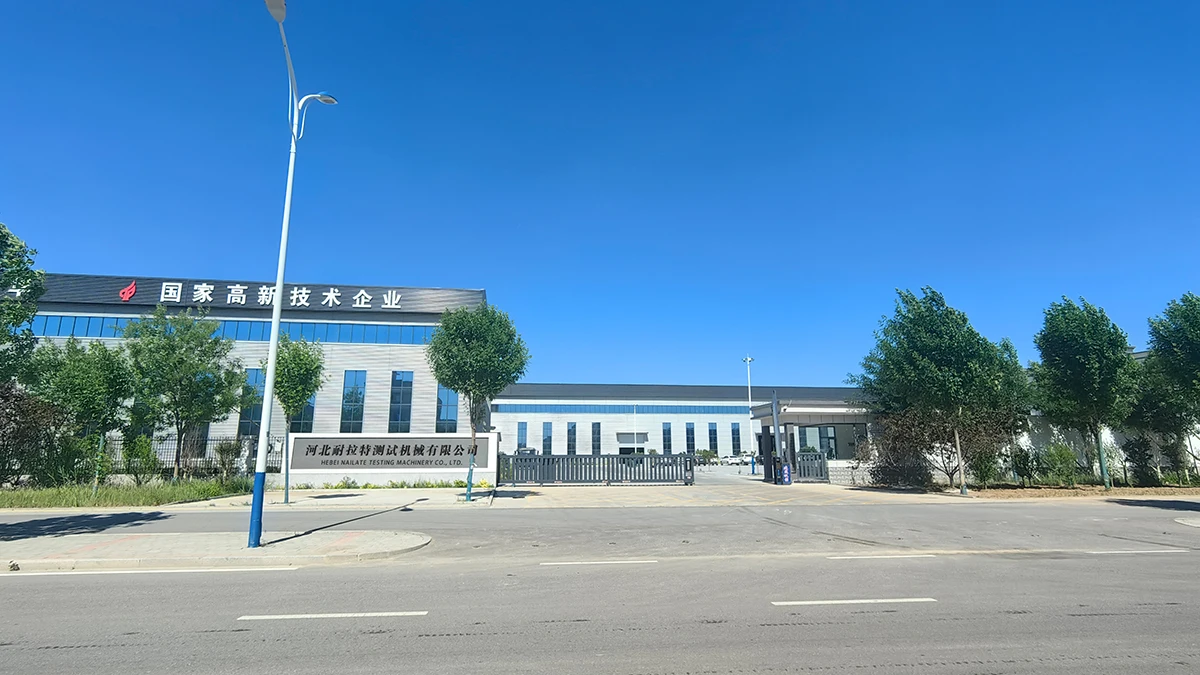
Hebei Nailat Testing Machinery Co., Ltd.
- Manufacturer, Trading Company
- Hebei, China
- Lead time45 days
- Avg. response≤ 1h
Main productsInstrumentation,Testing machine production and sales,Production and sales of machinery and equipment,Electrical machinery and equipment manufacturing,Hardware Electromechanical
Main marketsSouth Asia(20.00%), Central America(20.00%), Mid East(20.00%), Southeast Asia(20.00%), North America(20.00%)

Xi'an Yunyi Instrument Co., Ltd.
- Verified by TUVRHEINLAND
- Combined
- China Shaanxi
- Lead time15 days
- Avg. response≤ 8h
Main productsPressure Transmitter, Pressure Gauge, Temperature Products, Level Meter, Flow Meter, Pressure Calibrator, Piston Dead Weight Teste, Density Meter, Analysis Instrument, Load Cell
Main marketsSouth America,Africa,Southeast Asia/ Mideast,Europe

Precision Digital Pressure Measurement Instruments for Pharmaceutical Applications
$100.00 - $134.00
MOQ: 1 pieces

Precision Hydraulic Pressure Calibration Instrument for Optimal Field Performance
$1400.00 - $1840.00
MOQ: 1 Sets

Xianxian Rushi Technology Co., Ltd.
- Trading Company
- Hebei,, China
- Lead time5 days
- Avg. response≤ 2h
Main productsNon-destructive testing instruments,Compression-testing machine,Universal testing machine,Concrete testing instrument,Mortar testing instrument
Main marketsDomestic Market(70.00%), Eastern Europe(7.00%), South Asia(4.00%), North America(3.00%), Central America(3.00%), Africa(2.00%), South America(2.00%), Western Europe(2.00%), Eastern Asia(2.00%), Mid East(2.00%), Northern Europe(1.00%), Southeast Asia(1.00%), Southern Europe(1.00%)

Jiangsu Wallong-Hsin Machinery Engineering Corporation Ltd.
- Combined
- China Jiangsu
- Lead time45 days
- Avg. response≤ 6h
Main productsUniversal Testing Machine, Test Equipment, Rolling Elements, Transmission Parts, Harvesting Machine, Planting Machine, Agricultural Hub, Pneumatic Actuator, Bearing, Saddle Valve Pairs
Main marketsSouth America,Africa,Southeast Asia/ Mideast,East Asia(Japan/ South Korea),Domestic,Europe,Australia,North America
Dongguan Zhongli Instrument Technology Co., Ltd.
- Trading Company
- Lead time旺季: "1 - 1":14,"> 1":"To be negotiated", 淡季: "1 - 1":14,"> 1":"To be negotiated"
- Avg. response≤ 2h
Main productsRheometer Machine For Rubber, Tensile Strength Tester, Banbury Mixer, Roll Open Mixing Mill, Climatic Temperature Humidity Tester

Dongguan Wirecan Technology Co., Ltd.
- Verified by TUVRHEINLAND
- Trading Company
- China Guangdong
- Lead time15 days
- Avg. response≤ 3h
Main productsCable Machine, Optical Cable Machine, Stranding Machine, Bunching Machine, Wire and Cable Testing Machine, Optical Cable Testing Machine, Copper Wire Drawing Machine, Twisting Machine, Wire Machine, Extrusion Machine
Main marketsSoutheast Asia/ Mideast,Europe

Jiangsu Exact Instrument Technology Co., Ltd.
- Combined
- China Jiangsu
- Lead time30 days
- Avg. response≤ 2h
Main productsPressure Gauge, Manometer, Thermometer, Temperature Gauge, Liquid Filled Pressure Gauge, Oil Pressure Gauge, Thermo-Manometer, Gas Pressure Gauge, Hydraulic Pressure Gauge, Bimetal Thermometer
Main marketsSouth America,Africa,Southeast Asia/ Mideast,East Asia(Japan/ South Korea),Domestic,Europe,Australia,North America
Cangzhou Oubeiruike Instrument And Equipment Co., Ltd.
- Verified by Intertek
- Trading Company
- Lead time20 days
- Avg. response≤ 1h
Main productsClimate Chamber, Ring & Ball Apparatus, Concrete Test Hammer
Main marketsMid East(30%), Southeast Asia(25%), Eastern Asia(15%)
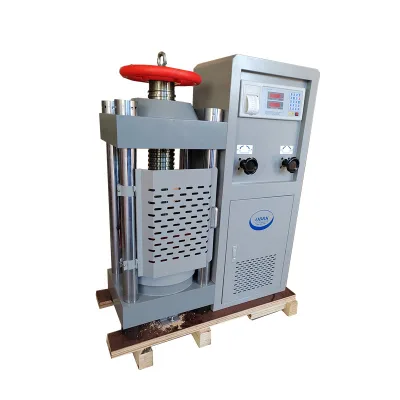
Building Material/ Civil Compression Testing Machine
$1450.00 - $1550.00
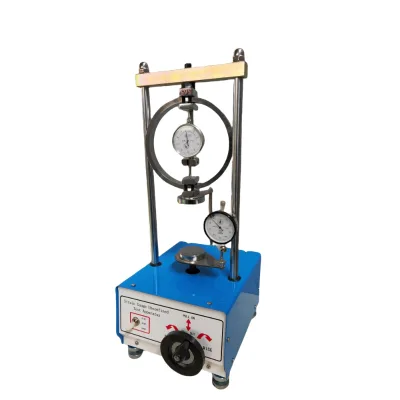
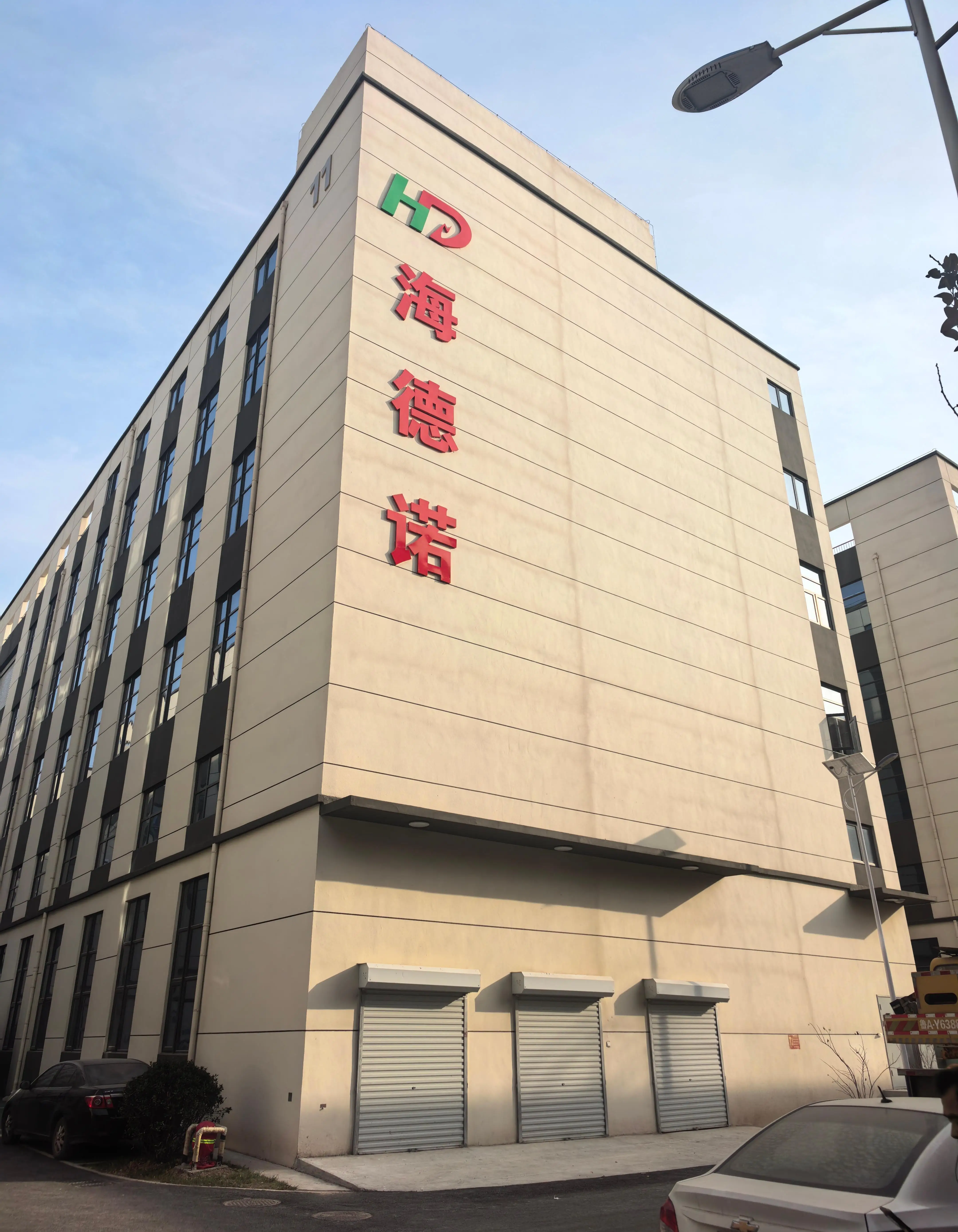
Jinan Haideno Machinery Automation Co., Ltd.
- Manufacturer, Trading Company
- Shandong, China
- Lead time30 days
- Avg. response≤ 2h
Main productsGas cylinder testing equipment,Gas cylinder filling equipment,Pressure testing equipment,Valve testing equipment,Gas cylinder handling equipment
Main marketsDomestic Market(49.00%), Africa(10.00%), South America(7.00%), Eastern Europe(6.00%), Eastern Asia(6.00%), Western Europe(5.00%), Mid East(5.00%), North America(5.00%), Southeast Asia(4.00%), Oceania(3.00%)
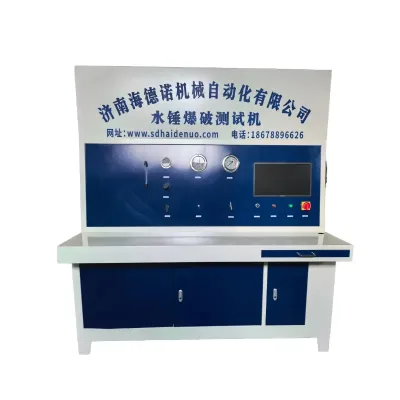
$7500.00 - $8000.00
MOQ: 1 sets
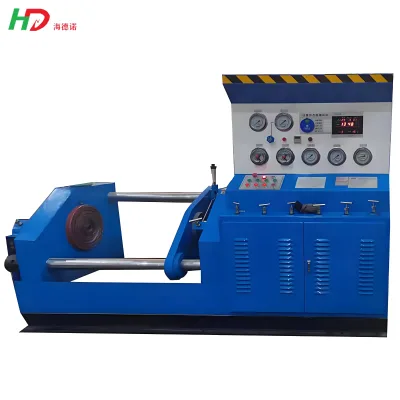
$11000.00 - $11800.00
MOQ: 1 sets
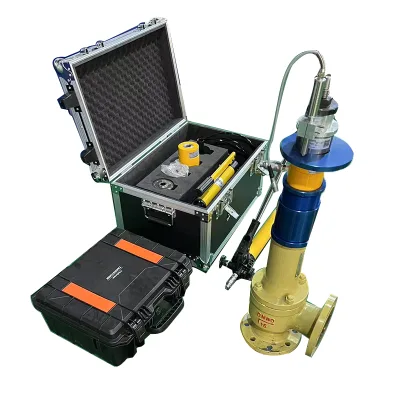
$15000.00 - $19000.00
MOQ: 1 sets
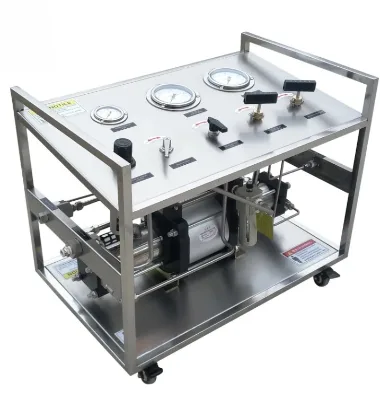
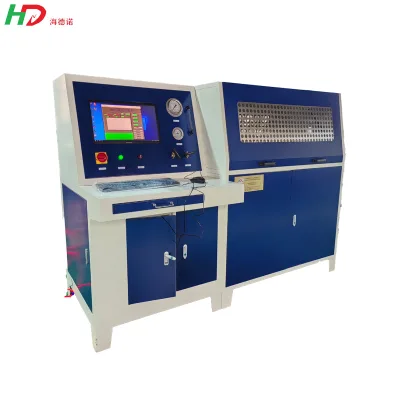
Hot Professional Cheap Wholesale the Test of the Workpiece Hydraulic Pressure Test Equipment
$5800.00 - $8000.00
MOQ: 1 sets
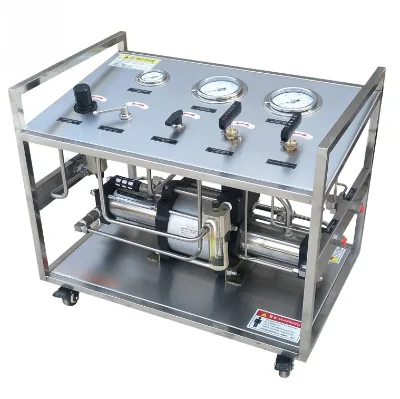

Wuxi Marley Technology Co., Ltd.
- Verified by TUVRHEINLAND
- Manufacturer/Factory
- China Jiangsu
- Lead time30 days
- Avg. response≤ 1h
Main productsCooling Tower, Closed Cooling Tower, Cross Flow Cooling Tower, Hydro Testers, Water Cooling Tower, Pipe Testing Machine, Closed Circuit Cooling Tower, Hydro Testing Machine, Pipe Hydro Testing Machine
Main marketsSouth America,Eastern Europe,Mid East,North America,Southeast Asia,Eastern Asia,Oceania,Western Europe,Africa


Hydrostatic Pressure Testing Equipment with Pipe Hydrostatic Testing
$13000.00 - $150000.00
MOQ: 1 Sets

Provide Hydrostatic Pressure Testing Equipment for Steel Pipe Factories
$3000.00 - $80000.00
MOQ: 1 Sets


Changshu Evergrande Imp. & Exp. Co., Ltd.
- Verified by TUVRHEINLAND
- Trading Company
- China Jiangsu
- Lead time30 days
- Avg. response≤ 7h
Main productsMetal Etching Panels and Parts, Vegetable Parchment Paper, Tool Carts and Cabinets, Industrial Carpets and Floorings, Spinpack Parts and Accessories
Main marketsEurope

Shandong Seaco Machinery Equipment Co., Ltd.
- Verified by TUVRHEINLAND
- Trading Company
- China Shandong
- Lead time15 days
- Avg. response≤ 5h
Main productsOil Equipment, Drilling Tool, Rig, Wellhead Equipment, Steel Tubing Casing, Drill Pipe, Oil Extraction Machinery and Accessories, Valves and Fittings, Marine Spare Parts
Main marketsEurope

Jiangsu Bohui Machinery Co., Ltd.
- Verified by SGS
- Trading Company,Manufacturer/Factory
- China Jiangsu
- Lead time45 days
- Avg. response≤ 2h
Main productsPressure Test Pump, Pipe Stand, Pipe Vise, Work Bnech, Pipe Test Pump
Main marketsSouth America,Eastern Europe,North America,Southeast Asia,Eastern Asia,Oceania,Western Europe,Africa

Hand Pump Pressure Test Pump Water Pressure Test Equipment Testing Pipe Pressure
$63.00 - $68.00
MOQ: 20 Pieces


Anhui Hechuang Intelligent Manufacturing Co. Ltd
- Verified by SGS
- Combined
- China Anhui
- Lead time15 days
- Avg. response≤ 2h
Main productsDifferential Pressure Transmitter, Pressure Transmitter, Temperature Transmitter, Electromagnetic Flowmeter, Magnetic Level Gauge, Bimetallic Thermometer, Differential Pressure Switch, Sensor, Float Level Gauge, Vortex Flowmeter
Main marketsDomestic


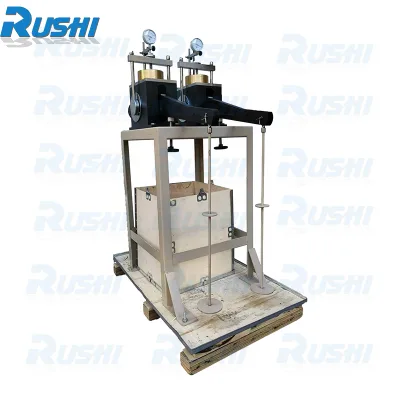
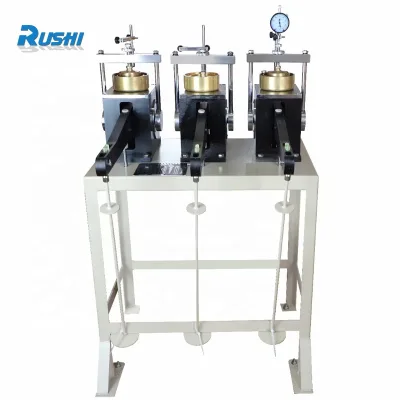
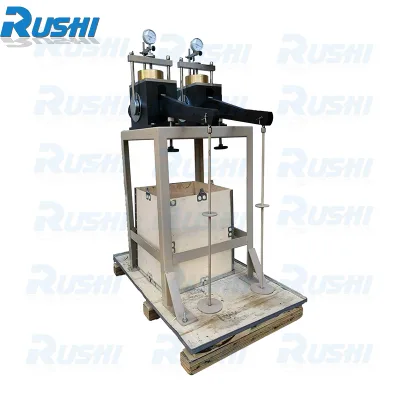


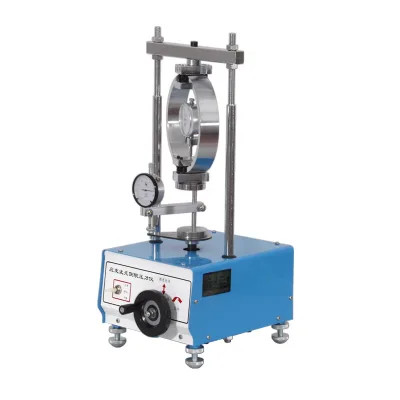


Comprehensive Sourcing Guide
Internal Pressurization Testing Instrument Supplier Concentration and Factory Types
The current supplier landscape for internal pressurization testing instruments reveals a distinct geographic concentration in China, with active manufacturing and trading entities located in Zhejiang, Shandong, and Hebei provinces. This regional clustering suggests established industrial ecosystems where specialized equipment for motor testing, pump performance evaluation, and hydraulic pressure measurement are commonly produced. Buyers seeking these specific instruments should recognize that suppliers in Zhejiang often focus on integrated systems such as motor test benches and parameter measuring instruments, while those in Shandong may emphasize pneumatic and hydrostatic testing equipment like booster pumps and safety valve testers. Hebei-based suppliers appear to offer a mix of instrumentation and universal testing machines, indicating a diverse range of capabilities within the same province. Understanding these regional specializations helps buyers narrow their search to suppliers whose core product lines align with their specific technical requirements for internal pressurization testing.
Supplier types in this sector vary significantly, ranging from combined entities that handle both manufacturing and trading to pure trading companies and dedicated manufacturers. The presence of combined companies suggests a vertical integration that may offer streamlined communication and potentially faster turnaround for customized orders, as they control both production and sales channels. Trading companies, on the other hand, might provide a broader portfolio of testing instruments from multiple factories, offering flexibility in sourcing different components or systems. Manufacturers, particularly those in Hebei, often highlight their ability to produce universal testing machines and laboratory pressure measurement instruments, indicating a strong focus on precision engineering and direct factory pricing. Buyers should evaluate whether they prefer the direct oversight of a manufacturer or the diversified inventory and market access provided by trading companies, as this choice impacts lead times, customization options, and overall supply chain resilience for internal pressurization testing needs.
How to Verify Internal Pressurization Testing Instrument Suppliers
Verifying the credibility of suppliers for internal pressurization testing instruments requires a multi-layered approach that goes beyond basic company profiles. Buyers should prioritize suppliers who have undergone third-party verification processes, such as those conducted by SGS or TÜV Rheinland, as these audits provide an independent assessment of the supplier’s operational capabilities and business legitimacy. For instance, some suppliers in the current results have been verified by SGS, indicating a level of scrutiny regarding their manufacturing processes and quality management systems. Additionally, checking for system certifications like ISO9001:2015 is crucial, as it demonstrates a commitment to standardized quality control procedures that are essential for producing reliable testing equipment. Buyers should request copies of these certificates and verify their validity through the issuing bodies to ensure that the supplier maintains ongoing compliance with international quality standards.
Beyond certifications, buyers should assess the supplier’s response time and communication efficiency, as these factors often reflect their operational maturity and customer service orientation. Suppliers with faster response times, such as those reporting under four hours, may indicate a more agile and responsive organization capable of addressing technical queries and order inquiries promptly. It is also important to verify the supplier’s main product focus to ensure they specialize in internal pressurization testing rather than offering it as a peripheral item. Buyers should examine the detailed product specifications, such as accuracy ratings, power sources, and control methods, to confirm that the supplier’s equipment meets their specific technical requirements. Engaging in direct communication to ask detailed questions about their testing protocols and quality assurance processes can further reveal the supplier’s expertise and reliability in the field of internal pressurization testing.
What to Compare Across Internal Pressurization Testing Instrument Suppliers
When evaluating multiple suppliers for internal pressurization testing instruments, buyers must compare key operational metrics such as lead times, minimum order quantities (MOQs), and pricing structures to determine the best fit for their procurement strategy. Lead times can vary significantly, with some suppliers offering rapid delivery windows of around 15 days, while others may require up to 45 days for production and shipping. This variance is often influenced by the supplier’s location, production capacity, and whether the equipment is stocked or made-to-order. Buyers should also pay close attention to MOQs, which can range from single-unit orders to larger batches, impacting inventory management and cash flow. Suppliers with lower MOQs may be more suitable for small-scale testing projects or initial pilot runs, whereas those with higher MOQs might offer better economies of scale for large-scale industrial deployments.
Pricing and customization options are another critical dimension for comparison, as they directly affect the total cost of ownership and the suitability of the equipment for specific applications. Prices for internal pressurization testing instruments can vary widely, from affordable handheld devices to complex, computer-controlled test benches, depending on the level of precision and functionality required. Buyers should compare not only the base price but also the cost of additional features such as LCD displays, digital controls, and specific accuracy ratings. Customization capabilities, including OEM and ODM services, should also be evaluated, as some suppliers may offer tailored solutions to meet unique testing requirements. By systematically comparing these factors, buyers can identify suppliers that offer the best balance of cost, speed, and technical capability for their internal pressurization testing needs.
Common Internal Pressurization Testing Instrument Sourcing Risks
Sourcing internal pressurization testing instruments carries inherent risks related to product quality, technical compatibility, and after-sales support that buyers must proactively manage. One significant risk is the potential discrepancy between advertised specifications and actual performance, particularly regarding accuracy ratings and durability under high-pressure conditions. Buyers should be cautious of suppliers who do not provide detailed technical documentation or third-party test reports for their equipment, as this may indicate a lack of rigorous quality control. Additionally, the complexity of internal pressurization testing systems, which often involve integrated software, hydraulic components, and precision sensors, increases the risk of technical incompatibility with existing laboratory or production infrastructure. Buyers must ensure that the supplier’s equipment can seamlessly integrate with their current systems and that they have access to comprehensive technical support for installation and troubleshooting.
Another common risk is the variability in supplier reliability and financial stability, which can impact delivery schedules and long-term service commitments. Suppliers with inconsistent response times or limited verification credentials may pose a higher risk of delays or poor communication throughout the procurement process. Buyers should also consider the risk of intellectual property infringement if they require customized solutions, as not all suppliers may have robust IP protection policies in place. Furthermore, the lack of standardized packaging or shipping protocols for sensitive testing equipment can lead to damage during transit, resulting in additional costs and project delays. To mitigate these risks, buyers should conduct thorough due diligence, request references from previous clients, and establish clear contractual terms that define quality standards, delivery timelines, and liability for damages or defects.
Internal Pressurization Testing Instrument Regional Sourcing and Logistics
The geographic location of suppliers significantly influences logistics costs, delivery times, and regulatory compliance for internal pressurization testing instruments. Suppliers located in China, particularly in provinces like Zhejiang, Shandong, and Hebei, benefit from well-established manufacturing clusters and efficient export infrastructure, which can facilitate faster and more cost-effective shipping to international buyers. However, buyers must also consider the specific logistics requirements of heavy and sensitive testing equipment, which often requires specialized packaging such as wooden crates or dust-free packaging to prevent damage during transit. The origin of the product, whether it is Hangzhou, Jinan, or another city, can also impact the availability of local freight forwarders and the ease of customs clearance in the buyer’s country. Understanding these logistical nuances helps buyers plan their supply chain more effectively and avoid unexpected delays or additional costs.
Regulatory and compliance considerations also vary by region, affecting the import and use of internal pressurization testing instruments in different markets. Buyers should verify that the supplier’s equipment meets the relevant safety and performance standards required in their country, such as CE marking for European markets or UL certification for North America. Suppliers who have obtained international certifications like ISO9001:2015 are more likely to have processes in place to ensure their products comply with global standards, reducing the risk of customs holds or rejection upon arrival. Additionally, buyers should be aware of any trade restrictions or tariffs that may apply to testing equipment imported from specific regions, as these can significantly impact the total landed cost. By carefully evaluating the regional sourcing and logistics aspects, buyers can optimize their procurement strategy and ensure a smooth transition from supplier selection to equipment deployment.
Internal Pressurization Testing Instrument Commercial Terms and Order Planning
Effective order planning for internal pressurization testing instruments requires a clear understanding of commercial terms, payment structures, and warranty policies to protect the buyer’s investment. Buyers should negotiate favorable payment terms, such as partial upfront payments with the balance due upon shipment or delivery, to mitigate financial risk while ensuring supplier commitment. It is also crucial to clarify the warranty period and coverage, as testing equipment often involves complex components that may require specialized maintenance or replacement parts. Suppliers who offer a one-year warranty or longer demonstrate confidence in their product quality and provide buyers with a safety net against early failures. Additionally, buyers should inquire about the availability of spare parts and technical support services, as these are essential for maintaining the long-term reliability and performance of internal pressurization testing instruments.
Customization and after-sales service are key commercial considerations that can significantly impact the total cost of ownership and operational efficiency. Buyers should assess whether the supplier offers comprehensive training and installation services, particularly for complex systems like computer-controlled test benches or hydraulic pressure testers. Clear communication regarding customization options, such as specific accuracy requirements or integration with existing software, should be documented in the purchase agreement to avoid misunderstandings. Buyers should also establish a clear protocol for handling defects or performance issues, including return policies and repair timelines. By carefully planning the commercial terms and order logistics, buyers can ensure a smooth procurement process and maximize the value and reliability of their internal pressurization testing instruments.
FAQs
What is the price range for internal pressurization testing instruments?
Prices for these instruments vary significantly based on complexity and capacity. Basic pressure head measuring instruments start around $500, while comprehensive pump performance testing benches can reach $12,000. Safety valve testers and hydraulic kits typically range from $1,700 to $2,200. Universal testing machines may cost between $3,300 and $3,600. Buyers should verify specific model pricing for accurate budgeting.
What are the typical lead times for manufacturing these instruments?
Manufacturing lead times depend on the supplier type and product complexity. Some suppliers offer a standard lead time of 15 days for certain testing systems. Others, particularly those handling universal testing machines or custom configurations, may require up to 45 days. Buyers should confirm exact delivery schedules with suppliers before placing orders to ensure project timelines are met.
What is the minimum order quantity for these testing instruments?
Minimum order quantities vary by product type. Some pressure head measuring instruments have an MOQ of just one unit, allowing for single purchases. However, specialized equipment like hydrostatic testing equipment may require a minimum order of three units. Buyers should check the specific MOQ for each product listing to understand purchasing requirements and potential bulk discounts.
Are these instruments certified and verified by third parties?
Many suppliers hold ISO9001:2015 system certifications for quality management. Verification services such as SGS and TÜV Rheinland are also utilized to validate supplier credentials and product standards. Buyers should request certification documents and verification reports to ensure compliance with international quality and safety standards before finalizing procurement decisions.
Where are these testing instruments typically manufactured?
These instruments are primarily manufactured in China, with key production hubs in Zhejiang, Shandong, and Hebei provinces. Specific origins include Hangzhou and Jinan. Buyers can filter suppliers by location to assess logistics costs and regional manufacturing capabilities. Verifying the place of origin ensures alignment with sourcing preferences and supply chain requirements.
What accuracy levels do these pressure testing instruments offer?
Accuracy varies by instrument type. Pressure head testers often feature measurement accuracies of positive and negative 0.2%. Pump performance benches typically offer flow accuracy of 0.5% and pressure accuracy of 0.2%. Universal testing machines provide high-precision electronic measurements. Buyers should review specific accuracy specifications to ensure the instrument meets their testing precision requirements.