Laser Effect Moving Beam Lights Suppliers and Manufacturers
Compare 20 verified Laser Effect Moving Beam Lights suppliers in Guangdong, China based on response times, lead times, certifications, and warranty terms. Review product specifications like IP ratings and power options before contacting factories for quotes; review the available evidence before requesting comparable quotations from suitable candidates.
Updated
Suppliers List
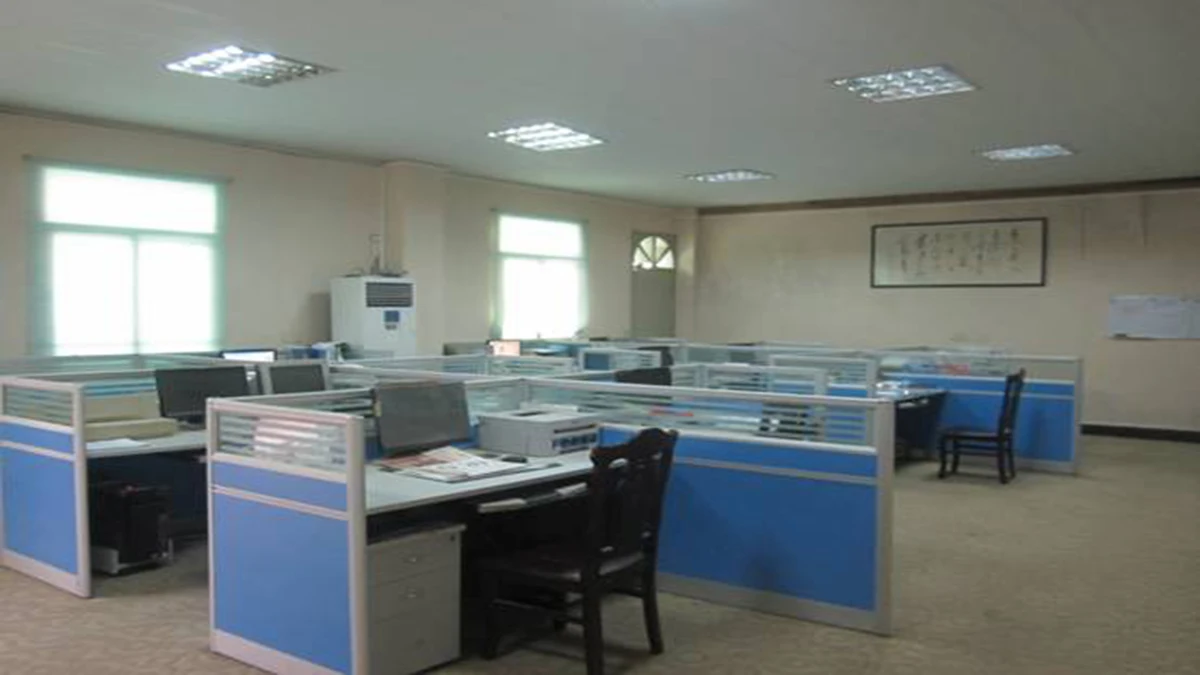
Guangzhou Maky Stage Light Co., Ltd.
- Manufacturer
- Guangdong, China
- Lead time10 days
- Avg. response≤ 1h
Main productsLED Par,LED battery power&wireless DMX Par,LED Moving head light,Moving head light,LED Effect light
Main marketsCentral America(25.00%), South America(25.00%), North America(25.00%), Oceania(15.00%), Mid East(5.00%), South Asia(3.00%), Southern Europe(2.00%)
Guangdong Knight Photoelectric Technology Co., Ltd.
- Verified by Intertek
- Manufacturer, Trading Company
- Lead time0 days
- Avg. response≤ 2h
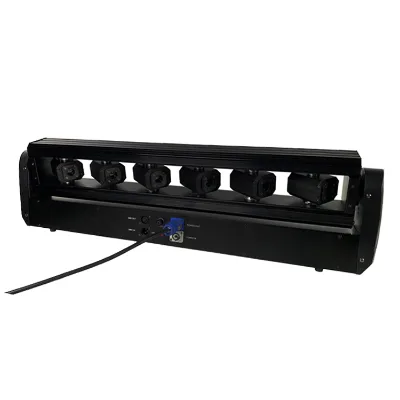
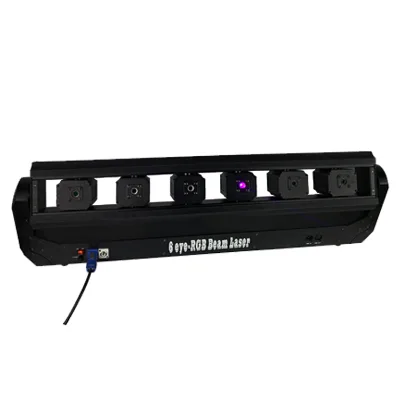
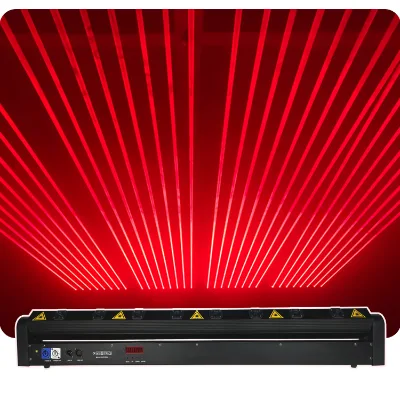
Main productsIndoor Laser, Outdoor Laser, Build In FB4, Laser Beam Bar, OEM Laser
Main marketsNorth America(30%), Southeast Asia(15%), South America(5%)
Qingyuan Xingxi Optoelectronic Technology Co., Ltd.
- Manufacturer
- Guangdong, China
- Lead time15 days
- Avg. response≤ 7h
Main productsLED par light,Moving head light,Beam light,smoke machine,LED lights
Main marketsNorth America(20.00%), Southeast Asia(15.00%), Eastern Europe(15.00%), Domestic Market(15.00%), Western Europe(10.00%), South America(5.00%), Eastern Asia(5.00%), South Asia(5.00%), Northern Europe(3.00%), Oceania(3.00%), Africa(2.00%), Central America(2.00%)

Guangzhou Star Light Stage Light Limited Company
- Manufacturer
- Guangdong, China
- Lead time15 days
- Avg. response≤ 3h
Main productsProfessional Lighting,Indoor Lighting,Stage Lights,Celebrate Lights,Commercial Lights
Main marketsSouth Asia(10.00%), Central America(10.00%), Southeast Asia(10.00%), Mid East(10.00%), South America(10.00%), North America(10.00%), Domestic Market(5.00%), Oceania(5.00%), Southern Europe(5.00%), Northern Europe(5.00%), Africa(5.00%), Western Europe(5.00%), Eastern Asia(5.00%), Eastern Europe(5.00%)
Henan Xingze Lighting Technology Co., Ltd.
- Trading Company
- Henan, China
- Lead time0 days
- Avg. response≤ 2h
Main productswall washer light,solar street lamp,floodlight,tape lights,Smart street lamp
Main marketsWestern Europe(10.00%), Eastern Asia(10.00%), Mid East(10.00%), Oceania(10.00%), Africa(10.00%), Southeast Asia(10.00%), Eastern Europe(10.00%), South America(10.00%), North America(10.00%), South Asia(5.00%), Northern Europe(5.00%)
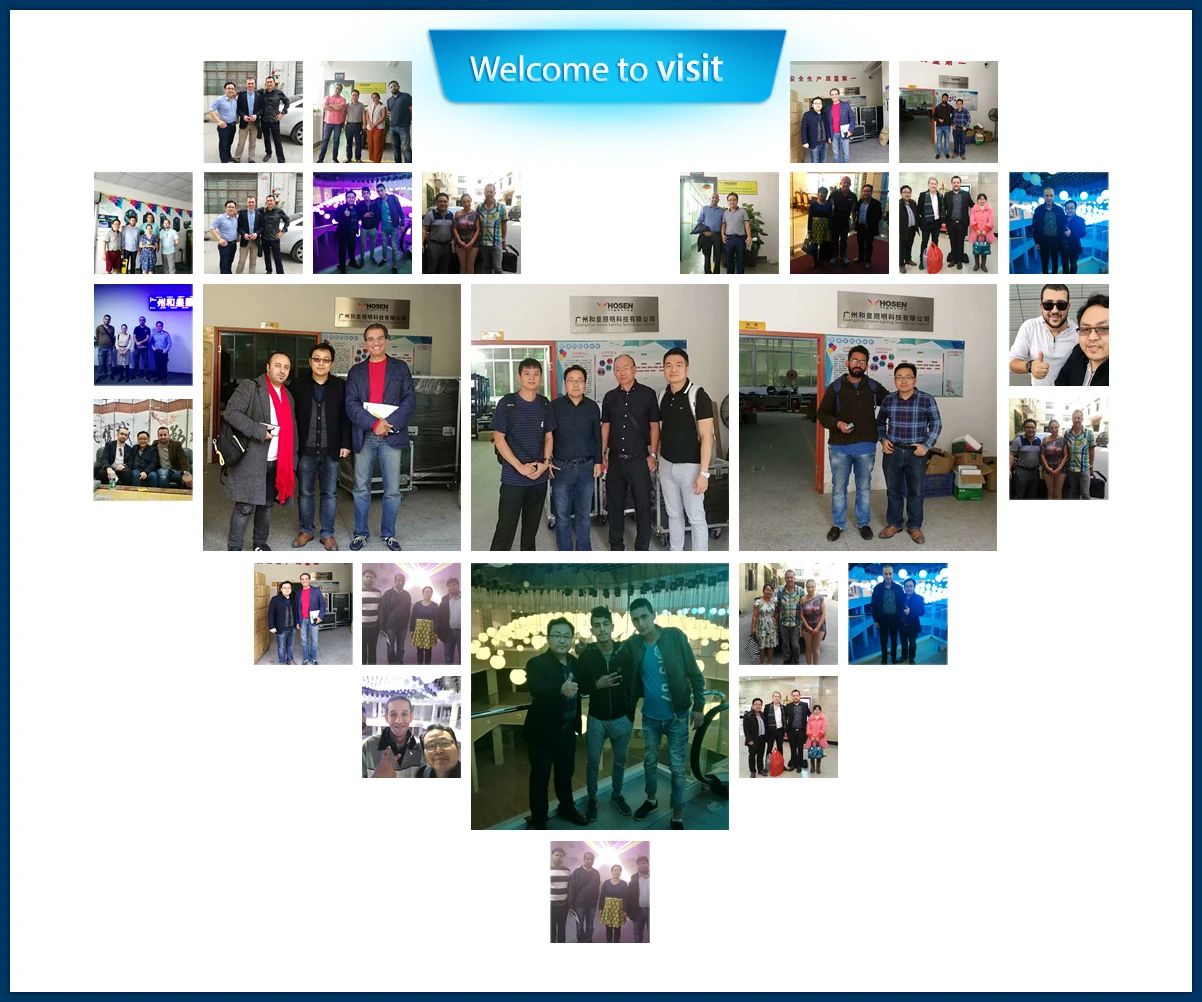
Guangzhou Hosen Lighting Technology Limited
- Manufacturer
- Guangdong, China
- Lead time5 days
- Avg. response≤ 6h
Main productskinetic light,Led stage lighting,Led lighting,stage equipment,led display
Main marketsNorthern Europe(8.00%), Domestic Market(8.00%), Western Europe(8.00%), South Asia(8.00%), Southern Europe(8.00%), Oceania(8.00%), Africa(8.00%), Southeast Asia(8.00%), Eastern Europe(8.00%), South America(8.00%), North America(8.00%), Eastern Asia(5.00%), Mid East(5.00%), Central America(2.00%)
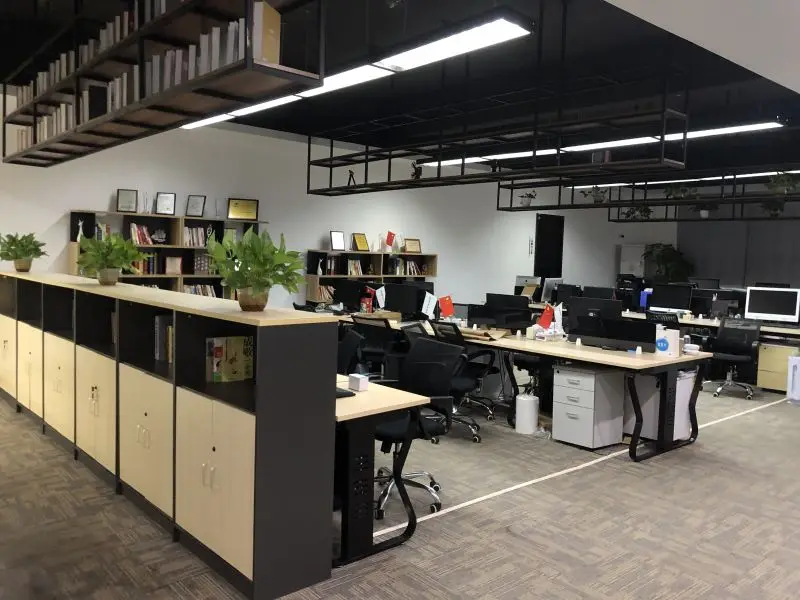
Ballet Star Technology (Guangzhou) Co., Ltd.
- Manufacturer, Trading Company, Distributor/Wholesaler
- Guangdong, China
- Lead time10 days
- Avg. response≤ 4h
Main productsSpecial effect equipment,Entertainment equipment,stage lighting,Intelligent electric appliance,Disinfection products
Main marketsMid East(20.00%), Northern Europe(20.00%), South America(20.00%), North America(20.00%), Western Europe(6.00%), Oceania(5.00%), Eastern Europe(5.00%), Eastern Asia(4.00%)
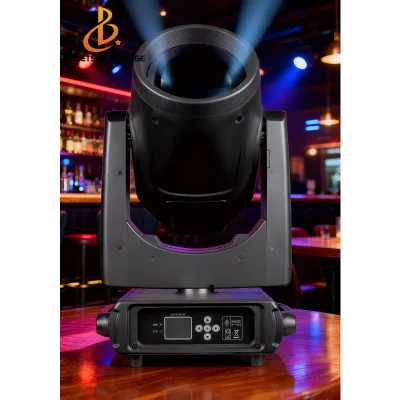
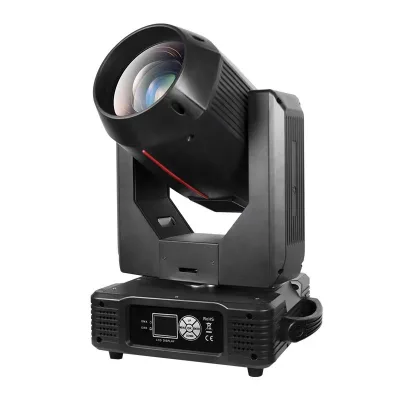
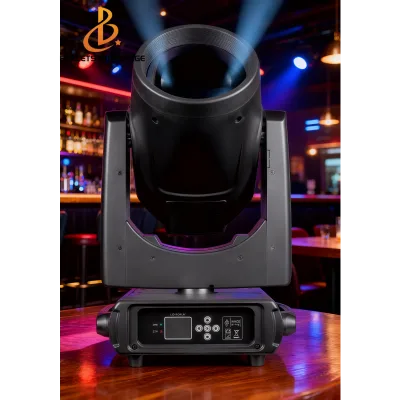
380w Beam Moving Lamp Stage Concert Activities Moving Headlights
$185.00 - $199.00
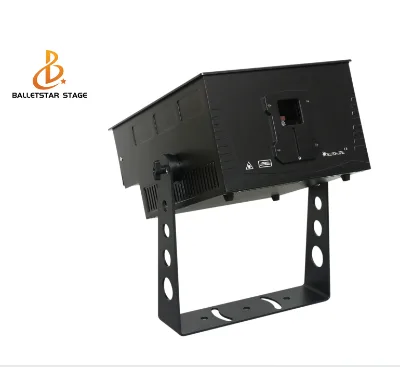

15W RGB Full Color Stage Laser Lighting
$819.00 - $845.00
Zhejiang Cajoroy Optoelectronic Technology Co., Ltd.
- Verified by SGS Group
- Manufacturer, Trading Company
- Lead time15 days
- Avg. response≤ 3h
Main productsLed Solar Street Light, Led Stage Light, Led Ceiling Light, Led Panel Light, Led Flood Light
Main marketsNorth America(50%), Western Europe(30%), Mid East(10%)

Guangzhou Sanfei Stage Lighting Co., Ltd
- Verified by BV
- Manufacturer/Factory
- China Guangdong
- Lead time15 days
- Avg. response≤ 5h
Main productsMoving Head Light, LED Stage Light, LED Moving Head Spot Light, LED PAR Light, LED Effect Light, LED Waterproof Light, LED Auto-Show Light, Laser Light, LED Matrix Light, LED Beam Light
Main marketsSouth America,Eastern Europe,Mid East,North America,Southeast Asia,Eastern Asia,Oceania,Western Europe,Africa

$119.00 - $149.00
MOQ: 1 Pieces

4 Eyes RGB Moving Head Beam Laser Light Projector Full Color Laser Light for Nightclub
$119.00 - $149.00
MOQ: 1 Pieces

DJ Laser Light 8 Eyes Stage RGB Laser Bar Beam Moving Head laser Lights for Night Club
$269.23 - $304.62
MOQ: 1 Pieces


Brightness 1-5W Full Color Laser Beam Animation Laser Light Stage Bar Club Light
$120.59 - $161.76
MOQ: 10 Pieces

Foshan Hongda Lighting Equipment Co., Ltd.
- Manufacturer, Distributor/Wholesaler
- Guangdong, China
- Lead time15 days
- Avg. response≤ 4h
Main productsBattery wireless led lights,moving head lights,laser lights,stage effects machines,led par light
Main marketsNorth America(35.00%), South America(15.00%), Eastern Europe(10.00%), Western Europe(9.00%), Southern Europe(8.00%), Central America(6.00%), Southeast Asia(5.00%), Northern Europe(4.00%), Eastern Asia(2.00%), Oceania(2.00%), South Asia(2.00%), Mid East(1.00%), Africa(1.00%)

Guangzhou Lingyue Stage Lighting Equipment Co., Ltd.
- Verified by TUVRHEINLAND
- Combined
- China Guangdong
- Lead time15 days
- Avg. response≤ 1h
Main productsMoving Head, Stage Light, Stage Lighting, LED PAR Light, Beam Light, Beam Spot Wash, Moving Head Light, Search Light, LED Moving Head Light, LED Wall Washer Light
Main marketsDomestic

Guangdong Future Optoelectronic Technology Co., Ltd.
- Manufacturer, Trading Company
- Guangdong, China
- Lead time7 days
- Avg. response≤ 2h
Main productsMoving Head Light , LED Moving Head Light , Laser Light, LED Retro Light , LED Par Light
Main marketsNorth America(50.00%), Western Europe(30.00%), South America(10.00%), Eastern Europe(10.00%)

Guangzhou Ectech Lighting Technology Co.
- Manufacturer, Trading Company, Distributor/Wholesaler
- Guangdong, China
- Lead time7 days
- Avg. response≤ 3h
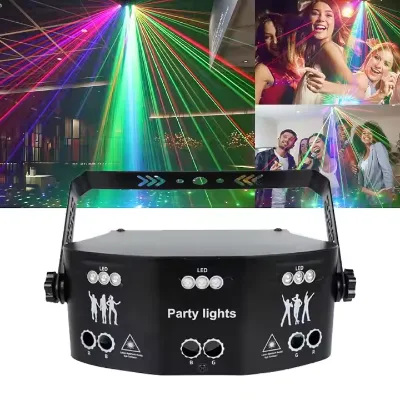
Main productslaser light,stage lights,advertising lights,dj lights,party lights
Main marketsNorth America(30.00%), Northern Europe(20.00%), Central America(15.00%), Southeast Asia(15.00%), South Asia(10.00%), South America(7.00%), Mid East(3.00%)
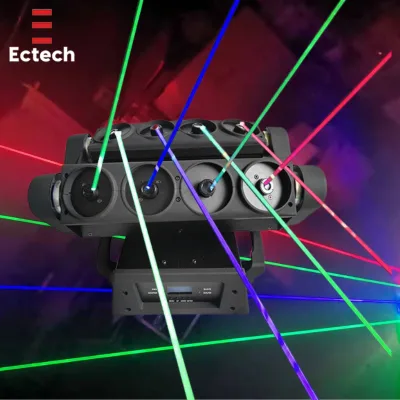
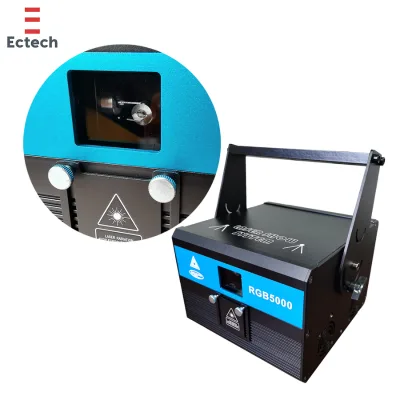
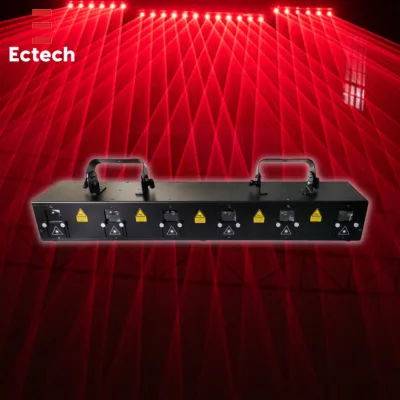
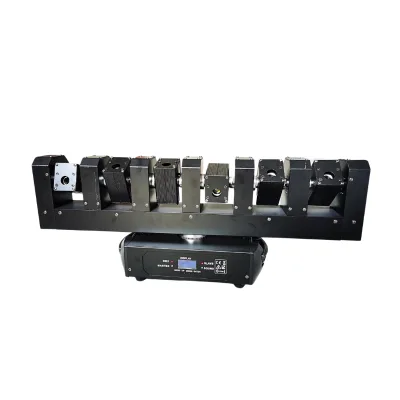
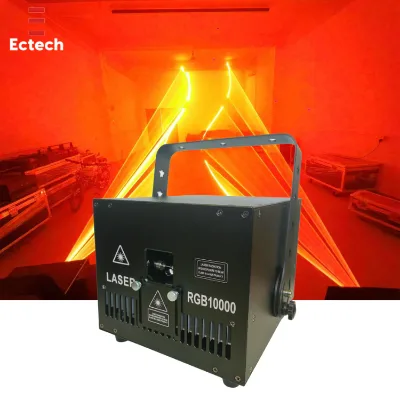
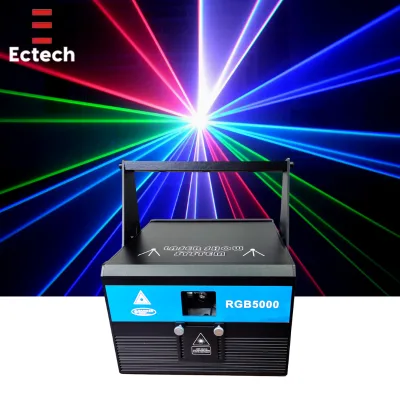
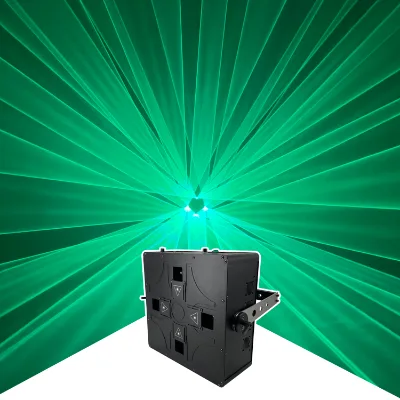
Specifications Good Price Programmable Laser Light Show System Rgb 10 Watts Laser Stage Light
$750.00 - $850.00
MOQ: 2 units

Guangzhou MINGXUAN Stage Light Equipment CO.,LTD
- Verified by CTI
- Trading Company,Manufacturer/Factory
- China Guangdong
- Lead time38 days
- Avg. response≤ 25h
Main productsMoving Head Light, Line Array Speaker, Truss Stage, Tent, Microphone, LED Screen, Mixer, LED PAR Can, LCD Screen, Small Speaker
Main marketsSouth America,Eastern Europe,Mid East,North America,Southeast Asia,Eastern Asia,Oceania,Western Europe,Africa
Guangzhou Can Win Electronic Technology Co., Ltd.
- Manufacturer
- Guangdong, China
- Lead time15 days
- Avg. response≤ 4h
Main productsStage Truss,Flight Case,Stage Lighting,Electric chain hoists,Stage Effect
Main marketsNorth America(30.00%), South America(20.00%), Western Europe(15.00%), Eastern Europe(5.00%), Northern Europe(5.00%), Mid East(5.00%), Oceania(5.00%), Africa(5.00%), Southern Europe(5.00%), Eastern Asia(3.00%), Southeast Asia(2.00%)
Guangzhou Cheng Wen Photoelectric Technology Co., Ltd.
- Manufacturer, Trading Company
- Lead time旺季: "1 - 100":7,"101 - 200":12,"> 200":"To be negotiated", 淡季: "1 - 100":7,"101 - 200":12,"> 200":"To be negotiated"
- Avg. response≤ 4h
Main productsLED Screen, Stage Lights
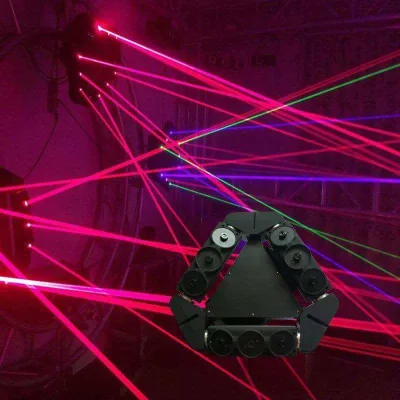
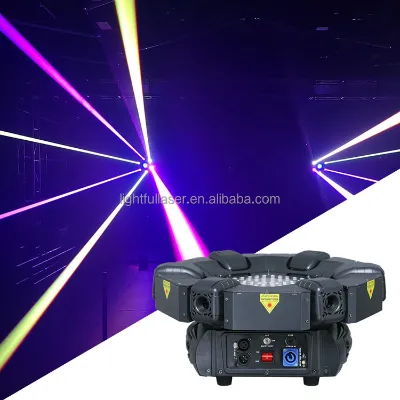
Rotalable Rgb Laser Light Multicolor 9-eye Spider Moving Head Laser Light Show
$232.8547
MOQ: 2 Minimum
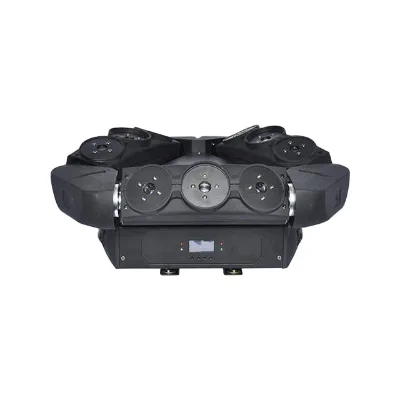
Cheap Price 9 Heads Moving Head Spider Light Laser Beam Full Color/single Green
$240.00 - $245.00
MOQ: 1 Minimum
Guangzhou Zenith Aurora Lighting Equipment Co., Ltd.
- Manufacturer
- Guangdong, China
- Lead time15 days
- Avg. response≤ 4h
Main productsStrobe light,Beam Moving Head,Led Moving Head,Led Beam Light,ebike
Main marketsEastern Asia(13.00%), Eastern Europe(12.00%), North America(12.00%), South America(11.00%), Southeast Asia(11.00%), Domestic Market(8.00%), Western Europe(5.00%), Oceania(4.00%), South Asia(4.00%), Southern Europe(4.00%), Northern Europe(4.00%), Central America(4.00%), Mid East(4.00%), Africa(4.00%)

Guangzhou HOMEI Lighting Equipment Factory
- Verified by TUVRHEINLAND
- Combined
- China Guangdong
- Lead time15 days
- Avg. response≤ 5h
Main productsLED Star Cloth, LED Video Curtain, RGB Star Curtain, LED Stage Light, LED Dance Floor, LED Starlit Dance Floor, LED Star Curtain, LED Twinkling Dance Floor, LED Moving Head, LED Parcans Light
Main marketsSouth America,Africa,Southeast Asia/ Mideast,East Asia(Japan/ South Korea),Domestic,Europe,Australia,North America
Guangdong Lightful Light Co.,Ltd
- Manufacturer, Trading Company
- Guangdong, China
- Lead time0 days
- Avg. response≤ 2h
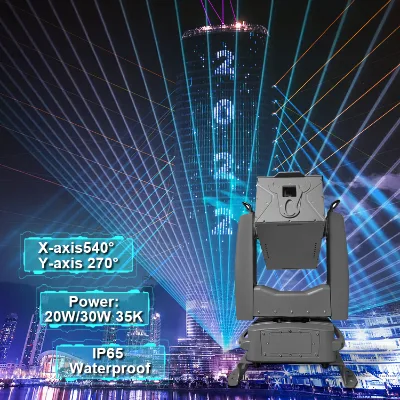
Main productslaser light,stage light,Laser bar,Animation laser,IP65 Waterproof laser
Main marketsEastern Europe(13.00%), Northern Europe(12.00%), Southeast Asia(12.00%), Western Europe(11.00%), North America(10.00%), Southern Europe(10.00%), Central America(10.00%), Mid East(6.00%), Eastern Asia(5.00%), Domestic Market(5.00%), South Asia(2.00%), South America(2.00%), Africa(2.00%)
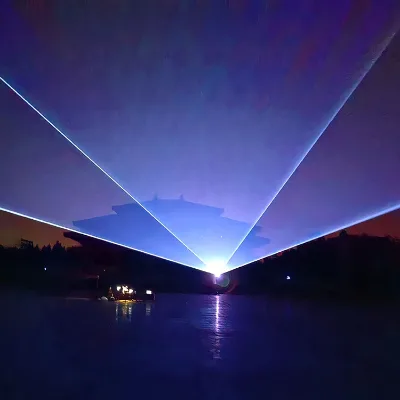
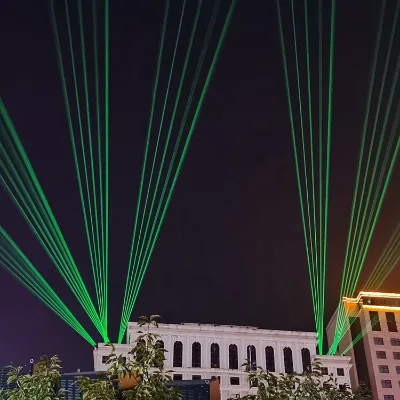
High Power Sky Beam Laser Show Performance Laser Light Rgb 20 Watts
$8750.9896 - $9265.7537
MOQ: 2 sets
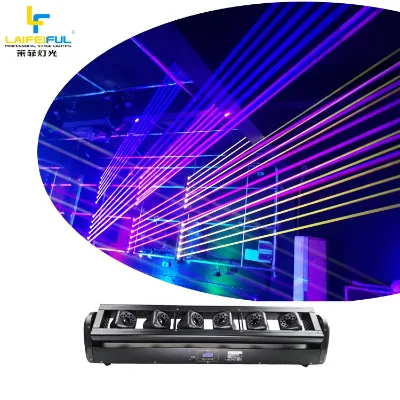
New 12watt Moving Head Light 6 Beam Lightful Laser Bar for Wedding
$880.00 - $980.00
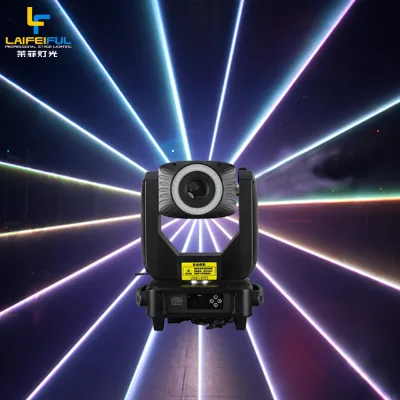
Moving Head Laser Professional 6W Moving Head Stage Laser Light With Ce Certificate
$1650.00 - $2300.00
MOQ: 2 sets
Guangzhou Tianyue Performance Equipment Co., Ltd.
- Manufacturer, Trading Company
- Guangdong, China
- Lead time0 days
- Avg. response≤ 1h
Main productsmoving head lights,Led par light,Laser lights,Led effect lights,Stage effects equipments
Main marketsSouth America(25.00%), North America(20.00%), Northern Europe(15.00%), Western Europe(15.00%), Southeast Asia(15.00%), Eastern Europe(15.00%)






Comprehensive Sourcing Guide
Laser Effect Moving Beam Lights Supplier Concentration and Factory Types
The sourcing landscape for Laser Effect Moving Beam Lights is heavily concentrated in specific manufacturing hubs, with Guangdong, China emerging as a primary cluster for these specialized lighting solutions. This regional concentration allows buyers to access a dense network of suppliers who possess the necessary infrastructure for producing complex optical and electronic components. When evaluating potential partners, it is crucial to distinguish between different company types, as the operational models vary significantly. The current market data indicates that suppliers in this sector are predominantly classified as manufacturers, suggesting they have direct control over the production process, from laser diode assembly to final housing fabrication. However, the presence of trading companies alongside manufacturers introduces a layer of complexity for buyers who need to determine who actually holds the inventory and who manages the quality control. Understanding this distinction is vital because manufacturers often offer more flexibility for customization, such as adjusting laser divergence angles or modifying control protocols, while trading companies might provide a broader catalog of existing stock. The main products listed by these entities frequently include LED Par lights, wireless DMX systems, and various moving head lights, indicating a diversified capability within the professional lighting sector. This diversity suggests that many suppliers are not limited to just laser products but can offer comprehensive lighting packages for stage and event applications. Buyers should carefully review the company type designation to ensure alignment with their specific needs, whether they require OEM services for branded products or standard off-the-shelf units for immediate deployment. The concentration in Guangdong also implies a mature supply chain for components like aluminum housings and cooling systems, which are critical for high-power laser devices. This ecosystem supports rapid prototyping and scaling, which is beneficial for projects with tight deadlines. However, the coexistence of manufacturers and trading companies means that buyers must verify the actual source of the goods to avoid unnecessary markups or communication delays. The focus on professional lighting categories, such as stage lights and disco equipment, further reinforces the technical expertise available in this region. Buyers should leverage this concentration by requesting detailed product specifications and comparing the technical capabilities of different supplier types to find the best fit for their project requirements.
How to Verify Laser Effect Moving Beam Lights Suppliers
Verifying the legitimacy and capability of Laser Effect Moving Beam Lights suppliers requires a multi-layered approach that goes beyond simple profile reviews. One of the most critical steps is to check for third-party verification badges, such as Intertek, which provide an independent assessment of the supplier’s business operations and product quality. This verification adds a layer of trust, especially when dealing with high-power laser devices that pose safety risks if not manufactured to strict standards. Buyers should also scrutinize the system certifications listed by the supplier, such as CE, RoHS, and Declaration of Conformity. These certifications are not merely formalities; they indicate that the products meet specific regulatory requirements for electrical safety, electromagnetic compatibility, and hazardous substance restrictions in key markets like Europe and North America. The presence of these certifications suggests that the supplier has undergone rigorous testing and quality control processes. Additionally, buyers should examine the supplier’s response time and lead time metrics as indicators of operational efficiency. A response time of one or two days suggests a responsive sales team that can address technical queries promptly, which is essential for resolving complex issues related to DMX control or laser alignment. Lead times, whether listed as zero for in-stock items or ten days for production runs, help buyers plan their inventory and project schedules effectively. It is also important to verify the supplier’s capacity for customization, as many projects require specific modifications to laser power, color temperature, or control interfaces. Suppliers that highlight capabilities in sample processing, graphic processing, and customized on-demand services demonstrate a higher level of flexibility and technical competence. Buyers should request detailed product data sheets that include specific attributes like IP ratings, working lifetime, and laser class to ensure the products meet their environmental and safety requirements. Furthermore, checking the warranty terms, such as one-year or two-year coverage, can provide insight into the supplier’s confidence in their product durability. By combining these verification steps, buyers can build a comprehensive profile of each supplier’s reliability and technical capability, reducing the risk of sourcing substandard or non-compliant equipment.
What to Compare Across Laser Effect Moving Beam Lights Suppliers
When evaluating multiple suppliers for Laser Effect Moving Beam Lights, buyers must compare a wide range of technical and commercial attributes to identify the best value proposition. Key product specifications to compare include the laser power, which can range from lower wattage options to high-power 20W units with specific red, green, and blue diode configurations. The color temperature and emitting color options, such as RGB tri-color or specific wavelengths like 638nm red and 520nm green, are critical for achieving the desired visual effects. Buyers should also compare the control methods available, including DMX512, master/slave modes, sound control, and ILDA compatibility, as these determine how easily the lights can be integrated into existing stage setups. The scan angle and laser divergence angle are important technical parameters that affect the spread and intensity of the laser beams, with some units offering a maximum scan angle of 60 degrees and a divergence of less than 1.6mrad. Comparing the IP rating is essential for determining the suitability of the lights for indoor versus outdoor use, with options ranging from IP33 for indoor protection to IP65 for waterproof outdoor applications. The working lifetime and laser service life, often cited as 10,000 to 100,000 hours, provide insight into the long-term reliability and maintenance costs. Buyers should also compare the physical attributes, such as product weight, material construction (e.g., aluminum), and packaging details, which impact shipping costs and handling requirements. Commercial terms like MOQ, price ranges, and supply ability are equally important for decision-making. Some suppliers may offer an MOQ of just one piece, while others might have higher minimums, affecting the feasibility of small orders. Price variations can be significant, with some units priced around $195 to $300, depending on the power and features. Additionally, comparing the warranty terms, such as one-year versus two-year coverage, and the availability of lighting solutions services like onsite metering or project installation can provide added value. By systematically comparing these attributes, buyers can create a detailed matrix to rank suppliers based on their specific project needs, ensuring they select a partner that offers the right balance of technical performance, reliability, and cost-effectiveness.
Common Laser Effect Moving Beam Lights Sourcing Risks
Sourcing Laser Effect Moving Beam Lights involves several inherent risks that buyers must proactively manage to ensure a successful procurement process. One significant risk is the variability in product quality and performance, particularly regarding the laser diodes and cooling systems. High-power lasers generate substantial heat, and inadequate cooling can lead to premature failure or inconsistent beam quality. Buyers should be cautious of suppliers who do not provide detailed specifications on working temperature ranges or thermal management solutions. Another risk is the potential for non-compliance with safety standards, especially concerning laser class classifications. Class IV lasers, for example, pose serious eye and skin hazards and require strict handling protocols. Buyers must verify that suppliers provide accurate laser class information and appropriate safety certifications to mitigate legal and safety liabilities. The risk of communication gaps is also prevalent, particularly when dealing with suppliers in different time zones or with limited English proficiency. Misunderstandings regarding technical specifications, such as DMX addressing or control software compatibility, can lead to costly errors and project delays. Buyers should prioritize suppliers with fast response times and clear communication channels to minimize these risks. Additionally, the risk of supply chain disruptions, such as delays in component sourcing or production bottlenecks, can impact lead times. Buyers should assess the supplier’s production capacity and inventory management practices to ensure they can meet delivery deadlines. The risk of intellectual property infringement is another concern, especially when dealing with OEM products. Buyers should ensure that suppliers have the necessary rights to produce and sell branded items. Furthermore, the risk of receiving products that do not match the agreed-upon specifications is mitigated by requesting samples and conducting thorough quality inspections before bulk orders. Buyers should also be aware of the risks associated with shipping heavy and fragile electronic equipment, which can result in damage during transit. Proper packaging and insurance are essential to protect against these logistical risks. By identifying and addressing these common risks early in the sourcing process, buyers can establish robust safeguards and ensure a smoother procurement experience.
Laser Effect Moving Beam Lights Regional Sourcing and Logistics
Regional sourcing strategies play a crucial role in optimizing the logistics and cost-efficiency of procuring Laser Effect Moving Beam Lights. The concentration of suppliers in Guangdong, China, offers significant advantages in terms of supply chain maturity and logistical infrastructure. This region is well-connected to major international shipping ports, such as Guangzhou, which facilitates efficient export operations. Buyers should leverage this regional advantage by coordinating with suppliers who have established experience in international shipping and customs clearance. The proximity of component suppliers and manufacturers in this cluster reduces lead times for raw materials and production, allowing for faster turnaround times. However, buyers must also consider the logistical challenges associated with shipping high-power laser devices, which are classified as dangerous goods due to their optical emissions. Proper documentation and packaging are essential to comply with international shipping regulations and ensure safe transit. Buyers should work with suppliers who understand these requirements and can provide the necessary documentation, such as laser safety certificates and shipping labels. The weight and dimensions of the products, which can range from 11kg to 48.5kg per unit, impact shipping costs and handling requirements. Buyers should compare freight options, such as air freight for urgent orders and sea freight for bulk shipments, to optimize costs. Additionally, the risk of damage during transit is higher for heavy electronic equipment, so buyers should insist on robust packaging solutions, such as reinforced cartons and shock-absorbing materials. The regional concentration also means that buyers can potentially visit factories or showrooms to inspect products firsthand, although this may not always be feasible. For remote sourcing, buyers should request detailed product videos and high-resolution images to verify the quality and functionality of the lights. Understanding the regional logistics landscape helps buyers plan their inventory and distribution strategies more effectively, ensuring that products arrive on time and in good condition. By aligning their sourcing strategy with the strengths of the regional supply chain, buyers can enhance their operational efficiency and reduce overall procurement costs.
Laser Effect Moving Beam Lights Commercial Terms and Order Planning
Effective commercial terms and order planning are essential for managing the financial and operational aspects of sourcing Laser Effect Moving Beam Lights. Buyers should negotiate clear pricing structures that account for volume discounts, tooling fees for custom designs, and shipping costs. The price range for these products can vary significantly based on power, features, and customization levels, so buyers should request detailed quotes that break down these costs. Understanding the MOQ is crucial for order planning, as some suppliers may require minimum quantities that impact inventory management and cash flow. Buyers should aim to balance order sizes with storage capacity and sales forecasts to avoid excess inventory. Payment terms, such as escrow services or letters of credit, provide financial security for both parties and should be clearly defined in the contract. Buyers should also consider the warranty terms, which typically range from one to two years, and clarify the process for handling defects or replacements. Lead times are another critical factor, with some suppliers offering zero lead time for in-stock items and others requiring ten days or more for production. Buyers should align their order placement with project timelines to ensure timely delivery. Additionally, buyers should plan for post-sales support, including technical assistance and spare parts availability, to minimize downtime in case of equipment failure. The availability of lighting solutions services, such as onsite metering or project installation, can add value but may incur additional costs. Buyers should evaluate whether these services are necessary for their
FAQs
Where are these laser moving beam lights manufactured?
The products originate from Guangdong, China, as indicated by the place of origin data. This region is a known hub for professional lighting manufacturing. Buyers should verify specific factory addresses during the inquiry process to ensure supply chain transparency and quality control standards.
What is the typical response time for supplier inquiries?
Suppliers listed demonstrate response times of one to two days for initial contact. This speed allows for efficient communication regarding technical specifications and pricing. Buyers should expect prompt replies when requesting quotes for laser beam lights to maintain project timelines effectively.
How long does it take to receive the laser lights?
Lead times vary between zero and ten days depending on the specific product and stock availability. Some items may ship immediately while others require production time. Buyers must confirm the exact delivery schedule with the supplier before finalizing the purchase order for accurate planning.
What is the minimum order quantity for these lights?
The minimum order quantity starts at one piece for many laser moving beam light models. This low threshold allows buyers to test product quality before placing larger orders. Suppliers may offer different pricing tiers for bulk purchases to accommodate various business needs and inventory requirements.
Are these laser lights certified for safety and compliance?
Certifications such as CE and RoHS are available for specific laser lighting products in the catalog. These standards ensure the equipment meets international safety and environmental requirements. Buyers should request valid certification documents from the supplier to verify compliance before importing the goods to their region.
What warranty coverage is provided for the laser equipment?
Warranty periods typically range from one to two years for the laser moving beam lights. Coverage often includes defects in materials and workmanship under normal operating conditions. Buyers need to clarify specific warranty terms and claim procedures with the manufacturer to ensure adequate protection for their investment.
Can these lights be customized for specific events?
Customization options include graphic processing and logo engraving on the laser units. Suppliers offer sample processing and customized designs to meet unique event requirements. Buyers should discuss specific design needs and technical constraints with the manufacturer to ensure the final product matches their vision.