Source Laser Effect Moving Beam Lights for stage, concert, and sports field
Explore 30 Laser Effect Moving Beam Lights from verified suppliers. Compare specifications like power, control modes, and applications for stage, concert, and sports field events to find the right lighting solutions; compare the available evidence and request quotations based on your requirements.
Updated
Key considerations
Products List


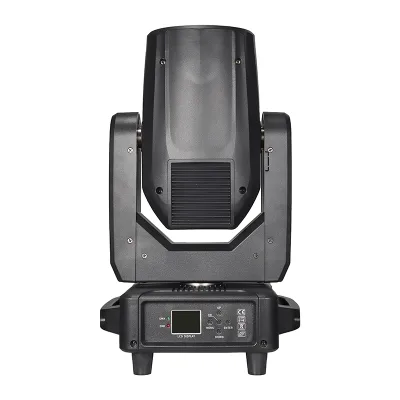
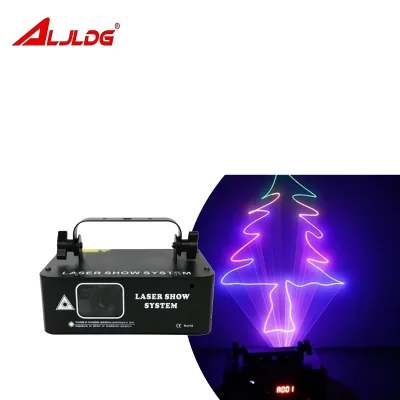


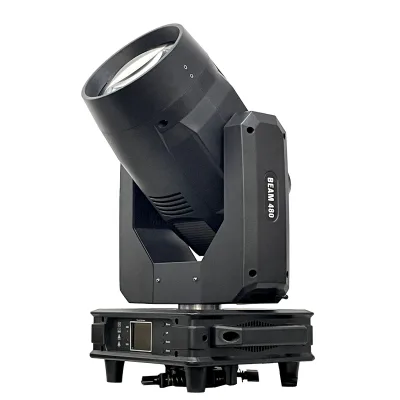
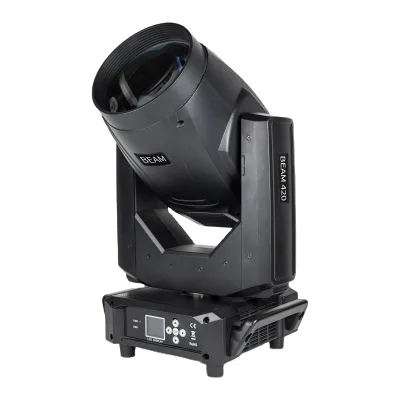
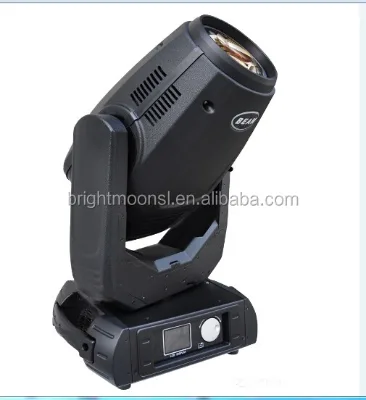
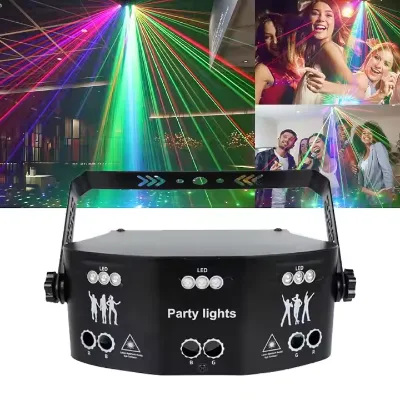
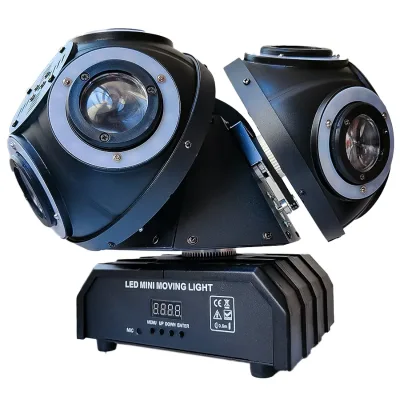
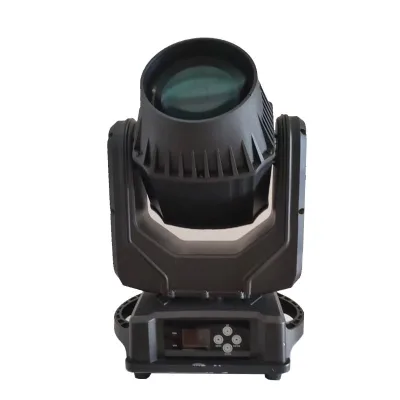
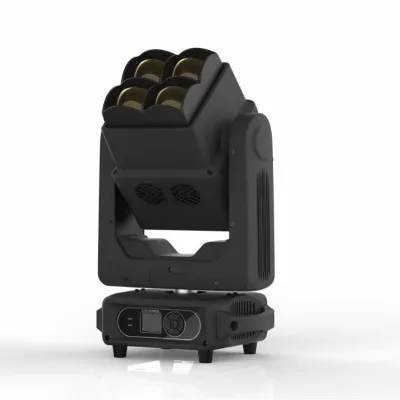
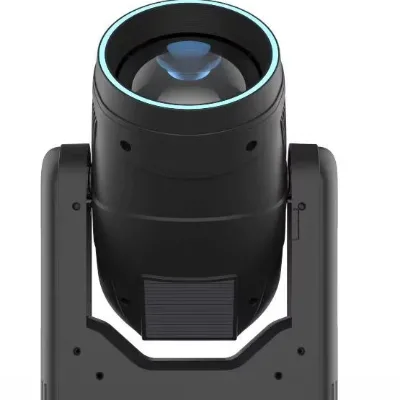
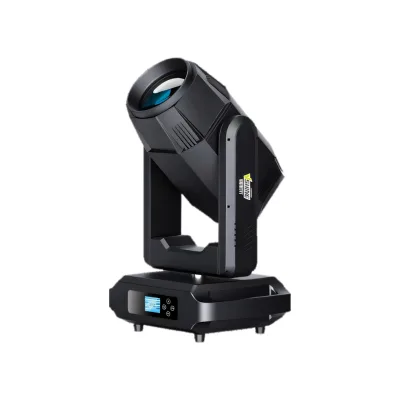
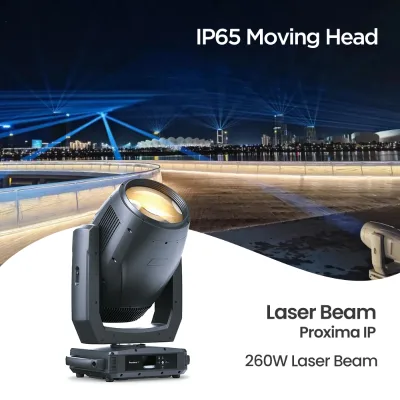
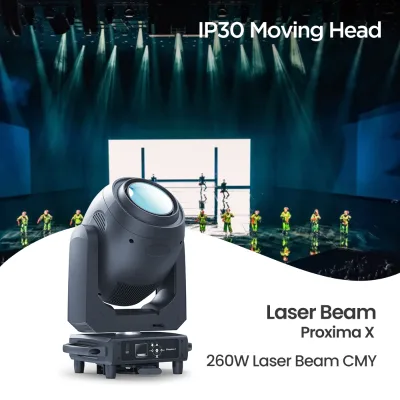


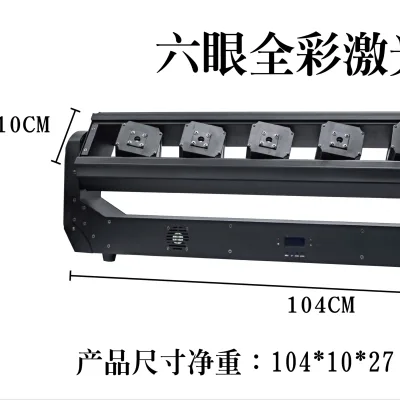
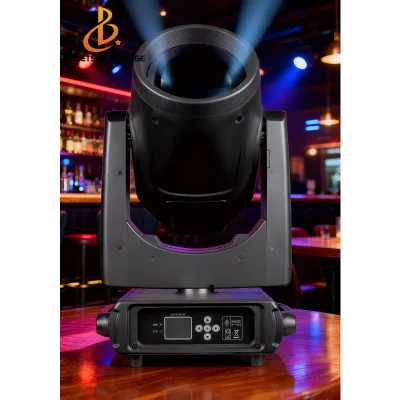
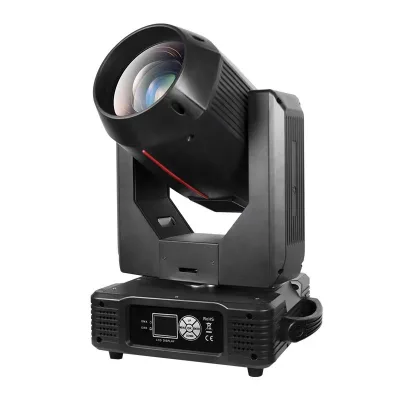
Comprehensive Sourcing Guide
Laser Effect Moving Beam Lights Sourcing Guide
Procuring Laser Effect Moving Beam Lights requires a nuanced understanding of the intersection between high-intensity illumination and precise optical control. These fixtures are engineered for dynamic visual environments, combining powerful light sources with mechanical movement to create immersive stage experiences. Buyers must distinguish between standard beam fixtures and those integrating semiconductor laser modules, as the latter introduce specific safety and regulatory considerations that significantly impact sourcing strategies. The core keyword highlights a specialized segment where performance metrics like luminous flux and color rendering are critical, but safety compliance is equally paramount for indoor and outdoor deployment.
The market offers a variety of configurations, from single-head units to complex multi-head arrays capable of producing intricate patterns and full-color laser projections. Sourcing decisions should be driven by the specific application requirements, such as concert stages, sports fields, or permanent indoor installations. Each use case demands different durability ratings, control protocols, and thermal management solutions. Understanding the distinction between voice-activated controls, DMX512 interfaces, and master-slave operations is essential for integrating these lights into existing production workflows without compromising reliability or visual impact during live events.
Product Scope and Observed Listing Signals
Current market listings reveal a diverse range of products, including 380W stage beam lights and advanced 8-head RGB laser arrow systems. The observed price range spans from $1 to $3,080, reflecting significant variations in component quality, brand positioning, and feature sets. Minimum order quantities are typically low, ranging from 1 to 2 units, which facilitates sampling and small-batch testing for procurement teams. This accessibility allows buyers to evaluate performance before committing to larger volumes, though it is crucial to verify whether these MOQs apply to customized configurations or standard stock items.
Product attributes indicate a strong emphasis on customization, with OEM and ODM services widely available. Key specifications include imported lamp sources, such as the Phoenix 380 lamp, and semiconductor pump lasers delivering up to 4000MW of power across multiple channels. Listings also highlight features like RGBW emitting colors, high color rendering indices, and robust housing materials like aluminum and plastic. Buyers should note that while many products claim voice control or DMX512 compatibility, the actual implementation and stability of these control modes can vary significantly between manufacturers, necessitating direct verification.
Technical Specifications to Verify
Technical due diligence must focus on the light source and its operational parameters. For beam lights, verify the lamp type, such as the Panasonic bulb or imported Phoenix lamps, and confirm the expected lifespan, which can reach up to 50,000 hours. For laser units, scrutinize the laser power output, often cited as 500MW per head in 8-head configurations, and ensure the laser color covers the full RGB spectrum. It is also critical to check the operating voltage range, typically AC100V-240V, to ensure compatibility with local power infrastructure and to assess the impact of voltage fluctuations on performance stability.
Optical and mechanical specifications require careful review, including the number of pattern effects, prism configurations, and mirror systems. Products may offer 17 pattern effects plus glass patterns, or dual rotatable prisms with diamond mirrors for dynamic beam shaping. Verify the control modes, such as DMX512, voice activation, or self-propelled master-slave operations, to ensure seamless integration with lighting consoles. Additionally, assess the thermal management capabilities, indicated by working temperature ranges of -20°C to 40°C, and confirm the IP rating, which is often IP20 for indoor laser units and IP33 for other stage lights, to determine suitability for the intended environment.
Compliance and Safety Documentation
Safety is the primary concern when sourcing Laser Effect Moving Beam Lights, particularly for indoor applications. Buyers must verify that laser products comply with relevant laser safety standards, such as IEC 60825-1, and confirm the laser class rating. Listings often mention IP20 protection for indoor laser units, indicating they are not suitable for wet or dusty environments. Procurement teams should request detailed safety data sheets and laser emission reports to ensure the equipment meets local regulatory requirements and does not pose a risk to performers or audiences.
Electrical safety certifications are equally important for all moving head lights. Verify that products hold necessary electrical safety marks for the target market, such as CE, RoHS, or UL, depending on the region of deployment. Documentation should include proof of compliance with electromagnetic compatibility (EMC) standards to prevent interference with other stage equipment. Buyers should also inquire about the warranty terms, which may extend up to three years, and clarify what components are covered, particularly for high-wear items like fans, motors, and light sources, to mitigate long-term maintenance costs.
Cost Drivers and Commercial Terms
Several factors influence the final cost of Laser Effect Moving Beam Lights, including the quality of the light source, the complexity of the optical system, and the level of customization required. Imported lamps and high-power semiconductor lasers typically command higher prices due to their superior performance and longevity. Additionally, features like voice control, advanced DMX512 protocols, and robust aluminum housings add to the manufacturing cost. Buyers should analyze the total cost of ownership, considering energy efficiency, measured in lumens per watt, and the potential for reduced maintenance due to longer lifespan components.
Commercial terms such as packaging, shipping, and lead times also impact procurement budgets. Products are often packed in carton boxes with foam for protection, with dimensions and weights varying by model. For instance, some units have single package sizes of 56x40x39 cm and weigh around 14 kg. Buyers should negotiate clear terms regarding freight responsibilities, insurance, and delivery schedules. Understanding the supplier’s production capacity and lead times is essential for planning event timelines, especially when custom branding or logo embossing is requested, which may extend the manufacturing process.
Supplier Qualification and Quality Control
Evaluating supplier qualifications is critical to ensuring consistent product quality and reliable after-sales support. Buyers should verify the supplier’s manufacturing capabilities, including their experience with OEM and ODM projects, and their ability to provide lighting and circuitry design services. Check for relevant business licenses and export certifications, and assess their track record in the stage lighting industry. Suppliers based in regions like Guangdong, China, often have established supply chains for electronic components, but buyers should still conduct thorough due diligence to ensure quality control processes are robust.
Quality control measures should include pre-shipment inspections, functional testing of all moving parts and light sources, and verification of packaging integrity. Buyers should request sample units to test performance under real-world conditions, checking for issues like flickering, noise from motors, or inconsistent color output. Establishing clear communication channels for technical support and spare parts availability is also vital. Suppliers that offer comprehensive documentation, including user manuals, wiring diagrams, and troubleshooting guides, demonstrate a commitment to customer satisfaction and long-term partnership.
Long-Term Procurement Checks
Long-term success in sourcing Laser Effect Moving Beam Lights depends on establishing a sustainable supply chain that can adapt to evolving technology and market demands. Buyers should regularly review supplier performance metrics, including on-time delivery rates, product defect rates, and responsiveness to technical queries. Building a relationship with suppliers who offer continuous product updates and improvements can provide a competitive advantage, especially as new laser technologies and control protocols emerge. Regular audits of the supplier’s quality management systems can help maintain high standards and prevent quality drift over time.
Additionally, buyers should stay informed about changes in regulatory requirements and safety standards that may affect the use of laser products in different markets. Proactively addressing these changes ensures that procurement strategies remain compliant and effective. Developing a contingency plan for supply chain disruptions, such as identifying alternative suppliers or maintaining safety stock of critical components, can mitigate risks. Finally, gathering feedback from end-users and technical teams can provide valuable insights for future purchasing decisions, ensuring that the selected products continue to meet the evolving needs of stage productions and events.
FAQs
What is the power rating of the stage beam light?
The stage beam light operates at 380W power. It uses an imported Phoenix 380 lamp source and supports AC100V-240V voltage. This unit is designed for indoor stage applications with voice control capabilities.
Can I customize the logo on the moving head beam light?
Yes, customization is available for the moving head beam light. The product supports OEM and ODM branding options. You can request embossing for logo or graphic design on the housing of the unit.
What is the laser power for the 8-head RGB laser arrow?
The 8-head RGB laser arrow delivers a total laser power of 4000MW. This is achieved using eight semiconductor pump laser units, each providing 500MW. The system emits full RGB colors for stage effects.
Which control modes are supported by the moving head beam light?
The moving head beam light supports DMX512 and voice-activated control modes. It also features a master-slave configuration for synchronized operation. Voice control allows for hands-free operation during live events.
What is the warranty period for the stage lighting equipment?
The stage lighting equipment comes with a 3-year warranty. This coverage applies to the product manufactured in Guangdong, China. Buyers should verify specific terms with the supplier regarding the warranty conditions.
How many pattern effects does the light source provide?
The light source provides 17 pattern effects plus 2 glass patterns. It features two rotatable 8 prisms and 16 diamond mirrors to move effects. This creates dynamic visual results for indoor stage applications.
What is the operating voltage range for the laser arrow?
The laser arrow operates on an input voltage of AC110-220V at 50-60Hz. This wide voltage range ensures compatibility with different power grids globally. The unit is designed for indoor use with IP33 protection.