Lightweight Neoprene Diving Boots Suppliers and Manufacturers
Compare 23 verified suppliers offering Lightweight Neoprene Diving Boots with varying lead times, response speeds, and pricing. Review product specifications like thickness and customization options before contacting vendors directly; review the available evidence before requesting comparable quotations from suitable candidates.
Updated
Suppliers List

Shanghai Yongjia International Trading Co., Ltd.
- Trading Company
- China Shanghai
- Lead time30 days
- Avg. response≤ 12h
Main productsExhibition Booth, Light Box, Glasses, Trade Show Stands, Tent, Pop up Stands
Main marketsSouth America,Africa,Southeast Asia/ Mideast,East Asia(Japan/ South Korea),Domestic,Europe,Australia,North America
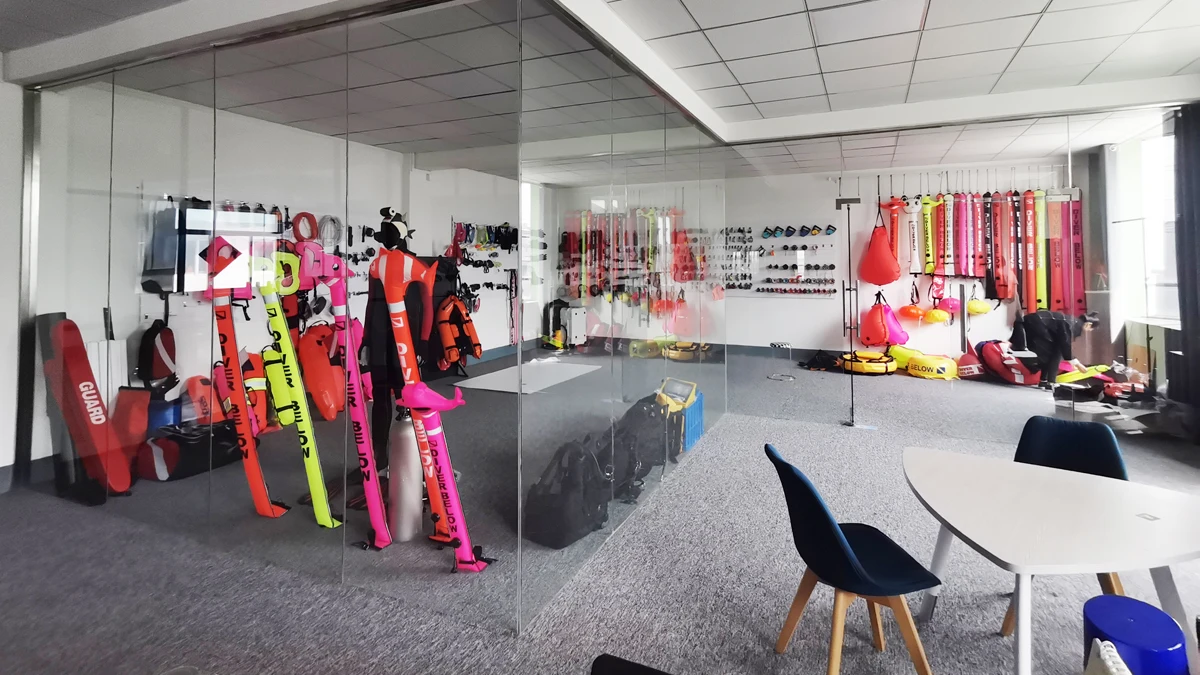
DiveDIY Technology (Shanghai) Co., Ltd.
- Trading Company
- shanghai, China
- Lead time20 days
- Avg. response≤ 3h
Main productsDiving Products,Spearfishing Products,Commercial Rescue Products,Surface marker buoy,Spearfishing knife
Main marketsCentral America(18.00%), South America(16.00%), North America(15.00%), Western Europe(10.00%), Southern Europe(10.00%), Northern Europe(10.00%), Southeast Asia(6.00%), Domestic Market(5.00%), Eastern Europe(5.00%), South Asia(3.00%), Eastern Asia(2.00%)
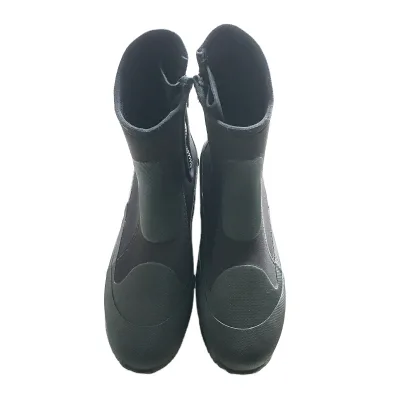
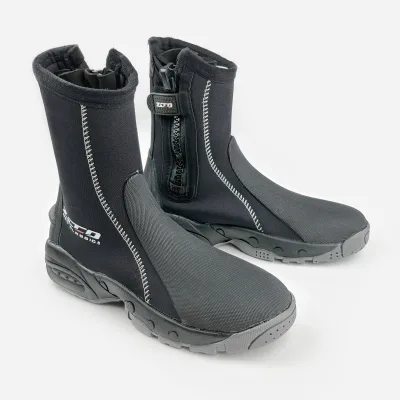
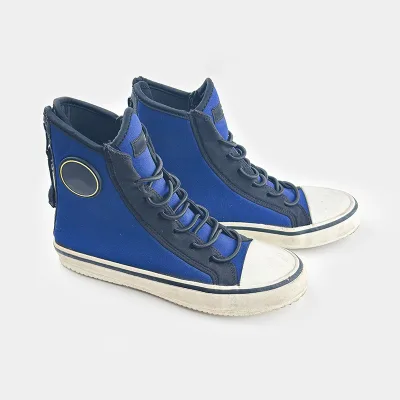
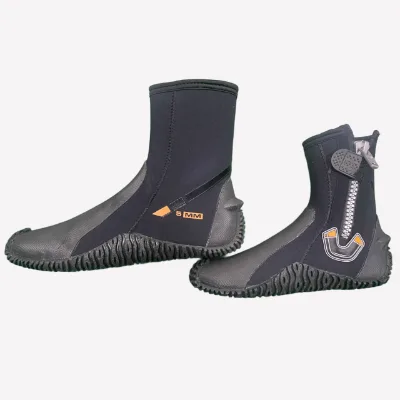
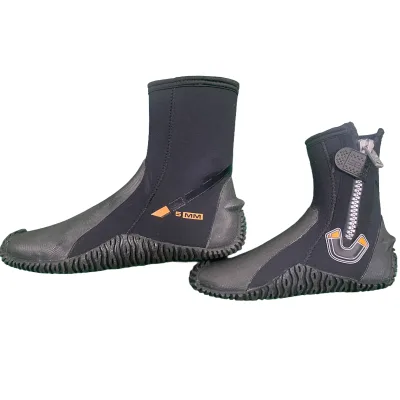
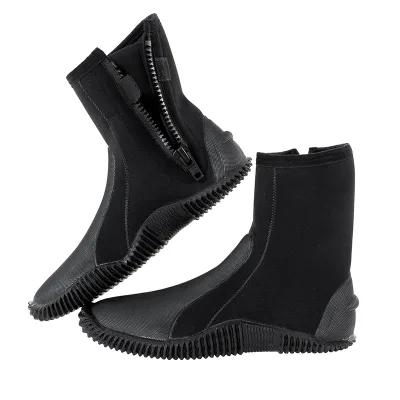
Diving Booties 5mm Neoprene Boots Surfing Boots Diving Boots
$33.00 - $43.00

DiveDPR Technology (Shanghai) Co., Ltd.
- Trading Company
- Shanghai, China
- Lead time20 days
- Avg. response≤ 3h
Main productsSCUBA DIVING,FREE DIVING,SPEARFISHING,MARINE RESCUE,DIVING
Main marketsNorthern Europe(15.00%), Central America(15.00%), South America(10.00%), North America(10.00%), Western Europe(10.00%), Eastern Asia(10.00%), South Asia(10.00%), Eastern Europe(10.00%), Southeast Asia(5.00%), Southern Europe(5.00%)
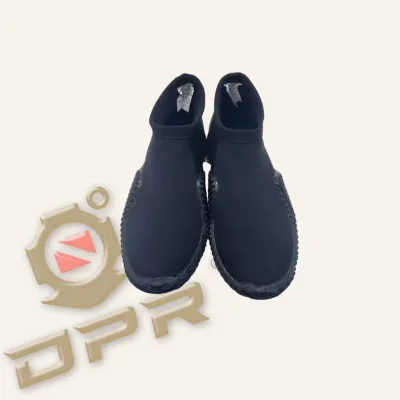
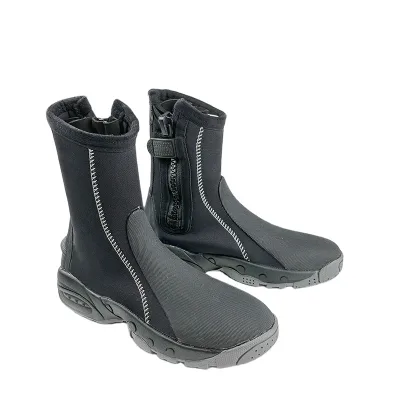
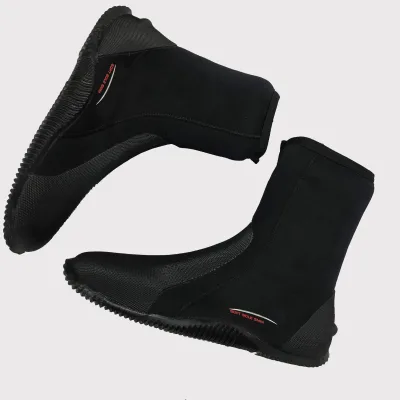
Dive Booties 5mm Neoprene Boots Surfing Boots Diving Boots
$20.10 - $33.00

- Manufacturer, Trading Company
- Jiangsu, China
- Lead time30 days
- Avg. response≤ 11h
Main productsRain Boots,Diving Boots,Driving Gloves,Hiking Boots
Main marketsDomestic Market(100.00%), South Asia(100.00%), Southern Europe(100.00%), Eastern Asia(100.00%), Mid East(100.00%), Oceania(100.00%), Africa(100.00%), Southeast Asia(100.00%), Eastern Europe(100.00%), South America(100.00%), North America(100.00%), Central America(40.00%), Western Europe(40.00%), Northern Europe(20.00%)
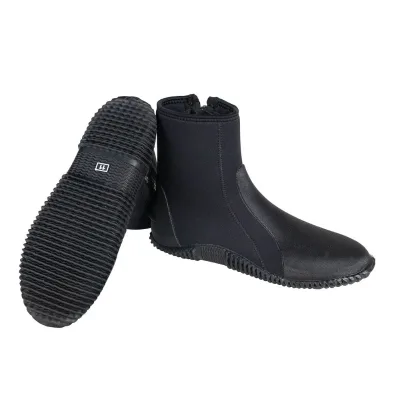
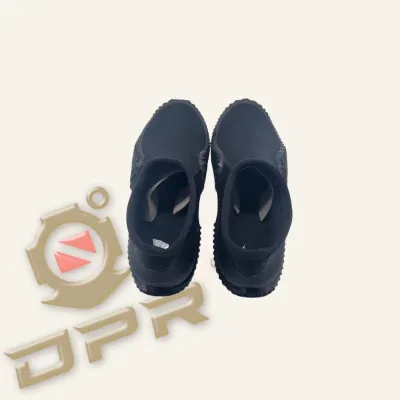
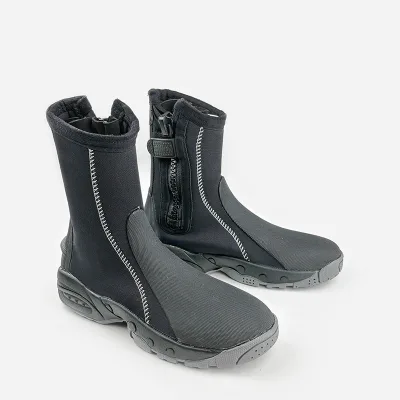
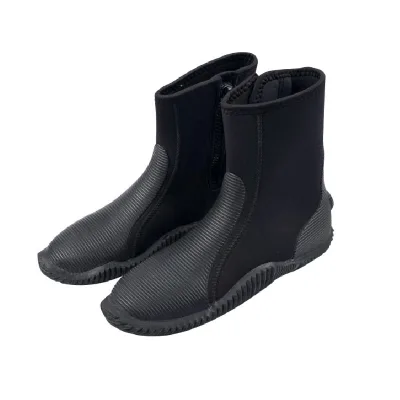
Neoprene Scuba Diving Shoes Fishing Swimming High Upper Warm Anti Slip Diving Boots
$9.60 - $13.60
MOQ: 500
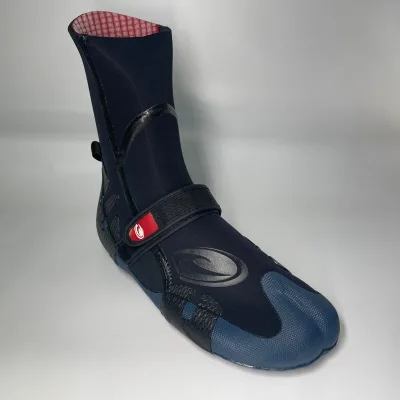
Neoprene Scuba Diving Shoes Fishing Swimming High Upper Warm Anti Slip Surfing Boots
$9.60 - $13.60
MOQ: 500
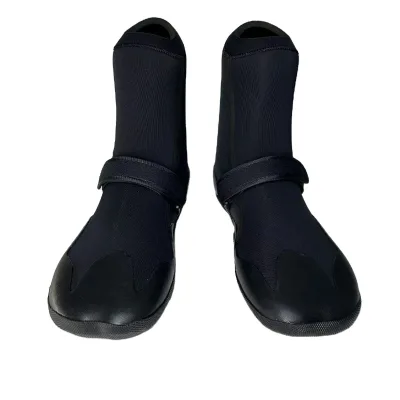
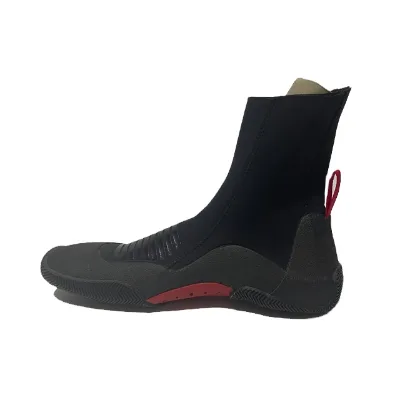
Neoprene Diving Boots Adult Men Women with Anti-Slip Rubber Sole for Water Sports
$12.50 - $16.90
MOQ: 1
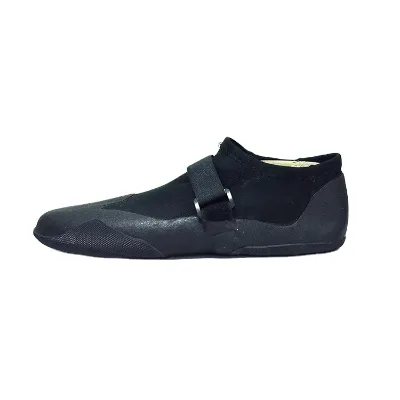
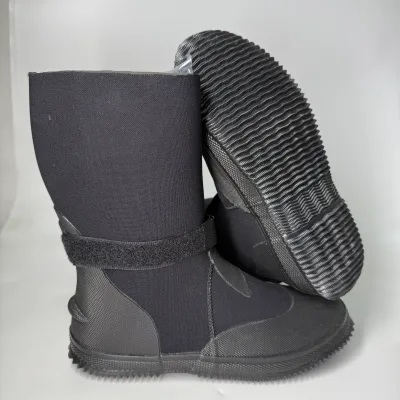
Narwhal Technology (dongguan) Co., Ltd.
- Verified by Intertek
- Manufacturer, Trading Company
- Lead time20 days
- Avg. response≤ 6h
Main productsDiving Regulator, Diving BCD; , Diving Hose, Diving Gear
Main marketsDomestic Market(33%), Southeast Asia(25%), Eastern Europe(15%)
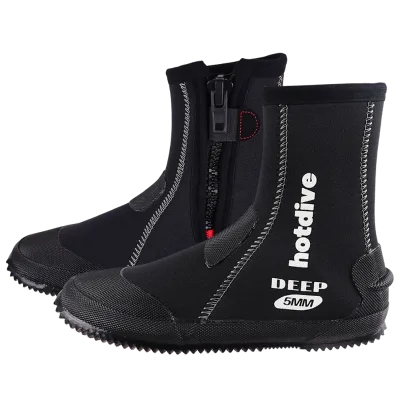
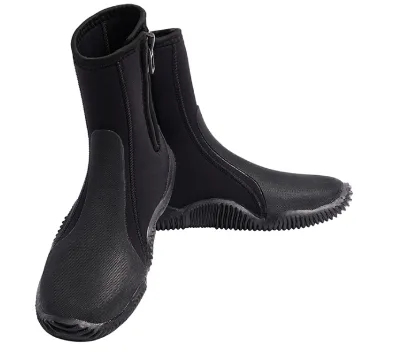
$15.00 - $22.50
Jinhu Langland Outdoor Sports Goods Co., Ltd.
- Trading Company
- Jiangsu, China
- Lead time30 days
- Avg. response≤ 11h
Main productsSUP Board,Wetsuit,Diving Boots,Waders
Main marketsNorth America(40.00%), Western Europe(20.00%), Eastern Europe(20.00%), Southern Europe(10.00%), Northern Europe(10.00%)
Funan Aikua Sports Goods Co., Ltd.
- Trading Company
- Anhui, China
- Lead time10 days
- Avg. response≤ 4h
Main productsdiving products,spearfishing products,swimming products,fishing products,outdoor sports products
Main marketsNorth America(25.00%), Western Europe(22.00%), South America(20.00%), Southern Europe(10.00%), Southeast Asia(10.00%), Oceania(6.00%), South Asia(3.00%), Central America(2.00%), Mid East(2.00%)

Shanghai Acdive Technology Co., Ltd.
- Trading Company,Manufacturer/Factory
- China Shanghai
- Lead time30 days
- Avg. response≤ 4h
Main productsWetsuit, Rash Guard, Diving Boot, Hunting Boot, Diving/Hunting Gloves, Neoprene Top/Pants, Neoprene Life Jacket, Snorkeling Goods, Swimming Goods, Mask Strap Cover
Main marketsSouth America,Eastern Europe,North America,Eastern Asia,Oceania,Western Europe

Adult Durable 3mm 4mm Neoprene Fast Shipping Water Sports Canoeing Snorkeling Swimming Diving Boots
$7.50 - $8.50
MOQ: 2 Pairs

$9.80 - $11.30
MOQ: 200 Pairs

High Quality Adult 5mm Neoprene Scuba Diving Spearfishing Keep Warm Vulcanized Customized Aqua Boot
$9.70 - $11.20
MOQ: 200 Pairs

Professional Adult 5mm Neoprene Thicken Reinforced Sole OEM ODM Scuba Diving Spearfishing Aqua Boot
$10.80 - $12.90
MOQ: 200 Pairs

$9.90 - $11.50
MOQ: 200 Pairs

$7.30 - $8.50
MOQ: 500 Pairs

Jiangsu Baizhou Safety Technology Co., Ltd.
- Combined
- China Jiangsu
- Lead time15 days
- Avg. response≤ 4h
Main productsLife Jacket, Inflatable Life Jacket, Life Buoy, Rescue Tube, FRP Box, Fire Hose Box, Scba
Main marketsSouth America,Africa,Southeast Asia/ Mideast,East Asia(Japan/ South Korea),Domestic,Europe,Australia,North America

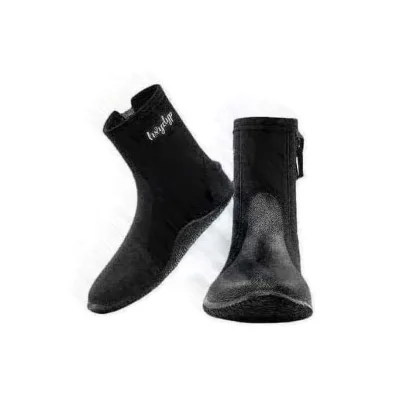
More Breathable Thicken Protective Soft Neoprene High Elastic Diving Shoes
$1.60 - $2.90
MOQ: 100 Pieces


Shanghai Lywish Outdoor Co., Ltd.
- Verified by SGS Group
- Manufacturer, Trading Company
- Lead time0 days
- Avg. response≤ 6h
Main productsWaders, Wetsuit, Wading jacket , Waterproof Bag, Drysuits
Main marketsNorth America(35%), Western Europe(35%), Northern Europe(15%)
Changsha Libra Sports Product Co., Ltd.
- Trading Company
- Hunan, China
- Lead time5 days
- Avg. response≤ 9h
Main productswetsuits,life jackets,can cooler,rash guard,swimwear
Main marketsNorth America(50.00%), Western Europe(20.00%), Oceania(10.00%), Southern Europe(5.00%), South America(5.00%), Eastern Asia(5.00%), Eastern Europe(5.00%)
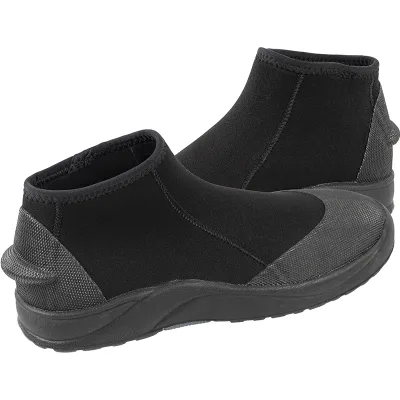
$10.0898 - $11.5828
MOQ: 100 pieces
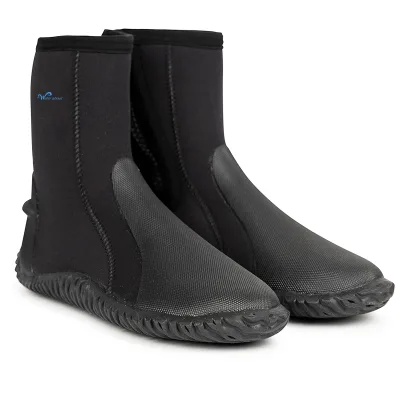
Popular Selling 3mm-5mm Adult Neoprene Diving Boots Adult scuba Surf Diving Wetsuit Boots
$11.274 - $13.5704
MOQ: 200 pieces
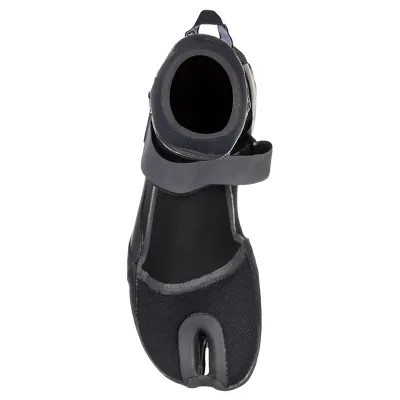
Custom Elastic Neoprene Rubber Water Shoes 5mm Split Toe Waterproof Snorkeling Diving Surfing Boots
$19.0073 - $23.1176
MOQ: 100 pieces
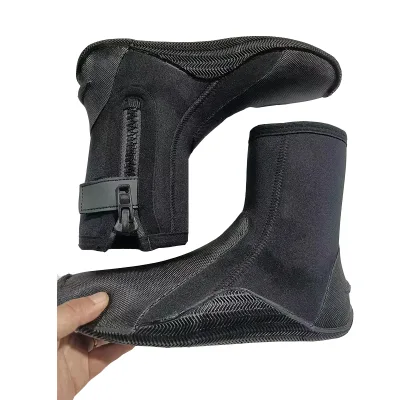
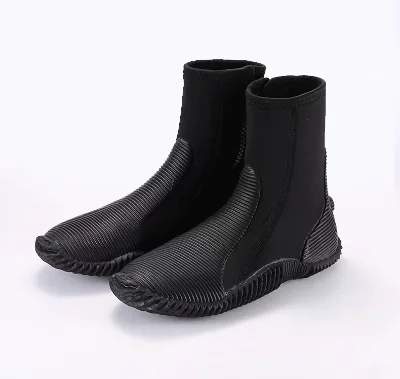
Factory Direct Supply Multi-Functional Anti Slip Neoprene Long Cut Boots Scuba Diving Boots
$12.50 - $14.50
MOQ: 100 pieces
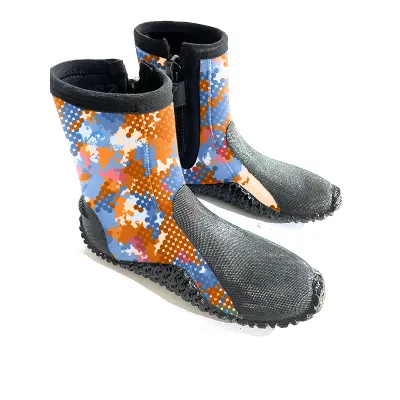
$11.80 - $13.80
MOQ: 100 pieces
Nanjing Hengrun Shoes Co., Ltd.
- Trading Company
- Jiangsu, China
- Lead time60 days
- Avg. response≤ 4h
Main productsRain Boots,rubber Boots,Safety Boots,snow Boots,Military Boots
Main marketsNorth America(60.00%), Western Europe(20.00%), Southern Europe(10.00%), Eastern Europe(10.00%)
Dongguan Hongxin Sporting Goods Co., Ltd.
- Verified by TüVRheinland
- Manufacturer, Trading Company
- Lead time60 days
- Avg. response≤ 3h
Main productsFishing Wader, Hunting Wader, Wetsuits, Rash Guard And Life Vest, Surfing Suit
Main marketsNorth America(20%), Eastern Europe(15%), Western Europe(15%)
Dongguan Hongming Sports Goods Co., Ltd.
- Verified by Intertek
- Manufacturer, Trading Company
- Lead time20 days
- Avg. response≤ 2h
Main productsNeoprene Can Cooler, Neoprene Cosmetic Bag, Baby Carrier, Neoprene Lunch Bag, Bath Kneeler and Elbow Rest Pad
Main marketsNorth America(40%), Domestic Market(34%), Eastern Asia(10%)
Jinjiang Meipu Clothing Co., Ltd.
- Manufacturer, Trading Company
- Fujian, China
- Lead time0 days
- Avg. response≤ 6h
Main productsBadminton Shuttlecock,Badminton,Shuttlecock,Badminton Racket,Badminton Grip Tape
Main marketsCentral America(100.00%), Mid East(100.00%), Southeast Asia(100.00%), South Asia(100.00%), North America(35.00%)
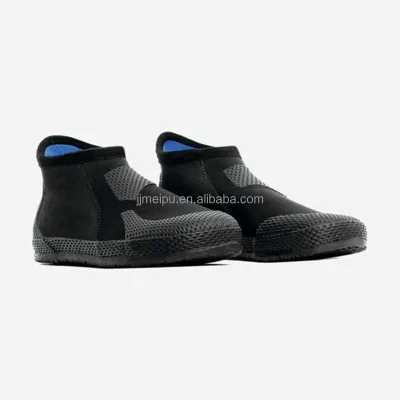
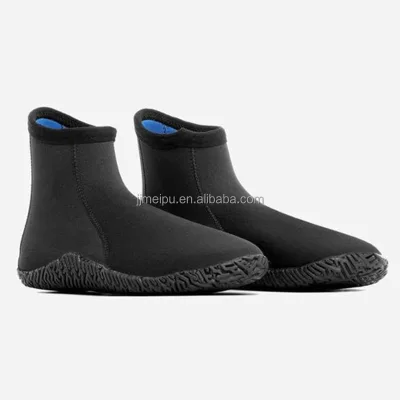
$18.40 - $18.60
MOQ: 500 pieces
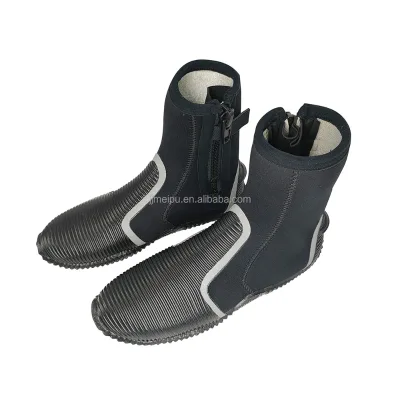
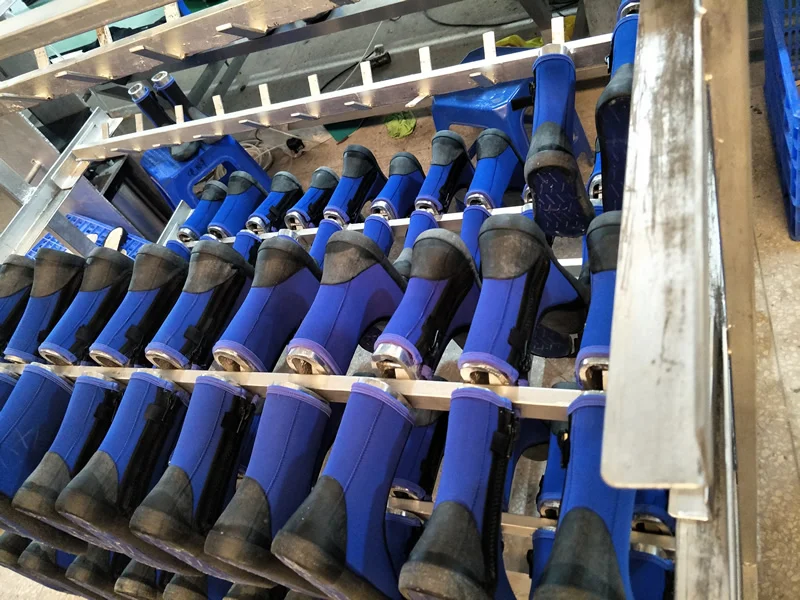
$18.40 - $18.60
MOQ: 500 pieces
Shenzhen Yarui Technology Co., Ltd.
- Trading Company
- Guangdong, China
- Lead time15 days
- Avg. response≤ 3h
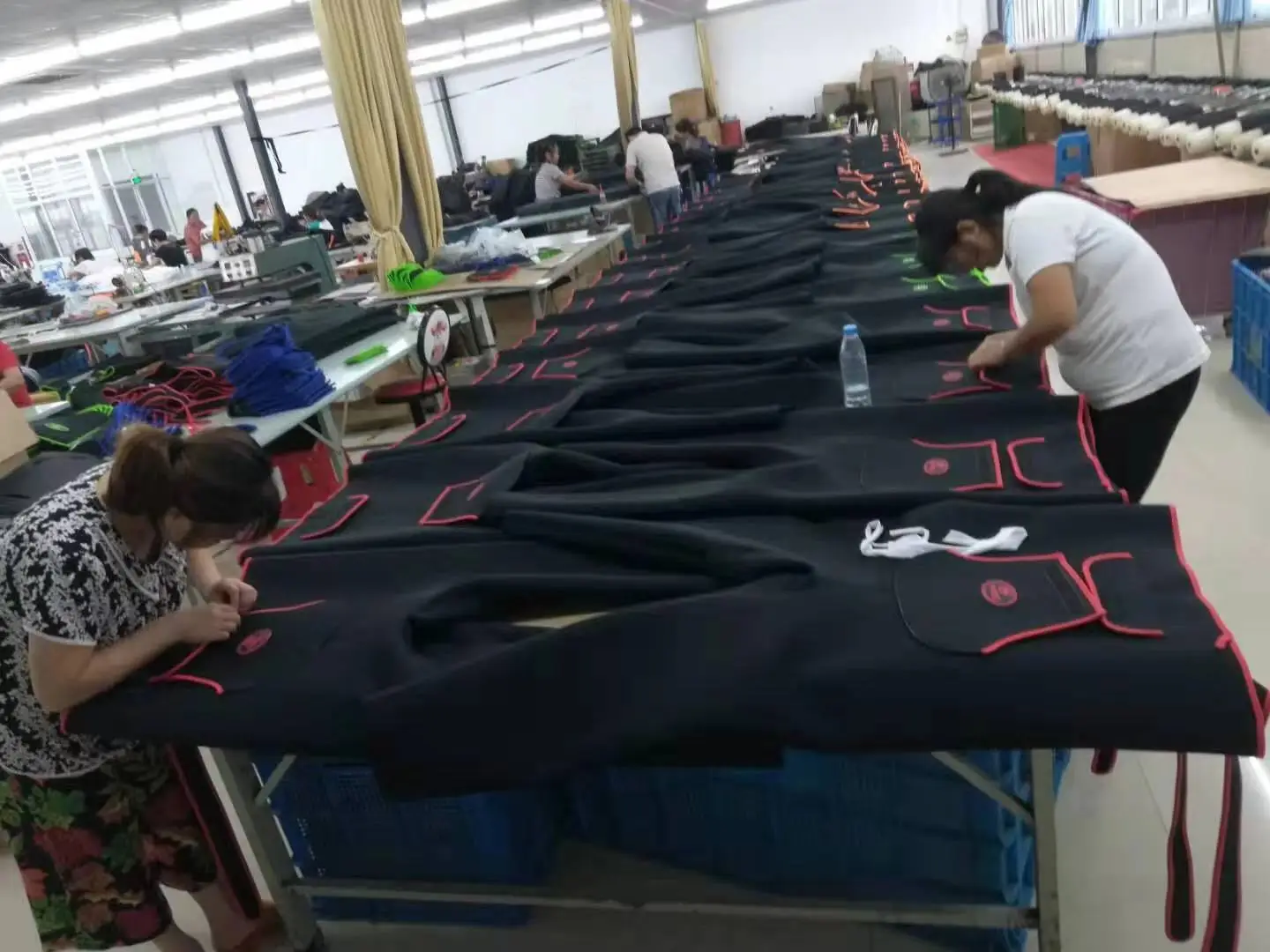
Main productsDiving Hard Boot,Diving Boots,Diving Upstream Boots,Neoprene Wader,Fishing Wader
Main marketsMid East(20.00%), North America(20.00%), Northern Europe(10.00%), Western Europe(10.00%), South America(10.00%), Southeast Asia(10.00%)
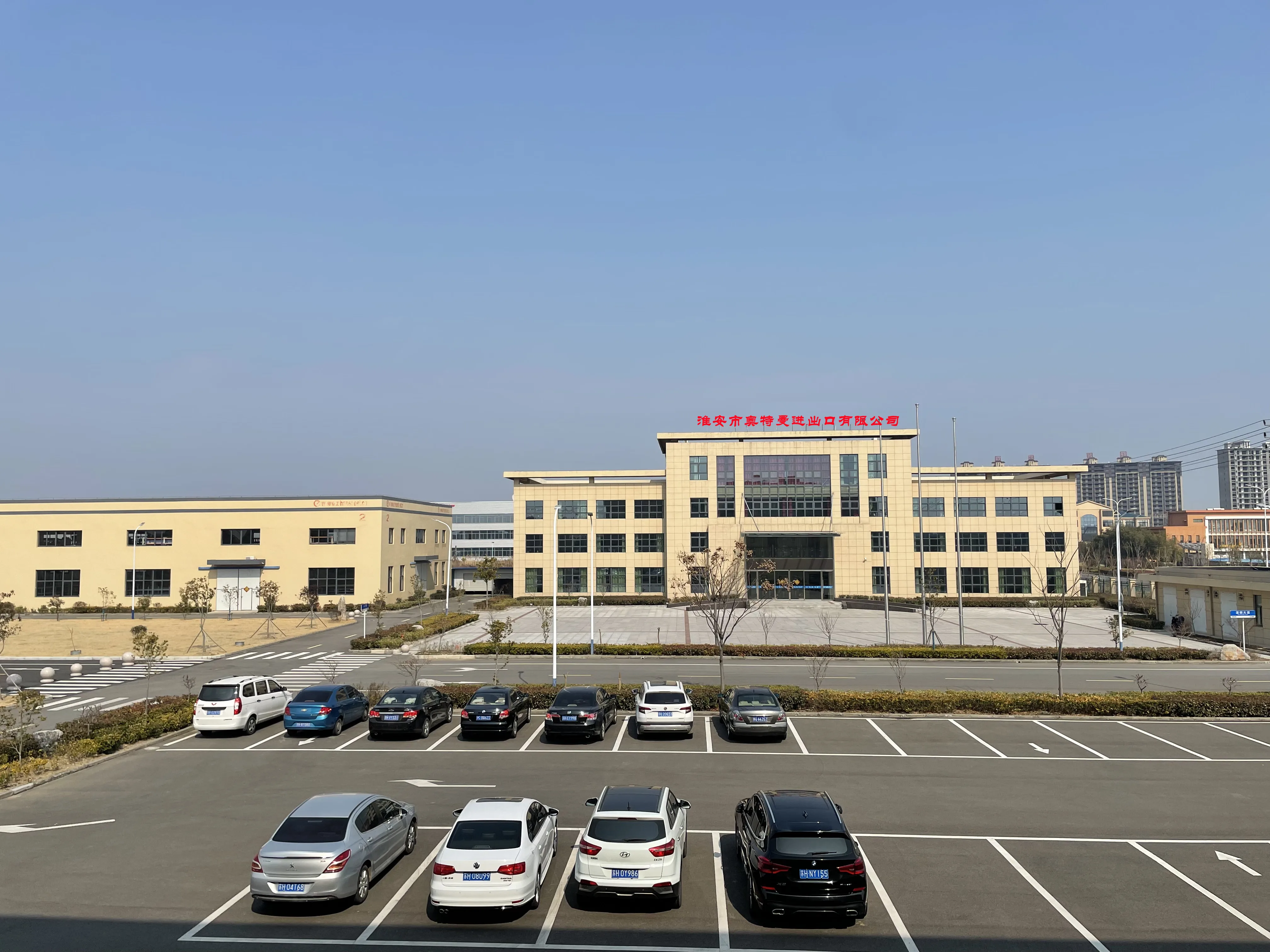
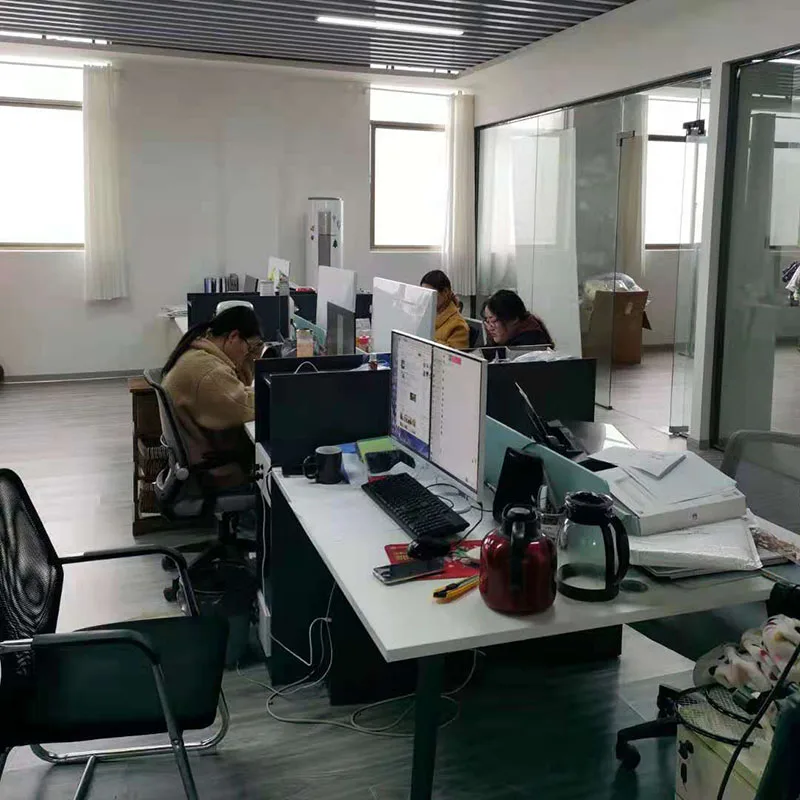
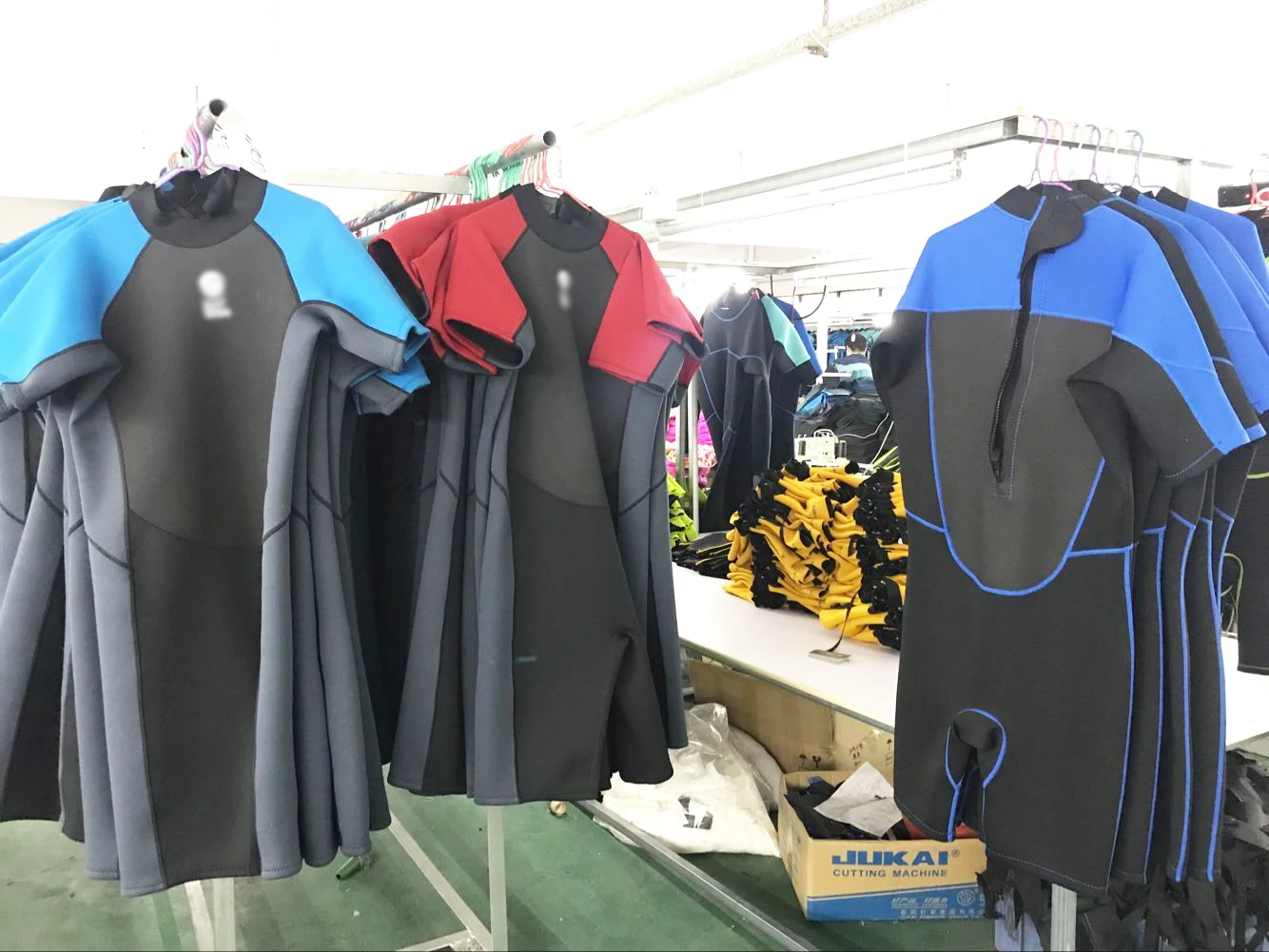
Huaian Altman Import And Export Co., Ltd.
- Trading Company
- Jiangsu, China
- Lead time30 days
- Avg. response≤ 11h
Main productsRubber Boots,Neoprene Boots,Neoprene Waders,Breathable Wader,PVC Boots
Main marketsNorth America(40.00%), Northern Europe(20.00%), Southern Europe(10.00%), Eastern Europe(10.00%), Western Europe(10.00%), Eastern Asia(10.00%)
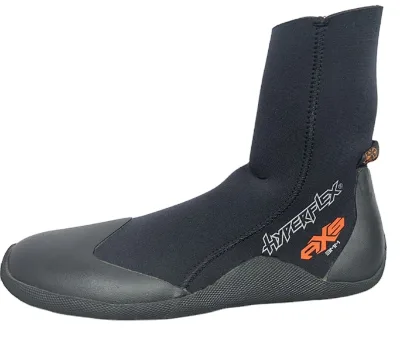
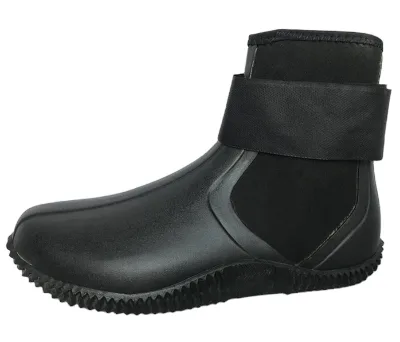
Neoprene 4mm Dive Boot With Plumbum Midsole
$12.50 - $13.00
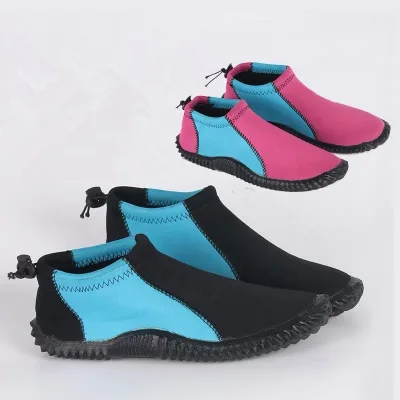
- Verified by SGS Group
- Manufacturer, Trading Company
- Lead time30 days
- Avg. response≤ 11h
Main productsWetsuit, Rash Guard, Diving Boots, Diving Socks, Life Vest
Main marketsMid East(32%), Oceania(20%), Southeast Asia(10%)
- Trading Company
- Jiangsu, China
- Lead time15 days
- Avg. response≤ 1h
Main productsSutuspension Trainer/Ballet Strap/Resistance Bands/Booty Belt/Hip Cicle/Speed Che/Trampoline/Weight-lifting Belt/AB Roller/Yoga Ball,Suspension Trainer,Yoga Blanket,Massage ball,Wateproof dry bag
Main marketsNorth America(52.00%), Western Europe(20.00%), Northern Europe(10.00%), Oceania(5.00%), South America(5.00%), Mid East(5.00%), Domestic Market(3.00%)
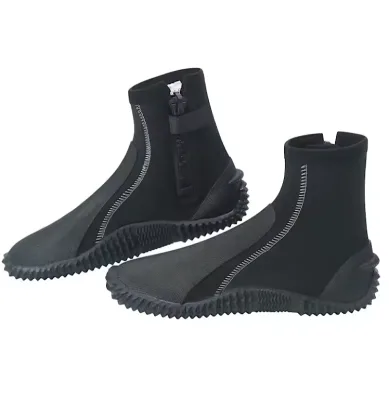
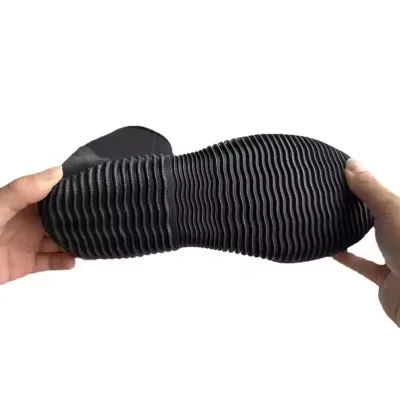
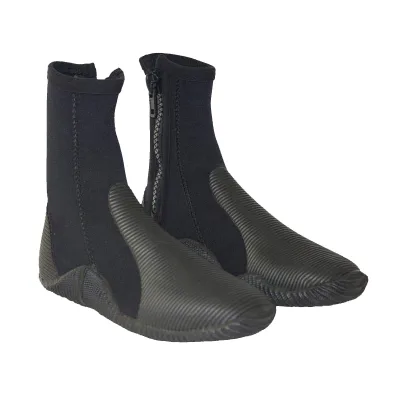
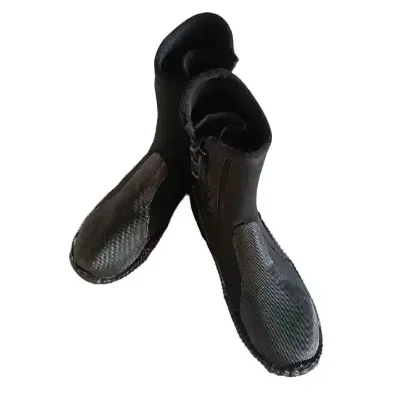
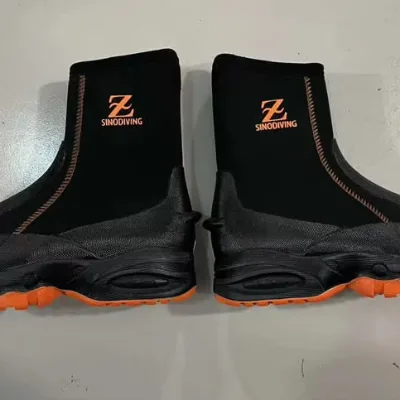
Waterproof Non Slip Fish Hunting Shoes Rubber Sole Side Zipper 5mm Diving Boots
$15.69 - $17.25
MOQ: 10
Dongguan Silicon Chain New Material Technology Co., Ltd.
- Verified by SGS Group
- Manufacturer, Trading Company
- Lead time0 days
- Avg. response≤ 8h
Main productsFoam Pad, Foam Sheet, Foam Grip
Main marketsNorth America(30%), Western Europe(30%), Eastern Asia(20%)
Dongguan Svs Sports Goods Co., Ltd.
- Verified by SGS Group
- Manufacturer, Trading Company
- Lead time20 days
- Avg. response≤ 2h
Main productsWetsuit, Diving Suit, Spearfishing Suit, Surfing Wetsuit, Water Sports Accessories
Main marketsNorth America(20%), Southern Europe(20%), South America(10%)
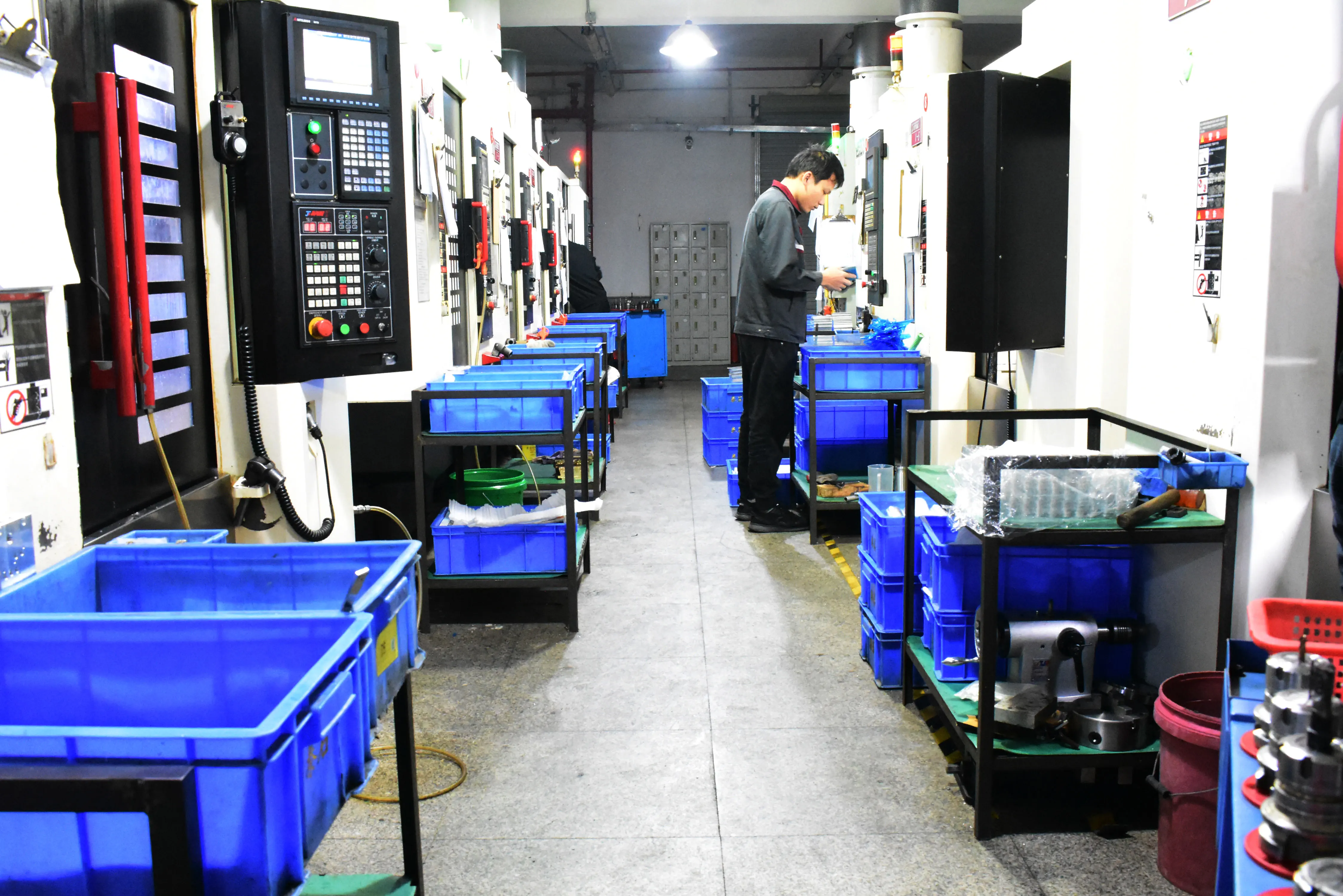
Shenzhen Dedepu Technology Co., Ltd.
- Manufacturer, Trading Company
- Guangdong, China
- Lead time0 days
- Avg. response≤ 3h
Main productsHardware Accessories,Mini Scuba Diving Equipment,scuba dive gear,diving equipments,compressor
Main marketsNorth America(69.00%), South America(12.00%), Domestic Market(3.00%), Northern Europe(3.00%), Western Europe(3.00%), Eastern Europe(3.00%), Southern Europe(2.00%), Mid East(1.00%), Eastern Asia(1.00%), Oceania(1.00%), Central America(1.00%), Africa(1.00%)

HK Nineup International Trading Limited
- Trading Company,Manufacturer/Factory
- China Fujian
- Lead time45 days
- Avg. response≤ 7h
Main productsRunning Shoes, Football Shoes, Outsole, Shoes Material, Ceramic Crafts, Shoe Machine, Golf Shoes
Main marketsSouth America,Eastern Europe,North America,Southeast Asia,Western Europe


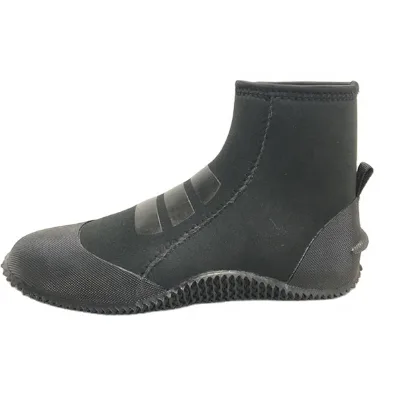
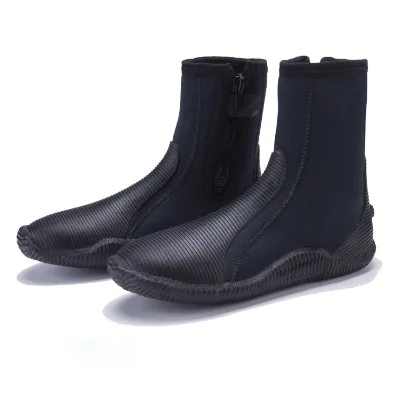
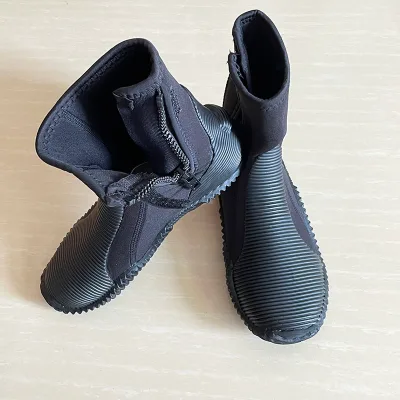
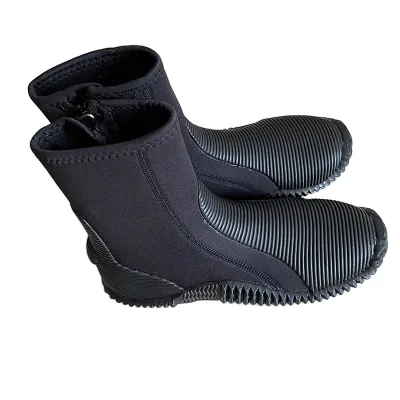
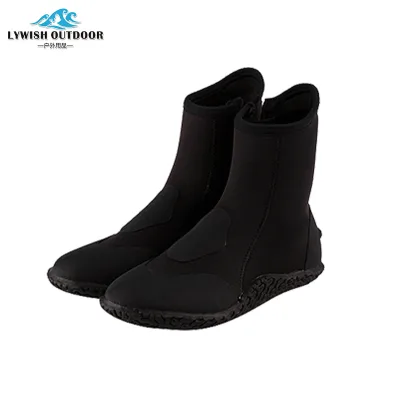
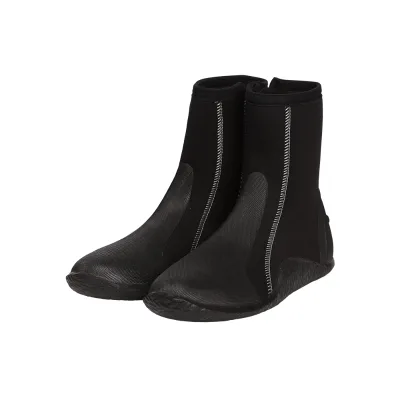
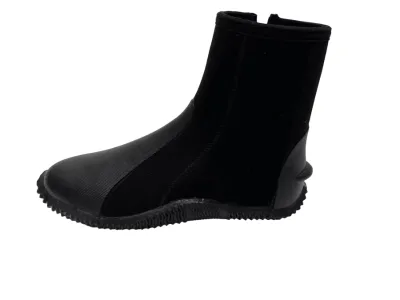
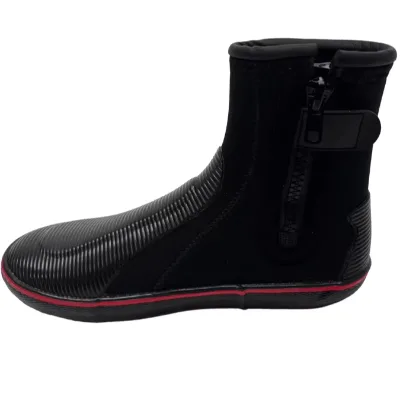
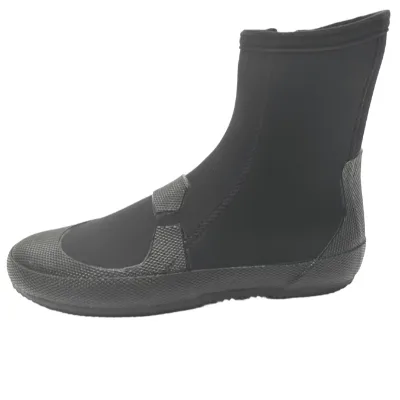
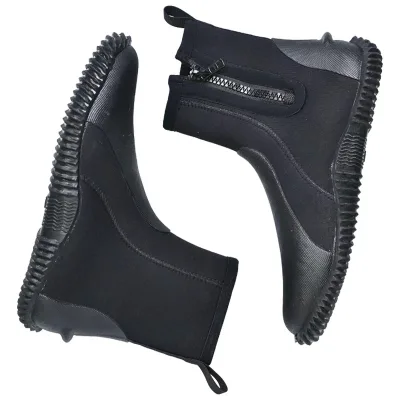
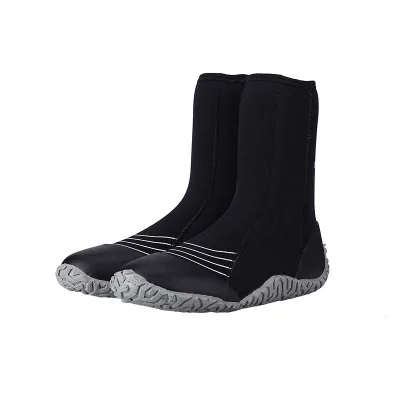
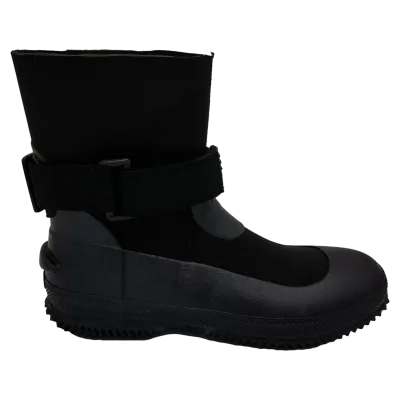


Comprehensive Sourcing Guide
Lightweight Neoprene Diving Boots Supplier Concentration and Factory Types
The current supplier landscape for Lightweight Neoprene Diving Boots reveals a distinct concentration of manufacturing and trading entities within specific geographic hubs, most notably Shanghai, China. This regional clustering suggests a mature supply chain ecosystem where raw material sourcing, particularly neoprene sheets and rubber soles, is readily accessible to producers. Buyers evaluating this market should note that the primary location data points to Shanghai as a central node for these operations, indicating that logistics infrastructure in this area is optimized for exporting water sports equipment. The presence of suppliers in this region often correlates with established networks for shipping bulky items like diving gear, which can influence overall delivery timelines and freight costs. Understanding this geographic concentration allows buyers to anticipate potential logistical advantages or bottlenecks when coordinating with factories located in or near this major port city.
In addition to geographic location, the types of companies operating in this sector vary significantly, ranging from pure trading companies to manufacturers with OEM capabilities. Many suppliers identify as trading companies, which may offer a broader catalog of related products such as exhibition booths or light boxes alongside diving equipment, potentially indicating a diversified business model rather than specialized manufacturing. Conversely, other entities focus exclusively on water sports gear, offering specialized products like spearfishing knives or surface marker buoys, which suggests a deeper technical expertise in neoprene construction and waterproofing technologies. This distinction is crucial for buyers, as trading companies might provide more flexible order sizes and faster communication, while specialized manufacturers may offer greater control over material quality and customization options. Recognizing these company types helps buyers align their sourcing strategy with their specific needs for volume, customization, and technical support.
How to Verify Lightweight Neoprene Diving Boots Suppliers
Verifying the legitimacy and capability of suppliers requires a multi-layered approach that goes beyond simple profile reviews. Buyers should prioritize checking the response time metrics provided by the platform, as these figures offer a tangible indicator of operational efficiency and customer service readiness. For instance, some suppliers demonstrate response times as low as three hours, while others may take over eleven hours, which can significantly impact the speed of negotiation and order placement. A faster response time often correlates with a more active sales team and potentially quicker resolution of technical queries regarding neoprene thickness or zipper quality. Additionally, buyers should scrutinize the main products listed for each supplier to ensure alignment with their specific requirements, looking for clear indications of expertise in diving-specific items rather than general merchandise.
Beyond response metrics, verifying the authenticity of product claims is essential for ensuring quality and compliance. Buyers must cross-reference product attributes such as material composition, thickness, and origin with the supplier’s stated capabilities. For example, confirming that a product labeled as 5mm neoprene actually matches the specified thickness and includes features like rubber soles or waterproof zippers is critical for performance assurance. Suppliers should provide detailed product properties, including model numbers and packing standards, which serve as verifiable data points for quality control. Furthermore, checking for customization availability and brand name options, such as OEM or ODM services, can reveal the supplier’s flexibility and manufacturing depth. Buyers should request samples or detailed specifications to validate these claims, ensuring that the supplier’s stated attributes match the physical product before committing to larger orders.
What to Compare Across Lightweight Neoprene Diving Boots Suppliers
When evaluating multiple suppliers, buyers must systematically compare key operational metrics to identify the most suitable partner for their business needs. Lead time is a critical factor, with some suppliers offering production cycles as short as twenty days, while others may require thirty days or more. This variation can significantly impact inventory management and market responsiveness, making it essential for buyers to align lead times with their sales forecasts and seasonal demands. Additionally, minimum order quantities (MOQ) vary widely, ranging from small batches of ten pairs to larger commitments of fifty pairs or more. Buyers with limited capital or testing phases may prefer suppliers with lower MOQs, while those seeking economies of scale might negotiate better pricing with higher volume commitments. Comparing these metrics side-by-side helps buyers balance cost efficiency with operational flexibility.
Price and customization options are equally important dimensions for comparison, as they directly affect profitability and brand differentiation. Unit prices for neoprene diving boots can range from approximately seventeen to forty-three dollars, depending on material quality, thickness, and additional features like branded zippers or custom packaging. Buyers should analyze these price points in conjunction with the supplier’s main products and service offerings to determine the true value proposition. For instance, a supplier offering OEM/ODM services may charge a premium but provide greater brand control, while a trading company might offer competitive pricing for standard items. Additionally, comparing response speeds and location advantages can reveal hidden costs or benefits, such as faster communication reducing negotiation time or proximity to ports lowering shipping expenses. A holistic comparison of these factors ensures a well-informed sourcing decision.
Common Lightweight Neoprene Diving Boots Sourcing Risks
Sourcing Lightweight Neoprene Diving Boots involves several inherent risks that buyers must proactively manage to avoid disruptions and quality issues. One significant risk is the discrepancy between advertised product specifications and the actual delivered goods, particularly regarding material thickness and durability. Neoprene quality can vary substantially between suppliers, with some using lower-grade foam that loses elasticity or fails to provide adequate thermal insulation. Buyers must be vigilant in verifying material claims, such as the presence of rubber soles or waterproof zippers, to ensure the boots meet performance standards for diving and snorkeling activities. Failure to validate these attributes can result in customer dissatisfaction and returns, damaging brand reputation and profitability.
Another common risk is the inconsistency in lead times and order fulfillment reliability, which can disrupt supply chain planning. Suppliers may promise short production cycles but fail to meet deadlines due to capacity constraints or material shortages. This risk is exacerbated when working with trading companies that may not have direct control over manufacturing schedules. Additionally, the lack of standardized certifications or quality control processes in some segments of the market can lead to variability in product quality. Buyers should mitigate these risks by establishing clear communication channels, requesting regular production updates, and implementing strict quality inspection protocols before shipment. Understanding these potential pitfalls allows buyers to develop contingency plans and select suppliers with proven track records of reliability and consistency.
Lightweight Neoprene Diving Boots Regional Sourcing and Logistics
Regional sourcing decisions significantly impact logistics efficiency and cost structures for Lightweight Neoprene Diving Boots. Suppliers located in Shanghai, China, benefit from proximity to major international shipping ports, which can streamline export processes and reduce transit times. This geographic advantage is particularly relevant for buyers targeting global markets, as it facilitates faster delivery and potentially lower freight costs. However, buyers must also consider the broader logistical implications of sourcing from this region, including customs clearance procedures and potential tariffs. Understanding the specific logistics infrastructure available to suppliers in Shanghai can help buyers anticipate delays and plan inventory levels accordingly. Additionally, the concentration of suppliers in this area may foster competition, leading to better service levels and pricing options for buyers.
Logistics planning should also account for packaging and shipping dimensions, which vary among suppliers and affect freight charges. Some suppliers provide detailed single package sizes, such as 20x20x5 cm or 30x15x10 cm, which buyers can use to calculate container loading efficiency and shipping costs. These dimensions are crucial for optimizing storage and distribution, especially for bulky items like diving boots. Buyers should work closely with suppliers to understand their packing standards, such as the number of pairs per carton, to ensure efficient handling and reduced damage risk during transit. Furthermore, considering the weight of the products, which can range from 0.5 kg to 2.5 kg per unit, helps in selecting appropriate shipping methods and carriers. Effective logistics planning requires a detailed understanding of these physical attributes and their impact on the overall supply chain.
Lightweight Neoprene Diving Boots Commercial Terms and Order Planning
Commercial terms and order planning are foundational to successful sourcing of Lightweight Neoprene Diving Boots, requiring careful negotiation and strategic foresight. Buyers must clearly define payment terms, delivery schedules, and quality assurance protocols to protect their interests and ensure smooth transactions. Establishing a clear understanding of the supplier’s response time and communication style is vital for resolving issues promptly and maintaining a productive partnership. Additionally, buyers should consider the implications of customization requests, such as logo printing or specific packaging requirements, on production timelines and costs. These factors can significantly impact the overall order value and delivery schedule, making it essential to align expectations early in the sourcing process.
Order planning should also incorporate flexibility to accommodate market fluctuations and supply chain uncertainties. Buyers may benefit from negotiating tiered pricing structures based on volume, allowing for cost savings as order quantities increase. Additionally, establishing a buffer stock strategy can mitigate the risk of stockouts due to unexpected demand spikes or production delays. Buyers should also consider the supplier’s capacity to handle rush orders or modifications, which can be crucial for responding to market trends. By integrating these commercial considerations into their sourcing strategy, buyers can build a resilient supply chain that supports long-term growth and profitability. Effective order planning requires a balance of cost efficiency, quality assurance, and operational flexibility, ensuring that the sourcing process aligns with broader business objectives.
FAQs
What is the price range for Lightweight Neoprene Diving Boots?
Prices for these boots typically range from approximately $17.90 to $43.00 per pair. The final cost depends on specific thickness, material quality, and customization options. Buyers should verify exact pricing with suppliers based on order volume and specific model requirements.
What is the minimum order quantity for these boots?
Minimum order quantities vary significantly by supplier. Some manufacturers accept orders as low as 10 pairs, while others require a minimum of 50 pairs. Buyers must check individual product listings to confirm the specific MOQ applicable to their desired model and customization needs.
How long does production take for these boots?
Standard lead times for manufacturing these boots generally range from 20 to 30 days. This timeframe allows for material preparation, cutting, sewing, and quality control. Buyers should confirm specific delivery schedules with suppliers to ensure alignment with their project deadlines.
Are customization options available for diving boots?
Yes, customization is widely available for these boots. Suppliers typically offer OEM and ODM services, allowing for custom logos, colors, and packaging. Buyers can request specific branding or design modifications to meet their unique market requirements and brand identity standards.
Where are these diving boots manufactured?
These boots are primarily manufactured in China, with specific production hubs in Shanghai and Guangdong. Buyers should verify the exact place of origin for each product listing to understand shipping logistics and potential import duties associated with sourcing from these specific regions.
What materials are used in these diving boots?
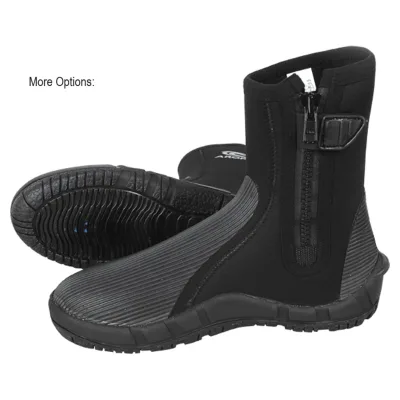
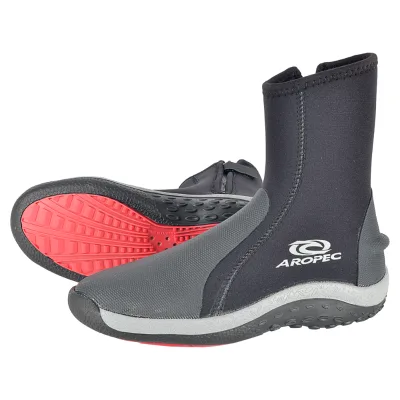
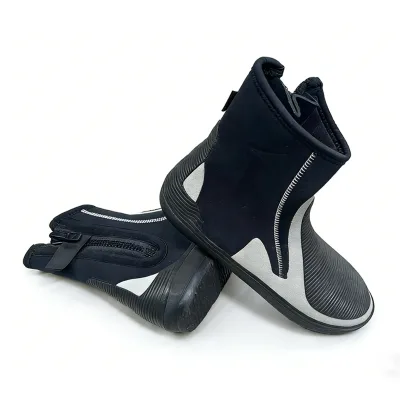
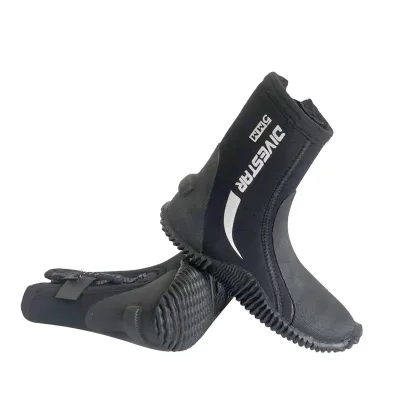
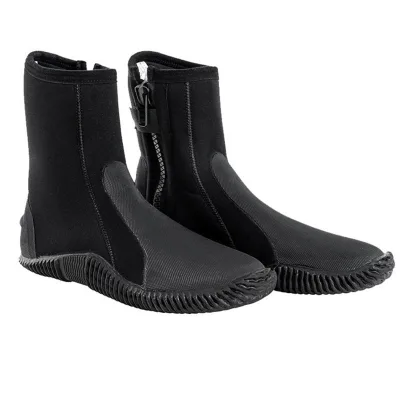
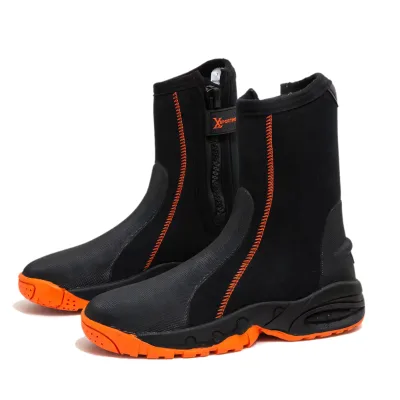
These boots are primarily constructed from neoprene, often featuring rubber soles and waterproof zippers. Some models include elastic rubber shoelaces for a secure fit. Buyers should review product specifications to confirm material thickness and sole composition for their specific diving conditions.