Lightweight Folding Medical Walker Suppliers and Manufacturers
Compare 28 verified suppliers offering lightweight folding medical walkers with CE and ISO certifications. Review response times, lead times, and MOQs to select a partner. Contact suppliers directly to request samples; review the available evidence before requesting comparable quotations from suitable candidates.
Updated
Suppliers List

Shanghai Honsung Medical Instruments Co., Ltd.
- Verified by TUVRHEINLAND
- Trading Company
- China Shanghai
- Lead time15 days
- Avg. response≤ 7h
Main productsBlood Collection Tube, Isolation Gown, Blood Collection Needle, Infusion Set, Foley Catheter, Cautery Pencil, Alcohol Prep Pad, Surgical Suture, Surgical Tape
Main marketsAfrica,Southeast Asia/ Mideast,Europe,North America


Aluminum Medical Walker for Disabled Patient Rollator Walker Folding CE&ISO
$13.00 - $17.00
MOQ: 300 Pieces

Aluminum Medical Walker for Disabled Patient Rollator Walker Folding CE&ISO
$13.00 - $17.00
MOQ: 300 Pieces

Yangzhou Super Union Import & Export Co., Ltd.
- Verified by SGS
- Trading Company,Manufacturer/Factory
- China Jiangsu
- Lead time15 days
- Avg. response≤ 5h
Main productsGauze Swab, Gauze Roll, Gauze Ball, Lap Sponge, Paraffin Gauze, Cotton Roll, Non Woven Sponge, Medical Bandage, Medical Tape, Dressing Products
Main marketsSouth America,Mid East,Southeast Asia,Africa


Wholesale Assistant Folding Lightweight Aluminum Rollator Walker for Elderly
$14.00 - $30.00
MOQ: 1 Pieces
Yiwu Medco Health Care Co., Ltd.
- Verified by TüVRheinland
- Trading Company
- Lead time15 days
- Avg. response≤ 5h
Main productsMedical Equipment
Main marketsAfrica(35%), Mid East(35%), Eastern Europe(6%)
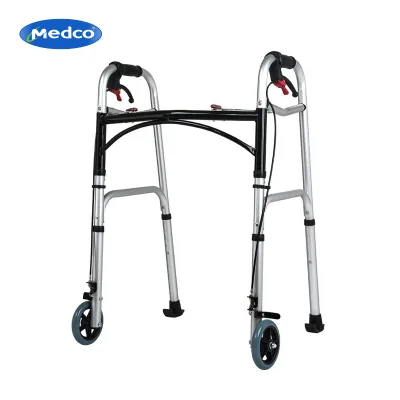
Aluminum Walker Medical Adjustable Foldable Aluminium Lightweight Walker
$14.3155 - $16.3616
MOQ: 50 pieces
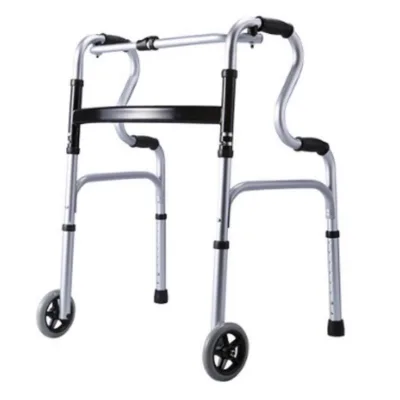
Hospital Lightweight Folding Aluminum Mobility Elderly Disability Walking Aid With Wheels Walker
$22.0743 - $24.6421
MOQ: 5 pieces
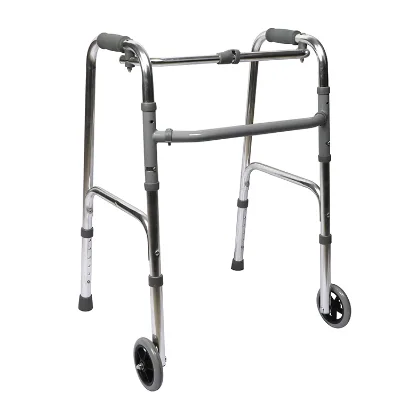
$12.2708 - $20.4509
MOQ: 4 Minimum

Dinglian (Zhongshan) Rehabilitation Equipment Co., Ltd.
- Verified by SGS
- Combined
- China Guangdong
- Lead time30 days
- Avg. response≤ 6h
Main marketsDomestic,Australia,North America

Aluminium Lightweight Medical Rehabilitation Four Wheel Folding Disabled Rollator Walker
$41.70 - $42.38
MOQ: 200 Pieces

Aluminum Walker Medical Adjustable Foldable Aluminium Lightweight Walker Rollator
$12.00 - $22.00
MOQ: 10 Pieces

Medical Rehabilitation Walker Foldable Aluminum Alloy Wheelchair Walker Rollator
$66.11 - $66.78
MOQ: 200 Pieces

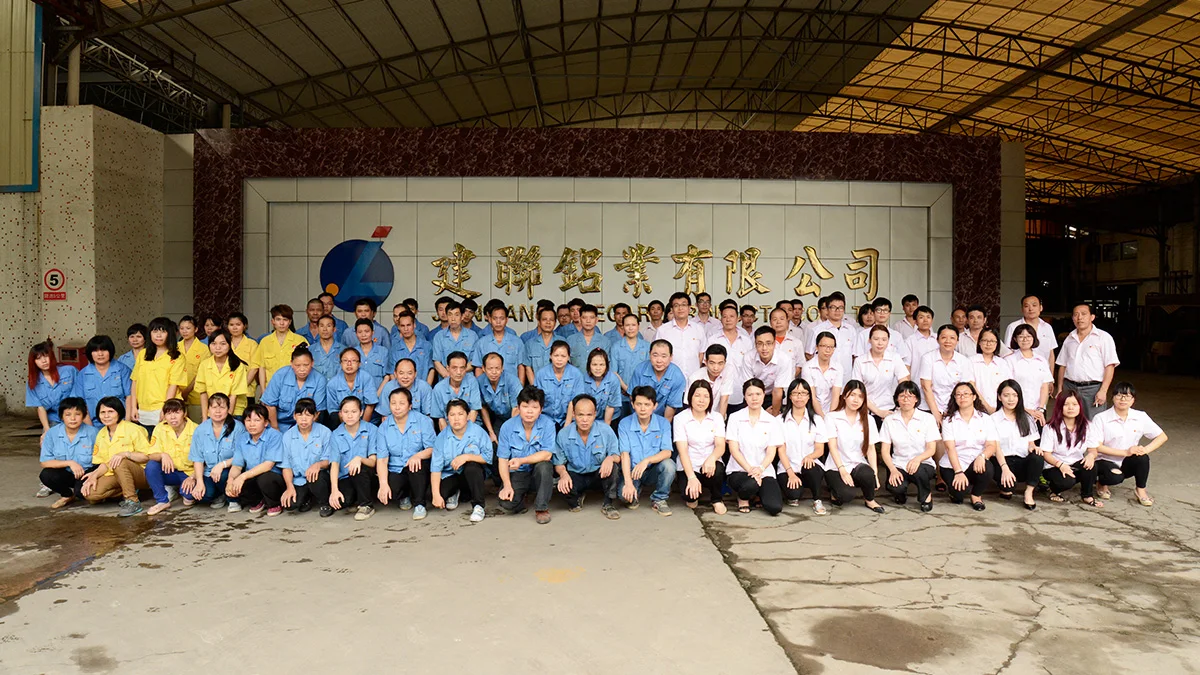
Foshan Nanhai Dali Xiebian Jianlian Aluminum Industry Co., Ltd.
- Manufacturer, Trading Company
- Guangdong, China
- Lead time45 days
- Avg. response≤ 8h
Main productsWheelchair,Walker,Walking Stick,Commode Chair,Bath Bench
Main marketsMid East(20.00%), South America(20.00%), Africa(20.00%), Southeast Asia(12.00%), Southern Europe(5.00%), Eastern Europe(5.00%), Northern Europe(5.00%), Western Europe(5.00%), Eastern Asia(2.00%), North America(2.00%), Domestic Market(1.00%), South Asia(1.00%), Central America(1.00%), Oceania(1.00%)
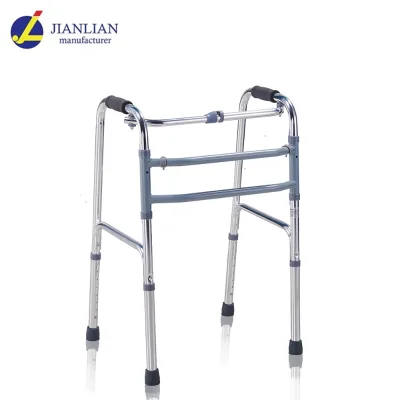
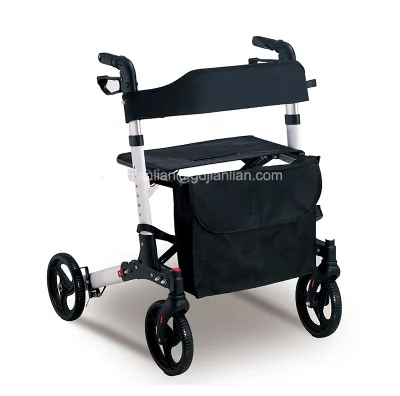
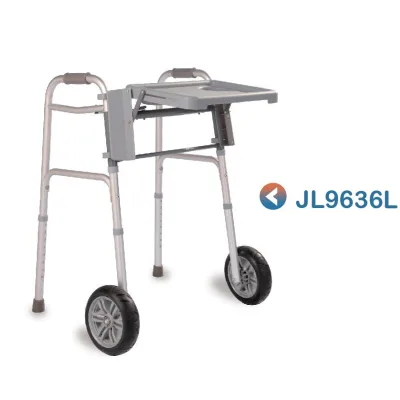
Hot New Lightweight Folding Medical Walker High Quality Orthopedic Rollator Hot Sale
$7.1877 - $17.4544
MOQ: 10 pieces
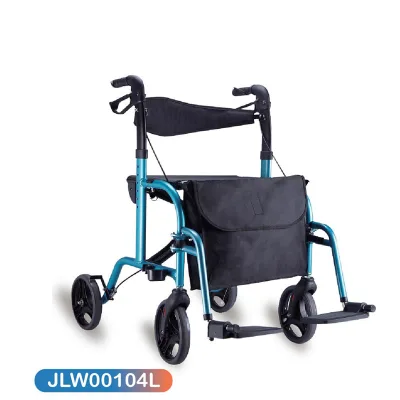
$63.7435 - $68.885
MOQ: 2 pieces

Shanghai Brother Medical Manufacturer Co., Ltd.
- Verified by CTI
- Manufacturer/Factory
- China Shanghai
- Lead time23 days
- Avg. response≤ 19h
Main productsWheelchair, Hearing Aid, Mobility Scooter, Commode Chair, Shower Chair, Crutch, Walking Stick
Main marketsSouth America,Eastern Europe,Mid East,North America,Southeast Asia,Eastern Asia,Oceania,Western Europe,Africa


Lightweight Aluminum Rollator Walker with Adjustable Height and 8" Wheels
$23.50 - $29.90
MOQ: 50 Pieces

Medical Rollator Walker for Elderly Rehabilitation and Mobility Support
$10.00 - $15.00
MOQ: 100 Pieces

Durable and Compact Foldable Walker Rollator for Elderly Rehabilitation
$23.50 - $29.90
MOQ: 50 Pieces
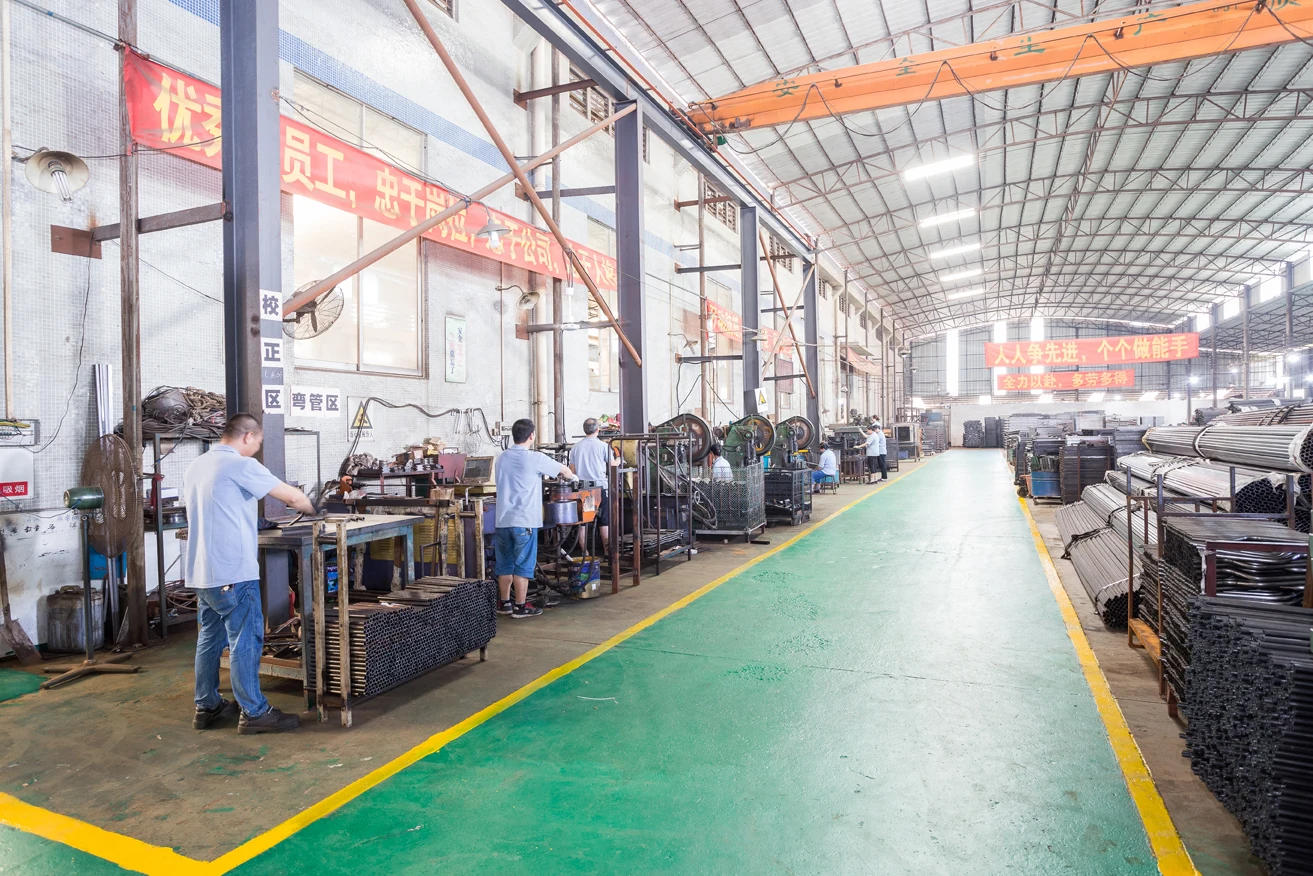
Caremaster Healthline Products Co., Ltd.
- Manufacturer, Trading Company
- Guangdong, China
- Lead time45 days
- Avg. response≤ 2h
Main productsMobility aid,Home Care,Rehabilitation Device,Hospital Furniture,Healthcare service
Main marketsSouth America(15.00%), Western Europe(12.00%), Africa(10.00%), Northern Europe(9.00%), Mid East(8.00%), North America(8.00%), Southeast Asia(7.00%), Eastern Europe(7.00%), South Asia(6.00%), Southern Europe(5.00%), Oceania(4.00%), Eastern Asia(3.00%), Domestic Market(3.00%), Central America(3.00%)

- Trading Company
- China Guangdong
- Lead time15 days
- Avg. response≤ 7h
Main productsElectric Wheelchair, Manual Wheelchair, Sports Wheelchair, Hospital Bed, Crtuches, Walking Aids, Shower Chair, Trailer Mobility Scooter, Commode Wheelchair, Stretcher
Main marketsSouth America,Europe,Australia


Height-Adjustable 4-Wheel Rollator Lightweight Aluminum, Foldable Design with Seat
$85.58 - $91.78
MOQ: 30 Pieces
Foshan Any Home Care Medical Technology Co.,Ltd
- Verified by SGS Group
- Manufacturer, Trading Company
- Lead time35 days
- Avg. response≤ 1h
Main productsWalker Rollator, Examination Couch, Hospital Bed, Recliner Chair, Electric Dialysis Chair
Main marketsNorth America(30%), South America(30%), Southeast Asia(25%)
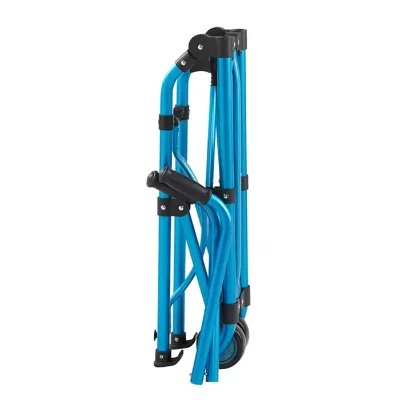
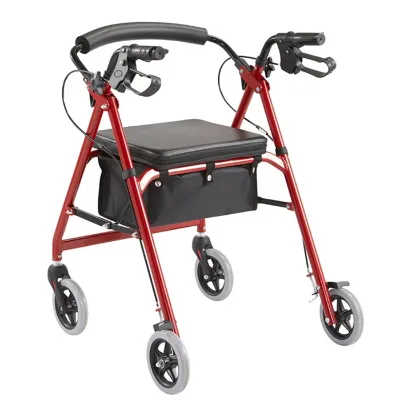
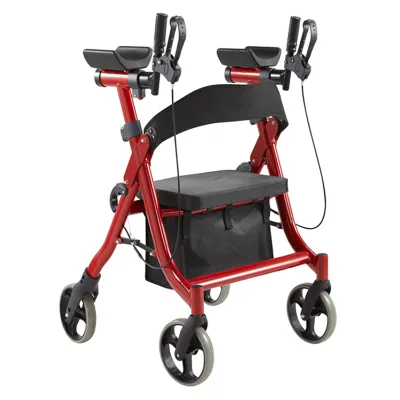
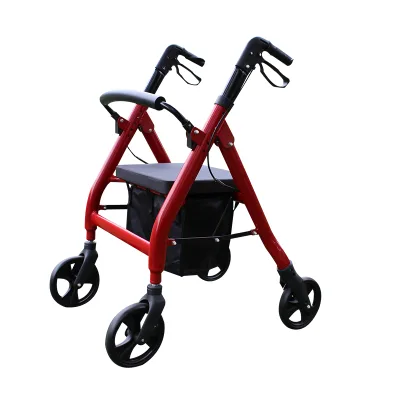
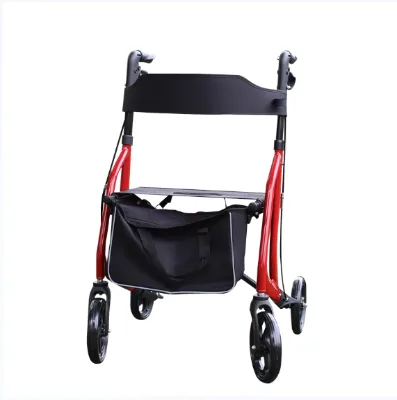
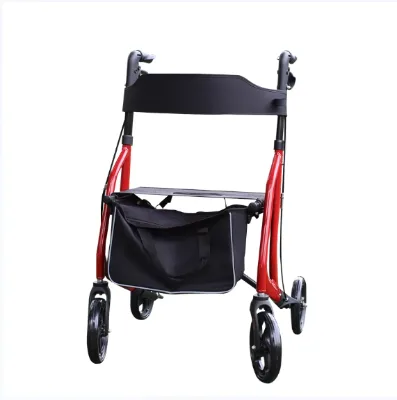
New Design Nursing Patient Walker 4 Wheeled Walking Aid Medical Senior Wheel Walker
$54.50 - $58.60
MOQ: 100 pieces

Hebei Webian Medical Instrument Trading Co., Ltd.
- Verified by TUVRHEINLAND
- Trading Company
- China Hebei
- Lead time15 days
- Avg. response≤ 3h
Main productsMedical Bed, Nursing Bed, Electric Bed, Wheelchair and Walking Aids, Other Hospital Furniture and Accessories, Bed Accessories
Main marketsSouth America,Africa,Southeast Asia/ Mideast,East Asia(Japan/ South Korea)
Hengshui Fengyu Medical Equipment Co., Ltd.
- Verified by SGS Group
- Manufacturer, Trading Company
- Lead time7 days
- Avg. response≤ 1h
Main productsMedical Position Pad, Nursing Pad, Leg Pad, Medical Fixed Belt, Lumbar Support Belt, Rib Belt, Medical Abdominal Belt, Nurse Bed
Main marketsNorth America(60%), Eastern Asia(20%), Africa(10%)

Nanjing Relcare Sports Tech Co., Ltd.
- Verified by SGS
- Trading Company
- China Jiangsu
- Lead time30 days
- Avg. response≤ 8h
Main productsElectric Wheelchair, Electric Rollator, Mobility Scooter, Rollator Walker, Folding Wheelchair, Lightweight Wheelchair, Manual Wheelchair, Handicap Scooter, Patient Lifter, Folding Scooter
Main marketsEurope,Australia,North America

LIUZHOU ONETOPPING TRADE CO., LTD
- Trading Company,Manufacturer/Factory
- China Guangxi
- Lead time45 days
- Avg. response≤ 18h
Main productsWheelchair
Main marketsSouth America,Eastern Europe,Mid East,North America,Southeast Asia,Eastern Asia,Oceania,Western Europe,Africa

Ningbo Greetmed Medical Instruments Co., Ltd.
- Verified by SGS
- Trading Company,Manufacturer/Factory
- China Zhejiang
- Lead time45 days
- Avg. response≤ 10h
Main productsDiagnostics, Nebulizer, Hospital Equipment, Laboratory Instrument, Medical Tubes, Monitor, Medical Products, Non Woven Face Mask, Infusion Set, Syringe
Main marketsSouth America,Eastern Europe,Mid East,North America,Eastern Asia,Oceania,Western Europe,Africa
- Manufacturer, Trading Company
- Lead time旺季: "1 - 100":31,"> 100":"To be negotiated", 淡季: "1 - 100":31,"> 100":"To be negotiated"
- Avg. response≤ 4h
Main productsAluminum Ramp, Shower Chair
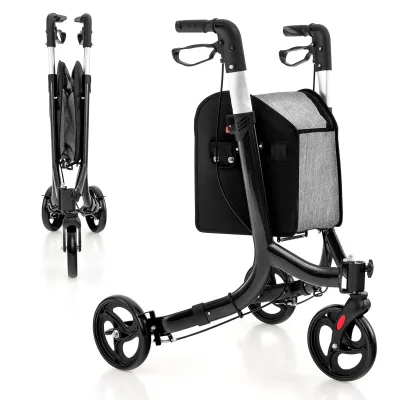
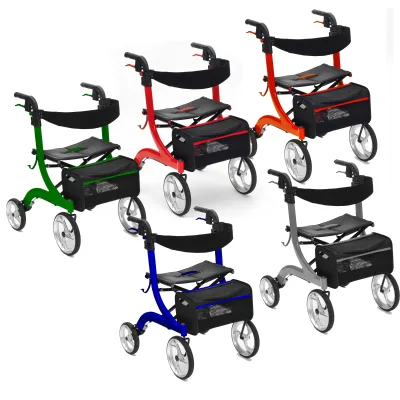
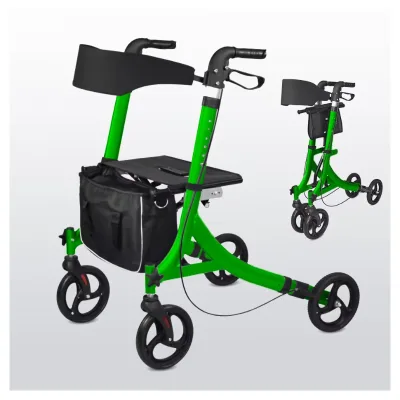
$63.00 - $83.00
MOQ: 1 Minimum
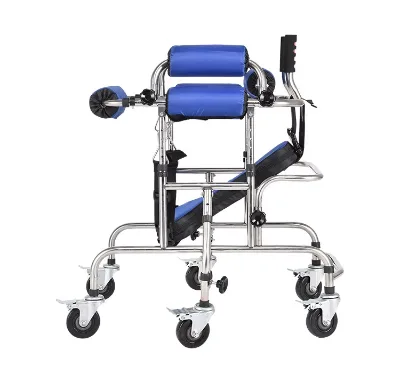
$65.887 - $99.4512
MOQ: 50 Minimum
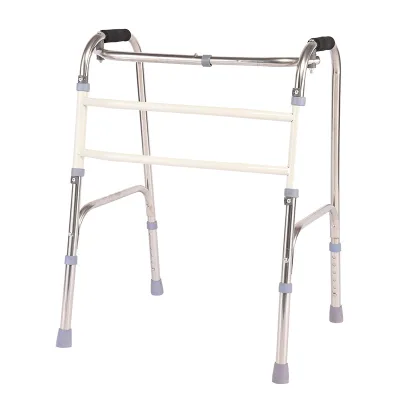
- Verified by TüVRheinland
- Manufacturer, Trading Company
- Lead time0 days
- Avg. response≤ 4h
Main productsRecliner Chair, Lift Chair
Main marketsNorth America(70%), Oceania(10%), Eastern Europe(5%)

Ningbo Finer Medical Instruments Co., Limited
- Trading Company,Manufacturer/Factory
- China Zhejiang
- Lead time23 days
- Avg. response≤ 15h
Main productsMedical Consumables, Medical Equipment, Hospital Furniture, Mobility Safety Aid, Daily Living Aid
Main marketsSouth America,Eastern Europe,Mid East,North America,Southeast Asia,Eastern Asia,Oceania,Western Europe,Africa

Benemed (Hongkong) Industry Co., Limited
- Verified by TUVRHEINLAND
- Trading Company,Manufacturer/Factory
- China Henan
- Lead time23 days
- Avg. response≤ 5h
Main productsHematology Analyzer, Ultrasound Scanner, Patient Monitor, Chemistry Analyzer, Electrolyte Analyzer, Urine Analyzer, ECG Machine, Pulse Oximeter, Ot Light, X-ray Film Viewer
Main marketsSouth America,Eastern Europe,Mid East,Southeast Asia,Eastern Asia,Western Europe,Africa
- Verified by TüVRheinland
- Trading Company
- Lead time45 days
- Avg. response≤ 3h
Main productsShower Chair, Commode Chair, Wheelchair, Walker Aid, Lift And Transfer Aids
Main marketsNorth America(34%), Southern Europe(10%), South America(8%)
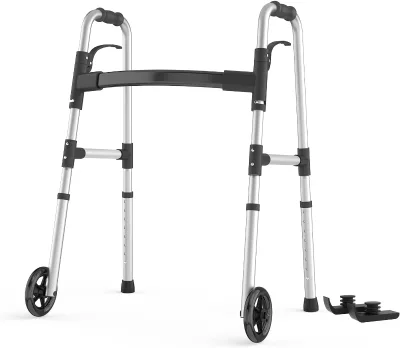
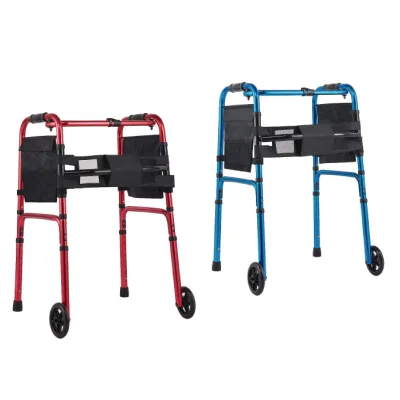
Medical Deluxe Portable Durable Foldable Walkers With Seat for Old or Disabled People
$12.1404 - $14.281
MOQ: 300 pieces

Suzhou Heins Medical Equipment Co., Ltd
- Verified by SGS
- Trading Company,Manufacturer/Factory
- China Jiangsu
- Lead time23 days
- Avg. response≤ 12h
Main productsMobility Scooter, Carbon Fiber Rollator, Foldable Elctric Wheelchair, Patient Lifter, Power Wheelchair, Electric Patient Hoist, Commode Chair, Shower Chair
Main marketsSouth America,Eastern Europe,Mid East,North America,Southeast Asia,Eastern Asia,Oceania,Western Europe,Africa


China Factory Wholesale Carbon Fiber Medical Mobility Walking Rollator Wheeled Lightweight Foldable
$150.00 - $160.00
MOQ: 10 Pieces

- Verified by TUVRHEINLAND
- Manufacturer/Factory
- China Shanghai
- Lead time23 days
- Avg. response≤ 18h
Main productsWheelchair, Electric Wheelchair, Commode Chair, Shower Chair, Crutch, Walking Stick, Mobility Scooter, Walker, Lift Chair, Cane
Main marketsSouth America,Eastern Europe,Mid East,North America,Southeast Asia,Eastern Asia,Oceania,Western Europe,Africa


Portable Lightweight Medical Rollator Walker with Detachable Wheels for Easy Transport
$29.90 - $31.90
MOQ: 250 Pieces


Xiamen Dorrella Health Technology Co., Ltd.
- Verified by TüVRheinland
- Trading Company
- Lead time15 days
- Avg. response≤ 3h
Main productsRehabilitation Orthotics, Rehabilitation Equipment, Sports Braces
Main marketsMid East(45%), Eastern Europe(25%), North America(15%)
Hebei Junlaole Medical Technology Co., Ltd.
- Verified by TüVRheinland
- Manufacturer, Trading Company
- Hebei, China
- Lead time0 days
- Avg. response≤ 1h
Main productsAnti-bedsore Air Mattress, Medical Electric Bed, Finger Trainer, Wheelchair, Medical Protective Equipment
Main marketsDomestic Market(100%)

Hebei Renjie Medical Technology Co., Ltd.
- Verified by SGS
- Trading Company,Manufacturer/Factory
- China Hebei
- Lead time15 days
- Avg. response≤ 5h
Main productsMedical Bed, Patient Bed, Wheelchair
Main marketsSouth America,Eastern Europe,Mid East,North America,Southeast Asia,Oceania,Western Europe,Africa
Hengshui New Century Medical Devices Co., Ltd.
- Manufacturer, Trading Company
- Hebei, China
- Lead time20 days
- Avg. response≤ 8h
Main productsmedical bed,Nursing bed,wheelchair,walking stick,potty chair
Main marketsNorthern Europe(80.00%), Southeast Asia(20.00%)
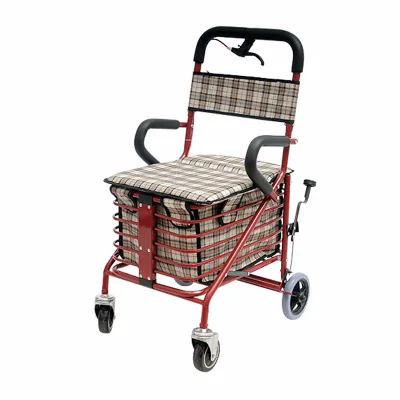
High Quality Folding Adjusting Lightweight Multi-function Walker Rollator
$22.5884 - $24.6421
MOQ: 1 Minimum
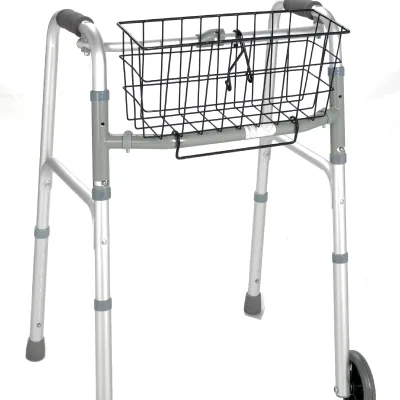

XIAMEN DORRELLA HEALTH TECHNOLOGY CO.,LTD
- Verified by SGS
- Trading Company,Manufacturer/Factory,Group Corporation
- China Fujian
- Lead time23 days
- Avg. response≤ 6h
Main productsOrthotic Brace, Ankle Brace, Arm Brace, Back Brace, Cervical Collar, Finger Splint, Hip Abduction Braces, Hand and Wrist Brace, Post-Op Shoes, Orthopedic Waiking Boot
Main marketsSouth America,Eastern Europe,Mid East,North America,Southeast Asia,Eastern Asia,Oceania,Western Europe,Africa

Lightweight Foldable Rollator Walker with Seat & Basket - Carbon Fiber Option Available
$207.00 - $258.00
MOQ: 1 Pieces

Lightweight Adjustable Rollator Walker - Foldable Mobility Aid with Seat & Basket
$182.00 - $227.00
MOQ: 1 Pieces

Light Weight Carbon Fiber Rollator Walker with Seat Foldable and Comes with Rollator Bag and Wheels
$207.00 - $258.00
MOQ: 1 Pieces
Hebei Manlu Medical Devices Co., Ltd.
- Manufacturer, Trading Company
- Hebei, China
- Lead time7 days
- Avg. response≤ 4h
Main productswheelchair,walking aids,rehabilitation therapy supplies
Main marketsDomestic Market(63.00%), Southeast Asia(20.00%), South Asia(10.00%), Eastern Asia(3.00%), Eastern Europe(2.00%), North America(1.00%), South America(1.00%)

Shandong ZS CARE International Trade Co., Ltd.
- Verified by CTI
- Trading Company
- China Shandong
- Lead time15 days
- Avg. response≤ 10h
Main productsWeelchair, Rollator Walker, Grab Bar, Shower Chair, Toilet Rail, Grab Rail, Walking Aids, Commode Chair, Shower Stool, Manual Wheelchair
Main marketsDomestic


Customized China Lightweight Rollator Walker with Seat for Elderly Disabled Medical Aid
$30.00 - $90.00
MOQ: 1 Pieces


Customized China Foldable Rollator Walker with Seat for Elderly Disabled Medical Aid
$30.00 - $90.00
MOQ: 1 Pieces
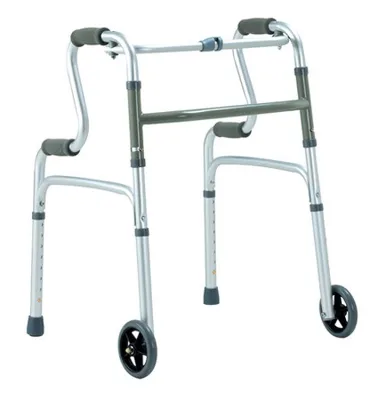
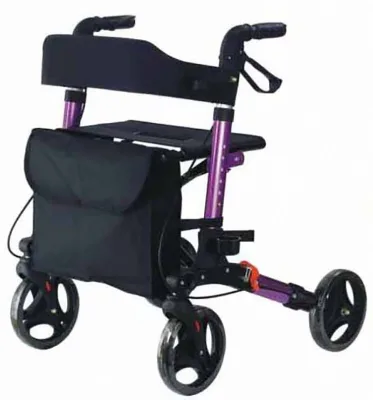


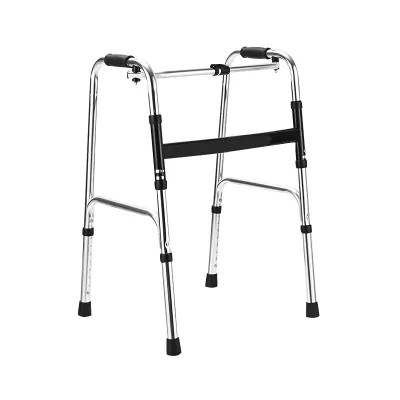
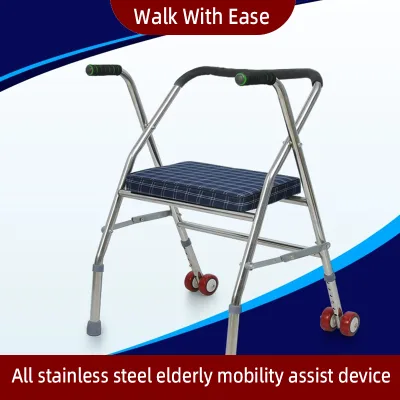
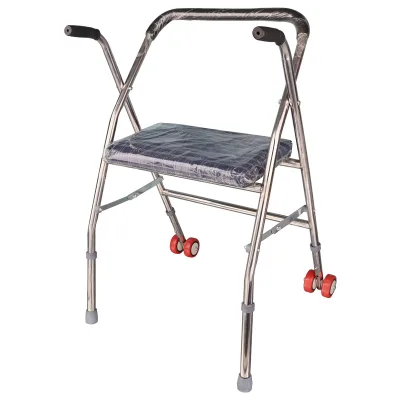


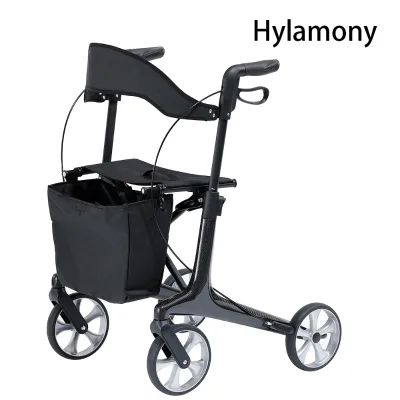
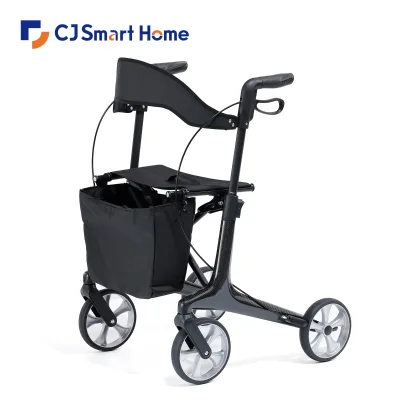


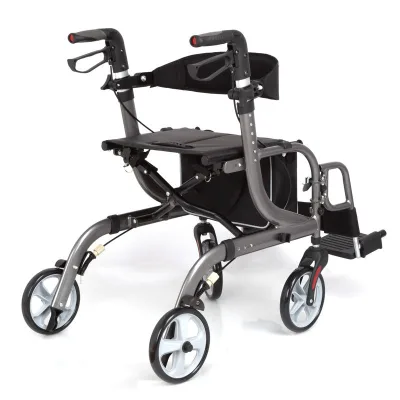
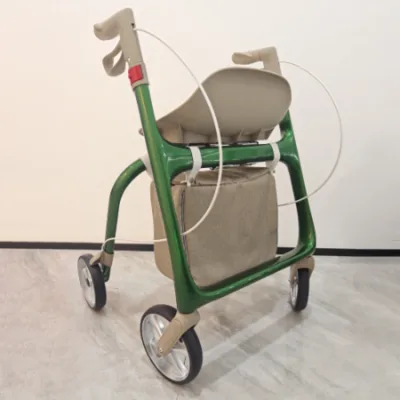
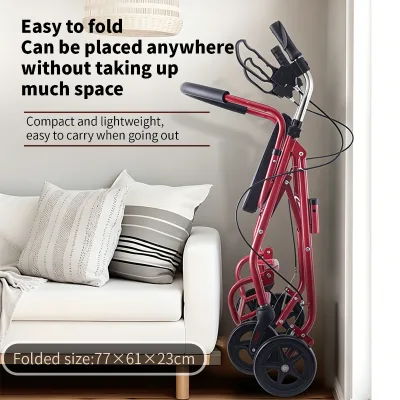
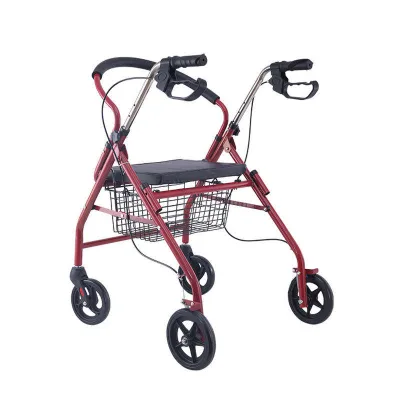


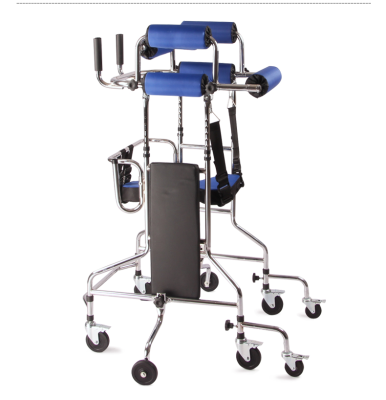
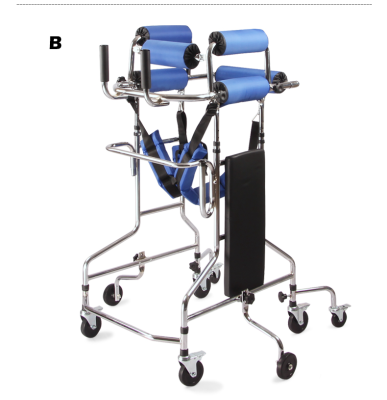
Comprehensive Sourcing Guide
Lightweight Folding Medical Walker Supplier Concentration and Factory Types
The current supplier landscape for lightweight folding medical walkers reveals a distinct geographic concentration within China, specifically highlighting manufacturing and trading hubs in Shanghai, Jiangsu, and Zhejiang provinces. These regions serve as critical nodes for the production of rehabilitation therapy supplies, including aluminum alloy walkers and rollators. Buyers observing these results will note that the primary locations are not randomly distributed but clustered in areas with established medical device infrastructure. This concentration suggests that sourcing from these specific provinces may offer logistical advantages due to mature supply chains for raw materials like aluminum and PVC wheels. The presence of suppliers in Shanghai, Jiangsu, and Zhejiang indicates a robust ecosystem where both manufacturing capabilities and trading operations coexist. This geographic clustering allows for efficient aggregation of components, such as steel H-frames and folding mechanisms, which are essential for producing durable yet lightweight mobility aids. Understanding this spatial distribution helps buyers narrow their search parameters to regions known for high-volume output and specialized medical equipment production.
Within these geographic clusters, the supplier types vary significantly, ranging from pure trading companies to integrated manufacturer-factory entities. Some suppliers identify primarily as trading companies, leveraging their location to facilitate exports and manage logistics for various product lines, including blood collection tubes and surgical sutures alongside walkers. Others operate as both manufacturers and trading companies, offering direct control over production processes while maintaining flexible sales channels. This distinction is crucial for buyers evaluating their specific needs for customization, quality control, and direct communication. Manufacturers often provide OEM and ODM services, allowing for brand-specific modifications to the walker design, such as custom logos or color schemes. Trading companies, on the other hand, may offer a broader portfolio of medical supplies, potentially simplifying procurement for buyers seeking multiple product categories from a single source. Recognizing the company type helps buyers anticipate the level of direct involvement they will have in the manufacturing process and the flexibility available for order modifications.
How to Verify Lightweight Folding Medical Walker Suppliers
Verification of suppliers is a critical step in ensuring the reliability and compliance of Lightweight Folding Medical Walker procurement. Buyers should prioritize suppliers who have undergone third-party verification processes, as indicated by badges such as TÜV Rheinland or SGS. These verifications provide an additional layer of confidence regarding the supplier’s business legitimacy and operational standards. For instance, some suppliers in the current results display TÜV Rheinland verification, signaling that their business operations have been assessed by a recognized international testing and certification body. Similarly, SGS verification indicates adherence to specific quality and safety standards. Buyers should actively look for these verification badges on supplier profiles to mitigate the risk of engaging with unverified entities. The presence of such verification is a strong indicator that the supplier has met certain baseline requirements for business integrity and operational transparency. It is important to note that verification status can change, so buyers should confirm the current status before finalizing any agreements.
Beyond basic business verification, assessing the specific certifications related to the product itself is essential for medical device procurement. Many suppliers offer walkers with CE and ISO certifications, which are critical for market access in various regions, particularly Europe and other international markets. Some suppliers explicitly list ISO 13485 certification, which is the international standard for quality management systems in the medical device industry. This certification indicates that the supplier has implemented a robust quality management system specifically tailored for medical devices, ensuring consistent quality and safety. Buyers should request documentation for these certifications to verify their validity and scope. Additionally, checking the instrument classification, such as Class I or Class III, helps buyers understand the regulatory requirements associated with the product. Suppliers providing detailed product attributes, including material composition and weight specifications, demonstrate a higher level of transparency and professionalism. This detailed information allows buyers to make informed decisions based on concrete evidence rather than assumptions.
What to Compare Across Lightweight Folding Medical Walker Suppliers
When evaluating multiple suppliers for lightweight folding medical walkers, buyers must compare key operational metrics to determine the best fit for their procurement strategy. One of the most significant factors is the minimum order quantity (MOQ), which varies widely across suppliers. Some suppliers offer an MOQ as low as one unit, catering to small-scale buyers or those testing the market, while others require orders of 300 units or more. This disparity allows buyers to align their order size with their inventory needs and financial capacity. Additionally, the price range for these products also differs, with some suppliers offering prices between $11.90 and $12.50 per unit, while others range from $13.00 to $30.00. Buyers should consider the total cost of ownership, including shipping and tariffs, when comparing these prices. The variation in pricing often reflects differences in material quality, certification levels, and customization options available. Understanding these price points helps buyers budget effectively and negotiate better terms based on volume commitments.
Response time and lead time are another critical set of metrics to compare across suppliers. The current results show response times ranging from approximately 4.82 to 6.08 hours, indicating varying levels of customer service efficiency. Faster response times can be crucial for resolving queries quickly and maintaining smooth communication throughout the procurement process. Lead times, such as the 15-day lead time observed in some results, provide an estimate of how long it will take to receive the goods after order confirmation. Buyers should also consider the supplier’s capacity for customization, such as OEM and ODM services, which can be vital for brand differentiation. Some suppliers offer customized logos and colors, while others provide non-customized standard products. Comparing these attributes allows buyers to select suppliers that not only meet their price and quantity requirements but also align with their brand identity and operational timelines. This comprehensive comparison ensures a balanced selection based on multiple critical factors.
Common Lightweight Folding Medical Walker Sourcing Risks
Sourcing lightweight folding medical walkers from international suppliers introduces several potential risks that buyers must proactively manage. One significant risk is the variability in product quality and specifications, which can lead to discrepancies between the ordered product and the delivered item. For example, while some suppliers list aluminum alloy as the material, others may use steel or different alloys, affecting the weight and durability of the walker. Buyers must carefully review product attributes, such as net weight, material composition, and wheel type, to ensure they match their requirements. The presence of different instrument classifications, such as Class I or Class III, also highlights the need for precise specification alignment. Misalignment in these details can result in regulatory compliance issues or product dissatisfaction. To mitigate this risk, buyers should request detailed product specifications and samples before placing large orders. This due diligence helps ensure that the final product meets the expected quality standards and functional requirements.
Another common risk is the reliability of supply chain logistics and delivery timelines. While some suppliers provide estimated lead times, external factors such as raw material shortages, production delays, or shipping disruptions can impact these estimates. Buyers should be aware that lead times are estimates and not guarantees. Additionally, the risk of communication barriers can arise when working with suppliers in different regions, potentially leading to misunderstandings regarding order details or customization requests. To address these risks, buyers should establish clear communication channels and confirm all order details in writing. Using escrow services or other secure payment methods can also protect buyers from financial loss in case of non-delivery or quality issues. Furthermore, buyers should verify the supplier’s ability to handle customs clearance and international shipping, as these processes can add complexity and cost to the procurement. By anticipating these risks and implementing mitigation strategies, buyers can enhance the reliability and success of their sourcing efforts.
Lightweight Folding Medical Walker Regional Sourcing and Logistics
The regional sourcing of lightweight folding medical walkers from China, particularly from Shanghai, Jiangsu, and Zhejiang, offers distinct logistical advantages and challenges. These provinces are well-connected to major ports and transportation networks, facilitating efficient export operations. Buyers sourcing from these regions can benefit from established logistics infrastructure, which helps in reducing transit times and ensuring timely delivery. However, the distance between these manufacturing hubs and international destinations can still result in significant shipping costs and lead times. Buyers should consider the total logistics cost, including freight, insurance, and customs duties, when evaluating suppliers from different locations. The proximity to ports in Shanghai and Ningbo, for instance, can offer more shipping options and potentially lower freight rates compared to suppliers located further inland. Understanding the logistical landscape helps buyers optimize their supply chain and manage inventory levels effectively.
In addition to transportation, buyers must navigate the regulatory requirements for importing medical devices into their target markets. Different countries have varying standards for medical equipment, including certification requirements for CE, ISO, or local regulatory approvals. Suppliers providing CE and ISO certifications can simplify the compliance process for buyers targeting European and other international markets. However, buyers are responsible for ensuring that the products they import meet their local regulatory standards. This may involve additional testing or documentation requirements. Buyers should work closely with their suppliers to obtain all necessary certificates and test reports. Furthermore, understanding the packaging specifications, such as carton dimensions and weight, is crucial for calculating shipping costs and storage requirements. Some suppliers provide detailed packing information, such as 4 pieces per carton with specific dimensions, which helps buyers plan their logistics more accurately. By addressing these regional and logistical factors, buyers can streamline their import process and ensure compliance with international trade regulations.
Lightweight Folding Medical Walker Commercial Terms and Order Planning
Effective order planning for lightweight folding medical walkers requires careful consideration of commercial terms, including pricing structures, payment methods, and after-sales support. The wide range of MOQs, from single units to hundreds of pieces, allows buyers to tailor their orders to their specific business needs. For buyers starting with small volumes, suppliers with low MOQs provide an opportunity to test the market and build a relationship without significant financial commitment. As demand grows, buyers can negotiate larger orders to benefit from economies of scale and potentially lower unit prices. It is also important to clarify the payment terms, such as whether the supplier accepts letters of credit, Western Union, or online payment platforms. Secure payment methods, including escrow services, can provide an additional layer of protection for buyers. Understanding these commercial terms helps buyers manage their cash flow and reduce financial risk throughout the procurement process.
Beyond initial purchase terms, buyers should also consider the supplier’s capacity for ongoing support and customization. Suppliers offering OEM and ODM services can provide valuable assistance in branding and product differentiation, which is essential for building a unique market presence. Buyers should inquire about the availability of custom logos, colors, and packaging options to align the product with their brand identity. Additionally, understanding the supplier’s warranty and return policies is crucial for managing potential quality issues. Some suppliers may offer guarantees on product durability or performance, which can provide peace of mind. Buyers should also evaluate the supplier’s responsiveness to post-sale inquiries, as this can impact the overall customer experience. By planning for these commercial aspects, buyers can establish a sustainable and profitable sourcing relationship. This strategic approach ensures that the procurement process supports long-term business goals and operational efficiency.
FAQs
What is the price range for lightweight folding medical walkers?
Prices typically range from $11.90 to $30.00 per unit depending on specifications and order volume. Some suppliers offer lower entry points with higher minimum order quantities, while others charge more for specialized features like adjustable heights or specific wheel types. Buyers should request quotes to confirm exact costs.
What certifications are available for these medical walkers?
Most suppliers provide products certified with CE and ISO standards, ensuring compliance with international medical device regulations. Some manufacturers also hold ISO 13485 certification for quality management systems. Buyers should verify specific certification documents with suppliers to ensure they meet local regulatory requirements for their target market.
What is the typical minimum order quantity for these walkers?
Minimum order quantities vary significantly, ranging from just one unit for sample orders to 300 units for bulk purchases. Some suppliers require a minimum of 50 units for standard production runs. Buyers seeking smaller quantities should look for suppliers offering low MOQs, while those needing volume should negotiate based on higher tiers.
Where are these medical walkers typically manufactured?
Manufacturing locations primarily include Shanghai, Jiangsu, and Zhejiang provinces in China. These regions are known for their robust medical device supply chains and manufacturing capabilities. Buyers can filter suppliers by these specific locations to align with logistics preferences or to prioritize suppliers from particular industrial hubs.
How quickly do suppliers typically respond to inquiries?
Response times generally range from 4.82 to 6.08 hours, indicating a relatively quick turnaround for initial communications. Faster response times often correlate with suppliers who have dedicated sales teams or higher verification levels. Buyers should expect prompt replies but should still confirm availability and pricing details directly with the supplier.
What materials are used in constructing these walkers?
Walkers are commonly constructed from aluminum alloy or steel, with aluminum being preferred for its lightweight properties. Some models feature PVC wheels and spray lacquer surfaces for durability and aesthetics. Buyers should specify material preferences to ensure the walker meets weight and strength requirements for their intended users.