Luxury Zodiac Inflatable Boat Suppliers and Manufacturers
Explore 25 verified suppliers offering luxury zodiac inflatable boats with customizable hulls, tube diameters, and engine options. Compare response times, lead times, and certifications like CE before requesting quotes for your specific vessel needs; review the available evidence before requesting comparable quotations from suitable candidates.
Updated
Suppliers List

Qingdao Lian Ya Boat Co., Ltd.
- Verified by TUVRHEINLAND
- Combined
- China Shandong
- Lead time30 days
- Avg. response≤ 23h
Main productsInflatable Boat, Rib Boat, Fiberglass Fishing Boat, Panga Boat, Rescue Boat, Banana Boat, Fishing Boat, Hypalon Boat, PVC Boat, Rubber Boat
Main marketsSouth America,Africa,Southeast Asia/ Mideast,East Asia(Japan/ South Korea),Domestic,Europe,Australia,North America

Qingdao Colton Yacht Co., Ltd.
- Trading Company
- China Shandong
- Lead time30 days
- Avg. response≤ 20h
Main productsAluminum Rib, Fiberglass Rib, Inflatable Boat, Fiberglass Boat, Aluminum Boat, Boat Accessories
Main marketsEurope,Australia,North America


Inflatable Rubber Pontoon Boat Rib580 Luxury Zodiac Fishing Boats with PVC or Hypalon Tube
$4500.00 - $5500.00
MOQ: 1 Pieces
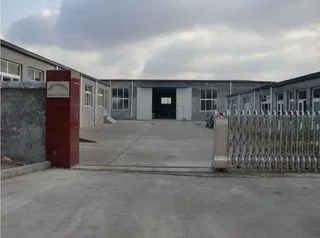
Qingdao Gather Yacht Co., Ltd.
- Manufacturer, Trading Company
- Shandong, China
- Lead time10 days
- Avg. response≤ 3h
Main productsFishing Boat,fiberglass boat,inflatable boat,BBQ donut boat,aluminum boat
Main marketsOceania(15.00%), Western Europe(15.00%), Mid East(10.00%), Southern Europe(10.00%), Southeast Asia(10.00%), Eastern Europe(10.00%), Northern Europe(8.00%), Central America(6.00%), Eastern Asia(5.00%), South Asia(4.00%), South America(3.00%), Domestic Market(2.00%), Africa(1.00%), North America(1.00%)
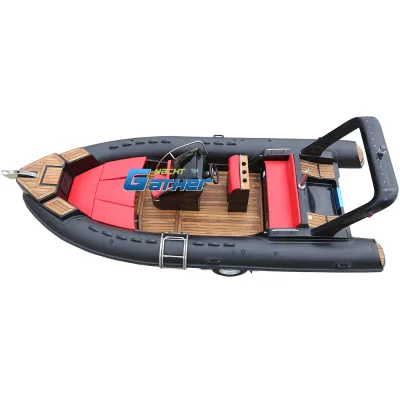
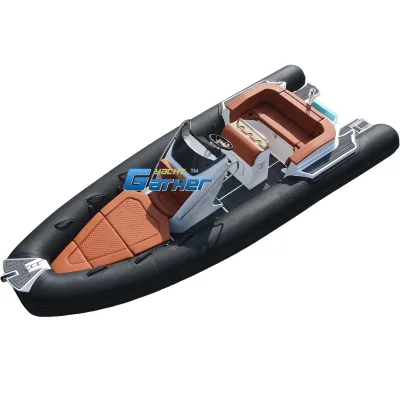
RIB580 D Luxury Zodiac Boats with CE in Hypalon or PVC
$7200.00 - $7950.00
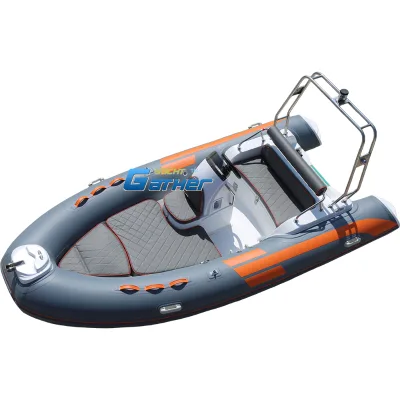
14ft 4.3m Other Fiberglass Inflatable Sport Luxury Boat RIB430C
$2900.00 - $3350.00
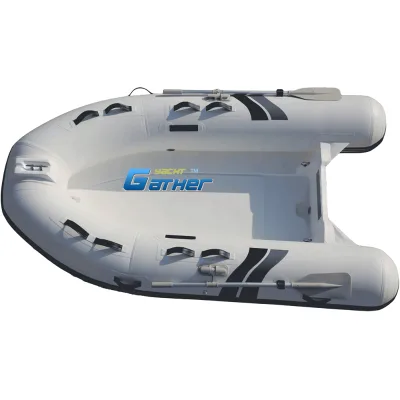
10ft 3.0m Small Inflatable Fishing Zodiac Boats for Sale China RIB300 a
$750.00 - $1200.00
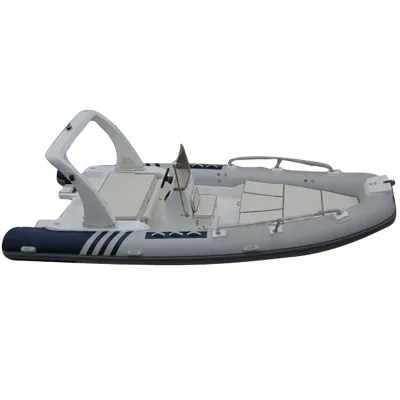
Gather 19.7ft Hot selling good reputation high quality Zodiac Boat Sale
$6655.3951 - $8191.2555
MOQ: 1 Minimum

Qingdao Mer Vista Marine Co., Ltd.
- Manufacturer, Trading Company
- Shandong, China
- Lead time7 days
- Avg. response≤ 7h
Main productsRIB boat,inflatable boat,fishing boat,boat,aluminum boat
Main marketsNorth America(30.00%), Central America(10.00%), Northern Europe(10.00%), South America(10.00%), South Asia(5.00%), Western Europe(5.00%), Southern Europe(5.00%), Mid East(5.00%), Oceania(5.00%), Eastern Europe(5.00%), Southeast Asia(3.00%), Eastern Asia(3.00%), Africa(3.00%), Domestic Market(1.00%)
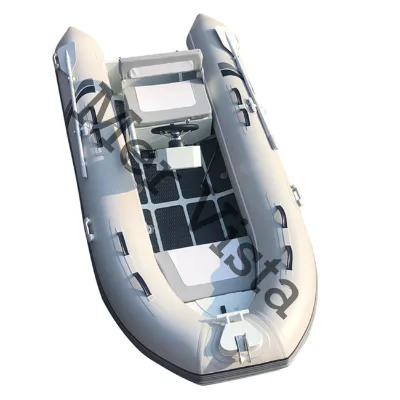
13ft Length Double Hull Zodiac Aluminum Console Inflatable Rib Boat
$1026.7101 - $1540.0651
MOQ: 1 boxes
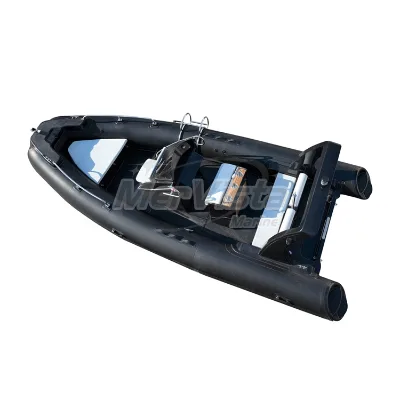
New Arrival Luxury Fiberglass Rib Boat Inflatable Rigid Center Console Boat Luxury Boat 580
$4620.1953 - $4928.2083
MOQ: 1 boxes
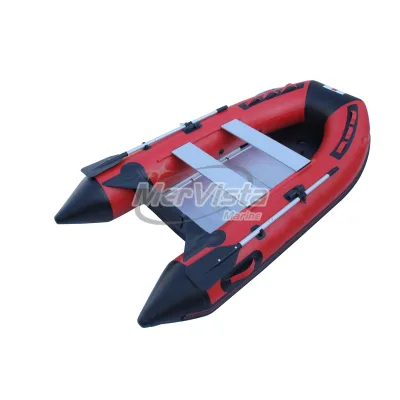
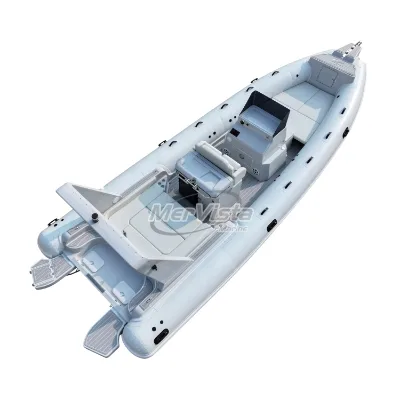
Best Water Leisure 8.6m Zodiac Boat Fiberglass Hull Inflatable Rib 28ft White Boat with Luxury Cabin
$15800.00 - $19800.00
MOQ: 1 boxes
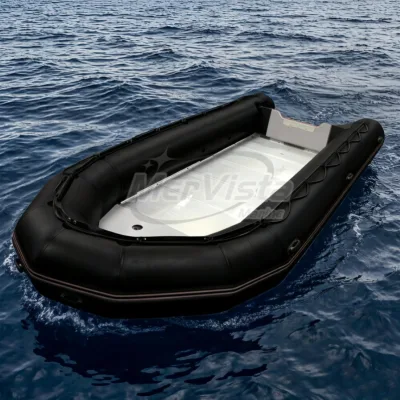
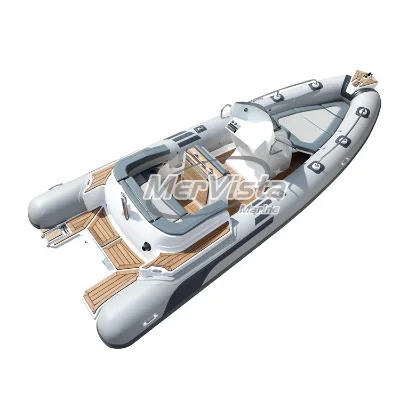
New Arrival 6 Meters Luxury Center Console Fiberglass Inflatable Boat 20 ft
$4600.00 - $4800.00
MOQ: 1 boxes
Qingdao Lanzhou Boat Co., Ltd.
- Trading Company
- Shandong, China
- Lead time40 days
- Avg. response≤ 3h
Main productsrib boat,boat fenders,inflatable boat,inflatable jet ski bumper,yokohama
Main marketsNorth America(50.00%), Eastern Europe(20.00%), Northern Europe(20.00%), South America(10.00%)
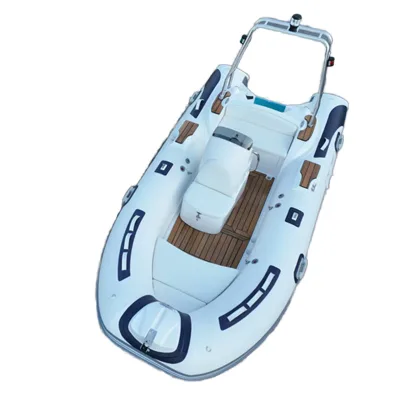
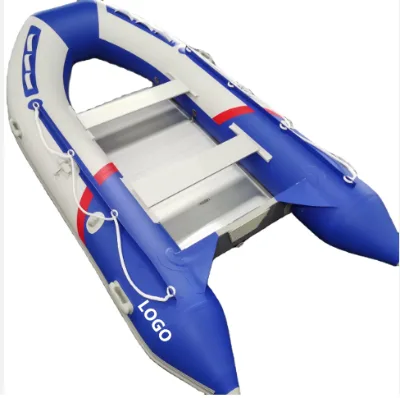
$600.00
- Manufacturer, Trading Company
- Shandong, China
- Lead time20 days
- Avg. response≤ 3h
Main productsInflatable Boat,Inflatable Jet Boat,Rafting Boat,Catamaran,Pillow Bladder Tank
Main marketsWestern Europe(73.00%), Africa(8.00%), South America(8.00%), Eastern Europe(5.00%), North America(4.00%), Southern Europe(1.00%), Northern Europe(1.00%)
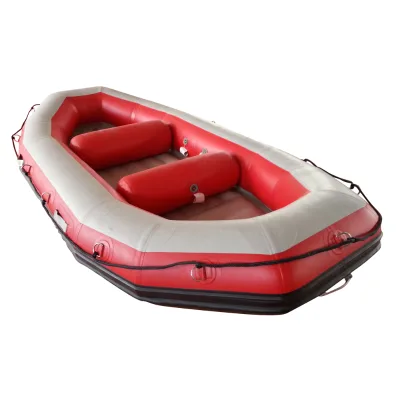
2024 Inflatable Boat Zodiac Inflatable Boat Fishing Inflatable Boats
$238.1971 - $287.4797
MOQ: 3 pieces
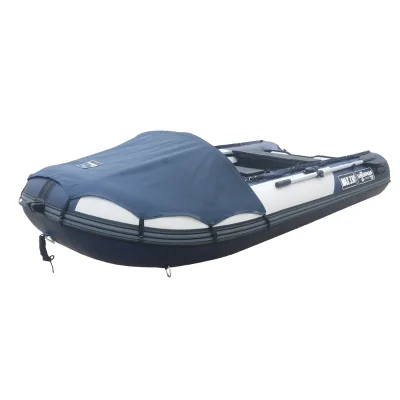
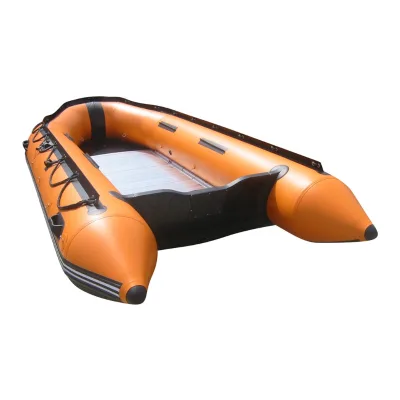
Inflatable Boat for Sale Tpu Coated Fabric Double Side 800 Inflatable Boat
$489.00 - $636.00
MOQ: 2 pieces
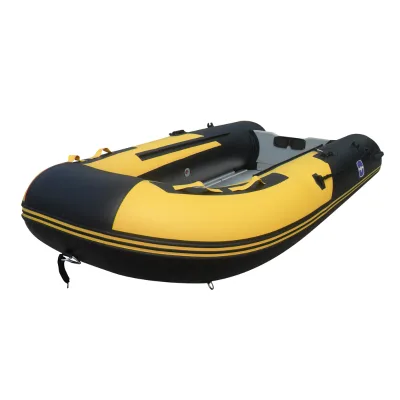
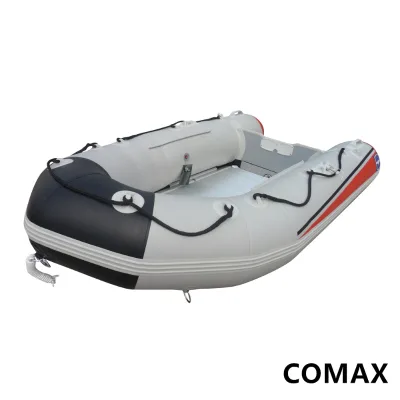
High-Quality Inflatable Pontoon Boat for Outdoor Adventures
$415.00 - $477.00
Qingdao Haoyang Yacht Co., Ltd.
- Manufacturer, Trading Company
- Shandong, China
- Lead time0 days
- Avg. response≤ 1h
Main productsRIB boat,inflatable boat,river raft,inflatable SUP board,air track
Main marketsDomestic Market(40.00%), North America(20.00%), Southern Europe(8.00%), Eastern Europe(7.00%), South Asia(6.00%), Western Europe(6.00%), Northern Europe(5.00%), South America(5.00%), Southeast Asia(3.00%)
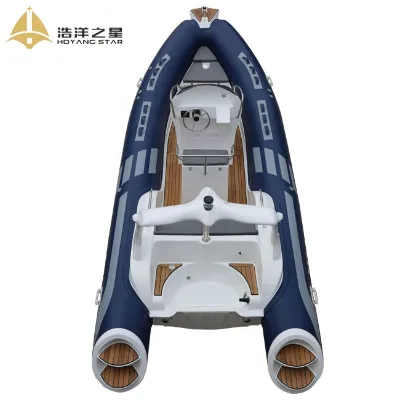
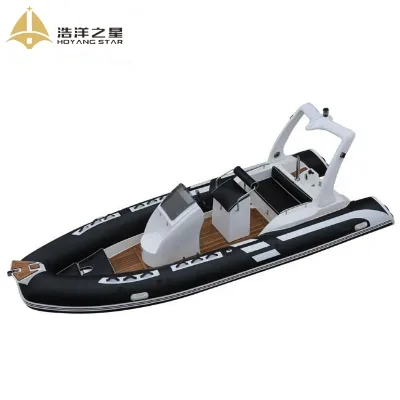
580cm Long Boat Jet Drive Zodiac Inflatable Boats for Sale
$7600.00 - $8000.00
Guangzhou Fun Leisure Sports Limited
- Manufacturer, Trading Company, Buying Office
- Guangdong, China
- Lead time25 days
- Avg. response≤ 7h
Main productsinflatable advertising,inflatable arch,inflatable air dancer,inflatable tent,inflatable movie screen
Main marketsNorth America(55.00%), Mid East(13.00%), Central America(10.00%), South America(6.00%), Southern Europe(5.00%), Northern Europe(5.00%), Eastern Europe(3.00%), Western Europe(3.00%)
$102.671 - $233.0645
MOQ: 1 pieces
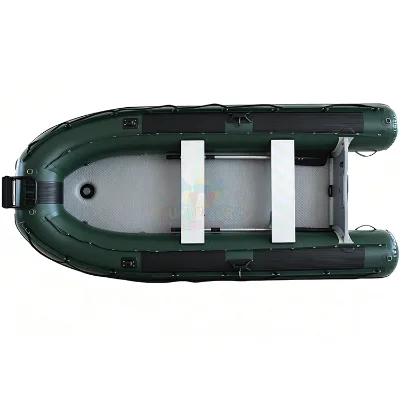
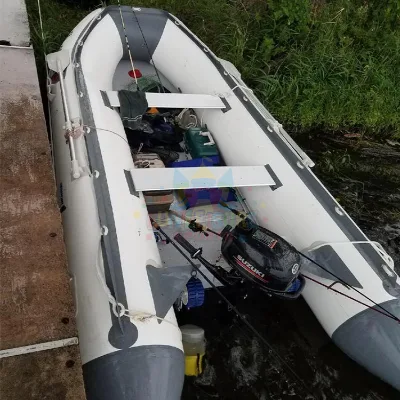
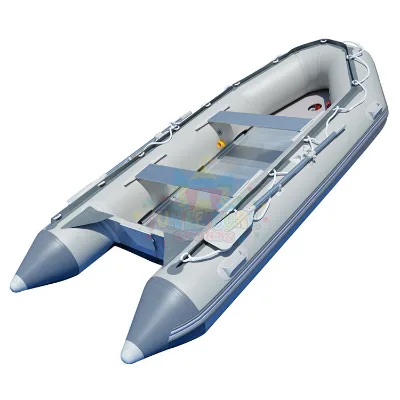
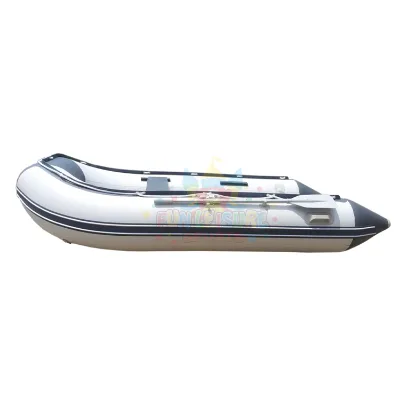
- Verified by TüVRheinland
- Manufacturer, Trading Company
- Lead time7 days
- Avg. response≤ 1h
Main productsInflatable Boat, Rib Boat, Hypalon Rib Boat, Rowing Boat, Fishing Inflatable Boat
Main marketsNorth America(30%), Eastern Europe(10%), Oceania(10%)
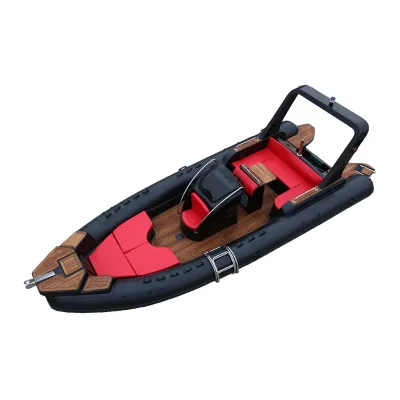
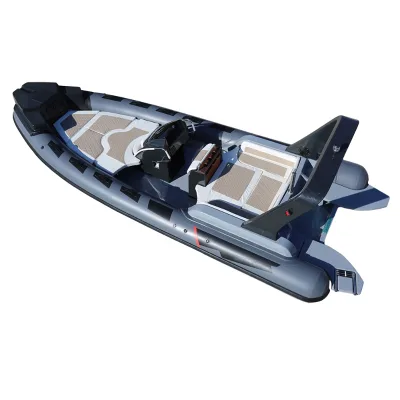
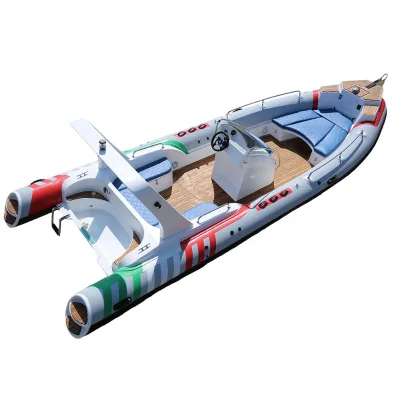
CE Certified 7.6m Fiberglass Luxury Yacht Inflatable Boat with Outboard Engine
$8999.00 - $12999.00
MOQ: 1 sets

WUYI HENGHAI TOOLS JOINT-STOCK CO., LTD.
- Verified by BV
- Manufacturer/Factory
- China Zhejiang
- Lead time45 days
- Avg. response≤ 8h
Main productsOutboard Motor, Inflatable Boat, Stand up Paddle Board, Brush Cutter, Earth Auger, Multi-Functional Garden Tool, Mini Tiller, Trolling Motor, Hedge Trimmer, Aluminum Boat
Main marketsSouth America,Eastern Europe,Mid East,North America,Southeast Asia,Eastern Asia,Oceania,Western Europe,Africa

Qingdao Mer Vista Marine Co., Ltd.
- Trading Company,Manufacturer/Factory
- China Shandong
- Lead time0 days
- Avg. response≤ 7h
Main productsInflatable Boat, Rib Boat, Sup Board, Rhib Boat, Kayak, Rowing Boat, Yacht, Fishing Boat, Rescue Boat, Military Boat

28FT Rigid Yacht Zodiac Fiberglass Hull Inflatable Boat in Ocean Waters
$13600.00 - $14500.00
MOQ: 1 Pieces

Hot Sale Luxury Rib960 Hypalon Rigid Fiberglass Hull Inflatable Speed Boat
$27000.00 - $34000.00
MOQ: 1 Pieces


Zodiac Boat Rigid Inflatable Yacht Luxury Rib Boat Fiberglass 6.6m 660 with CE
$4500.00 - $5600.00
MOQ: 1 Pieces


Ce Certificate Small Rigid Inflatable Fishing Boat Zodiac Boat for Sale
$1200.00 - $1846.00
MOQ: 1 Pieces

- Manufacturer
- China Shandong
- Lead time30 days
- Avg. response≤ 3h
Main productsRib Boat, Inflatable Boat, PVC Boat, Hypalon Boat, Fiberglass Boat, Sport Boat, Banana Boat, Rafting Boat, Aluminum Boat
Main marketsSoutheast Asia/ Mideast,Europe,Australia


Luxury Boat 12feet 3.6m Fiberglass Rib Boat Inflatable Boat Rescue Boat Fishing Boat
$900.00 - $1700.00
MOQ: 1 set


Weihai Blue Bay Outdoor Product Co., Ltd.
- Verified by TUVRHEINLAND
- Combined
- China Shandong
- Lead time15 days
- Avg. response≤ 19h
Main productsGymnastic Mat, Inflatable Air Track, Inflatable Sup
Main marketsEurope,North America


Inflatable Boat PVC Boat Fishing Boat Sport Boat Rescue Boat Motor Boat for Adult
$299.99 - $599.99
MOQ: 1 Pieces


- Trading Company
- Shandong, China
- Lead time7 days
- Avg. response≤ 4h
Main productsRIB boat,inflatable sup,inflatable air track,inflatable boat,aluminum boat
Main marketsNorth America(80.00%), Eastern Europe(12.00%), Northern Europe(3.00%), Western Europe(3.00%), Central America(2.00%)
Qingdao Bravo Sport Products Co., Ltd.
- Manufacturer, Trading Company
- Shandong, China
- Lead time0 days
- Avg. response≤ 11h
Main productsSUP board,Inflatable boat,rib boat,fishing boat,aluminum rib boat
Main marketsNorth America(30.00%), Central America(10.00%), Southern Europe(10.00%), Eastern Europe(10.00%), Northern Europe(10.00%), Africa(5.00%), Eastern Asia(5.00%), Southeast Asia(5.00%), South America(5.00%), Western Europe(4.00%), Oceania(3.00%), Domestic Market(1.00%), South Asia(1.00%), Mid East(1.00%)
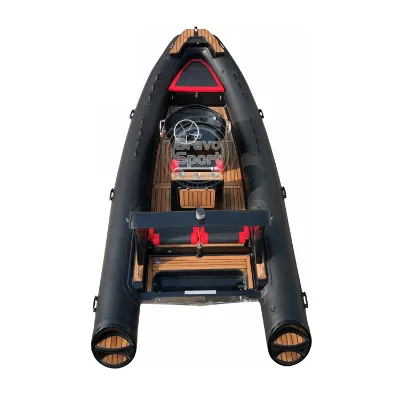
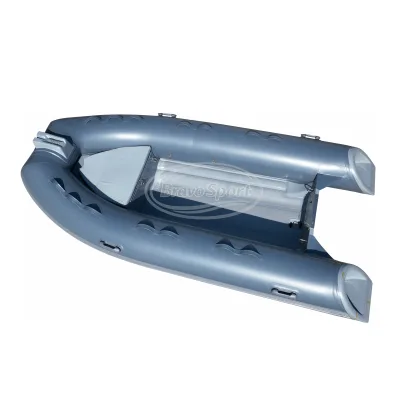
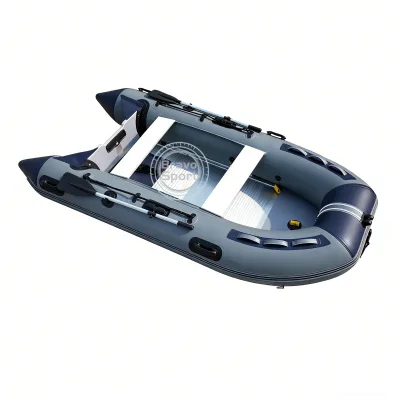
Economy 360cm PVC Inflatable Boat Great Value with CE Certification Perfect for Beginners
$390.00 - $482.00
MOQ: 1 boxes

Weihai Hi Wobang Yacht Co., Ltd.
- Verified by SGS
- Manufacturer/Factory
- China Shandong
- Lead time23 days
- Avg. response≤ 15h
Main productsInflatable Boat, Air Track, Inflatable Toy, Kayak, Surfboard, Sup, Air Bed, Inflatable Paddle Board, Inflatable Sup, Tent
Main marketsSouth America,Eastern Europe,Mid East,North America,Eastern Asia,Western Europe


Inflatable Boat, Fishing Inflatable Boat, Speed Inflatable Boat Price
$288.00 - $1800.00
MOQ: 3 Pieces


- Verified by SGS
- Combined
- China Shandong
- Lead time15 days
- Avg. response≤ 4h
Main productsRib Boat, Aluminum Rib Boat, Inflatable Boat, Fiberglass Rib Boat, Rigid Inflatable Boat, Fishing Boat
Main marketsSouth America,Europe,Australia,North America

Rib Boat 5 2021 New Design 500 Cm Rigid Fiberglass Hull Inflatable Zodiac Luxury Rib Boat 5
$3300.00 - $3660.00
MOQ: 1 Pieces

Rib Boats Professional 5.8m Inflatable with Rib Boats Professional CE for Sale!
$1299.00 - $1360.00
MOQ: 1 Pieces

- Trading Company,Manufacturer/Factory
- China Guangdong
- Lead time23 days
- Avg. response≤ 3h
Main productsBow Thrusters, Windlasses, Winches, Capstan, Lifeboat, Mooring Bollards, Centrifugal Pumps, Gangway Ladder, Accommodation Ladder, Panama Chocks
Main marketsSouth America,Eastern Europe,Mid East,North America,Southeast Asia,Eastern Asia,Oceania,Western Europe,Africa
- Verified by TüVRheinland
- Manufacturer, Trading Company
- Lead time15 days
- Avg. response≤ 1h
Main productsRib Boat, Aluminum Rib Boats, Rigid Hull Inflatable Boats, Fiberglass Rib Boats, Inflatable Boats
Main marketsNorth America(60%), South America(10%), Domestic Market(10%)
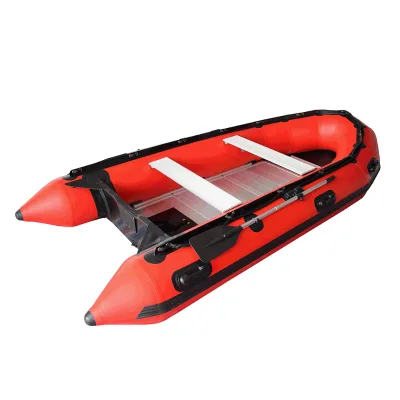
13ft 390 6 Person Zodiac Inflatable Boat for Sale
$2050.00 - $2200.00
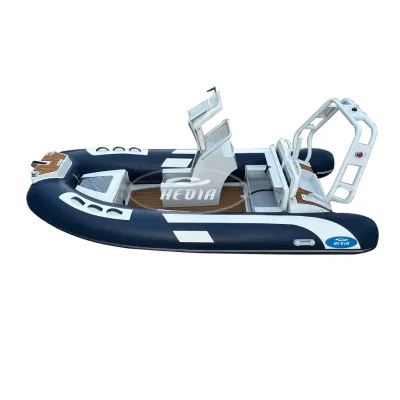
Hedia Rib Rubberboot 360 12ft Rigid Inflatable Boat 350 cm
$1520.00 - $1920.00

Qingdao Yoolwin Machinery Co., Ltd.
- Verified by SGS
- Trading Company,Manufacturer/Factory
- China Shandong
- Lead time45 days
- Avg. response≤ 4h
Main productsRib Boat, Inflatable Boat, Aluminum Rib Boat, Rhib Boat, Recreation Boat, Rigid Inflatable Boat, Gommoni, Fishing Boat, Yacht, Luxury Rib Boat
Main marketsSouth America,Eastern Europe,Mid East,North America,Southeast Asia,Eastern Asia,Oceania,Western Europe,Africa

Safe 430 Rubber PVC Rescue Classic Zodiac Inflatable Boat with Outboard Motor
$600.00 - $680.00
MOQ: 3 Pieces

Zodiac 430t Commecial Grade Pontoon Aluminum Floor Inflatable Boat for Rescue
$600.00 - $680.00
MOQ: 3 Pieces

WUXI FUNSOR MARINE EQUIPMENT CO., LTD.
- Verified by TUVRHEINLAND
- Manufacturer/Factory,Group Corporation
- China Shandong
- Lead time23 days
- Avg. response≤ 7h
Main productsInflatable Boat, Fiberglass Rib Boat, Aluminum Rib Boat, Stand-up Paddle Board, Inflatable Fishing Boat, Inflatable Drift Boat, Electric Trolling Motor, Gasoline Outboard Engine, Inflatable Boat Trailer
Main marketsSouth America,Eastern Europe,Mid East,North America,Southeast Asia,Eastern Asia,Oceania,Western Europe,Africa
Zhengzhou Great Amusement Rides Co., Ltd.
- Verified by Intertek
- Trading Company
- Lead time30 days
- Avg. response≤ 2h
Main productsLeisure Boat, Speed Boat, Fishing Boat, Houseboat, Passenger boat
Main marketsDomestic Market(50%), North America(15%), Southeast Asia(15%)
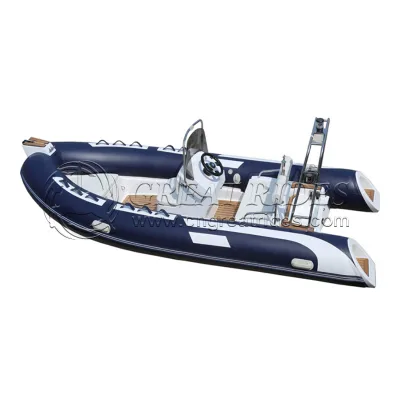
Popular 4.8m Luxury RIB Inflatable Boats 16 ft Cheap Racing Boat Hard Bottom Inflatable Fishing Boat
$4720.8142 - $4926.1562
MOQ: 1 sets
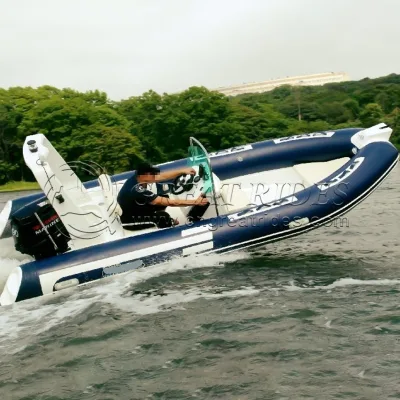
Summer 16ft Rigid Inflatable Boat CE Certificate Fishing Boats With Steering Console for Sale
$4720.8142 - $4926.1562
MOQ: 1 sets

Taizhou Hiriki Outdoor Products Co., Ltd.
- Manufacturer, Trading Company
- Jiangsu, China
- Lead time15 days
- Avg. response≤ 4h
Main productsKAYAK,PADDLE BOARD,LIFE JACKET,INFLATABLE BOAT
Main marketsEastern Europe(70.00%), Western Europe(10.00%), South America(10.00%), Southeast Asia(5.00%), Oceania(5.00%)

- Manufacturer
- Shandong, China
- Lead time0 days
- Avg. response≤ 3h
Main productsboat,rib boat,yacht,inflatable boat,dinghy
Main marketsEastern Europe(20.00%), Western Europe(20.00%), Domestic Market(17.00%), North America(10.00%), Southeast Asia(10.00%), Oceania(5.00%), Northern Europe(5.00%), Central America(5.00%), Southern Europe(2.00%), South Asia(2.00%), Eastern Asia(2.00%), South America(1.00%), Mid East(1.00%)
$6981.6285 - $7084.2995
MOQ: 1 pieces
Zhengzhou Buyee Trading Co., Ltd.
- Verified by TüVRheinland
- Trading Company
- Lead time30 days
- Avg. response≤ 2h
Main productsSpeed Boat With Cabin, Speed Boat, Passenger Boat, Park Boat, Yacht
Main marketsSouth America(20%), North America(15%), Southeast Asia(10%)
$4598.00 - $4898.00
MOQ: 1 units
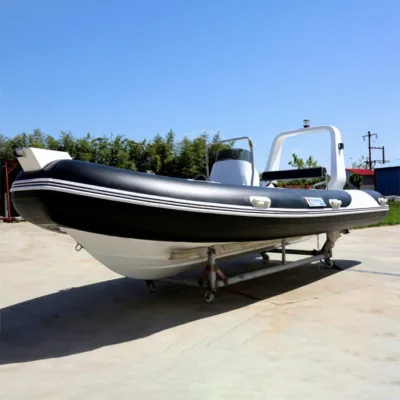


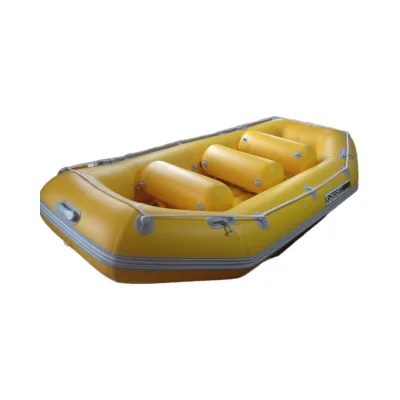
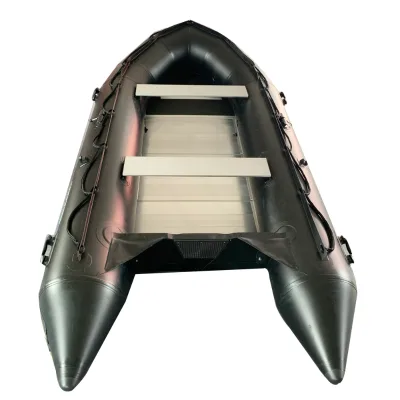
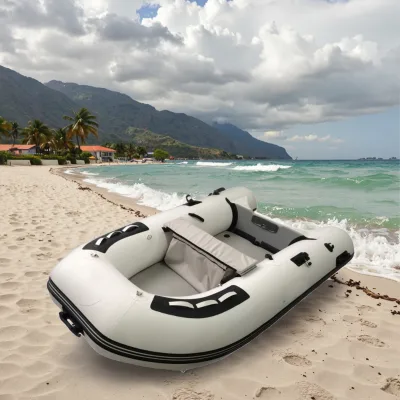


Comprehensive Sourcing Guide
Luxury Zodiac Inflatable Boat Supplier Concentration and Factory Types
The current supplier landscape for luxury zodiac inflatable boats reveals a distinct concentration in China, specifically within the Shandong province. This geographic clustering is significant for buyers because it indicates a mature industrial ecosystem where specialized manufacturing capabilities are concentrated. Suppliers in this region often operate as combined entities, meaning they may function as both manufacturers and trading companies. This dual nature can offer buyers a broader range of product options, from rigid inflatable boats (RIBs) to aluminum hull inflatables, while potentially streamlining communication. The presence of verified suppliers, such as those holding TÜV Rheinland verification, suggests a baseline level of operational legitimacy and adherence to certain quality management standards. However, the absence of specific system certifications like ISO in the provided data means buyers must look beyond basic verification badges to assess true manufacturing rigor. The concentration in Shandong also implies that logistics infrastructure is likely optimized for exporting large, bulky items like boats, which can influence shipping costs and delivery timelines. Buyers should recognize that while location is a strong indicator of supply chain maturity, it does not automatically guarantee superior product quality or competitive pricing without further due diligence. Understanding this geographic and structural context helps in narrowing down the search to suppliers who are not only physically close to production hubs but also structurally equipped to handle complex orders.
Within this concentrated market, the types of companies vary significantly, ranging from pure trading companies to combined firms with OEM and ODM capabilities. The data shows that many suppliers offer customization services, allowing buyers to tailor specifications such as hull material, tube diameter, and engine type. For instance, some suppliers provide fiberglass hulls with PVC or Hypalon tubes, catering to different performance and durability requirements. The ability to produce own brands indicates that some factories are ready to support private labeling, which is crucial for buyers looking to establish their own market presence. However, the distinction between a trading company and a manufacturer is critical for cost control and quality assurance. Trading companies may offer more flexibility in sourcing different components, but they add a margin to the final price. Combined companies might offer a middle ground, providing direct access to production lines while maintaining sales flexibility. Buyers should carefully evaluate the company type to ensure it aligns with their strategic goals, whether that is cost efficiency, brand building, or rapid prototyping. The availability of diverse main products, including fishing boats, rescue boats, and speed boats, suggests that these suppliers have versatile production lines capable of adapting to various market demands. This versatility can be an advantage for buyers seeking a single source for multiple boat types, but it also requires careful vetting to ensure that the specific luxury zodiac models meet the highest standards of craftsmanship and performance.
How to Verify Luxury Zodiac Inflatable Boat Suppliers
Verifying suppliers in the Luxury Zodiac Inflatable Boat sector requires a multi-layered approach that goes beyond simple profile reviews. One of the most critical steps is to check for third-party verification badges, such as TÜV Rheinland, which indicates that the supplier has undergone a rigorous assessment of their business operations. However, verification alone is not a guarantee of product quality or financial stability. Buyers should also look for specific product certifications, such as CE certificates, which are mentioned in several product listings. These certifications are essential for ensuring that the boats meet European safety and environmental standards, which is particularly important for luxury models intended for international markets. Additionally, buyers should request detailed documentation regarding the materials used, such as the type of PVC or Hypalon fabric, and verify the warranty terms provided for different components. For example, some suppliers offer a three-year guarantee for PVC tubes and a five-year guarantee for Hypalon tubes, which reflects confidence in their material sourcing and construction quality. It is also advisable to ask for proof of past exports or client references, especially for large orders, to assess the supplier’s reliability and track record. By combining these verification methods, buyers can build a more comprehensive picture of the supplier’s capabilities and reduce the risk of partnering with unreliable entities.
Another crucial aspect of verification is assessing the supplier’s responsiveness and communication efficiency. The data indicates that response times can vary, with some suppliers taking over 22 hours to reply to inquiries. In the fast-paced world of luxury boat sourcing, slow communication can lead to delays in decision-making and potential misunderstandings regarding specifications. Buyers should prioritize suppliers who demonstrate quick and professional responses, as this often correlates with better overall service quality. Furthermore, buyers should verify the supplier’s production capacity and lead times. While some suppliers list a lead time of 30 days, this can vary based on order volume and customization requirements. It is important to clarify whether this lead time includes production, quality control, and packaging, or if it excludes shipping. Buyers should also inquire about the supplier’s quality control processes, such as whether they have dedicated teams for inspecting hulls and tubes before shipment. Requesting video tours of the factory or recent production batches can provide valuable insights into the manufacturing environment and attention to detail. By focusing on these operational details, buyers can ensure that the supplier is not only verified on paper but also capable of delivering high-quality products on time. This thorough verification process helps mitigate risks and builds a foundation for a successful long-term partnership.
What to Compare Across Luxury Zodiac Inflatable Boat Suppliers
When evaluating multiple suppliers for luxury zodiac inflatable boats, buyers must compare a wide range of attributes to find the best fit for their needs. One of the primary factors is the product specifications, including hull material, tube diameter, and engine compatibility. For instance, some suppliers offer fiberglass hulls with a V-shape degree of 20, while others may provide aluminum hulls with different dimensions. Buyers should carefully review these technical details to ensure they align with their intended use, whether it is for sport fishing, racing, or leisure cruising. Additionally, the maximum passenger capacity and loading weight are critical considerations, especially for larger models. The data shows that some boats can accommodate up to 20 persons, while others are designed for smaller groups. Comparing these specifications across suppliers helps buyers identify the most suitable models for their target market. It is also important to compare the customization options available, such as color choices, interior layouts, and accessory packages. Suppliers that offer flexible customization can provide a more tailored solution, but buyers should also consider the potential impact on lead times and costs. By systematically comparing these product attributes, buyers can make informed decisions that balance performance, aesthetics, and functionality.
Beyond product specifications, buyers should compare commercial terms such as pricing, minimum order quantities (MOQ), and lead times. The data indicates that prices can vary significantly, ranging from a few thousand dollars for smaller models to over $45,000 for larger, luxury versions. Buyers should request detailed quotes that break down costs for the boat, accessories, and shipping to avoid hidden fees. MOQs are another critical factor, with some suppliers requiring a minimum order of one unit, which is ideal for small businesses or individual buyers. However, larger orders may qualify for volume discounts, so buyers should negotiate based on their projected sales volume. Lead times also vary, with some suppliers offering a standard 30-day production period. Buyers should clarify whether this timeline is realistic for their specific order and if expedited options are available. Additionally, comparing response times can provide insights into the supplier’s customer service quality. Suppliers with faster response times are often more reliable and easier to work with. By comparing these commercial terms alongside product details, buyers can identify suppliers that offer the best value and service level. This comprehensive comparison ensures that buyers select partners who can meet their operational and financial requirements effectively.
Common Luxury Zodiac Inflatable Boat Sourcing Risks
Sourcing luxury zodiac inflatable boats from international suppliers involves several inherent risks that buyers must proactively manage. One of the most significant risks is quality inconsistency, particularly when dealing with combined suppliers or trading companies that may not have direct control over the manufacturing process. Without rigorous quality control measures, there is a risk of receiving boats with defects in the hull, tubes, or fittings. Buyers should mitigate this risk by requesting detailed quality assurance protocols and insisting on pre-shipment inspections. Another common risk is miscommunication regarding specifications, which can lead to receiving products that do not meet the buyer’s expectations. This is especially prevalent when customization is involved, as small details like tube diameter or engine shaft length can have a major impact on performance. To avoid this, buyers should provide clear, written specifications and confirm them with the supplier before production begins. Additionally, language barriers and cultural differences can sometimes lead to misunderstandings, so using precise technical language and visual aids can help ensure clarity. By addressing these communication and quality risks early in the process, buyers can reduce the likelihood of costly errors and delays.
Logistical and financial risks are also prevalent in the inflatable boat sourcing process. Due to the large size and weight of the boats, shipping costs can be substantial and unpredictable. Buyers should carefully review Incoterms and ensure that the quoted price includes all necessary logistics charges, such as freight, insurance, and customs duties. Delays in shipping can also disrupt supply chains, so buyers should maintain open communication with the supplier regarding production and shipping schedules. Another financial risk is currency fluctuation, which can affect the final cost of the order. Buyers should consider using fixed-price contracts or hedging strategies to mitigate this risk. Additionally, there is a risk of non-delivery or fraud, although this is less common with verified suppliers. To further protect themselves, buyers should use secure payment methods, such as escrow services, which hold funds until the goods are received and inspected. By understanding and planning for these logistical and financial risks, buyers can safeguard their investments and ensure a smoother sourcing experience. Proactive risk management is essential for maintaining profitability and reputation in the competitive luxury boat market.
Luxury Zodiac Inflatable Boat Regional Sourcing and Logistics
Regional sourcing plays a crucial role in determining the overall cost and efficiency of acquiring luxury zodiac inflatable boats. The concentration of suppliers in China, particularly in Shandong, offers significant advantages in terms of production capacity and supply chain maturity. This region is well-equipped to handle the complex manufacturing processes required for high-quality inflatable boats, from fiberglass molding to tube fabrication. Buyers can benefit from the local ecosystem of component suppliers, which often leads to faster production cycles and lower material costs. However, the geographic location also impacts logistics, as shipping large boats from China to international markets involves specific challenges. Buyers should consider the proximity of ports and the availability of specialized shipping containers or roll-on/roll-off services for oversized cargo. Understanding the regional logistics infrastructure helps buyers estimate transit times and associated costs more accurately. Additionally, buyers should be aware of any regional trade policies or tariffs that may affect the import of boats from China. By leveraging the strengths of this regional cluster, buyers can access a wide range of high-quality products while managing logistical complexities effectively.
Logistics planning is a critical component of sourcing inflatable boats, given their bulky nature and sensitivity to damage during transit. Buyers should work closely with their suppliers to determine the most efficient packing methods, such as using export-standard containers or specialized packaging to protect the hull and tubes. The data indicates that some suppliers use container or LCL (Less than Container Load) shipping, which can impact cost and delivery time. Buyers should evaluate whether full container loads are more cost-effective for larger orders or if LCL is suitable for smaller quantities. Additionally, buyers should consider the insurance coverage for the shipment, as inflatable boats are valuable and prone to damage. Working with experienced freight forwarders who specialize in oversized cargo can help ensure that the boats arrive in perfect condition. Buyers should also plan for customs clearance, ensuring that all necessary documentation, such as certificates of origin and compliance certificates, is prepared in advance. By integrating regional sourcing insights with robust logistics planning, buyers can streamline the supply chain and minimize disruptions. This
FAQs
What is the lead time for luxury inflatable boats?
The standard lead time for these luxury inflatable boats is 30 days from order confirmation. This duration allows for proper manufacturing and quality checks. Buyers should confirm specific timelines with the supplier before placing an order to ensure timely delivery.
What is the minimum order quantity for these boats?
The minimum order quantity for these luxury inflatable boats is one unit. This low threshold allows buyers to test the market or purchase a single vessel for personal or commercial use without needing to commit to large bulk orders immediately.
Where are these luxury inflatable boats manufactured?
These luxury inflatable boats are manufactured in China, specifically in the Shandong region. Some products also list Qingdao as the origin point. Buyers should verify the exact shipping port with the supplier to understand logistics and potential import duties.
What certifications do these boats hold?
Many of these luxury inflatable boats carry CE certification for compliance with European safety standards. The supplier itself holds TUVRHEINLAND verification. Buyers should request specific certification documents for each model to ensure they meet local regulatory requirements before purchase.
What is the response time for supplier inquiries?
The average response time for these suppliers is approximately 20 hours. This ensures that buyers receive timely answers regarding product specifications, pricing, and shipping details. Faster communication helps streamline the sourcing process and reduces delays in finalizing orders.
What warranty is provided for the boat materials?
Warranty coverage depends on the material used, with PVC offering a three-year guarantee and Hypalon providing five years. Accessories typically come with a one-year guarantee. Buyers should confirm the specific material warranty terms for their selected boat model before finalizing payment.
What customization options are available for these boats?
Customization is available for these luxury inflatable boats, allowing for specific design and branding adjustments. Buyers can request changes to colors, hull materials, or engine types. The supplier supports OEM and ODM services to meet unique commercial or personal requirements.